Games for Seven Year Olds
Unlock a world of fun and learning with our exciting selection of games for seven-year-olds. Designed to captivate young minds, these games offer a perfect blend of entertainment and education, encouraging creativity, critical thinking, and teamwork. Whether it's sparking a child's imagination or enhancing their problem-solving skills, our diverse range of games promises hours of engaging play. Explore options that cater to various interests, from adventurous quests to strategic challenges, ensuring every child finds something they love. Dive into a universe where playtime meets discovery and watch as your little one's curiosity and joy flourish.
Sort
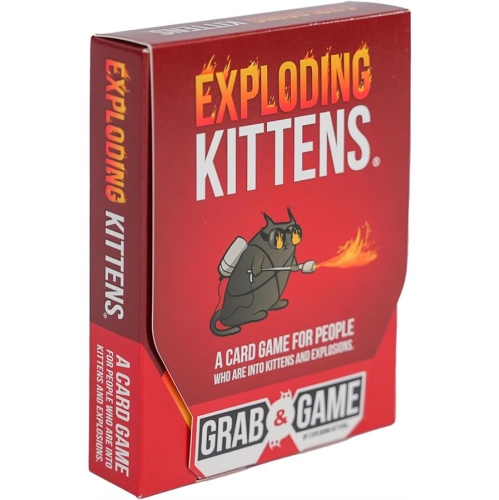
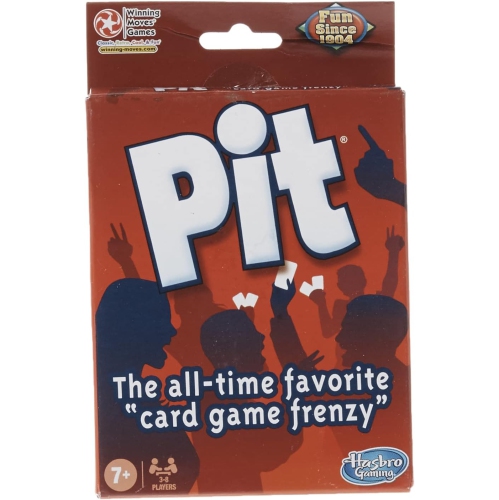
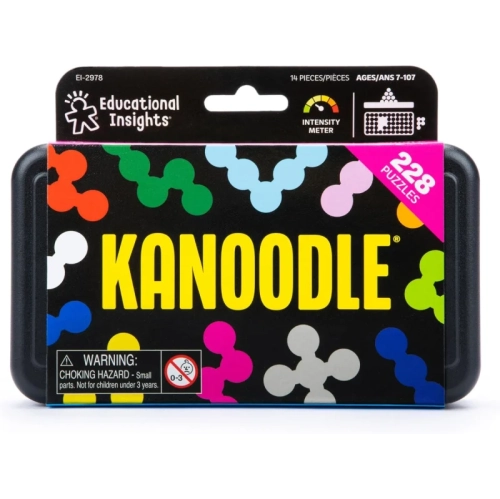
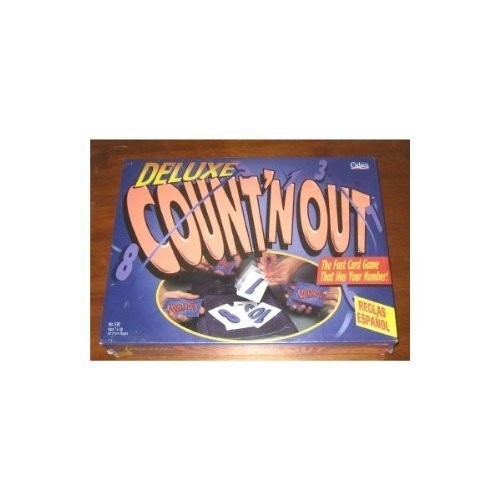

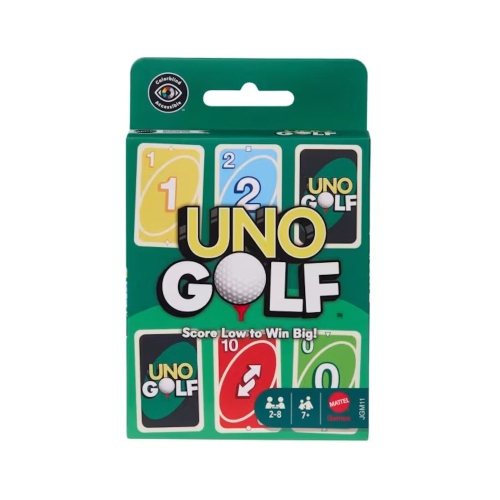


![NINTENDO Kirby: Triple Deluxe [ 3Ds] Kirby is the best](https://multimedia.bbycastatic.ca/multimedia/products/500x500/148/14828/14828170.jpeg)
![OUTRIGHT GAMES Pj Masks Power Heroes - Mighty Alliance [Xbox One / Xbox Series X]](https://multimedia.bbycastatic.ca/multimedia/products/500x500/197/19780/19780238.jpeg)
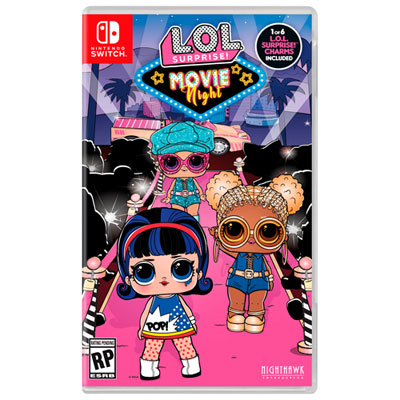
![OUTRIGHT GAMING Nick Jr Party Adventure [Xbox One / Xbox Series X] A great way to teach a child how to play a videotape game](https://multimedia.bbycastatic.ca/multimedia/products/500x500/197/19780/19780156.jpeg)
![NINTENDO Mario & Sonic At The Olympic Games: Tokyo 2020 [ Switch] Olympics at its best](https://multimedia.bbycastatic.ca/multimedia/products/500x500/148/14828/14828293.jpeg)
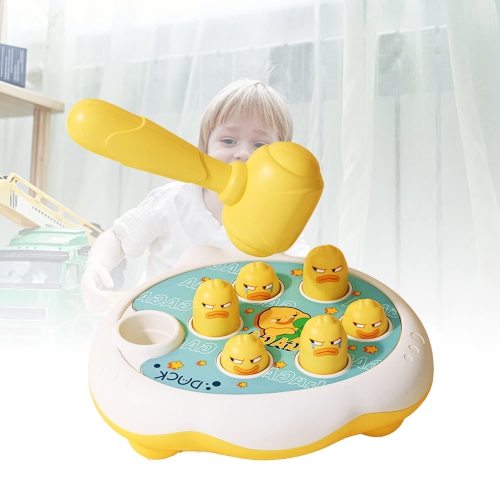
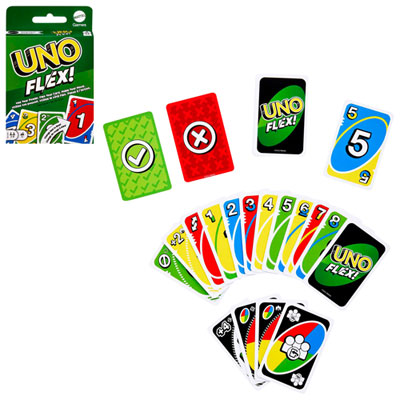
![OUTRIGHT GAMES Peppa Pig: World Adventures [Xbox One / Series X]](https://multimedia.bbycastatic.ca/multimedia/products/500x500/194/19477/19477186.jpeg)
![OUTRIGHT GAMES Peppa Pig: World Adventures [Playstation 4]](https://multimedia.bbycastatic.ca/multimedia/products/500x500/193/19384/19384039.jpeg)
![HASBRO Pictureka Classic [Board Game 2 - 7 Players]](https://multimedia.bbycastatic.ca/multimedia/products/500x500/193/19383/19383511.jpeg)
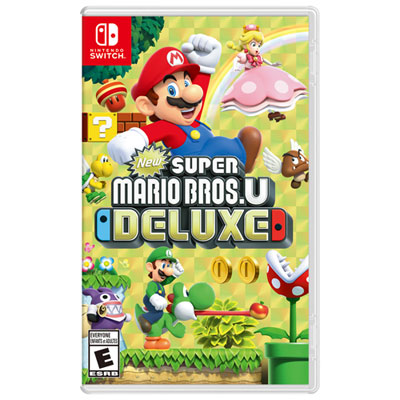
![NINTENDO Super Mario 3D Land [ 3Ds] Great Mario adventure](https://multimedia.bbycastatic.ca/multimedia/products/500x500/152/15268/15268027.jpg)
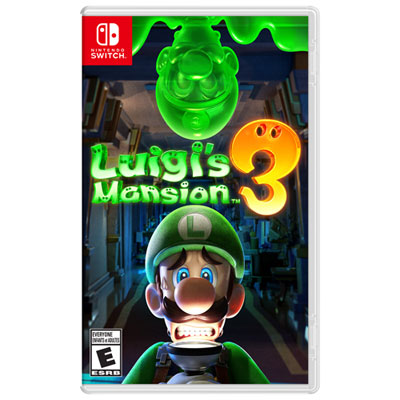
![MCMILLER GAMES Fire In The Hole - The Plunderin' Pirate Game [2-4 Players]](https://multimedia.bbycastatic.ca/multimedia/products/500x500/201/20129/20129838.png)
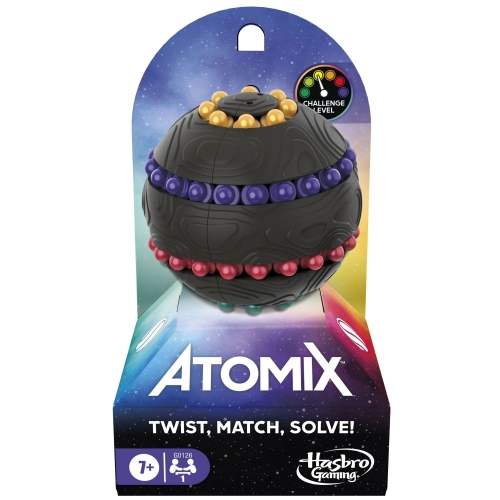
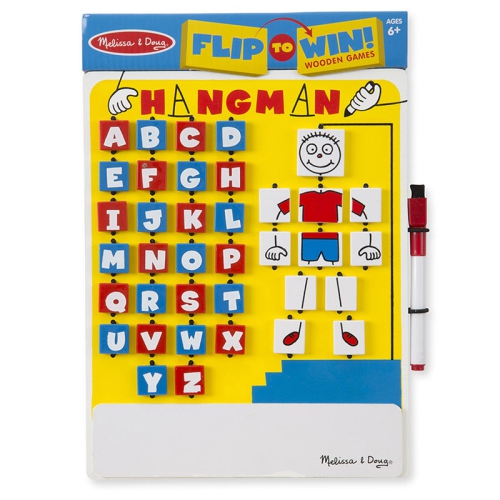
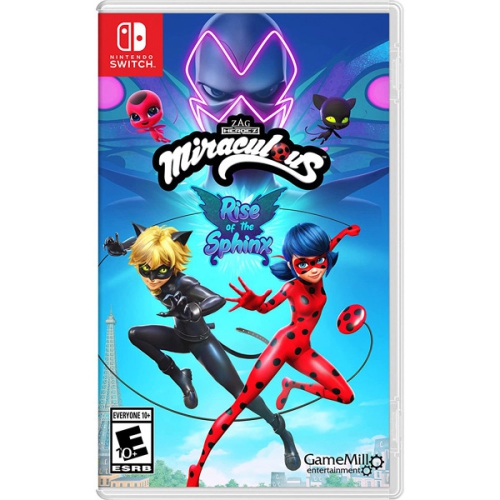
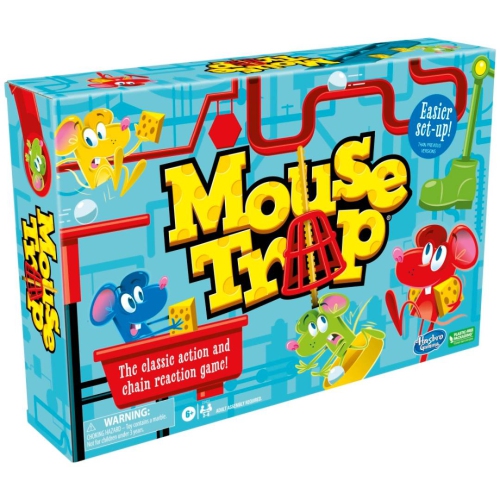
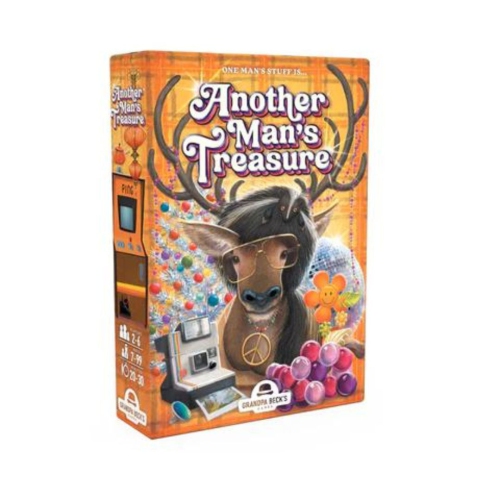
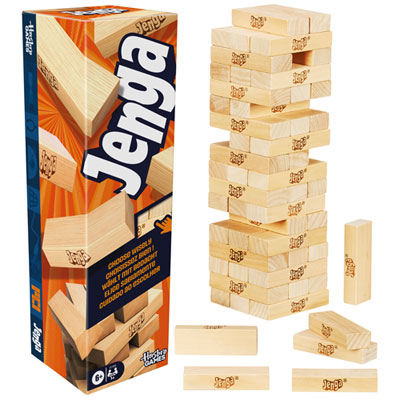
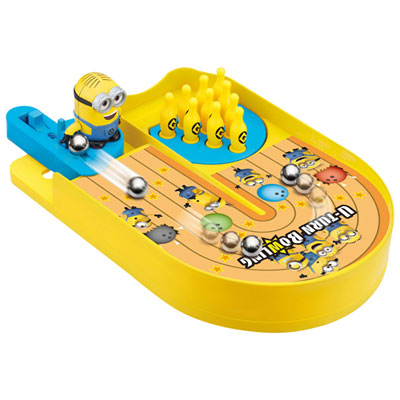
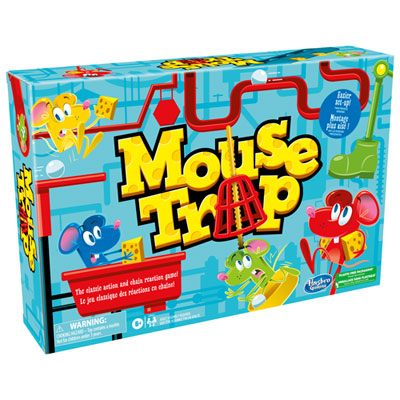
![WARNER BROS Lego Harry Potter Collection [Nintendo Switch] Great lego game](https://multimedia.bbycastatic.ca/multimedia/products/500x500/148/14828/14828231.jpeg)
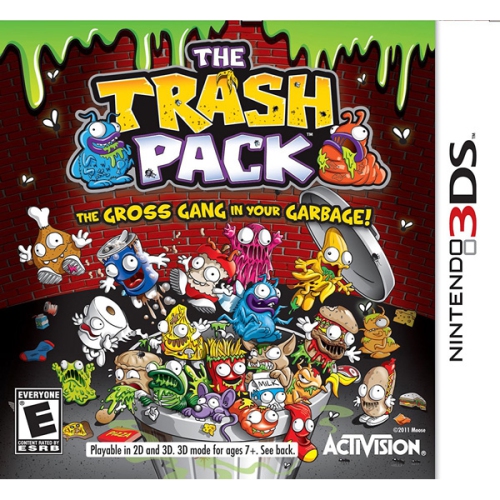
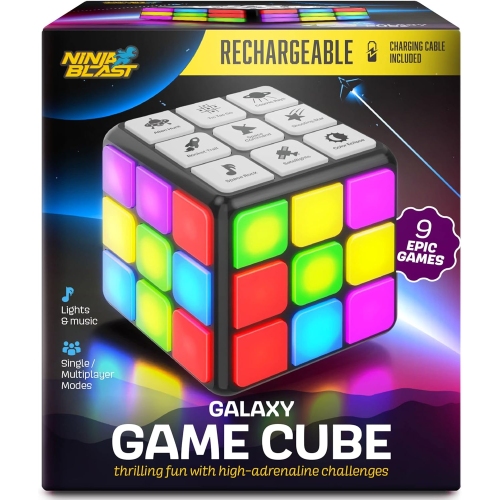
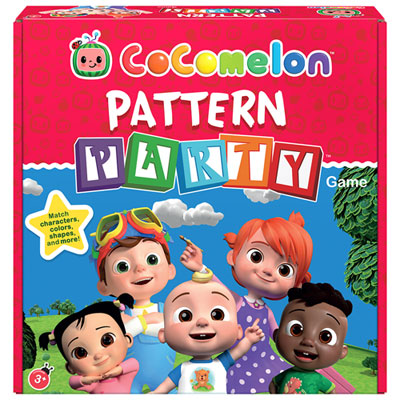
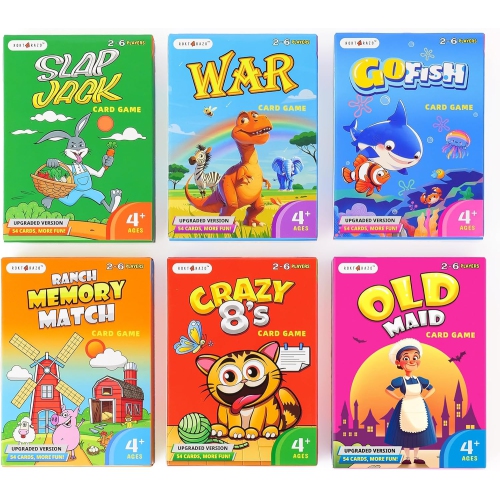
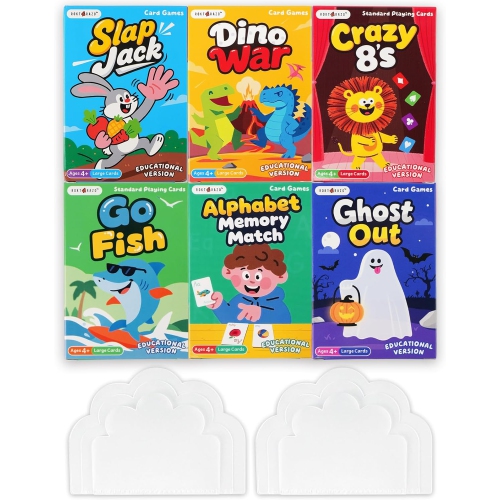
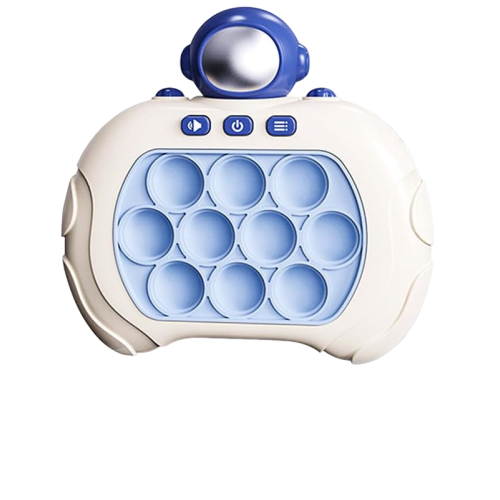
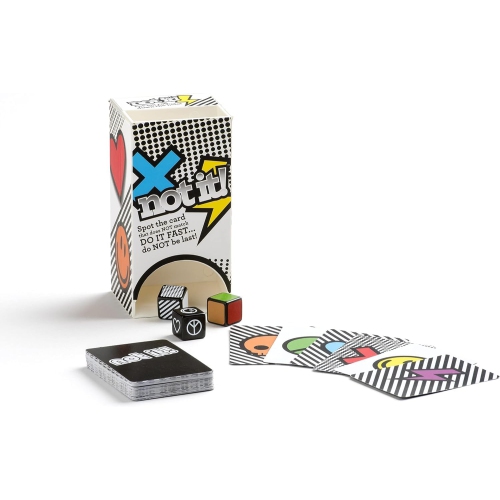
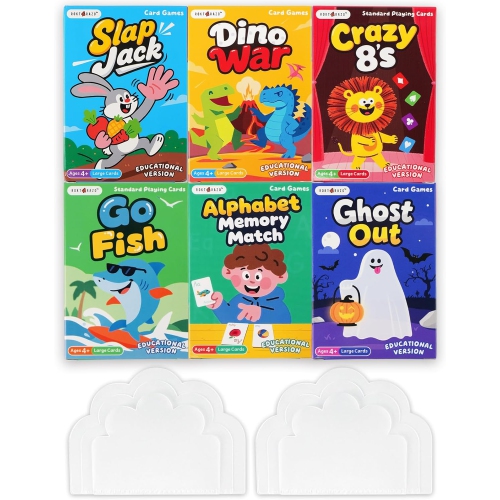
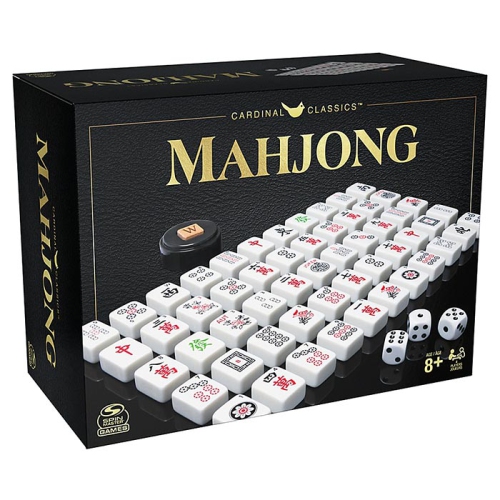
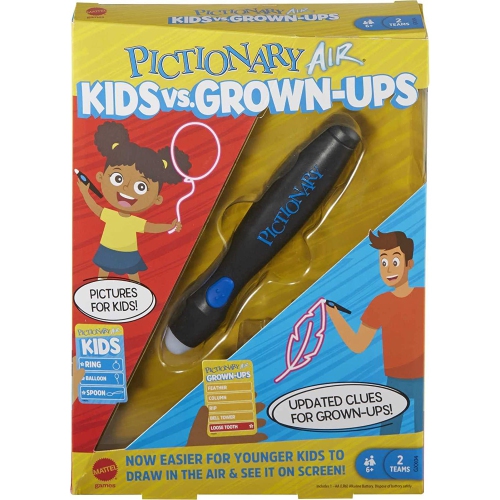
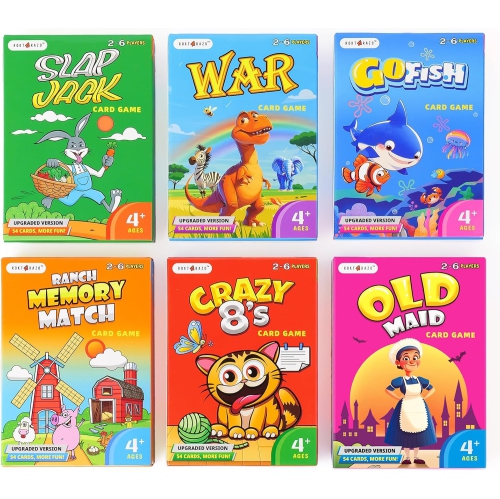
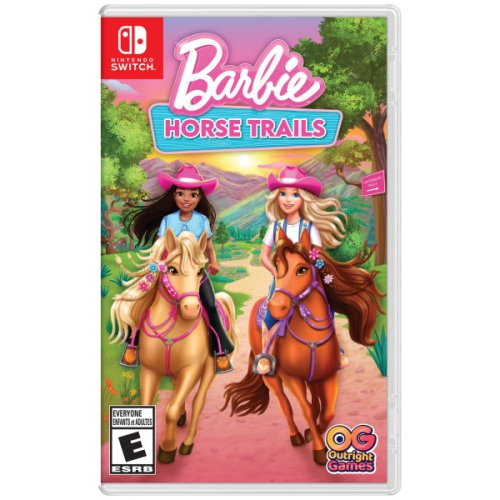
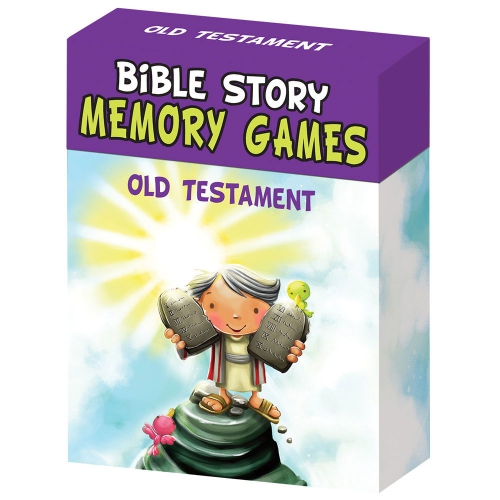
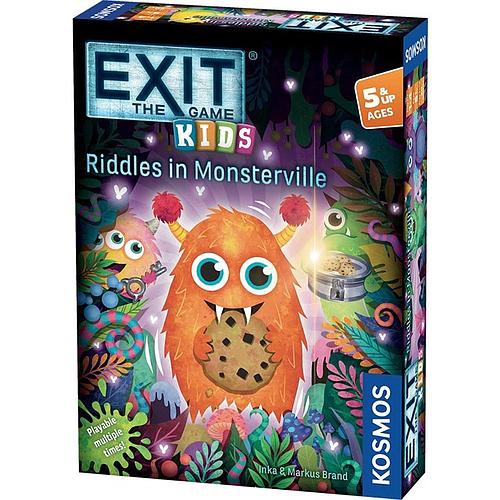
![ASMODEE Dixit Kids [Board Game, 3-6 Players]](https://multimedia.bbycastatic.ca/multimedia/products/500x500/199/19968/19968519.jpeg)
![SEGA Sonic & All-Stars Racing Transformed [Xbox 360] great phone good size](https://multimedia.bbycastatic.ca/multimedia/products/500x500/153/15322/15322816.png)
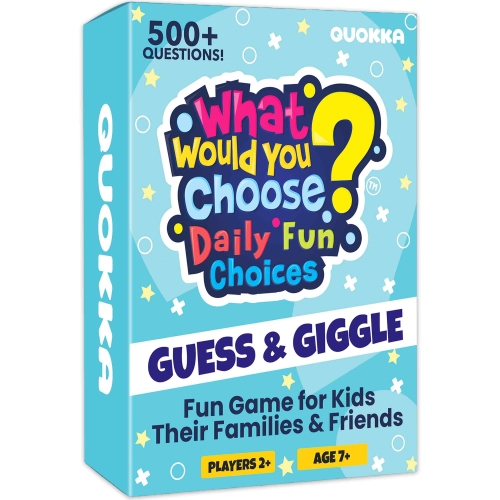
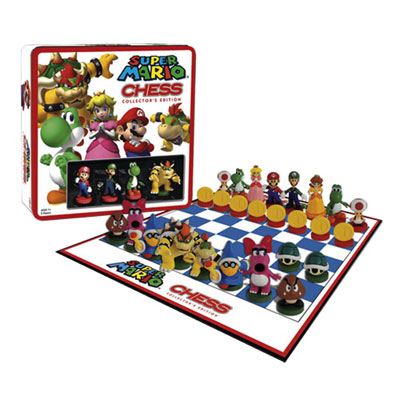
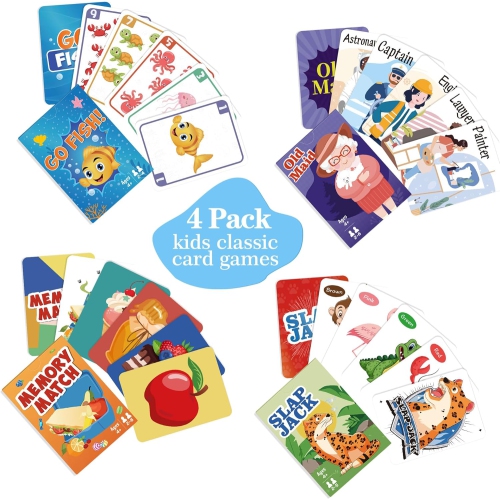
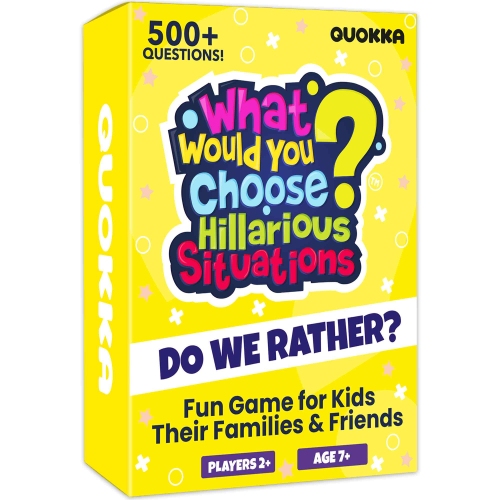
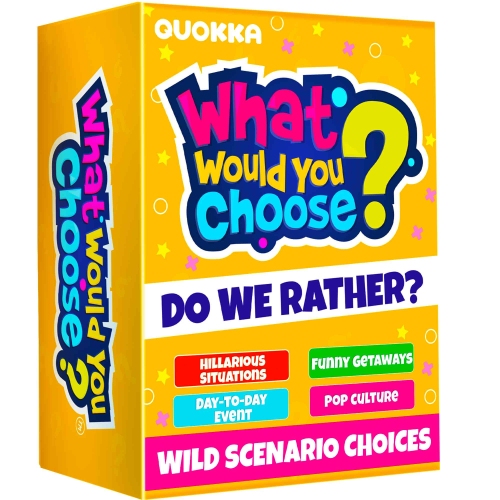
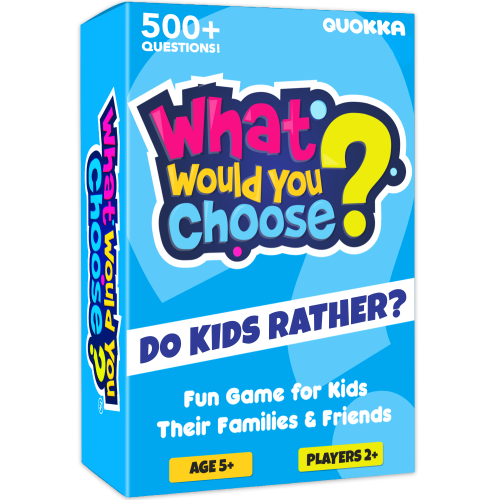
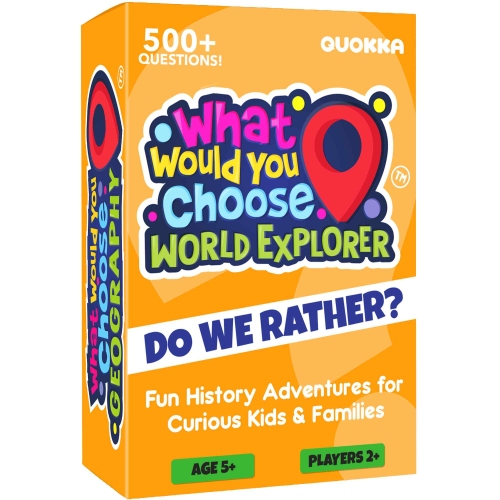
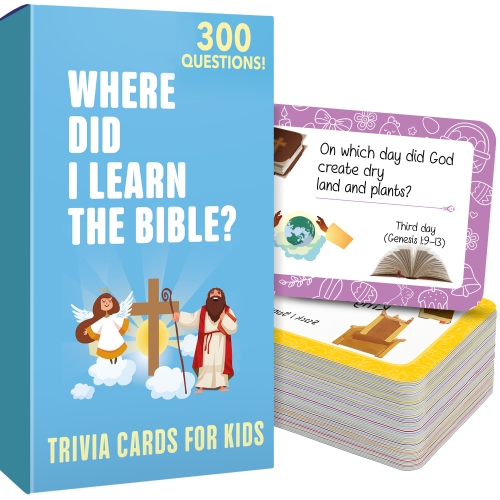
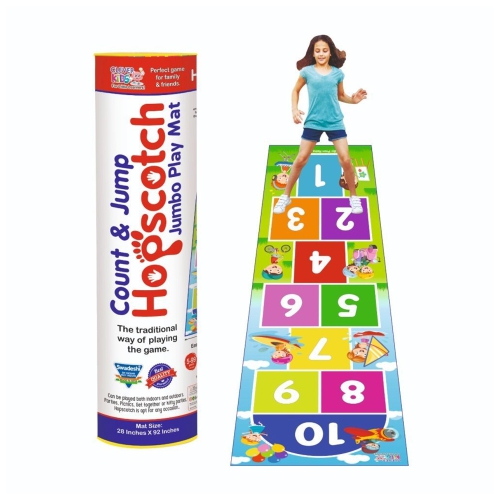
![OUTRIGHT GAMES Gigantosaurus Dino Kart [Nintendo Switch]](https://multimedia.bbycastatic.ca/multimedia/products/500x500/193/19384/19384029.jpeg)
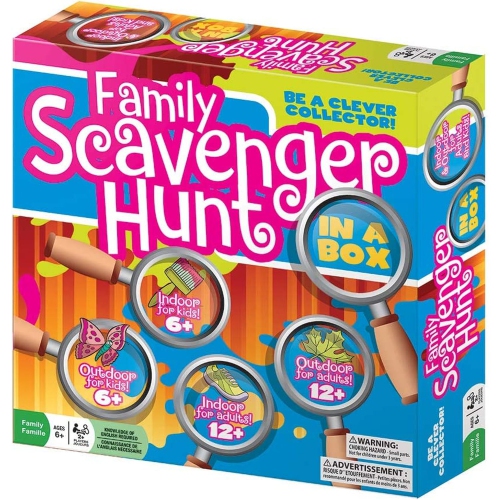
![SKYBOUND GAMES Invincible: The Hero-Building Game [Board Game, 1-4 Players]](https://multimedia.bbycastatic.ca/multimedia/products/500x500/201/20194/20194204.jpeg)
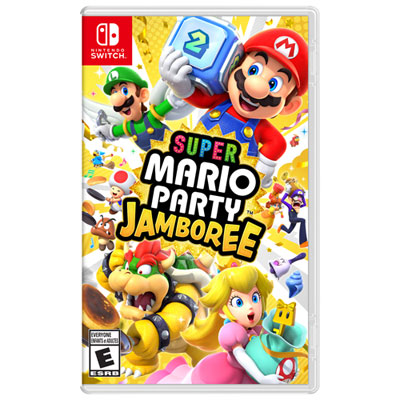
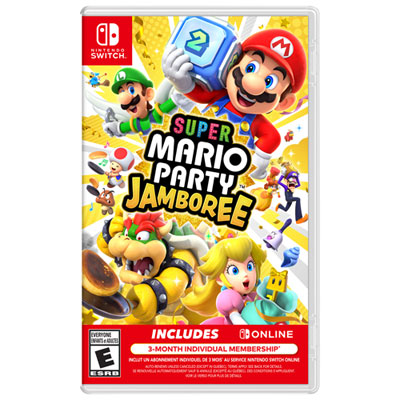
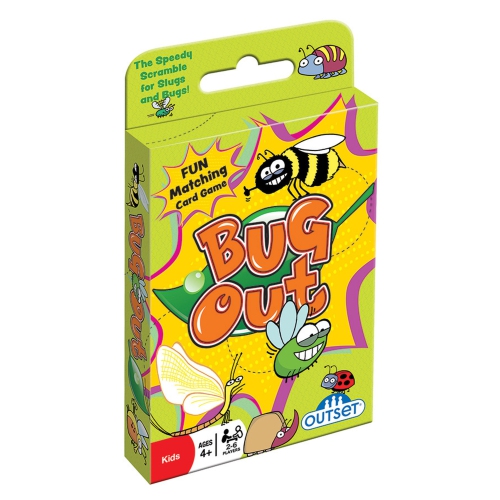
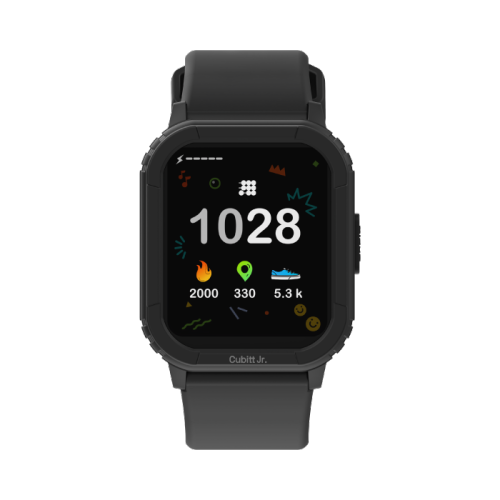
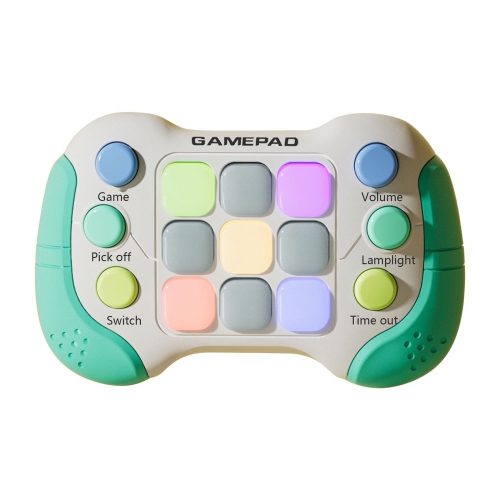
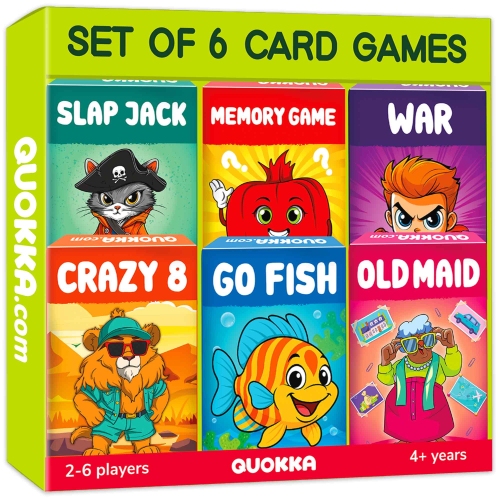
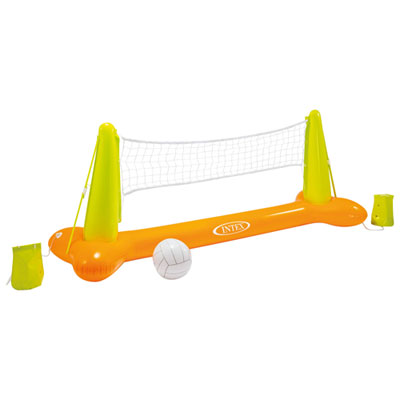
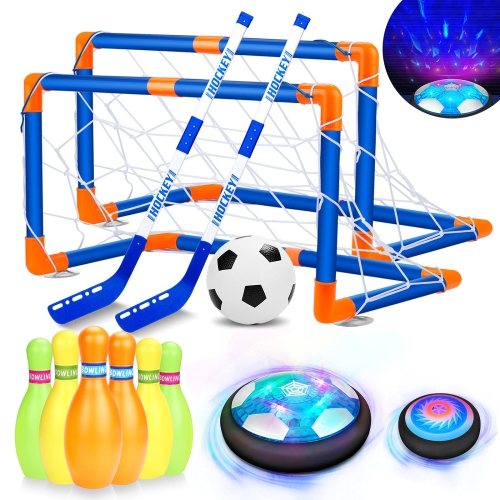
![GS2 GAMES Hidden Objects Collection: Volume 6 - Shopper Clutter - 15 Games In 1 [Nintendo Switch]](https://multimedia.bbycastatic.ca/multimedia/products/500x500/193/19379/19379519.jpeg)
![OSMO - Genius Starter Kit: Family Game Night - Ipad [Electronics]](https://multimedia.bbycastatic.ca/multimedia/products/500x500/188/18884/18884551.jpeg)
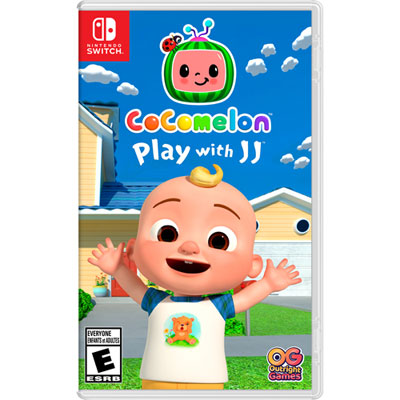
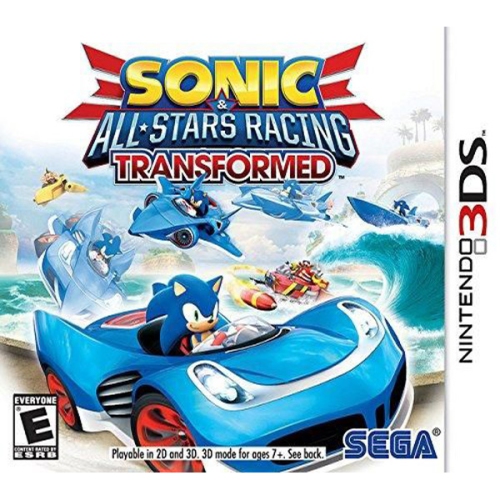
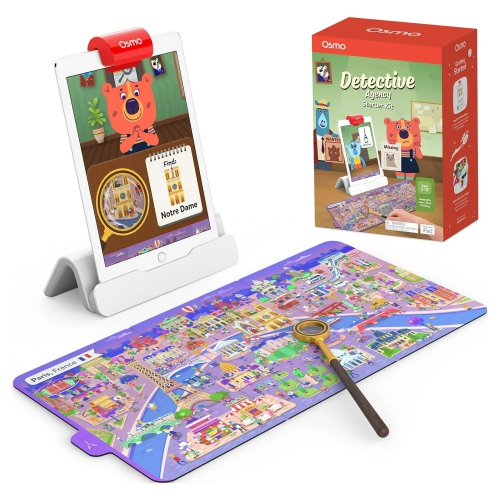
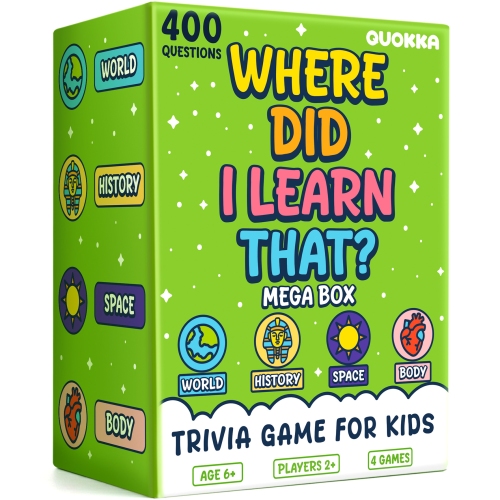
![NINTENDO Mario Party: Island Tour [ 3Ds]](https://multimedia.bbycastatic.ca/multimedia/products/500x500/148/14876/14876285.jpeg)
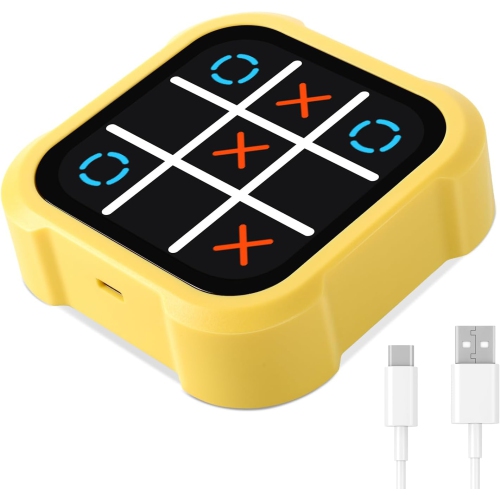
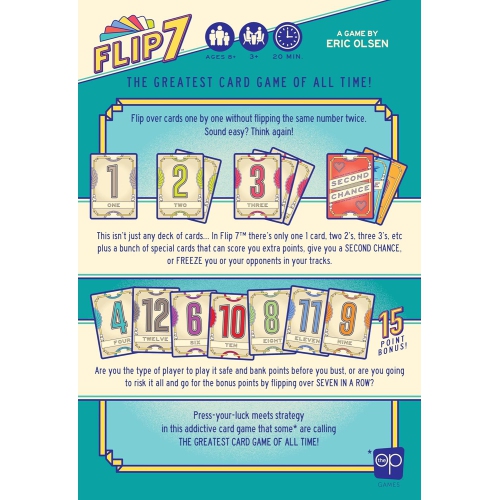
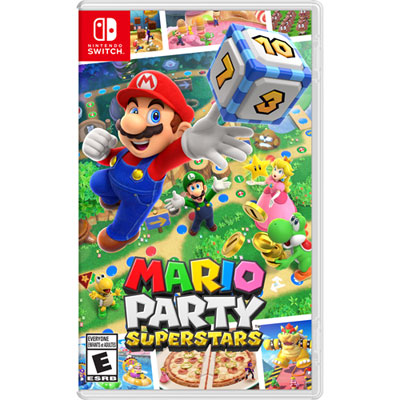
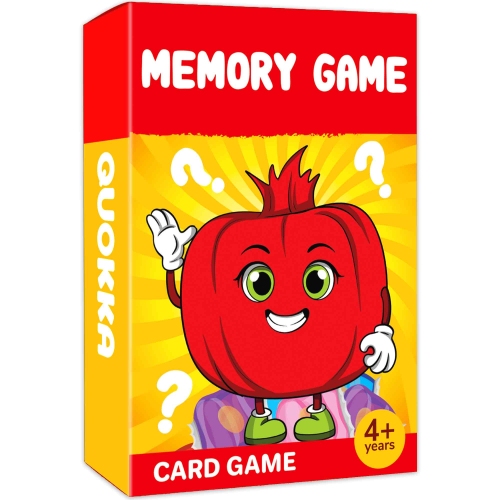
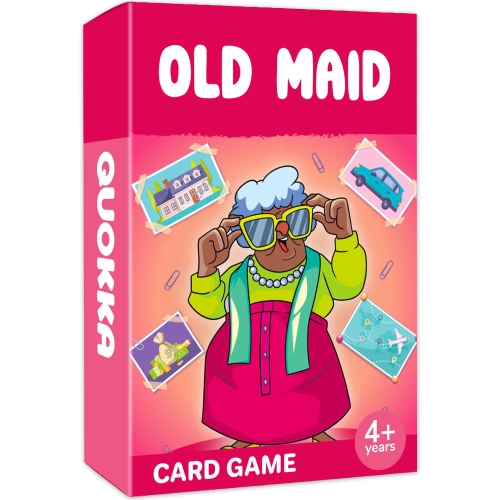
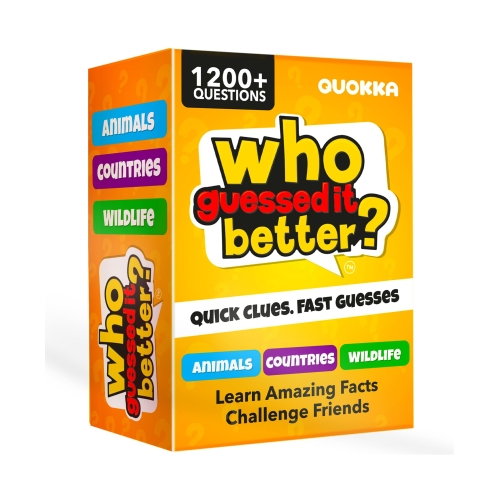
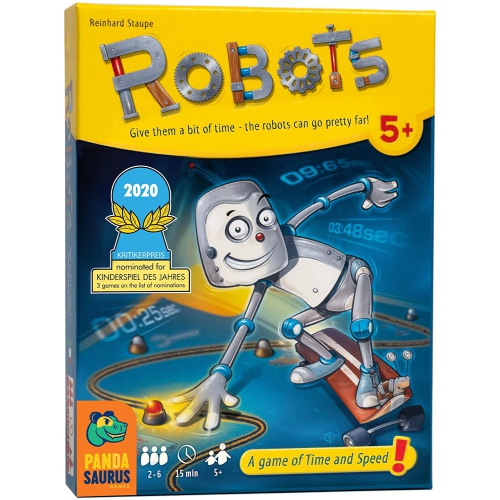
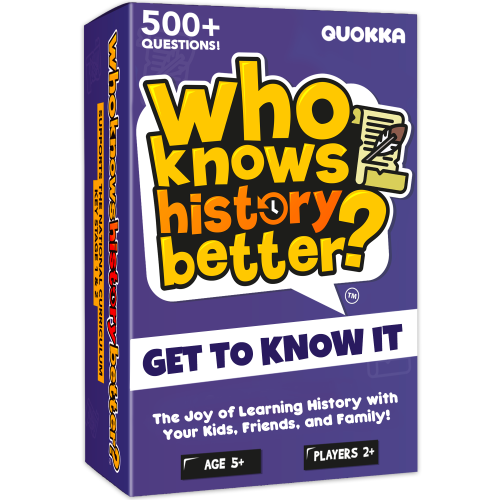
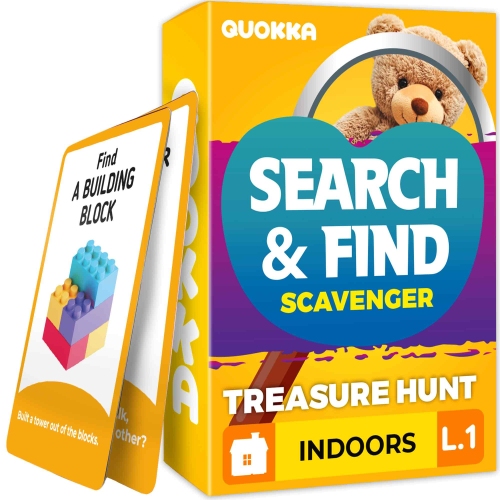
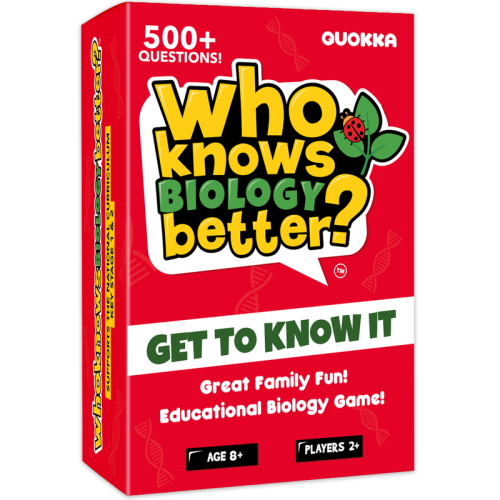
![PLAID HAT GAMES Gen7: A Crossroads Game [Board Game, 3-4 Players]](https://multimedia.bbycastatic.ca/multimedia/products/500x500/153/15332/15332353.jpeg)
![NUMSKULL GAMES Battle Axe [Playstation 4]](https://multimedia.bbycastatic.ca/multimedia/products/500x500/197/19776/19776584.jpeg)
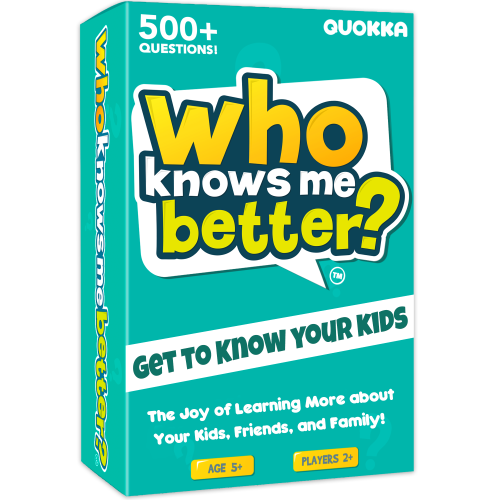
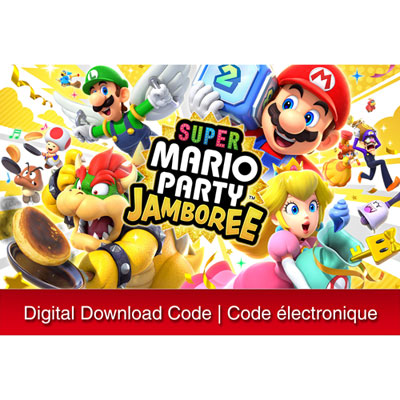
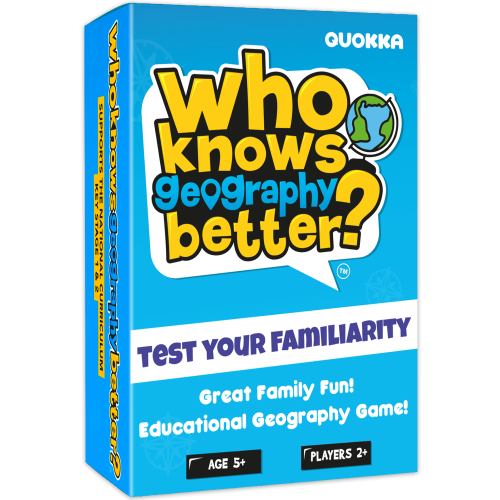
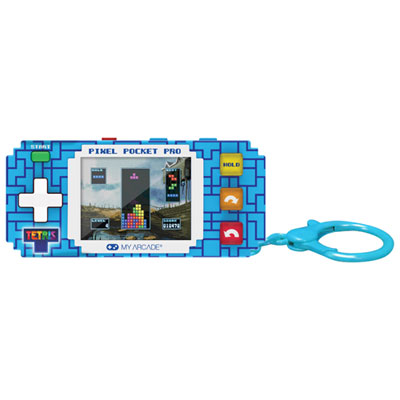
![UIG ENTERTAINMENT Space Blaze [Nintendo Switch]](https://multimedia.bbycastatic.ca/multimedia/products/500x500/197/19776/19776576.jpeg)
![WARNER BROS GAMES Lego Worlds for Xbox One [Videogames] Great games! Love all the LEGO series! Always best pricing!](https://multimedia.bbycastatic.ca/multimedia/products/500x500/189/18904/18904076.jpeg)
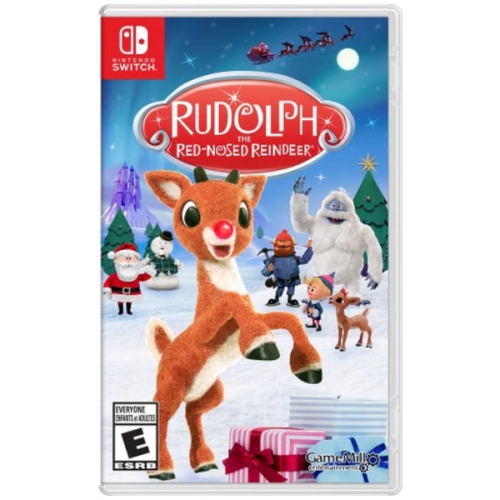
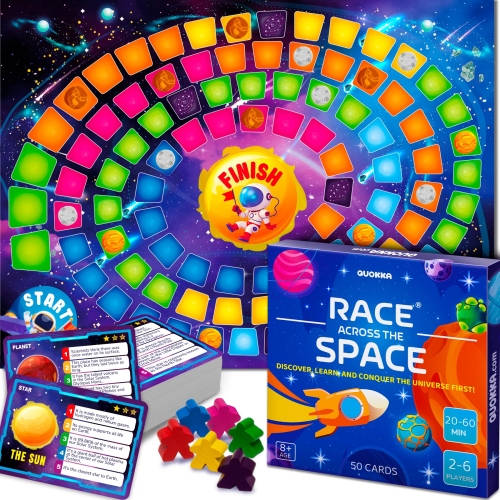
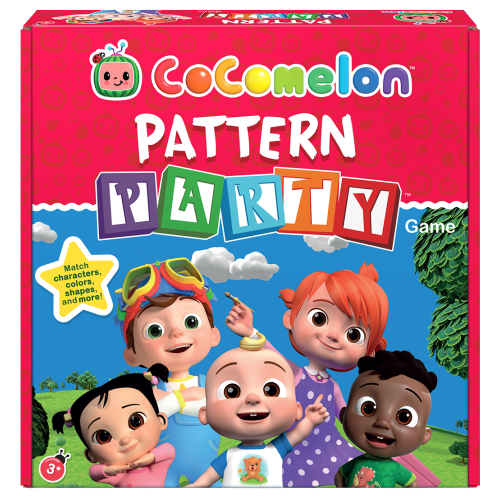
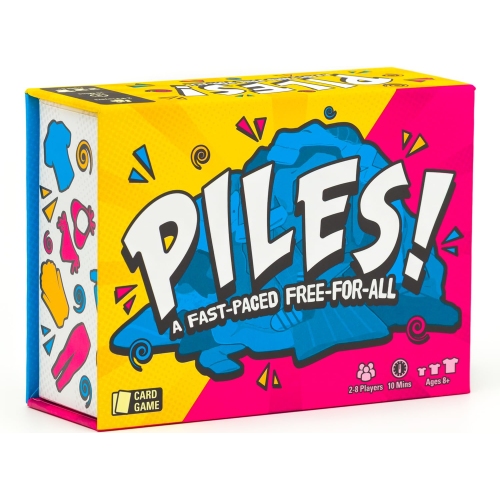
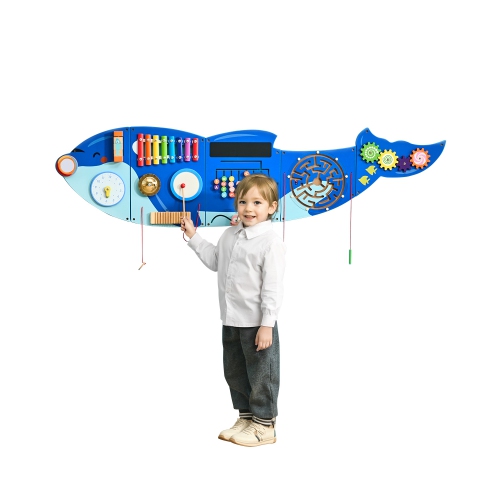
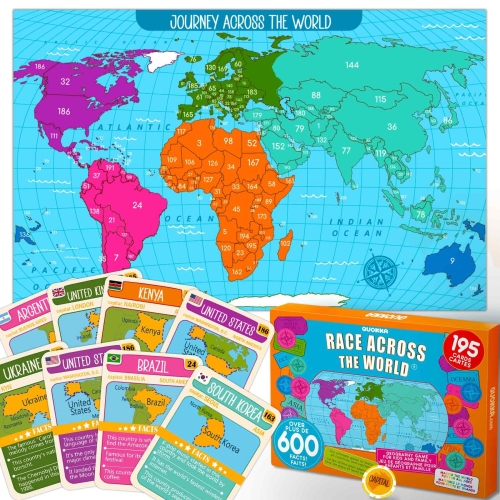
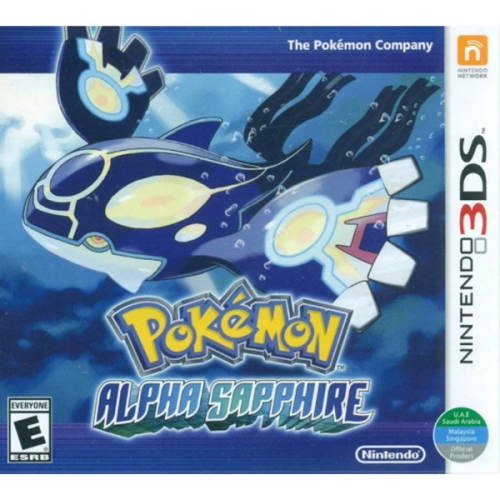
![NINTENDO Super Smash Bros. for Wii U [ Wii U] Bought this for my nephews and they love it](https://multimedia.bbycastatic.ca/multimedia/products/500x500/148/14828/14828259.jpeg)
![BANDAI NAMCO One Piece Tcg: The Sea's Seven Booster Box [Op-14] - 24 Packs In Azure](https://multimedia.bbycastatic.ca/multimedia/products/500x500/197/19702/19702547.jpeg)
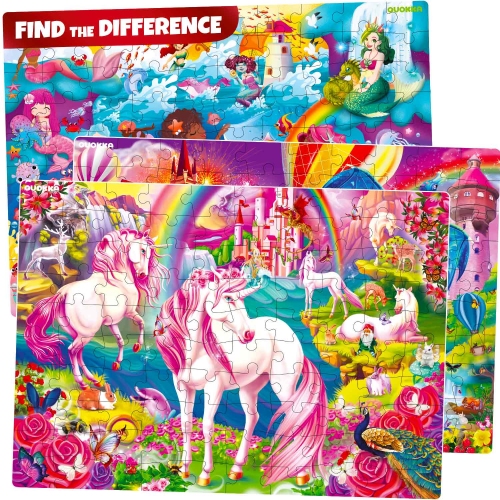
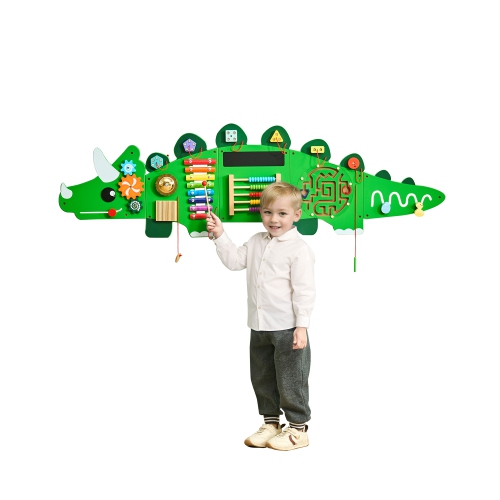
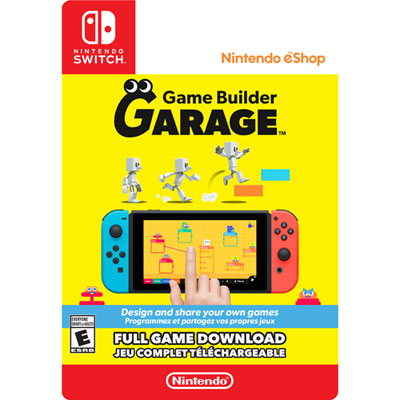
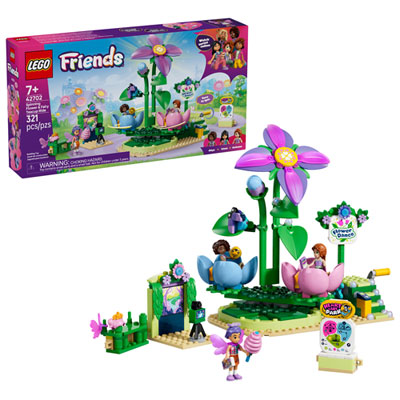
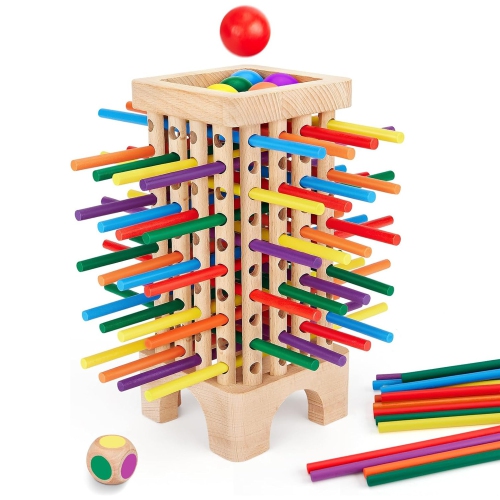
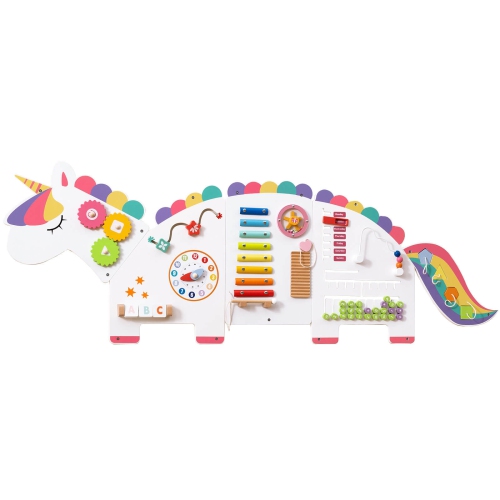
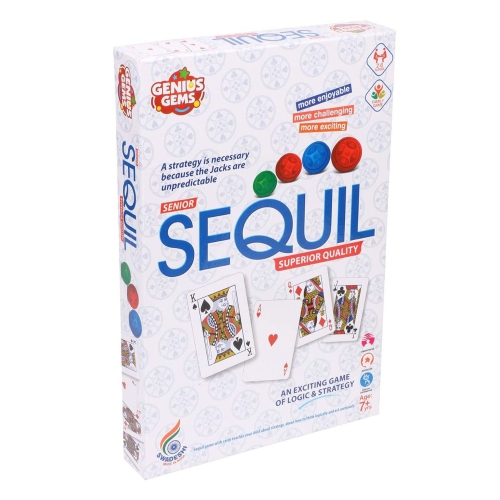
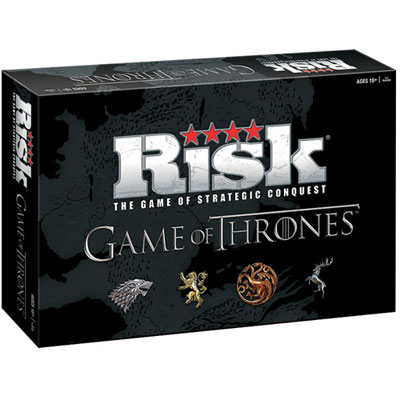
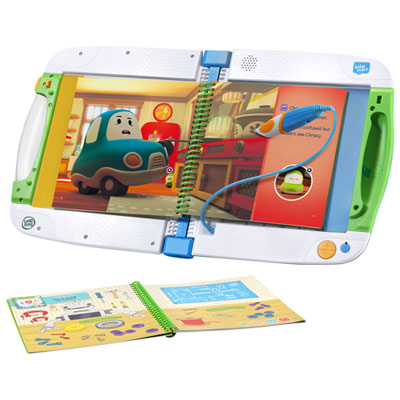
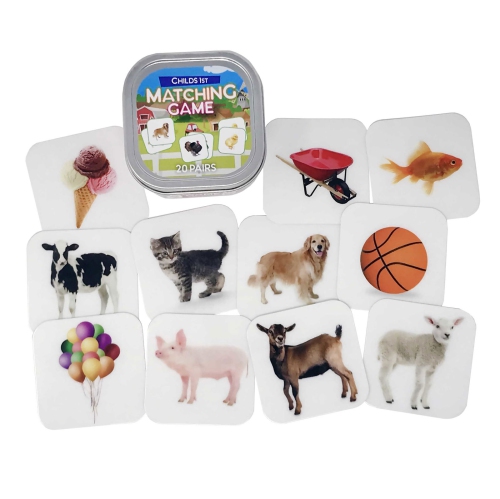
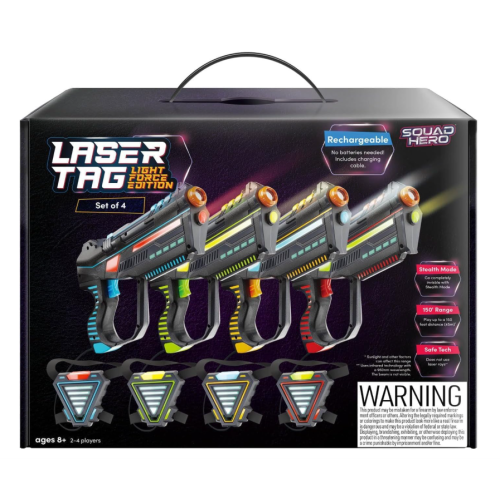
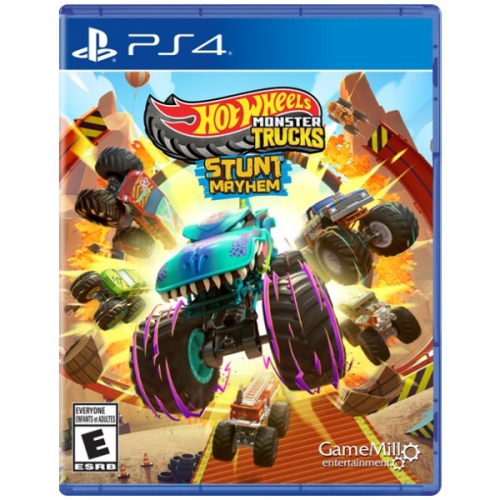

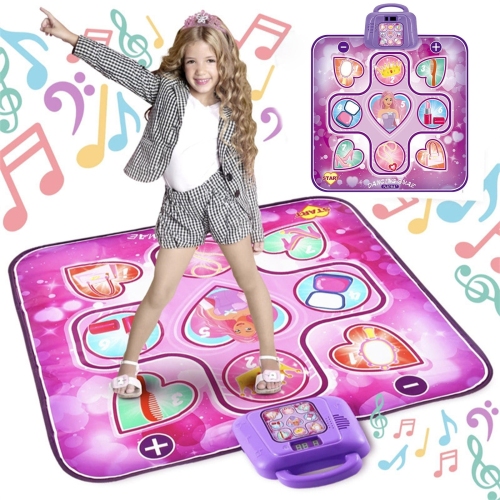
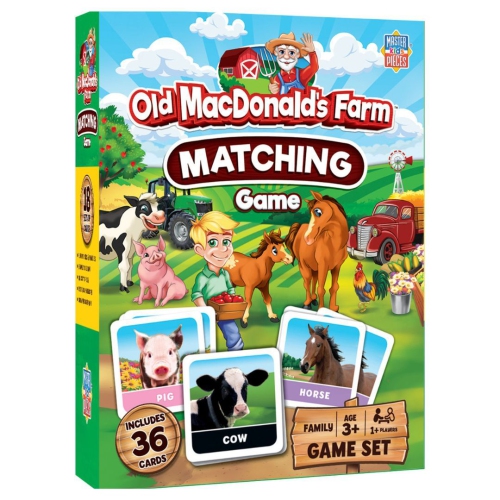
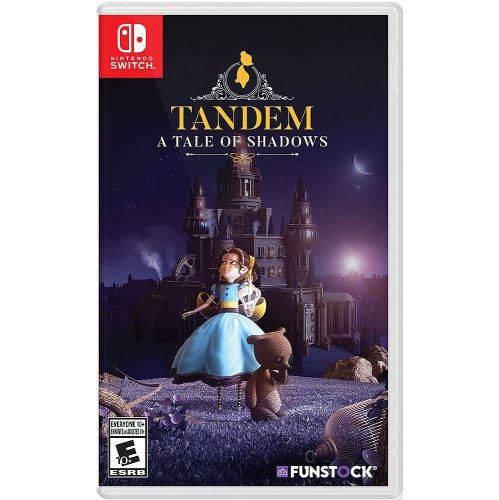
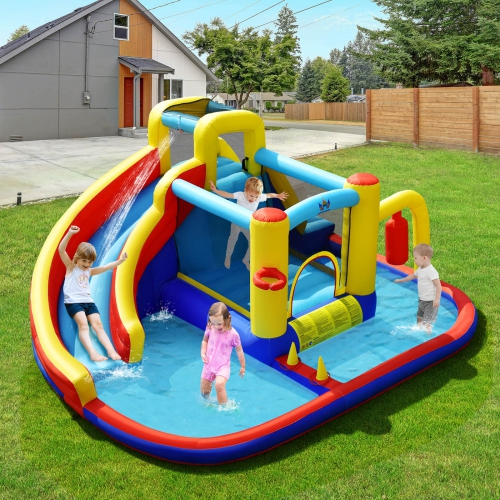
![UIG ENTERTAINMENT Space Blaze [Playstation 4]](https://multimedia.bbycastatic.ca/multimedia/products/500x500/197/19776/19776663.jpeg)
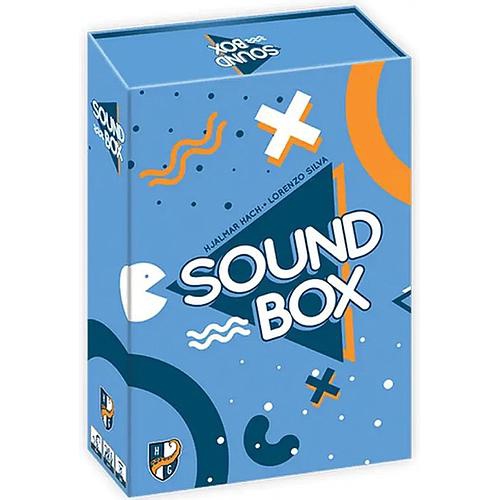
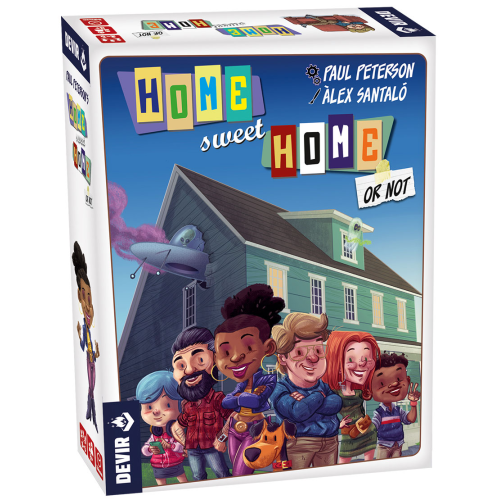
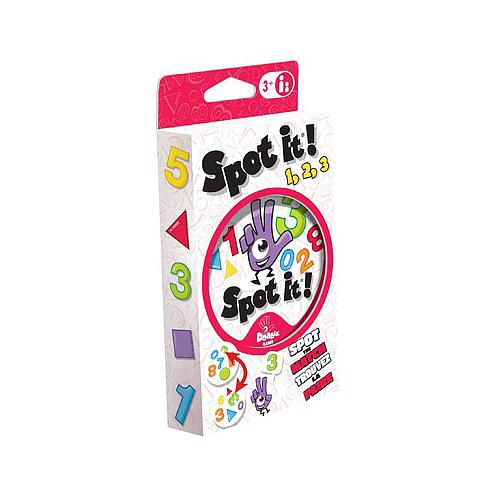
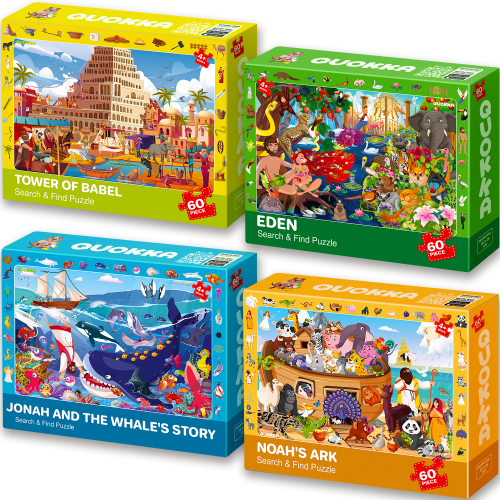
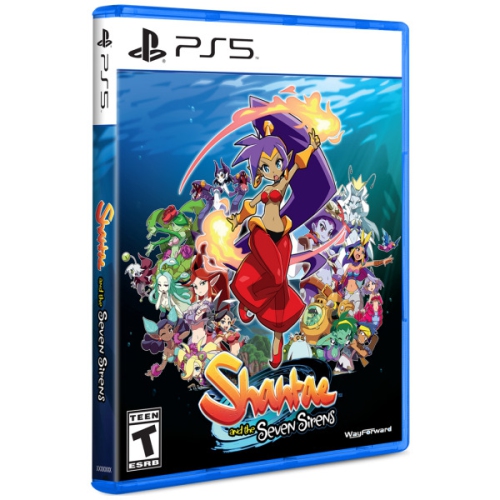
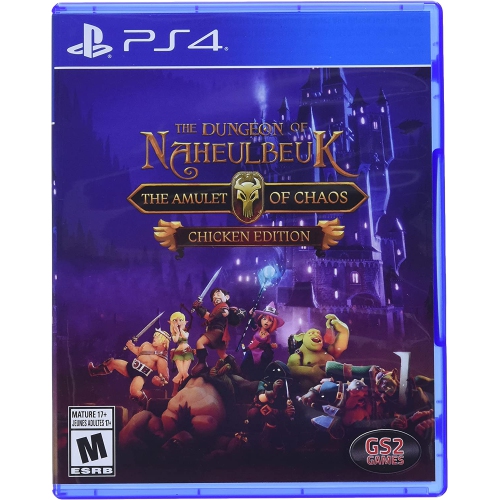

Playful challenges for growing skills and family connection
Games for seven year olds can bring the whole household together while giving children room to practise skills they are developing at school and in everyday life. At this age, many kids are ready to follow multi-step instructions, remember a few rules, make simple plans and explain their thinking, but they still benefit from games that keep the pace lively and the objective easy to understand. The best choices balance challenge with accessibility: a child should have meaningful decisions to make without needing constant help from an adult. Board games with colourful pieces, card games with straightforward matching or collecting rules, and tile or puzzle games can all support pattern recognition, counting, reading, memory and early tactical thinking through play. Cooperative games are especially helpful for children who are still learning how to handle wins and losses, since everyone works toward a shared goal and celebrates progress together. Competitive games can also be a great fit when turns are short and the rules make it clear that changing strategies is part of the fun. For a child who enjoys movement, active games that involve jumping, balancing, tossing or quick reactions can provide a welcome break from seated play while supporting coordination and gross motor skills. During the cooler months, an active game can turn an indoor afternoon into a lively play session, while compact tabletop options are easy to bring out after school or pack for a family visit.
When choosing games for a seven year old, start by considering who will usually play and how much time the family has available. A single-player puzzle or logic game can be a thoughtful choice for quiet independent play, especially for a child who likes working through a challenge at their own pace. Games designed for two players can suit siblings, a parent and child, or a grandparent and grandchild, while games that support several players are useful for playdates and family gatherings. Check the recommended age range, number of players, average play time and reading level, then think about the child's interests and temperament. A child who loves imaginary adventures may be drawn to story-driven play, while another may prefer sorting colours, solving patterns or racing to complete a task. Children who are still gaining confidence with reading may enjoy games that rely more on images, matching and physical actions, whereas confident readers may appreciate cards with instructions, clues or light strategy. Clear turn-taking, manageable amounts of equipment and rules that can be explained in a few minutes make it easier to begin without frustration. It is also worth checking the size of pieces and the storage format, particularly when a game will be used around younger siblings. A sturdy box with organised components helps prevent lost pieces, and a game that can be reset quickly is more likely to become a regular favourite rather than something left on a shelf. For gift-givers, games for seven year olds are versatile choices for birthdays, family celebrations, visits to relatives and seasonal present-giving because they can be enjoyed immediately and shared with others. Including a small note that invites the child to choose the first player or team can make opening the gift feel like the beginning of an experience.
The most rewarding games often become part of familiar family rituals. A quick card game can fit at the kitchen table while dinner is being prepared, a cooperative board game can fill a quiet weekend afternoon, and a puzzle can give one child something absorbing to do while siblings work on another activity. Adults do not need to turn every play session into a lesson; children learn naturally when they count spaces, compare shapes, remember rules, explain a choice or adjust a plan after an unexpected move. Gentle guidance can help at the start, but leaving room for the child to make decisions keeps the experience engaging and builds confidence. It can be useful to play a practice round with open hands, talk through the goal, and then let the child take the lead once the basic sequence is familiar. Look for games that offer more than one route to success or that remain interesting after repeated play, since a seven year old may enjoy discovering new strategies once the rules feel comfortable. Families shopping for an age range beyond this page can also explore Games for 8 Year Olds for options suited to children who are ready for added complexity. Whether the game involves teamwork, friendly competition, physical activity or quiet problem-solving, the right choice creates opportunities for conversation, laughter and those memorable moments when a child proudly announces a clever move they discovered on their own.
When choosing games for a seven year old, start by considering who will usually play and how much time the family has available. A single-player puzzle or logic game can be a thoughtful choice for quiet independent play, especially for a child who likes working through a challenge at their own pace. Games designed for two players can suit siblings, a parent and child, or a grandparent and grandchild, while games that support several players are useful for playdates and family gatherings. Check the recommended age range, number of players, average play time and reading level, then think about the child's interests and temperament. A child who loves imaginary adventures may be drawn to story-driven play, while another may prefer sorting colours, solving patterns or racing to complete a task. Children who are still gaining confidence with reading may enjoy games that rely more on images, matching and physical actions, whereas confident readers may appreciate cards with instructions, clues or light strategy. Clear turn-taking, manageable amounts of equipment and rules that can be explained in a few minutes make it easier to begin without frustration. It is also worth checking the size of pieces and the storage format, particularly when a game will be used around younger siblings. A sturdy box with organised components helps prevent lost pieces, and a game that can be reset quickly is more likely to become a regular favourite rather than something left on a shelf. For gift-givers, games for seven year olds are versatile choices for birthdays, family celebrations, visits to relatives and seasonal present-giving because they can be enjoyed immediately and shared with others. Including a small note that invites the child to choose the first player or team can make opening the gift feel like the beginning of an experience.
The most rewarding games often become part of familiar family rituals. A quick card game can fit at the kitchen table while dinner is being prepared, a cooperative board game can fill a quiet weekend afternoon, and a puzzle can give one child something absorbing to do while siblings work on another activity. Adults do not need to turn every play session into a lesson; children learn naturally when they count spaces, compare shapes, remember rules, explain a choice or adjust a plan after an unexpected move. Gentle guidance can help at the start, but leaving room for the child to make decisions keeps the experience engaging and builds confidence. It can be useful to play a practice round with open hands, talk through the goal, and then let the child take the lead once the basic sequence is familiar. Look for games that offer more than one route to success or that remain interesting after repeated play, since a seven year old may enjoy discovering new strategies once the rules feel comfortable. Families shopping for an age range beyond this page can also explore Games for 8 Year Olds for options suited to children who are ready for added complexity. Whether the game involves teamwork, friendly competition, physical activity or quiet problem-solving, the right choice creates opportunities for conversation, laughter and those memorable moments when a child proudly announces a clever move they discovered on their own.
Top selling and popular products
-
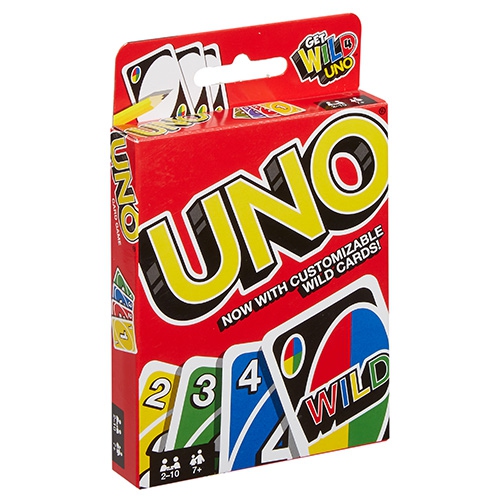 Your price for this item is $14.99
 -
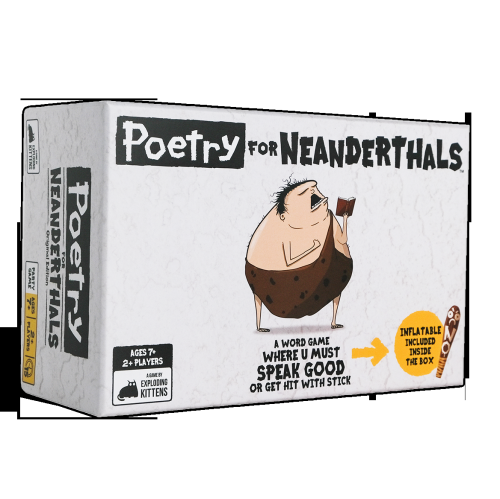 Your price for this item is $34.99
 -
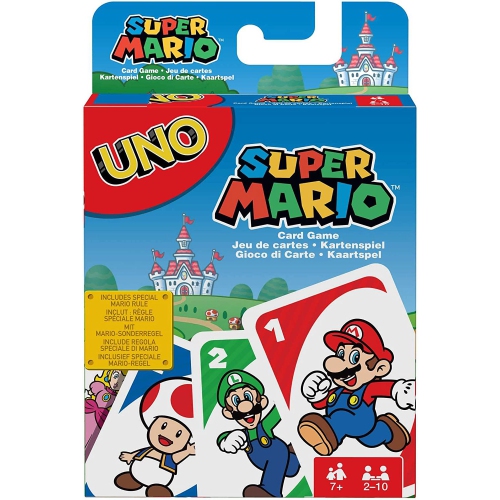 Your price for this item is $15
 -
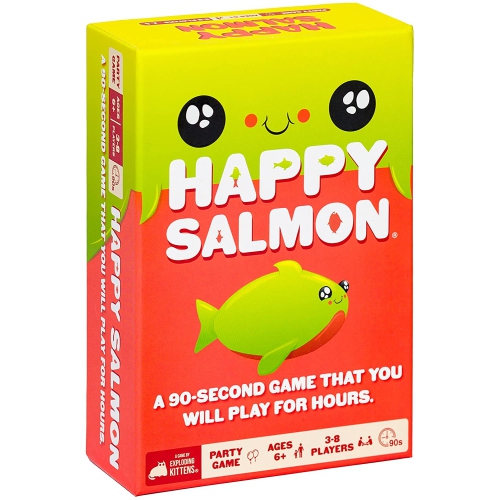 Your price for this item is $21.99
 -
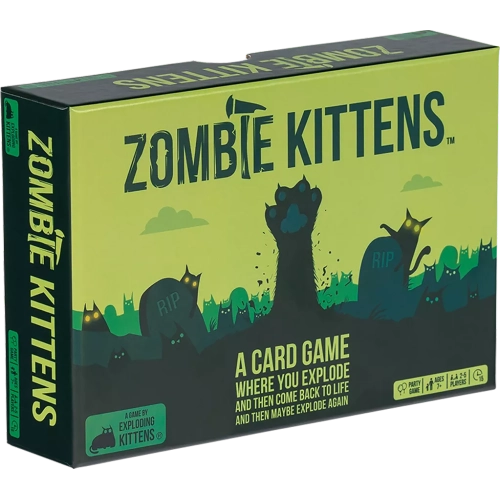 Your price for this item is $34.99
 -
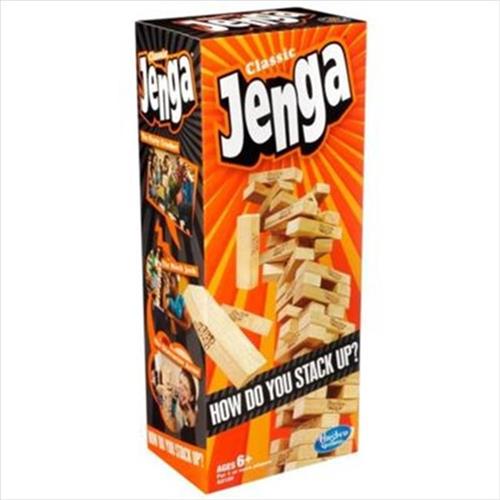 Your price for this item is $24.99
 -
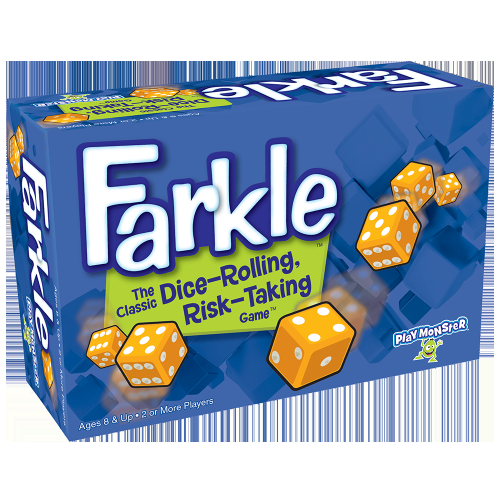 Your price for this item is $20.93
 -
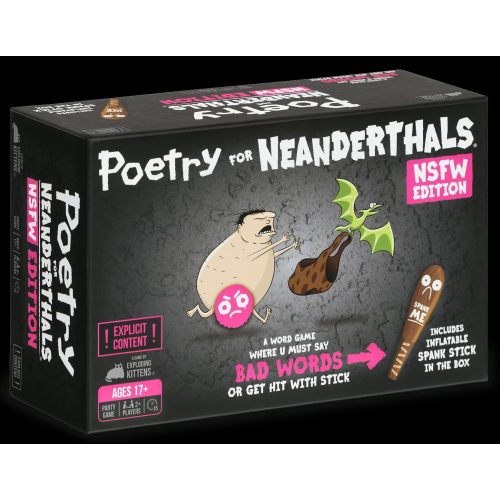 Your price for this item is $31.99
Discover more categories related to Games for Seven Year Olds
Top Collections:
Pokemon Centers, Best Cameras for Sports Photography, Kindle Devices, Samsung Galaxy Phones, Canon G7X Cameras, Pokémon 30th Celebration Cards, Refurbished Apple Laptops, iPhone 15 Apple, Laptops for Students, Budget Smartphones
Some products may be subject to Environmental Handling Fees
(EHF) depending on your province.
Learn more about EHFs.