Play Money Games
Dive into the exciting world of play money games, where learning meets entertainment in a fun and interactive way! Perfect for all ages, these games offer a captivating experience that combines the thrill of gameplay with valuable lessons in financial literacy. Whether you're looking to enhance your strategic thinking or simply enjoy some playful competition with friends and family, play money games provide endless hours of enjoyment. Explore a variety of options that cater to different interests and skill levels, ensuring everyone can join in on the fun while developing essential skills. Get ready to embark on an engaging adventure that makes learning about money management both accessible and enjoyable!
Sort
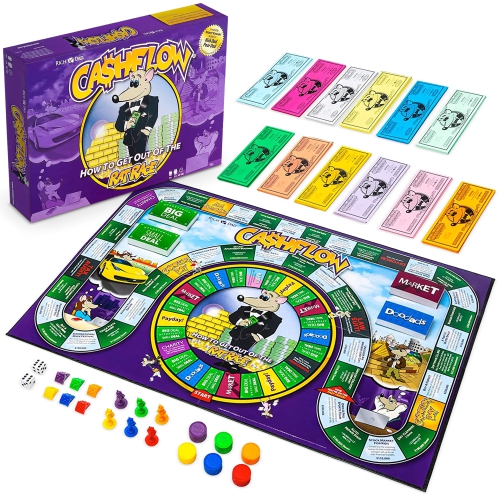
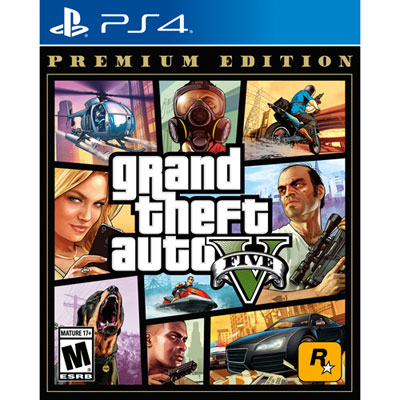
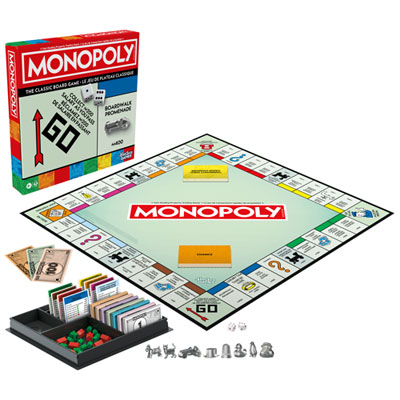
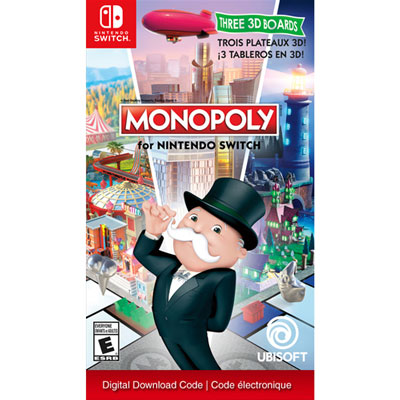
![UBISOFT Monopoly for Nintendo Switch [Nintendo Switch] Who doesn't love monopoly!!! One of the best games ever created](https://multimedia.bbycastatic.ca/multimedia/products/500x500/154/15456/15456549.jpeg)
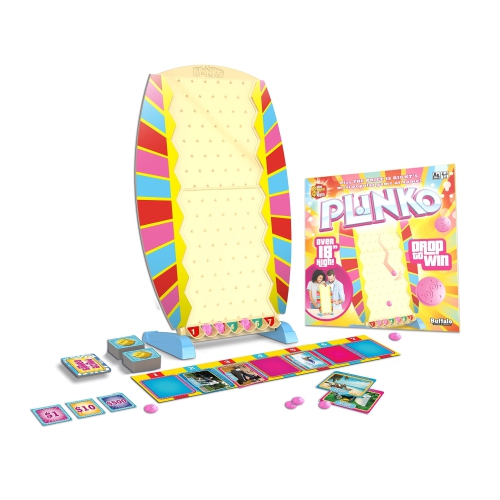
![WIRED PRODUCTIONS Vostok Inc. - Limited Wired #1 [Nintendo Switch]](https://multimedia.bbycastatic.ca/multimedia/products/500x500/148/14828/14828210.jpeg)
Learn counting, budgeting and strategy through tabletop play
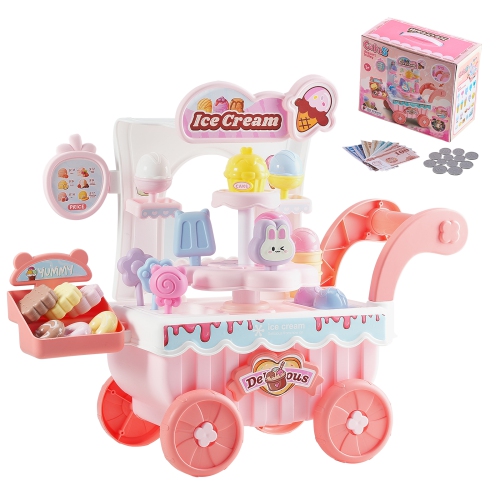
Play money games bring together imaginative play, practical learning and the friendly competition of a tabletop game. In this category, “play money” can refer to pretend coins and bills used in a shop, restaurant or budgeting game; currency-themed card and board games where players collect, trade or bid with game money; and educational activities designed to help children recognize denominations, count totals and practise making change. The best choice depends on the age of the players, the type of play they enjoy and whether the game is intended for independent learning, family game nights or open-ended role-play. For younger children, look for large, easy-to-handle pieces, clear colours and simple rules that focus on matching coins, counting one denomination at a time and understanding the difference between spending and saving. A pretend cash register, play shop or market set can turn an ordinary afternoon into a lively lesson, with one child acting as the cashier and another choosing items, handing over bills and waiting for change. Older children may enjoy games that introduce addition, subtraction, multiplication or basic budgeting through increasingly involved challenges. Games that include visual guides, realistic denominations and repeatable activities can help reinforce new skills without making practice feel like homework. Families can also use play money games to build confidence with everyday concepts such as comparing prices, organizing a wallet, adding several items together or deciding how much remains after a purchase. When selecting a game, check the recommended age range, the number of players, the average play time and whether the instructions can be adjusted for different skill levels. A game that grows with the child is particularly useful: beginners can start by identifying coins and bills, while more experienced players can move on to calculating totals, giving exact change or planning a limited spending amount. Durable pieces and a convenient storage box are practical considerations for homes where games are brought out often, especially during indoor afternoons, family visits and the cooler months.
Play money games can also add a memorable twist to traditional board and card play. Many tabletop games use fictional currency as a way to bid, trade, purchase properties, collect sets or make strategic decisions, giving players a tangible way to see their progress. Passing a small stack of notes across the table, sorting coins into neat piles and deciding whether to spend or hold onto a valuable denomination can make each turn feel more engaging. These games are suitable for families, roommates, friends and anyone who enjoys a mix of luck, negotiation and planning. Some are quick enough for a short evening session, while others provide a longer challenge with several rounds and changing fortunes. Before buying, consider whether the intended group prefers a relaxed, cooperative experience or a more competitive game where players manage limited resources and try to outscore one another. Clear instructions matter, particularly when the game involves trading, auctions, changing values or several types of currency. It is also worth checking the player count so the game suits the household or gathering it is meant for; a two-player format feels different from a lively game designed for a larger group. Play money games can be thoughtful gifts for children learning about numbers, families settling into a new routine or hosts looking for an easy activity during get-togethers. They also make useful additions to a games cupboard because they can support several styles of play. A child may use the notes and coins for an imaginary café one day, then join a family game that involves budgeting or collecting points the next. Pairing a currency-themed game with other tabletop activities, including Dice Games, can create a flexible collection for game nights with different ages and attention spans. For gift giving, pay attention to whether the recipient already has a favourite type of play, such as puzzles, pretend role-play, strategy games or fast-moving card games, and choose a format that complements those interests.
The phrase “play money games” may also be used broadly online for digital games that teach counting, casual reward activities or competitive skill-based play. Physical products in this category offer a screen-free alternative with pieces that can be sorted, counted and shared around a table. They give children an opportunity to practise handling pretend currency in a low-pressure setting, while adults can guide the activity, adjust the difficulty or join in as another player. For a classroom, daycare or playroom, consider games with enough pieces for several children to participate and rules that encourage turn-taking. For home use, compact sets are convenient for travel, visits to relatives or a quiet activity at the kitchen table. If the game will be played on carpet, in a playroom or outdoors during warmer weather, larger pieces and sturdy construction can make setup and cleanup easier. It is helpful to keep denominations organized in separate compartments or small containers so the game can begin without a lengthy search for missing pieces. Families can make the experience feel more personal by creating a pretend store with familiar household items, writing simple price tags and letting children alternate between being the customer and the cashier. This kind of play connects numbers with everyday decisions and encourages communication, patience and problem-solving. Adults shopping for a gift should also consider whether the child is ready for structured rules or would get more enjoyment from open-ended pretend play. A younger child may prefer colourful pieces and straightforward matching, while an older child may be ready for a game that involves strategy, negotiation and several ways to earn points. With the right format, play money games can become a regular part of family time, a useful learning activity and an entertaining choice for gatherings throughout late summer, the back-to-school season and the cooler months.
Play money games can also add a memorable twist to traditional board and card play. Many tabletop games use fictional currency as a way to bid, trade, purchase properties, collect sets or make strategic decisions, giving players a tangible way to see their progress. Passing a small stack of notes across the table, sorting coins into neat piles and deciding whether to spend or hold onto a valuable denomination can make each turn feel more engaging. These games are suitable for families, roommates, friends and anyone who enjoys a mix of luck, negotiation and planning. Some are quick enough for a short evening session, while others provide a longer challenge with several rounds and changing fortunes. Before buying, consider whether the intended group prefers a relaxed, cooperative experience or a more competitive game where players manage limited resources and try to outscore one another. Clear instructions matter, particularly when the game involves trading, auctions, changing values or several types of currency. It is also worth checking the player count so the game suits the household or gathering it is meant for; a two-player format feels different from a lively game designed for a larger group. Play money games can be thoughtful gifts for children learning about numbers, families settling into a new routine or hosts looking for an easy activity during get-togethers. They also make useful additions to a games cupboard because they can support several styles of play. A child may use the notes and coins for an imaginary café one day, then join a family game that involves budgeting or collecting points the next. Pairing a currency-themed game with other tabletop activities, including Dice Games, can create a flexible collection for game nights with different ages and attention spans. For gift giving, pay attention to whether the recipient already has a favourite type of play, such as puzzles, pretend role-play, strategy games or fast-moving card games, and choose a format that complements those interests.
The phrase “play money games” may also be used broadly online for digital games that teach counting, casual reward activities or competitive skill-based play. Physical products in this category offer a screen-free alternative with pieces that can be sorted, counted and shared around a table. They give children an opportunity to practise handling pretend currency in a low-pressure setting, while adults can guide the activity, adjust the difficulty or join in as another player. For a classroom, daycare or playroom, consider games with enough pieces for several children to participate and rules that encourage turn-taking. For home use, compact sets are convenient for travel, visits to relatives or a quiet activity at the kitchen table. If the game will be played on carpet, in a playroom or outdoors during warmer weather, larger pieces and sturdy construction can make setup and cleanup easier. It is helpful to keep denominations organized in separate compartments or small containers so the game can begin without a lengthy search for missing pieces. Families can make the experience feel more personal by creating a pretend store with familiar household items, writing simple price tags and letting children alternate between being the customer and the cashier. This kind of play connects numbers with everyday decisions and encourages communication, patience and problem-solving. Adults shopping for a gift should also consider whether the child is ready for structured rules or would get more enjoyment from open-ended pretend play. A younger child may prefer colourful pieces and straightforward matching, while an older child may be ready for a game that involves strategy, negotiation and several ways to earn points. With the right format, play money games can become a regular part of family time, a useful learning activity and an entertaining choice for gatherings throughout late summer, the back-to-school season and the cooler months.
Top selling and popular products
-
![NINTENDO Super Smash Bros. Ultimate [ Switch]](https://multimedia.bbycastatic.ca/multimedia/products/500x500/166/16618/16618377.jpeg) Your price for this item is $89.95
Your price for this item is $89.95 -
![NINTENDO Animal Crossing: New Horizons [ Switch]](https://multimedia.bbycastatic.ca/multimedia/products/500x500/148/14828/14828033.jpeg) Your price for this item is $80.49
Your price for this item is $80.49 -
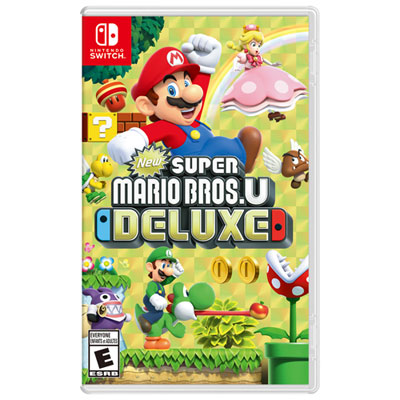 Your price for this item is $84.99
 -
![NINTENDO GAMES New Super Mario Bros. U Deluxe for Nintendo Switch [Videogames]](https://multimedia.bbycastatic.ca/multimedia/products/500x500/176/17683/17683406.jpeg) Your price for this item is $71.75
Your price for this item is $71.75 -
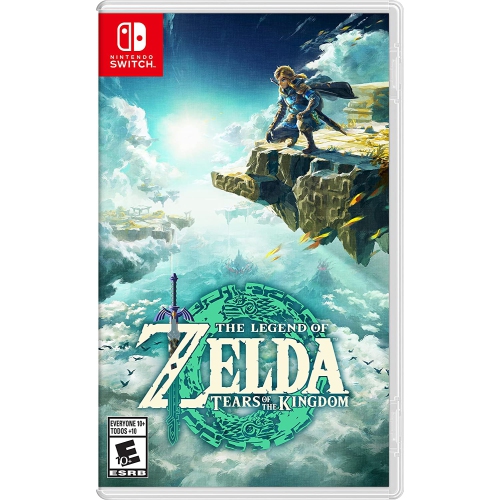 Your price for this item is $109.99
 -
![NINTENDO GAMES The Legend Of Zelda: Tears Of The Kingdom for Nintendo Switch [Videogames]](https://multimedia.bbycastatic.ca/multimedia/products/500x500/176/17661/17661818.jpeg) Your price for this item is $99.99
Your price for this item is $99.99 -
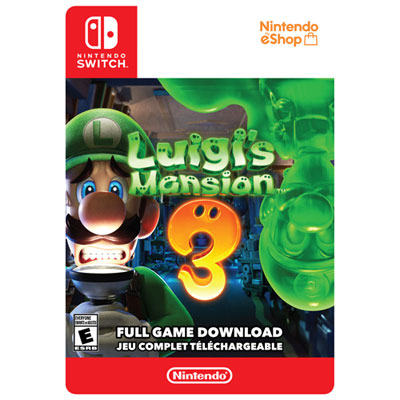 Your price for this item is $84.99
 -
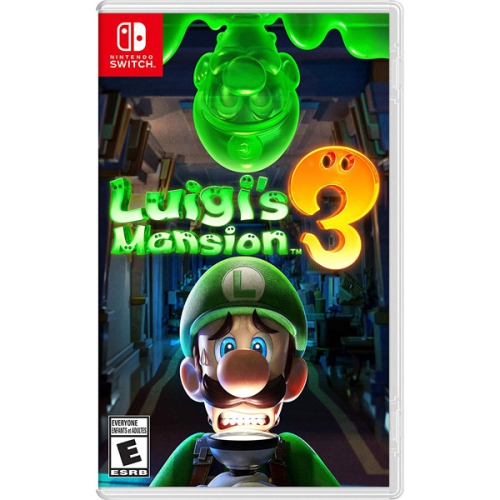 Your price for this item is $87.75
Discover more categories related to Play Money Games
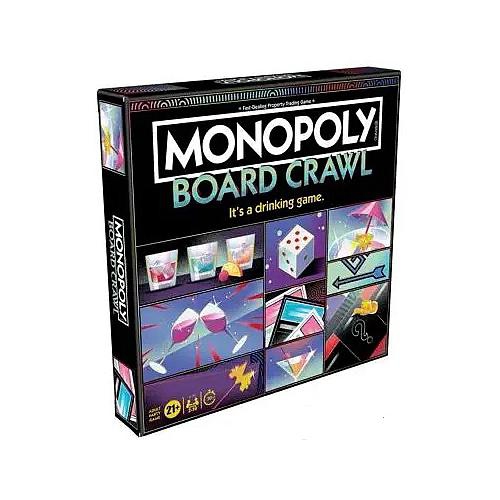
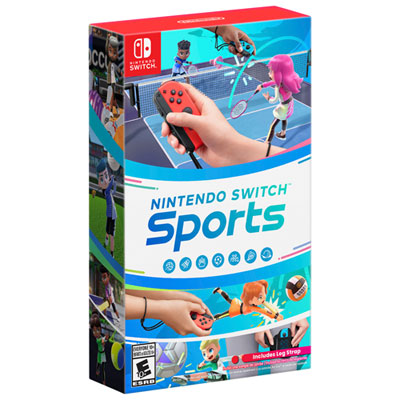
Top Collections:
Pokemon Centers, Kindle Devices, Best Budget Office Chairs, Apple iPhones 16, Best Laptops for Writers, iPhone 15 Apple, Canon G7X Cameras, Refurbished Apple Laptops, Alarm Clock, Motorola Razr Phones
Some products may be subject to Environmental Handling Fees
(EHF) depending on your province.
Learn more about EHFs.