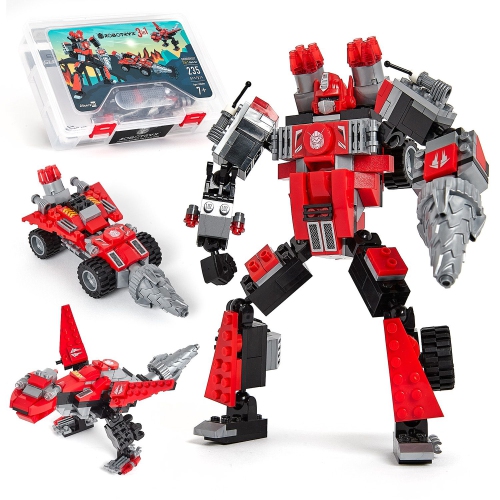
Stem Robot Kits
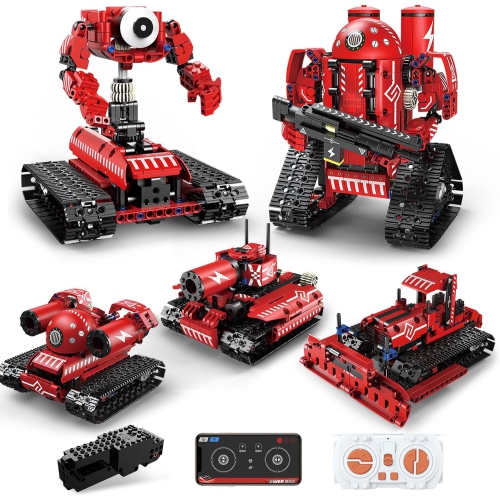
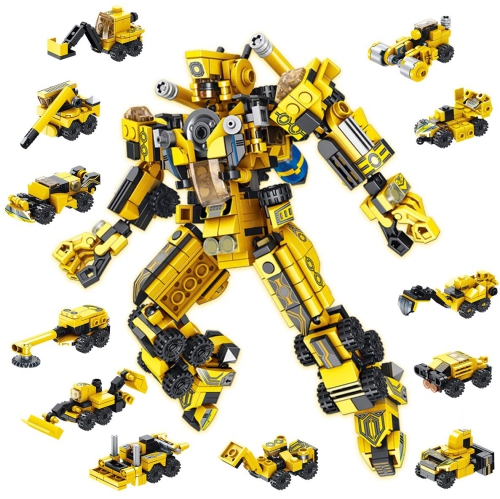
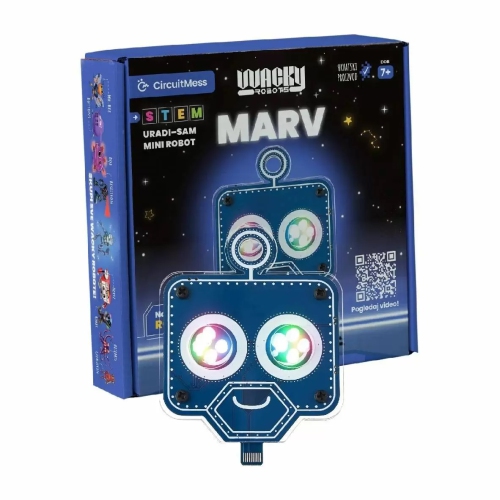
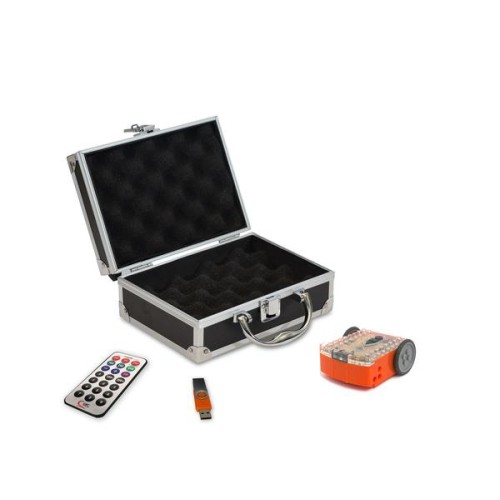
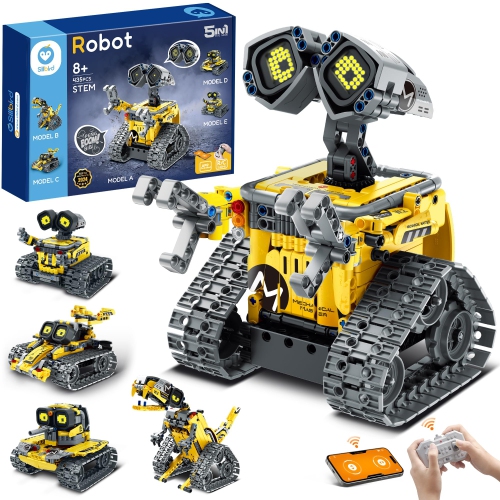
Looking to spark your child's interest in STEM education? Look no further than our incredible selection of Stem robot kits. These innovative and engaging kits are designed to inspire young minds, encouraging them to explore the exciting world of science, technology, engineering, and mathematics. With endless possibilities for creativity and problem-solving, these STEM robot kits provide a hands-on learning experience that is both educational and fun. Whether your child is a beginner or an advanced enthusiast, our collection offers a wide range of options to suit every age and skill level. Get ready to watch their imaginations soar as they build, program, and play with these captivating STEM robot kits.
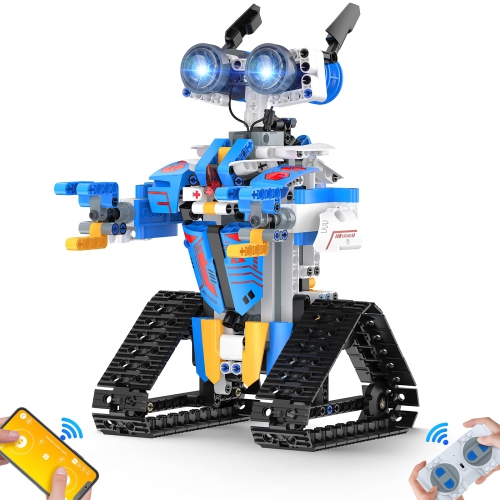
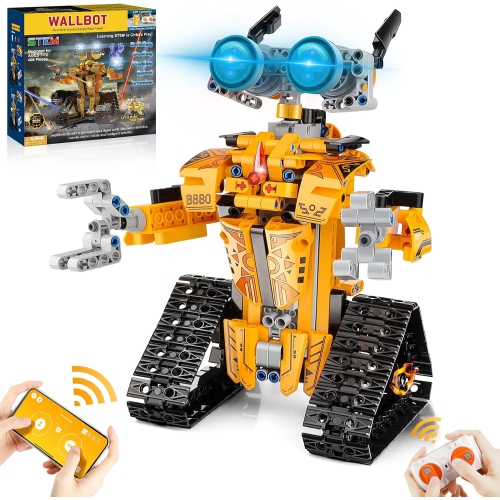
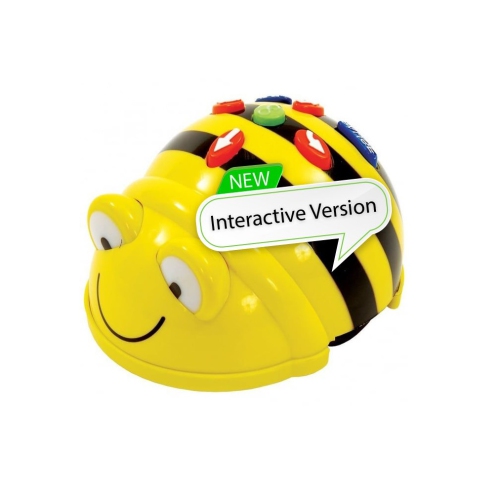


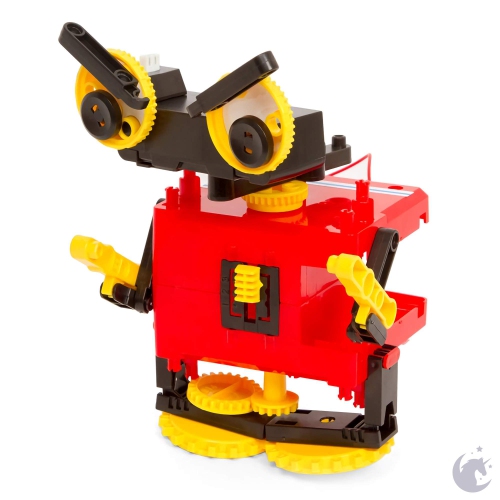
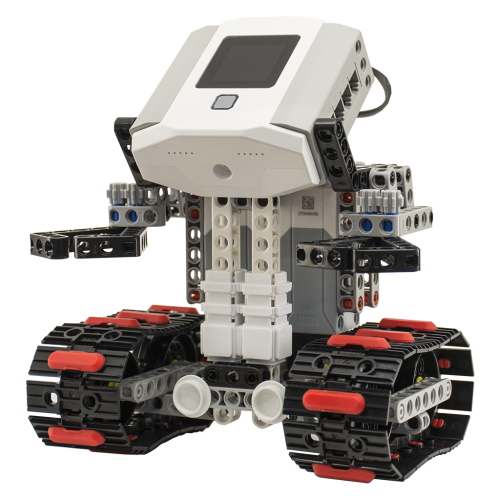
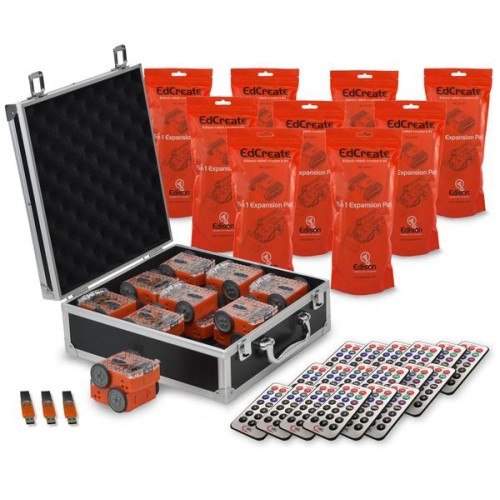
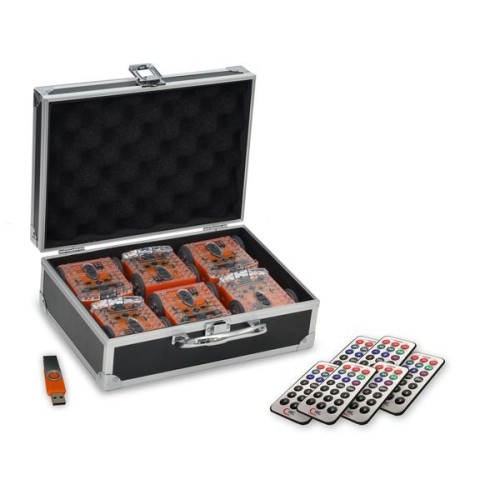
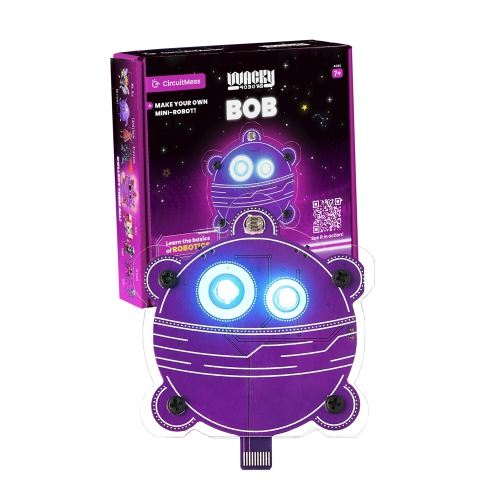

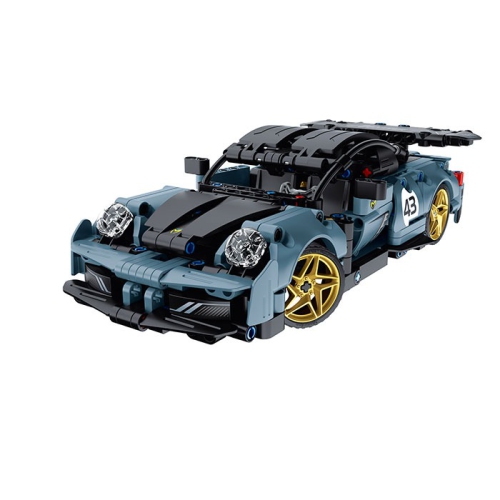
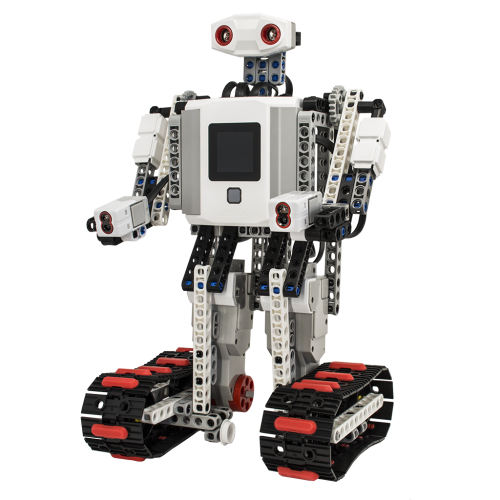
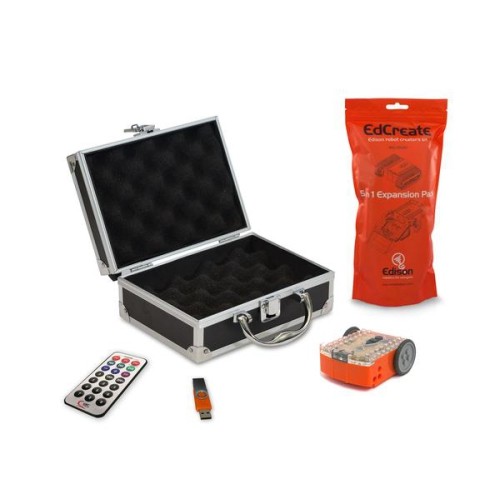

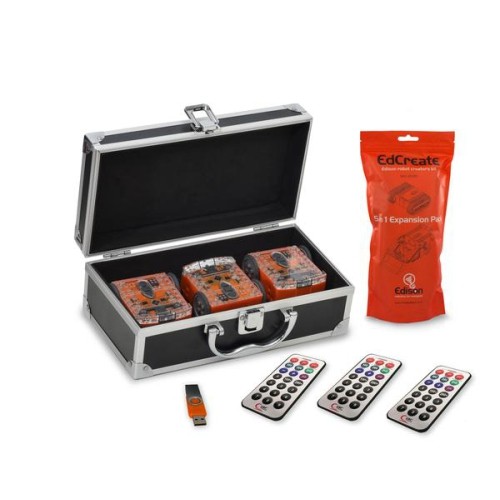
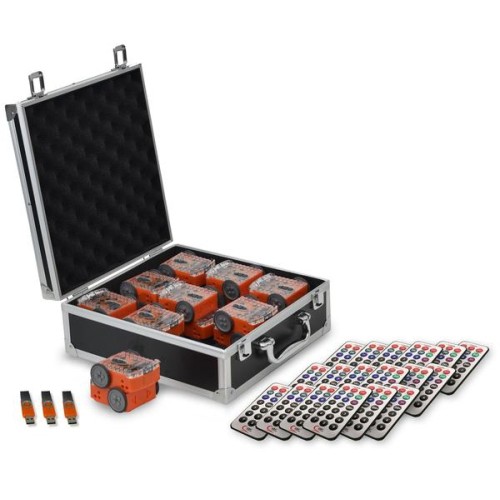
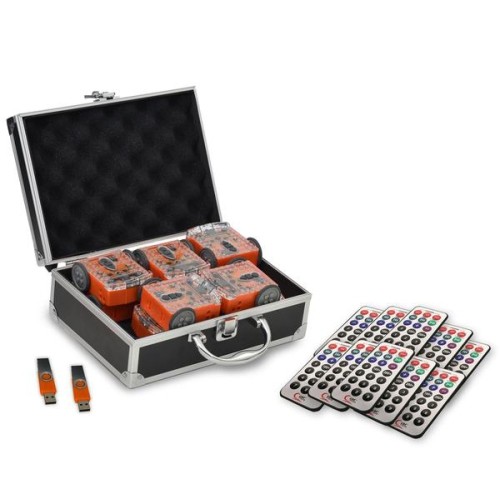
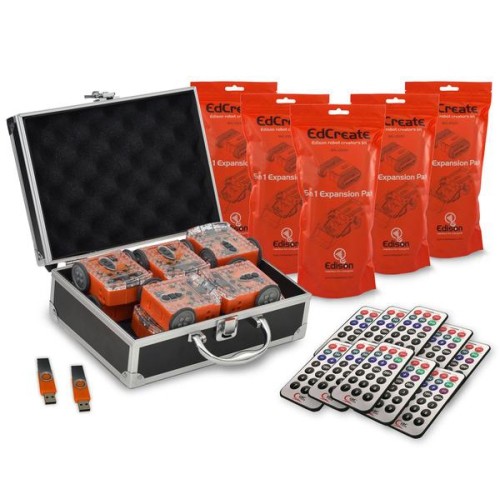
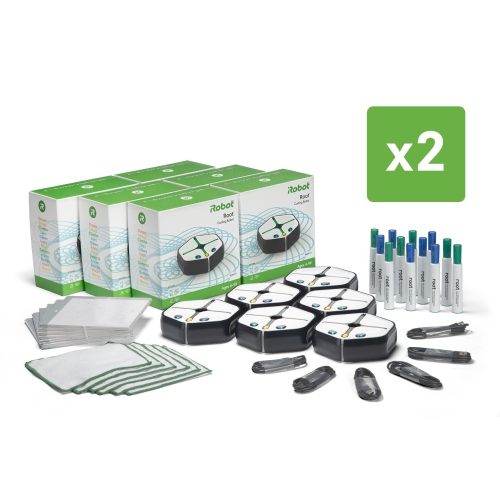
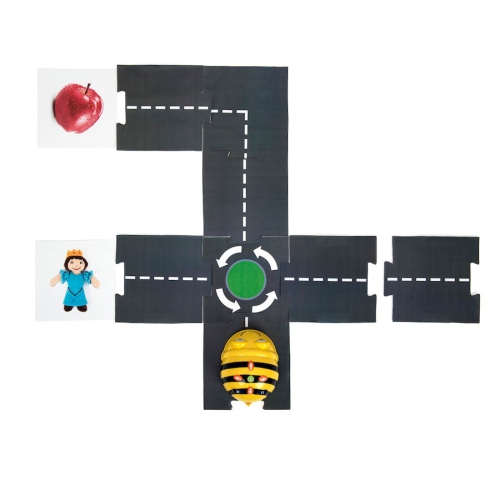
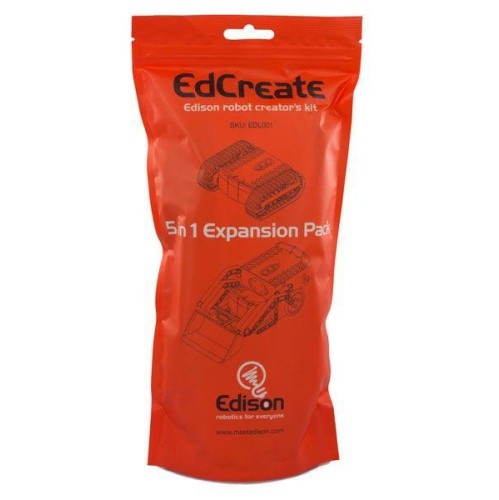
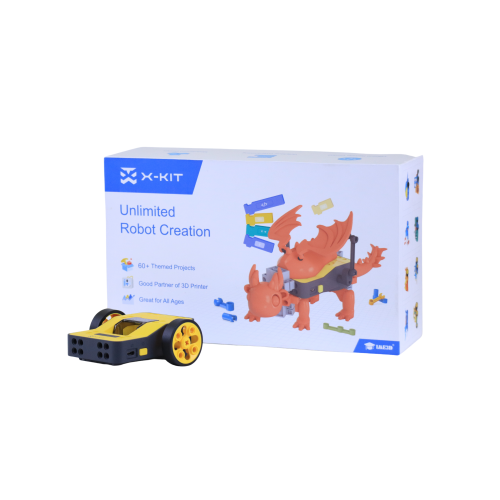


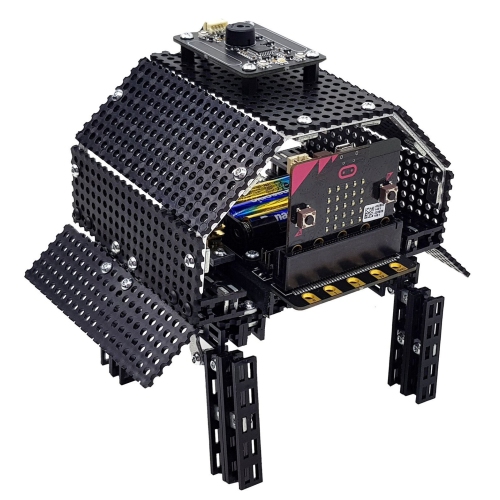
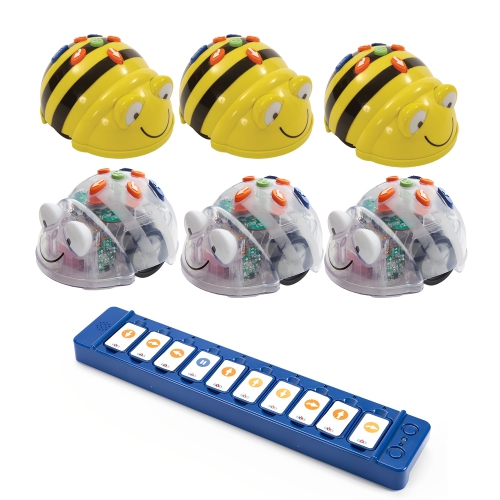
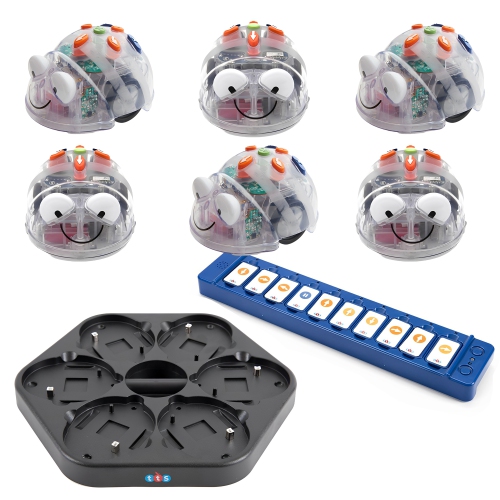
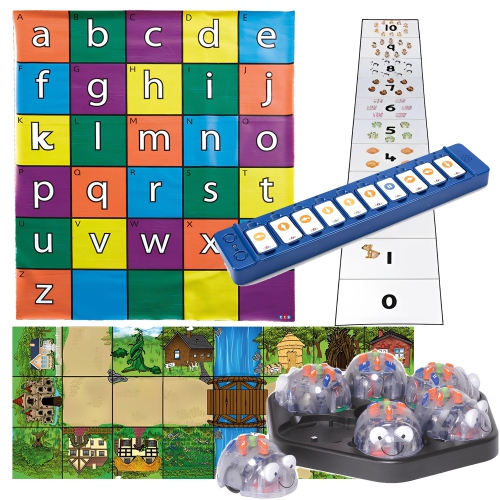
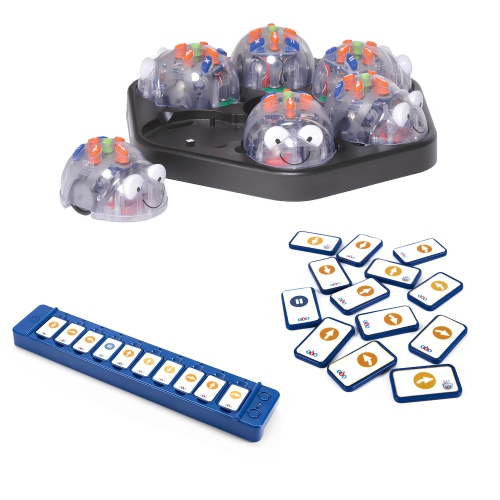
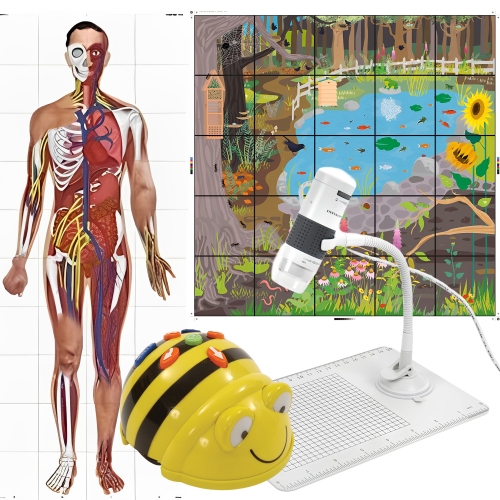
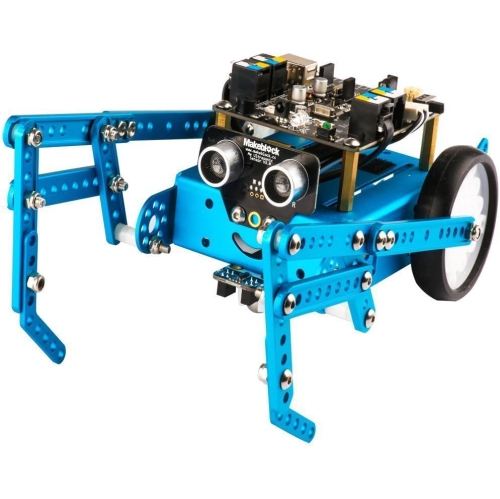
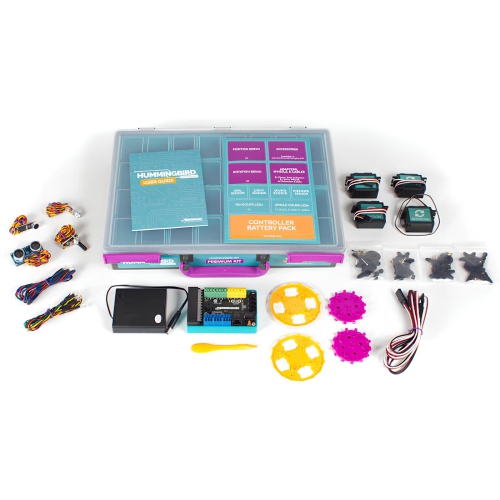


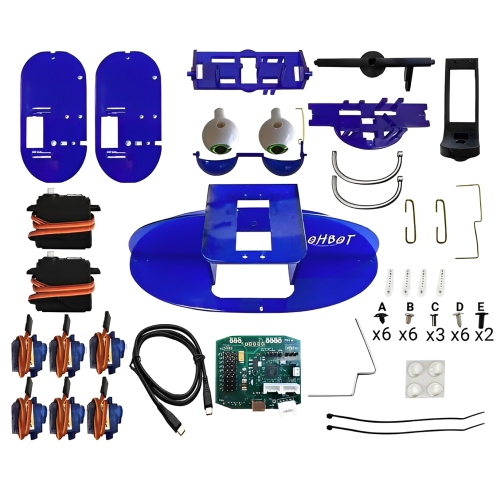
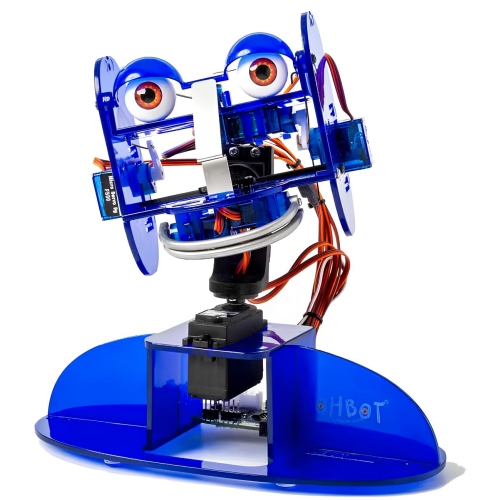
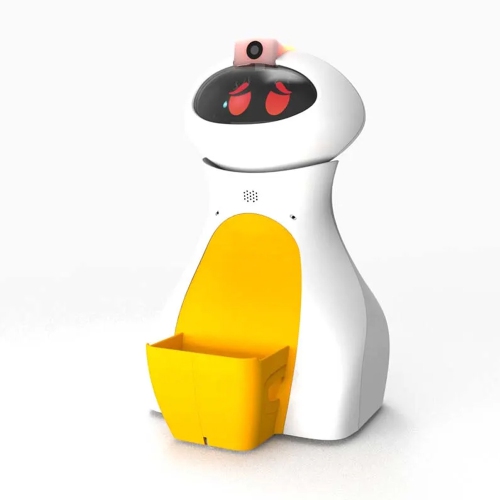
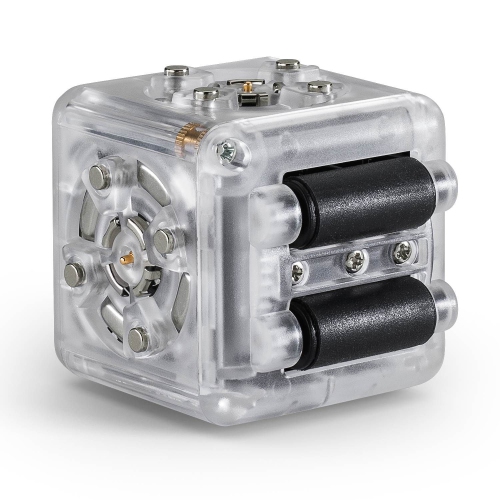
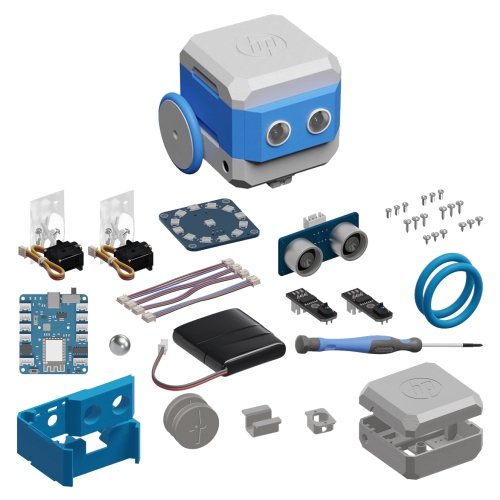
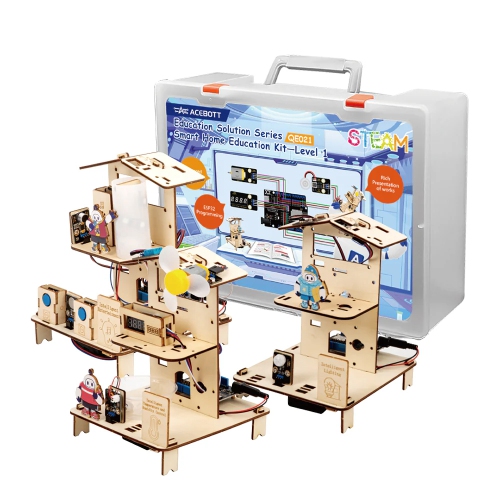
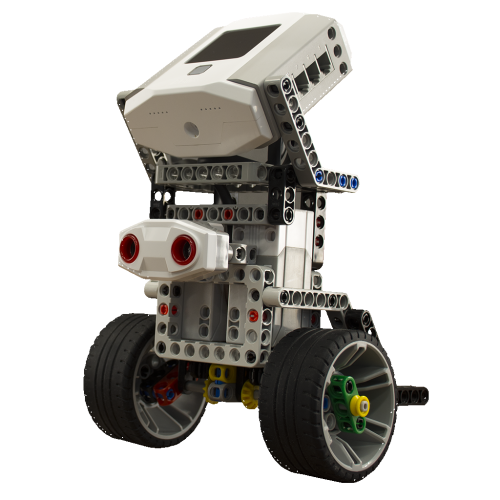
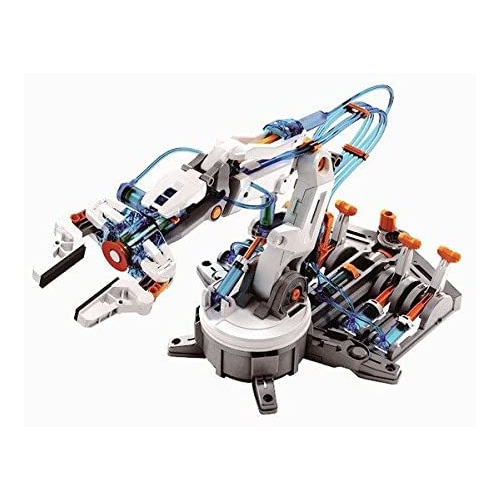


From first builds to more advanced coding challenges
Ages and skill labels are useful starting points, but they do not tell the whole story. A curious seven-year-old who enjoys building may be comfortable with a kit intended for a broader age range, while an older beginner may appreciate a simple platform that provides quick results before introducing more advanced concepts. Assembly time is another practical detail to consider, especially when the kit is intended as a gift. Some users will enjoy spending an afternoon sorting parts, tightening fasteners, and following each step; others may prefer a partially assembled robot that can be moving within minutes. Check whether the kit requires batteries, charging, a compatible tablet or computer, or additional tools before making a purchase. It is also worth considering the size of the finished robot and the space available for testing. A small tabletop model can navigate a living room coffee table or a bedroom floor, while a larger vehicle-style design may need a clear area to turn and manoeuvre. For families, a kit with sturdy components, replaceable parts, and straightforward troubleshooting can make shared projects more relaxed. Adults do not need to be programmers to take part. Reading the instructions together, predicting what a sensor will detect, or keeping a notebook of successful code changes can turn the activity into a collaborative project rather than a solitary screen session. One useful approach is to let the child decide what the robot should accomplish, then work backwards through the build and programming steps. That simple shift encourages ownership and makes mistakes feel like part of the design process instead of evidence that something went wrong. Shoppers looking for additional construction-focused options can also explore Robot Building Kits, particularly when the building experience is just as important as the coding.
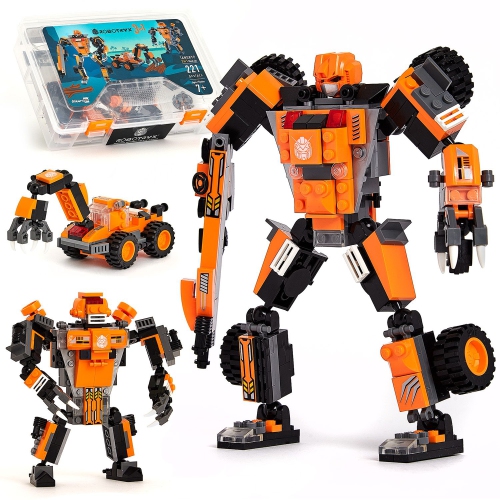
The programming system and expansion potential are especially important for users who expect to continue learning. Block-based interfaces can make it easier to understand loops, conditions, variables, and event-based commands by showing how each instruction fits into a sequence. Once those ideas become familiar, some kits allow a transition to text-based languages, giving teens and advanced learners an opportunity to work with more precise instructions and real-world coding practices. Sensors add another layer of discovery. A distance sensor can help a robot stop before it reaches a wall; a light sensor can inspire a project that follows a torch or responds to changes in a room; and a touch sensor can trigger a new action when the robot meets an object. Motor control, gearing, balance, and wheel placement also introduce practical engineering lessons that are easy to see and adjust. If the goal is long-term use, consider whether the kit offers modular parts, several build configurations, downloadable activities, or compatibility with common educational controllers and accessories. A flexible system can be rebuilt as a rover, arm, vehicle, or other moving machine, helping prevent the familiar “built it once and left it on a shelf” outcome. STEM robot kits can make thoughtful gifts for children who like puzzles, construction, science experiments, video games, or taking apart everyday objects to see how they work. They can also suit a classroom, library makerspace, after-school club, or family activity during the cooler months, when indoor projects become especially welcome. Before choosing, match the kit’s complexity with the user’s confidence, confirm the required power and device setup, and think about whether the activities encourage independent exploration. The best fit is not necessarily the kit with the most parts or the most advanced specifications; it is the one that offers a satisfying first success while leaving enough room for new ideas, unexpected discoveries, and increasingly capable builds.
Top selling and popular products
-
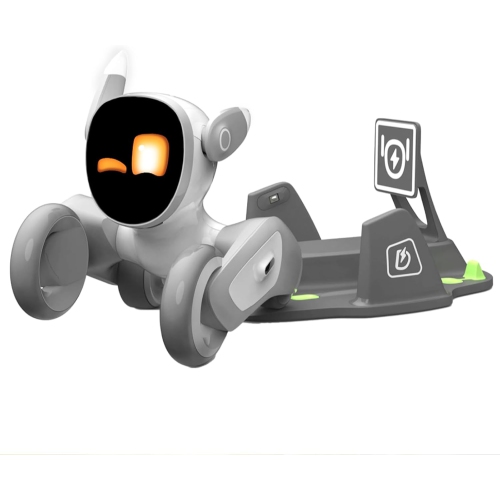 Your price for this item is $699.99
 -
 Your price for this item is $199.99
 -
 Your price for this item is $75.99
 -
 Your price for this item is $39.99
 -
 Your price for this item is $55.95
 -
 Your price for this item is $39.99
 -
 Your price for this item is $116.96
 -
 Your price for this item is $52.17