Active Hdmi Cables
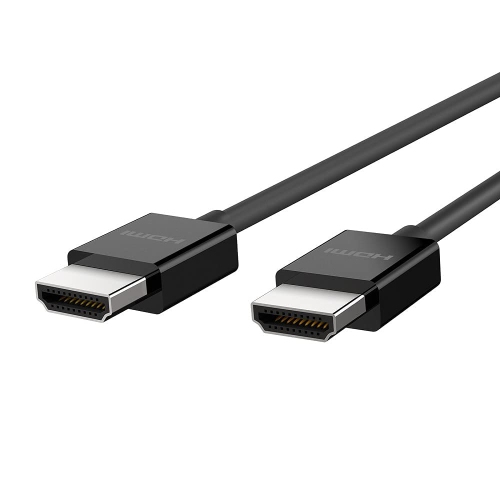
Looking to upgrade your home entertainment experience? Look no further than our selection of Active HDMI Cables. These high-quality cables are designed to deliver exceptional audio and video performance, ensuring a seamless connection between your devices. Whether you're gaming, streaming your favorite shows, or enjoying a movie night with friends and family, our Active HDMI Cables will provide you with the ultimate viewing experience. With various lengths and features available, you can easily find the perfect cable to suit your needs. Say goodbye to blurry images and fuzzy sound – it's time to elevate your entertainment setup with our top-notch Active HDMI Cables. And also be sure to check out our selection of HDMI Cameras as well.

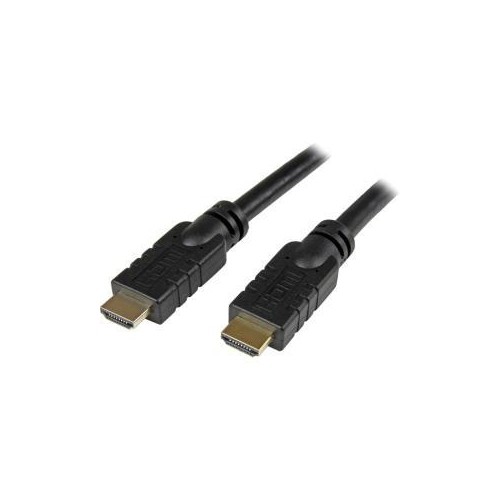
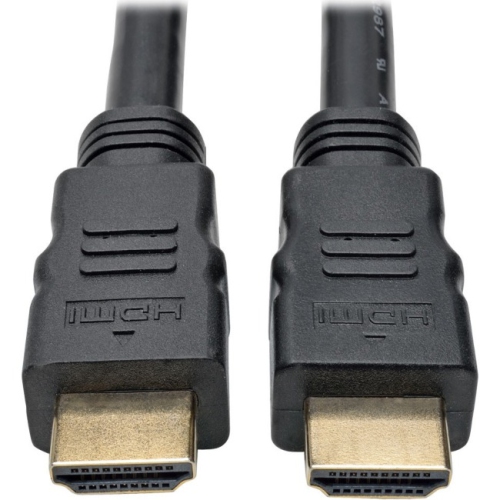
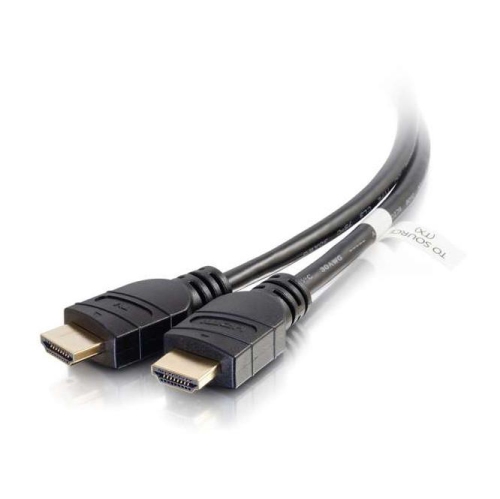
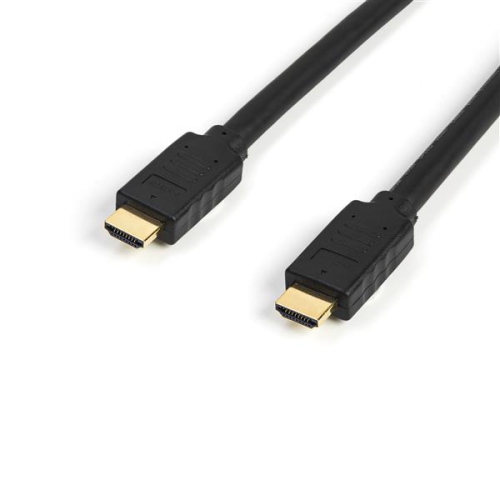
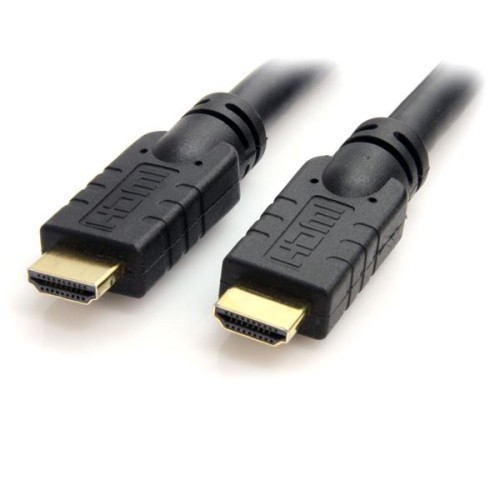
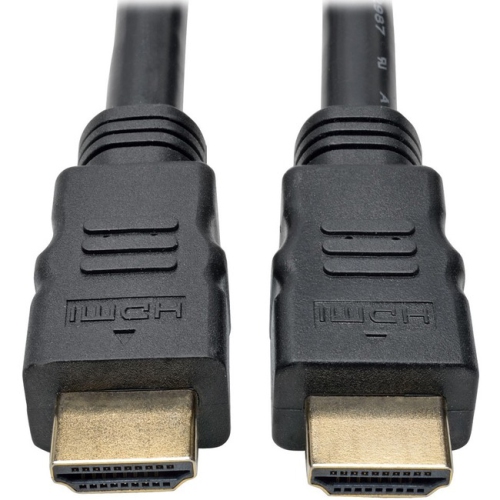
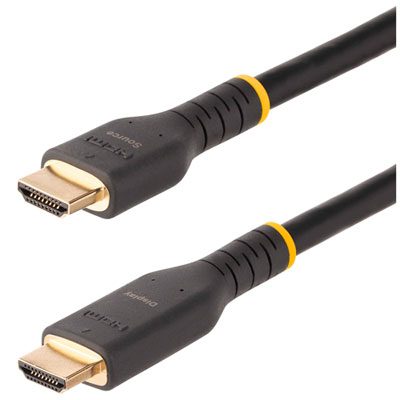

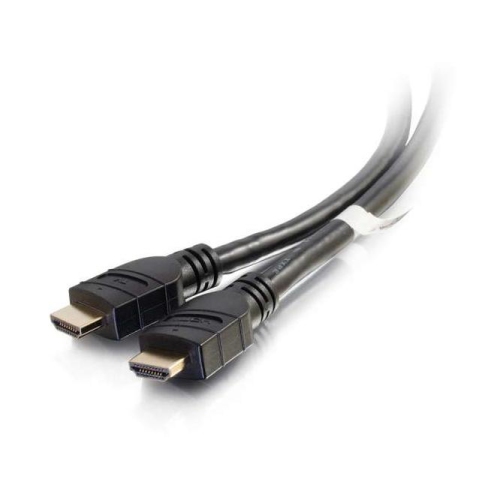
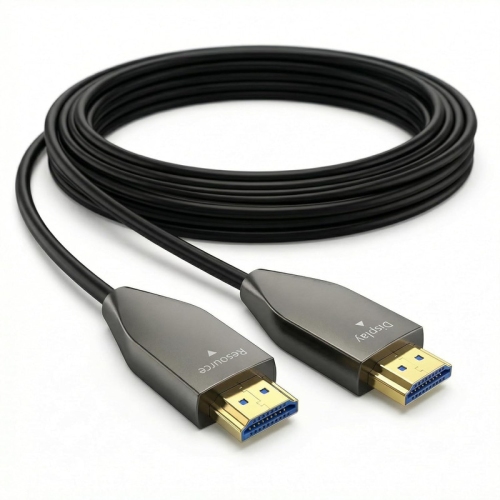

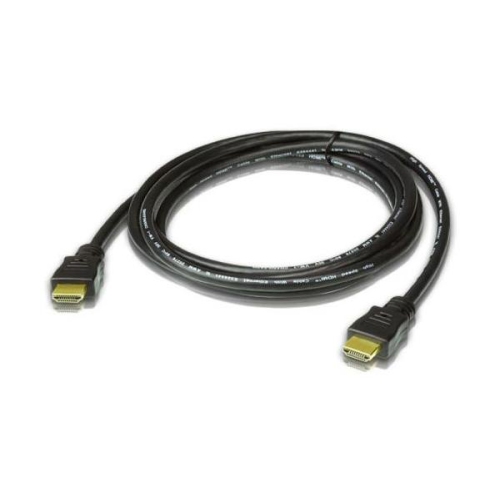
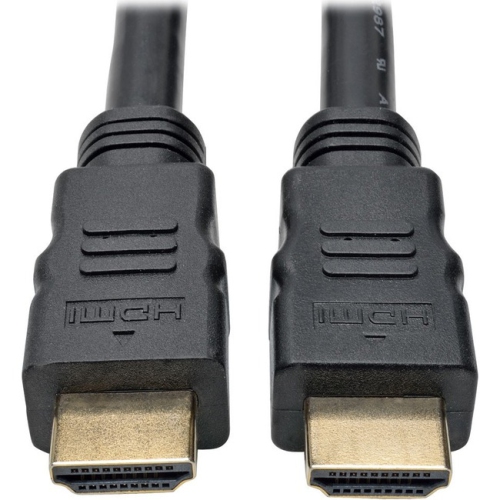

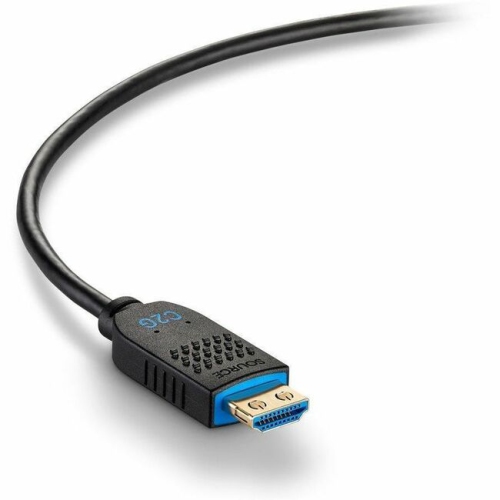
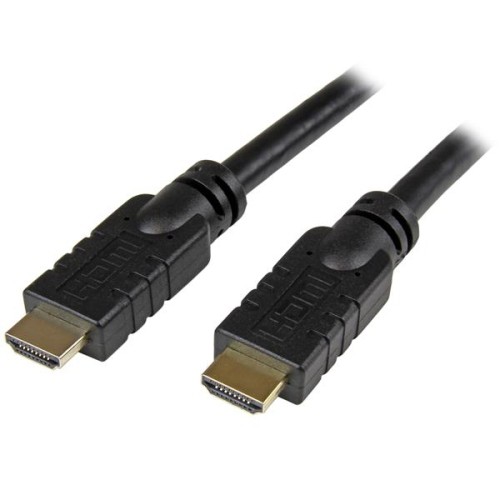


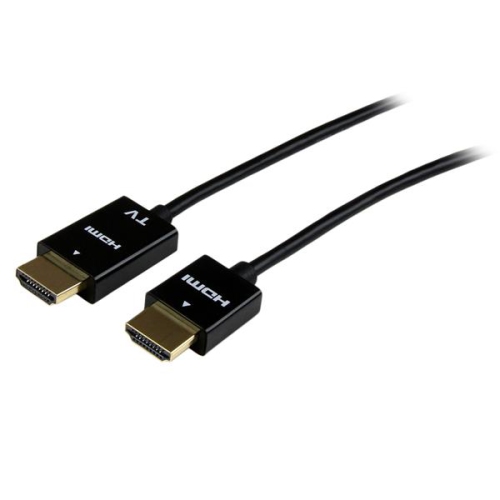
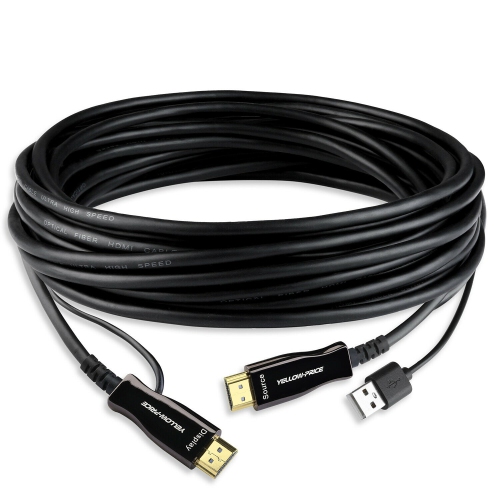
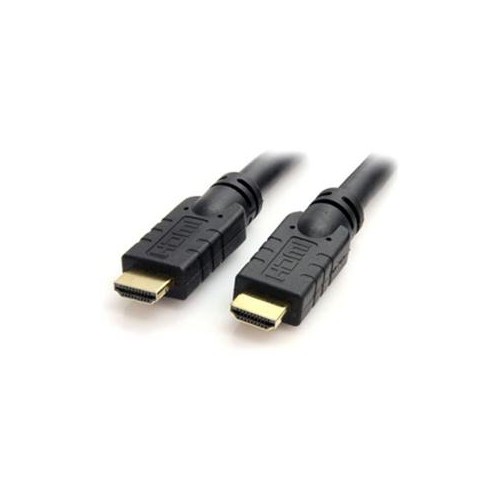

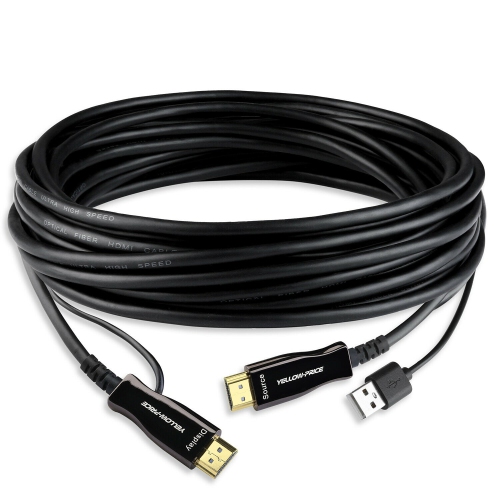


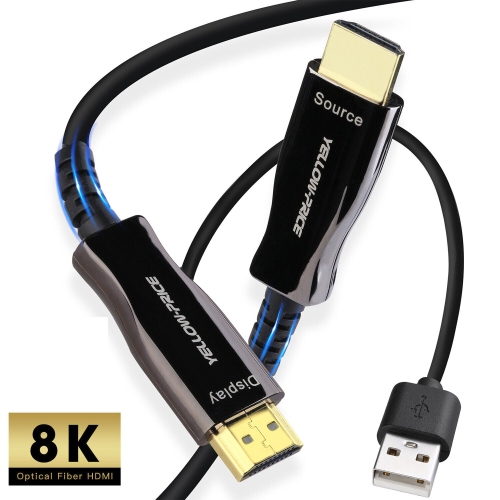
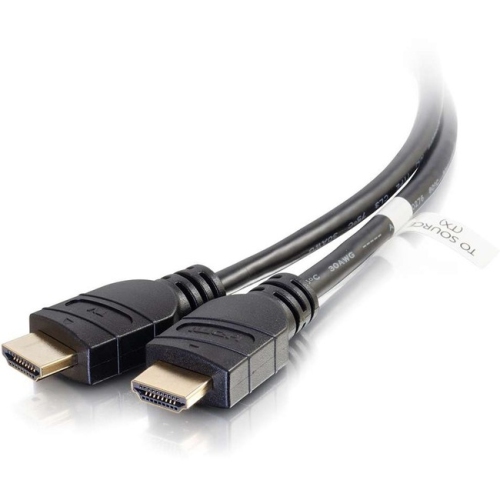


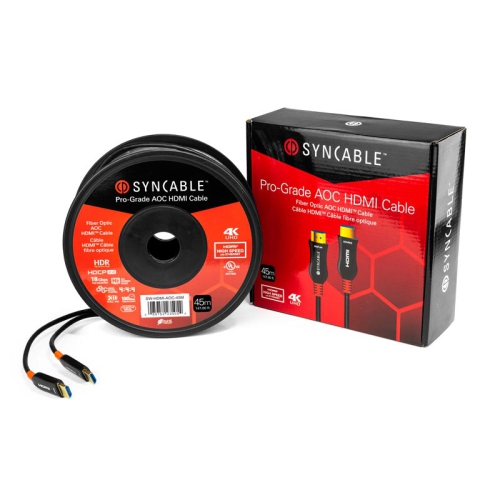

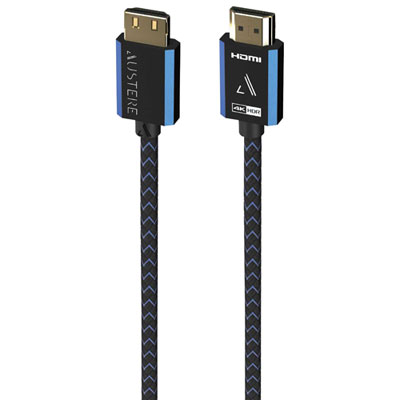


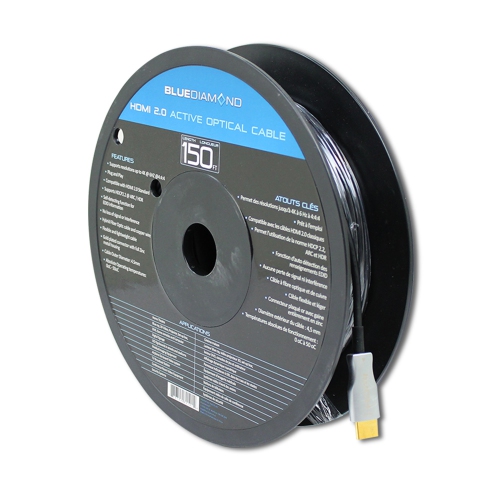
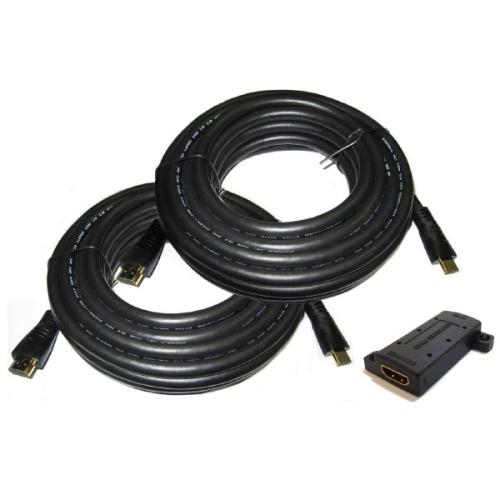
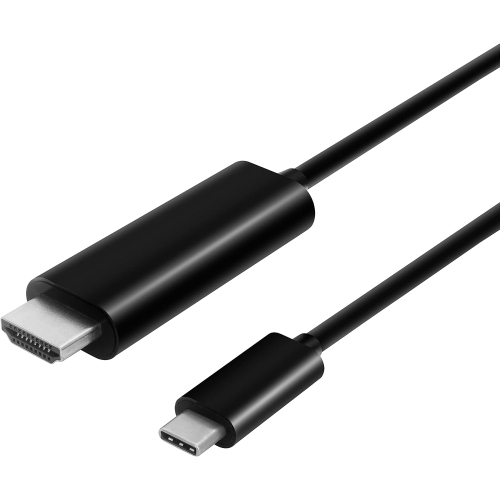
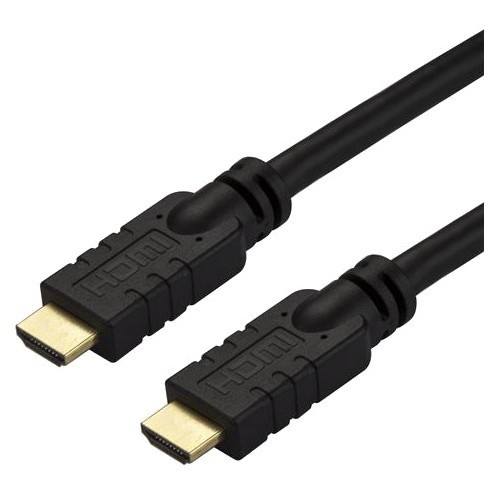

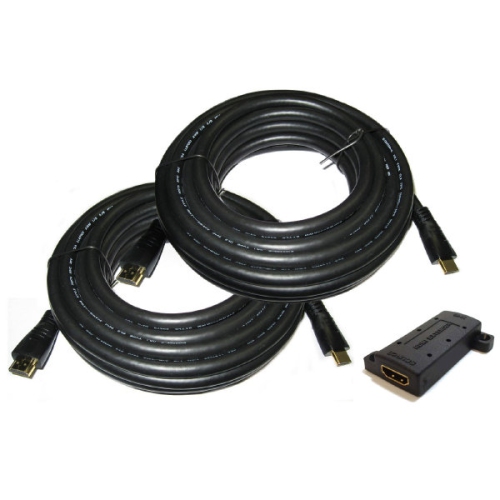
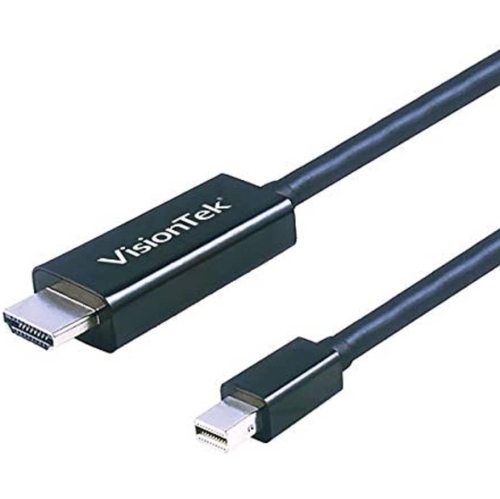
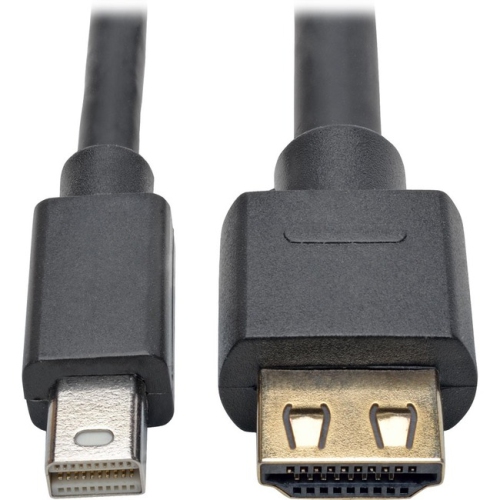
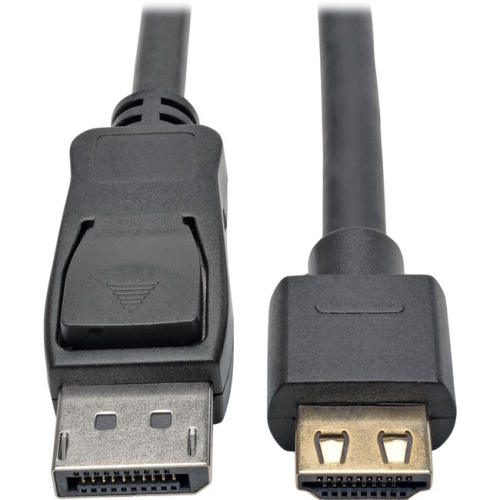
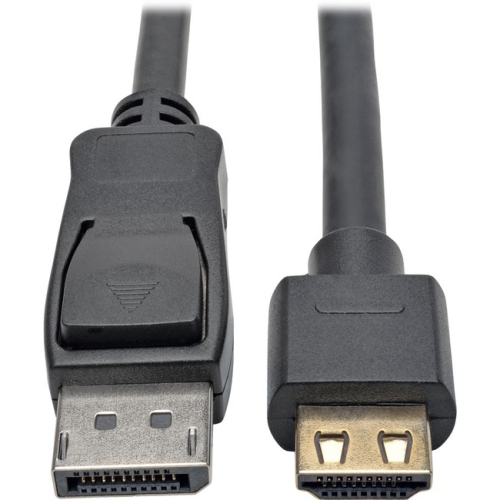
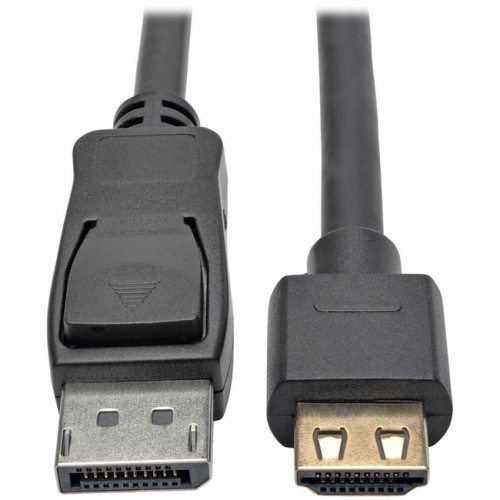
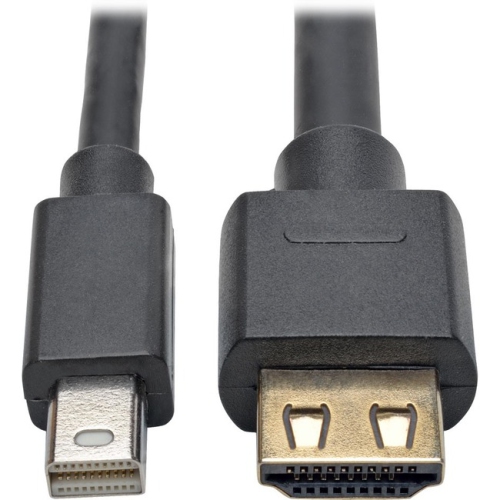
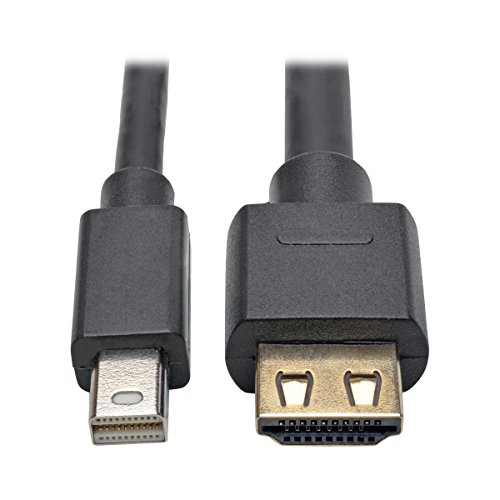
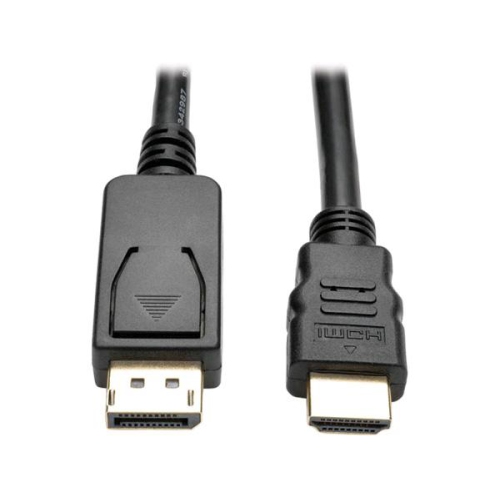
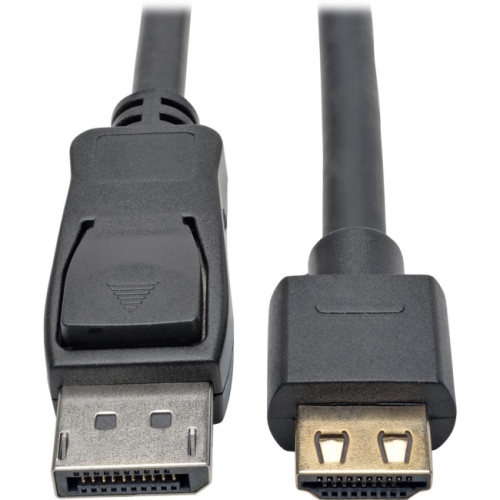
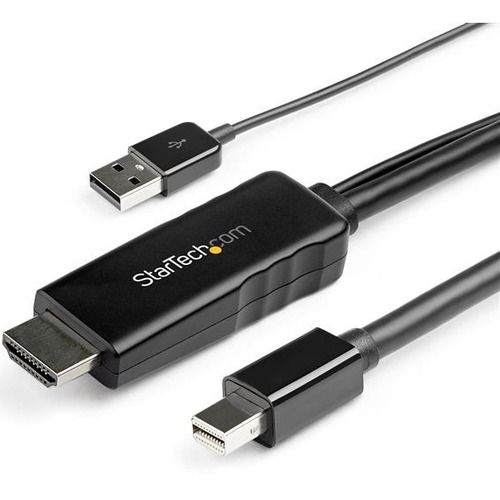
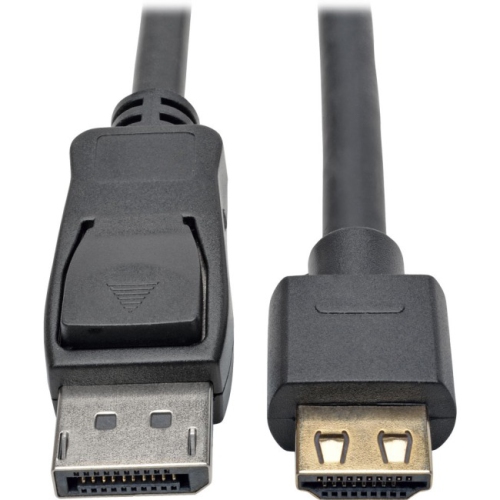
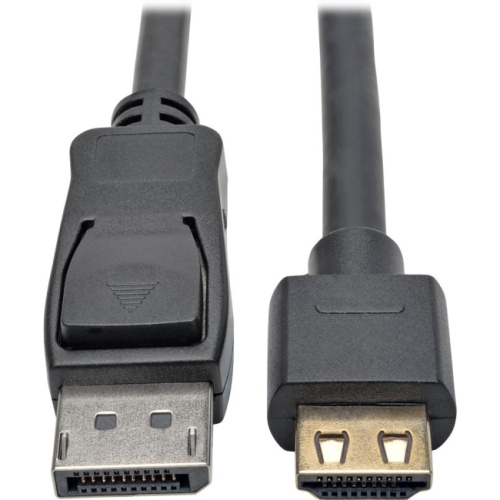
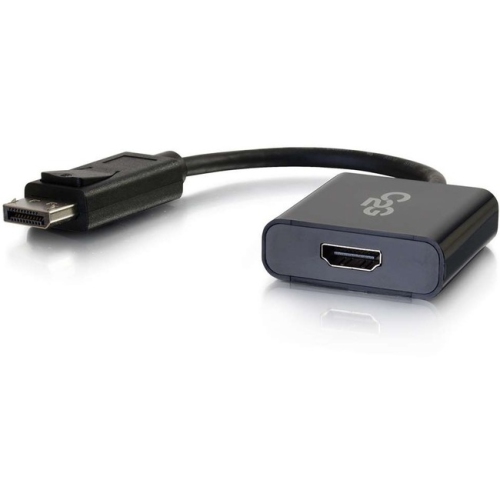
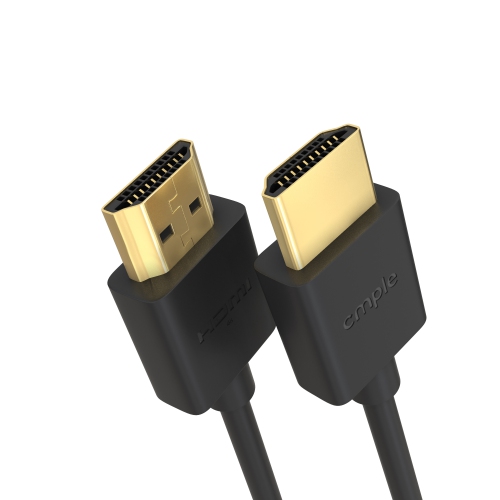
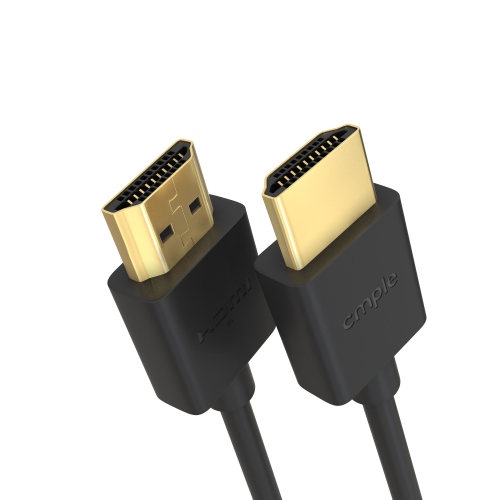
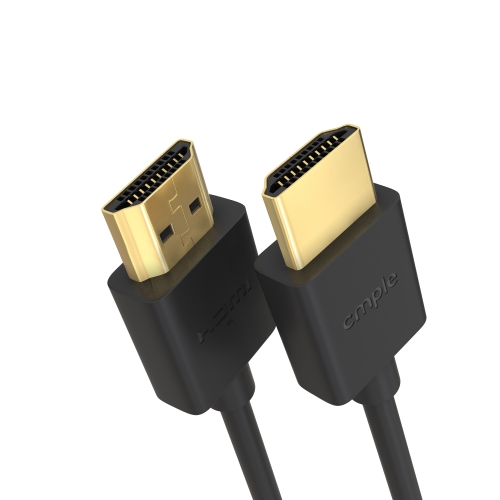
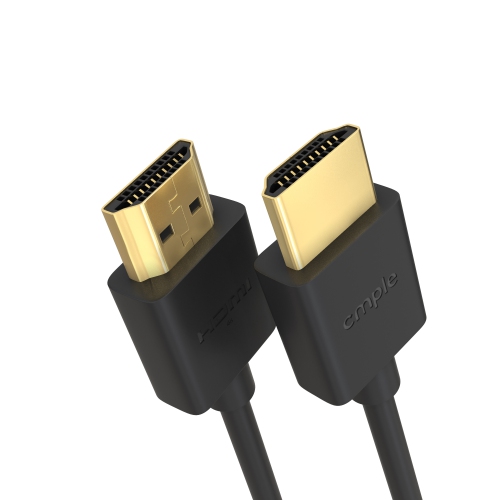
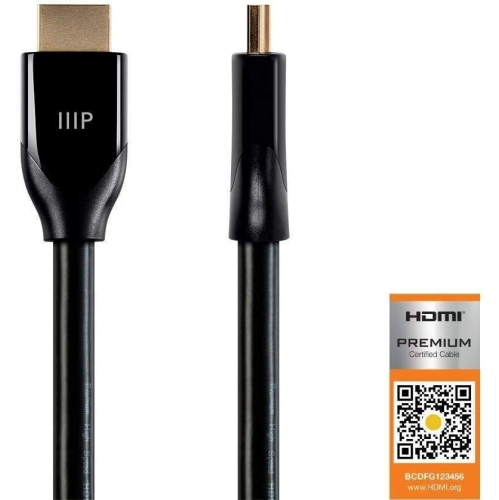
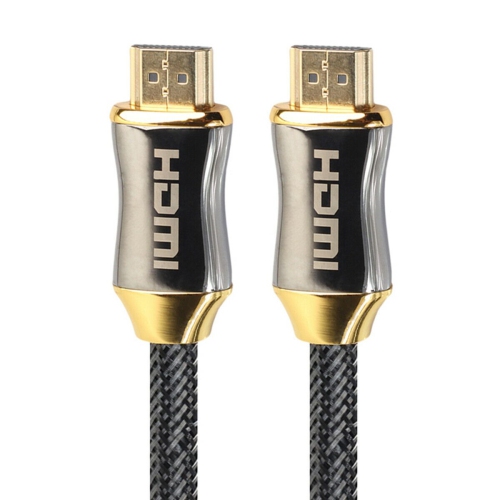
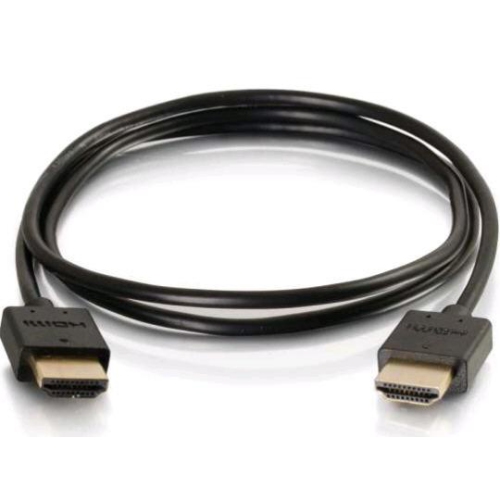
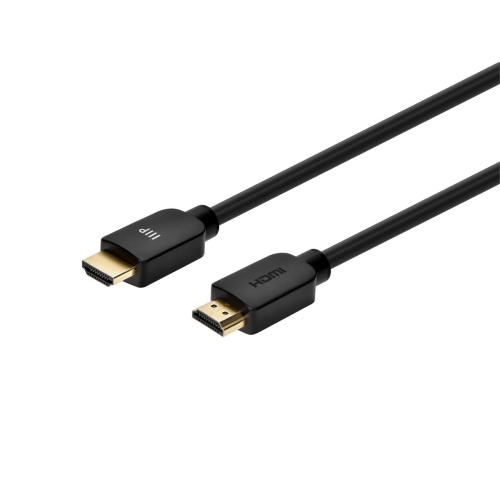
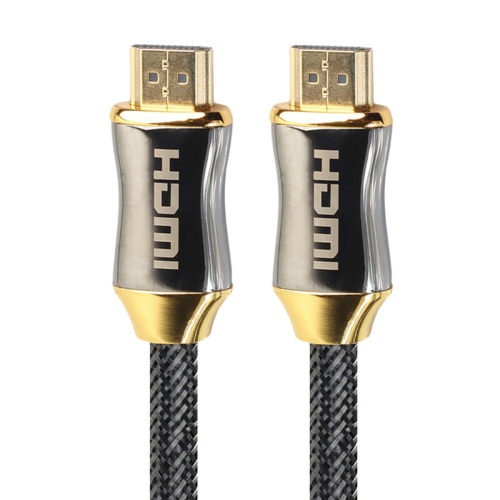
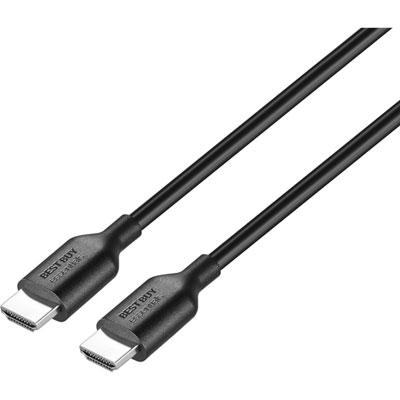
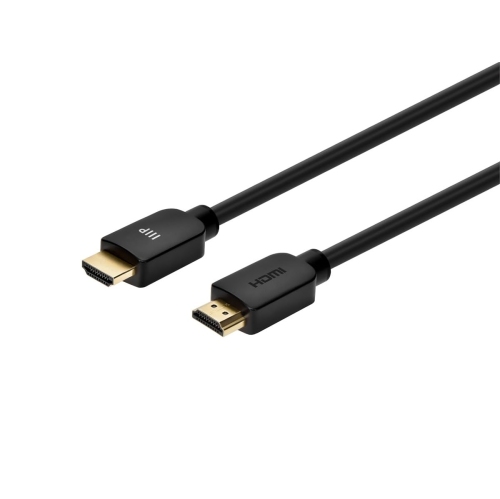
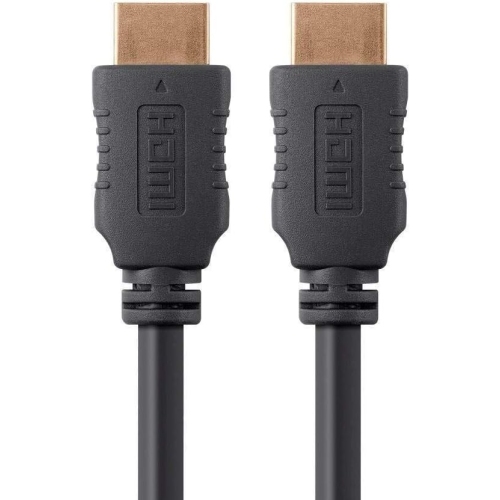
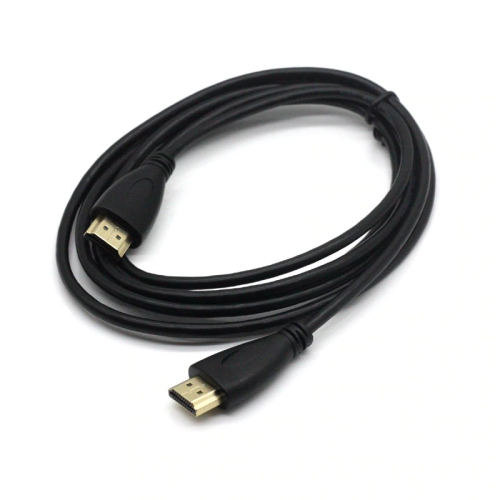
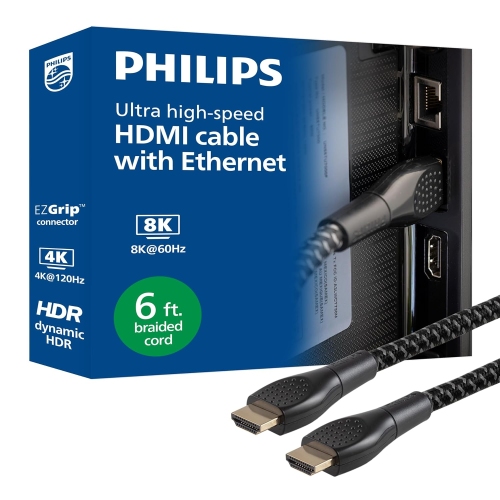
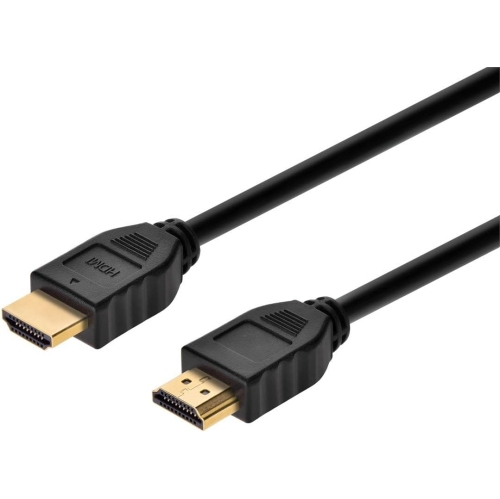
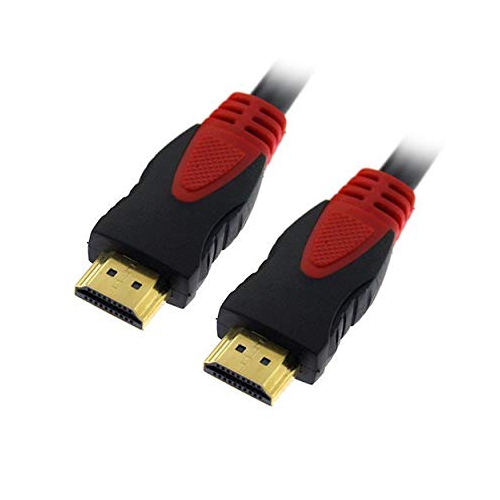
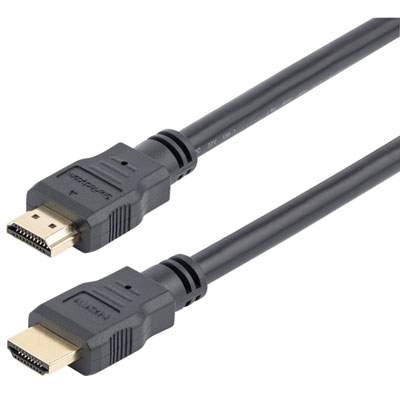
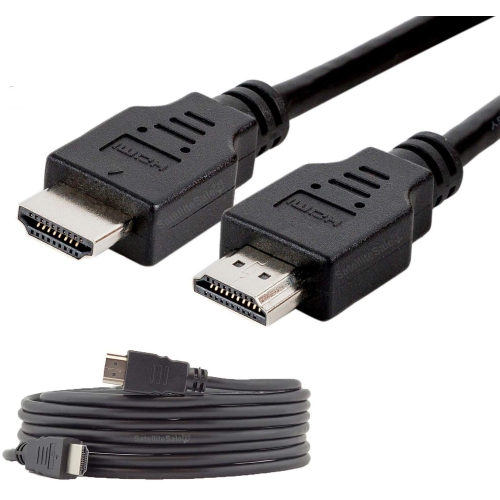

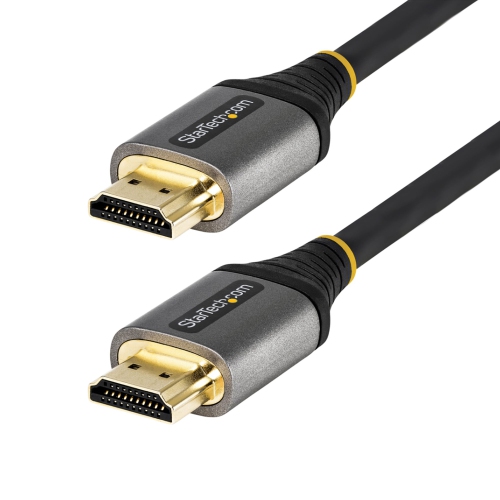
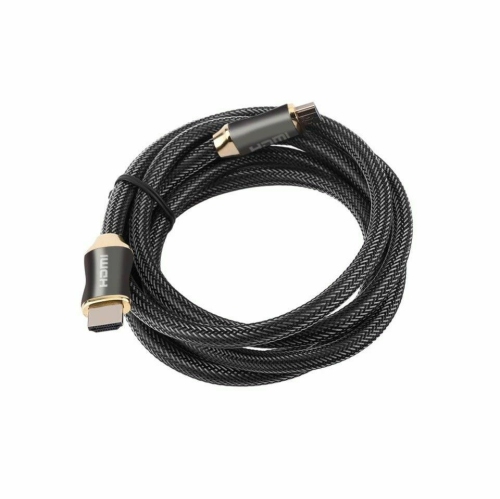
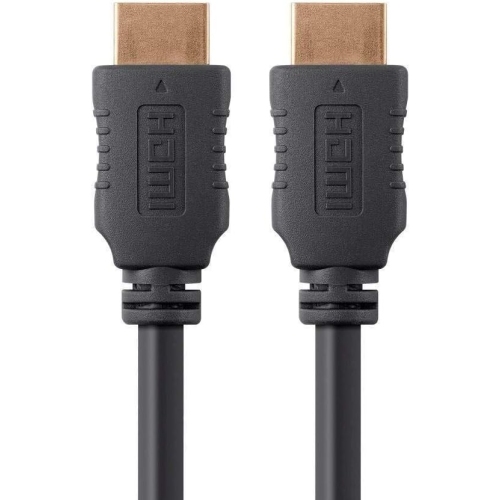

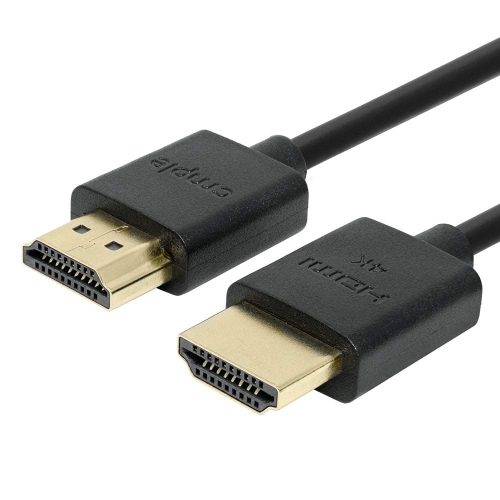
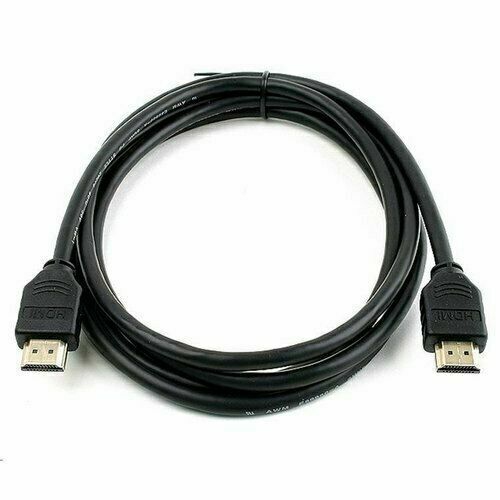
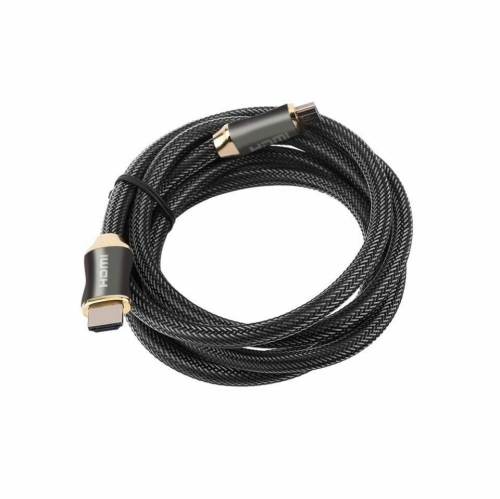
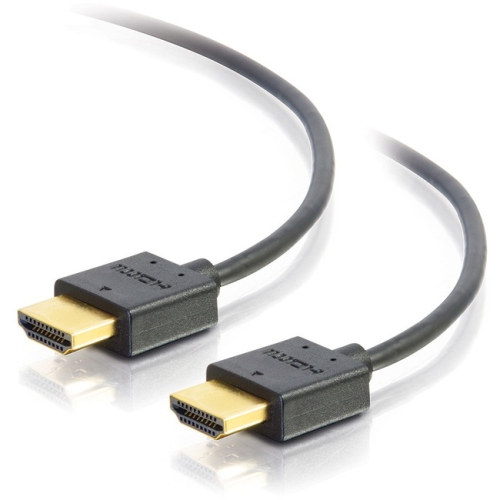

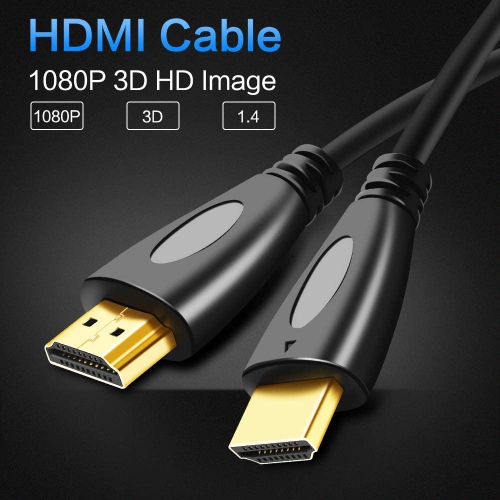
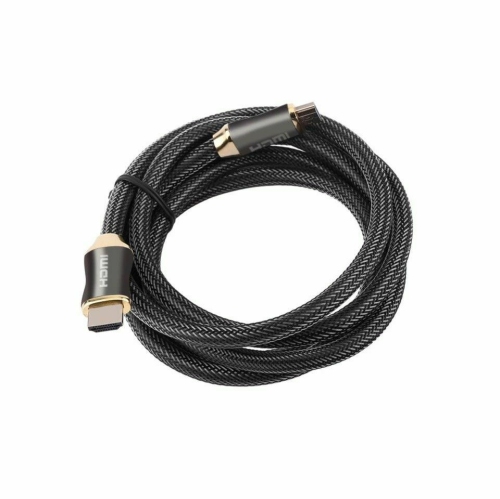
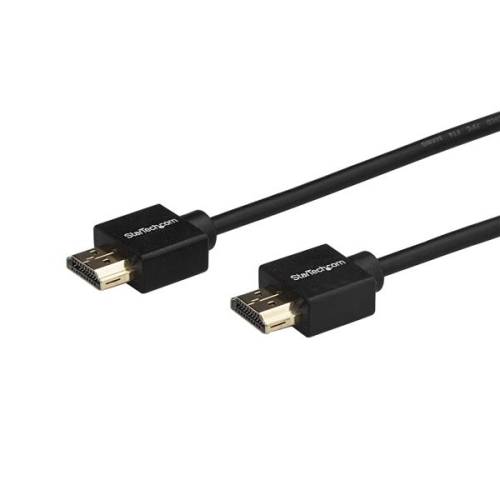
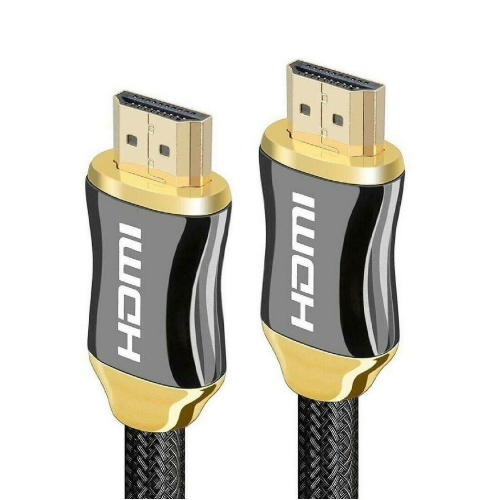
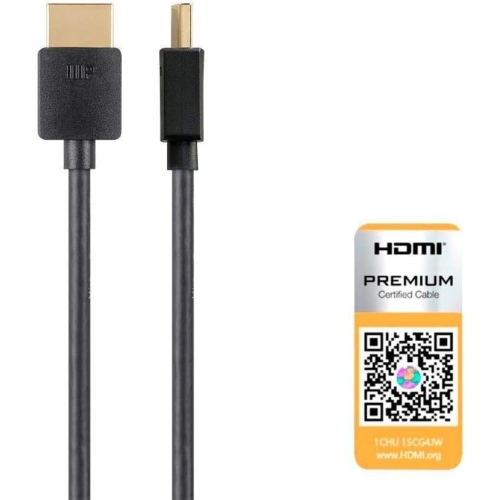
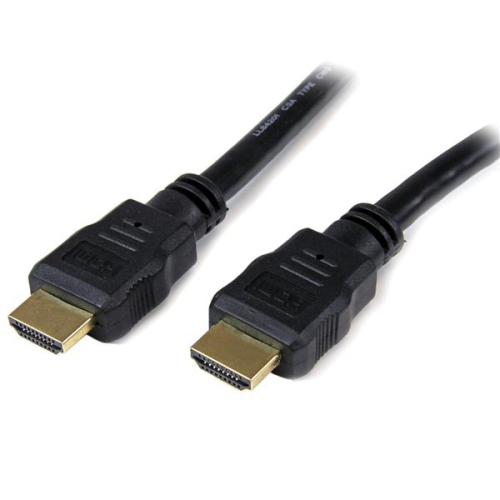
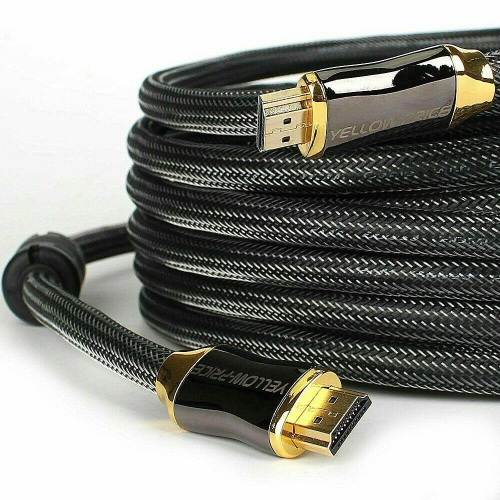
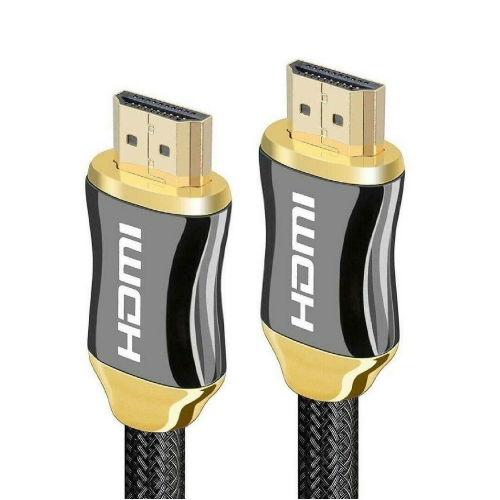
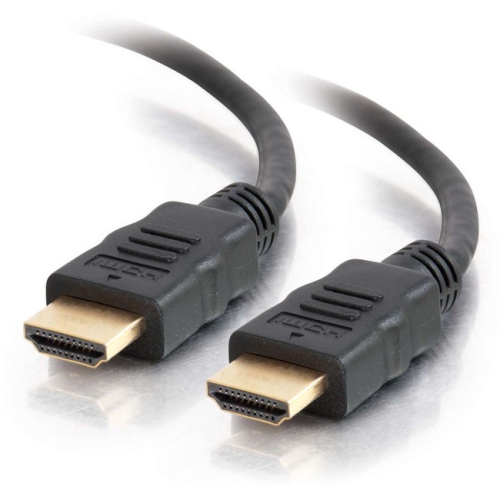
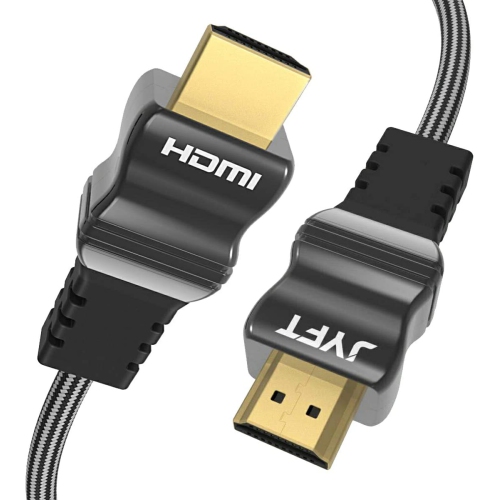
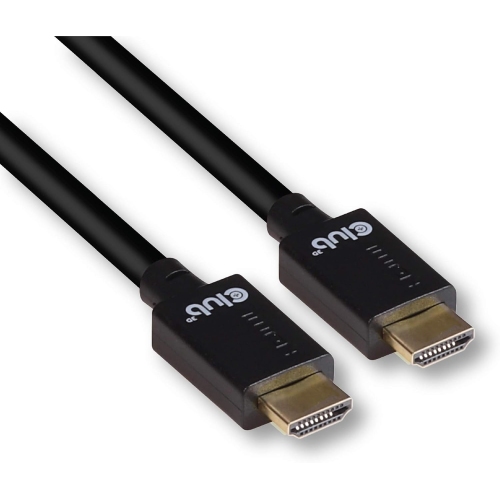
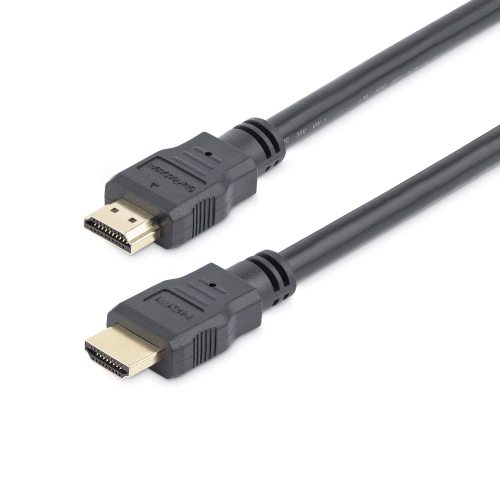
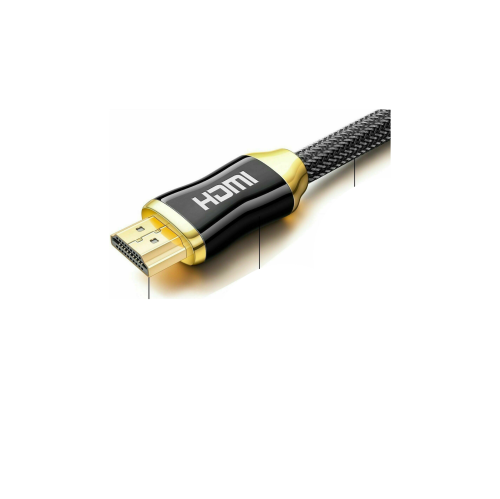
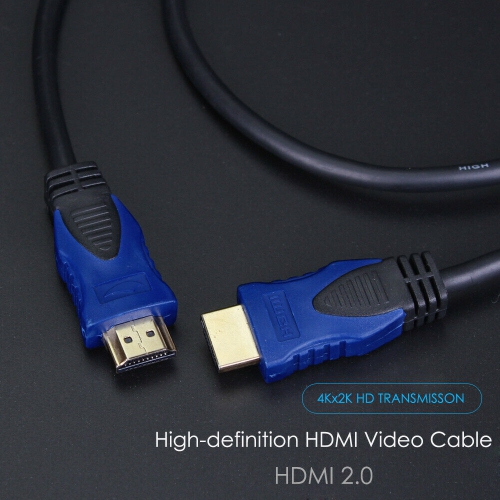
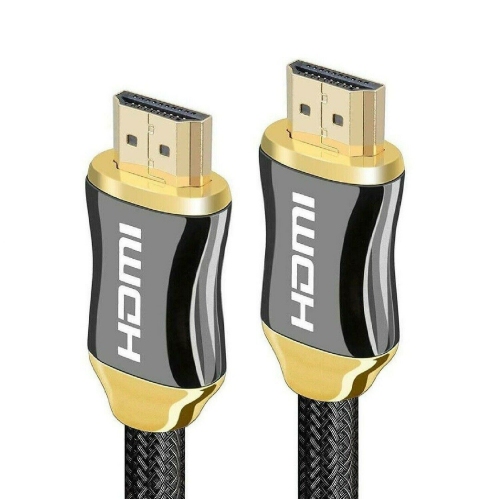
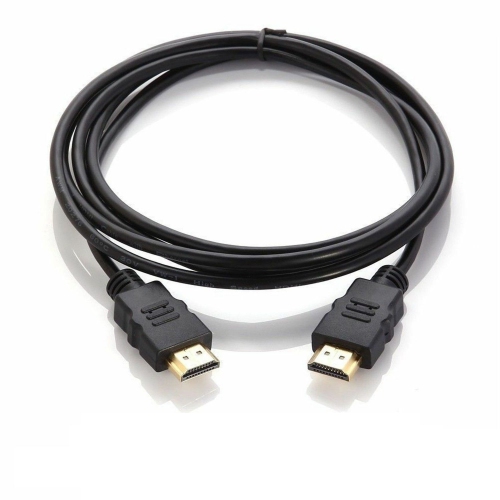

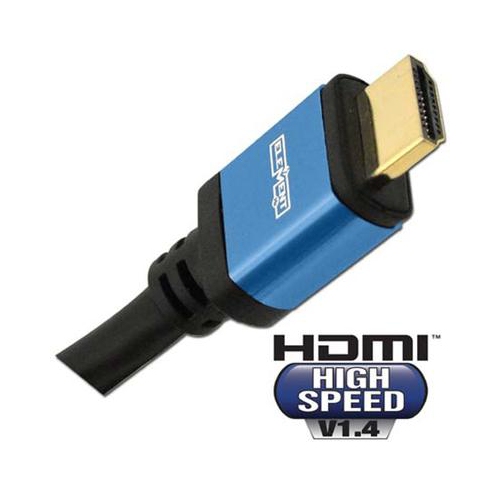


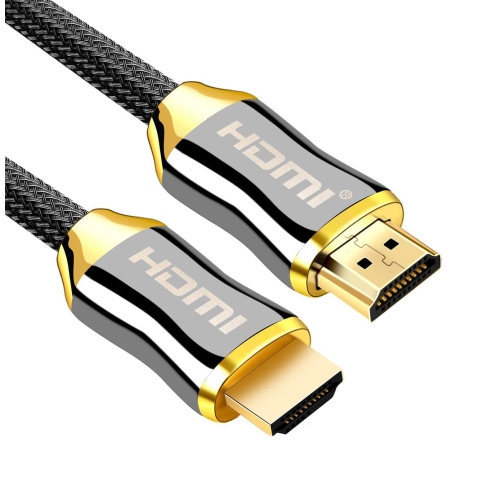
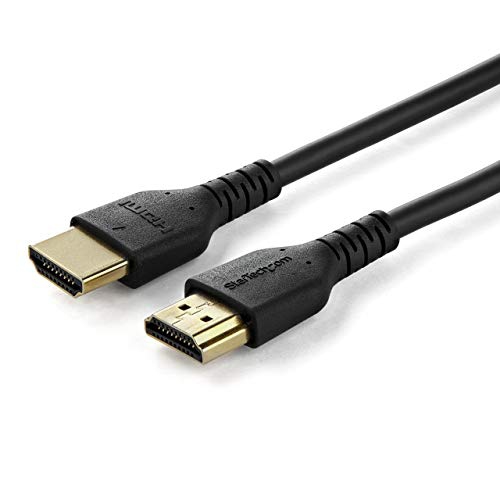

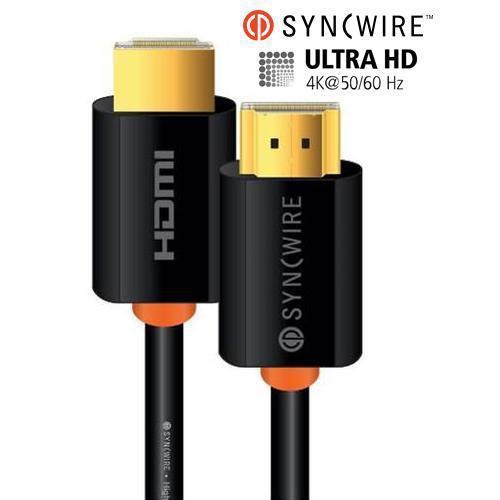
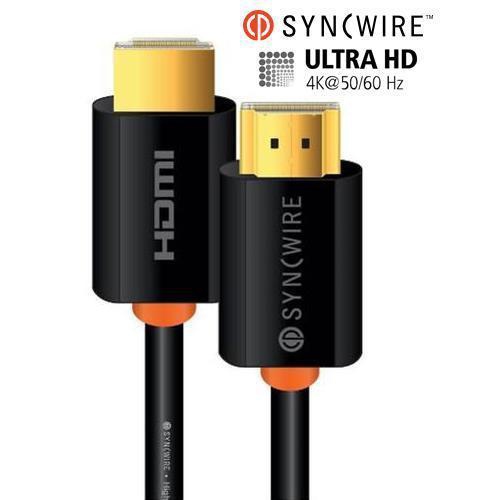
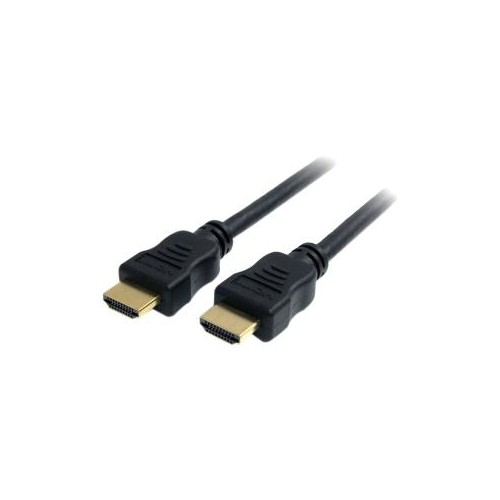

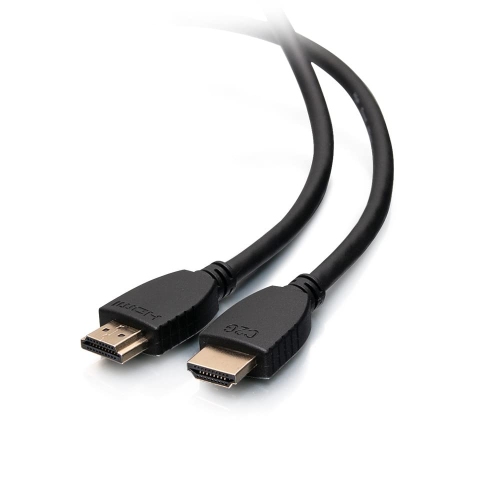
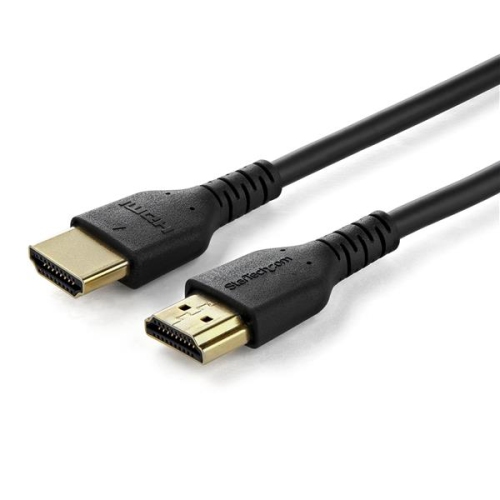
Reliable picture and sound across longer cable runs
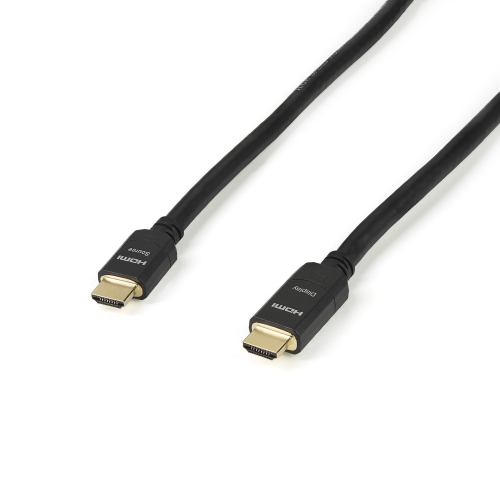
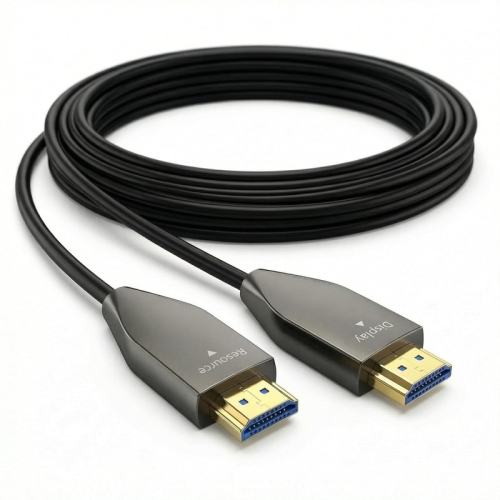
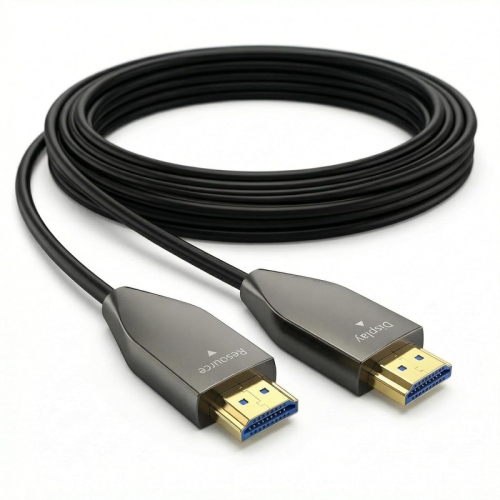
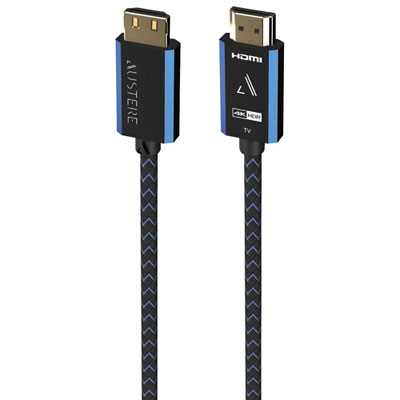
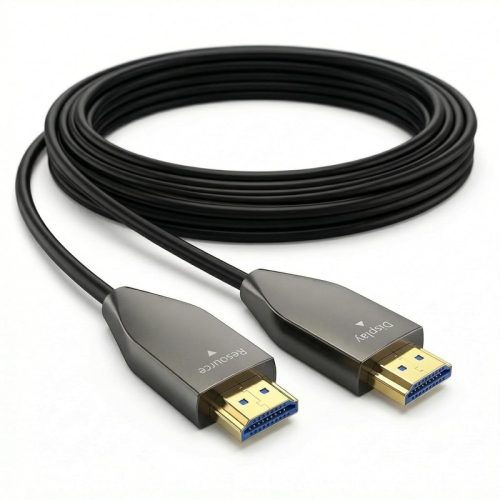
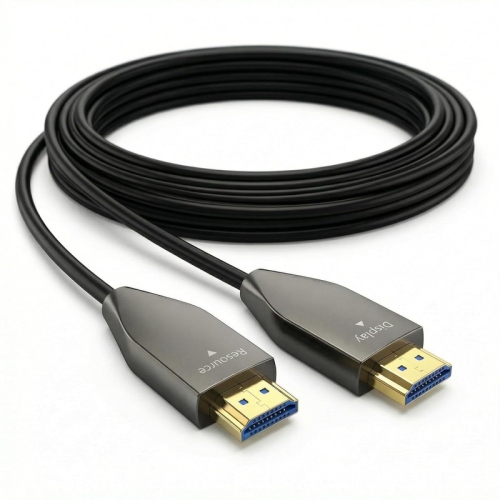
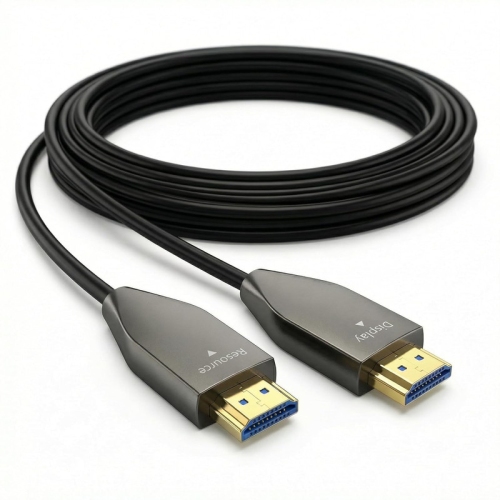
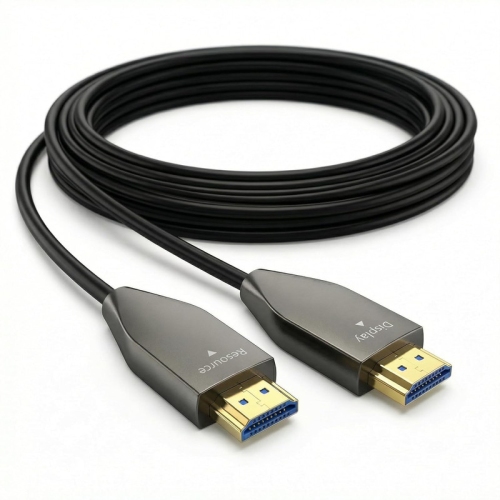
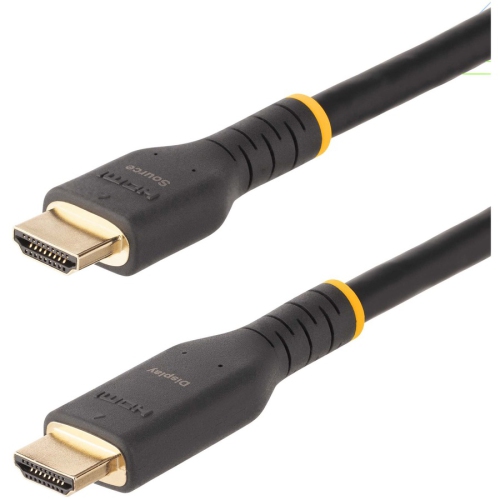
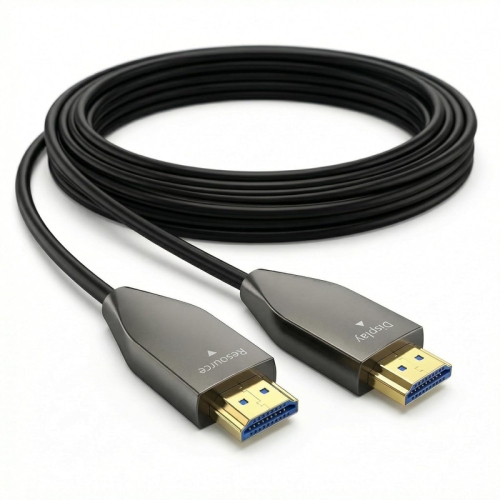
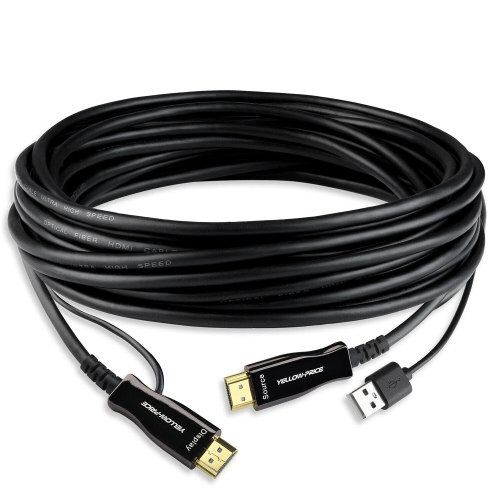
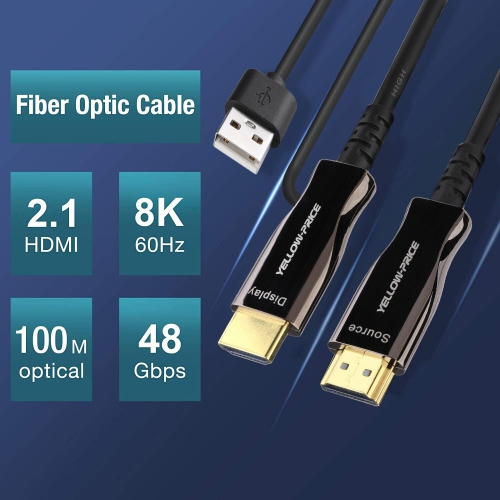
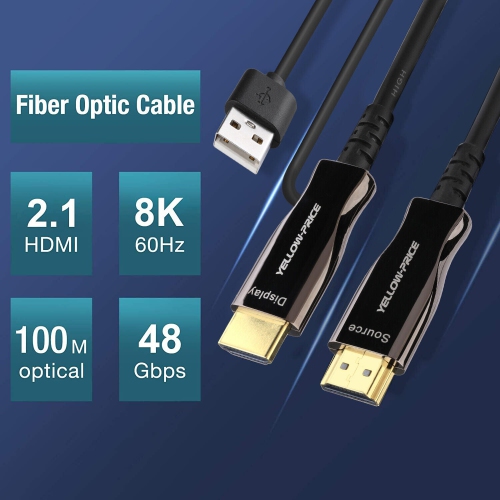
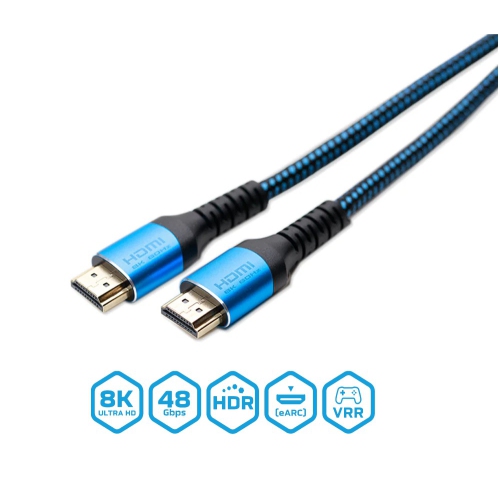
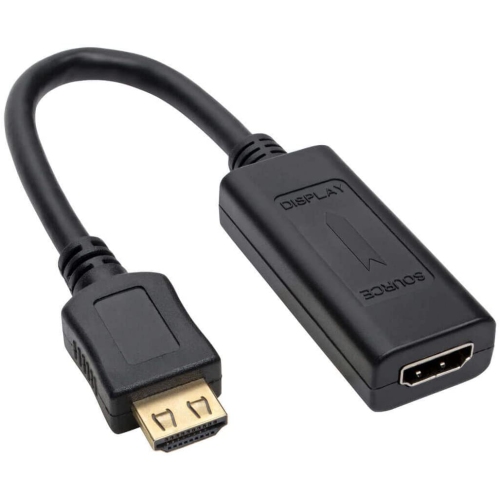
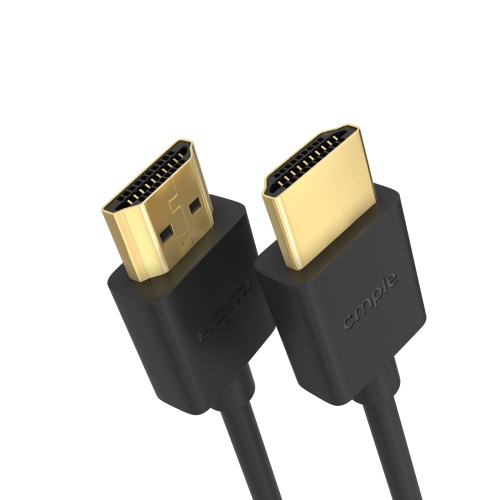
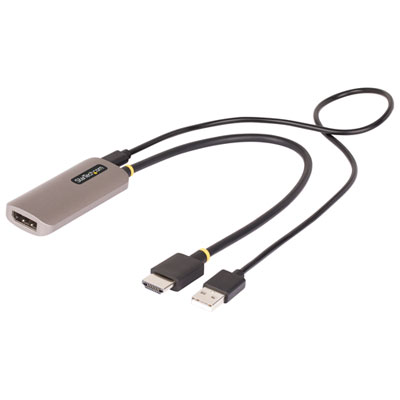
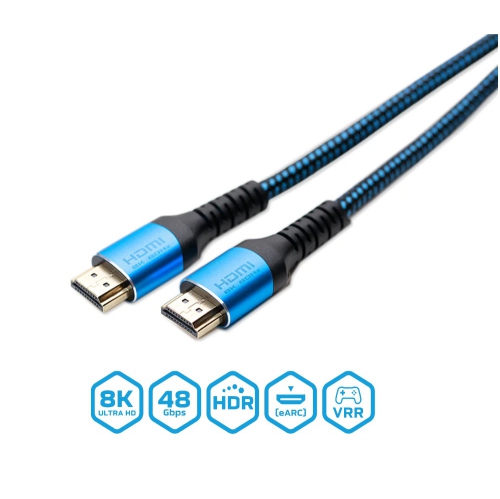
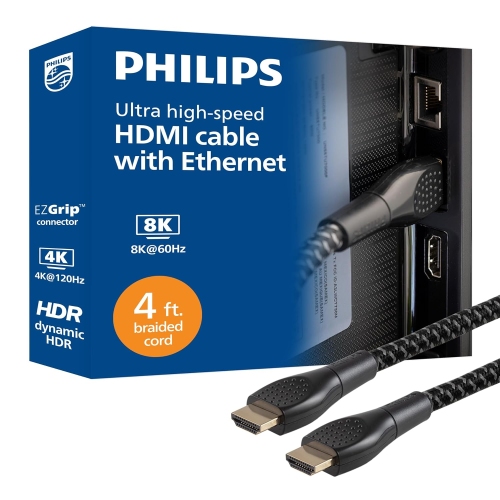
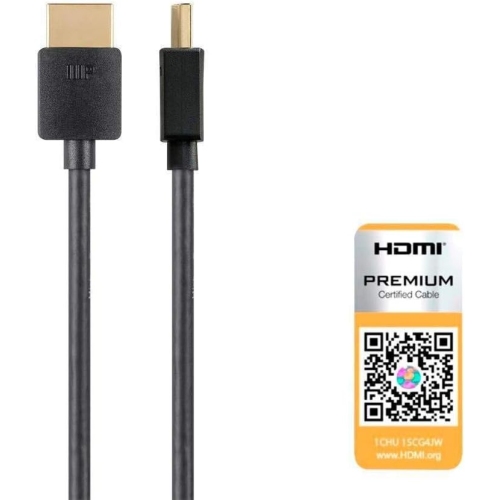
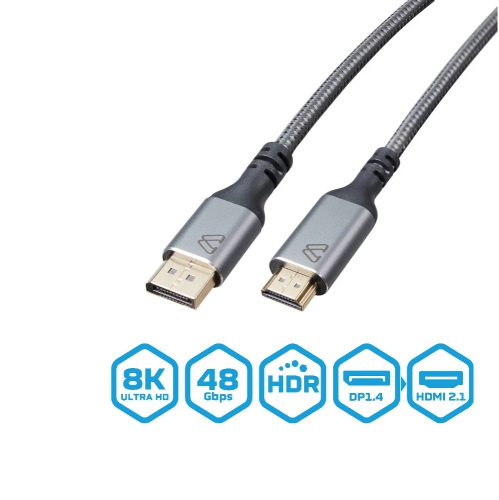
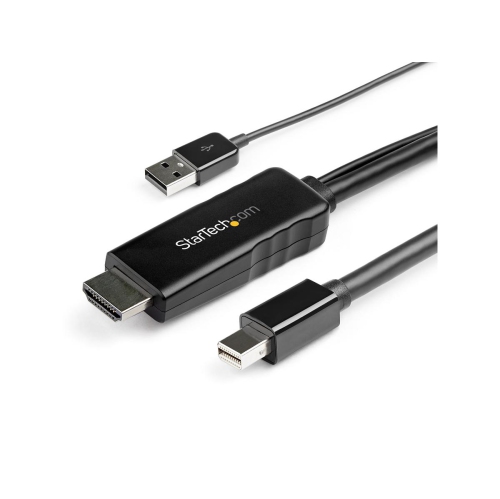
The most important compatibility details are the combination of cable length, resolution, refresh rate, and supported HDMI features. A connection intended for 4K video at 60 Hz has different bandwidth requirements from one carrying 4K at 120 Hz, and higher colour depth or certain HDR formats can increase the demands further. A resolution claim alone does not describe every supported signal format, so the stated bandwidth and operating specifications matter alongside it. An 18 Gbps rating and a 48 Gbps rating represent different transmission capabilities, but the source device, any intervening receiver or switch, and the display must also support the desired format. An active cable cannot add a refresh rate or feature that the connected equipment lacks. For gaming, relevant details may include variable refresh rate and compatibility with the intended high-frame-rate output. For television sound sent back to an audio system, explicit support for ARC or eARC matters; forward video transmission does not guarantee that every return-audio function is supported. Device control through HDMI-CEC is another feature worth checking, particularly in a setup where one remote operates several components. Direction also deserves attention before a cable is routed behind cabinetry or through a wall: the source end belongs at the console, computer, media player, or receiver output, and the display end belongs at the screen or projector input. Many active cables draw operating power from the HDMI connection, while some designs require supplementary power through a separate lead. Available power and equipment compatibility can therefore matter even when the connectors fit. Wall plates, adapters, switches, and couplers introduce additional connection points and may affect performance, especially over a long run. A direct connection is often simpler, while a more complex installation benefits from checking the complete signal path. Certification, where provided, should match the cable’s claimed performance category, and the specifications should apply to the actual length being considered rather than another length in the same range.
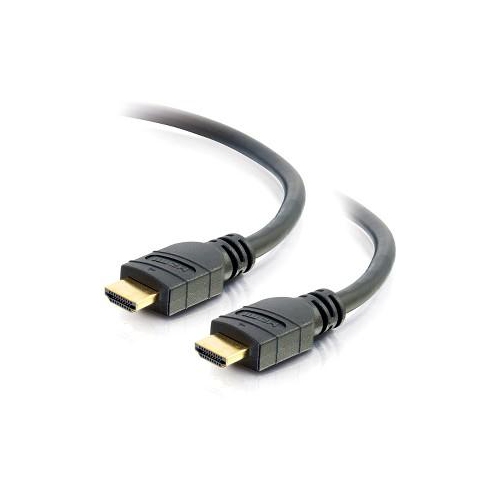
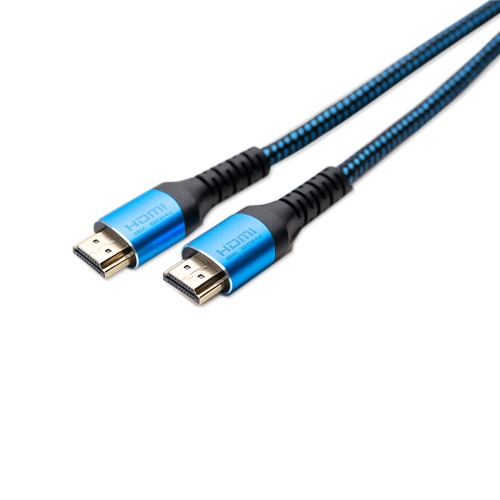
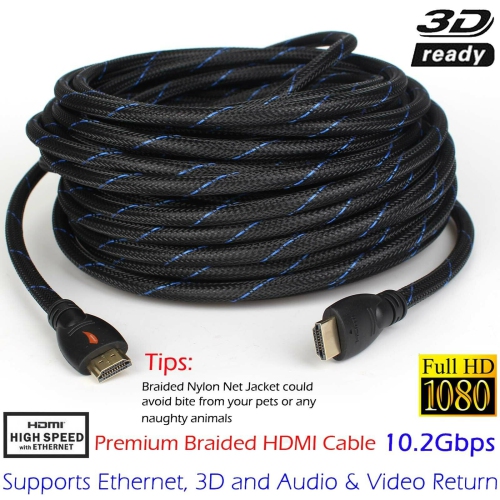
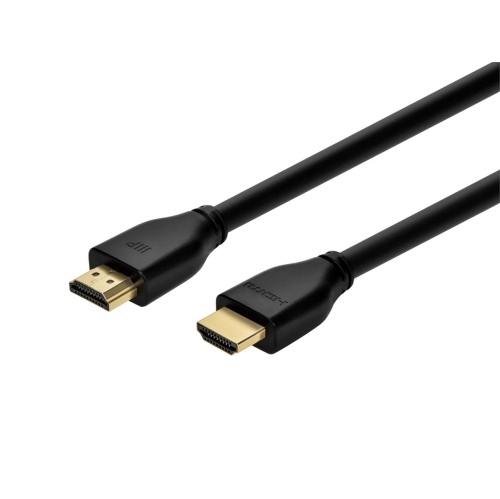
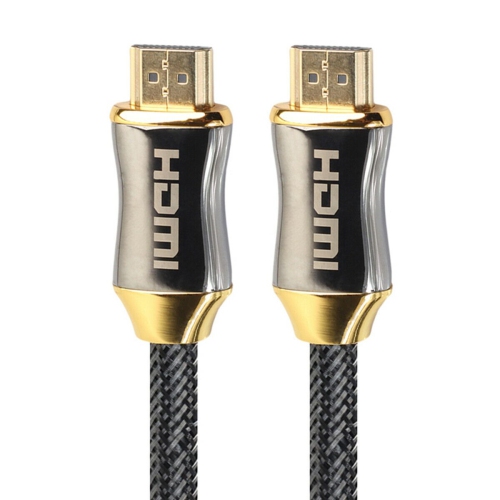
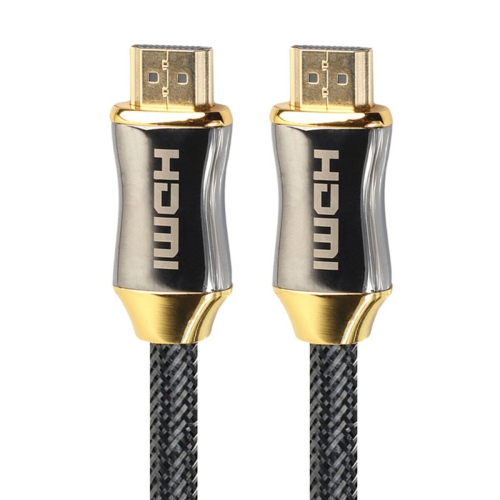
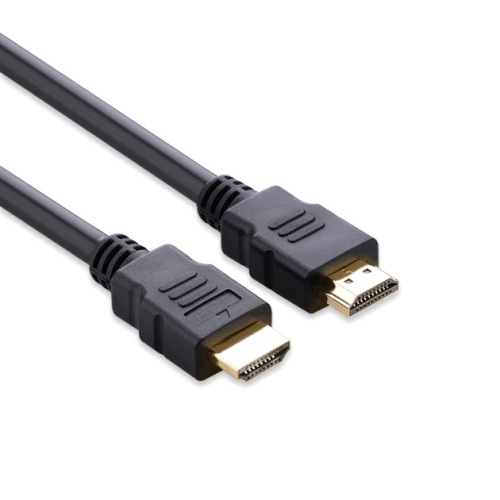
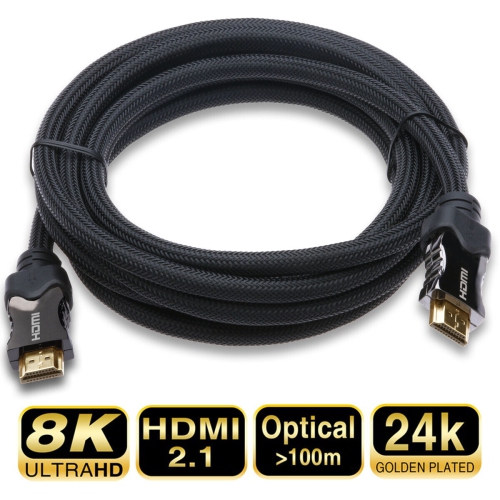
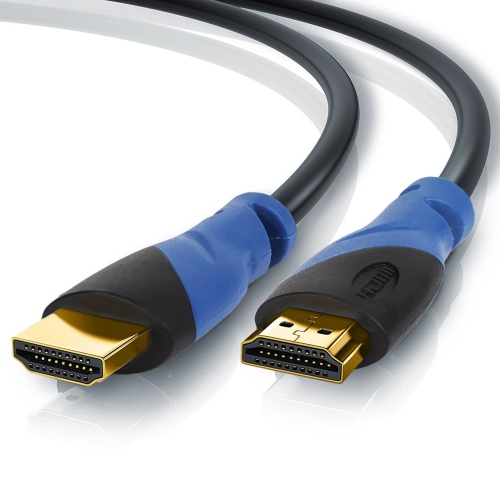
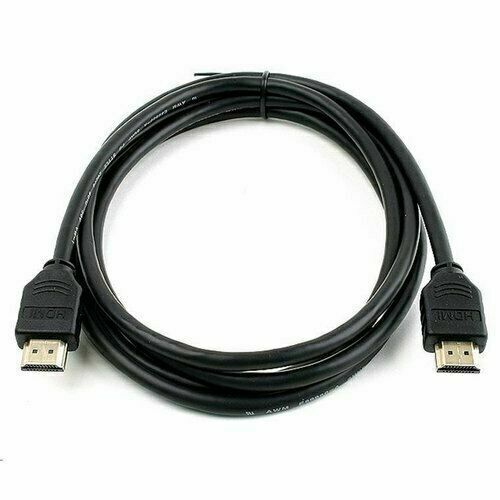
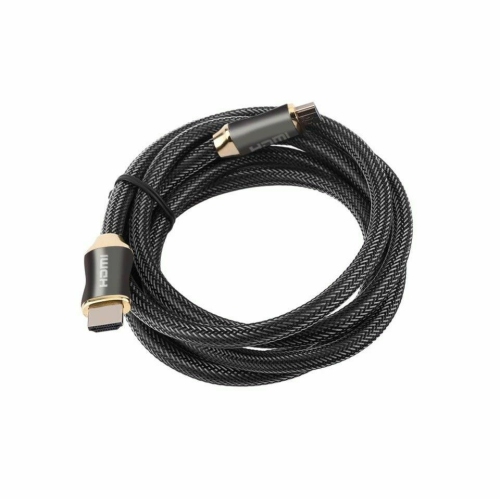
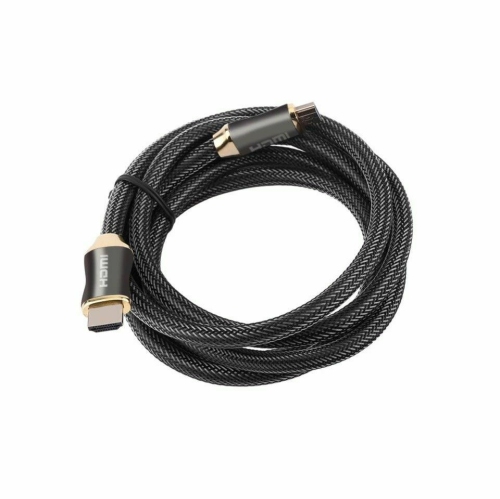
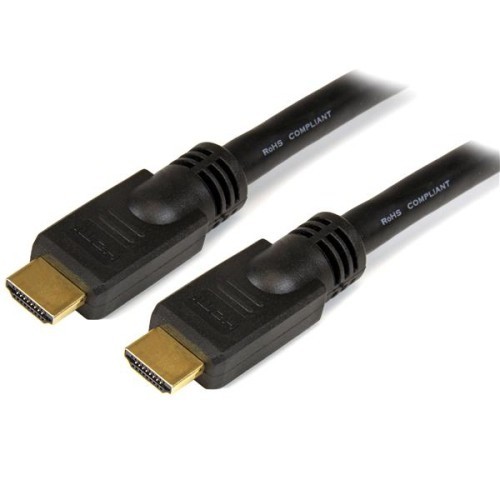
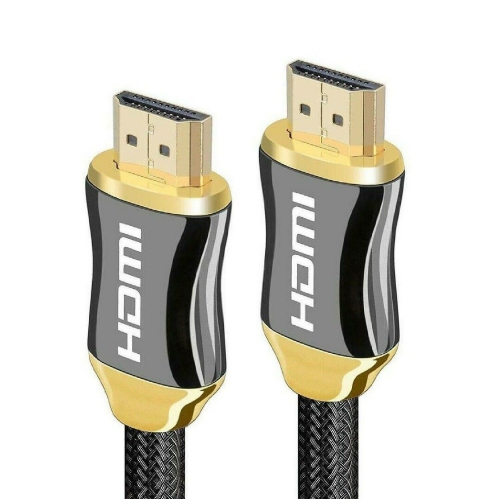
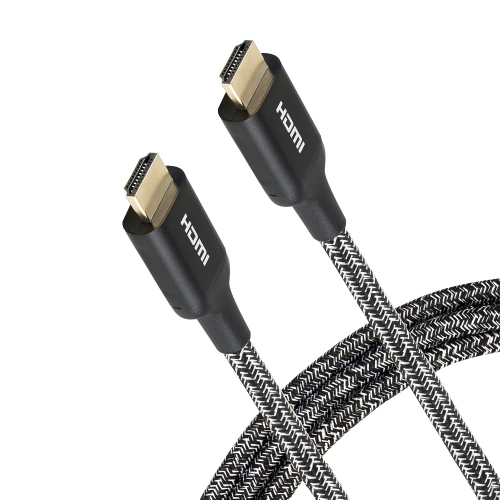
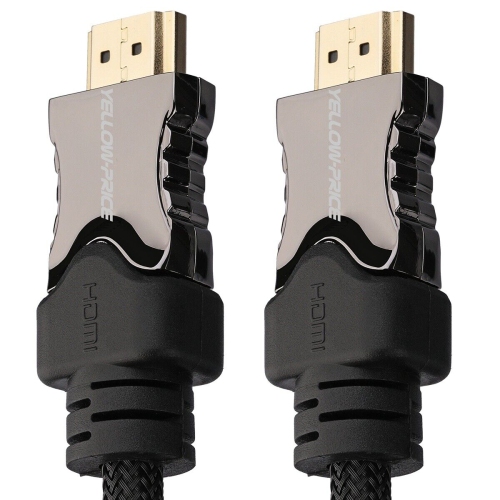
Physical construction affects how comfortably an active HDMI cable fits into a room and how well it stands up to handling. Most televisions, receivers, projectors, and consoles use full-size HDMI connectors, but the space around those ports can be narrow. A long connector housing may press against the wall behind a mounted screen, and a thick cable can place unnecessary strain on a recessed socket. Connector dimensions, jacket flexibility, and the manufacturer’s minimum bend radius are therefore useful details, particularly for optical designs that can be damaged by tight bends or crushing. If routing space is limited, Flexible HDMI Cables are another option to consider, although flexibility alone does not indicate active circuitry or long-distance transmission capability. Outer jackets may be smooth or braided, with different levels of flexibility and resistance to abrasion; neither appearance nor thickness alone establishes signal performance. Reinforced strain relief helps support the transition between the cable and connector, while corrosion-resistant contacts can contribute to dependable connections over time. For concealed installations, an appropriate in-wall rating and compliance with applicable building requirements matter separately from bandwidth. A cable suitable for running between exposed components is not automatically suitable for installation inside a wall. Measuring the complete route, including vertical sections, cabinet openings, and enough slack to move equipment for servicing, helps avoid a connection that reaches only when pulled taut. Excess length should rest in broad, loose curves rather than tight coils or sharp folds, and cable supports should hold the run without compressing it. Testing the intended picture, sound, and control functions before concealing the cable can prevent difficult rework later. Everyday care is straightforward: handle the connector housing rather than pulling on the lead, keep plugs free of dust, and protect the cable from furniture legs, rolling chairs, and pinched cabinet doors. With the right specifications and a suitable physical fit, active HDMI cables can support a tidy, dependable setup while giving screens and source equipment more freedom to sit where they work best.
Top selling and popular products
-
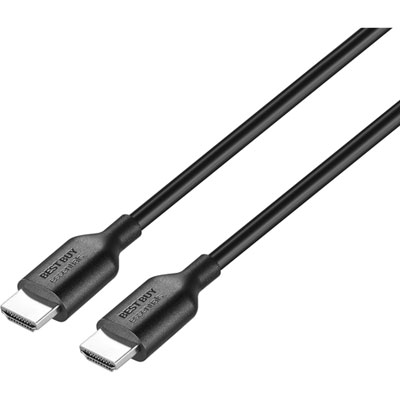 Your price for this item is $9.99
-
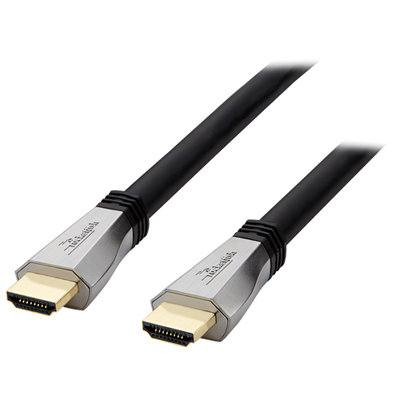 Your price for this item is $119.99
-
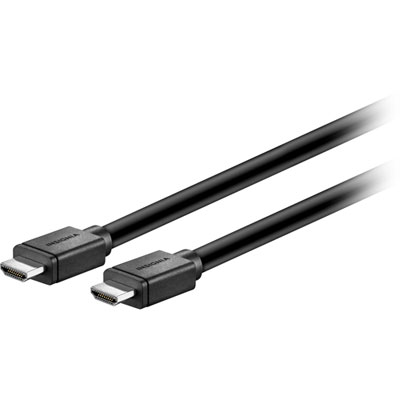 Your price for this item is $129.99
-
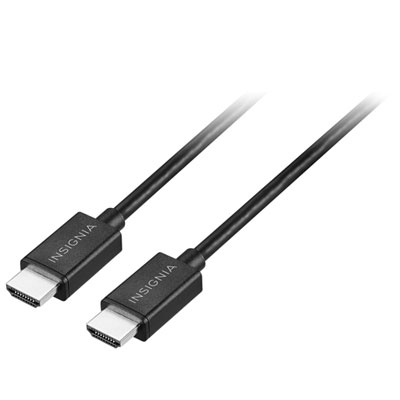 Your price for this item is $19.99
-
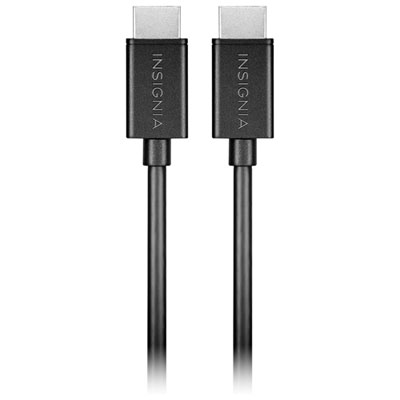 Your price for this item is $29.99
-
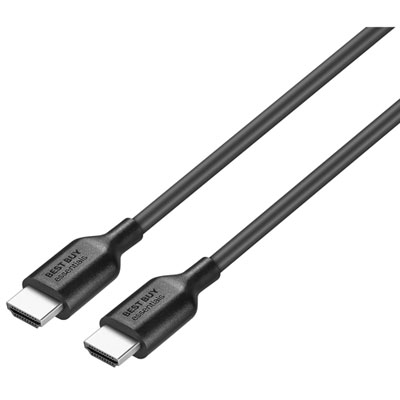 Your price for this item is $19.99
-
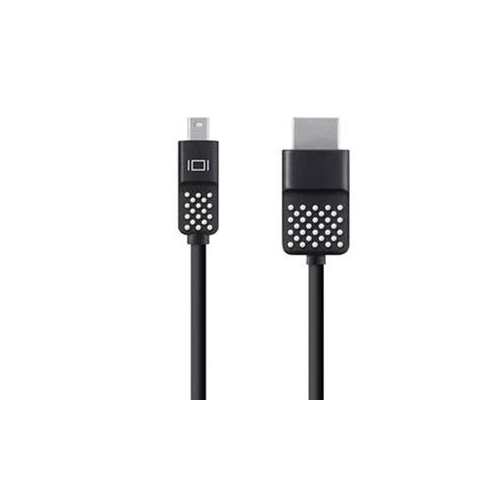 Your price for this item is $62.68
-
 Your price for this item is $68.68