Wall Cable Hiders
Wall cable hider solutions offer a simple way to keep your home or office looking organized and clutter-free. Designed to conceal and manage wires, wall cable hiders help create a tidy appearance while maintaining easy access to your electronics. Whether you're setting up a new entertainment center or streamlining your workspace, these products provide an effective way to keep cables neatly out of sight. Explore a variety of wall cable hider options to find the perfect fit for your needs and style.
Sort

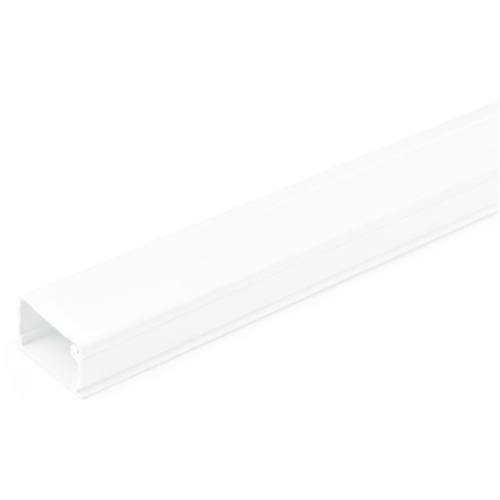

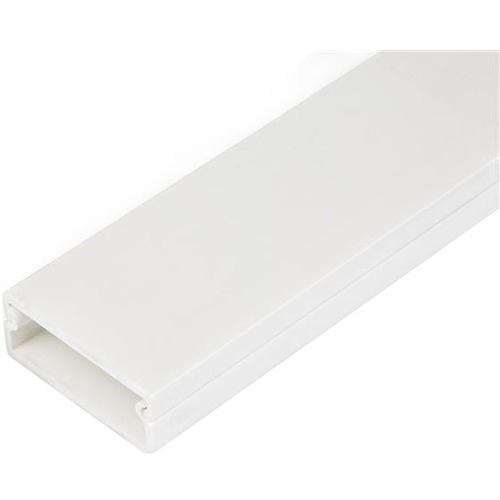
Concealed cables with easier access when your setup changes
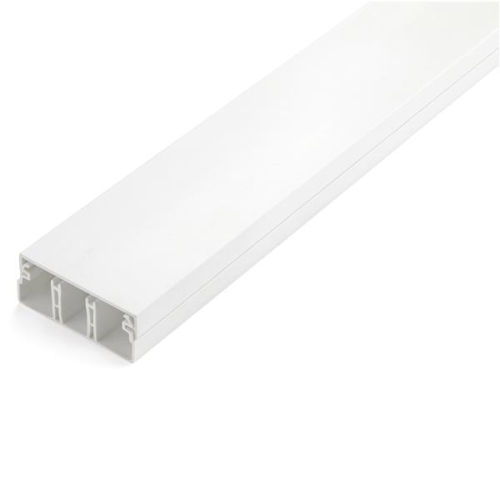
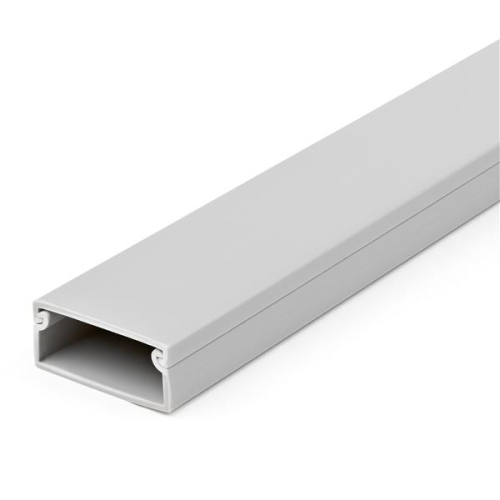
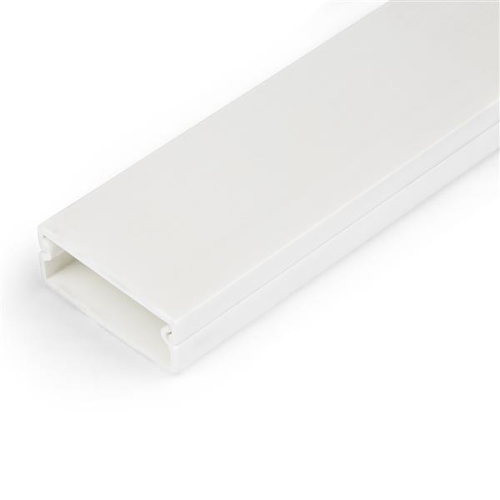
Wall cable hiders are surface-mounted channels, also called cable raceways or cord covers, that conceal and organize visible cables along walls. They create a defined route for wiring between devices, helping a television area, workspace, or speaker setup look more finished. Many designs cover cables without requiring large holes in drywall, although screw-mounted versions still need fastener holes. Behind a wall-mounted television, a slim vertical channel can replace the loose cluster of cords hanging down to a media console. Along a home office wall, a horizontal raceway can keep network and peripheral cables together rather than letting them trail behind a desk. The practical benefit is easier organization as well as a cleaner appearance: a removable cover can make compatible cables accessible when equipment changes, without leaving every connection exposed. Wall cable hiders differ from cable sleeves and ties because they attach to a surface and give the cable run a consistent shape. Sleeves gather wires into a flexible bundle, while raceways establish a fixed path with a flat or gently rounded profile. Straight sections suit simple routes, while compatible elbows, corner pieces, connectors, and end caps can create a more continuous finish around changes in direction. These details are especially noticeable where a cable route crosses an open stretch of wall or follows the edge of a door frame. Living rooms, bedrooms, gaming spaces, and shared work areas can all benefit from this approach, provided the cover suits the wiring it contains. A short run below a television has different requirements from a route carrying several speaker cables around a room. The best fit balances the number and type of cables with the space available, leaving the cover looking proportionate rather than oversized. In a compact room, a low-profile channel near existing trim may draw less attention than a broad cover running through the middle of an otherwise bare wall.
Size and layout matter as much as the visible finish. A raceway’s outside width does not necessarily indicate how much usable space is inside, and a cover that accommodates several thin leads may not have room for a thick cable or bulky connector. Internal dimensions, cable capacity, and the way the lid opens are useful details to compare. Removable or hinged covers can allow cables to be laid into the channel, while enclosed designs may require connectors to pass through an opening. Corners also need enough room for the cable’s permitted bend radius; forcing a stiff lead around a tight turn can strain the cable or its connection. For a desk that rises and lowers, the fixed wall section should work alongside sufficient cable slack for the desk’s full movement rather than holding every lead taut. Materials influence both appearance and handling. Rigid plastic, including PVC or ABS, is commonly used for lightweight channels, while metal designs may use aluminium for a firmer structure. Durability depends on the construction, cover fit, mounting method, and intended use rather than the material name alone. A well-fitting lid should stay secured during normal use without making future access unnecessarily difficult. Adhesive-backed designs can reduce the need for drilling, but their suitability depends on the wall texture, surface condition, and the manufacturer’s requirements. Adhesive can mark or lift paint during removal, so it should not automatically be treated as damage-free or suitable for every rental. Screw-mounted channels offer another attachment method, with fasteners and anchors selected for the wall material and the load. On uneven plaster, textured finishes, masonry, or wallpaper, mounting requirements deserve particular attention. For layouts needing several coordinated sections, Wall Cable Management Kits can provide a useful starting point for comparing channel lengths, corner fittings, and other included components. Matching those components to the actual route helps avoid an awkward gap just before a corner or an unfinished edge beside a media cabinet.
The finish of a wall cable hider can make the difference between a discreet installation and an obvious addition. White channels can blend with light walls or trim, while darker finishes may suit a media wall, shelving unit, or desk frame. Some covers are paintable, allowing the visible surface to coordinate with the wall colour, but paint compatibility and preparation requirements vary. A similar colour will not always produce an invisible result: sheen, surface texture, and shadows along the channel’s edges can still stand out. Following an existing architectural line, such as the edge of skirting board or a nearby corner, often creates a more deliberate appearance than taking the shortest diagonal route. Care is generally straightforward, with accessible exterior surfaces wiped using a soft cloth and a cleaning method approved for the material. Abrasive cleaners or strong solvents may damage the finish, and liquid should not reach electrical connections. Covers, joints, and adhesive attachments also benefit from occasional inspection, particularly after cables have been added or equipment has moved. Cable concealment should never come at the expense of safe use. A surface-mounted cover is not the same as an in-wall wiring system, and ordinary television power cords or extension cords should not be routed inside a wall simply to hide them. Recessed wiring requires components approved for that purpose and installation that meets applicable electrical requirements. Likewise, not every channel is intended to carry both power and signal cables; any separation requirements and manufacturer specifications still apply. Covers should not pinch insulation, press against plugs, obstruct ventilation, or prevent access to outlets and connections. They are also not a substitute for childproofing or protection against pets chewing cords. With suitable sizing and mounting, wall cable hiders provide an orderly route that remains practical when a television is replaced, a desk is rearranged, or an extra connection is needed. The result is a space where cables serve their purpose without becoming the most noticeable feature on the wall.
Top selling and popular products
-
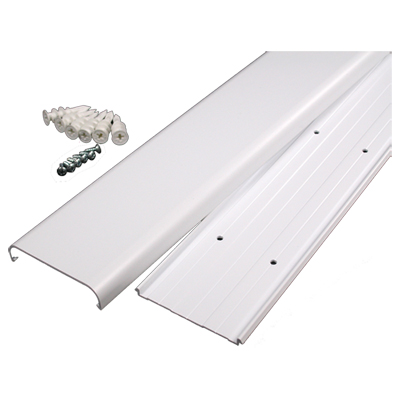 Your price for this item is $29.99
-
 Your price for this item is $99.99
-
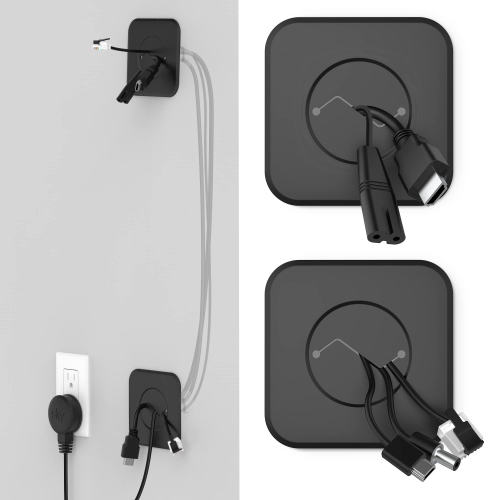 Your price for this item is $60.49
-
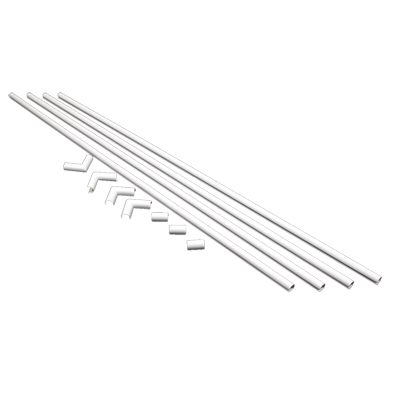 Your price for this item is $25.99
-
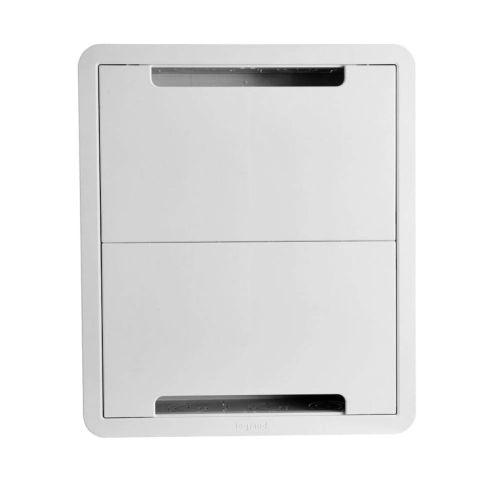 Your price for this item is $109.97
-
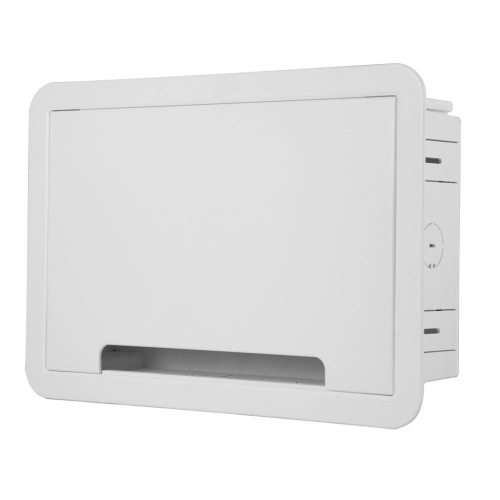 Your price for this item is $159.99
-
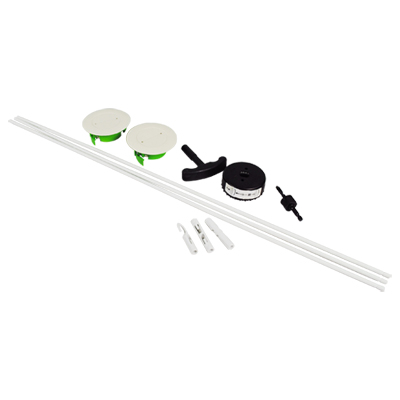 Your price for this item is $34.99
-
 Your price for this item is $781.68
Discover more categories related to Wall Cable Hiders
Top Collections:
Best Black Friday Deals This Year, Best Black Friday Deals On Electronics, Kindle Devices, Pokemon Centers, Best Black Friday Deals On Apple Products, Best Cameras for Sports Photography, Dyson Airwrap, Pokémon 30th Celebration Cards, Apple iPhone 17 Pro, Canon G7X Cameras
Some products may be subject to Environmental Handling Fees
(EHF) depending on your province.
Learn more about EHFs.