Wall Cable Management Kits
A Wall Cable Management Kit offers a simple solution to keep your home or office organized and clutter-free. Ideal for managing wires behind entertainment centers, desks, or workstations, these kits help create a polished look in any space. With a Wall Cable Management Kit, you can easily streamline your setup and maintain a neat appearance while reducing the hassle of tangled cords. Explore options that fit your needs and enjoy a tidier environment with effective cable organization.
Sort

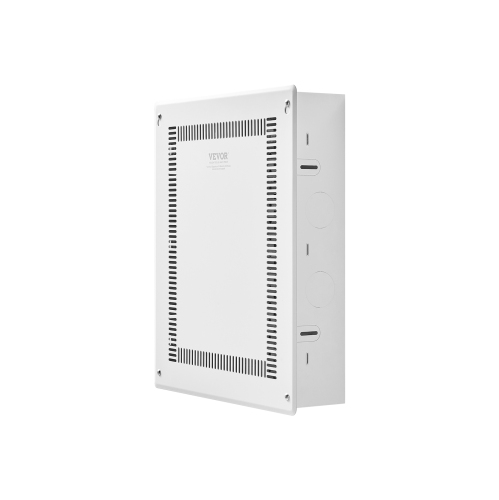
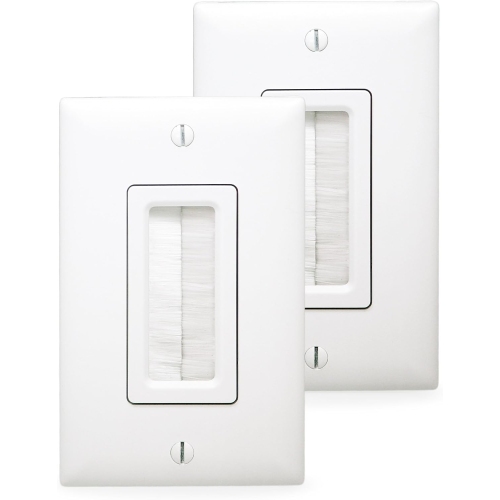

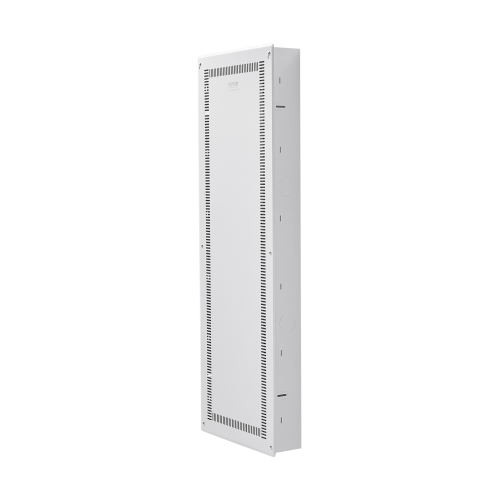
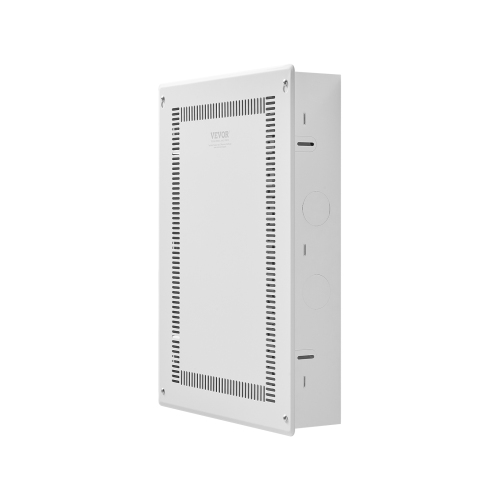

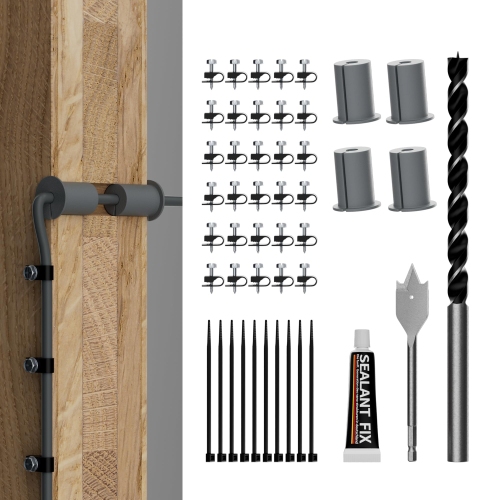

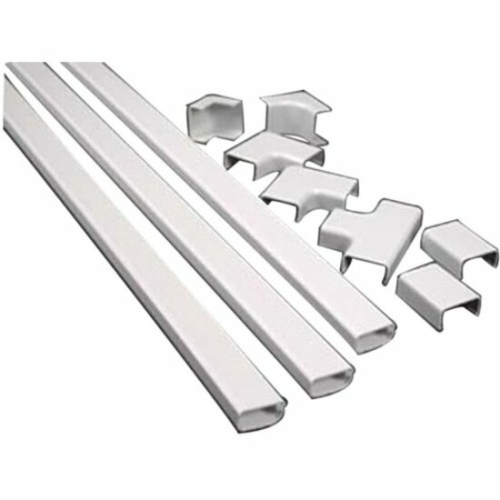
Tidier walls start with a well-planned cable route
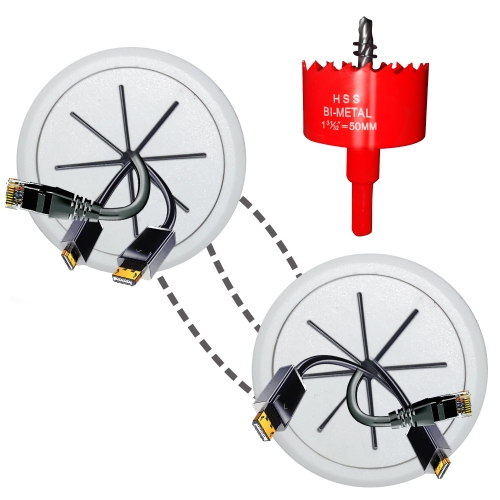
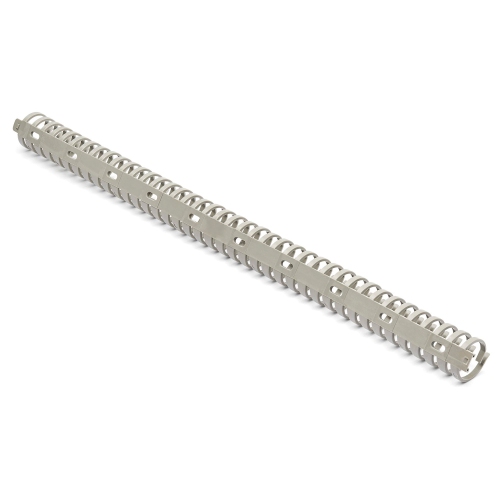
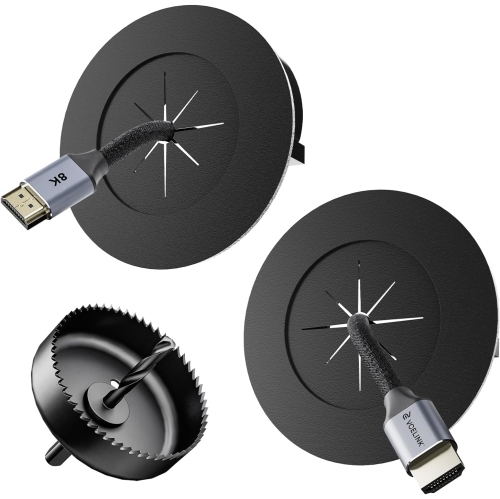
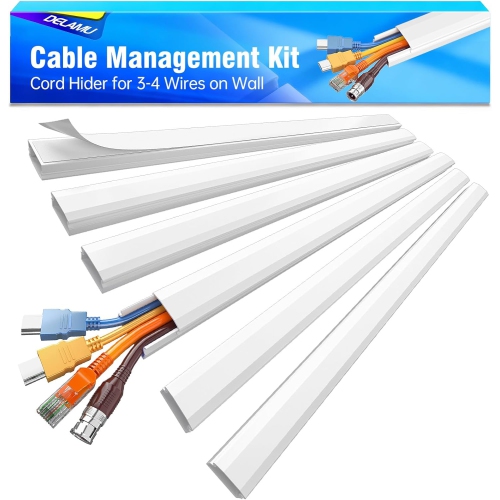
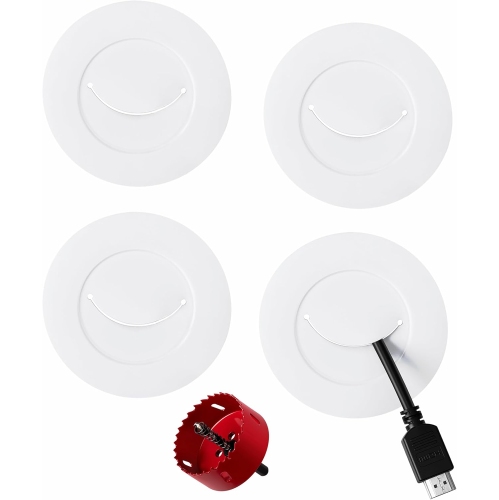
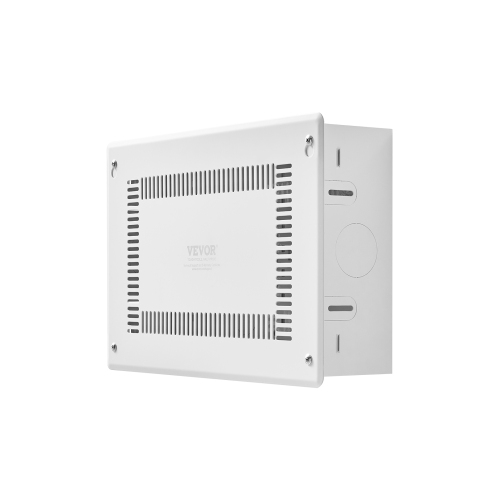
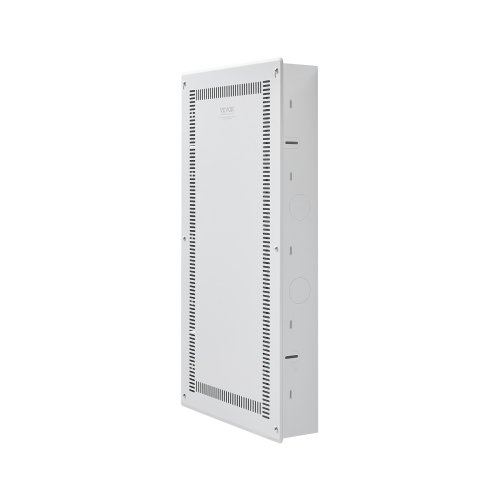
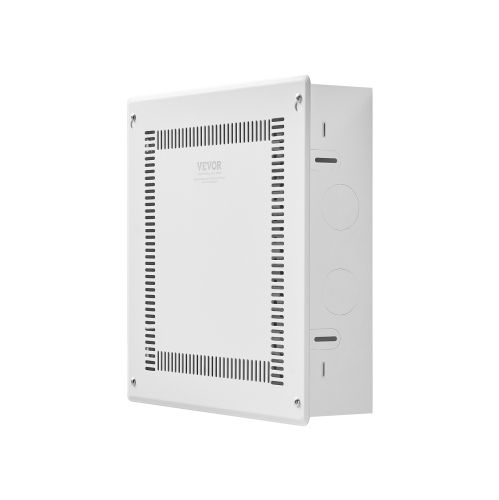
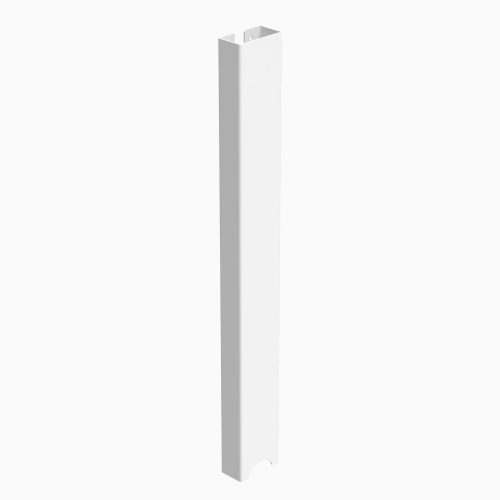
Wall cable management kits bring loose cords into a defined route, helping a wall-mounted TV, desk, or entertainment area look more finished. Depending on the design, a kit may include cable channels, removable covers, corner fittings, mounting hardware, or wall plates for routing compatible cables through a wall cavity. Surface-mounted kits conceal cords along the face of the wall, while in-wall kits create entry and exit points for approved wiring behind it. The distinction matters: hiding cables inside a wall requires different components and installation considerations from covering them on the surface. Neither approach should leave cables stretched between connections or squeezed behind a screen. In a living room, a covered vertical run can tidy the space between a mounted TV and a media cabinet without drawing attention away from the display. At a workstation, horizontal channels can keep monitor and peripheral leads from hanging across the wall behind a desk. Similar arrangements suit gaming areas, where several devices may share a screen, or bedrooms where a compact console leaves little room to conceal wiring. Materials and finishes influence how discreet the result looks. Rigid plastic channels are common, with covers that snap or slide into place; some designs have a paintable surface that can blend with the wall when finished according to the manufacturer’s directions. A slim channel may suit a small cable bundle, while a deeper profile provides room for thicker leads and larger connectors. Rounded corners and fitted end pieces can make an exposed run look intentional rather than improvised. These kits are particularly useful for people setting up a home theatre, organizing a home office, or making a shared living space easier to clean around. For renters, homeowners, and anyone planning a room refresh, the most suitable style depends as much on the wall and installation method as on the cables being hidden.
Fit begins with the complete cable route, including the distance from the display or device to the connection point and any turns around furniture or wall features. A kit’s total channel length is only part of the picture: its internal width and depth need to accommodate the cable bundle without forcing the cover shut. Connector size also matters, especially with in-wall openings, because an HDMI plug may need considerably more clearance than the cable attached to it. Cables should retain enough slack for a TV mount to tilt or extend and for equipment to move forward when connections need attention. Gentle bends help avoid strain, while accessible entry and exit points make future changes less awkward. Wall construction determines which mounting methods are appropriate. Adhesive-backed channels generally need a clean, dry, compatible surface, and heavily textured walls can limit contact. Screws may provide a firmer attachment where permitted, but suitable fasteners depend on whether the surface is drywall, wood, masonry, or another material. Adhesive should not automatically be treated as removable or damage-free; paint condition, surface preparation, and removal technique can all affect the finish. In-wall installations need additional planning around studs, insulation, plumbing, and existing electrical wiring. Ordinary TV power cords and extension cords must not be routed through a wall cavity. Signal cables installed inside a wall need the appropriate in-wall rating, and any in-wall power arrangement must use an approved system suitable for the installation and Canadian electrical requirements. A brush plate alone does not make a power cord suitable for concealment inside a wall. Adding or relocating a receptacle is electrical work, and a licensed electrician can assess the requirements that apply locally. Cable management components also need to remain clear of equipment ventilation openings and should never interfere with the secure attachment or movement of a wall mount. These practical details help distinguish a tidy-looking installation from one that is also properly planned.
Durability often comes down to how a kit is used after installation. A channel behind a fixed display may rarely be opened, while one serving a busy workstation might need regular access as monitors, chargers, and peripherals change. For frequently adjusted setups, removable covers and accessible fittings make it easier to add or replace a lead without disturbing the whole route. Secure joints help maintain a neat line, particularly where a vertical section meets a horizontal run above a cabinet. Channels positioned near chair backs, moving furniture, or doorways need placement that keeps them out of the path of everyday knocks. The finish deserves similar attention: a white cover may blend into a light wall, while a darker one can sit quietly beside a black mount or cabinet. Paintable designs offer another option, provided paint does not obstruct clips, joints, or removable sections. Routine care is usually straightforward, with dust removed using a soft cloth and cleaning carried out according to the material’s care instructions. Moisture should be kept away from plugs, sockets, and cable openings, and damaged covers or loose mounting points should be addressed rather than hidden behind furniture. Beyond the wall itself, complementary cable organizers can help gather the short leads behind a console or desk, where a wall channel ends but the connections continue. Keeping those accessible sections loosely grouped makes it easier to identify a cable without pulling on neighbouring plugs. Leaving modest spare capacity in the channel can also simplify a later equipment change, although cables should still be arranged within the kit’s stated limits. The aim is a manageable setup, not simply an empty-looking wall: cords follow a clear path, connections remain reachable, and moving parts have room to work. That balance suits a carefully arranged entertainment centre just as well as a practical workspace where easy access matters every day.
Top selling and popular products
-
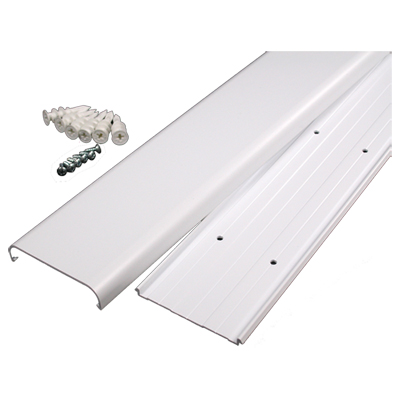 Your price for this item is $29.99
-
 Your price for this item is $99.99
-
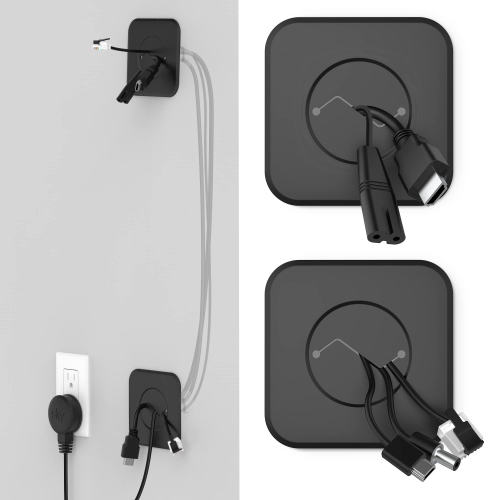 Your price for this item is $60.49
-
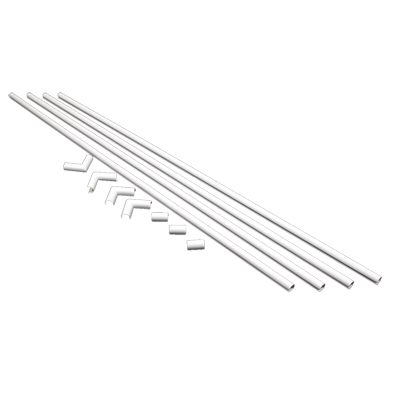 Your price for this item is $25.99
-
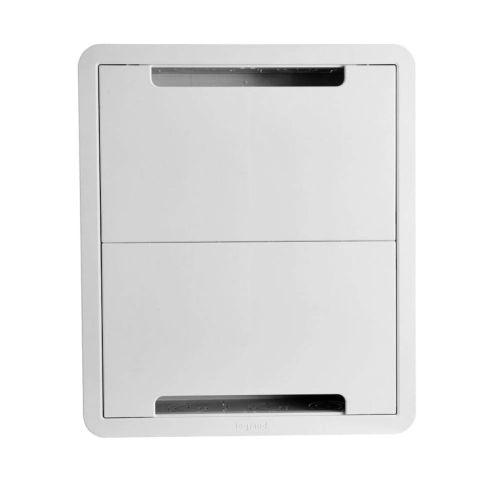 Your price for this item is $109.97
-
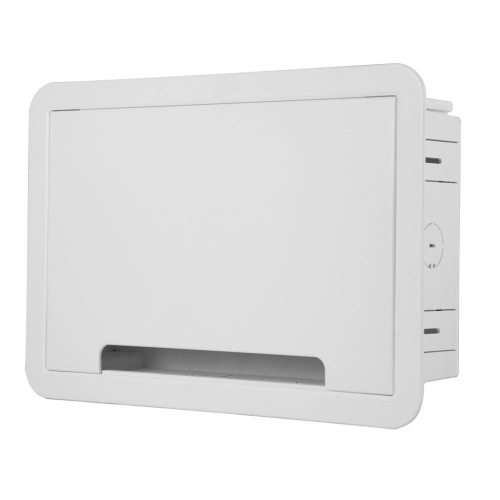 Your price for this item is $159.99
-
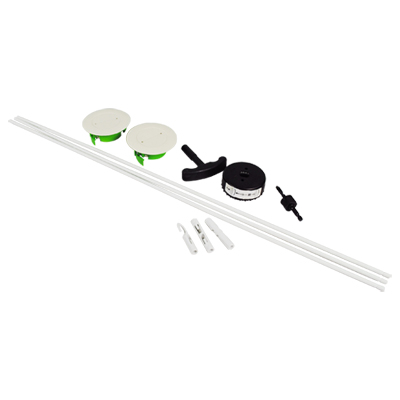 Your price for this item is $34.99
-
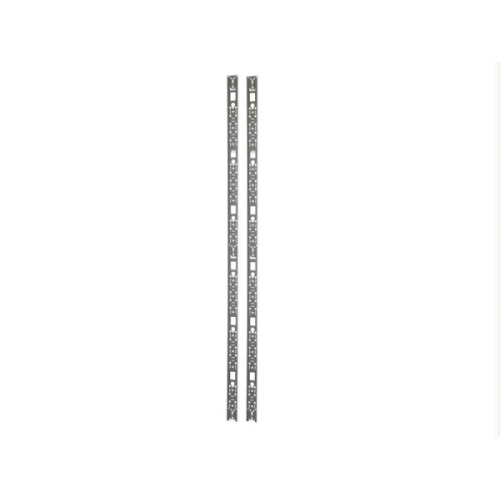 Your price for this item is $781.68
Discover more categories related to Wall Cable Management Kits
Top Collections:
Best Black Friday Deals This Year, Best Black Friday Deals On Electronics, Kindle Devices, Pokemon Centers, Best Black Friday Deals On Apple Products, Best Cameras for Sports Photography, Dyson Airwrap, Pokémon 30th Celebration Cards, Apple iPhone 17 Pro, Canon G7X Cameras
Some products may be subject to Environmental Handling Fees
(EHF) depending on your province.
Learn more about EHFs.