Switch Games With Character Customization
Switch Games With Character Customization offer a unique and engaging way to put your personal touch on every adventure. Whether you enjoy shaping your own hero or exploring new worlds with a character that reflects your style, these games provide endless opportunities for creativity and fun. Dive into immersive gameplay where your choices help define the journey, making each experience truly one-of-a-kind. Discover the excitement of Switch Games With Character Customization and bring your imagination to life with every play session.
Sort
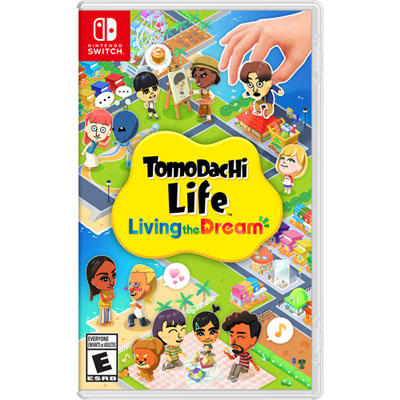


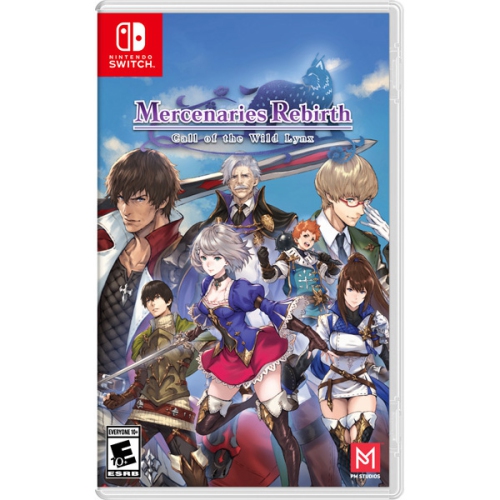
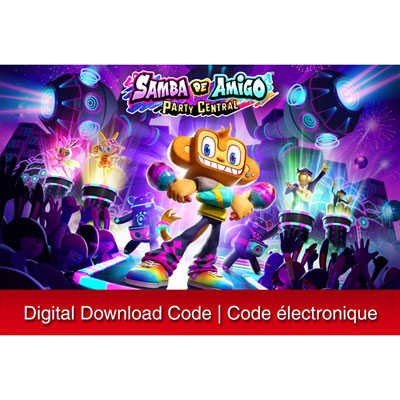


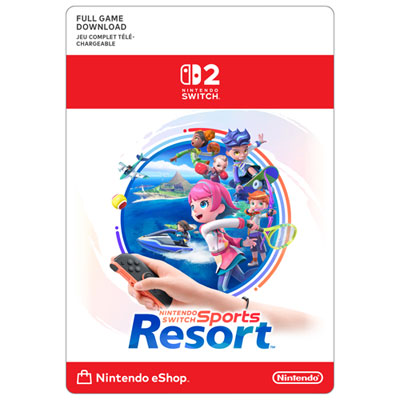

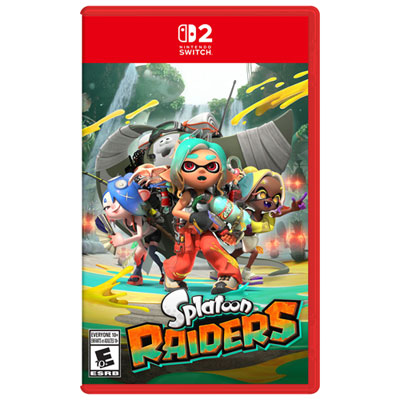
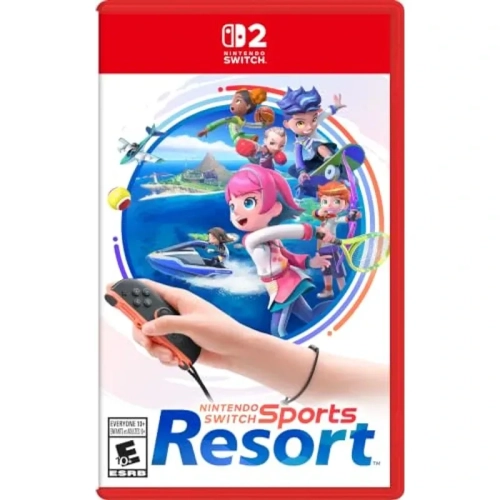
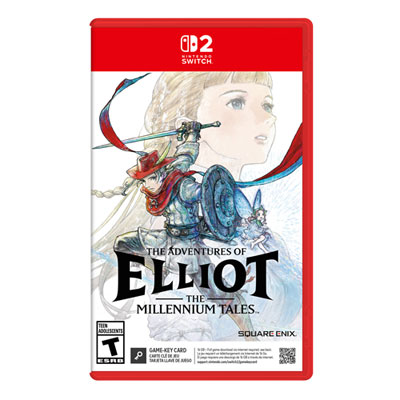


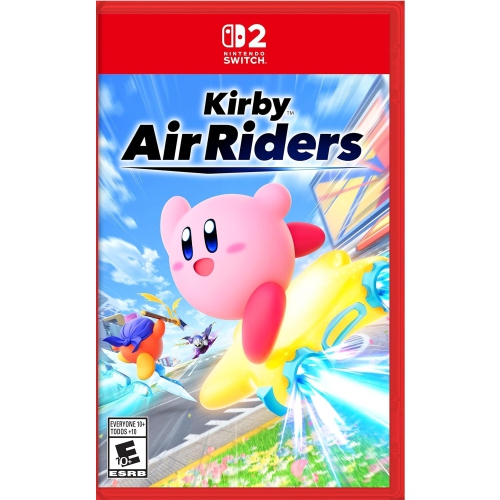


Your avatar’s look is just the beginning
Switch games with character customization let players shape an avatar’s appearance, equipment, or abilities, adding a personal touch to the experience on screen. The level of customization varies: some games offer a short selection of preset faces and outfits, while others include detailed controls for facial features, hair, skin tone, body proportions, and voice. Character creation usually happens near the beginning, but certain games also allow changes later through wardrobes, appearance menus, or features unlocked during play. This flexibility matters for anyone who enjoys trying a different look without starting a new adventure. Role-playing games often connect character creation with a class, background, or set of skills, giving the avatar both a visual identity and a particular role in combat or exploration. Life simulation games tend to place more emphasis on clothing, hairstyles, accessories, and everyday self-expression. Some adventure, action, and sports games also include customizable characters, although their options may focus on outfits, equipment, or a player profile rather than a fully editable face. These differences make the type of customization just as important as the number of choices. A player who wants to recreate their own appearance may appreciate varied skin tones, textured hairstyles, glasses, and flexible facial features. Someone imagining a fantasy hero might be more interested in unusual hair colours, distinctive armour, or a choice of character types. Others simply want an avatar that is easy to recognize when several players share the screen. A bright jacket or familiar hairstyle can make a character feel personal even without an elaborate creation menu. The strongest match depends on what happens after that menu closes, too. A detailed avatar creator serves a different purpose in a story-led adventure than in a relaxed game built around daily activities, social visits, and collecting outfits. Character customization adds another layer of enjoyment, but the main activities still shape how the game feels from one play session to the next.
Appearance changes and gameplay customization are related, but they are not always the same feature. Cosmetic options change how a character looks without necessarily affecting performance, while equipment, skill choices, and character builds can influence movement, defence, or the way challenges are approached. In some games, a favourite outfit can remain visible while different equipment supplies the useful attributes underneath. In others, the armour or clothing shown on screen is directly linked to the items a character has equipped. That distinction can matter to a player who wants a consistent look throughout a long adventure. Customization may also develop gradually rather than arrive all at once. New hairstyles, clothing patterns, accessories, and appearance options can become part of the reward for completing activities or reaching milestones. For players who enjoy collecting, discovering a new outfit can be as satisfying as finishing a quest. Others prefer having a broad set of choices immediately, especially when their main interest is designing characters rather than earning each option through extended play. The ability to revisit appearance settings also supports experimentation: a character might begin with a simple travelling outfit and later adopt a more elaborate style that reflects the journey. Multiplayer adds another reason to care about these details. Distinctive avatars help friends recognize one another during shared activities, while coordinated colours or contrasting styles can make a group feel more connected. Local multiplayer and online play are separate features, however, and a customizable character does not automatically mean that friends can play together on one console or join the same session remotely. Online interactions may also include player names, shared designs, or communication tools, making privacy settings and parental controls relevant for younger players. Readability deserves attention as well. Small facial adjustments and clothing details can look different on a handheld screen than on a larger display. Clear menus, useful preview views, and readable text can make the creation process more comfortable, particularly for someone who likes spending time adjusting the finer details before continuing with the game.
Switch games with character customization can suit a wide range of players, from someone creating a first avatar to an experienced role-playing fan planning several distinct characters. They can also make thoughtful gifts when the recipient’s preferred style of play is known. A player who enjoys storytelling may value choices that affect conversations or relationships, while someone drawn to fashion may care more about a varied wardrobe and the freedom to change outfits frequently. Age ratings and content descriptions remain important because a playful-looking character creator does not necessarily mean the rest of the game is intended for children. Compatibility is another practical consideration: the game’s supported hardware should match the recipient’s console, and any features that depend on internet access should fit how that person usually plays. Physical and digital formats also suit different habits. A physical game card can be kept in its case between sessions and swapped when another game is wanted; keeping the contacts clean and dry and avoiding loose storage helps protect it from damage. A digital game does not require handling a card, but the download needs sufficient storage space and is associated with the account used to obtain it. Character designs and progress are part of the game’s save data, so sharing a physical copy does not by itself share the original player’s avatar. Household members who each want a separate character may also need to check how a game handles profiles, save slots, and shared worlds, since these arrangements vary. Players interested in another handheld library can explore 3DS Games With Character Customization, which covers a separate platform rather than games compatible with Switch hardware. Within the Switch library, the appeal is the chance to connect a chosen look with activities worth returning to, whether that means following a character through a lengthy story, meeting friends for a shared adventure, or changing into a favourite outfit before another relaxed play session.
Top selling and popular products
-
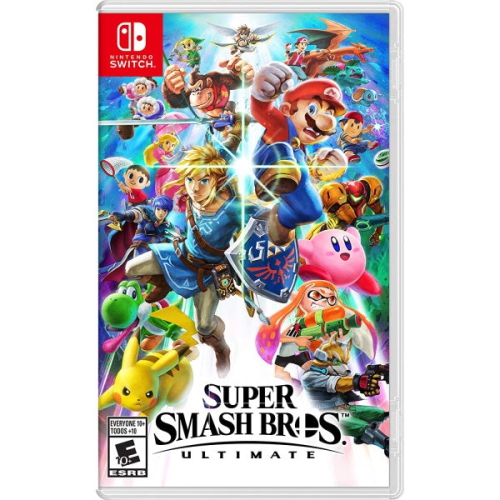 Your price for this item is $89.95
-
 Your price for this item is $89.95
-
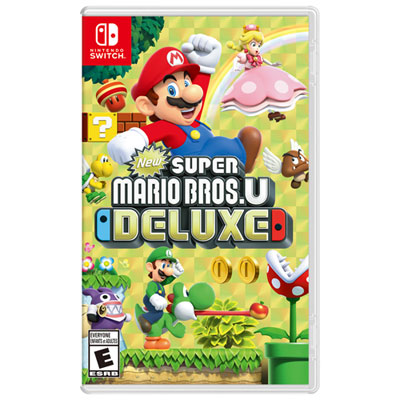 Your price for this item is $79.99
-
 Your price for this item is $85
-
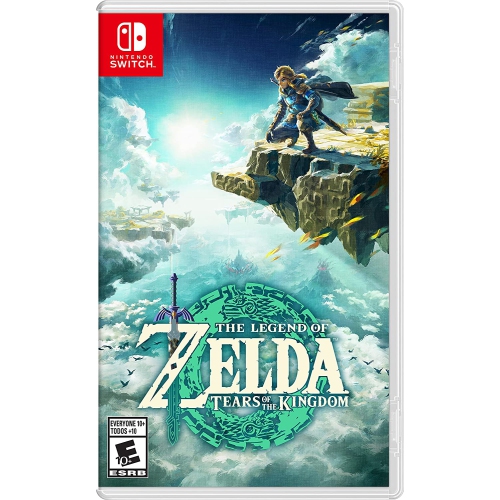 Your price for this item is $109.99
-
 Your price for this item is $99.99
-
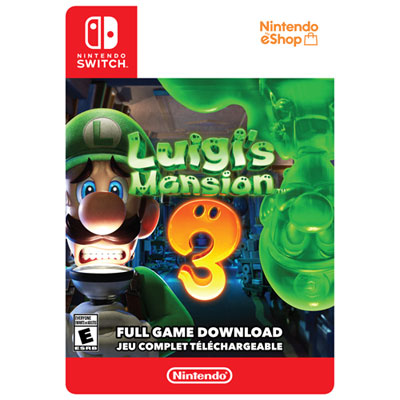 Your price for this item is $84.99
-
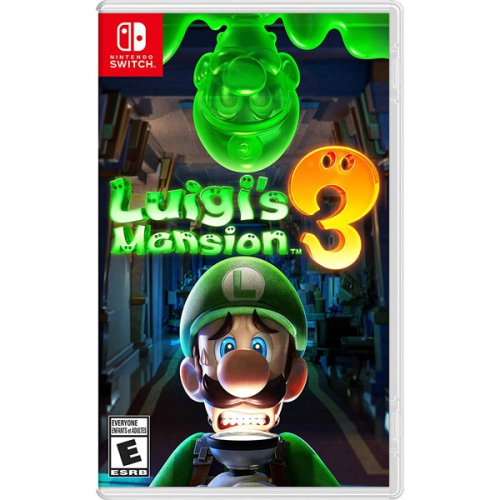 Your price for this item is $87.75
Discover more categories related to Switch Games With Character Customization


Top Collections:
Pokemon Centers, Kindle Devices, Best Black Friday Deals This Year, Pokémon 30th Celebration Cards, Best Black Friday Deals On Electronics, Best Cameras for Sports Photography, Best Black Friday Deals On Apple Products, Canon G7X Cameras, iPhone 15 Apple, Candle Warmer Lights
Some products may be subject to Environmental Handling Fees
(EHF) depending on your province.
Learn more about EHFs.