Switch Games With Story Mode
Switch Games With Story Mode offer an engaging way to dive into immersive adventures and captivating narratives. Whether you’re looking for heart-pounding action, epic quests, or memorable characters, these titles provide hours of entertainment for players of all ages. Explore a wide selection of Switch Games With Story Mode and discover new worlds, thrilling challenges, and unforgettable experiences right from your console. Find your next favorite story-driven game and enjoy exciting journeys with every play session.
Sort

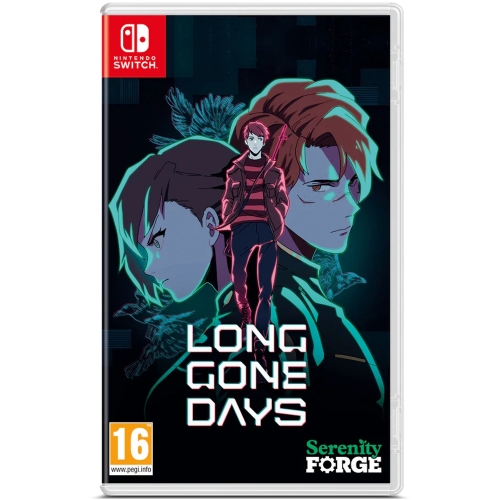

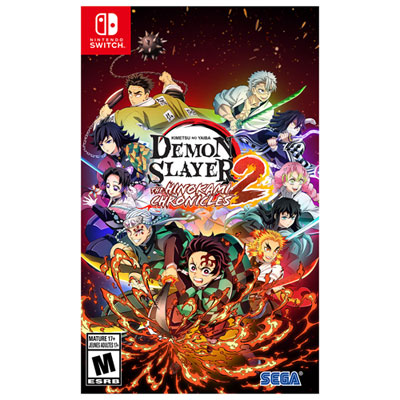


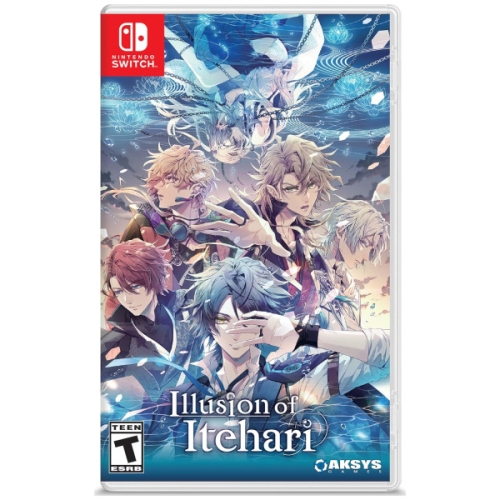


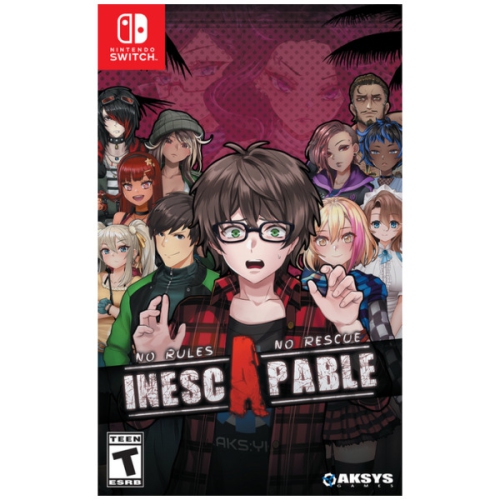

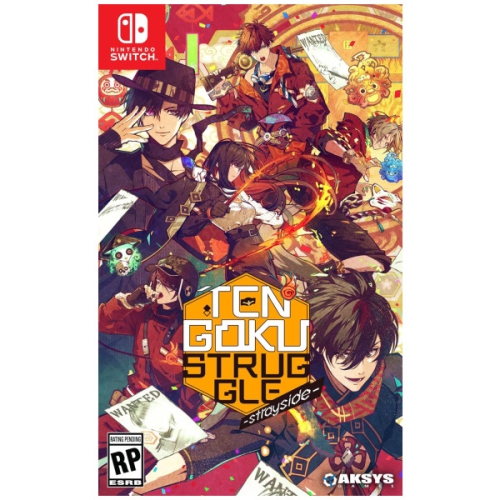


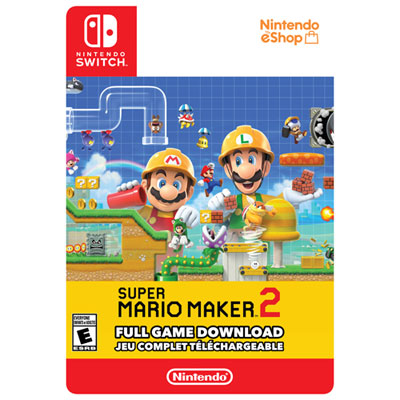
A compelling plot is only part of the adventure
Switch games with story mode combine playable challenges with an unfolding narrative, giving characters, locations, and decisions a purpose beyond reaching the next level. A story mode usually follows a main campaign, with progress marked by completed chapters, important discoveries, or changes in the relationships between characters. The experience can range from a tightly paced mystery to a sprawling adventure with optional quests and several possible endings. Action-adventure games often tell their stories through exploration, encounters, and cinematic scenes, while role-playing games give more space to conversations, character development, and long-term decisions. Tactical games can connect carefully planned battles with a larger conflict, making the people in a squad feel as important as their abilities. Puzzle adventures weave discoveries into the narrative, turning a strange symbol, a locked room, or an overlooked message into the next piece of the plot. Visual novels place greater emphasis on reading, illustrations, and dialogue choices, with interaction centred on how the story unfolds rather than quick reflexes. These differences matter because a strong narrative does not always mean the same style of play. Someone who enjoys following clues may prefer a focused investigation, while a player who likes wandering off the main path may appreciate a world filled with optional conversations and smaller stories. Linear campaigns provide a clearer sequence of events and often keep the central plot moving steadily. Open-ended campaigns allow more freedom, although the main story may pause while players explore. Branching narratives can make decisions feel consequential, but not every dialogue choice changes the ending; some simply reveal personality or offer a different perspective. The tone matters just as much as the structure. Humorous adventures, thoughtful coming-of-age stories, fantastical journeys, and tense mysteries offer very different experiences, even when they share similar gameplay. A satisfying match brings together an appealing premise, an enjoyable pace, and activities that remain engaging between major story moments.
The way a campaign fits into everyday play can be as important as its setting or cast. Short chapters, clear objectives, and frequent save points suit someone who plays for half an hour at a time, while lengthy conversations and extended battles may be better suited to uninterrupted sessions. Automatic saving is useful, but its timing varies: leaving during a scene or encounter can mean repeating part of it later. Manual save slots, chapter selection, quest journals, and story recaps can make a substantial difference for players returning after a break. A helpful journal does more than list the next destination; it can explain why a character is travelling there and which clues have already been found. Story length also needs context. Completing the main campaign is different from finishing every side quest, exploring every route, or seeing alternate endings, and reading speed or difficulty settings can affect the time involved. For handheld play, readable text deserves particular attention. Dialogue-heavy games may involve frequent reading, so adjustable font sizes, clear menus, and well-contrasted subtitles can make long conversations easier to follow on a smaller screen. Voice acting can add personality, but it does not necessarily cover every line, and supported spoken languages may differ from subtitle options. Difficulty settings, remappable controls, and options that reduce time pressure can help players focus on the narrative, where those features are included. A story-focused experience is not automatically a low-challenge one: some campaigns still require precise timing, complex combat, or repeated attempts. Likewise, a single-player campaign should not be assumed to include cooperative play simply because a game has multiplayer features. Shared story progression, local multiplayer, and online modes are separate considerations. Players who want to follow a campaign without an internet connection should check the game’s requirements, since initial downloads, account checks, or particular features may still need a connection. These practical details help distinguish a game that sounds appealing from one that genuinely suits its player.
Format, compatibility, and the intended player round out the experience. Physical game cards provide a tangible collection that can be organized in cases, while digital editions keep games accessible through the console without swapping cards. Both formats can require storage space for updates or additional files, and a physical edition does not always contain everything needed to play. Compatibility should match the exact console model and the play modes supported by the game; handheld, tabletop, and television play are not interchangeable in every case. Save data is stored on the console rather than on the game card, and backup or transfer options depend on the game and supported services. For physical collections, keeping cards in protective cases, handling them with clean, dry hands, and avoiding contact with the exposed connectors helps protect them from everyday wear. Original cases also make it easier to keep track of age ratings and game information. When choosing a gift, the recipient’s preferred activities offer useful clues: a keen reader may enjoy dialogue-rich storytelling, a puzzle fan may appreciate an unfolding mystery, and someone who loves planning may connect with a campaign built around tactical decisions. Age ratings and content descriptors help clarify whether the themes and intensity suit the recipient, particularly when cheerful artwork gives little indication of the story’s heavier moments. Familiarity with a series can matter, too, since some narratives stand alone while others assume knowledge of earlier events. Players who enjoy shaping a protagonist’s appearance may also appreciate Switch Games With Character Customization. Appearance options and narrative choices serve different purposes: selecting clothing or facial features does not necessarily change the plot, while a fixed protagonist can still offer meaningful decisions. Whether the appeal lies in memorable companions, an intriguing mystery, or the satisfaction of seeing a long journey through, story-driven games give each play session a place within a larger adventure.
Top selling and popular products
-
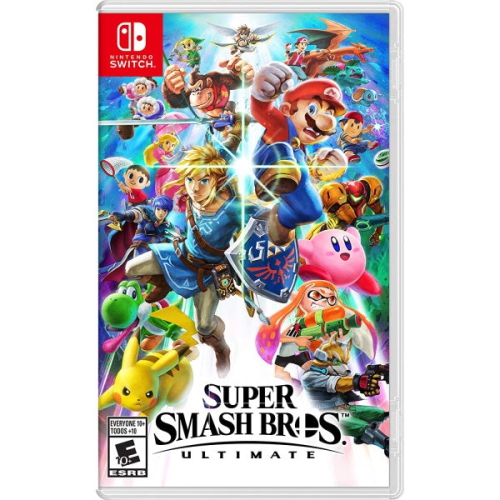 Your price for this item is $89.95
-
 Your price for this item is $89.95
-
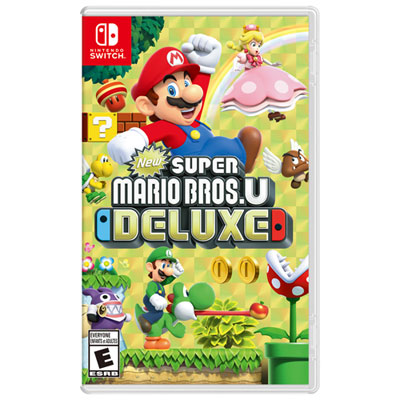 Your price for this item is $79.99
-
 Your price for this item is $85
-
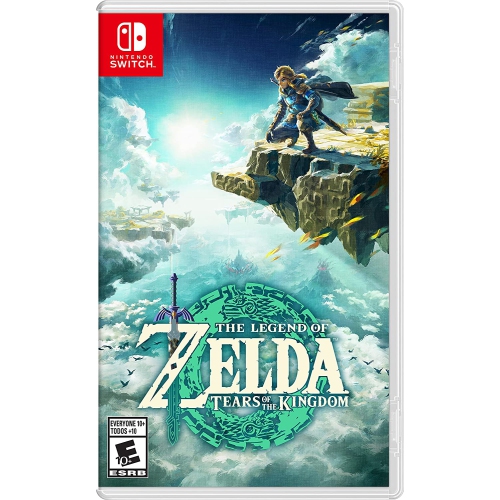 Your price for this item is $109.99
-
 Your price for this item is $99.99
-
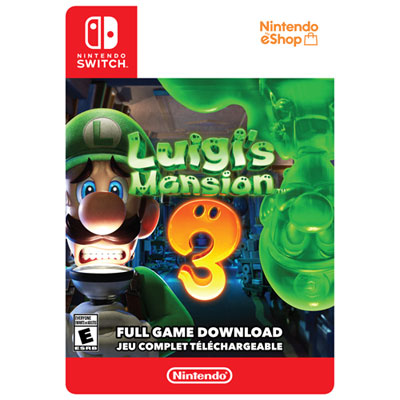 Your price for this item is $84.99
-
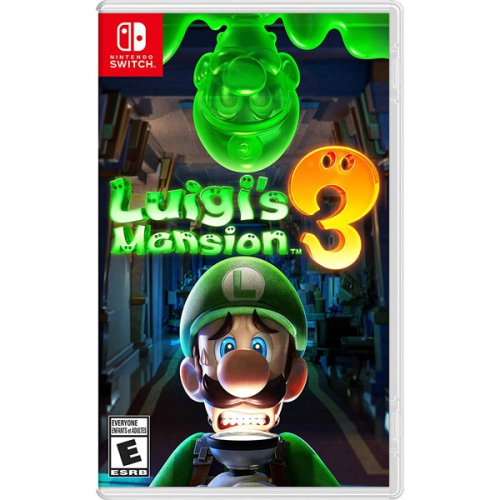 Your price for this item is $87.75
Discover more categories related to Switch Games With Story Mode

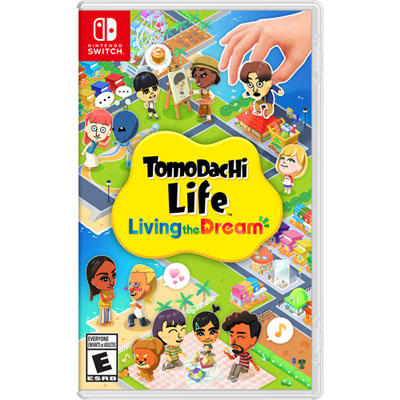

Top Collections:
Pokemon Centers, Kindle Devices, Best Black Friday Deals This Year, Pokémon 30th Celebration Cards, Best Black Friday Deals On Electronics, Best Cameras for Sports Photography, Best Black Friday Deals On Apple Products, Canon G7X Cameras, iPhone 15 Apple, Candle Warmer Lights
Some products may be subject to Environmental Handling Fees
(EHF) depending on your province.
Learn more about EHFs.