PS4 Games With Character Customization
PS4 Games With Character Customization offer an exciting way to immerse yourself in unique adventures tailored to your play style. Whether you enjoy shaping your hero’s appearance or fine-tuning skills and abilities, these games let you create a personalized experience every time you play. Discover a wide selection of PS4 titles that put you in control, allowing you to express your creativity and make your mark in vibrant virtual worlds. Find your next favorite game and start building your custom character today.
Sort






A character’s look is only the beginning
PS4 games with character customization let players shape a playable character through appearance settings, clothing, equipment, abilities, or a combination of these features. The depth of customization varies considerably: one game may offer a selection of ready-made faces and outfits, while another may include adjustable facial proportions, hairstyles, skin tones, body types, voices, and decorative details. A detailed character creator can make the opening minutes feel like a creative project, with small changes to a jawline, eyebrow shape, or hair colour giving a character a distinct personality. For some players, the appeal is creating someone who resembles them; for others, it is designing a silver-haired adventurer, a heavily armoured defender, or a deliberately outlandish hero. Appearance customization and gameplay customization serve different purposes, so the distinction matters. Cosmetic options change how a character looks, while attributes, skills, equipment bonuses, and character classes can affect how that character moves, fights, or interacts with the game world. Some games combine both systems, allowing a carefully designed hero to develop a particular fighting style over time. Others focus on dressing an established protagonist rather than building a new person from scratch. That can still provide meaningful personalization, especially when outfits, accessories, and equipment remain visible during exploration and story scenes. Art direction also shapes the experience. Realistic character models emphasize facial detail and subtle expressions, while stylized designs may favour bold silhouettes, vivid colours, and exaggerated hairstyles. Neither approach necessarily offers more freedom; the useful distinction is how much control the player has over the details that matter to them. A broad wardrobe may appeal more to someone interested in fashion than a complex facial editor, while a player creating a role-playing persona may value voice selection, background choices, and dialogue options. Character customization is therefore more than a single feature: it ranges from a quick visual adjustment to a system that helps define an entire playthrough.
Different genres give those choices different roles. In role-playing games, a custom character may develop through a lengthy campaign, with skill trees and equipment helping establish an identity beyond appearance. A shield-bearing fighter who holds an enemy’s attention can feel very different from a lightly equipped archer who attacks from a distance, even when both begin with similar visual settings. Action games may place greater emphasis on responsive movement, weapon preferences, and equipment combinations, while open-world games can give players room to express a character through exploration, clothing, and activities outside the central story. In games with cooperative play, a recognizable outfit or silhouette can also make a character easier for friends to identify during a busy encounter. These features do not necessarily mean that a game supports local multiplayer, however; online cooperation and shared-screen play are separate features with their own requirements. The way customization develops is another important difference. Some games present most appearance choices at the beginning, while others introduce new clothing, hairstyles, accessories, or equipment as play progresses. Later changes may be unrestricted, tied to an in-game location, or limited to certain features. A player who enjoys experimenting with a new look between missions may prefer a different system from someone who wants to create one character and keep that design throughout the story. Equipment appearance can also interact with performance. In some games, choosing a stronger piece of armour changes the character’s visible outfit; in others, a separate appearance setting lets a preferred look remain while equipment statistics change underneath it. Similarly, changing abilities may be straightforward in one game and require more commitment in another. These distinctions influence how freely players can experiment without starting again. A character creator with many sliders offers a different kind of flexibility from a game with fewer visual settings but extensive outfit combinations, so the number of creation options alone does not describe the full experience. Seeing a character in motion, under different lighting, and during dialogue can matter just as much as the initial creation screen.
The best fit also depends on how the game will be played beyond its customization menus. Someone who enjoys building an elaborate backstory may appreciate a story-focused campaign with conversations and lasting decisions, while a player who mainly wants to coordinate outfits with friends may be more interested in cooperative activities and visible equipment choices. For shorter sessions, clear objectives and convenient saving can matter more than the size of the character editor. For longer campaigns, multiple character slots or separate save files, where supported, can make room for different designs and play styles without replacing an existing adventure. Accessibility settings, subtitle options, interface readability, and adjustable difficulty can also affect comfort during extended play, although these features differ by game and are separate from character creation. As a gift, a PS4 game with character customization can suit a player who enjoys creative expression as well as someone who likes experimenting with combat roles. Familiarity with the recipient’s preferred genres, age-appropriate content, and interest in solo or multiplayer play provides useful context; a detailed creator does not by itself indicate the tone or difficulty of the game that follows. Platform compatibility and edition contents matter too, since character options, expansions, and included extras can differ between releases. Physical copies benefit from straightforward care: handling discs by their edges, returning them to their cases, and keeping their surfaces free of dirt and scratches helps protect reliable reading. Installed games, updates, and save files also need sufficient console storage, and supported save-backup options can help protect time spent developing a character. Online features may require an internet connection and an applicable membership, while offline play depends on the individual game’s requirements. For players who enjoy personalizing characters across more than one console, Switch Games With Character Customization offers another platform-focused selection to explore. Whether the appeal is a carefully sculpted face, a coordinated wardrobe, or a distinctive combination of skills and gear, customization adds a personal thread that can carry from the first creation screen through the final stages of an adventure.
Top selling and popular products
-
 Your price for this item is $19.99
-
 Your price for this item is $39.74
-
 Your price for this item is $19.99
-
 Your price for this item is $79.99
-
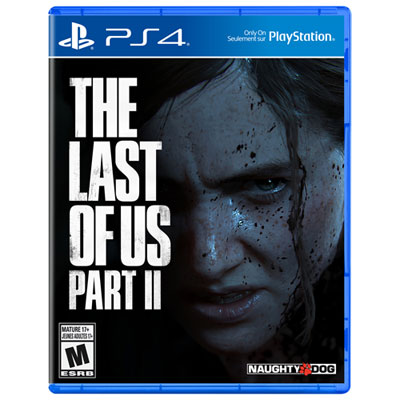 Your price for this item is $49.99
-
 Your price for this item is $31.95
-
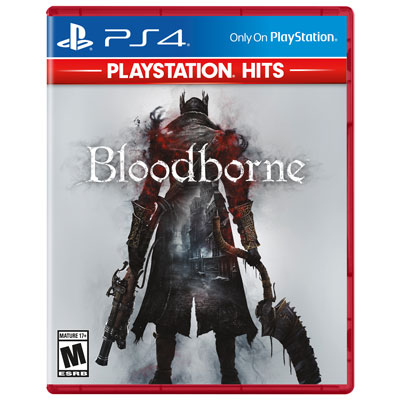 Your price for this item is $19.99
-
 Your price for this item is $29.99
Discover more categories related to PS4 Games With Character Customization


Top Collections:
Pokemon Centers, Kindle Devices, Best Black Friday Deals This Year, Pokémon 30th Celebration Cards, Best Black Friday Deals On Electronics, Best Cameras for Sports Photography, Best Black Friday Deals On Apple Products, Canon G7X Cameras, iPhone 15 Apple, Candle Warmer Lights
Some products may be subject to Environmental Handling Fees
(EHF) depending on your province.
Learn more about EHFs.