Switch Games With Voice Acting
Switch games with voice acting offer an immersive and dynamic gaming experience, bringing stories and characters to life in exciting new ways. Whether you're exploring expansive worlds, solving challenging puzzles, or diving into fast-paced action, these titles deliver engaging gameplay enhanced by talented voice performances. Discover a wide selection of switch games with voice acting that cater to every type of player, from thrilling adventures to captivating role-playing games. Find your next favorite game and enjoy a richer audio-visual journey on your Nintendo Switch.
Sort
![NINTENDO Xenoblade Chronicles: Definitive Edition [ Switch] Great story!](https://multimedia.bbycastatic.ca/multimedia/products/500x500/148/14876/14876620.jpeg)
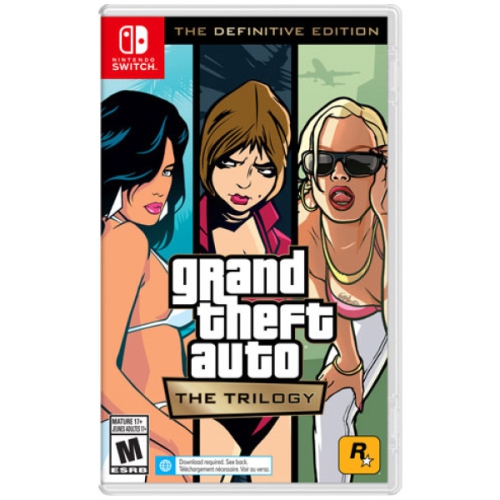
![ATLUS Etrian Odyssey 2 Untold: The Fafnir Knight [Nintendo 3Ds] I love RPG's and this is one of the best I've played so far!](https://multimedia.bbycastatic.ca/multimedia/products/500x500/148/14828/14828018.png)
![GAMEMILL Gi Joe Operation Blackout [Nintendo Switch] Best game in town there has been times when I could not take me eyes off this game best buy ever](https://multimedia.bbycastatic.ca/multimedia/products/500x500/193/19382/19382624.jpeg)
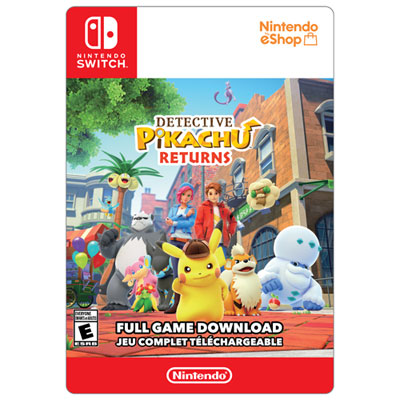
![NINTENDO GAMES Detective Pikachu Returns for Nintendo Switch [Videogames] Best game ever made !!! I love Best Buy and I love it](https://multimedia.bbycastatic.ca/multimedia/products/500x500/176/17630/17630714.jpeg)
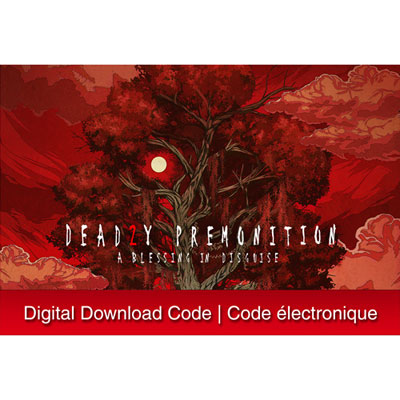

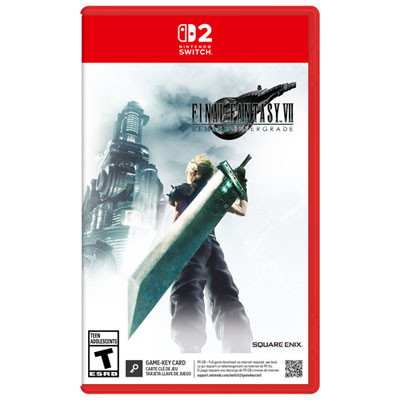
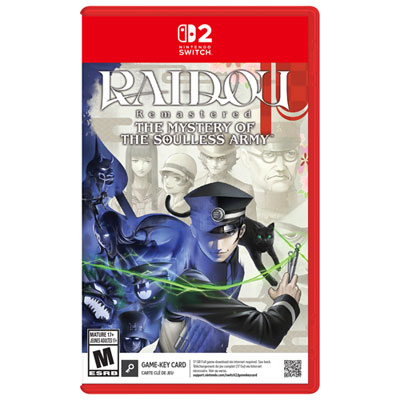
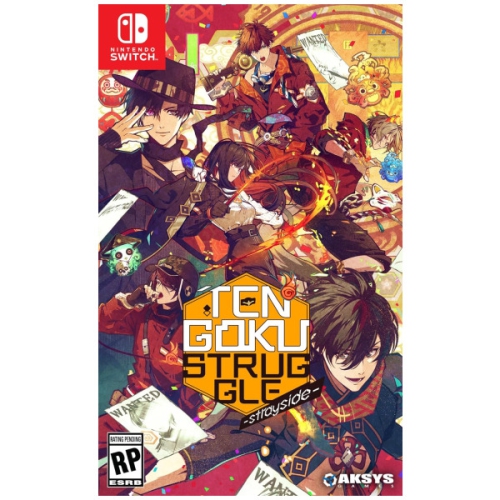
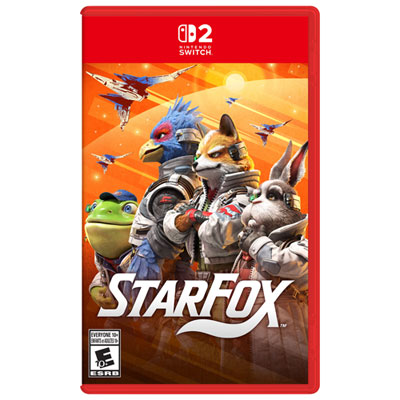
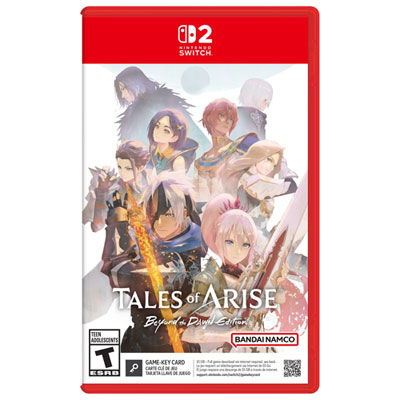
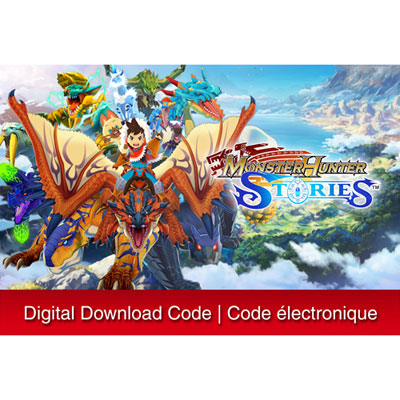
![CLEAR RIVER GAMES Q.u.b.e. - 10Th Anniversary [Nintendo Switch]](https://multimedia.bbycastatic.ca/multimedia/products/500x500/192/19284/19284303.jpeg)
![CAPCOM Phoenix Wright: Ace Attorney Trilogy [Nintendo Switch]](https://multimedia.bbycastatic.ca/multimedia/products/500x500/148/14876/14876622.jpeg)
![LIMITED RUN GAMES High On Life: Game Of The Year Edition [Nintendo Switch]](https://multimedia.bbycastatic.ca/multimedia/products/500x500/196/19636/19636754.jpeg)
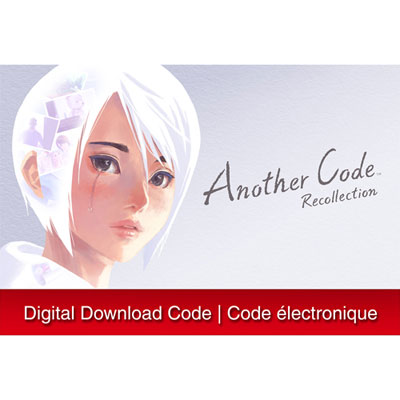
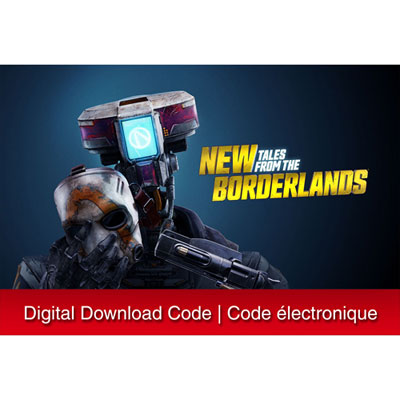
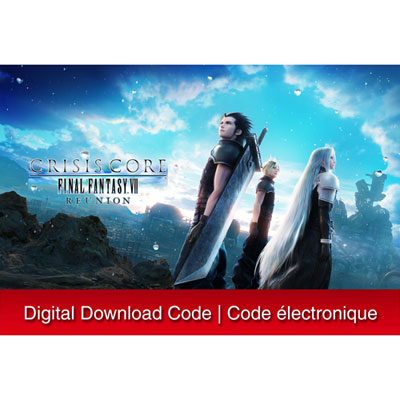
![EASTASIASOFT Saint Maker [Nintendo Switch]](https://multimedia.bbycastatic.ca/multimedia/products/500x500/193/19382/19382808.jpeg)
How full and partial voice acting shape storytelling
Switch games with voice acting use spoken performances to bring characters, conversations, and story scenes to life. The range includes role-playing games, action adventures, mysteries, visual novels, and other story-focused experiences, with different amounts of recorded dialogue in each. Some games voice most story conversations, while others reserve speech for major scenes, battle calls, or a handful of important characters. That distinction matters when spoken storytelling is the main attraction: a game described as having voice acting can still include substantial stretches of text-only dialogue. Fully voiced dialogue generally means that characters’ conversational lines are spoken, not that every menu, journal entry, tutorial, or item description is read aloud. For players who enjoy following a cast through a long adventure, performances can make relationships easier to follow and give each companion a distinct personality. A hesitant reply, a clipped command, or a laugh that arrives a little too late can communicate something that words on a screen alone might miss. In a mystery, delivery can draw attention to a witness’s uncertainty; in a fantasy adventure, familiar voices can turn a group of travelling companions into the heart of the story. Spoken dialogue also changes the rhythm of play. Rather than moving through every conversation at reading speed, players can settle into a scene and hear the exchange unfold. Those who prefer a faster pace may value options to advance dialogue, skip previously viewed scenes, or adjust automatic text progression, although these features vary by game. Neither full nor partial voice acting guarantees a stronger story, but knowing the difference helps match the experience to personal preferences. A player looking for a cinematic adventure may place greater weight on voiced story scenes, while someone who enjoys reading detailed conversations may be equally happy with selective performances that highlight emotional moments. The most useful distinction is how consistently speech supports the parts of the game that a player wants to spend time enjoying.
Genre and intended use help narrow the appeal of voice-acted games beyond the amount of dialogue alone. Role-playing games often offer large casts, recurring party conversations, and lengthy story arcs, making them a natural fit for players who enjoy getting to know characters over many sessions. Action adventures may weave speech into exploration and combat, with companions calling out warnings or talking while the player stays in control. Mysteries and interactive stories can put conversations at the centre of play, inviting close attention to how a line is delivered as well as what it says. Visual novels often give spoken performances room to breathe, though narration, the main character’s thoughts, or certain dialogue routes may remain unvoiced. Players drawn to character-led storytelling may also enjoy exploring Switch games with female protagonists, where the lead character offers another way to focus the search. Language support deserves particular attention across all these styles. Spoken audio, subtitles, and interface text are separate features, and support for one does not establish support for the others. A game may offer English text with a different spoken language, or several subtitle choices with only one voice track. For English- or French-speaking households, the listed audio languages are more informative than a broad statement that a game supports a language. Some releases include alternate voice tracks as optional downloads, which can require additional storage space and an internet connection. Listening in a language being studied may be an enjoyable extra, but fictional dialogue, accents, and specialised vocabulary are not a substitute for structured language learning. For gifts, the recipient’s preferred genre, reading comfort, and interest in dialogue-heavy play are useful considerations. Age ratings and content descriptors remain important too: expressive characters and colourful artwork do not, on their own, indicate that a story is intended for children. A good match balances the appeal of the performances with the game’s themes, challenge level, and expected time commitment.
Everyday listening conditions can have as much influence on enjoyment as the cast itself. In handheld play, a conversation-heavy adventure can suit a quiet break, while a television setup can give dramatic scenes more room to make an impression. Headphones may make soft dialogue and overlapping voices easier to distinguish in a shared space, provided listening stays at a comfortable volume. Where separate audio controls are included, lowering music and effects relative to dialogue can help keep speech clear without raising the overall sound level. Subtitles remain valuable even in a fully voiced game, particularly when a character speaks during a busy fight or uses unfamiliar names. Adjustable text size, speaker labels, dialogue history, and replayable lines can make conversations easier to follow, but none should be assumed without checking the game’s listed features. Voice acting can support players who prefer listening to long passages of text, yet it does not necessarily make the whole game accessible to someone who cannot comfortably read its menus or instructions. Session length is another practical consideration. A game with frequent save points, a reliable pause function, or a conversation log may be easier to return to after an interruption than one built around long, uninterrupted sequences. For physical copies, the small game cards benefit from simple, careful handling: store them in a fitted case, keep the contacts clean and dry, and keep loose cards away from young children. Digital copies remove the need to carry cards, but storage requirements, account access, and any necessary downloads still matter. Both formats warrant checking platform compatibility and the features of the particular release, since language options and included content can differ between editions. For a gift recipient who loves animated films, audio dramas, or memorable fictional characters, voice-acted games offer a way to take part in a story rather than simply watch it. The strongest fit is an experience whose spoken performances, reading demands, gameplay, and practical features work together for the person playing.
Genre and intended use help narrow the appeal of voice-acted games beyond the amount of dialogue alone. Role-playing games often offer large casts, recurring party conversations, and lengthy story arcs, making them a natural fit for players who enjoy getting to know characters over many sessions. Action adventures may weave speech into exploration and combat, with companions calling out warnings or talking while the player stays in control. Mysteries and interactive stories can put conversations at the centre of play, inviting close attention to how a line is delivered as well as what it says. Visual novels often give spoken performances room to breathe, though narration, the main character’s thoughts, or certain dialogue routes may remain unvoiced. Players drawn to character-led storytelling may also enjoy exploring Switch games with female protagonists, where the lead character offers another way to focus the search. Language support deserves particular attention across all these styles. Spoken audio, subtitles, and interface text are separate features, and support for one does not establish support for the others. A game may offer English text with a different spoken language, or several subtitle choices with only one voice track. For English- or French-speaking households, the listed audio languages are more informative than a broad statement that a game supports a language. Some releases include alternate voice tracks as optional downloads, which can require additional storage space and an internet connection. Listening in a language being studied may be an enjoyable extra, but fictional dialogue, accents, and specialised vocabulary are not a substitute for structured language learning. For gifts, the recipient’s preferred genre, reading comfort, and interest in dialogue-heavy play are useful considerations. Age ratings and content descriptors remain important too: expressive characters and colourful artwork do not, on their own, indicate that a story is intended for children. A good match balances the appeal of the performances with the game’s themes, challenge level, and expected time commitment.
Everyday listening conditions can have as much influence on enjoyment as the cast itself. In handheld play, a conversation-heavy adventure can suit a quiet break, while a television setup can give dramatic scenes more room to make an impression. Headphones may make soft dialogue and overlapping voices easier to distinguish in a shared space, provided listening stays at a comfortable volume. Where separate audio controls are included, lowering music and effects relative to dialogue can help keep speech clear without raising the overall sound level. Subtitles remain valuable even in a fully voiced game, particularly when a character speaks during a busy fight or uses unfamiliar names. Adjustable text size, speaker labels, dialogue history, and replayable lines can make conversations easier to follow, but none should be assumed without checking the game’s listed features. Voice acting can support players who prefer listening to long passages of text, yet it does not necessarily make the whole game accessible to someone who cannot comfortably read its menus or instructions. Session length is another practical consideration. A game with frequent save points, a reliable pause function, or a conversation log may be easier to return to after an interruption than one built around long, uninterrupted sequences. For physical copies, the small game cards benefit from simple, careful handling: store them in a fitted case, keep the contacts clean and dry, and keep loose cards away from young children. Digital copies remove the need to carry cards, but storage requirements, account access, and any necessary downloads still matter. Both formats warrant checking platform compatibility and the features of the particular release, since language options and included content can differ between editions. For a gift recipient who loves animated films, audio dramas, or memorable fictional characters, voice-acted games offer a way to take part in a story rather than simply watch it. The strongest fit is an experience whose spoken performances, reading demands, gameplay, and practical features work together for the person playing.
Top selling and popular products
-
![NINTENDO Super Smash Bros. Ultimate [ Switch]](https://multimedia.bbycastatic.ca/multimedia/products/500x500/166/16618/16618377.jpeg) Your price for this item is $89.95
Your price for this item is $89.95 -
![NINTENDO Animal Crossing: New Horizons [ Switch]](https://multimedia.bbycastatic.ca/multimedia/products/500x500/148/14828/14828033.jpeg) Your price for this item is $80.49
Your price for this item is $80.49 -
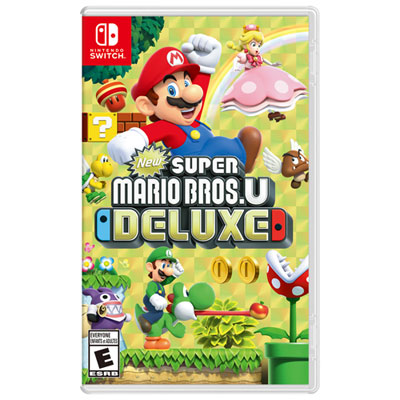 Your price for this item is $84.99
 -
![NINTENDO GAMES New Super Mario Bros. U Deluxe for Nintendo Switch [Videogames]](https://multimedia.bbycastatic.ca/multimedia/products/500x500/176/17683/17683406.jpeg) Your price for this item is $71.75
Your price for this item is $71.75 -
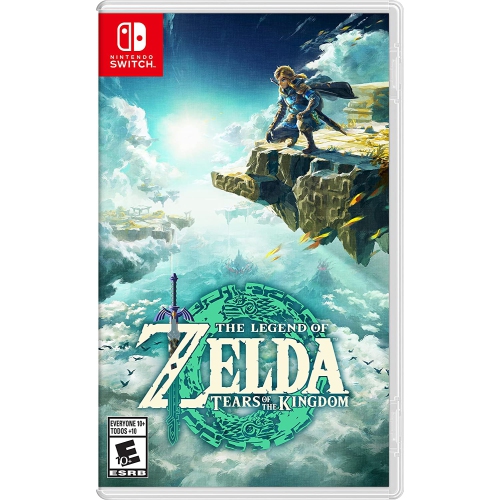 Your price for this item is $109.99
 -
![NINTENDO GAMES The Legend Of Zelda: Tears Of The Kingdom for Nintendo Switch [Videogames]](https://multimedia.bbycastatic.ca/multimedia/products/500x500/176/17661/17661818.jpeg) Your price for this item is $99.99
Your price for this item is $99.99 -
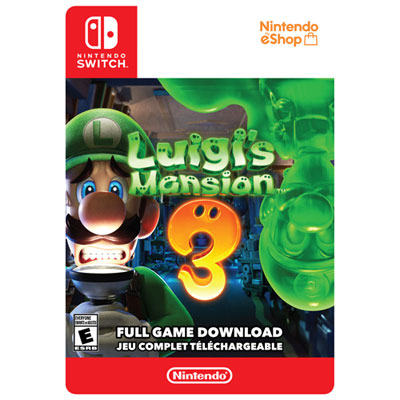 Your price for this item is $84.99
 -
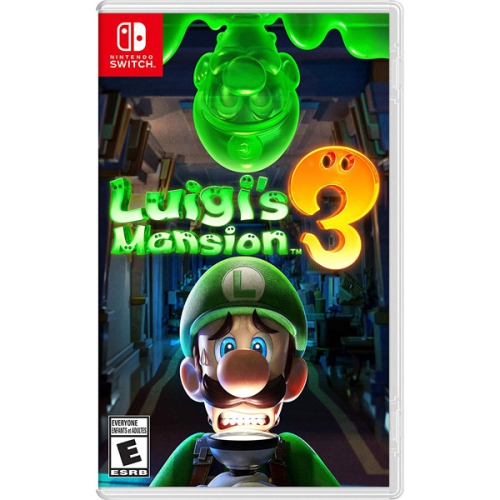 Your price for this item is $87.75
Discover more categories related to Switch Games With Voice Acting
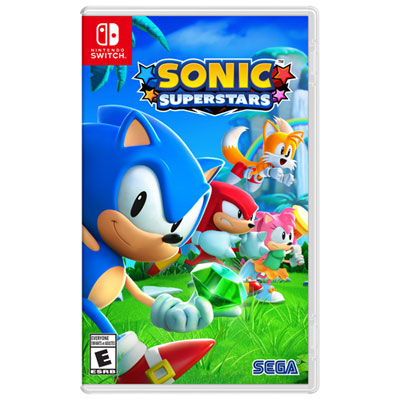

Top Collections:
Pokemon Centers, Budget 4K TVs, Best Budget Office Chairs, Kindle Devices, Canon G7X Cameras, Apple iPhones 16, iPhone 15 Apple, Laptops for Business Work, Xiaomi Phones, Flip Phones
Some products may be subject to Environmental Handling Fees
(EHF) depending on your province.
Learn more about EHFs.