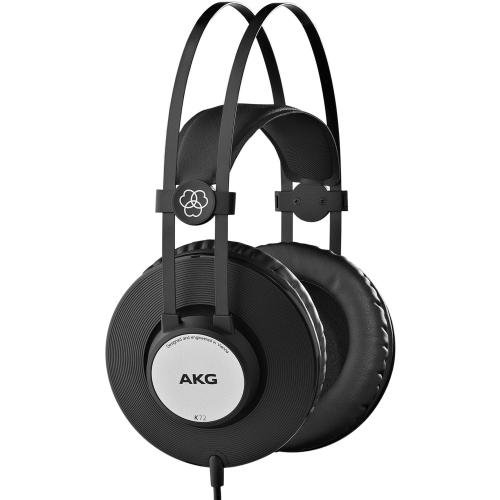
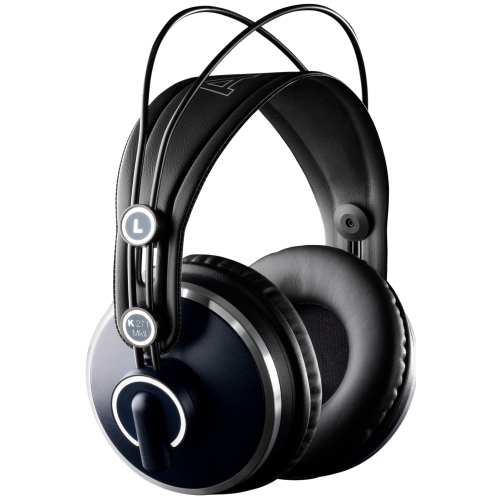
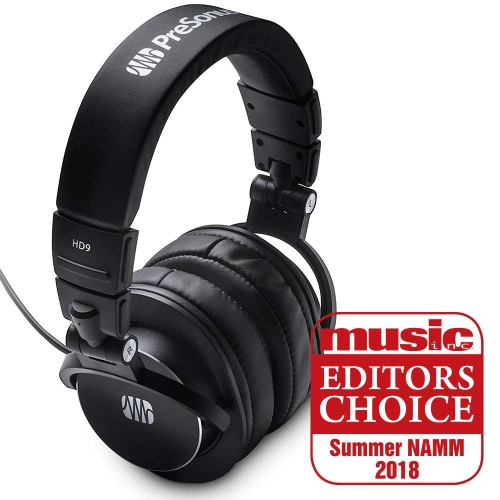
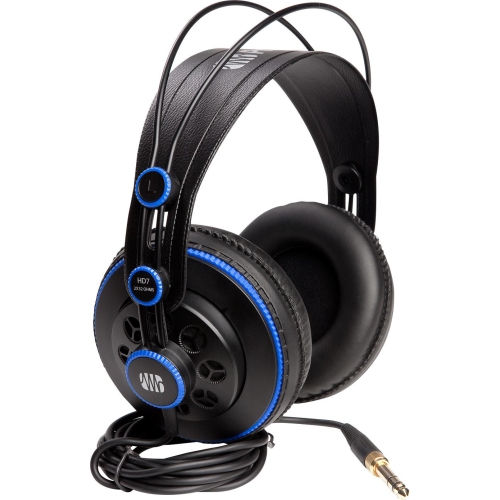
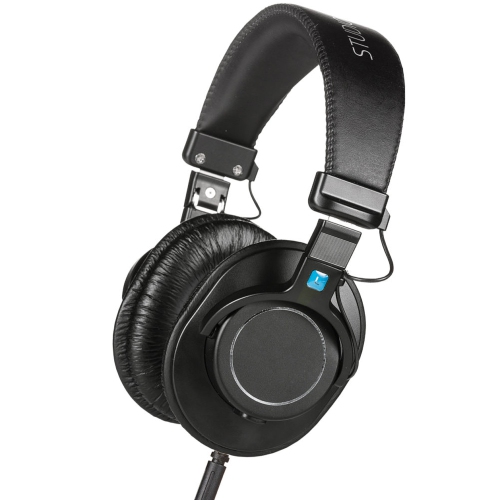
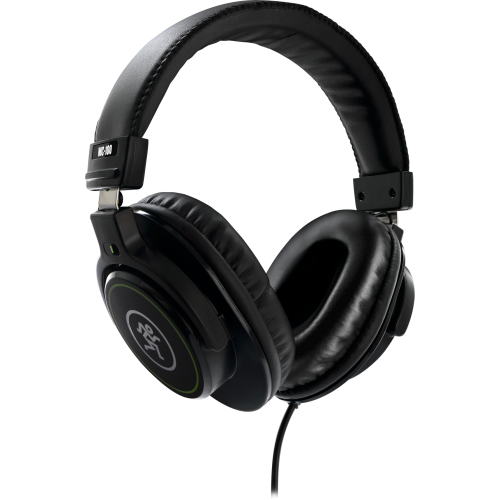
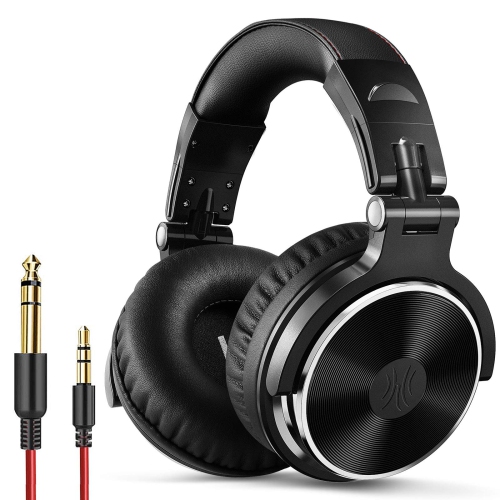
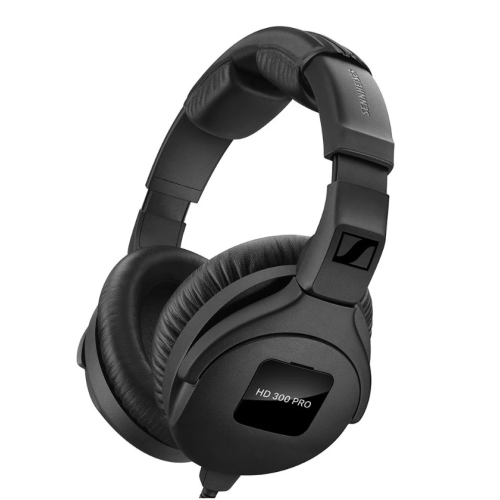
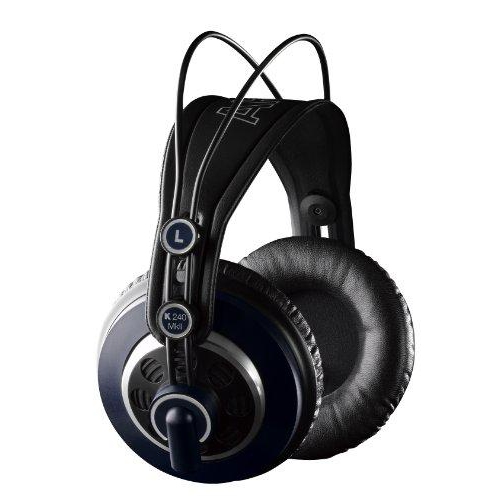
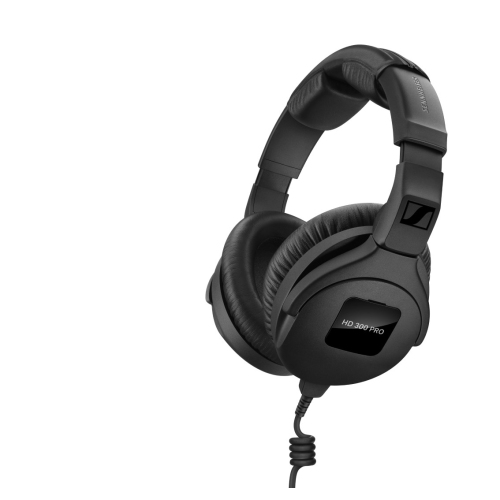
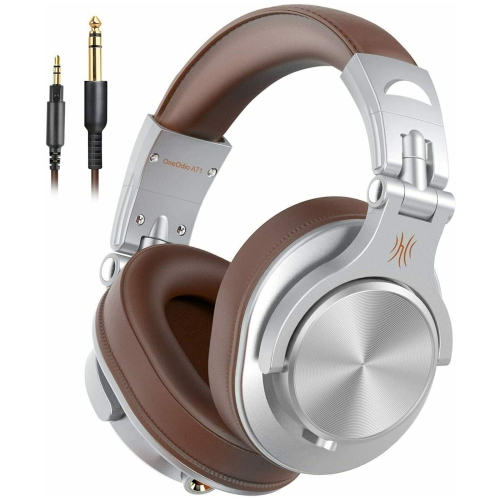
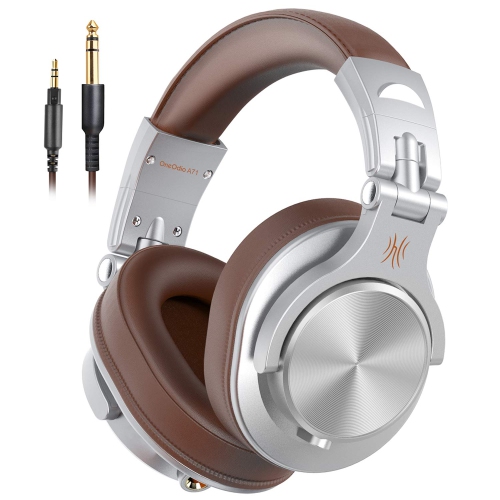
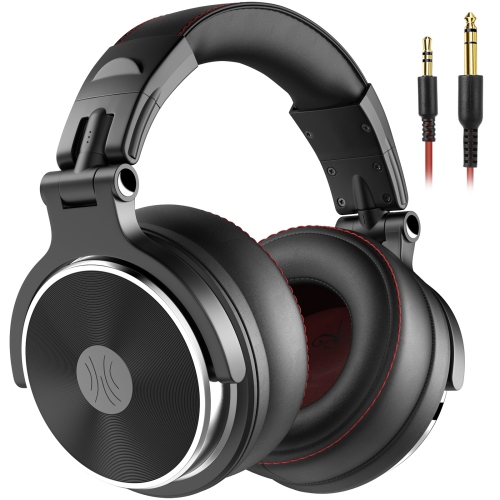
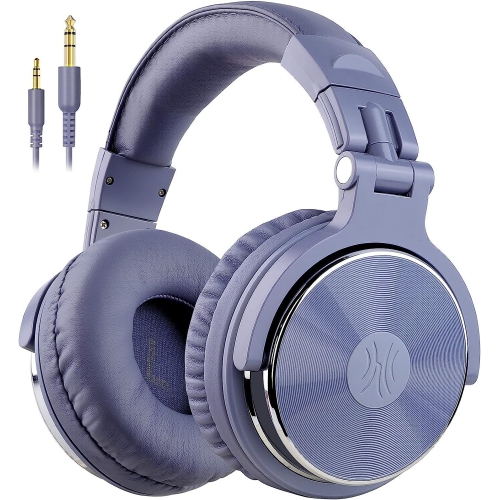
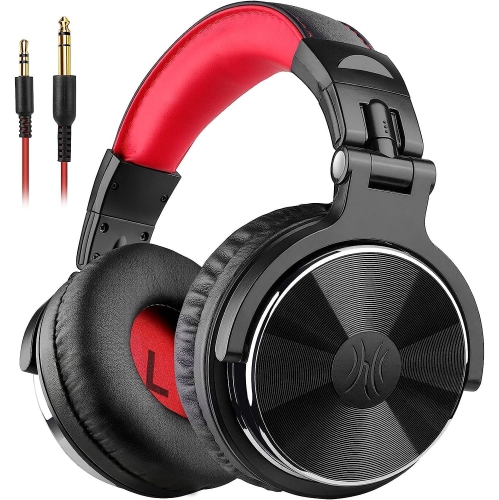
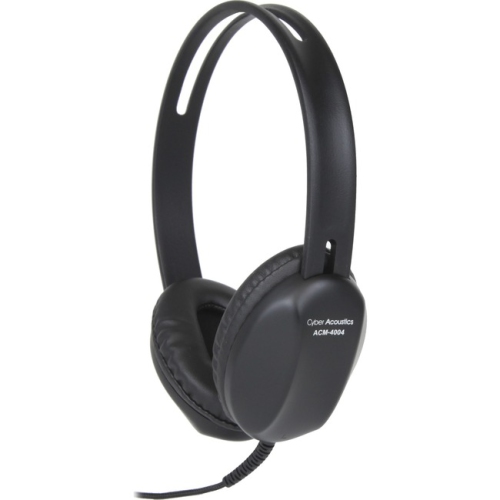
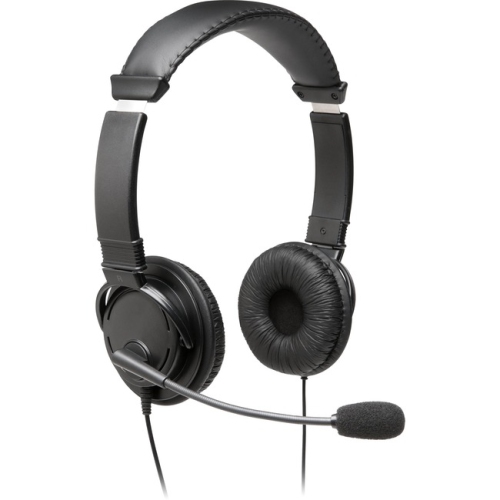
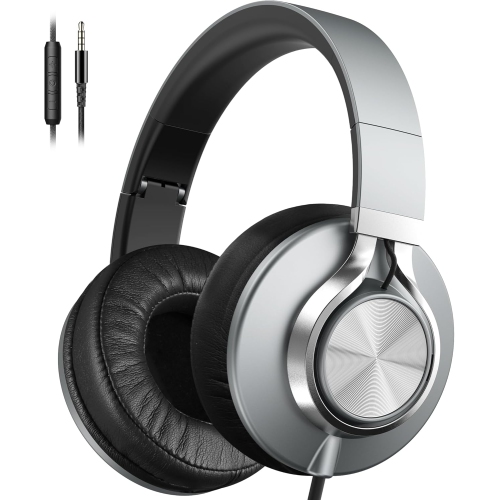
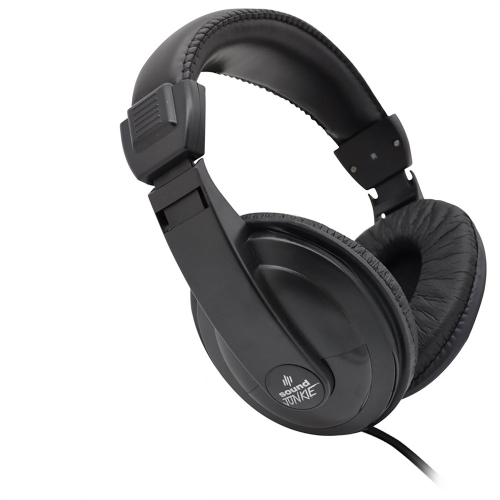
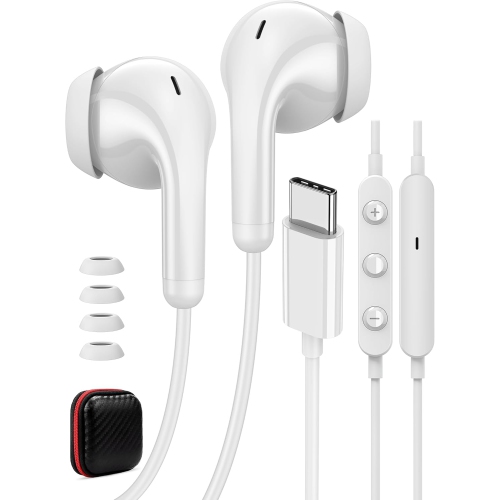
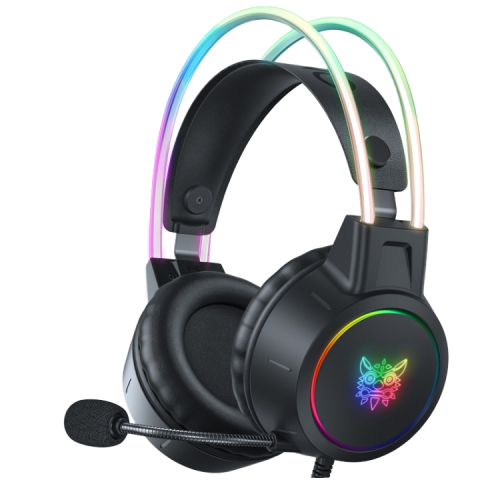
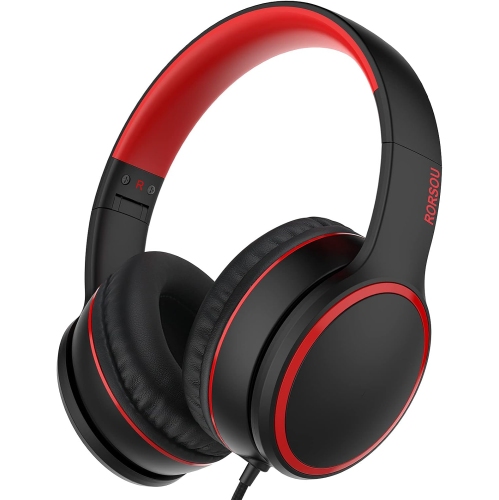
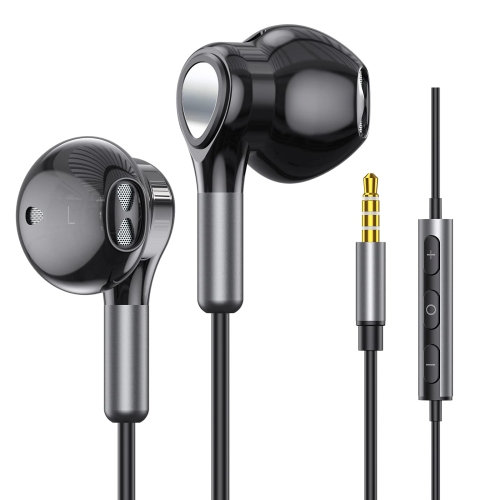
Wired Headphones for Studio Monitoring

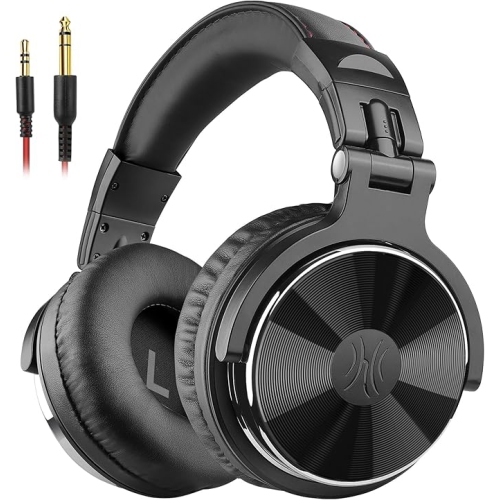
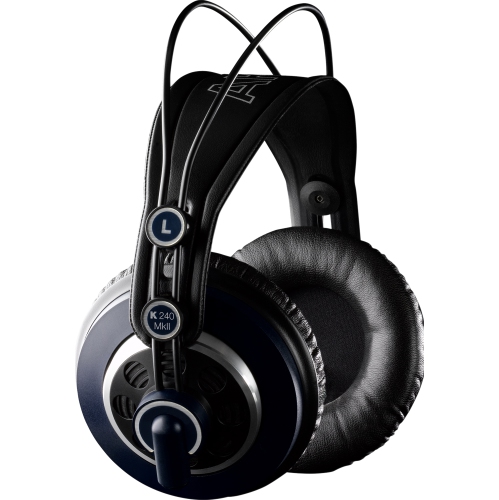
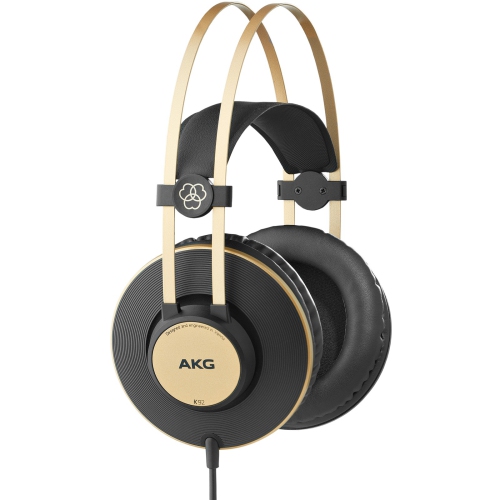
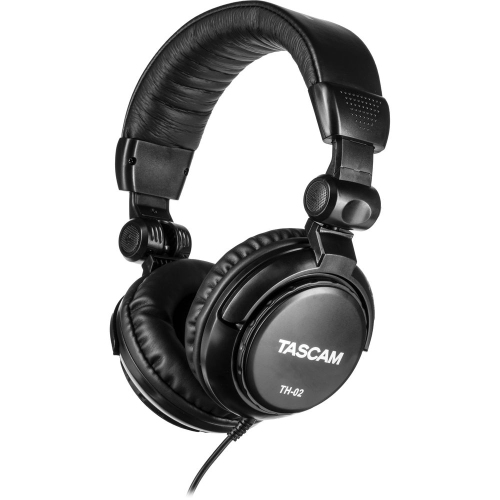
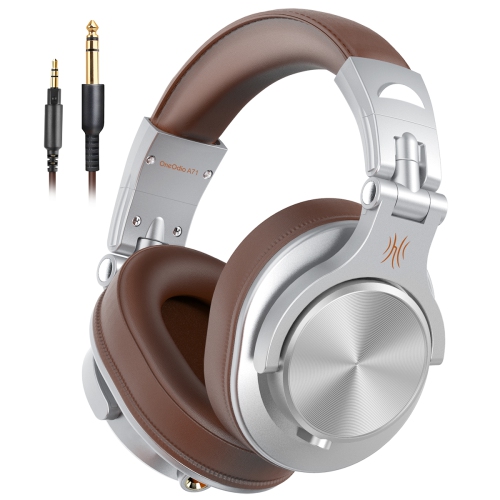
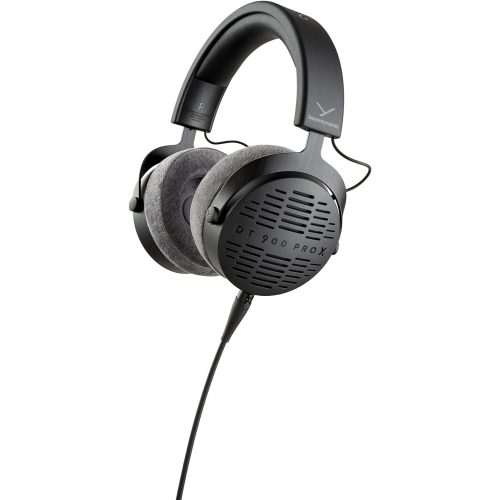
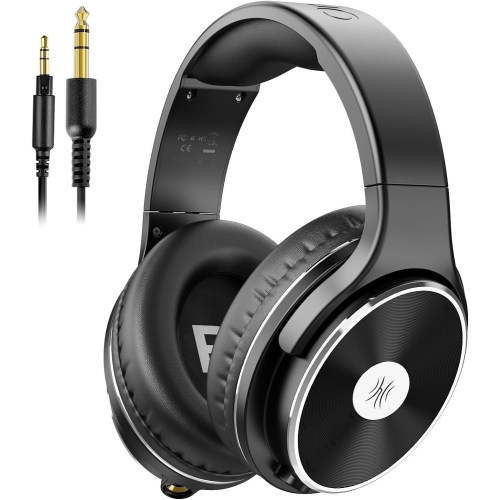
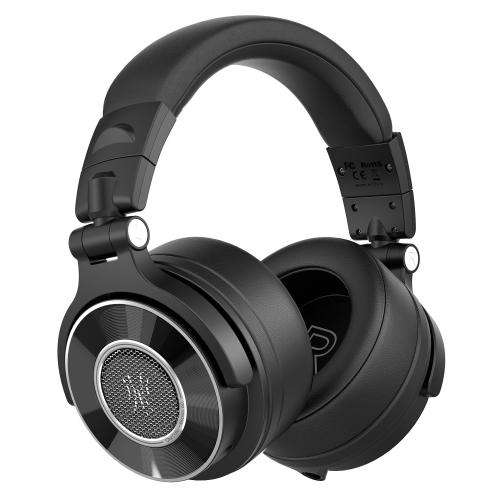
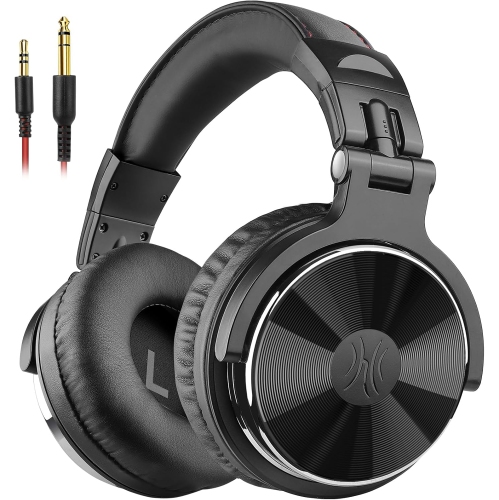
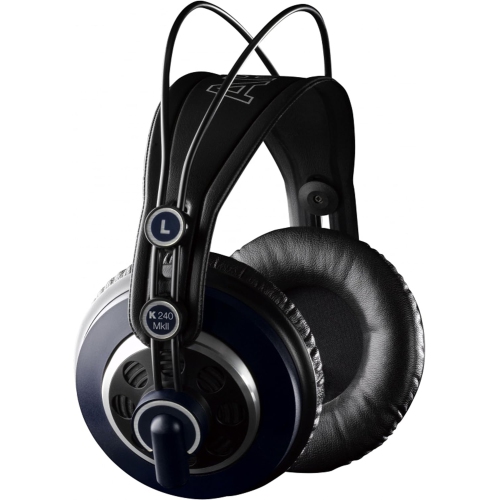
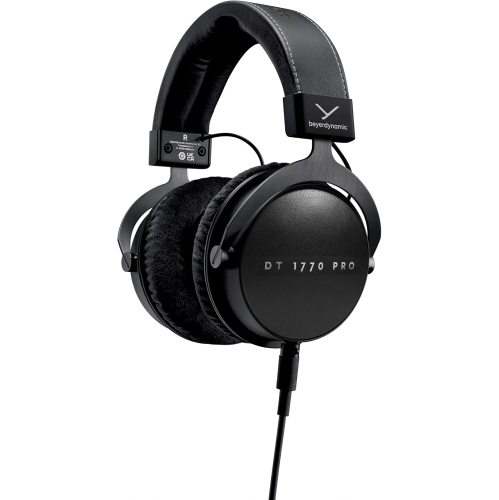
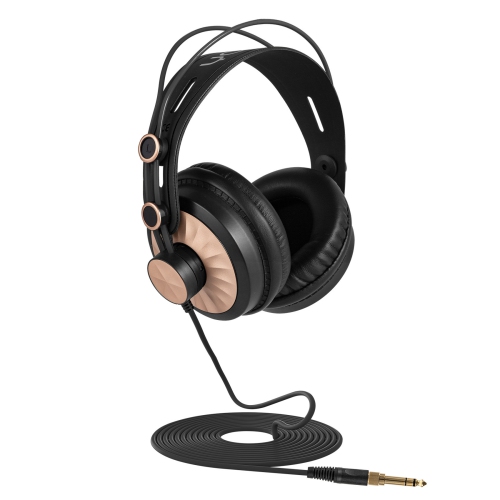
Find wired headphones for studio monitoring to listen closely while recording, editing, or mixing audio. Compare fit, comfort, connection type, and cable length to suit your studio setup, and check whether each model’s design offers the sound isolation you need.
Sort

How headphone design shapes the details you hear

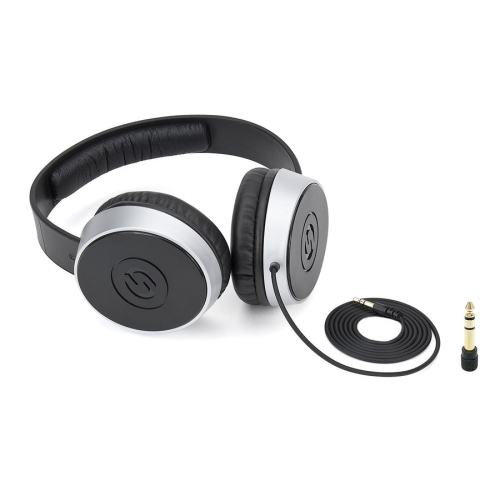
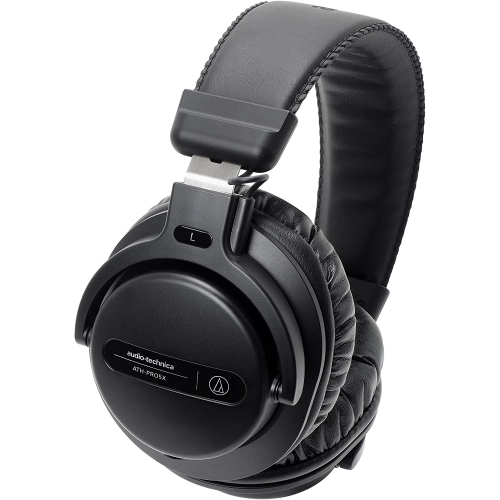
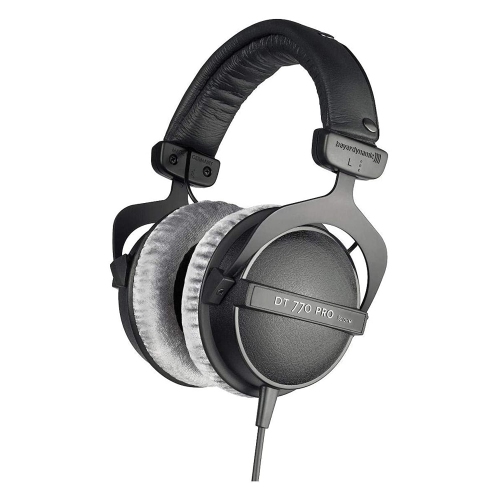
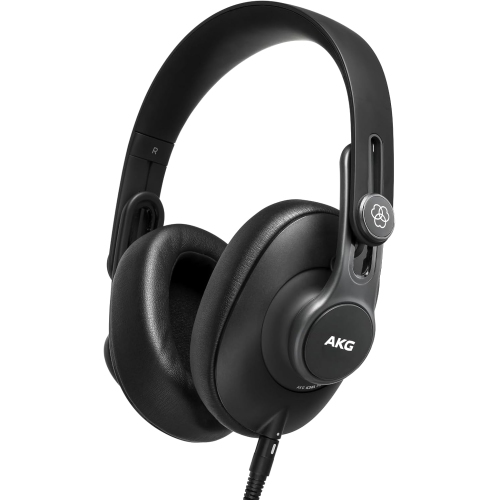
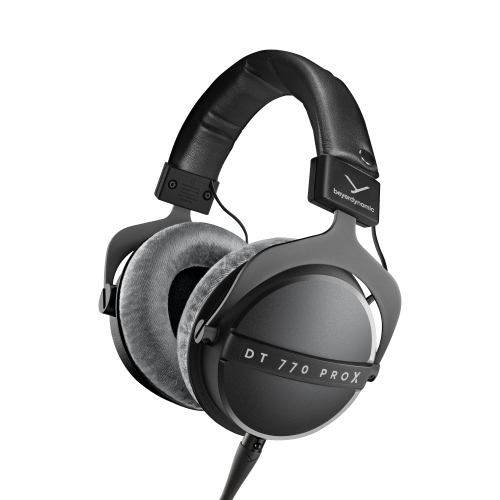
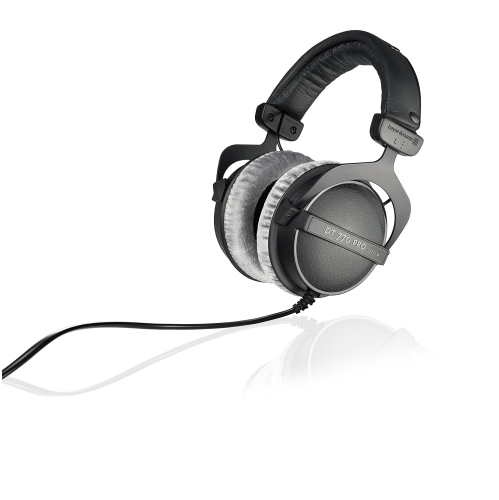
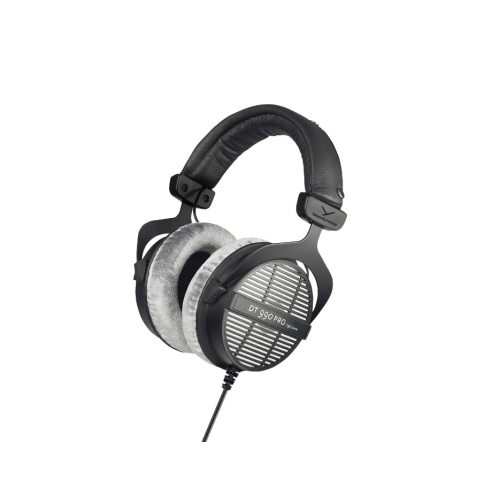
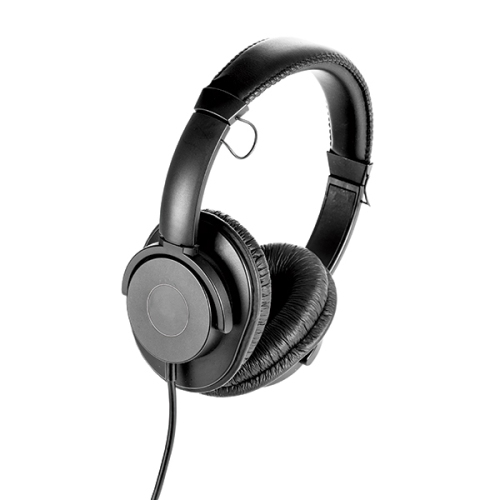
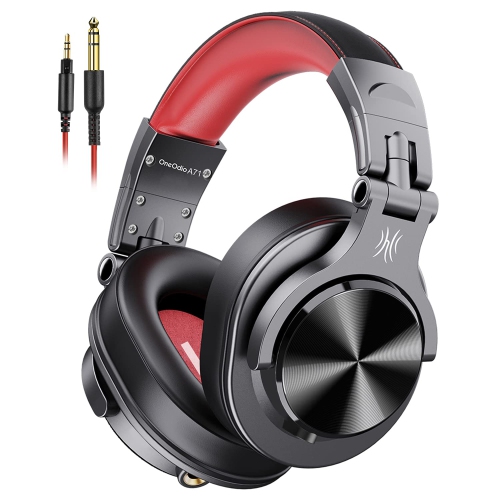
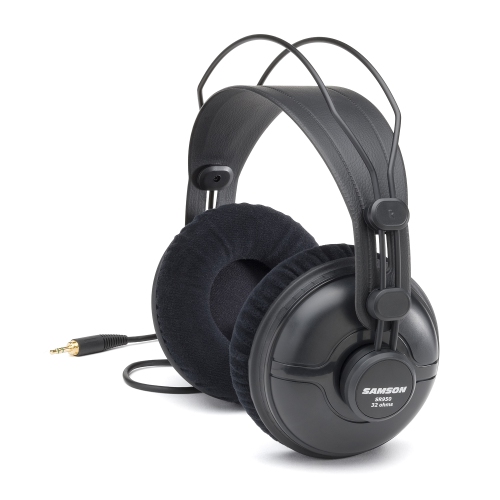
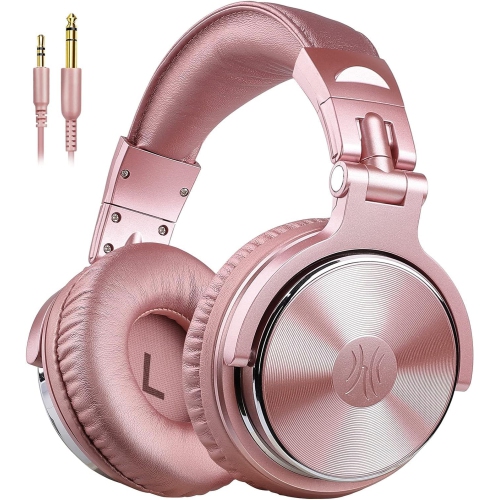
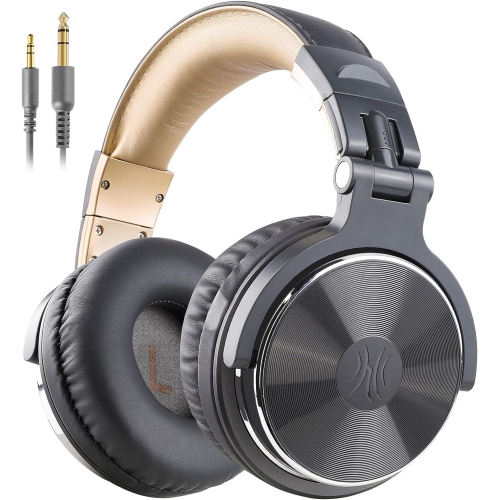
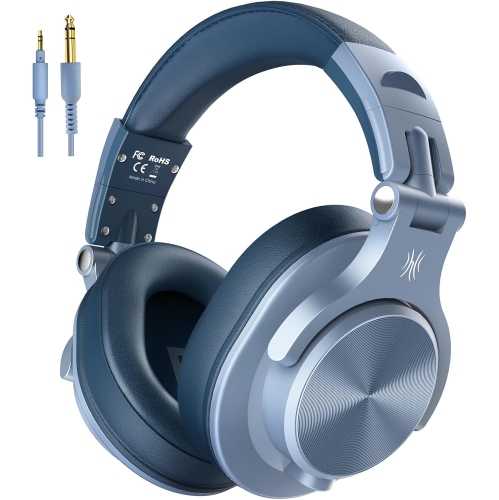
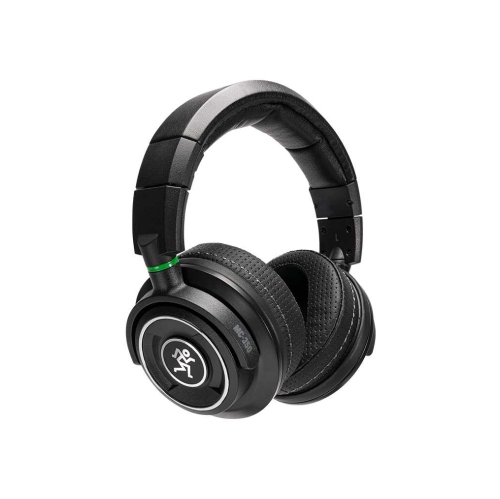
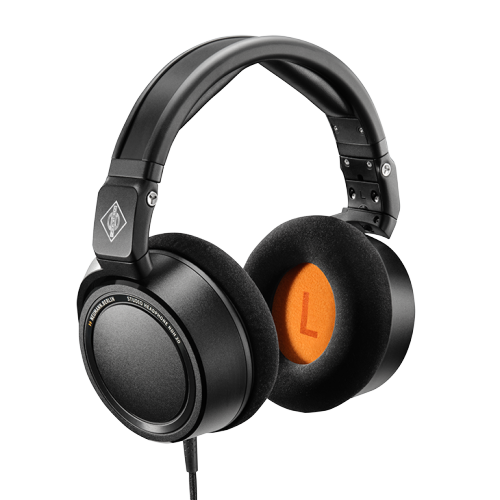
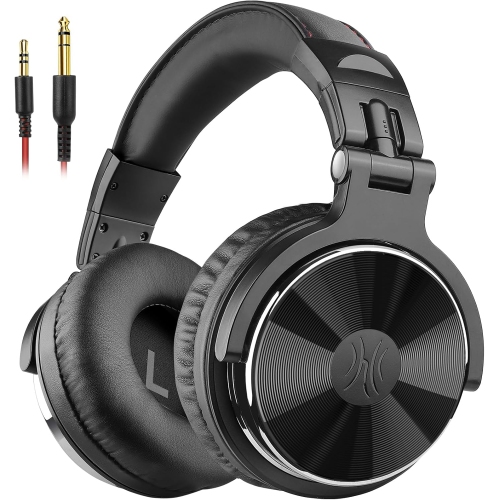
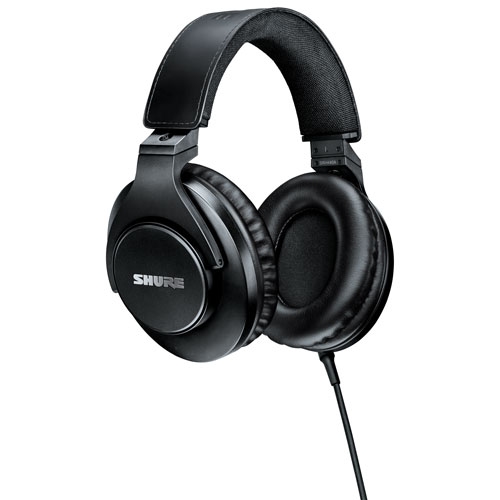
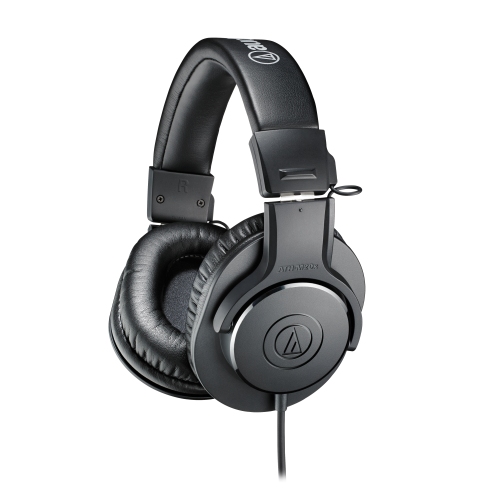
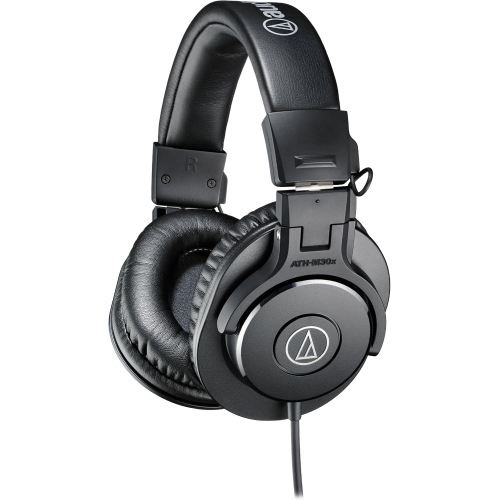
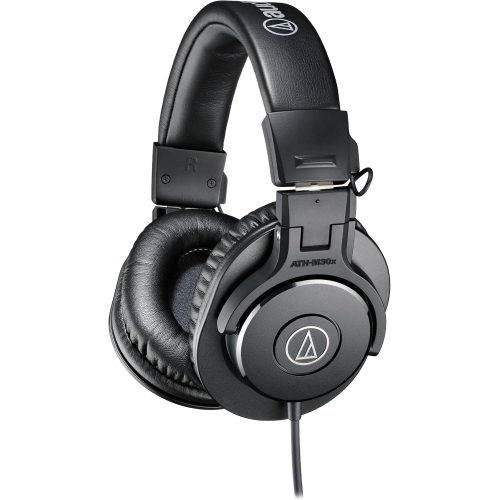
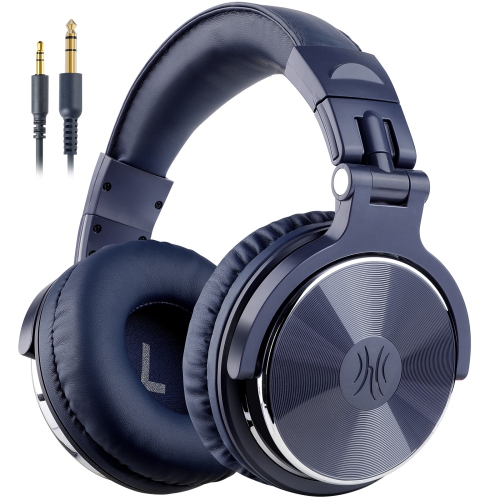
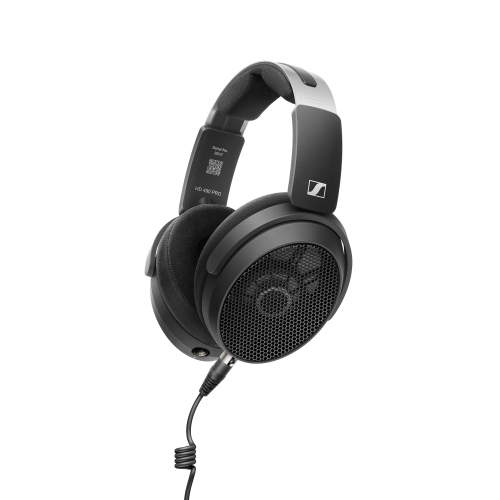
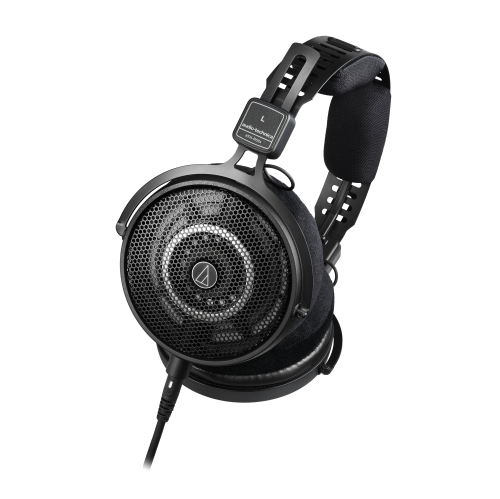
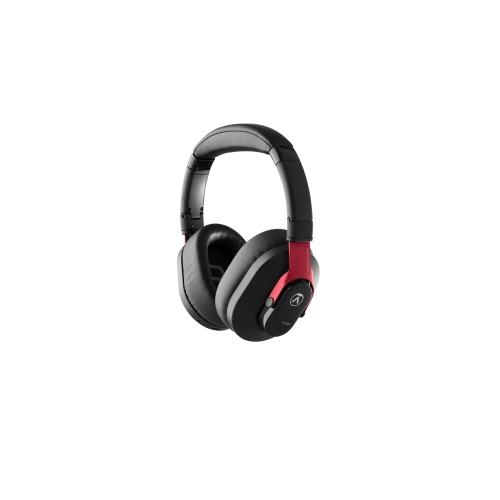
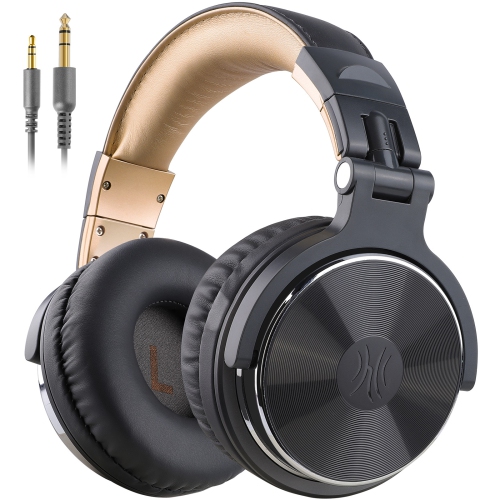
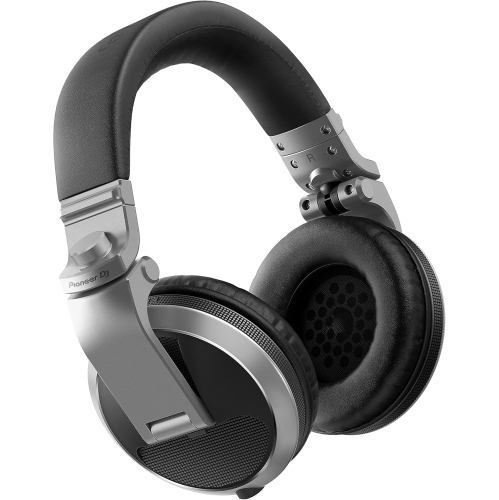
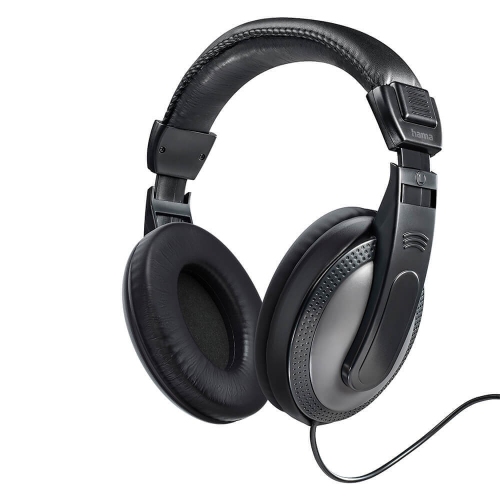
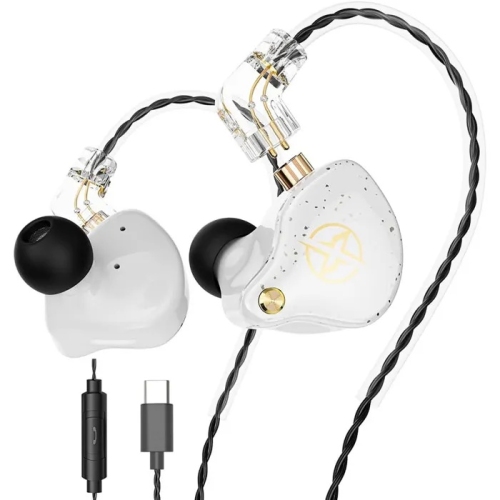
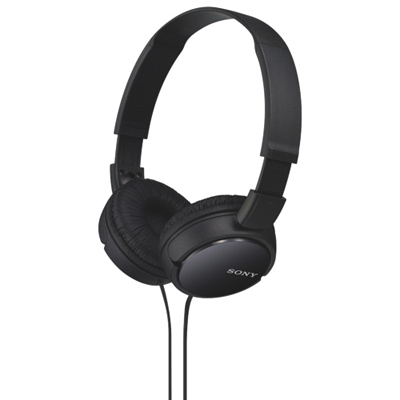
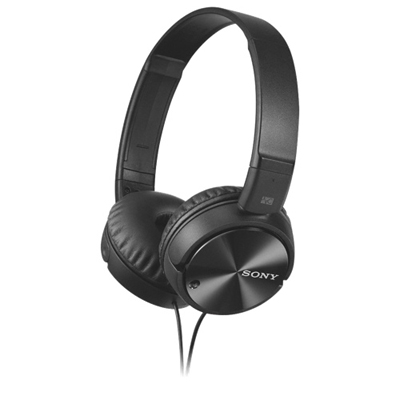
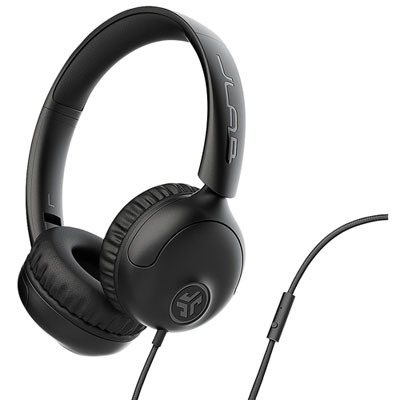
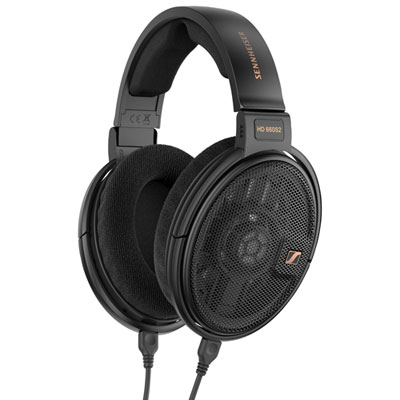
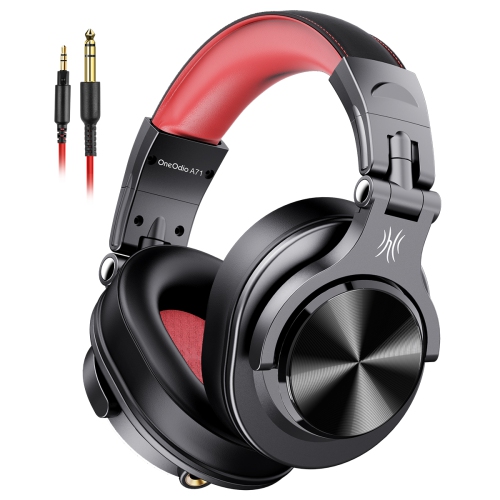
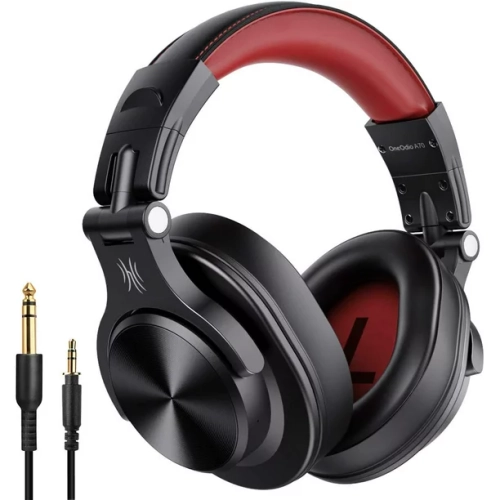
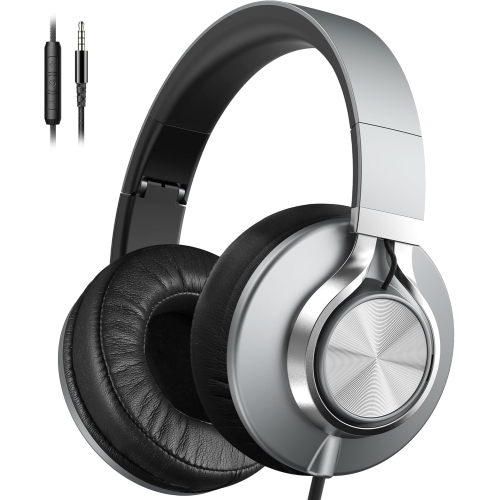
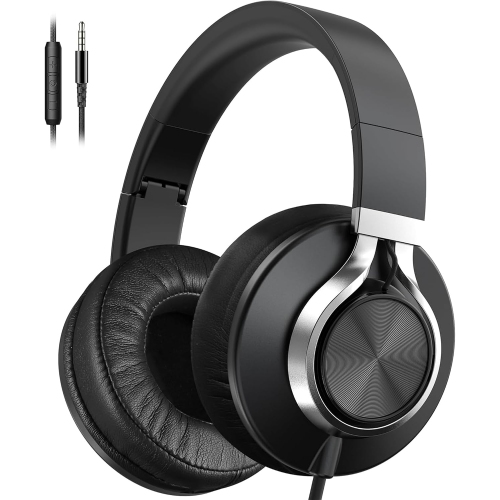
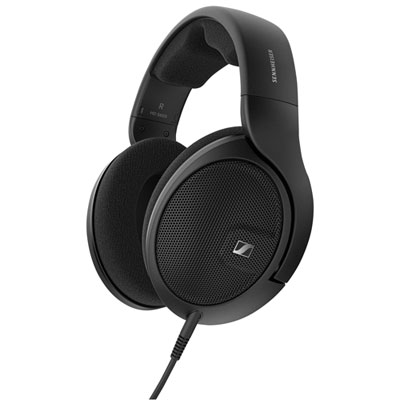
Wired headphones for studio monitoring support the close listening behind a clean vocal take, a balanced mix, or a carefully edited podcast. Their role is less about adding extra excitement to a favourite track and more about making the details of a recording easier to judge: the low rumble beneath a spoken sentence, the sharp edge of a cymbal, or the small click where two edits meet. A relatively balanced sound can help with those decisions, although no pair of headphones is perfectly neutral, and fit can change what reaches the listener’s ears. Clear midrange reproduction is useful for following voices, guitars, and keyboards, while controlled bass helps distinguish the body of a kick drum from the bass line beside it. Strong treble emphasis can make a recording seem especially detailed without necessarily making it more accurate. Familiar reference tracks provide useful context when learning how a pair presents different sounds. Earcup design also shapes where monitoring headphones fit into a workspace. Closed-back designs help limit sound escaping towards a microphone and reduce some surrounding noise, making them useful for vocal tracking, instrument practice, and shared rooms. They do not block every outside sound, and loud playback can still spill into a nearby microphone. Open-back designs allow more sound to pass through the earcups and often create a more spacious listening impression, but they offer little isolation. That makes them better suited to quiet spaces where sound leakage will not disturb someone nearby or interfere with recording. Semi-open designs sit between these approaches, with performance varying by construction. For mixing, headphones can reveal fine edits and stereo placement without introducing the room reflections heard through speakers. They remain one listening perspective rather than a guarantee that a mix will sound identical everywhere. Checking a finished project on other familiar playback systems helps put those close-up details in context.

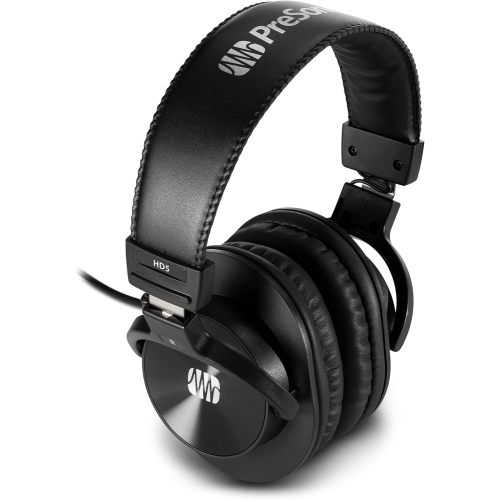
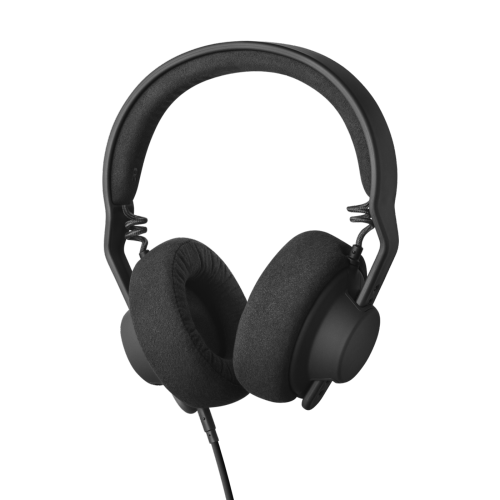
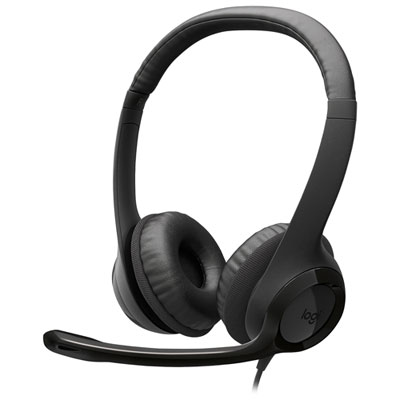
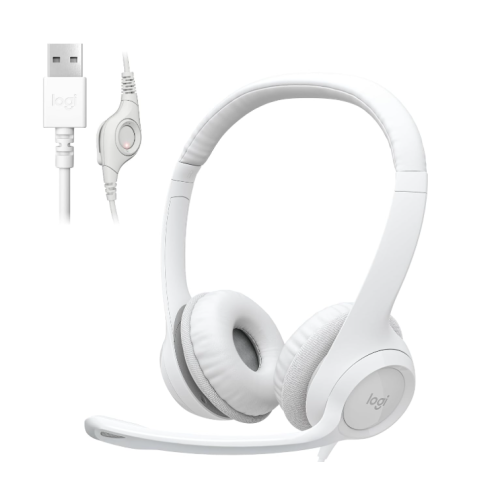
Comfort becomes part of sound quality when a session stretches from recording into editing. Over-ear cushions that surround the ears, a headband with enough adjustment, and balanced weight distribution can make it easier to stay focused without repeatedly shifting the headphones. Earcup depth matters as much as the size of the opening: shallow cushions may leave the ears touching the inner lining, while a narrow opening can create pressure around the edges. A secure fit is useful when leaning towards a microphone or turning between an instrument and a screen, but excessive clamping force can become distracting. Glasses, hair, and head shape can affect the cushion seal, especially on closed-back designs, and a poor seal may reduce bass response. Cushion materials bring different trade-offs. Fabric and velour can feel softer and more breathable, while leather and leather-like coverings often form a closer seal; the actual result depends on the complete earcup design. Replaceable cushions are useful for headphones that see frequent sessions, though replacements should match the intended design because changes in material or thickness can alter the sound. Durability also comes from practical details such as reinforced headband sections, smoothly moving adjustment mechanisms, and secure cable connections. Metal components can add rigidity, while well-designed plastic parts can help keep weight manageable. Folding hinges may make transport easier, but they also deserve careful handling when packing a bag. A protective case or pouch keeps earcups from rubbing against other equipment and helps prevent connectors from being bent in transit. Routine care is straightforward: remove surface dust, wipe suitable surfaces with a soft cloth according to the manufacturer’s directions, and let cushions dry fully before storage. Keeping moisture away from the drivers and sockets, avoiding harsh cleaners, and replacing worn pads can help preserve both comfort and consistent listening over time.

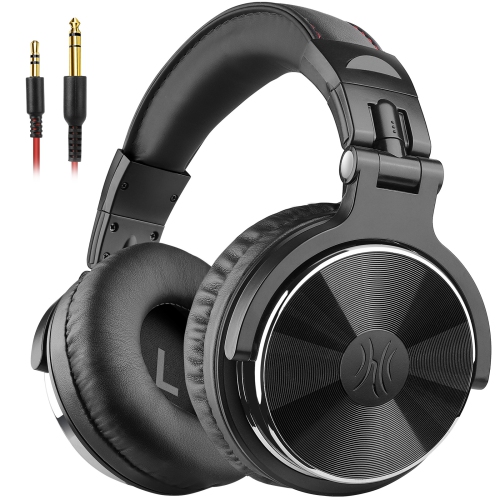
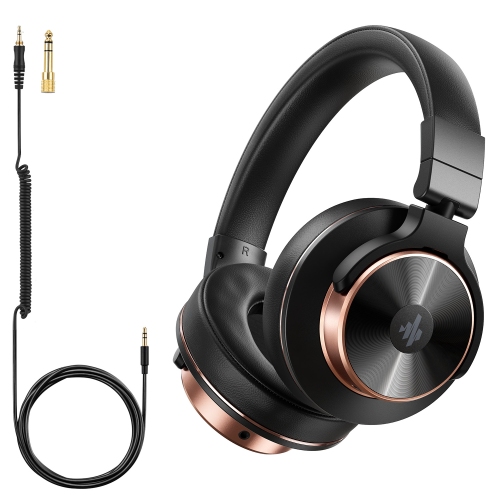
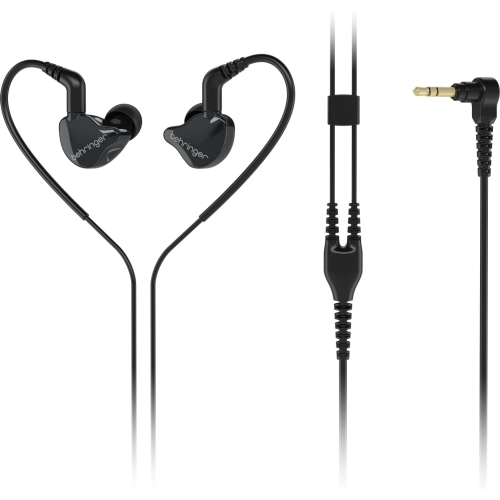
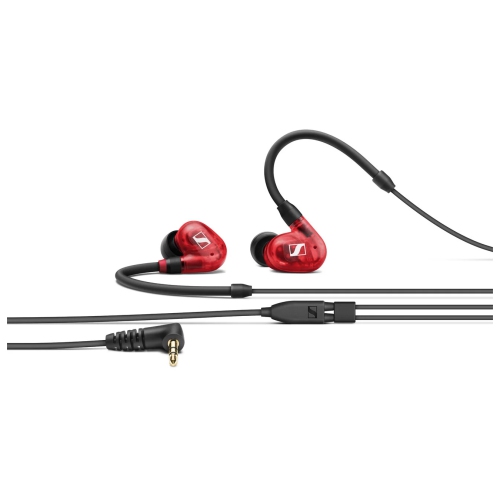
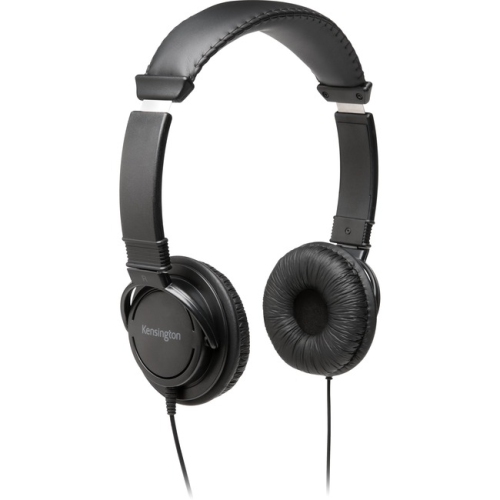
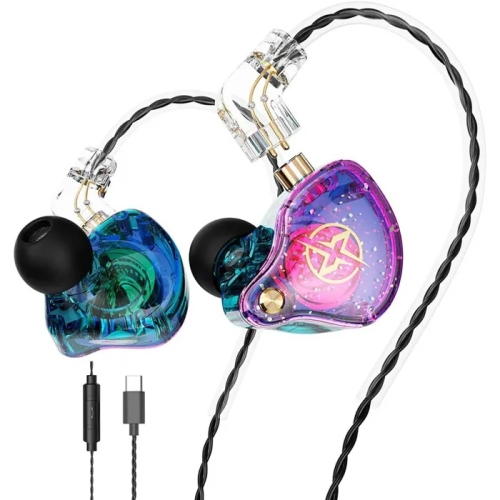
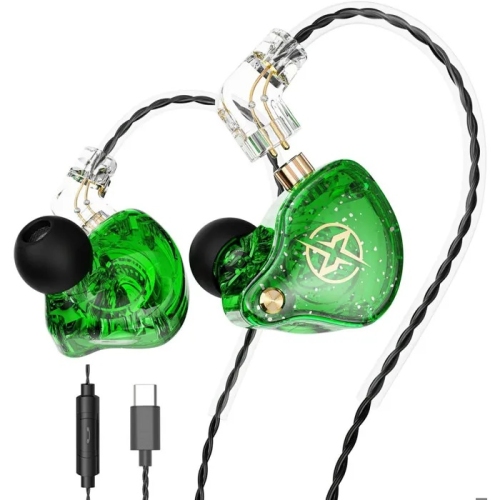
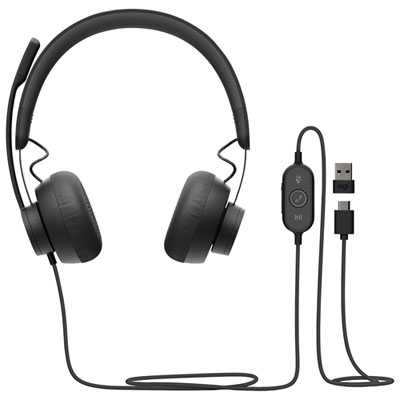
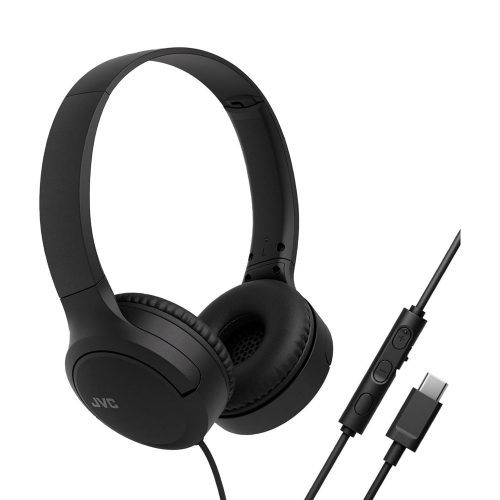
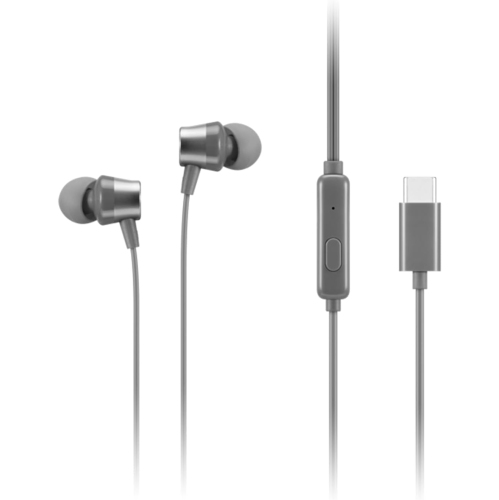
The connection between headphones and the rest of the recording setup deserves as much attention as the earcups. Analogue wired headphones avoid the audio transmission delay associated with wireless links, which is helpful when a performer needs to hear a voice or instrument in time with a backing track. Any delay introduced by recording software, processing, or the audio interface still needs to be managed separately; a cable alone does not remove it. Common headphone connections include 3.5 mm and 6.35 mm plugs, with some designs using an adapter to move between smaller devices and studio equipment. The plug and adapter need to suit the headphone output, and a microphone input is not a substitute. Impedance and sensitivity also influence how headphones work with a particular source. Some designs reach a useful listening level from a modest output, while others benefit from an audio interface or dedicated headphone amplifier with suitable power. Impedance on its own does not establish sound quality or tell the whole compatibility story. Cable layout matters in daily use, too. A straight cable can sit neatly beside a desktop interface, while a coiled cable offers some reach without leaving its full length across the floor, though its tension can tug when stretched. Detachable cables can simplify replacement, provided the connector and wiring are compatible; matching the appearance of a socket is not always enough. For musicians, voice performers, audio students, and home producers, these practical details help headphones fit the way a session actually runs. Someone recording beside a sensitive microphone may value isolation, while an editor working alone may place more weight on long-session comfort and subtle detail. The related Headphones for Studio Recording page provides another relevant selection for recording-focused setups. As a gift, monitoring headphones are most useful when the recipient’s equipment, preferred fit, and recording habits are known. A comfortable, compatible pair supports regular practice and careful listening without requiring playback levels that overwhelm the session.
FAQ

Some products may be subject to Environmental Handling Fees (EHF) depending on your province. Learn more about EHFs.