Automatic Electric Ovens
Upgrade your kitchen with the convenience and efficiency of an Automatic Electric Oven. Perfect for home cooks and busy families alike, these ovens offer a streamlined solution for preparing delicious meals with minimal effort. Whether you're baking, roasting, or simply reheating, an Automatic Electric Oven delivers consistent results every time. Explore a variety of options to find the ideal fit for your cooking style and kitchen space. Discover how an Automatic Electric Oven can transform your daily meal preparation into a hassle-free experience.
Sort


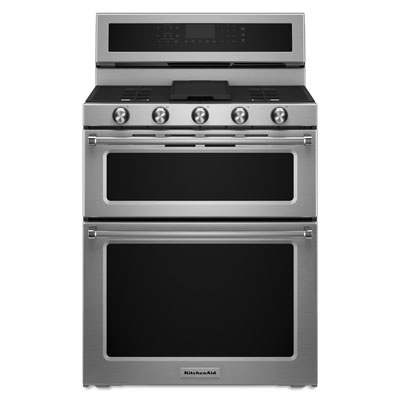
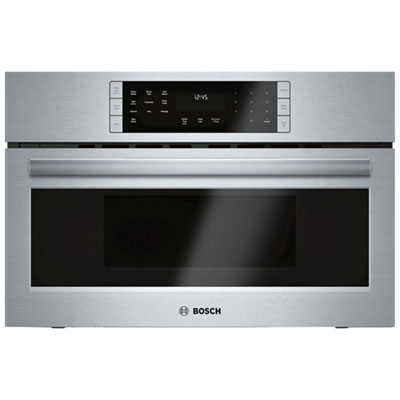
When oven presets help and what else matters
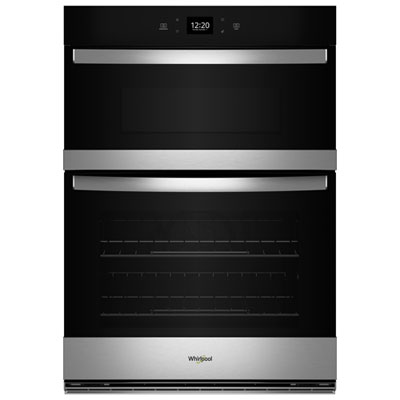
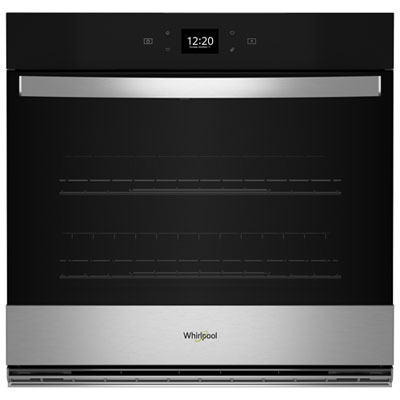
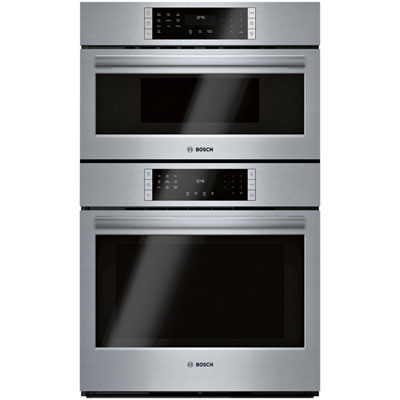
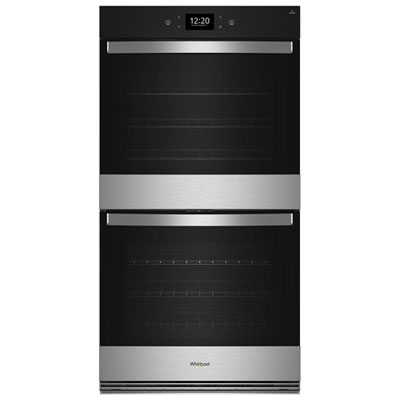
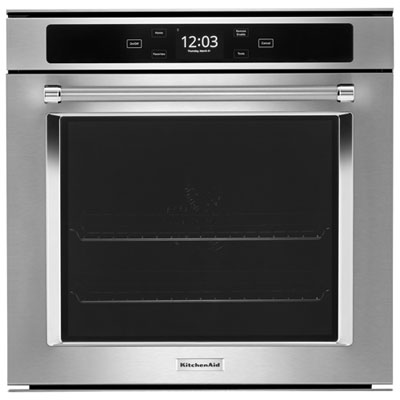
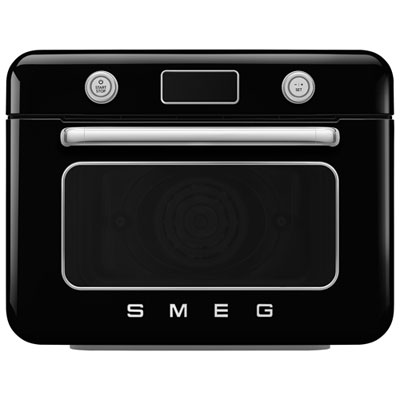
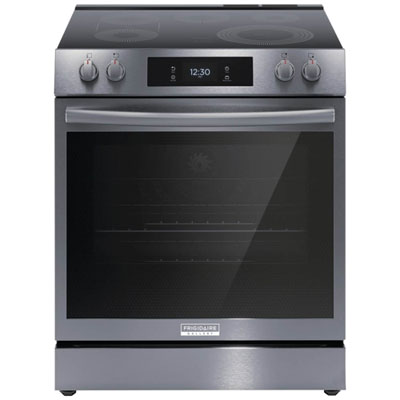
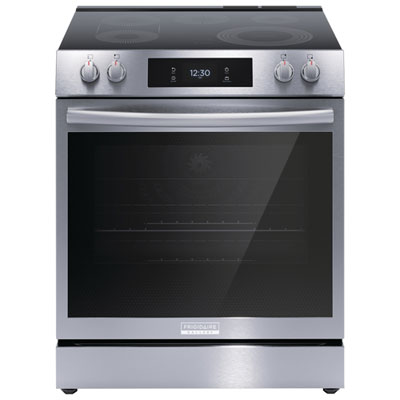
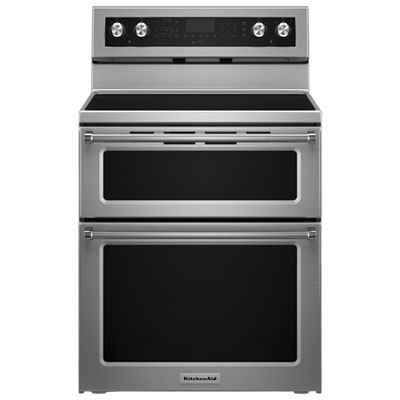
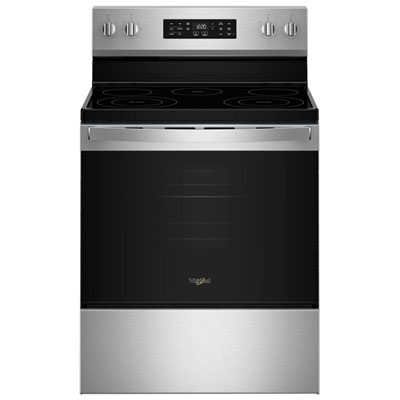
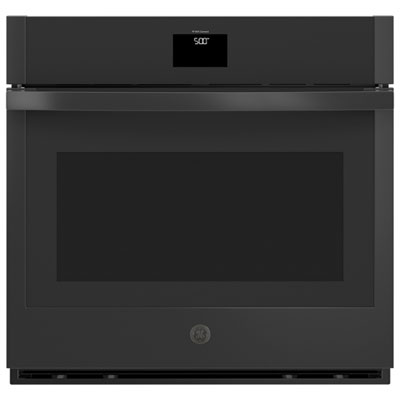
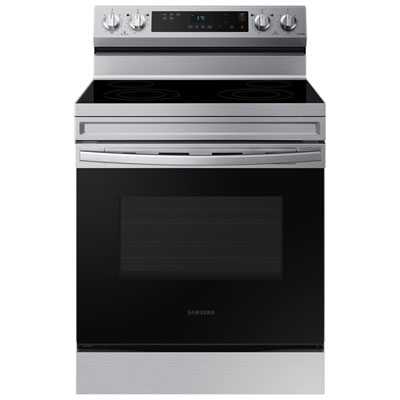
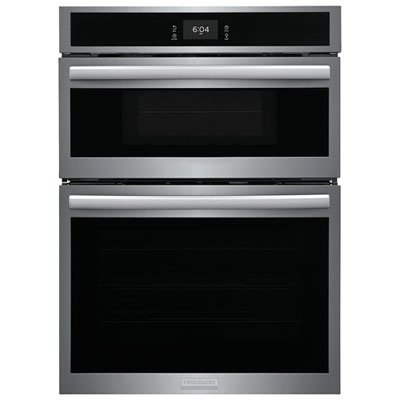
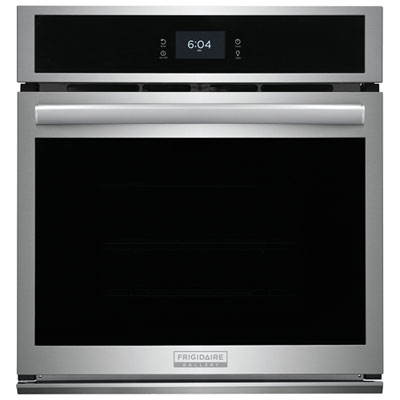
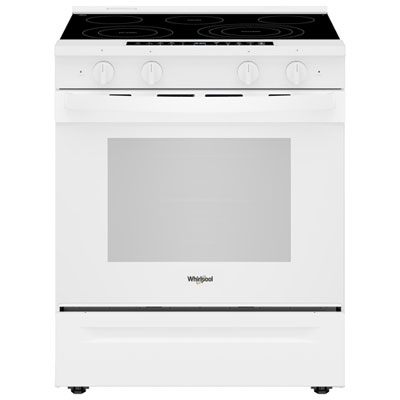
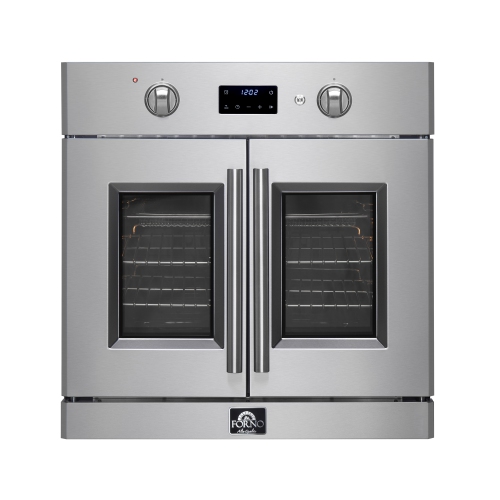
Automatic electric ovens combine familiar baking, roasting and broiling functions with controls that can handle part of the cooking routine. The degree of automation varies. A simple timer may sound when the set time is up but leave the heat on, while a timed cooking program can end the heating cycle on its own. Some ovens offer presets that select a cooking mode and a starting temperature for common dishes, or a probe that tracks the internal temperature of a roast without repeated checks through the oven door. Those features tend to be most useful for meals that already have plenty of moving parts. A preheat signal lets the cook finish preparing a tray of muffins without watching the display, while a timed bake gives a busy household one less thing to keep track of while setting the table and getting the rest of dinner ready. Standard bake settings are useful for dishes such as custards and quick breads, while convection uses a fan to move heated air around the oven cavity. That airflow can help brown a tray of vegetables, though a familiar recipe may need a shorter cooking time or a different temperature. Broiling directs heat from above for jobs such as browning the top of a casserole. For someone who makes the same handful of meals each week, clear manual controls and a timer that’s easy to set may get more use than a long list of presets. In a shared kitchen, readable labels, an audible signal and a display that distinguishes the set temperature from the remaining cook time can matter as much as the number of cooking modes. Automation can make a familiar recipe easier to repeat, but it doesn’t judge whether a loaf is baked through or whether poultry has reached a safe internal temperature. A preset is a starting point, particularly when the dish, portion size or bakeware differs from what the program was designed for.
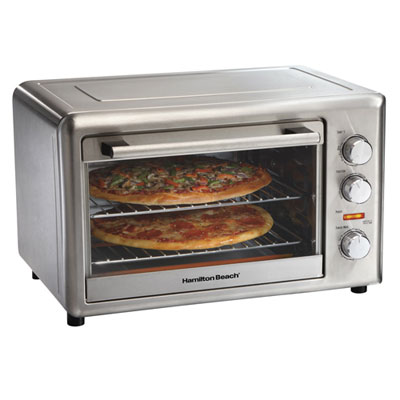
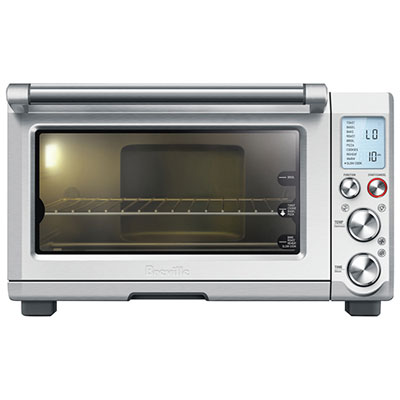
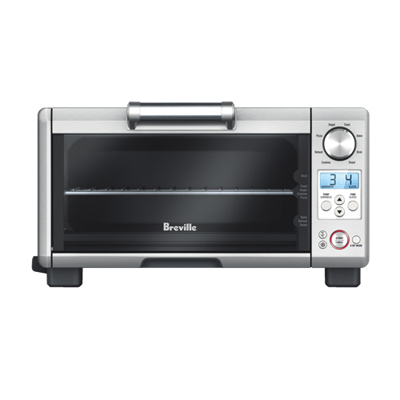
The right oven size depends as much on the pans and dishes it needs to hold as on the space it takes up in the kitchen. A countertop oven may suit a household that regularly bakes small batches or reheats a few portions, while a full-size electric oven gives frequent bakers and larger households more room for deep roasting pans and multiple racks. Overall dimensions describe the outside of the oven, not the usable room on a rack. A rectangular baking dish can fit on paper but still be awkward to slide in if its handles crowd the opening or if there’s little room for oven mitts. Rack positions also affect what fits: a tall covered dish needs headroom, while two trays of cookies need space between them for air to circulate. For a countertop model, depth includes more than the footprint on the counter. The door needs room to open fully, and the clearances specified by the manufacturer matter when the oven sits below cabinets or beside a wall. A built-in oven needs a compatible cabinet opening and electrical connection; when replacing an older unit, the nominal width alone isn’t enough to confirm a fit. Height comes into play too, especially when someone needs to lift a heavy dish out with both hands and set it down nearby. A compact oven can be a practical housewarming gift when the recipient has room for it and would use it regularly, especially in a kitchen where turning on a full-size oven for a small dish feels unnecessary. For a bakery, café or other food-service kitchen, the requirements are different: Commercial Ovens are designed for that type of work, where tray dimensions, repeated batches and installation requirements help determine the fit.
Materials and everyday care shape how an electric oven holds up, particularly in a kitchen where it gets frequent use. A smooth enamelled interior can be straightforward to wipe once the oven has cooled, and removable racks make it easier to reach the back corners where splatters collect. A glass viewing window and an interior light make it possible to check the colour of a pie crust without opening the door and letting hot air escape. Stainless steel exterior panels can be easy to wipe, although fingerprints may show more readily around the handle and controls. On countertop designs with a removable crumb tray, being able to slide it out without shifting the oven makes a small cleanup after toast or pastries much simpler. For durability, the parts that see the most handling are worth a close look: a door that opens smoothly, racks that sit securely in their guides, and a handle with enough room for a gloved grip all make a difference when moving hot, heavy cookware. Cleaning features vary, too. A steam-clean setting may help loosen light residue, while a high-heat self-cleaning cycle is a separate function with its own directions for preparing the oven and removing accessories. The finish determines which cleaners and tools are suitable, so care is best based on the manufacturer’s instructions rather than on what works for a cooktop or another appliance. Simple habits also help keep the oven easy to use: a rimmed baking sheet can catch bubbling filling beneath a pie, and wiping up cooled drips before the next bake keeps them from hardening through repeated use. In a household that bakes bread, roasts vegetables and reheats leftovers throughout the week, those practical details matter every bit as much as the automatic settings. The features that make the biggest difference are often the ones that suit familiar dishes, fit the cookware already in the kitchen and make cleanup manageable after dinner.
Top selling and popular products
-
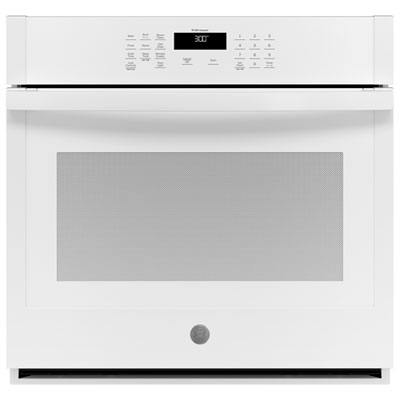 Your price for this item is $2369.99
-
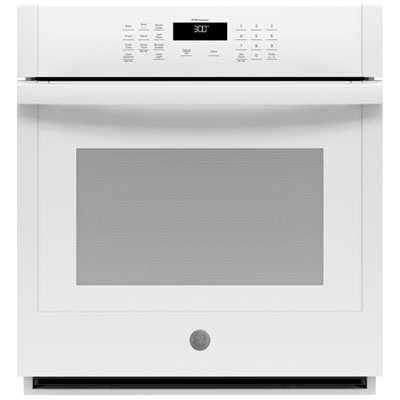 Your price for this item is $2249.99
-
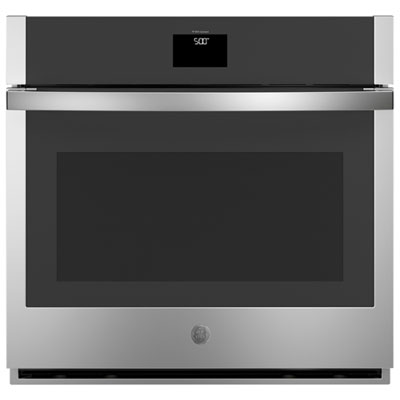 Your price for this item is $2369.99
-
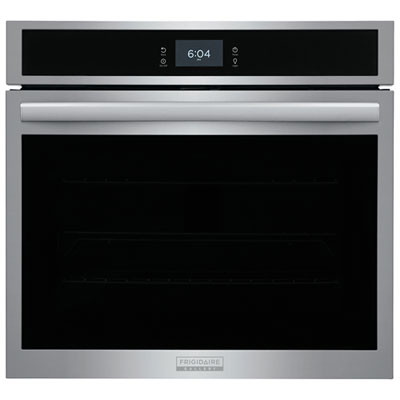 Your price for this item is $2199.99
-
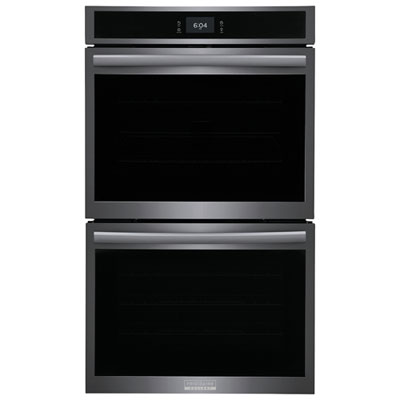 Your price for this item is $3699.99
-
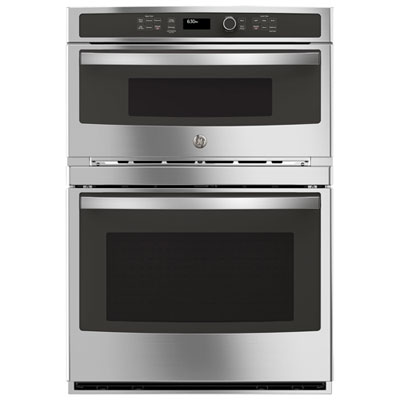 Your price for this item is $3749.99
-
 Your price for this item is $3699.99
-
 Your price for this item is $2199.99
Discover more categories related to Automatic Electric Ovens
Top Collections:
Best Black Friday Deals This Year, Best Black Friday Deals On Electronics, Kindle Devices, Best Black Friday Deals On Apple Products, Best Budget Office Chairs, Best Cameras for Sports Photography, Dyson Airwrap, Canon G7X Cameras, Best Laptops for Writers, Samsung Galaxy Phones
Some products may be subject to Environmental Handling Fees
(EHF) depending on your province.
Learn more about EHFs.