Cool Garage Fridges
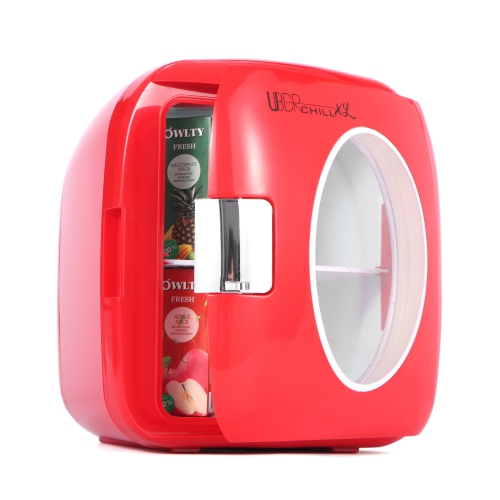
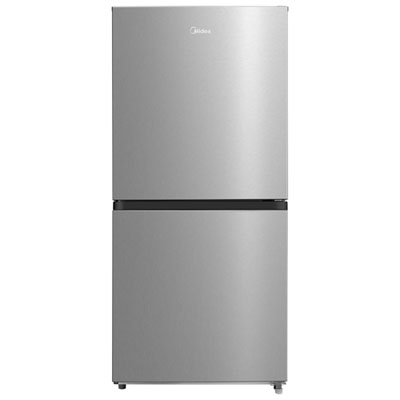
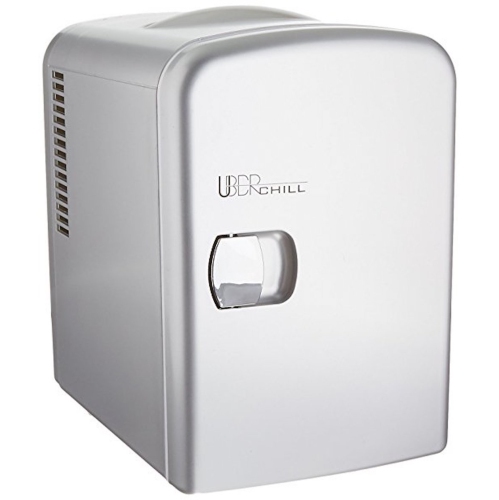
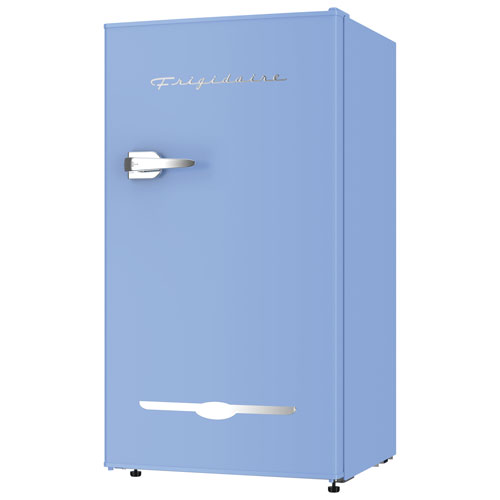
Transform your garage into the ultimate hangout spot with a Cool Garage Fridge. Designed to keep your beverages icy cold and your snacks fresh, this essential addition to any garage is perfect for those who love spending time tinkering with their tools or hosting game nights with friends. With its sleek design and ample storage space, the Cool Garage Fridge is not only functional but also adds a touch of style to your space. Say goodbye to warm drinks and hello to the perfect temperature with this must-have appliance for any garage enthusiast.
Sort


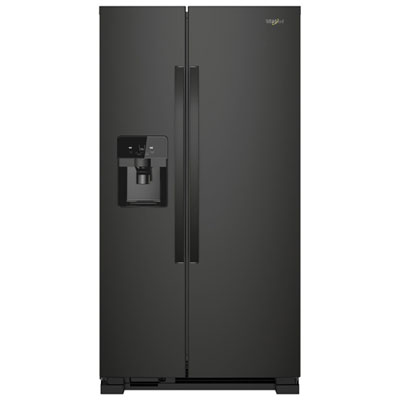
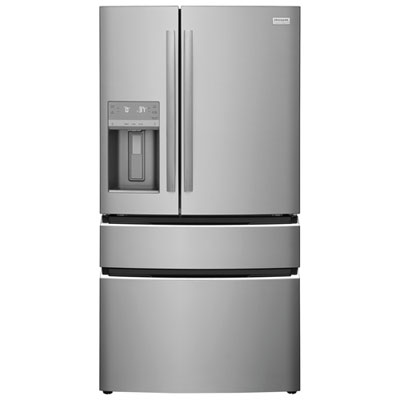
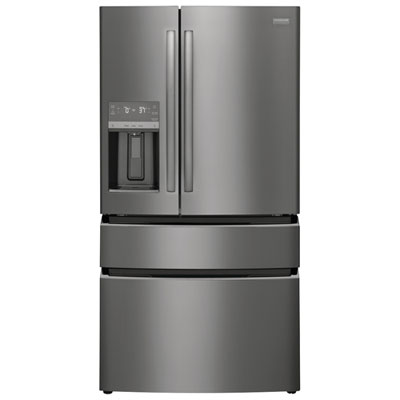
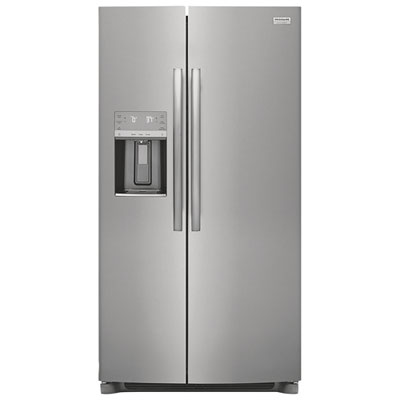
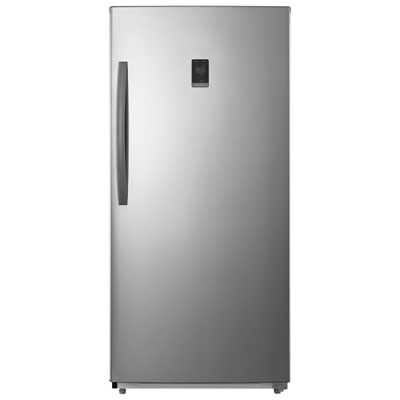
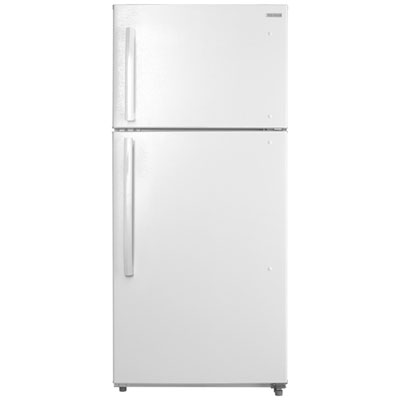
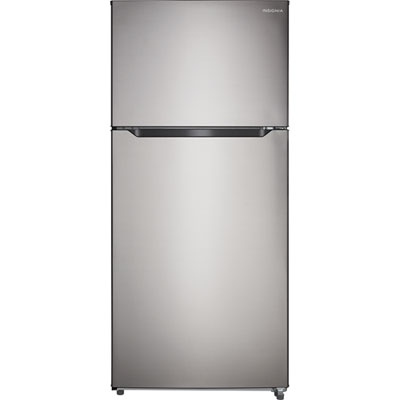
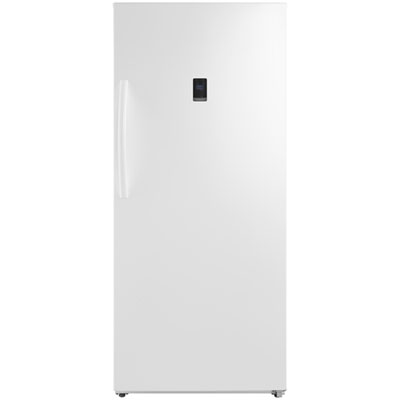

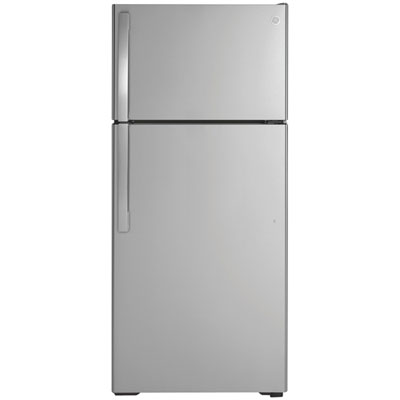
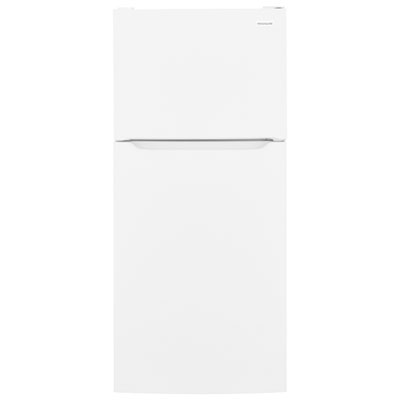
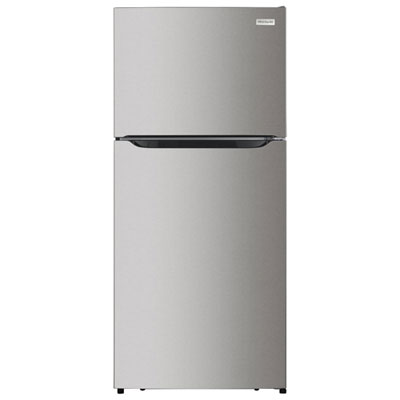
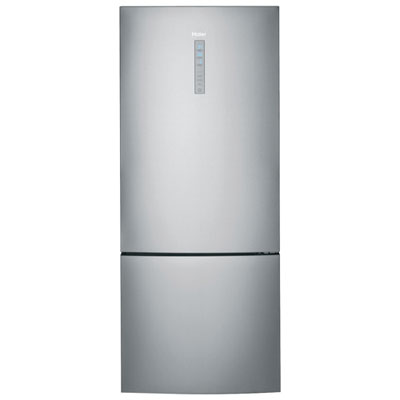
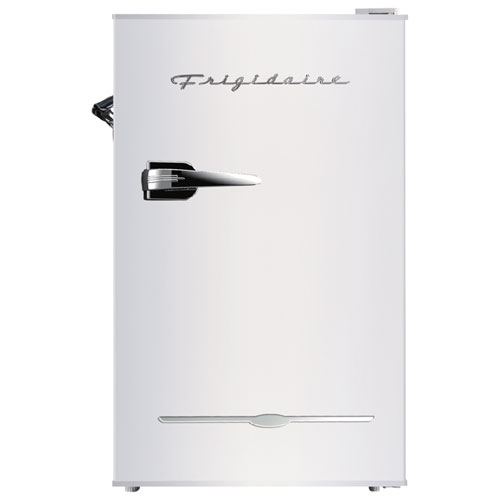

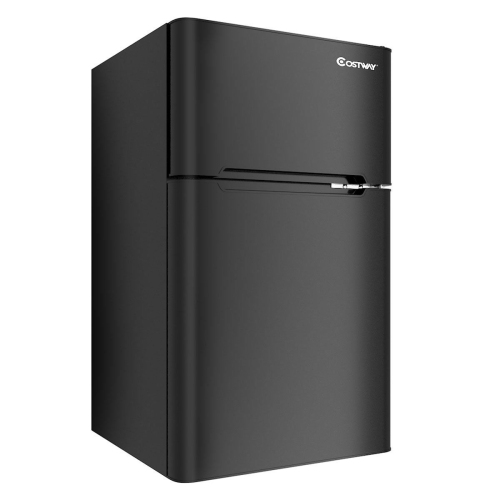
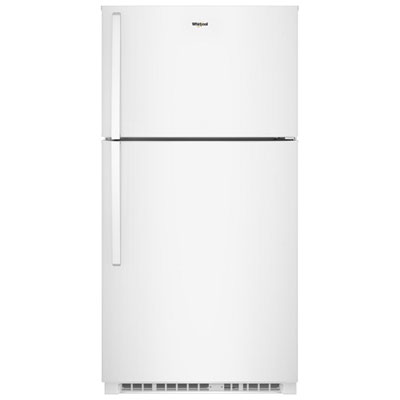
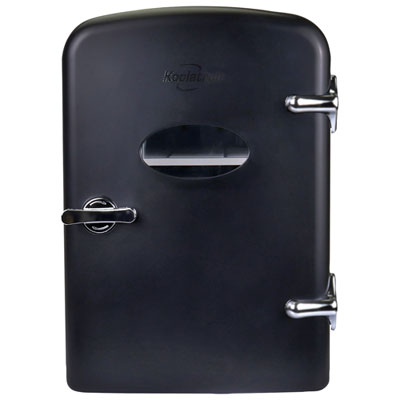


Why garage temperatures matter as much as fridge space
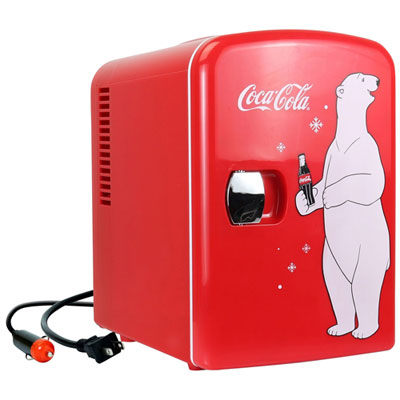
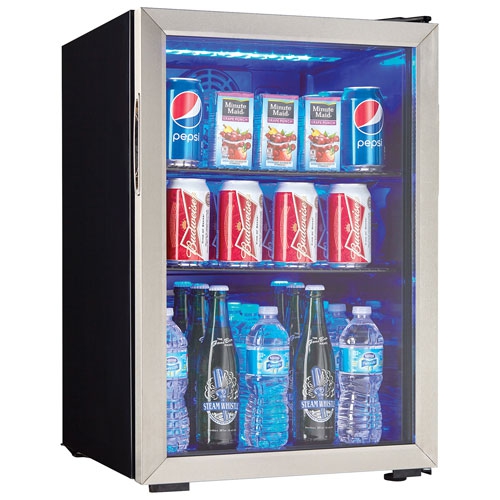
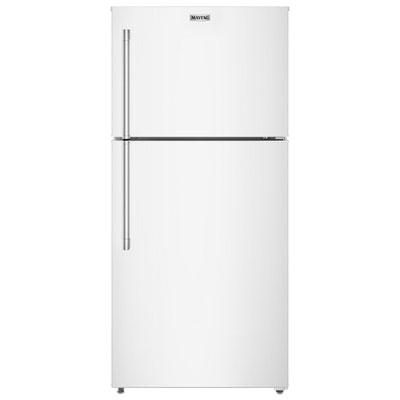
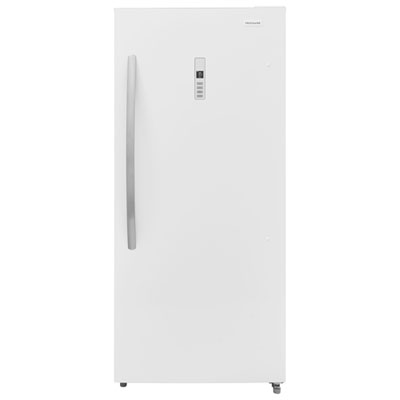
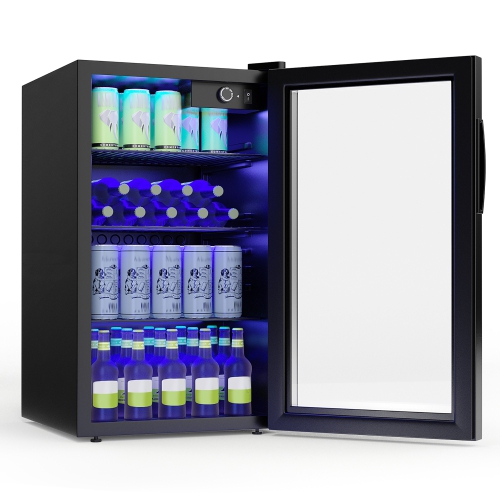
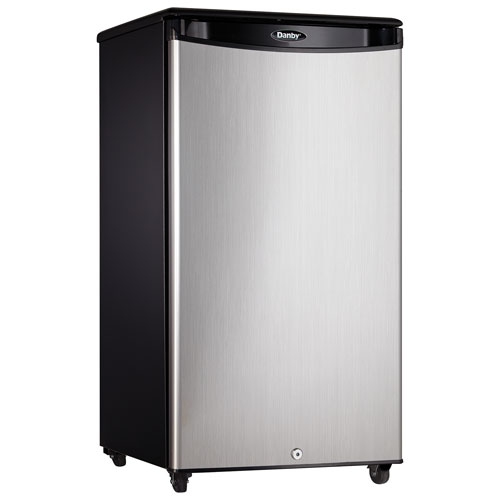
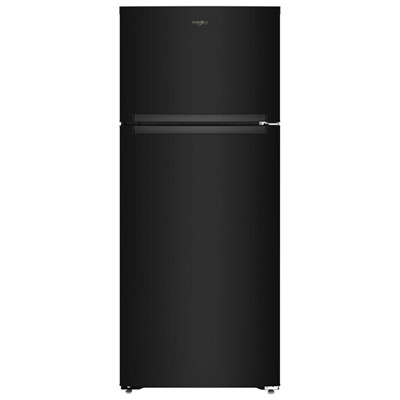
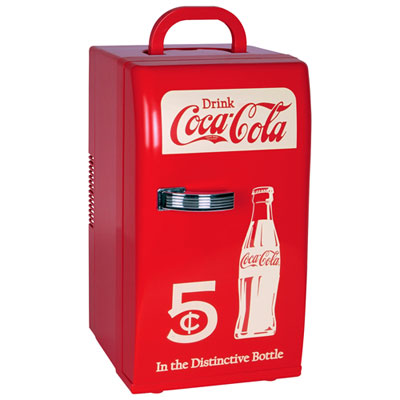
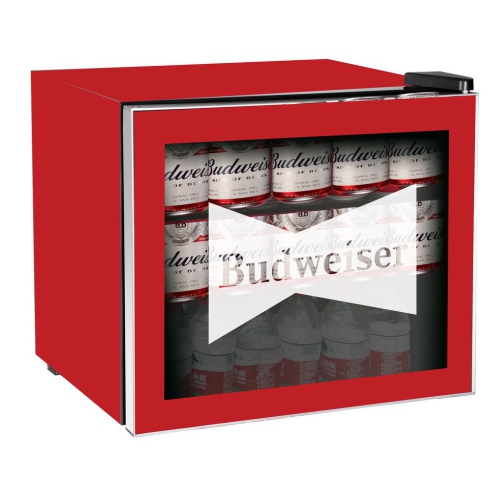
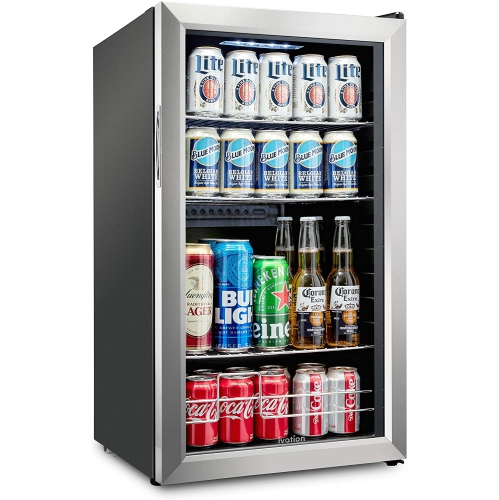
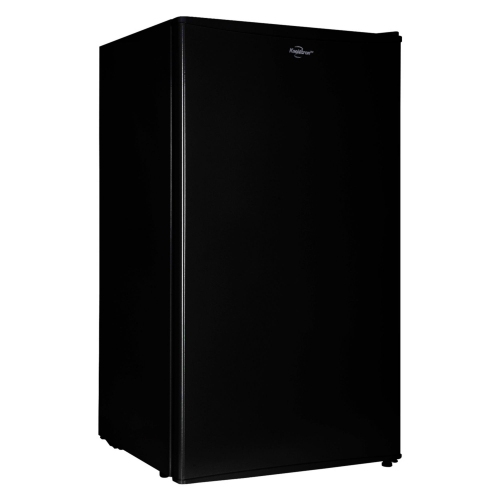
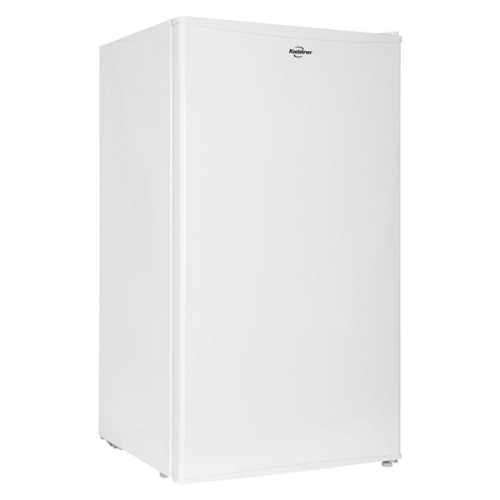
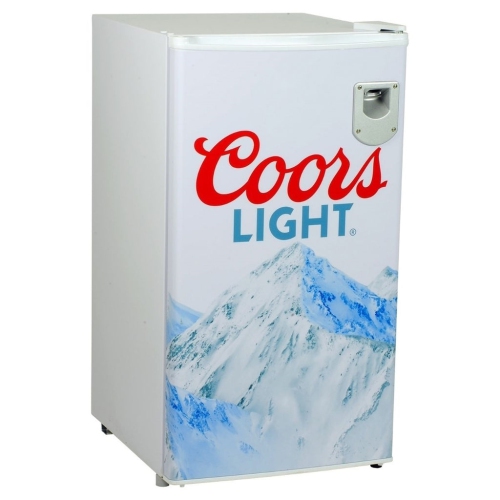
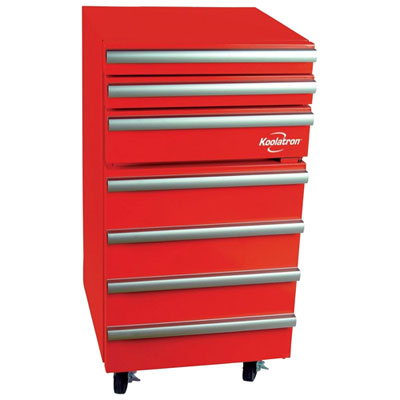
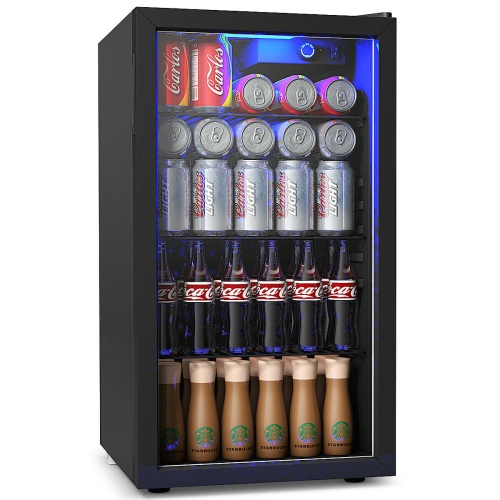
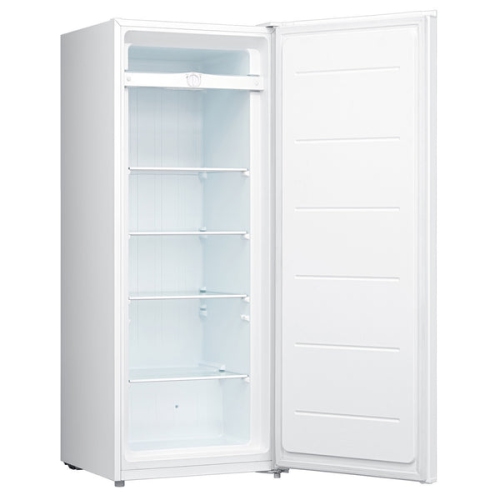
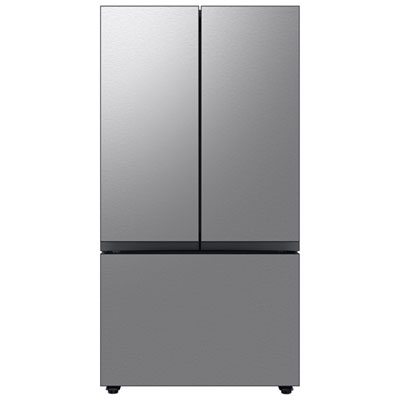
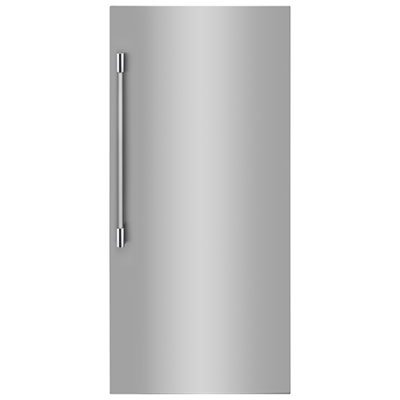
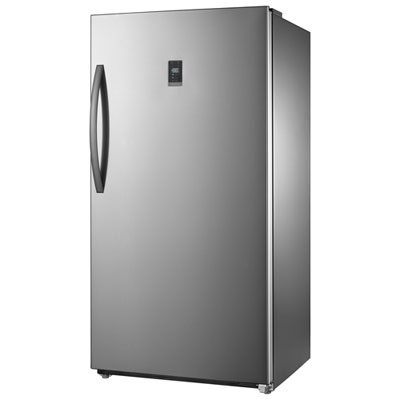
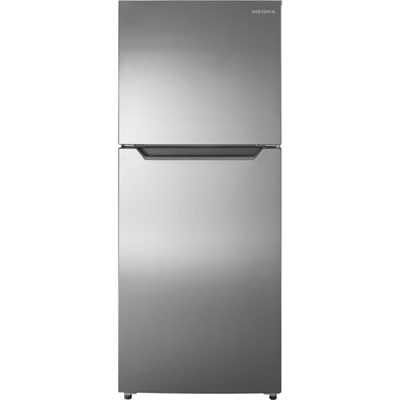
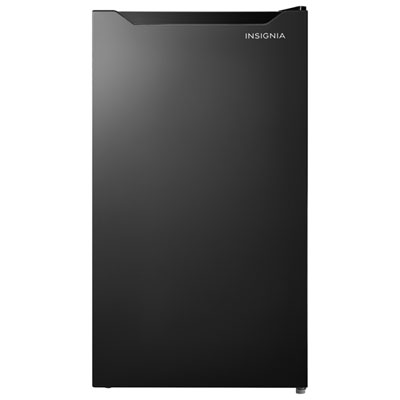
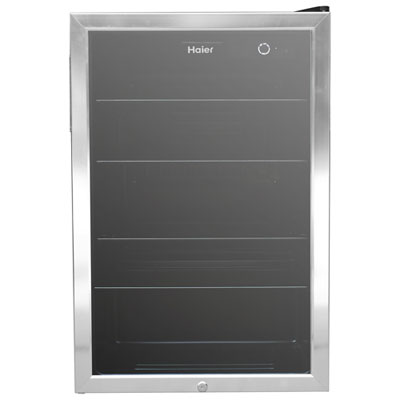
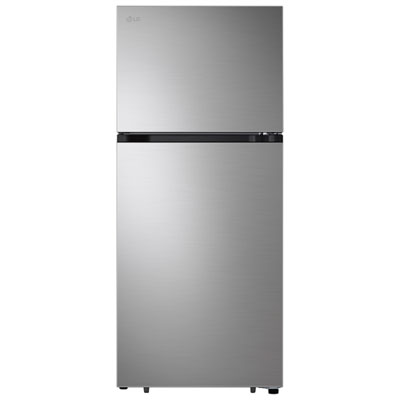
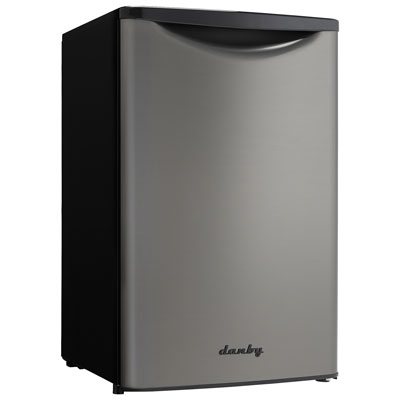
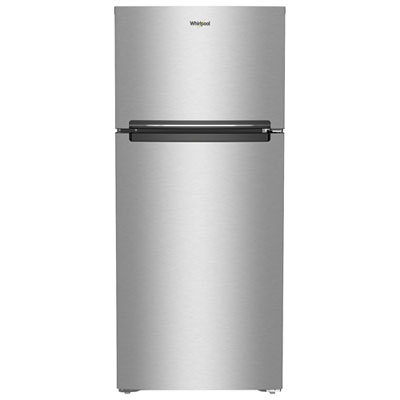
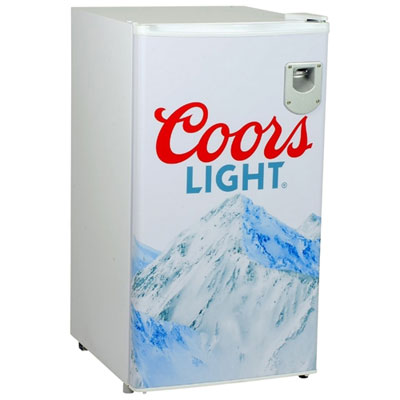
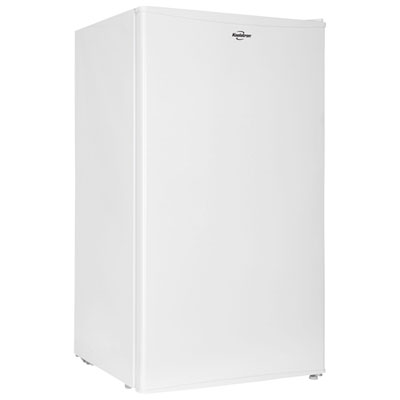
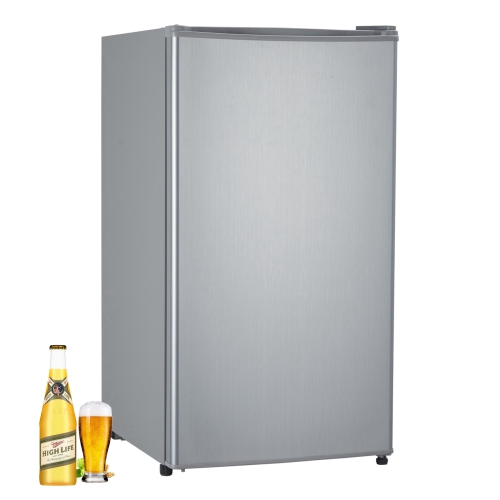
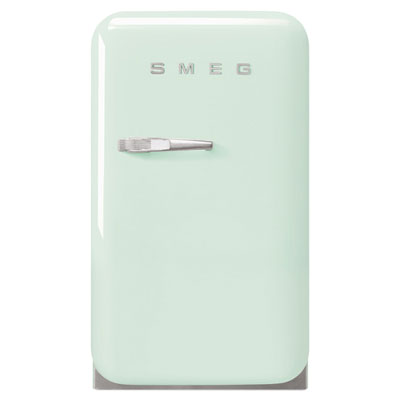
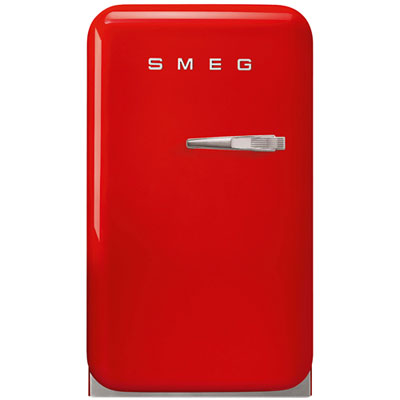
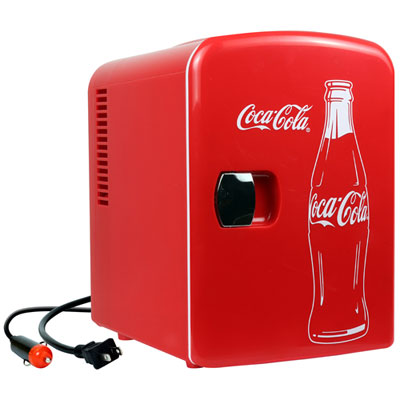
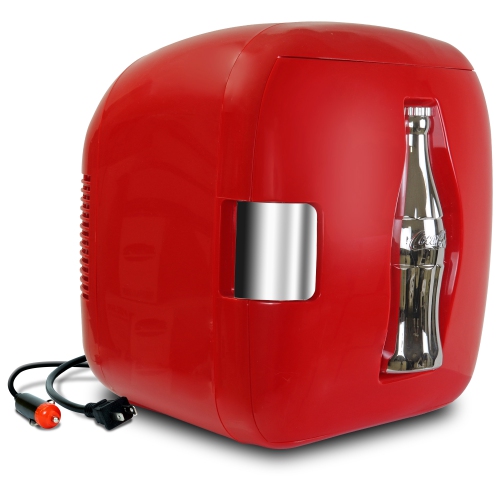
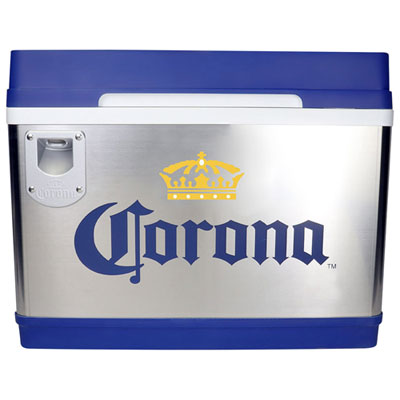
Cool garage fridges bring convenient cold storage to a space that often does more than shelter a vehicle. A garage might double as a workshop, a home gym, a place to tune bicycles, or the entrance everyone uses after practice. Having chilled water, lunch ingredients, and extra groceries close by can make those everyday routines easier without crowding the kitchen refrigerator. The appeal is partly practical and partly visual: clean lines, sturdy handles, and finishes that suit tool cabinets or storage shelving help a fridge look at home beside the workbench. What matters most, though, is whether the appliance is designed for the temperatures it will encounter. A garage-ready refrigerator is built and rated to operate within a stated range of surrounding air temperatures, which may be wider than the range supported by a standard kitchen fridge. Depending on the design, features can include controls, sensors, or insulation suited to those conditions. The term “garage-ready” does not mean a fridge can withstand every Canadian winter or operate safely in an unheated garage through freezing weather. Some garage-ready refrigerators have an operating range of approximately 3°C to 43°C, but limits vary, and the manufacturer’s specifications are the deciding reference. In cold surroundings, some conventional fridge-freezer combinations may run their compressor too infrequently to keep the freezer cold enough, even when the refrigerator compartment feels cool. Excessive heat can also make cooling more demanding. A heated or insulated garage presents different conditions from a detached, unheated building, and insulation alone does not guarantee a suitable temperature. The relevant measurement is the air temperature where the fridge will stand, including during extended cold spells and warmer afternoons. For perishable food, the refrigerator should maintain 4°C or colder, while a freezer should maintain −18°C or colder. An appliance thermometer makes those temperatures easier to verify rather than relying on how cold a drink feels.
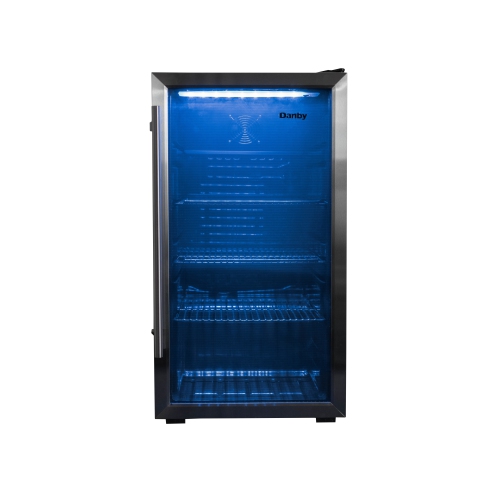
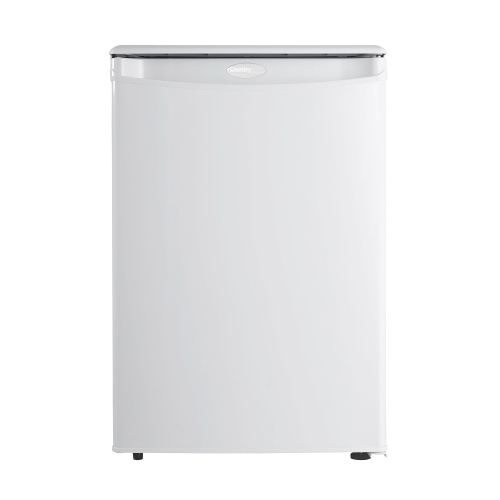
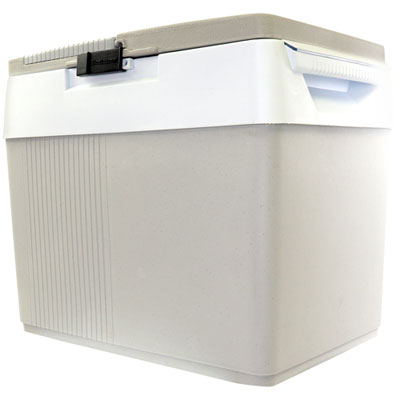
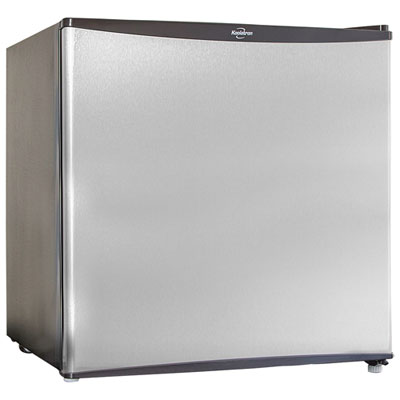
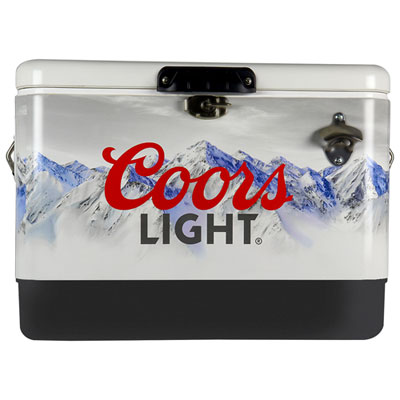
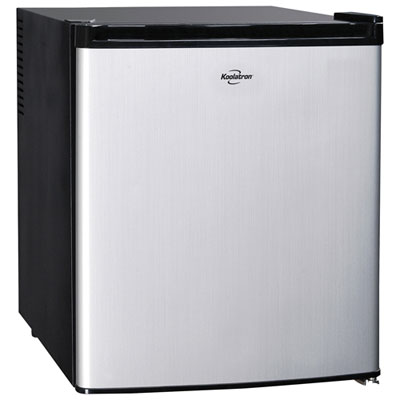
Size and layout shape how useful a garage refrigerator feels day to day. A compact fridge can suit a small household that mainly wants bottled water, canned drinks, and a few snacks near a workout area. A full-size refrigerator makes more sense for larger grocery trips, meal preparation, or a family whose kitchen shelves fill quickly. An all-refrigerator layout dedicates its interior to fresh food and beverages, while a fridge-freezer combination divides the space between chilled groceries and frozen storage. A beverage cooler is not automatically a substitute for a food refrigerator; its intended use and temperature settings need to support whatever goes inside. For households that regularly need room for tall containers, broad serving dishes, and extra groceries, Large Garage Fridges offer a useful size category to explore. Capacity figures tell only part of the story. Adjustable shelves can accommodate a pitcher after practice, door bins can keep condiments upright, and drawers can separate produce from packaged snacks. Clear sightlines and interior lighting make it easier to spot a lunch container tucked behind taller bottles. Physical fit deserves just as much attention as interior space. The footprint needs to include the manufacturer’s ventilation clearances, room for the door to swing, and enough space to pull drawers out fully. A fridge that fits between two cabinets may still be awkward if its door opens against a parked vehicle or blocks the path into the house. Reversible doors can help with placement where supported, but hinge changes should follow the installation instructions. Counter-height designs can sit neatly beside a work surface, although only appliances approved for built-in installation should be enclosed beneath a counter or within cabinetry. The delivery route matters, too, particularly where a narrow side door, raised threshold, or tight turn separates the driveway from the final position. On a sloped garage floor, adjustable feet can help level the appliance within the limits described in its manual.
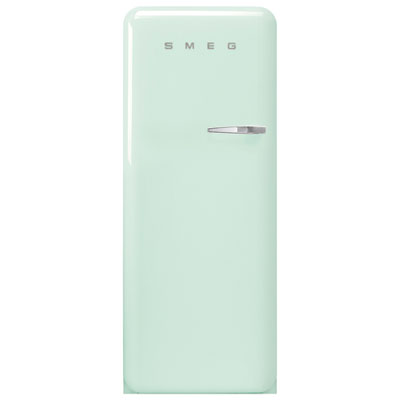
Materials and everyday care matter in a garage, where dust, muddy footwear, sports bags, and busy hands are part of the setting. Painted metal and stainless steel finishes each offer a different look, but neither should be treated as scratch-proof or rust-proof. A smooth exterior is generally easier to wipe down than one with deep trim details, while substantial handles can feel more comfortable during frequent use. Glass shelves provide a flat surface for small containers and can help contain minor spills when designed with raised edges; wire shelving has a different structure and may need extra care when supporting narrow bottles or small packages. Shelf and door-bin load limits remain important, especially when storing several heavy beverage containers together. Durable construction also depends on sensible placement. A dry, sheltered spot away from direct sunlight, heaters, water spray, and workshop debris helps protect the appliance. Garage-ready does not necessarily mean approved for outdoor use, so a covered driveway or open-sided shelter should not be assumed suitable. The electrical connection should match the installation requirements, using a properly grounded outlet rather than an extension cord or power bar. Routine care is straightforward but worth keeping consistent: wipe up spills, clean the door gasket, leave interior air vents unobstructed, and clean accessible coils or ventilation grilles as directed by the manufacturer. Dust from sanding or other projects can accumulate quickly, making separation from active work areas especially useful. Food belongs in covered containers, separate from automotive fluids, paints, and other garage supplies that should never share its storage space. During the cooler months, checking both the surrounding air and internal temperatures helps confirm that the location remains appropriate. For a household that hosts casual gatherings, packs several lunches, or keeps drinks close to a hobby space, a well-matched garage fridge can become an everyday convenience. It can also be a thoughtful household gift when the recipient’s space, electrical setup, and temperature requirements are known in advance. The best fit combines the desired style with a suitable operating range, usable shelving, and a location that makes opening the door feel effortless.
Size and layout shape how useful a garage refrigerator feels day to day. A compact fridge can suit a small household that mainly wants bottled water, canned drinks, and a few snacks near a workout area. A full-size refrigerator makes more sense for larger grocery trips, meal preparation, or a family whose kitchen shelves fill quickly. An all-refrigerator layout dedicates its interior to fresh food and beverages, while a fridge-freezer combination divides the space between chilled groceries and frozen storage. A beverage cooler is not automatically a substitute for a food refrigerator; its intended use and temperature settings need to support whatever goes inside. For households that regularly need room for tall containers, broad serving dishes, and extra groceries, Large Garage Fridges offer a useful size category to explore. Capacity figures tell only part of the story. Adjustable shelves can accommodate a pitcher after practice, door bins can keep condiments upright, and drawers can separate produce from packaged snacks. Clear sightlines and interior lighting make it easier to spot a lunch container tucked behind taller bottles. Physical fit deserves just as much attention as interior space. The footprint needs to include the manufacturer’s ventilation clearances, room for the door to swing, and enough space to pull drawers out fully. A fridge that fits between two cabinets may still be awkward if its door opens against a parked vehicle or blocks the path into the house. Reversible doors can help with placement where supported, but hinge changes should follow the installation instructions. Counter-height designs can sit neatly beside a work surface, although only appliances approved for built-in installation should be enclosed beneath a counter or within cabinetry. The delivery route matters, too, particularly where a narrow side door, raised threshold, or tight turn separates the driveway from the final position. On a sloped garage floor, adjustable feet can help level the appliance within the limits described in its manual.
Materials and everyday care matter in a garage, where dust, muddy footwear, sports bags, and busy hands are part of the setting. Painted metal and stainless steel finishes each offer a different look, but neither should be treated as scratch-proof or rust-proof. A smooth exterior is generally easier to wipe down than one with deep trim details, while substantial handles can feel more comfortable during frequent use. Glass shelves provide a flat surface for small containers and can help contain minor spills when designed with raised edges; wire shelving has a different structure and may need extra care when supporting narrow bottles or small packages. Shelf and door-bin load limits remain important, especially when storing several heavy beverage containers together. Durable construction also depends on sensible placement. A dry, sheltered spot away from direct sunlight, heaters, water spray, and workshop debris helps protect the appliance. Garage-ready does not necessarily mean approved for outdoor use, so a covered driveway or open-sided shelter should not be assumed suitable. The electrical connection should match the installation requirements, using a properly grounded outlet rather than an extension cord or power bar. Routine care is straightforward but worth keeping consistent: wipe up spills, clean the door gasket, leave interior air vents unobstructed, and clean accessible coils or ventilation grilles as directed by the manufacturer. Dust from sanding or other projects can accumulate quickly, making separation from active work areas especially useful. Food belongs in covered containers, separate from automotive fluids, paints, and other garage supplies that should never share its storage space. During the cooler months, checking both the surrounding air and internal temperatures helps confirm that the location remains appropriate. For a household that hosts casual gatherings, packs several lunches, or keeps drinks close to a hobby space, a well-matched garage fridge can become an everyday convenience. It can also be a thoughtful household gift when the recipient’s space, electrical setup, and temperature requirements are known in advance. The best fit combines the desired style with a suitable operating range, usable shelving, and a location that makes opening the door feel effortless.
Top selling and popular products
-
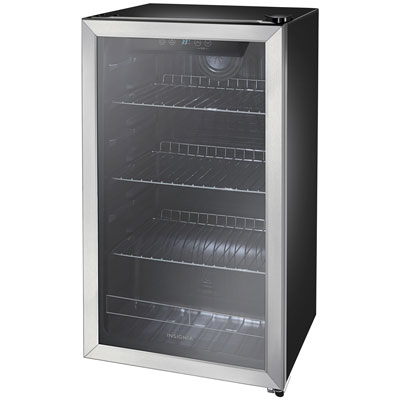 Your price for this item is $349.99
 -
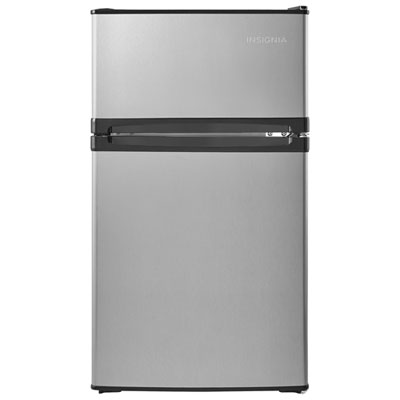 Your price for this item is $299.99
 -
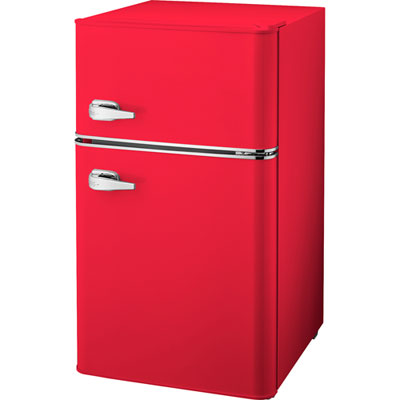 Your price for this item is $199.97
 -
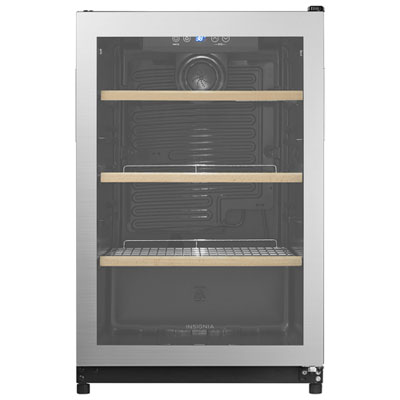 Your price for this item is $329.99
 -
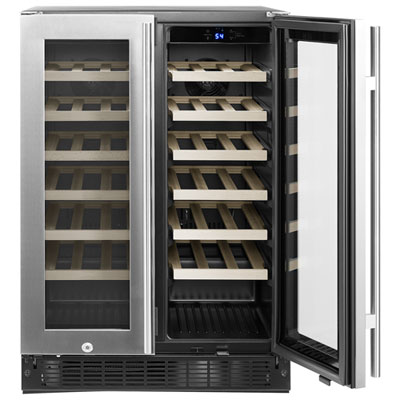 Your price for this item is $999.99
 -
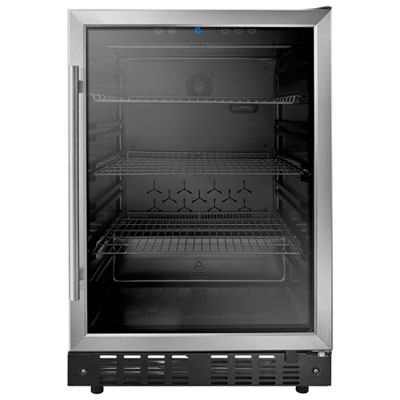 Your price for this item is $699.99
 -
 Your price for this item is $599.99
 -
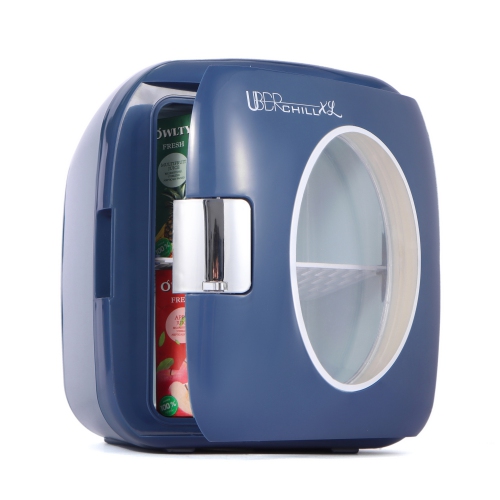 Your price for this item is $169.99
Discover more categories related to Cool Garage Fridges
Top Collections:
Pokemon Centers, Kindle Devices, Best Budget Office Chairs, Apple iPhones 16, Best Laptops for Writers, iPhone 15 Apple, Canon G7X Cameras, Refurbished Apple Laptops, Alarm Clock, Motorola Razr Phones
Some products may be subject to Environmental Handling Fees
(EHF) depending on your province.
Learn more about EHFs.