Dishwasher Safe Blenders
If you're looking for a blender that can handle your busy lifestyle without the hassle of handwashing, look no further than these dishwasher-safe blenders. With their convenient cleaning feature, these blenders make it easy to whip up your favorite smoothies, soups, and sauces and then let the dishwasher take care of the rest. Whether you're a health enthusiast or a culinary enthusiast, these blenders offer both functionality and ease of use.
Sort
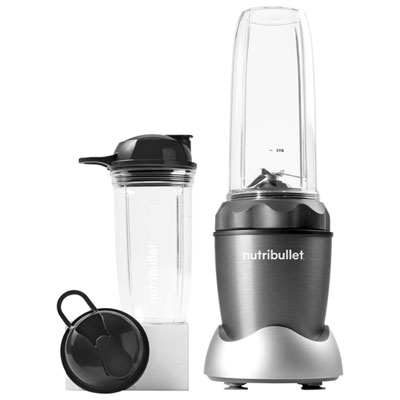
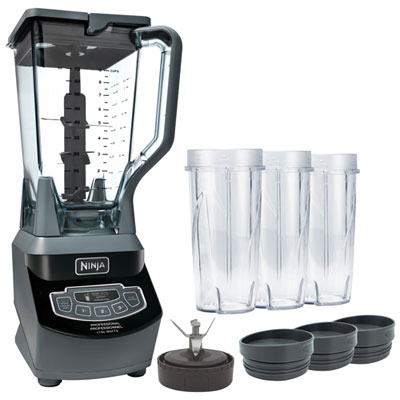
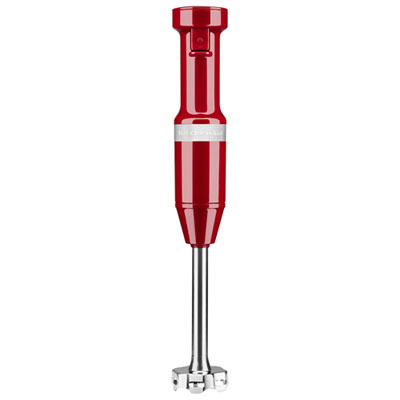
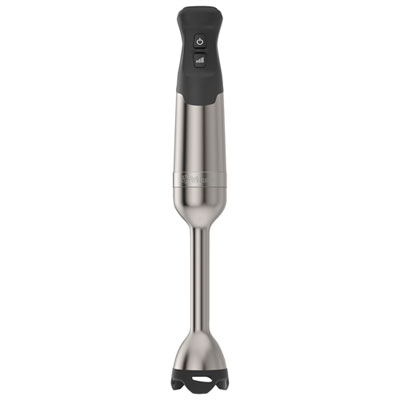
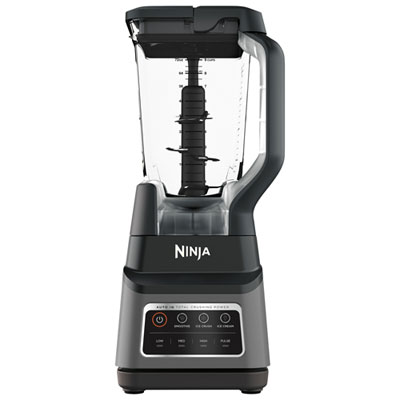
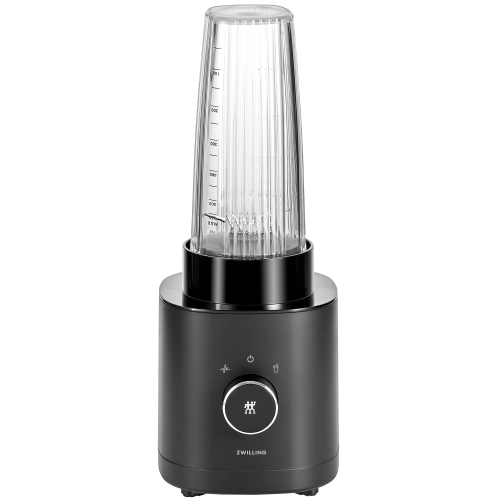
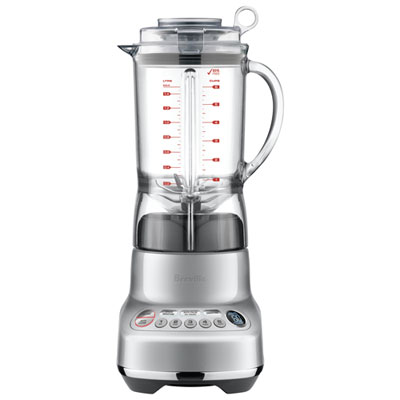
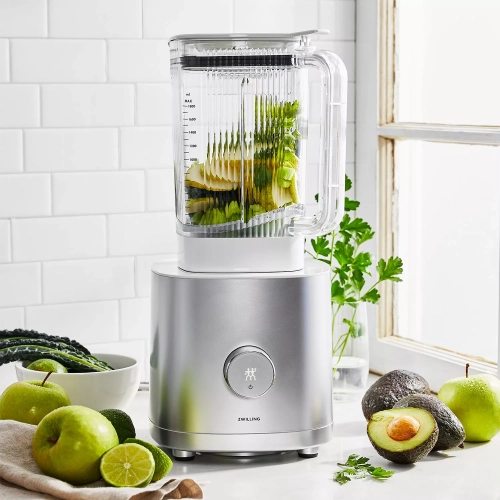

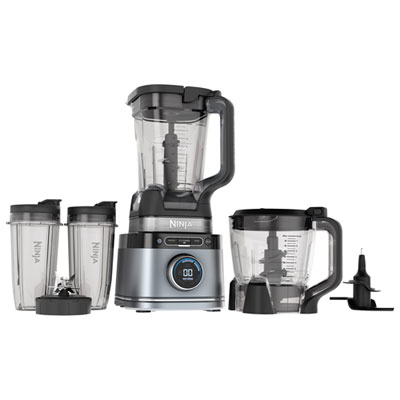
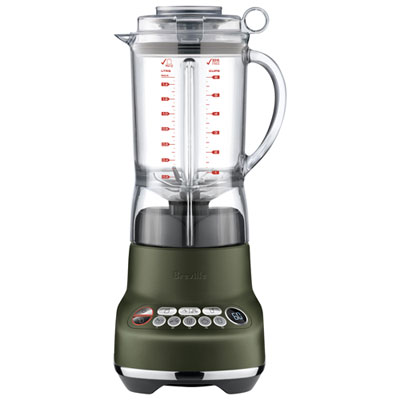
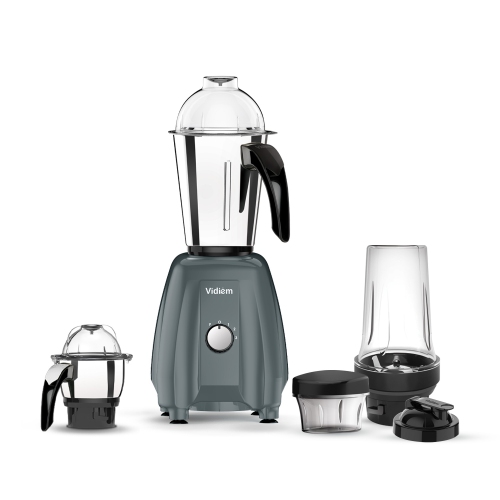
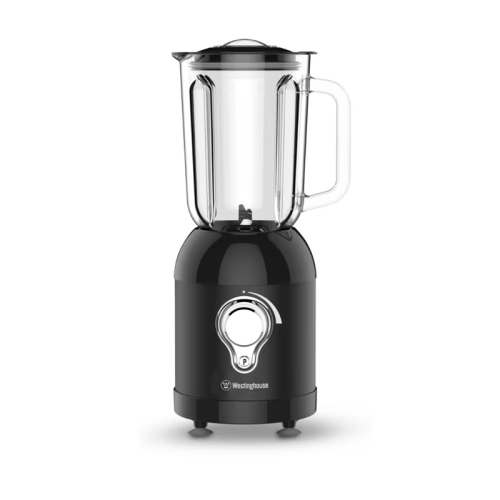
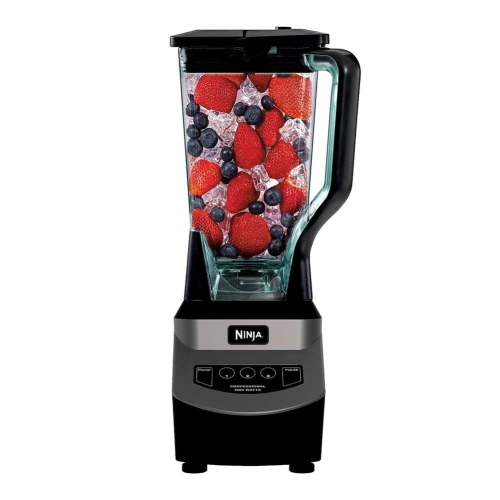
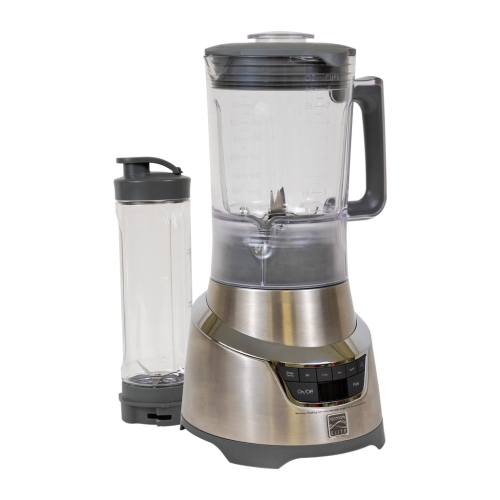
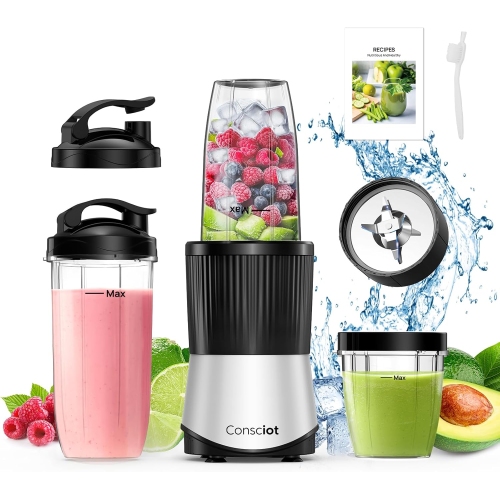
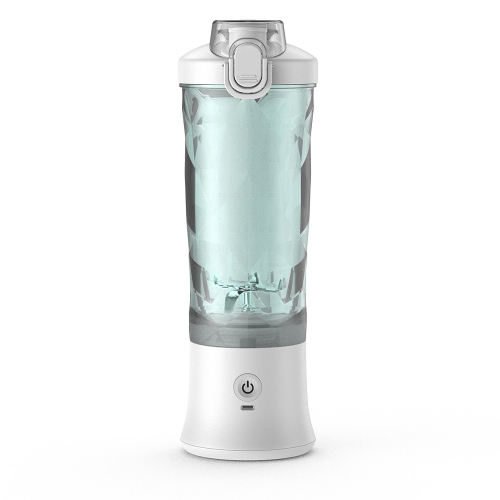
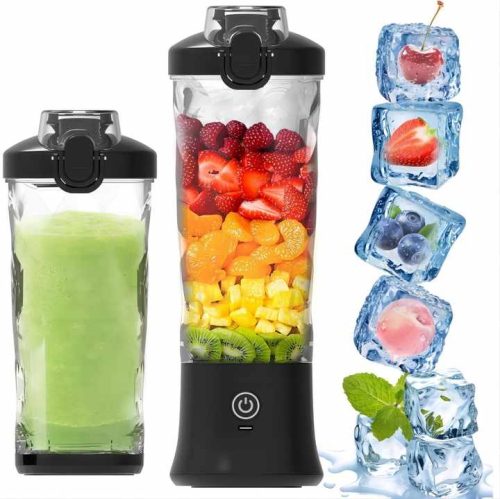
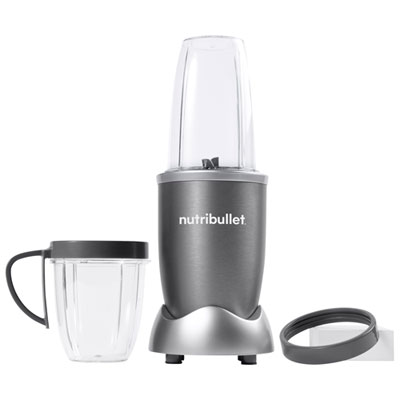
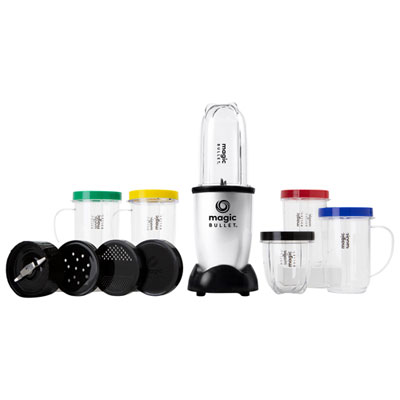
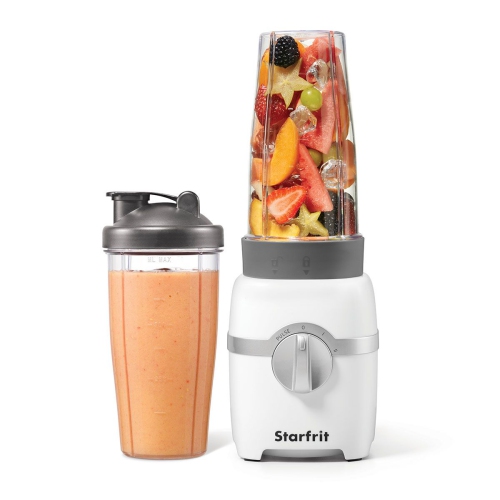
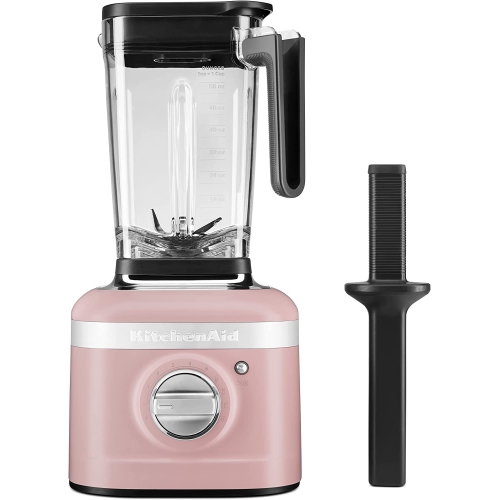
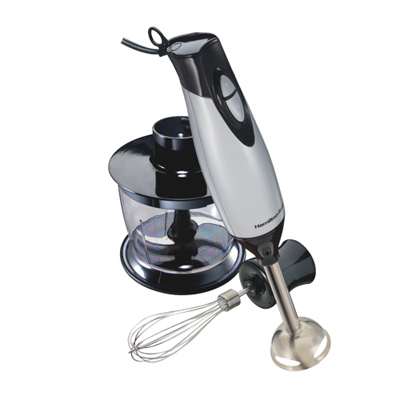
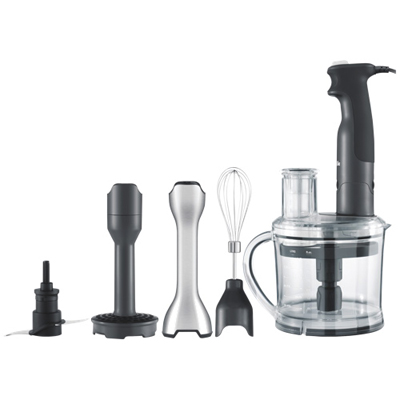
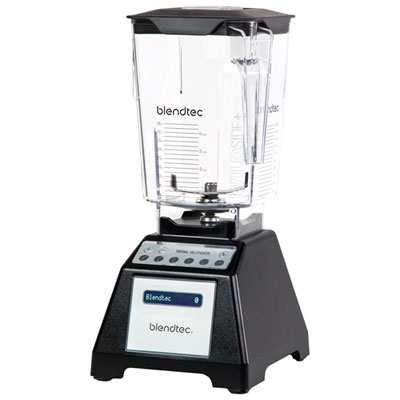
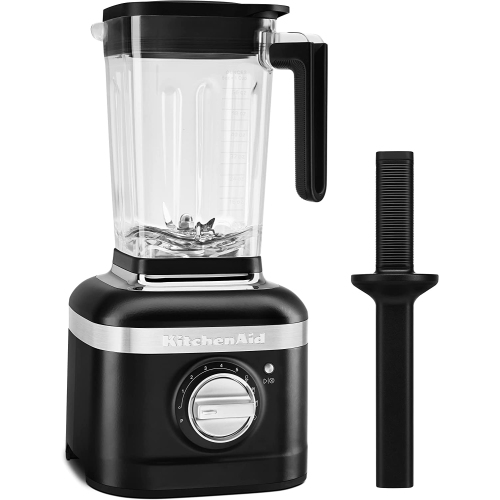
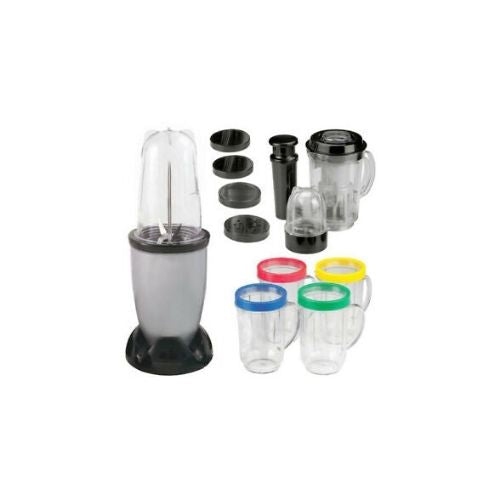
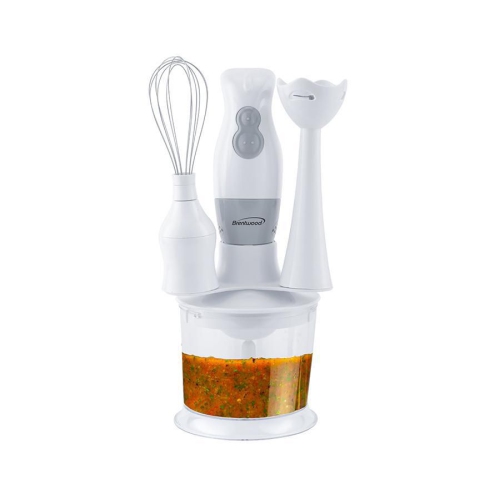

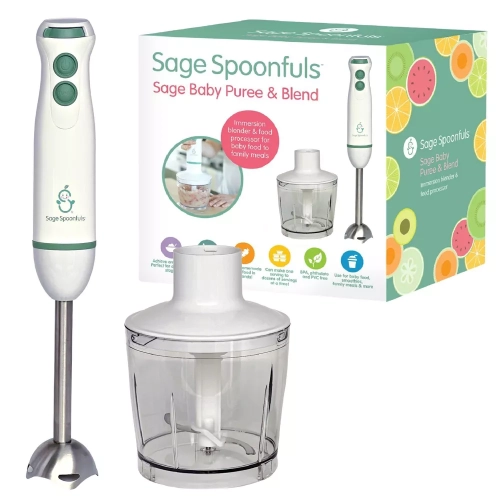
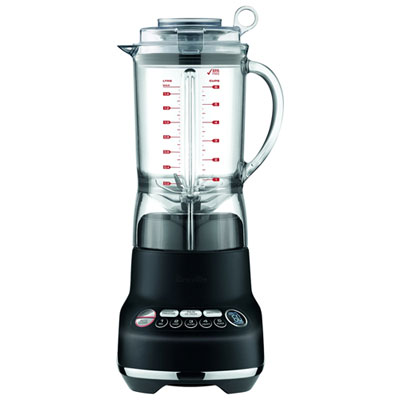
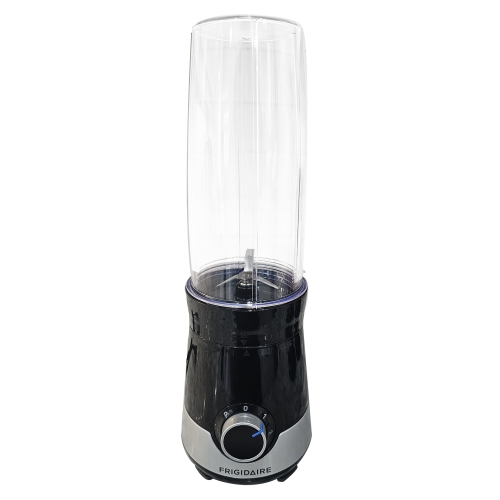
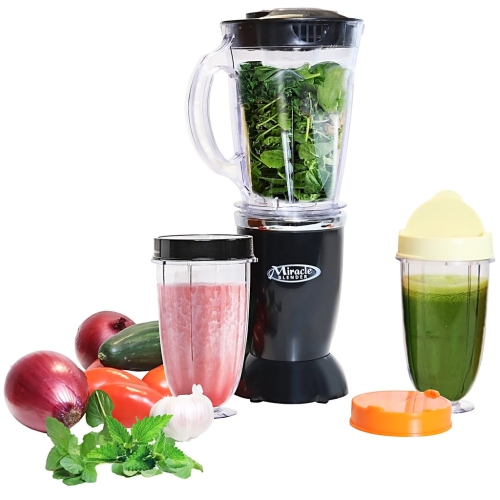
Easier blender cleanup goes beyond a washable jar
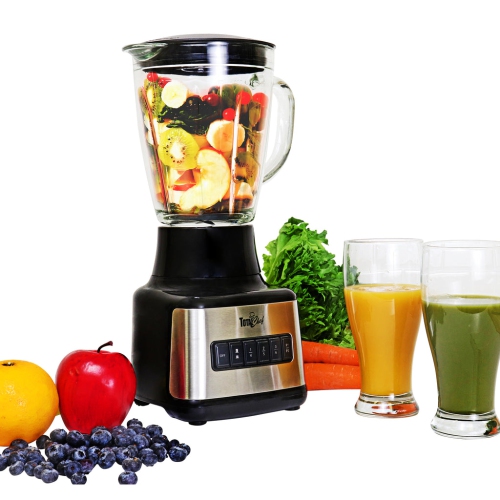
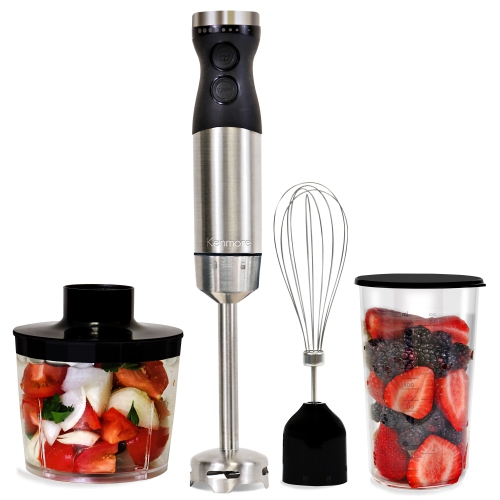
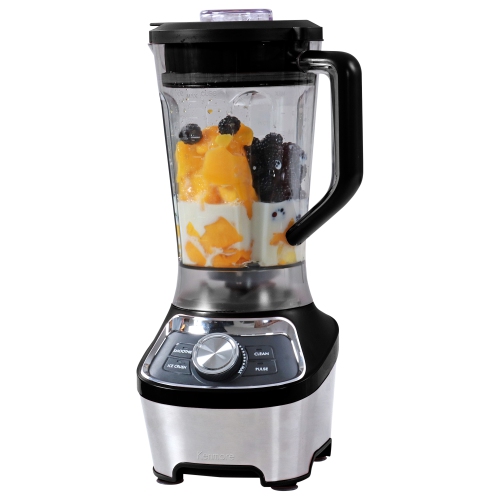
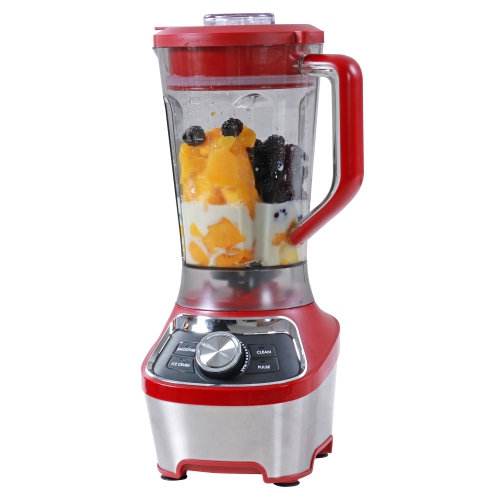
Dishwasher-safe blenders bring together everyday blending and simpler cleanup, with removable parts that can go into the dishwasher after food preparation. The designation usually applies to the blending jar or cup, lid, and sometimes the blade assembly—not the entire appliance. Exactly which components are dishwasher safe, where they belong in the racks, and which wash settings are suitable depend on the model’s care instructions. That distinction matters when a blender becomes part of a daily routine, whether it is used for a berry smoothie before work, a dressing for lunch, or a sauce to serve with dinner. Full-size countertop blenders suit households that prepare several servings at once, while personal blenders offer smaller cups for individual portions. Some blending systems combine a large pitcher with personal cups, giving different members of the household a choice of batch sizes without needing separate motor bases. A cup with a drinking lid can also reduce the number of containers involved in making and carrying a drink, provided the lid is designed for transport. For anyone blending frequently, the convenience is not simply that a container fits in the dishwasher; it is that the removable parts are manageable to take apart, load, dry, and put back together. Wide jar openings make it easier to rinse away ingredients caught beneath the rim, and straightforward lid designs leave fewer narrow spaces where thick mixtures can collect. A family preparing fruit drinks for several people may appreciate a pitcher with a comfortable handle and a clear pouring spout. Someone making a single protein shake may place more value on a compact cup that fits alongside the breakfast dishes. Dishwasher-safe blenders can also make practical gifts for students, people setting up a kitchen, or home cooks who enjoy making dressings and dips, especially when the capacity and accessories match how they actually prepare food.
Materials, dimensions, and blending capabilities help distinguish dishwasher-safe blenders beyond their cleaning claims. Glass jars generally resist staining and retain their clarity well, although they are heavier to lift and can chip or break if knocked against a hard surface. Plastic jars and cups are lighter, which can be useful when pouring a full batch or carrying a personal drink container. Their resistance to scratching, clouding, and repeated dishwasher use varies with the material and the manufacturer’s care requirements. Neither glass nor plastic should be assumed suitable for hot ingredients solely because it is dishwasher safe. Blending hot liquids requires a blender specifically designed for that task, with the appropriate jar, lid, and operating instructions; sealed personal cups should not be used for hot liquids unless explicitly approved. Stainless steel blades are common, but their material alone does not establish whether the complete blade unit can go into a dishwasher. Bearings, seals, and other attached components also affect care requirements. For everyday performance, the intended recipes matter more than a single power figure. Soft fruit and yoghurt place different demands on a blender than ice, frozen fruit, or a dense nut mixture. Ice crushing, nut butter preparation, and other demanding tasks should be supported by the appliance’s stated capabilities. Variable speeds can help adjust texture, while a pulse function gives short bursts of blending for mixtures that need closer control. Capacity deserves similar attention: a jar’s overall volume may be greater than its maximum working fill level, and thick or expanding mixtures can have additional limits. A tall pitcher may offer generous batch capacity yet be awkward beneath a kitchen cabinet or inside a dishwasher rack. The base footprint, assembled height, cord storage, and weight all influence how comfortably a blender fits into the kitchen. Clear measurement markings, an easy-to-grip handle, and controls that remain readable during preparation are useful details when cooking involves several ingredients and a busy countertop.
The lasting convenience of a dishwasher-safe blender depends on how its approved washable parts fit into the rest of the cleanup routine. Top-rack placement is a common requirement for plastic cups, lids, and certain removable assemblies, but it is not a universal rule for every component. The manufacturer’s directions should identify rack placement, permitted cycles, and whether heated drying must be avoided. Keeping approved plastic parts away from direct heating elements and leaving room around them for water to circulate can help prevent damage and improve washing results. A brief rinse soon after use makes dried-on oats, yoghurt, and sticky fruit residue easier to remove, particularly around lid edges and pouring spouts. Blade assemblies require careful handling, even when food residue makes the cutting edges difficult to see. Only parts intended for routine removal should be detached; a fixed blade unit should not be forced apart to make it fit a rack. Sealing rings and gaskets also need attention because trapped residue or incorrect reassembly can interfere with a secure seal. Once washed, components should dry thoroughly before storage, and seals should sit correctly before the next batch. Motor bases must never go into the dishwasher or be immersed in water. They should be disconnected from power and cleaned according to the manufacturer’s instructions, usually with a damp cloth rather than running water. The same distinction applies to portable designs: a removable cup may be dishwasher safe even when an attached motor, battery, or charging section is not. Over time, cracks, chipped edges, damaged seals, or loose fittings can affect dependable use and warrant checking the manufacturer’s replacement guidance. For meals that involve blending a dressing and tossing it with prepared ingredients, dishwasher-safe mixing bowls can complement the preparation routine. A blender with suitable washable components, a useful capacity, and a layout that fits the kitchen makes it easier to move from chopping and blending to serving, without leaving a sink full of awkward parts behind.
Materials, dimensions, and blending capabilities help distinguish dishwasher-safe blenders beyond their cleaning claims. Glass jars generally resist staining and retain their clarity well, although they are heavier to lift and can chip or break if knocked against a hard surface. Plastic jars and cups are lighter, which can be useful when pouring a full batch or carrying a personal drink container. Their resistance to scratching, clouding, and repeated dishwasher use varies with the material and the manufacturer’s care requirements. Neither glass nor plastic should be assumed suitable for hot ingredients solely because it is dishwasher safe. Blending hot liquids requires a blender specifically designed for that task, with the appropriate jar, lid, and operating instructions; sealed personal cups should not be used for hot liquids unless explicitly approved. Stainless steel blades are common, but their material alone does not establish whether the complete blade unit can go into a dishwasher. Bearings, seals, and other attached components also affect care requirements. For everyday performance, the intended recipes matter more than a single power figure. Soft fruit and yoghurt place different demands on a blender than ice, frozen fruit, or a dense nut mixture. Ice crushing, nut butter preparation, and other demanding tasks should be supported by the appliance’s stated capabilities. Variable speeds can help adjust texture, while a pulse function gives short bursts of blending for mixtures that need closer control. Capacity deserves similar attention: a jar’s overall volume may be greater than its maximum working fill level, and thick or expanding mixtures can have additional limits. A tall pitcher may offer generous batch capacity yet be awkward beneath a kitchen cabinet or inside a dishwasher rack. The base footprint, assembled height, cord storage, and weight all influence how comfortably a blender fits into the kitchen. Clear measurement markings, an easy-to-grip handle, and controls that remain readable during preparation are useful details when cooking involves several ingredients and a busy countertop.
The lasting convenience of a dishwasher-safe blender depends on how its approved washable parts fit into the rest of the cleanup routine. Top-rack placement is a common requirement for plastic cups, lids, and certain removable assemblies, but it is not a universal rule for every component. The manufacturer’s directions should identify rack placement, permitted cycles, and whether heated drying must be avoided. Keeping approved plastic parts away from direct heating elements and leaving room around them for water to circulate can help prevent damage and improve washing results. A brief rinse soon after use makes dried-on oats, yoghurt, and sticky fruit residue easier to remove, particularly around lid edges and pouring spouts. Blade assemblies require careful handling, even when food residue makes the cutting edges difficult to see. Only parts intended for routine removal should be detached; a fixed blade unit should not be forced apart to make it fit a rack. Sealing rings and gaskets also need attention because trapped residue or incorrect reassembly can interfere with a secure seal. Once washed, components should dry thoroughly before storage, and seals should sit correctly before the next batch. Motor bases must never go into the dishwasher or be immersed in water. They should be disconnected from power and cleaned according to the manufacturer’s instructions, usually with a damp cloth rather than running water. The same distinction applies to portable designs: a removable cup may be dishwasher safe even when an attached motor, battery, or charging section is not. Over time, cracks, chipped edges, damaged seals, or loose fittings can affect dependable use and warrant checking the manufacturer’s replacement guidance. For meals that involve blending a dressing and tossing it with prepared ingredients, dishwasher-safe mixing bowls can complement the preparation routine. A blender with suitable washable components, a useful capacity, and a layout that fits the kitchen makes it easier to move from chopping and blending to serving, without leaving a sink full of awkward parts behind.
Top selling and popular products
-
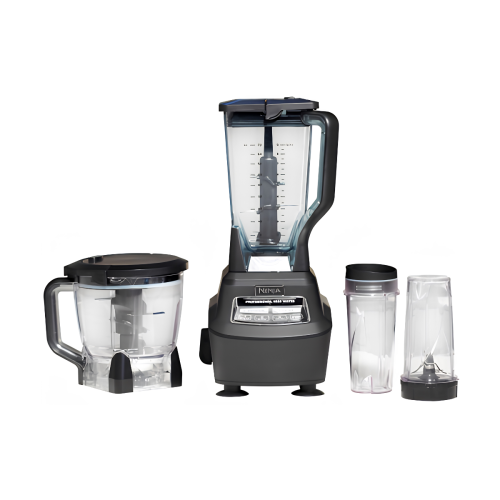 Your price for this item is $239.99
 -
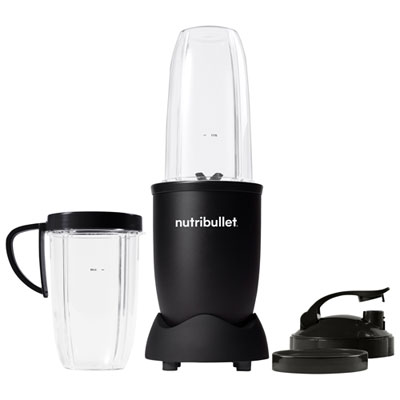 Your price for this item is $99.99
 -
 Your price for this item is $79.99
 -
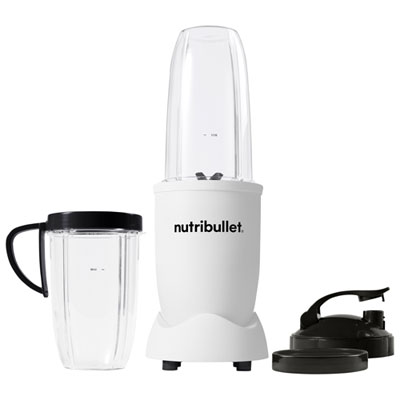 Your price for this item is $99.99
 -
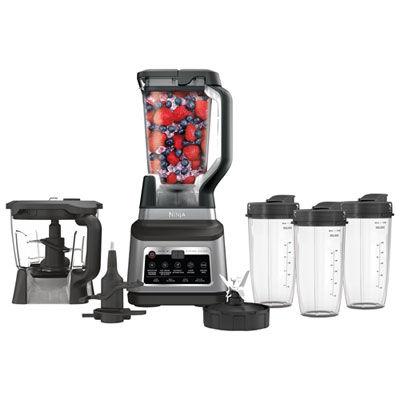 Your price for this item is $199.99
 -
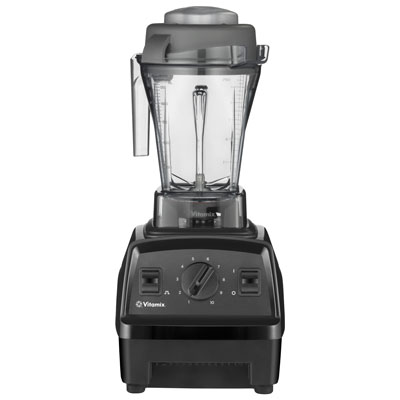 Your price for this item is $499.99
 -
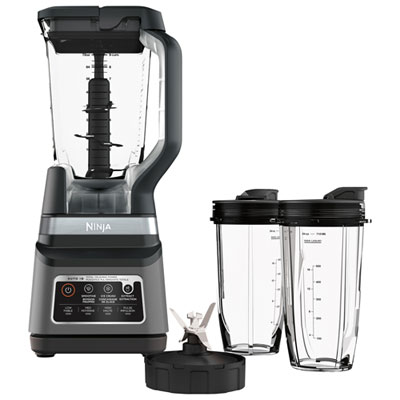 Your price for this item is $219.99
 -
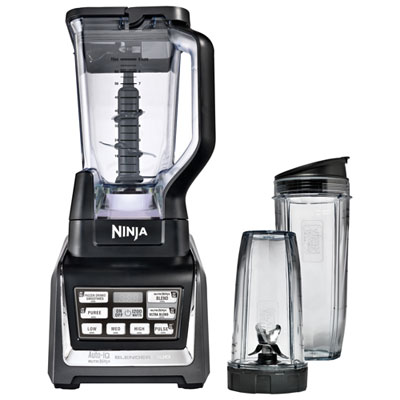 Your price for this item is $229.99
Discover more categories related to Dishwasher Safe Blenders
Top Collections:
Pokemon Centers, Budget 4K TVs, Kindle Devices, Canon G7X Cameras, Apple iPhones 16, iPhone 15 Apple, Laptops for Business Work, Flip Phones, Xiaomi Phones, Refurbished Apple Laptops
Some products may be subject to Environmental Handling Fees
(EHF) depending on your province.
Learn more about EHFs.