Freezerless Refrigerators
A freezerless refrigerator is the perfect solution for anyone seeking dedicated refrigeration space without the need for a built-in freezer. Ideal for home kitchens, offices, garages, or entertainment areas, these specialized appliances offer flexible storage to keep your fresh foods organized and easily accessible. Explore a wide selection of freezerless refrigerators to find the right fit for your space and enjoy streamlined food storage tailored to your needs.
Sort
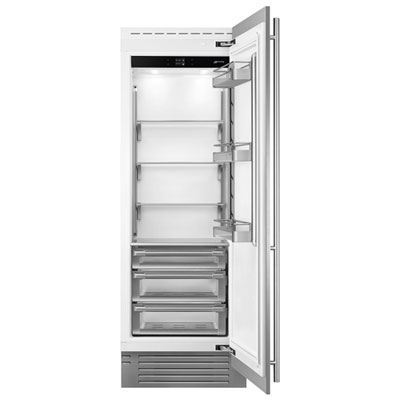
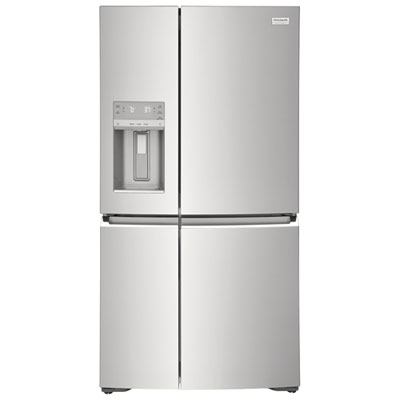
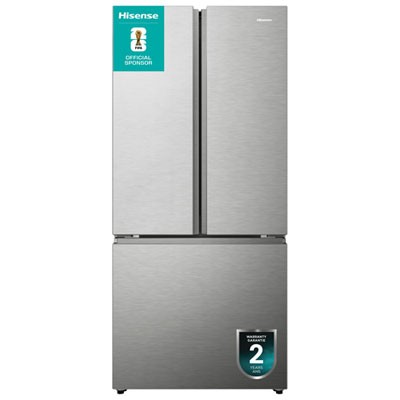
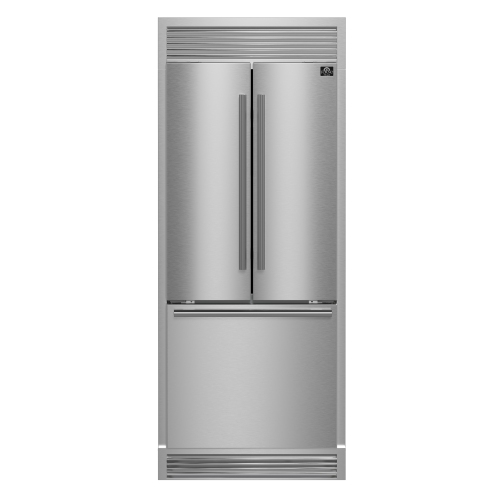

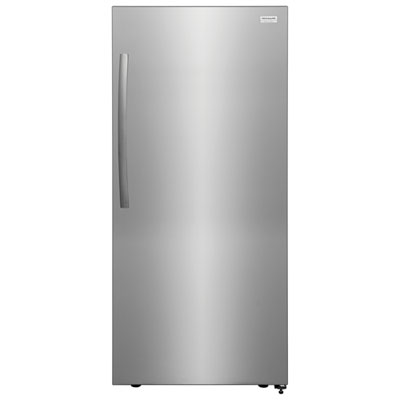
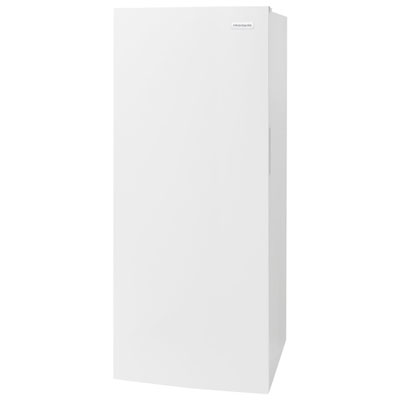
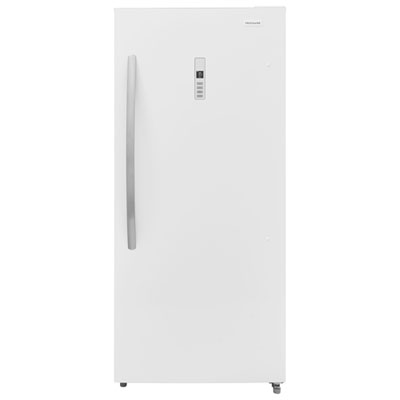
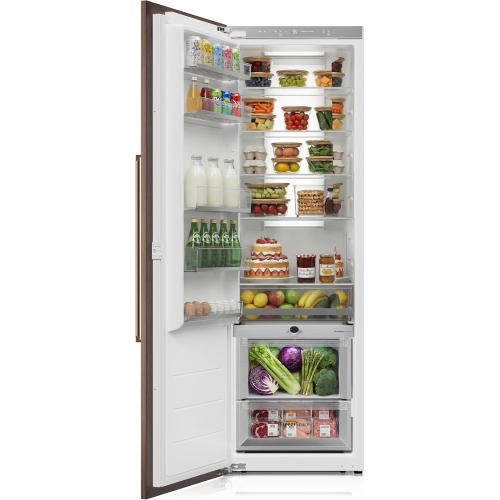
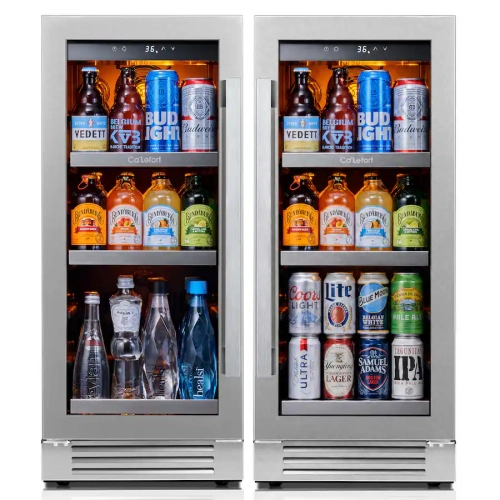
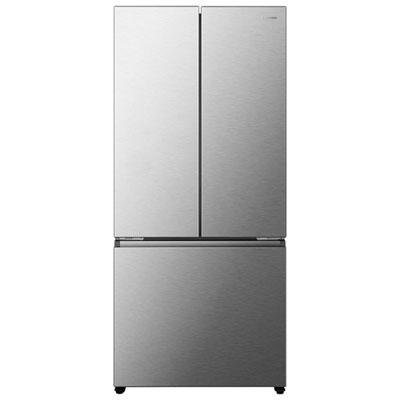
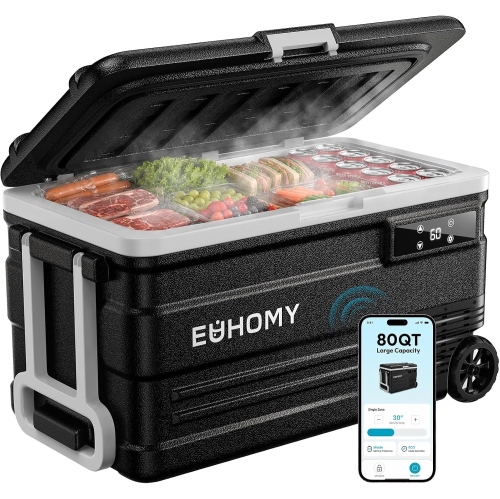
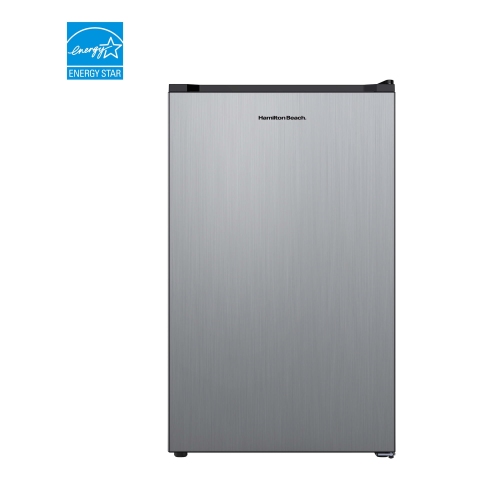
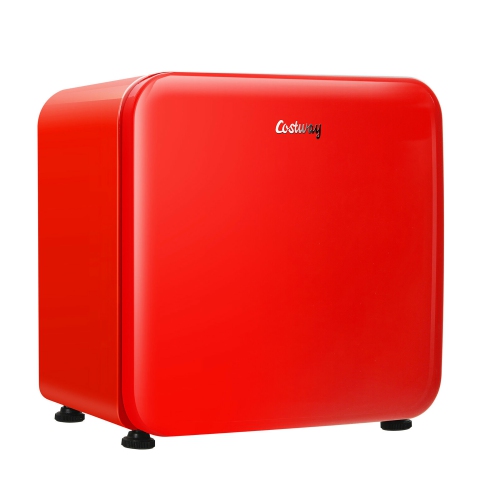
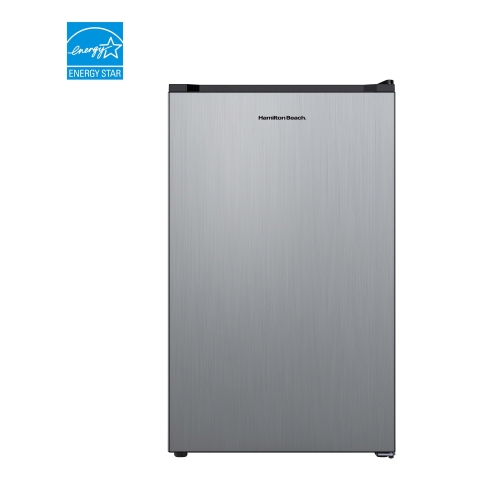
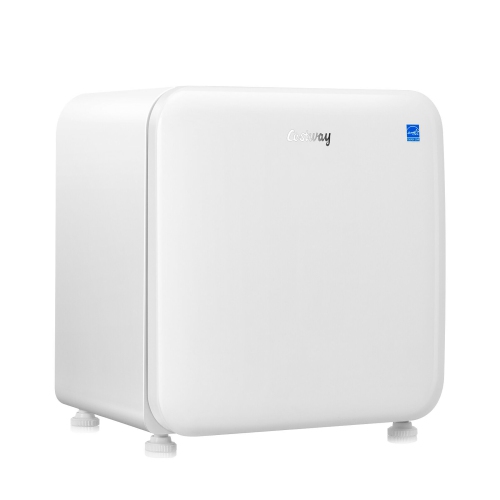
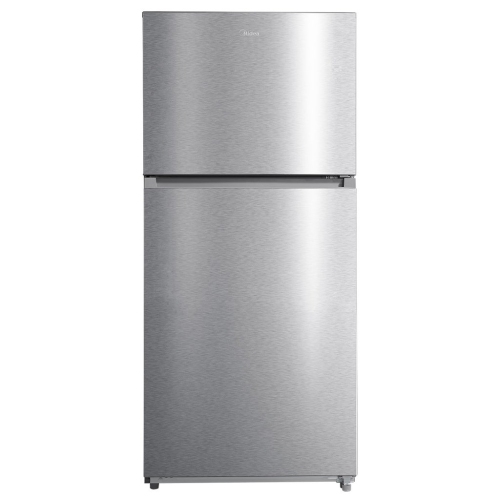
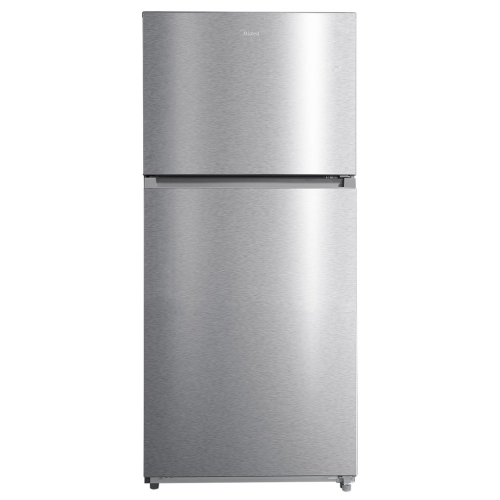
More room for fresh food without a freezer
Freezerless refrigerators, also called all-fridge refrigerators, dedicate their refrigerated compartments entirely to fresh-food storage rather than dividing the interior between a fridge and a freezer. That layout creates room for groceries, drinks, and prepared meals without a freezer compartment taking up part of the cabinet. For households that already use a separate freezer, an all-fridge design keeps chilled ingredients together while frozen food has its own dedicated space. It can also suit people who cook frequently, buy plenty of fresh produce, or need space for large serving dishes. A wide platter of sandwiches, a covered casserole, and a tall jug of juice all place different demands on a refrigerator, so the interior arrangement matters as much as the stated capacity. Adjustable shelves can accommodate taller containers, while full-width shelves may make it easier to store broad trays without balancing them across divided sections. Crisper drawers help separate produce from other groceries, and humidity controls, where included, provide more flexibility for different types of fruit and vegetables. Deep door bins can hold bottles and condiments, freeing the main shelves for food that benefits from more consistent cooling. These features vary by model, so a freezerless layout does not automatically mean every refrigerator has the same storage options. The category includes compact all-fridge designs for smaller spaces and full-height refrigerators intended for more substantial grocery storage. A compact unit can keep lunches and drinks close at hand in an office or kitchenette, while a larger cabinet can serve as the main refrigerator in a kitchen. In a household that prepares several meals ahead, dedicated shelves for breakfast ingredients, packed lunches, and ready-to-cook dishes can make everyday routines easier to manage. The practical benefit is not simply having more room: it is having usable chilled storage arranged around the food a household actually keeps, without allocating interior space to frozen items that are stored elsewhere.
The right fit involves the refrigerator’s exterior dimensions, installation requirements, and the space needed to use it comfortably. Width, height, and depth all matter, but the listed cabinet measurements may not include handles, hinges, or the clearance required behind the appliance. A refrigerator that fits between cabinets still needs enough room for its door to open and its drawers to slide out. This is especially important beside a wall, where a restricted door swing can make a crisper difficult to remove for cleaning. Reversible doors, when supported, offer flexibility in tighter layouts, while the position of nearby counters can affect which opening direction feels natural. The delivery route deserves attention too: narrow doorways, stair landings, and sharp turns can limit access even when the final installation space is generous. Freestanding and built-in refrigerators have different installation requirements, and a freestanding cabinet should not be enclosed unless its instructions permit that arrangement. Required ventilation space helps the appliance release heat and operate as intended. For a coordinated kitchen layout, a freezerless refrigerator may sit beside a separate upright freezer, although matching heights alone do not guarantee a compatible installation. Door clearances, ventilation, and any required joining or trim components still need to suit both appliances. Materials and finishes also influence daily use. Stainless steel, white, and black exteriors create different looks, while fingerprint-resistant finishes can reduce visible marks around frequently touched areas. Inside, glass shelves provide a smooth surface for wiping up spills, and raised shelf edges may help contain small leaks. Wire shelves allow air to pass through readily, though smaller containers may need a steadier surface. Plastic drawers and door bins benefit from careful handling, particularly when loaded with heavy bottles or jars. A sturdy shelf arrangement, accessible handles, and drawers that move smoothly can be more valuable in everyday use than an elaborate exterior, especially in a busy kitchen where the refrigerator is opened repeatedly throughout the day.
Care and organization help freezerless refrigerators remain useful over years of daily service. Leaving space around food containers allows cold air to circulate, rather than packing every shelf so tightly that cooling becomes uneven. For perishable foods, a refrigerator temperature of 4°C or below is generally recommended; an appliance thermometer can help confirm the actual temperature rather than relying only on a control setting. Raw meat and fish belong in sealed containers on a lower shelf, away from ready-to-eat foods, while milk and other temperature-sensitive groceries are better kept in the main compartment than in the door. Wiping spills promptly keeps sticky residue from building up beneath drawers and along shelf supports. Removable shelves and bins are easier to clean when handled according to the care instructions, including allowing cold glass to warm before exposing it to hot water. Door seals should stay clean and close evenly, since trapped crumbs or damaged seals can interfere with a snug fit. Accessible ventilation areas also need to remain unobstructed, with cleaning carried out as directed by the manufacturer. Defrosting requirements vary: some refrigerators manage moisture and frost automatically, while others need more hands-on care. Frost-free operation describes how frost is controlled; it does not, by itself, indicate whether an appliance has a freezer compartment. For smaller offices, kitchenettes, or secondary food-storage spaces, Frost Free Mini Fridges are a related category to explore, with the compartment layout worth checking when dedicated chilled storage is the priority. Placement also affects suitability. A refrigerator intended for indoor household use is not automatically suitable for a garage, and garage use requires an appropriate rating and adherence to the specified operating conditions. In shared workspaces or open-plan rooms, operating sound and interior lighting may also influence day-to-day comfort. Ultimately, a freezerless refrigerator is most useful when its capacity, shelving, access, and installation requirements match the space and the way food is stored.
Top selling and popular products
-
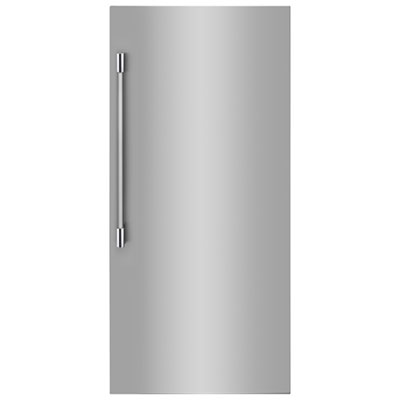 Your price for this item is $3699.99
-
 Your price for this item is $7399.98
-
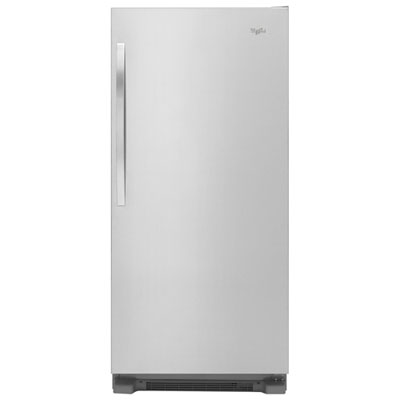 Your price for this item is $1949.99
-
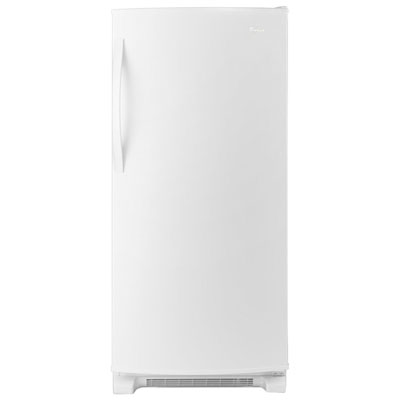 Your price for this item is $1599.99
-
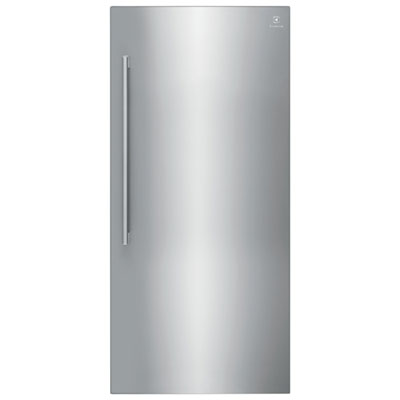 Your price for this item is $4299.99
-
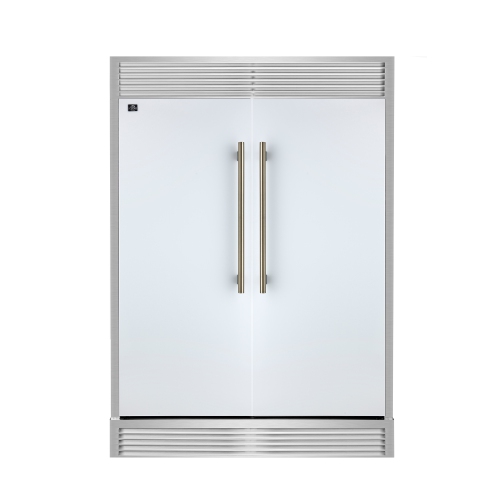 Your price for this item is $3599
-
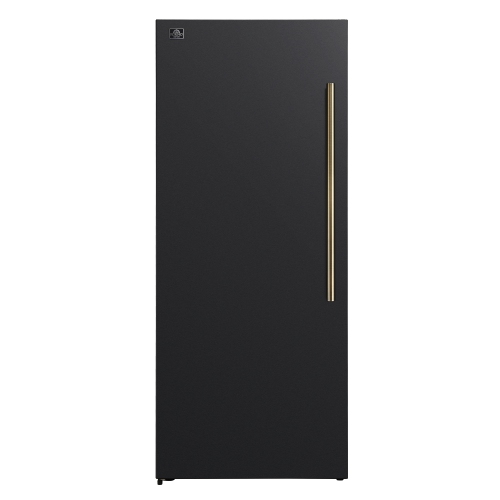 Your price for this item is $1599
-
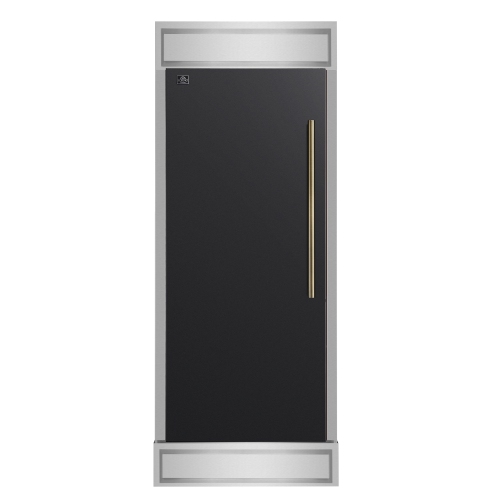 Your price for this item is $1999
Discover more categories related to Freezerless Refrigerators
Top Collections:
Pokemon Centers, Best Cameras for Sports Photography, Kindle Devices, Samsung Galaxy Phones, Canon G7X Cameras, Pokémon 30th Celebration Cards, Refurbished Apple Laptops, iPhone 15 Apple, Laptops for Students, Budget Smartphones
Some products may be subject to Environmental Handling Fees
(EHF) depending on your province.
Learn more about EHFs.