Mini Fridges Without Freezer
Looking for a compact and convenient cooling solution that doesn't come with the hassle of a freezer? Look no further than our selection of mini fridges without freezers. Whether you're a college student looking to keep your beverages chilled in your dorm room or a professional needing extra storage space in your office, these mini fridges are designed to meet your needs. With their sleek designs and efficient cooling capabilities, these appliances are perfect for small spaces and on-the-go lifestyles. Say goodbye to defrosting and hello to easy organization with our range of mini fridges without freezers.
Sort
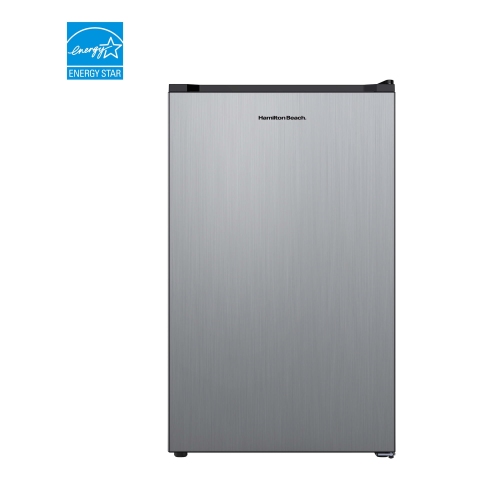
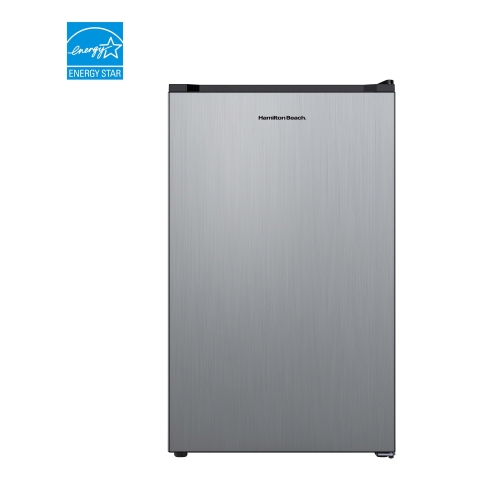
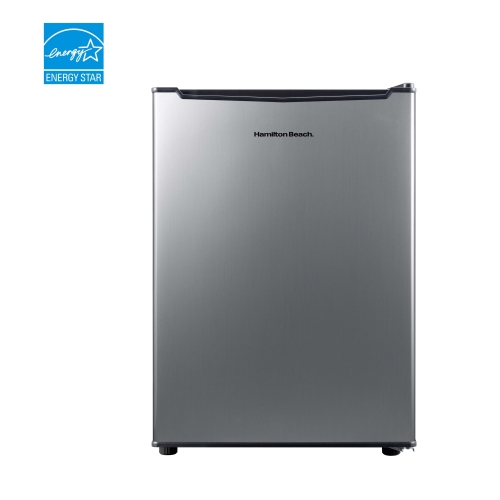
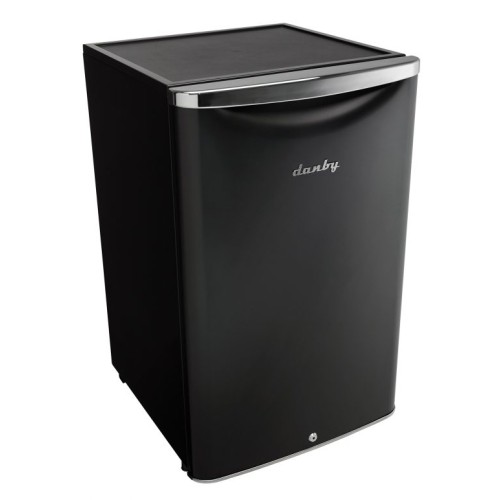
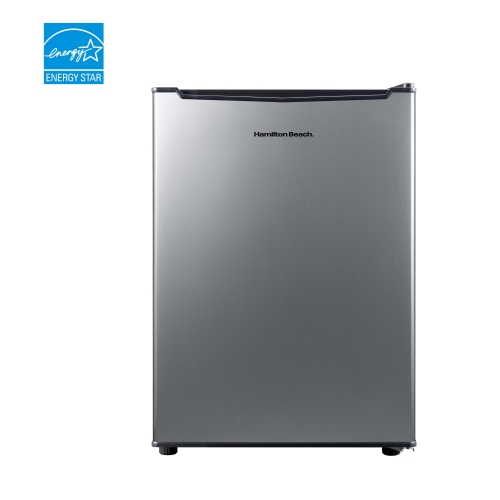
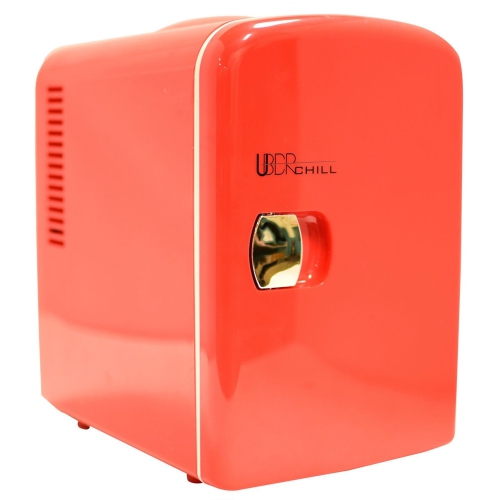

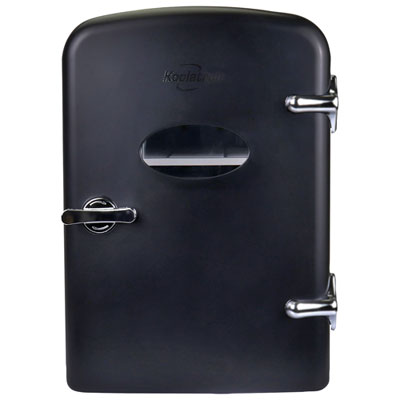



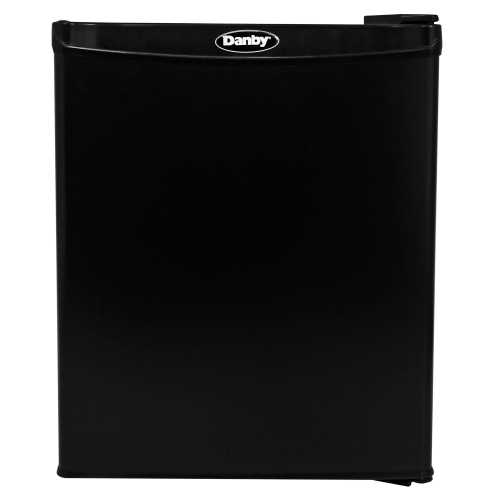


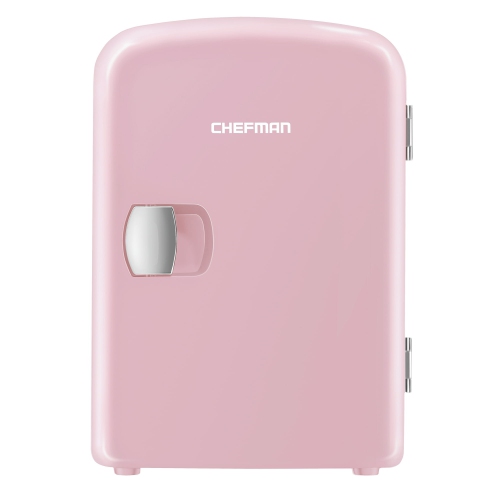

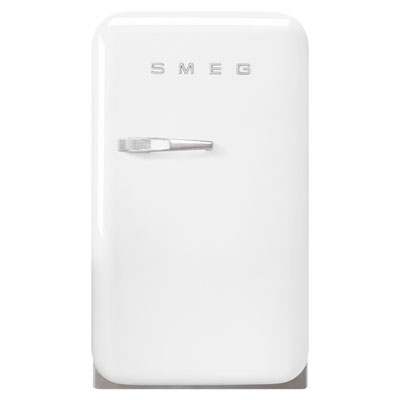
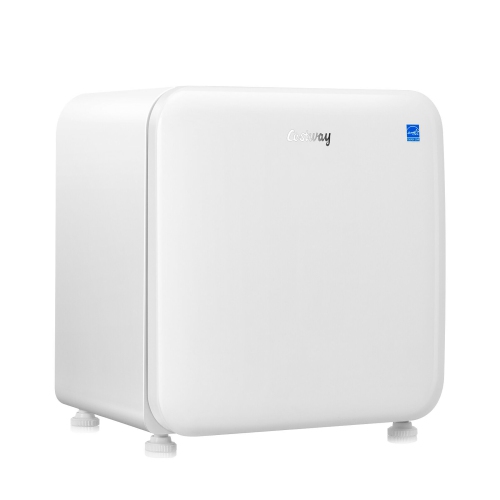

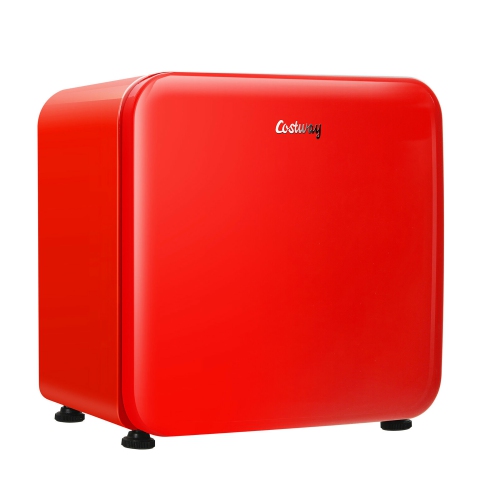

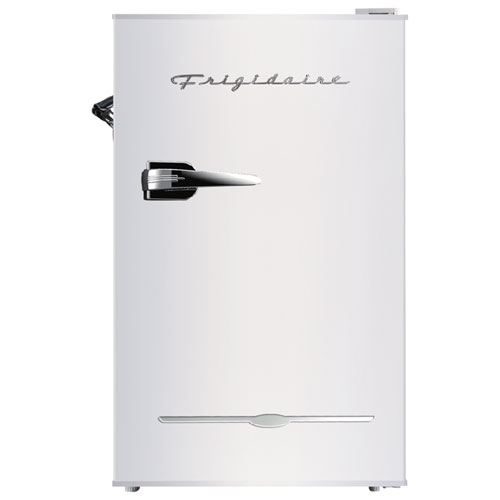

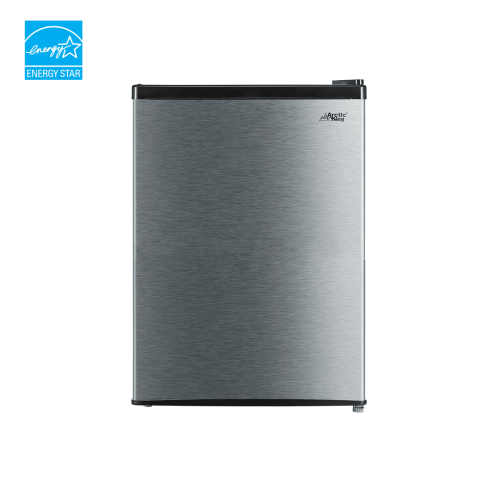
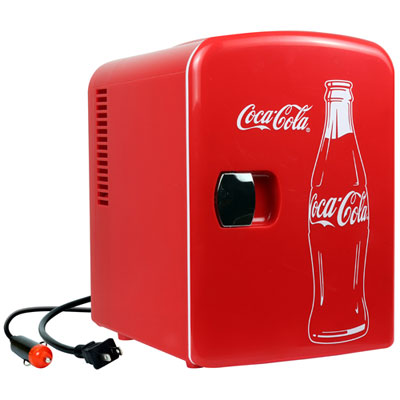
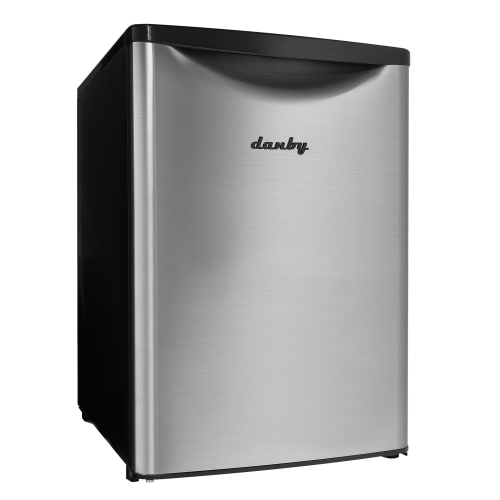

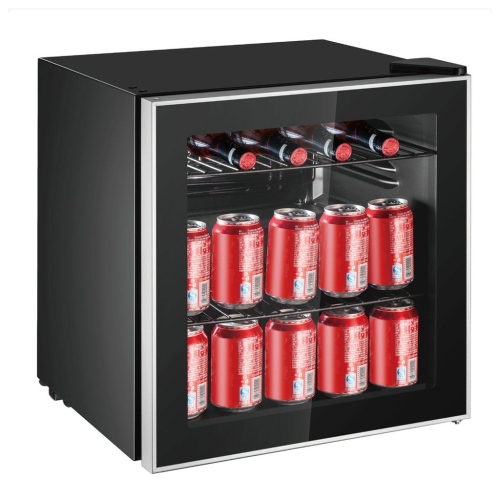



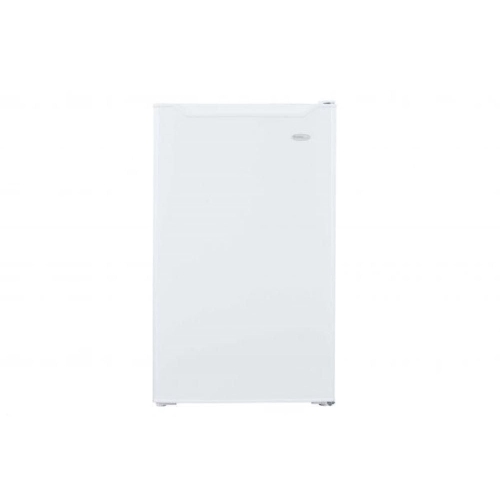
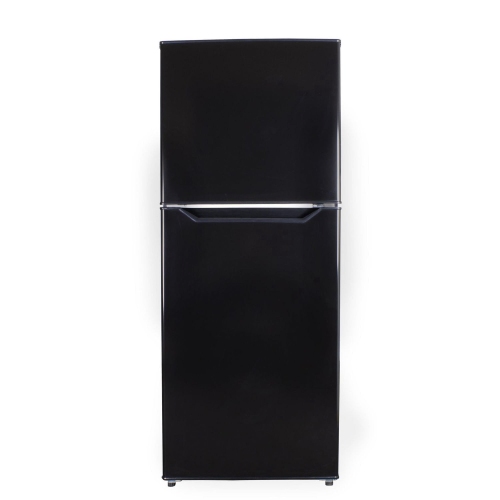
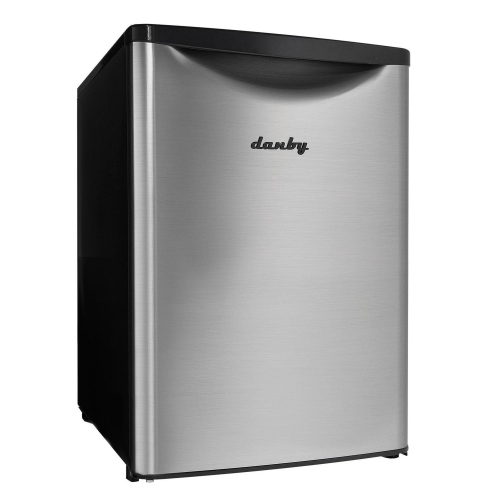

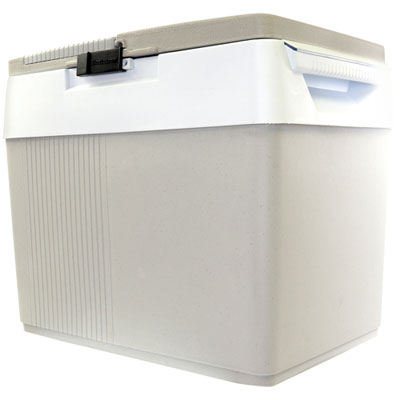
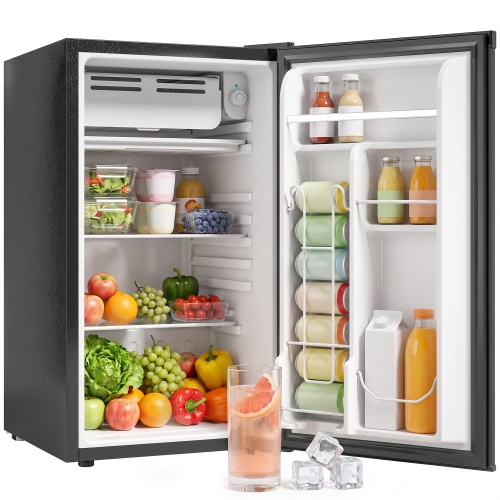
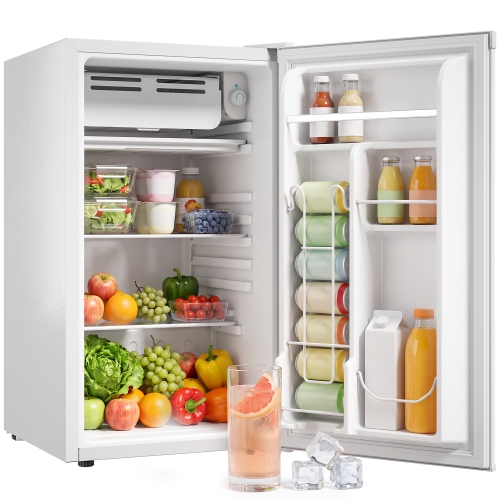
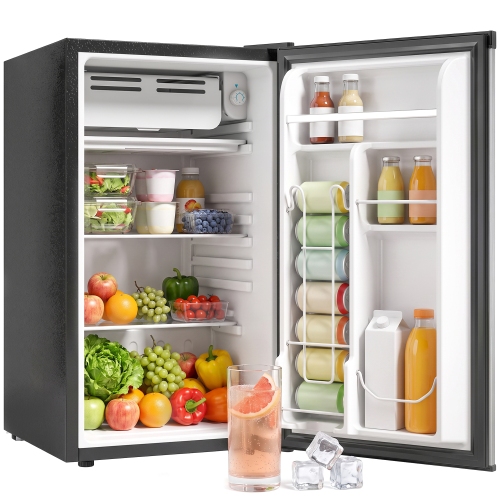
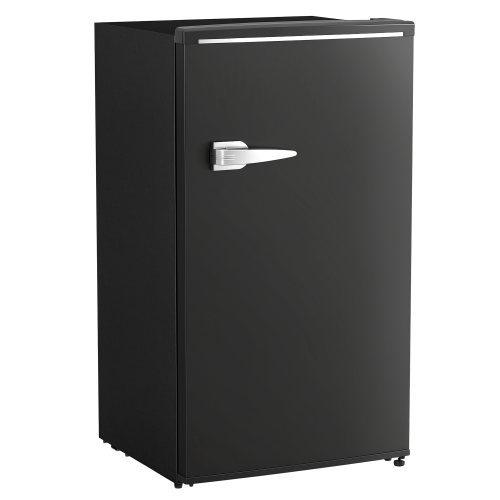
More room for fresh food in a compact footprint
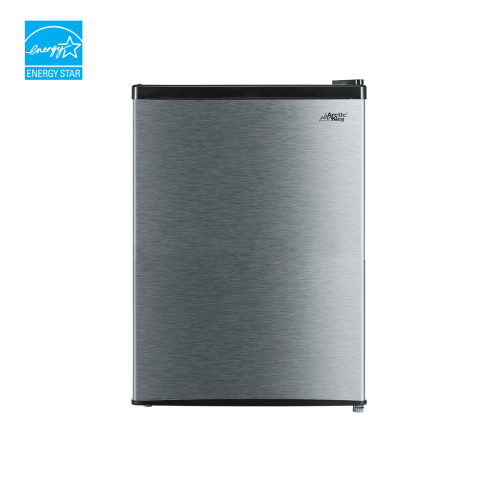
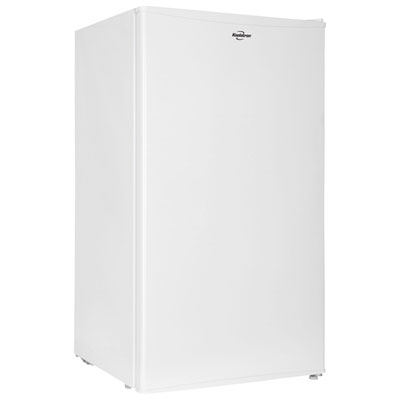
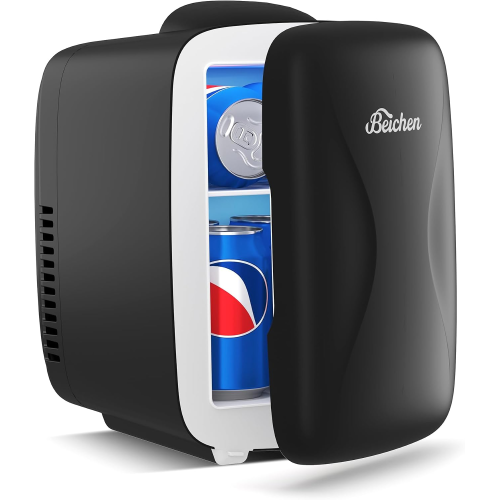
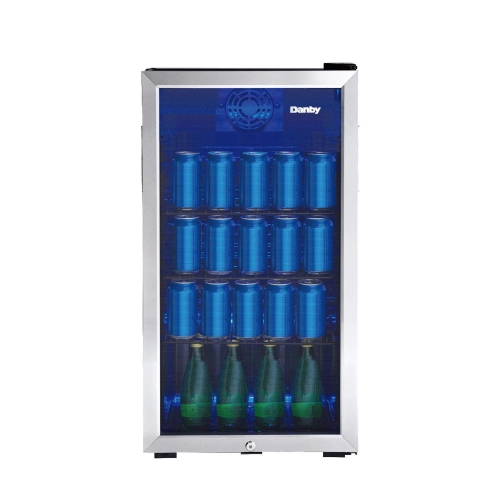
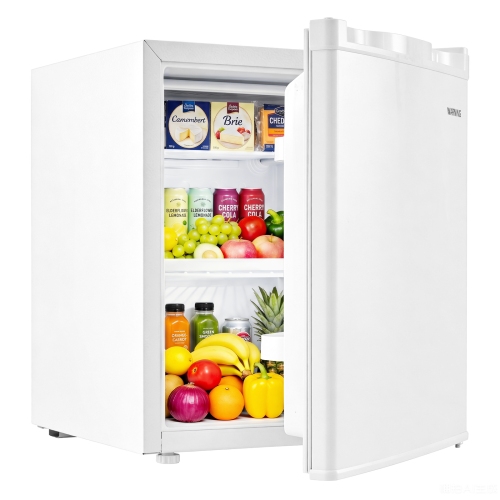
Mini fridges without a freezer are compact refrigerators that dedicate their storage space to chilled food and drinks rather than dividing it between refrigeration and a frozen-food compartment. This all-refrigerator layout leaves more room for everyday essentials such as milk, yoghurt, lunch containers, fresh fruit, and bottled water within a small appliance footprint. It is especially useful when frozen storage is already handled by a kitchen freezer, or when the fridge’s main purpose is keeping snacks and meals close at hand. In a home office, that might mean space for lunch and a few drinks without another trip to the kitchen. In a residence room, it could mean keeping breakfast ingredients and prepared meals organized on separate shelves, subject to the building’s appliance rules. A compact freezerless fridge can also serve a small apartment, guest suite, staff room, or hobby space where a full-size refrigerator would take up too much floor area. Unlike a mini fridge with a small internal freezer box, it does not sacrifice its upper shelf area to a compartment that may see little use. However, having no freezer does not necessarily mean the appliance never needs defrosting: moisture or frost can still collect on cooling surfaces, and the maintenance requirements depend on the design. For fresh-food storage, the important distinction is that the appliance is designed to maintain food-safe refrigeration temperatures, not simply cool beverages below room temperature. Perishable food should be kept at 4°C or below without freezing, and a separate refrigerator thermometer can help confirm conditions inside. Beverage coolers and very small personal coolers may have different operating ranges, so they are not automatically interchangeable with a food-storage refrigerator. A freezerless mini fridge suits households and shared spaces that need practical refrigerated storage without a place for ice cubes, frozen dinners, or other frozen foods.
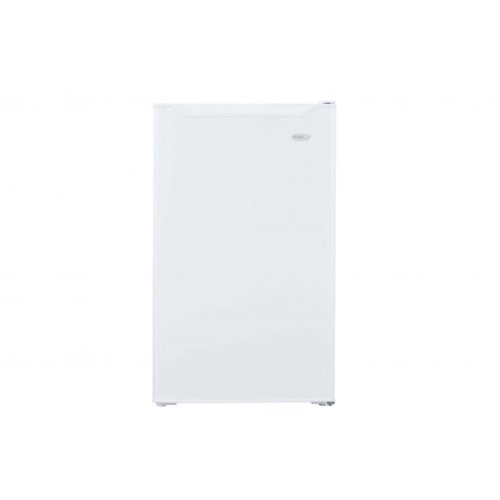
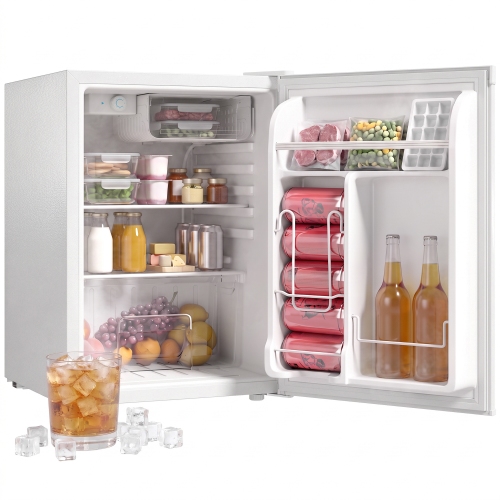
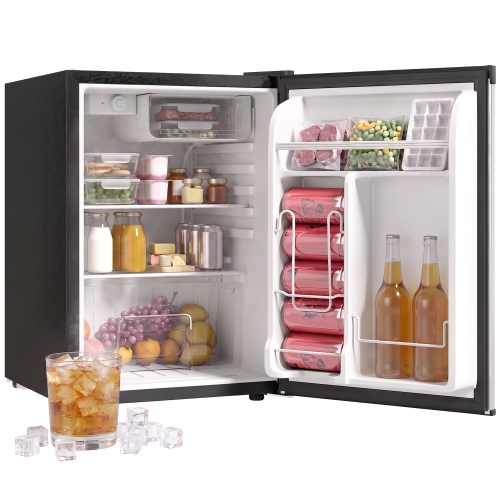
Capacity matters, but the arrangement of the interior often makes a bigger difference in daily use than the stated volume alone. A fridge described in litres or cubic feet may hold plenty of cans yet feel cramped when a tall milk carton and several square lunch containers go inside. Adjustable shelves can make room for taller bottles, while door bins keep smaller containers from crowding the main shelves. A lower compartment may help gather produce in one place, although a basic drawer should not be assumed to provide adjustable humidity. The shape of the compressor housing can also reduce the depth of the lowest storage area, making interior dimensions worth considering alongside overall capacity. Glass shelves provide a level surface for small containers and can make drips easier to spot and clean; shelves with raised edges may help contain minor spills. Wire shelves allow air to move through their openings but offer less support for narrow bottles or small jars. Removable shelves and door bins make it easier to clean sticky juice residue or crumbs from hard-to-reach corners. Outside, painted metal and stainless steel finishes offer different looks, with fingerprints and cleaning needs varying by surface treatment. A stainless steel appearance does not always mean the door is solid stainless steel, so the finish description matters. For fit, allow for more than the fridge’s width, height, and depth: ventilation clearances, the handle, the plug, and the swing of the door all need space. A reversible door can help with an awkward room layout when that feature is included, but there must still be enough clearance to open the door and remove shelves or drawers. Most freestanding mini fridges should not be enclosed tightly in cabinetry unless the manufacturer expressly permits that installation. An undercounter location needs a model approved for the intended placement, with the required airflow left unobstructed. A level, stable surface and access to a suitable wall outlet also help make the setup practical and secure.
Everyday comfort and straightforward care are important when a mini fridge shares a room with a desk, bed, or seating area. Compressor refrigerators normally cycle on and off, and some clicking, humming, or refrigerant sounds can occur during operation. For a study area or sleeping space, published noise information is more useful than assuming that a small appliance will be silent. Keeping the cabinet level and preventing bottles from touching can help reduce avoidable rattles, though it will not eliminate normal operating sounds. Controls also vary: a numbered dial may indicate relative cooling strength rather than a specific temperature, while a digital display should still be checked against an independent thermometer when storing perishable food. Leaving room around interior air outlets and avoiding tightly packed shelves helps cold air circulate. Milk, prepared meals, and other temperature-sensitive foods are generally better placed on the main shelves than in the door, where temperatures fluctuate more as it opens. For cleaning, follow the appliance instructions, wipe up spills promptly, and use a soft cloth with a suitable mild cleaning solution rather than abrasive pads that can scratch liners or finishes. Door seals deserve regular attention because crumbs and sticky residue can interfere with a close fit; a damaged seal can also make it harder to maintain consistent cooling. Accessible ventilation openings should be kept free of dust as directed, and any required defrosting should be done without knives or other sharp tools. Sturdy shelf supports, securely fitted bins, and a door that closes evenly all contribute to dependable daily use, especially in a shared space where the fridge opens frequently. As a practical gift, a freezerless mini fridge can suit a student moving into approved accommodation or someone setting up a dedicated workspace, provided the recipient’s space and storage needs are known. For households that want the same chilled-food-only layout with room for a larger grocery shop, Freezerless Refrigerators extend the concept beyond compact storage. The appeal of a mini version remains simple: accessible refrigeration for the food and drinks used most often, in a size that fits the room and the routine.
Top selling and popular products
-
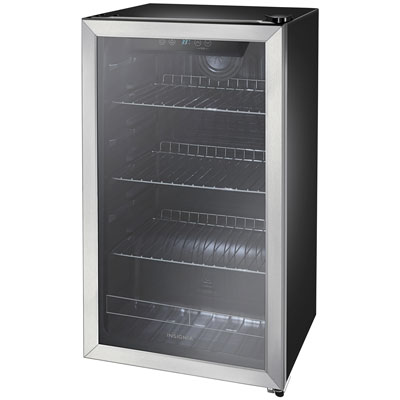 Your price for this item is $249.99
-
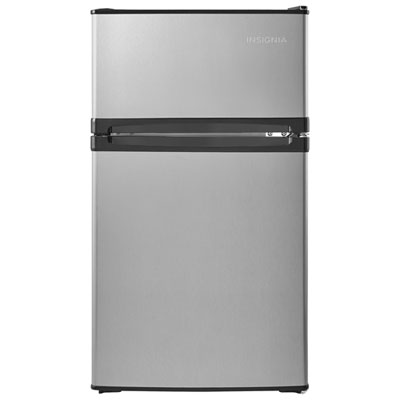 Your price for this item is $299.99
-
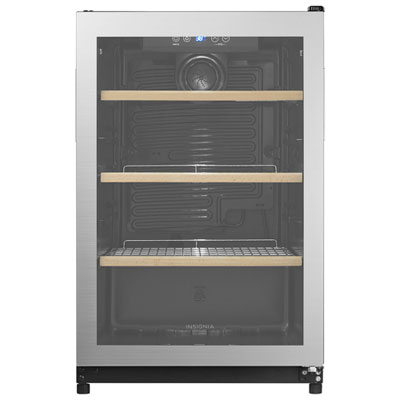 Your price for this item is $599.99
-
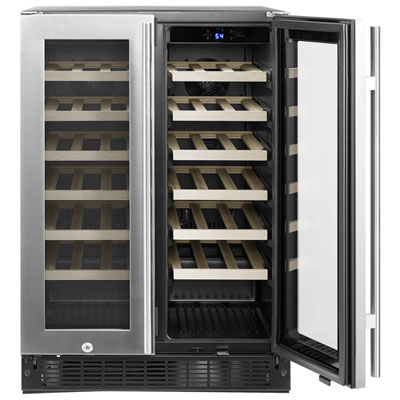 Your price for this item is $649.99
-
 Your price for this item is $699.99
-
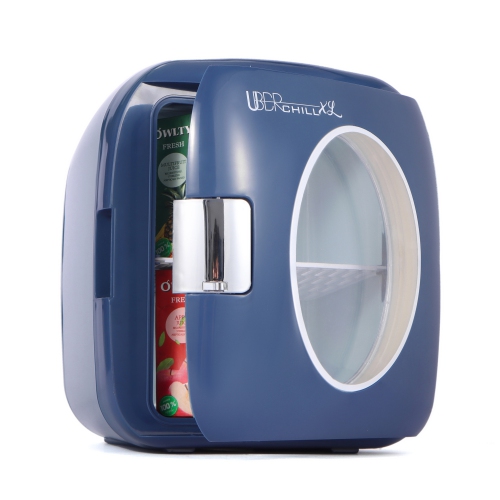 Your price for this item is $169.99
-
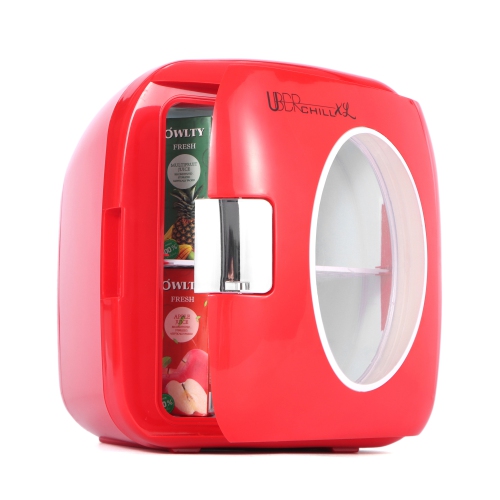 Your price for this item is $169.99
-
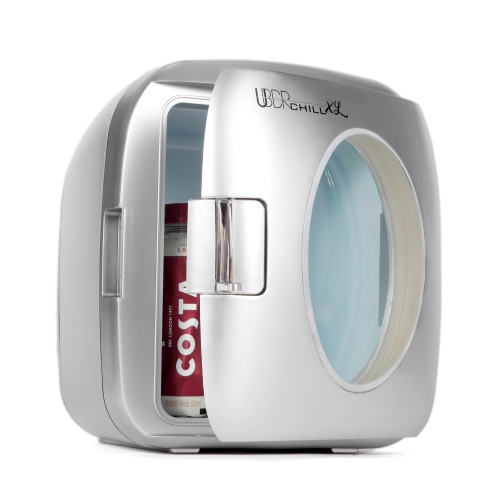 Your price for this item is $169.99
Discover more categories related to Mini Fridges Without Freezer

Top Collections:
Pokemon Centers, Best Cameras for Sports Photography, Kindle Devices, Samsung Galaxy Phones, Canon G7X Cameras, Pokémon 30th Celebration Cards, Refurbished Apple Laptops, iPhone 15 Apple, Laptops for Students, Budget Smartphones
Some products may be subject to Environmental Handling Fees
(EHF) depending on your province.
Learn more about EHFs.