Veg And Fruit Juicers
Juicers are a great way to get your daily dose of fruits and vegetables. They're also a great way to make fresh juice for your family when they're home. It's also easy to use and clean up. Here are some of our favorite veg and fruit juicers available on the market.
Sort
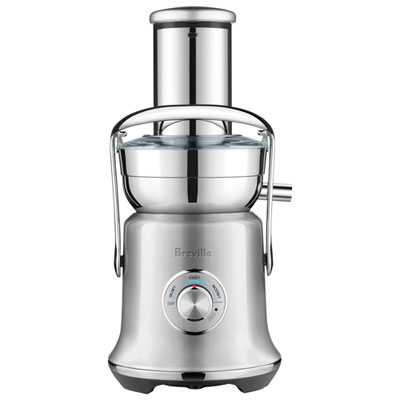
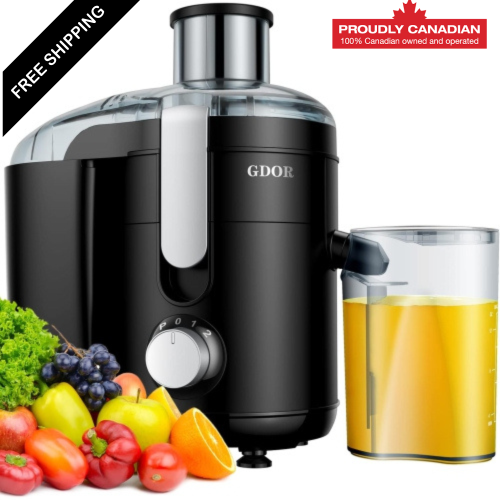
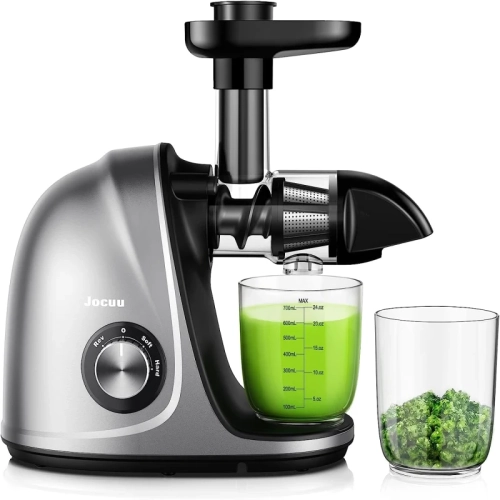
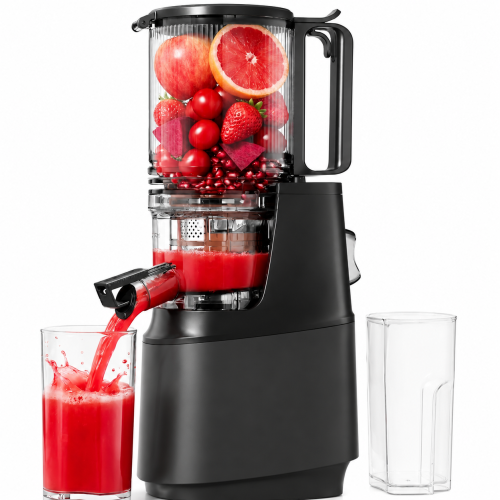
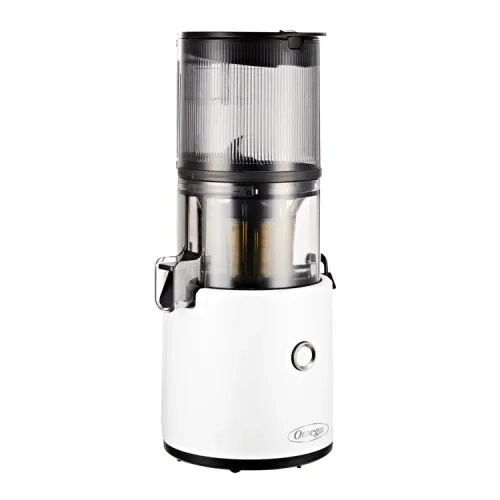
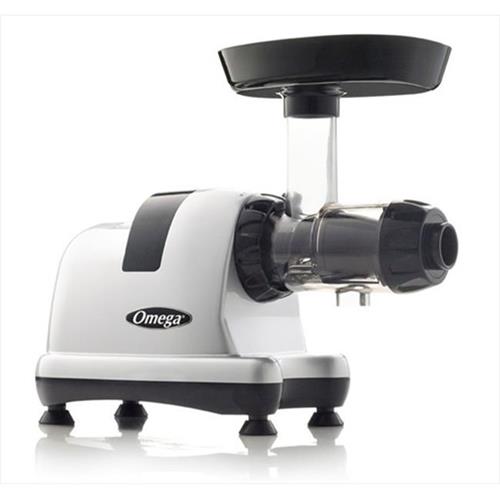

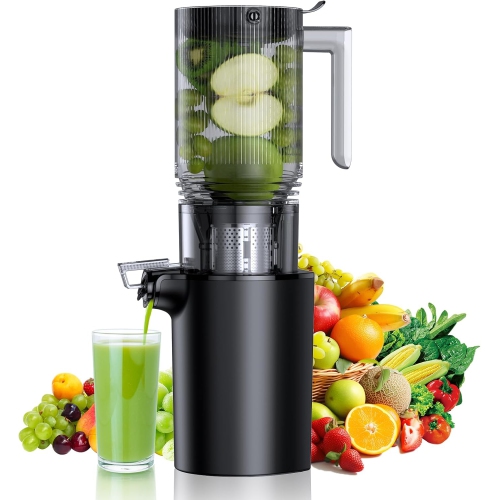
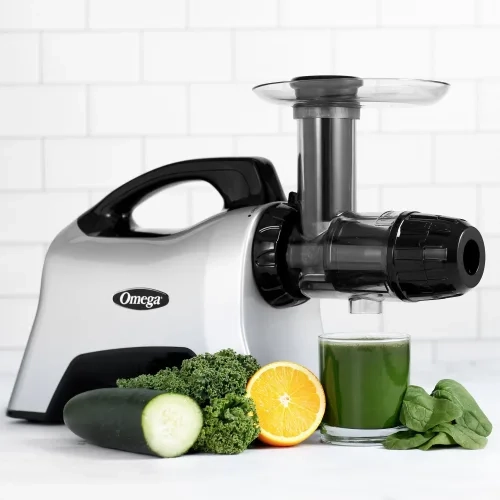
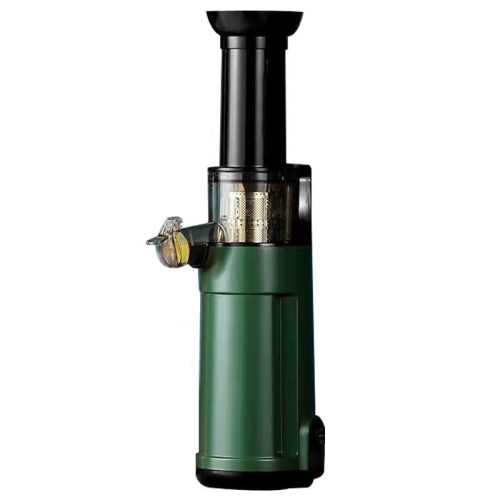
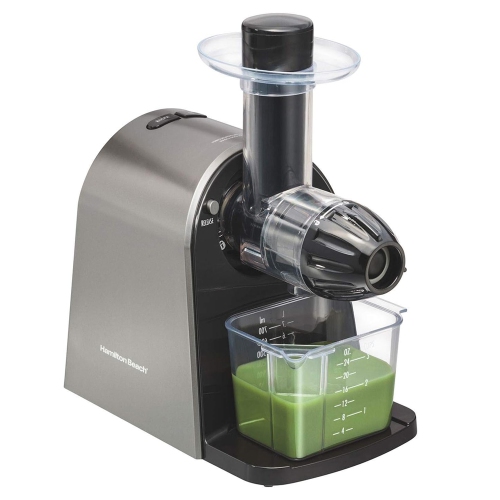
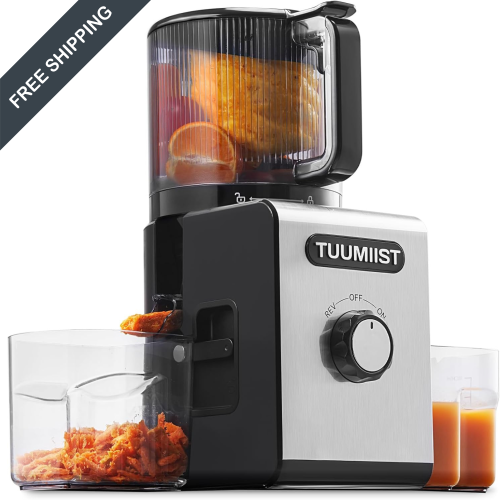
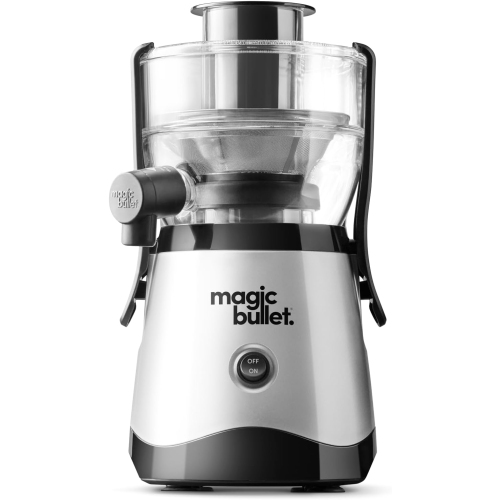
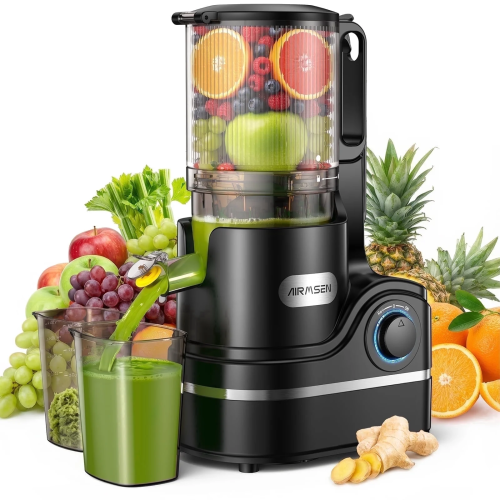


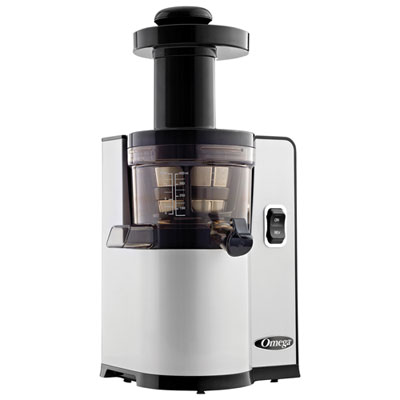
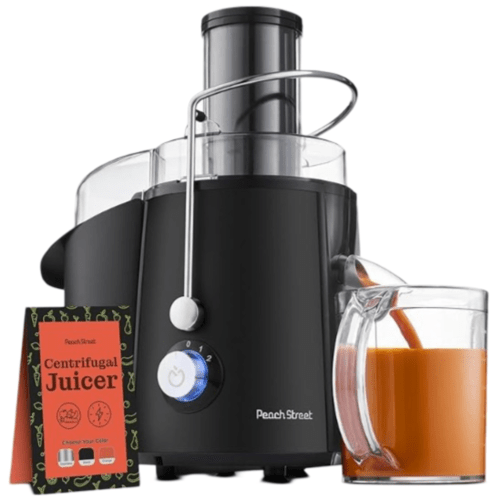
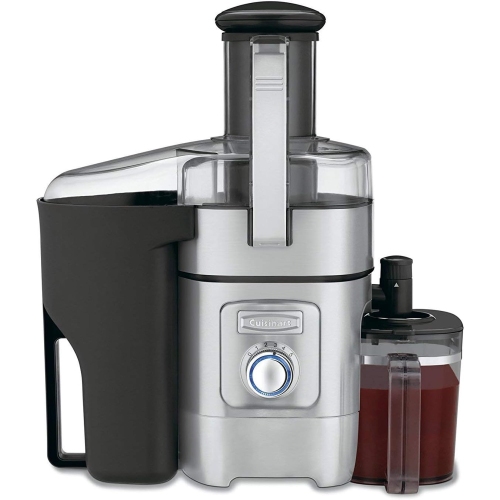
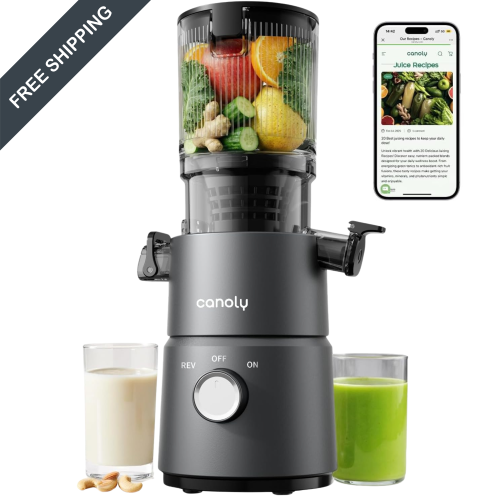
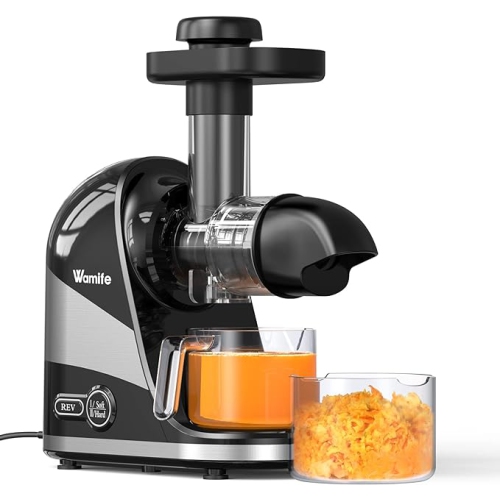
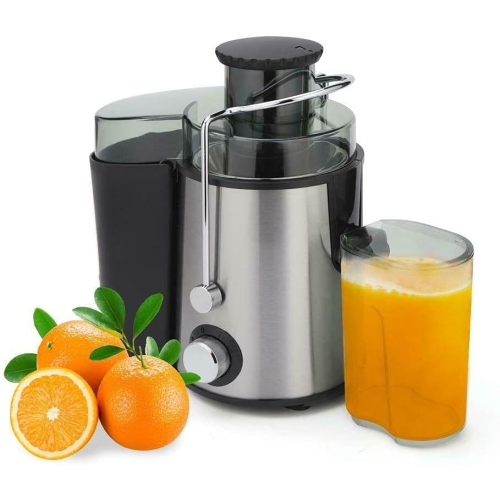
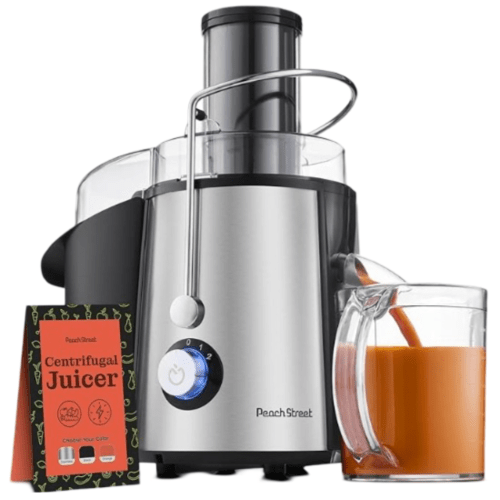
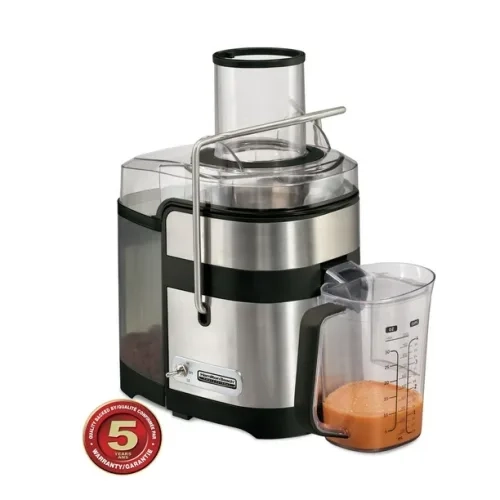
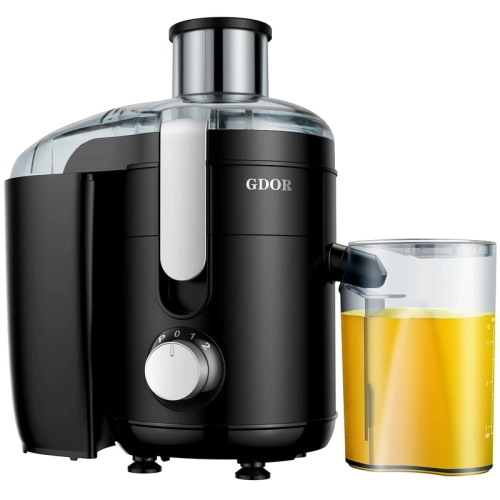

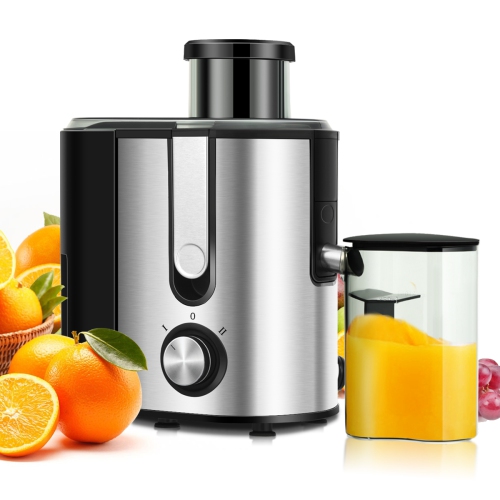
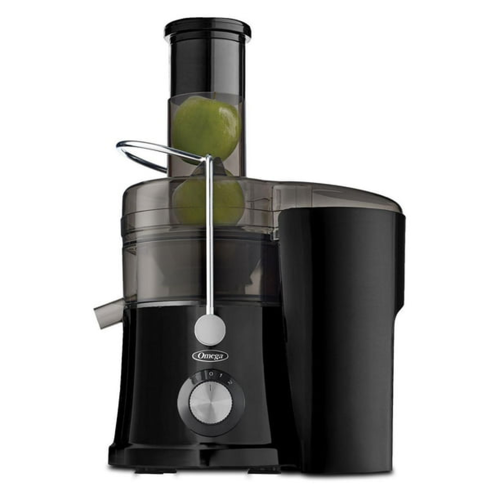
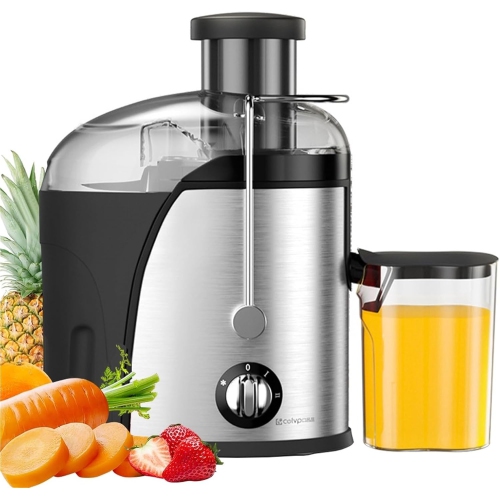
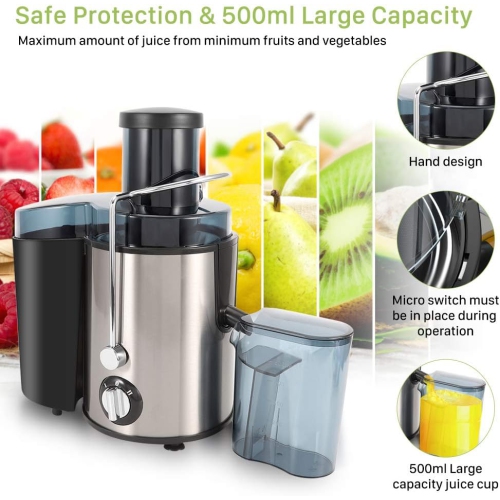
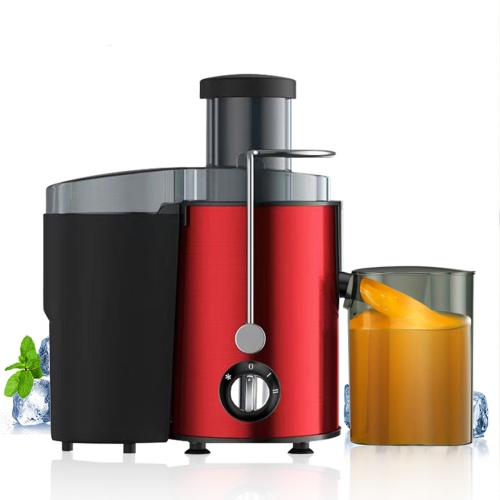
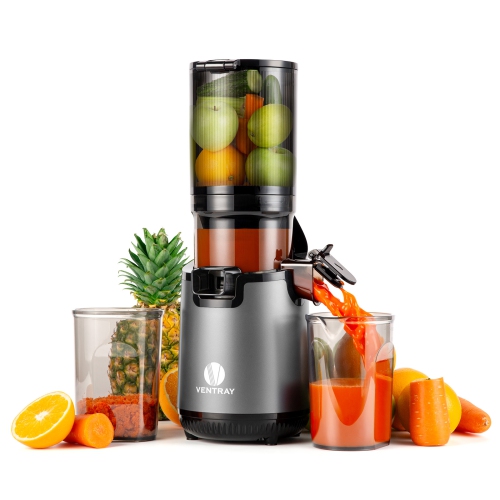
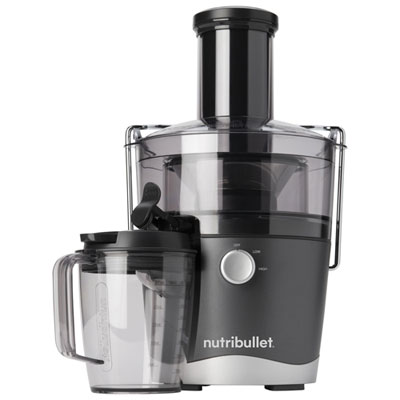
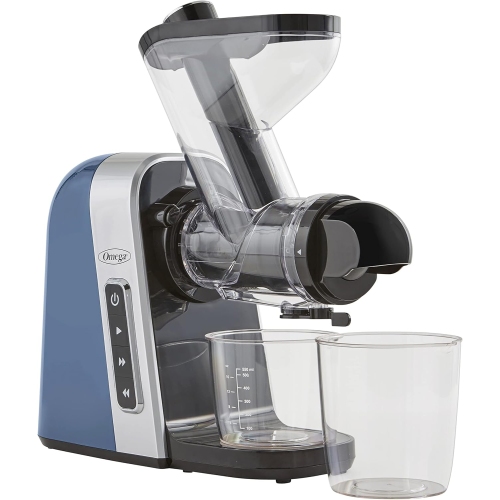
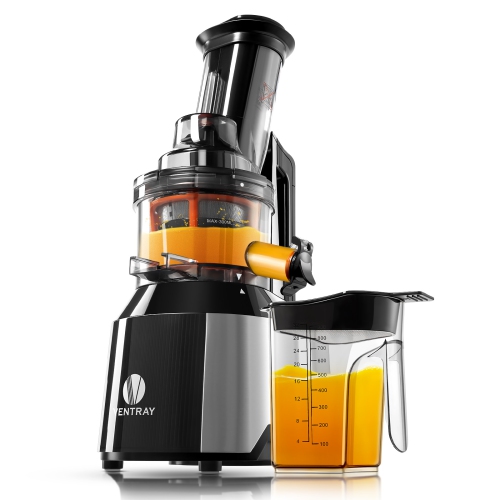
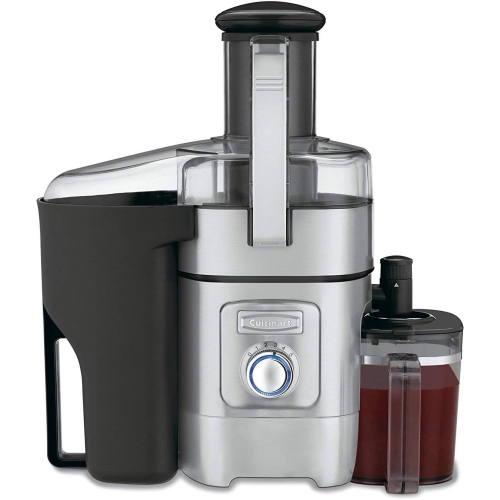
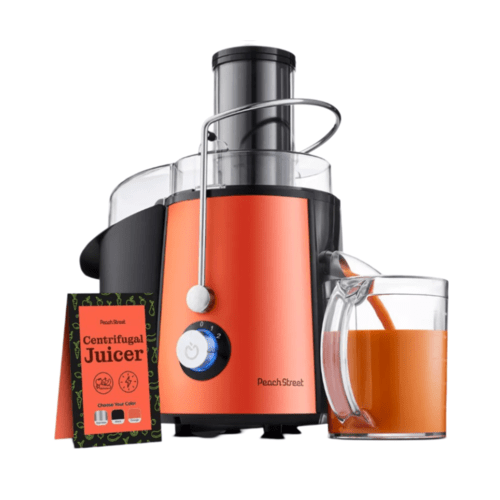
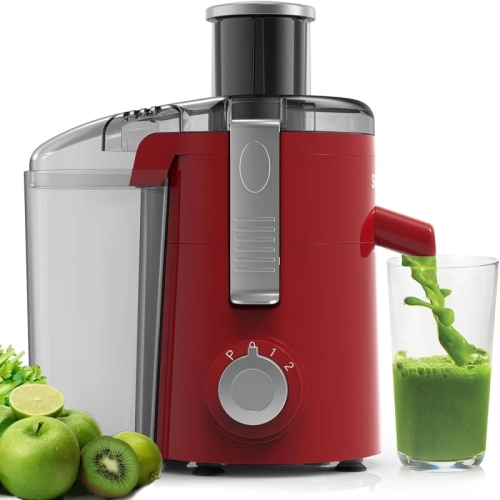
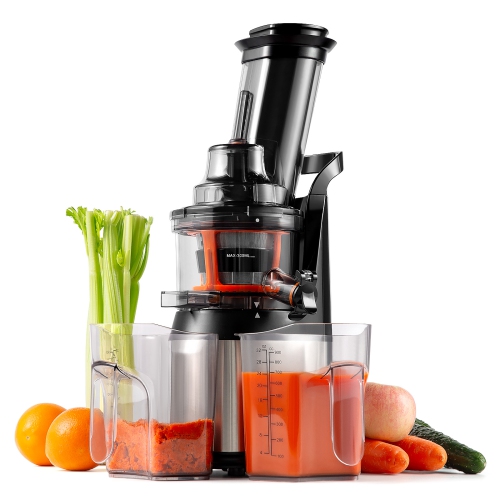
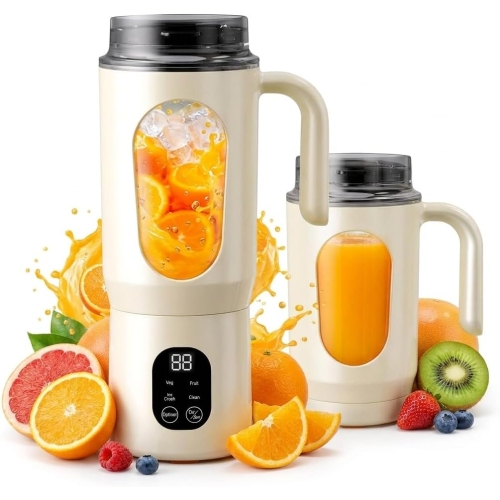
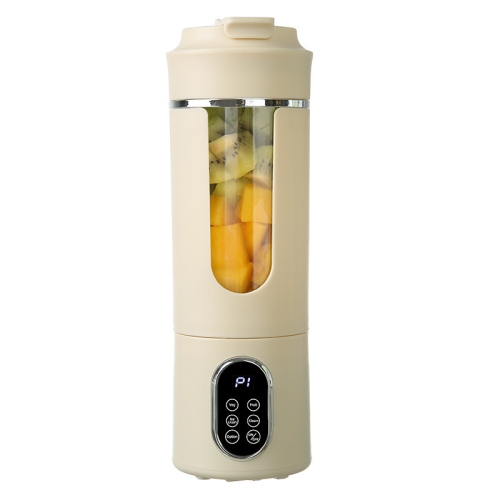
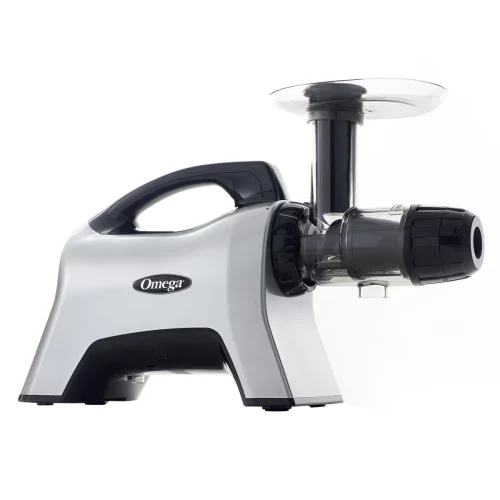
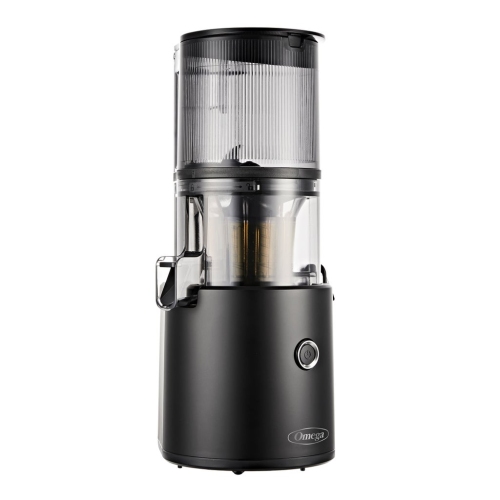
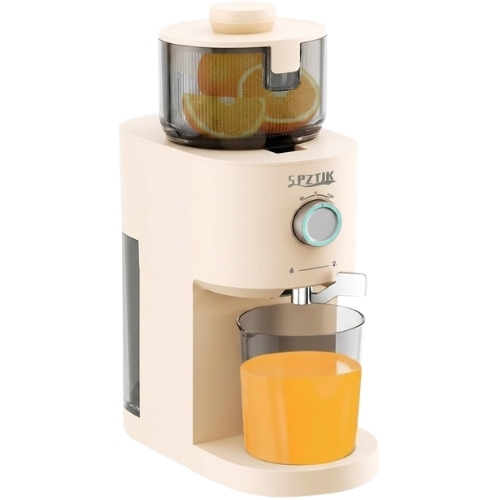
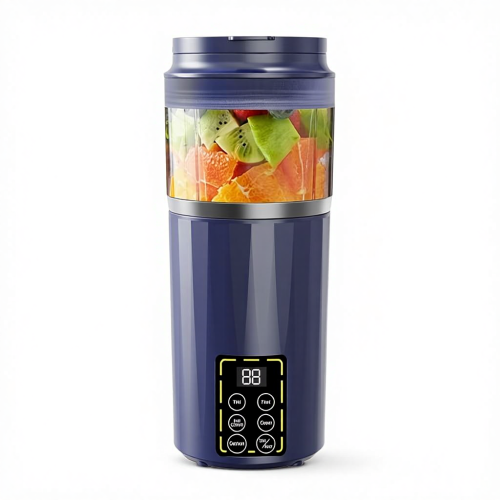
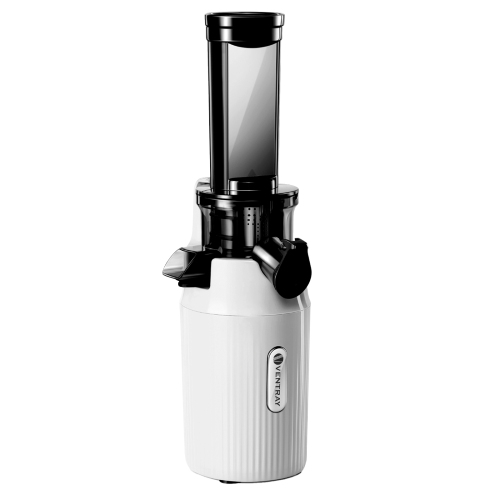
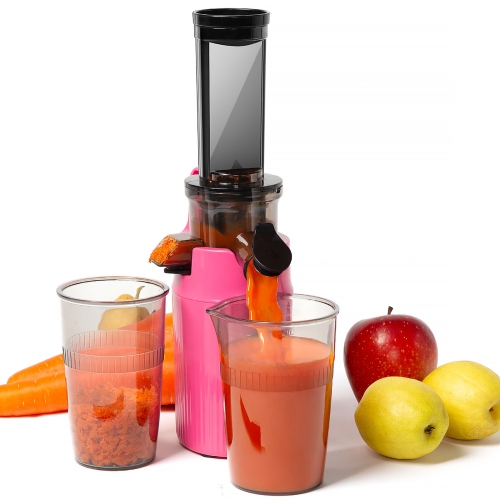
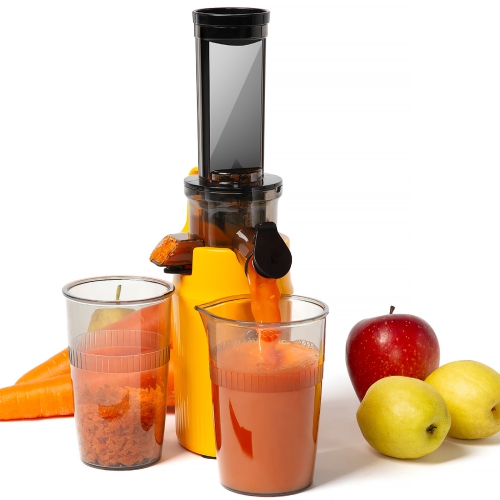
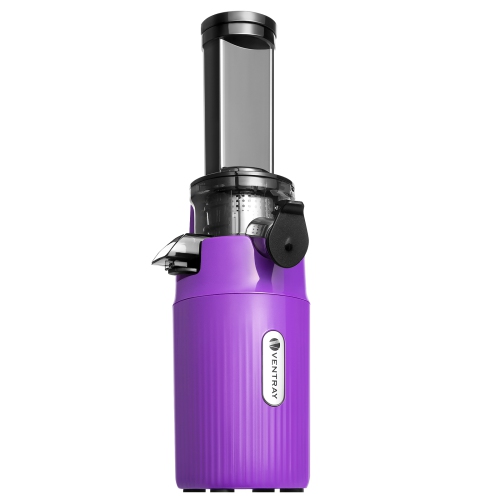
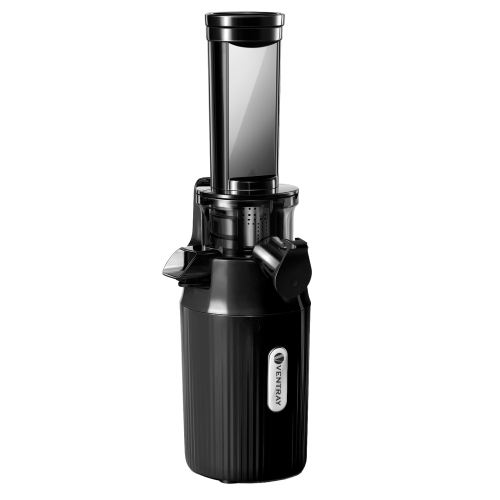
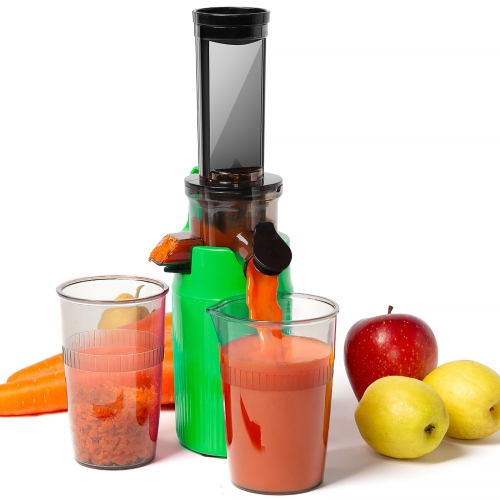
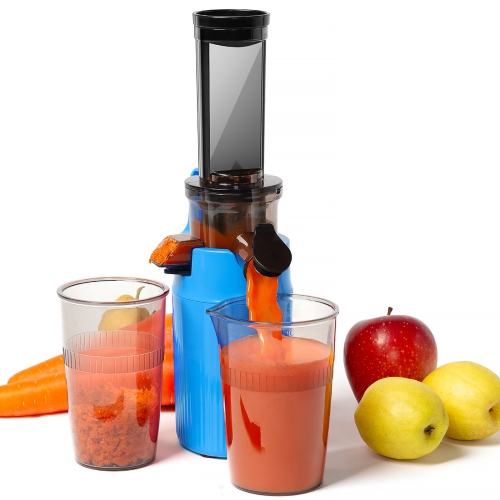
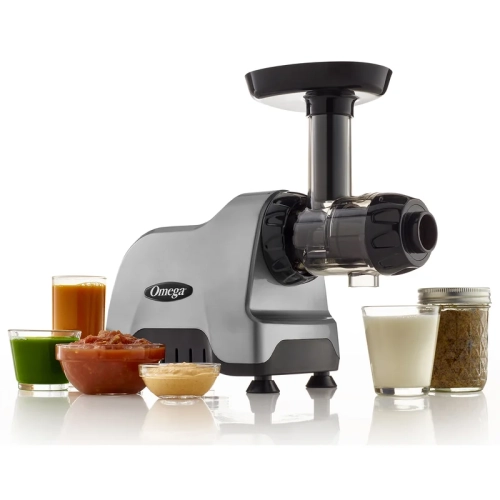
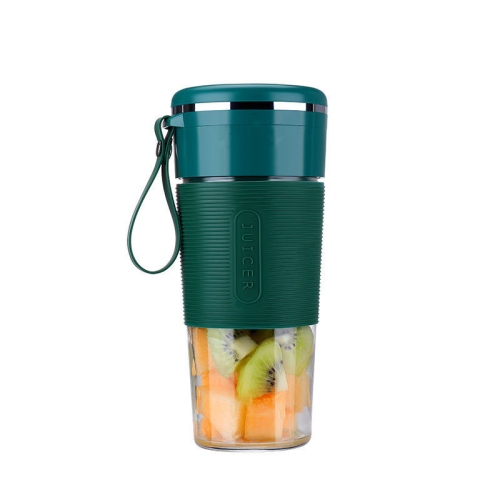
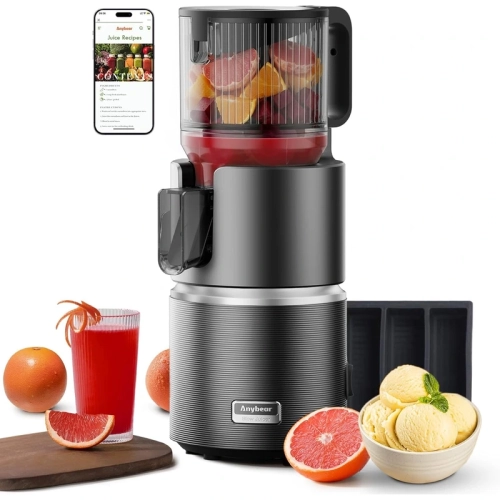
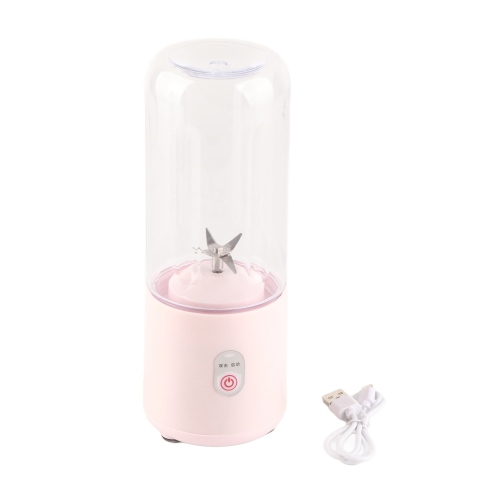
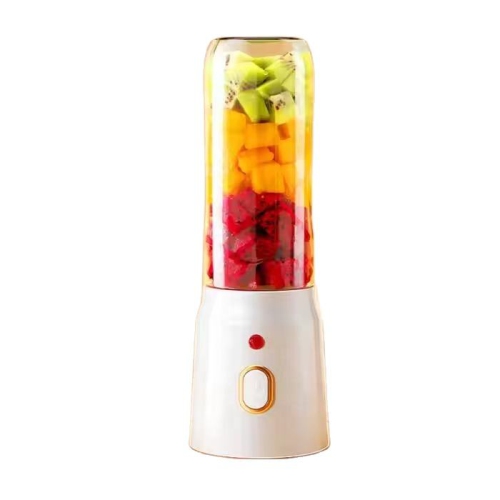
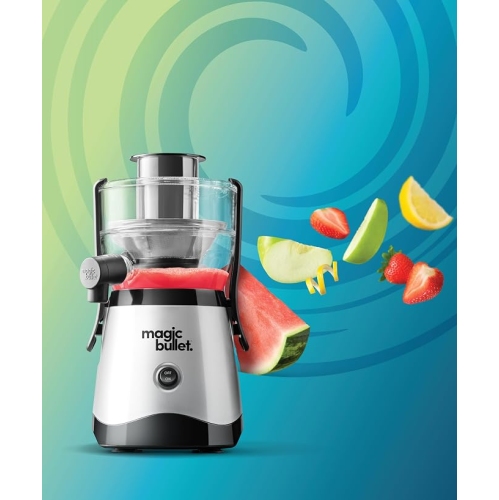

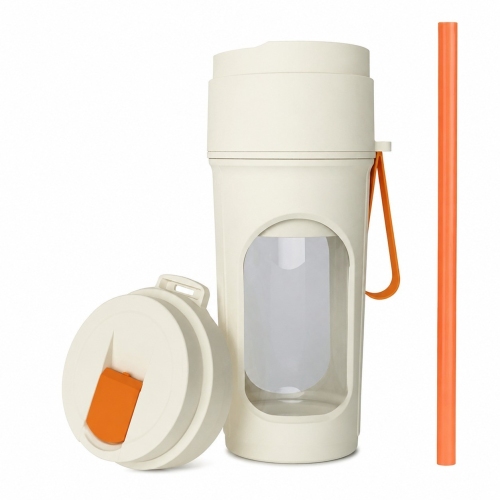


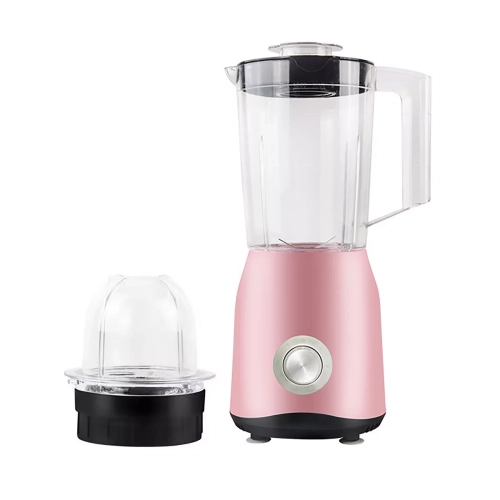
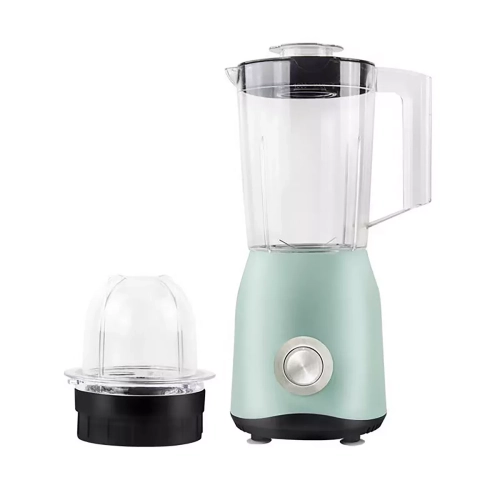
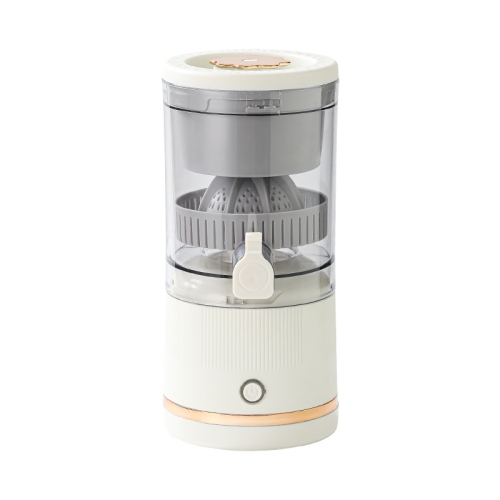
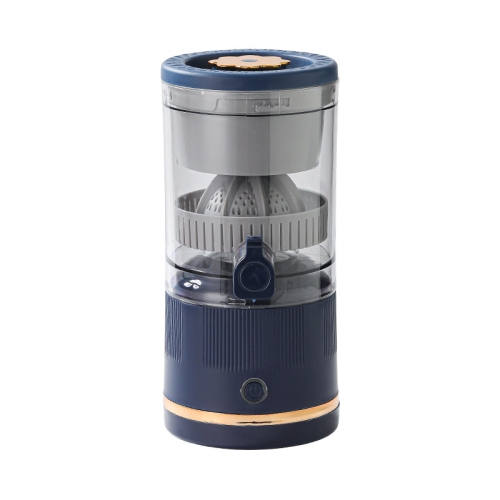
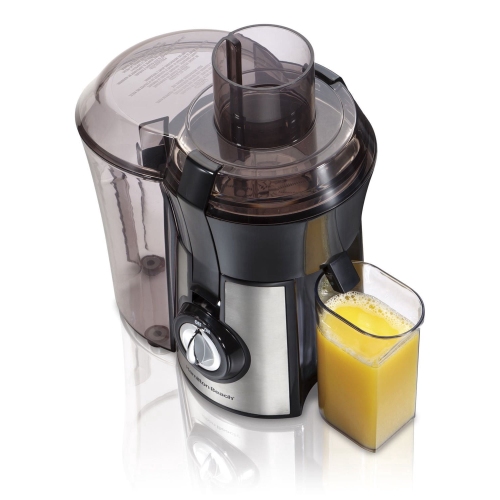
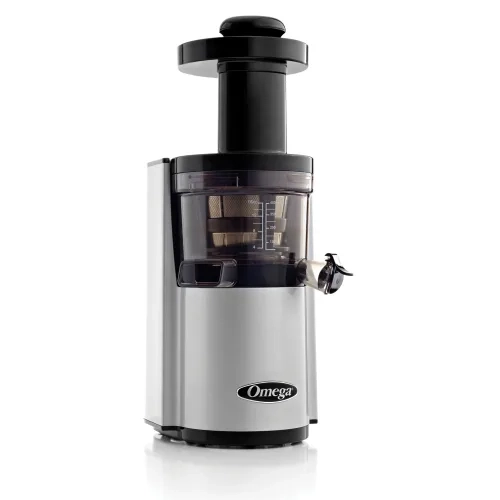
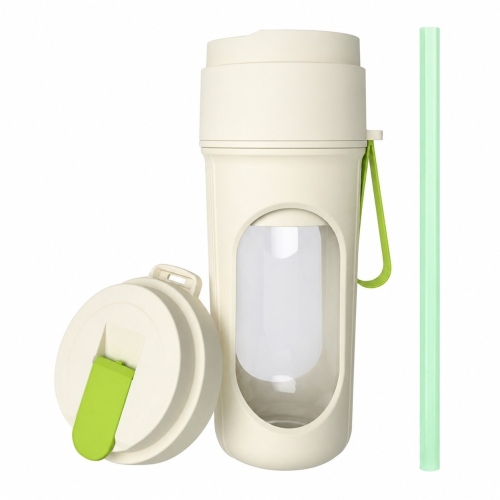
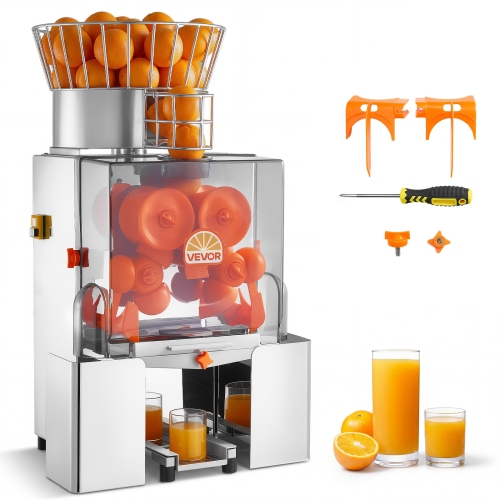

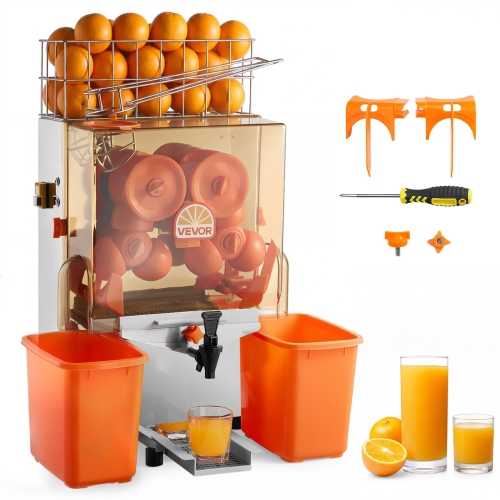
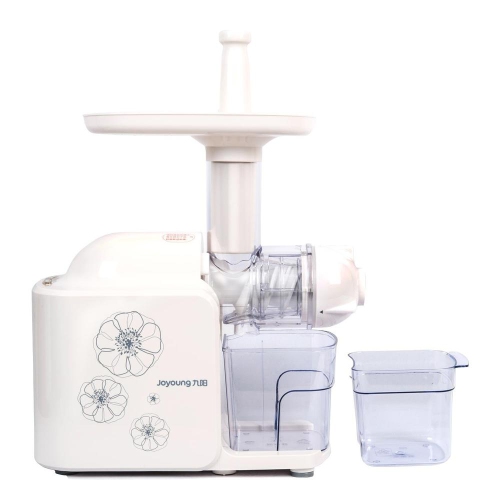
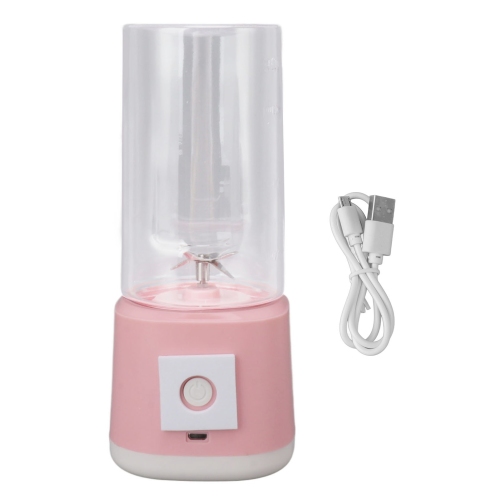
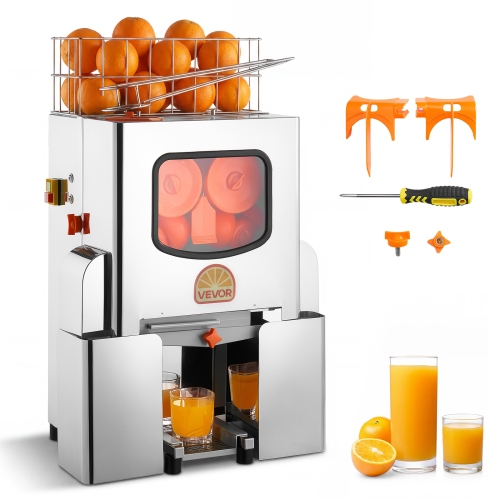
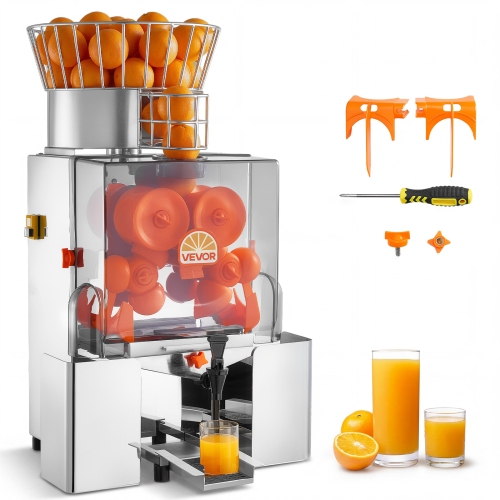
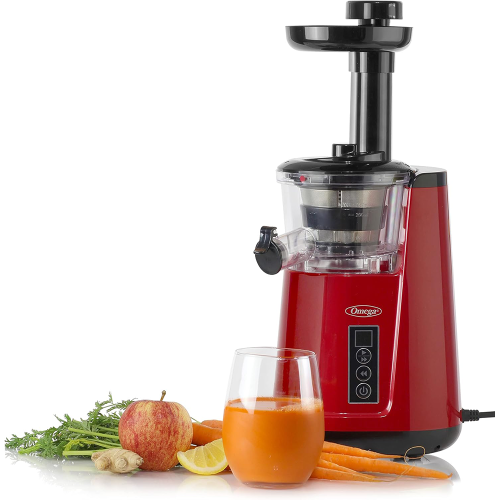

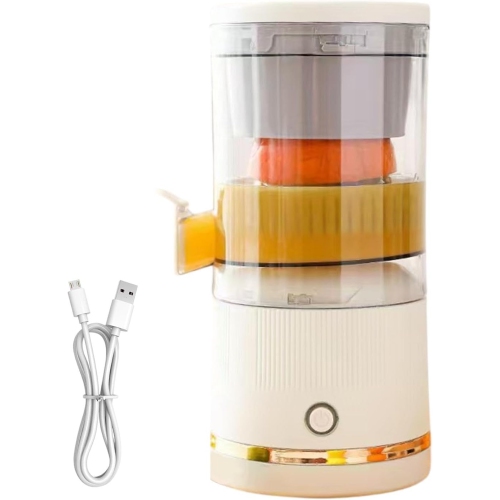
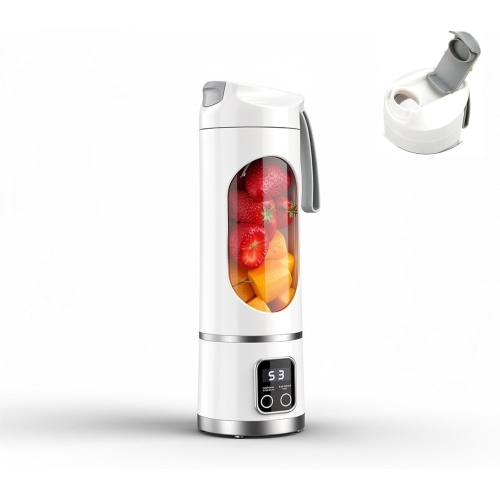
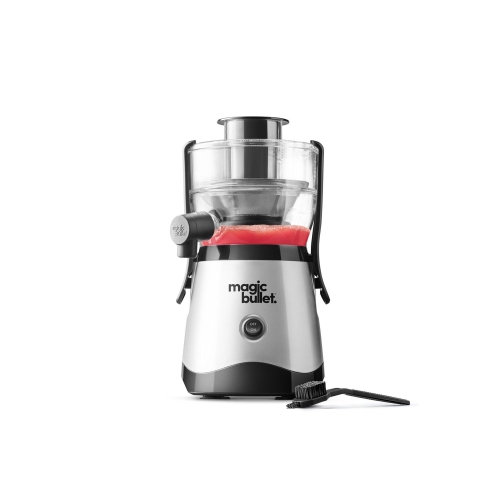
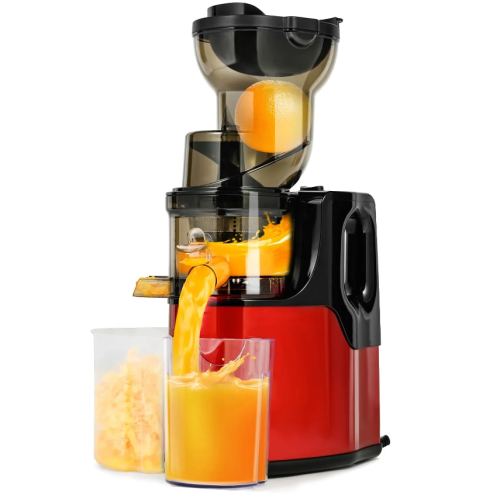
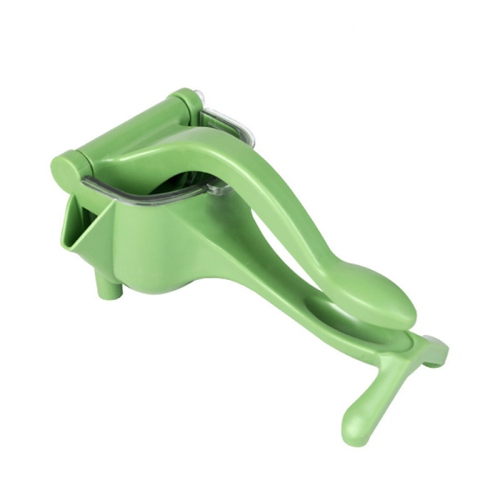

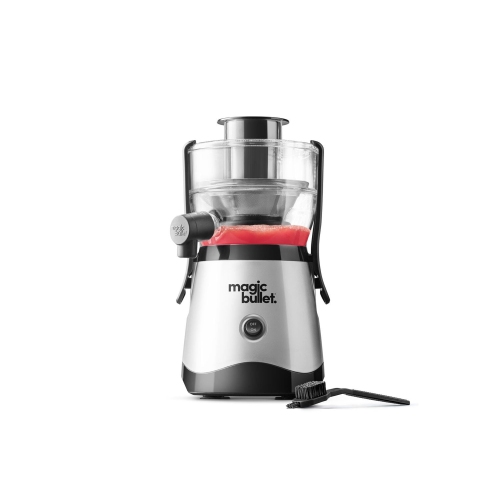
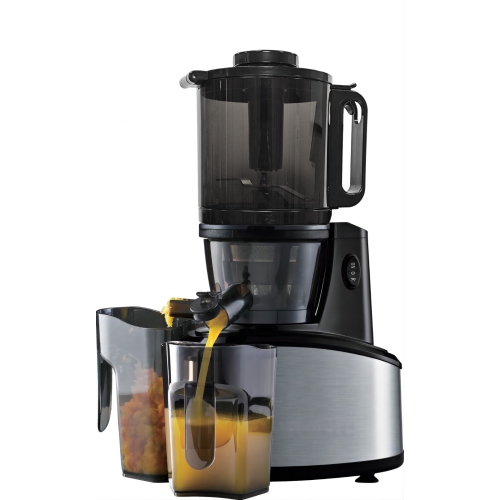
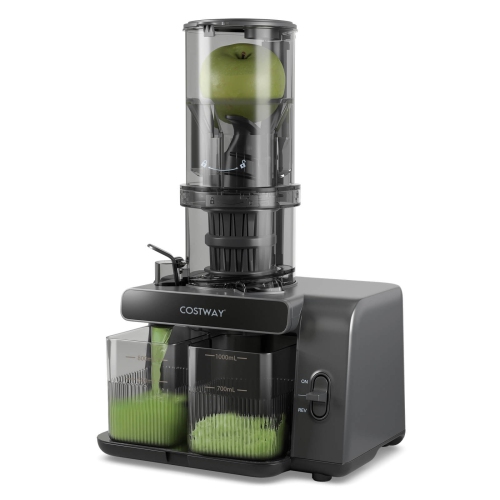
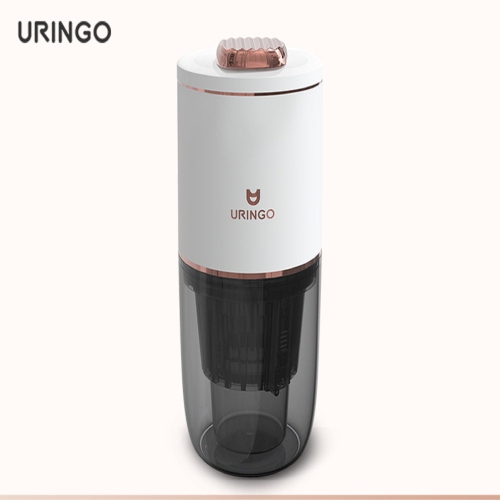
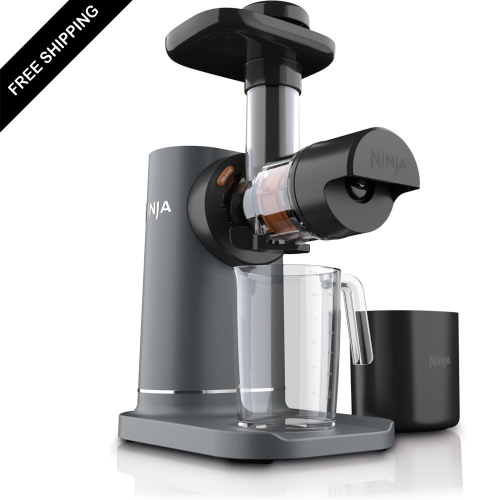
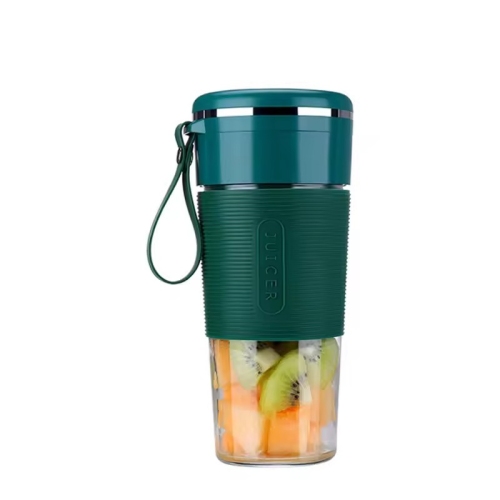
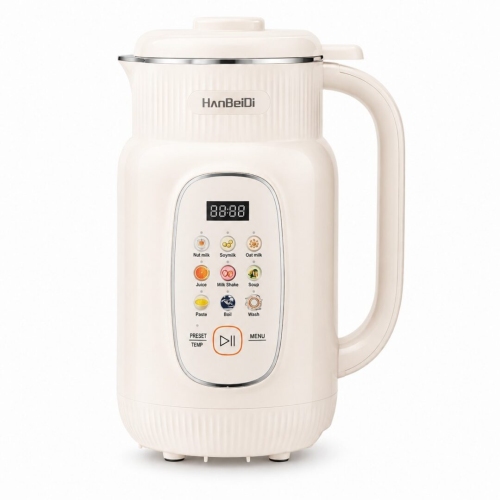
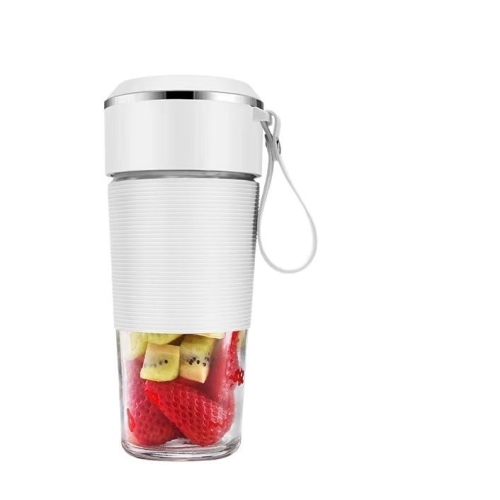

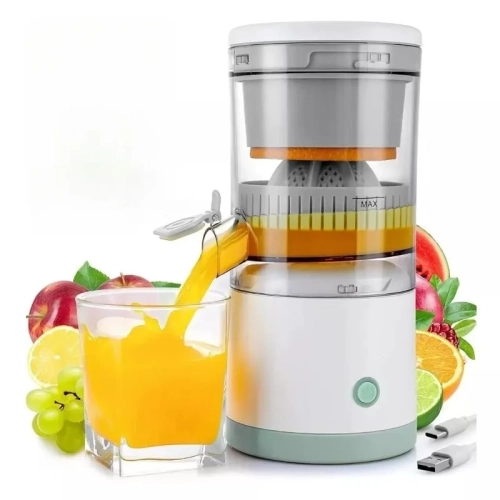
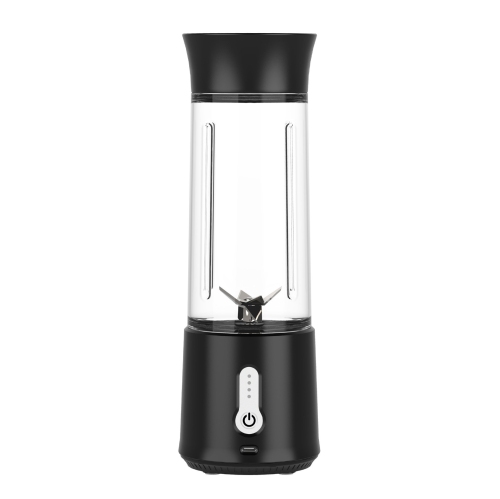

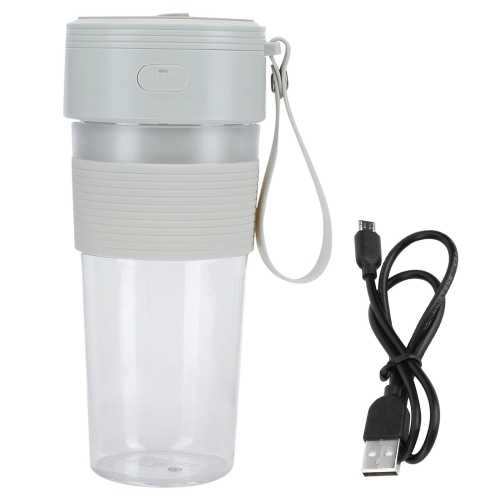
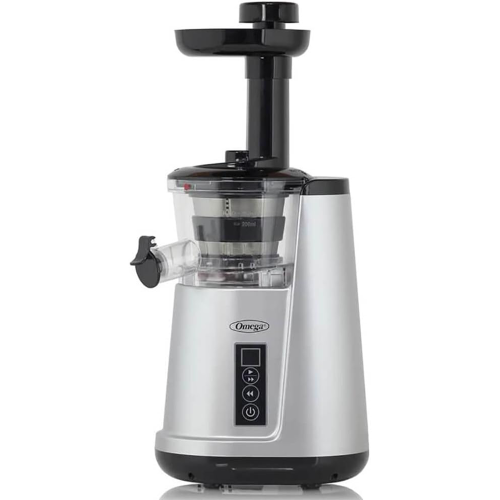
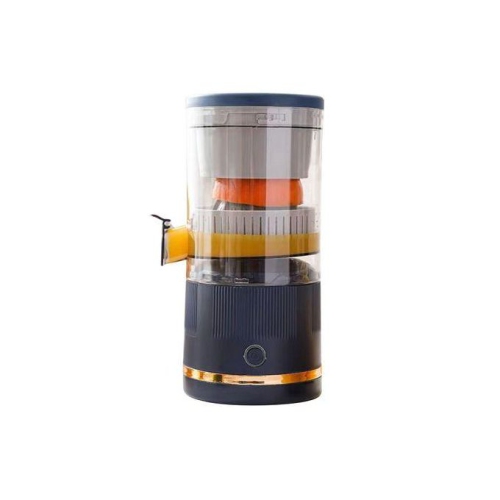
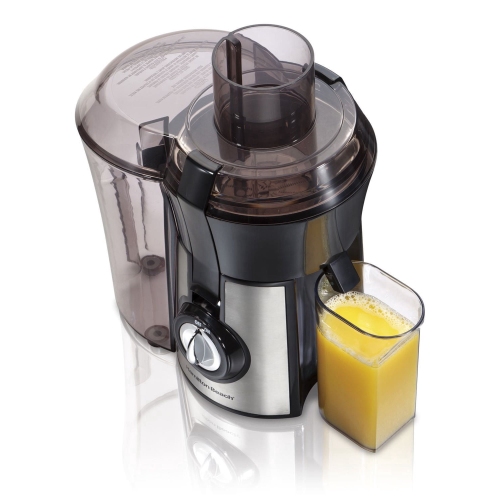


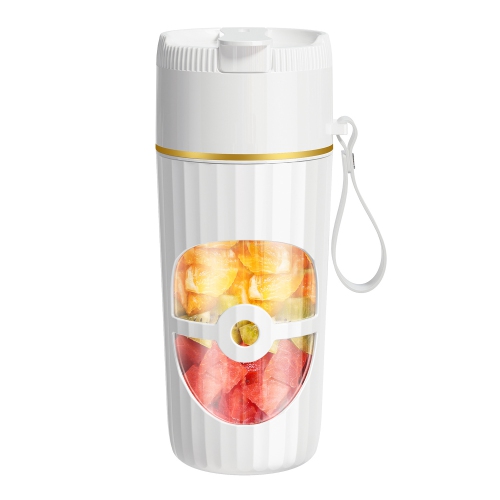
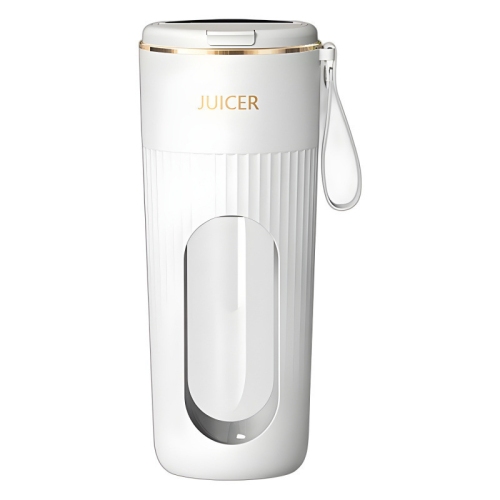
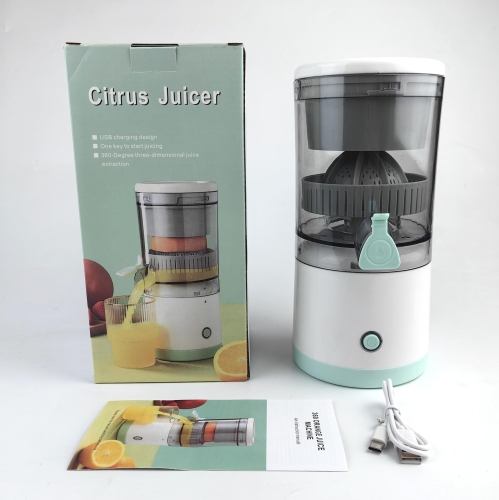
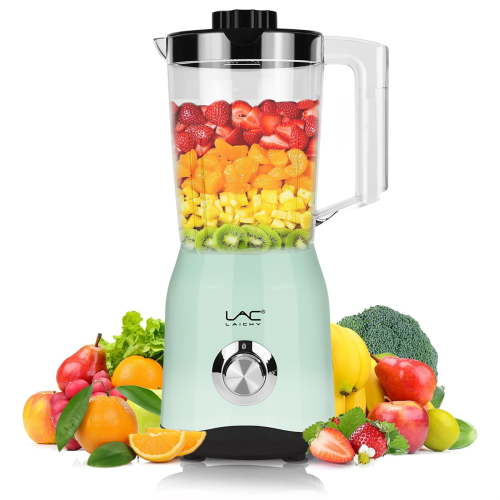
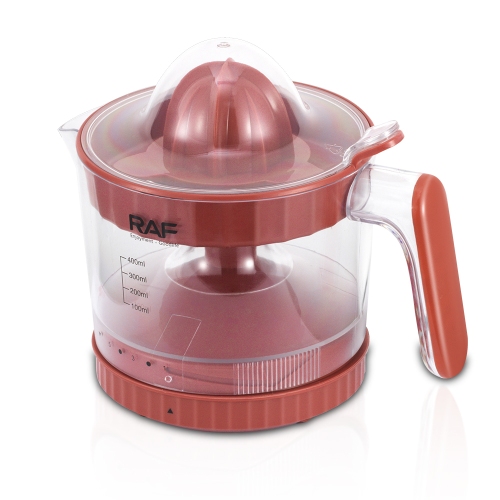
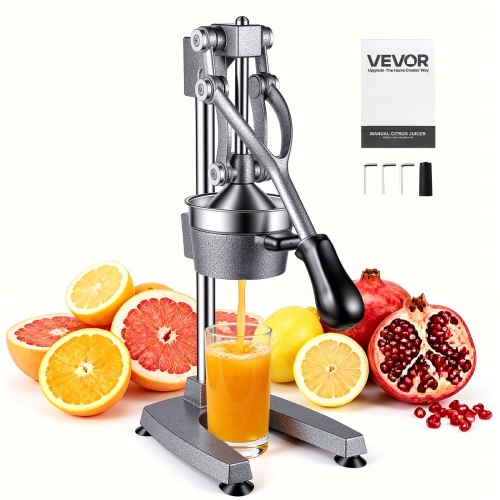

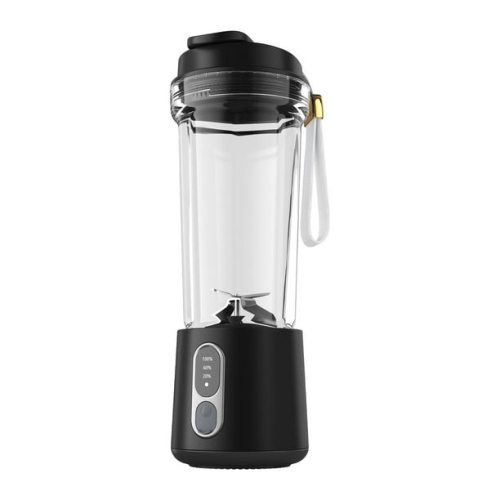
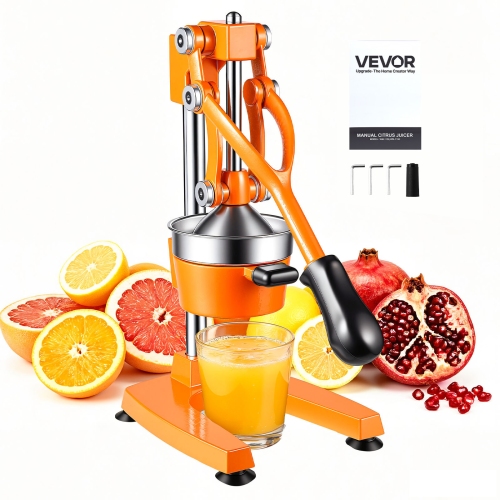
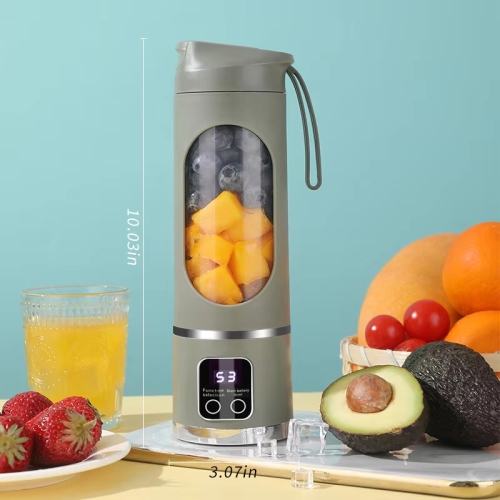


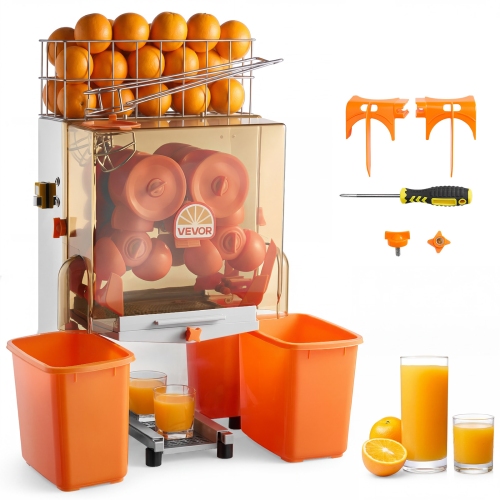
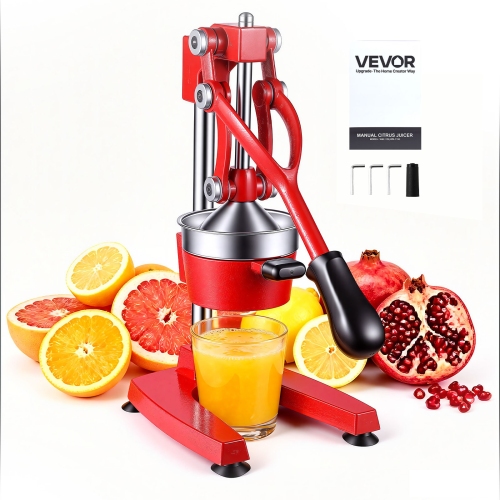
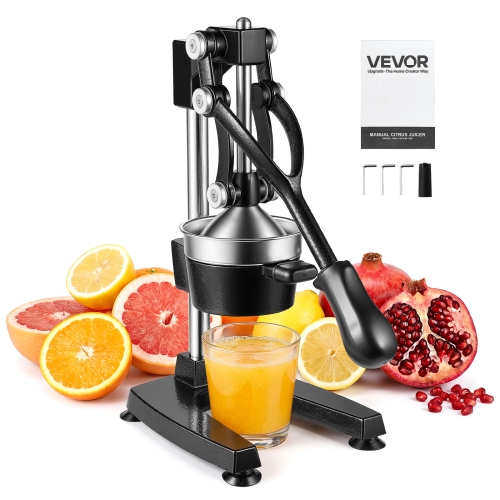

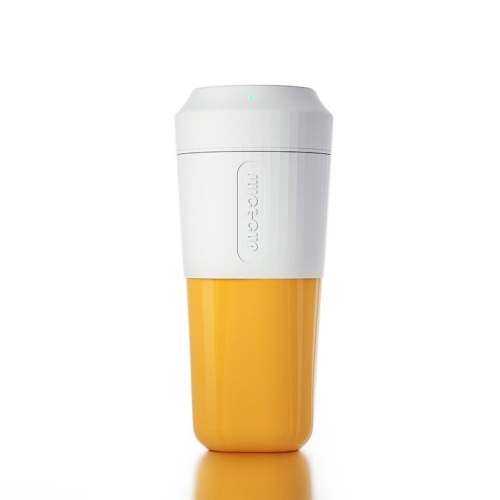
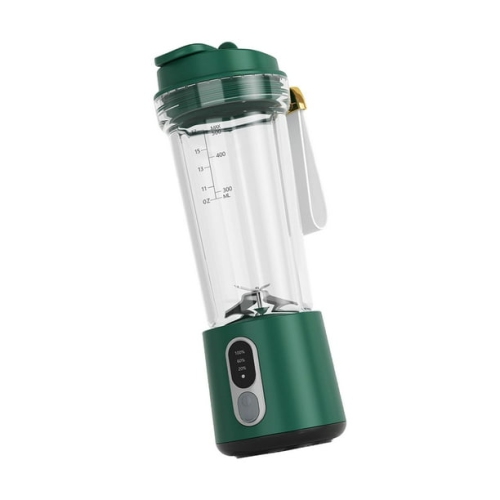
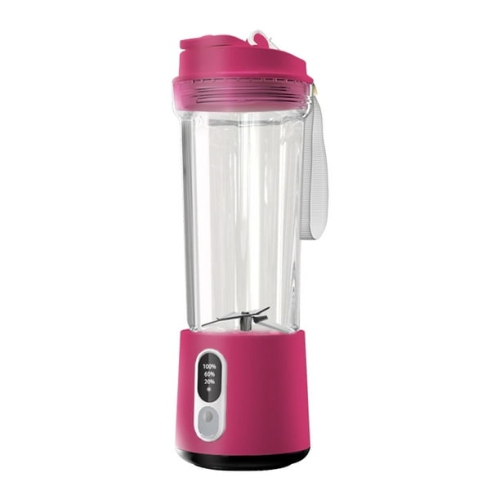
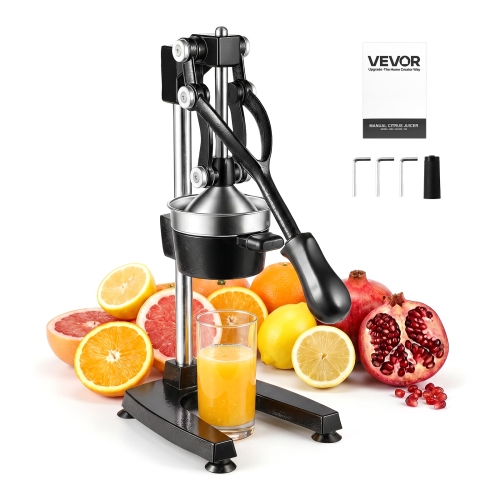
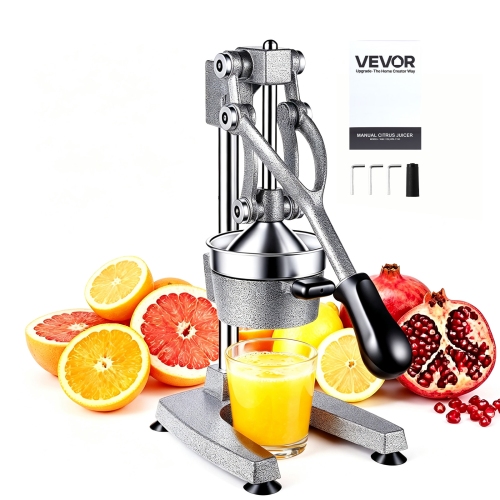
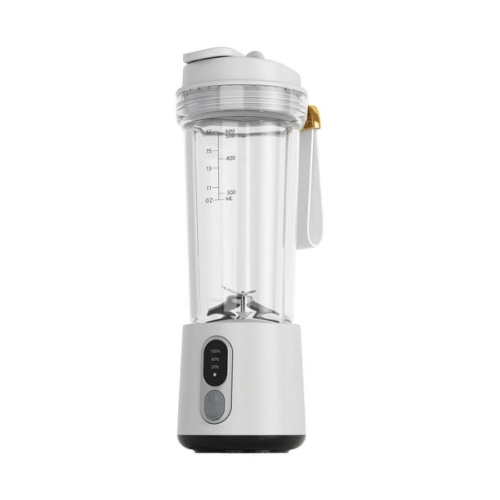
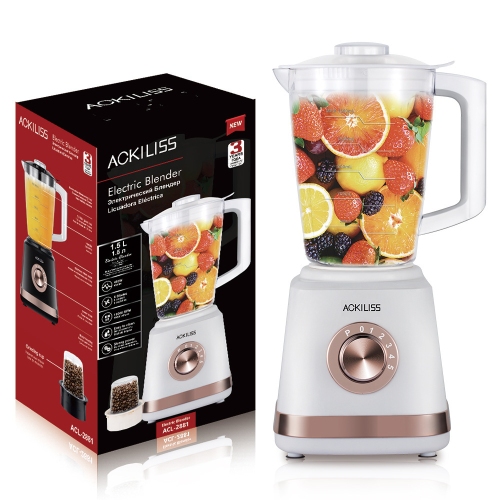
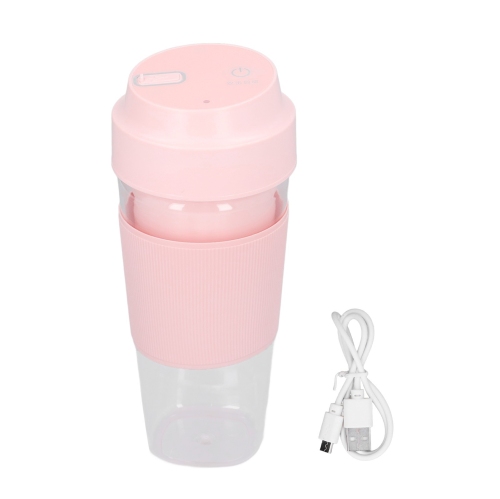
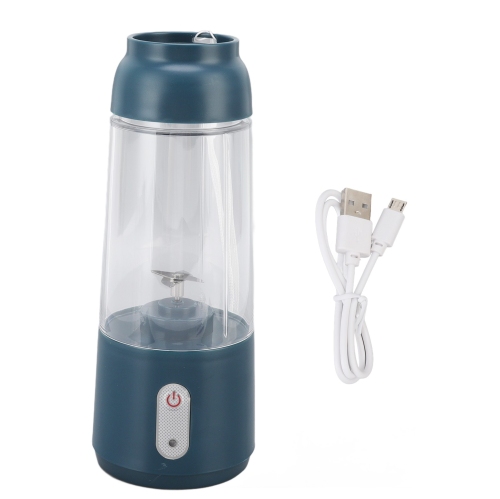
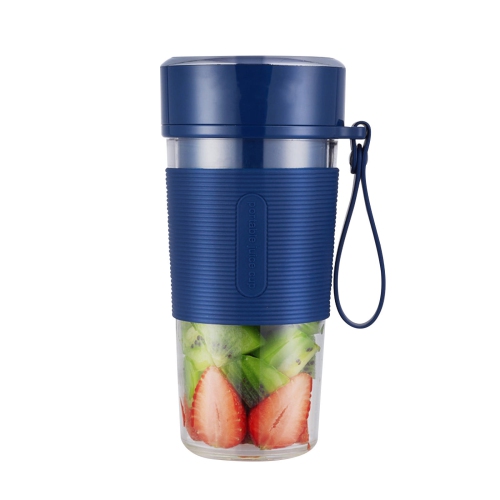
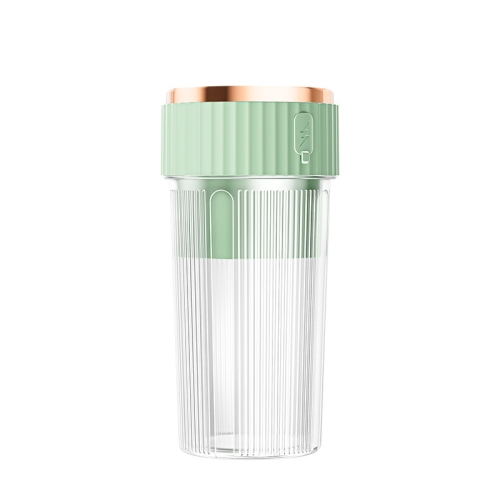
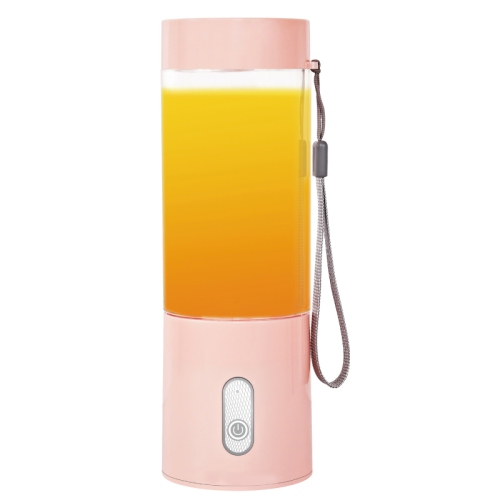
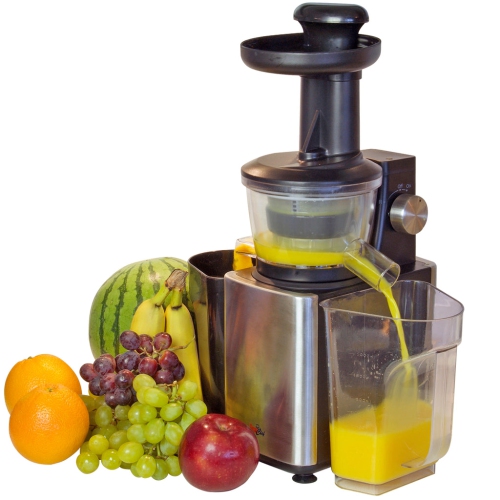
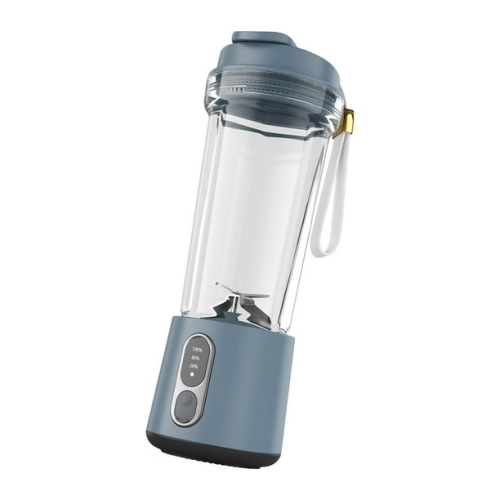

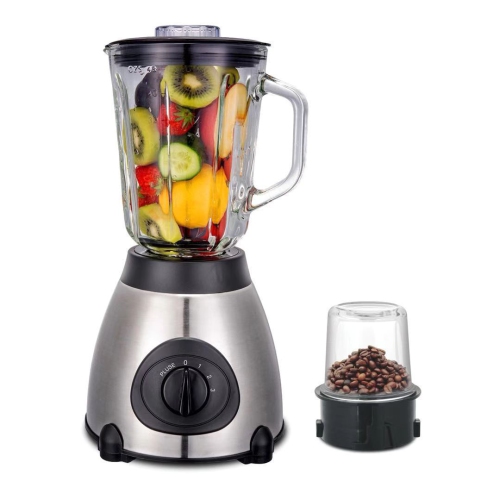
Juicing options for every produce preference and routine
Vegetable and fruit juicers make it easier to turn everyday produce into fresh drinks with bright colour, lively flavour, and a smooth or pulpy texture depending on the ingredients and machine. They can be useful for households that enjoy morning juice, people looking for a convenient way to use a generous supply of produce, and anyone who likes experimenting with combinations beyond the usual orange or apple juice. Hard produce such as carrots, beets, apples, pears, and firm cucumbers is generally well suited to centrifugal juicers, which use a fast-spinning cutting and straining system to extract juice quickly. These models are often a practical choice for busy kitchens, especially when several glasses are needed at once. A wide feed chute can reduce the amount of chopping required, while a clear pulp container makes it easier to see when the machine needs emptying. High-speed juicers may produce some foam and can be louder during operation, so consider where the appliance will be used and whether early-morning noise could be a concern. Slow or cold-press juicers work at a gentler pace, crushing and pressing produce through an auger. They are often preferred for leafy greens, herbs, soft fruits, and recipes where a more concentrated texture and less foam are desirable. Because they process ingredients slowly, they can be quieter and may separate juice from pulp more thoroughly, although preparation and extraction usually take longer. For a closer look at available options, browse Juicers for Fresh Juice and compare the features that matter most to your routine.
The ingredients you plan to use most often should guide your choice. Someone who enjoys carrot-apple blends may prioritize a powerful motor, a broad chute, and a large juice jug, while a person who makes green juice may want a slow extraction system that can handle spinach, kale, wheatgrass, parsley, and other leafy ingredients. Soft berries, ripe peaches, citrus segments, and peeled melon can require a different approach from firm roots, so check the recommended produce and preparation instructions before buying. Some juicers are designed to accept whole or large pieces of produce, while others work best when ingredients are cut into smaller portions. A strainer with a fine mesh can create a smoother drink, whereas a coarser filter may leave more natural pulp for a fuller texture. Capacity is another useful consideration: a compact model may suit an individual who prepares one serving, while a larger container and pulp bin can make more sense for families or batch preparation. Controls should be simple to operate, with clearly marked speeds or settings that help match the machine to different ingredients. Reverse functions can help clear fibrous pieces, and a stable base with non-slip feet can make the appliance feel more secure on the counter. Storage also matters. A juicer that fits beneath cupboards or has a manageable footprint is more likely to be used regularly, rather than left packed away. For anyone shopping on a budget, compare the cost against the features you will actually use, such as chute size, included containers, adjustable speed settings, and the number of removable parts.
Cleanup can have just as much influence on satisfaction as extraction performance. Pulp, seeds, and fibrous strands can dry quickly in a filter basket or narrow chute, so rinsing removable parts soon after use is usually easier than leaving them until later. Look for components that come apart without complicated steps and confirm whether they are dishwasher safe before placing them in a cycle. A cleaning brush can help reach the fine mesh of a strainer, while a soft sponge is useful for jugs, lids, and pulp containers. It is also wise to check whether the juicer includes a drip-stop feature, cord storage, and a jug with a comfortable pouring handle. Fresh juice is best enjoyed soon after preparation, particularly when it contains delicate leafy greens or cut fruit; if you need to store it, use a sealed container and keep it chilled, following the manufacturer’s recommendations. Wash produce thoroughly, remove stickers and damaged areas, and follow guidance on pits, hard seeds, tough skins, and fibrous cores before feeding ingredients into the machine. Juicers can be thoughtful gifts for new homeowners, enthusiastic cooks, fitness-minded relatives, or anyone setting up a more inviting breakfast routine. They also suit people who enjoy making recipes their own, from crisp cucumber and celery blends to sweet pear and carrot combinations or richly coloured beet-based drinks. During the cooler months, a juicer can bring fresh flavour to the kitchen when meals become heartier and routines move indoors, while its usefulness continues through warmer weather with chilled, fruit-forward refreshments. The best choice is one that matches the produce you buy, the number of servings you prepare, the counter space available, and how comfortable you feel with the cleaning process.
Top selling and popular products
-
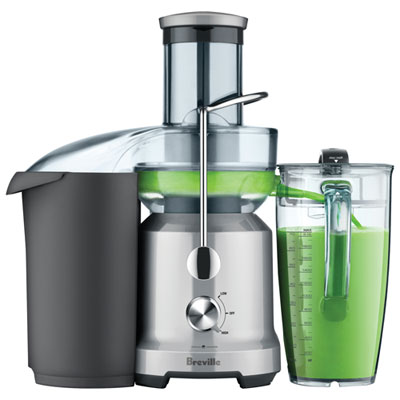 Your price for this item is $209.99
-
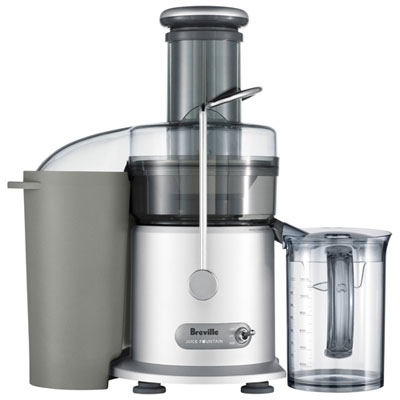 Your price for this item is $149.99
-
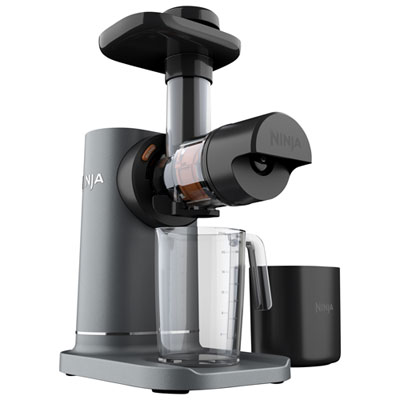 Your price for this item is $199.99
-
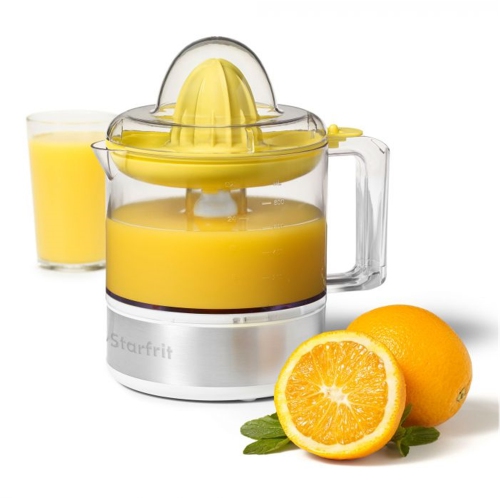 Your price for this item is $29.99
-
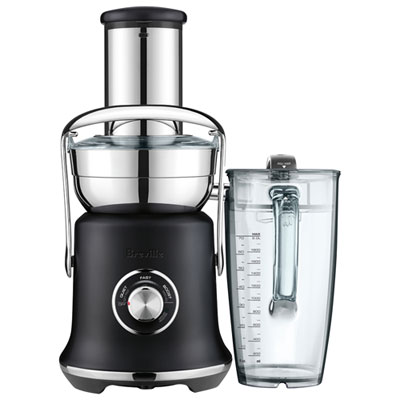 Your price for this item is $499.99
-
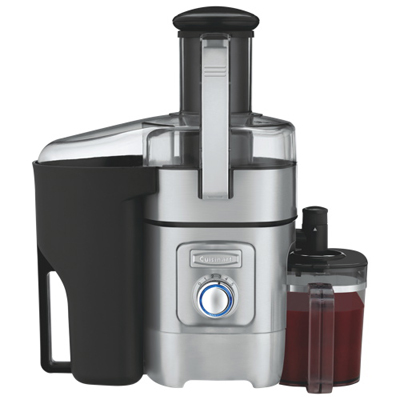 Your price for this item is $219.99
-
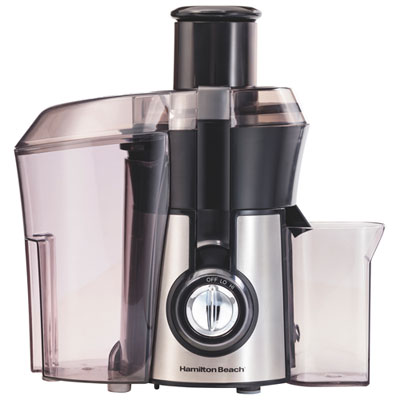 Your price for this item is $124.99
-
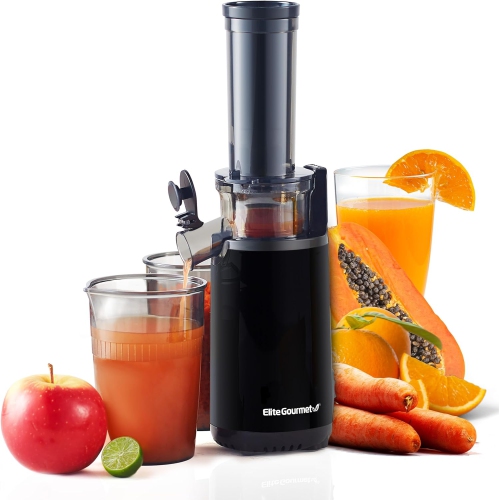 Your price for this item is $125
Discover more categories related to Veg And Fruit Juicers

Top Collections:
Best Black Friday Deals This Year, Best Black Friday Deals On Electronics, Kindle Devices, Pokemon Centers, Best Black Friday Deals On Apple Products, Best Cameras for Sports Photography, Dyson Airwrap, Pokémon 30th Celebration Cards, Apple iPhone 17 Pro, Canon G7X Cameras
Some products may be subject to Environmental Handling Fees
(EHF) depending on your province.
Learn more about EHFs.