Gas Stoves With Grill Top
Upgrade your kitchen with a gas stove featuring a convenient grill top. Whether you're a culinary enthusiast or simply enjoy grilling up delicious meals at home, this versatile appliance is a must-have addition to your cooking arsenal. With its powerful burners and spacious grilling surface, you can effortlessly whip up everything from sizzling steaks to perfectly charred vegetables. Say goodbye to the limitations of traditional stovetops and embrace the versatility and flavor-enhancing capabilities of a gas stove with grill top. Explore our wide selection and find the perfect fit for your kitchen today.
Sort

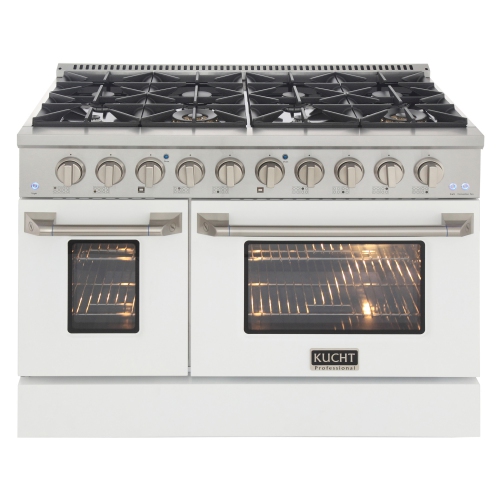
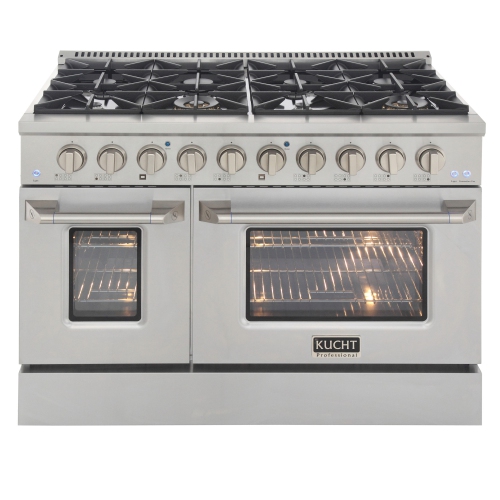
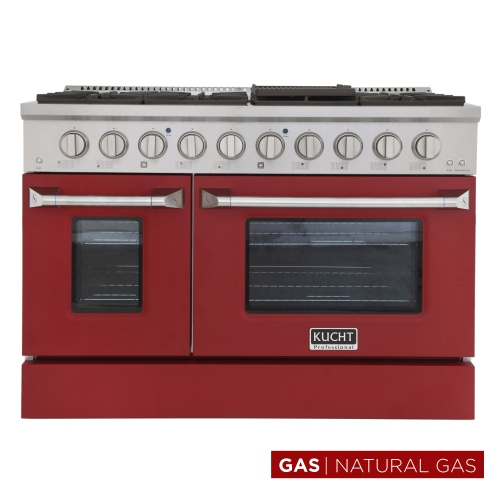
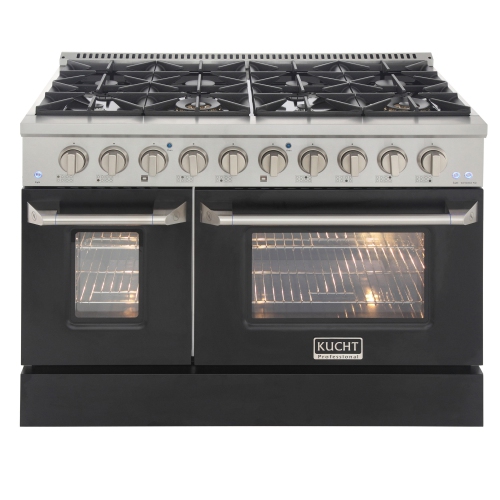
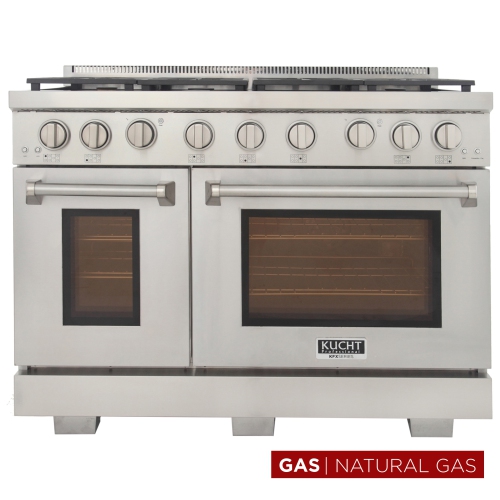
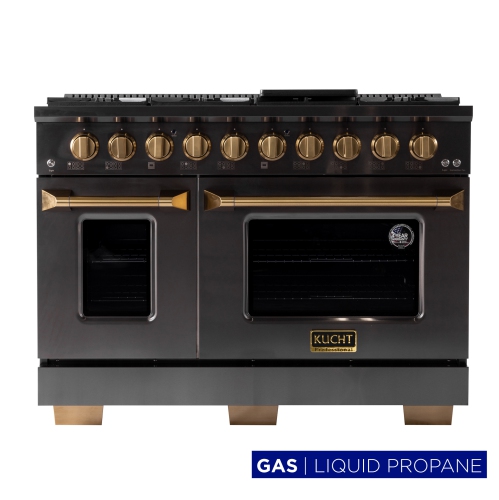
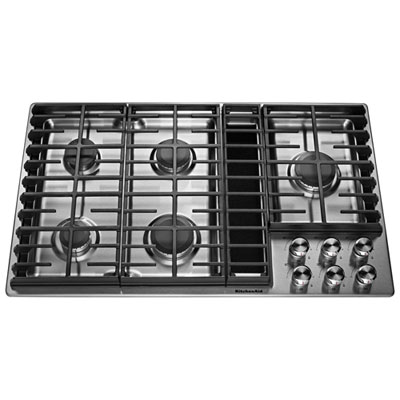
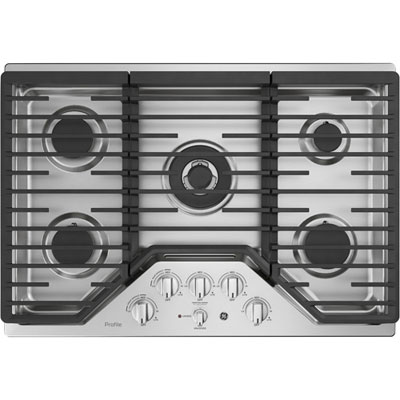
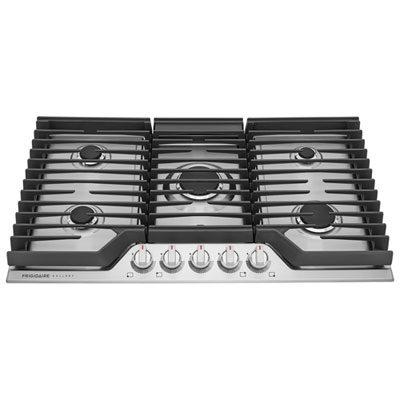
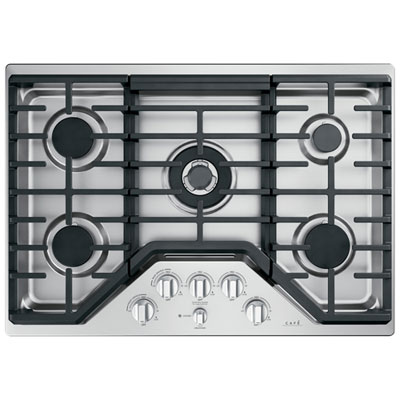

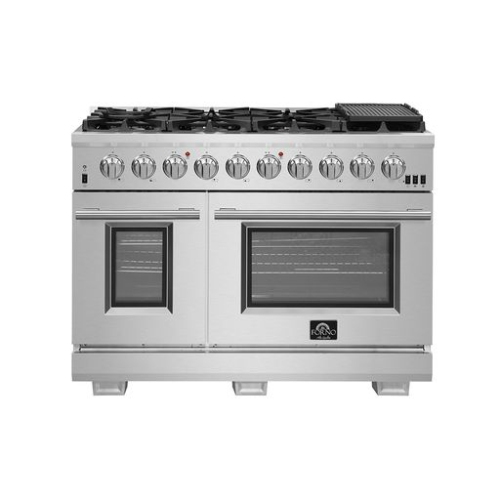
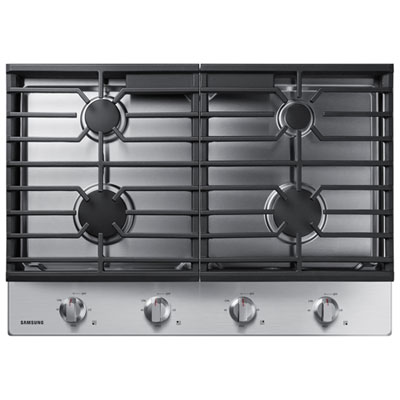
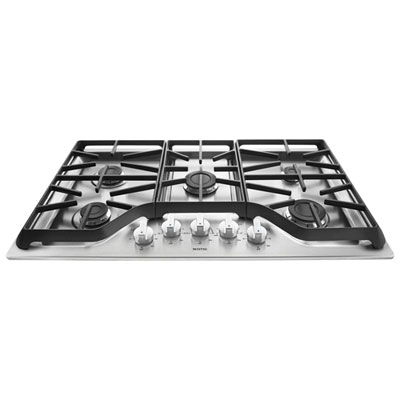
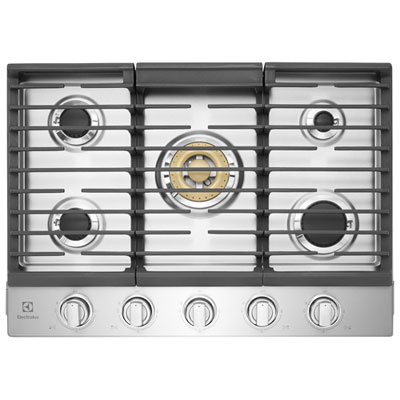
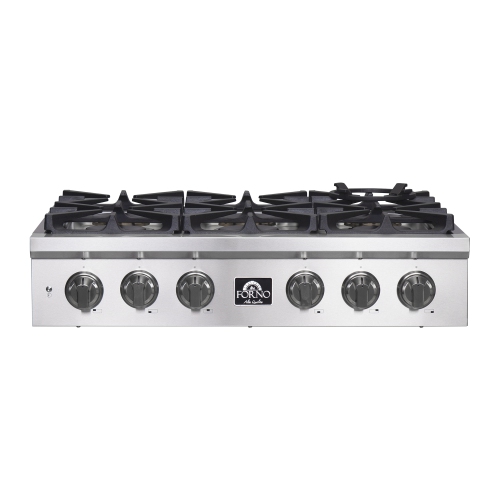
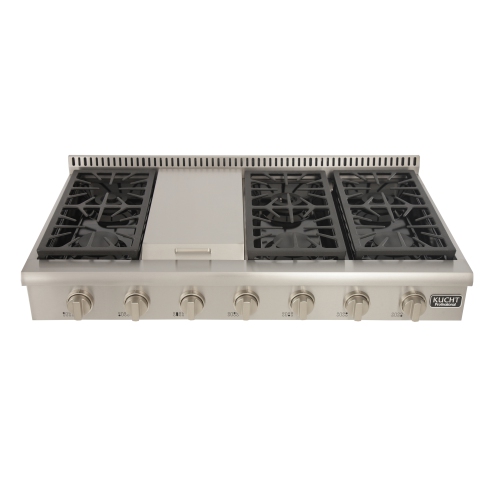
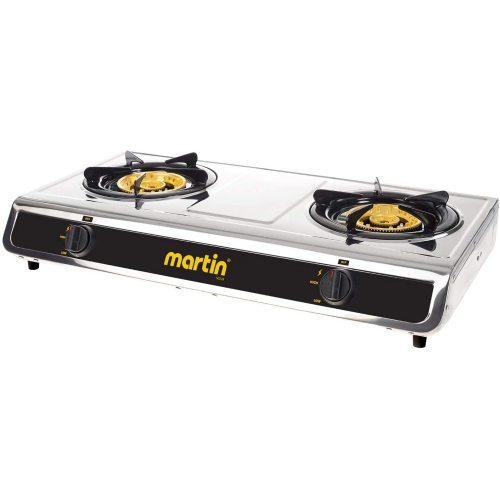
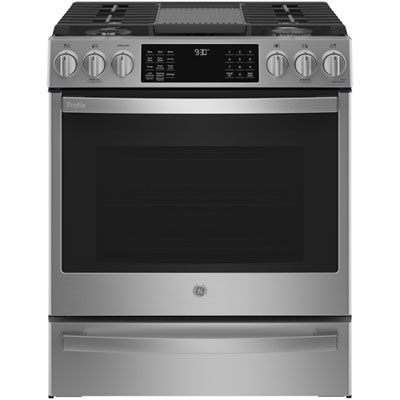
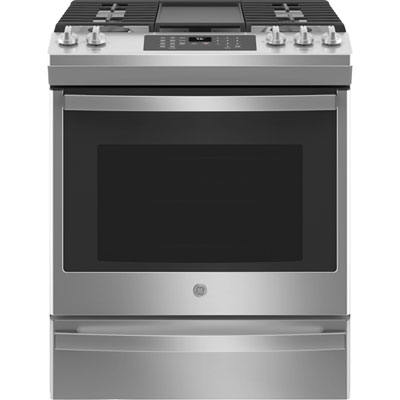
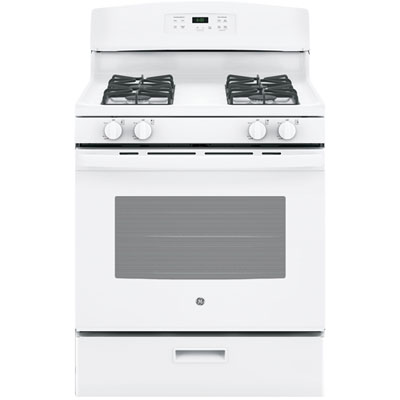
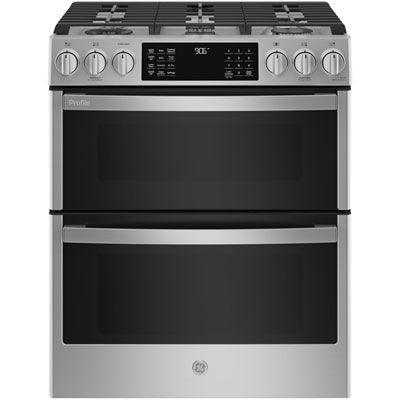
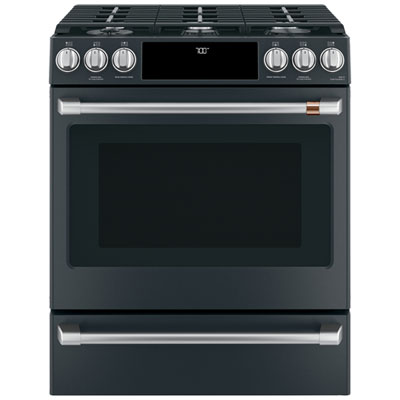
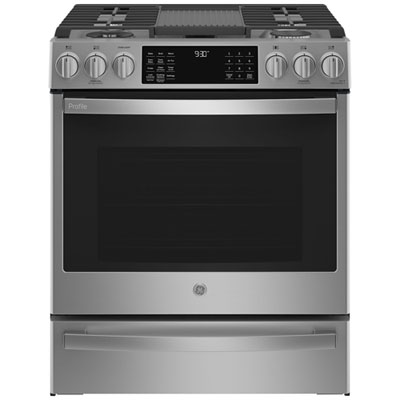
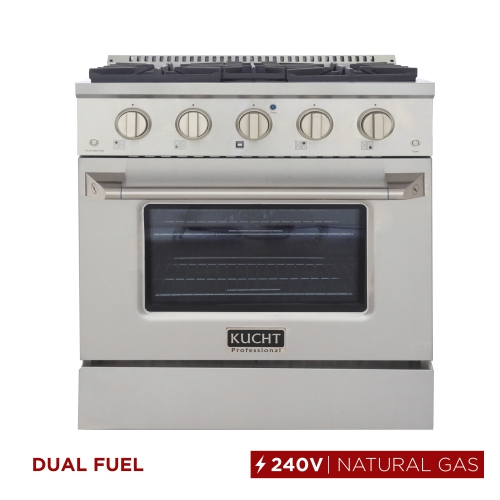

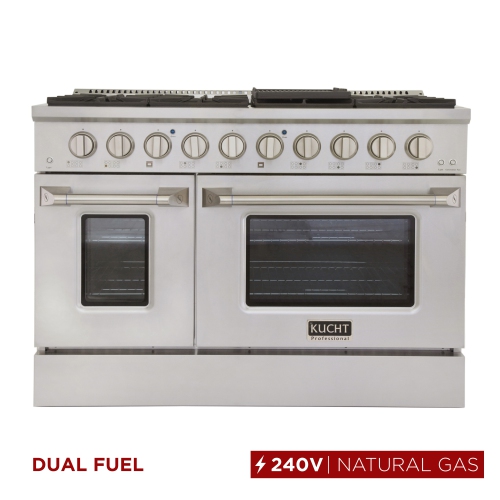
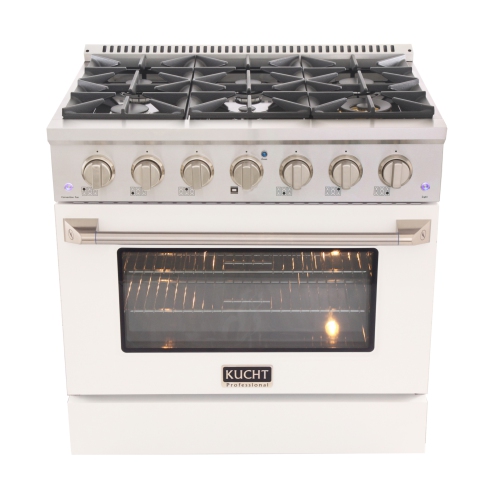
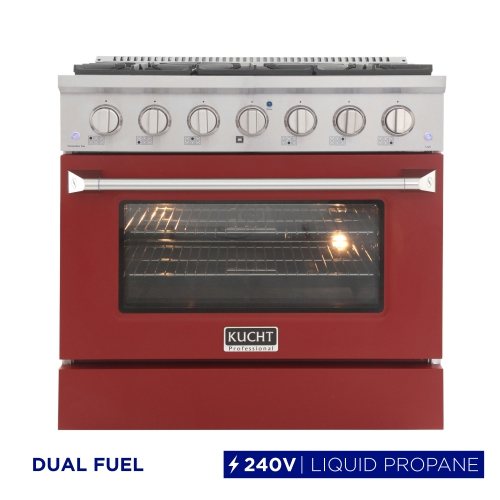

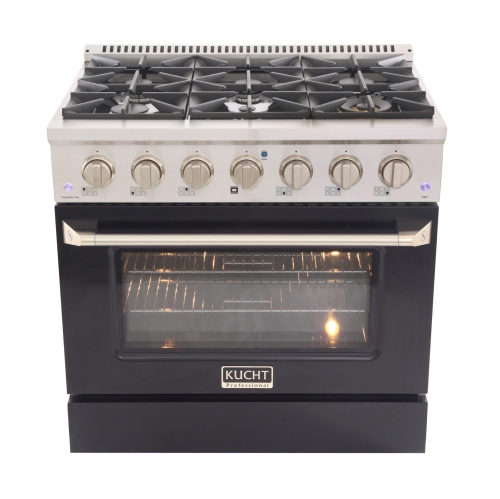
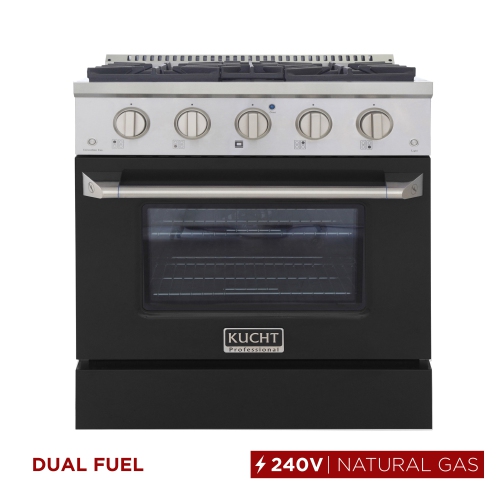
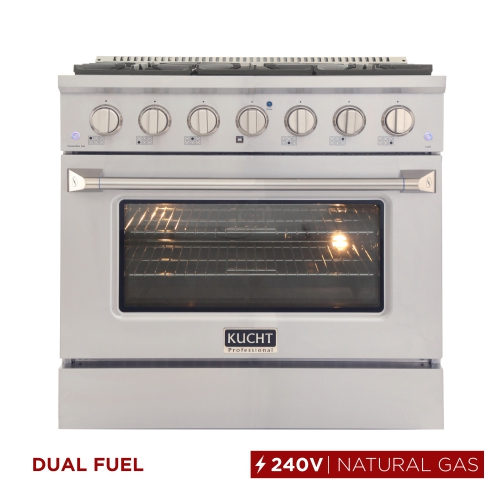
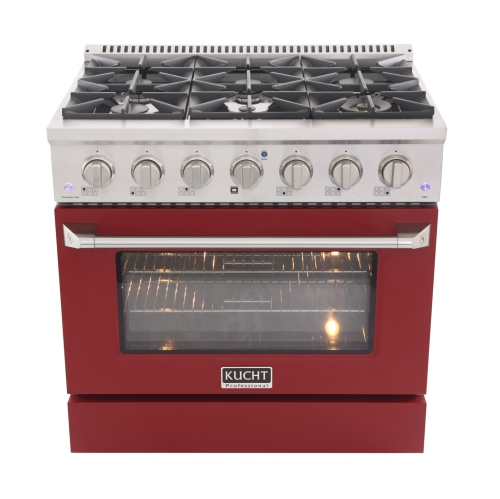
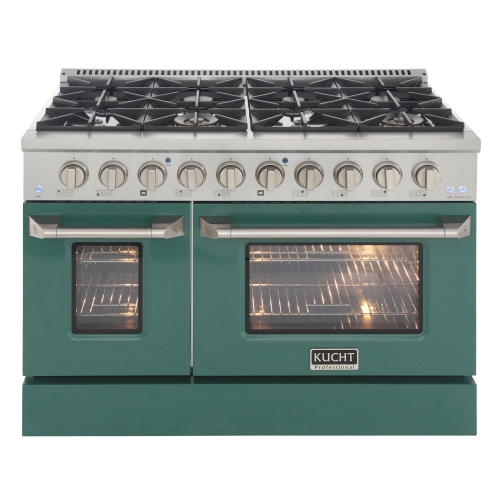
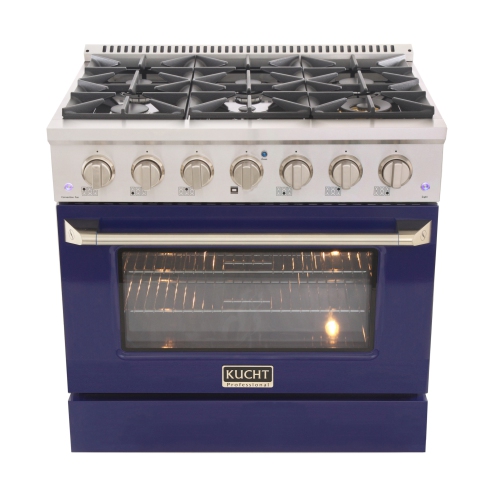
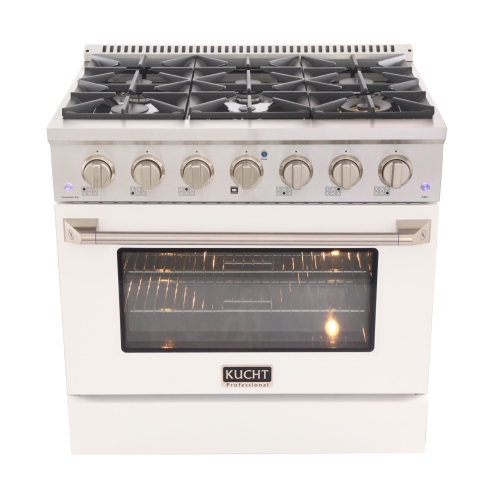
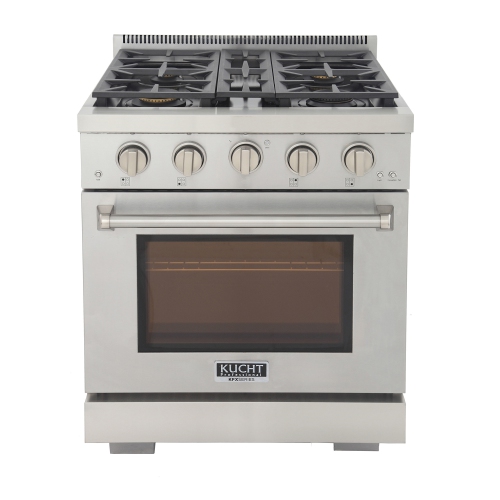
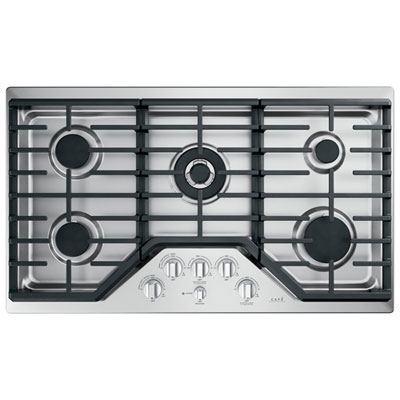
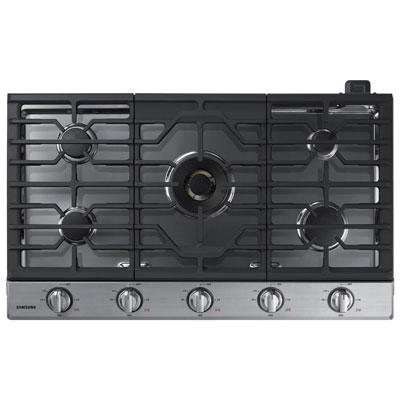
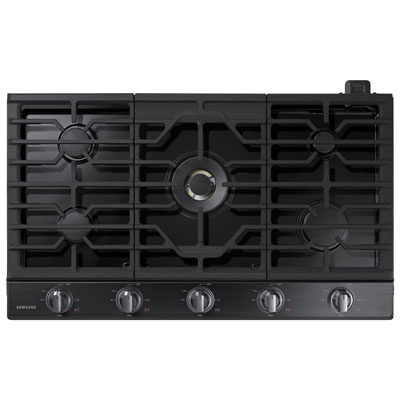
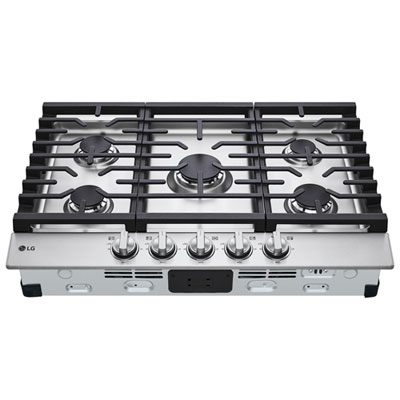
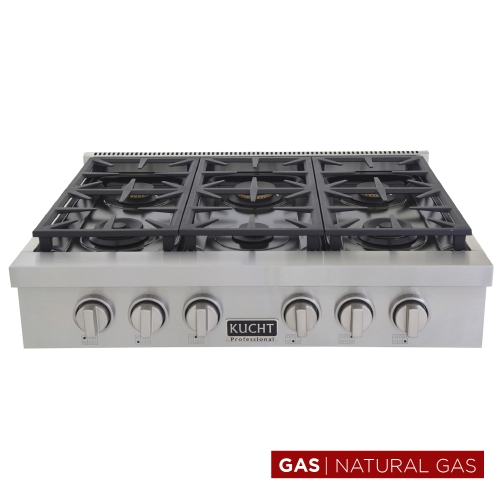
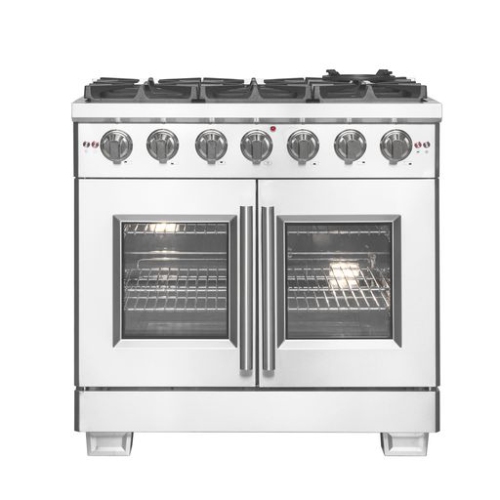
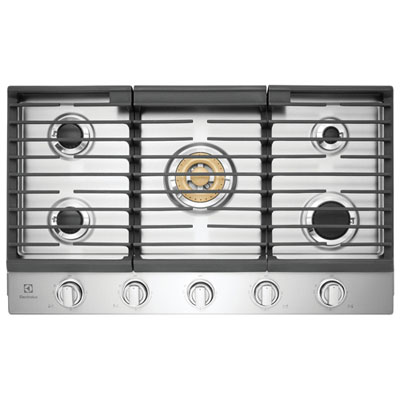
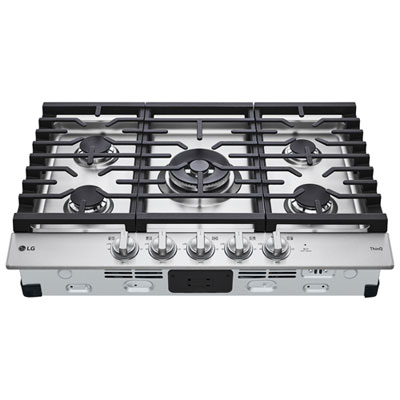

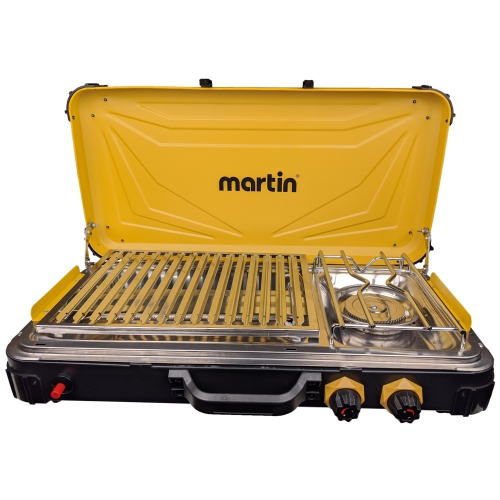
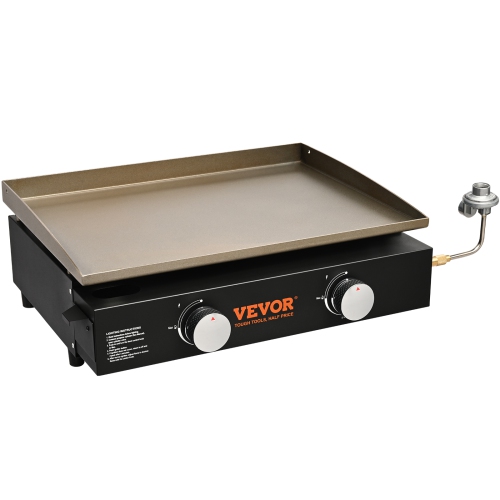
Why grill ribs and flat griddles cook differently
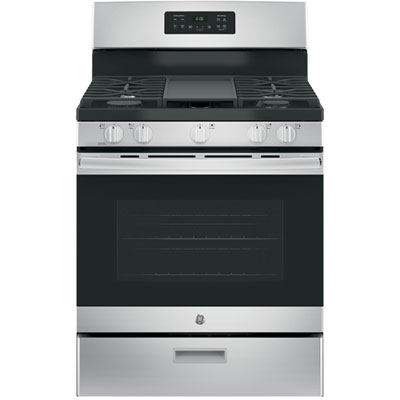
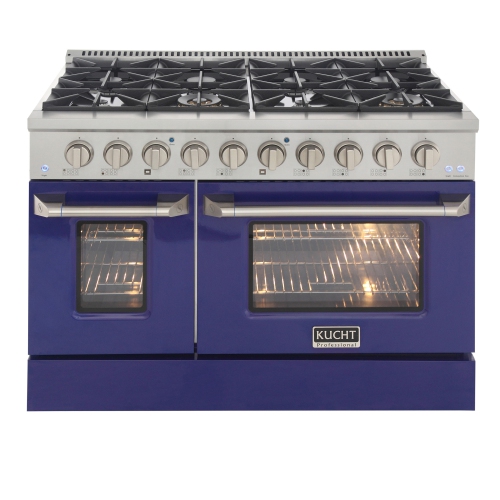
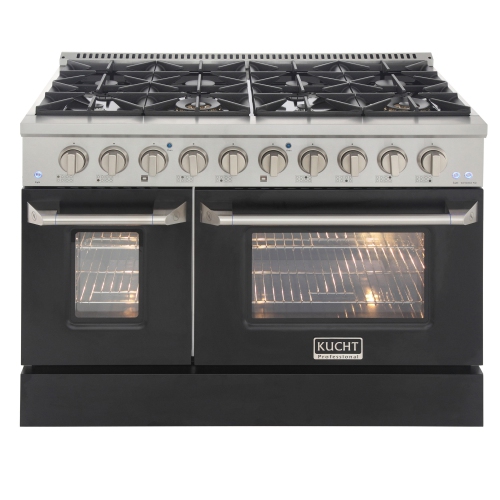
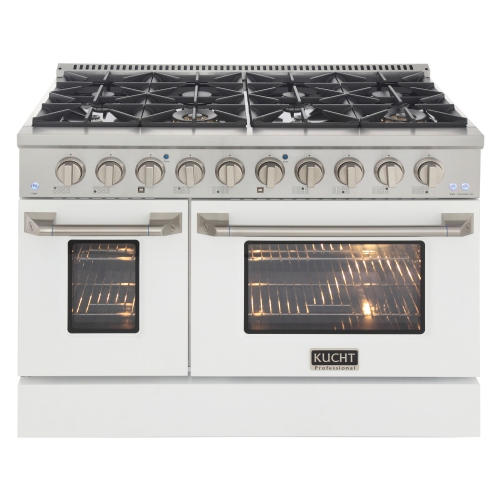
Gas stoves with grill tops bring everyday stovetop cooking and a dedicated grilling surface together, making room for everything from seared vegetables to a full breakfast. The term can describe a gas range with an integrated grill section or a gas stove fitted with a compatible removable grill plate. These arrangements serve similar purposes, but their fit, cooking performance, and cleaning needs differ. A ribbed grill surface raises food above some of its released juices and creates distinctive sear lines on steaks, courgettes, and thick slices of bread. A flat griddle provides continuous contact with the food, making it better suited to pancakes, eggs, chopped vegetables, and burgers pressed thin against the cooking surface. A reversible plate combines these two surfaces in one piece of cookware, although it must cool completely before being turned over. Neither style turns an ordinary indoor gas stove into an outdoor barbecue: flavour and browning come primarily from contact with the heated surface, and ventilation remains important. For households that prepare several parts of a meal at once, the appeal is practical. A grill plate can handle chicken or aubergine while a separate burner holds a saucepan, provided the stove layout leaves enough usable space. A broad griddle can also keep breakfast moving without several small frying pans competing for room. During the cooler months, this style of cooking brings browned edges and freshly toasted bread to the table without heading outside. The most useful arrangement depends on the meals being prepared, the number of people being served, and whether grilling is an occasional extra or part of a regular routine. A household that mainly cooks eggs and sandwiches may get more use from a flat surface, while someone who frequently prepares chops, vegetable skewers, or firm tofu may prefer raised ribs. Understanding that distinction helps make sense of gas stove grill tops beyond their appearance.
Fit involves more than the overall width of a gas range. For a removable stovetop grill or griddle, the usable cooking area, burner spacing, grate design, and position of the controls all matter. A plate that spans two burners needs secure support across both positions without rocking, crowding adjacent cookware, or extending into an area that the appliance manufacturer says must remain clear. Its underside must also be suitable for the stove’s grate arrangement. A large cooking surface is only useful when the burners can heat it effectively; sections beyond the burner coverage may warm more slowly and produce lighter browning. Independently controlled burners can offer some flexibility, but heat travels through the plate, so separate temperature zones will not behave like two unrelated pans. Flames should stay beneath the intended heating area rather than curling around the edges or reaching handles. Full-width plates require particular care because an unsuitable accessory can obstruct ventilation paths or expose nearby components to excess heat. Compatibility with the appliance manufacturer’s instructions is more important than simply finding a plate that appears to fit. For an integrated grill range, installation considerations include the specified clearances, gas supply, electrical requirements where applicable, and ventilation provisions. Natural gas and propane are not interchangeable without an approved conversion where the appliance permits one, and installation or conversion should be handled by a qualified professional. Kitchen measurements should account for nearby cabinet doors, oven-door clearance, and the space needed to lift and carry a heavy plate safely. A suitable range hood helps manage steam, grease, and cooking fumes, although it does not eliminate every trace of smoke from high-temperature searing. Households comparing different fuel arrangements can also explore Electric Cooktops With Grill when considering which cooking setup suits their kitchen. In either case, the relationship between the appliance, the cooking surface, and the surrounding workspace shapes how comfortable it feels to use every day.
Materials influence both cooking results and the amount of care a grill top needs. Cast iron holds heat well once warmed, which helps maintain browning when cold food touches the surface, but its weight can make lifting and washing a large plate awkward. Bare cast iron needs thorough drying and appropriate seasoning to help protect it from rust. Carbon steel also develops a seasoned cooking surface and responds well to regular use, though its weight and heat retention vary with thickness. Enamelled cast iron does not need seasoning on the enamelled areas, but the finish still needs protection from impacts and abrupt temperature changes. Non-stick surfaces can make delicate foods easier to release and simplify cleanup, provided utensils, heat settings, and washing methods follow the manufacturer’s directions. They are not automatically suitable for the intense heat used for hard searing. Across materials, gradual preheating helps limit temperature stress and gives the surface time to warm more evenly. Starting with dry ingredients and leaving space between portions encourages browning rather than steaming; a crowded plate covered in damp vegetables is more likely to collect liquid than develop crisp edges. With thicker cuts of meat, strong surface colour does not confirm that the centre is cooked, so a food thermometer remains useful. Grease management matters just as much as heat. Channels or collection areas need enough capacity for the intended meal, and accumulated fat should never be allowed to overflow towards a burner. Any water tray should be used only as directed for a grill designed to include one; reduced smoke does not mean smoke-free cooking. After use, allowing the surface to cool to a safe handling temperature before cleaning helps protect both the finish and the person washing it. Grill ribs take more attention than a flat plate because food can lodge along their sides, while removable drip trays add another part to empty and wash. Large, heavy plates also need a dry storage location that will not strain a shelf or scratch neighbouring cookware. For keen home cooks, a compatible grill or griddle accessory can be a thoughtful housewarming gift when the stove dimensions and preferred material are known. For daily use, manageable weight, dependable fit, accessible grease collection, and straightforward care often matter more than the largest possible cooking area.
Fit involves more than the overall width of a gas range. For a removable stovetop grill or griddle, the usable cooking area, burner spacing, grate design, and position of the controls all matter. A plate that spans two burners needs secure support across both positions without rocking, crowding adjacent cookware, or extending into an area that the appliance manufacturer says must remain clear. Its underside must also be suitable for the stove’s grate arrangement. A large cooking surface is only useful when the burners can heat it effectively; sections beyond the burner coverage may warm more slowly and produce lighter browning. Independently controlled burners can offer some flexibility, but heat travels through the plate, so separate temperature zones will not behave like two unrelated pans. Flames should stay beneath the intended heating area rather than curling around the edges or reaching handles. Full-width plates require particular care because an unsuitable accessory can obstruct ventilation paths or expose nearby components to excess heat. Compatibility with the appliance manufacturer’s instructions is more important than simply finding a plate that appears to fit. For an integrated grill range, installation considerations include the specified clearances, gas supply, electrical requirements where applicable, and ventilation provisions. Natural gas and propane are not interchangeable without an approved conversion where the appliance permits one, and installation or conversion should be handled by a qualified professional. Kitchen measurements should account for nearby cabinet doors, oven-door clearance, and the space needed to lift and carry a heavy plate safely. A suitable range hood helps manage steam, grease, and cooking fumes, although it does not eliminate every trace of smoke from high-temperature searing. Households comparing different fuel arrangements can also explore Electric Cooktops With Grill when considering which cooking setup suits their kitchen. In either case, the relationship between the appliance, the cooking surface, and the surrounding workspace shapes how comfortable it feels to use every day.
Materials influence both cooking results and the amount of care a grill top needs. Cast iron holds heat well once warmed, which helps maintain browning when cold food touches the surface, but its weight can make lifting and washing a large plate awkward. Bare cast iron needs thorough drying and appropriate seasoning to help protect it from rust. Carbon steel also develops a seasoned cooking surface and responds well to regular use, though its weight and heat retention vary with thickness. Enamelled cast iron does not need seasoning on the enamelled areas, but the finish still needs protection from impacts and abrupt temperature changes. Non-stick surfaces can make delicate foods easier to release and simplify cleanup, provided utensils, heat settings, and washing methods follow the manufacturer’s directions. They are not automatically suitable for the intense heat used for hard searing. Across materials, gradual preheating helps limit temperature stress and gives the surface time to warm more evenly. Starting with dry ingredients and leaving space between portions encourages browning rather than steaming; a crowded plate covered in damp vegetables is more likely to collect liquid than develop crisp edges. With thicker cuts of meat, strong surface colour does not confirm that the centre is cooked, so a food thermometer remains useful. Grease management matters just as much as heat. Channels or collection areas need enough capacity for the intended meal, and accumulated fat should never be allowed to overflow towards a burner. Any water tray should be used only as directed for a grill designed to include one; reduced smoke does not mean smoke-free cooking. After use, allowing the surface to cool to a safe handling temperature before cleaning helps protect both the finish and the person washing it. Grill ribs take more attention than a flat plate because food can lodge along their sides, while removable drip trays add another part to empty and wash. Large, heavy plates also need a dry storage location that will not strain a shelf or scratch neighbouring cookware. For keen home cooks, a compatible grill or griddle accessory can be a thoughtful housewarming gift when the stove dimensions and preferred material are known. For daily use, manageable weight, dependable fit, accessible grease collection, and straightforward care often matter more than the largest possible cooking area.
Top selling and popular products
-
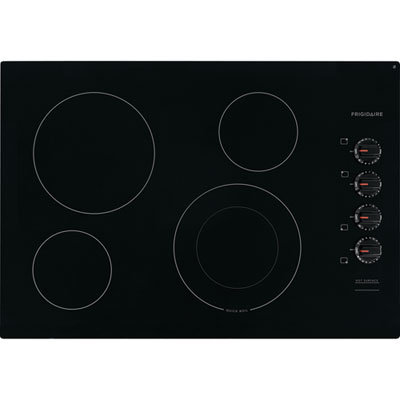 Your price for this item is $699.99
 -
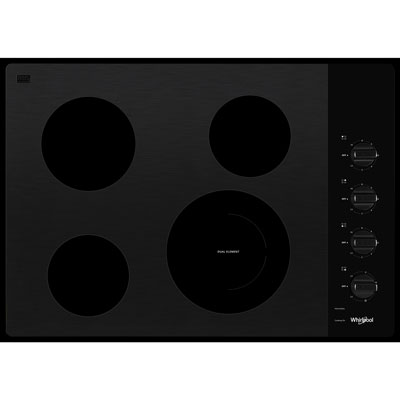 Your price for this item is $949.99
 -
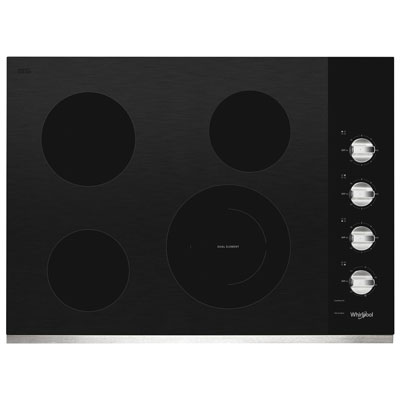 Your price for this item is $949.99
 -
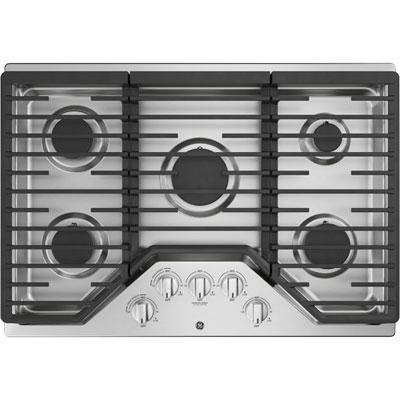 Your price for this item is $1499.99
 -
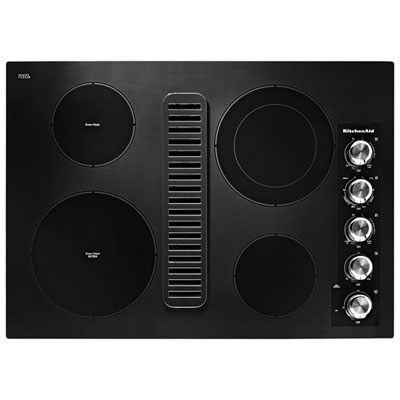 Your price for this item is $2999.99
 -
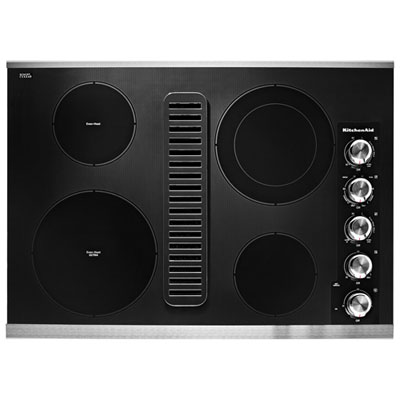 Your price for this item is $3099.99
 -
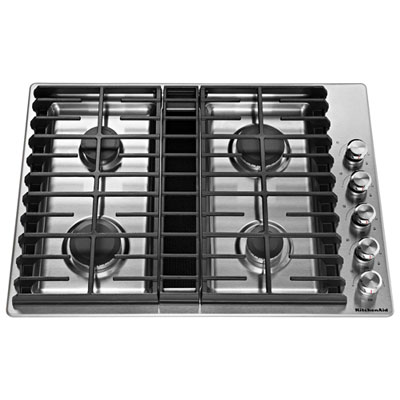 Your price for this item is $3099.99
 -
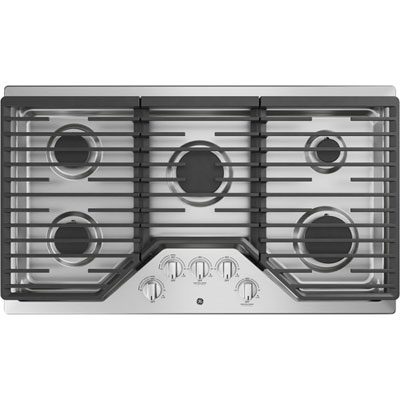 Your price for this item is $1899.99
Discover more categories related to Gas Stoves With Grill Top
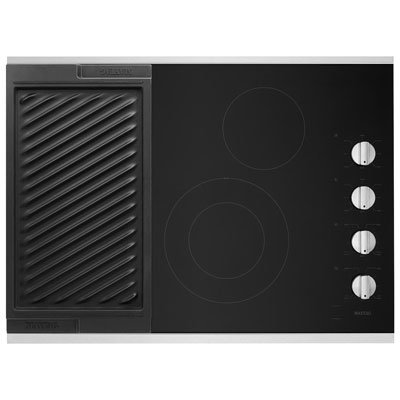
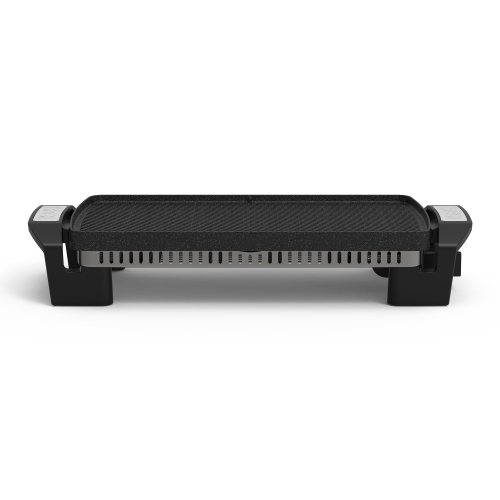

Top Collections:
Pokemon Centers, Kindle Devices, Best Budget Office Chairs, Apple iPhones 16, Best Laptops for Writers, iPhone 15 Apple, Canon G7X Cameras, Refurbished Apple Laptops, Alarm Clock, Motorola Razr Phones
Some products may be subject to Environmental Handling Fees
(EHF) depending on your province.
Learn more about EHFs.