Reliable Steam Irons
If you're looking to effortlessly banish wrinkles and achieve perfectly pressed garments, look no further than these reliable steam irons. Whether you're a busy professional, a meticulous homemaker, or simply someone who values crisp and wrinkle-free clothing, this range of steam irons is designed to meet your needs. With advanced features, powerful steam output, and durable construction, these steam irons are here to make ironing a breeze.
Sort

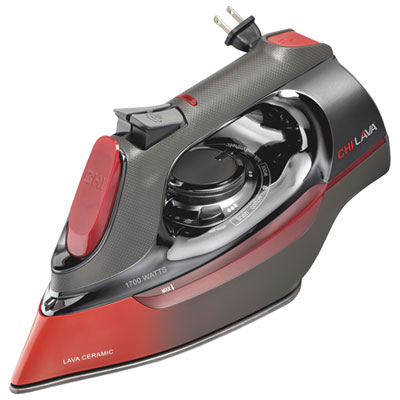
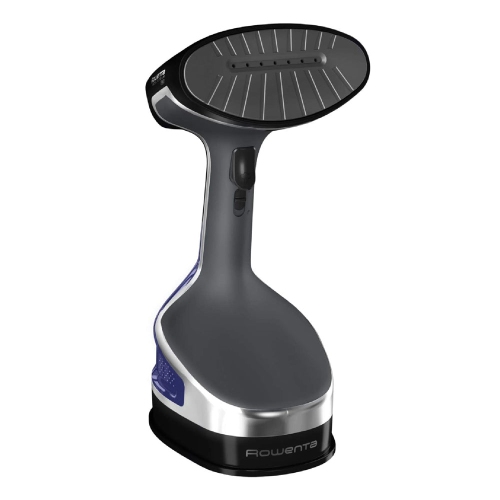
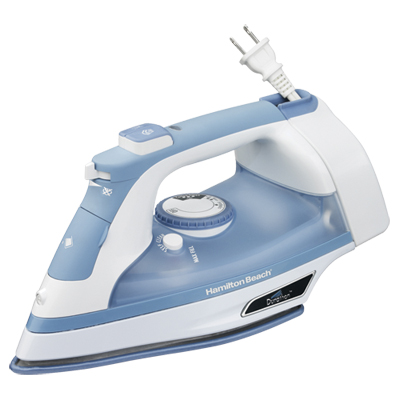
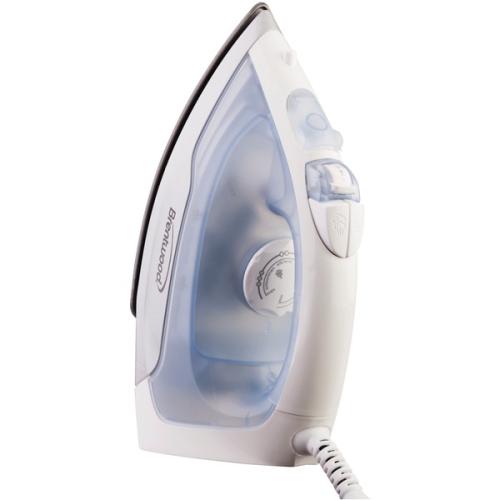
Reliable Steam Irons
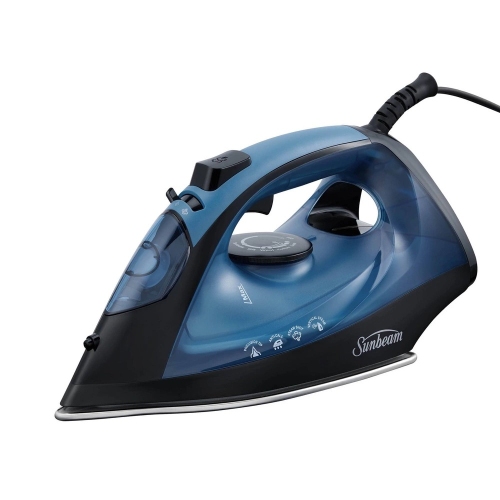
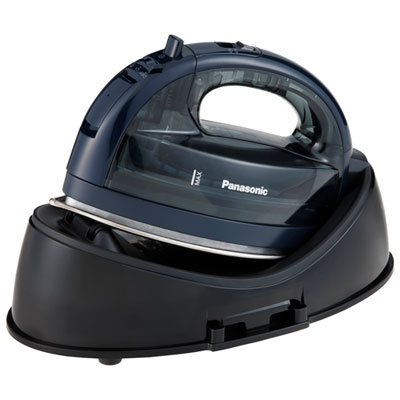
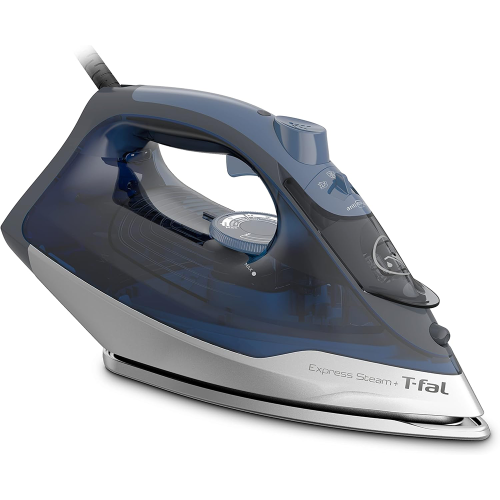
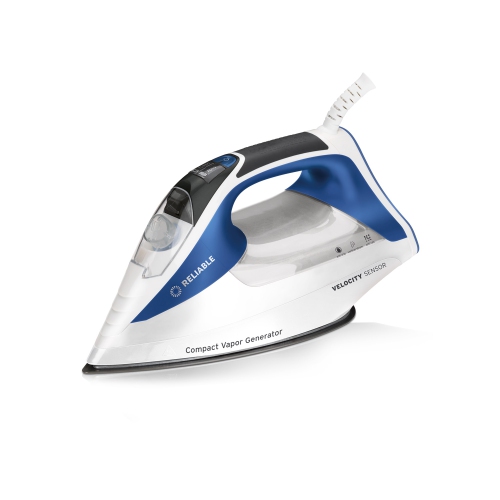
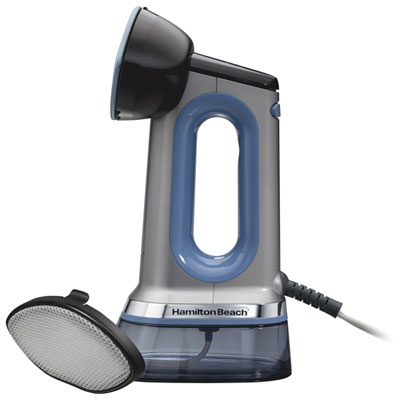
Reliable steam irons are designed for people who want more control and consistency when caring for clothing, linens, costumes, quilting projects, and other textiles. Unlike a dry iron, a steam iron uses heated water to relax fabric fibres, helping smooth creases with less effort as the soleplate moves across the material. A dependable model can be useful in a busy household, a home office, a sewing room, or a dedicated laundry area, especially when crisp collars, polished cuffs, smooth trousers, or presentable bedding are part of the routine. Steam can also make a noticeable difference when fabrics have been folded in a drawer, packed in a suitcase, or left in the dryer a little too long. For many people, a reliable steam iron is a practical addition to a first home, a thoughtful housewarming gift, or a useful present for someone who sews, quilts, crafts, or regularly prepares professional clothing. When choosing one, consider how often it will be used, the types of fabrics it will handle, and whether it needs to be compact enough for occasional touch-ups or robust enough for longer pressing sessions. A model with adjustable temperature and steam settings offers flexibility for delicate synthetics, everyday cotton, linen, denim, wool blends, and heavier materials. Pre-programmed fabric settings can simplify the process by helping match heat and steam to the garment, while manual controls may appeal to experienced users who prefer to fine-tune each pass. A visible water tank makes it easier to monitor the fill level, and a larger capacity can be convenient for quilting, sewing, curtains, table linens, or substantial laundry loads where frequent refilling interrupts the work. Look for an opening that is easy to fill and a tank that can be removed or emptied without awkward handling. The iron’s weight also matters: a heavier unit may press stubborn creases effectively, while a lighter design can be more comfortable during repeated touch-ups. The best balance depends on whether the priority is firm pressing or easy movement from garment to garment.
Steam performance is one of the most important considerations when comparing reliable steam irons. Continuous steam output helps maintain a steady flow while the iron is in motion, which can be useful when working across broad areas such as shirts, sheets, or sewing projects. Some advanced designs use a micro-pump or dual-heating system to pre-heat water into steam before it reaches the soleplate. This type of technology is intended to reduce the leaking, dripping, or spitting that can occur when liquid water reaches a hot surface, helping fabrics stay drier and reducing interruptions while pressing. A steam burst function can provide extra moisture for deep wrinkles, while vertical steaming can help freshen hanging garments, jackets, drapes, or costumes without placing them flat on an ironing board. Check the steam controls and make sure they are easy to reach while holding the iron. A well-designed handle should feel secure without creating pressure points, and a sensor-based steam handle can automatically respond as the iron is held or moved, depending on the design. Soleplate construction influences how smoothly the iron glides. Anodized aluminium and ceramic-coated surfaces are valued for their even movement across mixed textiles, while a well-arranged steam-hole pattern can help distribute moisture across the pressing area. A pointed tip is useful for reaching around buttons, pleats, pockets, seams, and collars. Cord mobility is another small detail that becomes important during longer sessions; a 360-degree swivel cord can reduce tangling and allow the iron to turn naturally as you change direction. Safety features deserve equal attention, particularly in homes where the iron may be used near children, pets, or high-traffic areas. Auto shut-off can turn off the heating element after a period of inactivity, with the exact timing varying by design, and stable heel rests help keep the soleplate elevated when the iron is set down. Before use, follow the manufacturer’s guidance for water quality, cleaning, storage, and temperature selection, since mineral buildup can affect steam performance over time. An iron with an anti-scale system or a clear maintenance routine may be easier to keep in dependable working order. If you are outfitting a complete fabric-care space, a steam iron can complement other household tools, including Reliable Steam Mops for cleaning hard floors and refreshing suitable surfaces. Whether it is used for quick morning finishing touches, careful garment care during the cooler months, or detailed work at a sewing table as the weather warms, a reliable steam iron brings practical precision to everyday fabric care.
Steam performance is one of the most important considerations when comparing reliable steam irons. Continuous steam output helps maintain a steady flow while the iron is in motion, which can be useful when working across broad areas such as shirts, sheets, or sewing projects. Some advanced designs use a micro-pump or dual-heating system to pre-heat water into steam before it reaches the soleplate. This type of technology is intended to reduce the leaking, dripping, or spitting that can occur when liquid water reaches a hot surface, helping fabrics stay drier and reducing interruptions while pressing. A steam burst function can provide extra moisture for deep wrinkles, while vertical steaming can help freshen hanging garments, jackets, drapes, or costumes without placing them flat on an ironing board. Check the steam controls and make sure they are easy to reach while holding the iron. A well-designed handle should feel secure without creating pressure points, and a sensor-based steam handle can automatically respond as the iron is held or moved, depending on the design. Soleplate construction influences how smoothly the iron glides. Anodized aluminium and ceramic-coated surfaces are valued for their even movement across mixed textiles, while a well-arranged steam-hole pattern can help distribute moisture across the pressing area. A pointed tip is useful for reaching around buttons, pleats, pockets, seams, and collars. Cord mobility is another small detail that becomes important during longer sessions; a 360-degree swivel cord can reduce tangling and allow the iron to turn naturally as you change direction. Safety features deserve equal attention, particularly in homes where the iron may be used near children, pets, or high-traffic areas. Auto shut-off can turn off the heating element after a period of inactivity, with the exact timing varying by design, and stable heel rests help keep the soleplate elevated when the iron is set down. Before use, follow the manufacturer’s guidance for water quality, cleaning, storage, and temperature selection, since mineral buildup can affect steam performance over time. An iron with an anti-scale system or a clear maintenance routine may be easier to keep in dependable working order. If you are outfitting a complete fabric-care space, a steam iron can complement other household tools, including Reliable Steam Mops for cleaning hard floors and refreshing suitable surfaces. Whether it is used for quick morning finishing touches, careful garment care during the cooler months, or detailed work at a sewing table as the weather warms, a reliable steam iron brings practical precision to everyday fabric care.
Top selling and popular products
-
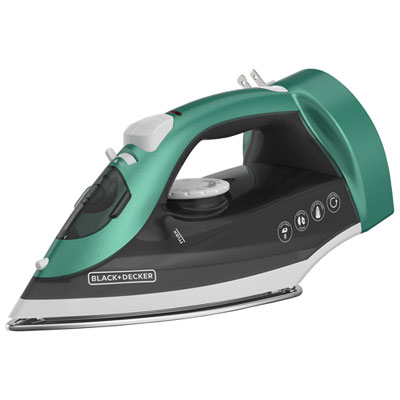 Your price for this item is $59.99
 -
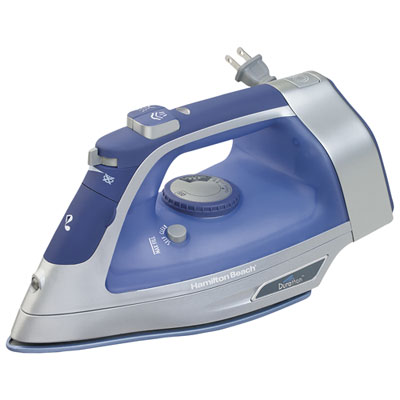 Your price for this item is $54.98
 -
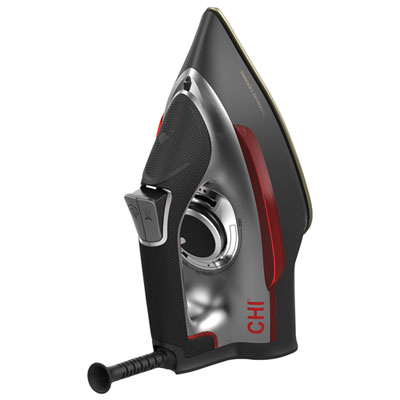 Your price for this item is $69.98
 -
 Your price for this item is $239
 -
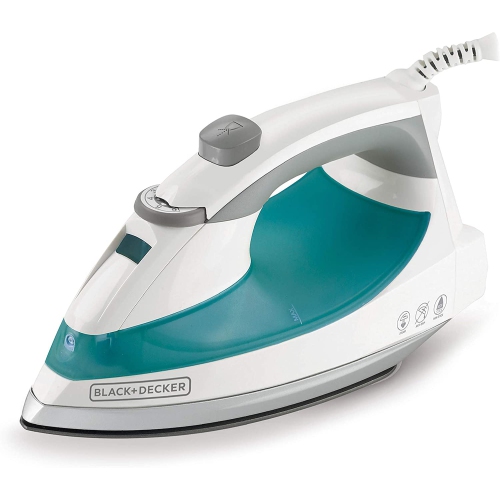 Your price for this item is $28.98
 -
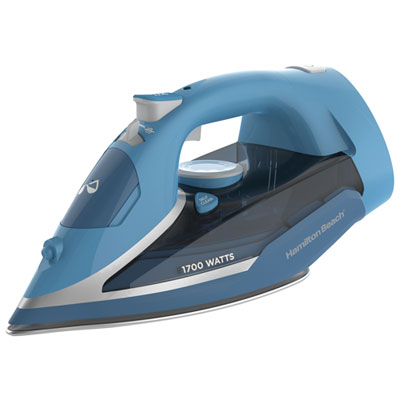 Your price for this item is $69.99
 -
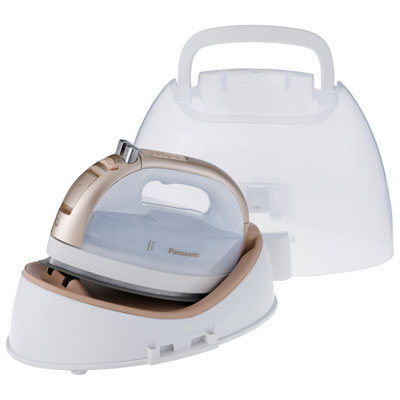 Your price for this item is $109.99
 -
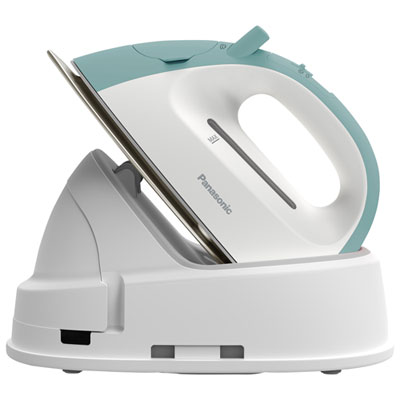 Your price for this item is $89.99
Discover more categories related to Reliable Steam Irons
Top Collections:
Pokemon Centers, Kindle Devices, Budget Smartphones, Budget 4K TVs, Apple iPhones 16, Canon G7X Cameras, iPhone 15 Apple, Alarm Clock, Budget-Friendly Wireless Earbuds, iPhone 14 256GB
Some products may be subject to Environmental Handling Fees
(EHF) depending on your province.
Learn more about EHFs.