Top Rated Steam Irons
Looking to upgrade your ironing game? Look no further! Our collection of top-rated steam irons is here to make your laundry days a breeze. Whether you're tackling a mountain of clothes or simply want wrinkle-free perfection, these steam irons have got you covered. Equipped with advanced features and innovative technology, our selection offers powerful steam performance and effortless glide for the ultimate ironing experience. Say goodbye to stubborn creases and hello to crisp, polished garments with our top-rated steam irons.
Sort



Why wrinkle removal takes more than high wattage
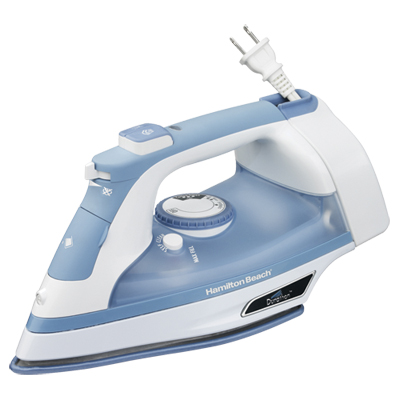
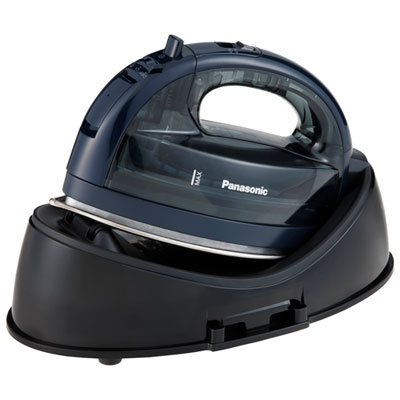
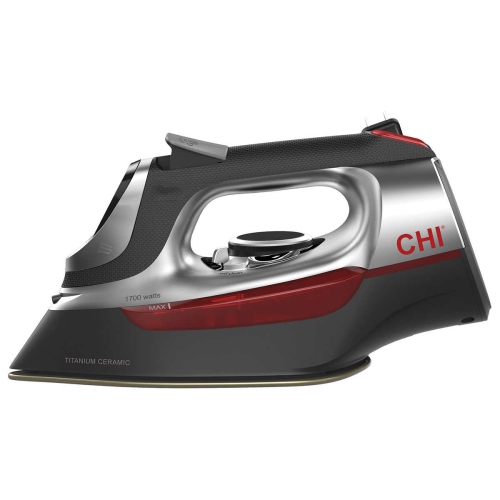
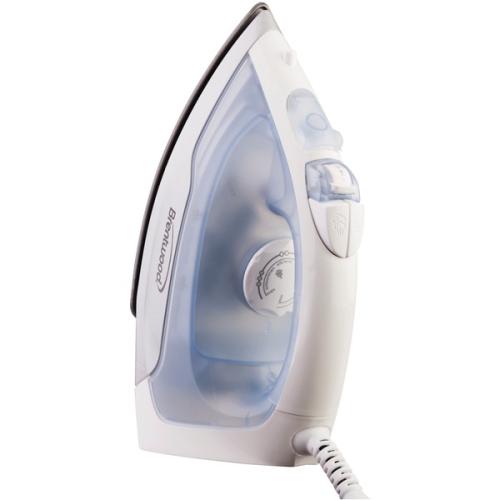
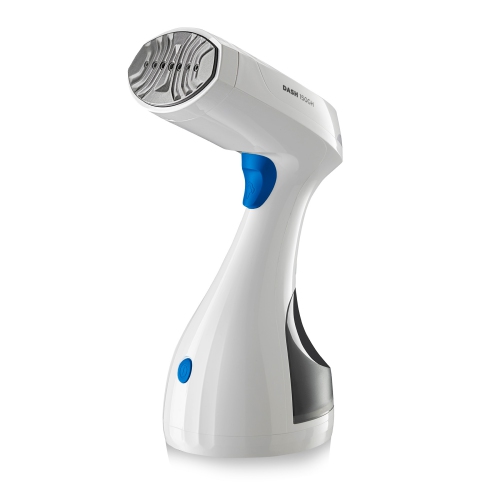
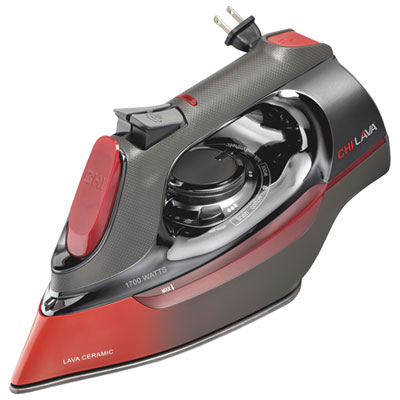
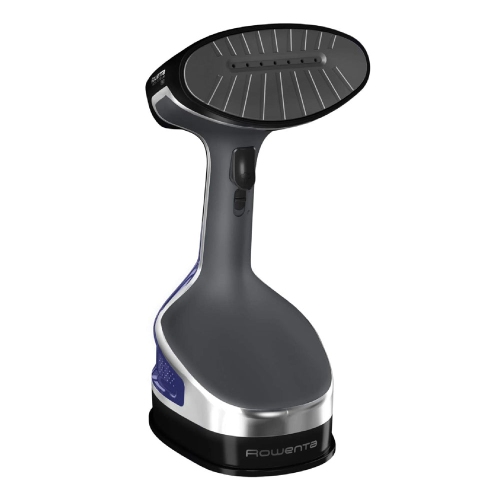
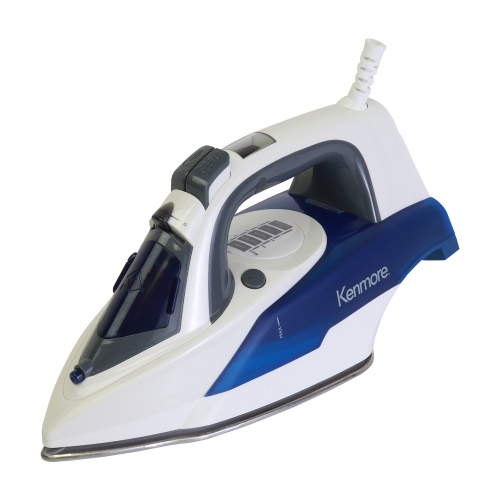
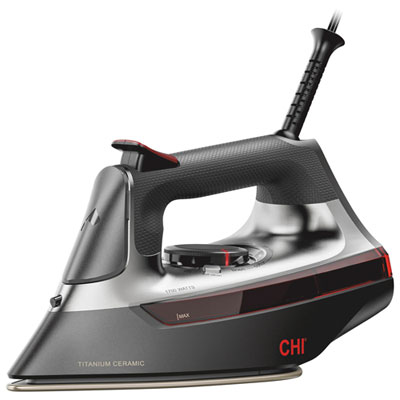
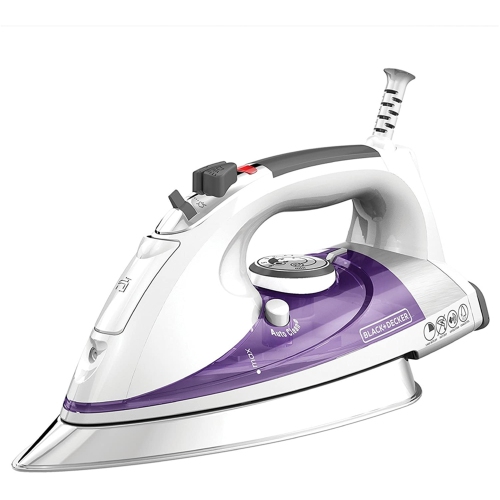
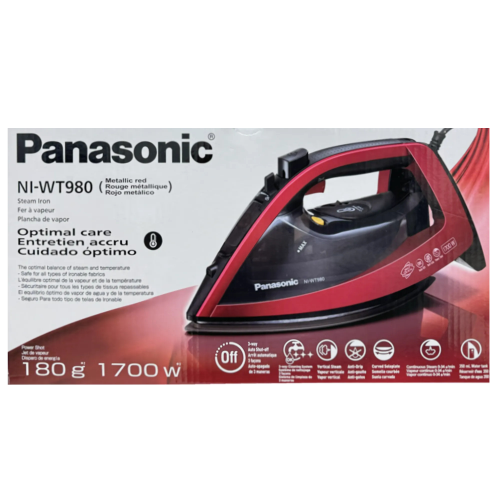
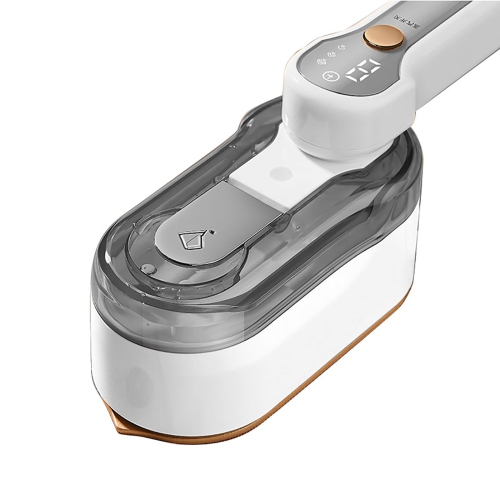
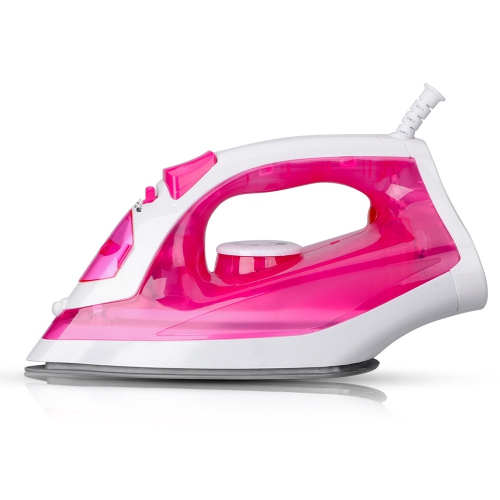
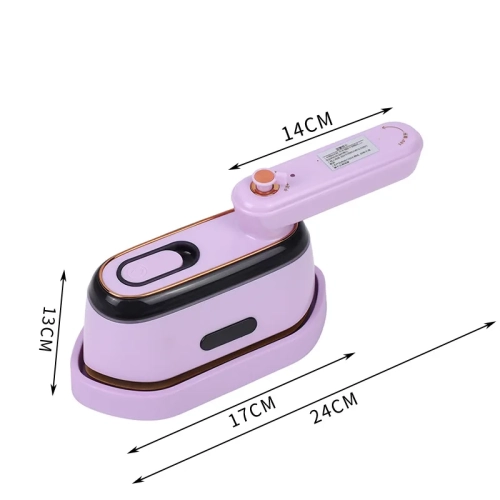
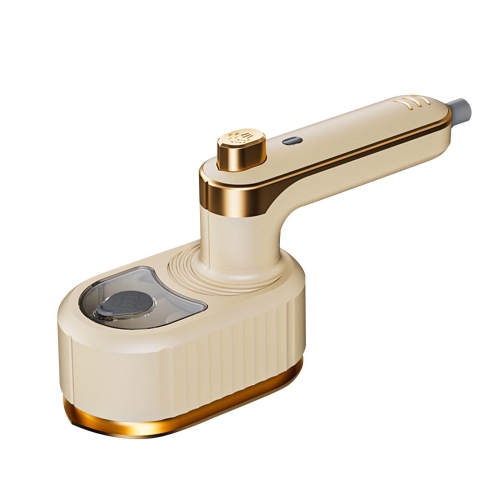
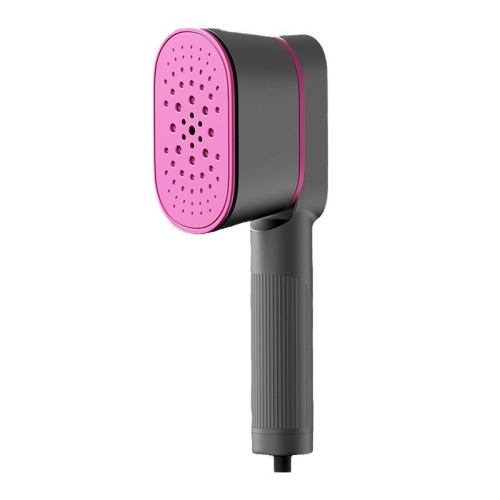
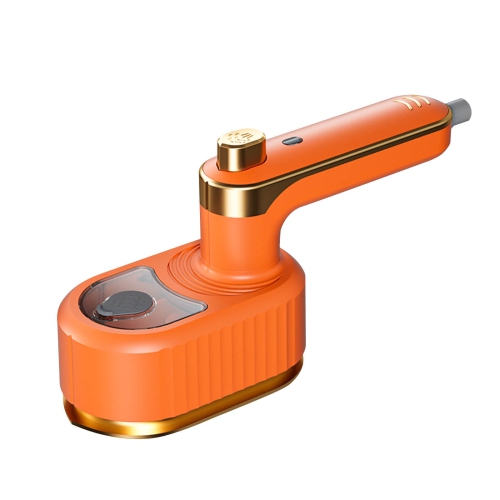
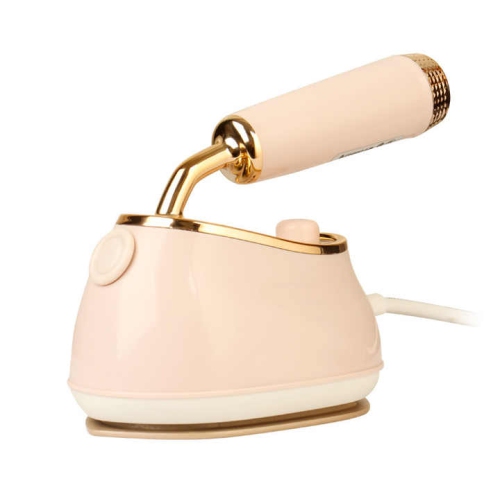
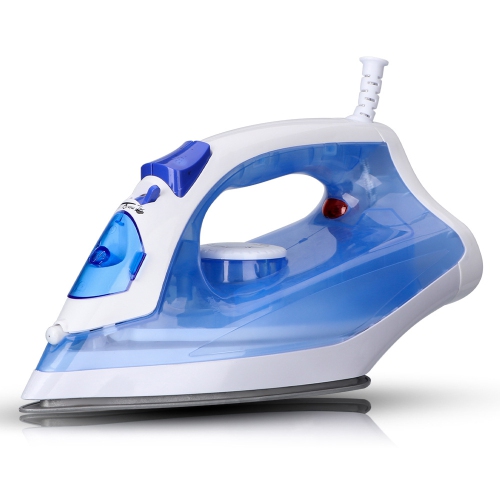
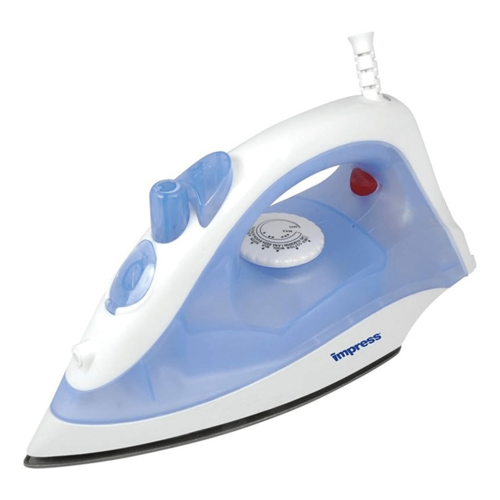
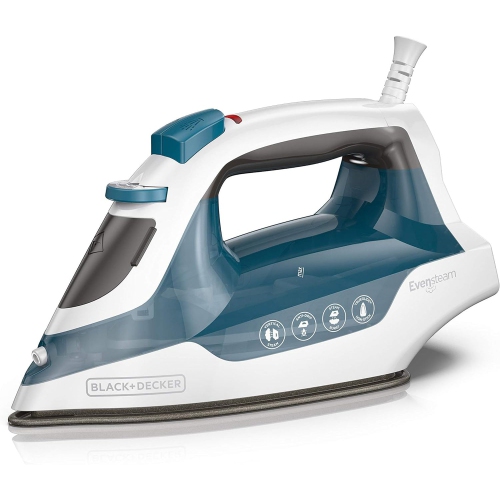
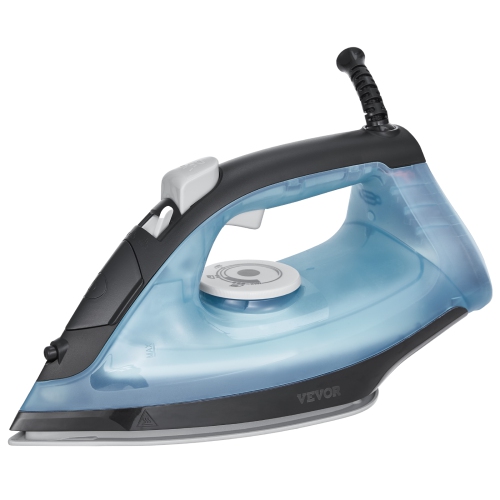
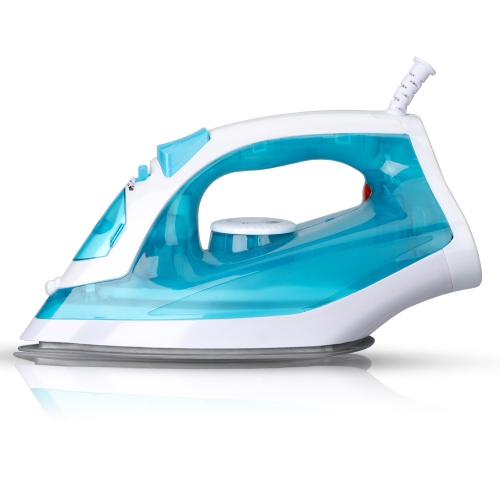
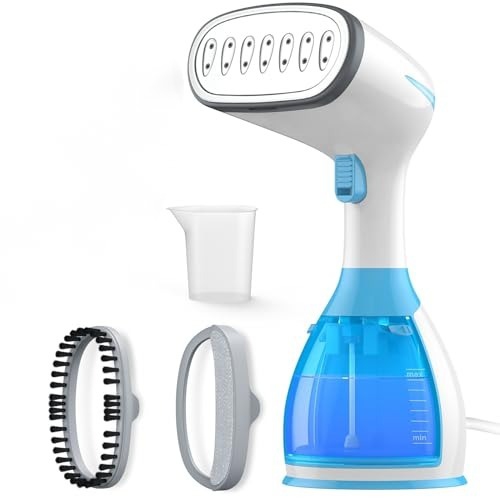
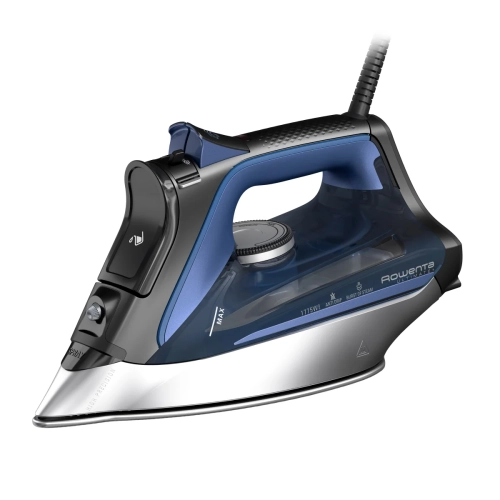
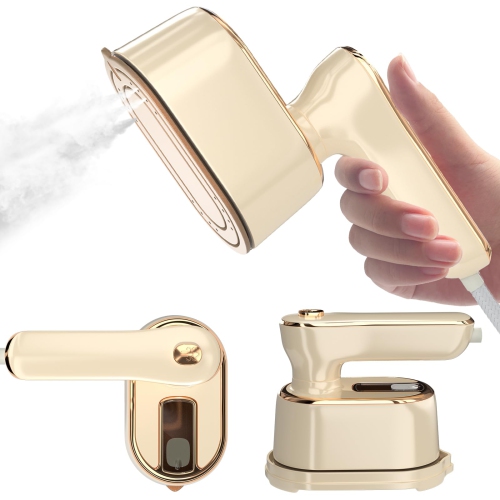
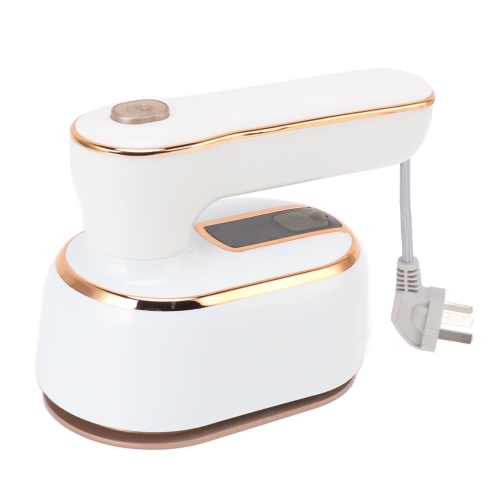
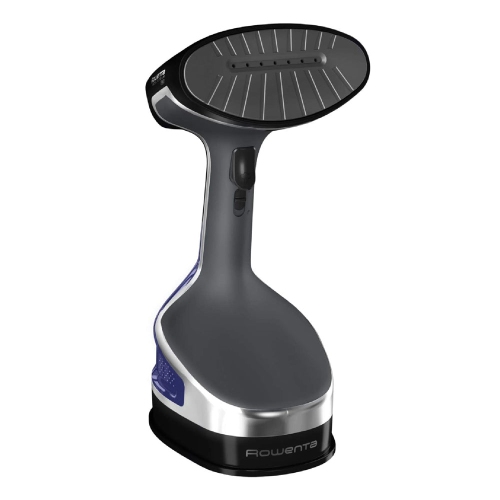
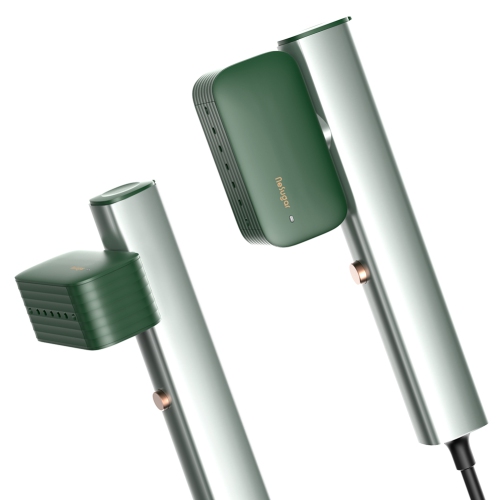
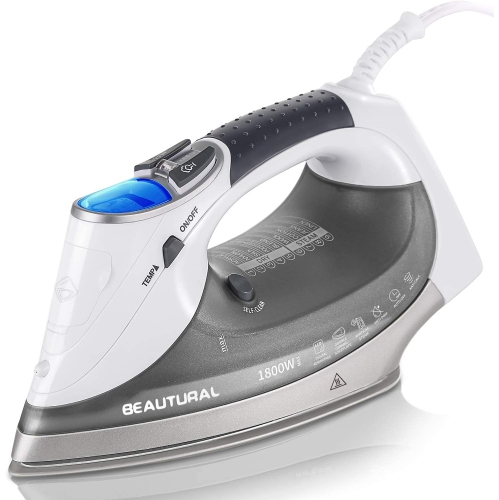
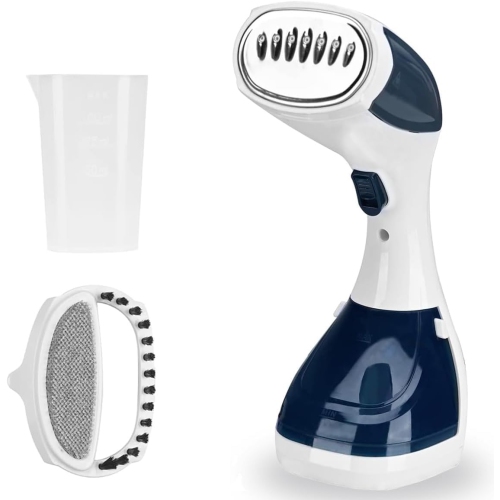
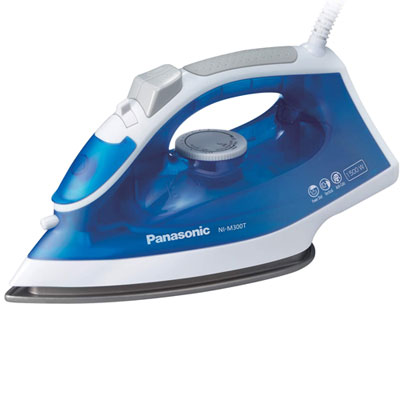
Top-rated steam irons bring together steady heat, well-distributed steam, and comfortable handling to make everyday fabric care more manageable. Their main job is to relax creases while a heated soleplate smooths the fabric, whether that means tidying a shirt collar before work or pressing a cotton tablecloth for a family meal. The best steam iron for a particular household depends on the fabrics being pressed, the amount of ironing involved, and how comfortably the iron moves in the hand. Frequent use on cotton shirts and bed linens calls for different priorities than occasional touch-ups on lightweight blouses. Continuous steam helps soften wrinkles across larger sections of fabric, while a steam burst provides a brief boost for a stubborn crease when the garment’s care label permits it. Steam distribution matters alongside output: a well-spaced pattern of soleplate openings can help deliver moisture across the pressing surface rather than concentrating it in one area. Higher wattage generally supports faster heating and temperature recovery, but wattage alone does not establish how effectively an iron will remove wrinkles. Soleplate design, temperature control, and the consistency of steam delivery also shape the result. A fine spray can dampen a difficult patch before pressing, although some delicate materials may water-spot and need a different approach. Variable steam and a dry-ironing option make it easier to work with fabrics that have different care requirements. During the cooler months, an iron can be useful for washable layers, school uniforms, and the shirts worn beneath knitwear, provided their labels allow ironing. Customer ratings are most informative when they describe repeated use on similar fabrics and mention practical details such as dripping, glide, heat consistency, or handle comfort. A high average rating offers useful context, but the number, detail, and recency of reviews help explain what that rating means in everyday use. For a household with a regular laundry routine, predictable performance often matters more than a long list of settings that rarely get used.
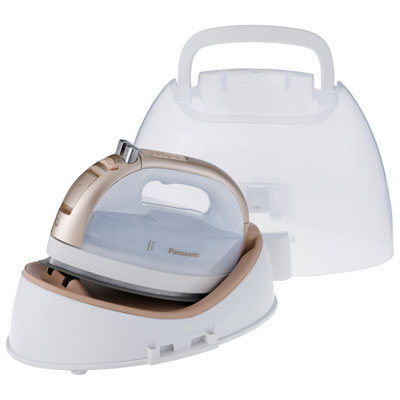
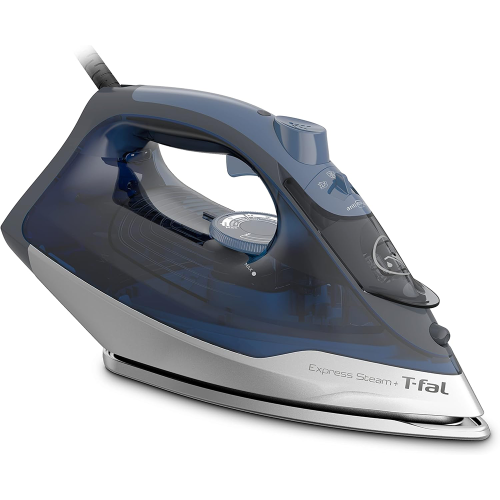
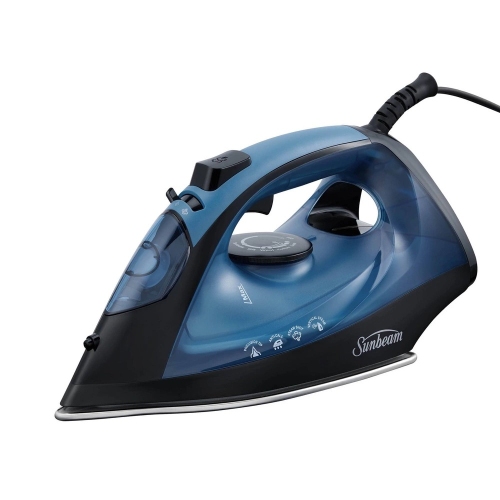
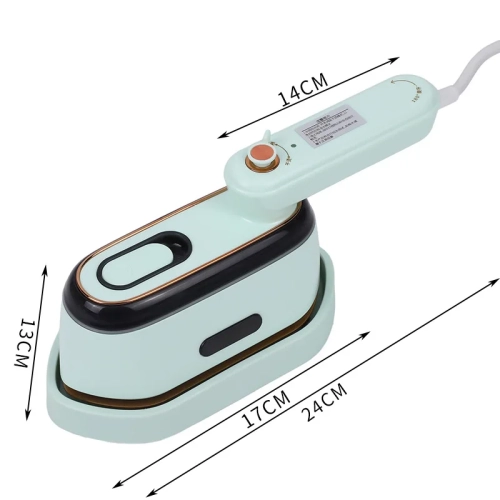
The soleplate is the part of a steam iron that makes direct contact with clothing, so its material and shape influence both handling and fabric care. Stainless steel soleplates are valued for their smooth glide and durability, while ceramic and other coated surfaces can offer easy movement across fabric when kept clean and undamaged. No finish is immune to scratches or residue, and contact with exposed zips, metal fasteners, or abrasive cleaning tools can damage the surface. A narrow, pointed tip helps reach between shirt buttons, around pleats, and into the corners of collars; a broader pressing area covers pillowcases and flat panels with fewer passes. Weight is another practical distinction. A heavier iron can provide reassuring pressure on firm cotton, but it may feel tiring during a full basket of laundry. A lighter design is easier to lift and reposition, particularly for someone who finds sustained gripping uncomfortable. Handle shape, balance, and accessible controls can matter just as much as the stated weight. Water-tank capacity affects how often ironing pauses for a refill, although a larger tank also adds weight when full. A clearly visible water level and an easy-to-access filling opening help make setup less awkward. Cord length and a swivelling connection influence movement around an ironing board, especially when pressing sleeves or working along a wide piece of fabric. Cordless designs offer freedom of movement but need regular returns to their base to maintain heat, which changes the rhythm of longer sessions. Anti-drip features can help limit leakage at lower temperatures, though correct settings and use remain important. Automatic shut-off adds a safeguard if an iron is left stationary, but it does not replace careful supervision or unplugging after use. A stable heel rest and a secure, heat-resistant place to set the iron down are equally relevant in a busy laundry area. Together, these details distinguish an iron that feels comfortable for a few quick touch-ups from one suited to longer, more frequent pressing sessions.
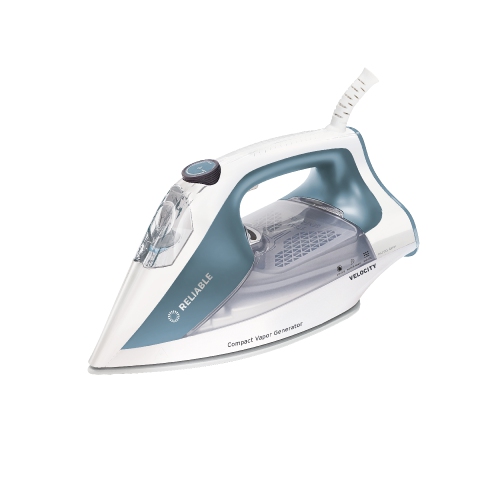
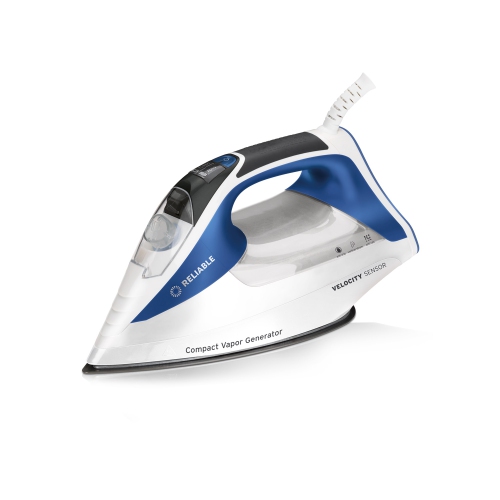
Steam irons also serve people whose fabric care extends beyond the weekly wash. Sewers and quilters use them to press seams, shape fabric during construction, and prepare material before cutting. For these tasks, a precise tip, dependable temperature settings, and manageable steam control can be more useful than maximum output alone. Pressing usually involves lifting and setting the iron down rather than sliding it repeatedly, helping avoid stretching seams or distorting carefully cut pieces. Those exploring Reliable Steam Irons can consider the same practical distinctions between occasional garment care and frequent project work. Vertical steam, where supported, can help with light touch-ups on hanging garments, but it is not a substitute for flat pressing when crisp seams or sharply defined pleats are the goal. Garments should never be steamed while someone is wearing them, and steam should always be directed away from skin. Fabric care labels remain the starting point for temperature and moisture settings: cotton and linen often tolerate more heat than synthetic blends, while wool, silk, embellished fabrics, and dark finishes may need lower settings, a pressing cloth, or professional care. Some garments should not be ironed at all. Keeping the soleplate clean helps prevent starch, fibres, or other residue from transferring onto the next garment. Water requirements vary by design, so the manufacturer’s instructions should determine whether tap water, distilled water, or a specified mixture is appropriate; scented water and additives should be avoided unless expressly permitted. Built-in cleaning and anti-scale features can help manage mineral deposits, but they still require the maintenance described in the manual. After use, unplugging the iron, following its water-storage instructions, and allowing it to cool fully before putting it away support safe, consistent care. An iron can also be a practical gift for someone setting up a home or developing a sewing hobby, especially when their needs are known. For everyday wardrobes and creative projects alike, the strongest fit is an iron whose heat, steam, handling, and maintenance requirements suit the work it will actually do.
The soleplate is the part of a steam iron that makes direct contact with clothing, so its material and shape influence both handling and fabric care. Stainless steel soleplates are valued for their smooth glide and durability, while ceramic and other coated surfaces can offer easy movement across fabric when kept clean and undamaged. No finish is immune to scratches or residue, and contact with exposed zips, metal fasteners, or abrasive cleaning tools can damage the surface. A narrow, pointed tip helps reach between shirt buttons, around pleats, and into the corners of collars; a broader pressing area covers pillowcases and flat panels with fewer passes. Weight is another practical distinction. A heavier iron can provide reassuring pressure on firm cotton, but it may feel tiring during a full basket of laundry. A lighter design is easier to lift and reposition, particularly for someone who finds sustained gripping uncomfortable. Handle shape, balance, and accessible controls can matter just as much as the stated weight. Water-tank capacity affects how often ironing pauses for a refill, although a larger tank also adds weight when full. A clearly visible water level and an easy-to-access filling opening help make setup less awkward. Cord length and a swivelling connection influence movement around an ironing board, especially when pressing sleeves or working along a wide piece of fabric. Cordless designs offer freedom of movement but need regular returns to their base to maintain heat, which changes the rhythm of longer sessions. Anti-drip features can help limit leakage at lower temperatures, though correct settings and use remain important. Automatic shut-off adds a safeguard if an iron is left stationary, but it does not replace careful supervision or unplugging after use. A stable heel rest and a secure, heat-resistant place to set the iron down are equally relevant in a busy laundry area. Together, these details distinguish an iron that feels comfortable for a few quick touch-ups from one suited to longer, more frequent pressing sessions.
Steam irons also serve people whose fabric care extends beyond the weekly wash. Sewers and quilters use them to press seams, shape fabric during construction, and prepare material before cutting. For these tasks, a precise tip, dependable temperature settings, and manageable steam control can be more useful than maximum output alone. Pressing usually involves lifting and setting the iron down rather than sliding it repeatedly, helping avoid stretching seams or distorting carefully cut pieces. Those exploring Reliable Steam Irons can consider the same practical distinctions between occasional garment care and frequent project work. Vertical steam, where supported, can help with light touch-ups on hanging garments, but it is not a substitute for flat pressing when crisp seams or sharply defined pleats are the goal. Garments should never be steamed while someone is wearing them, and steam should always be directed away from skin. Fabric care labels remain the starting point for temperature and moisture settings: cotton and linen often tolerate more heat than synthetic blends, while wool, silk, embellished fabrics, and dark finishes may need lower settings, a pressing cloth, or professional care. Some garments should not be ironed at all. Keeping the soleplate clean helps prevent starch, fibres, or other residue from transferring onto the next garment. Water requirements vary by design, so the manufacturer’s instructions should determine whether tap water, distilled water, or a specified mixture is appropriate; scented water and additives should be avoided unless expressly permitted. Built-in cleaning and anti-scale features can help manage mineral deposits, but they still require the maintenance described in the manual. After use, unplugging the iron, following its water-storage instructions, and allowing it to cool fully before putting it away support safe, consistent care. An iron can also be a practical gift for someone setting up a home or developing a sewing hobby, especially when their needs are known. For everyday wardrobes and creative projects alike, the strongest fit is an iron whose heat, steam, handling, and maintenance requirements suit the work it will actually do.
Top selling and popular products
-
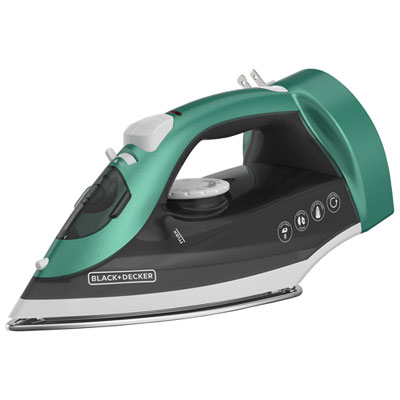 Your price for this item is $59.99
 -
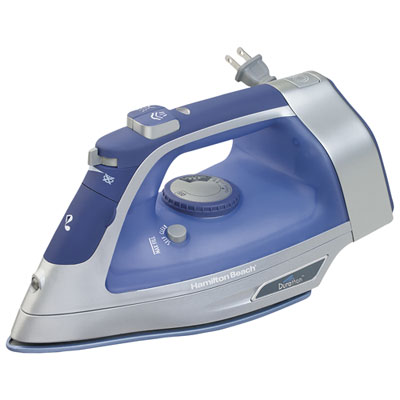 Your price for this item is $56.99
 -
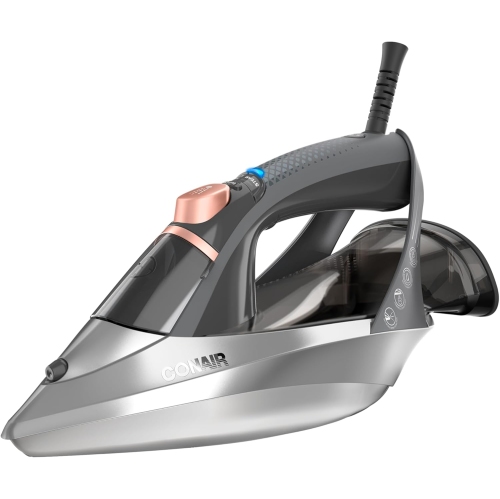 Your price for this item is $183.28
 -
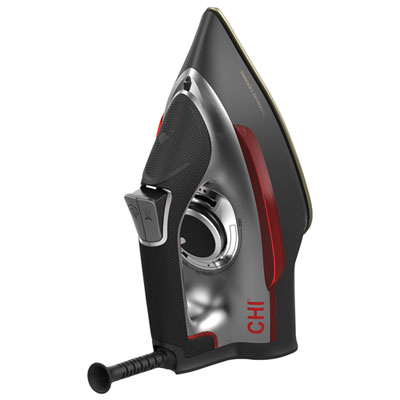 Your price for this item is $69.98
 -
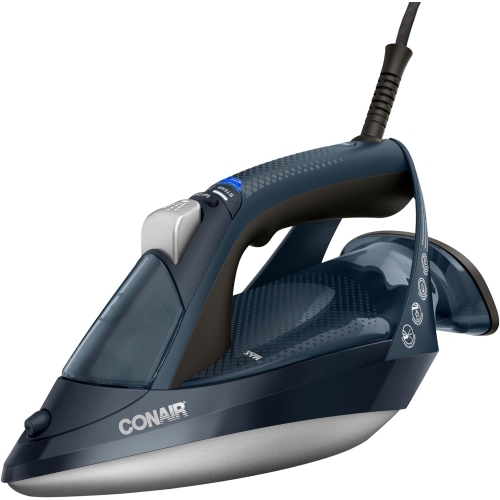 Your price for this item is $126.94
 -
 Your price for this item is $239
 -
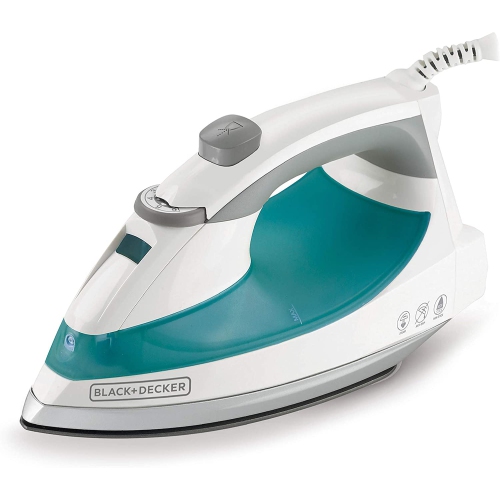 Your price for this item is $28.98
 -
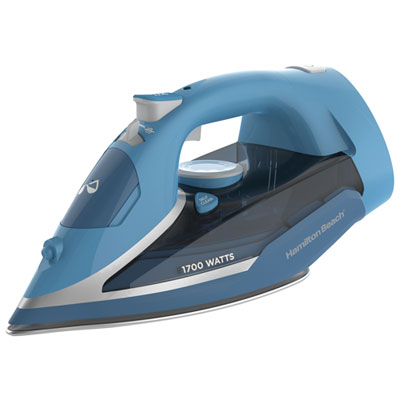 Your price for this item is $69.99
Discover more categories related to Top Rated Steam Irons
Top Collections:
Pokemon Centers, Kindle Devices, Best Budget Office Chairs, Apple iPhones 16, Best Laptops for Writers, iPhone 15 Apple, Canon G7X Cameras, Refurbished Apple Laptops, Alarm Clock, Motorola Razr Phones
Some products may be subject to Environmental Handling Fees
(EHF) depending on your province.
Learn more about EHFs.