28-70mm Lenses
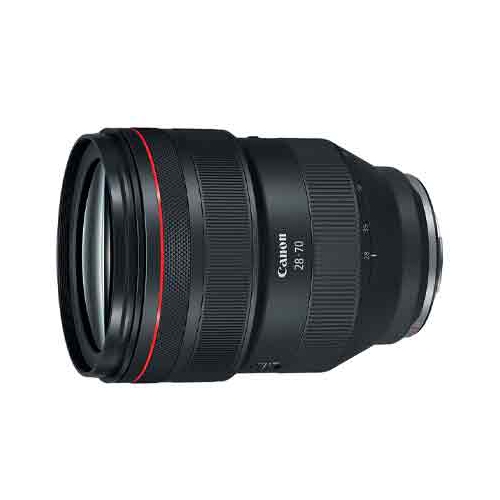
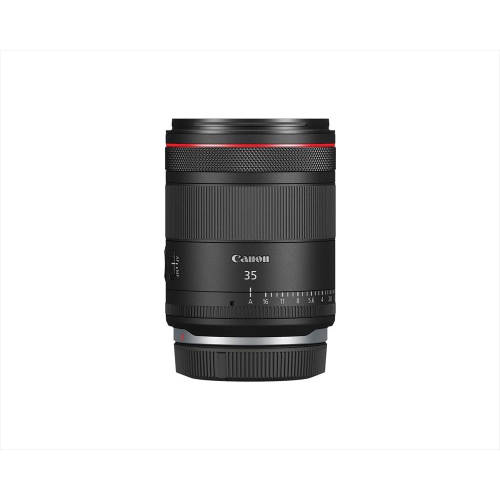
Capture stunning landscapes, immortalize precious moments, and unleash your creativity with this wide selection of 28-70mm lenses. Designed to deliver exceptional image quality, these versatile lenses offer the perfect focal range for capturing everything from breathtaking wide-angle shots to detailed close-ups. Whether you're a professional photographer or an avid enthusiast, our collection of 28–70mm lenses is sure to elevate your photography game to new heights.
Sort
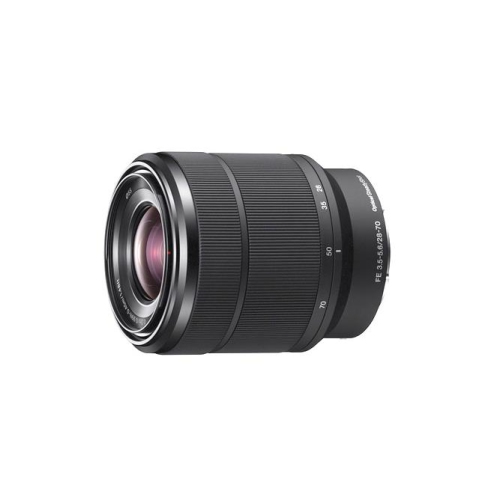
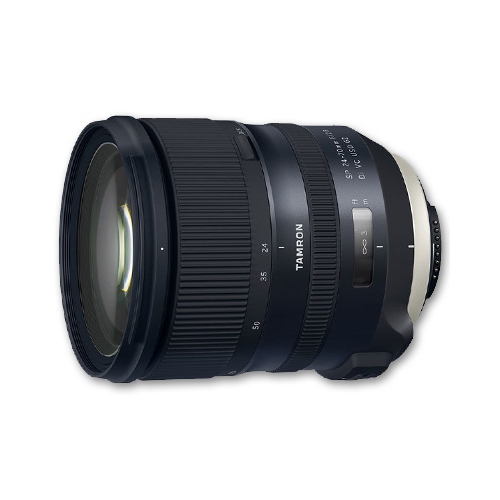
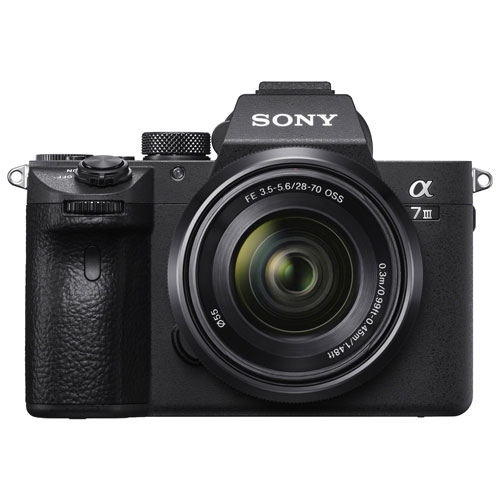
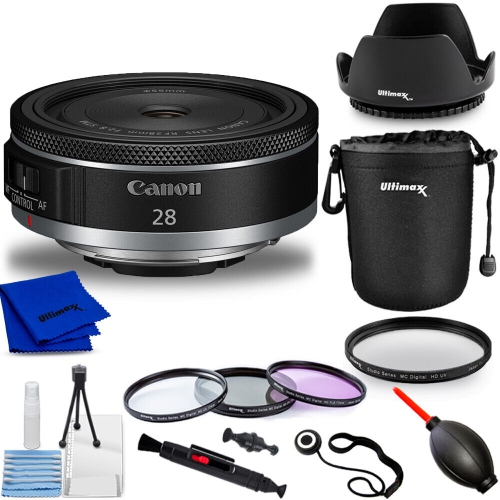
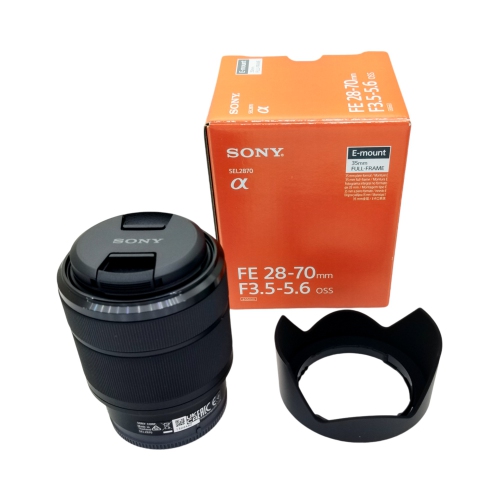
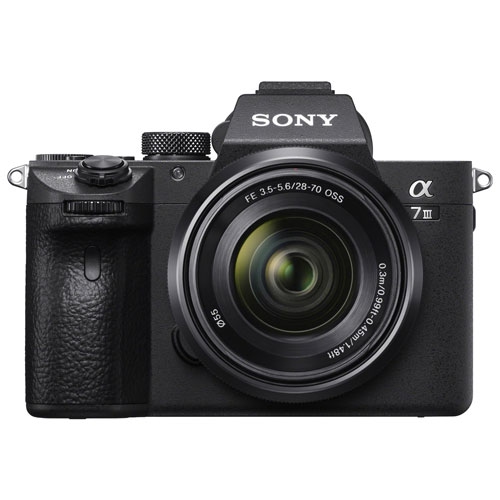
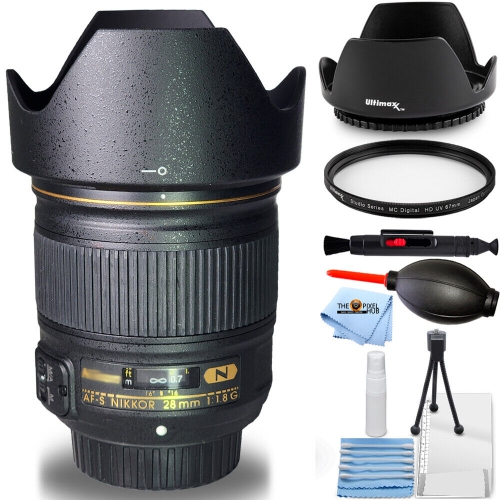

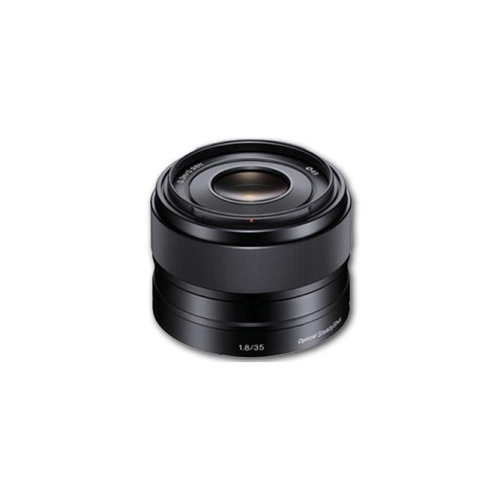
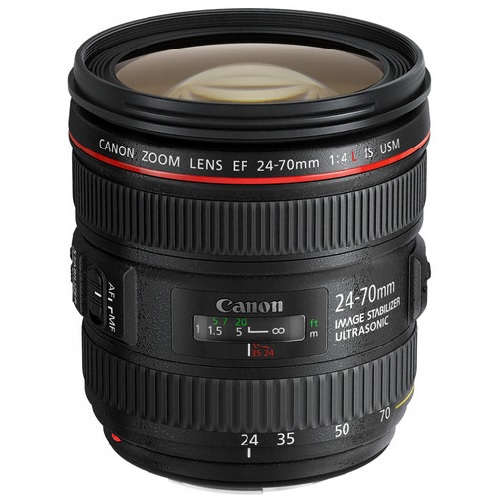
One versatile zoom for everyday photography and video
28-70mm Lenses are among the most adaptable choices for photographers who want one lens to cover a wide range of everyday subjects. At 28mm, the view is broad enough for travel scenes, interiors, architecture, group photographs, and landscapes where you want to include a strong sense of place. As you zoom toward 50mm and 70mm, the perspective becomes more natural and flattering for portraits, food photography, street scenes, and details that are just beyond comfortable reach. This standard zoom range is especially useful for walkaround photography because it allows you to move from a sweeping view to a tighter composition without changing lenses. It can be a practical option for anyone building a first interchangeable-lens camera kit, replacing a basic kit lens, or simplifying a camera bag for a trip, family gathering, celebration, or day spent exploring a new neighbourhood. Before choosing a lens, confirm that its mount matches your camera system and check whether it is designed for a full-frame or crop-sensor camera. A lens made for a full-frame camera can often be used on a crop-sensor body, although the effective field of view will appear narrower. Crop-sensor users may find that the 28mm end feels closer to a standard perspective than a wide-angle view, which is worth considering if interiors, landscapes, or large groups are a priority. Camera and lens compatibility also affects autofocus, image stabilization, aperture control, and video features, so these details deserve attention alongside focal length.
A major purchase consideration is the maximum aperture, which affects how much light reaches the camera sensor and how the image looks. A variable-aperture 28-70mm zoom can be compact and convenient for daylight walks, casual portraits, vacations, and general family photography. A constant-aperture design maintains the same maximum aperture throughout the zoom range, making exposure changes more predictable when framing a subject at different focal lengths. Brighter apertures can be valuable indoors, during the cooler months when daylight is limited, or at evening events where using a flash may not suit the atmosphere. They can also create a softer background that helps a person, pet, or detail stand out from a busy setting. Keep in mind that a brighter aperture often means a larger, heavier, and more expensive lens, so the right balance depends on how often the lens will be carried and the type of images being made. Optical image stabilization, where available, can help reduce the effect of camera shake when photographing still subjects at slower shutter speeds, while fast and quiet autofocus is useful for candid moments and video recording. For video, look for smooth focusing, minimal focus breathing, and an aperture that supports consistent brightness as you zoom. Build quality matters as well: a lens that feels comfortable in hand and has well-positioned zoom and focus rings can make a noticeable difference during a long day of shooting. Weather-resistant construction may be helpful for outdoor photography, but it does not make a camera setup waterproof, and protection should still be used in rain, snow, dust, or near water.
These lenses suit a broad range of photographers, from beginners learning how focal length changes a composition to experienced users who want a dependable everyday zoom. A traveller might use 28mm to capture a market hall or mountain viewpoint, then move toward 70mm for architectural details, candid portraits, or a distant subject without interrupting the moment. At home, the same lens can handle birthday gatherings, pets resting by a window, and close-up details of a meal or craft project, although dedicated macro lenses are better for very small subjects. Portrait photographers often appreciate the natural-looking perspective available near the middle and longer end of the range, while event photographers may value the ability to reframe quickly as people move around a room. A 28-70mm lens can also be a thoughtful gift for someone who has recently purchased a compatible camera, especially when they are ready to move beyond a basic setup and experiment with different styles of photography. When comparing options, consider the lens’s size and weight, minimum focusing distance, filter size, included accessories, autofocus performance, stabilization, aperture range, and warranty coverage. It is also useful to review whether the lens accepts a hood or protective filter and whether its controls feel intuitive with the camera body. Photographers who regularly need a wider view may prefer to complement a 28-70mm lens with a dedicated wide-angle option, while those who often photograph wildlife, sports, performances, or distant subjects may want to explore longer focal lengths, including 70mm Lenses. Choosing a 28-70mm lens ultimately comes down to matching the range, brightness, handling, and compatibility to the way the camera will be used, whether that means spontaneous snapshots, carefully composed portraits, travel memories, or polished video.
A major purchase consideration is the maximum aperture, which affects how much light reaches the camera sensor and how the image looks. A variable-aperture 28-70mm zoom can be compact and convenient for daylight walks, casual portraits, vacations, and general family photography. A constant-aperture design maintains the same maximum aperture throughout the zoom range, making exposure changes more predictable when framing a subject at different focal lengths. Brighter apertures can be valuable indoors, during the cooler months when daylight is limited, or at evening events where using a flash may not suit the atmosphere. They can also create a softer background that helps a person, pet, or detail stand out from a busy setting. Keep in mind that a brighter aperture often means a larger, heavier, and more expensive lens, so the right balance depends on how often the lens will be carried and the type of images being made. Optical image stabilization, where available, can help reduce the effect of camera shake when photographing still subjects at slower shutter speeds, while fast and quiet autofocus is useful for candid moments and video recording. For video, look for smooth focusing, minimal focus breathing, and an aperture that supports consistent brightness as you zoom. Build quality matters as well: a lens that feels comfortable in hand and has well-positioned zoom and focus rings can make a noticeable difference during a long day of shooting. Weather-resistant construction may be helpful for outdoor photography, but it does not make a camera setup waterproof, and protection should still be used in rain, snow, dust, or near water.
These lenses suit a broad range of photographers, from beginners learning how focal length changes a composition to experienced users who want a dependable everyday zoom. A traveller might use 28mm to capture a market hall or mountain viewpoint, then move toward 70mm for architectural details, candid portraits, or a distant subject without interrupting the moment. At home, the same lens can handle birthday gatherings, pets resting by a window, and close-up details of a meal or craft project, although dedicated macro lenses are better for very small subjects. Portrait photographers often appreciate the natural-looking perspective available near the middle and longer end of the range, while event photographers may value the ability to reframe quickly as people move around a room. A 28-70mm lens can also be a thoughtful gift for someone who has recently purchased a compatible camera, especially when they are ready to move beyond a basic setup and experiment with different styles of photography. When comparing options, consider the lens’s size and weight, minimum focusing distance, filter size, included accessories, autofocus performance, stabilization, aperture range, and warranty coverage. It is also useful to review whether the lens accepts a hood or protective filter and whether its controls feel intuitive with the camera body. Photographers who regularly need a wider view may prefer to complement a 28-70mm lens with a dedicated wide-angle option, while those who often photograph wildlife, sports, performances, or distant subjects may want to explore longer focal lengths, including 70mm Lenses. Choosing a 28-70mm lens ultimately comes down to matching the range, brightness, handling, and compatibility to the way the camera will be used, whether that means spontaneous snapshots, carefully composed portraits, travel memories, or polished video.
Top selling and popular products
-
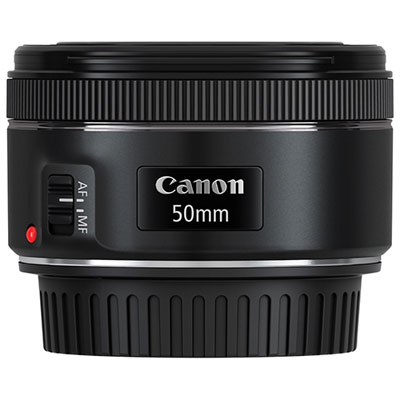 Your price for this item is $169.99
 -
 Your price for this item is $329.99
 -
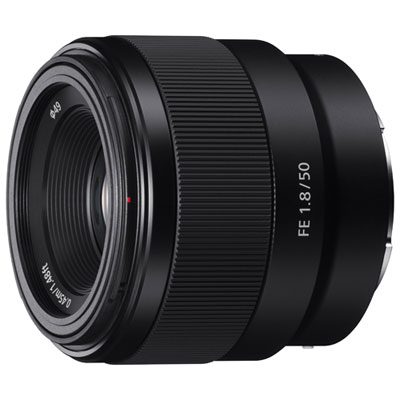 Your price for this item is $349.99
 -
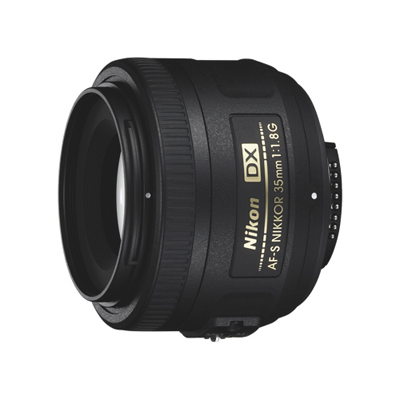 Your price for this item is $258.98
 -
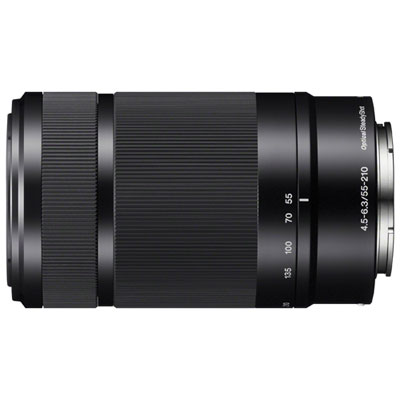 Your price for this item is $399.99
 -
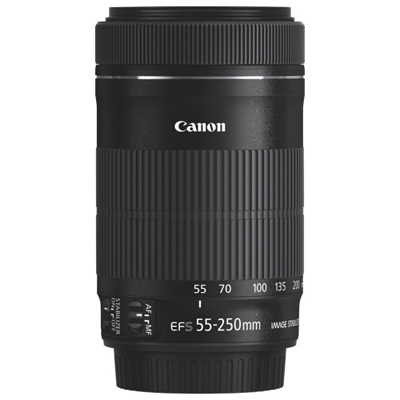 Your price for this item is $399.99
 -
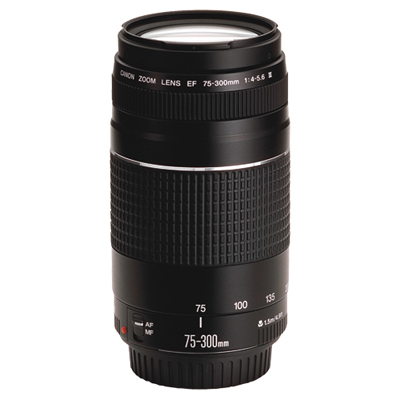 Your price for this item is $199.99
 -
 Your price for this item is $174.99
Discover more categories related to 28-70mm Lenses
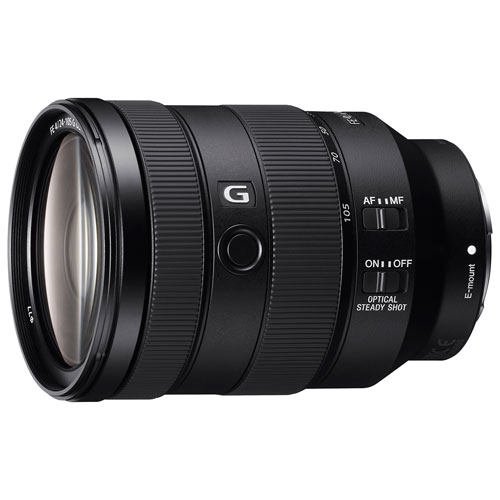
Top Collections:
Pokemon Centers, Kindle Devices, Best Cell Phones Under $500, Alarm Clock, Canon G7X Cameras, iPhone 15 Apple, Laptops for Students, Budget Smartphones, iPhone 14 256GB, Best Camera Tripods Under $100
Some products may be subject to Environmental Handling Fees
(EHF) depending on your province.
Learn more about EHFs.