24 70mm Lenses
Capture every moment with clarity and precision using our extensive collection of 24-70mm lenses. Designed to deliver exceptional image quality and versatility, these lenses are the perfect companion for both professional photographers and enthusiasts alike. With a wide focal range, you'll be able to effortlessly capture breathtaking landscapes, stunning portraits, and everything in between. Whether you're a seasoned pro or just starting out on your photography journey, our 24-70mm lenses are sure to elevate your creativity and take your images to the next level.
Sort
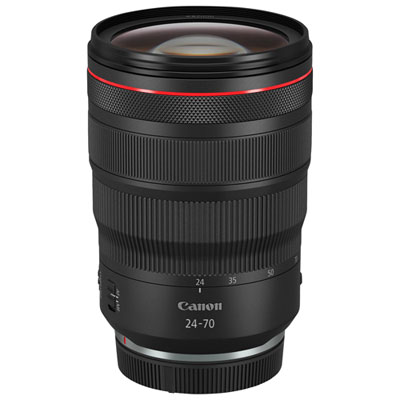
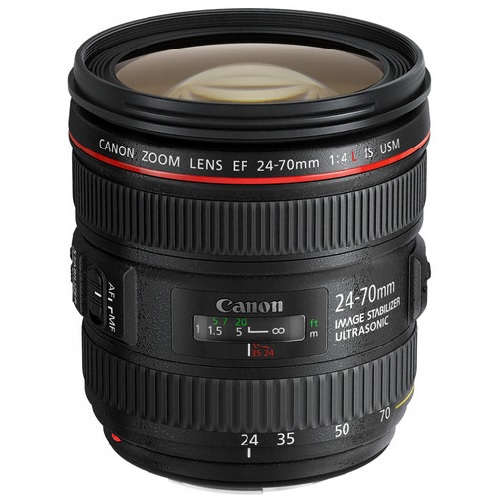
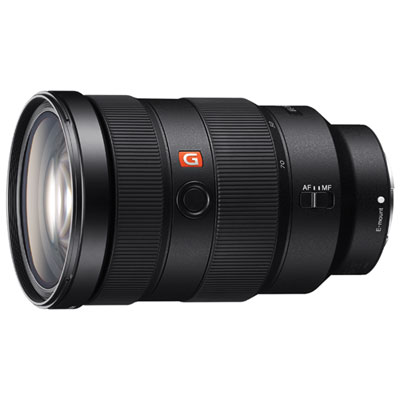
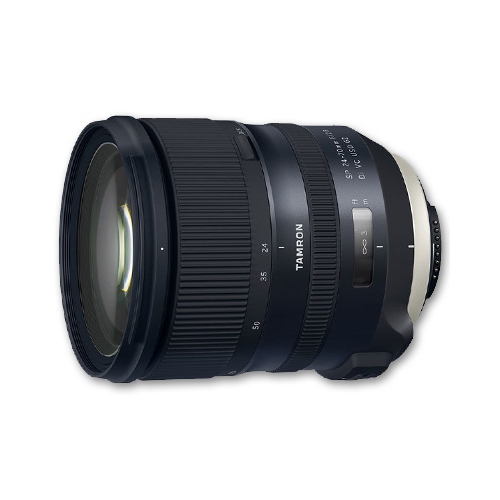
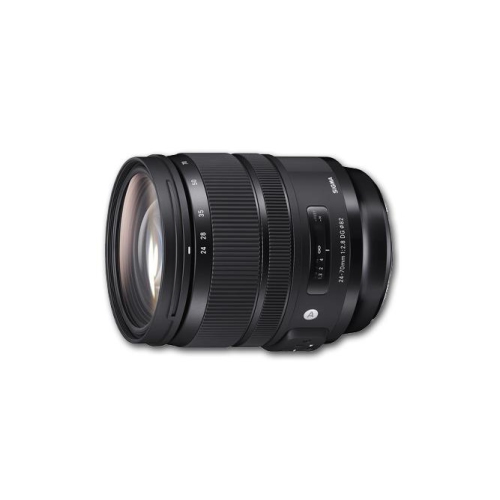
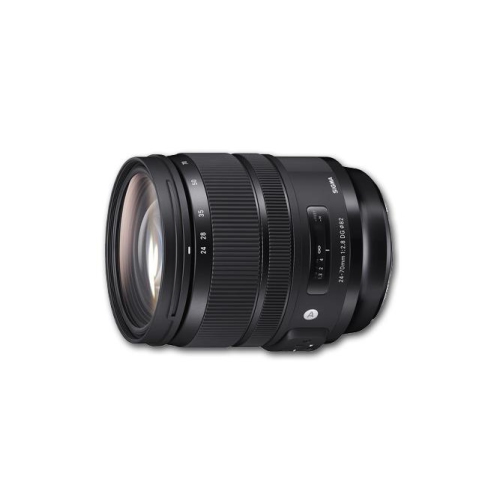
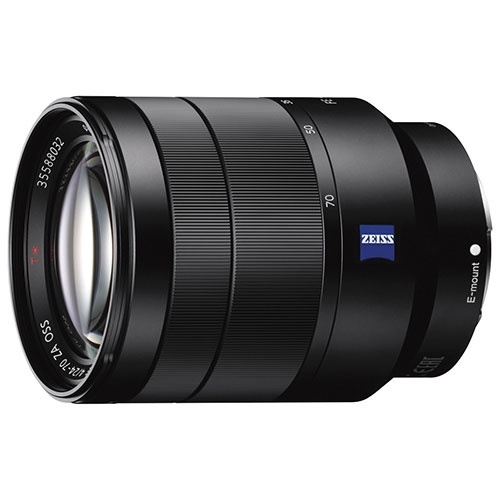
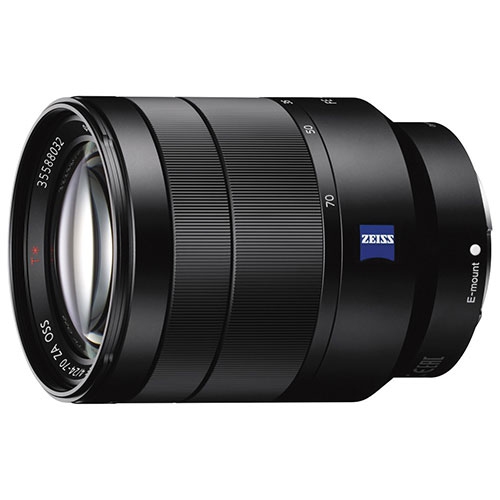
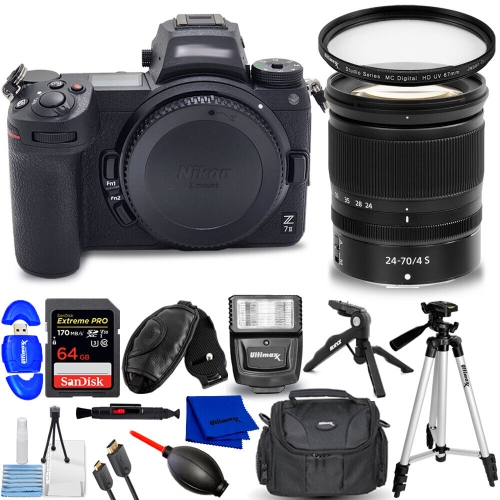
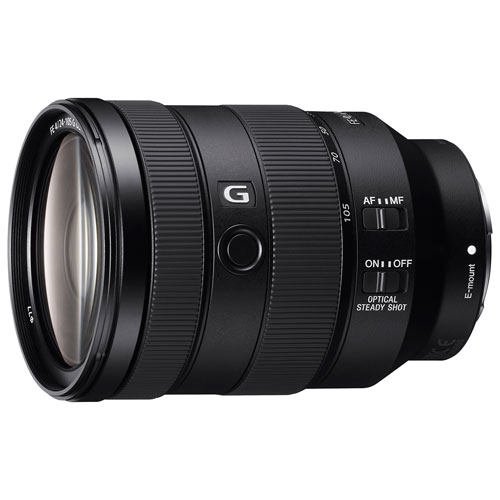
One lens for everyday scenes, portraits, and events
24-70mm lenses are among the most adaptable choices for photographers who want one lens to cover a wide range of everyday subjects. At 24mm, the wider view is useful for landscapes, architecture, interiors, travel scenes, group portraits, and candid moments where you want to show the setting around your subject. Zooming toward 35mm or 50mm gives a natural perspective that works well for street photography, family gatherings, food, pets, and general walk-around shooting. At 70mm, the view becomes tighter and more flattering for portraits, details, ceremonies, and distant subjects, while still retaining enough context to tell a story. This focal range is especially practical for events, where changing lenses can mean missing a fleeting expression, a first dance, or a child running through a sunlit room. Instead of carrying several lenses or interrupting the moment to swap between them, a 24-70mm lens lets you move from a broad scene to a close composition with a turn of the zoom ring. Many photographers choose a constant f/2.8 aperture because it allows a generous amount of light to reach the camera sensor throughout the zoom range. That can be helpful in dim reception halls, overcast outdoor settings, and evening street scenes, while also creating a softer background that helps people and important details stand out. A wider aperture is not the only consideration, however. More compact models may be easier to carry during travel or long events, while larger designs may offer brighter optics, more robust construction, or additional features suited to demanding use. When comparing 24-70mm lenses, check that the lens mount matches the camera body, and confirm whether the lens is designed for a full-frame camera, an APS-C camera, or another sensor format. A lens may fit physically yet produce a different effective field of view on a crop-sensor body, so the camera’s sensor size is an important part of the decision. Autofocus performance, manual focus control, image stabilization, minimum focusing distance, filter size, and resistance to dust or moisture can also influence how confidently the lens performs in real situations.
For someone building a first interchangeable-lens camera kit, a 24-70mm lens can be a practical foundation because it supports learning without forcing an immediate commitment to one style of photography. A new photographer can experiment with wide compositions at 24mm, practise balanced framing in the middle of the range, and explore portrait perspective at 70mm before deciding whether a dedicated wide-angle, telephoto, or prime lens would complement their interests. Experienced photographers often appreciate the same flexibility as a dependable general-purpose lens for weddings, travel, editorial work, family portraits, and daily documentation. A parent might use the wider end to photograph a birthday table covered with handmade decorations, then zoom in to capture a child blowing out candles without stepping into the scene. A traveller can photograph a sweeping view from a lookout, then frame architectural details or a companion’s portrait without opening a camera bag. During the cooler months, the range is equally useful for indoor gatherings, museums, performances, and window-lit portraits, while as the weather warms it can handle park walks, outdoor celebrations, and changing light from afternoon into evening. Video creators may also value a 24-70mm lens for interviews, demonstrations, event coverage, and handheld shooting, although focus breathing, stabilization behaviour, aperture control, and the sound of the autofocus motor are worth checking when video is a priority. A lens hood can help reduce stray light and protect the front element, while a clear understanding of filter diameter makes it easier to choose compatible polarizing or neutral-density filters for outdoor work. Weight and balance matter as well: a lens that feels comfortable on the camera can encourage more frequent use, especially when walking through a city or spending several hours photographing an event. These lenses can make thoughtful gifts for a photography student, a traveller, a family documentarian, or anyone moving from a basic kit lens toward more controlled results. When a photographer’s interests lean toward a slightly longer reach while keeping a familiar standard-zoom design, 28-70mm Lenses may also be worth considering. The best choice ultimately depends on the camera system, preferred shooting conditions, desired background blur, tolerance for weight, and whether portability or maximum optical performance is the higher priority.
For someone building a first interchangeable-lens camera kit, a 24-70mm lens can be a practical foundation because it supports learning without forcing an immediate commitment to one style of photography. A new photographer can experiment with wide compositions at 24mm, practise balanced framing in the middle of the range, and explore portrait perspective at 70mm before deciding whether a dedicated wide-angle, telephoto, or prime lens would complement their interests. Experienced photographers often appreciate the same flexibility as a dependable general-purpose lens for weddings, travel, editorial work, family portraits, and daily documentation. A parent might use the wider end to photograph a birthday table covered with handmade decorations, then zoom in to capture a child blowing out candles without stepping into the scene. A traveller can photograph a sweeping view from a lookout, then frame architectural details or a companion’s portrait without opening a camera bag. During the cooler months, the range is equally useful for indoor gatherings, museums, performances, and window-lit portraits, while as the weather warms it can handle park walks, outdoor celebrations, and changing light from afternoon into evening. Video creators may also value a 24-70mm lens for interviews, demonstrations, event coverage, and handheld shooting, although focus breathing, stabilization behaviour, aperture control, and the sound of the autofocus motor are worth checking when video is a priority. A lens hood can help reduce stray light and protect the front element, while a clear understanding of filter diameter makes it easier to choose compatible polarizing or neutral-density filters for outdoor work. Weight and balance matter as well: a lens that feels comfortable on the camera can encourage more frequent use, especially when walking through a city or spending several hours photographing an event. These lenses can make thoughtful gifts for a photography student, a traveller, a family documentarian, or anyone moving from a basic kit lens toward more controlled results. When a photographer’s interests lean toward a slightly longer reach while keeping a familiar standard-zoom design, 28-70mm Lenses may also be worth considering. The best choice ultimately depends on the camera system, preferred shooting conditions, desired background blur, tolerance for weight, and whether portability or maximum optical performance is the higher priority.
Top selling and popular products
-
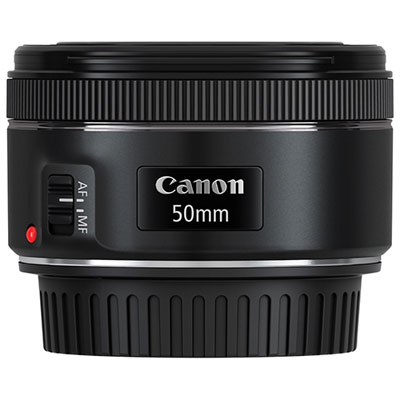 Your price for this item is $169.99
 -
 Your price for this item is $329.99
 -
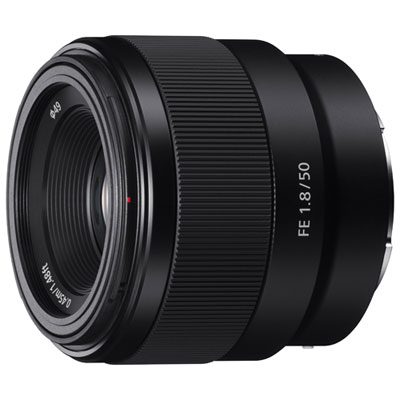 Your price for this item is $349.99
 -
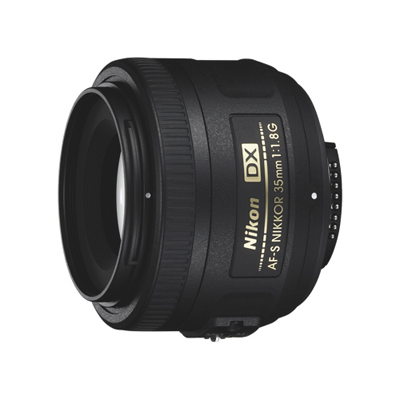 Your price for this item is $258.98
 -
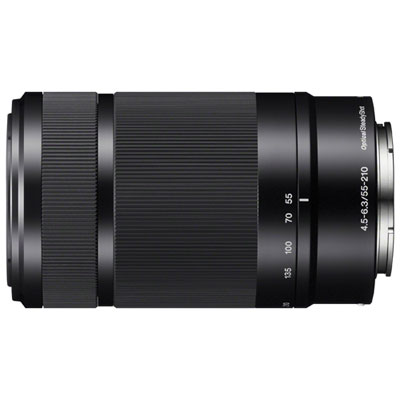 Your price for this item is $399.99
 -
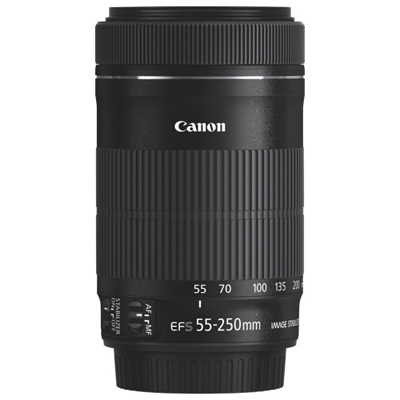 Your price for this item is $399.99
 -
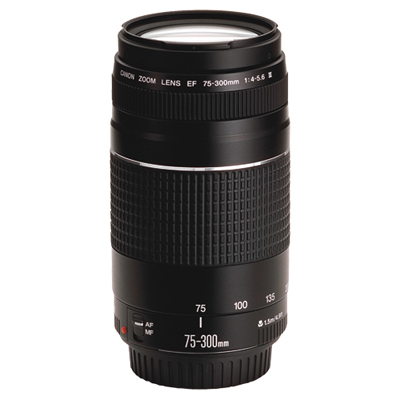 Your price for this item is $199.99
 -
 Your price for this item is $174.99
Discover more categories related to 24 70mm Lenses
Top Collections:
Pokemon Centers, Kindle Devices, Best Cell Phones Under $500, Alarm Clock, Canon G7X Cameras, iPhone 15 Apple, Laptops for Students, Budget Smartphones, iPhone 14 256GB, Best Camera Tripods Under $100
Some products may be subject to Environmental Handling Fees
(EHF) depending on your province.
Learn more about EHFs.