70mm Lenses
Capture the world in stunning detail with our wide selection of 70mm lenses. Whether you're an aspiring photographer looking to enhance your skills or a seasoned professional seeking to expand your creative possibilities, these lenses offer exceptional performance and versatility. With their ability to capture sharp and vibrant images, you'll be able to bring out the finest details in your subjects, whether it's a breathtaking landscape, a captivating portrait, or an action-packed sports event. Explore our collection of 70mm lenses and unlock a new level of photographic excellence.
Sort
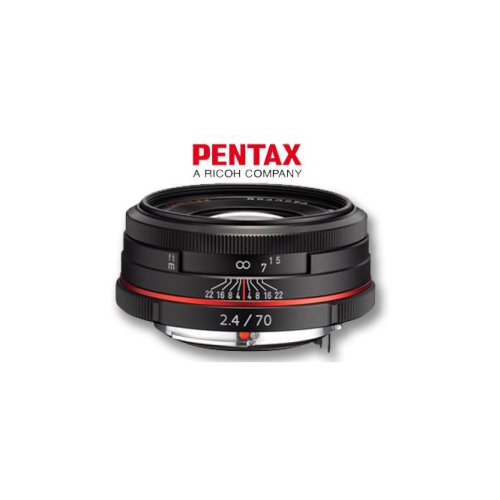
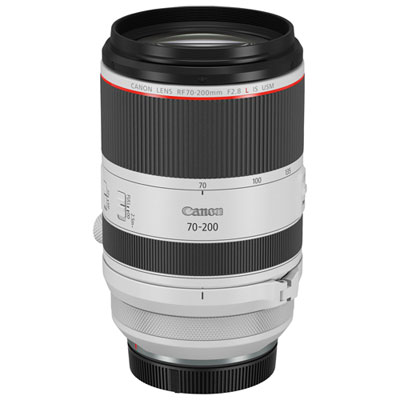
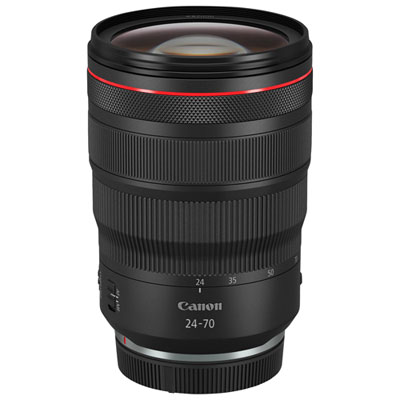
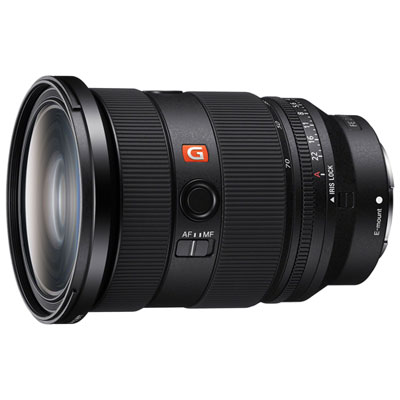
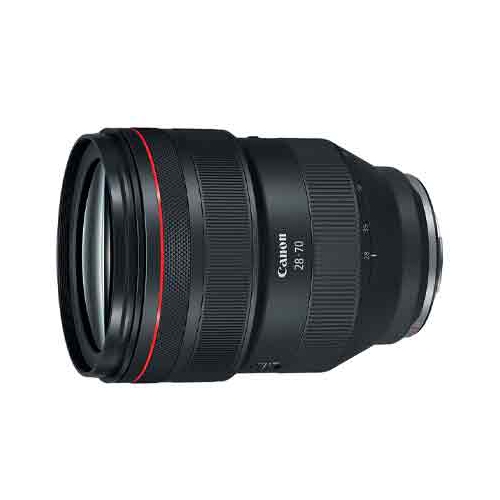
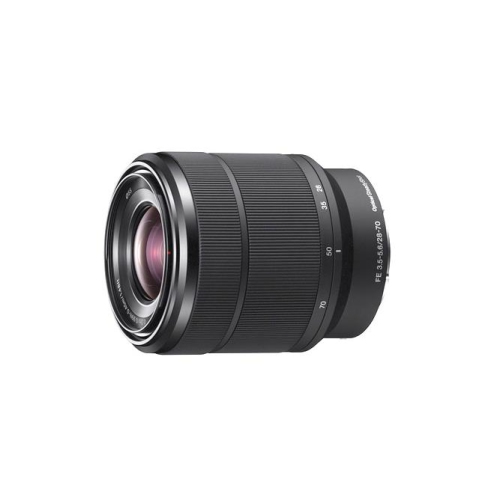
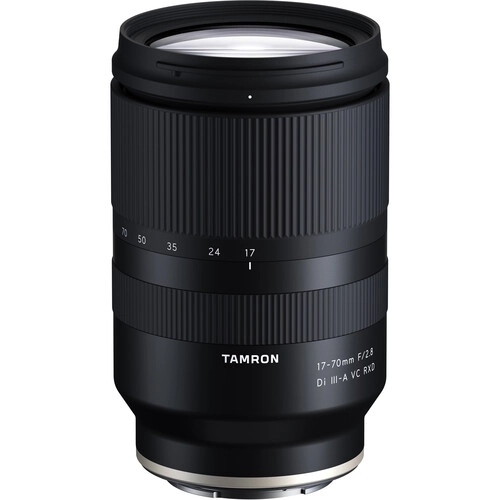
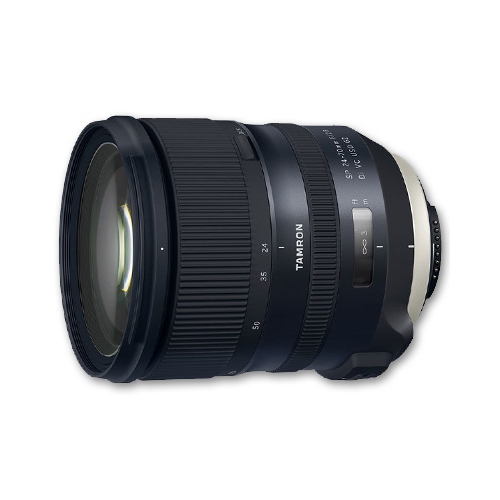
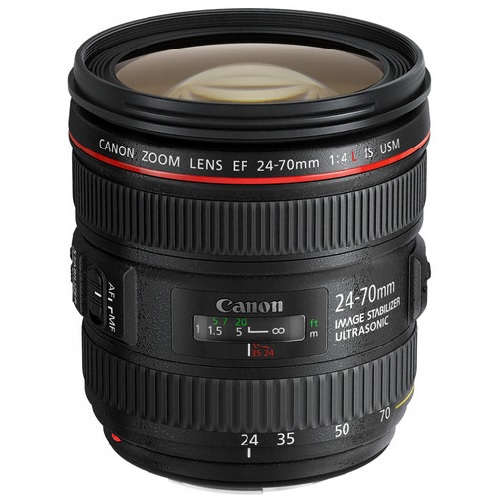
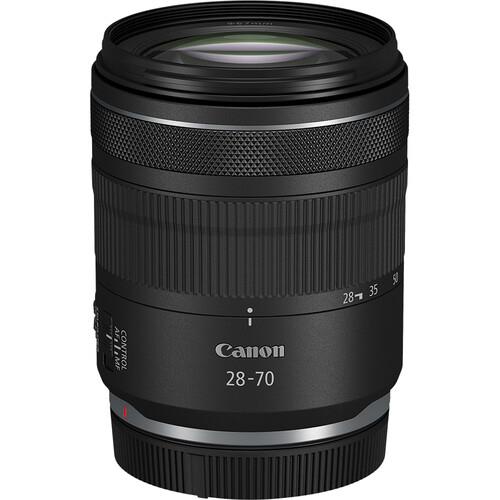
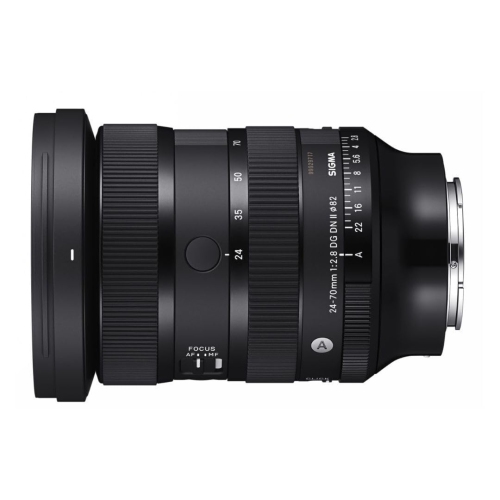
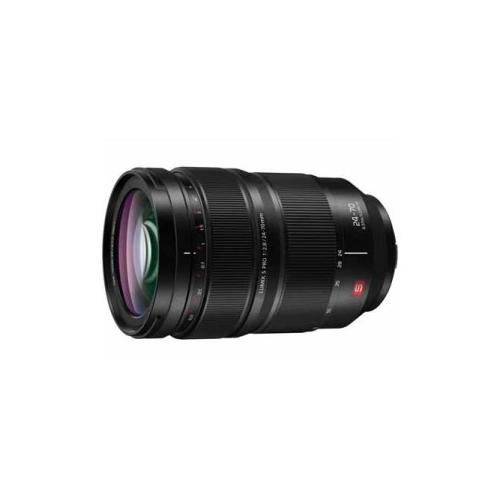
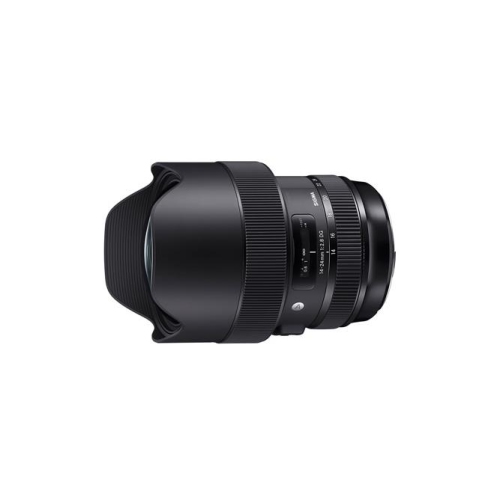
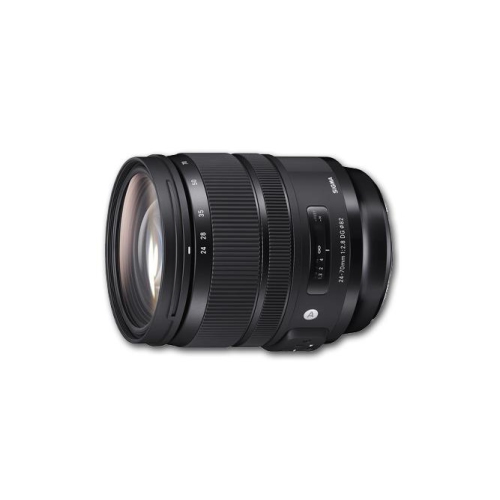
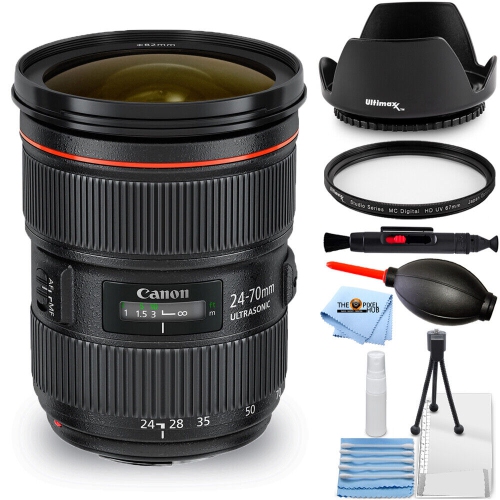
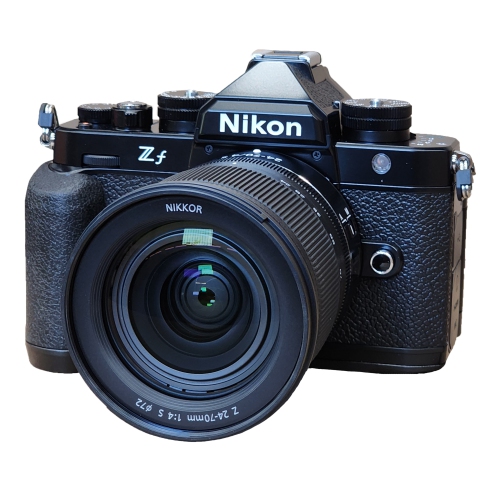
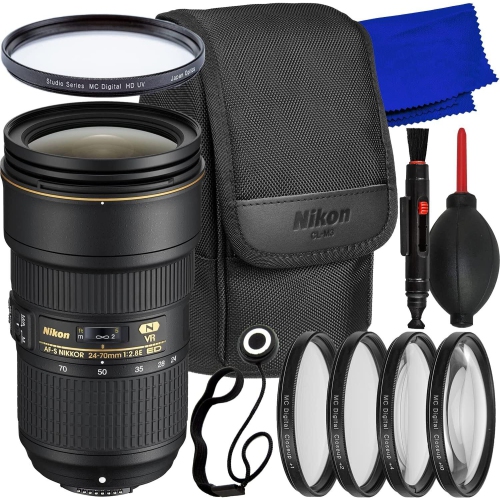
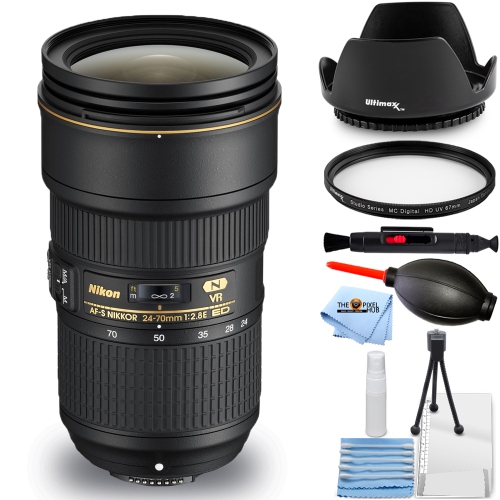
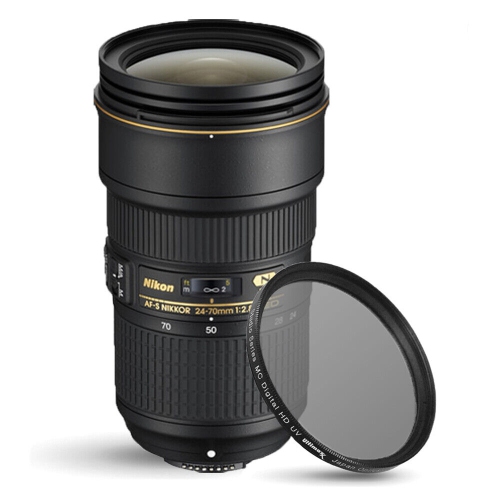
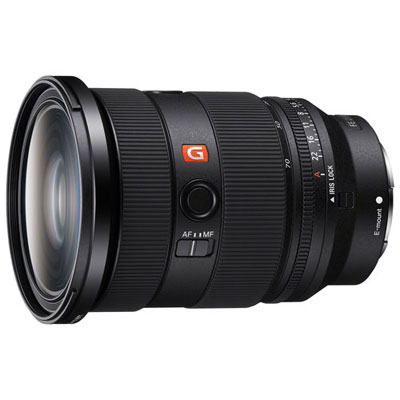
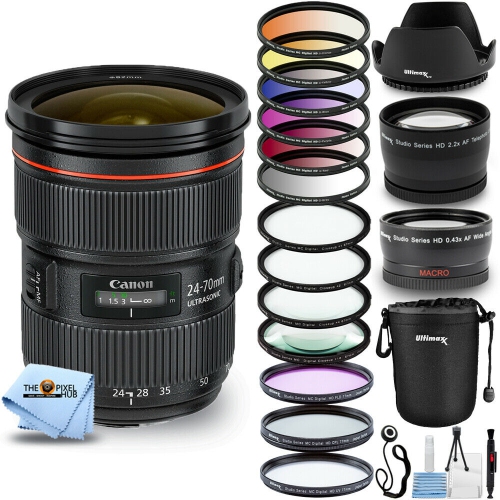
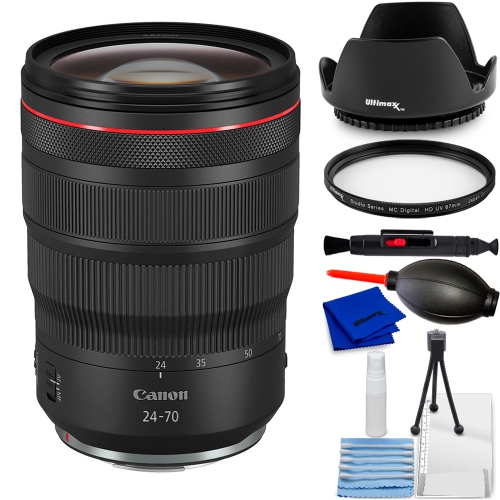
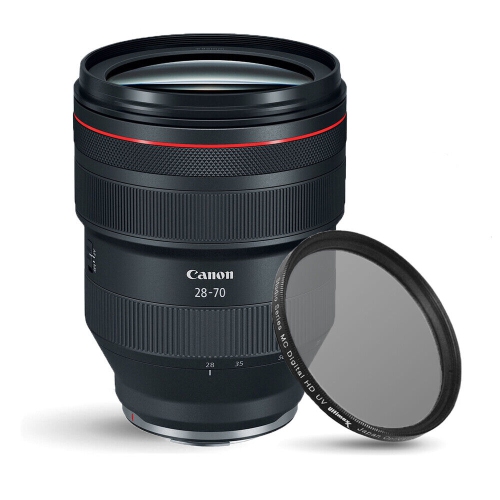
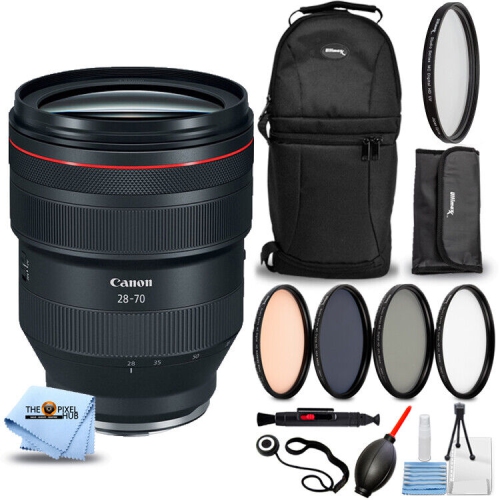
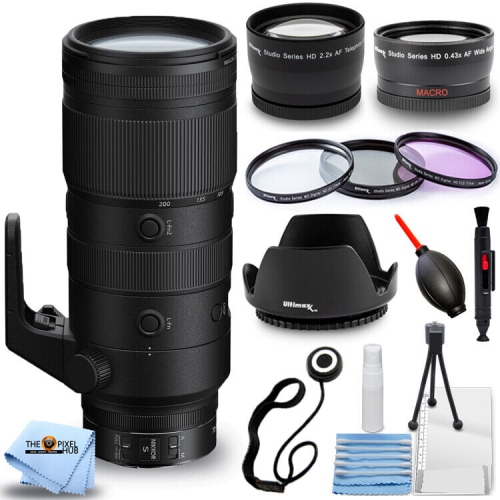
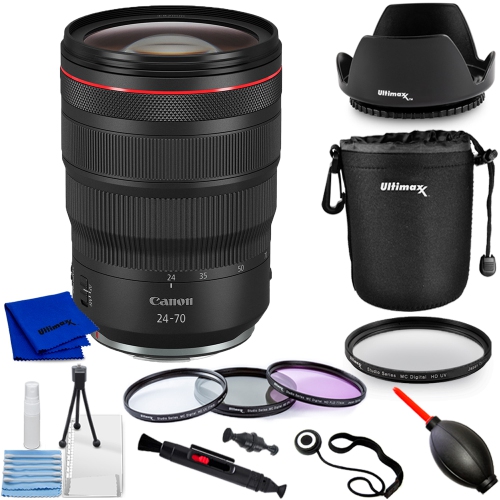

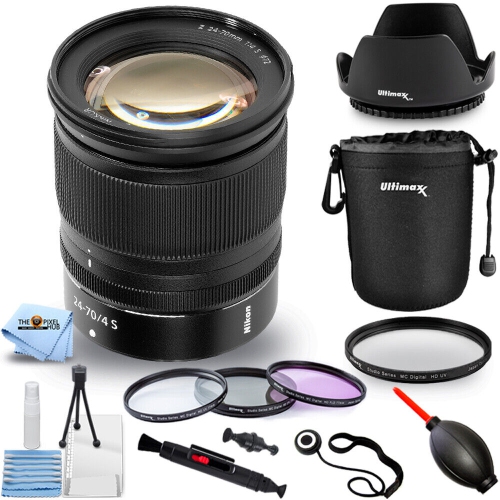
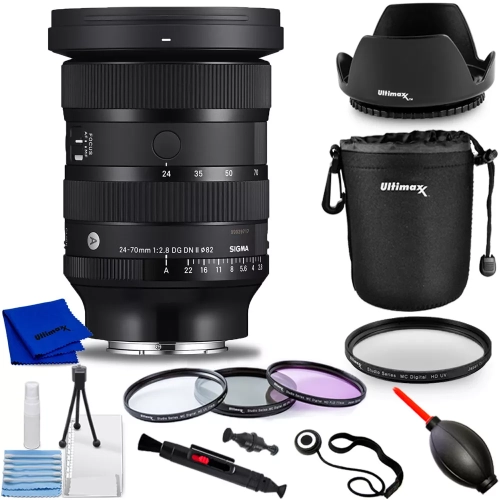
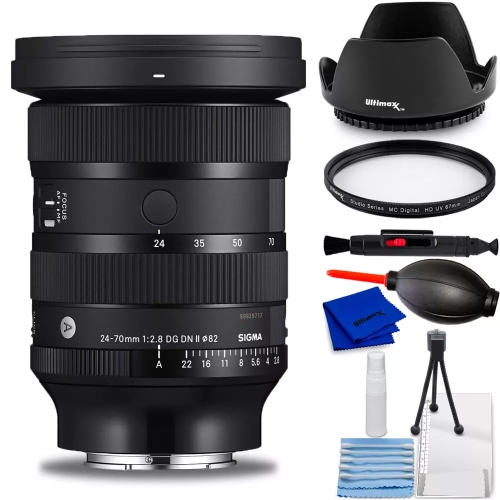
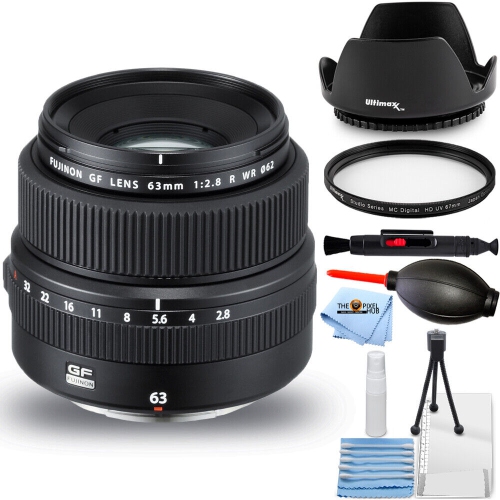
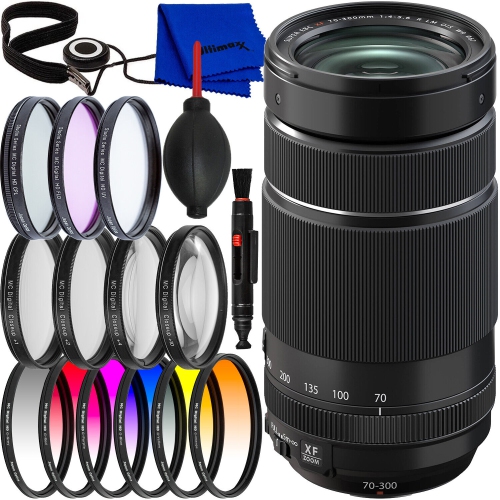
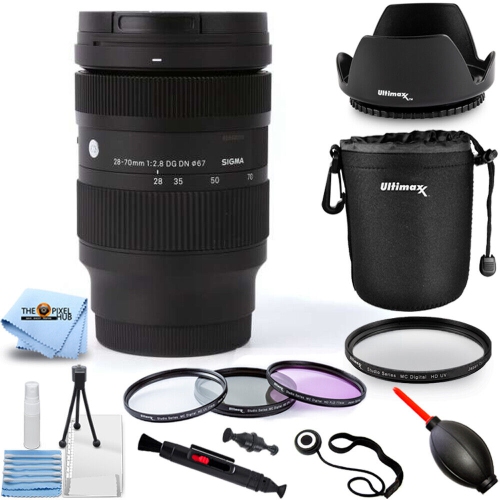
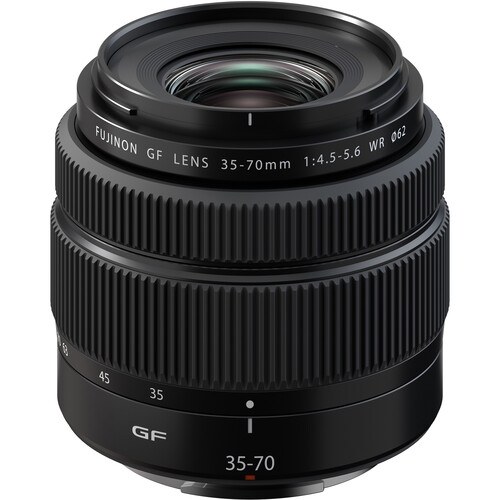
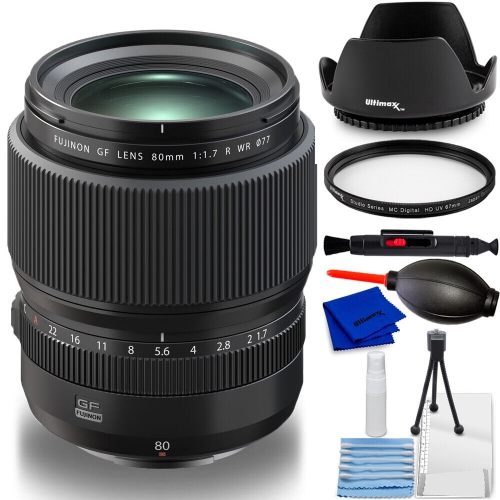
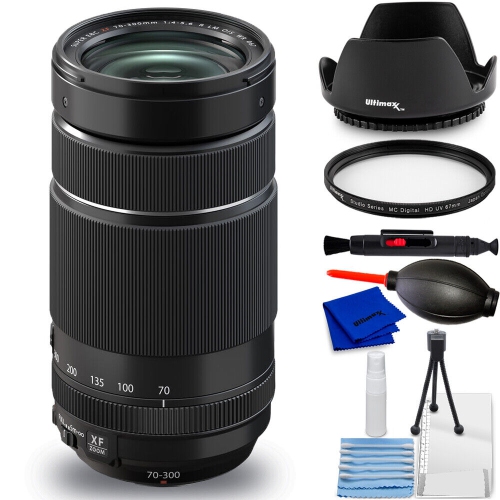
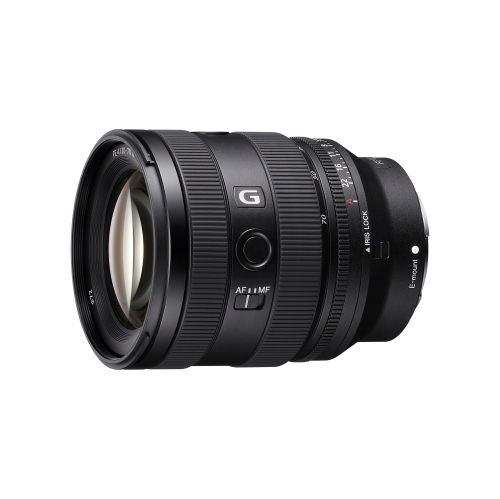
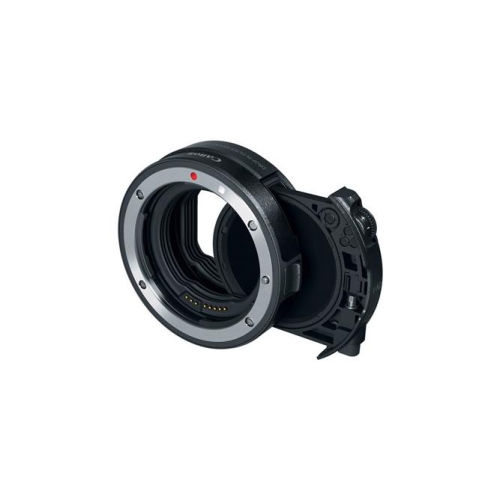
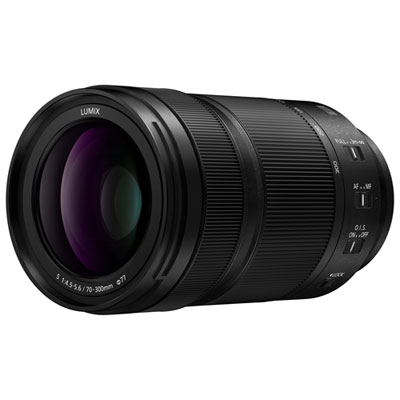
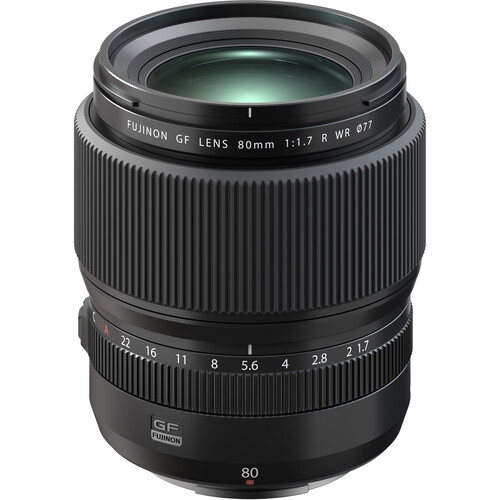
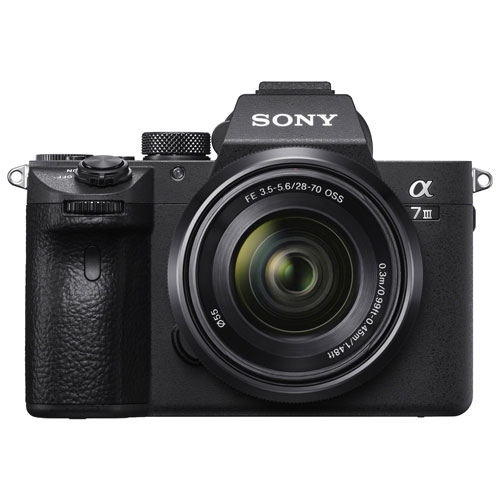
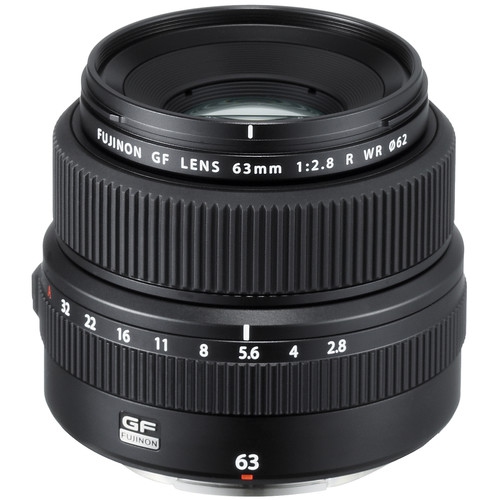

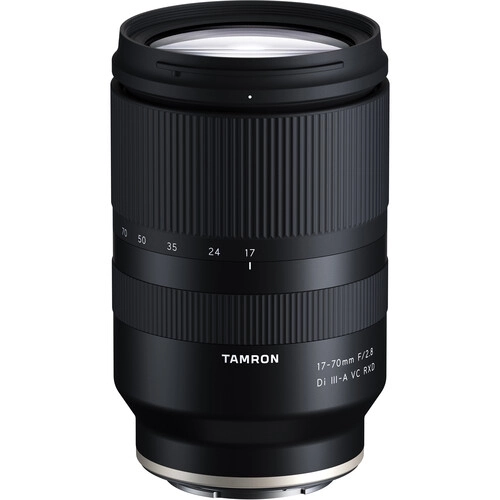
A tighter view that lets small details stand apart
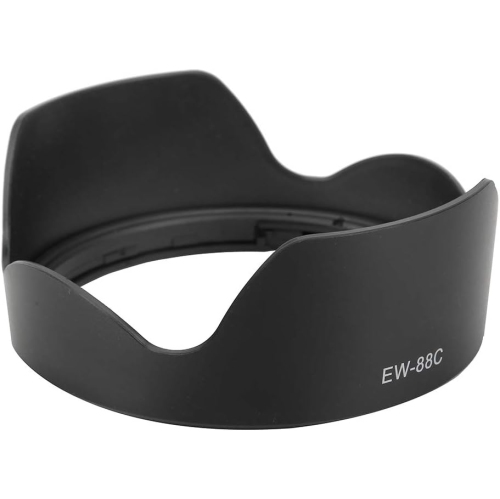
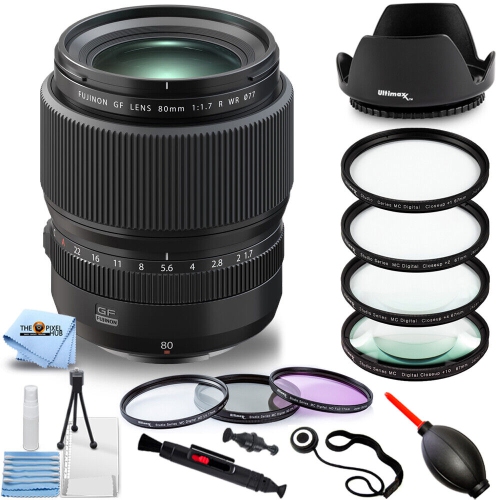
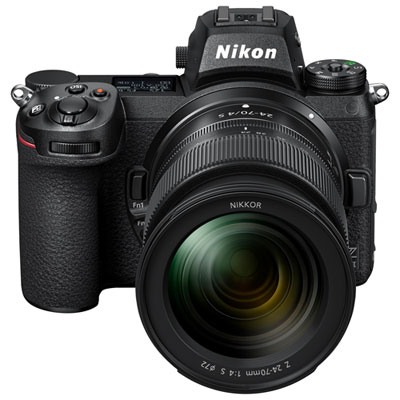
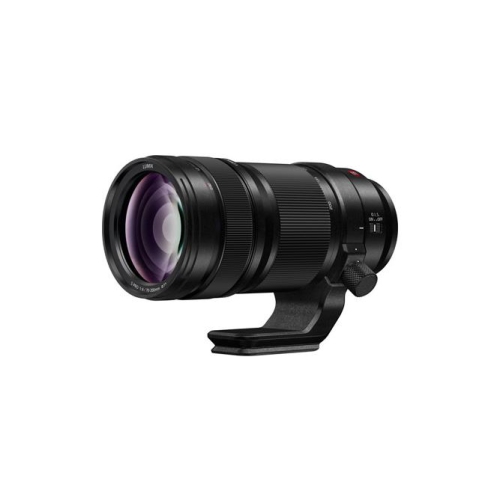
70mm lenses bring a slightly tighter view to portraits, close-ups, and everyday photography, helping a face, flower, or small detail stand apart from its surroundings. The term can refer to a fixed 70mm prime lens, a dedicated 70mm macro lens, or a zoom lens whose focal range includes 70mm, such as a 24–70mm standard zoom. These designs serve different purposes even though they share a focal length. A prime has a fixed angle of view, while a zoom allows framing changes without changing lenses or moving closer to the subject. A macro lens is designed for close focusing; models with a maximum reproduction ratio of 1:1 can project a subject onto the camera sensor at life size, revealing details such as the weave of fabric or the veins in a leaf. Not every 70mm lens offers that capability, so maximum magnification matters more than focal length alone for true macro photography. On a full-frame camera, 70mm provides a short telephoto view that suits head-and-shoulders portraits, food photography, and details within a wider scene. On an APS-C camera, the same focal length gives a narrower angle of view, roughly equivalent to 105mm or 112mm on full frame, depending on the camera’s crop factor. The lens’s actual focal length does not change. This tighter framing can suit individual portraits and distant details, though it leaves less room for group photographs in a small living room. At portrait distances, 70mm allows some space between the photographer and subject, which can make a session feel less intrusive. The flattering perspective often associated with this focal length comes from that shooting distance rather than the lens changing facial proportions by itself. For a broader view of a room, street scene, or person within their surroundings, 35mm Lenses offer a useful comparison. The distinction is especially noticeable indoors, where stepping back may not be possible.
The right fit for a 70mm lens starts with the camera mount and sensor format. A matching mount name is important, but compatibility can also depend on whether the lens is designed for a mirrorless camera or a DSLR and whether its image circle covers the camera’s sensor. A lens intended for a smaller sensor may cause dark corners on a full-frame body or require a cropped shooting mode. Where an adapter is supported, autofocus, aperture control, and stabilization may behave differently, so compatibility details deserve attention alongside the focal length. Maximum aperture affects both light gathering and creative control. An f/2.8 aperture can support faster shutter speeds in dim light and a softer background than a smaller opening under otherwise similar conditions, but background blur also depends on subject distance, background distance, and sensor size. For a portrait beside a window, placing the subject well away from the wall can help separate them from the background. For a close-up of a watch face, a smaller aperture may be more useful because depth of field becomes very shallow at high magnification. A steady support and controlled lighting can matter as much as a wide aperture in that situation. Zoom lenses with a constant maximum aperture maintain that maximum opening throughout their focal range, while variable-aperture designs may have a smaller maximum opening as they zoom towards 70mm. Optical stabilization can reduce blur from handheld camera movement, but it does not freeze a moving child or a pet turning its head. Those subjects still need a suitable shutter speed. Autofocus responsiveness is useful for candid expressions, while precise manual focus can help place sharpness on a tiny detail during close-up work. Some macro lenses include a focus limiter to reduce unnecessary searching across their focusing range. For video, smooth focus transitions, quiet focusing, and limited focus breathing are relevant considerations, particularly when shifting attention between a person and an object without changing the composition.
Construction and handling influence how comfortably a 70mm lens fits into regular use. Lens barrels may use metal, engineered plastics, or a combination of materials, with optical glass elements and coatings designed to manage reflections and other optical effects. A heavier build is not automatically sharper or more durable, and a compact prime can feel very different from a large-aperture zoom on the same camera body. Balance matters during a long portrait session, a walk through town, or an afternoon photographing handmade goods at a table. The position and resistance of the focus and zoom rings also affect handling, especially with gloves during the cooler months. Weather sealing, where specified, offers added protection against dust and moisture, but it does not make a lens waterproof, and protection depends partly on the paired camera body. A lens hood can help reduce flare from light entering at an angle and provide some shielding for the front element. Filter thread diameter is a separate measurement from focal length: a 70mm lens does not necessarily accept a 70mm filter. Matching the stated thread size is essential for screw-in filters and replacement front caps. Routine care helps preserve image quality and dependable operation. Loose dust is best lifted with a suitable blower before the glass is gently cleaned with lens-safe materials, rather than rubbed with clothing or household tissues. Front and rear caps, a padded bag, and dry storage protect exposed surfaces and the mount between outings. After shooting outdoors in cold weather, allowing a lens to warm gradually inside a closed camera bag can help reduce condensation. For gift giving, camera compatibility and the recipient’s interests are more useful starting points than focal length alone. A photographer drawn to intricate textures may value close-focusing capability, while someone capturing family gatherings may prefer the flexibility of a zoom that includes 70mm. Portrait enthusiasts, hobby photographers, and creators photographing their own work can all make use of this focal length, with the most suitable design depending on working space, subject size, and how much framing flexibility each session requires.
The right fit for a 70mm lens starts with the camera mount and sensor format. A matching mount name is important, but compatibility can also depend on whether the lens is designed for a mirrorless camera or a DSLR and whether its image circle covers the camera’s sensor. A lens intended for a smaller sensor may cause dark corners on a full-frame body or require a cropped shooting mode. Where an adapter is supported, autofocus, aperture control, and stabilization may behave differently, so compatibility details deserve attention alongside the focal length. Maximum aperture affects both light gathering and creative control. An f/2.8 aperture can support faster shutter speeds in dim light and a softer background than a smaller opening under otherwise similar conditions, but background blur also depends on subject distance, background distance, and sensor size. For a portrait beside a window, placing the subject well away from the wall can help separate them from the background. For a close-up of a watch face, a smaller aperture may be more useful because depth of field becomes very shallow at high magnification. A steady support and controlled lighting can matter as much as a wide aperture in that situation. Zoom lenses with a constant maximum aperture maintain that maximum opening throughout their focal range, while variable-aperture designs may have a smaller maximum opening as they zoom towards 70mm. Optical stabilization can reduce blur from handheld camera movement, but it does not freeze a moving child or a pet turning its head. Those subjects still need a suitable shutter speed. Autofocus responsiveness is useful for candid expressions, while precise manual focus can help place sharpness on a tiny detail during close-up work. Some macro lenses include a focus limiter to reduce unnecessary searching across their focusing range. For video, smooth focus transitions, quiet focusing, and limited focus breathing are relevant considerations, particularly when shifting attention between a person and an object without changing the composition.
Construction and handling influence how comfortably a 70mm lens fits into regular use. Lens barrels may use metal, engineered plastics, or a combination of materials, with optical glass elements and coatings designed to manage reflections and other optical effects. A heavier build is not automatically sharper or more durable, and a compact prime can feel very different from a large-aperture zoom on the same camera body. Balance matters during a long portrait session, a walk through town, or an afternoon photographing handmade goods at a table. The position and resistance of the focus and zoom rings also affect handling, especially with gloves during the cooler months. Weather sealing, where specified, offers added protection against dust and moisture, but it does not make a lens waterproof, and protection depends partly on the paired camera body. A lens hood can help reduce flare from light entering at an angle and provide some shielding for the front element. Filter thread diameter is a separate measurement from focal length: a 70mm lens does not necessarily accept a 70mm filter. Matching the stated thread size is essential for screw-in filters and replacement front caps. Routine care helps preserve image quality and dependable operation. Loose dust is best lifted with a suitable blower before the glass is gently cleaned with lens-safe materials, rather than rubbed with clothing or household tissues. Front and rear caps, a padded bag, and dry storage protect exposed surfaces and the mount between outings. After shooting outdoors in cold weather, allowing a lens to warm gradually inside a closed camera bag can help reduce condensation. For gift giving, camera compatibility and the recipient’s interests are more useful starting points than focal length alone. A photographer drawn to intricate textures may value close-focusing capability, while someone capturing family gatherings may prefer the flexibility of a zoom that includes 70mm. Portrait enthusiasts, hobby photographers, and creators photographing their own work can all make use of this focal length, with the most suitable design depending on working space, subject size, and how much framing flexibility each session requires.
Top selling and popular products
-
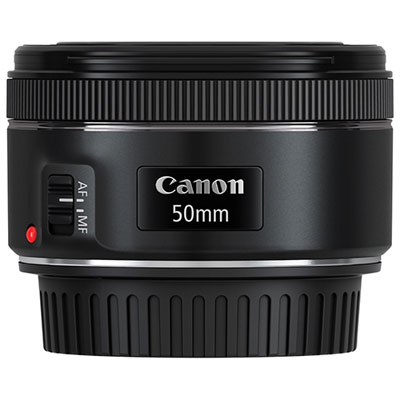 Your price for this item is $169.99
 -
 Your price for this item is $329.99
 -
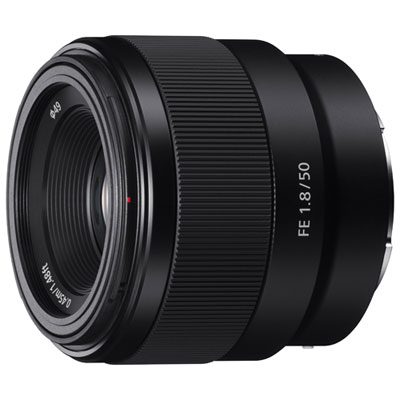 Your price for this item is $349.99
 -
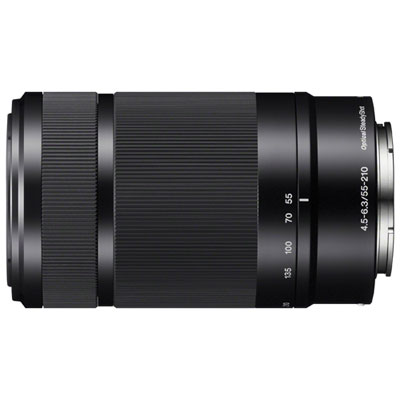 Your price for this item is $399.99
 -
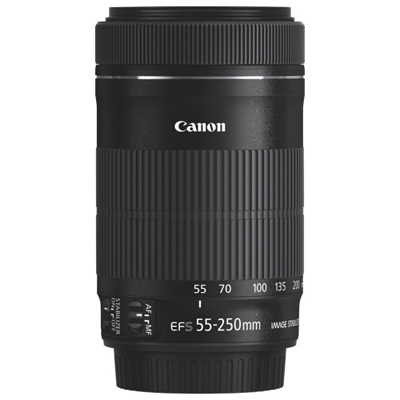 Your price for this item is $399.99
 -
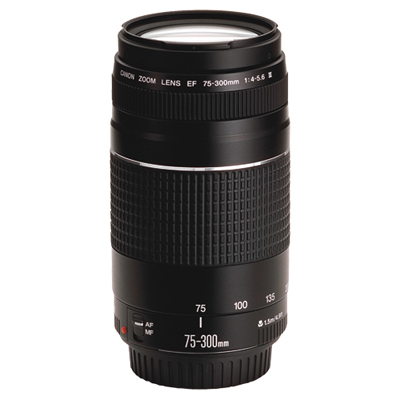 Your price for this item is $199.99
 -
 Your price for this item is $174.99
 -
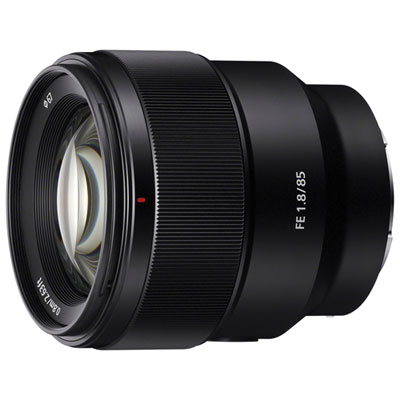 Your price for this item is $749.99
Discover more categories related to 70mm Lenses
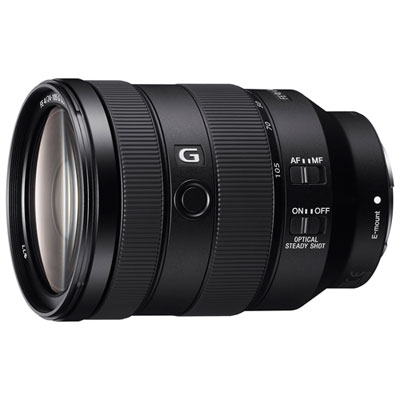
Top Collections:
Pokemon Centers, Kindle Devices, Best Budget Office Chairs, Apple iPhones 16, Canon G7X Cameras, iPhone 15 Apple, Alarm Clock, Refurbished Apple Laptops, Flip Phones, Best Laptops for Writers
Some products may be subject to Environmental Handling Fees
(EHF) depending on your province.
Learn more about EHFs.