85mm Lenses
Looking to capture stunning portraits with incredible detail and depth of field? Look no further than our selection of 85mm lenses. These versatile lenses are a favorite among photographers for their ability to produce beautiful bokeh, making your subject stand out against a dreamy background. Whether you're a professional photographer or an avid hobbyist, our range of 85mm lenses offers exceptional image quality and precise focusing capabilities to help you capture those perfect moments with clarity and precision.
Sort
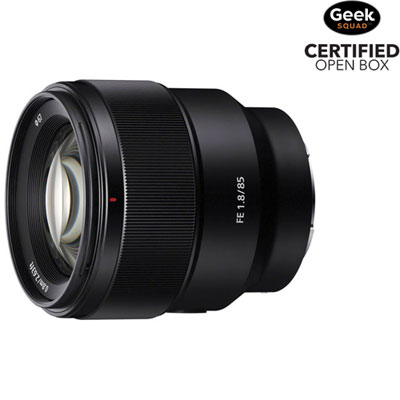
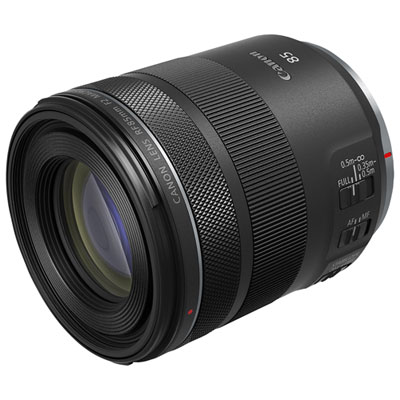
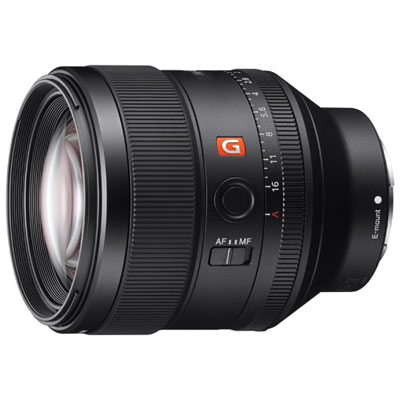
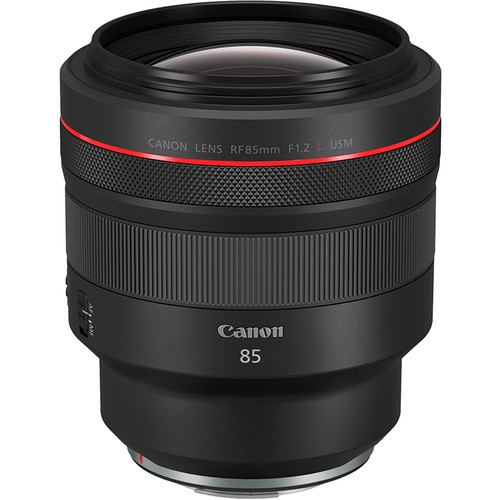
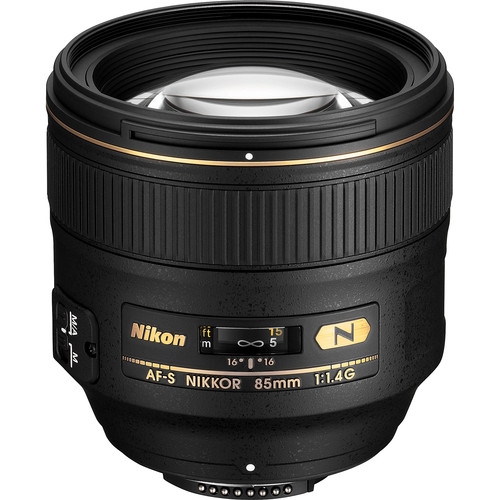
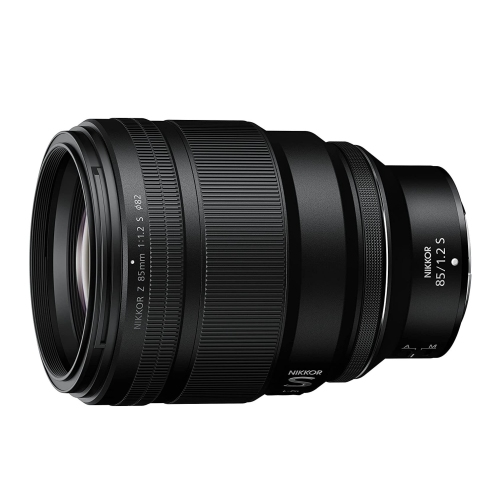
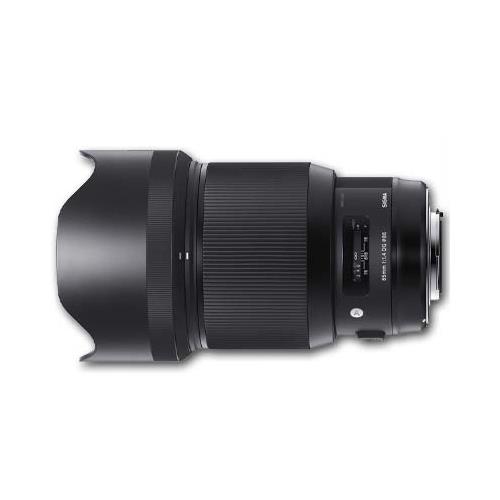
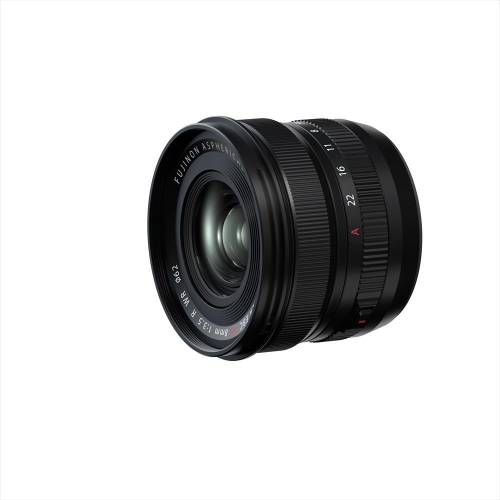
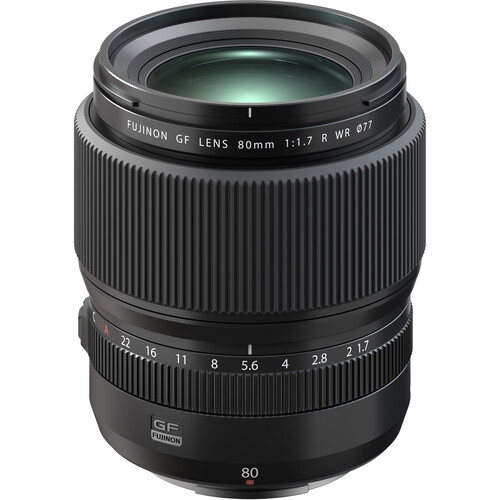
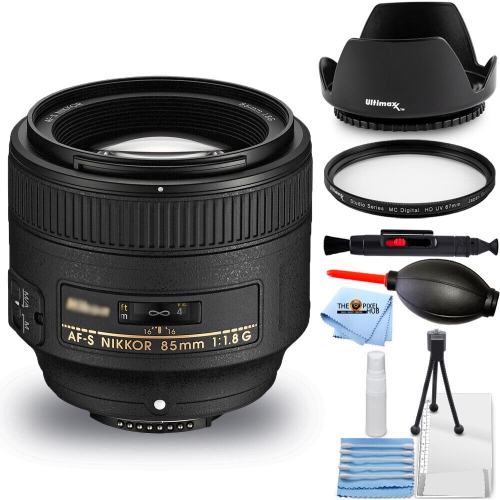
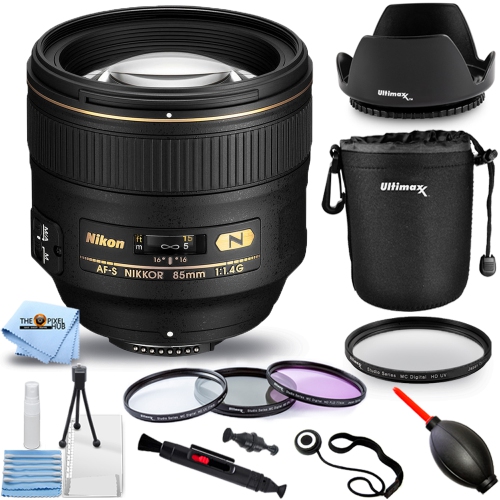
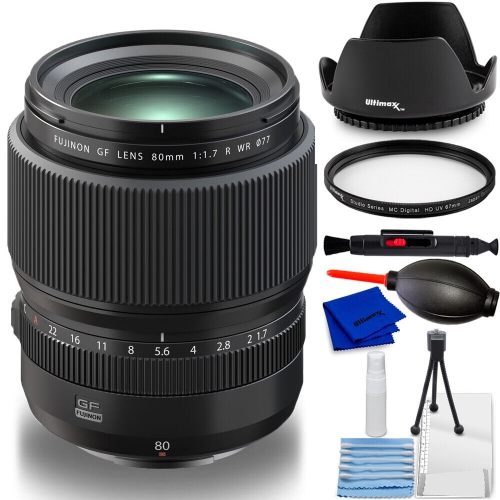
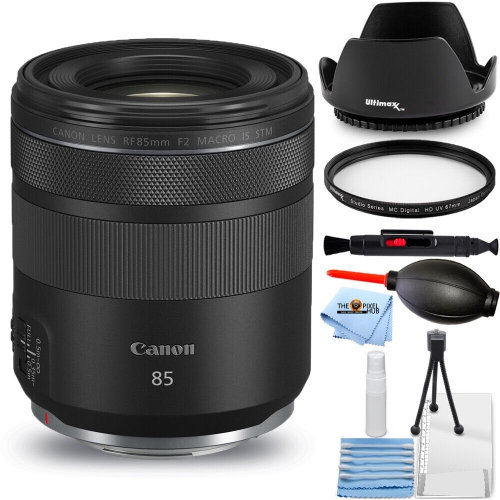
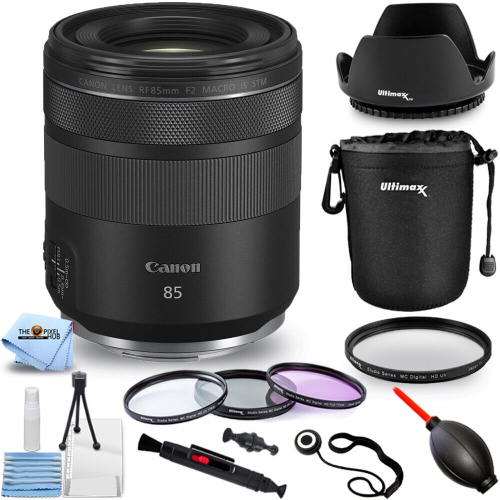
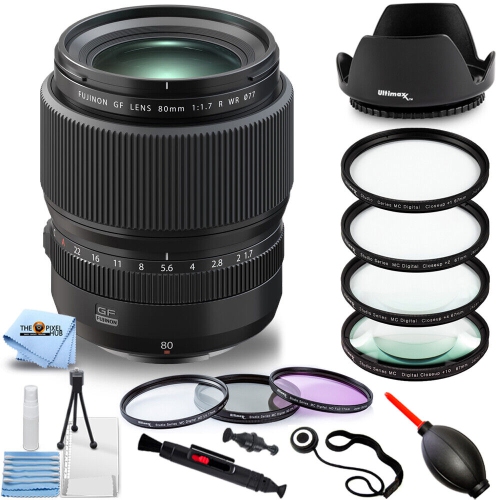
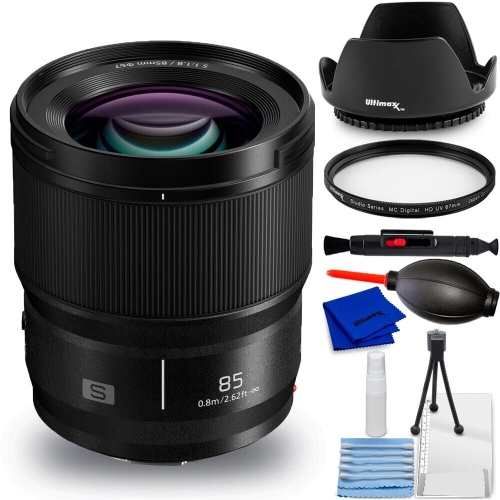
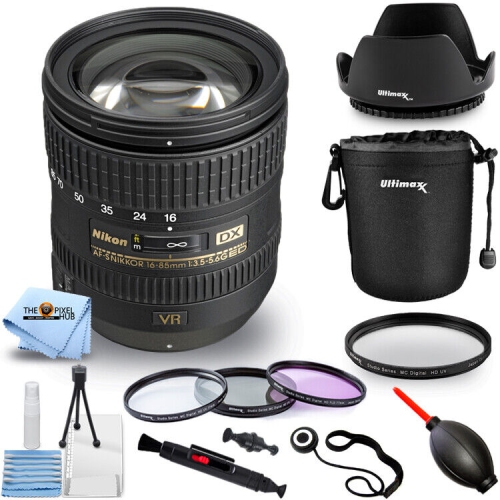

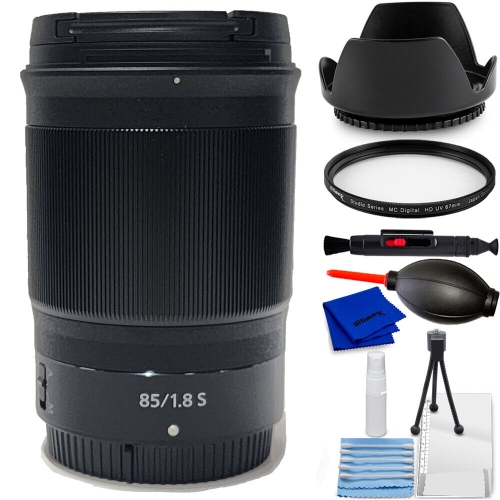
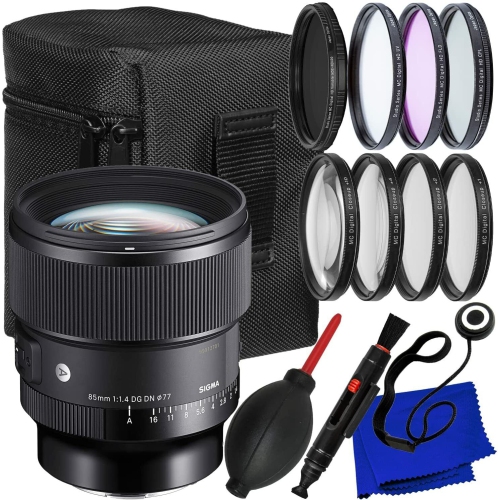
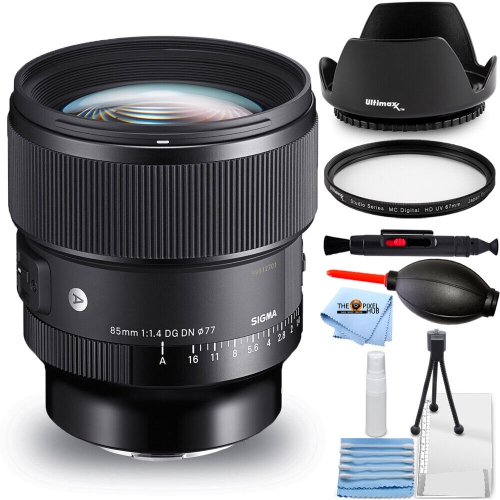
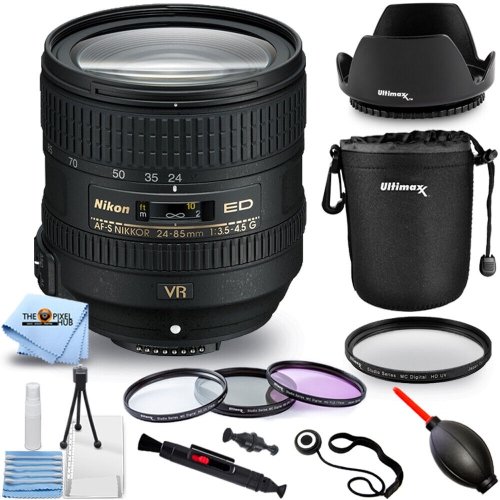
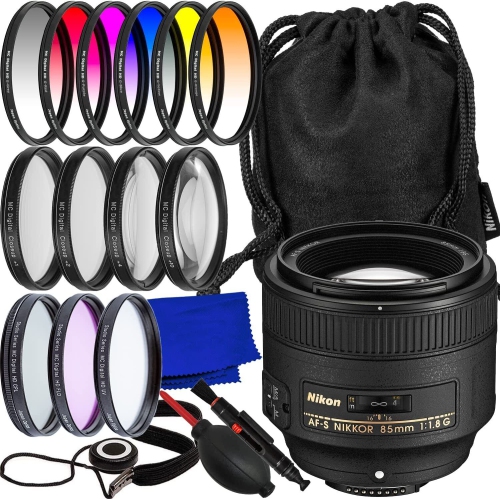
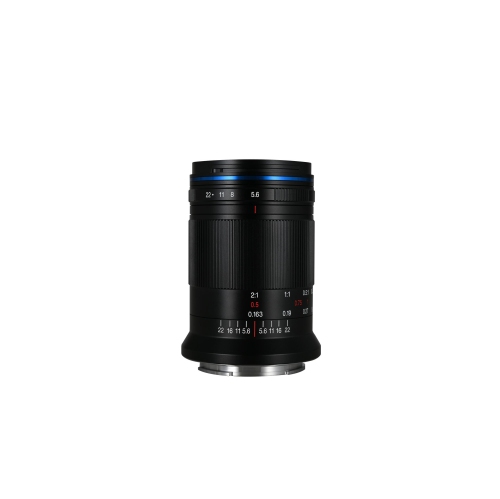
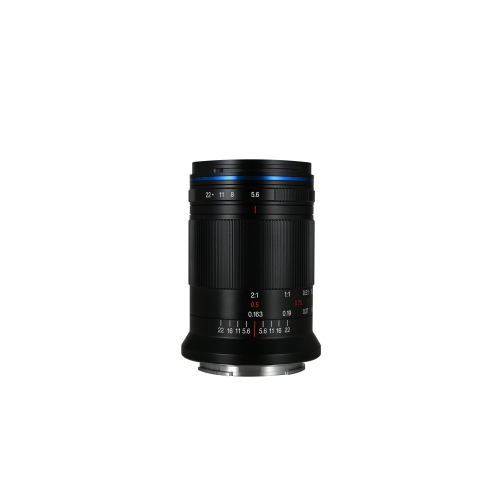
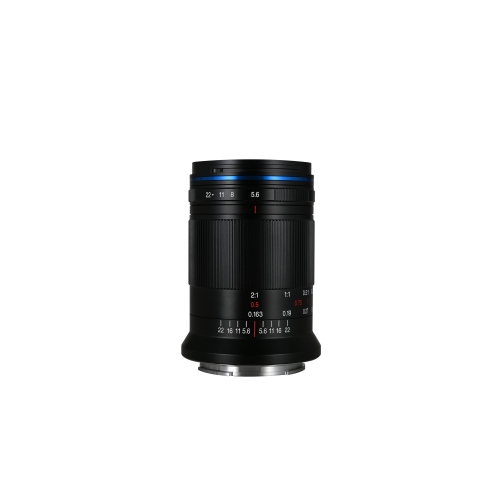
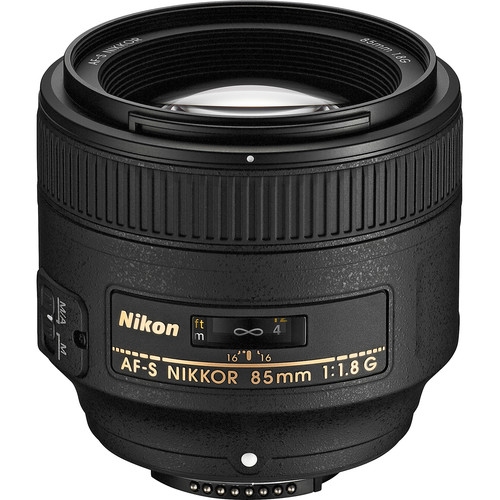
Why 85mm lenses flatter portraits and isolate subjects
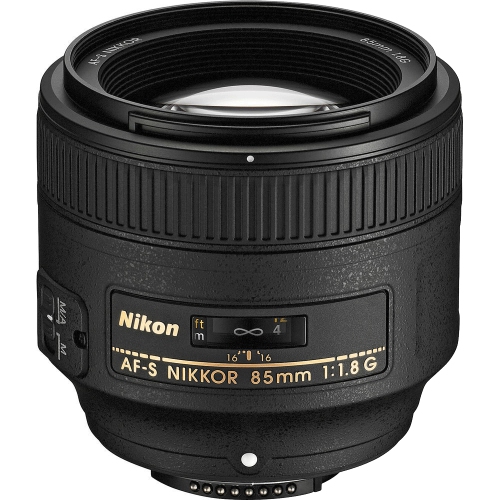
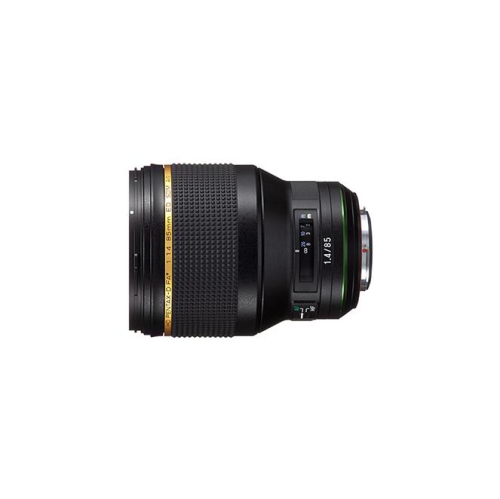
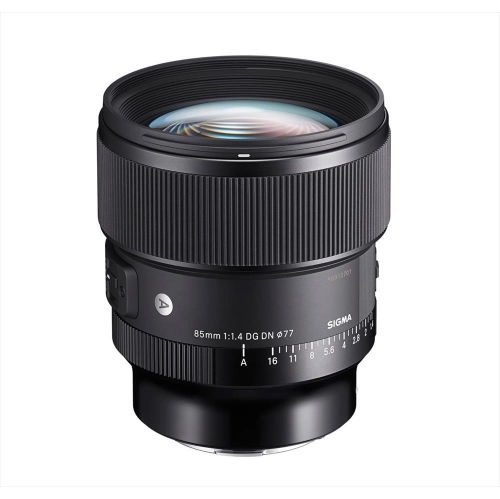
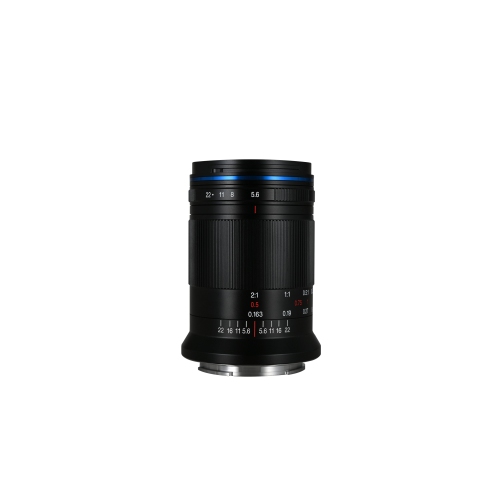
An 85mm lens is a short-telephoto prime lens known for producing natural-looking portraits with a pleasing sense of depth. Its focal length offers a little more working distance than a standard lens, allowing you to photograph a person without standing directly in front of them or making them feel crowded. That extra space is especially helpful for candid expressions, family portraits, graduation photos, professional headshots, and couples’ photography. At the same time, an 85mm lens typically compresses perspective slightly, which can make facial features appear balanced and flattering compared with the exaggerated proportions that can occur when a wider lens is used close to the subject. Many 85mm lenses also have a wide maximum aperture, such as f/1.8, f/1.4, or f/1.2. A wide aperture lets in more light for indoor scenes, evening sessions, and events held in dim venues, while also creating a shallow depth of field that separates the subject from the background. With careful focusing, the eyes can remain sharply defined while hair, foliage, city lights, or a softly furnished room fades into smooth, attractive blur. This look is often associated with portrait photography, but it can also add character to detail shots, food photography, fashion images, and everyday moments when you want the main subject to stand apart.
When choosing among 85mm lenses, start with camera compatibility. The lens mount must match the camera body, and it is important to confirm whether the lens is designed for a full-frame or APS-C sensor system. On a full-frame camera, 85mm provides the classic portrait perspective many photographers expect. On an APS-C camera, the narrower field of view makes the lens appear closer to roughly 127mm to 136mm equivalent, depending on the camera’s crop factor. That tighter framing can be useful for close headshots, stage performances, sports from the sidelines, and outdoor portraits, although it may require more room between the photographer and the subject. Autofocus is another significant consideration. A responsive autofocus system is useful for photographing children, pets, moving subjects, ceremonies, and spontaneous expressions, while manual-focus options can appeal to photographers who prefer a slower, more deliberate process or who regularly work with posed subjects and controlled lighting. Look for features such as a quiet focusing motor, eye-detection compatibility, a focus limiter, or a physical focus switch when those details suit your style of shooting. Image stabilization may also be valuable, particularly for handheld work in low light, although stabilization does not freeze subject movement; a person moving during an indoor portrait can still require a faster shutter speed. Size and weight deserve attention as well. A compact 85mm lens can be comfortable for a full afternoon of walking and photographing, while a larger, brighter lens may offer more control over background blur but add noticeable weight to a camera bag. Build quality, weather resistance, filter size, minimum focusing distance, and the shape of the out-of-focus highlights can all influence the day-to-day experience.
An 85mm lens can be a thoughtful gift for a photographer who already owns a general-purpose lens and wants to explore more intentional portrait work. It is also a practical addition for someone photographing a growing family, creating content for a small business, capturing performers during the cooler months, or making polished images for invitations, announcements, and personal projects. Beginners often appreciate the way this focal length encourages them to move, observe light, and consider the relationship between the subject and the background rather than relying on a zoom ring for every composition. More experienced photographers may use it as a dependable companion to a wider prime lens, such as the 35mm Lenses often chosen for environmental portraits, travel scenes, and documentary-style photography. An 85mm lens is generally less suited to cramped interiors or large group photos, where a wider field of view makes it easier to include everyone, but it excels when you can step back and give the subject room. Before making a purchase, consider the camera body, intended subjects, preferred aperture, autofocus needs, and the amount of space available for shooting. Portraits made beside a bright window, along a quiet path, at a family gathering, or beneath soft evening light can all benefit from the lens’s ability to isolate detail and create a natural sense of distance. During seasonal gatherings and the transition between warmer and cooler weather, that combination of flattering perspective, low-light capability, and expressive background blur can help turn ordinary moments into images with a distinctly personal feel.
When choosing among 85mm lenses, start with camera compatibility. The lens mount must match the camera body, and it is important to confirm whether the lens is designed for a full-frame or APS-C sensor system. On a full-frame camera, 85mm provides the classic portrait perspective many photographers expect. On an APS-C camera, the narrower field of view makes the lens appear closer to roughly 127mm to 136mm equivalent, depending on the camera’s crop factor. That tighter framing can be useful for close headshots, stage performances, sports from the sidelines, and outdoor portraits, although it may require more room between the photographer and the subject. Autofocus is another significant consideration. A responsive autofocus system is useful for photographing children, pets, moving subjects, ceremonies, and spontaneous expressions, while manual-focus options can appeal to photographers who prefer a slower, more deliberate process or who regularly work with posed subjects and controlled lighting. Look for features such as a quiet focusing motor, eye-detection compatibility, a focus limiter, or a physical focus switch when those details suit your style of shooting. Image stabilization may also be valuable, particularly for handheld work in low light, although stabilization does not freeze subject movement; a person moving during an indoor portrait can still require a faster shutter speed. Size and weight deserve attention as well. A compact 85mm lens can be comfortable for a full afternoon of walking and photographing, while a larger, brighter lens may offer more control over background blur but add noticeable weight to a camera bag. Build quality, weather resistance, filter size, minimum focusing distance, and the shape of the out-of-focus highlights can all influence the day-to-day experience.
An 85mm lens can be a thoughtful gift for a photographer who already owns a general-purpose lens and wants to explore more intentional portrait work. It is also a practical addition for someone photographing a growing family, creating content for a small business, capturing performers during the cooler months, or making polished images for invitations, announcements, and personal projects. Beginners often appreciate the way this focal length encourages them to move, observe light, and consider the relationship between the subject and the background rather than relying on a zoom ring for every composition. More experienced photographers may use it as a dependable companion to a wider prime lens, such as the 35mm Lenses often chosen for environmental portraits, travel scenes, and documentary-style photography. An 85mm lens is generally less suited to cramped interiors or large group photos, where a wider field of view makes it easier to include everyone, but it excels when you can step back and give the subject room. Before making a purchase, consider the camera body, intended subjects, preferred aperture, autofocus needs, and the amount of space available for shooting. Portraits made beside a bright window, along a quiet path, at a family gathering, or beneath soft evening light can all benefit from the lens’s ability to isolate detail and create a natural sense of distance. During seasonal gatherings and the transition between warmer and cooler weather, that combination of flattering perspective, low-light capability, and expressive background blur can help turn ordinary moments into images with a distinctly personal feel.
Top selling and popular products
-
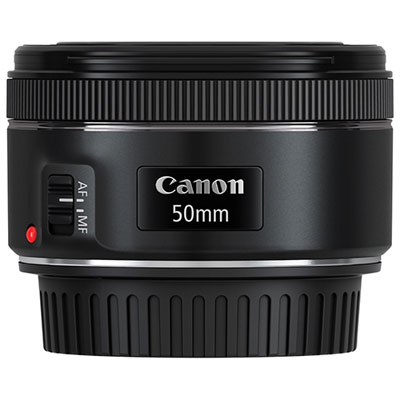 Your price for this item is $169.99
 -
 Your price for this item is $329.99
 -
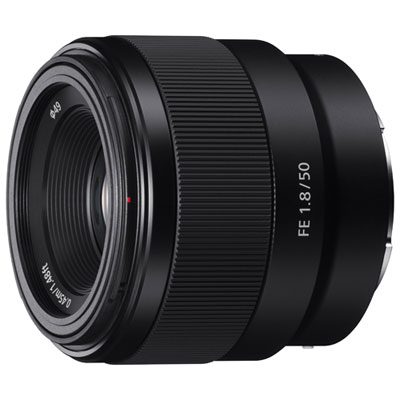 Your price for this item is $349.99
 -
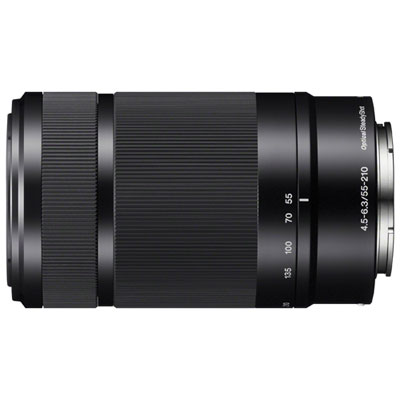 Your price for this item is $399.99
 -
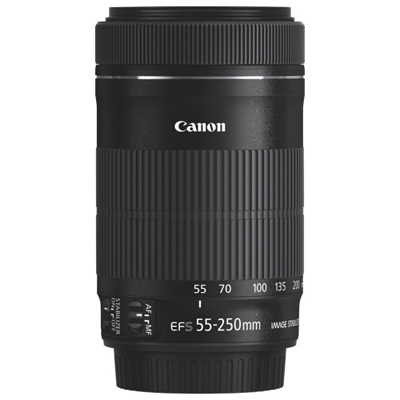 Your price for this item is $399.99
 -
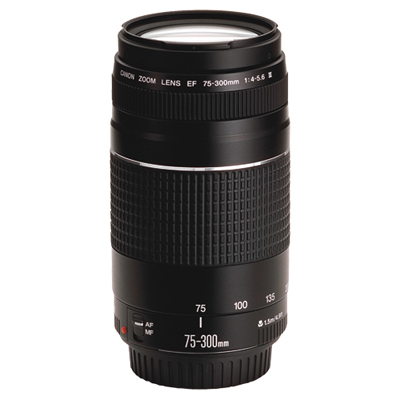 Your price for this item is $199.99
 -
 Your price for this item is $174.99
 -
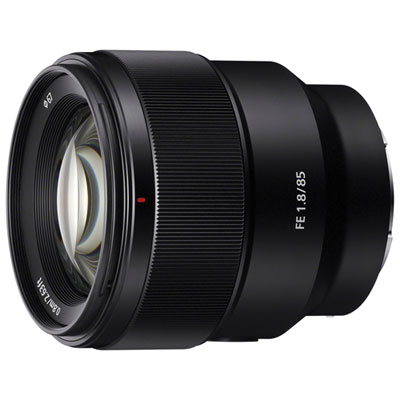 Your price for this item is $749.99
Discover more categories related to 85mm Lenses
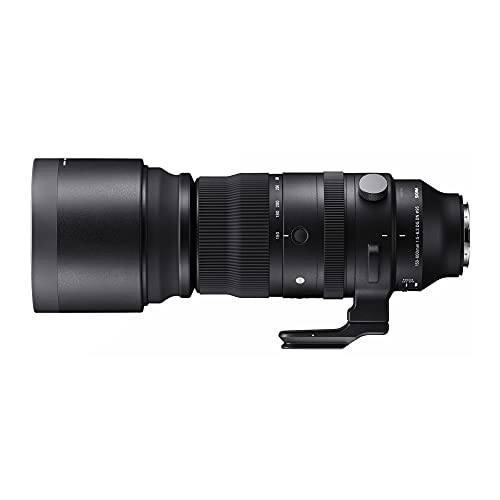
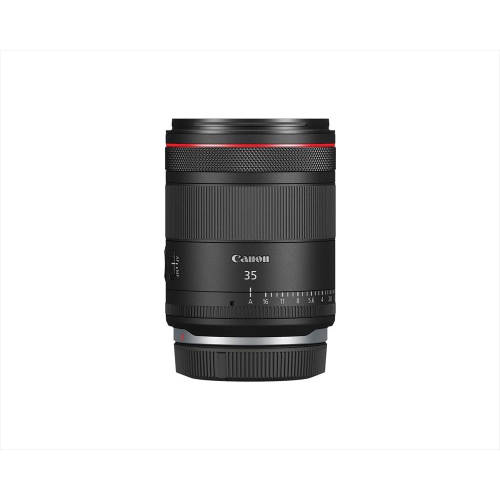
Top Collections:
Pokemon Centers, Kindle Devices, Best Budget Office Chairs, Apple iPhones 16, Canon G7X Cameras, iPhone 15 Apple, Alarm Clock, Refurbished Apple Laptops, Flip Phones, Best Laptops for Writers
Some products may be subject to Environmental Handling Fees
(EHF) depending on your province.
Learn more about EHFs.