Affordable Telephoto Lenses
Affordable Telephoto Lens options make it easier than ever to capture distant subjects with impressive clarity, whether you're photographing wildlife, sporting events, or scenic landscapes. Discover a range of budget-friendly choices designed to help you get closer to the action without stretching your budget. Perfect for photography enthusiasts and beginners alike, these lenses offer an accessible way to expand your creative possibilities and enhance your camera setup. Explore the selection of Affordable Telephoto Lens models to find the perfect fit for your next adventure.
Sort
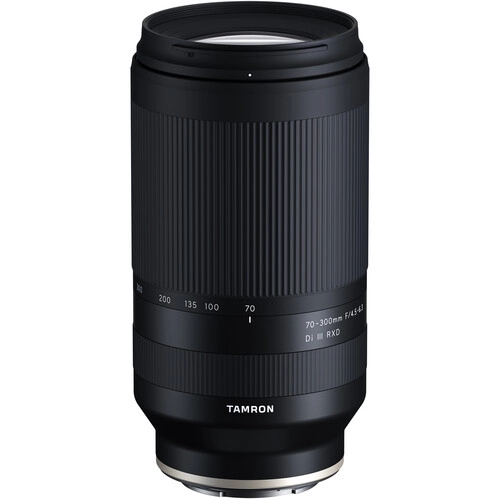
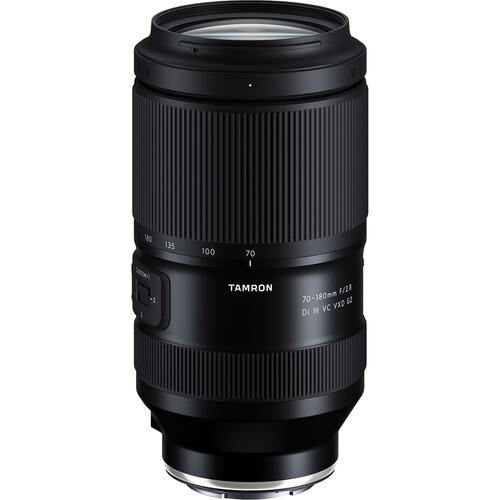
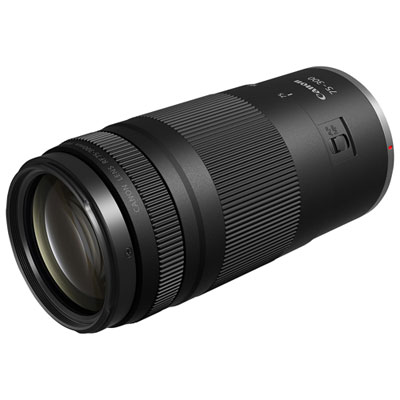
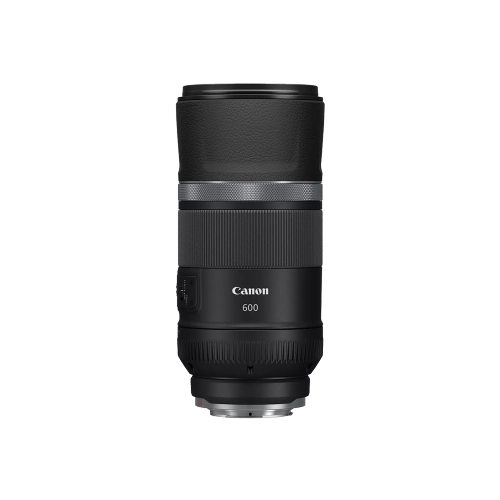
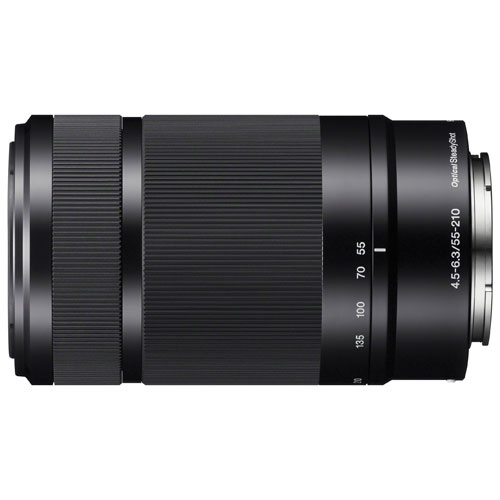
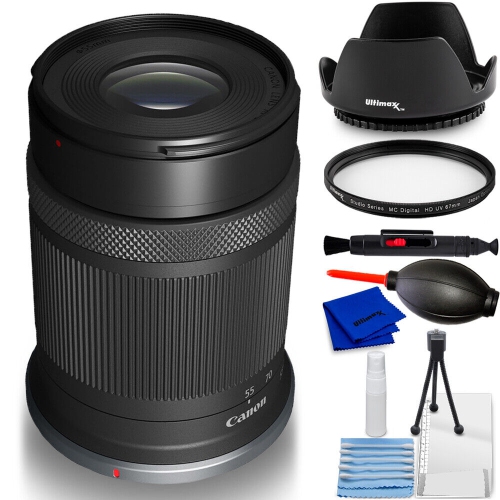
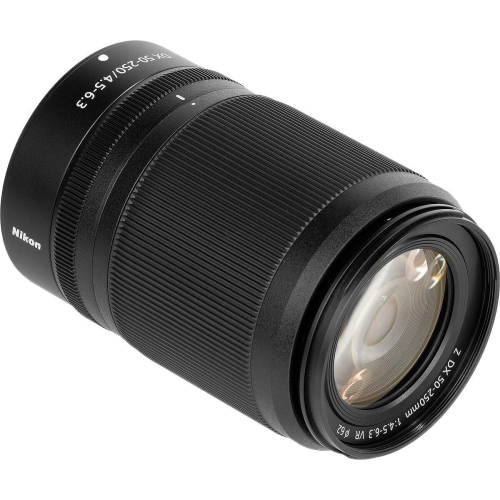
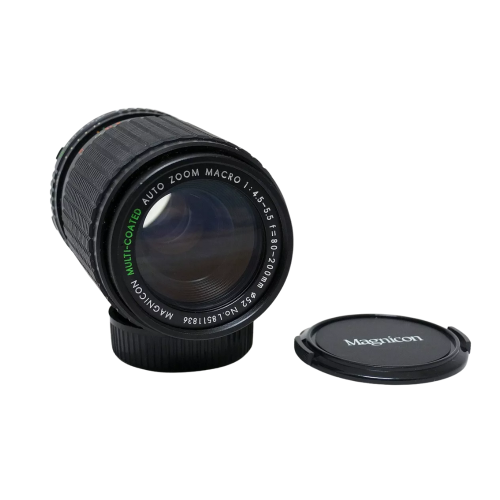
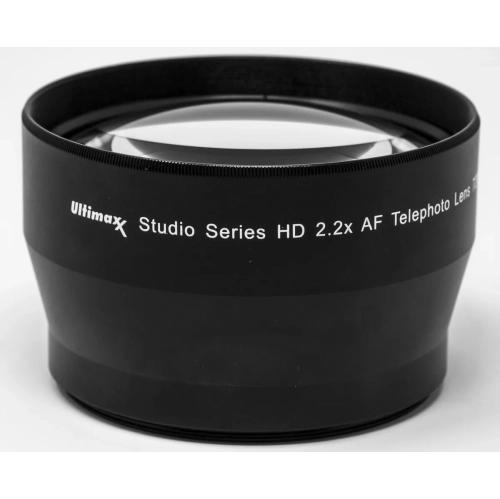
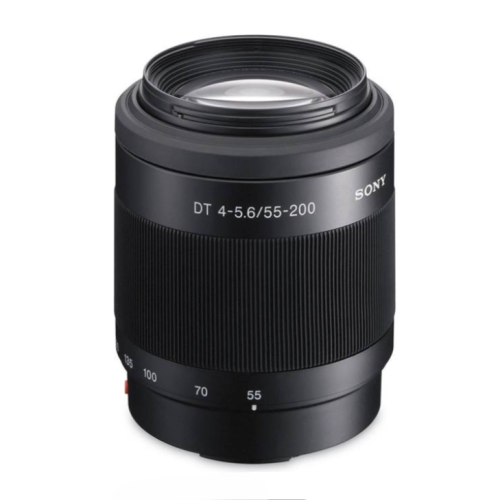
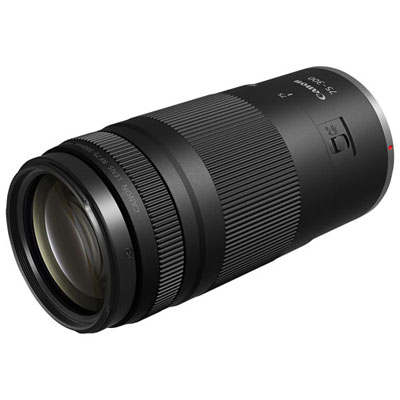
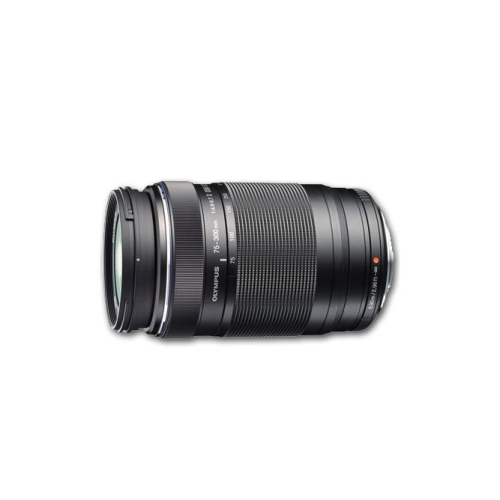
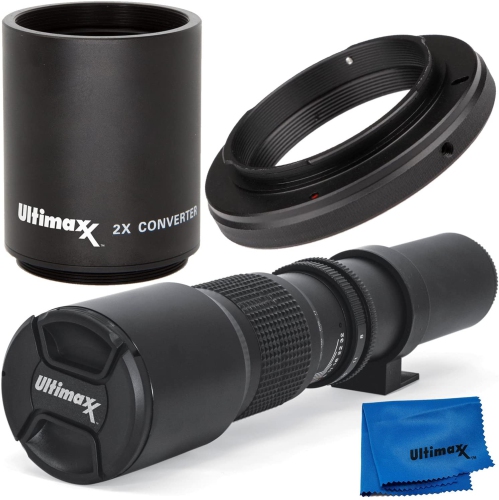
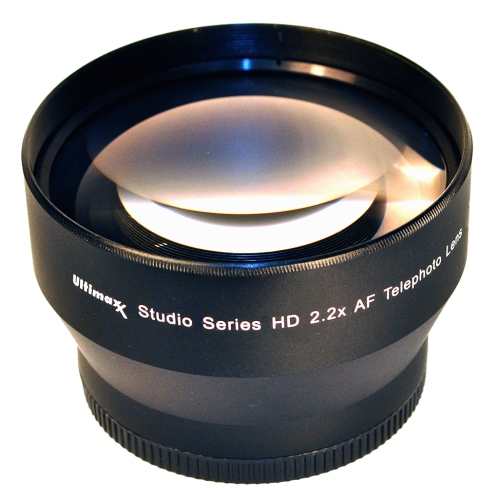
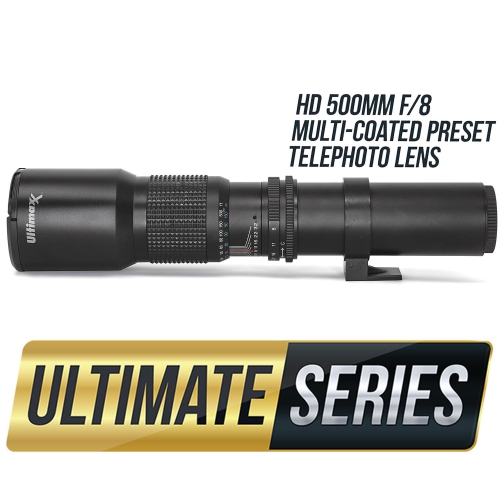
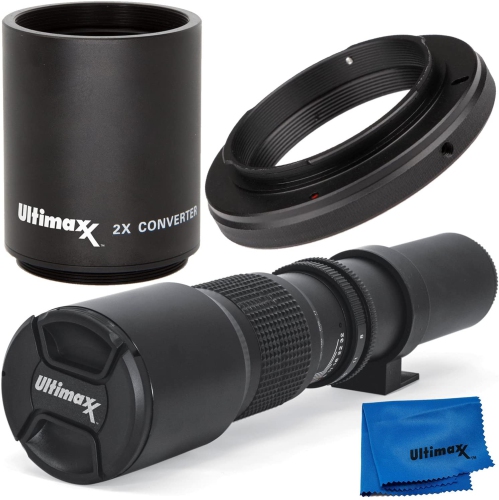
Why telephoto reach is only part of the picture
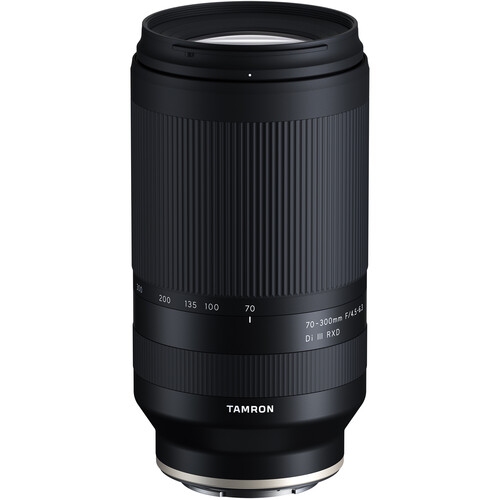
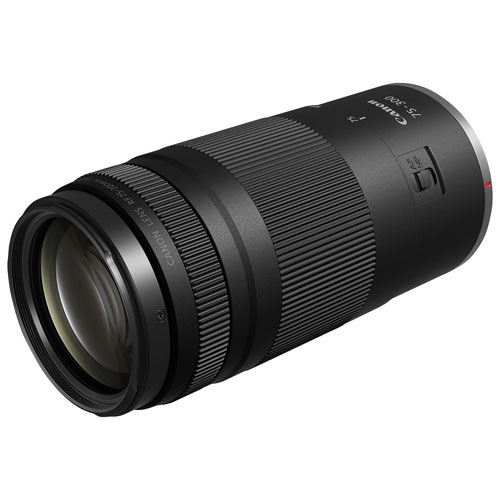
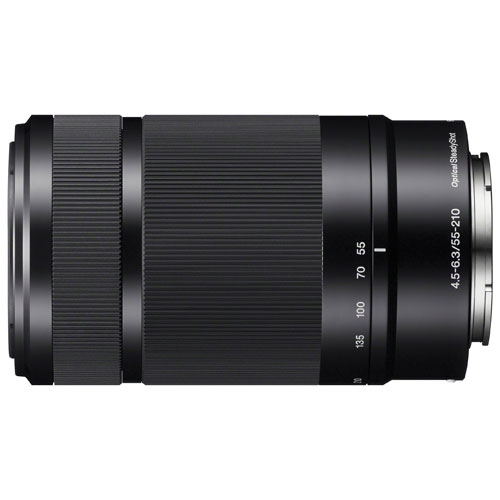
Affordable telephoto lenses bring distant subjects closer in the frame, making them useful for field sports, wildlife, stage performances and portraits with softly blurred backgrounds. Their appeal extends beyond magnification: a longer lens lets a photographer isolate a face in a busy crowd, capture details high on a building or photograph a bird without approaching it. Telephoto zooms offer several focal lengths in one lens, allowing the framing to change when moving closer is impractical. From the sidelines of a soccer match, that flexibility can mean shifting from a wider view of a developing play to a tighter composition around a single player. Prime telephoto lenses have a fixed focal length and may suit photographers who prefer a consistent viewpoint or need a particular aperture for their work. Focal length, expressed in millimetres, describes part of a lens’s optical design; higher numbers generally produce a narrower angle of view on the same camera. Sensor size also affects framing. A 200mm lens on a camera with a 1.5× crop factor gives an angle of view similar to a 300mm lens on a full-frame camera, although the lens’s actual focal length does not change. This distinction matters when comparing reach across camera systems. Physical compatibility is equally important, since lenses must match the camera’s mount and support its sensor format. A lens designed for a smaller sensor may not cover the full image area of a full-frame camera, while an adapter does not necessarily preserve every autofocus or electronic function. Even lenses with similar focal-length markings can therefore serve different cameras and shooting styles. For someone expanding beyond a standard zoom, a telephoto lens adds a distinctly different way to compose photographs, whether the subject is a child crossing a finish line, a musician across an auditorium or a tightly framed portrait taken from a comfortable distance.
Aperture, image stabilization and autofocus help define how a telephoto lens performs in everyday use. The maximum aperture indicates how much light the lens can admit, with a lower f-number representing a wider opening. Some telephoto zooms have a variable maximum aperture, meaning the widest opening becomes smaller toward the longer end of the zoom range. That design can support a compact build, but it also affects exposure when photographing movement under limited lighting. A wider aperture can help maintain a faster shutter speed and separate a subject from its background, although background blur also depends on focal length and the distances between camera, subject and background. For a stationary portrait, optical image stabilization can help reduce blur caused by small hand movements. For a running dog or an athlete changing direction, a sufficiently fast shutter speed remains important because stabilization does not freeze the subject’s motion. Some lenses provide optical stabilization, while others depend on compatible stabilization in the camera body or have no stabilization at all. The way lens and body systems work together varies by camera system. Autofocus performance deserves similar attention: dependable subject tracking can be more useful for action than a small difference in maximum reach. Quiet focusing motors are helpful for video, though an onboard microphone may still capture operational sounds. Manual focus control can be useful when branches, fences or foreground objects distract autofocus from the intended subject. Close-focusing distance is another practical distinction, especially for photographers interested in flowers, craft details or small objects as well as distant scenes; a telephoto lens is not automatically a macro lens. Sharpness, contrast and control of colour fringing also influence the finished image, particularly around fine branches or other high-contrast edges. Stopping down slightly can improve image quality with some lenses, but it reduces incoming light. These characteristics work together rather than in isolation, shaping how comfortably a lens handles the photographs its owner actually wants to take.
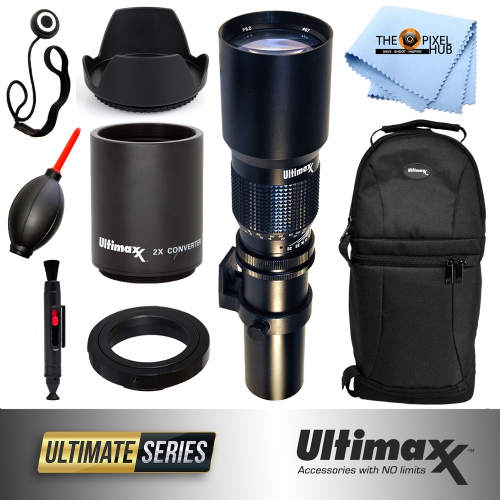
Size, materials and handling make a noticeable difference when carrying and using telephoto lenses. A lighter barrel can be easier to hold through a school performance or pack alongside an everyday camera, while a larger design may offer a wider aperture or additional controls. Lens barrels can combine engineering plastics and metal components; weight alone does not establish durability, and careful assembly, a secure mount and smooth control rings all contribute to the experience. Balance matters as much as the number on a specification sheet. A long lens mounted on a small camera can feel front-heavy, particularly when the zoom barrel extends, so grip comfort and access to the zoom and focus rings are useful considerations. A tripod or monopod can provide support for longer sessions, and a lens with a compatible tripod collar allows support closer to the lens’s centre of mass. A properly fitted hood helps shield the front element from stray light and incidental contact, while caps and a padded compartment help protect optical surfaces during transport. Routine care generally involves removing loose dust with a suitable blower before using a clean microfibre cloth and cleaning materials intended for coated optics. Keeping fingers away from glass surfaces and avoiding force on switches or extending barrels helps preserve smooth operation. Filter thread diameter is worth noting when matching protective filters or other screw-in accessories, since it is separate from the camera mount size. For photographers exploring Good Telephoto Lenses, a manageable combination of reach, handling and camera compatibility often matters more than the longest focal length alone. These lenses can also make thoughtful gifts for photography students, birdwatchers, pet owners or relatives who enjoy photographing amateur sports, provided the recipient’s exact camera model is known. A lens that fits both the camera and the photographer’s interests is more likely to become a familiar part of the camera bag, ready for expressive portraits, distant details and moments that would otherwise occupy only a small part of the frame.
Top selling and popular products
-
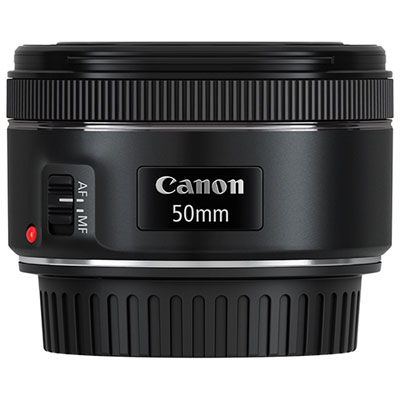 Your price for this item is $169.99
-
 Your price for this item is $279.99
-
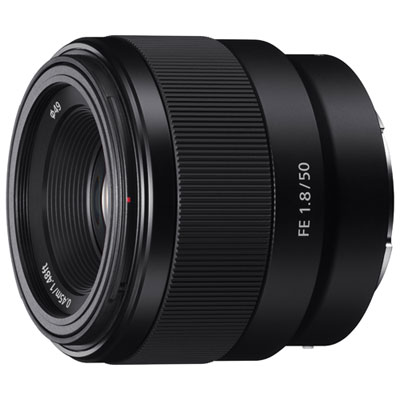 Your price for this item is $299.99
-
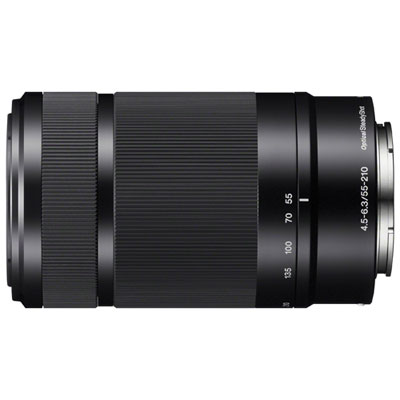 Your price for this item is $399.99
-
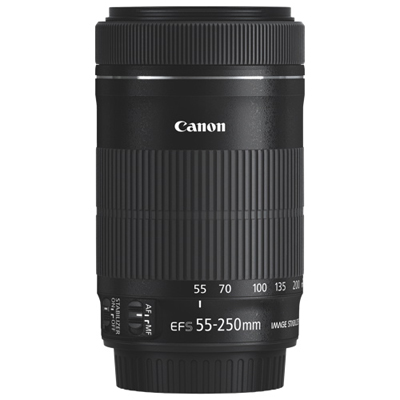 Your price for this item is $399.99
-
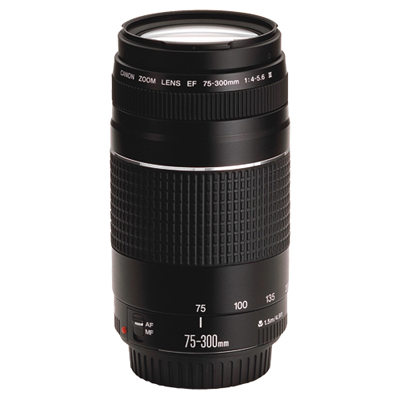 Your price for this item is $199.99
-
 Your price for this item is $539.99
-
 Your price for this item is $174.99
Discover more categories related to Affordable Telephoto Lenses
Top Collections:
Best Black Friday Deals This Year, Best Black Friday Deals On Electronics, Kindle Devices, Pokemon Centers, Best Black Friday Deals On Apple Products, Best Cameras for Sports Photography, Dyson Airwrap, Pokémon 30th Celebration Cards, Apple iPhone 17 Pro, Canon G7X Cameras
Some products may be subject to Environmental Handling Fees
(EHF) depending on your province.
Learn more about EHFs.