Affordable Canon Telephoto Lenses
Telephoto lenses are great for taking pictures of objects that are far away, such as wildlife or sports. They can also be used to take photos of people who are standing far away from the camera. Here are some of our favorite affordable telephoto lenses by Canon.
Sort
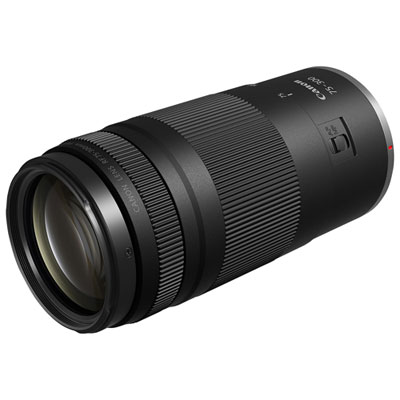
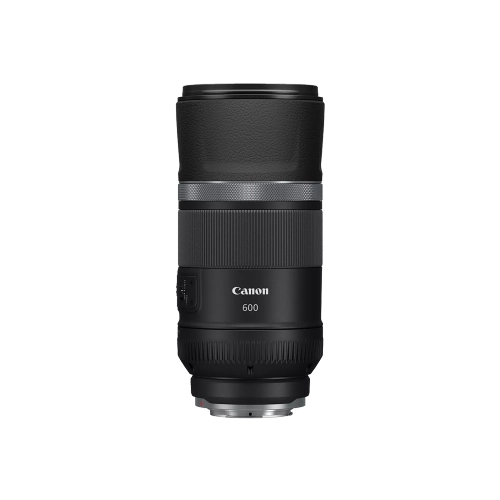
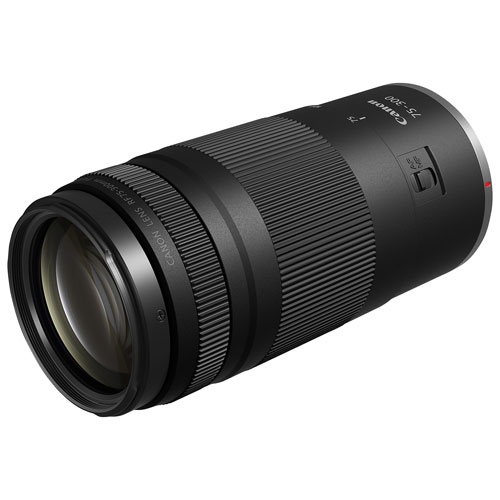
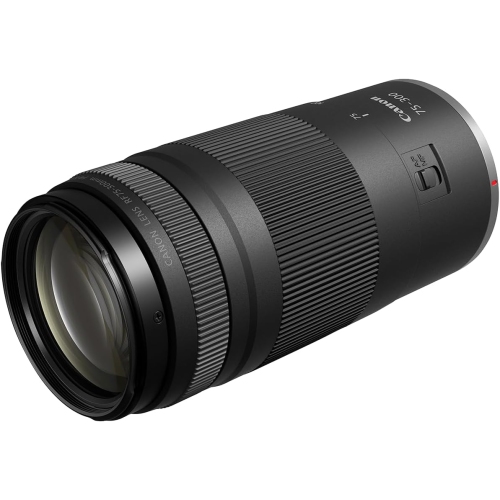
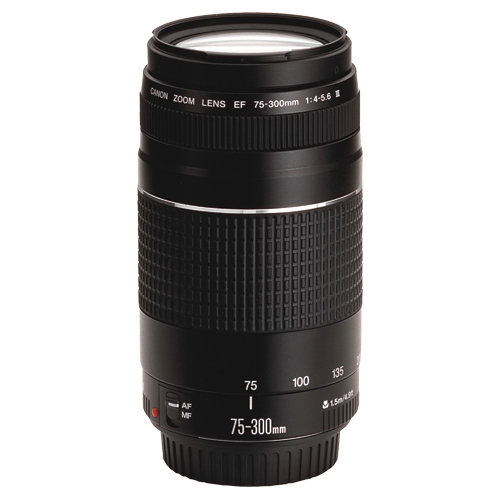
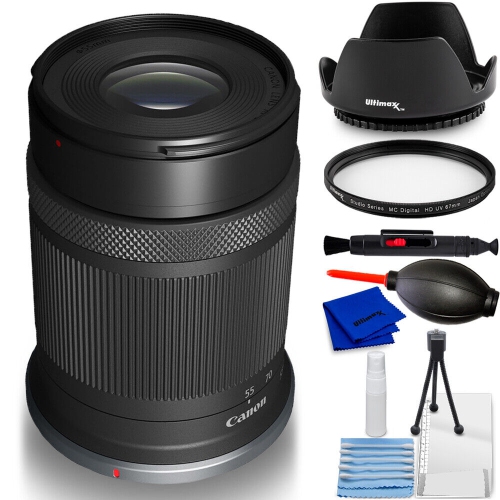
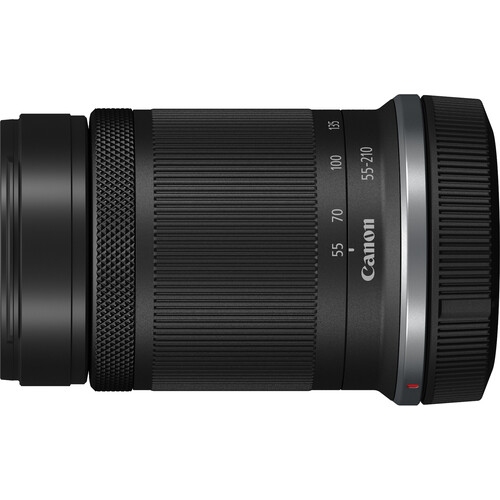
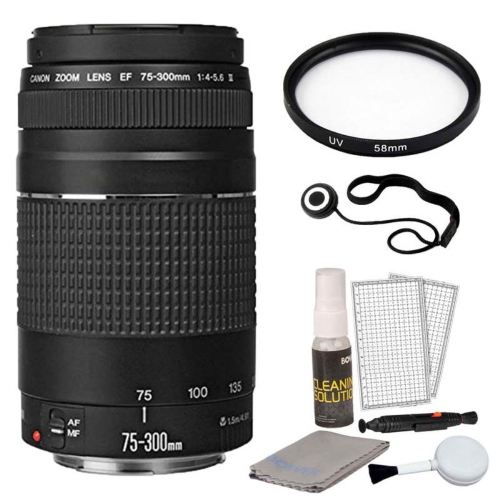
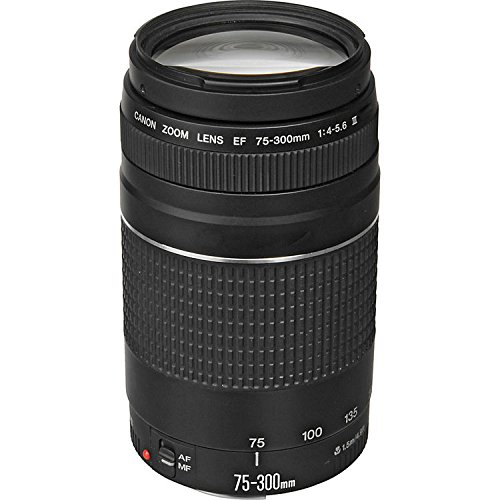
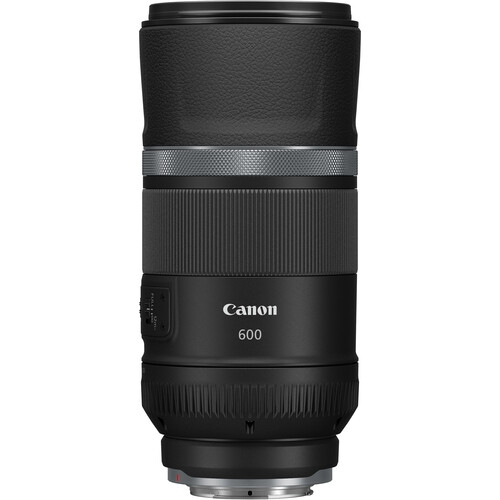
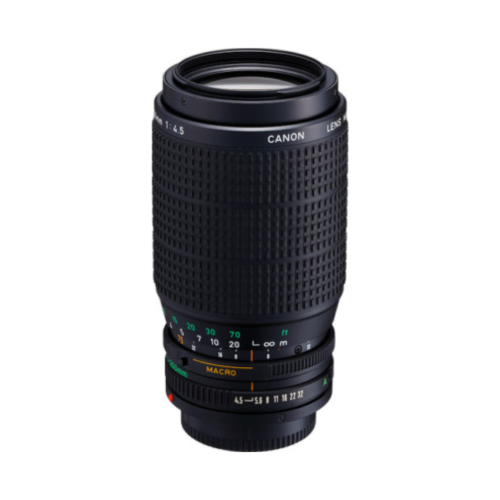
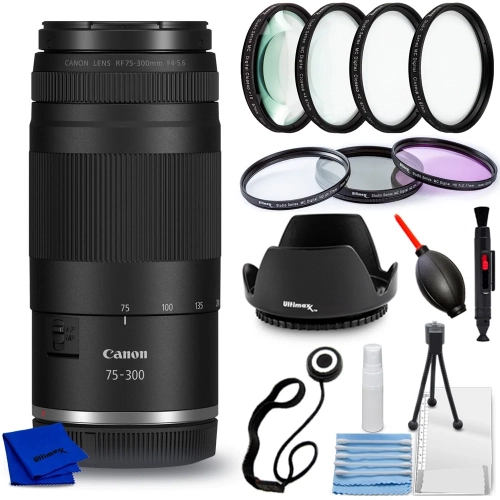
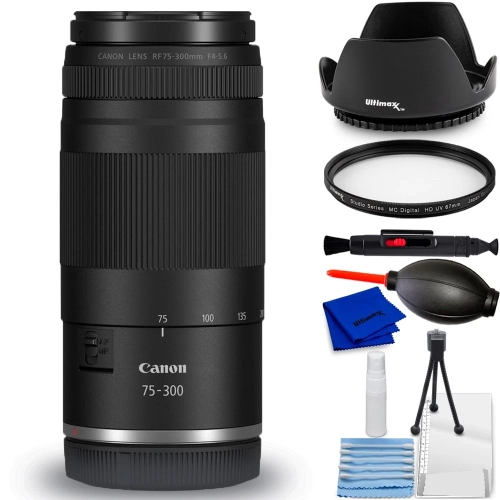
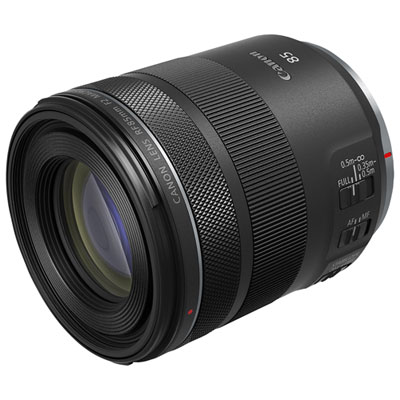
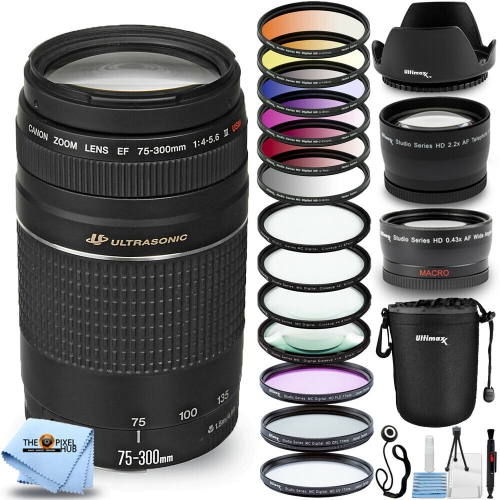
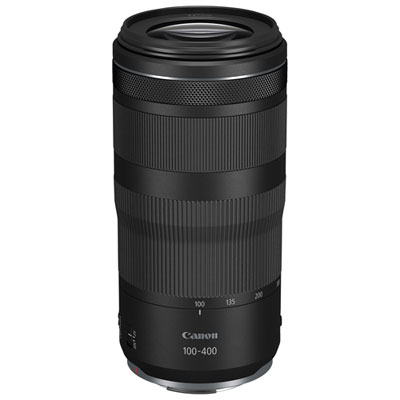

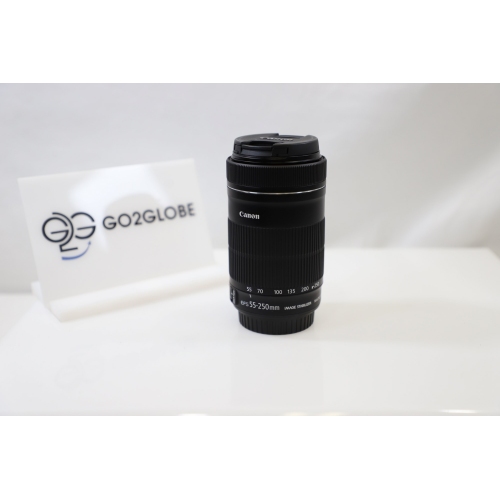
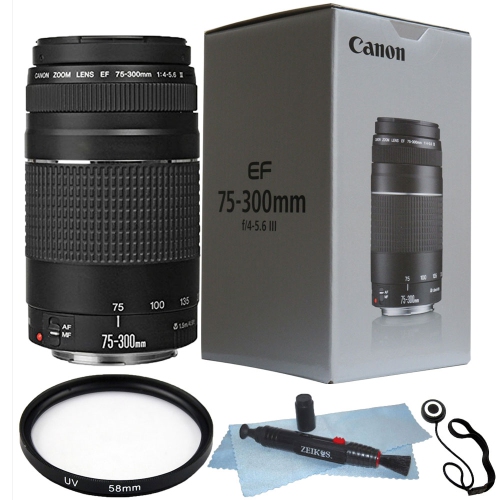
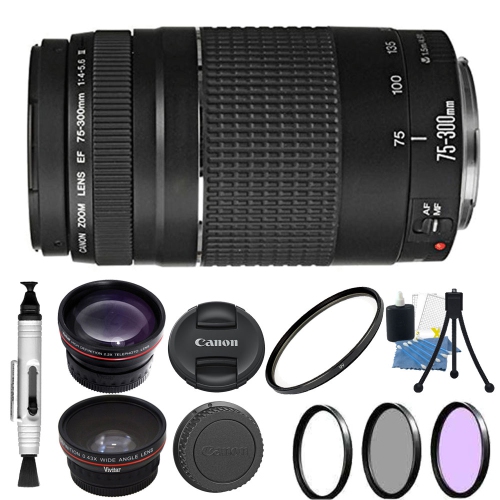
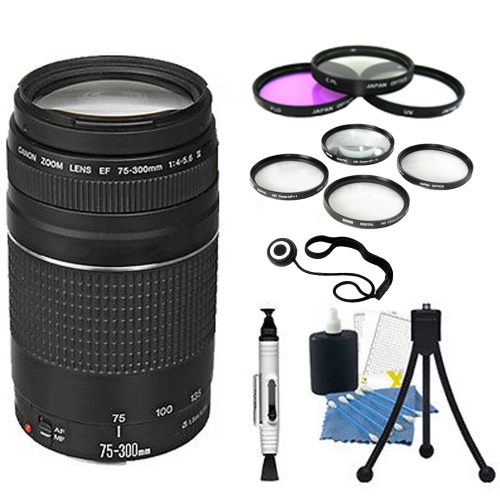
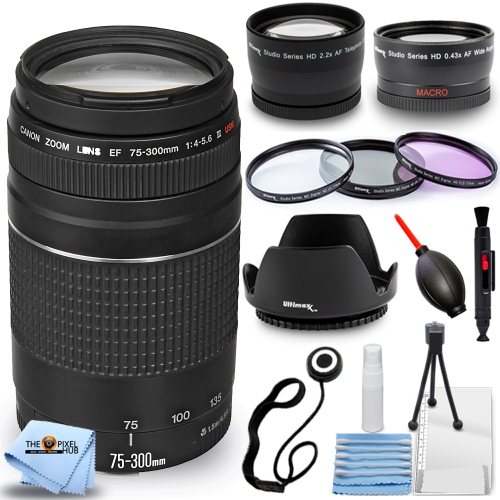
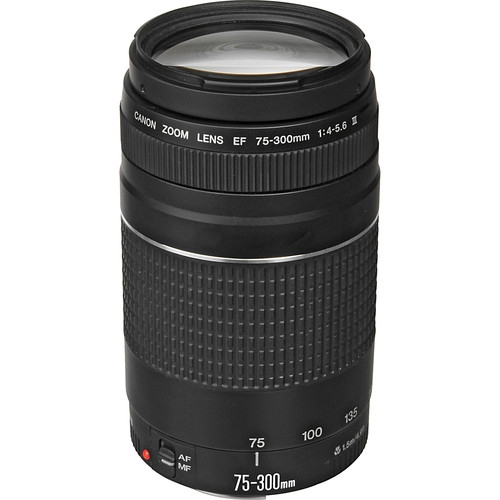
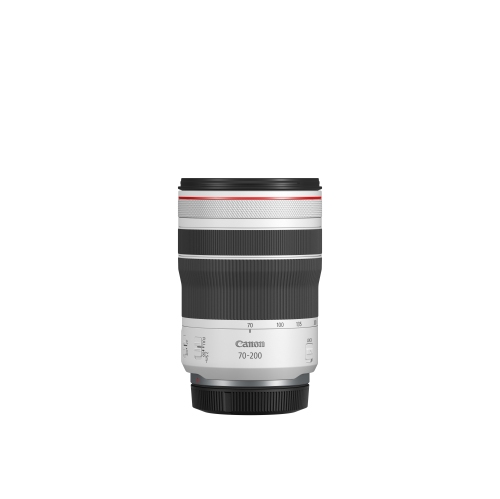
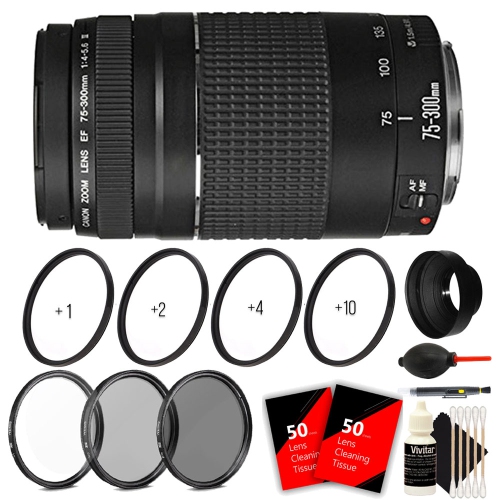
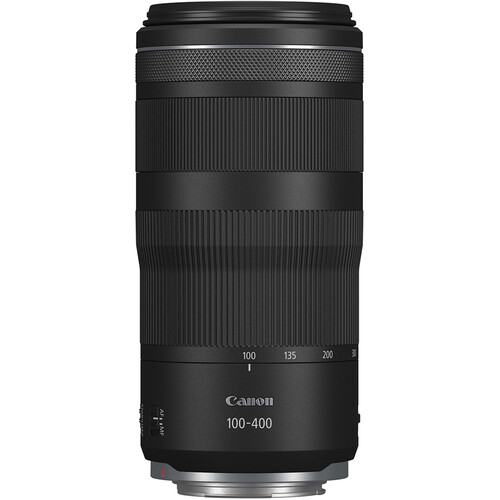
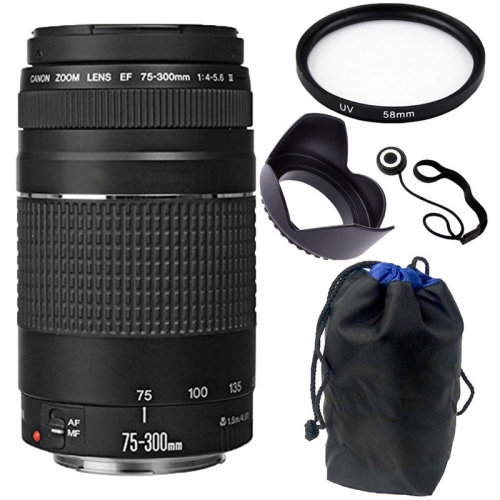
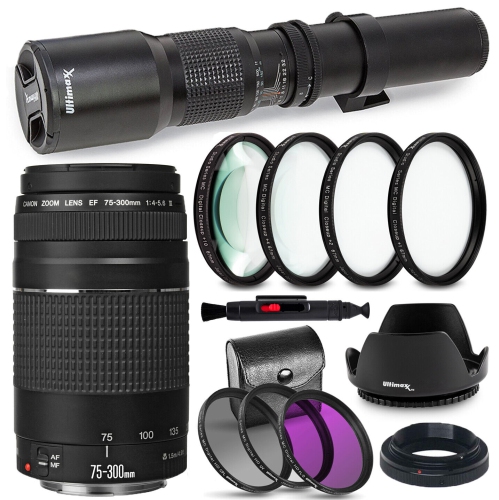
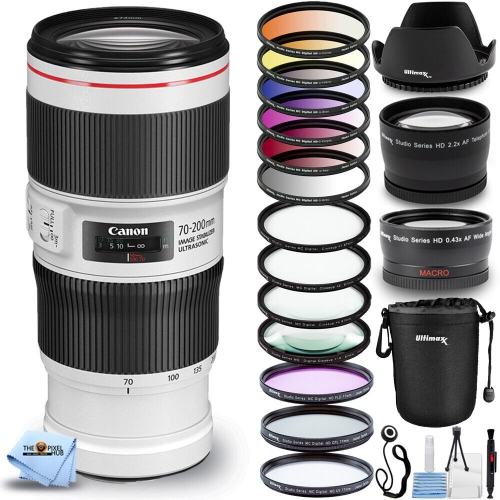
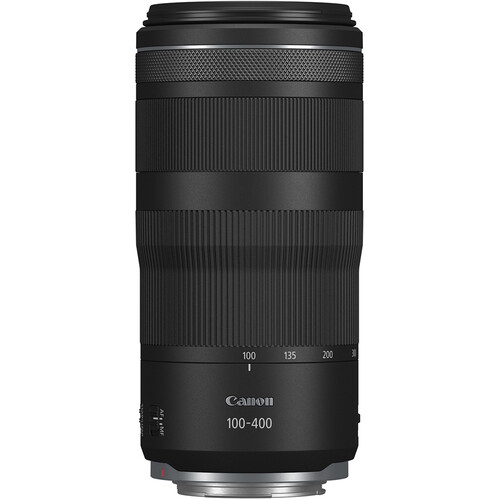
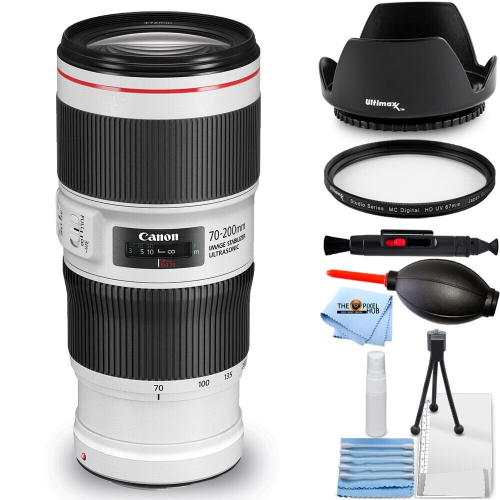
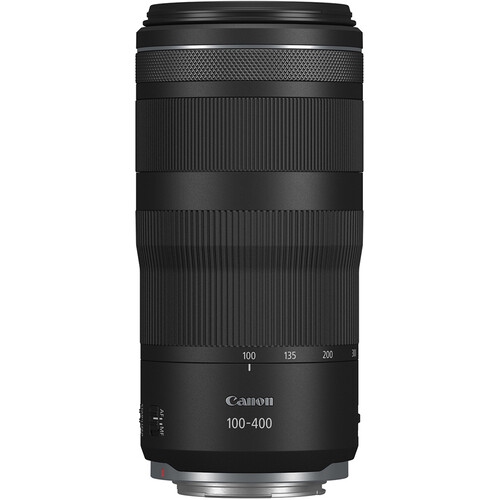
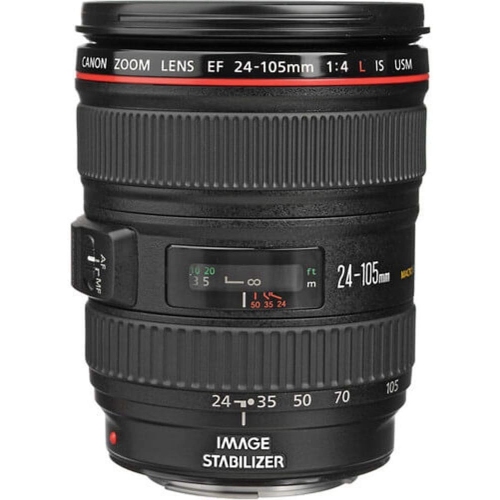
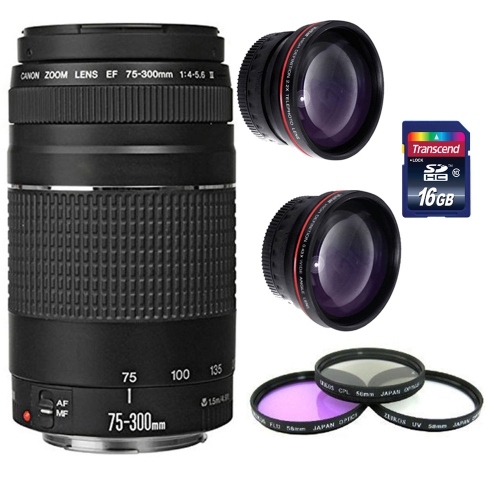
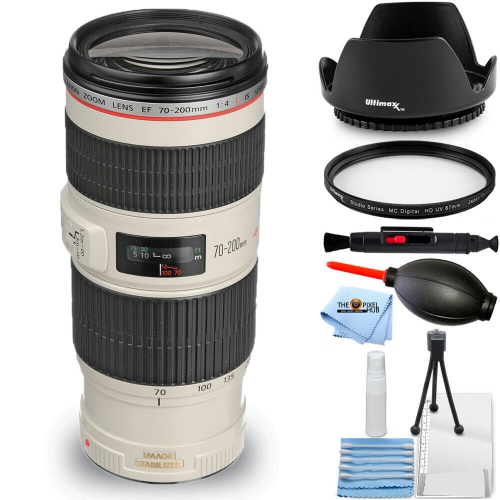
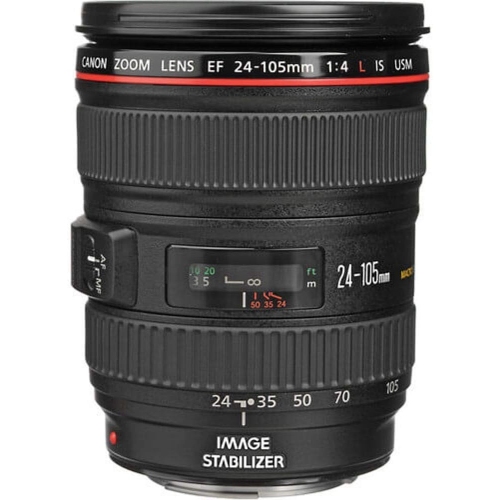
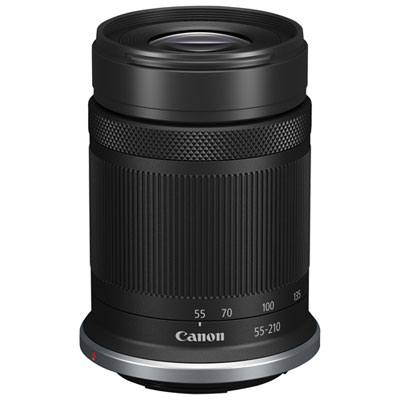
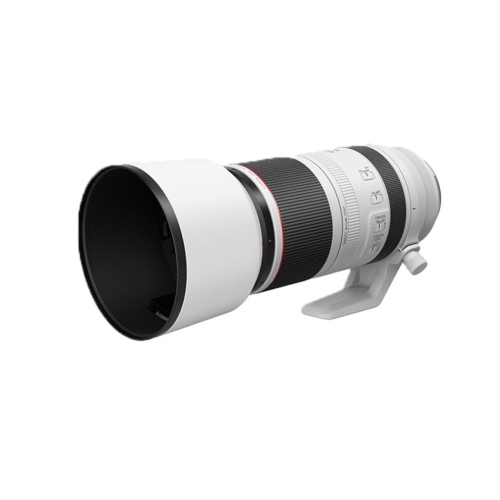
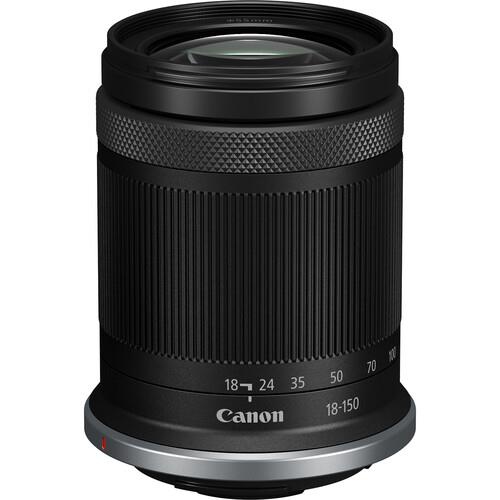
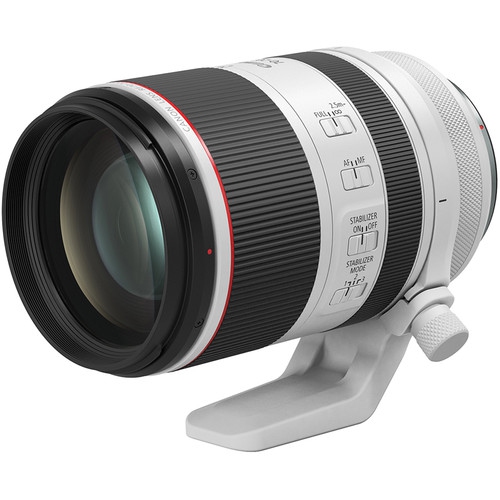
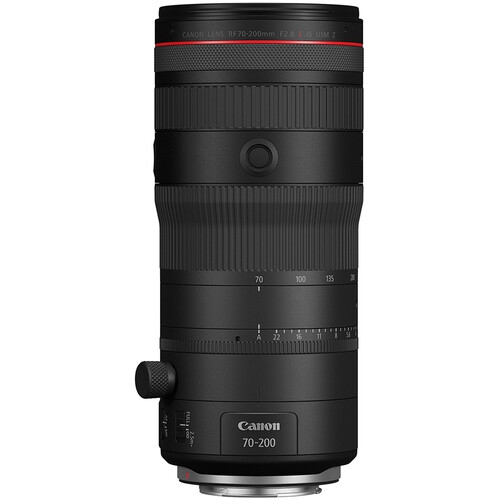
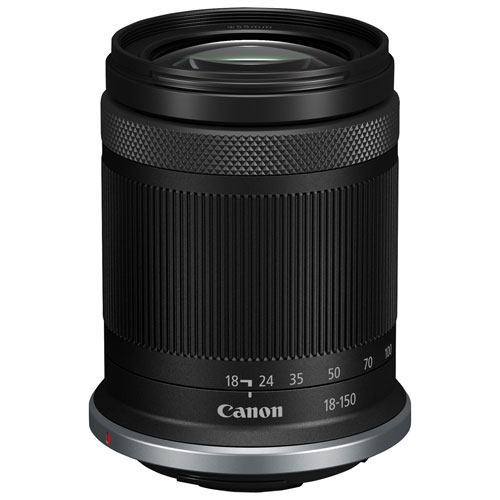
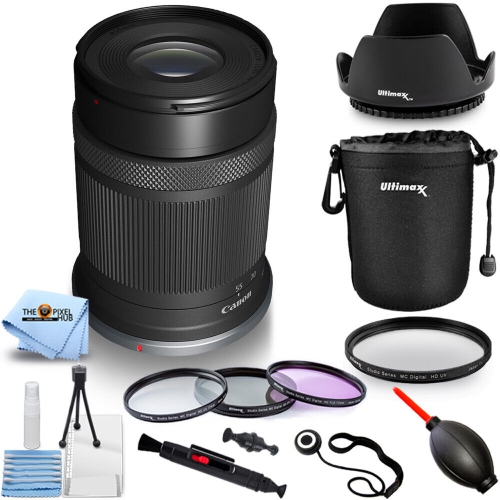
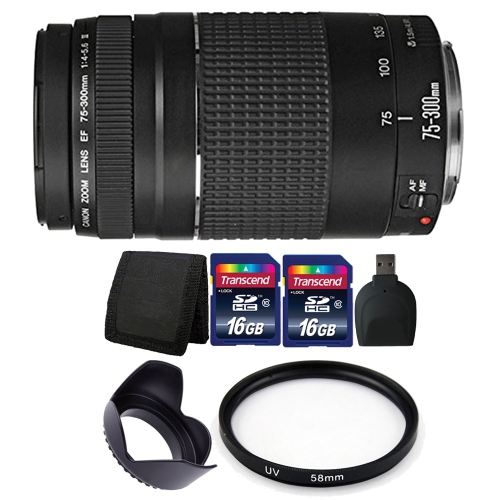
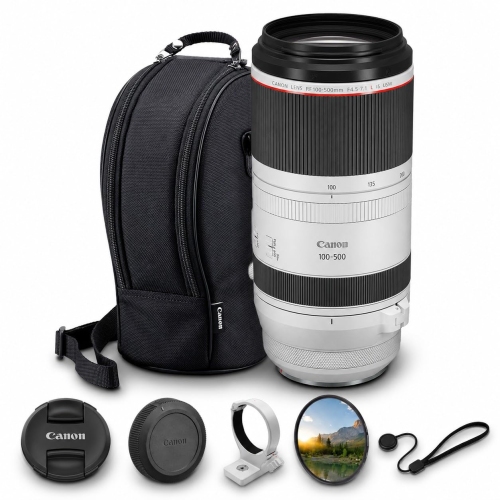
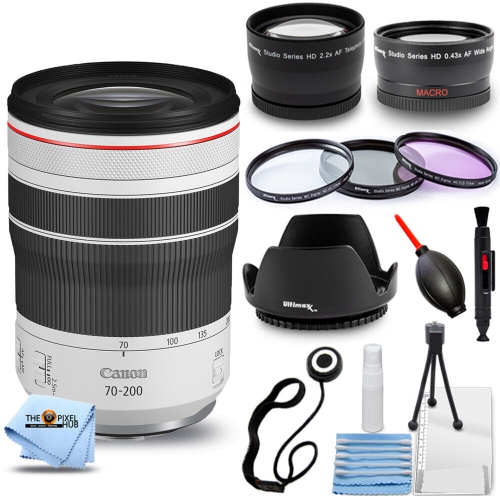
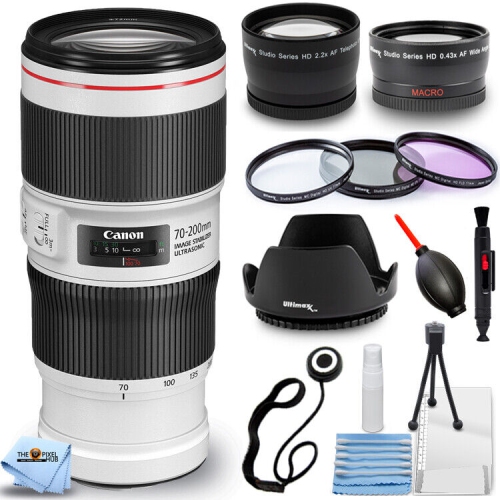
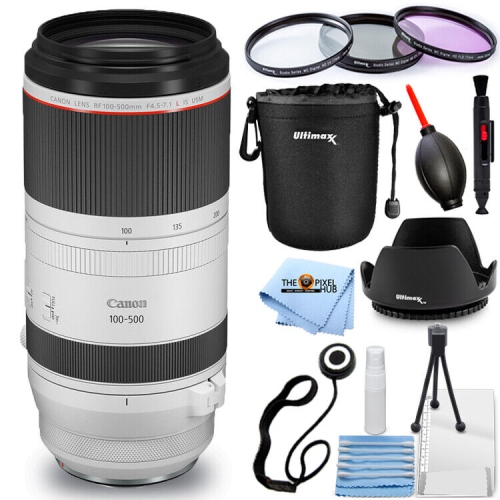
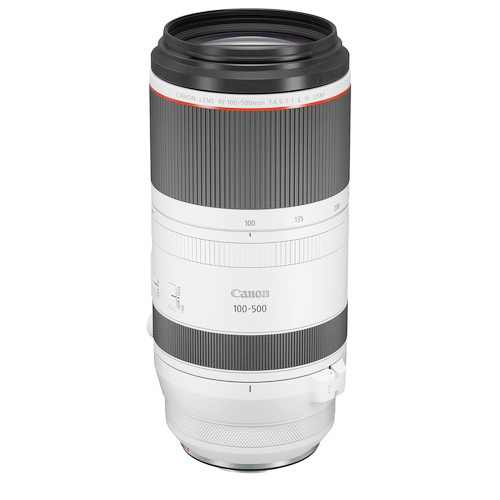
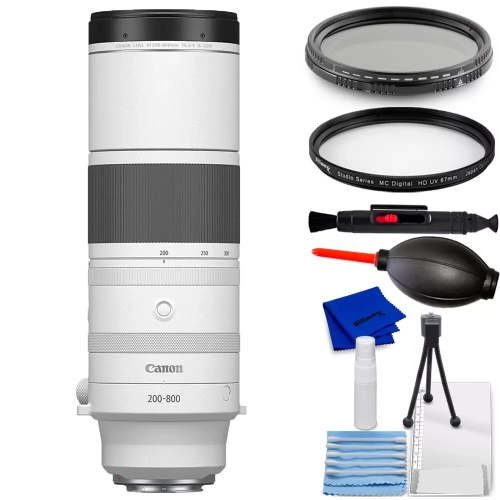
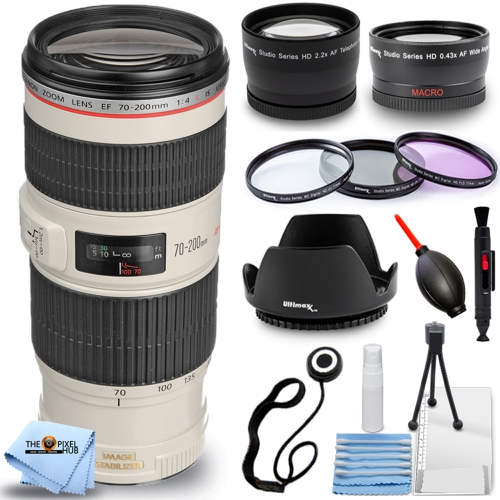
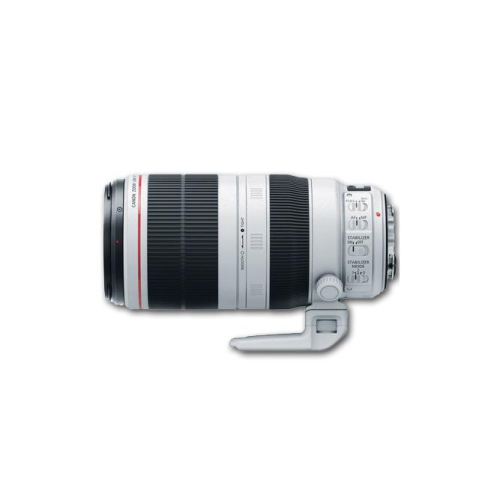
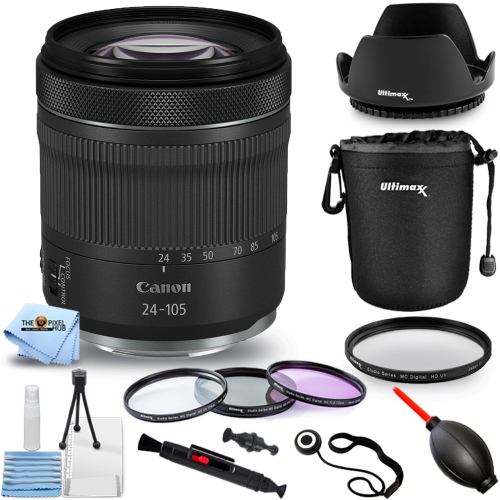
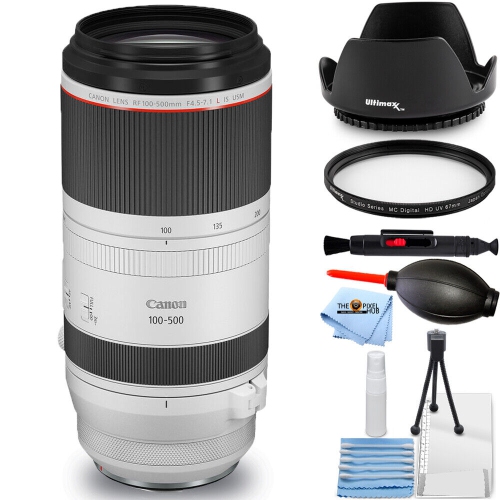
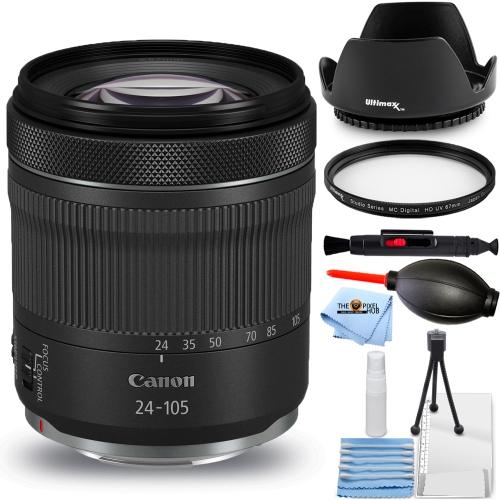
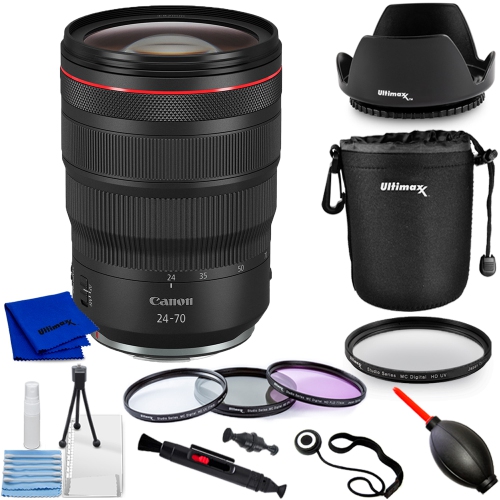
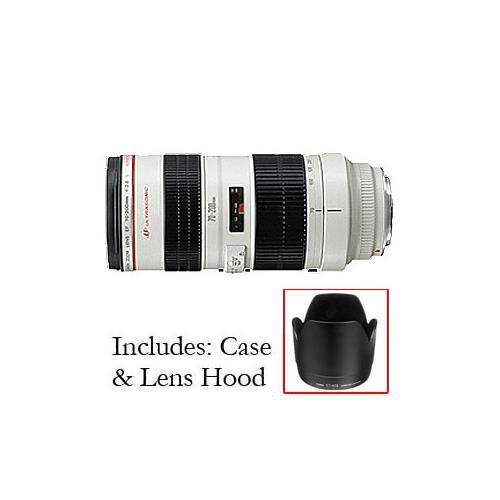
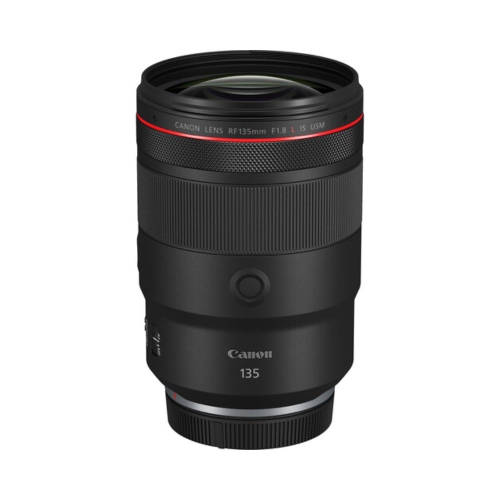
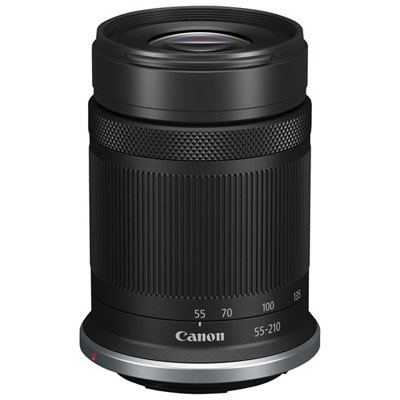
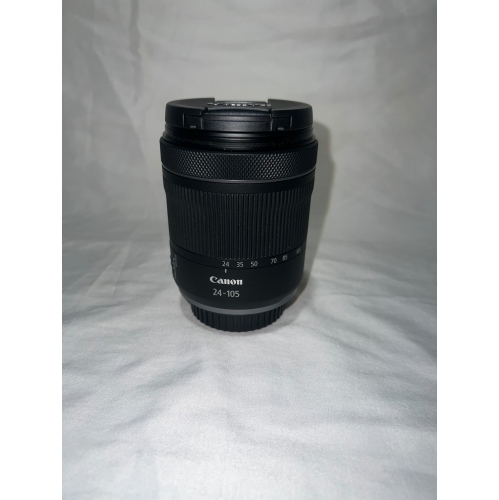
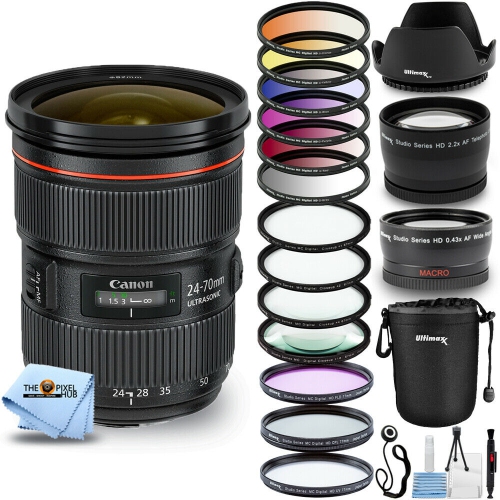
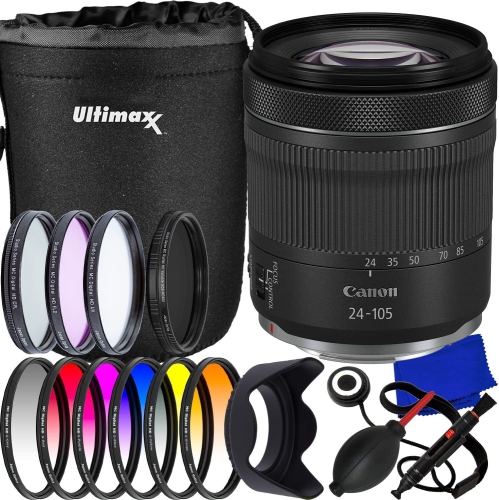
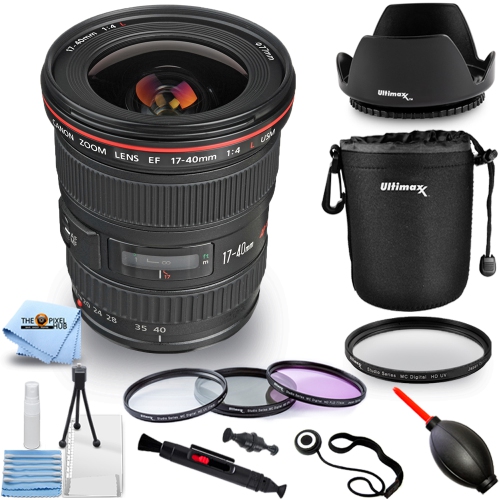
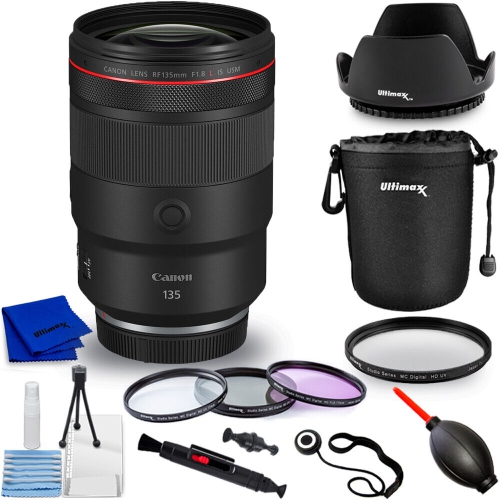
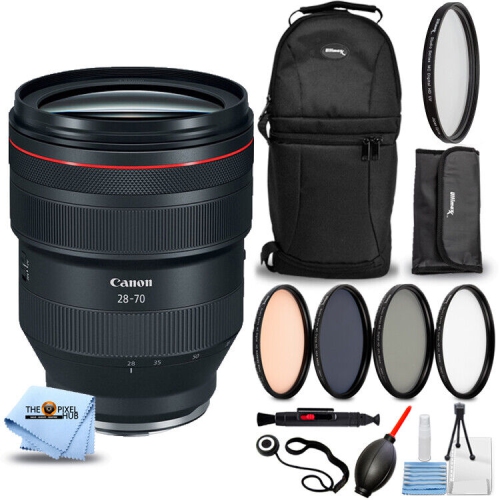
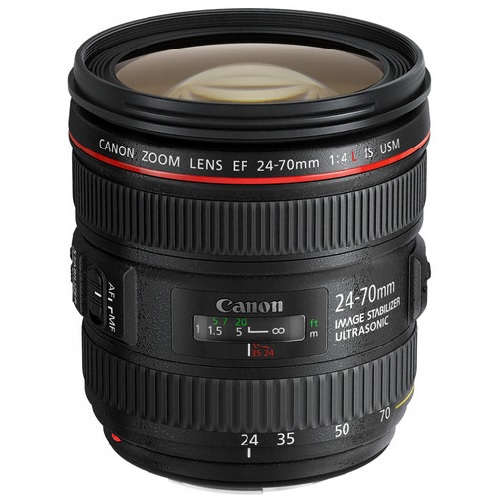
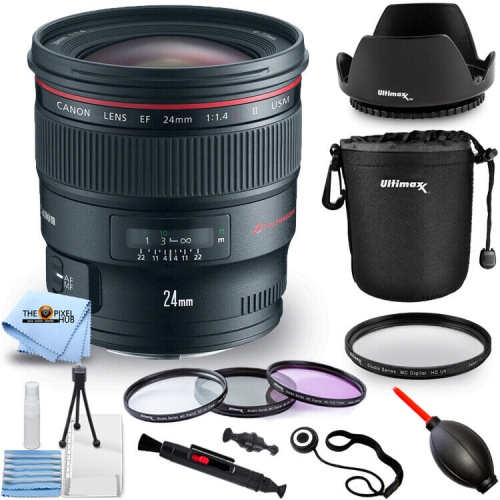
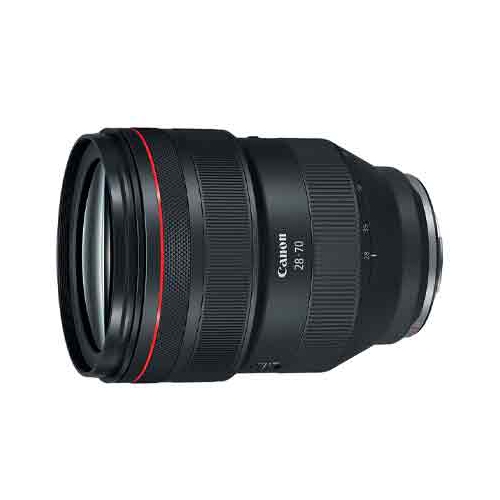
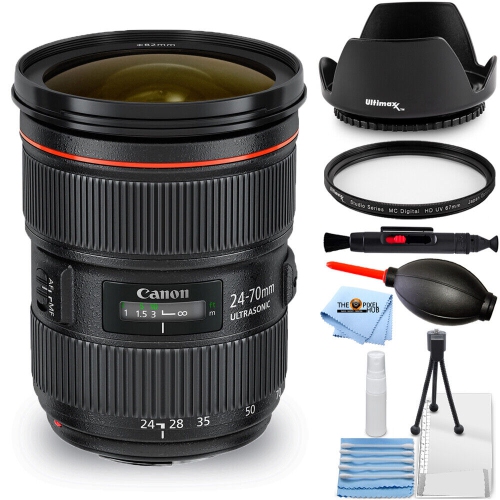
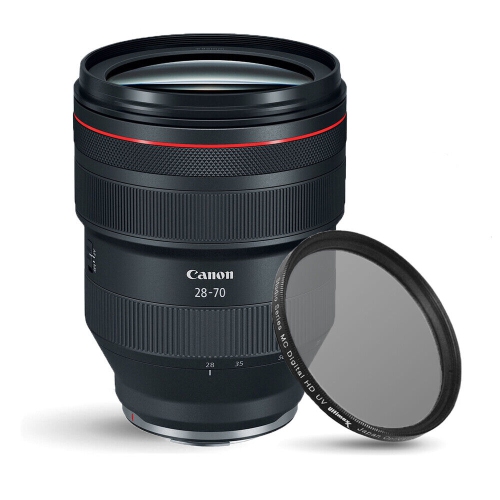
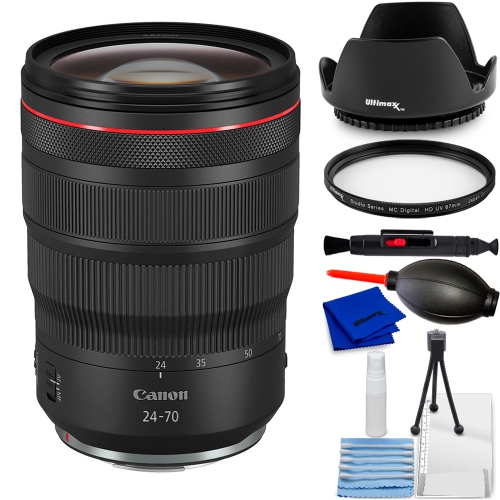
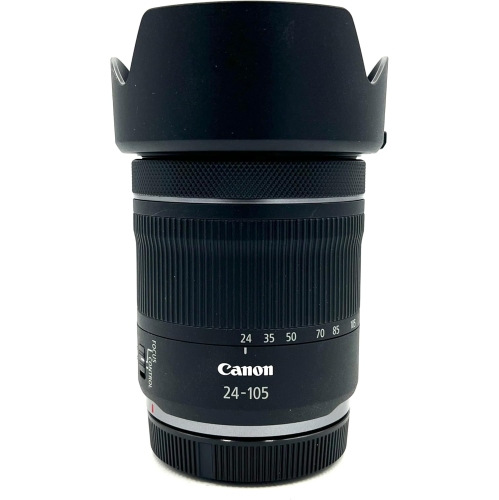
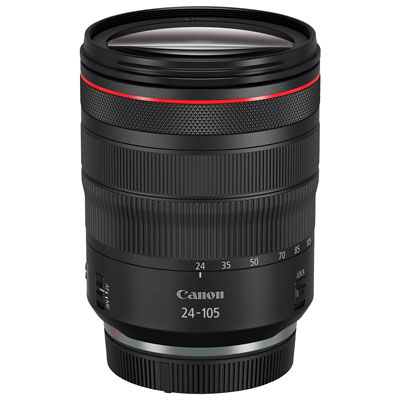
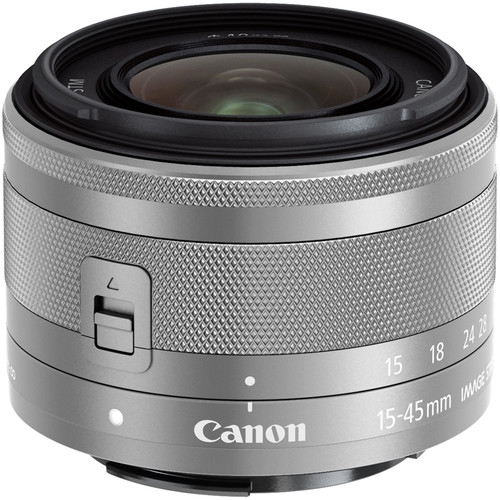
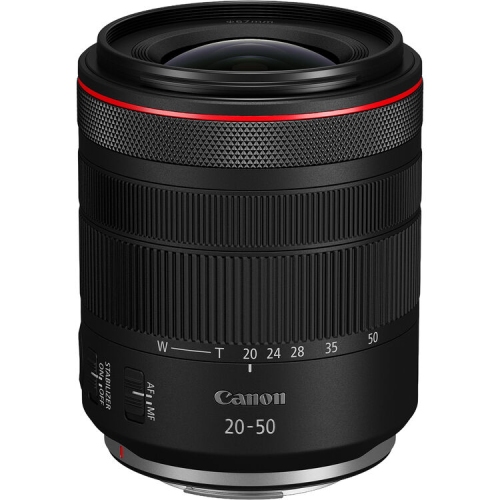
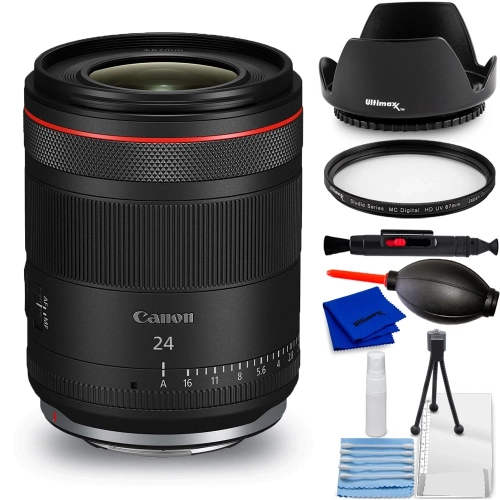
The right reach depends on fit, light, and balance
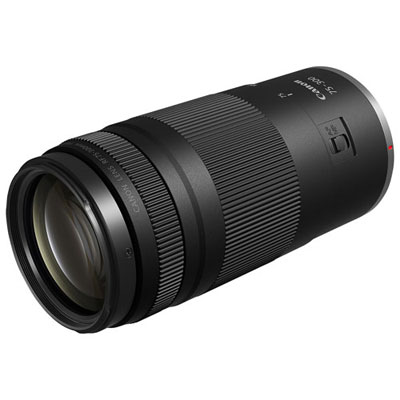
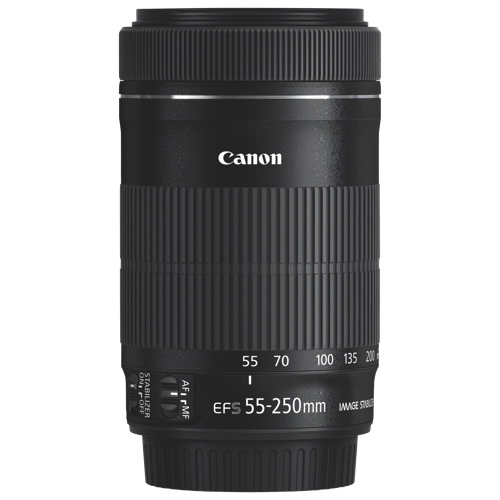
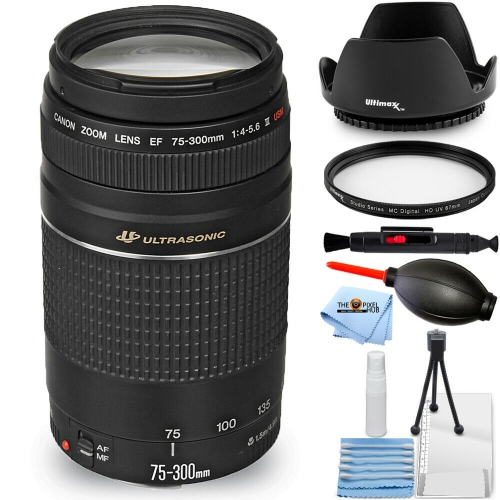
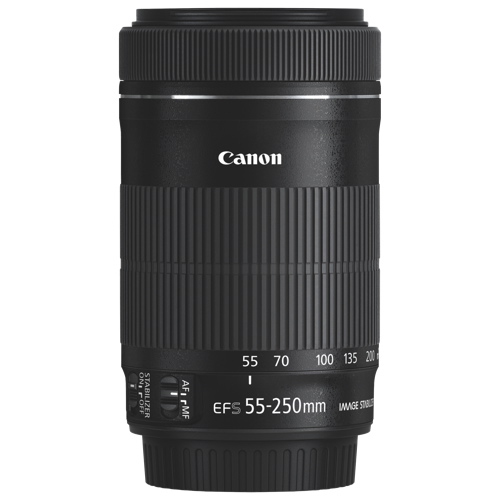
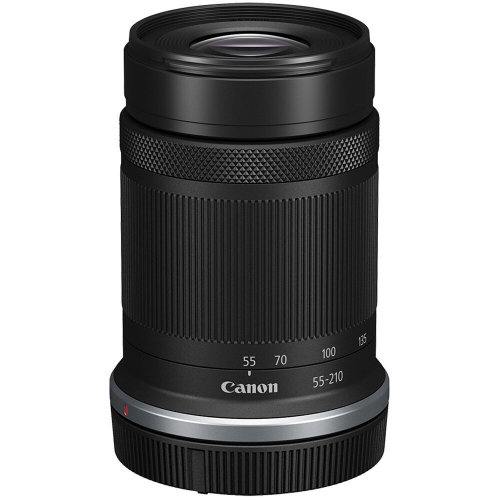
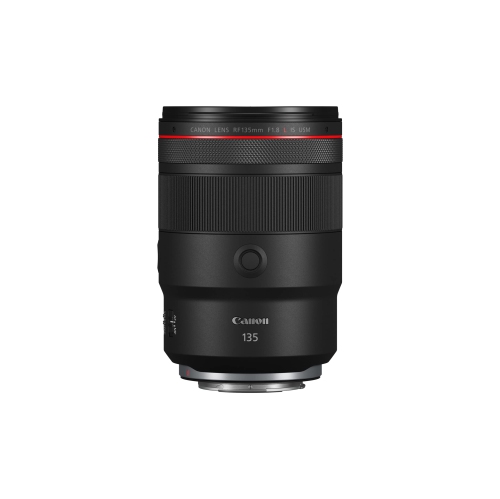
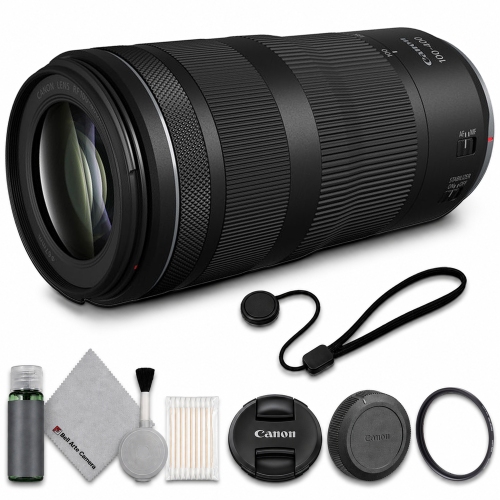
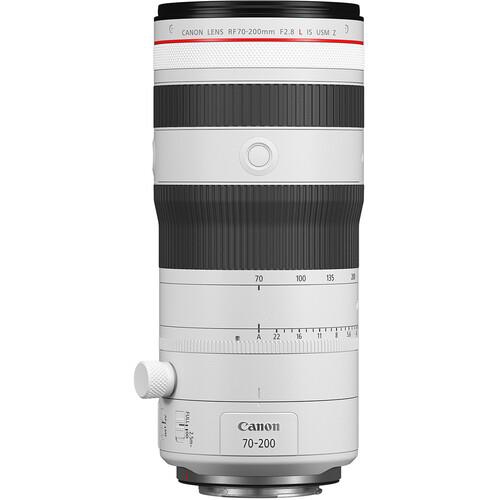
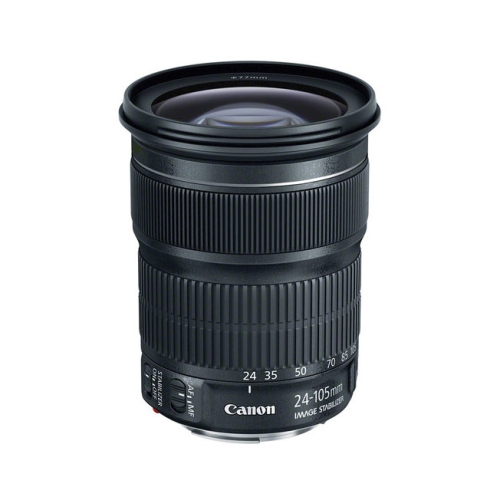
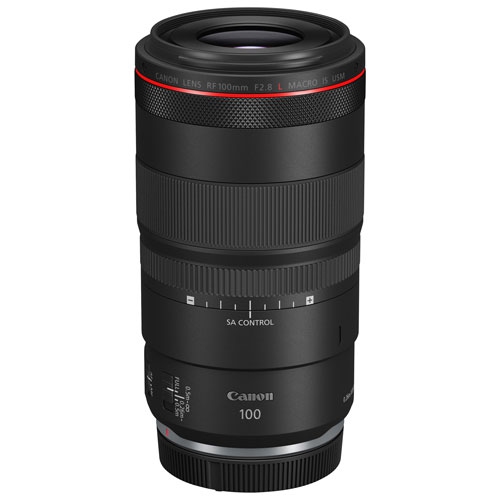
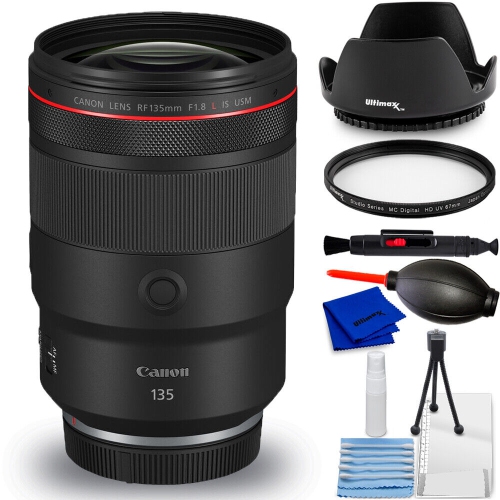
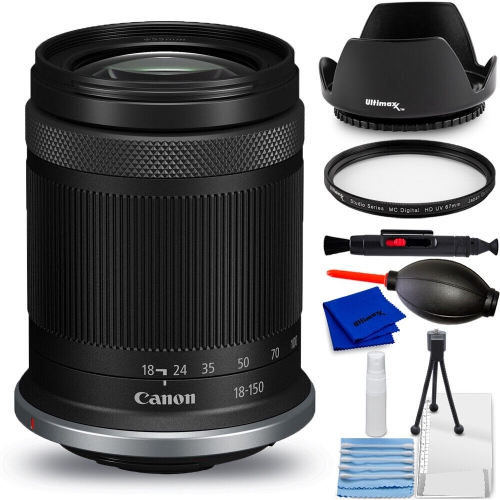
Affordable telephoto lenses for Canon cameras can make distant subjects feel close without requiring a large, complicated kit. A telephoto zoom is especially useful when you cannot physically move closer, such as when photographing birds at the edge of a pond, players across a field, performers on a stage, or a child racing through a park. Zoom flexibility also helps when a subject moves unexpectedly: a longer setting can isolate a soaring bird against the sky, while a shorter setting can include more of the surrounding landscape. For shoppers building their first interchangeable-lens camera kit, entry-level options often provide a practical introduction to long-range photography at a manageable price. The most affordable choices may sit near the $200 range, while models with image stabilization, quieter focusing, or broader camera compatibility may be closer to $400. Prices can vary with availability, condition, included accessories, and whether the lens is intended for a DSLR or a mirrorless camera. Before choosing, check the mount carefully. A lens made for a DSLR may require an adapter when used with a compatible mirrorless camera, and an adapter can affect the overall size, balance, autofocus performance, and convenience of the setup. Mirrorless users should look for a lens designed for their camera system where possible, particularly if a compact kit is important. Camera sensors also influence the field of view: an APS-C camera can make a telephoto lens appear to reach farther than it would on a full-frame body, which can be helpful for wildlife, sports, and outdoor events. A beginner who has only used a standard kit lens may notice the difference immediately. Instead of seeing a small bird surrounded by empty branches, they can fill more of the frame with feather detail and expressive movement. The same added reach can turn a distant soccer player into the clear focus of an image or capture a candid portrait from a comfortable distance without interrupting the moment. For families, students, travellers, and hobby photographers, an affordable telephoto lens can be a thoughtful gift because it opens up new subjects while building on equipment the recipient may already own. A camera bag, spare battery, memory card, or compact monopod can also complement the lens, although checking the recipient’s camera model remains the most important step.
When comparing affordable telephoto lenses, consider more than the maximum zoom number. Optical image stabilization can help reduce the blur caused by hand movement, particularly in shaded parks, indoor arenas, or during the cooler months when light fades earlier in the day. Stabilization does not freeze a moving animal or athlete, but it can help keep the lens steady when photographing a relatively still subject. Autofocus design matters as well. A basic motor may be perfectly suitable for relaxed walks, family gatherings, and landscapes, while a quieter stepping motor can be more comfortable for video and less distracting during close-range portraits or quiet nature photography. Maximum aperture is another useful point of comparison. A lens with a wider aperture can gather more light and create a softer background, but it is often larger or more expensive. More modest apertures can still produce pleasing results in bright outdoor conditions, especially when paired with a camera that handles higher sensitivities well. For sports, wildlife, and birds, shutter speed is critical; bright conditions, good camera technique, and a steady stance may matter as much as the lens itself. Try bracing an elbow against your body, keeping both hands on the camera, and following the subject smoothly rather than making abrupt movements. On a breezy trail, a longer lens can feel front-heavy, so weight and balance deserve attention before purchase. A lighter option is easier to carry during a full afternoon at a wildlife reserve, while a larger lens may feel more reassuring for frequent action photography. Telephoto lenses can also be surprisingly useful for portraits, where standing farther away produces a natural perspective and allows the subject to relax. During late summer and the transition into cooler weather, they are well suited to garden visits, school activities, hiking routes, community sports, and changing outdoor scenery. Look for the right combination of mount compatibility, focal-length range, stabilization, autofocus behaviour, weight, and price rather than choosing solely by zoom reach. Shoppers exploring a broader selection can also browse Affordable Camera Lenses for Canon to compare related options. With the correct fit for the camera body and a clear idea of the subjects being photographed, an affordable telephoto lens can become the piece of equipment that encourages more walks, more experiments, and more memorable images from a comfortable distance.
When comparing affordable telephoto lenses, consider more than the maximum zoom number. Optical image stabilization can help reduce the blur caused by hand movement, particularly in shaded parks, indoor arenas, or during the cooler months when light fades earlier in the day. Stabilization does not freeze a moving animal or athlete, but it can help keep the lens steady when photographing a relatively still subject. Autofocus design matters as well. A basic motor may be perfectly suitable for relaxed walks, family gatherings, and landscapes, while a quieter stepping motor can be more comfortable for video and less distracting during close-range portraits or quiet nature photography. Maximum aperture is another useful point of comparison. A lens with a wider aperture can gather more light and create a softer background, but it is often larger or more expensive. More modest apertures can still produce pleasing results in bright outdoor conditions, especially when paired with a camera that handles higher sensitivities well. For sports, wildlife, and birds, shutter speed is critical; bright conditions, good camera technique, and a steady stance may matter as much as the lens itself. Try bracing an elbow against your body, keeping both hands on the camera, and following the subject smoothly rather than making abrupt movements. On a breezy trail, a longer lens can feel front-heavy, so weight and balance deserve attention before purchase. A lighter option is easier to carry during a full afternoon at a wildlife reserve, while a larger lens may feel more reassuring for frequent action photography. Telephoto lenses can also be surprisingly useful for portraits, where standing farther away produces a natural perspective and allows the subject to relax. During late summer and the transition into cooler weather, they are well suited to garden visits, school activities, hiking routes, community sports, and changing outdoor scenery. Look for the right combination of mount compatibility, focal-length range, stabilization, autofocus behaviour, weight, and price rather than choosing solely by zoom reach. Shoppers exploring a broader selection can also browse Affordable Camera Lenses for Canon to compare related options. With the correct fit for the camera body and a clear idea of the subjects being photographed, an affordable telephoto lens can become the piece of equipment that encourages more walks, more experiments, and more memorable images from a comfortable distance.
Top selling and popular products
-
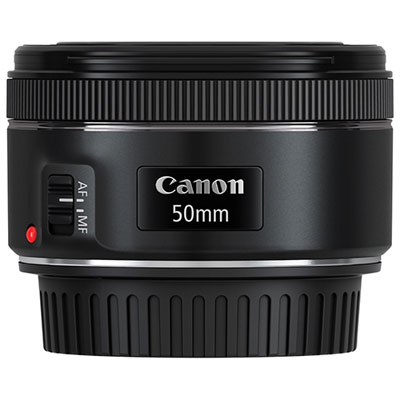 Your price for this item is $169.99
 -
 Your price for this item is $329.99
 -
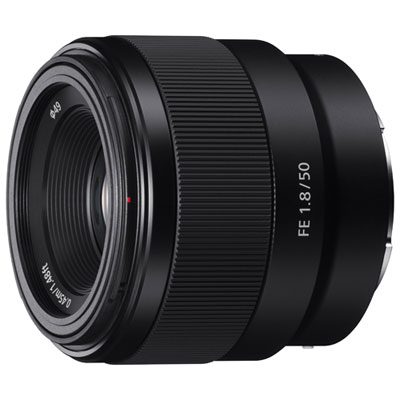 Your price for this item is $349.99
 -
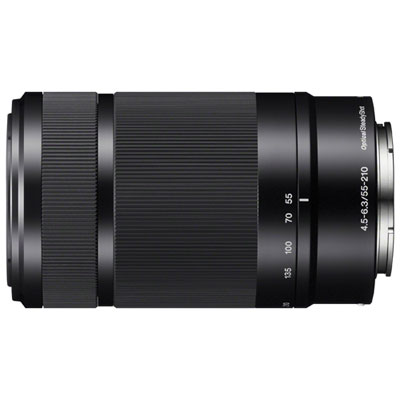 Your price for this item is $399.99
 -
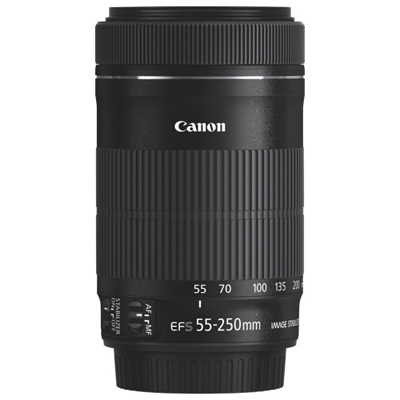 Your price for this item is $399.99
 -
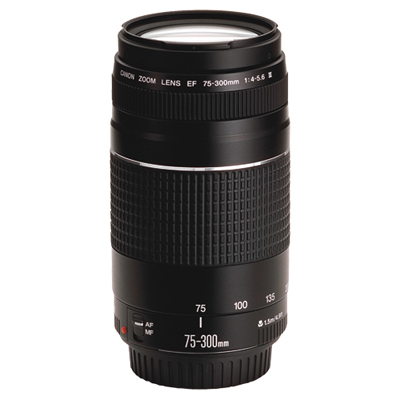 Your price for this item is $199.99
 -
 Your price for this item is $174.99
 -
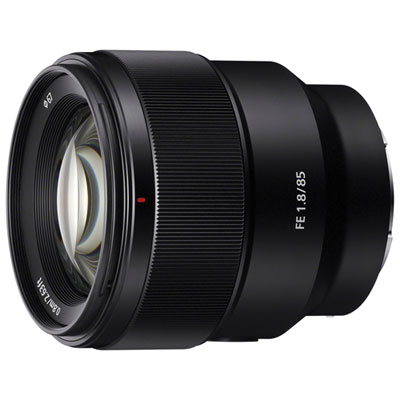 Your price for this item is $799.99
Discover more categories related to Affordable Canon Telephoto Lenses
Top Collections:
Pokemon Centers, Best Cameras for Sports Photography, Kindle Devices, Samsung Galaxy Phones, Canon G7X Cameras, Pokémon 30th Celebration Cards, Refurbished Apple Laptops, iPhone 15 Apple, Laptops for Students, Budget Smartphones
Some products may be subject to Environmental Handling Fees
(EHF) depending on your province.
Learn more about EHFs.