Canon EF M Lenses
Capture stunning images with the wide range of Canon EF-M lenses available at Best Buy Canada. Whether you're a professional photographer or an avid hobbyist, these lenses offer exceptional performance and versatility for your Canon EF-M mirrorless camera. From wide-angle to telephoto, prime to zoom, there's a lens for every shooting scenario. Discover the perfect lens to elevate your photography and unleash your creativity with Canon EF-M lenses at Best Buy.
Sort
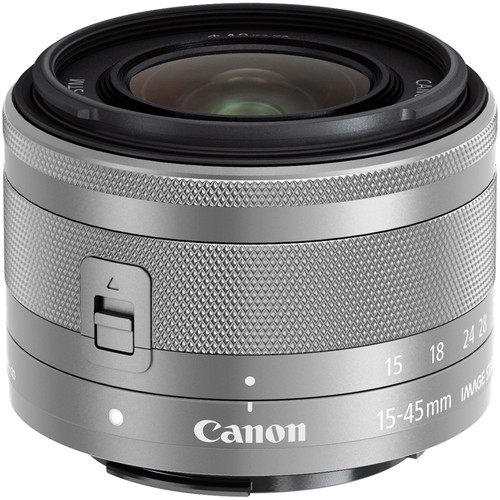
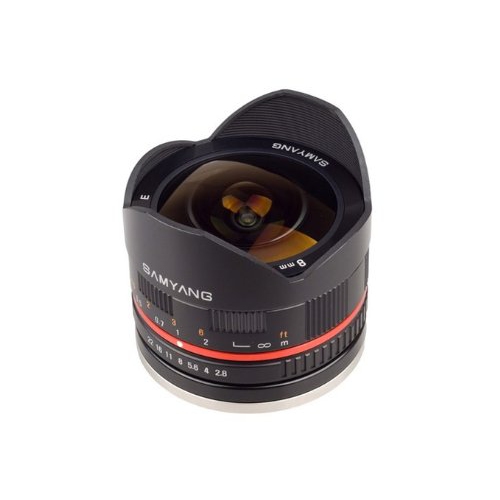
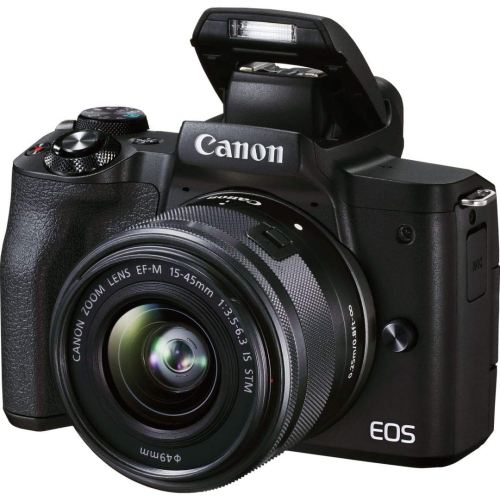
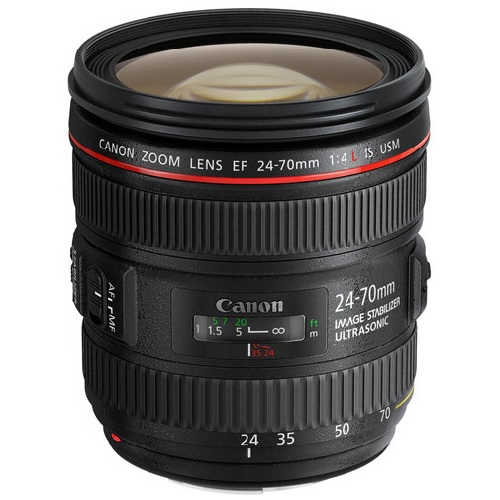
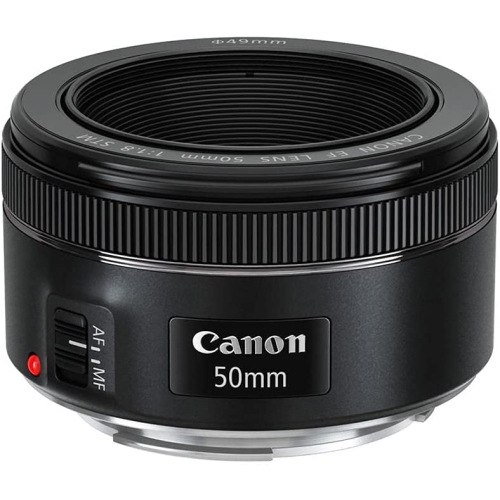
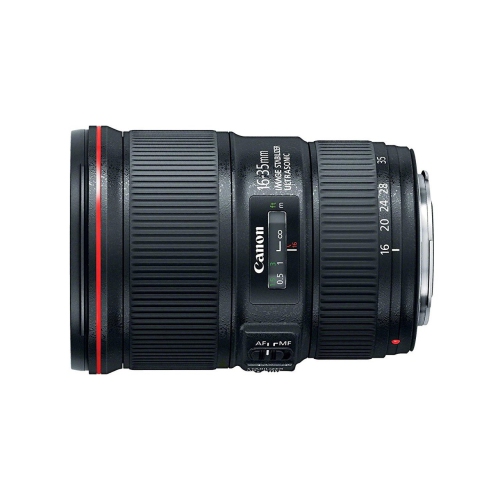
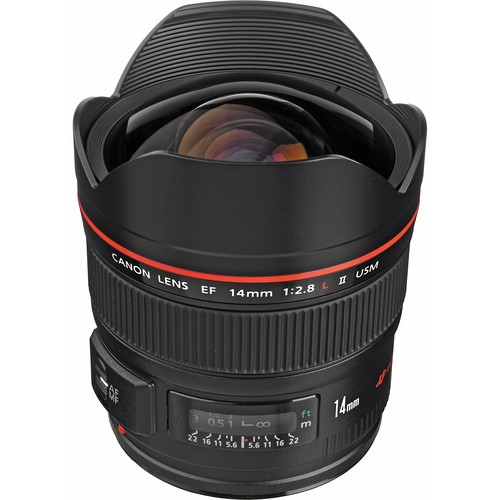
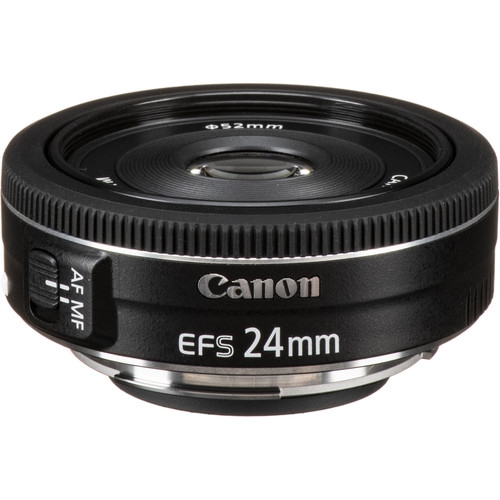
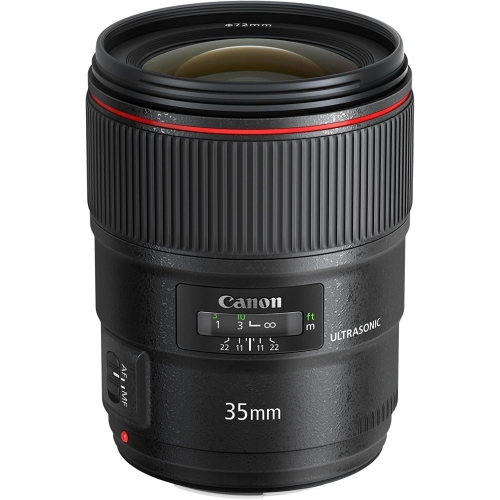
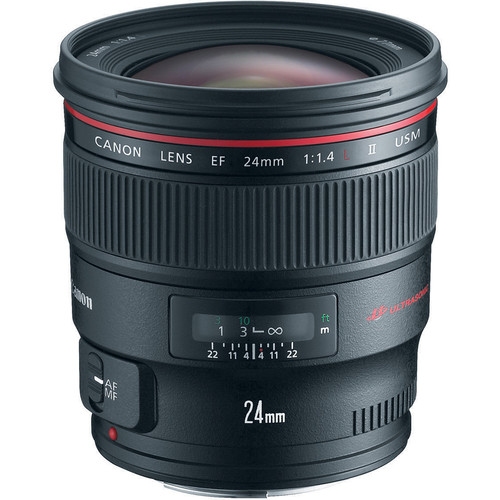
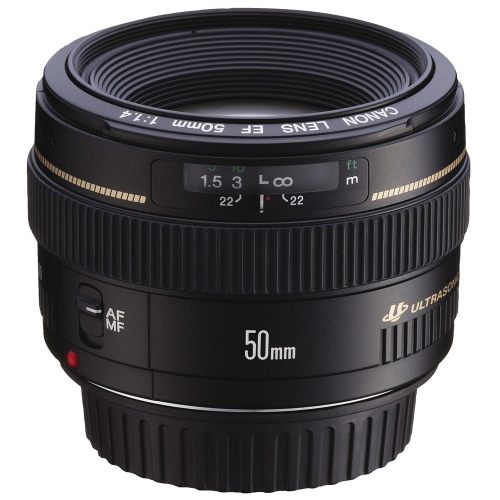
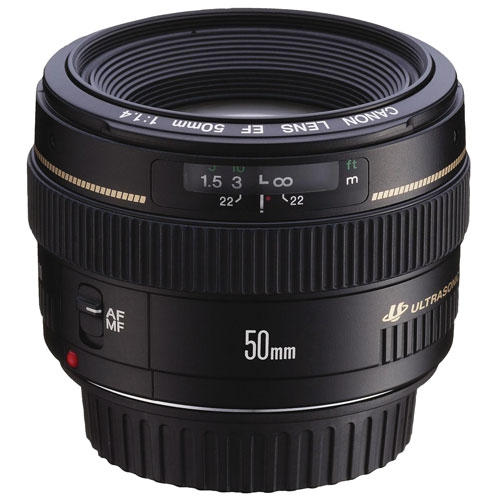
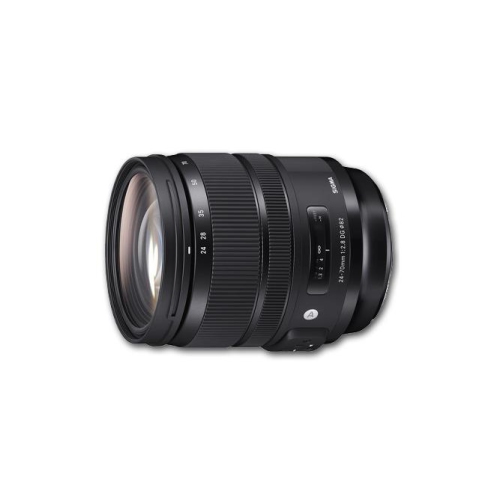
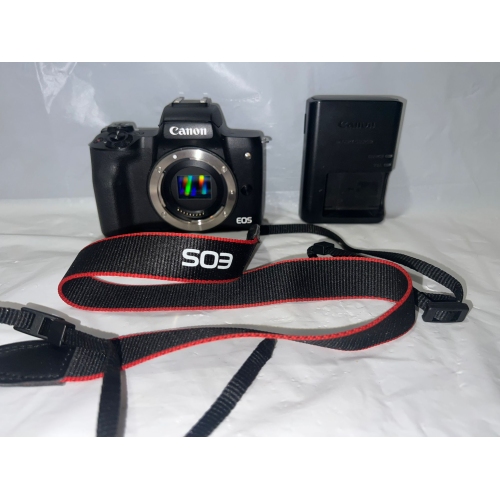
How lens choice shapes framing and focus
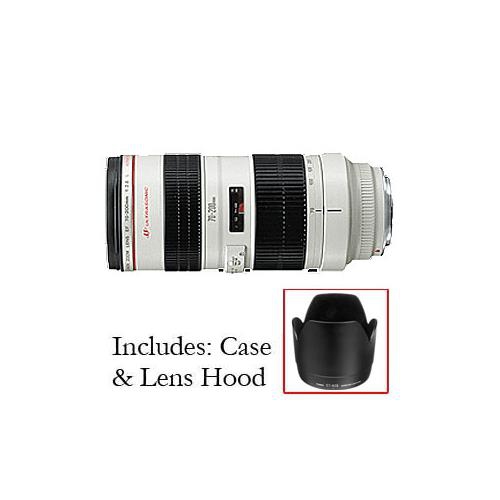
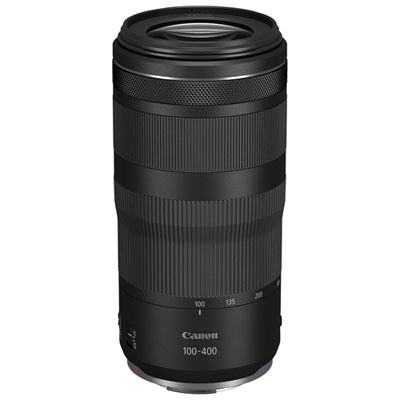
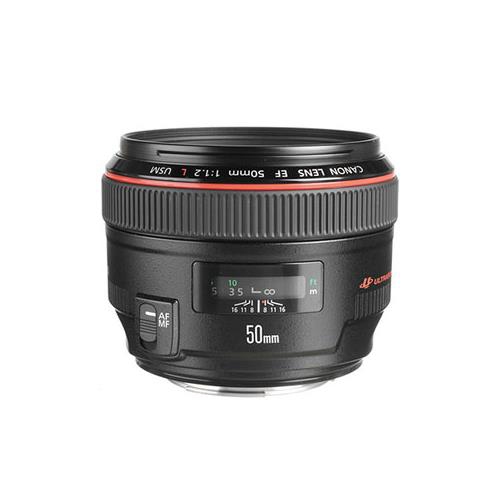
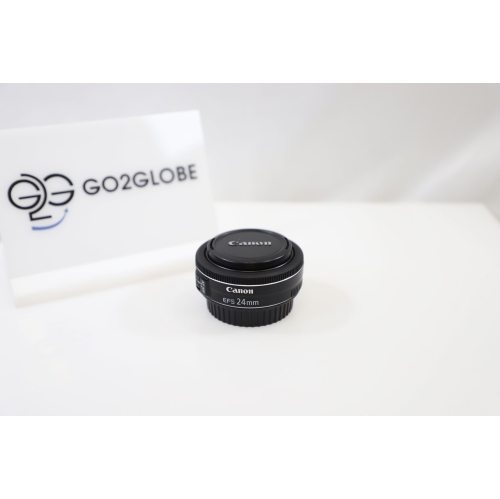
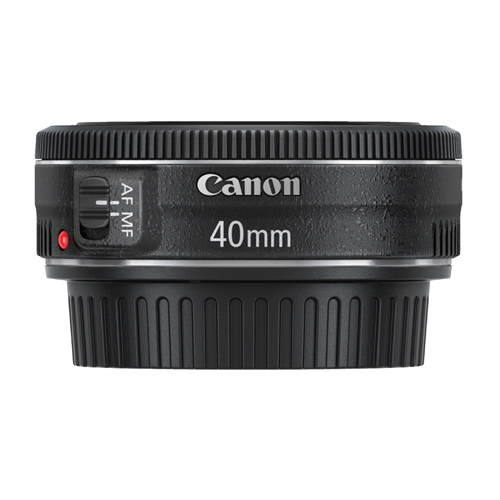
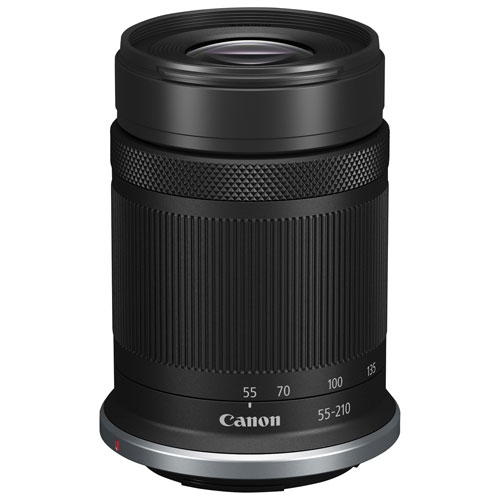
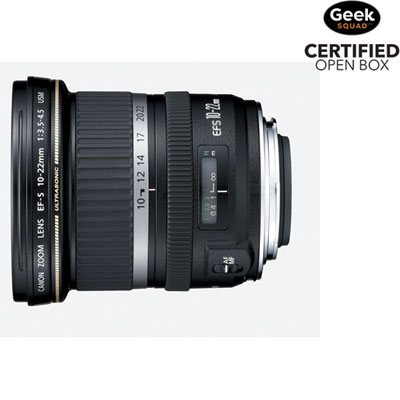
EF-M lenses are interchangeable camera lenses designed for APS-C mirrorless cameras with an EF-M mount. Their appeal lies in combining a compact camera setup with the ability to change how a scene is framed, from the sweep of an architectural interior to a tightly composed portrait. Mount compatibility is essential: an APS-C sensor alone does not establish whether a lens will fit, and an EF-M lens is not designed to mount on an EF-mount DSLR or an RF-mount mirrorless body. Within the EF-M category, wide-angle, standard, telephoto and macro designs serve different photographic purposes. Wide-angle lenses take in more of a scene, making them useful for buildings, expansive views and rooms where there is little space to step back. Standard focal lengths suit everyday subjects, including people gathered around a table, details along a familiar street and travel photographs that balance a subject with its surroundings. Telephoto lenses frame distant subjects more tightly and help isolate details without moving closer. Focal lengths on this APS-C format produce a narrower field of view than the same focal lengths on a full-frame camera, with a crop factor of approximately 1.6 times. That changes framing, not the lens’s actual focal length. Zoom lenses cover a range of focal lengths, allowing compositions to change quickly when moving between a group photograph and a closer view. A broad-range zoom can simplify a travel kit, while a shorter zoom range may offer a different balance of size, aperture and optical performance. Prime lenses have a fixed focal length and often appeal to photographers who value a small kit or a wider maximum aperture. Slim pancake-style designs are particularly suited to carrying a camera throughout the day. The most useful combination depends on the subjects being photographed, the space available and how much equipment feels comfortable to carry.
Aperture, focusing performance and stabilization influence what an EF-M lens can do beyond its angle of view. A wider maximum aperture, indicated by a smaller f-number, admits more light and can help maintain a faster shutter speed indoors. It also allows shallower depth of field, giving a portrait a sharp point of attention against a softer background. The amount of blur depends on subject distance, focal length and background placement as well as aperture; a person standing well away from a background will generally be easier to separate visually than someone positioned directly against a wall. For group photographs or detailed scenes, a smaller aperture can bring more of the image into acceptable focus. Optical image stabilization, where included, helps reduce blur from camera movement during handheld shooting, but it does not freeze a moving child, pet or performer. Those subjects still need an appropriate shutter speed. Macro lenses address a different need by focusing closely enough to reveal small details, such as the texture of fabric, the engraving on jewellery or the surface of a collectible. Maximum magnification is a more useful measure of close-up capability than a close-focusing claim alone. Minimum focusing distance is measured from the camera’s sensor plane, so it is not the same as the space between the front of the lens and the subject. That working distance matters when positioning lighting or avoiding a shadow from the camera. Some macro designs include built-in close-up lighting, although this is a feature to confirm rather than assume. For video, smooth autofocus transitions and restrained focusing noise can make everyday clips easier to capture, particularly when using the camera’s internal microphone. Changes in framing during focusing, often called focus breathing, may also be noticeable. A zoom with a variable maximum aperture can change the available exposure as it moves through its range, which matters when maintaining a consistent look during a continuous shot.
Construction, handling and care all contribute to how comfortably a lens fits into regular use. EF-M lenses can combine optical glass with metal, engineered plastic and textured control surfaces, with the exact materials varying by design. A lightweight barrel can make a small camera more pleasant to carry, while a larger lens may benefit from extra support during longer shooting sessions. Neither weight nor a metal exterior alone establishes optical quality or durability. A secure mount, smooth controls and a balanced feel are more relevant to daily handling. Dust- and moisture-resistant construction should never be assumed unless it is specified for the lens. Front and rear caps protect exposed surfaces during storage, and a padded compartment helps prevent knocks and contact with other equipment. Loose grit is best removed with a hand-operated blower before a clean lens cloth touches the glass; wiping particles across the surface can damage coatings. Cleaning fluid should be intended for photographic optics and applied according to its directions. A correctly matched hood can help reduce stray light and provide a small measure of protection against incidental contact. Filters need the correct thread diameter, and stacking filters can cause darkened corners, particularly with wide-angle lenses. Compatibility also matters when expanding an existing kit. Photographers considering adapted lenses can explore Canon EF Compatible Lenses; EF and EF-S lenses require a suitable EF-to-EF-M adapter for use on an EF-M camera body, and the chosen combination should support the required focusing and aperture functions. For a gift, knowing the recipient’s exact camera mount and existing focal-length coverage is more useful than choosing by size or appearance. A compact everyday lens may suit someone who enjoys photographing daily life, while close-up, portrait or distant-subject interests can point towards a more specialized addition. A lens that complements familiar subjects and feels comfortable on the camera is more likely to become part of a regularly used kit.
Top selling and popular products
-
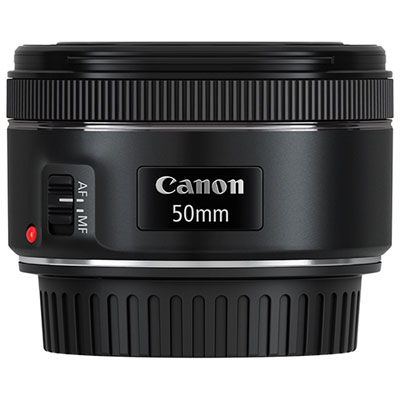 Your price for this item is $169.99
-
 Your price for this item is $279.99
-
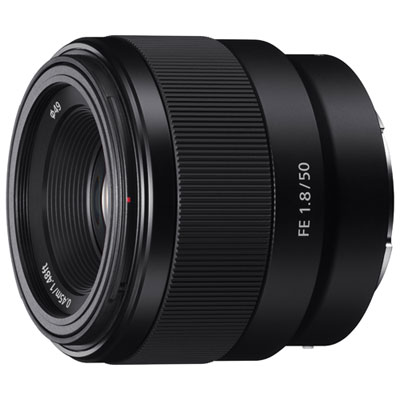 Your price for this item is $299.99
-
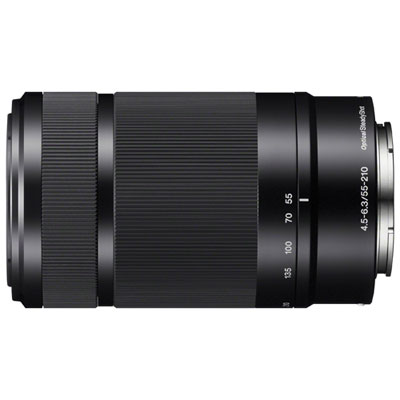 Your price for this item is $399.99
-
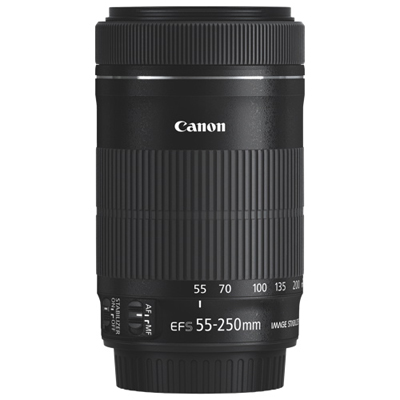 Your price for this item is $399.99
-
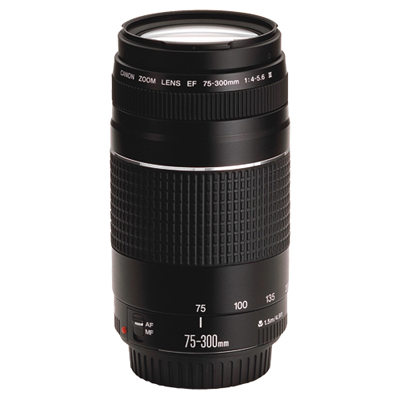 Your price for this item is $199.99
-
 Your price for this item is $539.99
-
 Your price for this item is $174.99
Discover more categories related to Canon EF M Lenses

Top Collections:
Best Black Friday Deals This Year, Best Black Friday Deals On Electronics, Kindle Devices, Pokemon Centers, Best Black Friday Deals On Apple Products, Best Cameras for Sports Photography, Dyson Airwrap, Pokémon 30th Celebration Cards, Apple iPhone 17 Pro, Canon G7X Cameras
Some products may be subject to Environmental Handling Fees
(EHF) depending on your province.
Learn more about EHFs.