EF M Lenses
Explore a wide range of EF-M lenses designed to elevate your photography game to new heights. Whether you are a seasoned professional or an enthusiastic beginner, these lenses offer exceptional clarity, precision, and versatility to capture stunning images in almost any setting. From wide-angle to telephoto lenses, each EF-M lens is crafted with cutting-edge technology to deliver sharp details and vibrant colors.
Sort
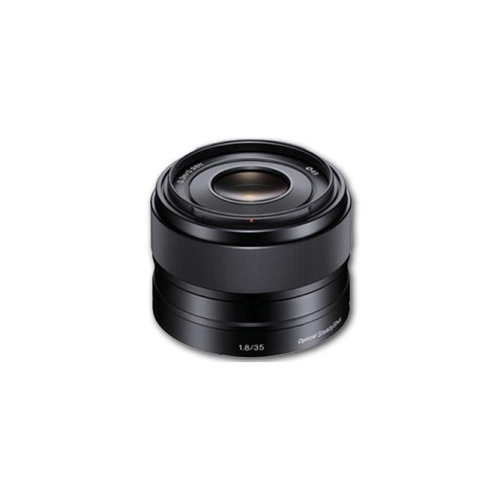
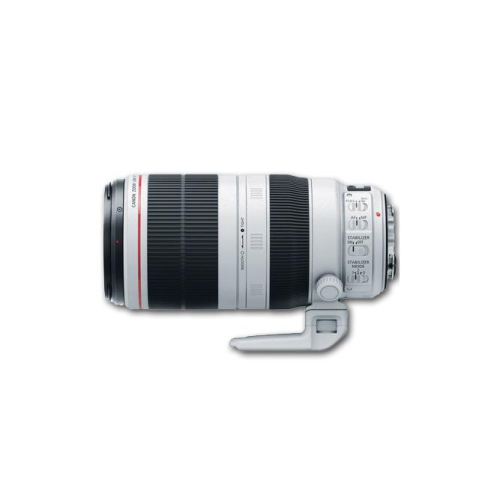
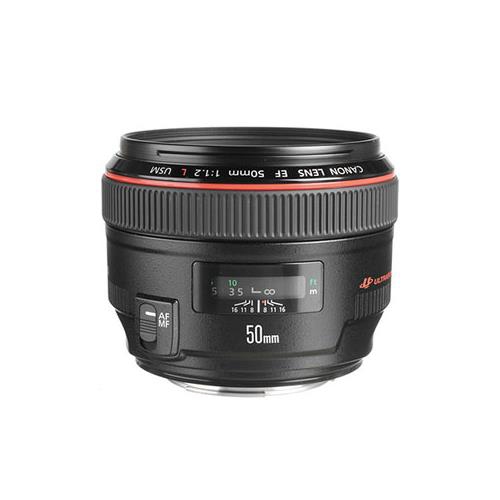
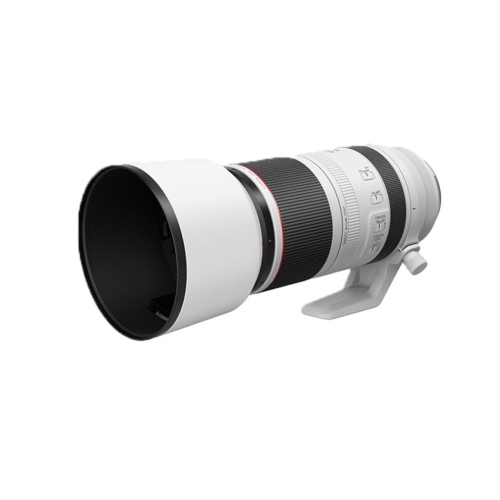

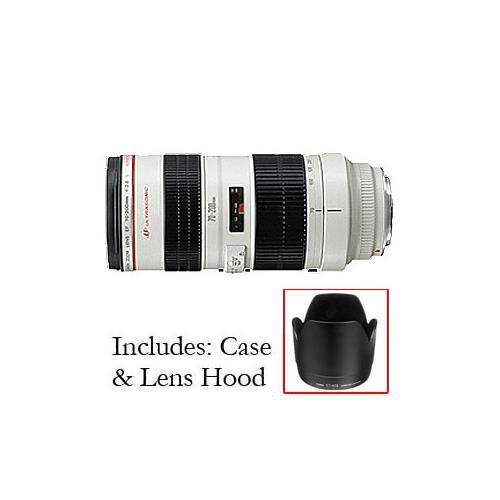
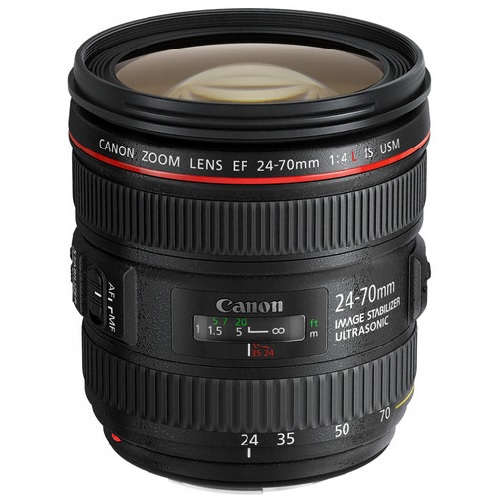
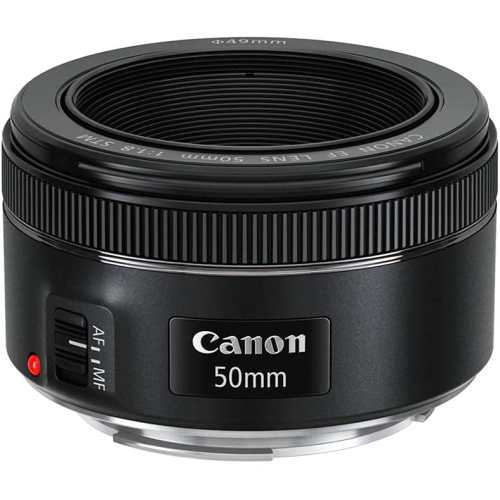
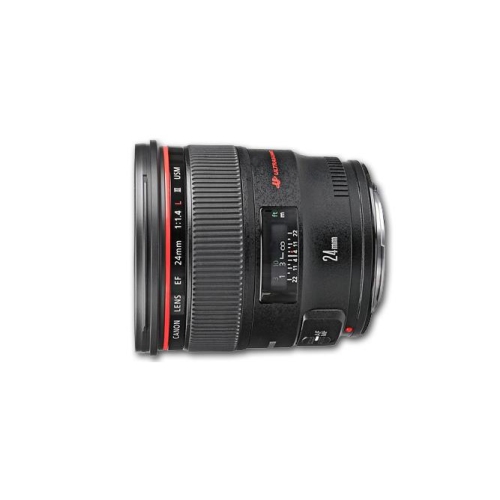
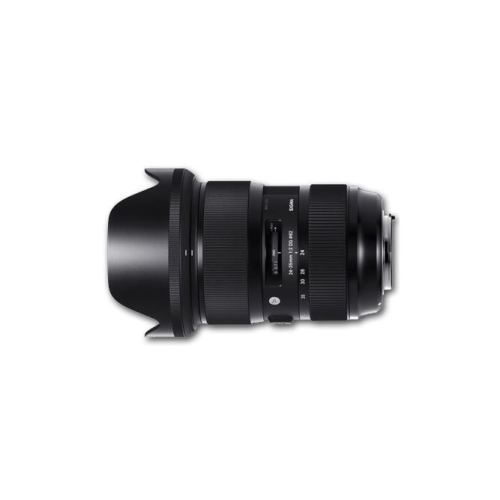
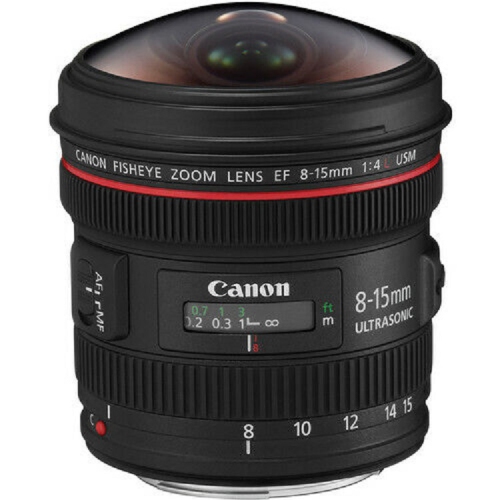

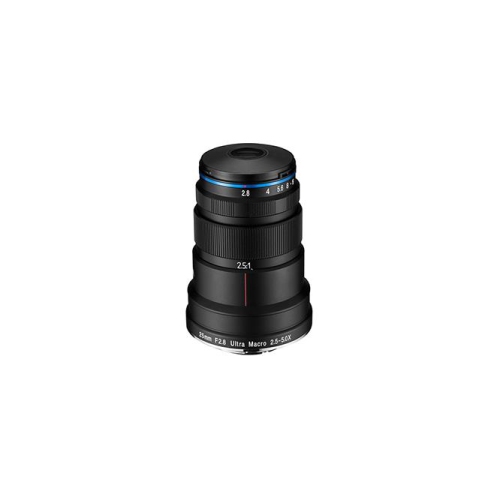
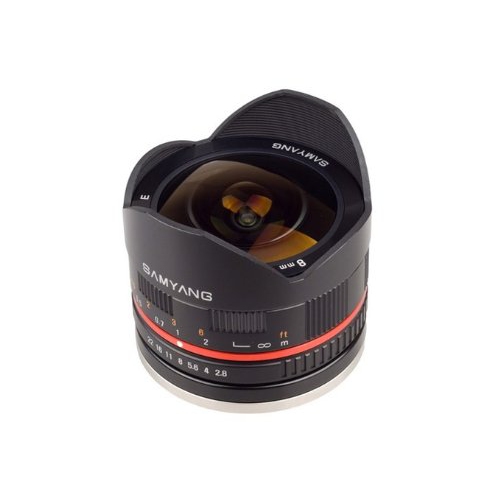
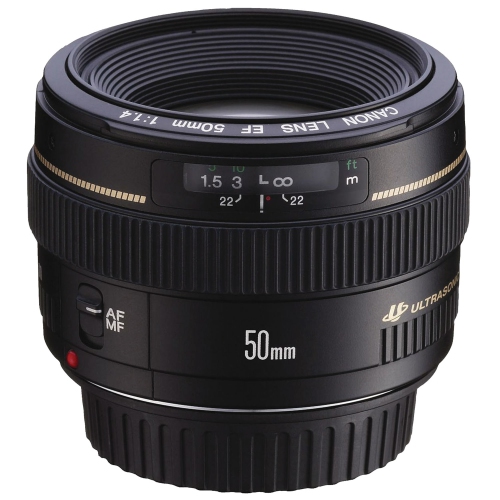
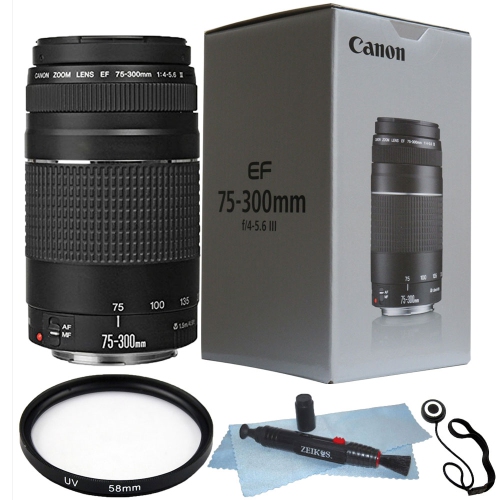
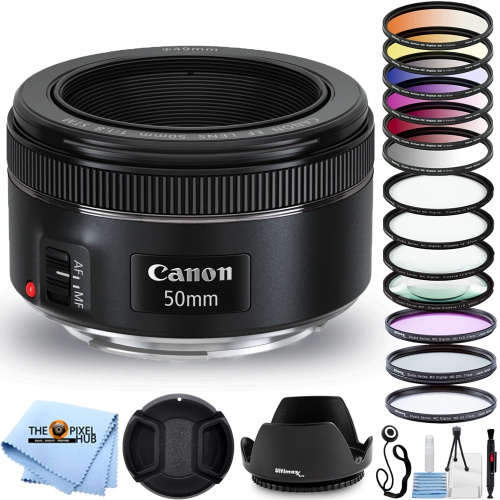
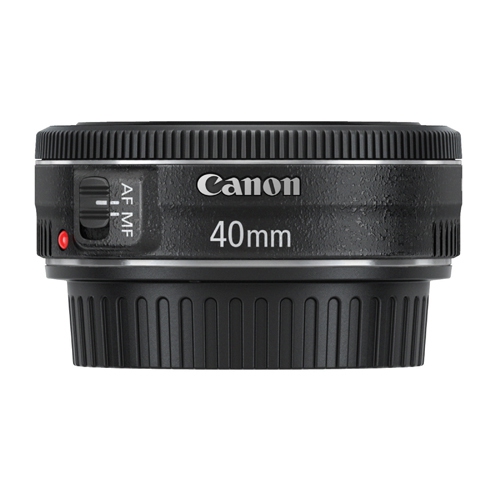

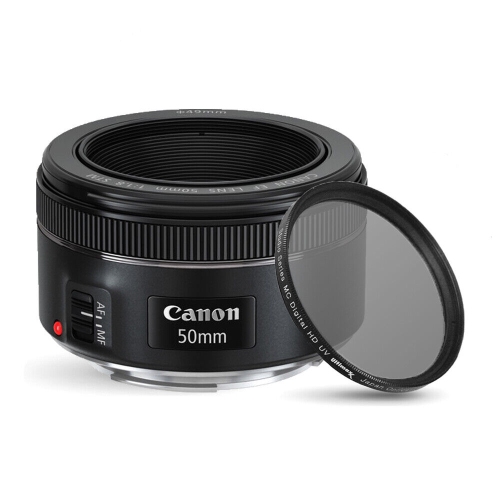
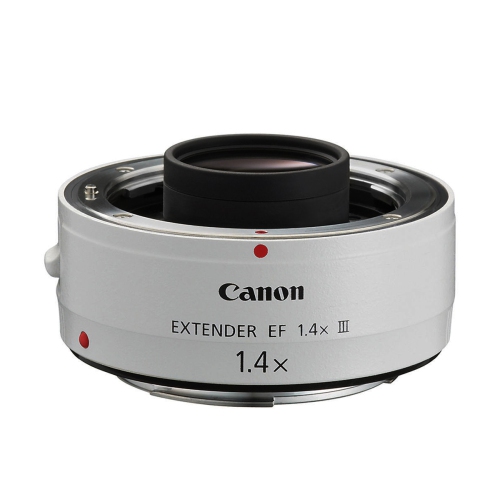
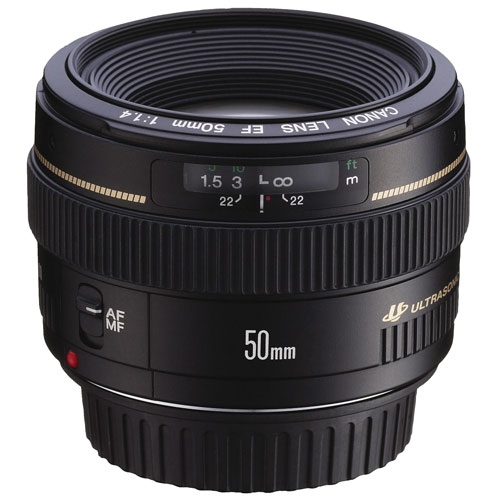
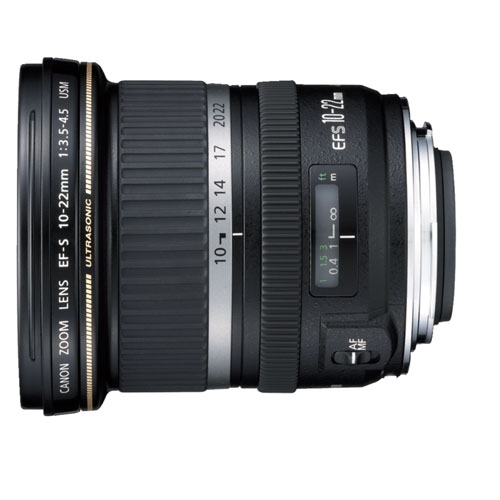
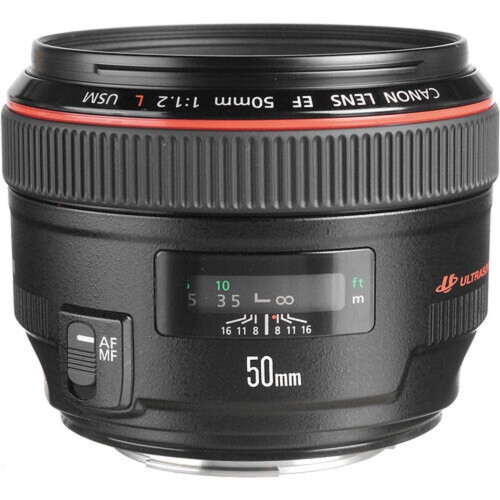
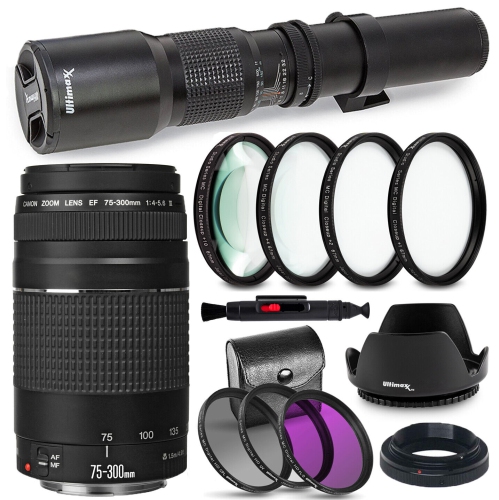
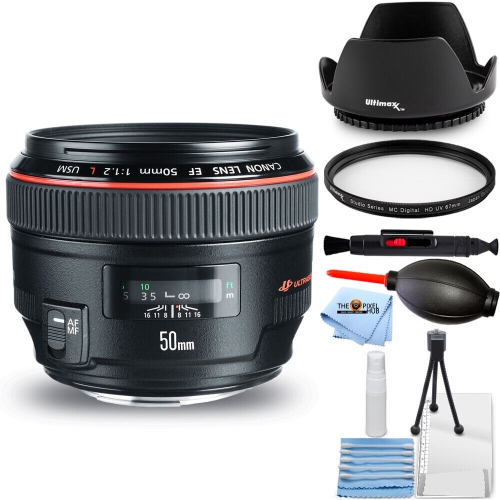
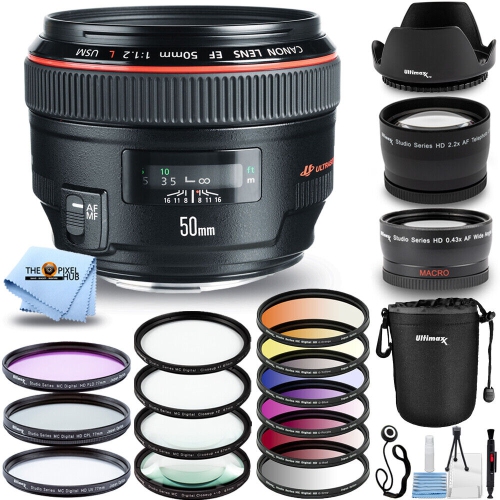
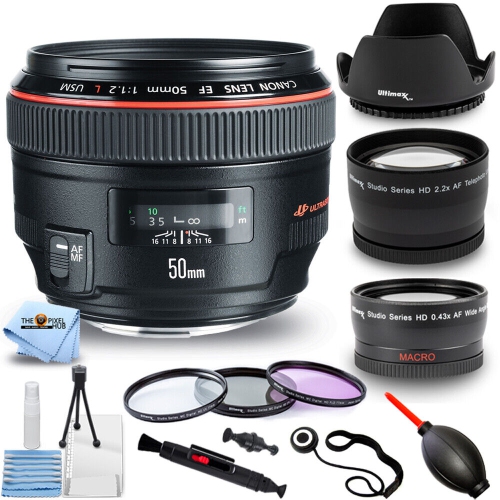
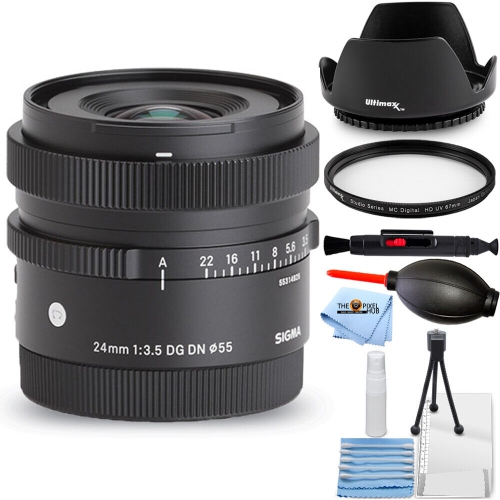
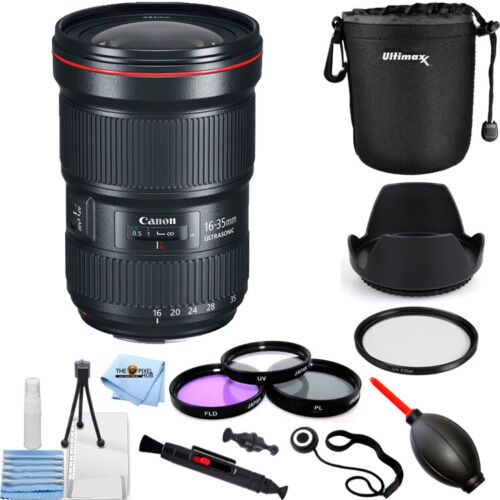
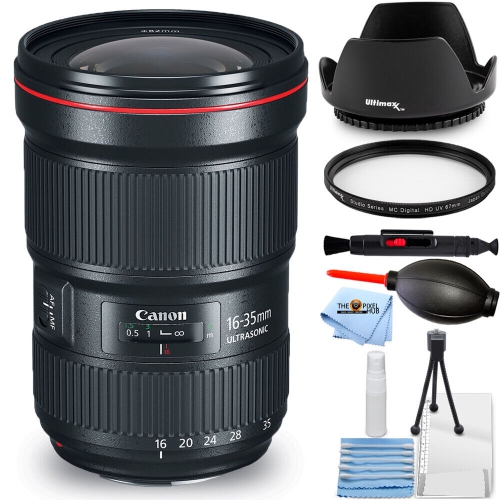
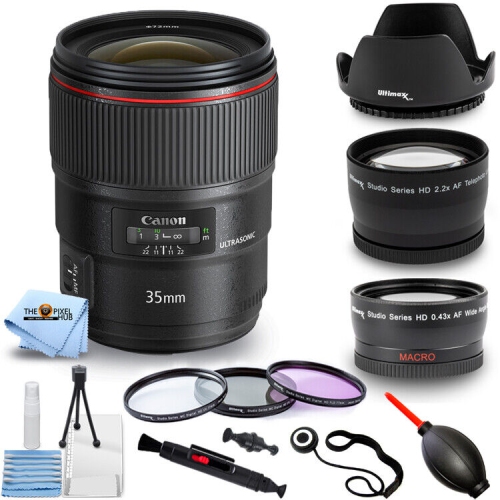
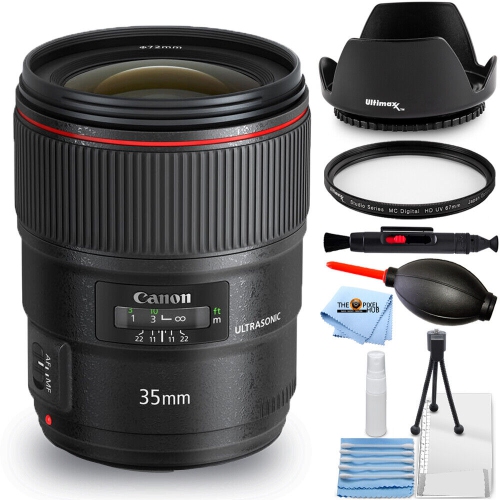
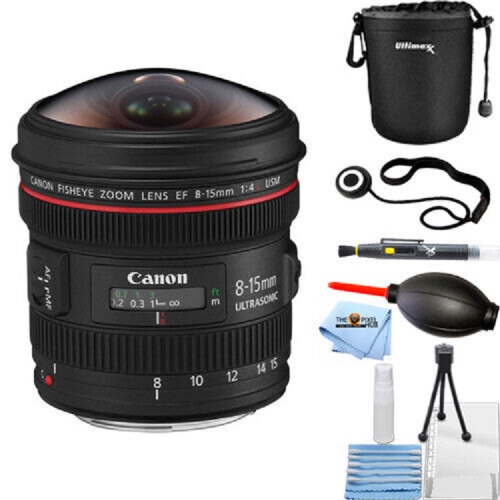
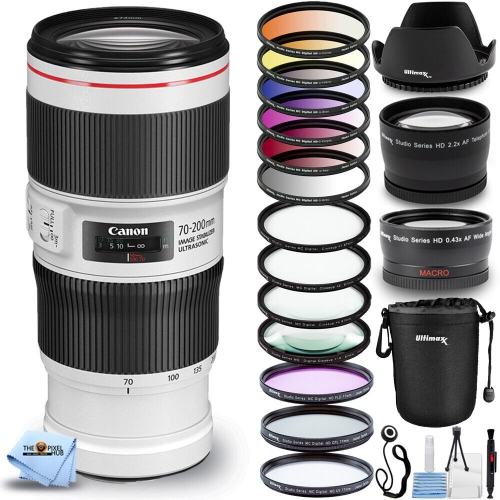
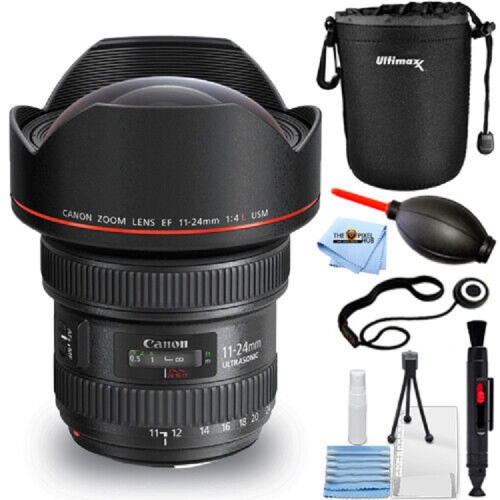
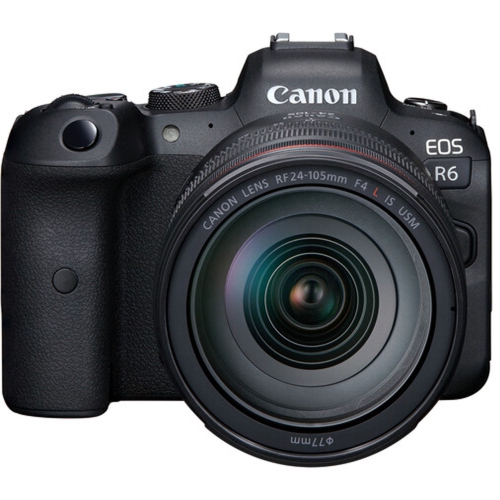

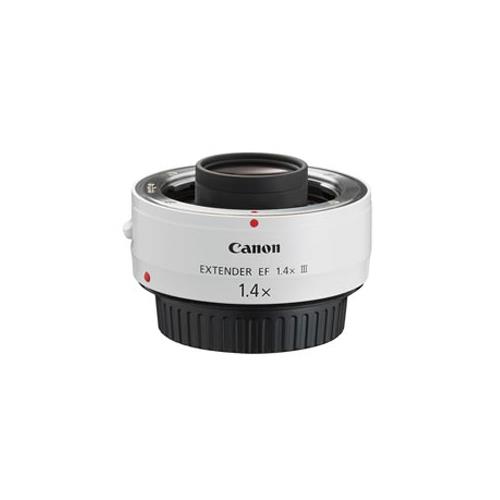
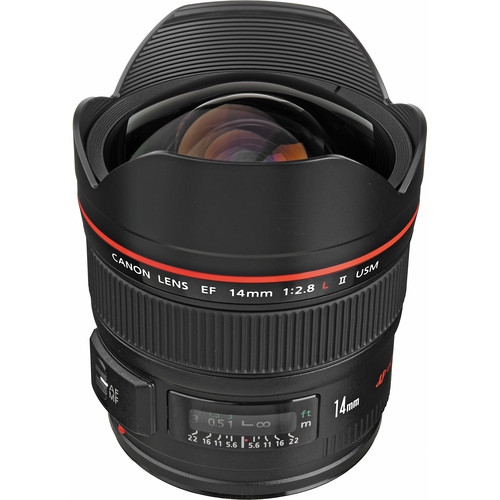
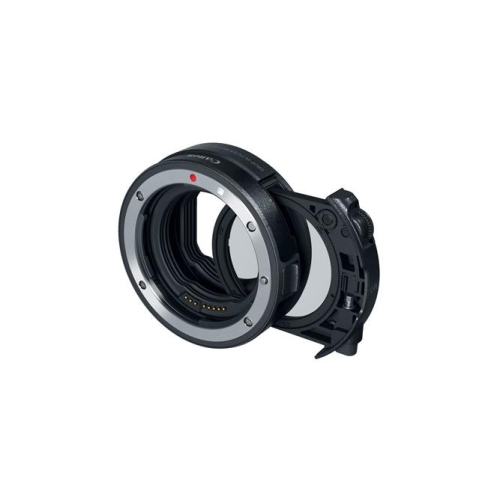
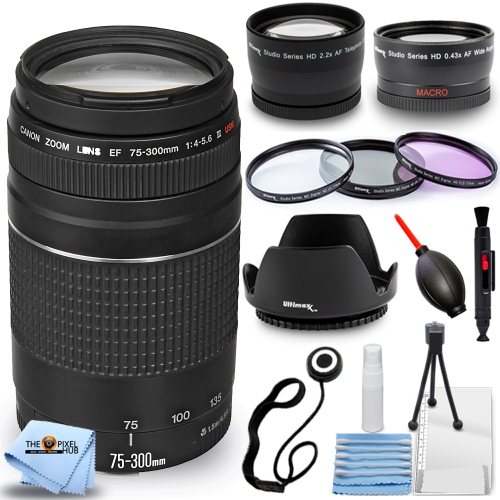
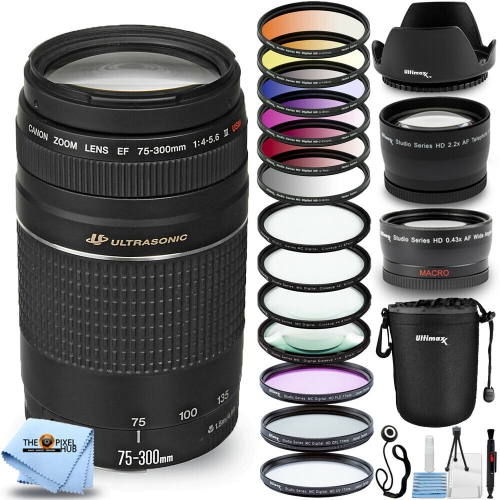

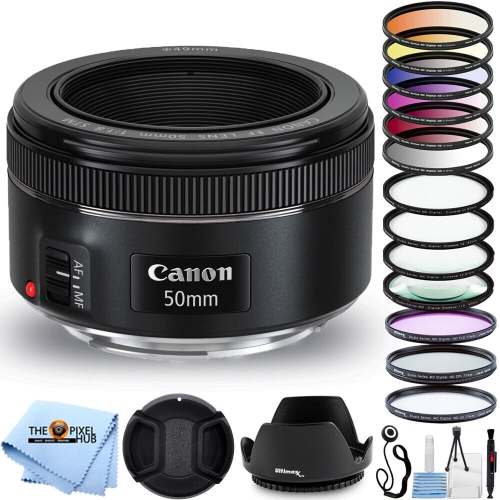
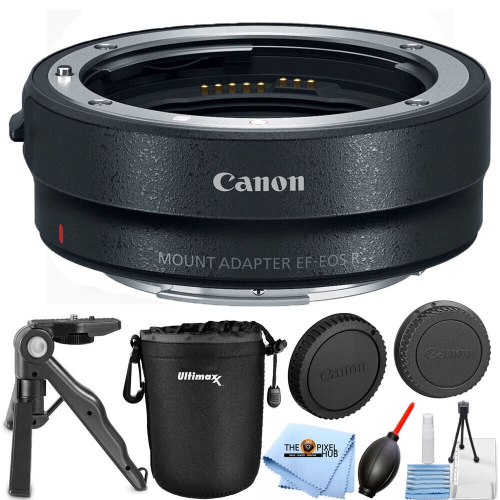
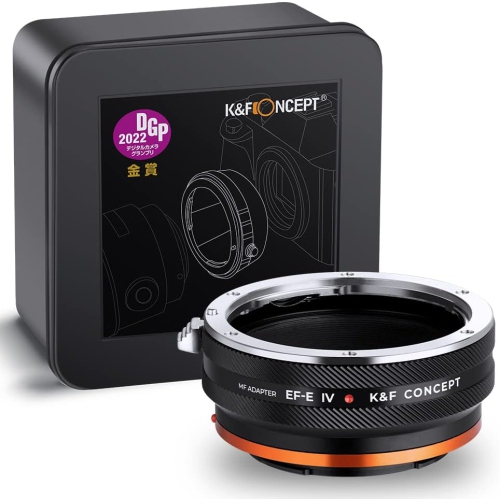
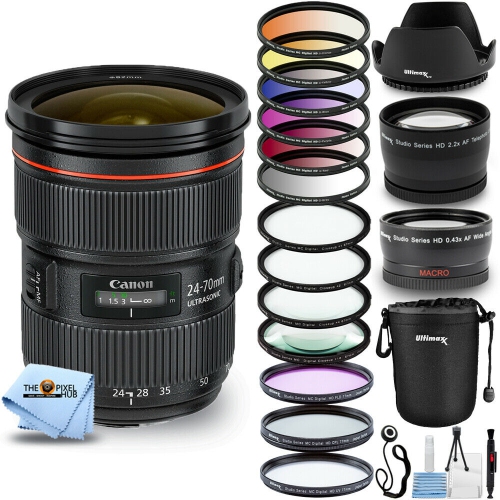
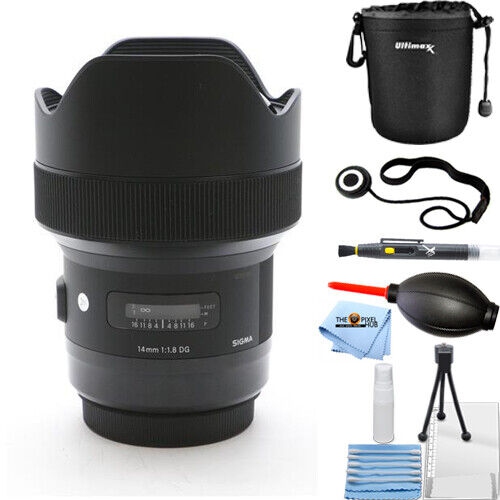
How compact lenses shape what your camera captures
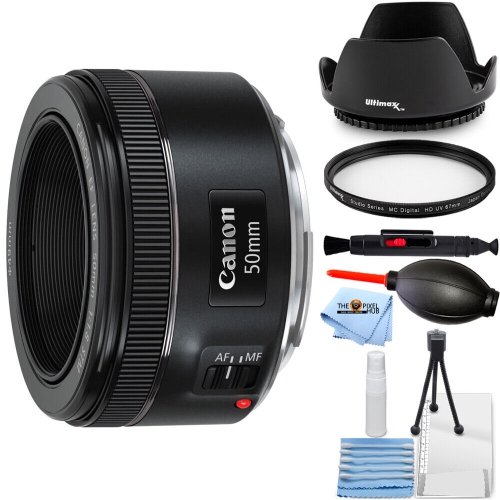
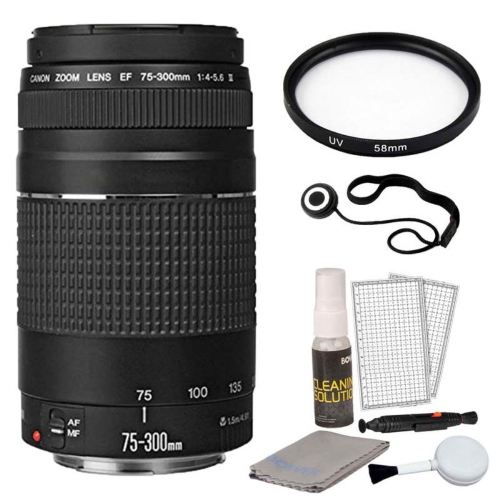
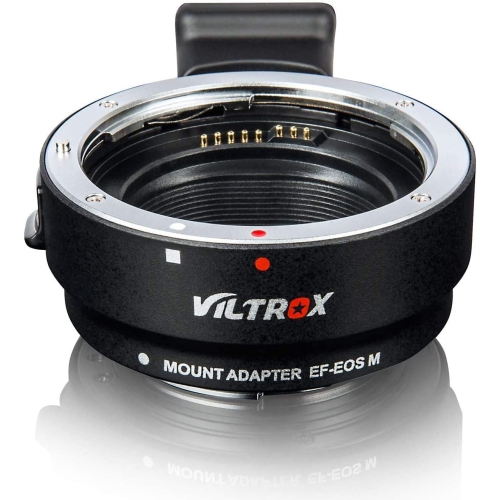
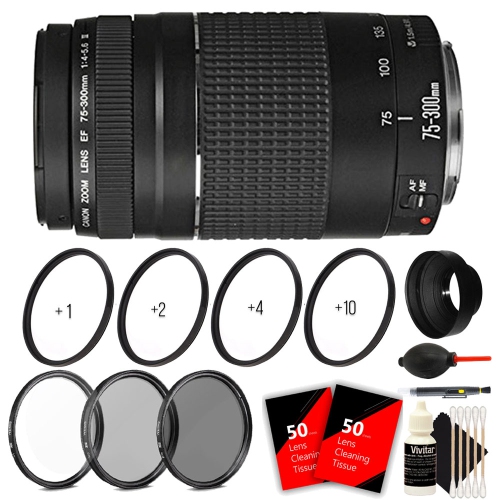
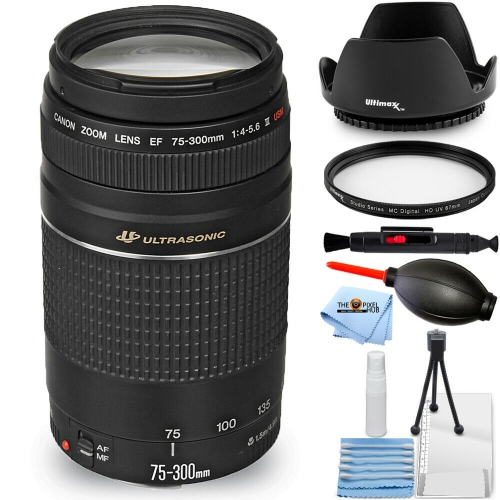
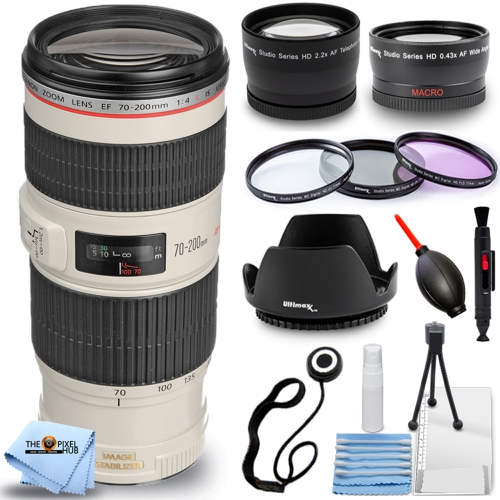
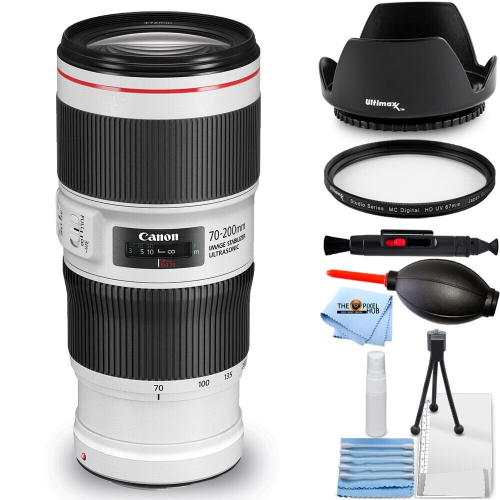
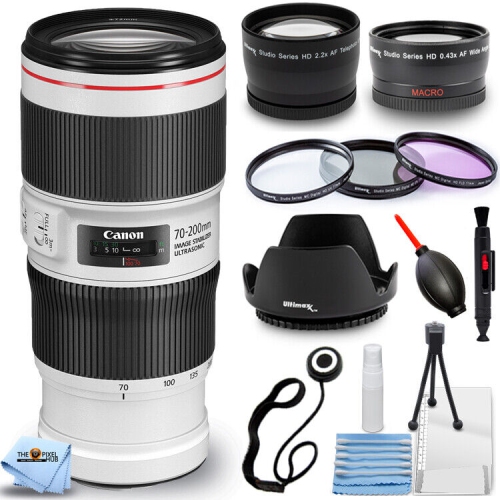
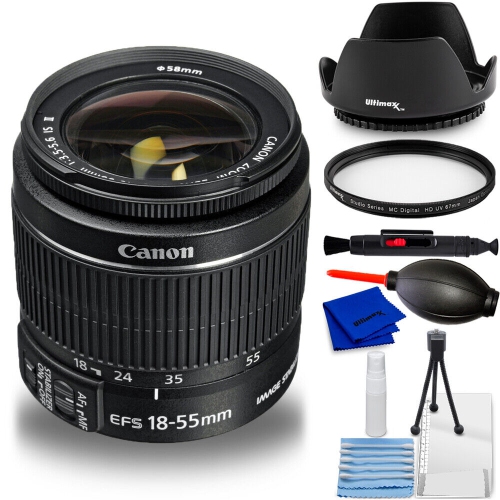
EF-M lenses are interchangeable camera lenses designed for APS-C mirrorless cameras with an EF-M mount. Their compact proportions suit smaller camera bodies, making them a practical choice for photography that involves carrying a camera for hours rather than leaving it on a tripod. The mount is the essential starting point for compatibility: an EF-M lens fits an EF-M camera body directly, but it is not interchangeable with lenses made for other mounts simply because their names look similar. Within this lens family, wide-angle, standard, telephoto, and macro designs support different ways of capturing a scene. A wide-angle lens can take in the sweep of a building’s interior, while a telephoto lens can frame a distant performer without including the entire stage. Standard focal lengths offer a familiar perspective for everyday subjects, from a meal at a café to a friend seated across the table. EF-M cameras use a 1.6× crop factor, so a lens’s angle of view is narrower than the same focal length would provide on a full-frame camera. For example, a 25 mm focal length gives an angle of view similar to 40 mm on full frame; the lens’s actual focal length does not change. This distinction helps explain why a seemingly modest focal length can work well for portraits on a compact camera. Prime lenses have a fixed focal length and often combine a small body with a generous maximum aperture, while zoom lenses cover a range of focal lengths without requiring a lens change. A slim pancake-style lens can make a camera easier to tuck into a small shoulder bag, whereas a longer zoom provides more framing flexibility from a fixed position. For travellers, photography students, family photographers, and creators building a lightweight kit, EF-M lenses offer ways to tailor an existing camera to the subjects that matter most. As a gift, a lens is especially personal when its mount and intended use match the recipient’s camera and interests.
A lens’s focal length and aperture shape both the photographs it can make and the situations in which it feels comfortable to use. Wide-angle EF-M lenses suit architecture, interiors, and expansive views, particularly where stepping farther back is not possible. They can also work for handheld video when the framing needs to include both a person and their surroundings, although faces placed close to the edges may appear stretched. Standard lenses suit documentary-style photographs and everyday scenes, while short telephoto focal lengths provide comfortable working distances for portraits with less emphasis on nearby facial features. Longer telephoto lenses are useful for distant subjects such as birds, field sports, and details high on a building. A wider maximum aperture, indicated by a lower f-number, admits more light and can help maintain a faster shutter speed indoors. It can also produce a shallower depth of field, separating a subject from a softly blurred background. That effect depends on focal length, subject distance, and background distance as well as aperture, so a bright aperture alone does not determine the final look. For group portraits or close-up details, a smaller aperture may be more useful because it keeps more of the subject acceptably sharp. Optical image stabilization, where included, helps reduce blur caused by camera movement, but it does not freeze a moving child or an active pet. Autofocus behaviour matters too: smooth, quiet focusing can be valuable for video, while responsive focusing helps with spontaneous expressions. Neither autofocus nor stabilization is universal across every EF-M-compatible lens, particularly among independently made designs. Close-up photography adds another consideration, since minimum focusing distance and maximum magnification describe different aspects of performance. A lens that focuses nearby is not necessarily a true macro lens; life-size, or 1:1, magnification means the subject is recorded at its actual size on the sensor. These distinctions matter when photographing jewellery, textured fabrics, small collectibles, or other subjects where fine detail is central to the image.
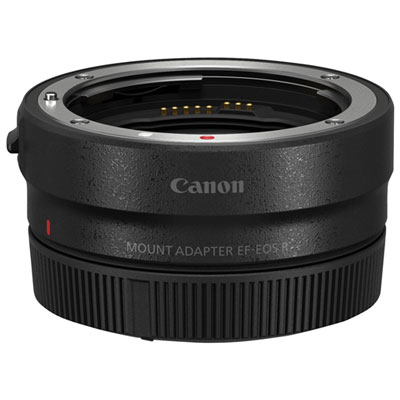
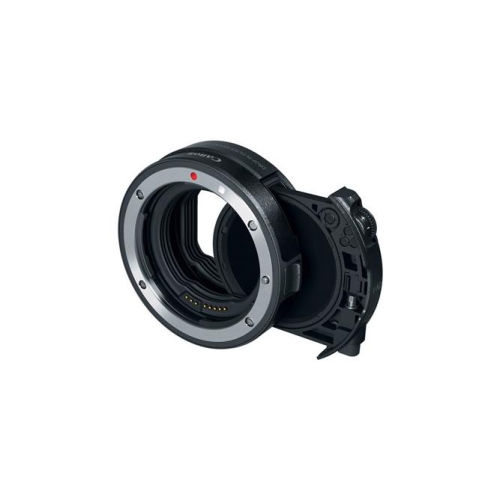
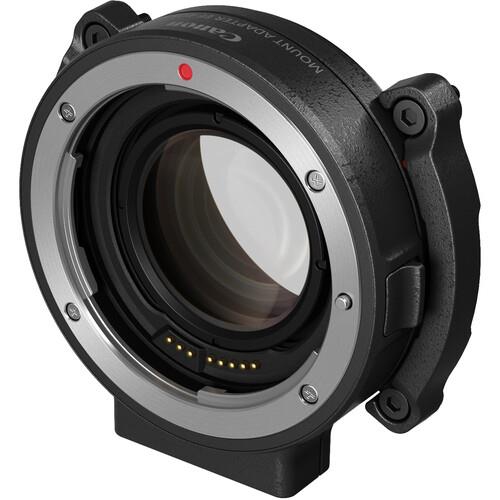
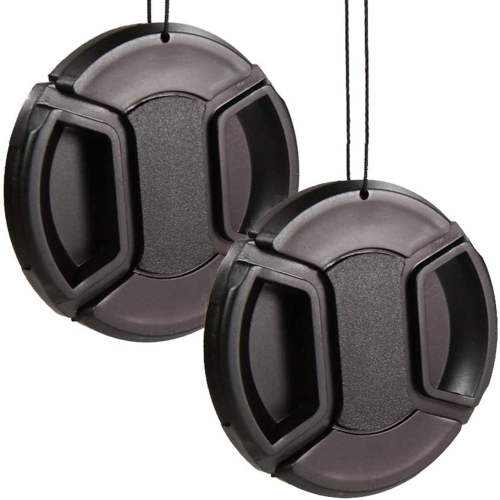
The physical design of an EF-M lens affects handling as much as its optical specifications do. Lens barrels may use engineered plastics, metal, or a combination of materials, with different approaches to weight, rigidity, and grip. A heavier lens is not automatically more durable or optically better, and a lightweight lens can be especially comfortable on a small camera body. The feel of the focusing and zoom rings, the lens’s extended length, and the position of any switches all contribute to everyday usability. Some compact zooms use a retractable design that must be extended before shooting, while some manual-focus lenses require the photographer to set focus and aperture on the lens itself. For video, changes in framing during focusing, often called focus breathing, may also be noticeable. Filter diameter is another practical detail: protective filters, polarizers, and other screw-in accessories must match the lens’s thread size rather than the camera’s mount. A correctly fitted hood can help limit stray light and provide a little protection against incidental contact, though it does not replace careful handling. Front and rear caps, a padded compartment, and a clean lens mount help protect optical surfaces and electrical contacts during storage and transport. Loose dust is best removed with a suitable hand blower before a clean lens cloth or tissue touches the glass, reducing the chance of dragging grit across a coating. Cleaning fluid should be intended for camera optics and used sparingly according to its directions. Compatibility also matters when expanding beyond native lenses: Ef Lenses can be used on EF-M bodies with a suitable EF-to-EF-M mount adapter, although the combination adds size and weight, and function depends on the lens and adapter. The reverse is not equivalent; EF-M lenses are not designed to mount on EF camera bodies. For photographers who value a compact setup, native EF-M lenses keep the connection straightforward while offering different balances of reach, brightness, close-focusing ability, and carrying comfort.
A lens’s focal length and aperture shape both the photographs it can make and the situations in which it feels comfortable to use. Wide-angle EF-M lenses suit architecture, interiors, and expansive views, particularly where stepping farther back is not possible. They can also work for handheld video when the framing needs to include both a person and their surroundings, although faces placed close to the edges may appear stretched. Standard lenses suit documentary-style photographs and everyday scenes, while short telephoto focal lengths provide comfortable working distances for portraits with less emphasis on nearby facial features. Longer telephoto lenses are useful for distant subjects such as birds, field sports, and details high on a building. A wider maximum aperture, indicated by a lower f-number, admits more light and can help maintain a faster shutter speed indoors. It can also produce a shallower depth of field, separating a subject from a softly blurred background. That effect depends on focal length, subject distance, and background distance as well as aperture, so a bright aperture alone does not determine the final look. For group portraits or close-up details, a smaller aperture may be more useful because it keeps more of the subject acceptably sharp. Optical image stabilization, where included, helps reduce blur caused by camera movement, but it does not freeze a moving child or an active pet. Autofocus behaviour matters too: smooth, quiet focusing can be valuable for video, while responsive focusing helps with spontaneous expressions. Neither autofocus nor stabilization is universal across every EF-M-compatible lens, particularly among independently made designs. Close-up photography adds another consideration, since minimum focusing distance and maximum magnification describe different aspects of performance. A lens that focuses nearby is not necessarily a true macro lens; life-size, or 1:1, magnification means the subject is recorded at its actual size on the sensor. These distinctions matter when photographing jewellery, textured fabrics, small collectibles, or other subjects where fine detail is central to the image.
The physical design of an EF-M lens affects handling as much as its optical specifications do. Lens barrels may use engineered plastics, metal, or a combination of materials, with different approaches to weight, rigidity, and grip. A heavier lens is not automatically more durable or optically better, and a lightweight lens can be especially comfortable on a small camera body. The feel of the focusing and zoom rings, the lens’s extended length, and the position of any switches all contribute to everyday usability. Some compact zooms use a retractable design that must be extended before shooting, while some manual-focus lenses require the photographer to set focus and aperture on the lens itself. For video, changes in framing during focusing, often called focus breathing, may also be noticeable. Filter diameter is another practical detail: protective filters, polarizers, and other screw-in accessories must match the lens’s thread size rather than the camera’s mount. A correctly fitted hood can help limit stray light and provide a little protection against incidental contact, though it does not replace careful handling. Front and rear caps, a padded compartment, and a clean lens mount help protect optical surfaces and electrical contacts during storage and transport. Loose dust is best removed with a suitable hand blower before a clean lens cloth or tissue touches the glass, reducing the chance of dragging grit across a coating. Cleaning fluid should be intended for camera optics and used sparingly according to its directions. Compatibility also matters when expanding beyond native lenses: Ef Lenses can be used on EF-M bodies with a suitable EF-to-EF-M mount adapter, although the combination adds size and weight, and function depends on the lens and adapter. The reverse is not equivalent; EF-M lenses are not designed to mount on EF camera bodies. For photographers who value a compact setup, native EF-M lenses keep the connection straightforward while offering different balances of reach, brightness, close-focusing ability, and carrying comfort.
Top selling and popular products
-
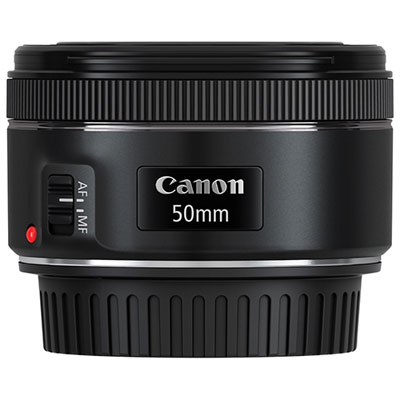 Your price for this item is $169.99
 -
 Your price for this item is $329.99
 -
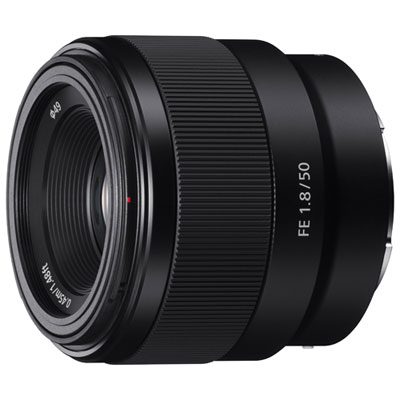 Your price for this item is $349.99
 -
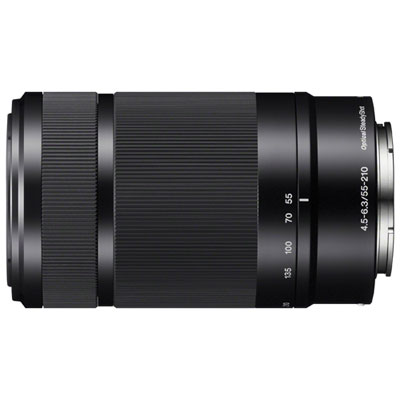 Your price for this item is $399.99
 -
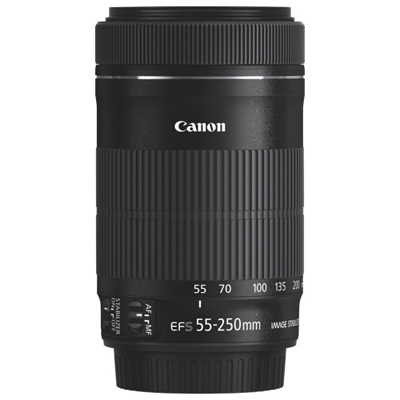 Your price for this item is $399.99
 -
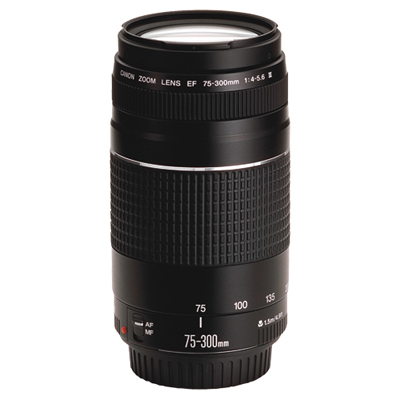 Your price for this item is $199.99
 -
 Your price for this item is $174.99
 -
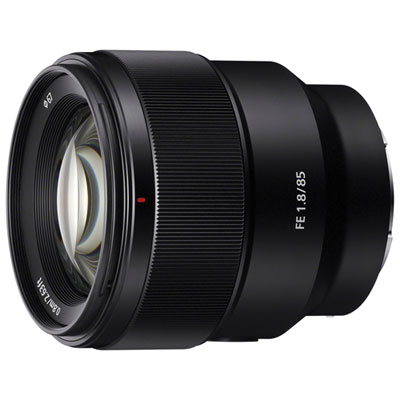 Your price for this item is $749.99
Discover more categories related to EF M Lenses
Top Collections:
Pokemon Centers, Kindle Devices, Best Budget Office Chairs, Apple iPhones 16, Best Laptops for Writers, iPhone 15 Apple, Canon G7X Cameras, Refurbished Apple Laptops, Alarm Clock, Motorola Razr Phones
Some products may be subject to Environmental Handling Fees
(EHF) depending on your province.
Learn more about EHFs.