Canon EF-S Lenses
Capture stunning photos and bring your creative vision to life with a Canon EF-S Lens. Designed for versatility and performance, these lenses offer photographers the flexibility to explore a wide range of shooting styles, from landscapes to portraits. Whether you're expanding your collection or upgrading your gear, finding the right Canon EF-S Lens can help you achieve sharp, vibrant images in any setting. Discover options that suit every skill level and photography need, making it easier than ever to enhance your camera setup.
Sort
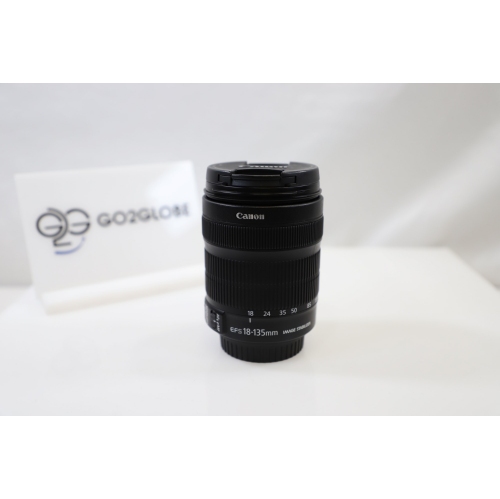
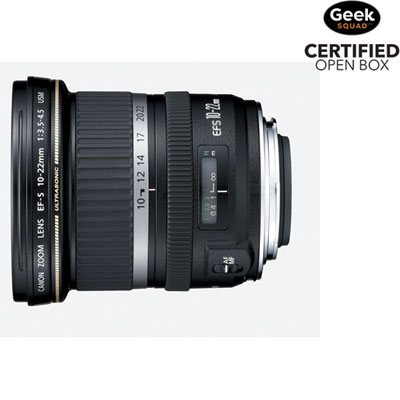
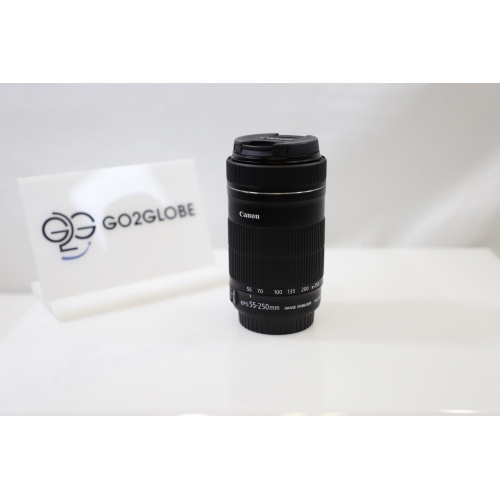
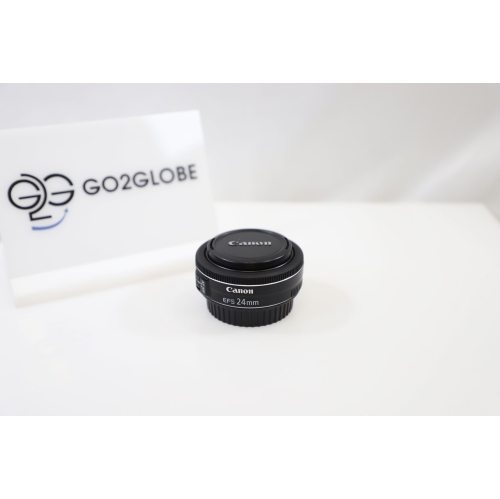
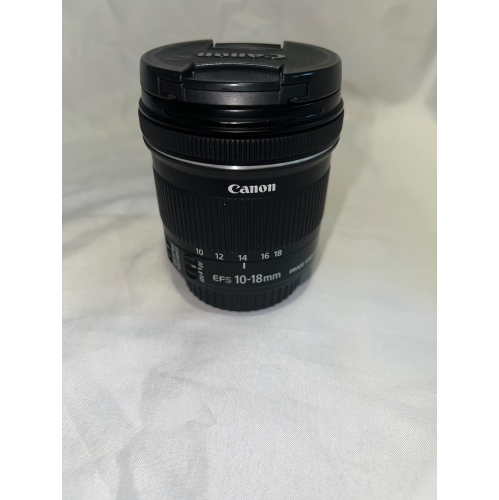
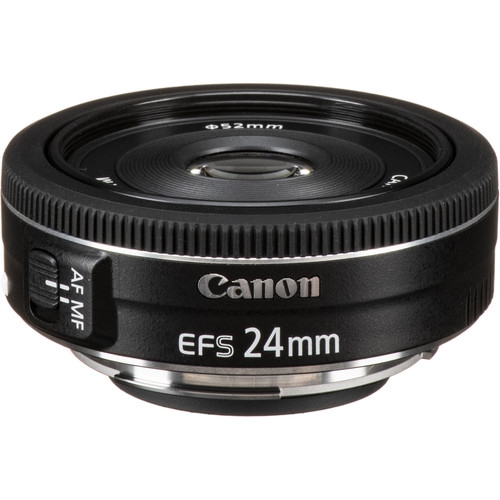
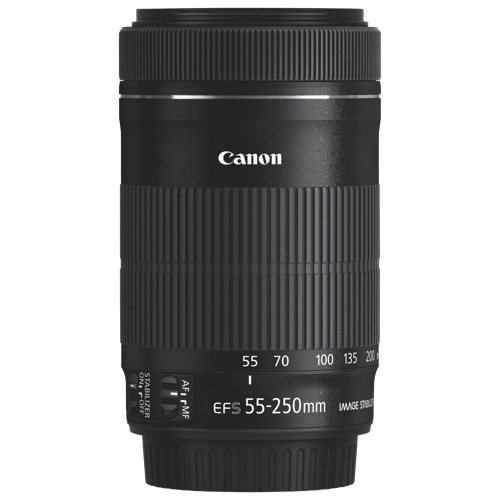
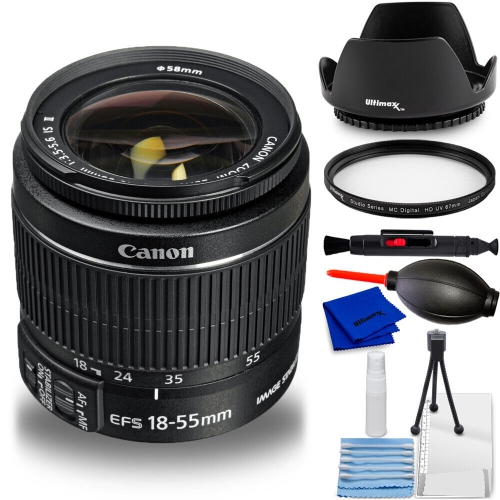
Lens compatibility goes beyond your camera’s sensor size
EF-S lenses are interchangeable camera lenses designed for compatible APS-C DSLR cameras. Their smaller image circle is matched to the crop sensor rather than a full-frame sensor, allowing many designs to offer a relatively compact, lightweight way to expand a camera’s capabilities. Compatibility depends on the camera mount, not simply the sensor size: an APS-C camera with a different mount does not accept an EF-S lens directly. EF-S lenses are not designed to mount on full-frame DSLRs and should never be forced into place, as their physical design can interfere with the mirror and their image circle does not cover the larger sensor. With a suitable EF-to-RF mount adapter, they can also work on compatible RF-mount mirrorless cameras. A compatible full-frame mirrorless body uses an APS-C crop area with these lenses, which reduces the recorded resolution compared with using the entire sensor. The adapter provides the connection between mounts; it does not enlarge the lens’s image circle. For DSLR owners, the appeal of EF-S lenses often lies in finding a useful focal range without carrying more lens than the camera requires. On these APS-C cameras, the 1.6× crop factor makes an 18 mm focal length produce an angle of view similar to approximately 29 mm on a full-frame camera. The actual focal length remains 18 mm; it is the narrower captured view that changes. This distinction matters when choosing something wide enough for a room interior or long enough to frame a distant subject. Comparing EF-S options with Canon EF Compatible Lenses can help clarify the difference between lenses designed specifically for the smaller sensor and the broader EF-mount family. Full-frame EF lenses can generally be used on compatible EF-S DSLR bodies, but the reverse is not true. Confirming the exact camera model and lens mount is therefore more reliable than judging compatibility by appearance or focal length alone.
Different focal ranges suit different ways of taking photographs. A wide-angle EF-S lens can include the sweep of a building’s interior, a group gathered around a table, or a broad stretch of scenery without requiring the photographer to step far back. Keeping faces away from the outer edges of a very wide frame can help avoid stretched-looking features, while keeping the camera level helps vertical lines appear more natural in architectural photographs. A standard zoom covers familiar everyday compositions, from a person standing across a room to a closer view of a plate of food. A telephoto zoom provides a tighter view of subjects that cannot easily be approached, such as a player across a sports field or a bird perched beyond a walking path. Longer focal lengths also make careful handling more important because small camera movements become more noticeable. Maximum aperture is another useful distinction. A lower f-number indicates a wider opening, which can admit more light and help separate a subject from a softly blurred background. A wide maximum aperture can be useful for photographing a person beside a window or maintaining a faster shutter speed indoors, though depth of field also depends on focal length and subject distance. Some zoom lenses maintain the same maximum aperture throughout their range, while others have a narrower maximum aperture as they zoom in. Optical image stabilization, where included, helps reduce blur from camera shake when shooting handheld, but it does not freeze a moving child or pet; that still requires a suitable shutter speed. Autofocus characteristics matter as well. Responsive focusing is useful for moving subjects, while smooth, quiet focus operation can be valuable for video, particularly when sound is recorded near the camera. For close-up interests such as jewellery, flowers, or small craft details, minimum focusing distance and maximum magnification are more informative than a lens’s general description. A close-focusing lens is not necessarily capable of the same reproduction ratio as a dedicated macro design.
The way an EF-S lens feels on the camera can be just as important as its specifications. Lens barrels may combine engineered plastics and metal components, while optical assemblies use precisely shaped elements and coatings to manage light transmission, reflections, and image quality. A lighter build can make a camera more comfortable to carry through a full day of sightseeing or family activities, while a larger lens may feel better supported with one hand beneath the barrel. Material alone does not determine durability: the fit of moving parts, protection during transport, and everyday handling all contribute to long-term performance. Zoom and focus rings should be comfortable to reach, especially for someone who adjusts framing frequently or prefers manual focus for detailed subjects. A lens hood can help reduce stray light and offers some protection from incidental contact, although it does not replace a front cap or padded storage. Filters and replacement caps must match the lens’s specified filter diameter, which is separate from its focal length and mount type. For cleaning, loose dust is best removed with a hand blower before gently wiping with a clean microfibre cloth intended for optical surfaces. Stubborn marks may require a suitable lens-cleaning solution applied to the cloth rather than sprayed directly onto the glass. Keeping both caps in place during storage helps protect the front and rear elements, and changing lenses carefully reduces the chance of dust entering the camera. These practical details make EF-S lenses relevant to photography students, hobbyists, family photographers, and anyone building a more versatile kit around a compatible DSLR. As a gift, a lens is most useful when it complements the recipient’s existing focal range and preferred subjects. Someone who enjoys close-up detail has different needs from someone photographing field sports, and the camera model remains the essential starting point for a suitable match.
Top selling and popular products
-
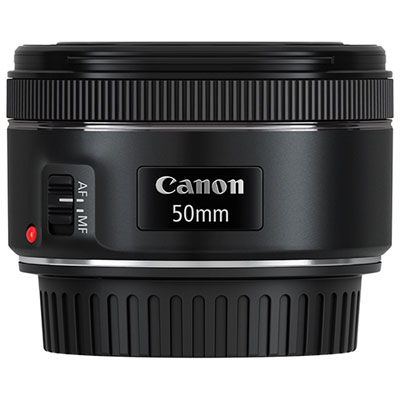 Your price for this item is $169.99
-
 Your price for this item is $279.99
-
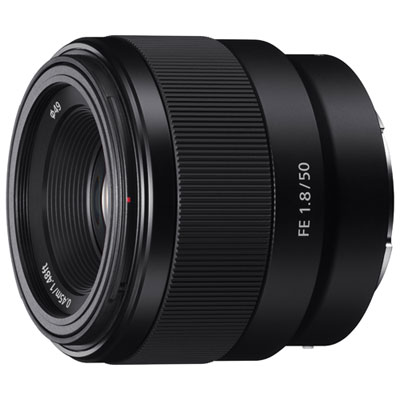 Your price for this item is $299.99
-
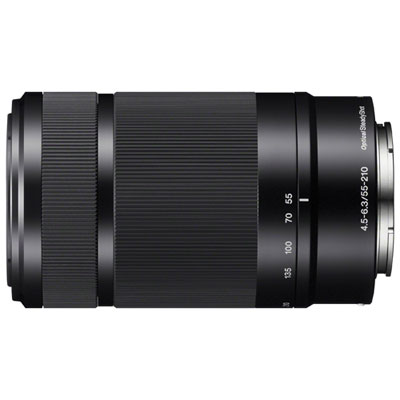 Your price for this item is $399.99
-
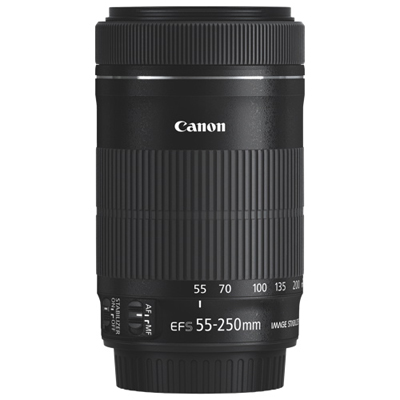 Your price for this item is $399.99
-
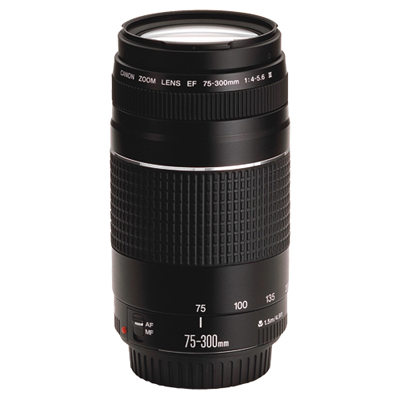 Your price for this item is $199.99
-
 Your price for this item is $539.99
-
 Your price for this item is $174.99
Discover more categories related to Canon EF-S Lenses
Top Collections:
Best Black Friday Deals This Year, Best Black Friday Deals On Electronics, Kindle Devices, Pokemon Centers, Best Black Friday Deals On Apple Products, Best Cameras for Sports Photography, Dyson Airwrap, Pokémon 30th Celebration Cards, Apple iPhone 17 Pro, Canon G7X Cameras
Some products may be subject to Environmental Handling Fees
(EHF) depending on your province.
Learn more about EHFs.