Fisheye Lenses for Camera
Capture stunning and unique photographs with our wide selection of fisheye lenses for cameras. Whether you're a professional photographer looking to add creative flair to your shots or an amateur enthusiast wanting to experiment with different perspectives, fisheye lenses are the perfect tool. With their distinct curved distortion and wide-angle view, these lenses offer a one-of-a-kind visual experience that will take your photography to the next level. Discover the possibilities and unleash your creativity with our range of fisheye lenses designed to fit various camera models.
Sort

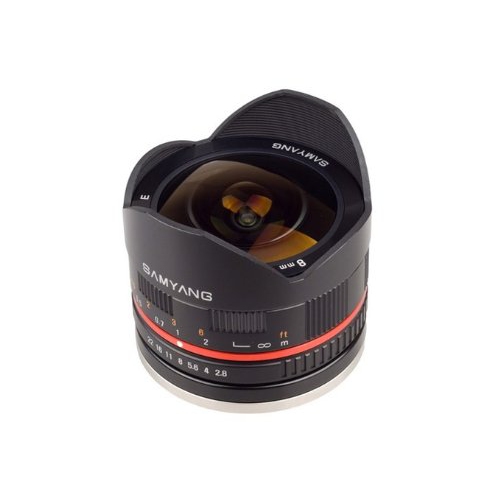
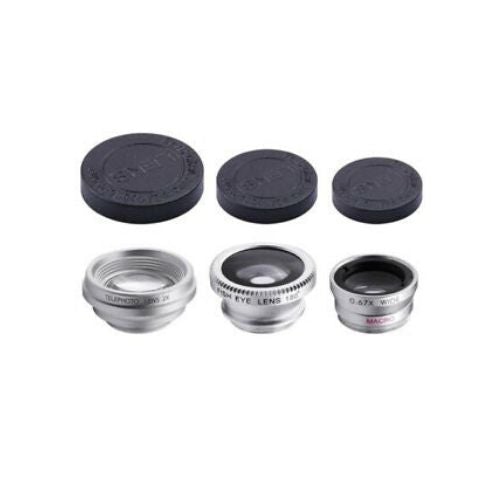
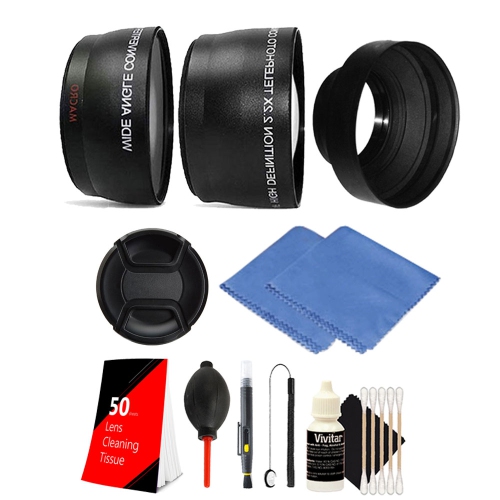
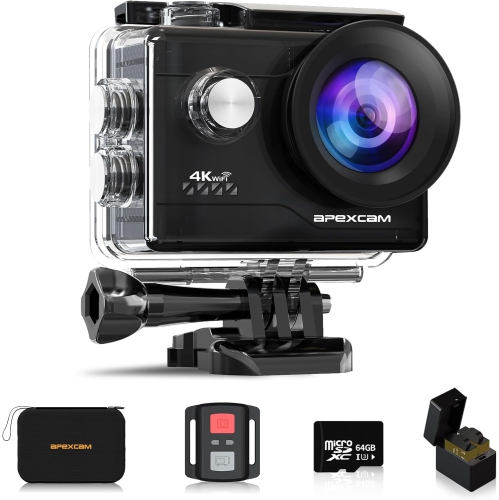
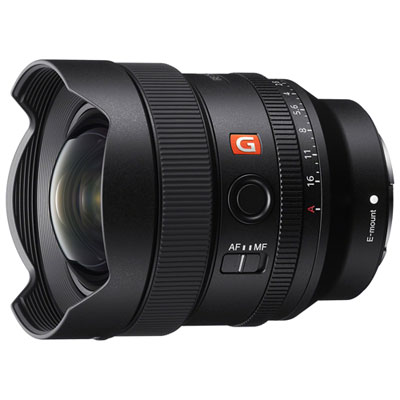
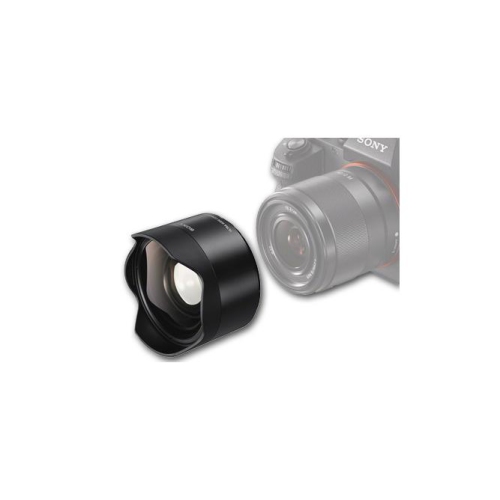
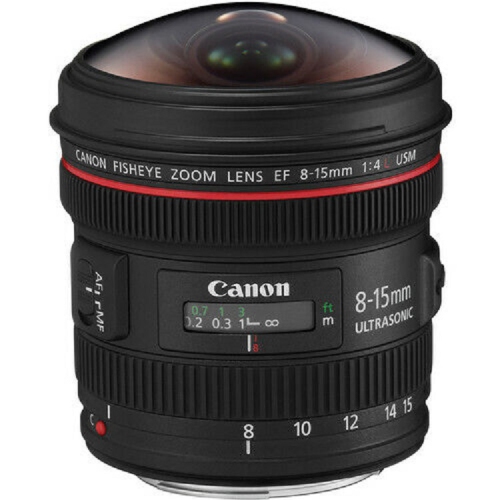
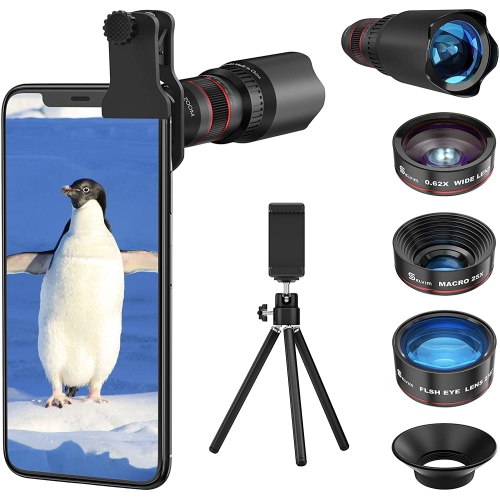
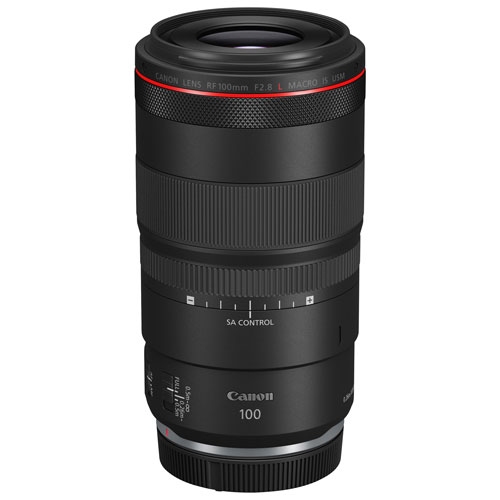
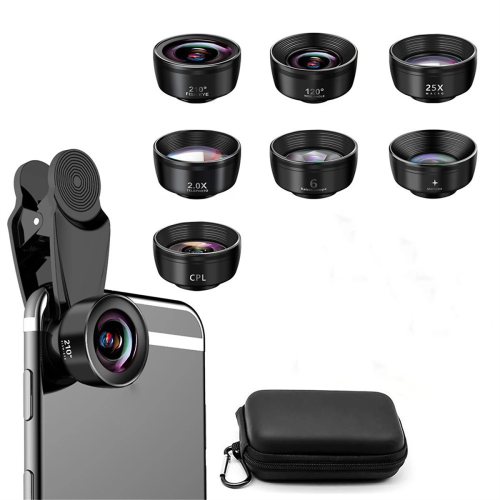
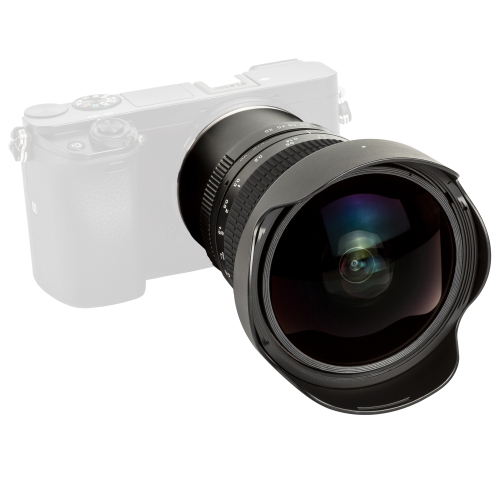
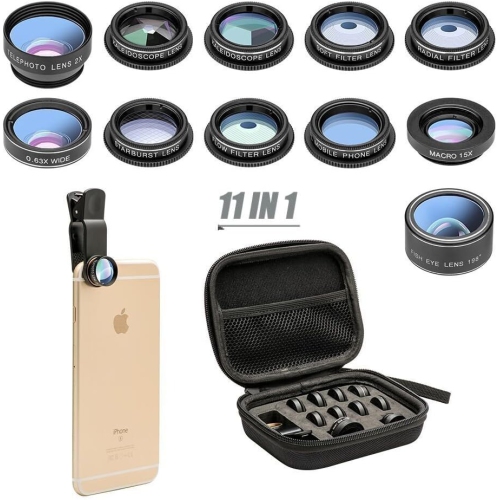
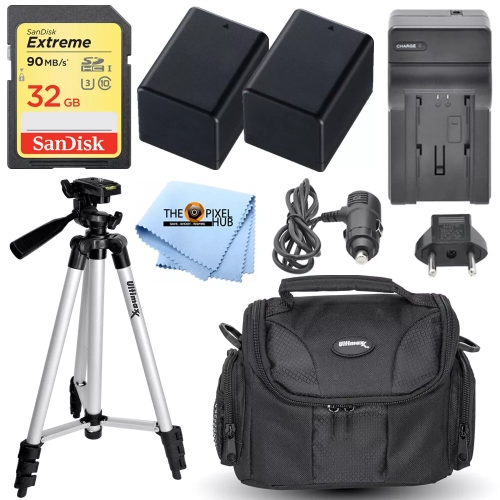
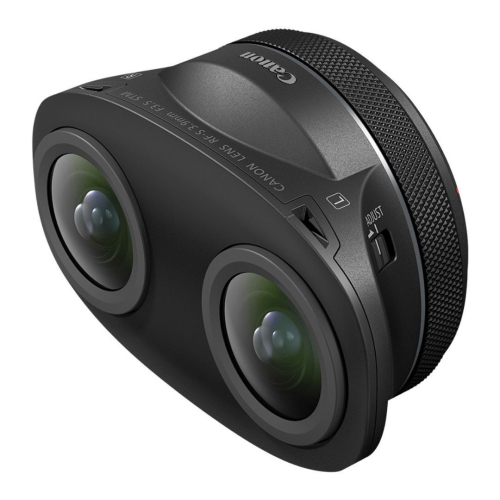
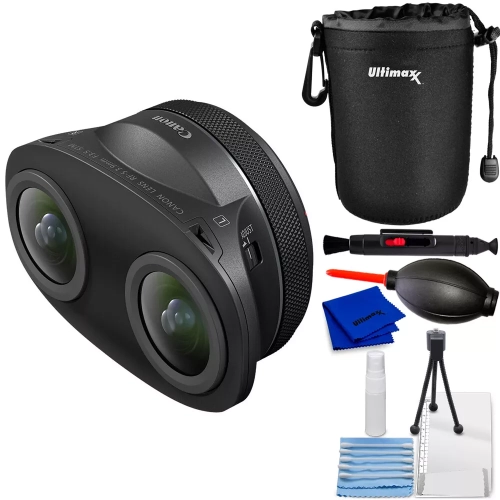

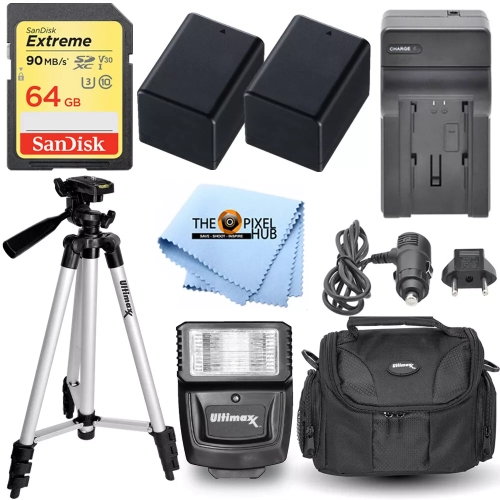
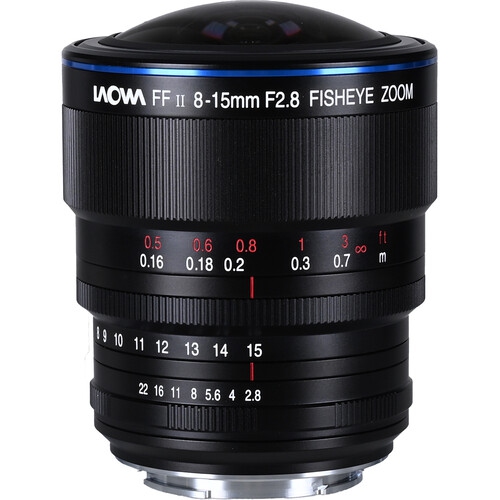
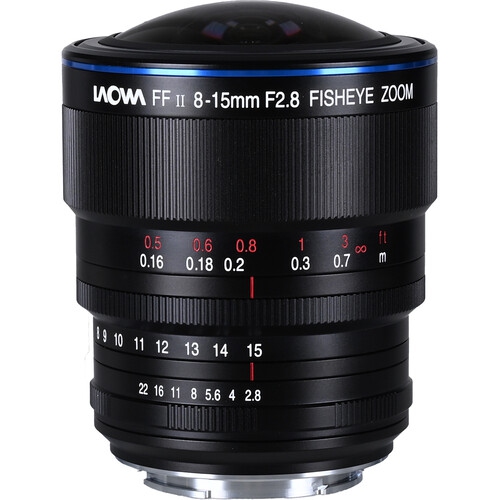
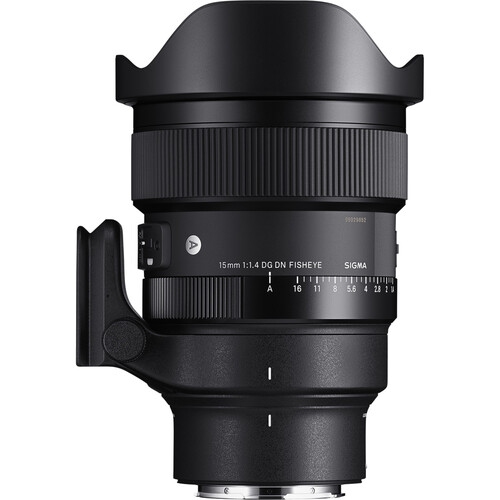
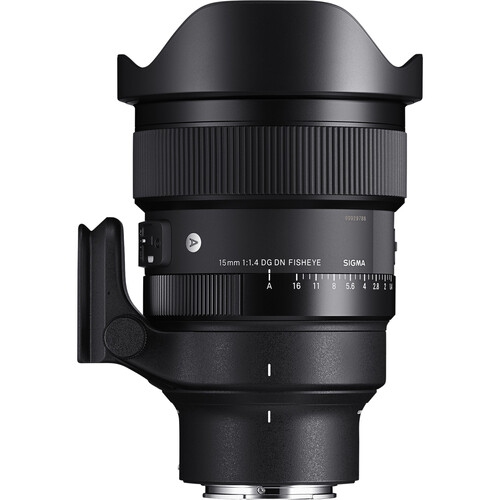
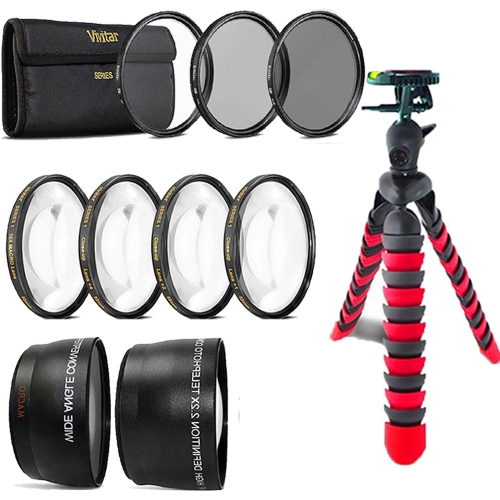
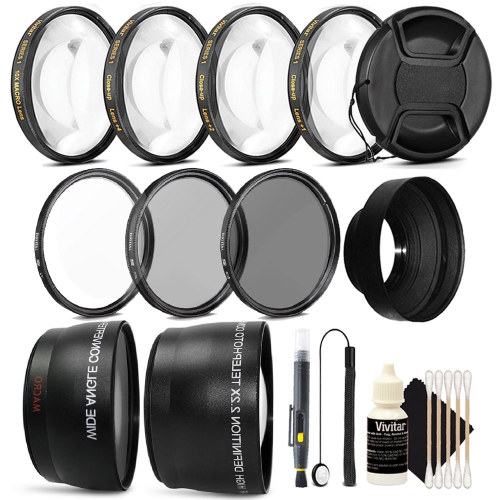
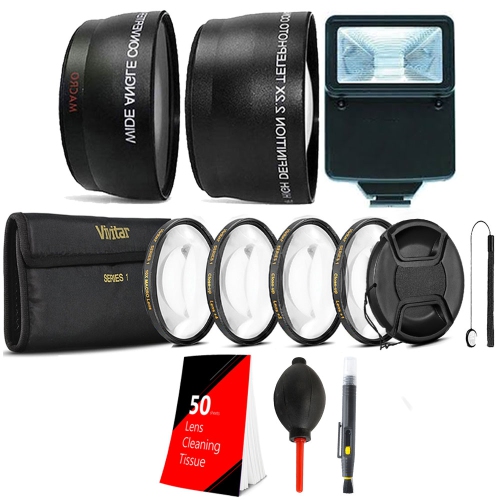
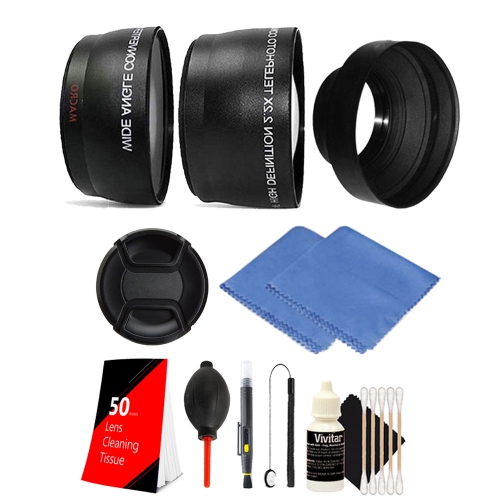
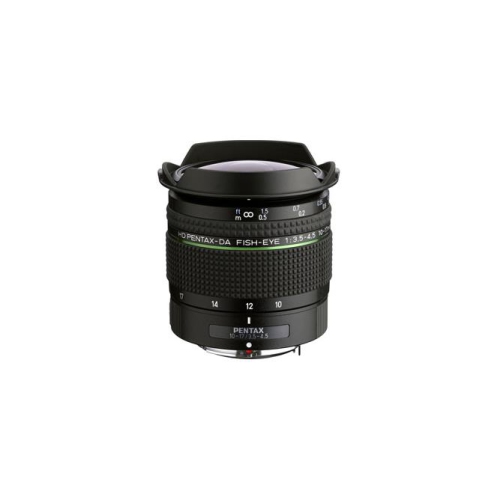
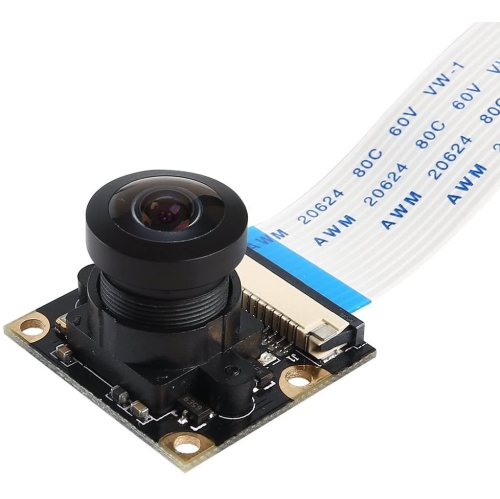
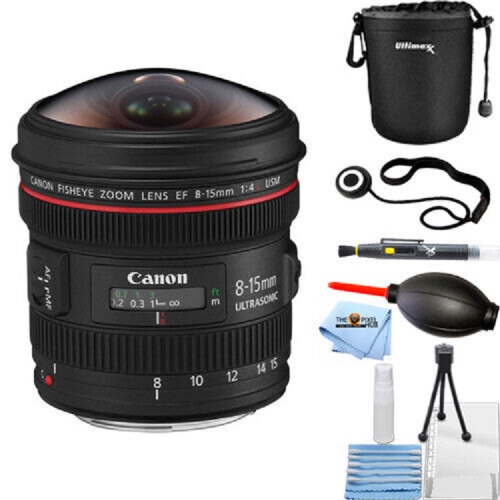
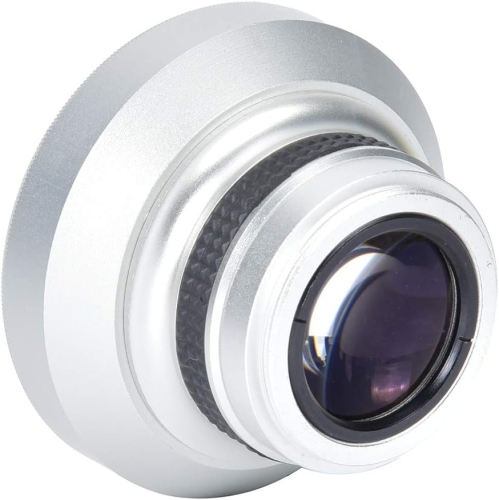
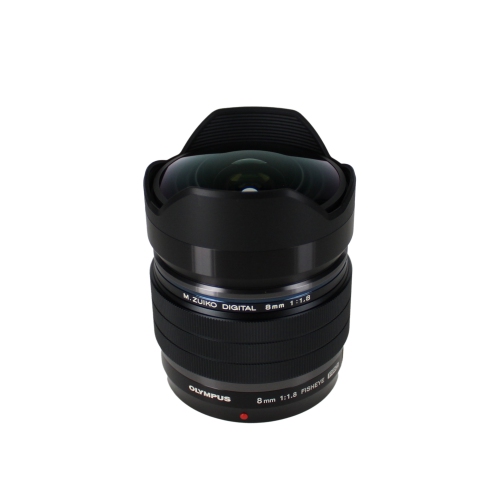
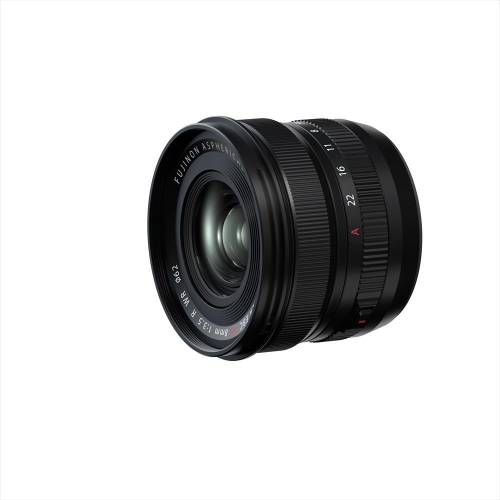
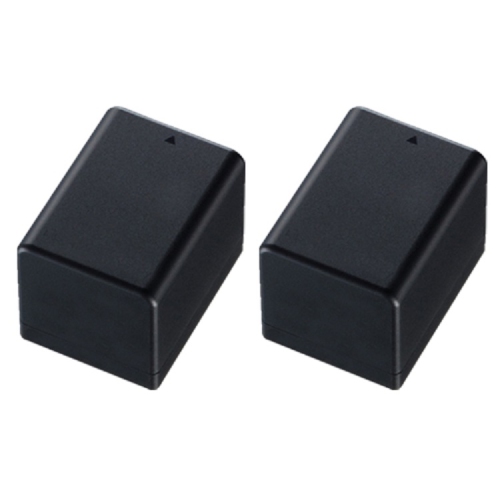

See familiar scenes from a dramatically curved perspective
Fisheye lenses for camera are designed for photographers who want more than a simply wide view. With an extremely broad angle of view—often close to 180 degrees or more—these lenses can fit an entire room, sweeping landscape, dramatic sky, or action-filled scene into a single frame. Unlike conventional wide-angle lenses, a fisheye lens intentionally bends straight lines, creating a distinctive curved perspective that makes the edges of the image feel as though they are wrapping around the subject. This effect can be subtle when the camera is level and pointed towards the centre of a scene, or highly expressive when the lens is aimed upwards, downwards, or placed close to a foreground subject. A skateboarder appearing to launch towards the camera, a musician surrounded by the curve of a small stage, or a city street stretching into a rounded horizon can all take on a bold, graphic quality. Fisheye lenses are popular for creative photography, architecture, interiors, travel images, action sports, skate videos, virtual tours, and unusual point-of-view footage. They can also make thoughtful gifts for photographers who already own a standard zoom or portrait lens and are ready to experiment with a fresh way of seeing familiar surroundings. During the warmer season, a fisheye can turn a walk through a park, waterfront, or outdoor festival into a collection of energetic, immersive images; during the cooler months, it can bring a wider sense of space to indoor gatherings, home projects, and architectural photography. The best choice depends on the camera body, the desired visual effect, and how much hands-on control the photographer enjoys.
One of the first distinctions to consider is whether a lens creates a circular or diagonal fisheye image. A circular fisheye records a very wide view inside a round image area, leaving dark corners around the circle on many camera sensors. This can produce a striking, almost planet-like composition and is particularly useful when the circular frame is part of the creative intention. A diagonal fisheye, sometimes called a full-frame fisheye, fills the rectangular frame while retaining the characteristic curved lines and exaggerated perspective. It is often the more flexible option for everyday creative work, action photography, and video because the entire sensor area is used. Focal length also matters: shorter focal lengths generally provide a wider, more enveloping view, while a slightly longer fisheye may make it easier to keep unwanted edges, feet, or camera equipment out of the frame. Check whether the lens is made for a full-frame sensor or a crop-sensor camera, since the same focal length can produce noticeably different coverage on each format. Compatibility goes beyond the camera’s brand name. Confirm the lens mount, sensor format, electronic communication, and whether the lens supports the functions you value, such as autofocus, automatic exposure, or in-camera lens correction. Photographers who enjoy deliberate composition may appreciate manual focus and a physical aperture ring, while those capturing moving subjects or recording fast-paced video may prefer autofocus and camera-controlled settings. For Nikon camera owners comparing compatible options, the selection of Fisheye Lenses for Nikon can help narrow the search by mount and intended system. Aperture is another consideration: a wider maximum aperture can help in dim interiors, evening scenes, and creative background separation, although the naturally expansive depth of field of a fisheye often keeps much of the image looking sharp. If the lens has a close minimum focusing distance, moving in near a flower, bicycle wheel, instrument, or architectural detail can make the foreground appear unusually large against a sweeping background.
The physical design of a fisheye lens deserves attention before purchase. Many models have a prominent, rounded front element that extends beyond the lens barrel. Because of this bulbous glass, standard screw-on filters and traditional flat lens caps may not fit, and some lenses cannot accept a conventional protective filter at all. A built-in hood or dedicated cap may be included, but it is worth checking how the front element is protected when the lens is stored or transported. Keeping the lens cap on whenever it is not in use is especially important, since the curved glass can be more exposed to fingerprints, dust, and accidental contact. Manual lenses can be excellent for learning because they encourage careful attention to focus distance, aperture, shutter speed, and the position of the camera in relation to straight lines. At the same time, they may require more patience when photographing moving subjects. Autofocus models can simplify spontaneous shooting, but the photographer still needs to watch the edges of the frame, where people and objects may stretch dramatically. Composition is central to getting the best results: placing a subject close to the lens can create a powerful sense of depth, while keeping important faces and architectural lines away from the extreme corners can reduce unwanted distortion. A level camera may preserve a more balanced horizon, whereas tilting the camera can turn the same scene into a playful arc. Before choosing, consider the camera system, sensor size, focus method, aperture controls, minimum focus distance, weight, included cap, and how the lens will be carried. With the right match, fisheye lenses for camera can add a distinctive visual signature to still photography and video, transforming ordinary spaces into immersive images with curved horizons, expansive detail, and a perspective that standard lenses simply cannot reproduce.
One of the first distinctions to consider is whether a lens creates a circular or diagonal fisheye image. A circular fisheye records a very wide view inside a round image area, leaving dark corners around the circle on many camera sensors. This can produce a striking, almost planet-like composition and is particularly useful when the circular frame is part of the creative intention. A diagonal fisheye, sometimes called a full-frame fisheye, fills the rectangular frame while retaining the characteristic curved lines and exaggerated perspective. It is often the more flexible option for everyday creative work, action photography, and video because the entire sensor area is used. Focal length also matters: shorter focal lengths generally provide a wider, more enveloping view, while a slightly longer fisheye may make it easier to keep unwanted edges, feet, or camera equipment out of the frame. Check whether the lens is made for a full-frame sensor or a crop-sensor camera, since the same focal length can produce noticeably different coverage on each format. Compatibility goes beyond the camera’s brand name. Confirm the lens mount, sensor format, electronic communication, and whether the lens supports the functions you value, such as autofocus, automatic exposure, or in-camera lens correction. Photographers who enjoy deliberate composition may appreciate manual focus and a physical aperture ring, while those capturing moving subjects or recording fast-paced video may prefer autofocus and camera-controlled settings. For Nikon camera owners comparing compatible options, the selection of Fisheye Lenses for Nikon can help narrow the search by mount and intended system. Aperture is another consideration: a wider maximum aperture can help in dim interiors, evening scenes, and creative background separation, although the naturally expansive depth of field of a fisheye often keeps much of the image looking sharp. If the lens has a close minimum focusing distance, moving in near a flower, bicycle wheel, instrument, or architectural detail can make the foreground appear unusually large against a sweeping background.
The physical design of a fisheye lens deserves attention before purchase. Many models have a prominent, rounded front element that extends beyond the lens barrel. Because of this bulbous glass, standard screw-on filters and traditional flat lens caps may not fit, and some lenses cannot accept a conventional protective filter at all. A built-in hood or dedicated cap may be included, but it is worth checking how the front element is protected when the lens is stored or transported. Keeping the lens cap on whenever it is not in use is especially important, since the curved glass can be more exposed to fingerprints, dust, and accidental contact. Manual lenses can be excellent for learning because they encourage careful attention to focus distance, aperture, shutter speed, and the position of the camera in relation to straight lines. At the same time, they may require more patience when photographing moving subjects. Autofocus models can simplify spontaneous shooting, but the photographer still needs to watch the edges of the frame, where people and objects may stretch dramatically. Composition is central to getting the best results: placing a subject close to the lens can create a powerful sense of depth, while keeping important faces and architectural lines away from the extreme corners can reduce unwanted distortion. A level camera may preserve a more balanced horizon, whereas tilting the camera can turn the same scene into a playful arc. Before choosing, consider the camera system, sensor size, focus method, aperture controls, minimum focus distance, weight, included cap, and how the lens will be carried. With the right match, fisheye lenses for camera can add a distinctive visual signature to still photography and video, transforming ordinary spaces into immersive images with curved horizons, expansive detail, and a perspective that standard lenses simply cannot reproduce.
Top selling and popular products
-
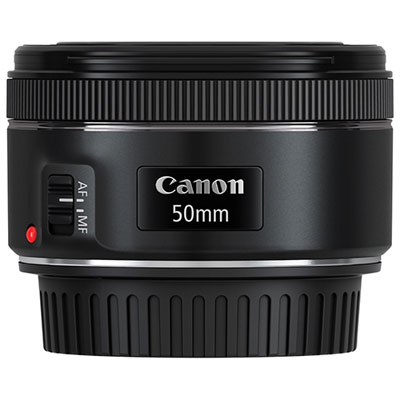 Your price for this item is $169.99
 -
 Your price for this item is $329.99
 -
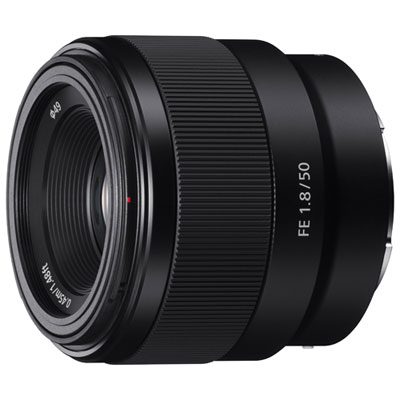 Your price for this item is $349.99
 -
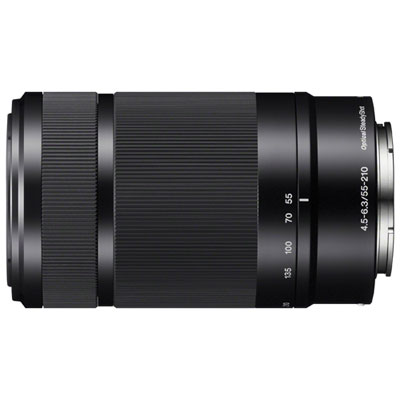 Your price for this item is $399.99
 -
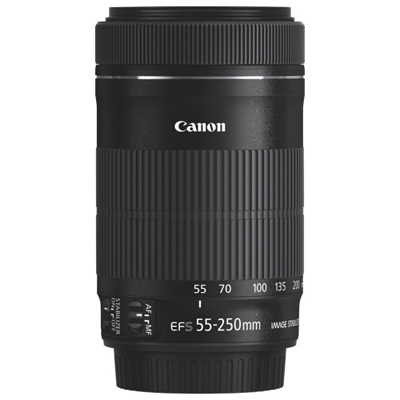 Your price for this item is $399.99
 -
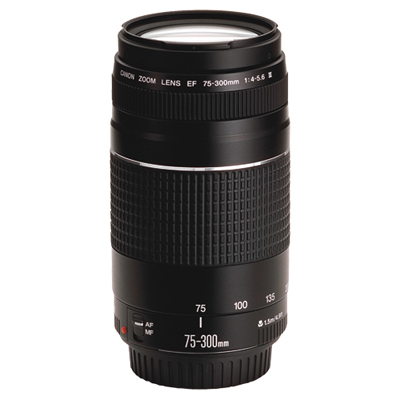 Your price for this item is $199.99
 -
 Your price for this item is $174.99
 -
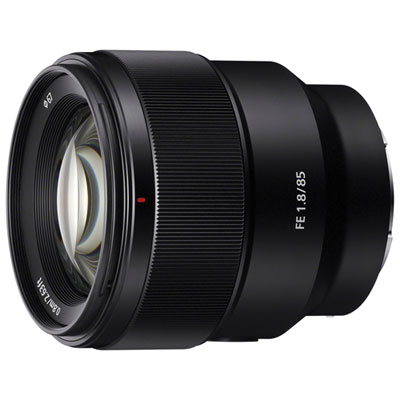 Your price for this item is $749.99
Discover more categories related to Fisheye Lenses for Camera
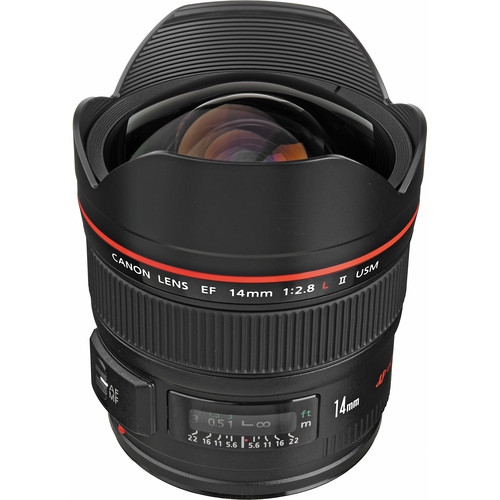
Top Collections:
Pokemon Centers, Kindle Devices, Best Budget Office Chairs, Apple iPhones 16, Best Laptops for Writers, iPhone 15 Apple, Canon G7X Cameras, Refurbished Apple Laptops, Alarm Clock, Motorola Razr Phones
Some products may be subject to Environmental Handling Fees
(EHF) depending on your province.
Learn more about EHFs.