Fisheye Lenses for Nikon
Capture unique and creative perspectives with our wide selection of fisheye lenses for Nikon cameras. Whether you're a seasoned photographer looking to push the boundaries of your creativity or a beginner wanting to experiment with new techniques, these lenses will help you achieve stunning and distorted images that are sure to make a statement.
Sort

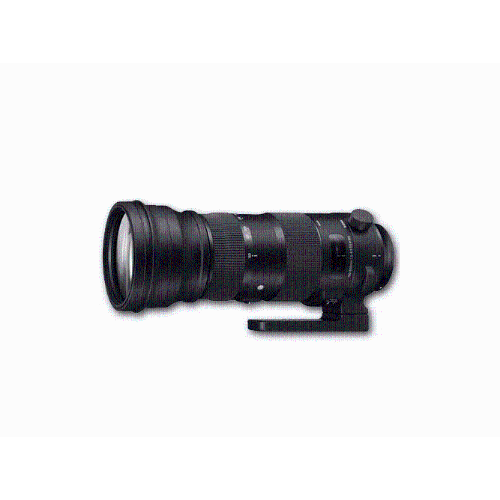
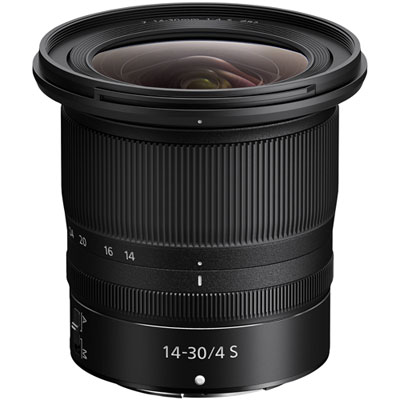
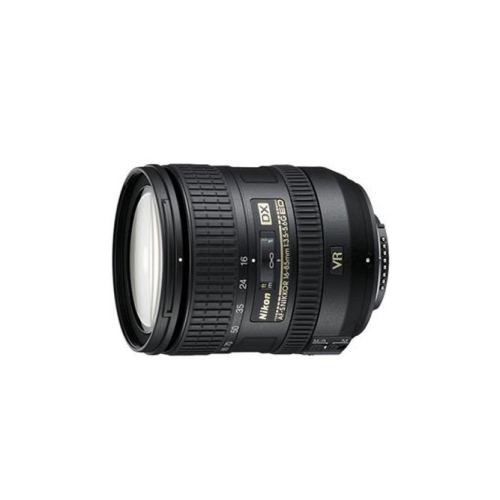
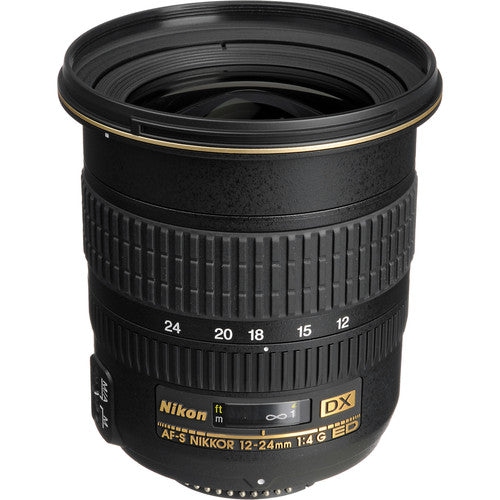
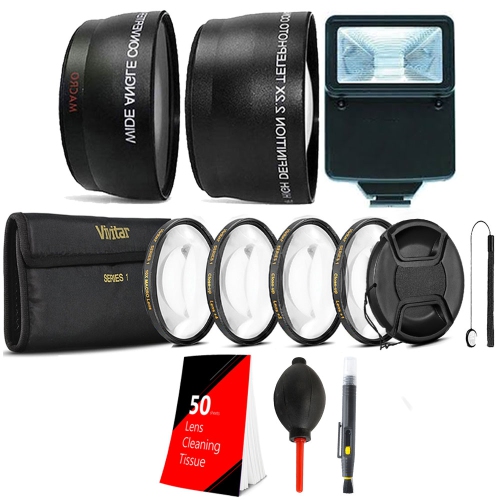
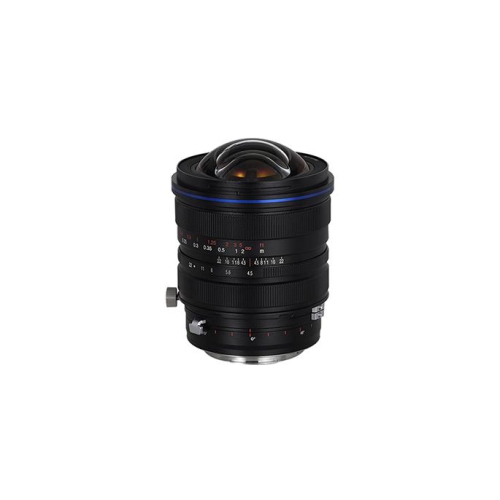
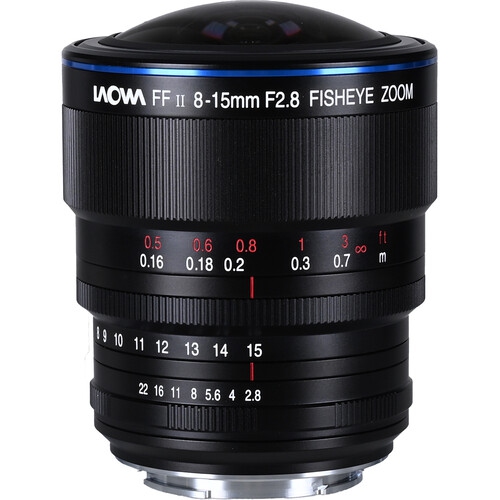
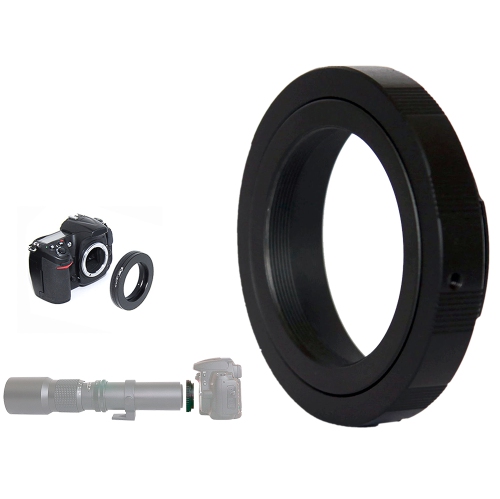
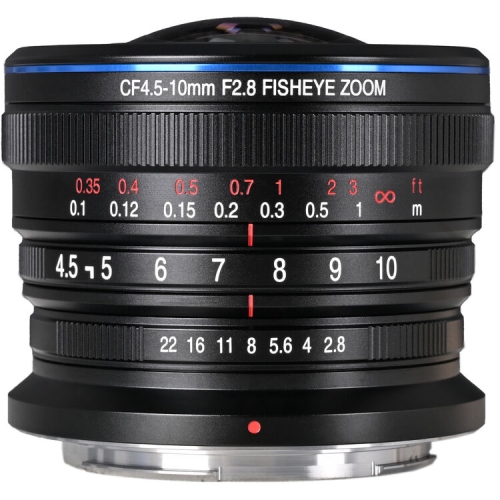
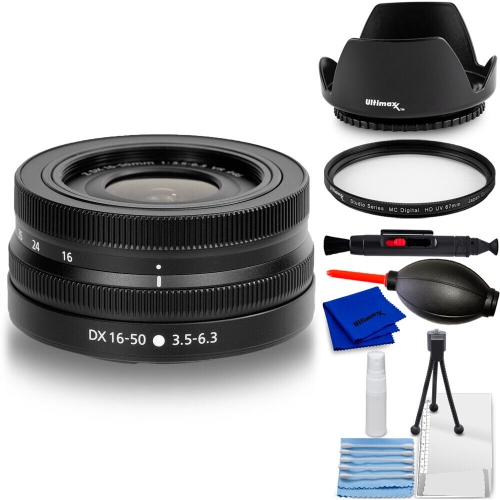
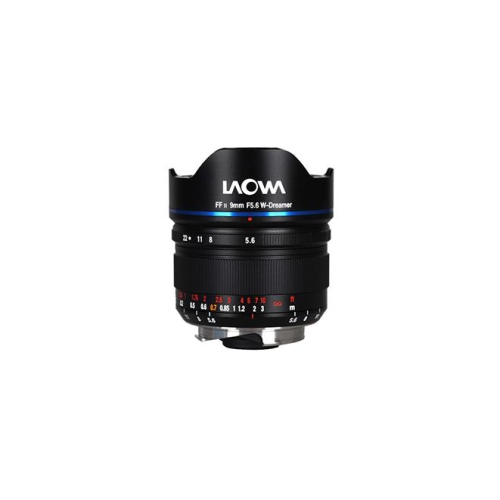
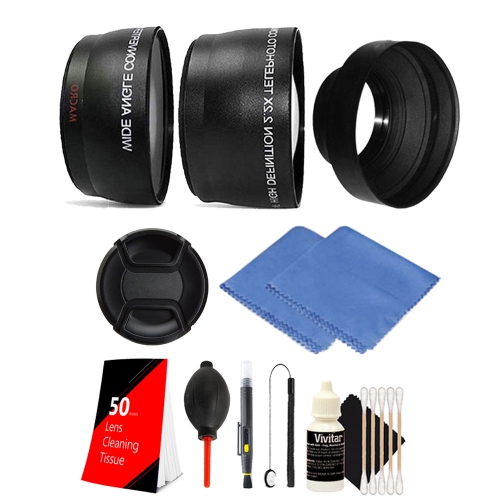
The creative potential of Nikon’s widest perspectives
Fisheye lenses for Nikon cameras are designed for photographers who want an exceptionally wide perspective and a distinctive, curved rendering that standard wide-angle lenses cannot easily reproduce. Their angle of view can approach 180 degrees, allowing a single frame to take in an expansive landscape, a dramatic interior, a crowded event, or the sweeping lines of modern architecture. Straight lines near the centre of the image can remain relatively natural, while lines near the edges may bend noticeably, creating the signature fisheye effect. This look can be used boldly for creative photography, or more subtly when the composition is carefully controlled. A fisheye lens can make a compact room feel immersive, place a person in the middle of an exaggerated environment, or turn a familiar trail into a sweeping pattern of trees, sky, and ground. Photographers often use these lenses for skateboarding, cycling, concerts, travel, astrophotography, architecture, and action scenes where the camera needs to be close to the subject while still showing plenty of context. They can also be an enjoyable gift for a Nikon owner who already has a standard zoom or portrait lens and wants a new way to see familiar surroundings. Because the perspective is so different, a fisheye lens often encourages experimentation: moving closer, lowering the camera, including the photographer’s shadow, or positioning a strong line so it curves through the frame. The results may be playful, dramatic, or surprisingly abstract, making this lens type appealing to beginners exploring creative photography as well as experienced users building a more specialised kit.
The most important starting point is matching the lens format to the Nikon camera body. Nikon DSLR cameras are commonly divided into full-frame FX and crop-sensor DX formats, and fisheye lenses are made to suit one or both of these sensor sizes. An FX-compatible lens can cover a full-frame sensor and is also generally usable on a DX body, where the smaller sensor captures a narrower portion of the image. A DX fisheye lens is designed around that smaller sensor and may not provide complete coverage on a full-frame camera, particularly at wider settings. The product specifications should always be checked for the intended mount and format before purchase. Some fisheye lenses create a circular image surrounded by black areas, while others fill the entire rectangular frame with a curved perspective. Circular fisheye designs can produce an especially strong, experimental effect, whereas full-frame fisheye designs are often easier to use for landscapes, interiors, and everyday creative work. Focal length, maximum aperture, and focusing method also affect the experience. A wider aperture can help in dim interiors, evening scenes, or when photographing stars, while a compact manual-focus lens may suit deliberate compositions where the photographer has time to set the focus. Autofocus can be helpful for moving subjects, events, and quick handheld shooting, although the naturally broad depth of field at fisheye focal lengths means manual focus can also be practical. Minimum focusing distance is another useful consideration, particularly for close-up images with exaggerated foreground detail. A nearby flower, bicycle wheel, or architectural feature can become large and expressive while the surrounding scene stretches dramatically behind it. Look for a sturdy construction, a practical focusing ring, and clear information about coatings and weather protection when the lens will be used outdoors. Many fisheye lenses have a built-in hood or a bulbous front element, so front filters may not fit in the usual way; some designs instead use a rear filter holder or have no conventional filter thread. This matters for photographers who rely on polarizing, neutral-density, or protective filters. The broad field of view also makes it easy to include a finger, strap, tripod leg, or other unwanted object at the edge of the frame, so careful handling and a quick check around the viewfinder can make a noticeable difference.
Nikon mirrorless users should pay close attention to the mount listed for each fisheye lens. Native options for the Z mount may be limited depending on the camera and the type of autofocus or coverage required, while F-mount lenses can often be used with a compatible FTZ-series adapter. An adapted lens may retain some camera functions, but performance can vary by lens, adapter, and body, so compatibility information is worth reviewing before ordering. Manual-focus F-mount options may still be appealing for landscapes, interiors, night skies, and other subjects where the camera is steady and the composition can be refined carefully. Users who need fast autofocus should confirm that the lens and adapter combination supports the desired operation rather than assuming every function will carry over. It is also helpful to consider the camera’s shooting mode, since an FX lens on a DX body changes the effective field of view and a DX lens may require a crop setting on some full-frame bodies. When using a fisheye lens, composition is often more important than technical perfection. Keeping the horizon near the centre can reduce unwanted bending, while placing it high or low can intentionally exaggerate the curve. Strong foreground objects add depth, and repeating patterns such as railings, hallways, branches, or roof beams can create striking geometry. During the cooler months, a fisheye lens can capture the sweeping shape of a snowy path, a warmly lit interior, or a wide family gathering without needing to step far back. As the weather changes, it can be useful for outdoor trips, city walks, indoor sports, and creative self-portraits, provided the photographer protects the front element and avoids brushing it against nearby surfaces. For shoppers comparing options, the key decisions are camera format, mount compatibility, circular or full-frame rendering, autofocus versus manual focus, low-light capability, close-focusing performance, size, and filter support. Photographers considering another camera system can also browse Fisheye Lenses for Canon to compare the types of fisheye options available for different mounts.
The most important starting point is matching the lens format to the Nikon camera body. Nikon DSLR cameras are commonly divided into full-frame FX and crop-sensor DX formats, and fisheye lenses are made to suit one or both of these sensor sizes. An FX-compatible lens can cover a full-frame sensor and is also generally usable on a DX body, where the smaller sensor captures a narrower portion of the image. A DX fisheye lens is designed around that smaller sensor and may not provide complete coverage on a full-frame camera, particularly at wider settings. The product specifications should always be checked for the intended mount and format before purchase. Some fisheye lenses create a circular image surrounded by black areas, while others fill the entire rectangular frame with a curved perspective. Circular fisheye designs can produce an especially strong, experimental effect, whereas full-frame fisheye designs are often easier to use for landscapes, interiors, and everyday creative work. Focal length, maximum aperture, and focusing method also affect the experience. A wider aperture can help in dim interiors, evening scenes, or when photographing stars, while a compact manual-focus lens may suit deliberate compositions where the photographer has time to set the focus. Autofocus can be helpful for moving subjects, events, and quick handheld shooting, although the naturally broad depth of field at fisheye focal lengths means manual focus can also be practical. Minimum focusing distance is another useful consideration, particularly for close-up images with exaggerated foreground detail. A nearby flower, bicycle wheel, or architectural feature can become large and expressive while the surrounding scene stretches dramatically behind it. Look for a sturdy construction, a practical focusing ring, and clear information about coatings and weather protection when the lens will be used outdoors. Many fisheye lenses have a built-in hood or a bulbous front element, so front filters may not fit in the usual way; some designs instead use a rear filter holder or have no conventional filter thread. This matters for photographers who rely on polarizing, neutral-density, or protective filters. The broad field of view also makes it easy to include a finger, strap, tripod leg, or other unwanted object at the edge of the frame, so careful handling and a quick check around the viewfinder can make a noticeable difference.
Nikon mirrorless users should pay close attention to the mount listed for each fisheye lens. Native options for the Z mount may be limited depending on the camera and the type of autofocus or coverage required, while F-mount lenses can often be used with a compatible FTZ-series adapter. An adapted lens may retain some camera functions, but performance can vary by lens, adapter, and body, so compatibility information is worth reviewing before ordering. Manual-focus F-mount options may still be appealing for landscapes, interiors, night skies, and other subjects where the camera is steady and the composition can be refined carefully. Users who need fast autofocus should confirm that the lens and adapter combination supports the desired operation rather than assuming every function will carry over. It is also helpful to consider the camera’s shooting mode, since an FX lens on a DX body changes the effective field of view and a DX lens may require a crop setting on some full-frame bodies. When using a fisheye lens, composition is often more important than technical perfection. Keeping the horizon near the centre can reduce unwanted bending, while placing it high or low can intentionally exaggerate the curve. Strong foreground objects add depth, and repeating patterns such as railings, hallways, branches, or roof beams can create striking geometry. During the cooler months, a fisheye lens can capture the sweeping shape of a snowy path, a warmly lit interior, or a wide family gathering without needing to step far back. As the weather changes, it can be useful for outdoor trips, city walks, indoor sports, and creative self-portraits, provided the photographer protects the front element and avoids brushing it against nearby surfaces. For shoppers comparing options, the key decisions are camera format, mount compatibility, circular or full-frame rendering, autofocus versus manual focus, low-light capability, close-focusing performance, size, and filter support. Photographers considering another camera system can also browse Fisheye Lenses for Canon to compare the types of fisheye options available for different mounts.
Top selling and popular products
-
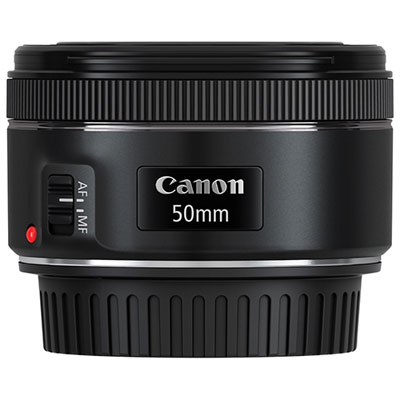 Your price for this item is $169.99
 -
 Your price for this item is $329.99
 -
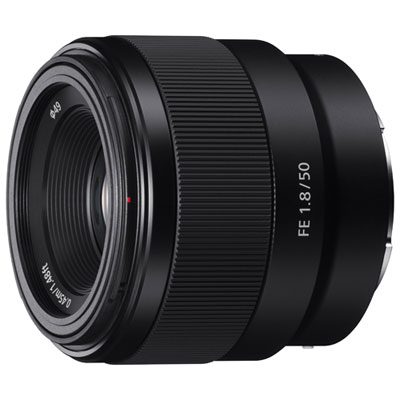 Your price for this item is $349.99
 -
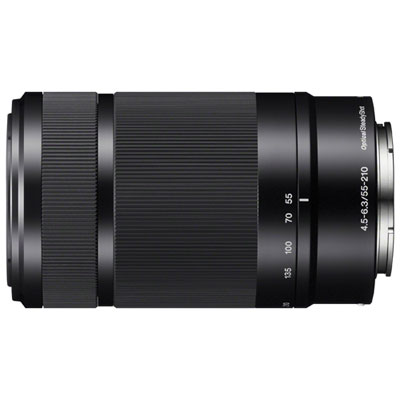 Your price for this item is $399.99
 -
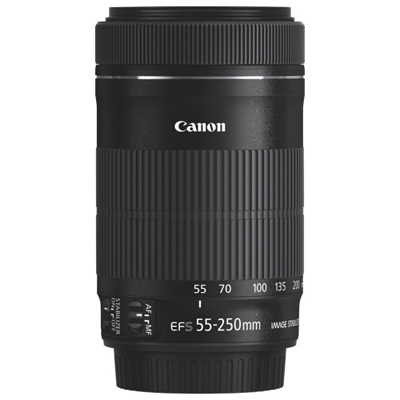 Your price for this item is $399.99
 -
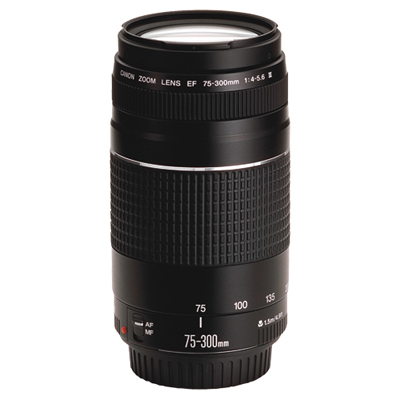 Your price for this item is $199.99
 -
 Your price for this item is $174.99
 -
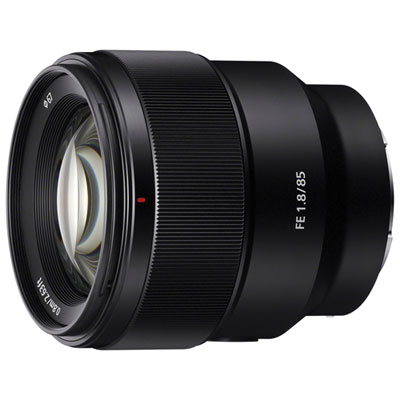 Your price for this item is $749.99
Discover more categories related to Fisheye Lenses for Nikon
Top Collections:
Pokemon Centers, Kindle Devices, Best Budget Office Chairs, Apple iPhones 16, Best Laptops for Writers, iPhone 15 Apple, Canon G7X Cameras, Refurbished Apple Laptops, Alarm Clock, Motorola Razr Phones
Some products may be subject to Environmental Handling Fees
(EHF) depending on your province.
Learn more about EHFs.