Full Frame Mirrorless Cameras
Full-frame mirrorless cameras offer several benefits over traditional DSLRs, including a lighter and more compact design, faster autofocus and continuous shooting speeds, and improved low-light performance thanks to the larger sensor size. Additionally, their electronic viewfinders provide a more accurate representation of the final image, allowing for more precise composition and exposure control. Here are the full-frame mirrorless cameras we offer.
Sort
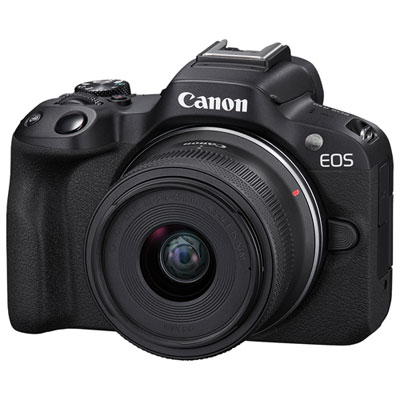
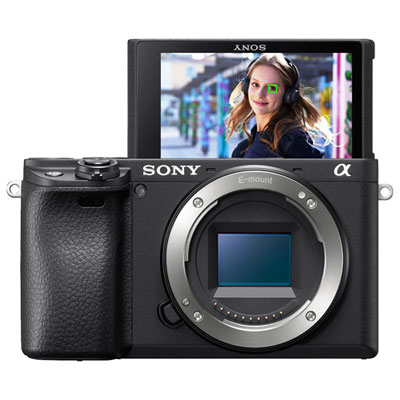
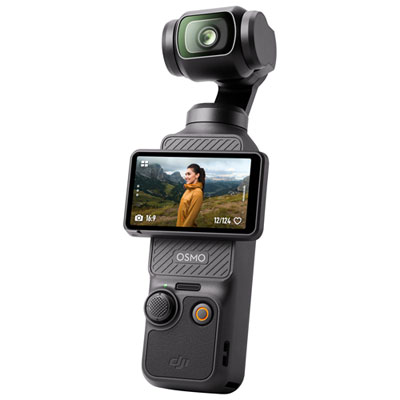
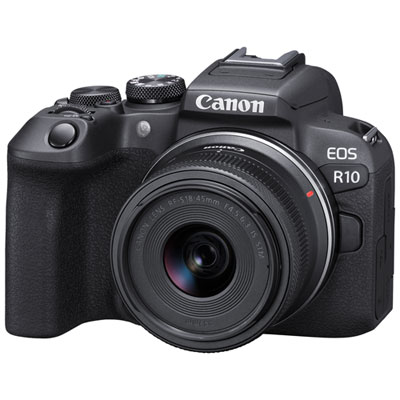
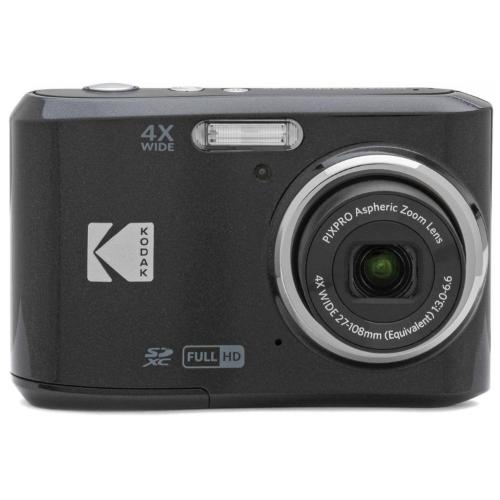
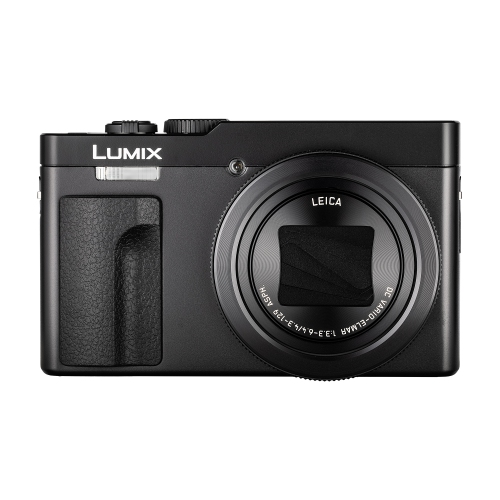
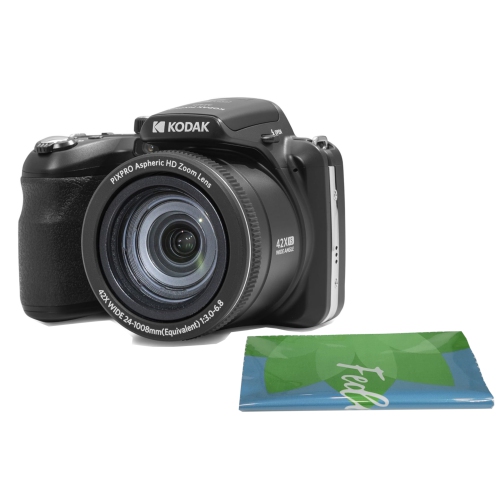
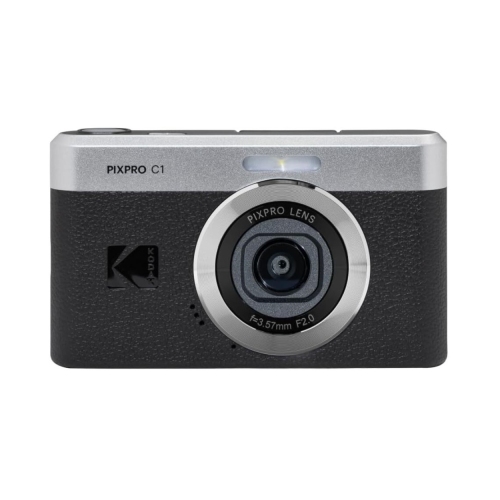
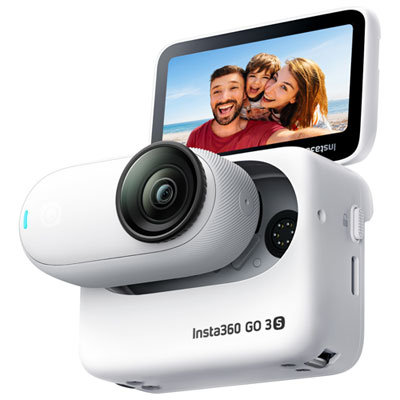
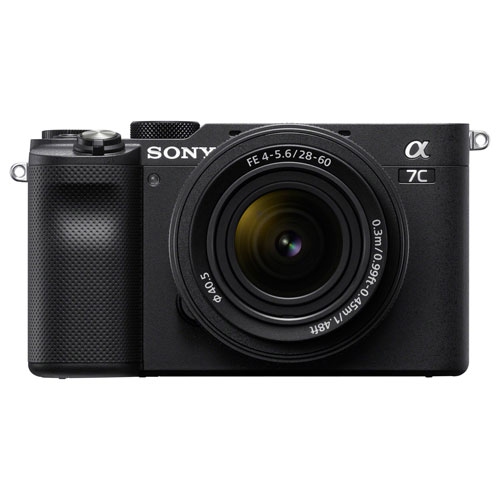
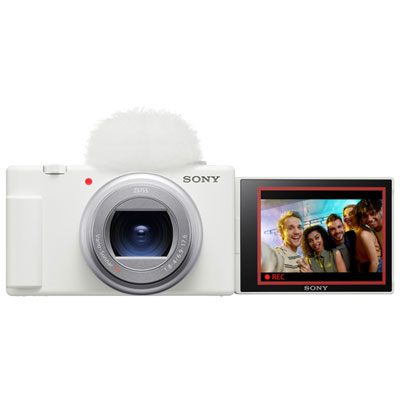
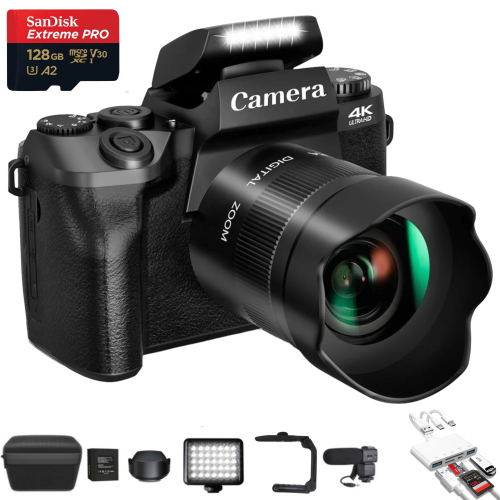
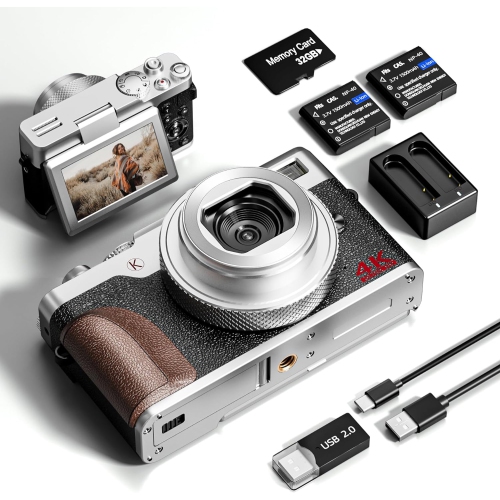
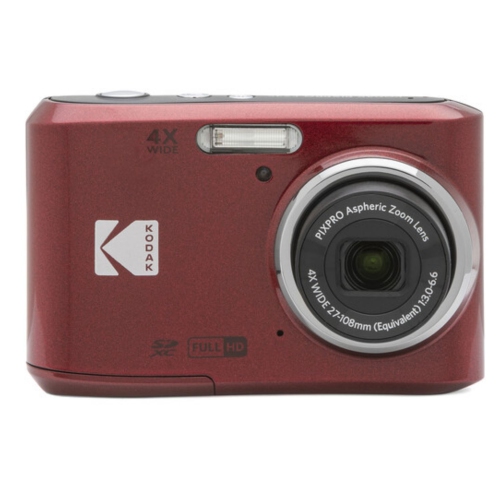
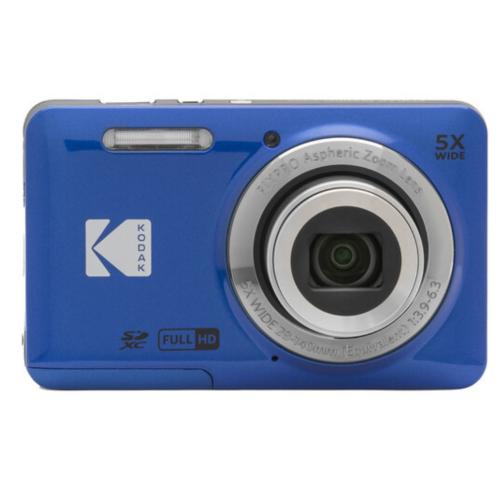
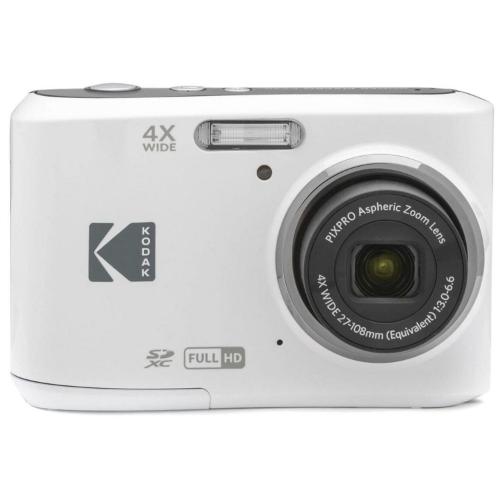
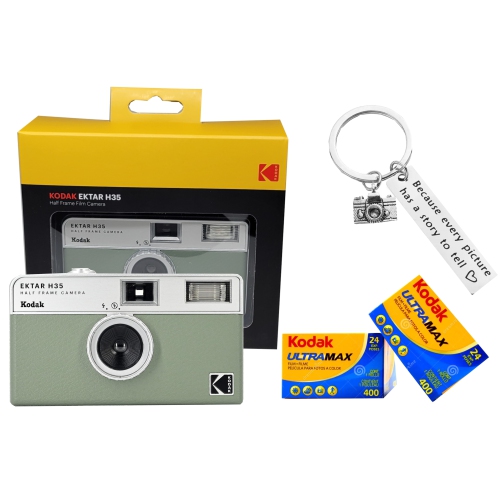
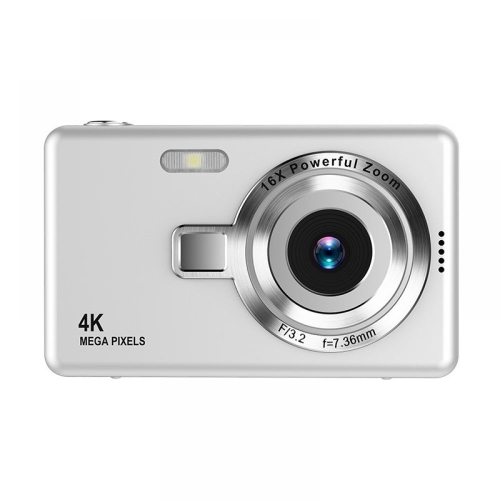
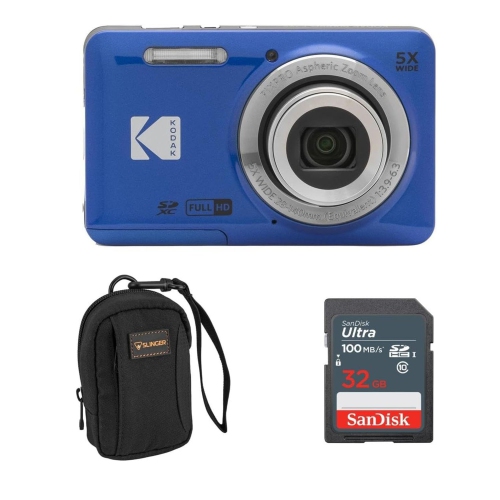
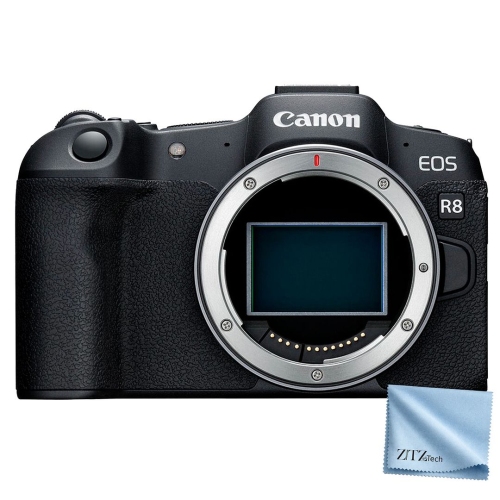
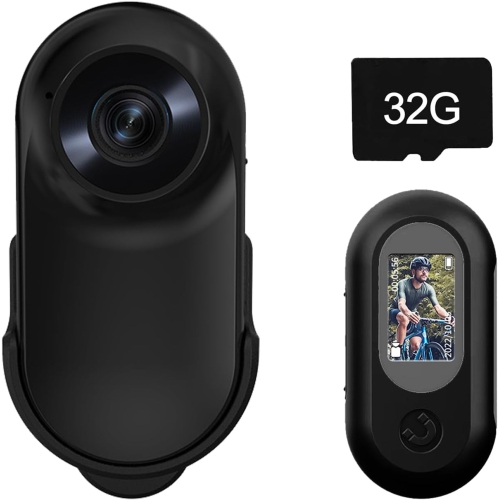
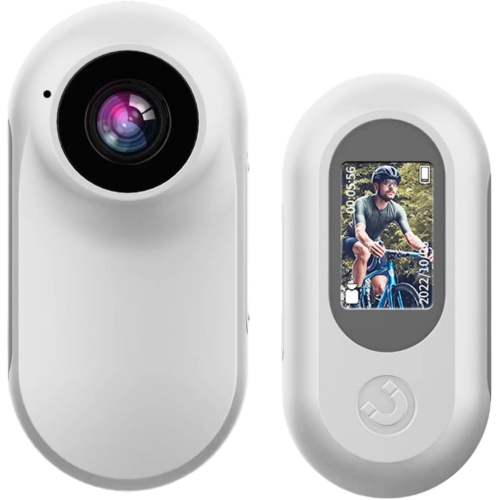
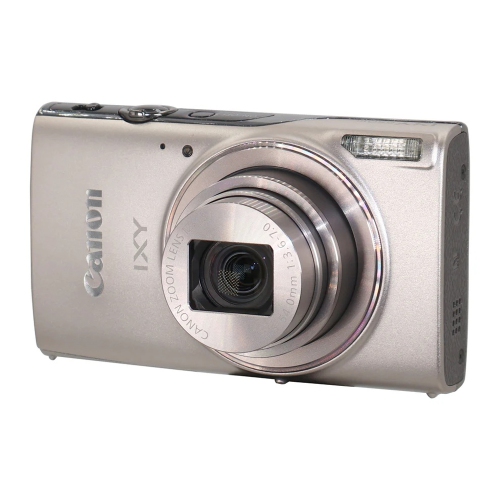
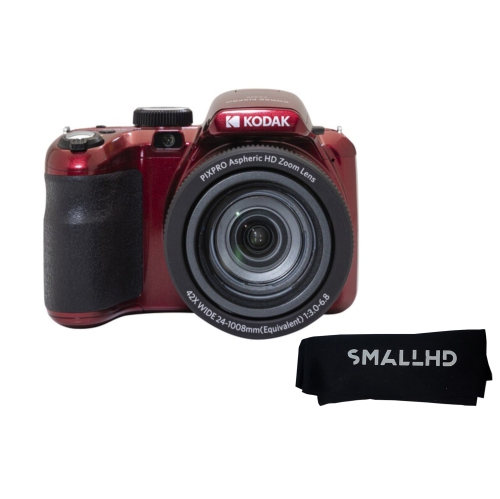
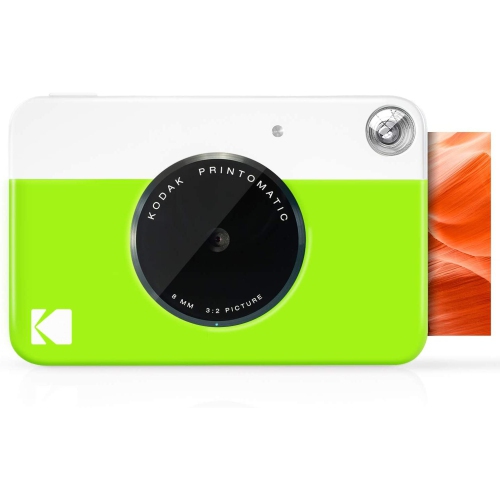
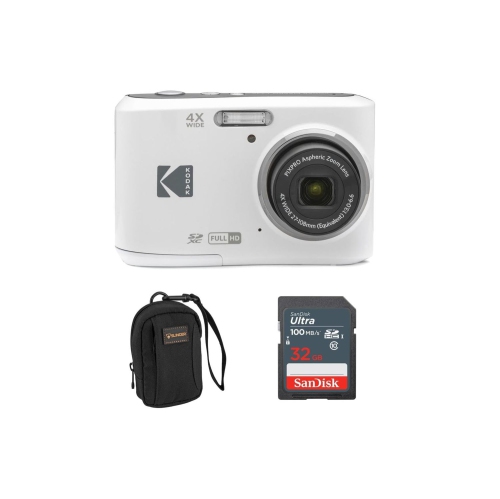
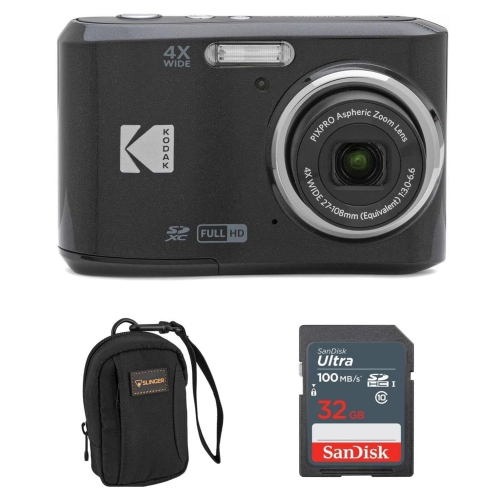
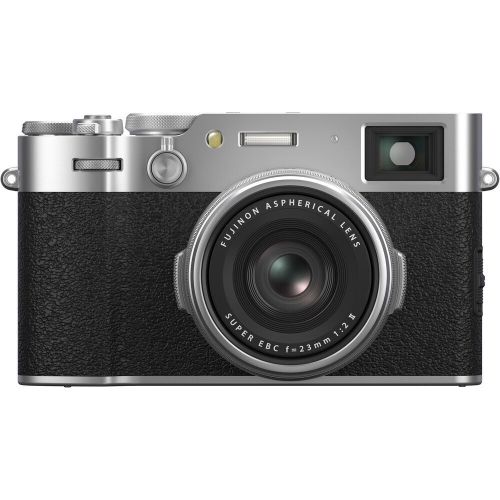
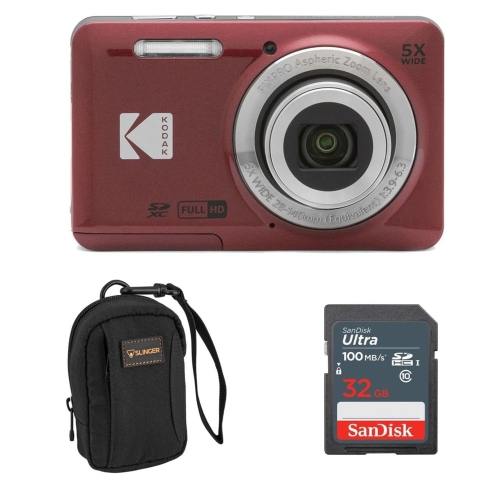
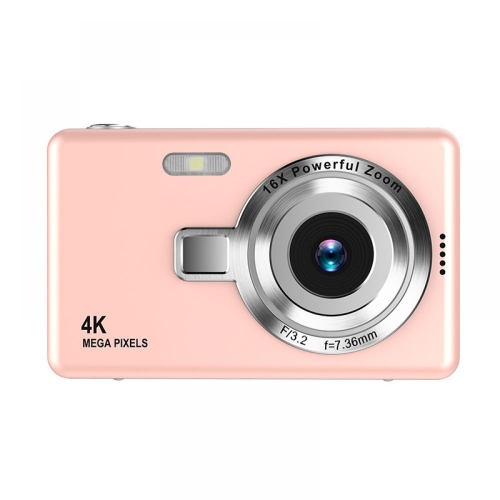
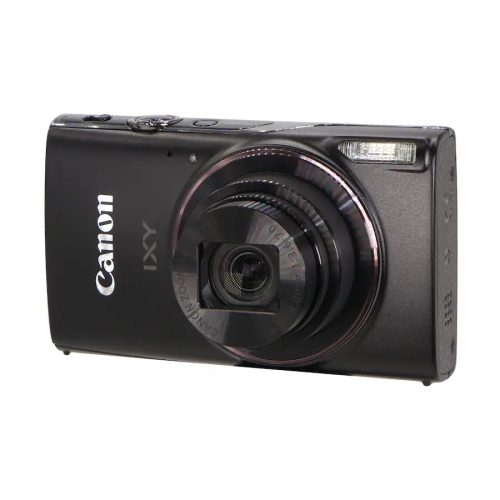

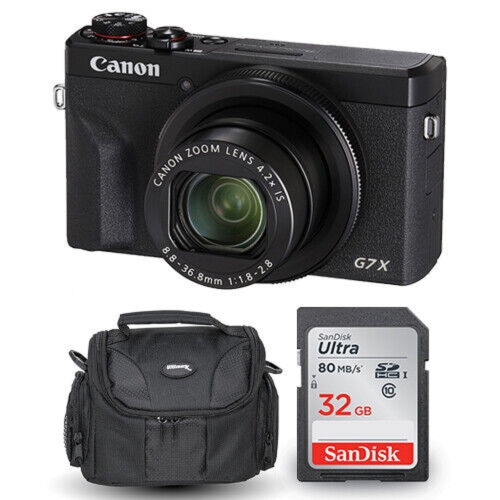
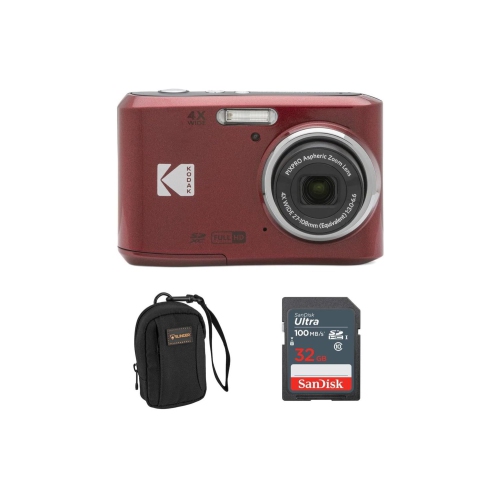
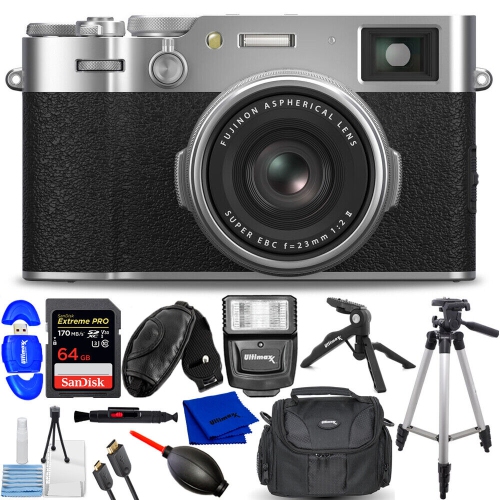
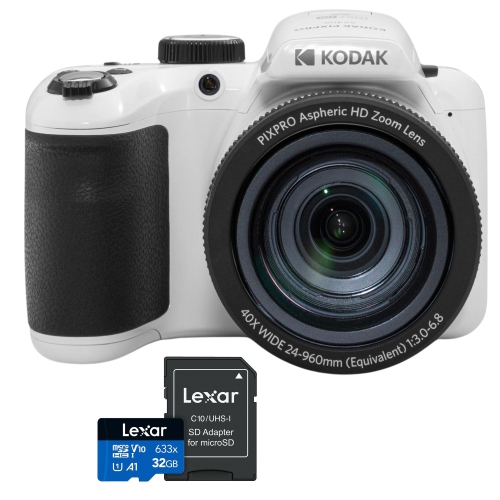
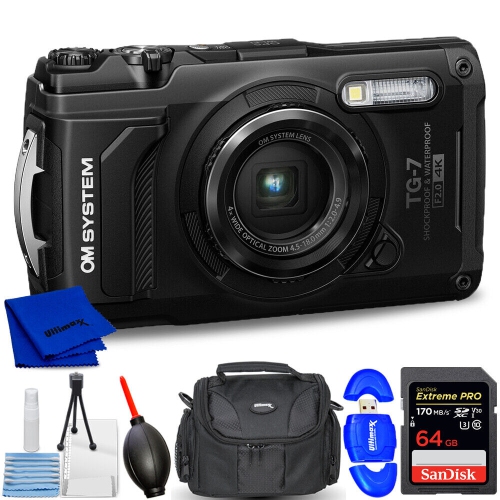
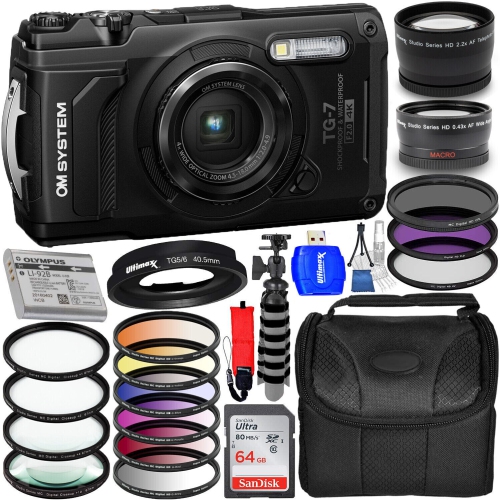
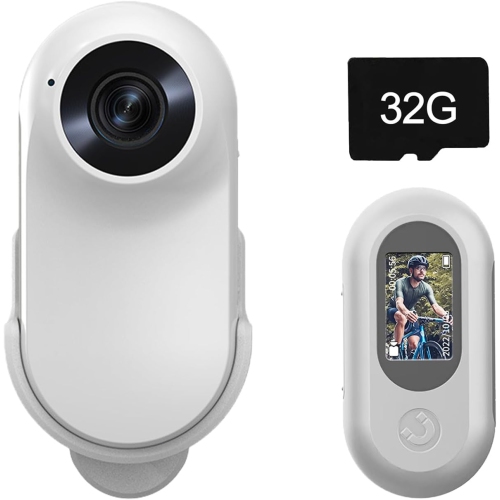
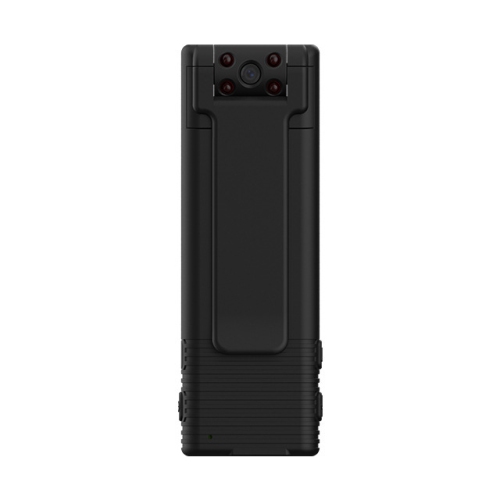
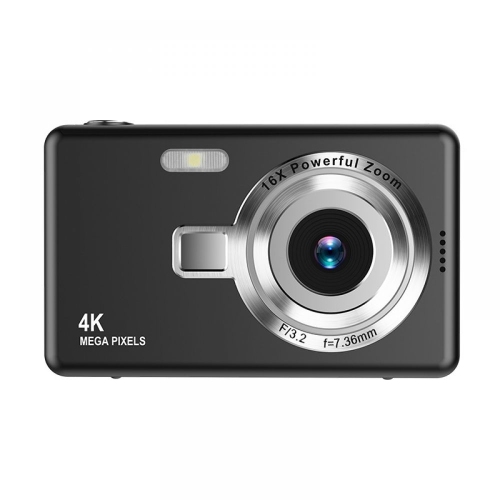

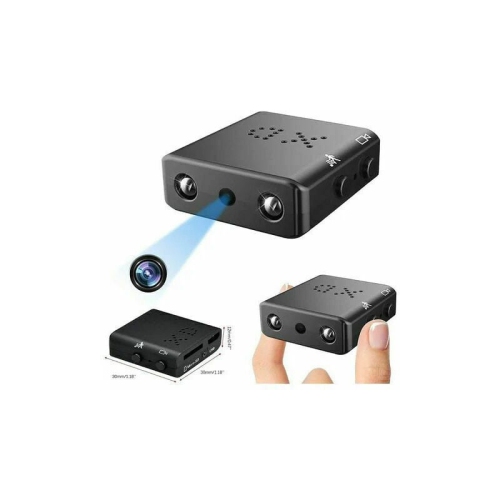
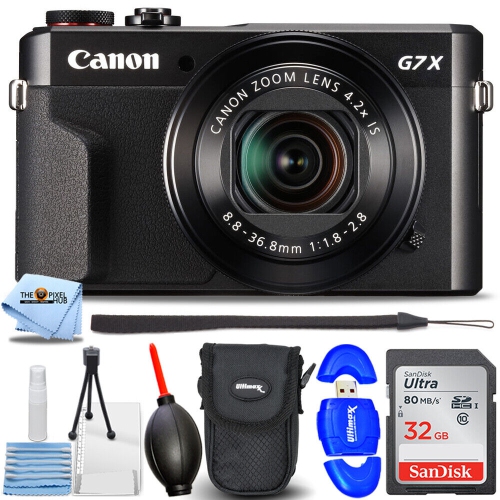
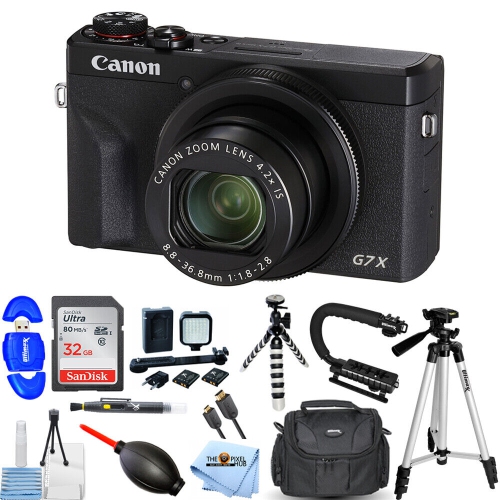
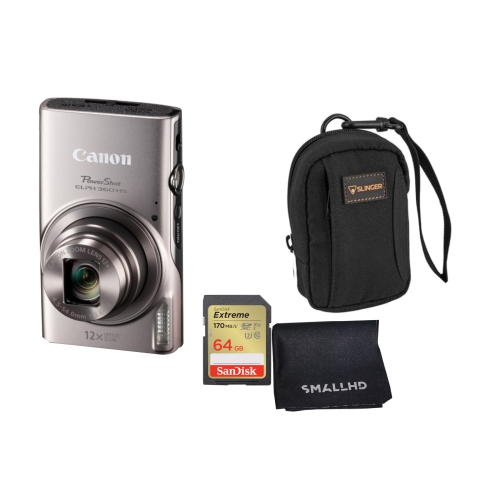
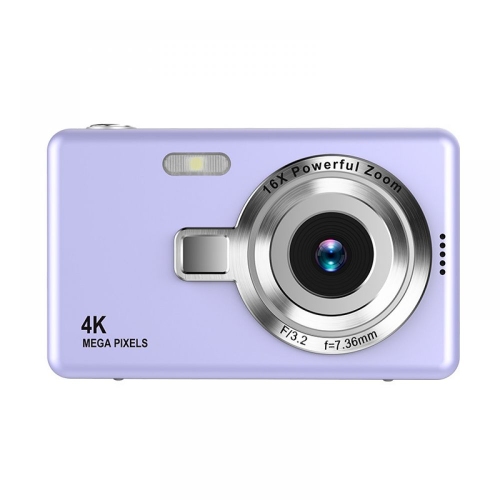
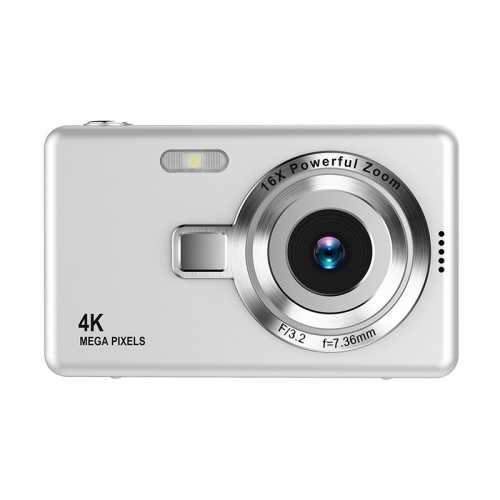
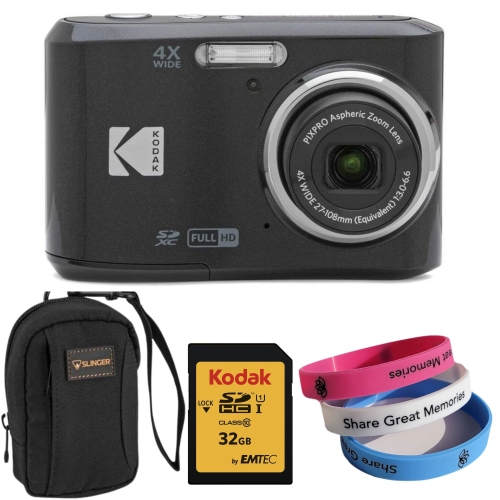
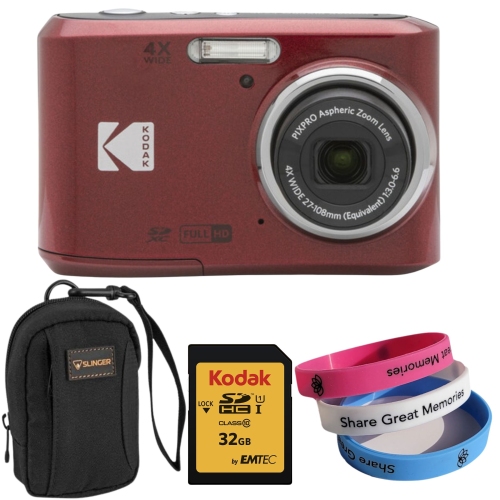
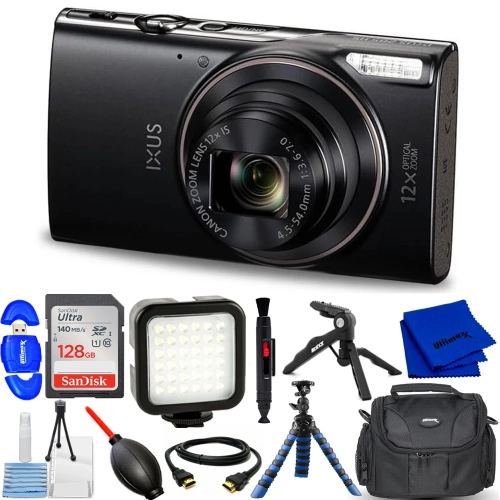
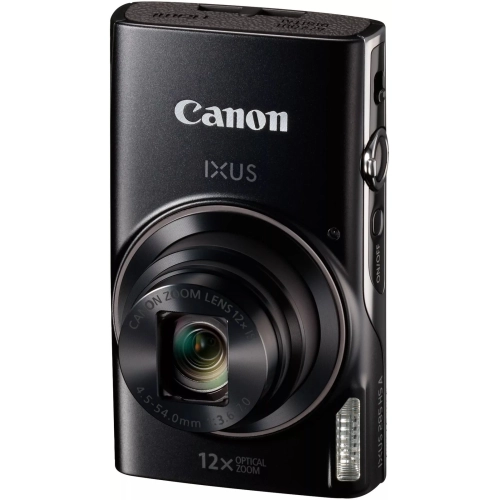
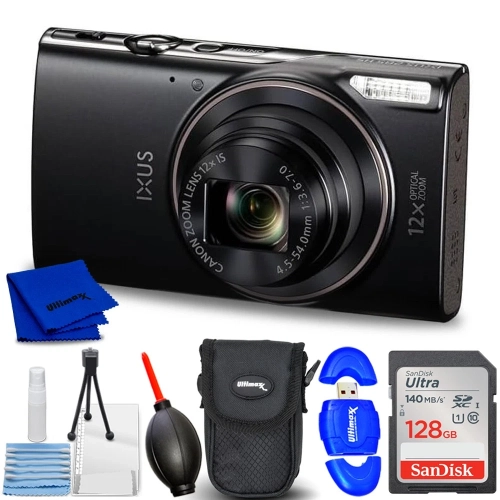
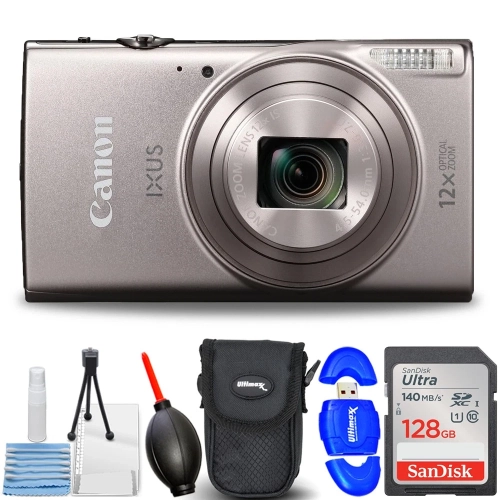

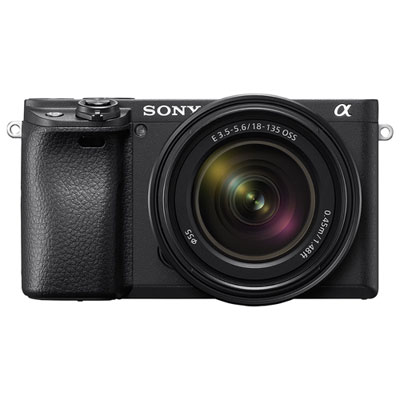
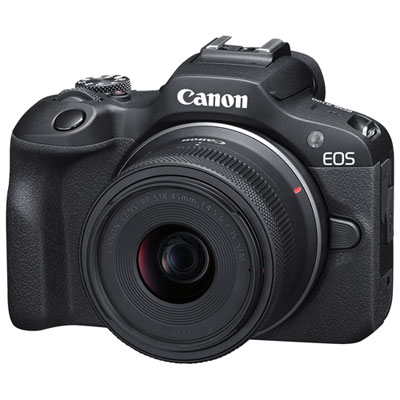
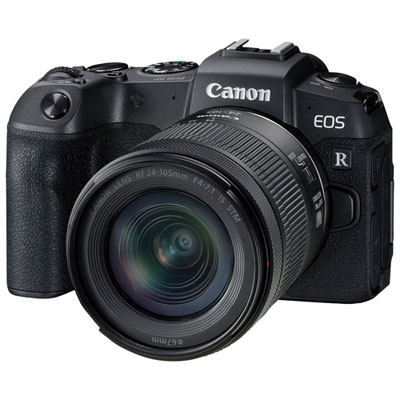
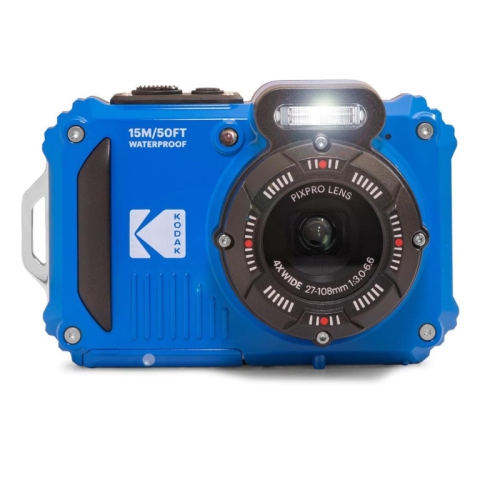
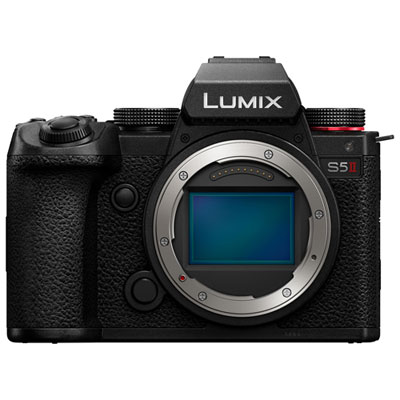
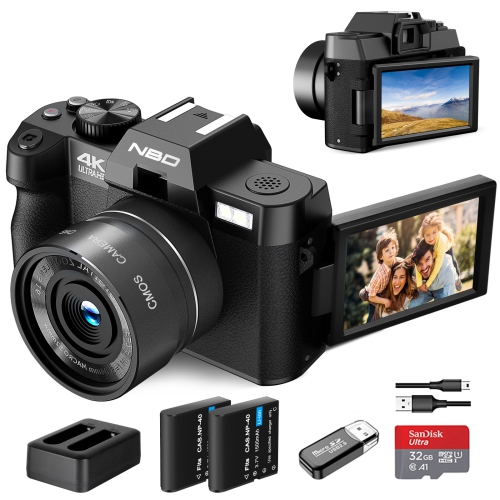
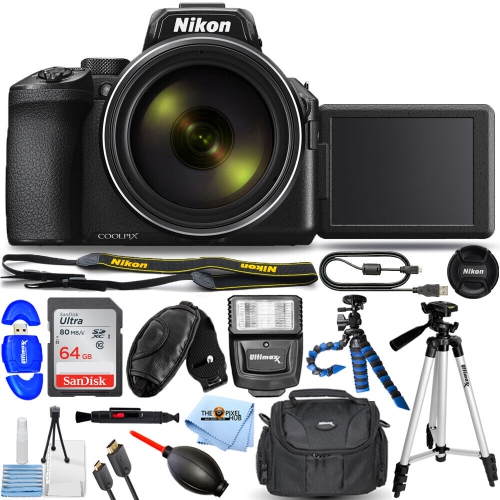
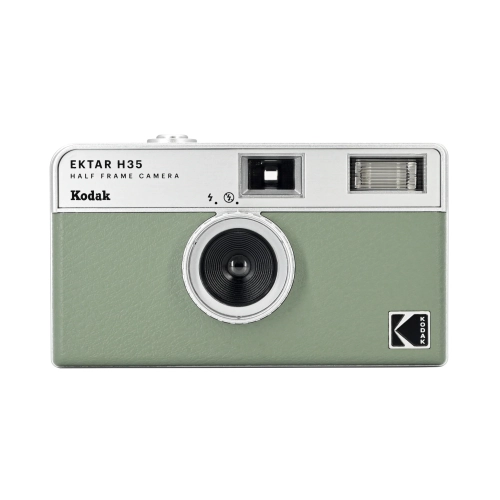
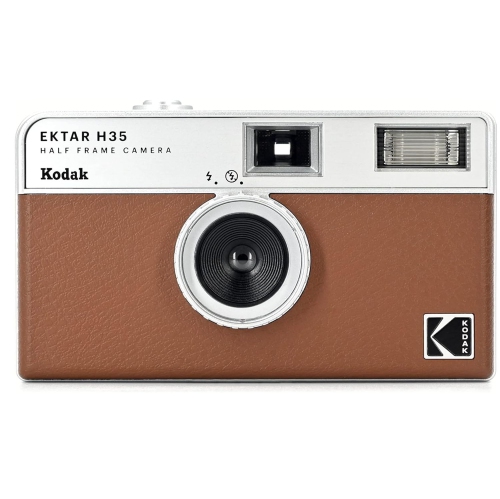
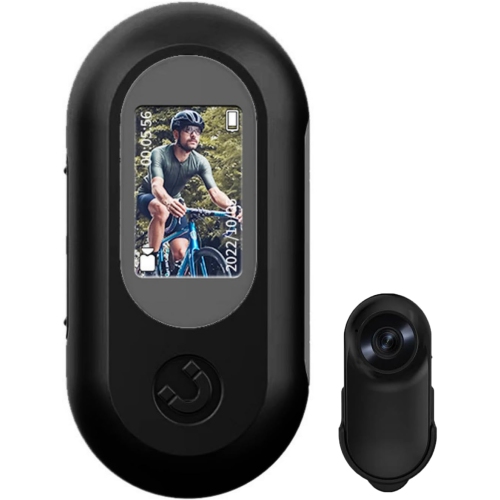
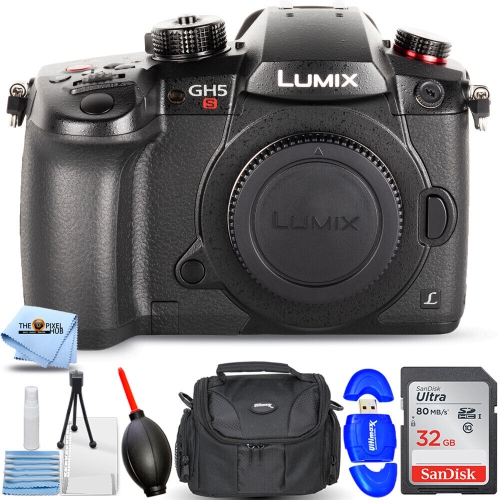
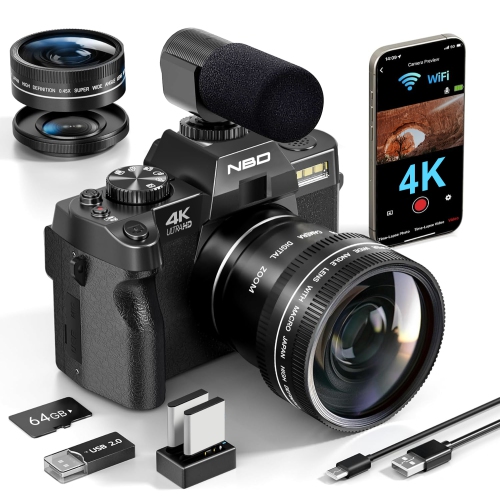
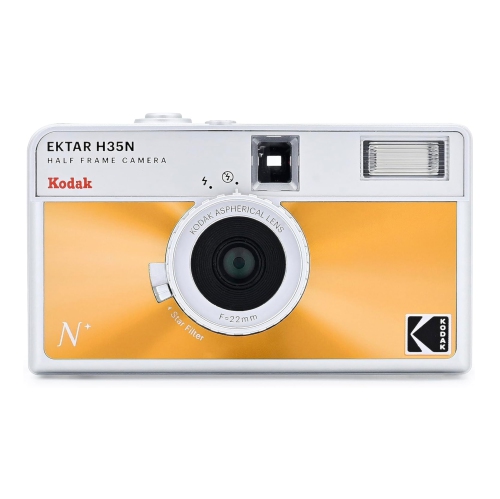
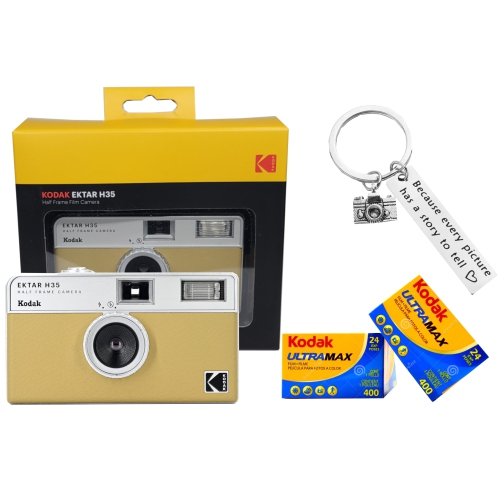
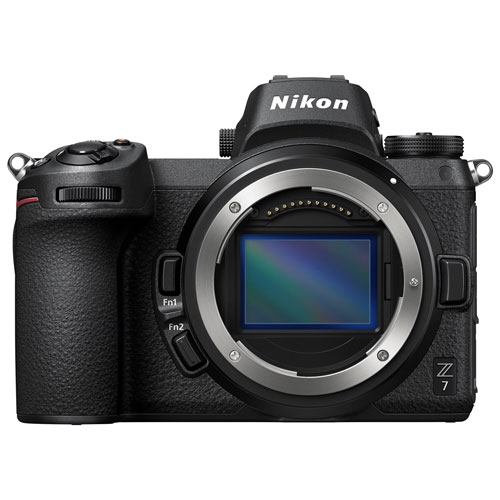
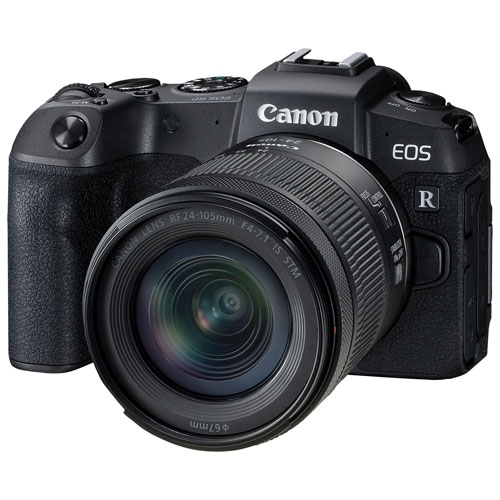
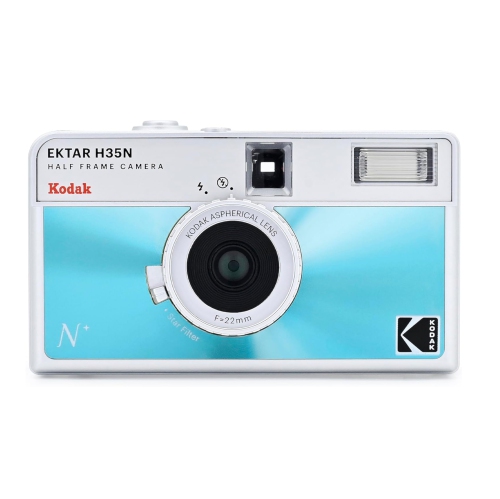
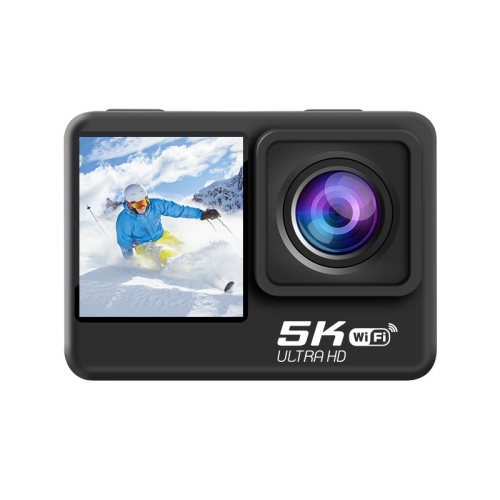
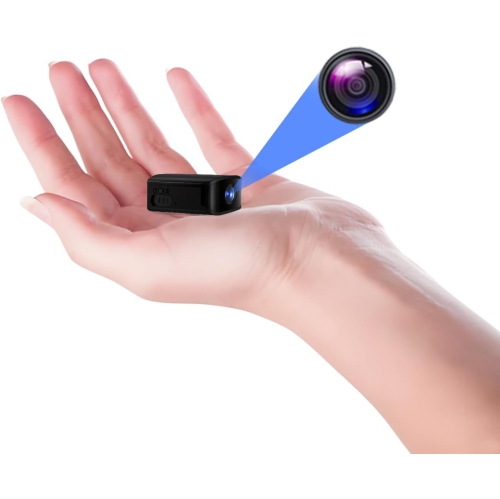
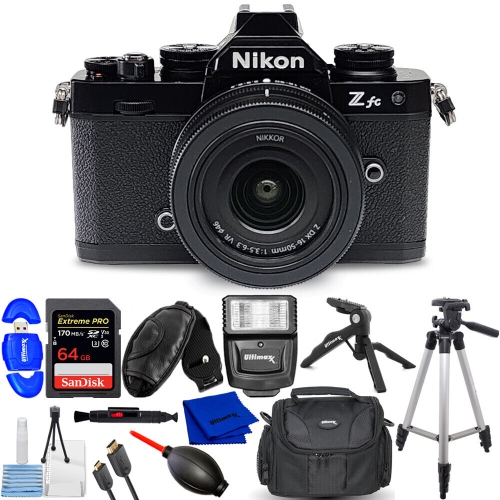
Features, lenses, and comfort shape the complete camera system
Full-frame mirrorless cameras are designed for photographers and videographers who want the detail, depth, and creative control associated with a large 35mm-format sensor in a more streamlined camera body. Unlike a DSLR, a mirrorless camera does not use an internal mirror to direct light to an optical viewfinder. Light travels directly to the sensor, allowing the electronic viewfinder and rear screen to preview exposure, colour, depth of field, and other settings before the shutter is pressed. The large sensor can produce richly detailed images with natural background blur and strong performance in dim conditions, making these cameras well suited to portraits, landscapes, travel, weddings, documentary work, architecture, food photography, and video production. They are also a practical choice for enthusiasts who have outgrown a phone or entry-level camera and want greater control over shutter speed, aperture, focus, and image files. A full-frame mirrorless camera can capture the warm glow of a window-lit room, fine texture in a knitted scarf, or the last blue tones of an evening sky with a level of nuance that is difficult to reproduce with a smaller sensor. When comparing cameras, consider the type of photography you enjoy most rather than focusing only on resolution. A high-resolution sensor may appeal to landscape and studio photographers who crop images or make large prints, while a faster continuous shooting speed and responsive autofocus can be more important for sports, wildlife, family activities, and moving subjects. For video, look for features such as 4K recording, reliable subject tracking, microphone and headphone connections, adjustable screens, and effective image stabilization. In-body stabilization can help reduce the effect of hand movement when shooting handheld, especially indoors, during evening walks, or while recording smooth-looking video without a tripod. The body is only one part of a full-frame camera system, so lens compatibility and long-term expandability also deserve careful attention. A standard zoom lens is a flexible starting point for everyday scenes, travel, and family gatherings; a wide-angle lens can emphasize sweeping scenery or fit more of a room into the frame; a telephoto lens can bring distant subjects closer for wildlife, sports, and candid portraits; and a bright prime lens can create attractive background separation in lower light. Check the mount before purchasing additional lenses, and remember that lenses can represent a substantial portion of the overall investment. Other useful accessories may include spare batteries, memory cards with suitable recording speeds, a camera bag, a small tripod, a flash, and cleaning supplies. For shoppers building a coordinated collection, browsing Black Mirrorless Cameras can make it easier to compare the appearance of different bodies while focusing on the specifications that matter most.
Choosing the right full-frame mirrorless camera also means considering comfort, portability, and the way you actually plan to use it. A camera that feels balanced with a preferred lens is more likely to come along on a weekend trip, a walk through a changing landscape, or a family gathering during the cooler months. Pay attention to grip shape, button placement, viewfinder clarity, screen movement, and overall weight, particularly if you expect to carry the camera for several hours. Battery life, charging options, card slots, wireless connectivity, and dust or moisture resistance can make a noticeable difference in everyday use. Weather resistance does not mean a camera should be exposed unnecessarily to rain, snow, or condensation, but added protection can provide reassurance when photographing outdoors as the weather changes. If you enjoy travel or street photography, a lighter body with a compact lens may be preferable to a larger setup, while portrait, wildlife, and professional users may favour a more substantial body with a high-capacity battery and extra controls. Full-frame mirrorless cameras can also be thoughtful gifts for someone who has started taking photography seriously, is learning video creation, enjoys documenting family milestones, or wants to turn memorable trips into printed images and photo books. A beginner may appreciate an easy automatic mode and guided menus, while an experienced photographer may prioritize custom controls, advanced autofocus settings, high-speed shooting, and a broad selection of compatible lenses. Before selecting a camera, it helps to define a realistic budget for the complete kit rather than the body alone. Include the cost of at least one suitable lens, memory cards, batteries, and protection, and leave room for future additions. Think about whether you will primarily capture still photographs, record video, or divide your time between both; this will guide decisions about resolution, stabilization, autofocus, audio support, overheating management, and storage requirements. High-resolution files and extended video clips can fill a memory card quickly, so fast, dependable storage and a simple backup routine are important. Learning the basics of exposure will help you get more from the camera: shutter speed controls how motion appears, aperture influences brightness and background blur, and ISO affects sensitivity in darker scenes. Even with automatic assistance, understanding these controls can turn an ordinary snapshot into a carefully timed image, such as a cyclist frozen sharply against a softly blurred background or a candlelit portrait with gentle detail in the shadows. Full-frame mirrorless cameras offer room to grow, whether you are preserving everyday memories, developing a creative hobby, producing content, or working toward professional results, and the best choice is the one that matches your subjects, hands-on preferences, and complete photography setup.
Choosing the right full-frame mirrorless camera also means considering comfort, portability, and the way you actually plan to use it. A camera that feels balanced with a preferred lens is more likely to come along on a weekend trip, a walk through a changing landscape, or a family gathering during the cooler months. Pay attention to grip shape, button placement, viewfinder clarity, screen movement, and overall weight, particularly if you expect to carry the camera for several hours. Battery life, charging options, card slots, wireless connectivity, and dust or moisture resistance can make a noticeable difference in everyday use. Weather resistance does not mean a camera should be exposed unnecessarily to rain, snow, or condensation, but added protection can provide reassurance when photographing outdoors as the weather changes. If you enjoy travel or street photography, a lighter body with a compact lens may be preferable to a larger setup, while portrait, wildlife, and professional users may favour a more substantial body with a high-capacity battery and extra controls. Full-frame mirrorless cameras can also be thoughtful gifts for someone who has started taking photography seriously, is learning video creation, enjoys documenting family milestones, or wants to turn memorable trips into printed images and photo books. A beginner may appreciate an easy automatic mode and guided menus, while an experienced photographer may prioritize custom controls, advanced autofocus settings, high-speed shooting, and a broad selection of compatible lenses. Before selecting a camera, it helps to define a realistic budget for the complete kit rather than the body alone. Include the cost of at least one suitable lens, memory cards, batteries, and protection, and leave room for future additions. Think about whether you will primarily capture still photographs, record video, or divide your time between both; this will guide decisions about resolution, stabilization, autofocus, audio support, overheating management, and storage requirements. High-resolution files and extended video clips can fill a memory card quickly, so fast, dependable storage and a simple backup routine are important. Learning the basics of exposure will help you get more from the camera: shutter speed controls how motion appears, aperture influences brightness and background blur, and ISO affects sensitivity in darker scenes. Even with automatic assistance, understanding these controls can turn an ordinary snapshot into a carefully timed image, such as a cyclist frozen sharply against a softly blurred background or a candlelit portrait with gentle detail in the shadows. Full-frame mirrorless cameras offer room to grow, whether you are preserving everyday memories, developing a creative hobby, producing content, or working toward professional results, and the best choice is the one that matches your subjects, hands-on preferences, and complete photography setup.
Top selling and popular products
-
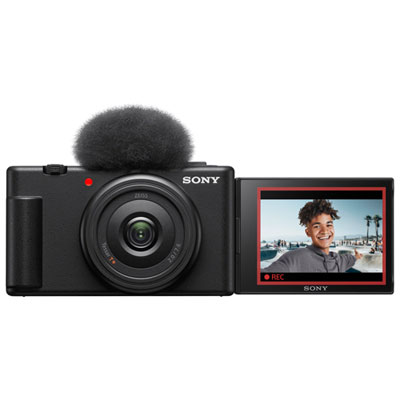 Your price for this item is $649.99
 -
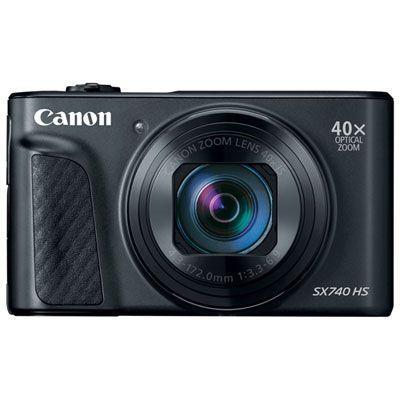 Your price for this item is $749.99
 -
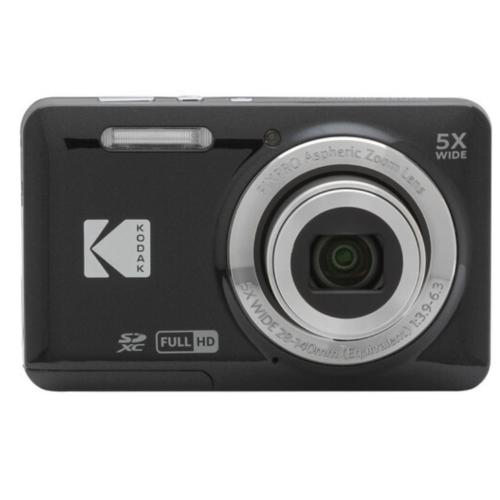 Your price for this item is $264
 -
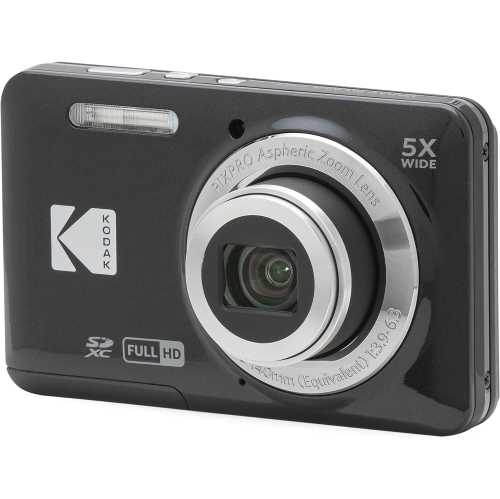 Your price for this item is $255
 -
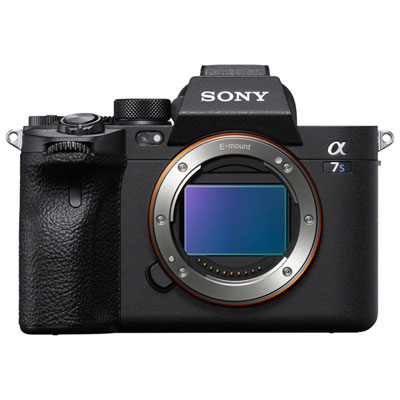
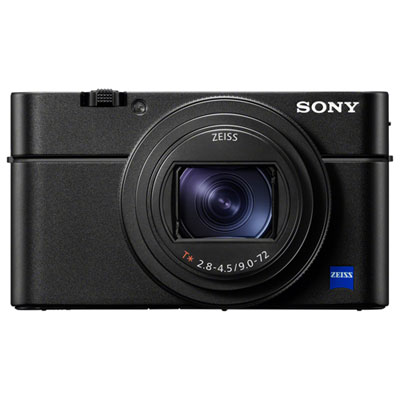 Your price for this item is $1999.99
 -
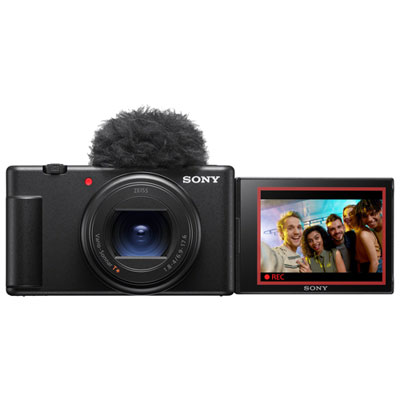 Your price for this item is $1199.99
 -
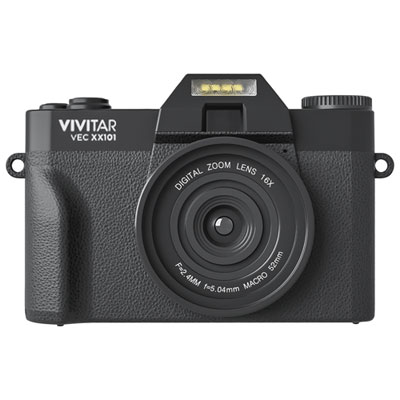 Your price for this item is $249.99
 -
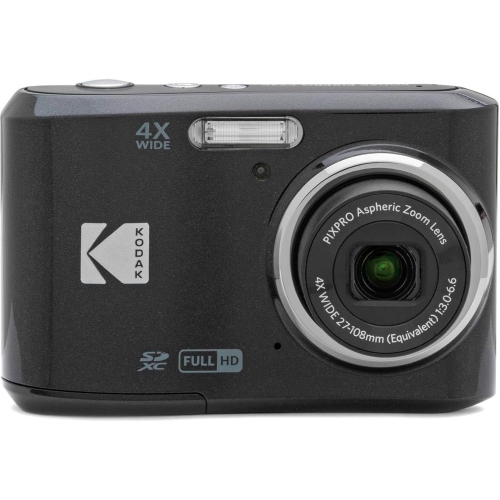 Your price for this item is $189.99
Discover more categories related to Full Frame Mirrorless Cameras
Top Collections:
Pokemon Centers, Best Budget Office Chairs, Budget 4K TVs, Kindle Devices, Best Laptops for Writers, Canon G7X Cameras, Apple iPhones 16, iPhone 15 Apple, Laptops for Business Work, Xiaomi Phones
Some products may be subject to Environmental Handling Fees
(EHF) depending on your province.
Learn more about EHFs.