Canon Mirrorless Full Frame Cameras
Capture stunning images with the latest innovation in camera technology - mirrorless full-frame cameras from Canon. Designed to deliver exceptional image quality, these cutting-edge cameras offer a compact and lightweight design without compromising on performance. Whether you're a professional photographer or an avid enthusiast, the versatility and advanced features of mirrorless full-frame cameras will elevate your photography to new heights. Experience unparalleled clarity, precision, and creativity as you explore the world of mirrorless photography.
Sort
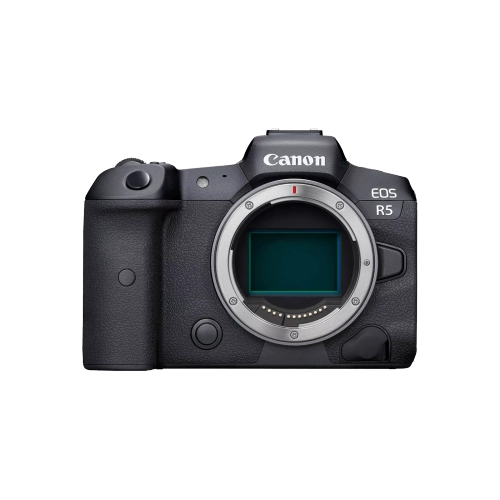
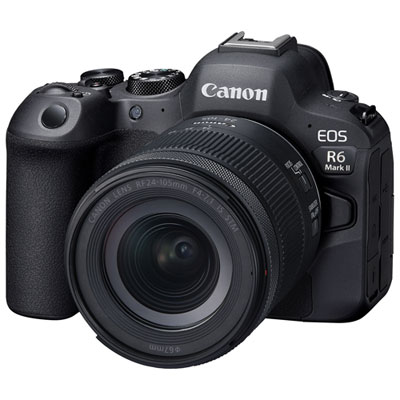
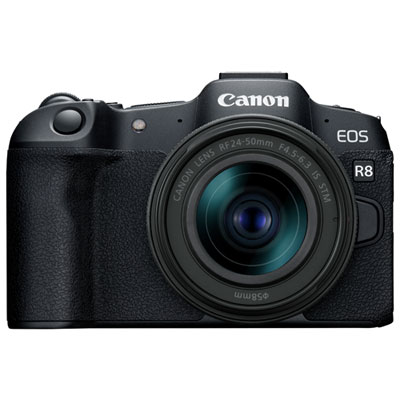
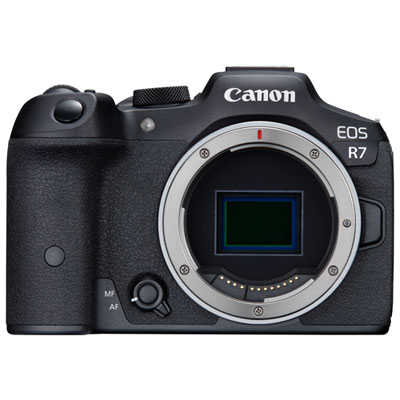
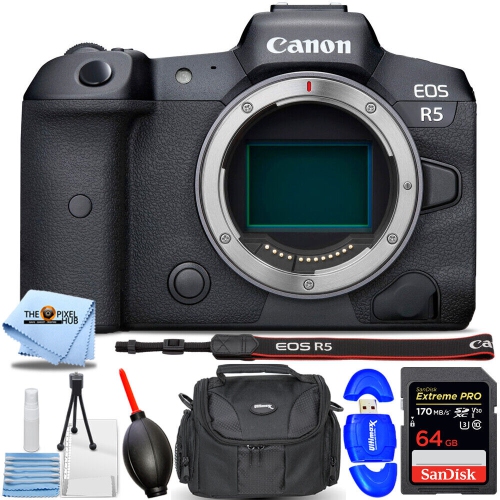
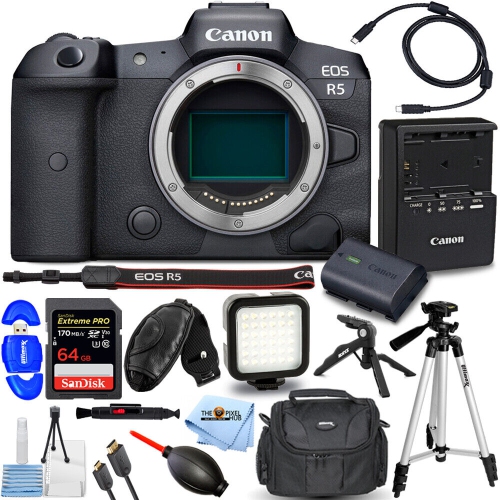
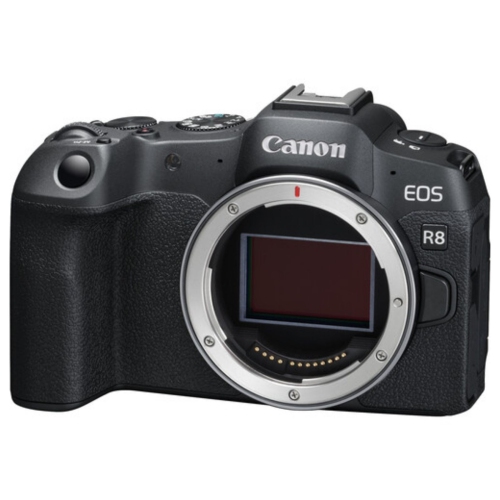
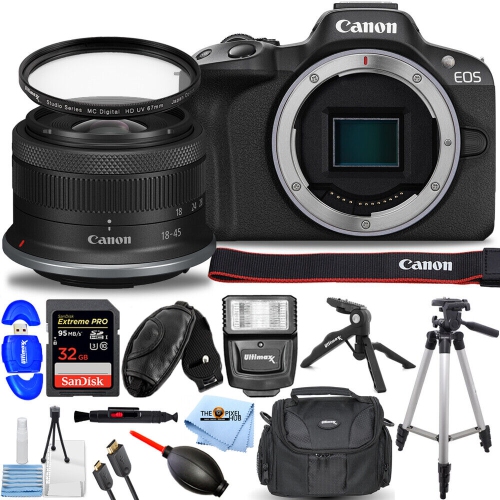
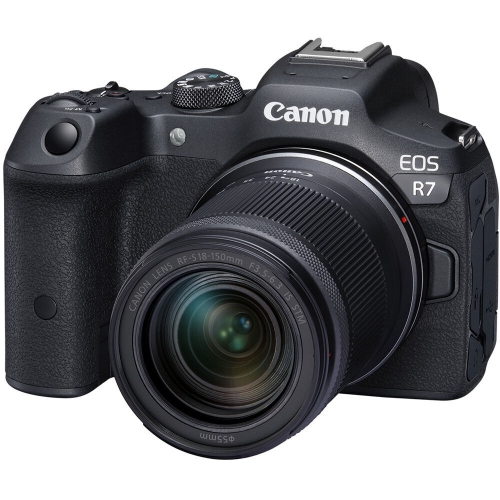
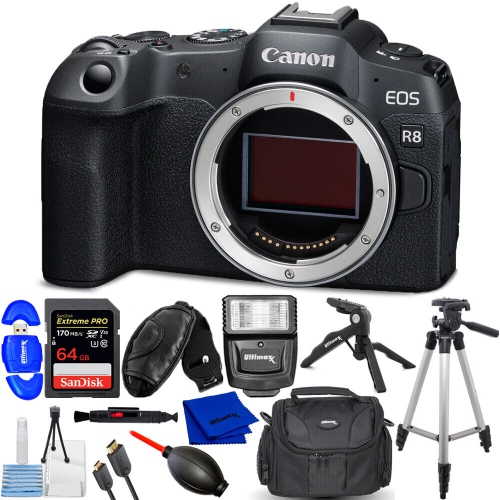
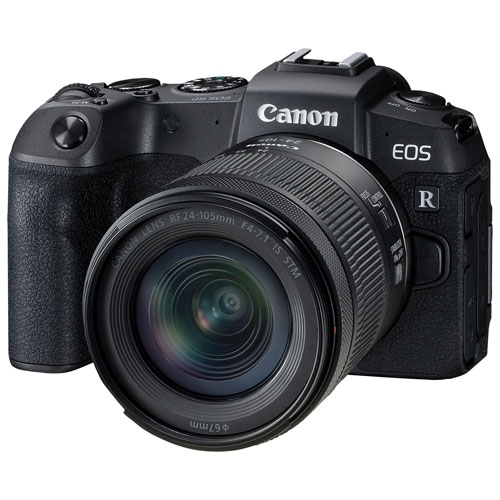
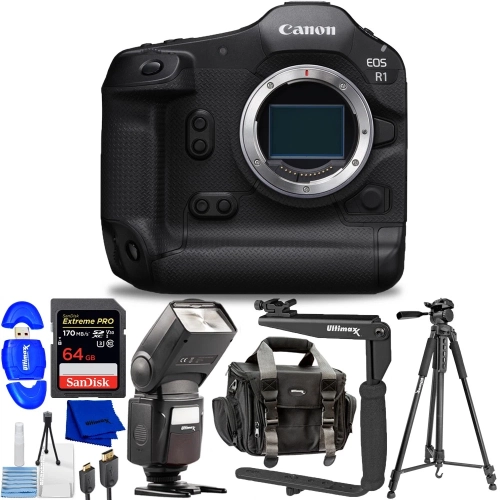
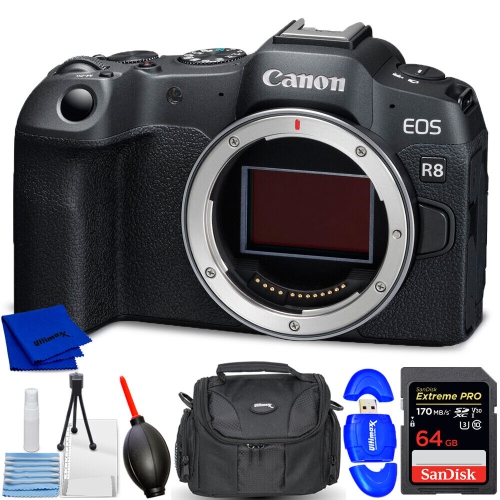
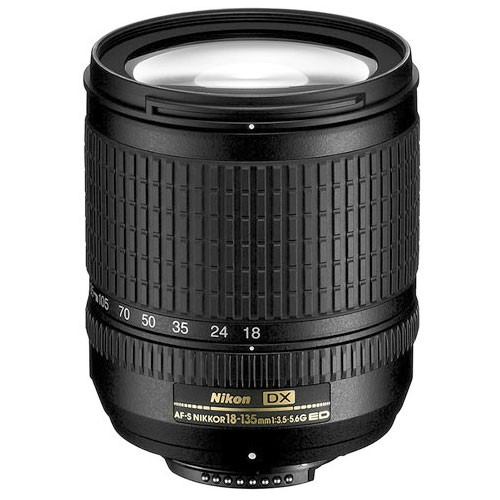
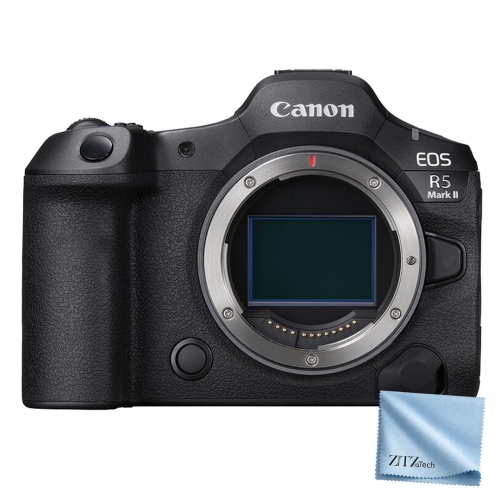
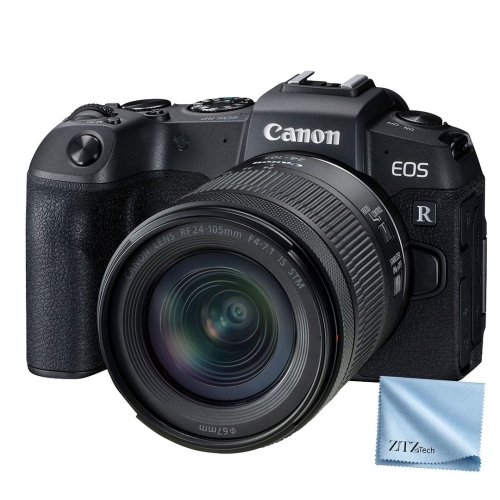
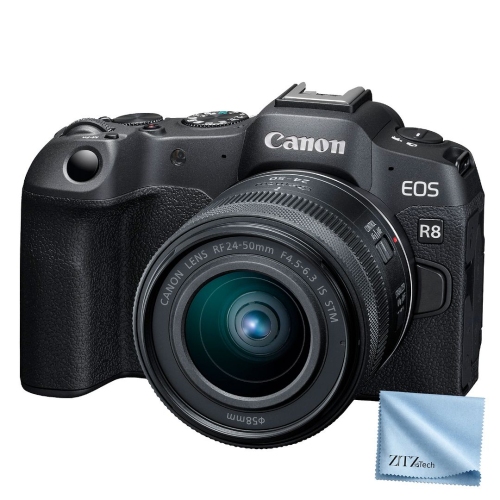
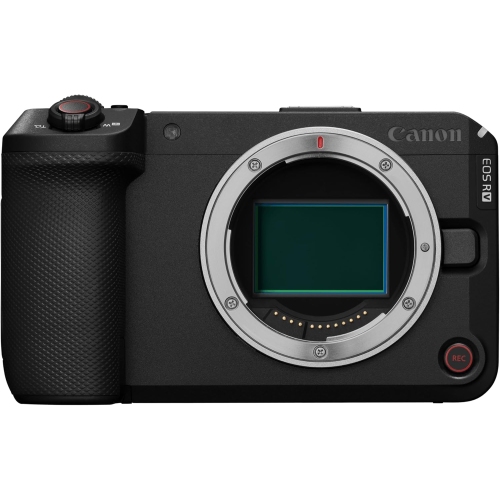
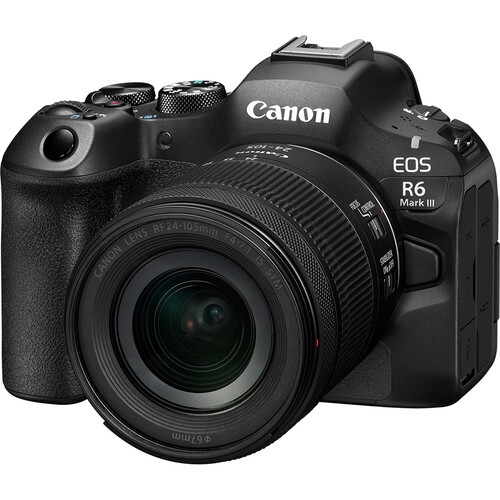
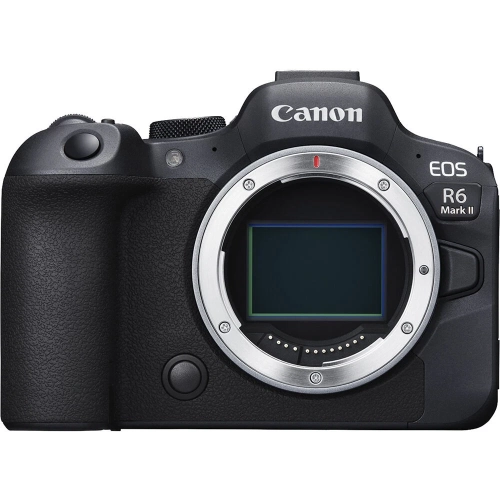
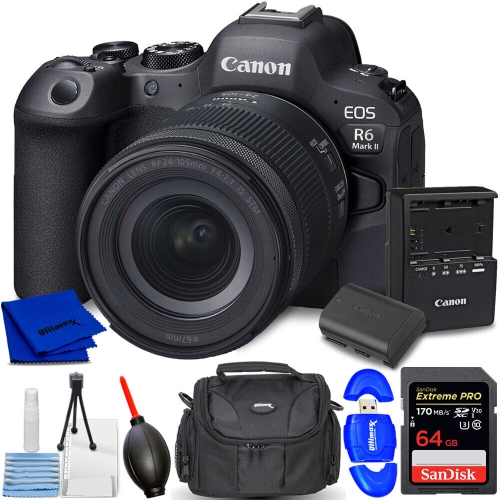
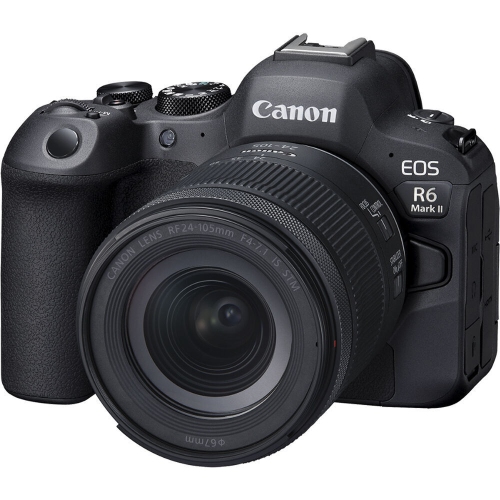
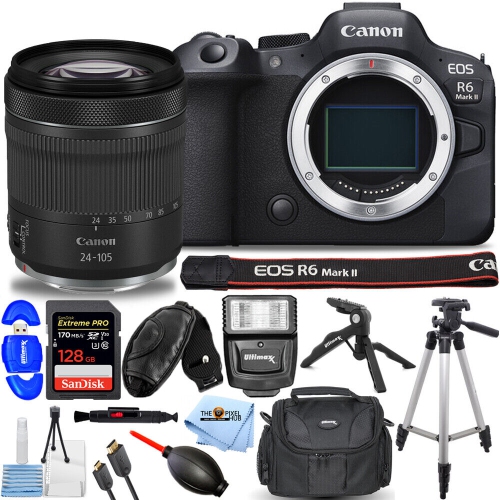
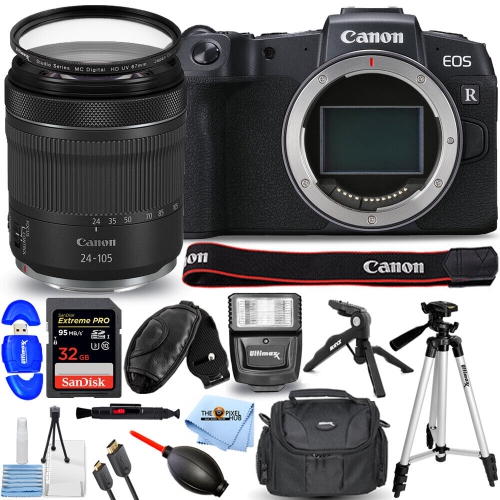
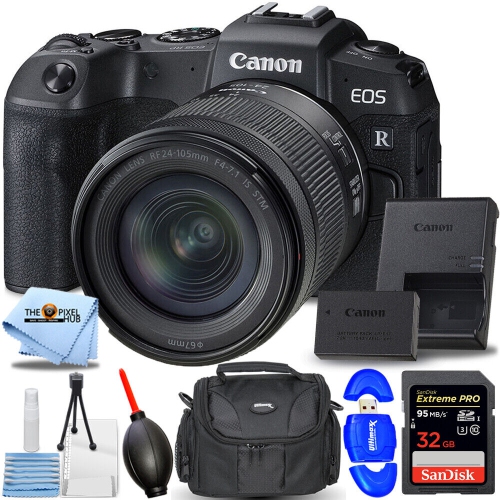
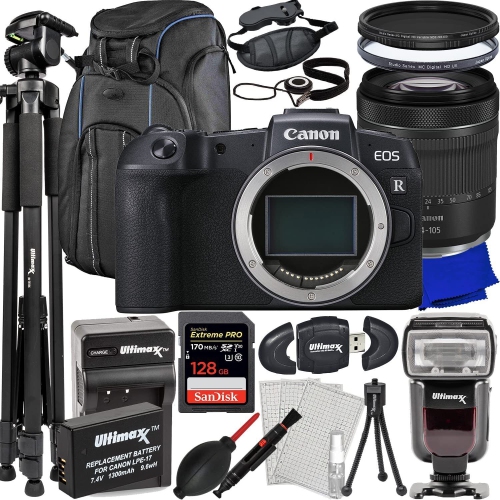
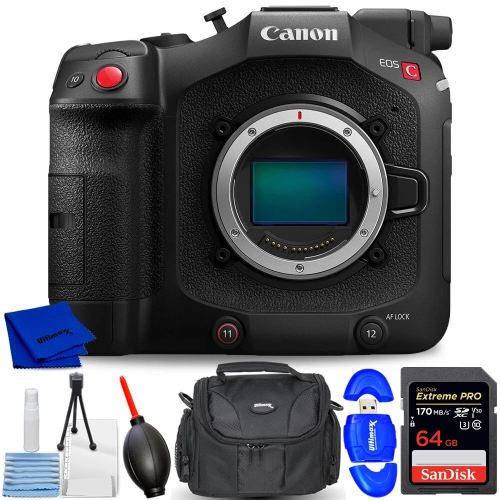
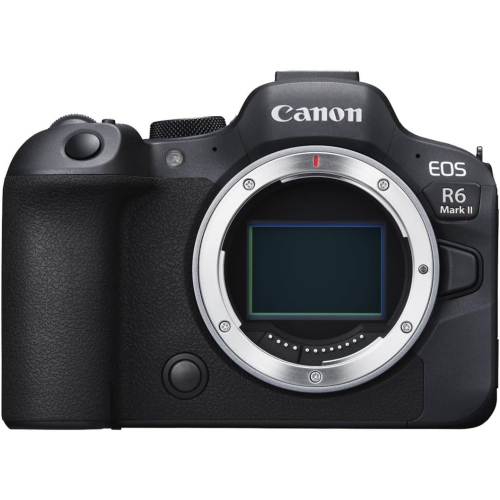
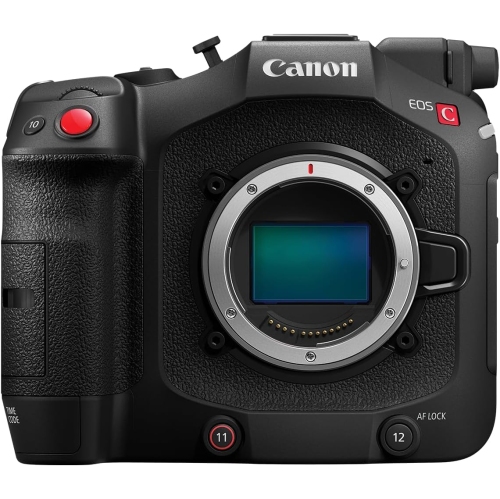
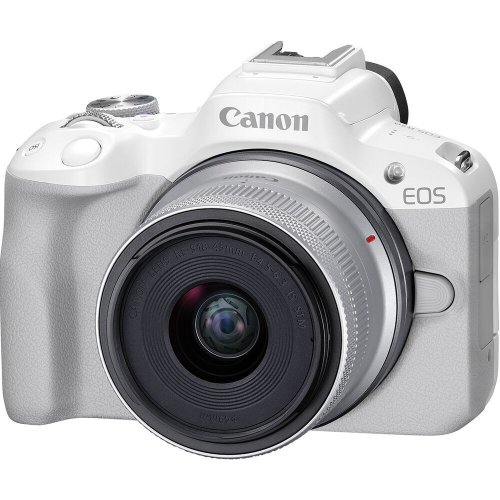
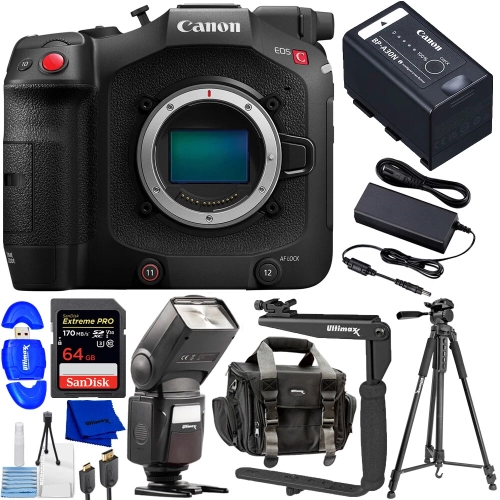
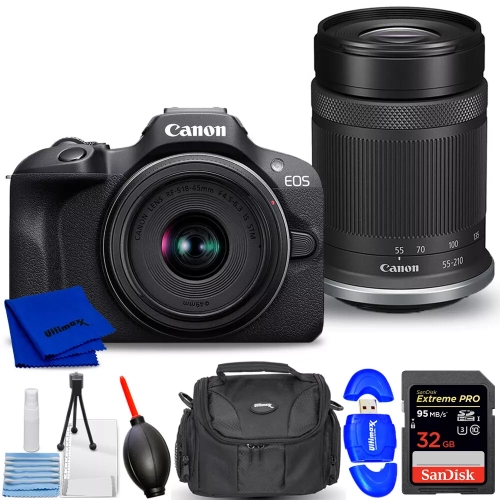
Understand image quality, lenses, and features before buying
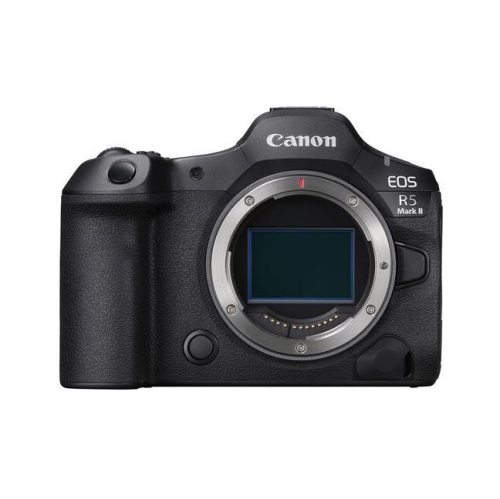
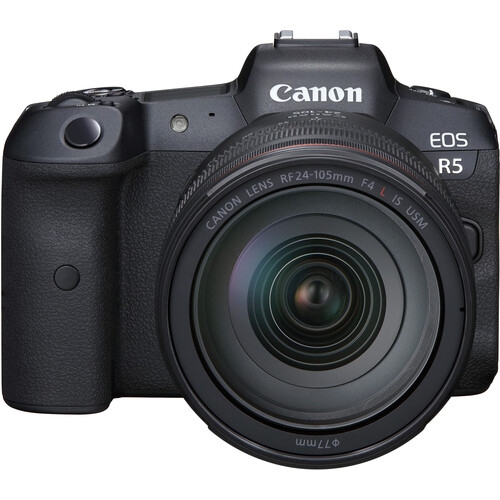
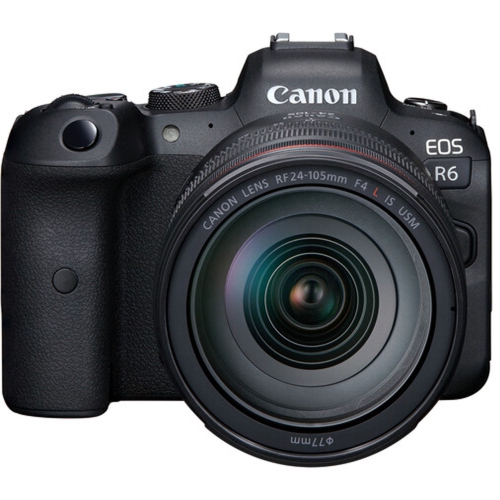
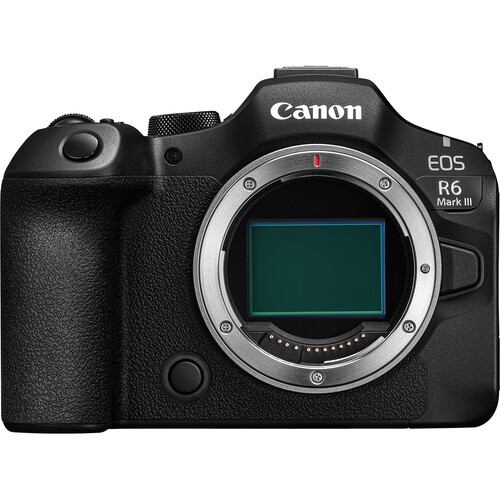
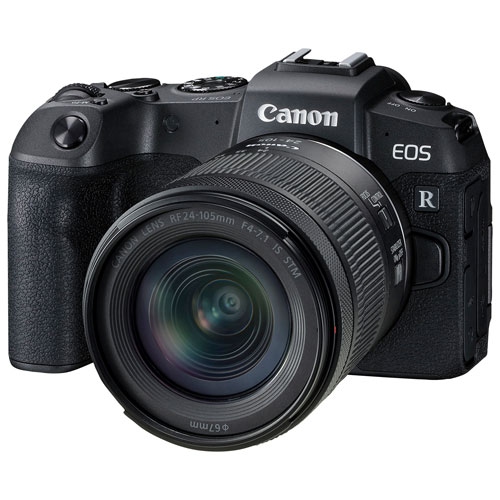
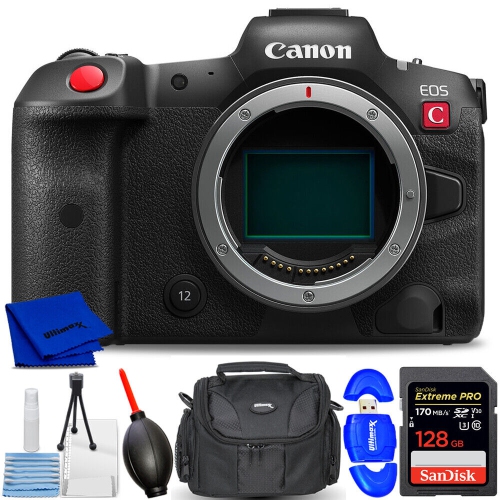
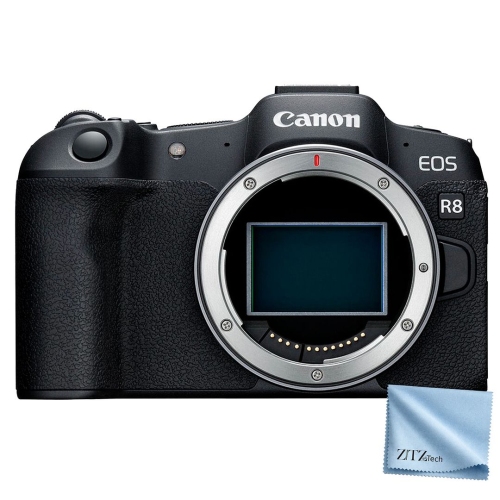
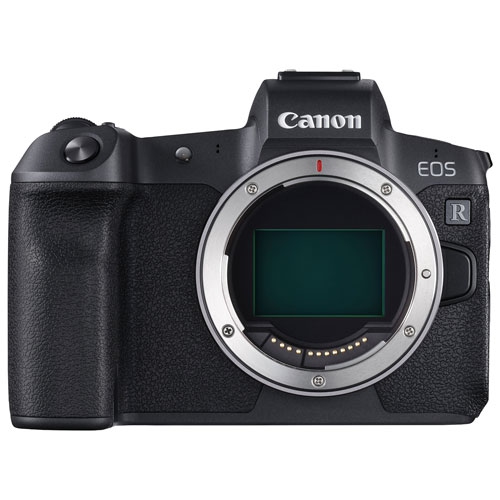
Full-frame mirrorless cameras are designed for photographers and videographers who want generous image quality in a more streamlined body than a traditional DSLR. Their 36 x 24 mm sensors are physically larger than the sensors found in most crop-sensor cameras, allowing them to gather more light and produce clean, detailed images in dim interiors, evening streets, shaded forests, and other challenging conditions. That extra sensor area also makes it easier to create a naturally soft background behind a subject, which is useful for portraits, food photography, wedding details, and close-up lifestyle images. Mirrorless construction removes the optical mirror mechanism found in DSLR cameras, allowing the body to be more compact while providing a live electronic view of exposure, colour, focus, and depth of field before the shutter is pressed. For shoppers comparing this category with other camera types, the Full Frame Mirrorless Cameras collection is a useful place to explore bodies with different resolutions, autofocus systems, video capabilities, and stabilization features. A camera with a moderate resolution may be a practical choice for everyday photography and faster file handling, while a higher-resolution model can preserve fine detail for large prints, commercial work, or extensive cropping. Sensor resolution is only one part of the experience, however. Autofocus performance, burst speed, viewfinder clarity, battery life, card compatibility, weather sealing, and the position of controls can have just as much impact once the camera leaves the shelf and enters a camera bag.
Lens compatibility should be one of the first considerations when choosing a full-frame mirrorless camera. The lens mount is the connection between the camera body and the lens, and a secure modern mount can support quick communication for autofocus, exposure, image stabilization, and lens corrections. A standard zoom lens is often a sensible starting point because it covers everyday scenes, family gatherings, travel snapshots, and casual video without requiring frequent changes. Wide-angle lenses are helpful for architecture, interiors, landscapes, and group photos, while telephoto lenses bring distant wildlife, field sports, stage performances, and candid moments closer. A bright prime lens with a wide aperture can be especially appealing for portraits or indoor photography, where it helps separate a subject from the background and maintain faster shutter speeds. Shoppers who already own DSLR lenses may also be able to continue using them with a compatible mount adapter, making it possible to move into a mirrorless system without replacing an entire lens collection at once. Adapters can be convenient, but performance may vary depending on the lens and adapter combination, so it is worth checking compatibility, autofocus support, aperture control, and stabilization before purchasing. For anyone building a system gradually, consider the kind of images that fill your phone or current camera roll: a child running through a sprinkler, a dog disappearing into tall grass, a dimly lit birthday table, or a broad mountain view at dusk. Those everyday examples usually reveal whether you need a versatile zoom, a fast portrait lens, a long-reaching telephoto, or a compact option for carrying all day.
These cameras can suit experienced enthusiasts, working photographers, content creators, travellers, and families who want more control than a smartphone provides. They are also thoughtful gifts for someone beginning a serious photography hobby, provided the recipient has a clear idea of the subjects they enjoy and the lenses they may want to use. A person photographing weddings or events may place a high value on dependable autofocus, dual memory-card support, fast continuous shooting, and in-body image stabilization, which can help reduce blur when working in changing light. Wildlife and sports photographers may prioritize subject-recognition autofocus, responsive tracking, a quick burst rate, a comfortable grip, and a generous buffer for a sequence of action frames. For video, look for clear 4K recording, reliable autofocus, microphone and headphone connections, a fully articulating or tilting screen, and heat management suited to the intended recording length. Some advanced bodies also offer higher-resolution video modes, but these can require faster memory cards, more storage, a capable computer, and a workflow that handles larger files. In-body stabilization can be valuable for handheld photography and video, especially during the cooler months when outdoor light fades earlier or when a tripod is not practical, although stabilization does not freeze a moving subject; a faster shutter speed is still needed for a running child, flying bird, or lively dance floor. Before buying, hold the camera if possible and pay attention to the grip, button layout, viewfinder, screen movement, and overall weight with a lens attached. The best fit is the one that feels natural enough to carry on a walk, bring to a family celebration, or keep ready beside a desk, because a capable camera creates its most memorable images when it is close at hand and easy to use.
Lens compatibility should be one of the first considerations when choosing a full-frame mirrorless camera. The lens mount is the connection between the camera body and the lens, and a secure modern mount can support quick communication for autofocus, exposure, image stabilization, and lens corrections. A standard zoom lens is often a sensible starting point because it covers everyday scenes, family gatherings, travel snapshots, and casual video without requiring frequent changes. Wide-angle lenses are helpful for architecture, interiors, landscapes, and group photos, while telephoto lenses bring distant wildlife, field sports, stage performances, and candid moments closer. A bright prime lens with a wide aperture can be especially appealing for portraits or indoor photography, where it helps separate a subject from the background and maintain faster shutter speeds. Shoppers who already own DSLR lenses may also be able to continue using them with a compatible mount adapter, making it possible to move into a mirrorless system without replacing an entire lens collection at once. Adapters can be convenient, but performance may vary depending on the lens and adapter combination, so it is worth checking compatibility, autofocus support, aperture control, and stabilization before purchasing. For anyone building a system gradually, consider the kind of images that fill your phone or current camera roll: a child running through a sprinkler, a dog disappearing into tall grass, a dimly lit birthday table, or a broad mountain view at dusk. Those everyday examples usually reveal whether you need a versatile zoom, a fast portrait lens, a long-reaching telephoto, or a compact option for carrying all day.
These cameras can suit experienced enthusiasts, working photographers, content creators, travellers, and families who want more control than a smartphone provides. They are also thoughtful gifts for someone beginning a serious photography hobby, provided the recipient has a clear idea of the subjects they enjoy and the lenses they may want to use. A person photographing weddings or events may place a high value on dependable autofocus, dual memory-card support, fast continuous shooting, and in-body image stabilization, which can help reduce blur when working in changing light. Wildlife and sports photographers may prioritize subject-recognition autofocus, responsive tracking, a quick burst rate, a comfortable grip, and a generous buffer for a sequence of action frames. For video, look for clear 4K recording, reliable autofocus, microphone and headphone connections, a fully articulating or tilting screen, and heat management suited to the intended recording length. Some advanced bodies also offer higher-resolution video modes, but these can require faster memory cards, more storage, a capable computer, and a workflow that handles larger files. In-body stabilization can be valuable for handheld photography and video, especially during the cooler months when outdoor light fades earlier or when a tripod is not practical, although stabilization does not freeze a moving subject; a faster shutter speed is still needed for a running child, flying bird, or lively dance floor. Before buying, hold the camera if possible and pay attention to the grip, button layout, viewfinder, screen movement, and overall weight with a lens attached. The best fit is the one that feels natural enough to carry on a walk, bring to a family celebration, or keep ready beside a desk, because a capable camera creates its most memorable images when it is close at hand and easy to use.
Top selling and popular products
-
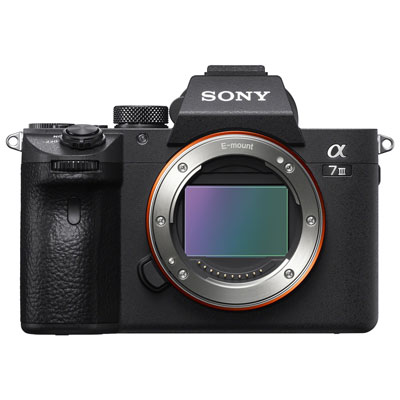 Your price for this item is $1899.99
 -
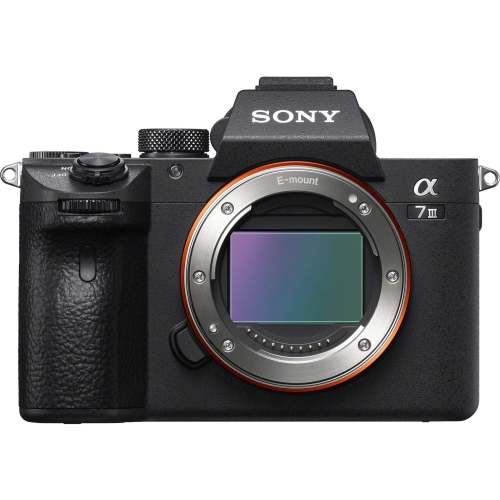 Your price for this item is $1899
 -
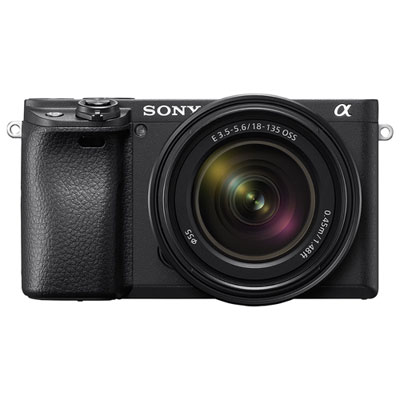 Your price for this item is $1749.99
 -
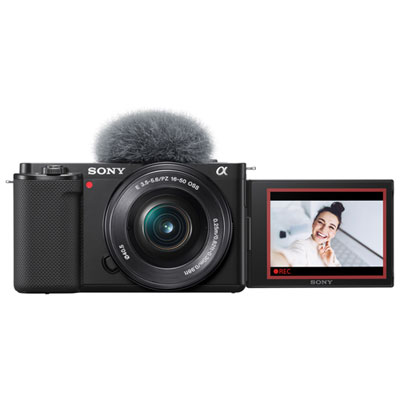 Your price for this item is $999.97
 -
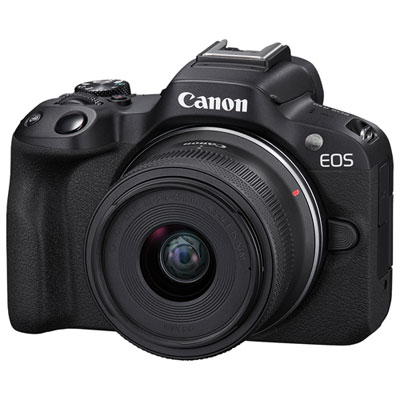 Your price for this item is $1099.99
 -
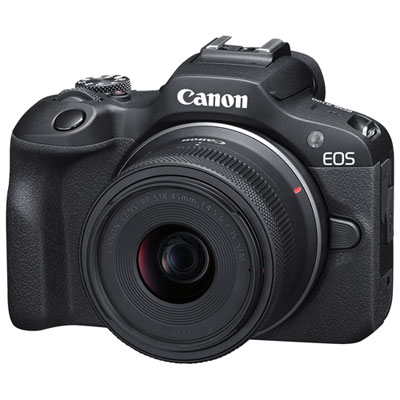 Your price for this item is $629.99
 -
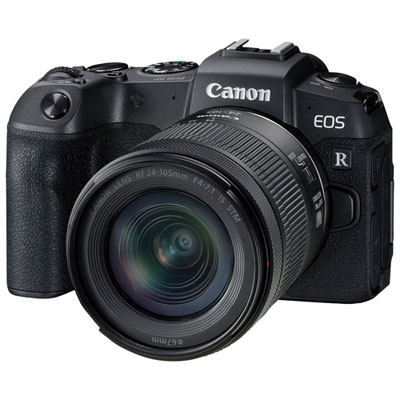 Your price for this item is $1699.99
 -
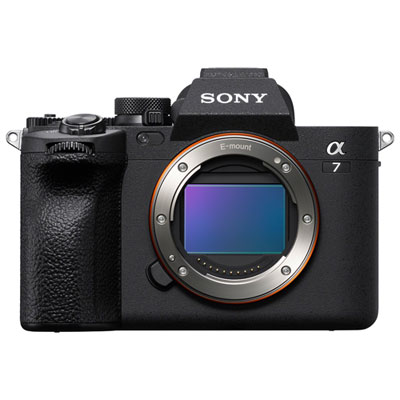 Your price for this item is $2699.99
Discover more categories related to Canon Mirrorless Full Frame Cameras
Top Collections:
Pokemon Centers, Best Budget Office Chairs, Budget 4K TVs, Kindle Devices, Best Laptops for Writers, Canon G7X Cameras, Apple iPhones 16, iPhone 15 Apple, Laptops for Business Work, Xiaomi Phones
Some products may be subject to Environmental Handling Fees
(EHF) depending on your province.
Learn more about EHFs.