Magnetic Card Readers
Magnetic card readers offer a reliable solution for quickly processing transactions and managing secure data entry in various settings. Whether you're equipping a retail space, upgrading your business operations, or seeking an efficient way to handle card-based access, a Magnetic Card Reader provides the functionality you need. Explore models designed for seamless integration with your existing systems and discover options that help streamline your daily workflow. Find the right Magnetic Card Reader to enhance your efficiency and support your business needs.
Sort





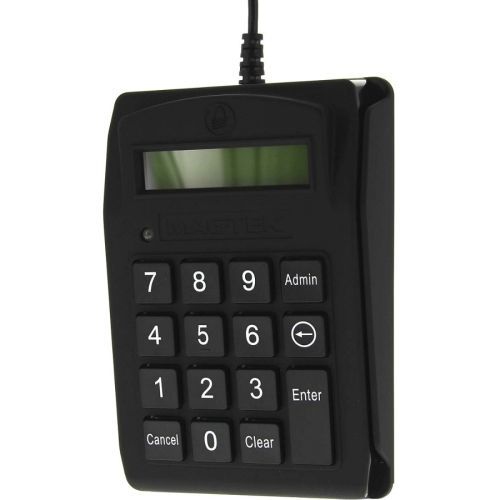

There’s more to a card swipe than the reader
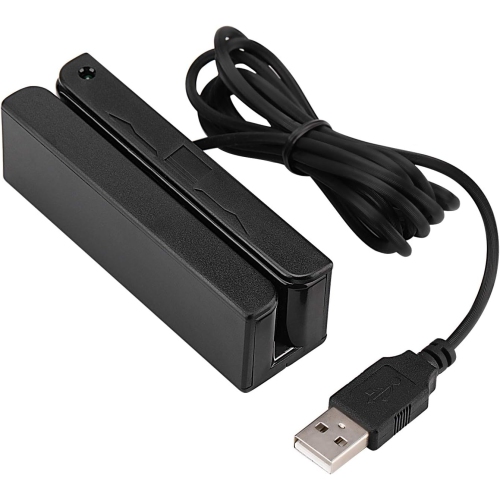
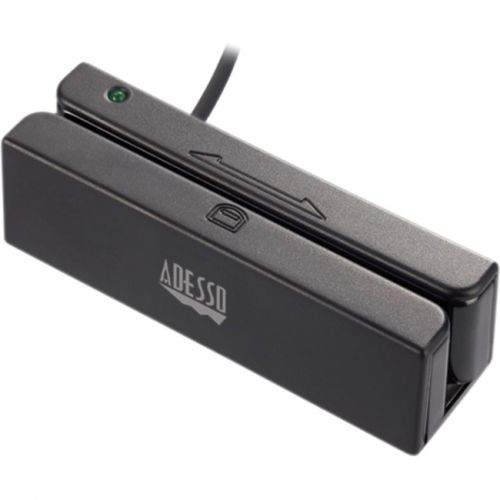
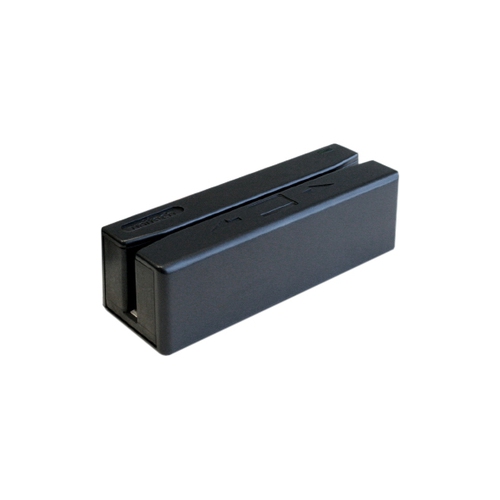
Magnetic card readers are hardware devices that read data encoded on the magnetic stripe of a card, such as a payment card, employee badge, or membership card. Often called magnetic stripe readers or MSRs, they capture that information as the stripe passes across a reading head, then send it to a connected computer, terminal, or compatible application. The familiar swipe motion makes them useful in settings where a card identifies a customer, retrieves an account, or supports an established checkout process. At a recreation centre, a membership swipe might bring up an account for staff to review; at a service counter, it might help locate a loyalty profile without typing a long membership number. The reader supplies the data, while the connected software determines what happens next. A reader alone does not approve a payment, verify someone’s identity, or grant access to a building. Those functions depend on the wider system and its permissions. Magnetic stripes can hold information on different tracks, so support for the tracks used by the intended cards is an important compatibility detail. Some applications need only a particular track, while others expect a different combination. A card’s appearance is not enough to establish compatibility: a plastic badge may use a magnetic stripe, a barcode, an embedded chip, or contactless technology. Magnetic card readers are designed for the stripe portion, not every technology that may be present on the same card. Most everyday swipe readers are also read-only devices. They retrieve existing stripe data rather than create cards or change their contents; writing information requires equipment specifically designed for encoding. These distinctions matter whether the reader is joining a staffed reception desk, a membership station, or an existing point-of-sale setup. The best fit is a reader that matches both the cards in use and the application receiving their information, rather than one chosen solely for its size or connector.
Connection type and software support shape how smoothly a magnetic card reader fits into daily work. USB connections are common, but the way a reader communicates can differ. A keyboard-emulation reader sends card data much like typed text, which can suit an application with a dedicated input field. That convenience also means the correct window and field need to be active when a card is swiped. Other readers use a serial connection or a USB mode that communicates through a virtual serial port, allowing compatible software to manage the incoming data more directly. A matching plug does not guarantee that a reader will work with every operating system, checkout application, or mobile device. Driver requirements, supported connection modes, available ports, and any necessary adapters all affect the setup. Some applications also expect information in a particular format, including defined starting or ending characters. Configurable output can help accommodate those requirements when supported, but the application’s specifications remain the reference point. For a shared counter, cable length matters in practical ways: the reader should reach its connection without stretching across a walkway, pulling against a port, or leaving loose cable beside the swipe slot. A compact design can leave more room for a keyboard, receipt printer, and paperwork, while a fixed installation may benefit from mounting provisions that keep the reader in a predictable position. Magnetic stripe technology is distinct from the chip-based technology associated with Smart Card Readers, so the two types are not automatically interchangeable. Likewise, a basic magnetic stripe reader does not provide contactless payment capability. For payment use, compatibility with the payment provider and its security requirements is essential; the ability to read a stripe does not by itself make a device suitable for processing card payments. Where encryption or other payment-specific protections are required, those capabilities need to be supported by the complete approved setup, including its hardware, software, and processing service.
Physical construction becomes especially noticeable when a reader is used repeatedly throughout the day. Housings are commonly made from moulded plastic, with some designs incorporating metal components or mounting hardware. A solid base, secure cable connection, and well-supported swipe channel can be more useful at a busy desk than a small footprint alone. Non-slip feet can help prevent movement on a smooth countertop, while an appropriately positioned slot gives staff or customers room to pass a card through without knocking nearby equipment. Fit includes the cards themselves: the channel needs to accommodate their dimensions and thickness, and the reader’s supported swipe direction should suit the way it will be positioned. A clearly marked stripe orientation can reduce hesitation at a self-service station or shared workstation. In a staffed setting, a natural arm movement and an unobstructed swipe path help keep repetitive interactions comfortable. Durability also depends on operating conditions and maintenance, not just the housing material. Dust, residue, and worn or damaged cards can contribute to unsuccessful reads, so manufacturer-approved cleaning methods are preferable to improvised scrubbing or pouring liquid into the slot. Dedicated cleaning cards may be appropriate where the manufacturer specifies them. The exterior can be cared for according to its instructions, with attention to the cable and connector as well as the reading channel. Pulling a reader by its cord or leaving the cable under tension can put unnecessary strain on the connection. For portable use, protected storage helps keep debris out of the slot and prevents the cable from being crushed among other equipment. Clear read indicators, whether visual or audible, can also make a difference when a receptionist is speaking with a visitor or a cashier is handling several tasks. Alongside that everyday usability, responsible data handling remains important: connected software should collect only the information needed for the task and restrict access appropriately. A dependable magnetic card reader combines compatible data capture with a physical design that suits the people, counter space, and routine around it.
Top selling and popular products
-
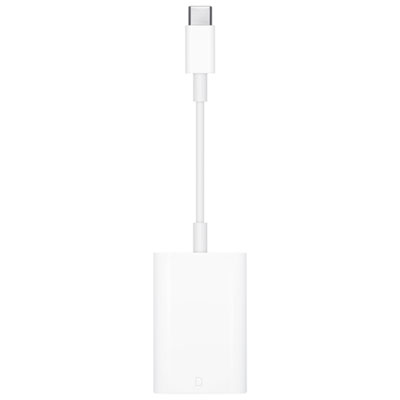 Your price for this item is $49
-
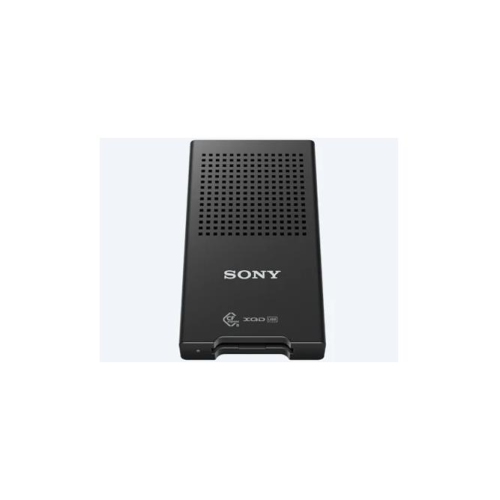 Your price for this item is $179.99
-
 Your price for this item is $39.68
-
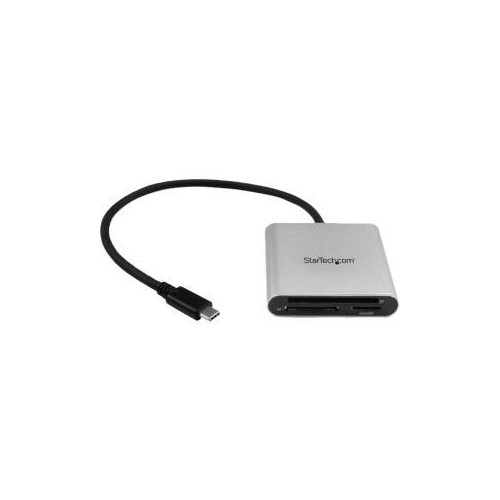 Your price for this item is $68.68
-
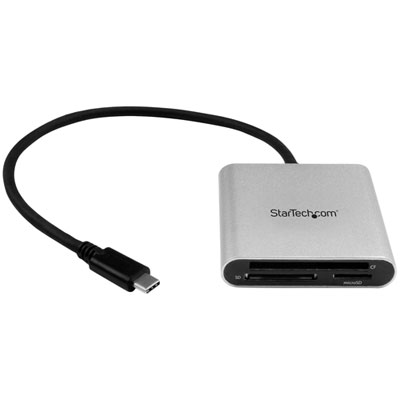 Your price for this item is $57.99
-
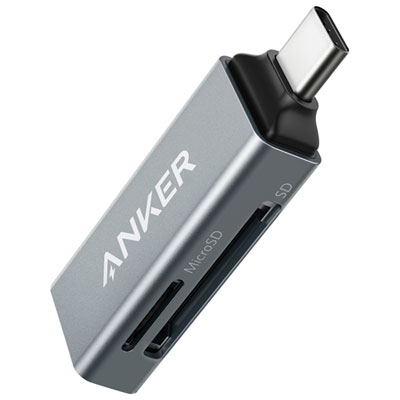 Your price for this item is $39.99
-
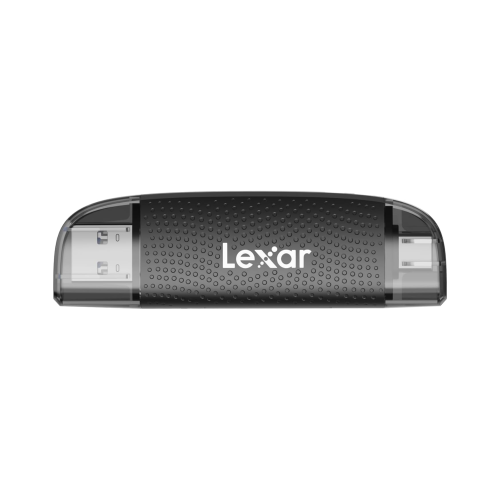 Your price for this item is $48.68
-
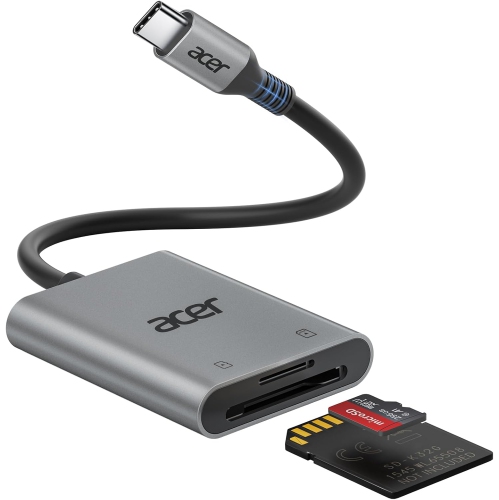 Your price for this item is $13.99
Discover more categories related to Magnetic Card Readers
Top Collections:
Best Black Friday Deals This Year, Best Black Friday Deals On Electronics, Kindle Devices, Pokemon Centers, Best Black Friday Deals On Apple Products, Best Cameras for Sports Photography, Dyson Airwrap, Pokémon 30th Celebration Cards, Apple iPhone 17 Pro, Canon G7X Cameras
Some products may be subject to Environmental Handling Fees
(EHF) depending on your province.
Learn more about EHFs.