Mirrorless Cameras With In Body Stabilization
Mirrorless Cameras With In Body Stabilization offer photographers and videographers the flexibility to capture sharp, clear images and smooth video footage, even in challenging shooting conditions. These advanced cameras are designed to help reduce blur caused by camera movement, making them an ideal choice for handheld shooting. Whether you're capturing fast-paced action, low-light scenes, or everyday moments, Mirrorless Cameras With In Body Stabilization provide enhanced creative control and confidence for every shot. Explore a wide selection to find the perfect fit for your photography style and needs.
Sort
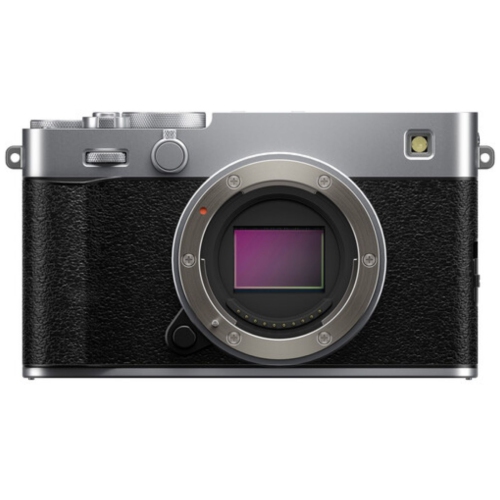
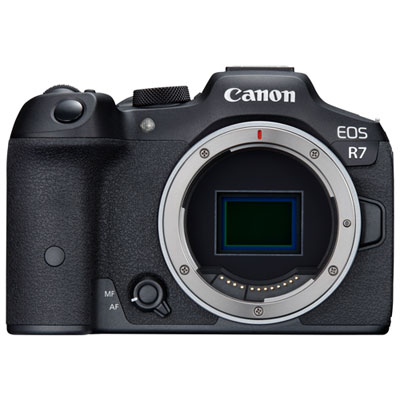
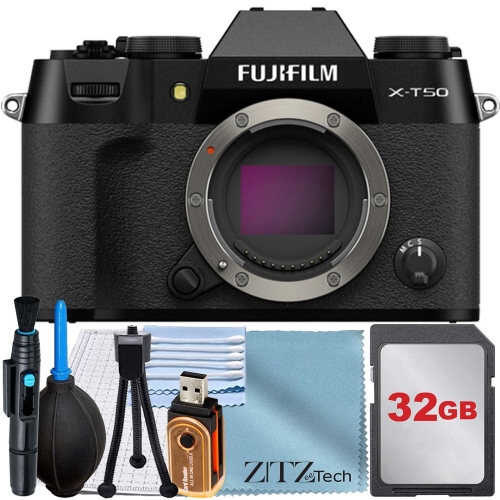
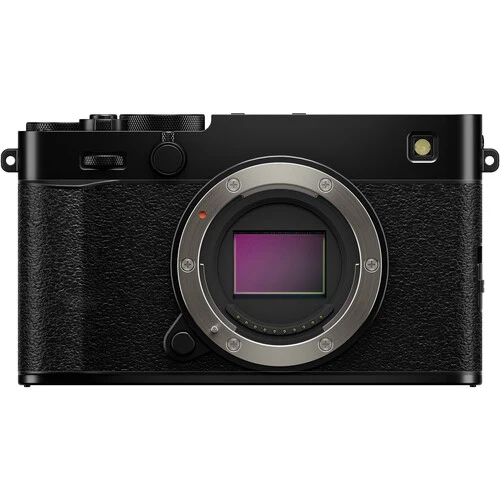
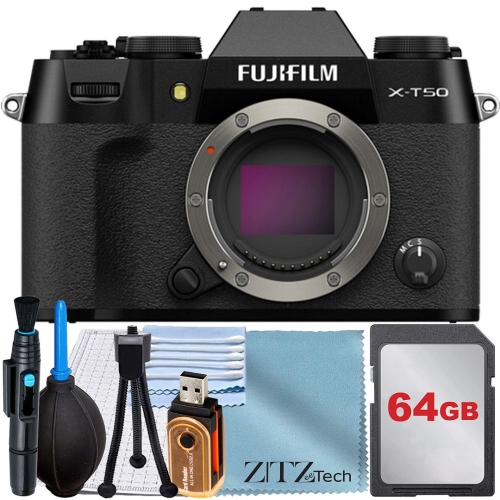
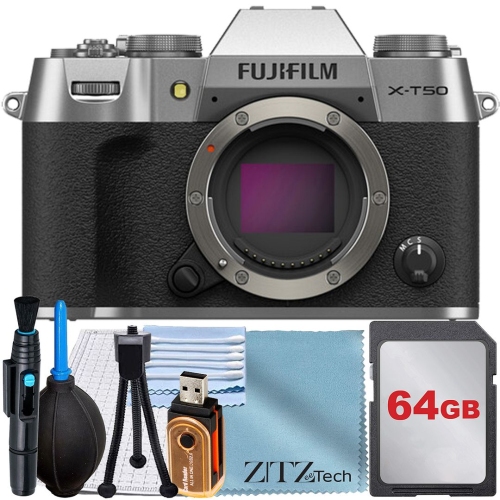
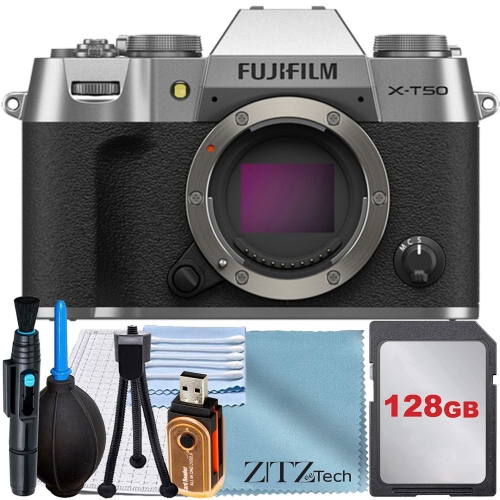
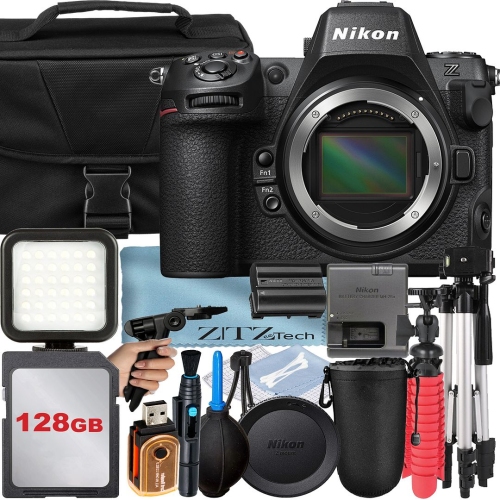
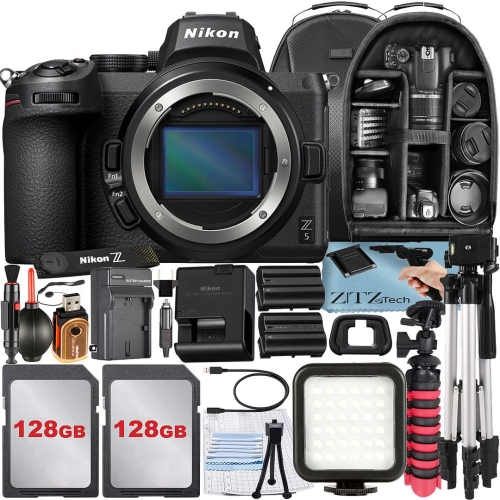
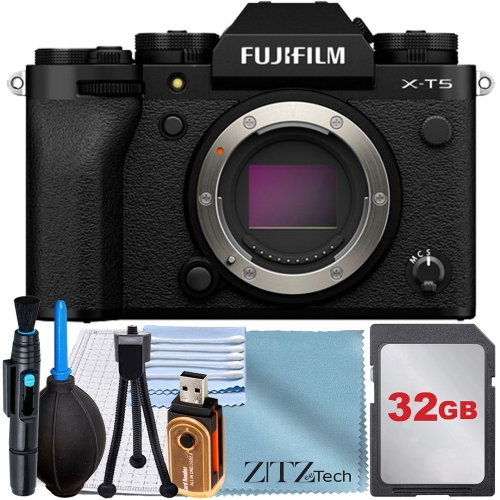
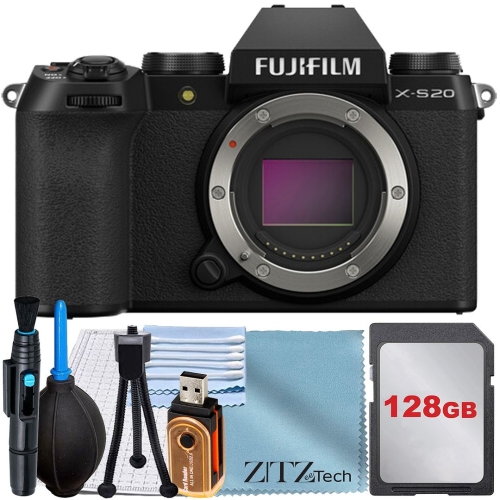
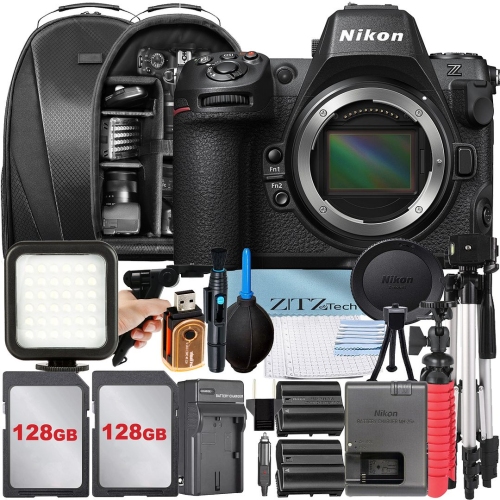
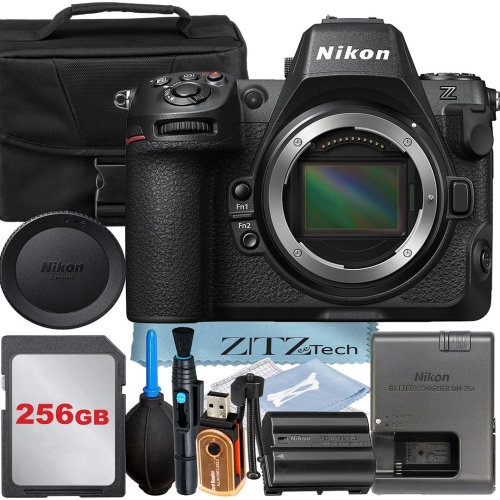
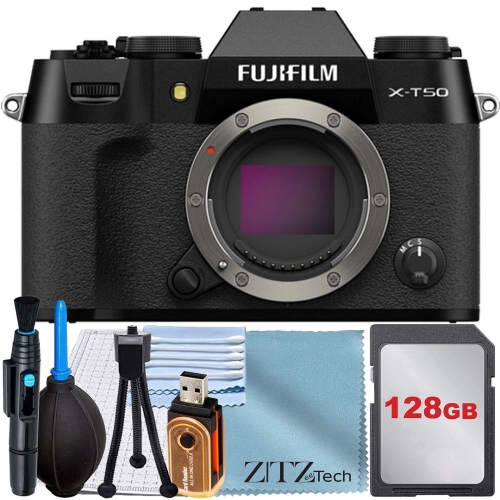
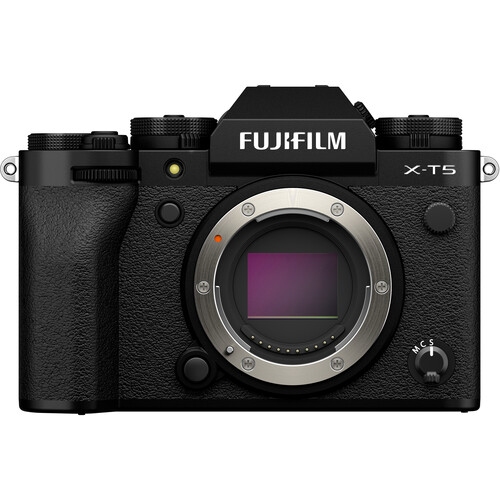
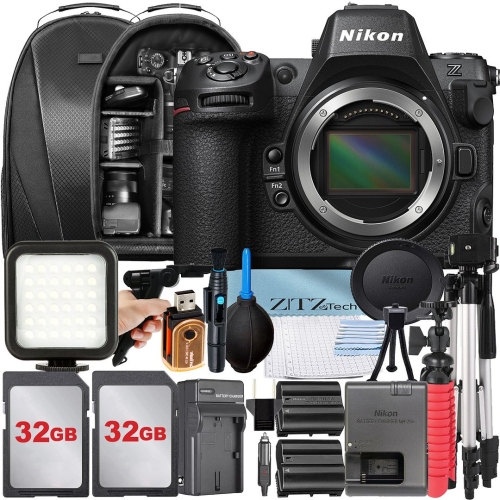
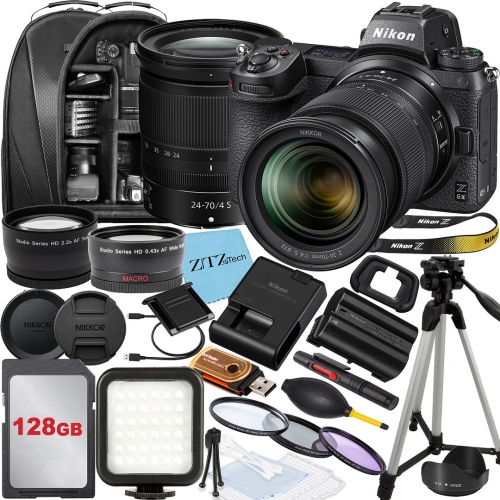
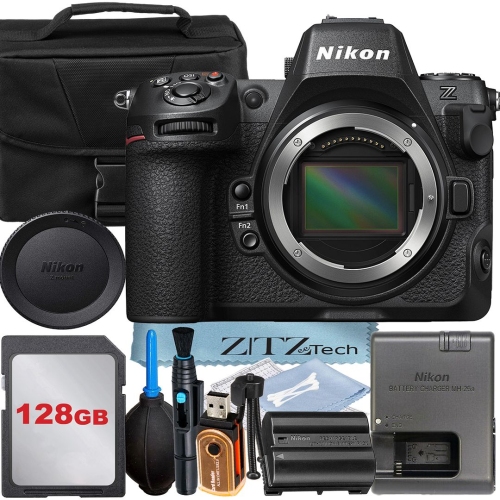
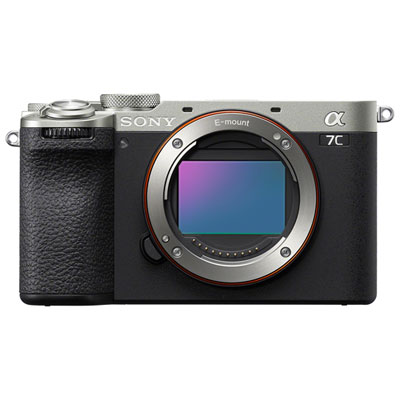
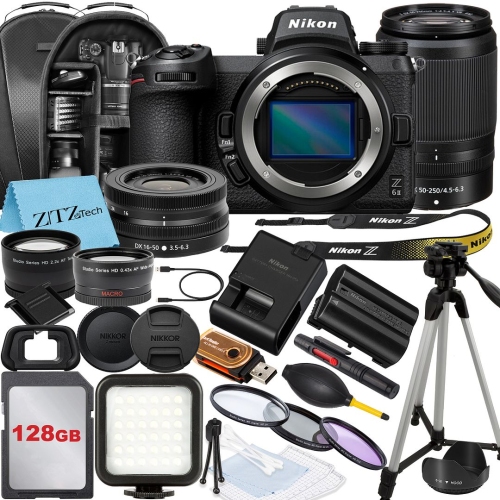
How sensor movement helps steady handheld shots
Mirrorless cameras with in-body stabilization (IBIS) use a movable image sensor to help counteract small, unintended camera movements, making them useful for handheld photography and video. Unlike optical stabilization built into a lens, IBIS operates inside the camera body, so it can provide shake correction with many compatible lenses, including some that have no stabilization of their own. Five-axis systems are designed to compensate for pitch, yaw, roll, and horizontal and vertical movement, although their effectiveness varies with the camera, lens, focal length, and shooting technique. For a photographer capturing the details of a museum interior or a café scene, this can mean a sharper image at a slower shutter speed without immediately reaching for a tripod. The distinction between camera shake and subject movement matters: stabilization can reduce blur caused by unsteady hands, but it cannot freeze a child running across a room or a pet turning its head. Those subjects still need a sufficiently fast shutter speed. Stabilization ratings expressed in stops describe performance under specified test conditions, not a guaranteed result for every photograph. A higher rating suggests more potential flexibility for handheld exposures, but a comfortable grip and steady stance still contribute to sharp results. Some camera bodies can coordinate sensor movement with stabilization in a compatible lens, while other combinations use different arrangements or have limitations. The presence of both systems does not mean their published ratings can simply be added together. Lens compatibility is especially relevant for photographers using adapted lenses, which may require manual focal-length input or offer fewer electronic functions. For everyday use, the appeal is straightforward: IBIS adds flexibility when photographing stationary subjects, composing with longer lenses, or moving between stills and video. It can help preserve the fine texture of a woven cushion, the lettering on a distant sign, or the detail in an architectural interior when hand movement would otherwise soften the image. It is a useful capability within a camera system rather than a substitute for suitable exposure settings, reliable autofocus, or careful handling.
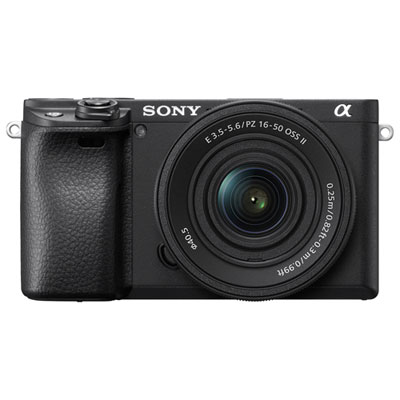
Mirrorless cameras with in-body stabilization span several sensor formats, including full-frame, APS-C, and Micro Four Thirds, giving photographers different combinations of body size, lens size, image quality, and portability. Sensor format alone does not determine whether a camera is the right fit. A compact body paired with a small prime lens can be comfortable for street photography and daily outings, while a deeper grip may feel more secure with a substantial zoom attached. Full-frame sensors can offer advantages in image noise and control over depth of field, while smaller formats can support compact camera-and-lens combinations; actual results depend on the equipment and settings involved. Resolution, autofocus coverage, subject detection, burst shooting, and buffer capacity also shape the experience. A photographer following a dancer across a stage has different needs from someone making carefully framed photographs of ceramics on a tabletop. The former may place greater importance on dependable tracking and fast shutter speeds, while the latter may value precise focus placement, colour detail, and an adjustable screen. An electronic viewfinder provides a close view of the composition and exposure preview, while a tilting or fully articulating screen can make low-angle framing less awkward. Grip depth, button spacing, dial placement, and overall balance deserve attention because a camera that feels secure is easier to hold steadily. Body construction may include magnesium alloy, engineering plastics, or a combination of materials, with differences in weight and rigidity rather than a simple division between good and poor quality. Lens-mount compatibility is equally important, particularly for anyone adding a stabilized body to an existing collection of lenses. A body-only purchase assumes access to a suitable lens, whereas a camera-and-lens kit provides a starting combination. As a gift, this type of camera can suit a photography student, an enthusiastic traveller, or someone developing an interest in family portraits, provided the system matches the recipient’s interests and experience. Accessible controls and a manageable carrying weight may contribute more to regular use than an extensive feature list that rarely gets explored.
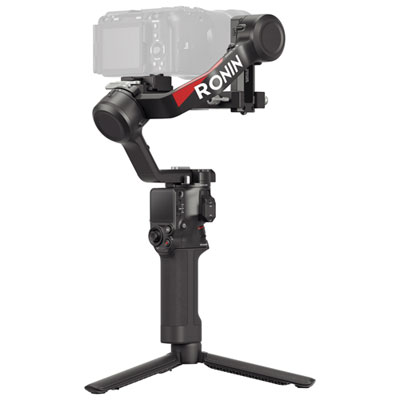
For video, in-body stabilization can reduce distracting handheld tremor during a seated interview, a close view of a craft project, or a gently reframed shot of a room. It does not necessarily remove the rise and fall of footsteps, abrupt changes in direction, or every visible wobble at the edges of a wide-angle image. Some cameras add electronic stabilization, which may crop the recorded view, so the effective framing can differ from the lens’s unstabilized field of view. Stabilization performance may also change between recording modes. For longer walking sequences or controlled moving shots, Mirrorless Camera Gimbals provide a separate form of support that can complement a camera’s built-in system, depending on compatibility and setup. Video-focused features such as reliable continuous autofocus, microphone and headphone connections, recording formats, and screen articulation remain important alongside stabilization. Battery endurance, memory-card requirements, and recording limits also affect how comfortably a camera fits into an extended session. A spare battery and a suitable card can be more useful for a day of photography than an accessory that adds bulk without serving a clear purpose. Day-to-day care helps protect both the camera and its stabilization mechanism: a padded compartment reduces knocks during transport, a body cap protects the open mount when no lens is attached, and a clean lens cloth helps remove fingerprints from exterior glass. Keeping the mount opening uncovered for as little time as practical during lens changes helps limit dust reaching the sensor. Sensor cleaning requires the correct tools and procedures; a delicate internal assembly is not a surface for household cleaners or improvised wiping. Secure straps, supported lenses, and careful storage also reduce unnecessary strain on the body and mount. With a comfortable lens pairing and controls that suit the photographer, a stabilized mirrorless camera can support everything from quiet handheld stills to more involved photo and video projects, while leaving room to build skills and expand the system over time.
Top selling and popular products
-
 Your price for this item is $1799.99
-
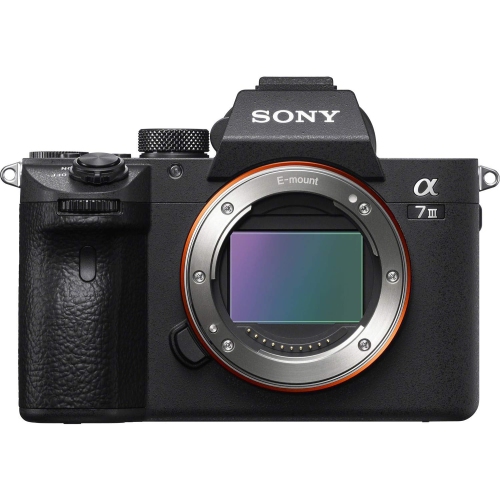 Your price for this item is $1899
-
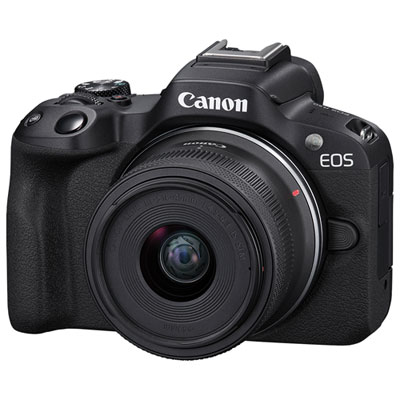 Your price for this item is $949.99
-
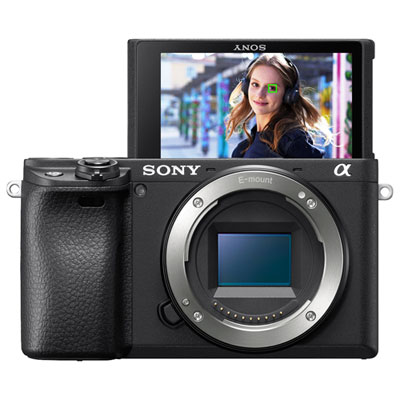 Your price for this item is $1049.99
-
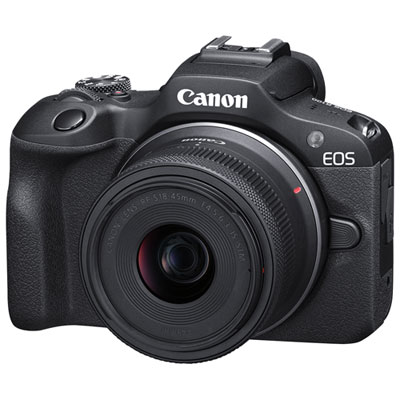 Your price for this item is $599.99
-
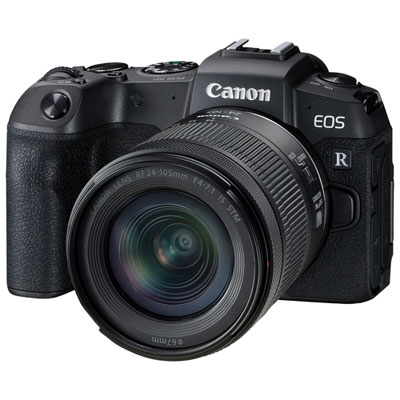 Your price for this item is $1299.99
-
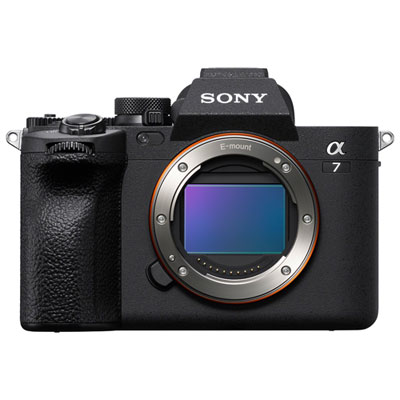 Your price for this item is $2699.99
-
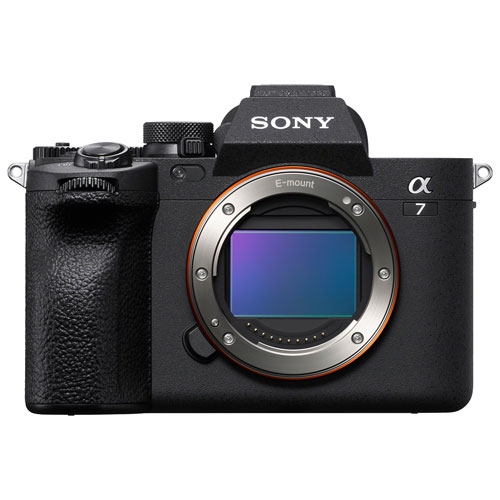 Your price for this item is $2469.99
Discover more categories related to Mirrorless Cameras With In Body Stabilization
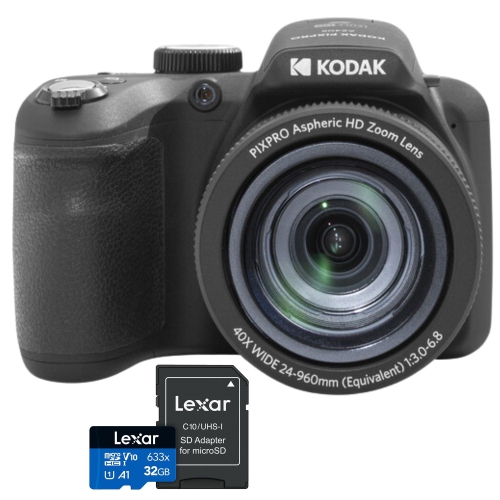

Top Collections:
Best Black Friday Deals This Year, Best Black Friday Deals On Electronics, Kindle Devices, Pokemon Centers, Best Black Friday Deals On Apple Products, Best Cameras for Sports Photography, Dyson Airwrap, Pokémon 30th Celebration Cards, Apple iPhone 17 Pro, Canon G7X Cameras
Some products may be subject to Environmental Handling Fees
(EHF) depending on your province.
Learn more about EHFs.