Sigma Lenses
Explore our wide selection of high-quality lenses designed to enhance your photography experience. Whether you are a beginner looking to upgrade your kit lens or a professional photographer in search of premium glass, we have a variety of lenses to suit your needs. From versatile zoom lenses to fast prime lenses, our collection offers options for every shooting situation. Upgrade your gear and capture stunning images with precision and clarity with our range of lenses.
Sort
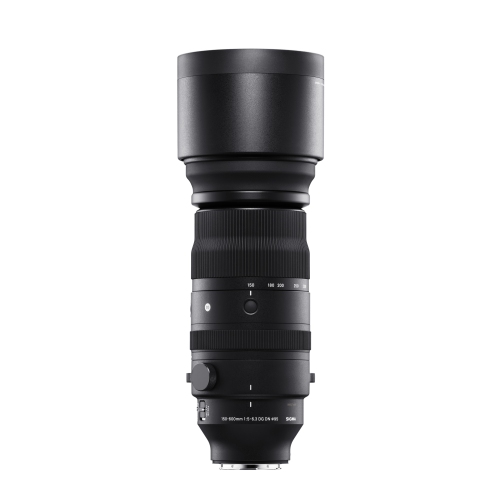
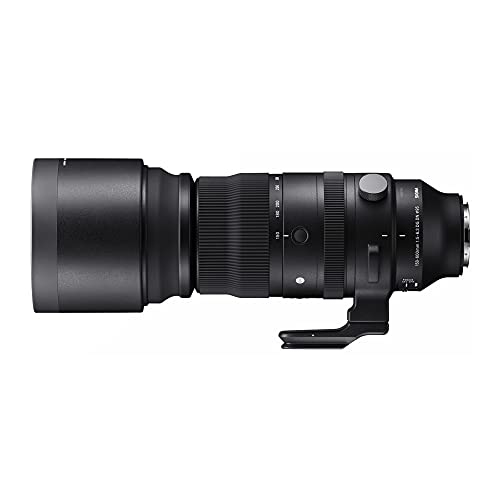
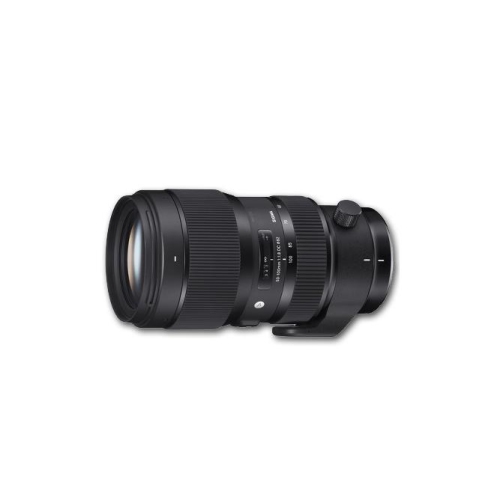
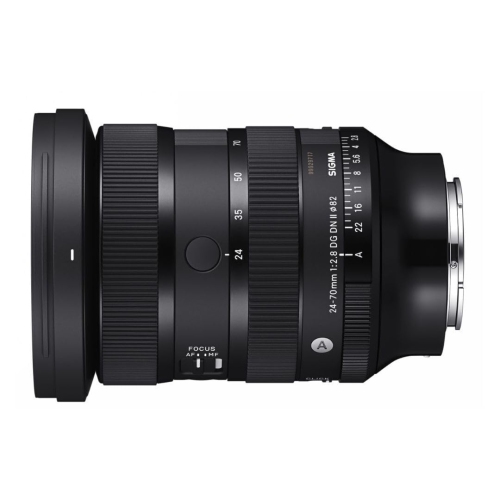
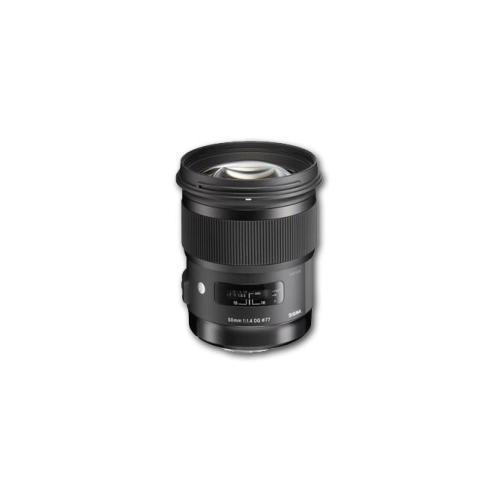
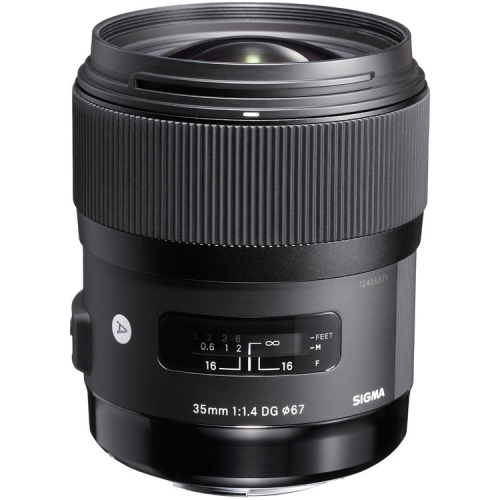
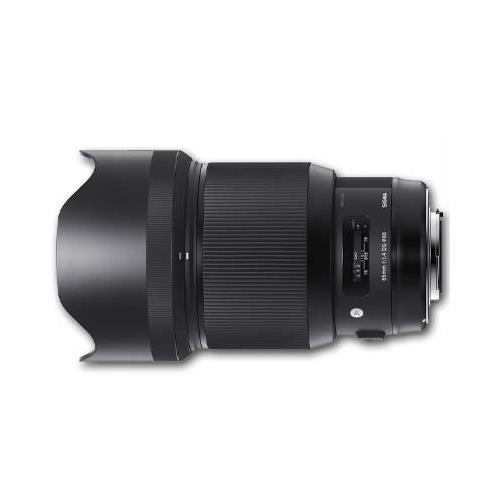
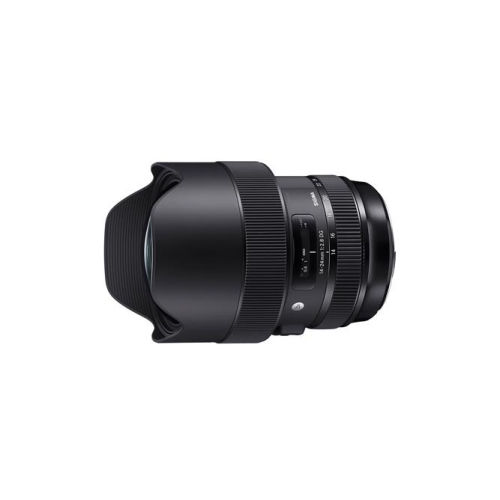
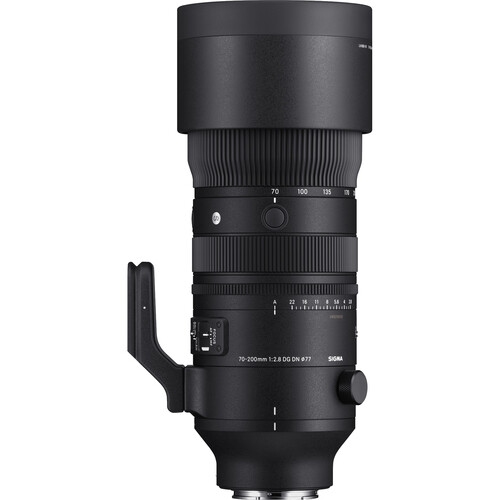
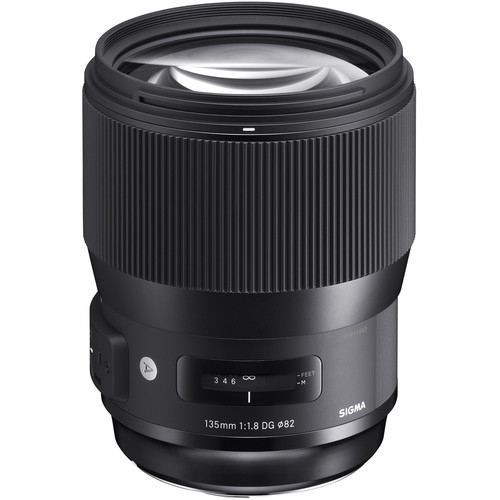
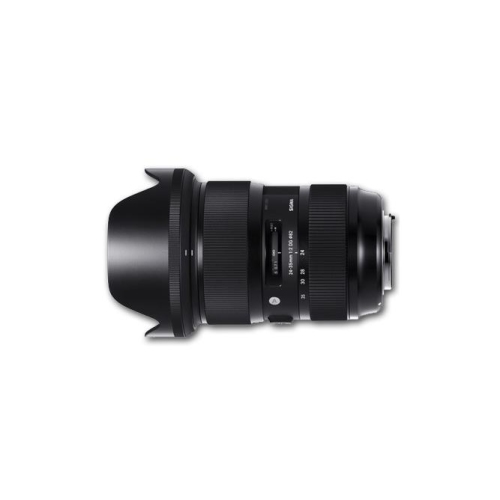
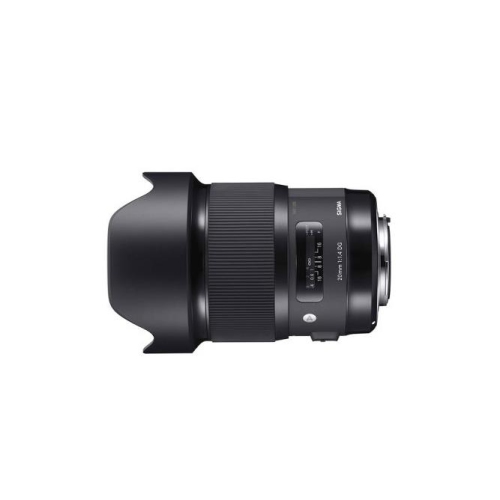
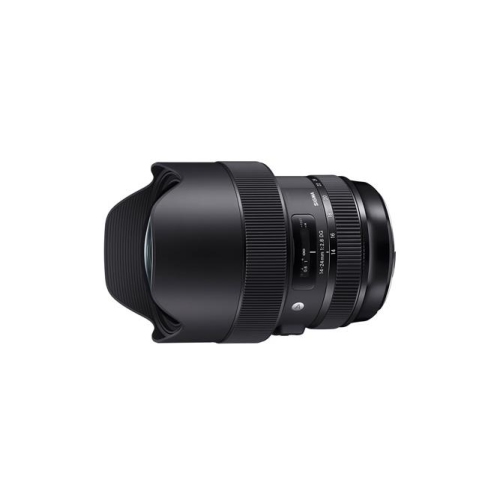
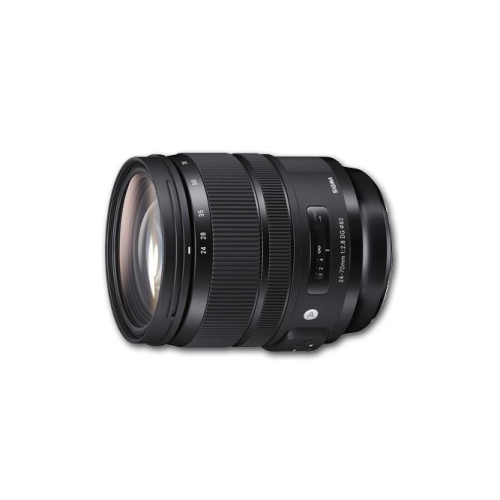
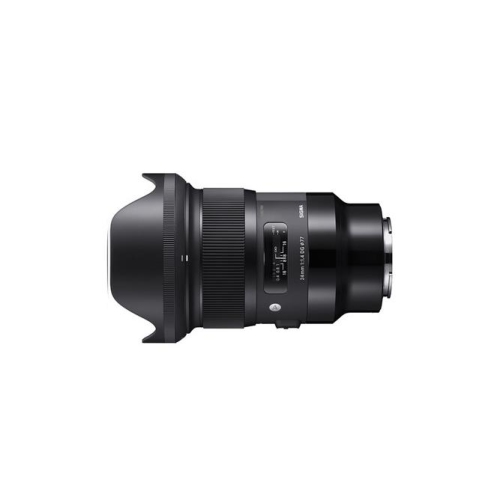
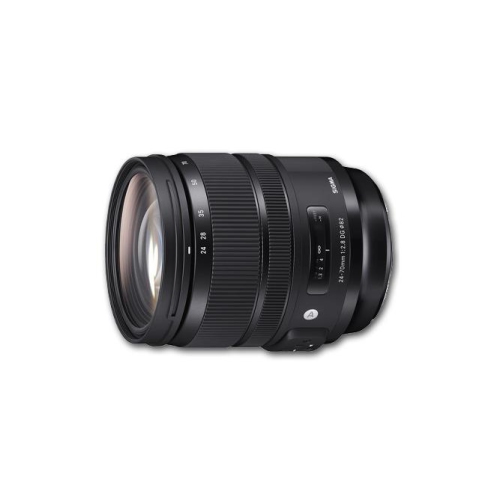
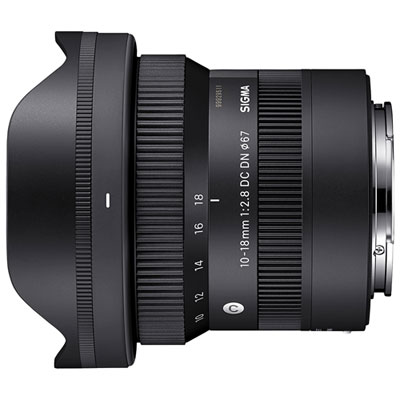
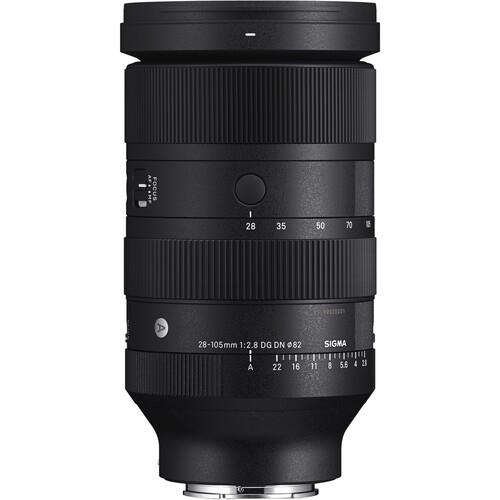
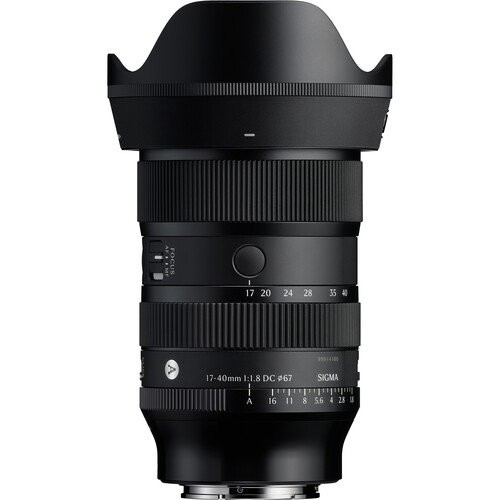
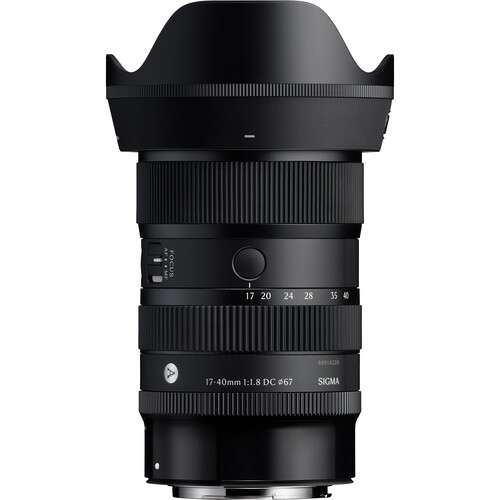
What fits your camera and the way you shoot
Sigma lenses span three main lines: Art, Contemporary and Sports. Art lenses emphasize optical performance and give photographers options for work such as portraits, architecture and studio photography. The Contemporary line balances optical performance with size and weight, which matters when a lens spends as much time over a shoulder as it does on a tripod. Sports lenses are designed with demanding action photography in mind, including subjects that move quickly or stay well beyond the photographer’s reach. Those names describe design priorities, not camera compatibility. Two lenses can share a focal length and maximum aperture yet have different mounts, so the mount listed on the lens needs to match the camera body unless a suitable adapter is used. E-mount, L-Mount, X Mount, RF mount, Z mount and Micro Four Thirds are examples of distinct mirrorless fittings, and a DSLR version is not interchangeable with a mirrorless version just because both lenses carry the same line name. The designation L Series Lenses refers to a separate lens family and is not another name for L-Mount. Sensor coverage is a separate part of the fit. In Sigma’s naming, DG denotes full-frame coverage, DC identifies designs for smaller sensors, typically APS-C, and DN, where it appears, denotes a mirrorless design. A full-frame lens on a compatible APS-C body gives a narrower view than it does on full frame, even though the focal length itself does not change. In the other direction, a lens designed for APS-C may leave dark corners on a compatible full-frame body or prompt the camera to use a crop mode that captures fewer pixels. Checking both the mount and the sensor format is especially useful when moving from a DSLR to a mirrorless body or buying a lens for someone else whose camera looks much like an older model.
Focal length affects how much of a scene fits in the frame from a given spot. A wide-angle lens can take in both sides of a narrow kitchen for an interior photograph, while a telephoto can fill the frame with a player from the far side of a rink. A standard zoom covers the space between those extremes, making it useful when there’s room for only one lens in the bag or no easy way to step closer. A prime has a fixed focal length, so changing the framing usually means moving or cropping afterward. Many primes offer a wide maximum aperture, useful for separating a face from a busy background or keeping shutter speeds up in a dim room. For a group portrait with people in more than one row, a smaller aperture can keep more faces in focus. A zoom with a constant maximum aperture keeps its widest setting throughout the zoom range, which can help when shifting from a wide view of a performance to a tighter frame under the same lighting. Close-up work calls for a different set of details. Minimum focusing distance gives an idea of how close the camera can be to the subject, while maximum magnification gives a clearer sense of how large a detail, such as the engraving on a watch, can appear in the image. Optical stabilization, when built into a lens, helps reduce blur caused by hand movement; a fast shutter speed is still what freezes a moving subject. Autofocus performance also depends on the camera body and its settings, so a lens intended for action is only one part of that setup. Someone who mainly photographs still subjects may care more about a focus ring that turns smoothly and allows small adjustments, especially when working close enough for a slight shift to move the point of focus off the intended detail.
Construction matters most when it affects how the camera feels and how well the lens stands up to regular handling. Glass elements and their coatings influence contrast and help manage reflections, something that can be noticeable when bright stage lights sit just outside the frame. Barrels may combine metal and engineered plastics to balance rigidity and weight. A substantial lens may feel steady in both hands but pull forward on a small body, while a lighter lens may be easier to carry through a museum or keep at eye level for a long stretch. With a heavier telephoto, supporting the barrel from underneath takes strain off the camera mount; a tripod collar, where fitted, balances the setup closer to its centre of gravity. Filter thread diameter is worth checking if a photographer already owns filters, since it has no direct relationship to focal length. A hood can shade the front element from stray light and offer some protection against incidental knocks. For routine care, a hand blower can lift loose grit before the glass is wiped with a clean lens cloth. Keeping both caps on between uses and setting the camera on a steady surface before changing lenses can help protect the glass and keep debris away from the mount. Seals on some designs help keep dust and splashes out, but they do not make a lens waterproof. As a gift, a lens is most useful when it adds something the recipient’s kit does not already do well: a wider view for someone photographing interiors, more reach for a sideline photographer, or closer focusing for someone who likes capturing the small details of jewellery or handmade objects. Along with confirming the exact camera model, finding out what the recipient already carries helps distinguish a lens they’ll reach for from one that simply overlaps with what’s in the bag.
Top selling and popular products
-
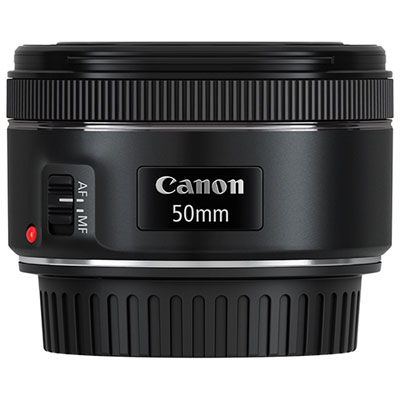 Your price for this item is $169.99
-
 Your price for this item is $279.99
-
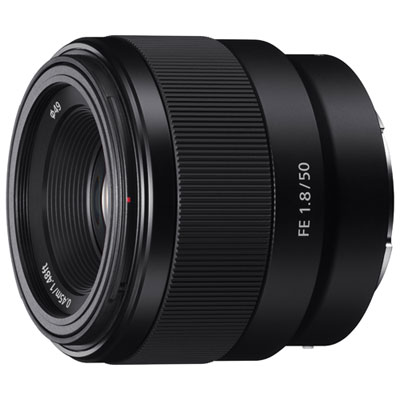 Your price for this item is $299.99
-
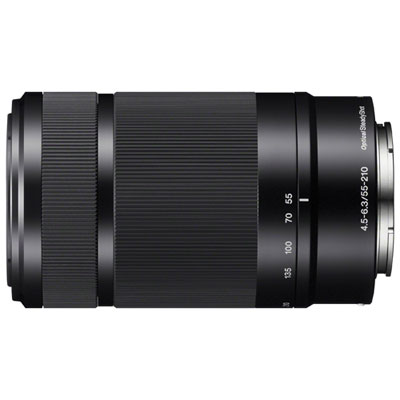 Your price for this item is $399.99
-
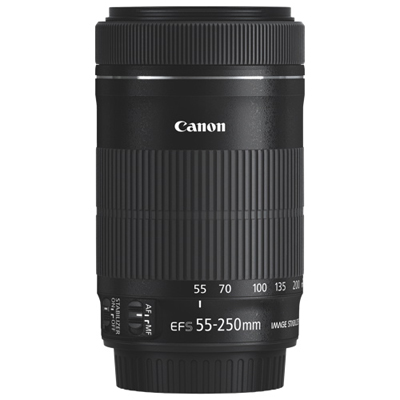 Your price for this item is $399.99
-
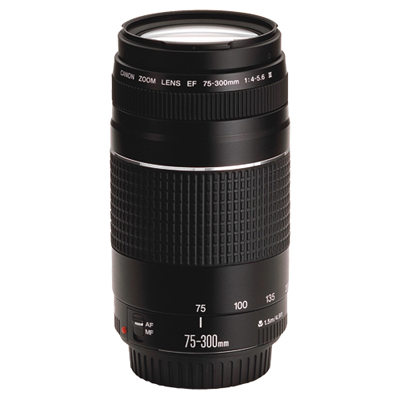 Your price for this item is $199.99
-
 Your price for this item is $539.99
-
 Your price for this item is $174.99
Discover more categories related to Sigma Lenses
Top Collections:
Best Black Friday Deals This Year, Best Black Friday Deals On Electronics, Kindle Devices, Pokemon Centers, Best Black Friday Deals On Apple Products, Best Cameras for Sports Photography, Dyson Airwrap, Pokémon 30th Celebration Cards, Apple iPhone 17 Pro, Canon G7X Cameras
Some products may be subject to Environmental Handling Fees
(EHF) depending on your province.
Learn more about EHFs.