L Series Lenses
Capture every detail with precision and clarity using our wide range of L-series lenses. Designed to deliver exceptional image quality, these lenses are a must-have for professional photographers and enthusiasts alike. With advanced optical technology and superior build quality, our L-series lenses offer unrivaled performance in capturing stunning landscapes, portraits, and action shots. Whether you're shooting in low-light conditions or looking to achieve that perfect bokeh effect, our L-series lenses empower you to take your photography to the next level. Explore our collection today and elevate your visual storytelling like never before.
Sort
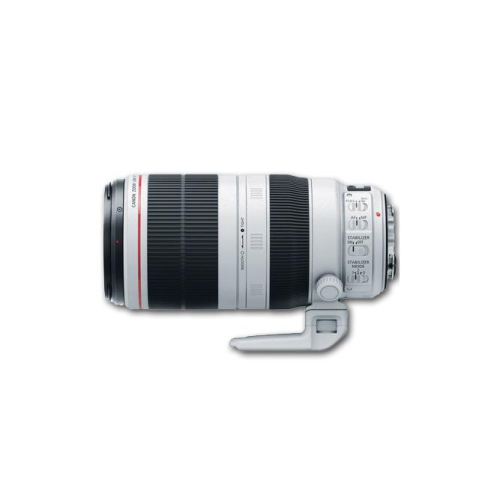
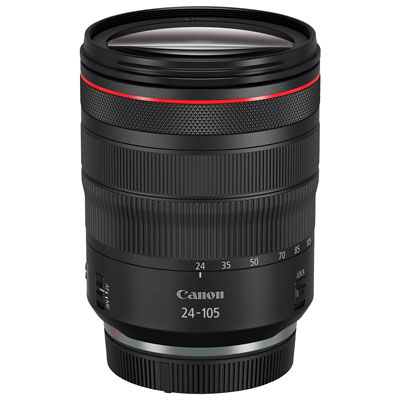
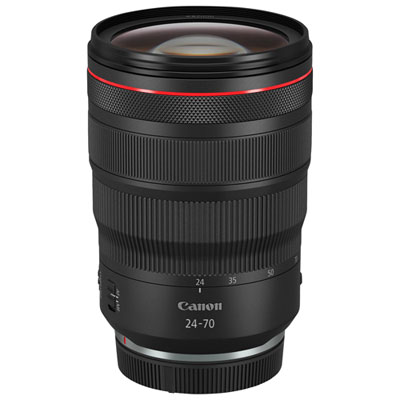
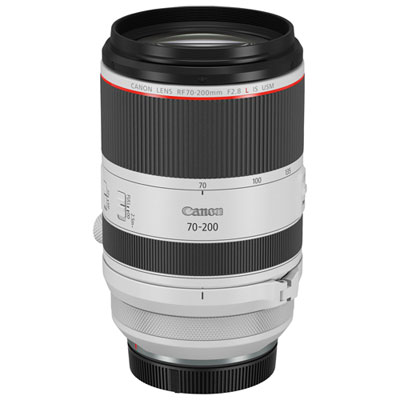
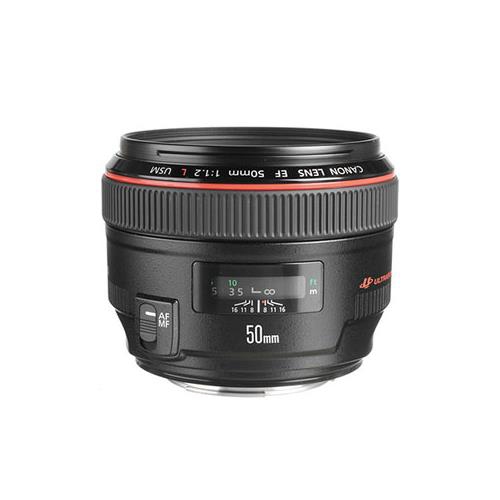
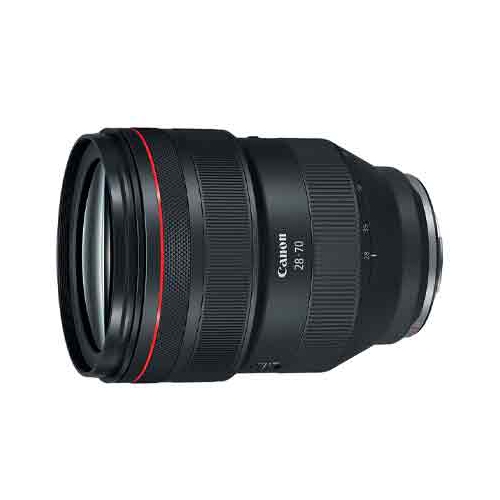
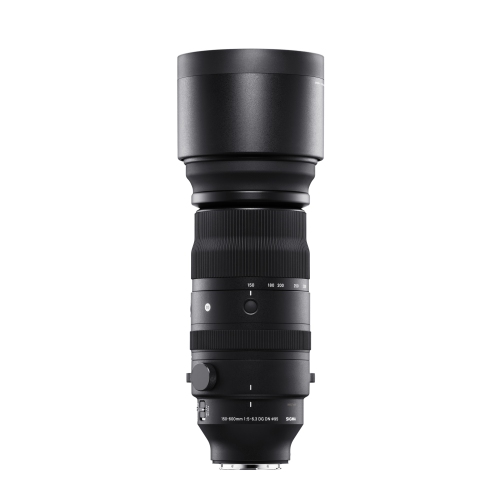
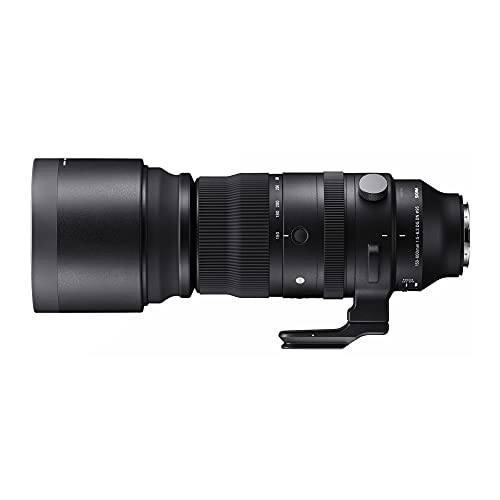



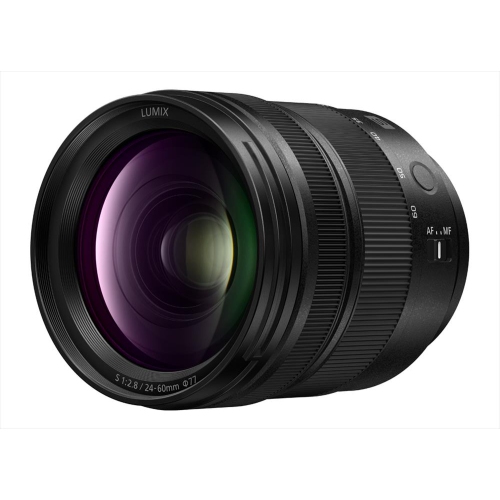
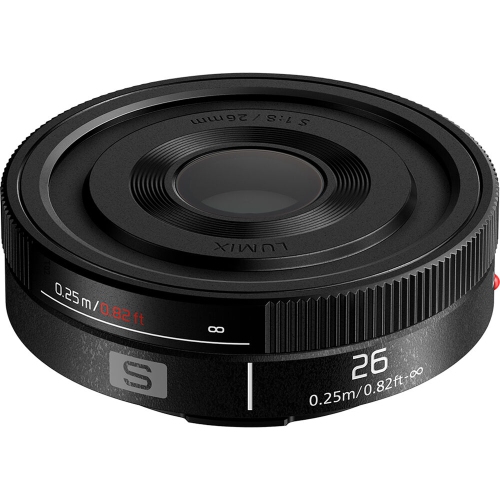
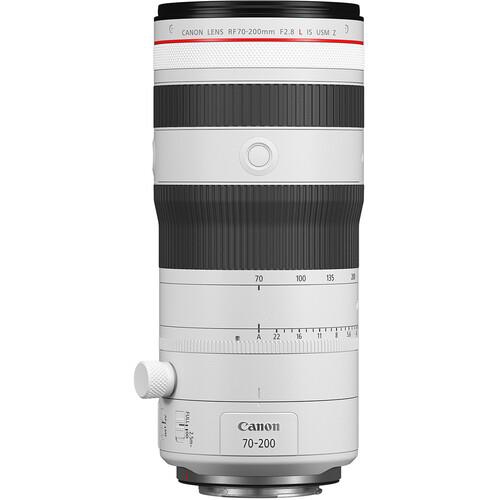
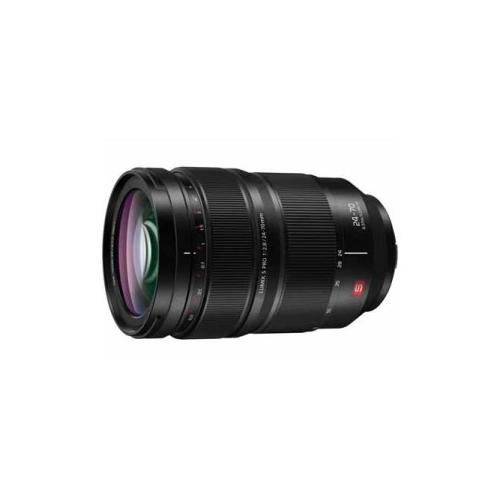
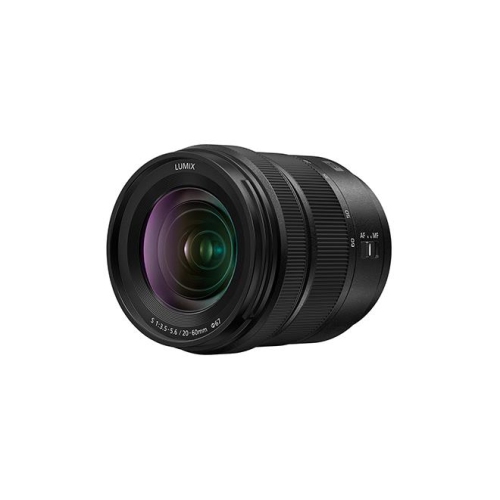
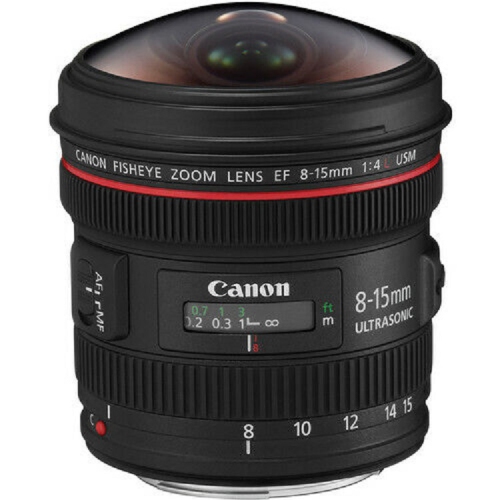
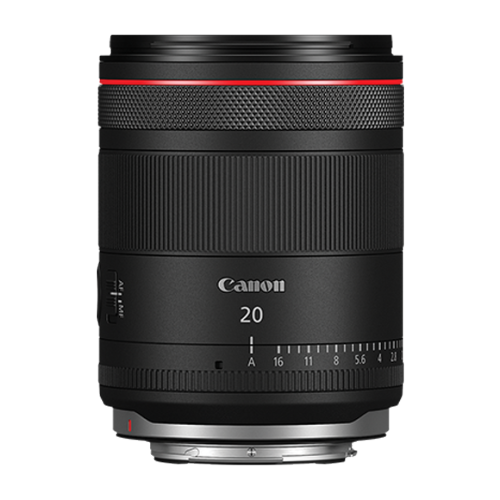

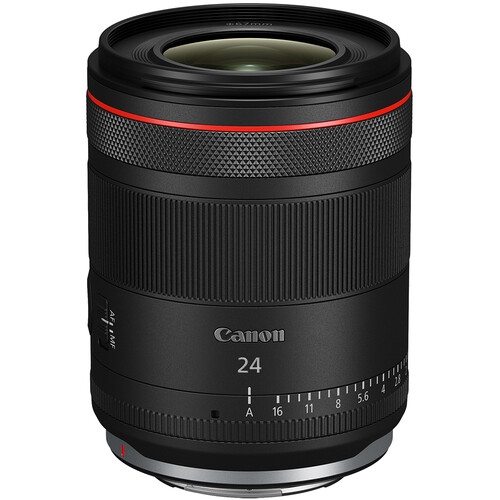
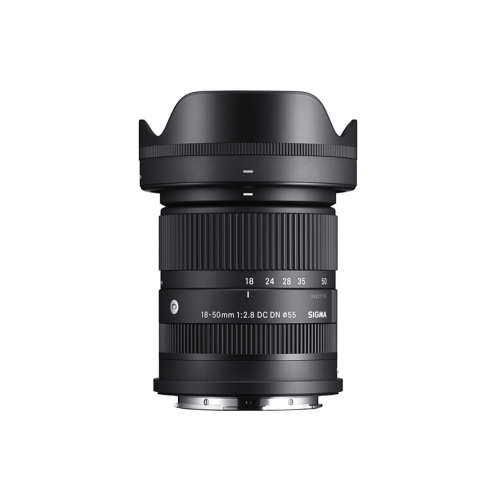
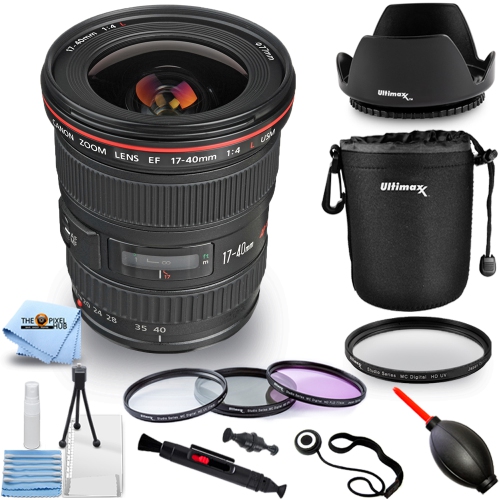
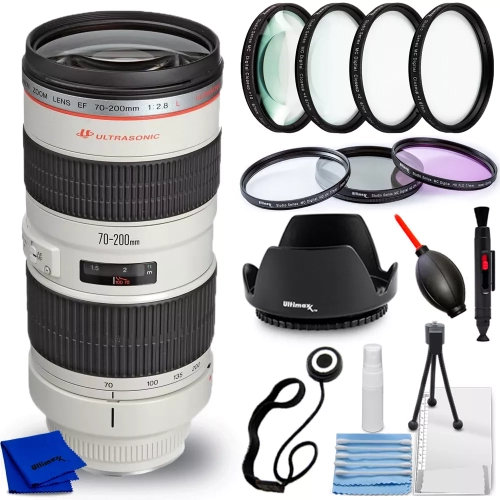

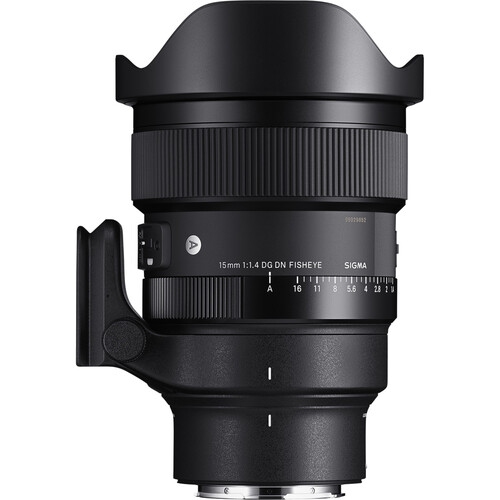
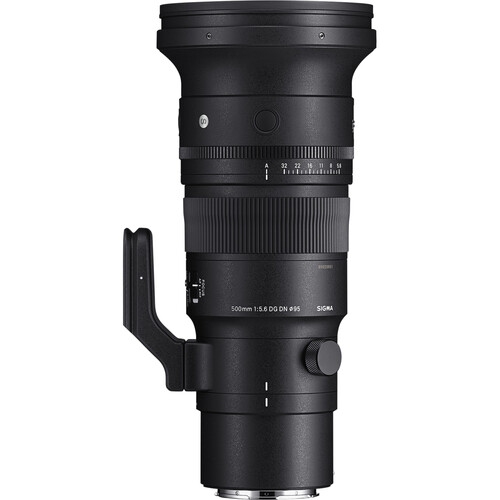
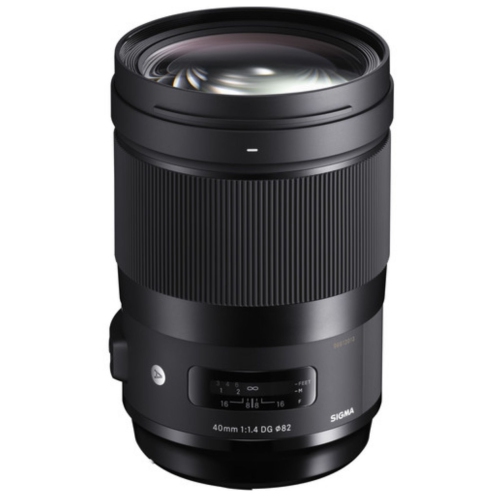
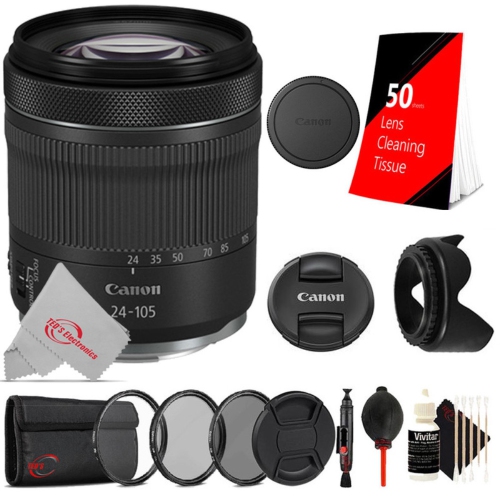
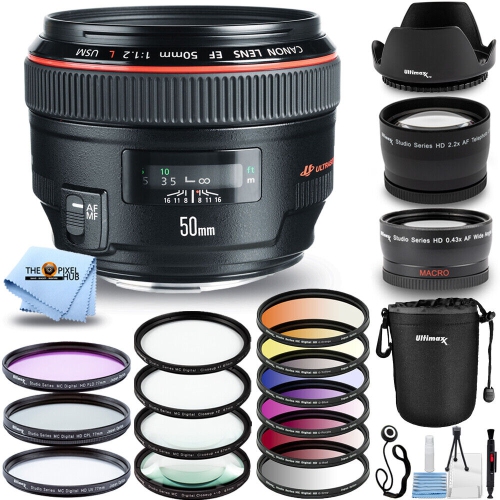
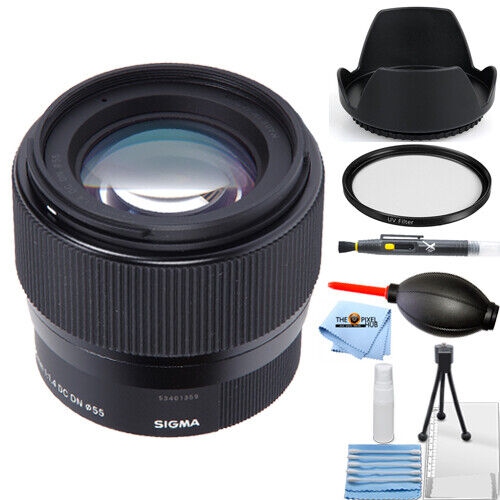
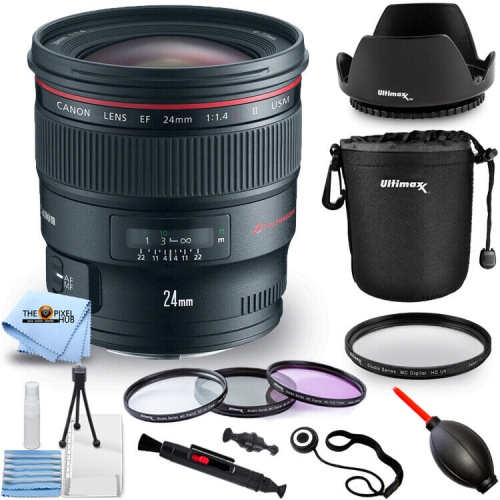
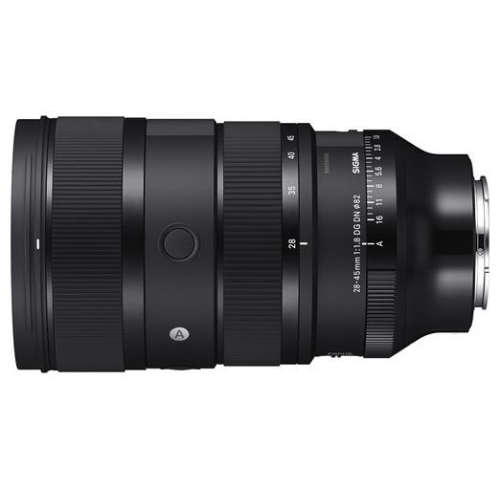
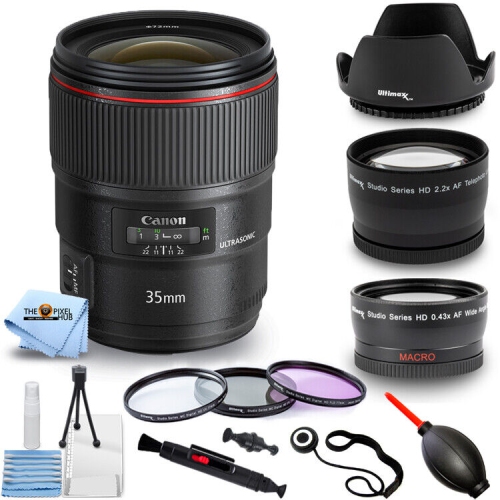
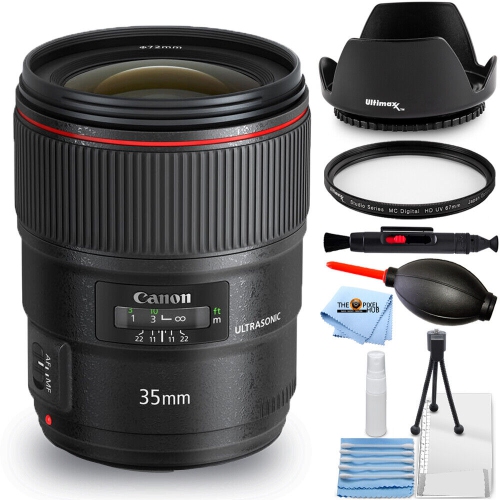
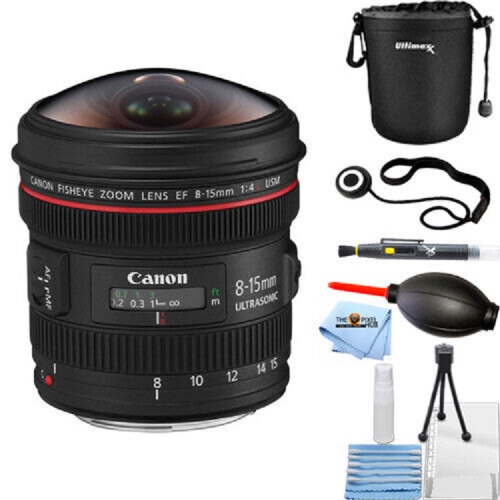
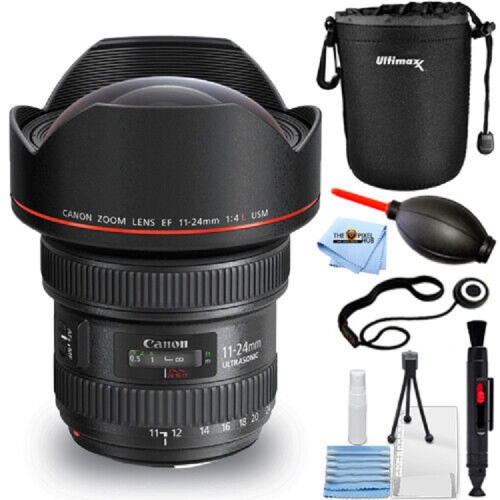
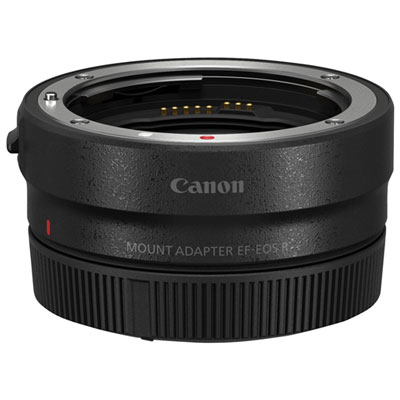
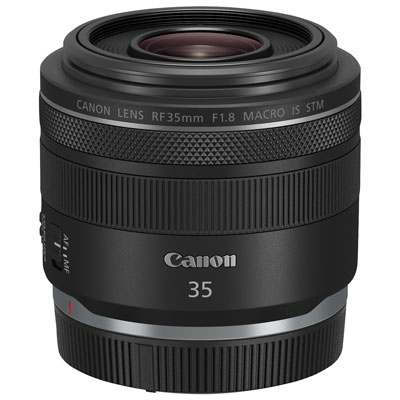
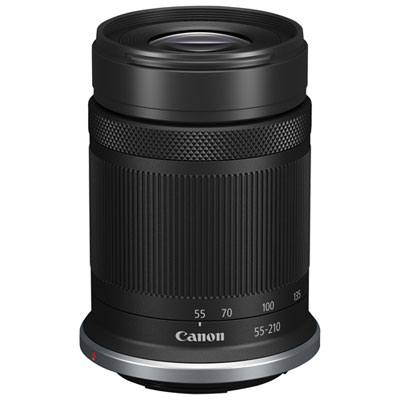
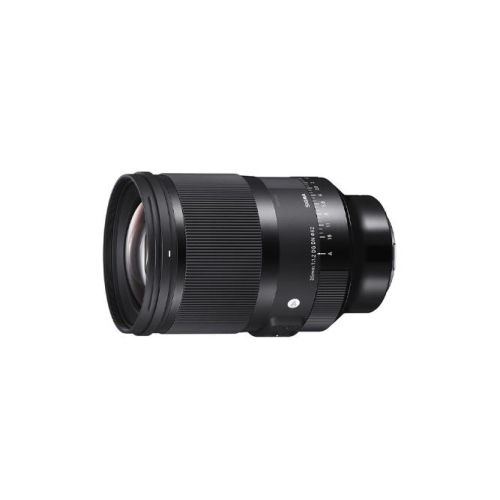

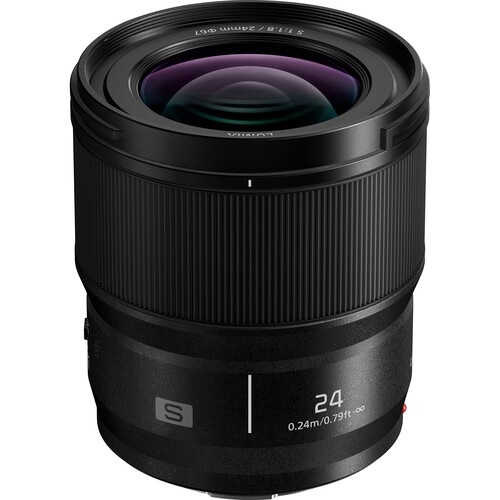
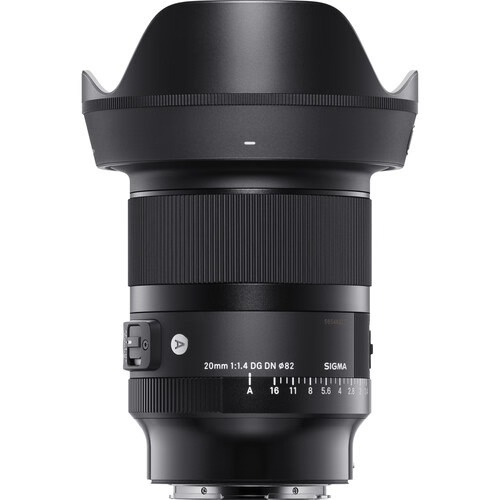
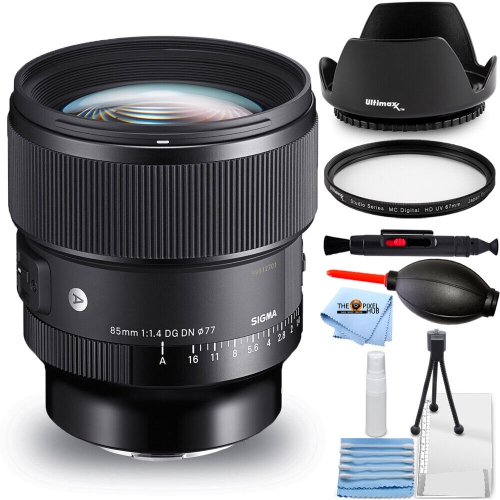
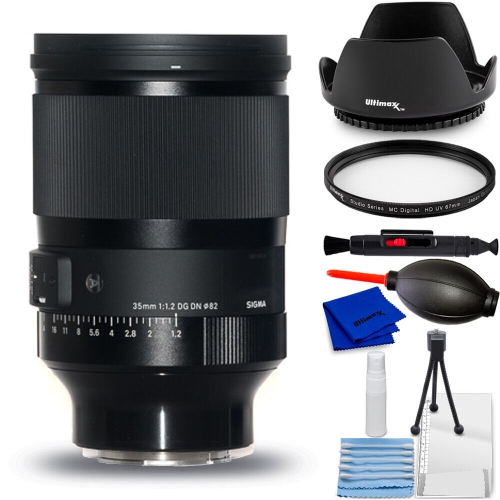
What the red ring means for your photography
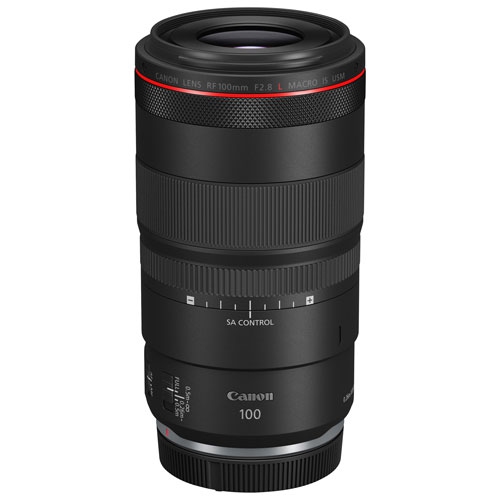
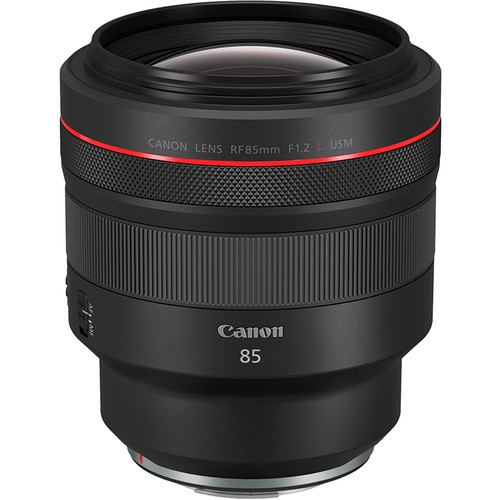
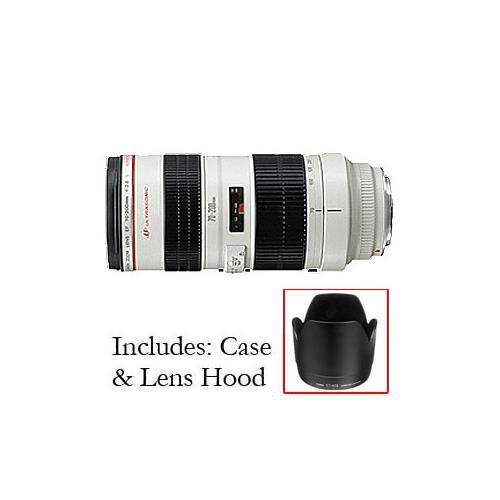
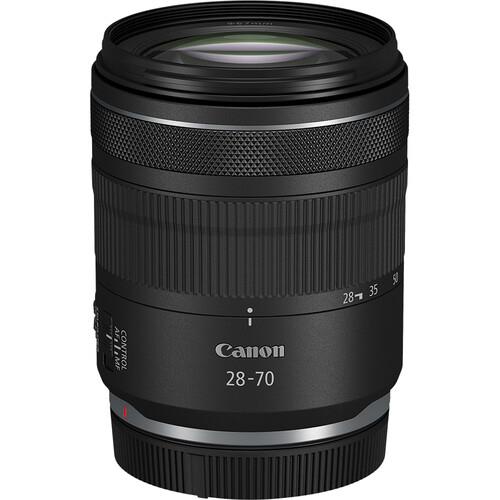
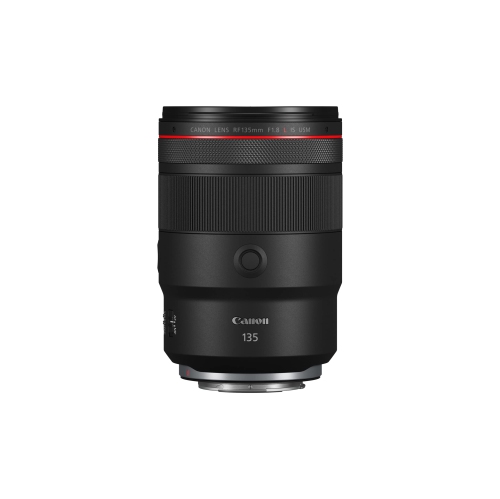
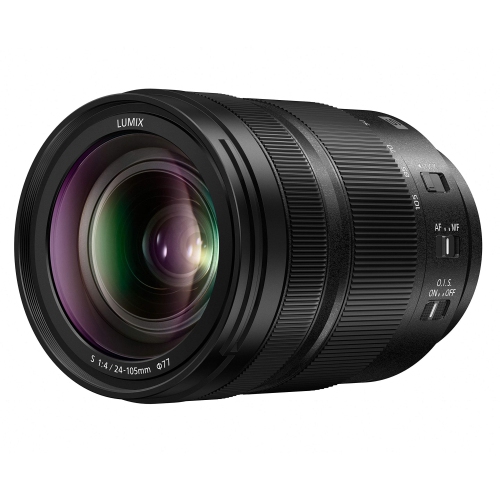
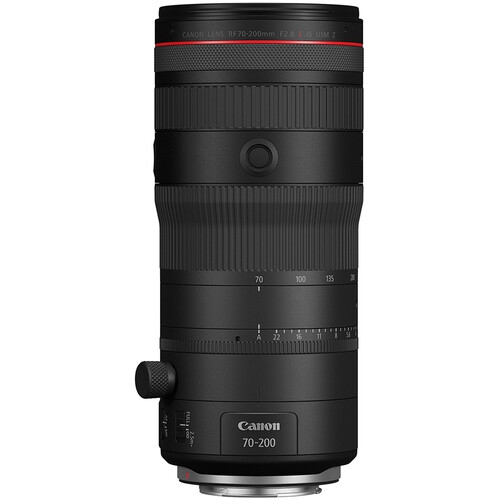
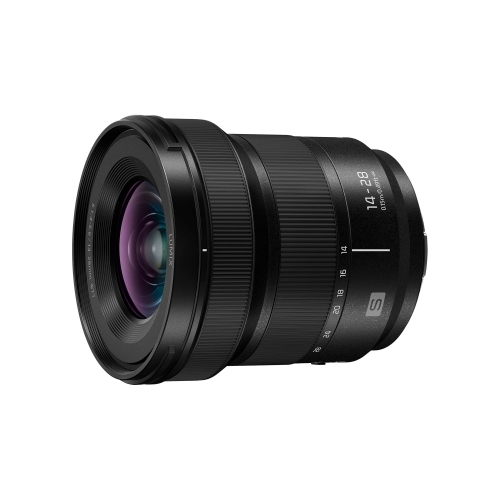
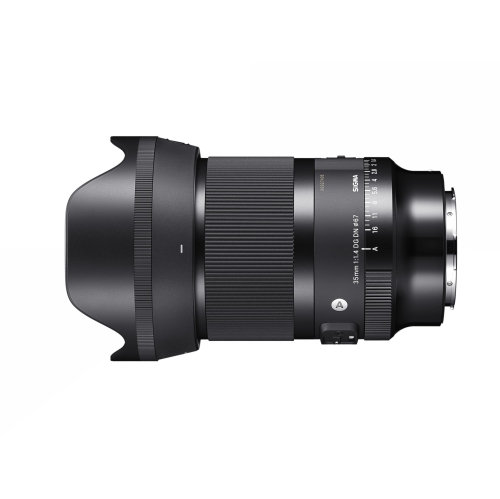
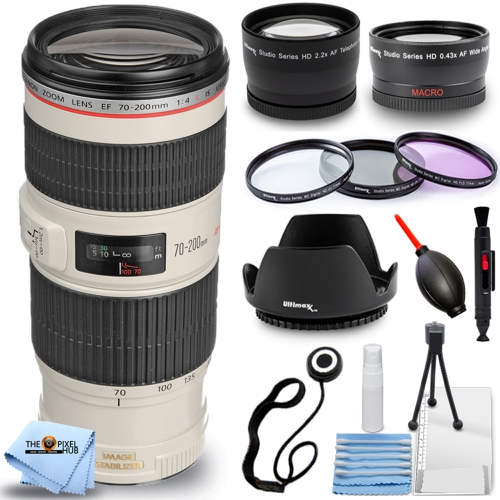
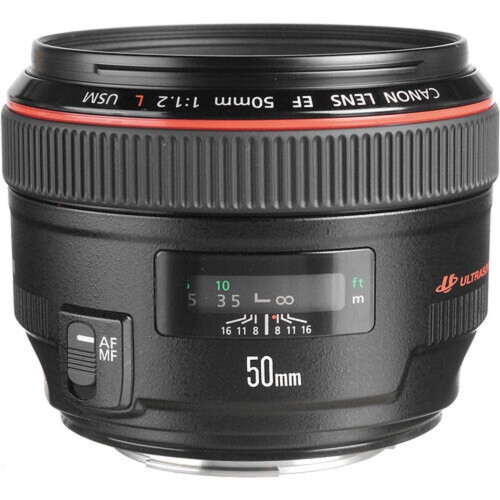
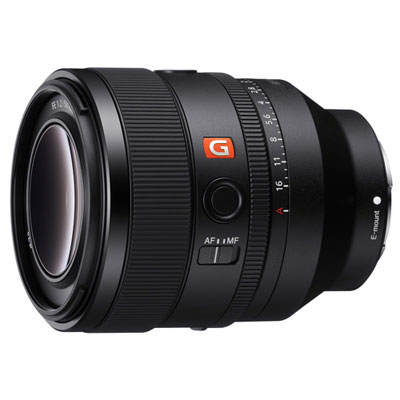
L-series lenses are a family of professional-grade interchangeable camera lenses, recognizable by the red ring around the lens barrel. The “L” designation stands for luxury, reflecting an emphasis on advanced optical design, substantial construction, and features suited to demanding photography and video work. The range includes both prime lenses, which have a fixed focal length, and zoom lenses, which cover multiple focal lengths in one lens. Wide-angle designs take in expansive views and architectural interiors, standard focal lengths suit everyday storytelling, and telephoto lenses bring distant subjects closer within the frame. Depending on the design, specialized optical elements may include fluorite, ultra-low dispersion glass, or aspherical elements. These help control colour fringing, distortion, and other optical aberrations that can soften detail or affect how edges appear. Lens coatings also help manage flare and ghosting when bright light enters the frame, although results still depend on the scene and shooting angle. For a portrait photographer, that optical control can mean clearly defined eyelashes against a softly blurred background; for someone photographing interiors, it can help preserve fine textures and detail across the image. Many L-series zoom lenses have a constant maximum aperture, such as f/2.8 or f/4, so the widest available aperture stays the same as the focal length changes. Some primes offer wider openings, including f/1.2 or f/1.4, for gathering more light and creating a shallow depth of field. These characteristics vary by lens rather than applying to every design. A wide aperture can support faster shutter speeds in dim indoor light, but it also makes precise focusing more important because less of the scene appears sharp. The appeal of L-series lenses extends beyond professional assignments: dedicated hobbyists, photography students building a long-term kit, and experienced creators can also value their handling, optical performance, and specialized capabilities.
Camera compatibility is a practical starting point when considering L-series lenses, since the designation describes a lens family rather than a single camera mount. EF-mount and RF-mount lenses attach to different camera systems, and a matching mount matters more than the red ring. EF lenses can generally be used on RF-mount cameras with a compatible mount adapter, while RF lenses are not designed to fit EF-mount DSLR bodies. Sensor size matters as well. A lens used on a smaller sensor gives a narrower angle of view than the same focal length on a full-frame sensor, even though the lens’s actual focal length does not change. That distinction can affect whether a lens feels wide enough for a small room or tight enough for a distant performer. Beyond fit, focal length and working distance shape the experience of taking pictures. A portrait lens that provides flattering framing from several steps away may be awkward in a compact home studio, while a wide-angle lens can include the whole room but exaggerate the appearance of subjects placed very close to the camera. Zooms are useful when movement is restricted, such as photographing a ceremony from an assigned position. Primes suit photographers who prefer a particular angle of view or need an aperture wider than a comparable zoom offers. For close-up subjects, minimum focusing distance and maximum magnification deserve attention; a long focal length alone does not make a lens suitable for detailed photographs of jewellery or tiny objects. Autofocus performance also varies, with different motor designs balancing speed, smoothness, and operating noise. Still photographers following a moving subject may prioritize responsive tracking, while video creators may place more emphasis on gentle focus transitions and minimal focus breathing, the change in framing that can occur during focusing. Camera settings, body capabilities, and lens design all influence those results.
Build quality, balance, and care are important parts of owning L-series lenses, particularly when a camera stays in hand for hours. Construction varies, with designs using combinations of metal, engineered plastics, precision glass, and protective seals. Many offer resistance to dust and moisture, but protection differs by lens, and some require a front filter to complete the specified sealing. Resistance is not the same as waterproofing. Larger apertures and longer focal lengths can add considerable weight, so the way a lens balances on the camera is worth considering alongside its optical specifications. A substantial telephoto lens may benefit from a monopod or tripod, and a supplied or compatible tripod collar can help support the setup nearer its centre of gravity. For handheld work, optical image stabilization can reduce blur caused by camera shake; the related selection of IS Lenses is relevant when that feature is a priority. Stabilization does not freeze a moving subject, so photographing a dancer or an active pet still calls for a sufficiently fast shutter speed. Its effectiveness also depends on technique, focal length, and any supported coordination with in-body stabilization. Everyday handling makes a difference to long-term condition. Front and rear caps protect exposed surfaces during storage, a properly fitted hood helps shield the front element from stray light and incidental contact, and padded compartments keep lenses from knocking together in a camera bag. Loose grit is best removed with a hand blower before a clean lens cloth or suitable optical cleaning material touches the glass. Spraying cleaning fluid directly onto the lens, forcing a stiff control ring, or changing lenses in dusty surroundings can create avoidable problems. Filter diameter, hood fit, adapter requirements, and carrying space are useful details to confirm, especially when choosing a lens as a gift. For a recipient who already enjoys photography, matching their camera system and favourite subjects is more meaningful than choosing by size alone. A lens that fits naturally into their kit can support everything from carefully lit portraits to documentary projects, close-up studies, and distant action.
Camera compatibility is a practical starting point when considering L-series lenses, since the designation describes a lens family rather than a single camera mount. EF-mount and RF-mount lenses attach to different camera systems, and a matching mount matters more than the red ring. EF lenses can generally be used on RF-mount cameras with a compatible mount adapter, while RF lenses are not designed to fit EF-mount DSLR bodies. Sensor size matters as well. A lens used on a smaller sensor gives a narrower angle of view than the same focal length on a full-frame sensor, even though the lens’s actual focal length does not change. That distinction can affect whether a lens feels wide enough for a small room or tight enough for a distant performer. Beyond fit, focal length and working distance shape the experience of taking pictures. A portrait lens that provides flattering framing from several steps away may be awkward in a compact home studio, while a wide-angle lens can include the whole room but exaggerate the appearance of subjects placed very close to the camera. Zooms are useful when movement is restricted, such as photographing a ceremony from an assigned position. Primes suit photographers who prefer a particular angle of view or need an aperture wider than a comparable zoom offers. For close-up subjects, minimum focusing distance and maximum magnification deserve attention; a long focal length alone does not make a lens suitable for detailed photographs of jewellery or tiny objects. Autofocus performance also varies, with different motor designs balancing speed, smoothness, and operating noise. Still photographers following a moving subject may prioritize responsive tracking, while video creators may place more emphasis on gentle focus transitions and minimal focus breathing, the change in framing that can occur during focusing. Camera settings, body capabilities, and lens design all influence those results.
Build quality, balance, and care are important parts of owning L-series lenses, particularly when a camera stays in hand for hours. Construction varies, with designs using combinations of metal, engineered plastics, precision glass, and protective seals. Many offer resistance to dust and moisture, but protection differs by lens, and some require a front filter to complete the specified sealing. Resistance is not the same as waterproofing. Larger apertures and longer focal lengths can add considerable weight, so the way a lens balances on the camera is worth considering alongside its optical specifications. A substantial telephoto lens may benefit from a monopod or tripod, and a supplied or compatible tripod collar can help support the setup nearer its centre of gravity. For handheld work, optical image stabilization can reduce blur caused by camera shake; the related selection of IS Lenses is relevant when that feature is a priority. Stabilization does not freeze a moving subject, so photographing a dancer or an active pet still calls for a sufficiently fast shutter speed. Its effectiveness also depends on technique, focal length, and any supported coordination with in-body stabilization. Everyday handling makes a difference to long-term condition. Front and rear caps protect exposed surfaces during storage, a properly fitted hood helps shield the front element from stray light and incidental contact, and padded compartments keep lenses from knocking together in a camera bag. Loose grit is best removed with a hand blower before a clean lens cloth or suitable optical cleaning material touches the glass. Spraying cleaning fluid directly onto the lens, forcing a stiff control ring, or changing lenses in dusty surroundings can create avoidable problems. Filter diameter, hood fit, adapter requirements, and carrying space are useful details to confirm, especially when choosing a lens as a gift. For a recipient who already enjoys photography, matching their camera system and favourite subjects is more meaningful than choosing by size alone. A lens that fits naturally into their kit can support everything from carefully lit portraits to documentary projects, close-up studies, and distant action.
Top selling and popular products
-
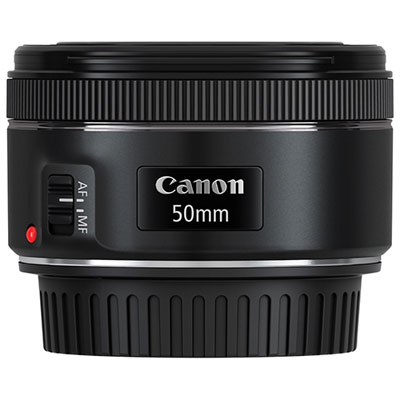 Your price for this item is $169.99
 -
 Your price for this item is $329.99
 -
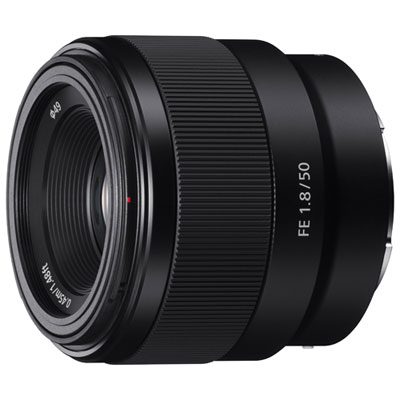 Your price for this item is $349.99
 -
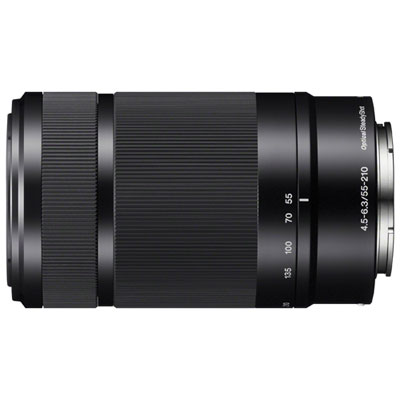 Your price for this item is $399.99
 -
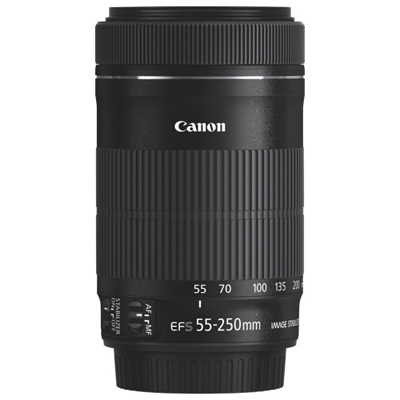 Your price for this item is $399.99
 -
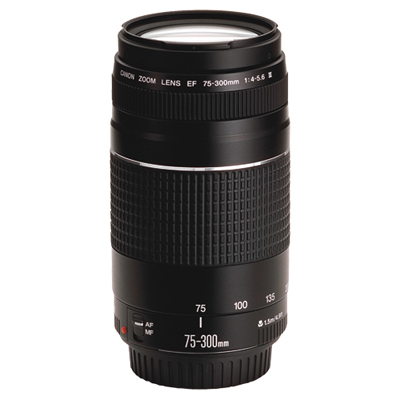 Your price for this item is $199.99
 -
 Your price for this item is $174.99
 -
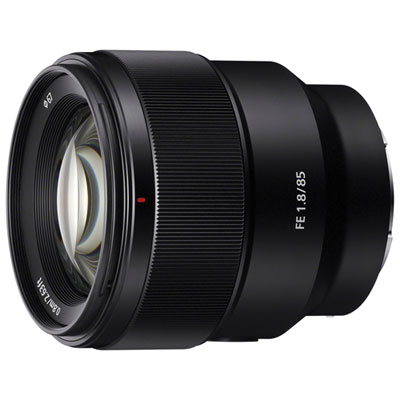 Your price for this item is $749.99
Discover more categories related to L Series Lenses
Top Collections:
Pokemon Centers, Kindle Devices, Best Budget Office Chairs, Apple iPhones 16, Best Laptops for Writers, iPhone 15 Apple, Canon G7X Cameras, Refurbished Apple Laptops, Alarm Clock, Motorola Razr Phones
Some products may be subject to Environmental Handling Fees
(EHF) depending on your province.
Learn more about EHFs.