Fluid Head Tripods
Whether you're a professional photographer or an aspiring content creator, our range of fluid head tripods offers the ideal solution to meet your needs. With their adjustable height, sturdy construction, and easy-to-use features, these tripods are a must-have accessory for any camera enthusiast. Explore our selection today and take your photography skills to new heights!
Sort
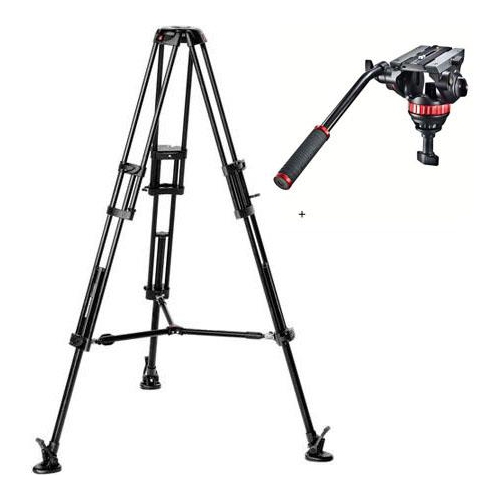
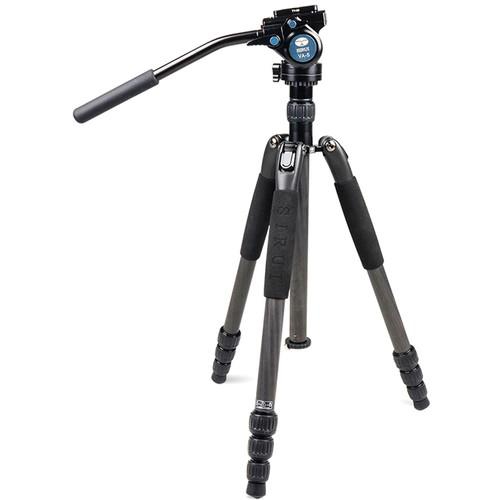
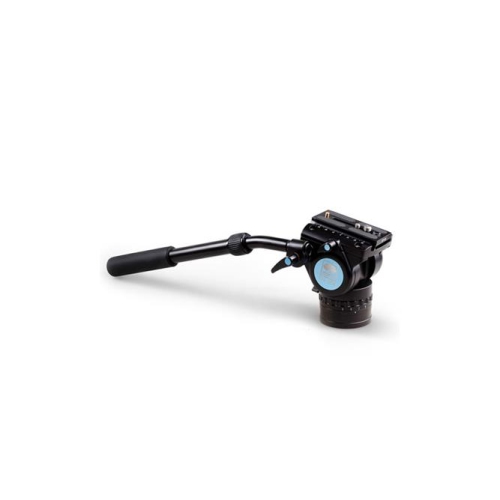

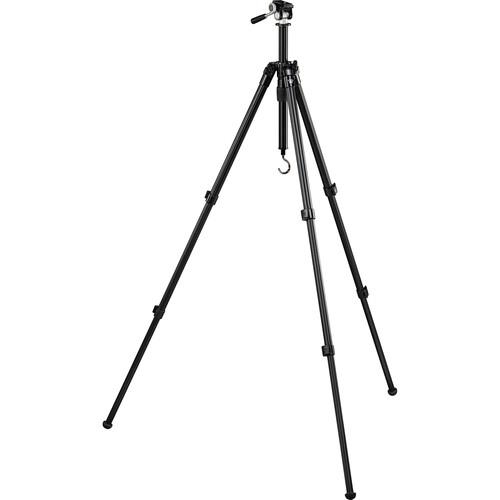
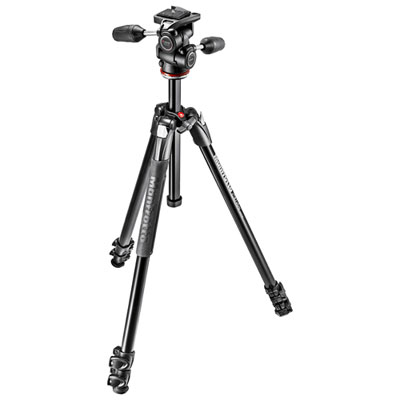
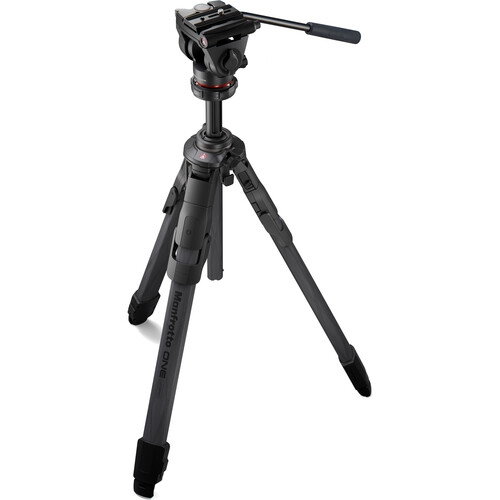
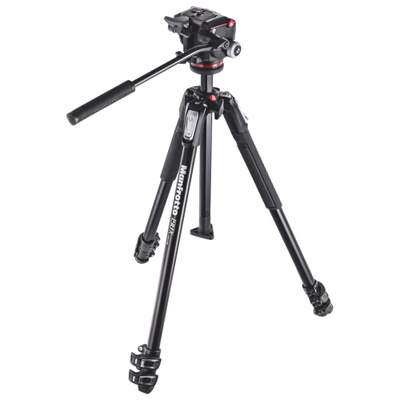
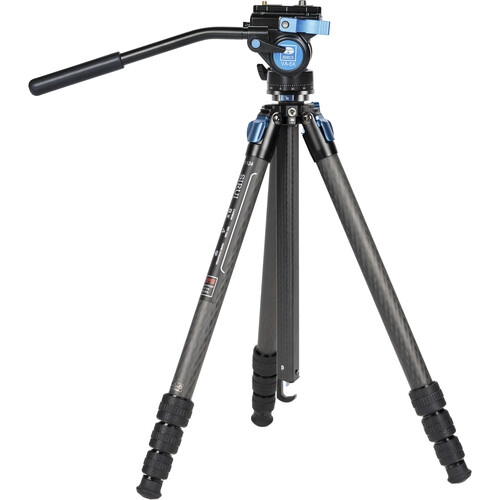
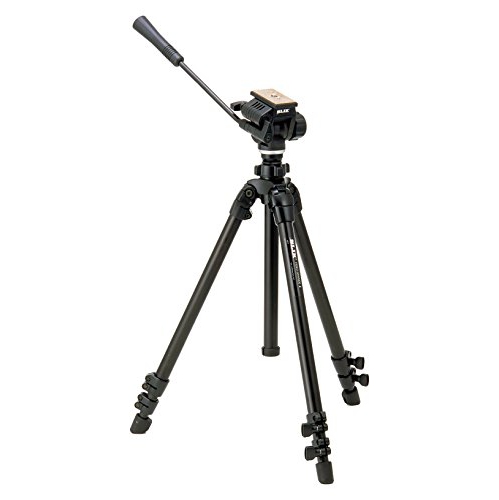

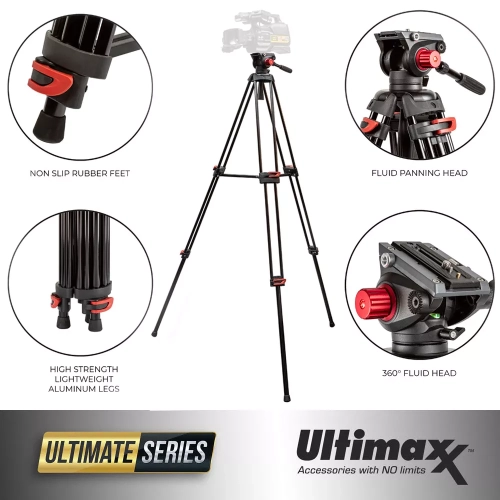
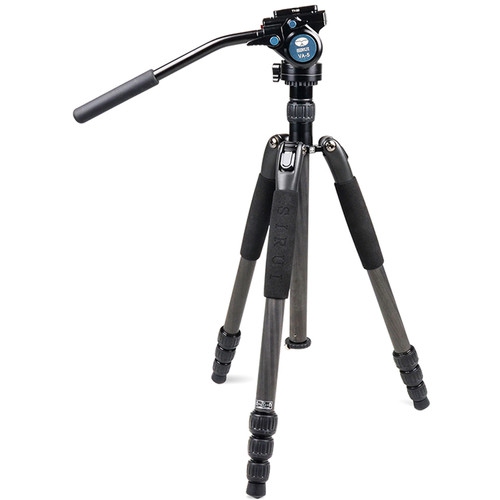
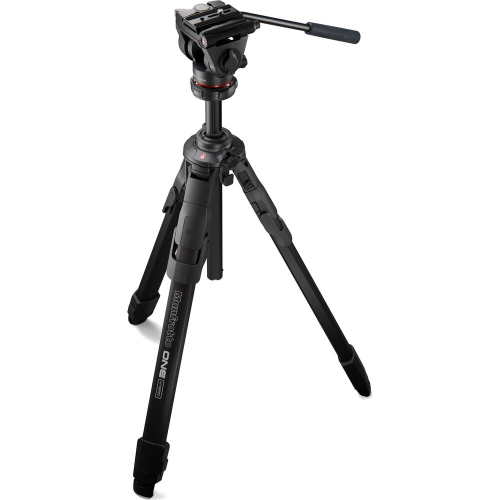
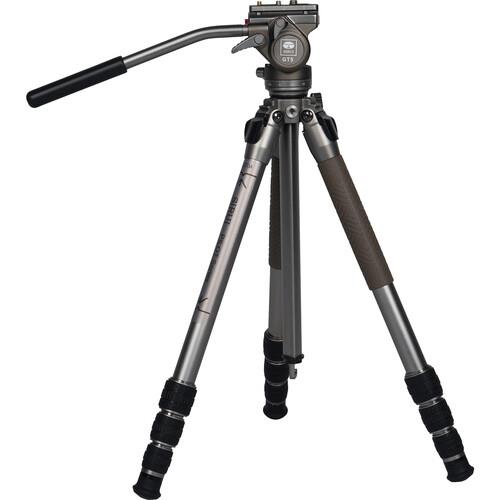

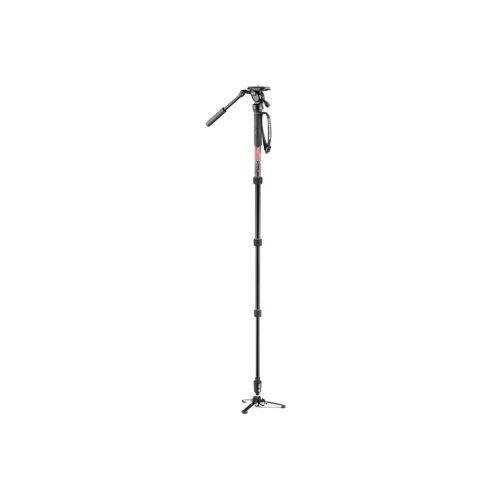
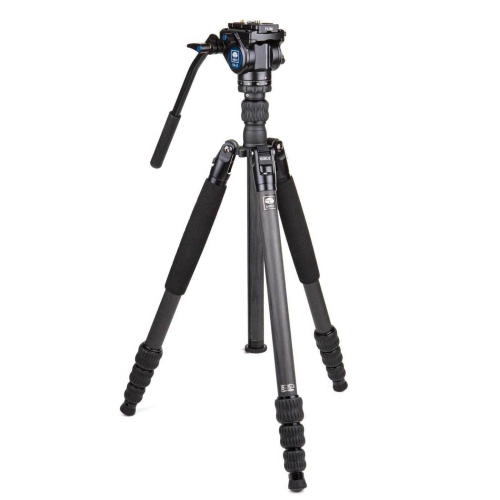
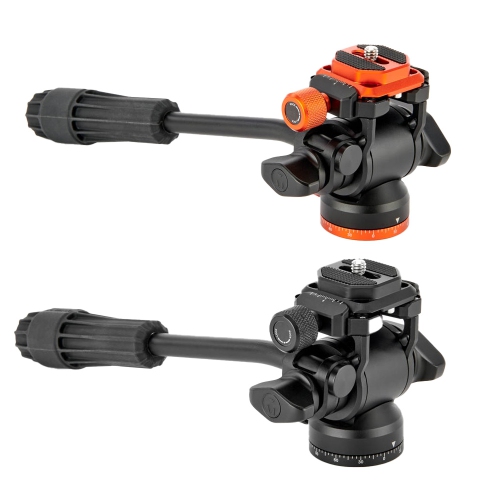
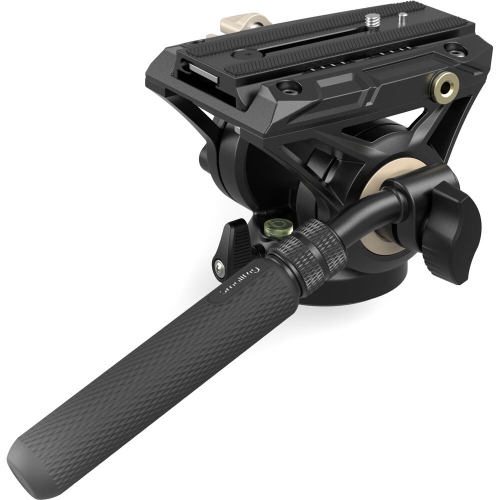
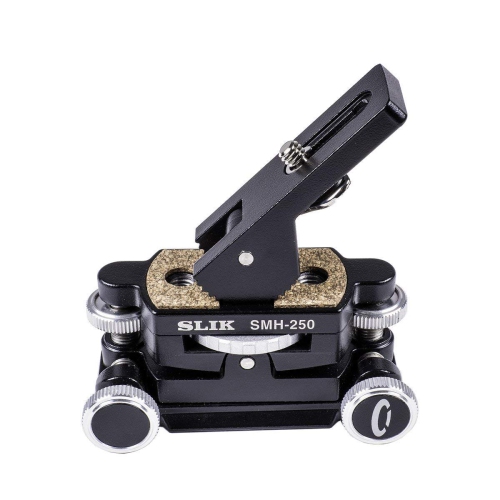
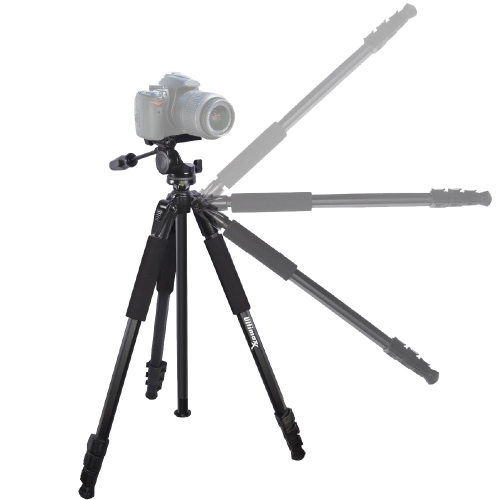

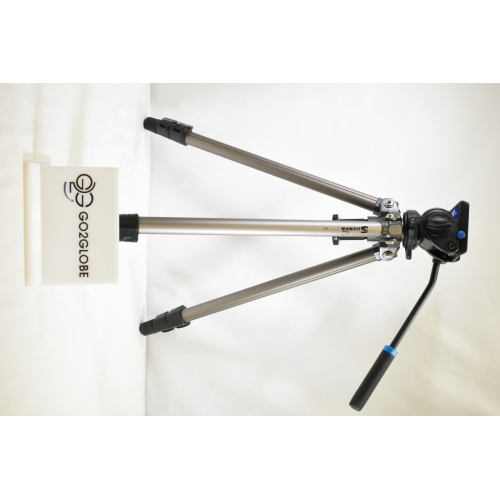
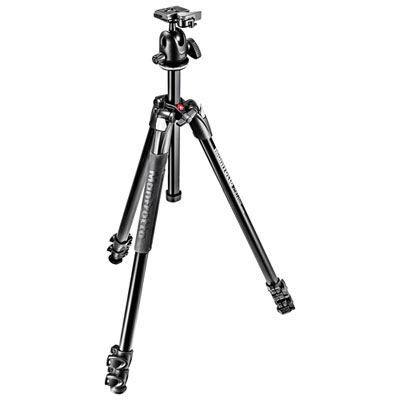
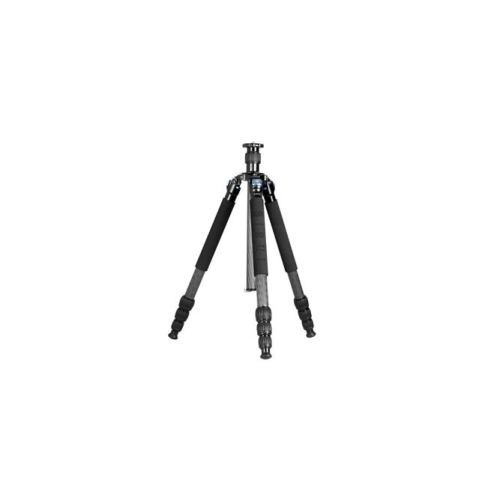
Steady footage depends on controlled movement and support
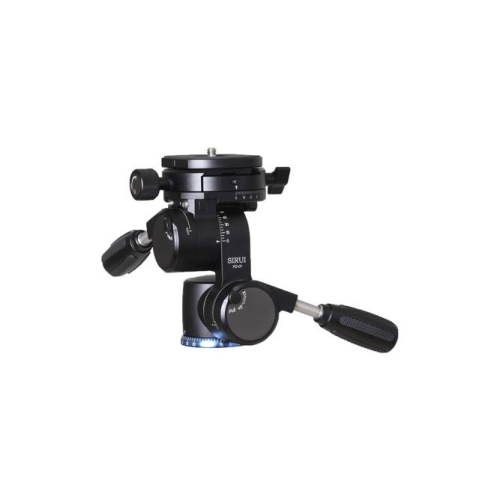
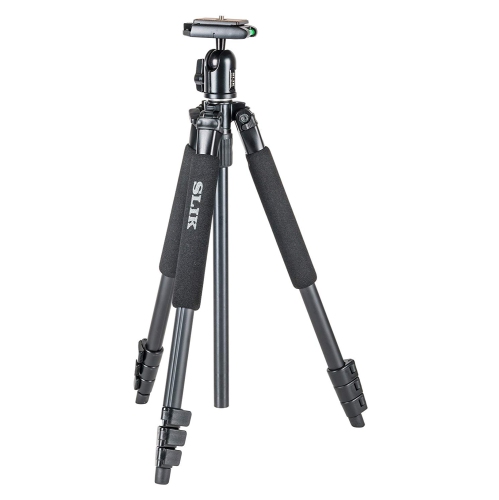
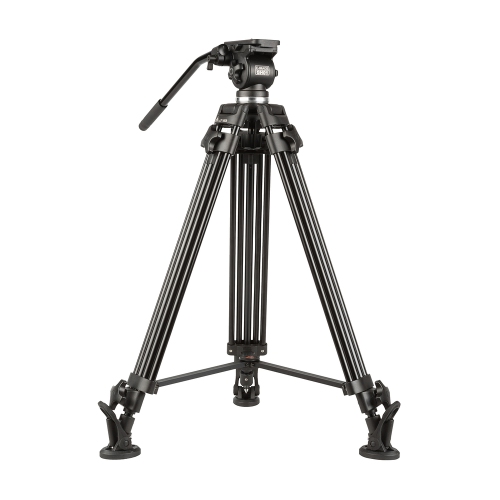
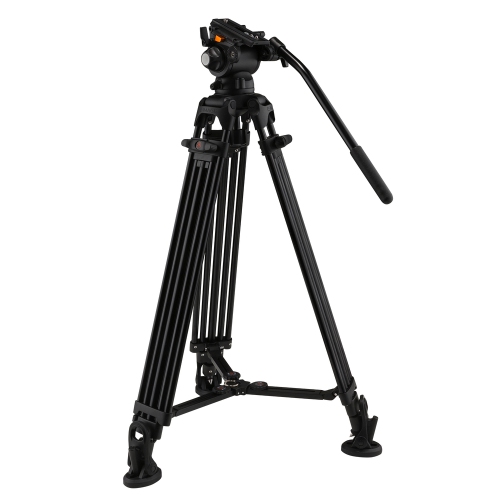
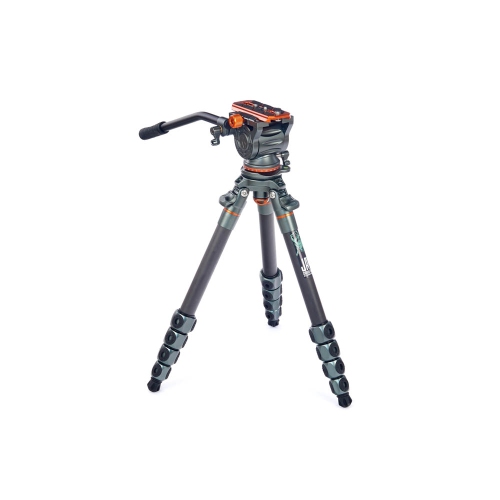
Fluid head tripods are designed for smooth, controlled camera movement, making them a practical choice for video recording, live streaming, interviews, sports coverage, wildlife observation, events, and many other situations where steady motion matters. Unlike a basic tripod head that may move abruptly or require frequent tightening, a fluid head uses sealed chambers containing damping fluid to create consistent resistance during horizontal panning and vertical tilting. This resistance helps reduce jerky starts and stops, allowing a camera to move gradually across a scene or follow a subject with greater precision. Internal springs or pistons may also provide counterbalance, helping offset the weight of a camera and lens so the setup stays more stable when the operator pauses or lets go of the controls. The result is a more polished-looking recording, whether the camera is following a skater moving across a rink, tracking a speaker walking across a stage, or slowly tilting upward to capture a tall building against the sky. Fluid head tripods are especially useful for creators who record video regularly, but they can also suit photographers who work with long lenses, action scenes, or a mixed photo and video setup. A fluid head can make a thoughtful gift for a budding filmmaker, student learning camera techniques, content creator, sports parent, or family member who enjoys documenting performances and outdoor activities. During the cooler months, a stable tripod can be helpful for indoor productions, school concerts, interviews, and tabletop demonstrations, while its controlled movement remains useful for outdoor scenes whenever the weather allows.
When choosing among fluid head tripods, start with the total weight of the camera rig rather than the camera body alone. Include the lens, battery, memory card, external microphone, monitor, light, cage, teleprompter, or any other accessory that will remain attached during filming. The tripod and head should support that combined load comfortably, with enough capacity for smooth movement and secure positioning. A setup that is too close to its maximum rating may feel difficult to balance, particularly when a large lens is extended or the camera is tilted. Counterbalance performance is another important consideration because it helps the head support the camera at different tilt angles. Some fluid heads offer fixed counterbalance, while others provide adjustable counterbalance for more precise control. Variable pan and tilt drag can be useful when switching between slow, cinematic movements and faster subject tracking. A locking mechanism keeps the camera from drifting when it is stationary, while independent pan and tilt locks allow the operator to secure one axis and move along the other. Quick-release plates make it easier to attach or remove the camera, and compatibility with common plate systems can be helpful for users who move the camera between support equipment. Check the mounting screw, plate style, safety release, and plate length before purchasing, particularly if the camera uses a cage or a long lens foot. The tripod legs also affect performance: wider leg sections can provide a solid stance, while compact folding designs are easier to carry between locations. Adjustable leg angles help on uneven ground, and a centre spreader or similar support can improve stability on flat indoor surfaces. Some models use a flat base, while others are intended for bowl-style tripod systems; matching the head to the legs makes setup more straightforward and can simplify levelling before a recording begins.
Height, weight, portability, and working style should all guide the final selection. A taller tripod can help the camera look over a crowd, frame a presenter at eye level, or capture a broad view across a landscape, while a shorter setup may be more convenient for low-angle footage, desk-based content, and travel. For users who frequently carry equipment through hallways, fields, trails, or event venues, a lighter tripod may be easier to manage, but a heavier design can offer a steadier platform when wind, movement, or a large camera rig is involved. A built-in levelling system can save time when adjusting the tripod on uneven floors, and a pan handle with a comfortable grip allows more precise control during longer recording sessions. Consider the type of movement the user makes most often: wildlife and sports recording may call for smooth, responsive panning; interviews may benefit from reliable height adjustment and quick setup; narrative filmmaking may place greater emphasis on gradual drag control and repeatable tilts. Creators working in small spaces may prefer a compact support system, while event videographers may value a tall tripod with fast leg adjustments. Those comparing support options for higher camera positions can also explore Tall Tripods for additional height-focused choices. Before filming, extend the legs evenly, confirm that each lock is secure, level the head, attach the camera firmly, and test the full range of pan and tilt movement. A few quiet practice passes can reveal whether the camera stays balanced, whether the handle feels comfortable, and whether the framing remains steady at the beginning and end of each movement. With the right capacity, damping, counterbalance, and height, fluid head tripods can turn a hurried camera setup into a dependable tool for smooth, confident video work.
When choosing among fluid head tripods, start with the total weight of the camera rig rather than the camera body alone. Include the lens, battery, memory card, external microphone, monitor, light, cage, teleprompter, or any other accessory that will remain attached during filming. The tripod and head should support that combined load comfortably, with enough capacity for smooth movement and secure positioning. A setup that is too close to its maximum rating may feel difficult to balance, particularly when a large lens is extended or the camera is tilted. Counterbalance performance is another important consideration because it helps the head support the camera at different tilt angles. Some fluid heads offer fixed counterbalance, while others provide adjustable counterbalance for more precise control. Variable pan and tilt drag can be useful when switching between slow, cinematic movements and faster subject tracking. A locking mechanism keeps the camera from drifting when it is stationary, while independent pan and tilt locks allow the operator to secure one axis and move along the other. Quick-release plates make it easier to attach or remove the camera, and compatibility with common plate systems can be helpful for users who move the camera between support equipment. Check the mounting screw, plate style, safety release, and plate length before purchasing, particularly if the camera uses a cage or a long lens foot. The tripod legs also affect performance: wider leg sections can provide a solid stance, while compact folding designs are easier to carry between locations. Adjustable leg angles help on uneven ground, and a centre spreader or similar support can improve stability on flat indoor surfaces. Some models use a flat base, while others are intended for bowl-style tripod systems; matching the head to the legs makes setup more straightforward and can simplify levelling before a recording begins.
Height, weight, portability, and working style should all guide the final selection. A taller tripod can help the camera look over a crowd, frame a presenter at eye level, or capture a broad view across a landscape, while a shorter setup may be more convenient for low-angle footage, desk-based content, and travel. For users who frequently carry equipment through hallways, fields, trails, or event venues, a lighter tripod may be easier to manage, but a heavier design can offer a steadier platform when wind, movement, or a large camera rig is involved. A built-in levelling system can save time when adjusting the tripod on uneven floors, and a pan handle with a comfortable grip allows more precise control during longer recording sessions. Consider the type of movement the user makes most often: wildlife and sports recording may call for smooth, responsive panning; interviews may benefit from reliable height adjustment and quick setup; narrative filmmaking may place greater emphasis on gradual drag control and repeatable tilts. Creators working in small spaces may prefer a compact support system, while event videographers may value a tall tripod with fast leg adjustments. Those comparing support options for higher camera positions can also explore Tall Tripods for additional height-focused choices. Before filming, extend the legs evenly, confirm that each lock is secure, level the head, attach the camera firmly, and test the full range of pan and tilt movement. A few quiet practice passes can reveal whether the camera stays balanced, whether the handle feels comfortable, and whether the framing remains steady at the beginning and end of each movement. With the right capacity, damping, counterbalance, and height, fluid head tripods can turn a hurried camera setup into a dependable tool for smooth, confident video work.
Top selling and popular products
-
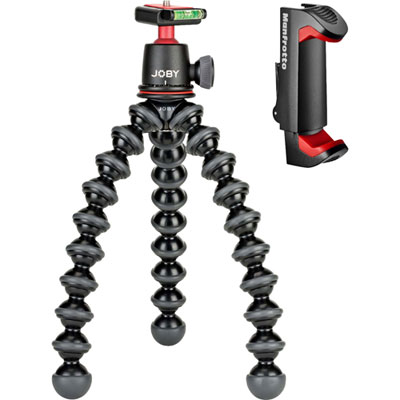 Your price for this item is $99.99
 -
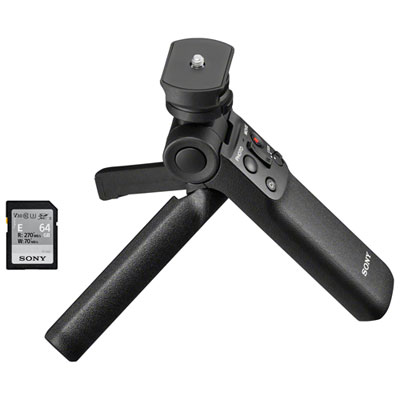 Your price for this item is $199.97
 -
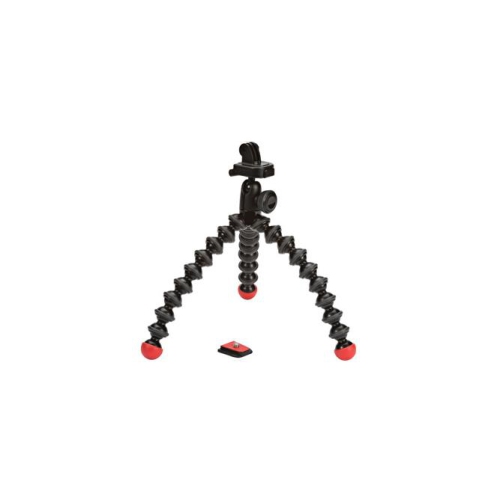 Your price for this item is $126.91
 -
 Your price for this item is $79.99
 -
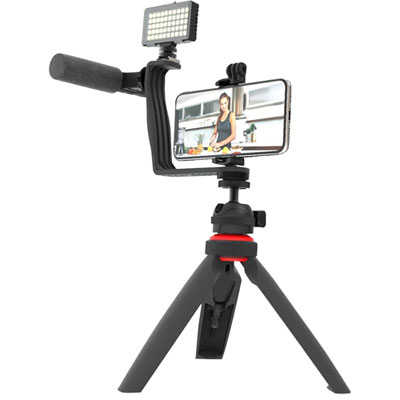 Your price for this item is $59.99
 -
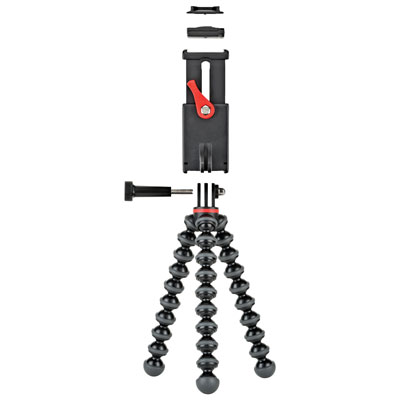 Your price for this item is $59.95
 -
 Your price for this item is $229.99
 -
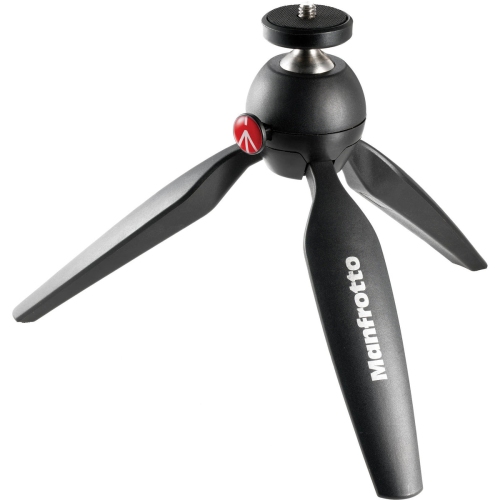 Your price for this item is $83.53
Discover more categories related to Fluid Head Tripods
Top Collections:
Pokemon Centers, Kindle Devices, Best Budget Office Chairs, Apple iPhones 16, Best Laptops for Writers, iPhone 15 Apple, Canon G7X Cameras, Refurbished Apple Laptops, Alarm Clock, Motorola Razr Phones
Some products may be subject to Environmental Handling Fees
(EHF) depending on your province.
Learn more about EHFs.