Nikon Cameras for Photography And Video
Capture life's most memorable moments with a Nikon camera for photography and video, designed to elevate your creative expression. Whether you're an aspiring photographer or a seasoned videographer, these cameras offer the versatility and performance needed to bring your vision to life. From breathtaking landscapes to captivating portraits and dynamic videos, Nikon cameras provide the tools you need to explore your artistic potential. Discover how these innovative devices can enhance your storytelling abilities and help you achieve stunning results in both photography and videography.
Sort
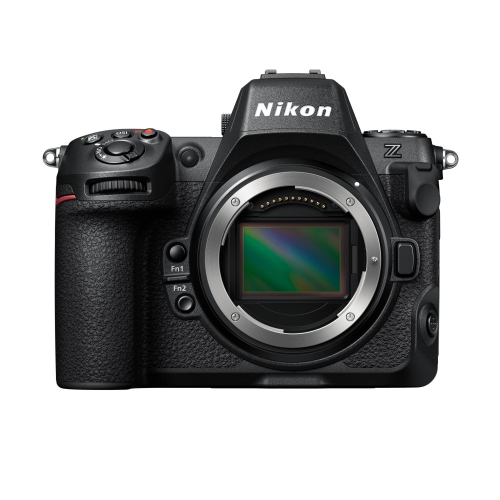
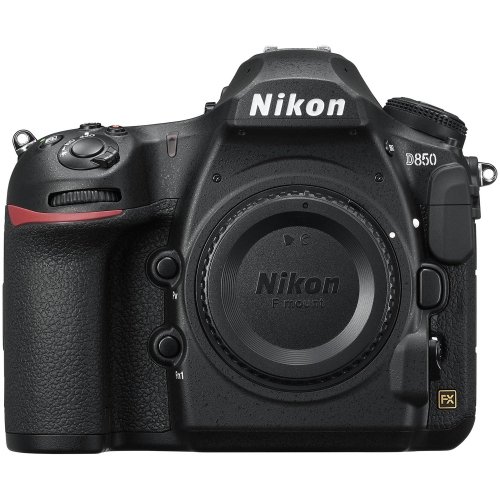
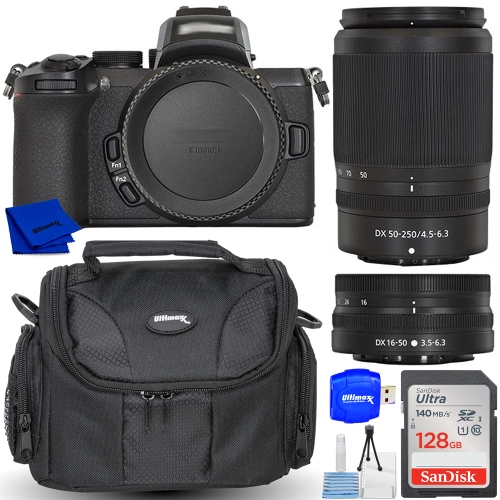
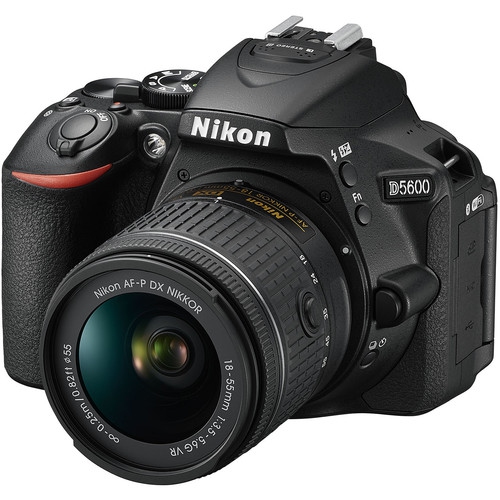
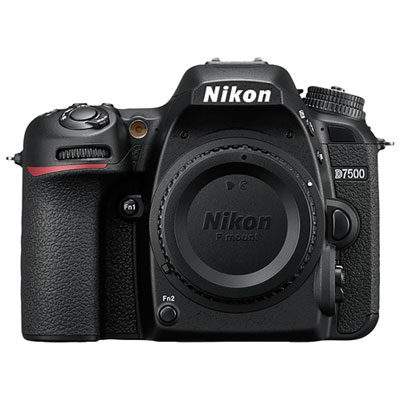
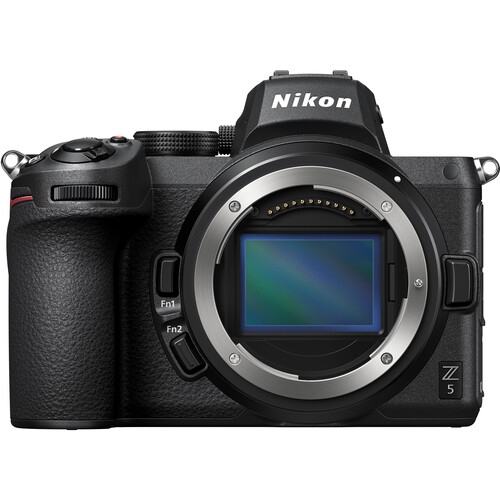
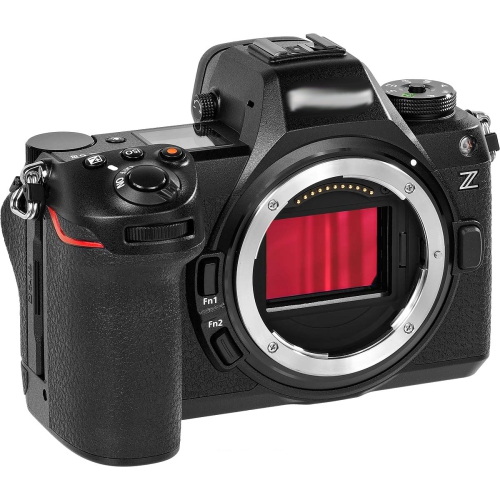
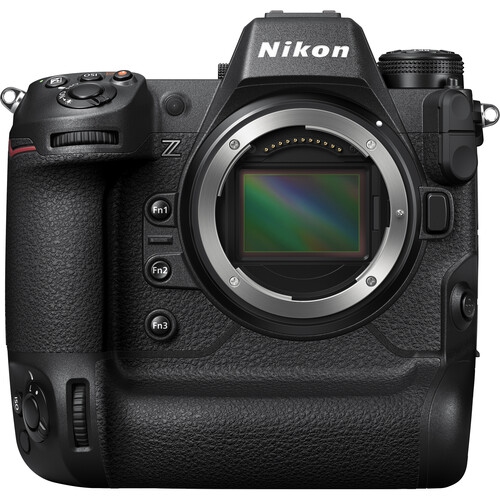
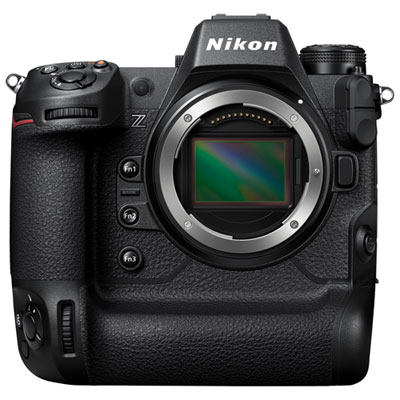
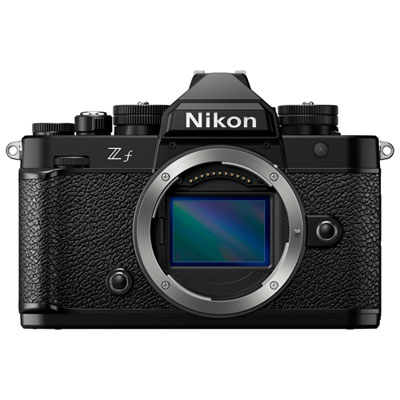
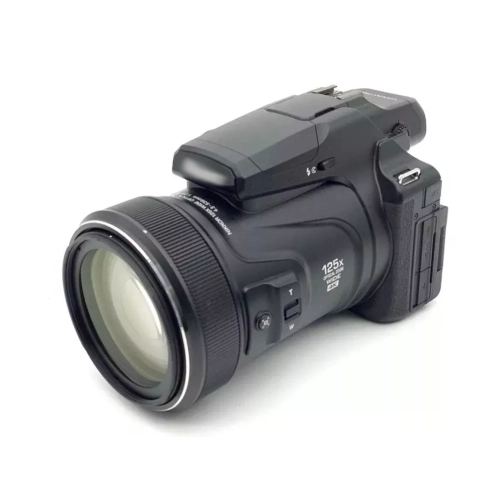
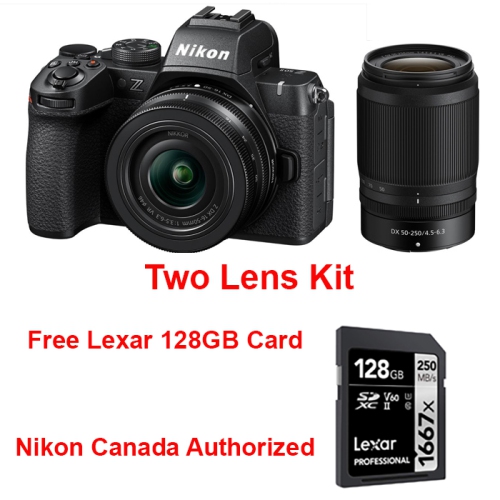
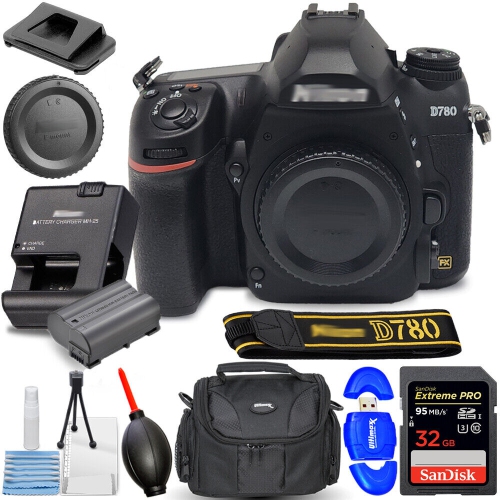
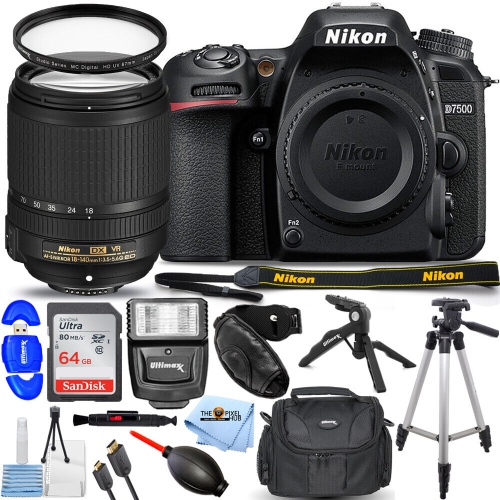
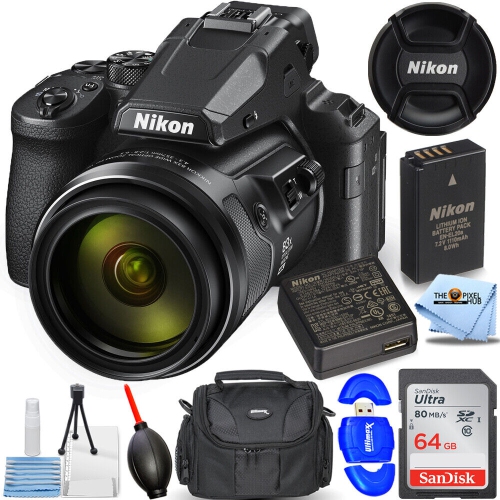
Hybrid cameras adapt to every story worth capturing
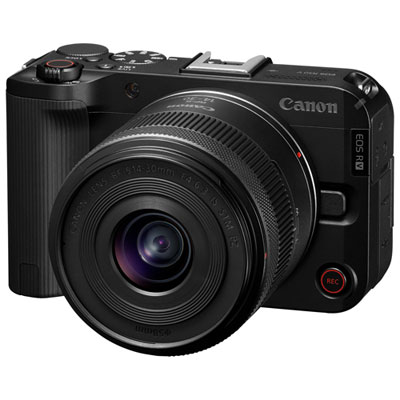
Cameras designed for both photography and video give creators the flexibility to document a busy family gathering, record a polished interview, capture a fast-moving game, or frame a quiet landscape in changing light. This type of hybrid camera is useful for anyone who does not want to choose between still images and moving footage, including travel photographers, parents, students, vloggers, small-business owners, event shooters, and aspiring filmmakers. A capable camera can turn an everyday scene into something memorable: the warm glow of a late-afternoon walk, the quick expression that disappears before a phone is raised, or the subtle movement of hands preparing a meal. When comparing options, start by considering how the camera will be used most often. A model intended for a fairly even split between photos and video should offer dependable autofocus, strong image quality, comfortable controls, and recording features that are easy to access without interrupting the moment. Resolution matters, but it is only one part of the experience. Sensor size, lens compatibility, low-light performance, image stabilisation, battery life, storage options, and the design of the viewfinder and screen all influence how enjoyable and practical a camera is over time. For more ideas across different shooting styles, explore Cameras for Photography And Videography.
Mirrorless cameras are often chosen for hybrid work because they combine compact designs with responsive electronic viewfinders, advanced subject detection, and video features built into the same body used for still photography. Many support high-resolution video, including 4K recording, with some offering higher capture resolutions for cropping, reframing, or creating detailed final footage. Look for features such as 10-bit recording, log profiles, RAW video support, headphone and microphone connections, and effective heat management if longer recording sessions are part of the plan. Autofocus that can recognise people, animals, or vehicles can be especially helpful when a subject moves unpredictably, whether that means a child racing across a park or a dog bounding through fresh snow. An articulating or tilting screen is valuable for low-angle compositions, overhead shots, and self-recording, while a bright electronic viewfinder makes it easier to compose outdoors when the screen is difficult to see. Full-frame sensors are often preferred for their low-light performance and ability to create a softer background, making them appealing for portraits, indoor events, and cinematic video. Crop-sensor cameras can be lighter, more approachable, and easier to carry, while their additional apparent reach can suit wildlife, sports, and distant subjects. A DSLR-style camera with an optical viewfinder may appeal to photographers who prefer a direct, familiar view and long battery life. Whichever format fits best, the lens is just as important as the camera body. A versatile zoom can cover landscapes, portraits, and everyday scenes with less gear, while a bright prime lens can provide attractive background blur and clearer results in dim rooms.
For shoppers choosing a camera as a gift, think about the recipient’s habits rather than selecting the most advanced specifications available. Someone starting a photography course may appreciate intuitive controls, a comfortable grip, and room to grow through interchangeable lenses. A creator who records tutorials or social videos may place greater value on a front-facing screen, reliable face tracking, a microphone input, and simple file transfer. A traveller may prefer a lighter body, durable construction, strong battery performance, and a flexible lens that avoids frequent changes while moving between busy streets and open scenery. Enthusiasts photographing birds, field sports, or outdoor activities should consider autofocus speed, burst shooting, buffer capacity, and the reach available from compatible lenses. People who expect to make large prints or crop images later may favour a higher-resolution sensor, while those focused on video should examine frame-rate choices, recording limits, stabilisation, and the camera’s ability to maintain focus during movement. Accessories can shape the experience as well: spare batteries, fast memory cards, a compact tripod, a camera bag, an external microphone, and an extra lens can all make a thoughtful addition. During the cooler months, a camera can accompany indoor celebrations, snowy walks, weekend travel, and creative projects at home, provided it is protected from sudden temperature changes and moisture. By matching the camera’s strengths to the way it will actually be carried, held, and used, shoppers can find a photography and video setup that feels natural in the hands and remains useful as their skills develop.
Mirrorless cameras are often chosen for hybrid work because they combine compact designs with responsive electronic viewfinders, advanced subject detection, and video features built into the same body used for still photography. Many support high-resolution video, including 4K recording, with some offering higher capture resolutions for cropping, reframing, or creating detailed final footage. Look for features such as 10-bit recording, log profiles, RAW video support, headphone and microphone connections, and effective heat management if longer recording sessions are part of the plan. Autofocus that can recognise people, animals, or vehicles can be especially helpful when a subject moves unpredictably, whether that means a child racing across a park or a dog bounding through fresh snow. An articulating or tilting screen is valuable for low-angle compositions, overhead shots, and self-recording, while a bright electronic viewfinder makes it easier to compose outdoors when the screen is difficult to see. Full-frame sensors are often preferred for their low-light performance and ability to create a softer background, making them appealing for portraits, indoor events, and cinematic video. Crop-sensor cameras can be lighter, more approachable, and easier to carry, while their additional apparent reach can suit wildlife, sports, and distant subjects. A DSLR-style camera with an optical viewfinder may appeal to photographers who prefer a direct, familiar view and long battery life. Whichever format fits best, the lens is just as important as the camera body. A versatile zoom can cover landscapes, portraits, and everyday scenes with less gear, while a bright prime lens can provide attractive background blur and clearer results in dim rooms.
For shoppers choosing a camera as a gift, think about the recipient’s habits rather than selecting the most advanced specifications available. Someone starting a photography course may appreciate intuitive controls, a comfortable grip, and room to grow through interchangeable lenses. A creator who records tutorials or social videos may place greater value on a front-facing screen, reliable face tracking, a microphone input, and simple file transfer. A traveller may prefer a lighter body, durable construction, strong battery performance, and a flexible lens that avoids frequent changes while moving between busy streets and open scenery. Enthusiasts photographing birds, field sports, or outdoor activities should consider autofocus speed, burst shooting, buffer capacity, and the reach available from compatible lenses. People who expect to make large prints or crop images later may favour a higher-resolution sensor, while those focused on video should examine frame-rate choices, recording limits, stabilisation, and the camera’s ability to maintain focus during movement. Accessories can shape the experience as well: spare batteries, fast memory cards, a compact tripod, a camera bag, an external microphone, and an extra lens can all make a thoughtful addition. During the cooler months, a camera can accompany indoor celebrations, snowy walks, weekend travel, and creative projects at home, provided it is protected from sudden temperature changes and moisture. By matching the camera’s strengths to the way it will actually be carried, held, and used, shoppers can find a photography and video setup that feels natural in the hands and remains useful as their skills develop.
Top selling and popular products
-
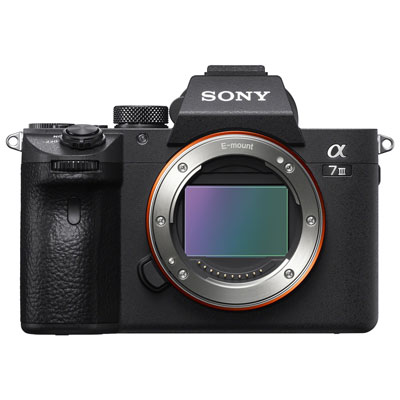 Your price for this item is $1899.99
 -
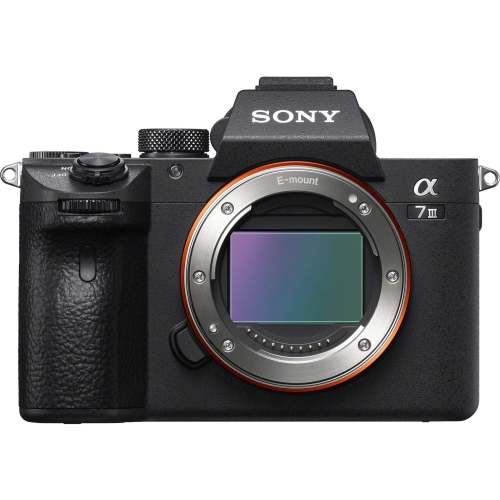 Your price for this item is $1899
 -
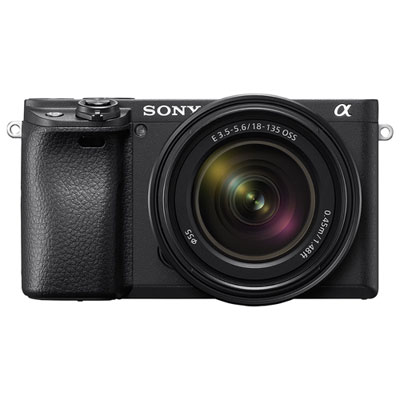 Your price for this item is $1749.99
 -
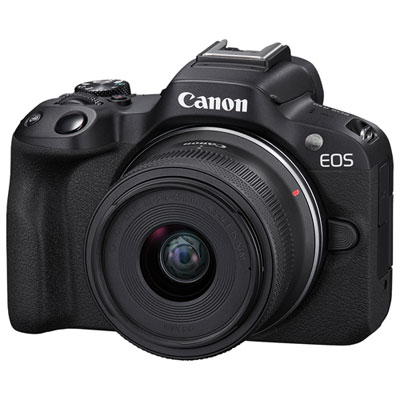 Your price for this item is $1099.99
 -
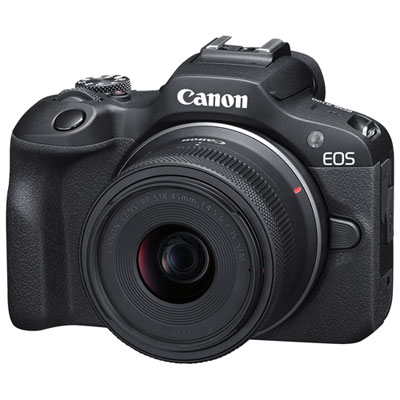 Your price for this item is $629.99
 -
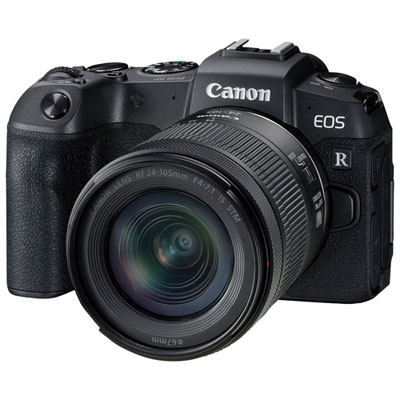 Your price for this item is $1499.99
 -
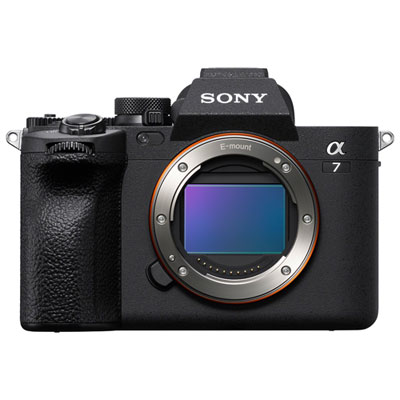 Your price for this item is $2699.99
 -
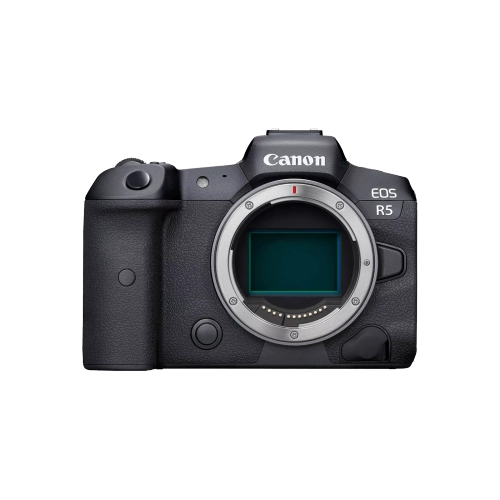 Your price for this item is $3299.9
Discover more categories related to Nikon Cameras for Photography And Video

Top Collections:
Pokemon Centers, Kindle Devices, Best Budget Office Chairs, Apple iPhones 16, Samsung Galaxy Phones, Canon G7X Cameras, iPhone 15 Apple, Flip Phones, Best Laptops for Writers, Alarm Clock
Some products may be subject to Environmental Handling Fees
(EHF) depending on your province.
Learn more about EHFs.