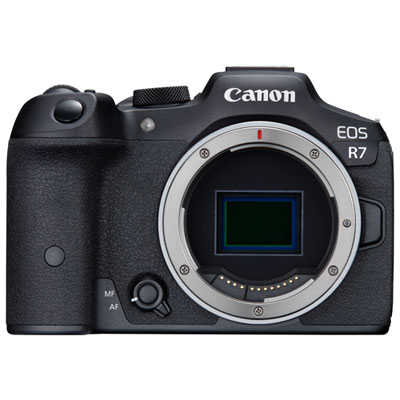
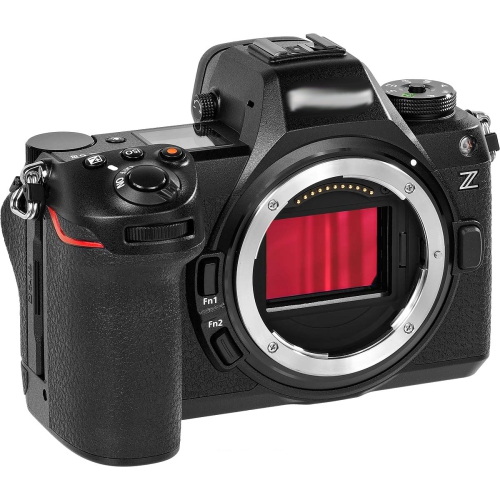
Canon Cameras for Photography And Video
Capture stunning photographs and create breathtaking videos with our range of high-quality cameras from Canon designed for photography and videography enthusiasts. Whether you're a professional looking to take your craft to the next level or a hobbyist seeking to explore new creative possibilities, our collection of cameras offers cutting-edge technology, exceptional image quality, and user-friendly features. From compact point-and-shoot cameras to advanced DSLRs and mirrorless options, we have the perfect camera to suit your needs and help you capture every moment with precision and clarity. Elevate your photography and videography game with our extensive selection of top-notch cameras that deliver outstanding performance and unrivaled versatility.
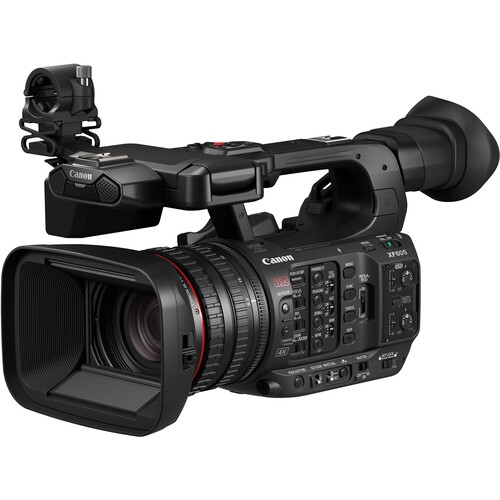
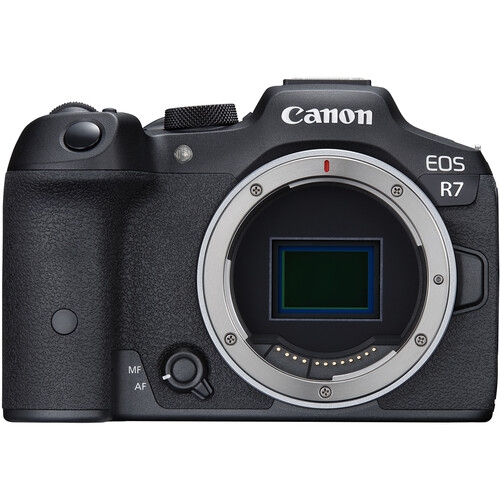

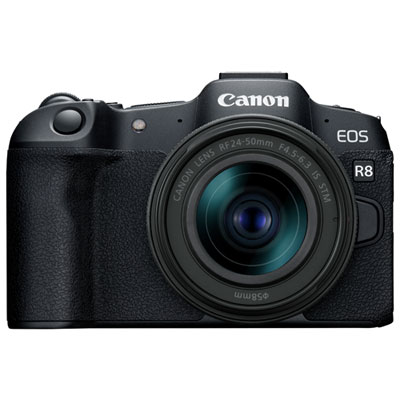
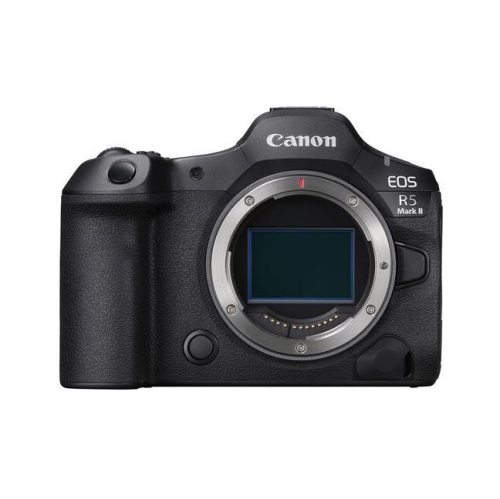
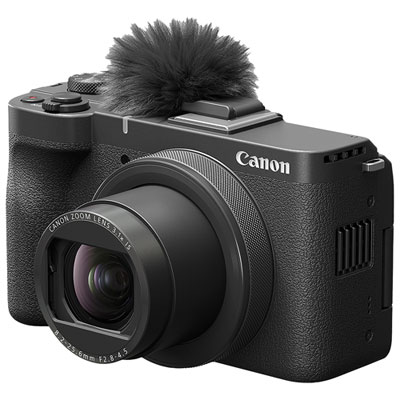
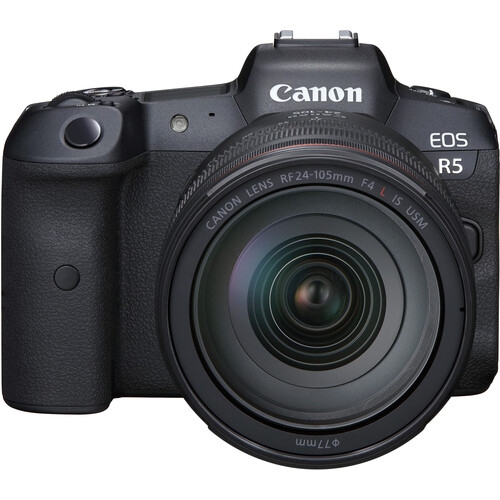
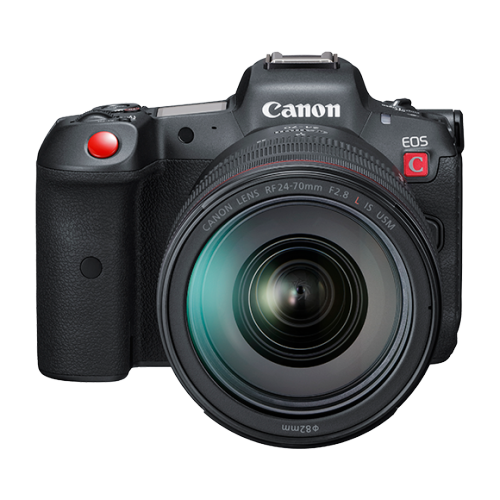
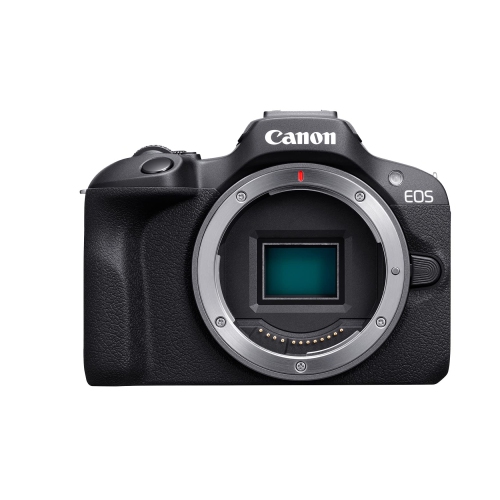
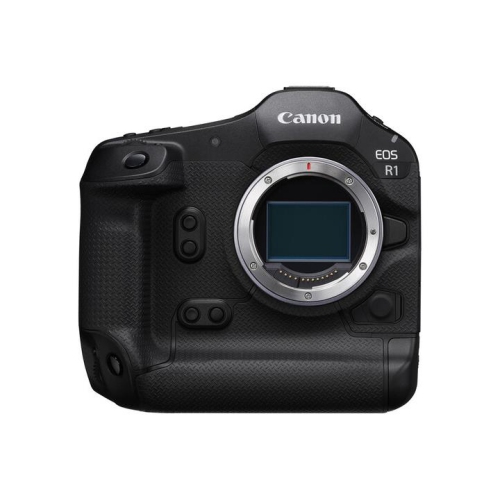

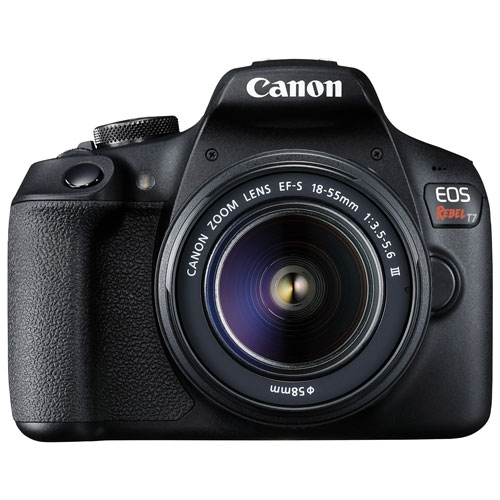
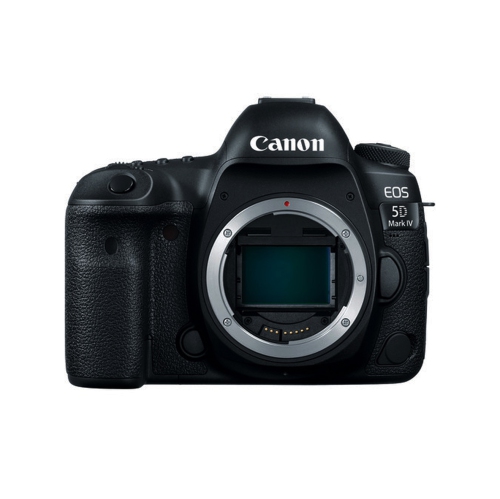
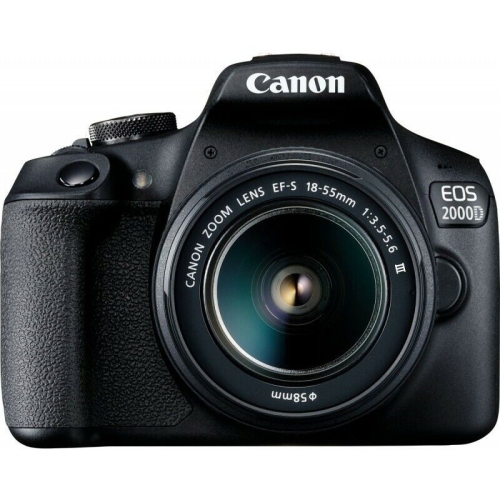
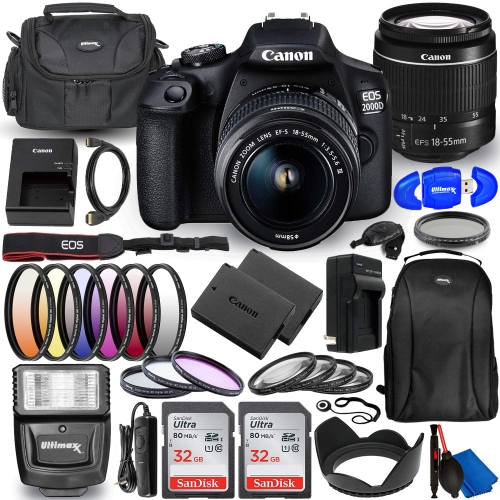
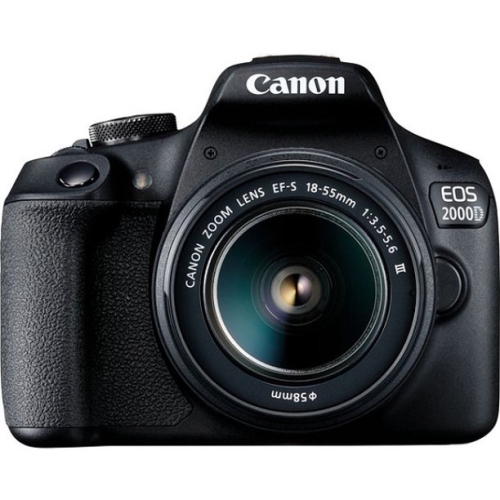
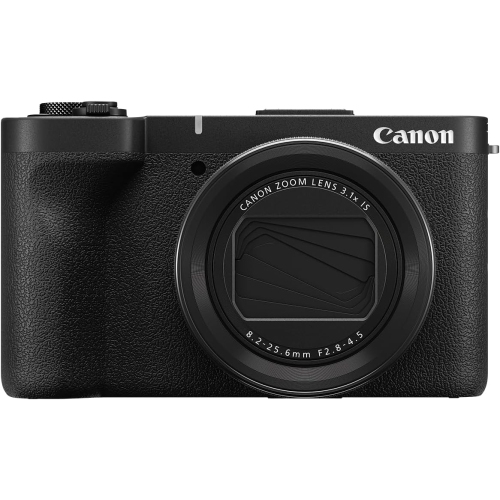
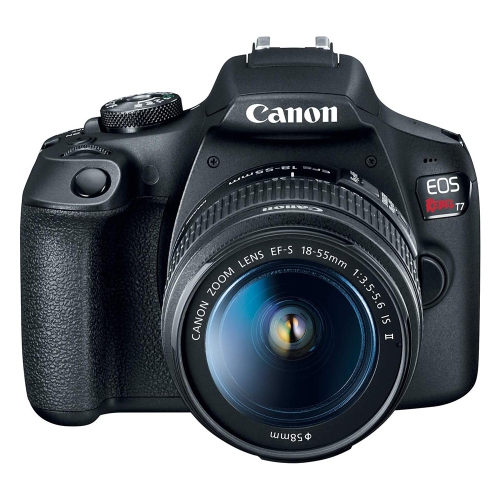
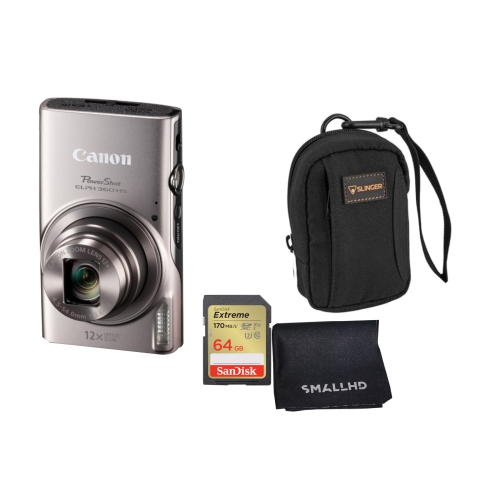
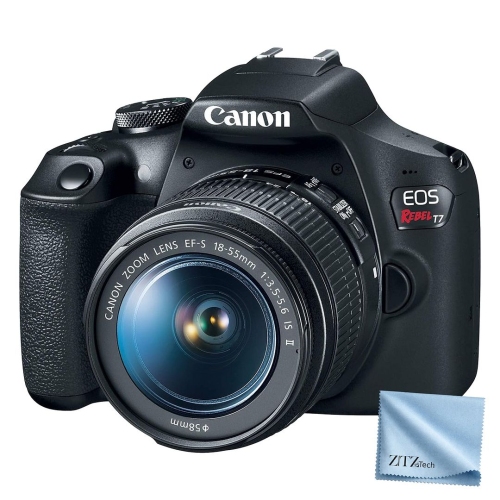
Hybrid camera features that matter beyond resolution
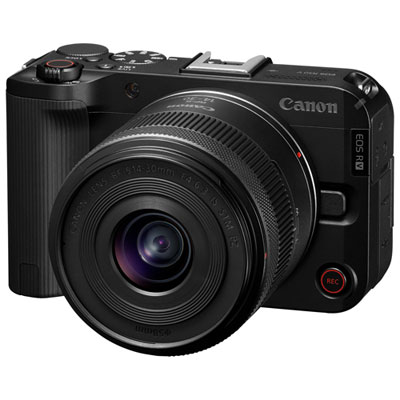
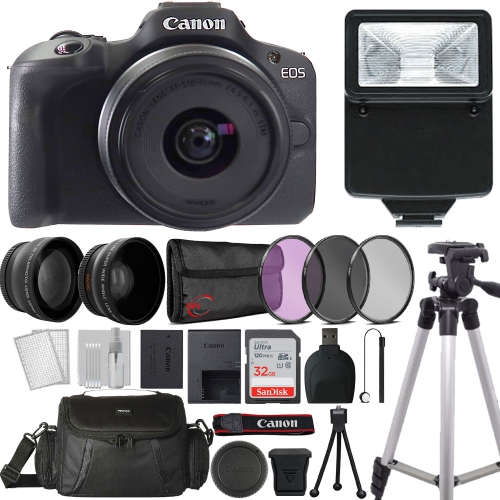
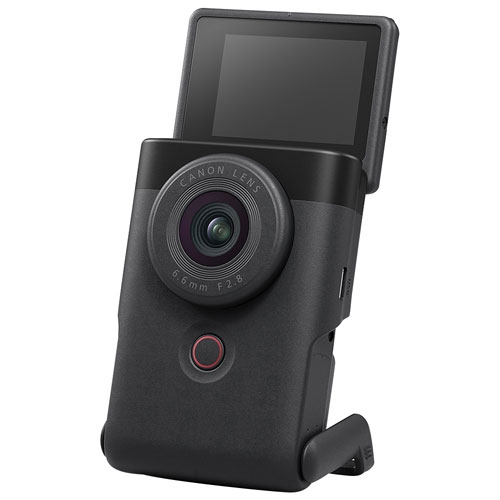
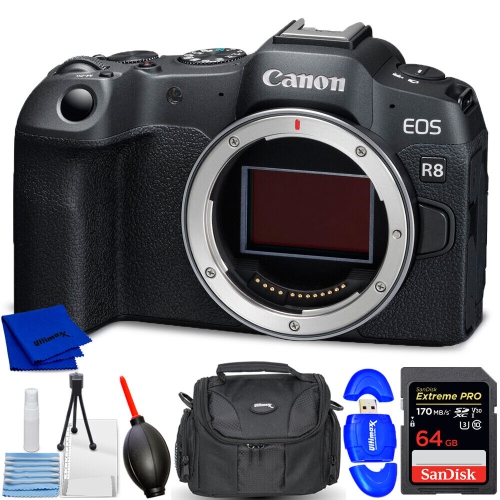
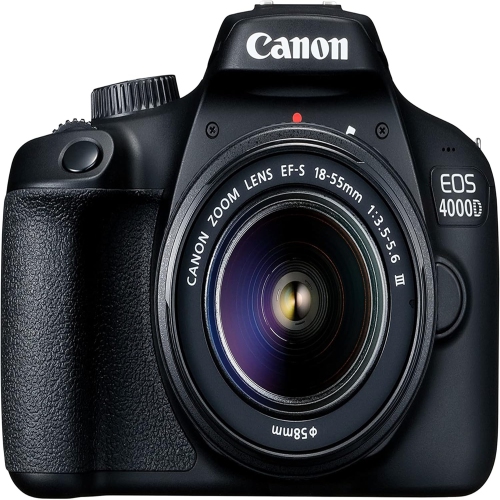
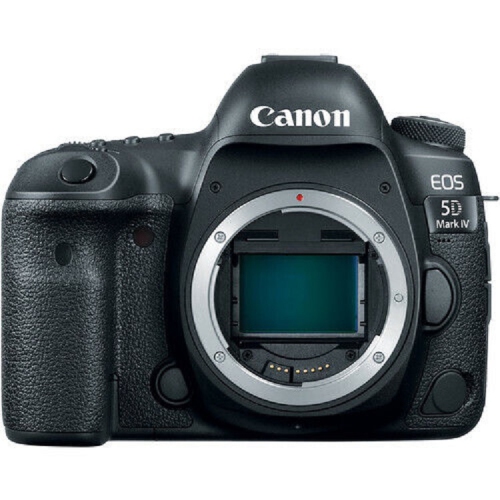
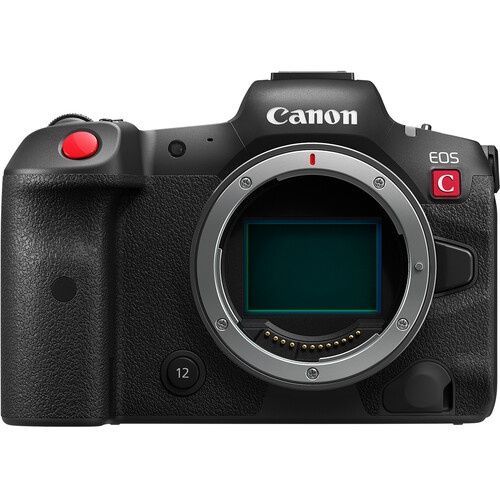
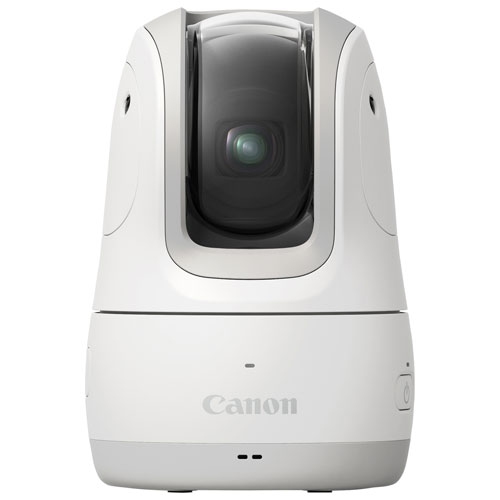
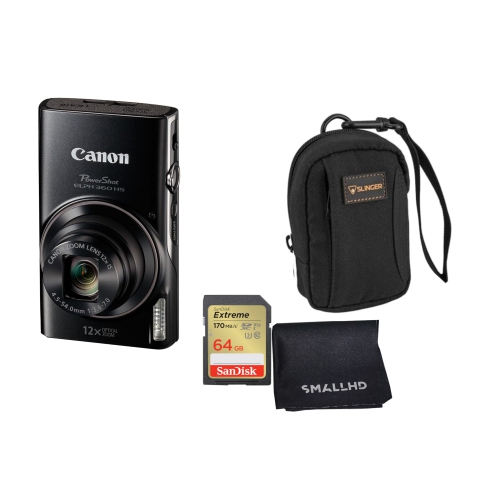
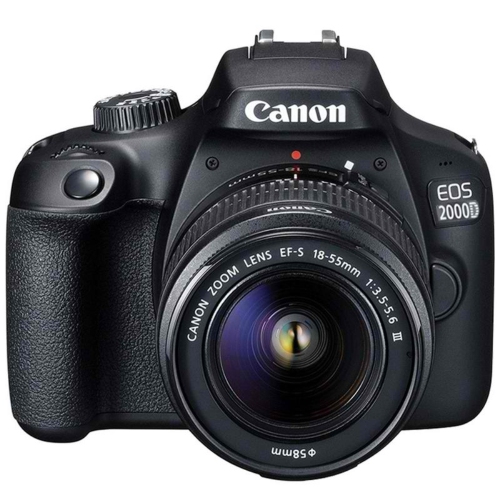
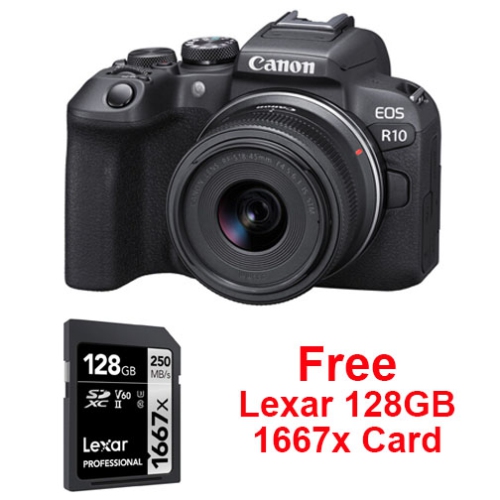
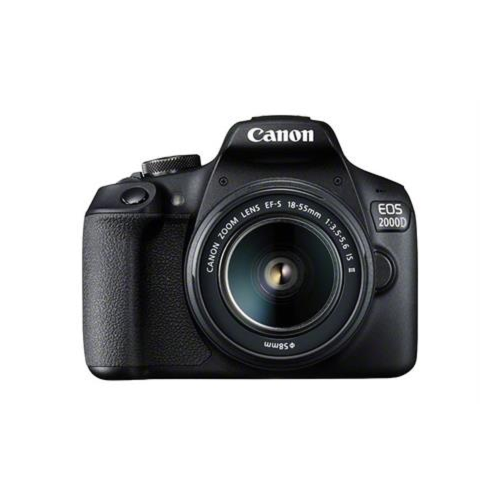
Video performance depends on more than the resolution printed in a feature list. Detailed 4K footage can suit interviews, travel films, tutorials, and larger-screen viewing, while Full HD remains useful for simpler projects and manageable file sizes. Some cameras create their 4K output by processing a higher-resolution sensor readout, a method known as oversampling that can improve fine detail. Others apply a crop in certain recording modes, narrowing the field of view; this is especially noticeable when filming at arm’s length or working in a small room. Frame rate shapes the look and purpose of a clip. Shooting at 24 or 30 frames per second suits many everyday productions, while 60 frames per second can capture smoother motion or provide slow-motion footage when played back at a lower rate. Higher frame rates may come with changes to resolution, autofocus, sound capture, or image crop, so those features need to be considered together. For walking shots and handheld clips, optical lens stabilization, in-body stabilization, and digital stabilization each work differently. Their effectiveness depends on the equipment and shooting conditions, and digital stabilization may crop the image further. None fully replaces a tripod for a locked-off interview or a gimbal for carefully controlled movement. Autofocus transitions also affect the finished footage: a smooth shift from a person’s face to an object in their hands usually looks more natural than a sudden jump. Sound deserves equal attention, particularly for spoken presentations. A microphone input supports an external microphone, while a headphone output, where included, makes it easier to notice clothing rustle or distracting background noise during a take. An articulating screen helps with self-filming and awkward angles, although its movement should leave connected cables clear. Shoppers whose projects lean more heavily towards moving images can also explore Canon Cameras for Video Shooting. For longer sessions, supported recording durations, battery endurance, and power options matter as much as picture quality. Advanced colour profiles and higher bit-depth recording can provide more editing flexibility, but they also require suitable software, storage, and a more deliberate finishing process.
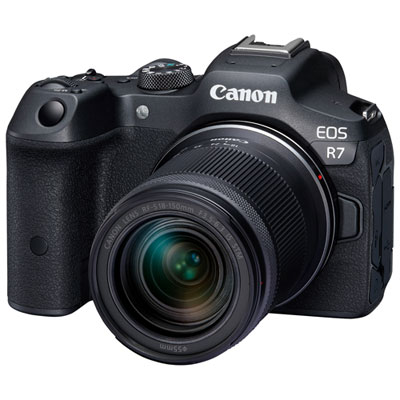
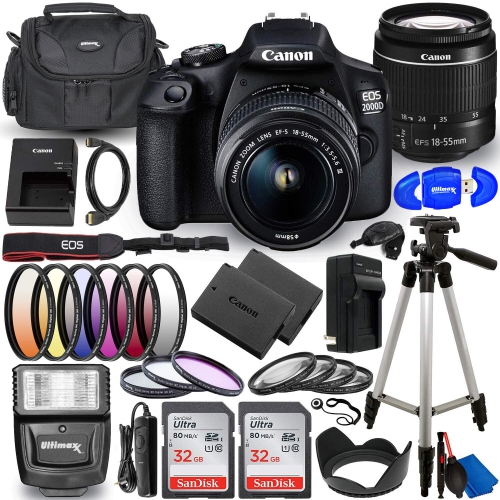
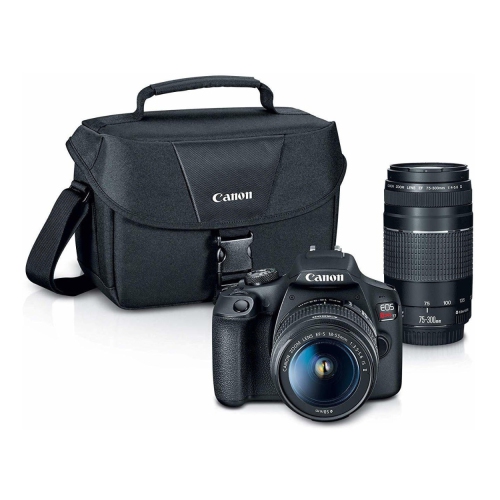
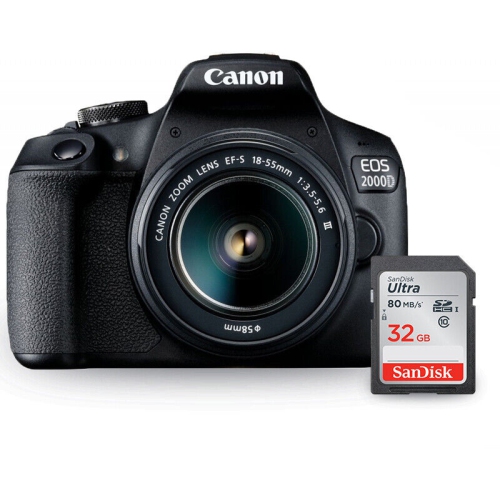
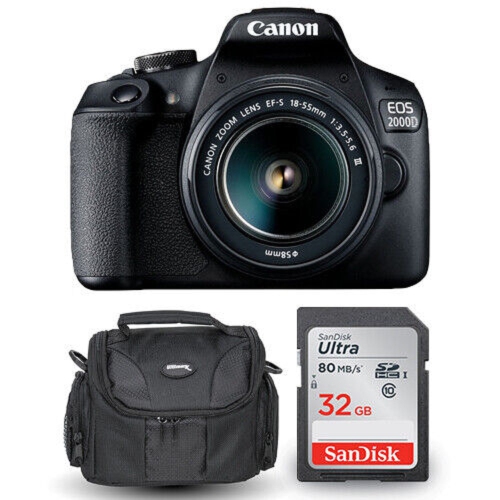
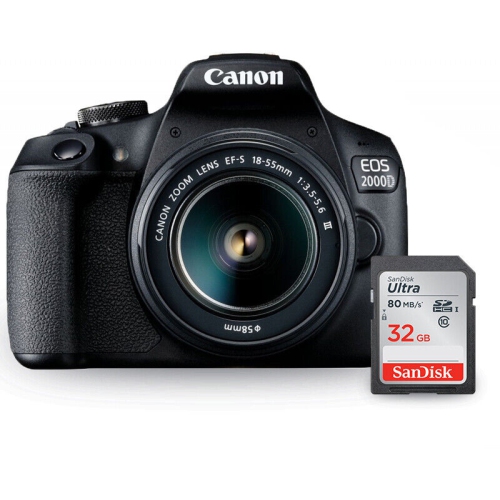
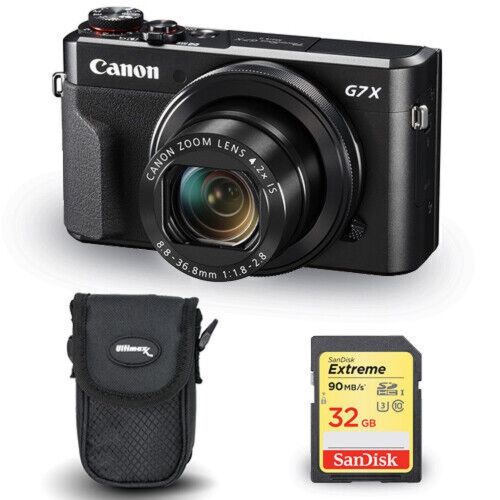
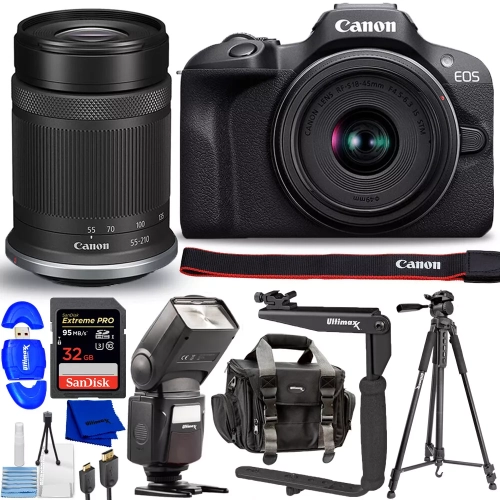
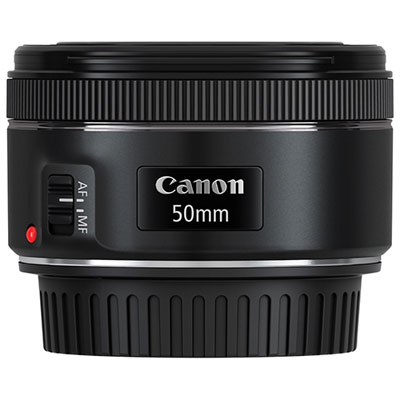
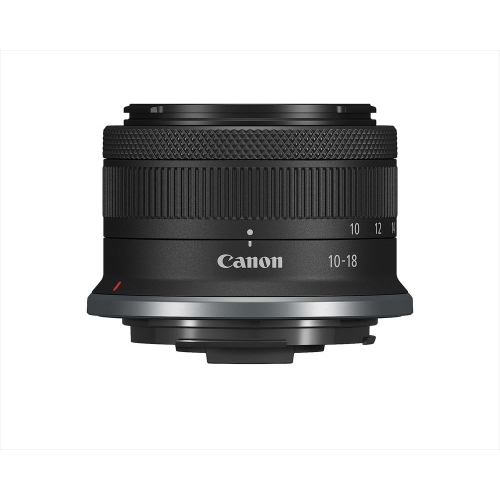
The lens and the way a camera feels in use often have as much influence on satisfaction as its sensor or video specifications. A standard zoom offers flexibility for group photos, interiors, and everyday scenes without frequent lens changes. A wide-aperture prime can separate a portrait subject from a busy background, while a telephoto lens gives distant action greater presence in the frame. Lens compatibility requires more than matching a manufacturer’s name: the mount, sensor coverage, and any adapter requirements all need to suit the camera body. Stabilization and autofocus performance can also depend on the particular pairing. For handheld photography and video, a comfortable grip, reachable buttons, and a balanced body-and-lens combination help during extended sessions. Someone filming cooking demonstrations may value a screen visible from in front of the lens, whereas a portrait photographer may rely more on a clear viewfinder and direct access to exposure controls. Body construction varies, with engineered plastics, metal components, and magnesium-alloy structures used in different designs. Weight alone is not a reliable measure of durability, and careful handling remains important regardless of construction. A padded bag with fitted dividers helps prevent lenses and bodies from knocking together, while a secure strap reduces the chance of an accidental drop. Lens caps protect glass between sessions, and a clean microfibre cloth and appropriate lens-cleaning supplies help remove fingerprints without abrasive wiping. Sensor cleaning calls for particular care; a sensor should not be touched with an ordinary cloth. Keeping dust away from an open lens mount and storing equipment in a clean, dry place supports reliable use over time. Memory cards must meet the camera’s requirements for the intended video mode or burst shooting, and a separate backup protects finished work if a card is lost or damaged. Wireless transfer, including Wi-Fi where supported, can simplify sharing, although large video files may be more practical to move through a card reader or wired connection. As a gift for a photography student, an aspiring filmmaker, or a family’s designated picture-taker, a camera is most useful when it fits the recipient’s existing lenses, preferred subjects, and comfort with editing. A system that feels manageable encourages regular use, whether the finished result is a framed photograph or a carefully edited short film.
Top selling and popular products
-
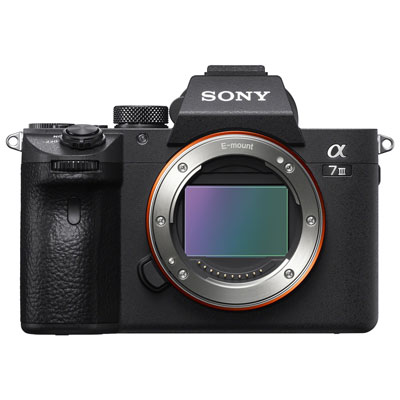 Your price for this item is $1899.99
 -
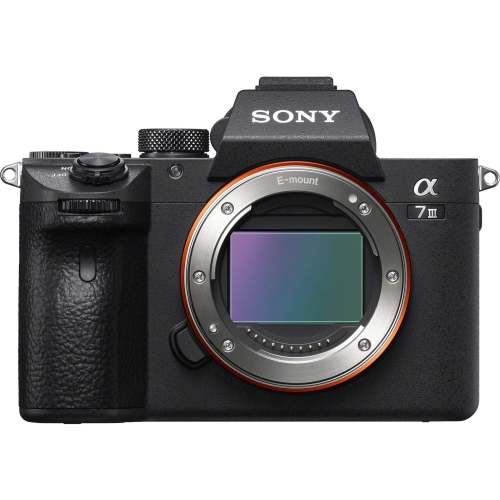 Your price for this item is $1899
 -
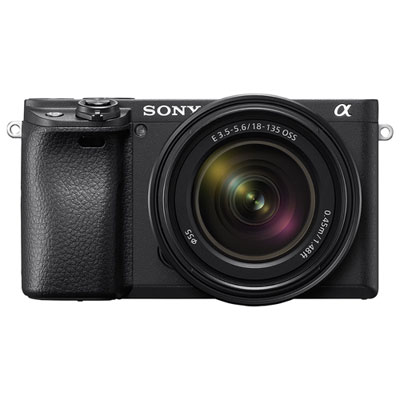 Your price for this item is $1749.99
 -
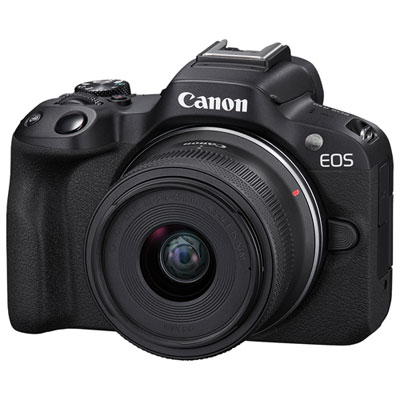 Your price for this item is $1099.99
 -
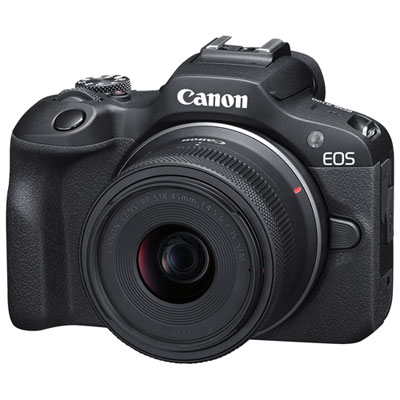 Your price for this item is $629.99
 -
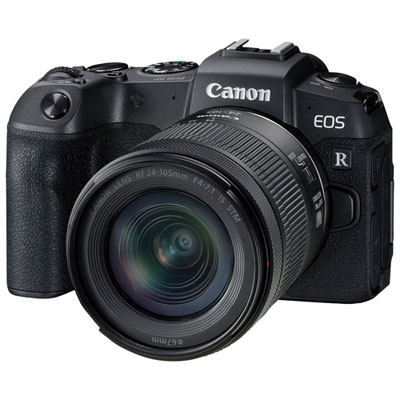 Your price for this item is $1499.99
 -
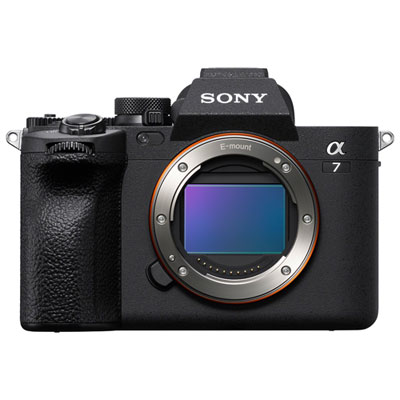 Your price for this item is $2699.99
 -
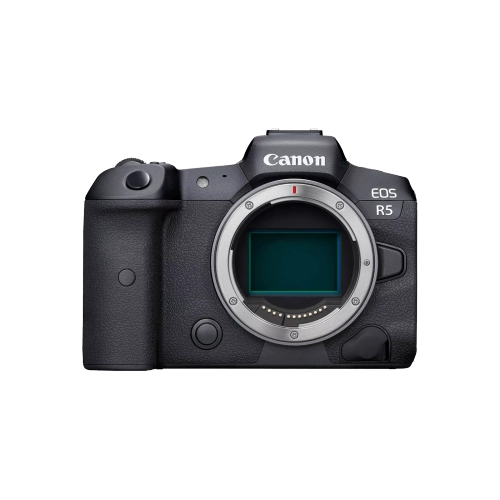 Your price for this item is $3299.9