Photographer Quality Cameras
The best cameras for photography enthusiasts are the ones that can help them get the most out of their hobby. Whether you're looking for a camera to use in your backyard or one that can travel with you on vacation, there are many features to consider. Here are some of our favorites.
Sort
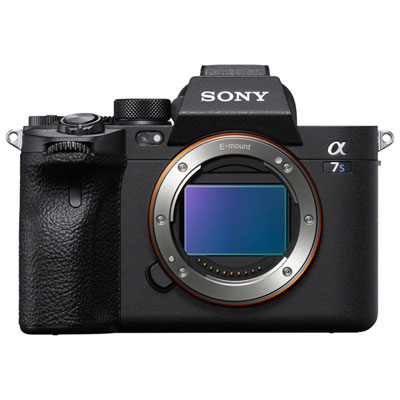
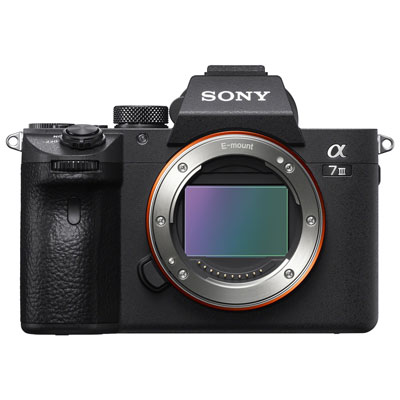
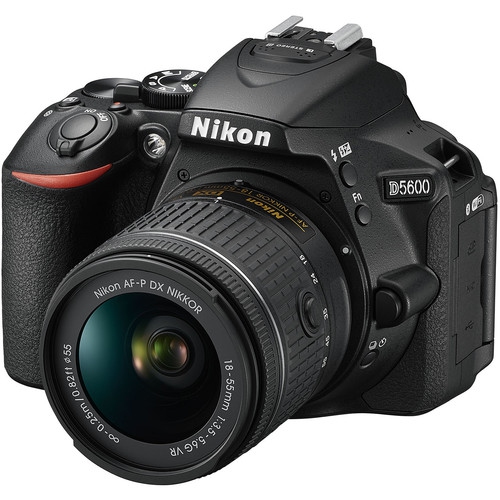
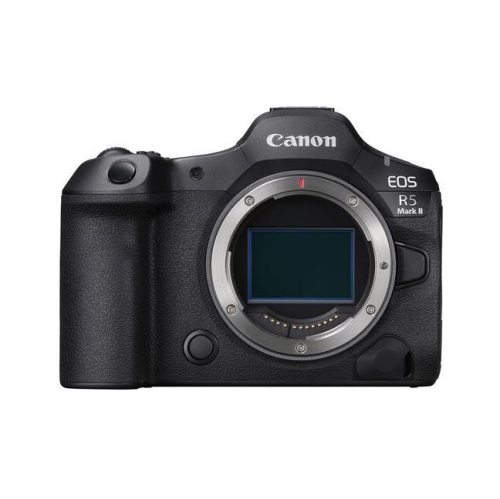
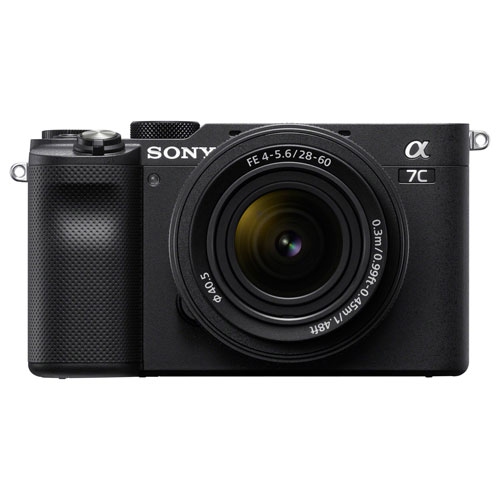
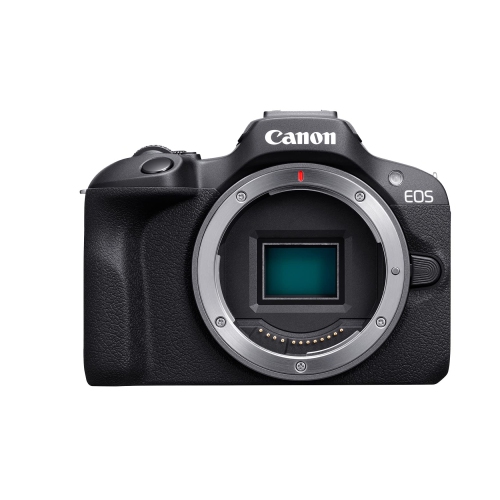
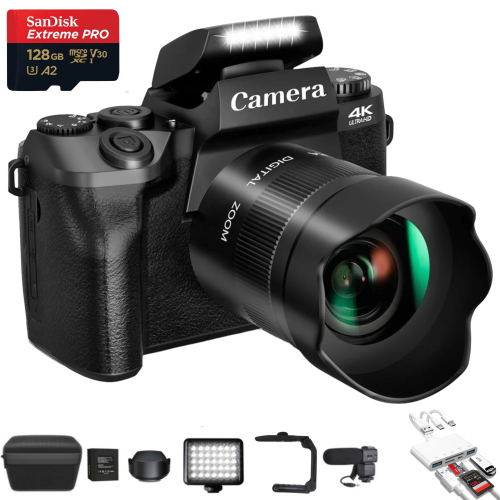
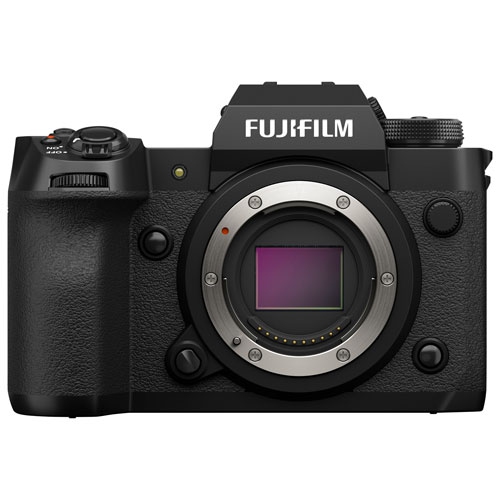
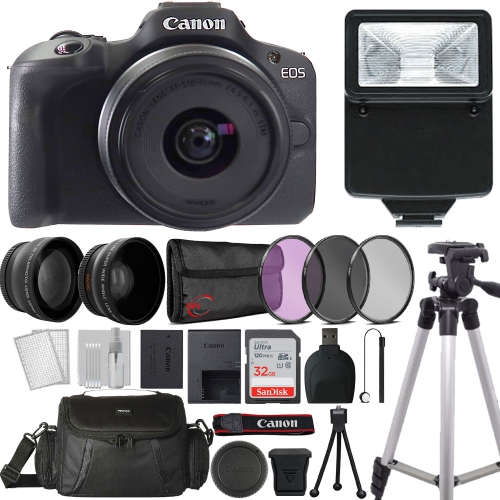
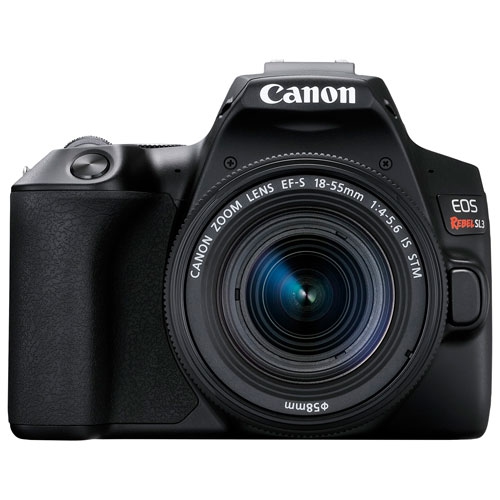
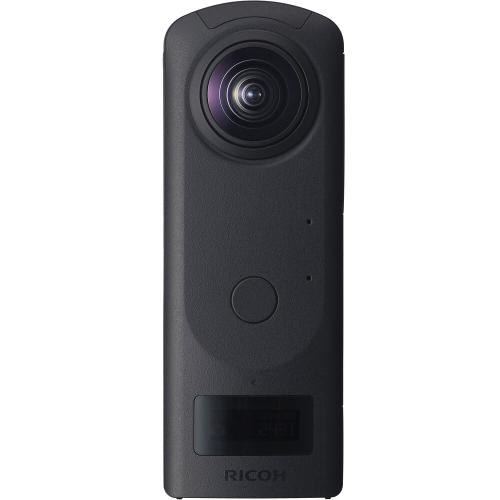

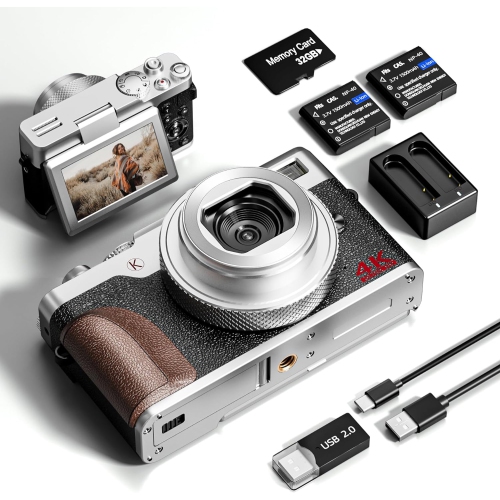
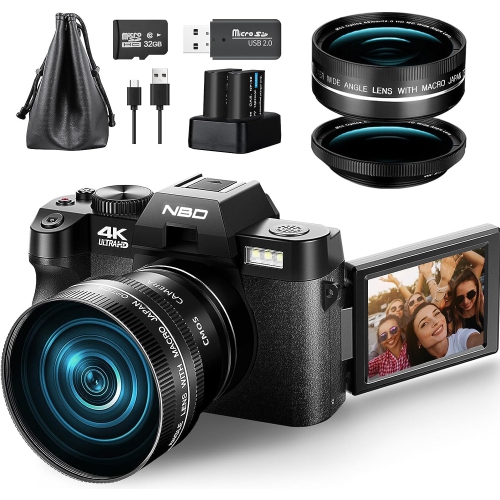
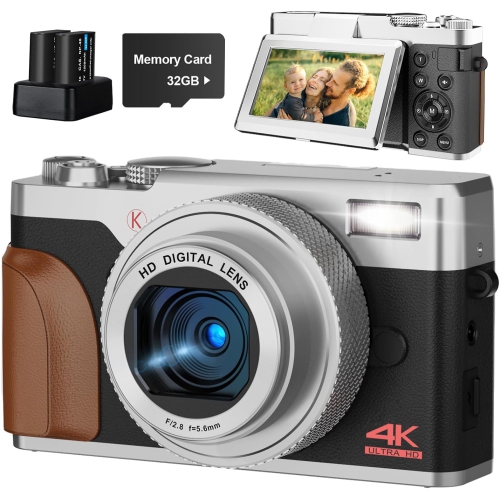
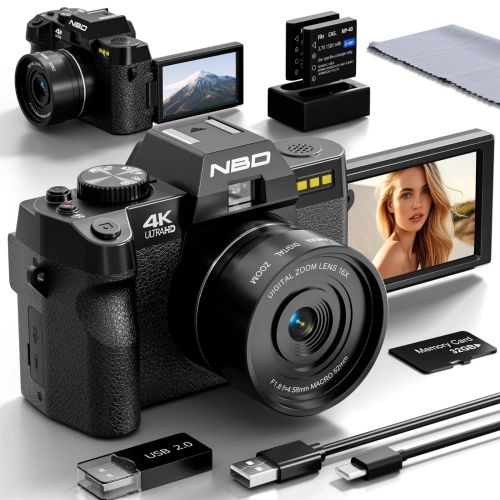
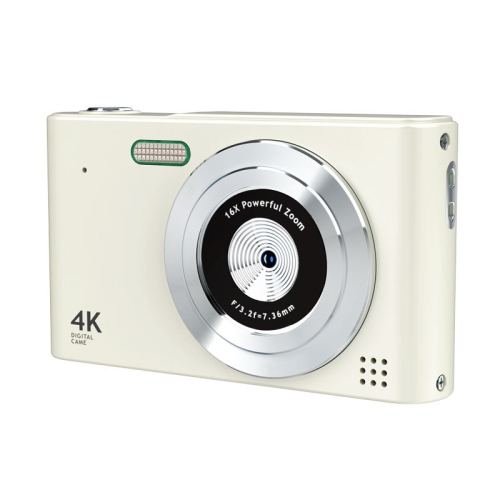
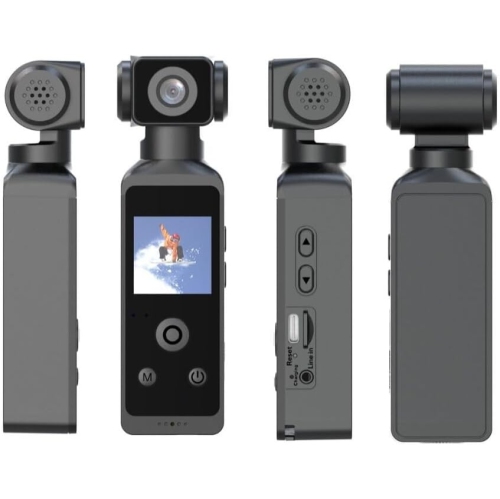
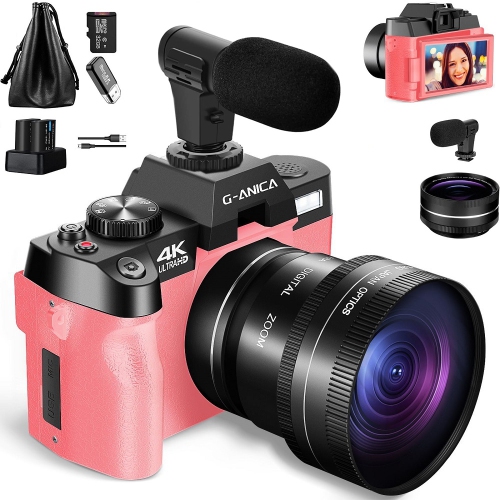
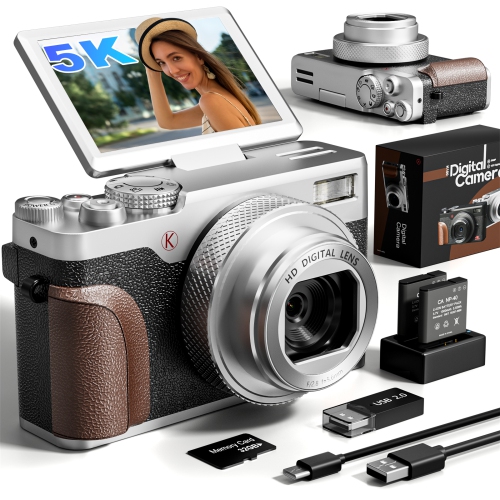
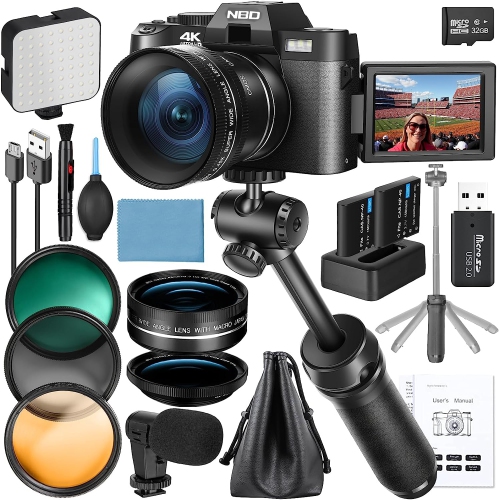
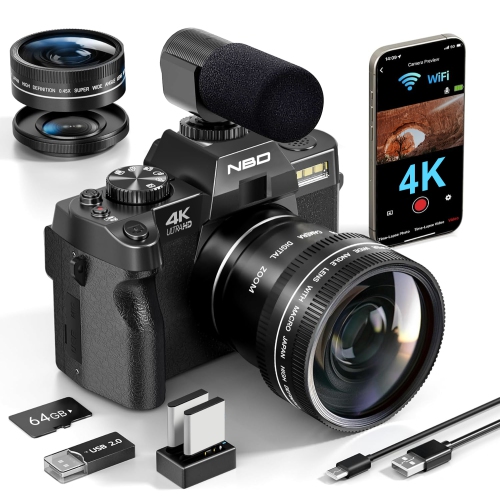
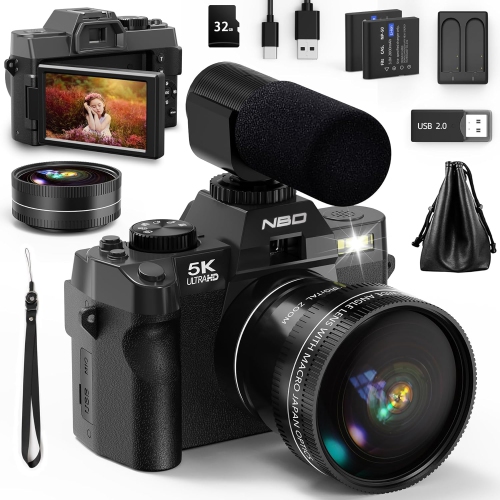
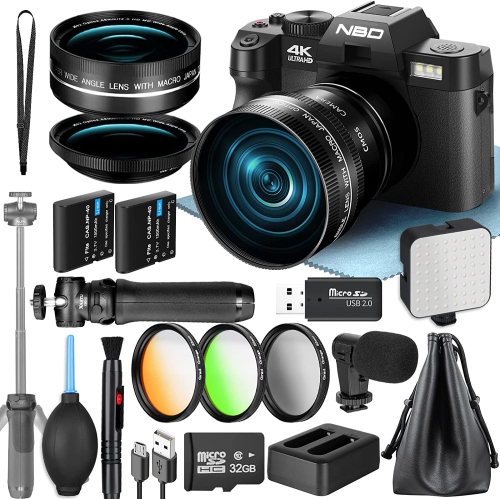
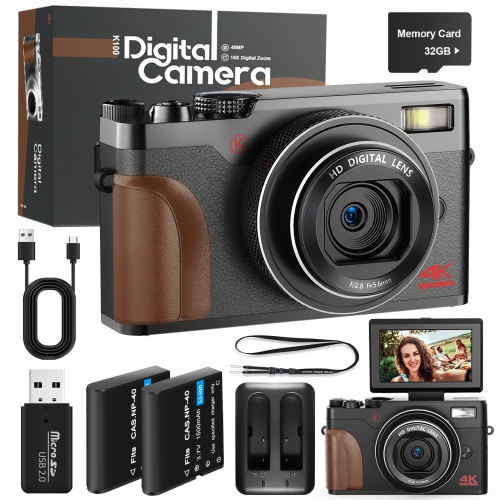
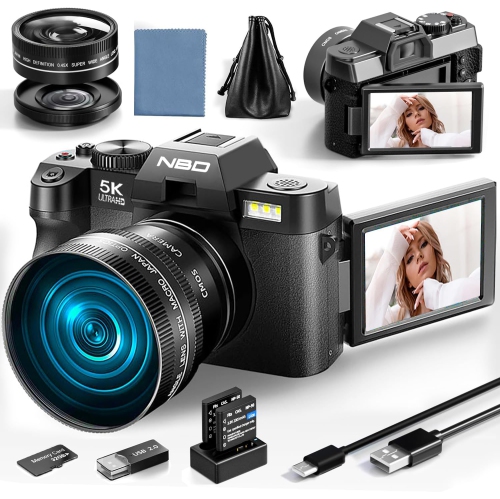
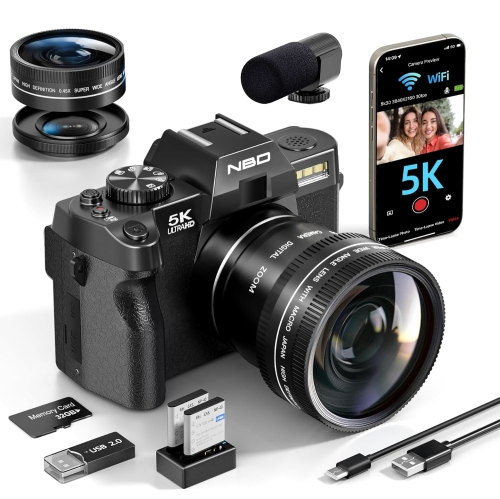
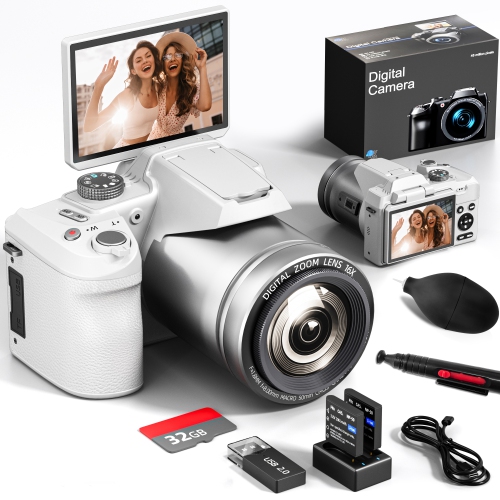
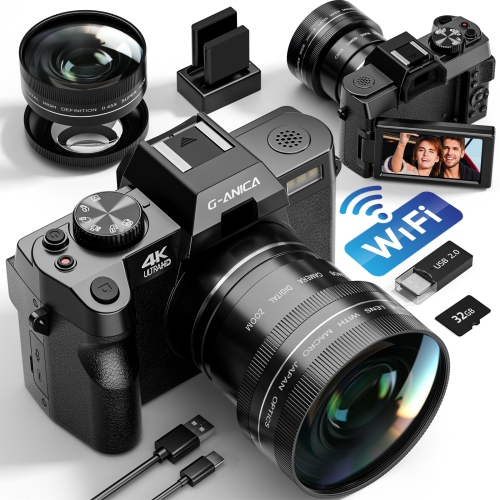
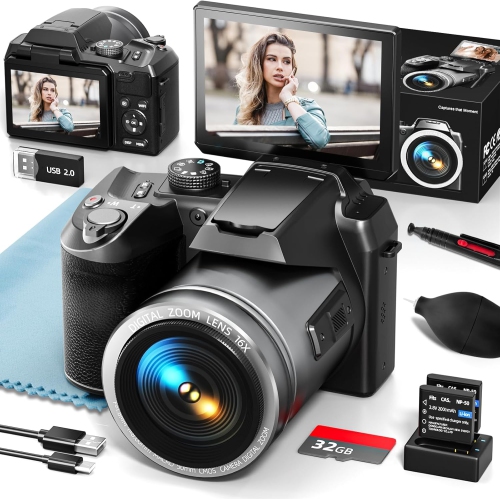
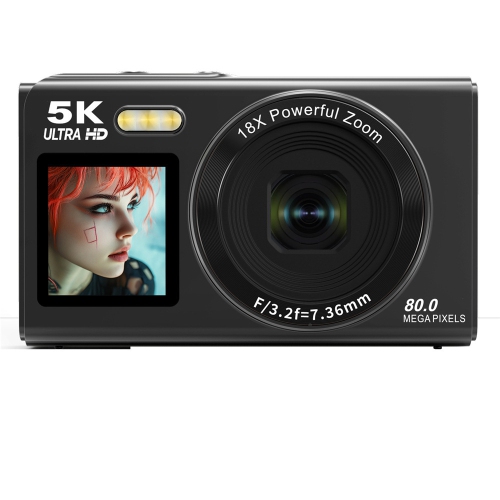
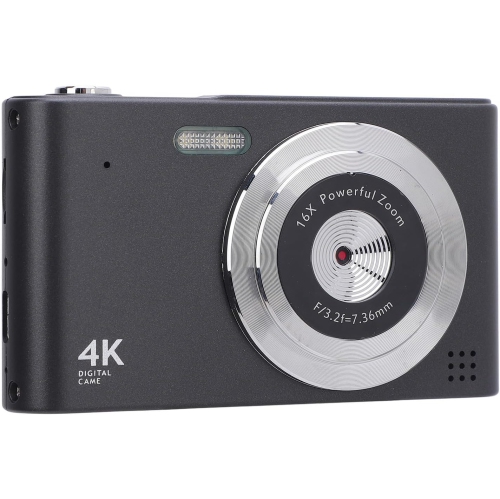
The right camera starts with how you shoot
Photographer-quality cameras are designed for people who want greater control, detail, and consistency than a typical point-and-shoot camera or smartphone can provide. They may appeal to working photographers, serious hobbyists, students building a portfolio, travellers documenting memorable places, or families looking for a thoughtful gift for someone who enjoys making images. A capable camera can reveal fine texture in a weathered building, the subtle expression in a portrait, or the layered colours of a landscape during the cooler months. The best choice depends on how and where the camera will be used, since a body built for studio portraits may feel very different from one intended for hiking, travel, sports, or street photography. Full-frame sensors are often selected for strong low-light performance, broad dynamic range, and a shallow depth of field that can separate a subject from a softly blurred background. APS-C sensors can provide an appealing balance of image quality, portability, and value, while medium-format systems are aimed at photographers who prioritize exceptional resolution and rich tonal detail for large prints or commercial work. Resolution matters, but it is only one part of the picture. A camera with a well-balanced sensor, responsive processing, accurate colour rendering, and reliable autofocus can produce more useful results than a camera chosen solely for its megapixel count.
When comparing photographer-quality cameras, consider the subjects you plan to capture and the way you prefer to work. Fast autofocus and intelligent subject detection are valuable for wildlife, sports, active children, and candid moments, where a split second can make the difference between a sharp image and a missed opportunity. Continuous shooting performance can help when a runner crosses the frame or a bird takes flight, while a quiet shutter mode is useful for ceremonies, performances, and intimate portraits. For landscapes, architecture, and product photography, high resolution, good edge-to-edge sharpness, and a broad range of manual controls can make it easier to preserve small details from shadow to highlight. A tilting or fully articulating screen can be helpful for low-angle compositions, overhead views, and video, whereas a bright electronic viewfinder gives a clear view in strong daylight and can show exposure changes before the shutter is pressed. Comfortable grip design, well-placed dials, and a menu system that feels easy to navigate are also important, especially during a long session. Lens compatibility should be part of the decision from the beginning: interchangeable-lens cameras offer room to expand with wide-angle lenses for scenery, telephoto lenses for distant subjects, macro lenses for close-up detail, and bright portrait lenses for soft backgrounds. A camera body is only one part of the kit, so leave room in the budget for memory cards, spare batteries, a suitable bag, a tripod, and protective accessories. Photographers who already own lenses should confirm mount compatibility before choosing a new body, while someone starting from scratch may appreciate a kit that includes a versatile everyday lens.
Portability and durability can shape how often a camera is actually used. A larger body may offer a deeper grip, additional controls, a high-capacity battery, and a more comfortable fit with long lenses, but a smaller body can be easier to carry through a city, pack for a trip, or keep ready for spontaneous photographs. Weather sealing and sturdy construction can provide extra confidence when conditions change, although every camera still benefits from sensible care and protection from rain, dust, sand, and extreme temperatures. For photographers who enjoy recording video as well as still images, look for features such as high-resolution video, microphone and headphone connections, dependable autofocus during recording, effective image stabilization, and a screen that can be viewed from different angles. Built-in Wi-Fi or Bluetooth can simplify transfers to a phone or tablet for sharing, backup, and quick editing, while a strong battery and straightforward charging options are useful for travel and events. Those moving up from a basic camera may find the range of settings overwhelming at first; starting with aperture priority or shutter priority can provide creative control without requiring every setting to be adjusted manually. An experienced photographer may prefer physical dials and customizable buttons that make familiar adjustments feel immediate. As a gift, a photographer-quality camera is especially meaningful when paired with accessories that match the recipient’s style, such as an extra battery for long outings or a comfortable strap for everyday walks. Shoppers comparing DSLR designs can also explore High Quality DSLR Cameras to review another established camera format. Whether the goal is to photograph family celebrations, build a professional portfolio, capture wildlife, or preserve travel memories, choosing a camera around real shooting habits will make it easier to carry, learn, and enjoy for years of creative work.
When comparing photographer-quality cameras, consider the subjects you plan to capture and the way you prefer to work. Fast autofocus and intelligent subject detection are valuable for wildlife, sports, active children, and candid moments, where a split second can make the difference between a sharp image and a missed opportunity. Continuous shooting performance can help when a runner crosses the frame or a bird takes flight, while a quiet shutter mode is useful for ceremonies, performances, and intimate portraits. For landscapes, architecture, and product photography, high resolution, good edge-to-edge sharpness, and a broad range of manual controls can make it easier to preserve small details from shadow to highlight. A tilting or fully articulating screen can be helpful for low-angle compositions, overhead views, and video, whereas a bright electronic viewfinder gives a clear view in strong daylight and can show exposure changes before the shutter is pressed. Comfortable grip design, well-placed dials, and a menu system that feels easy to navigate are also important, especially during a long session. Lens compatibility should be part of the decision from the beginning: interchangeable-lens cameras offer room to expand with wide-angle lenses for scenery, telephoto lenses for distant subjects, macro lenses for close-up detail, and bright portrait lenses for soft backgrounds. A camera body is only one part of the kit, so leave room in the budget for memory cards, spare batteries, a suitable bag, a tripod, and protective accessories. Photographers who already own lenses should confirm mount compatibility before choosing a new body, while someone starting from scratch may appreciate a kit that includes a versatile everyday lens.
Portability and durability can shape how often a camera is actually used. A larger body may offer a deeper grip, additional controls, a high-capacity battery, and a more comfortable fit with long lenses, but a smaller body can be easier to carry through a city, pack for a trip, or keep ready for spontaneous photographs. Weather sealing and sturdy construction can provide extra confidence when conditions change, although every camera still benefits from sensible care and protection from rain, dust, sand, and extreme temperatures. For photographers who enjoy recording video as well as still images, look for features such as high-resolution video, microphone and headphone connections, dependable autofocus during recording, effective image stabilization, and a screen that can be viewed from different angles. Built-in Wi-Fi or Bluetooth can simplify transfers to a phone or tablet for sharing, backup, and quick editing, while a strong battery and straightforward charging options are useful for travel and events. Those moving up from a basic camera may find the range of settings overwhelming at first; starting with aperture priority or shutter priority can provide creative control without requiring every setting to be adjusted manually. An experienced photographer may prefer physical dials and customizable buttons that make familiar adjustments feel immediate. As a gift, a photographer-quality camera is especially meaningful when paired with accessories that match the recipient’s style, such as an extra battery for long outings or a comfortable strap for everyday walks. Shoppers comparing DSLR designs can also explore High Quality DSLR Cameras to review another established camera format. Whether the goal is to photograph family celebrations, build a professional portfolio, capture wildlife, or preserve travel memories, choosing a camera around real shooting habits will make it easier to carry, learn, and enjoy for years of creative work.
Top selling and popular products
-
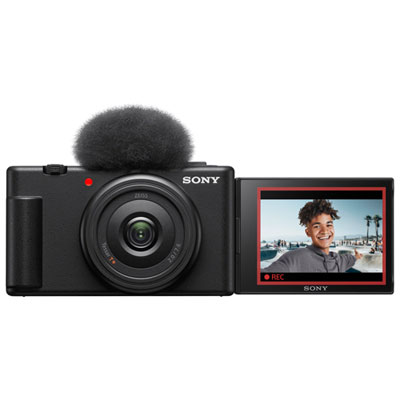 Your price for this item is $649.99
 -
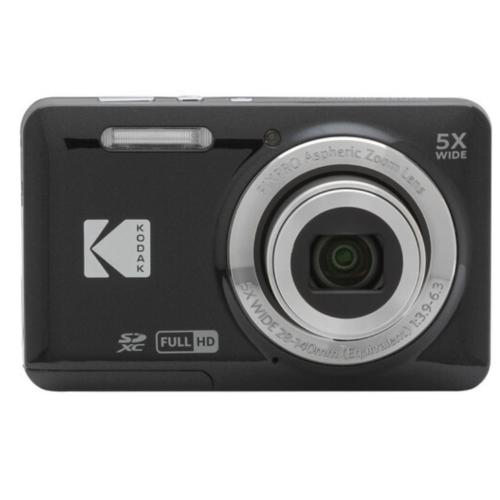 Your price for this item is $253
 -
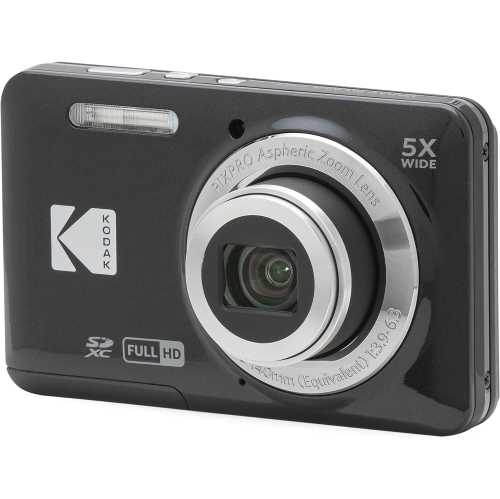 Your price for this item is $255
 -
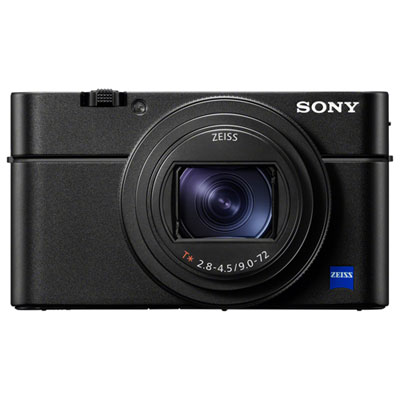 Your price for this item is $1999.99
 -
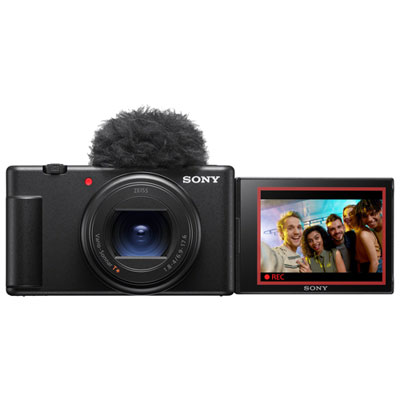 Your price for this item is $1199.99
 -
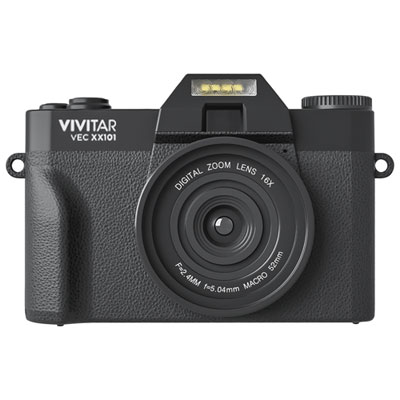 Your price for this item is $199.99
 -
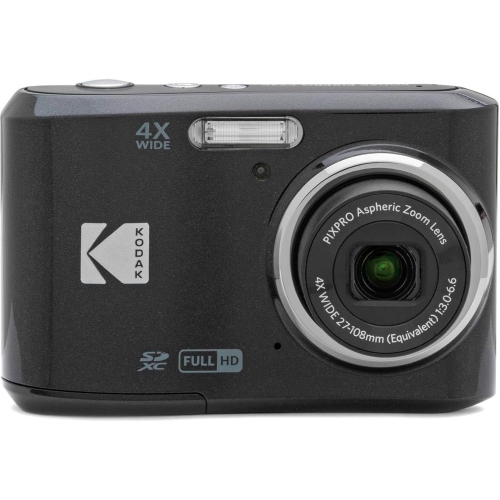 Your price for this item is $185
 -
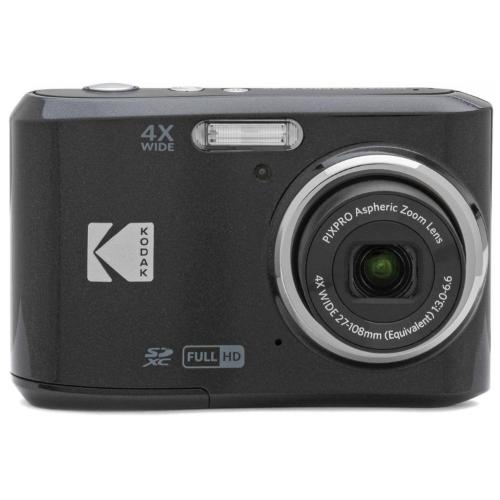 Your price for this item is $278
Discover more categories related to Photographer Quality Cameras
Top Collections:
Pokemon Centers, Kindle Devices, Best Budget Office Chairs, Apple iPhones 16, Best Laptops for Writers, iPhone 15 Apple, Canon G7X Cameras, Refurbished Apple Laptops, Alarm Clock, Motorola Razr Phones
Some products may be subject to Environmental Handling Fees
(EHF) depending on your province.
Learn more about EHFs.