Gigabit Ethernet SFP Modules
Gigabit Ethernet SFP Modules provide a reliable solution for expanding and optimizing network connectivity in both home and business environments. Designed to support high-speed data transfer, these modules make it easy to enhance network performance and flexibility. Whether upgrading existing infrastructure or building a new network, Gigabit Ethernet SFP Modules offer seamless integration with compatible switches, routers, and other networking equipment. Explore a range of options to find the right fit for your networking needs.
Sort






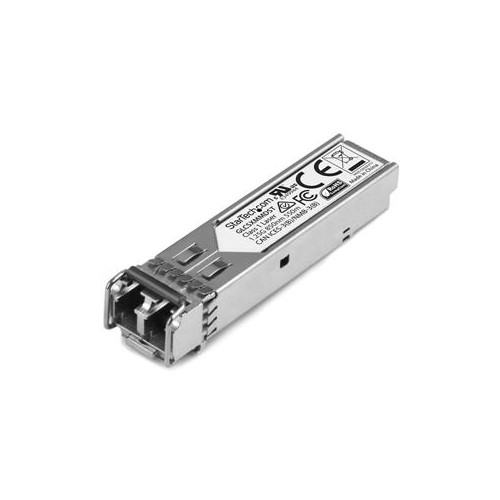


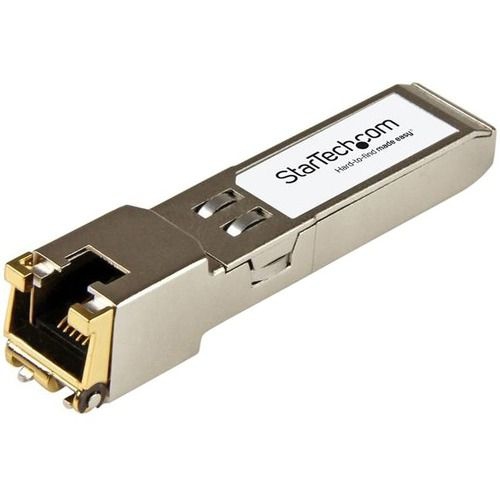



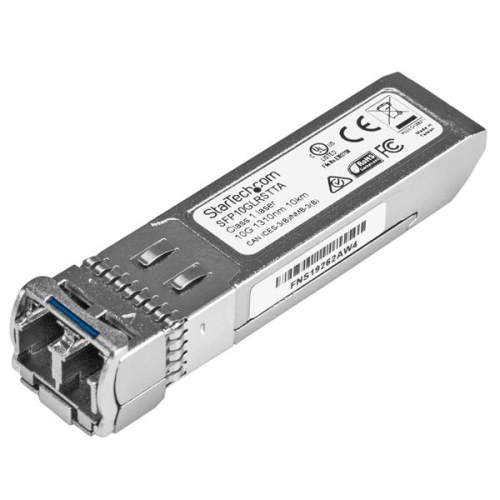

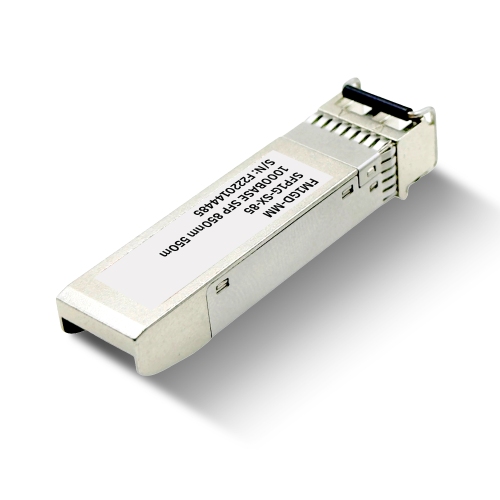
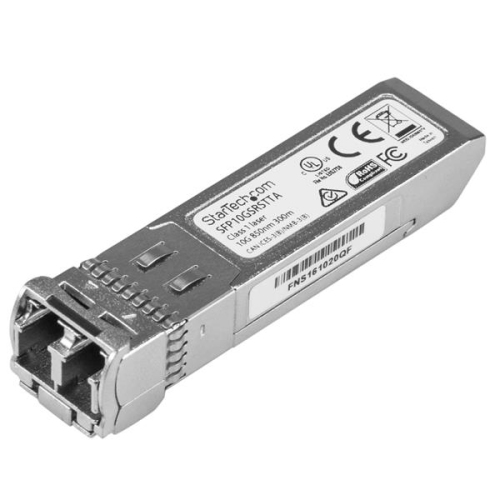

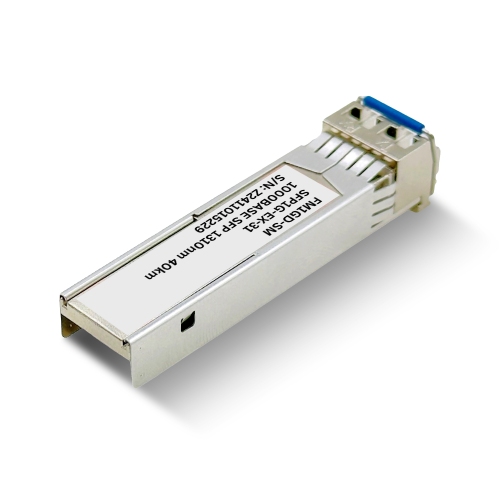

Flexible connections for changing network layouts
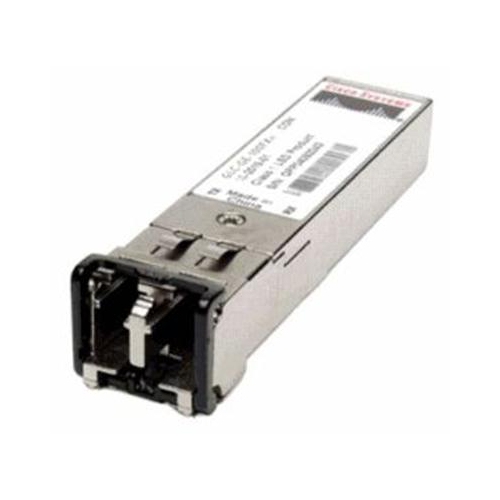
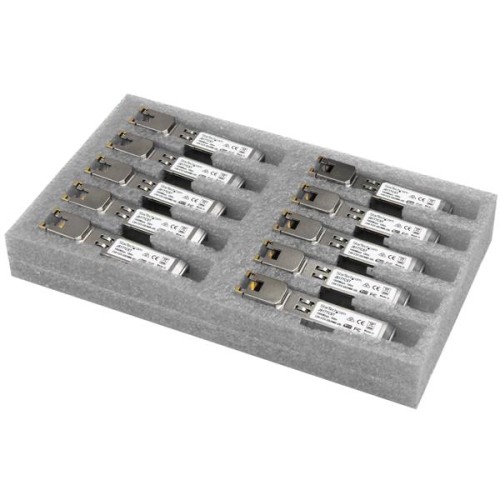
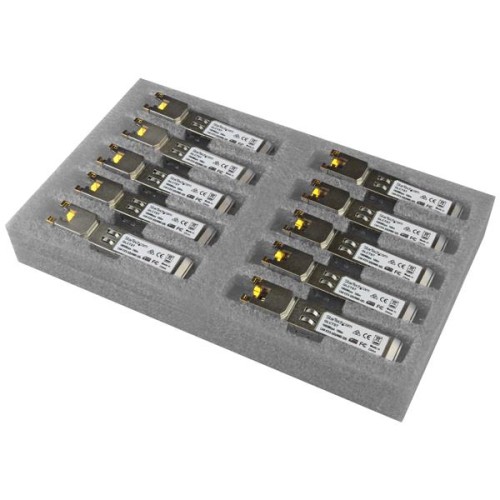
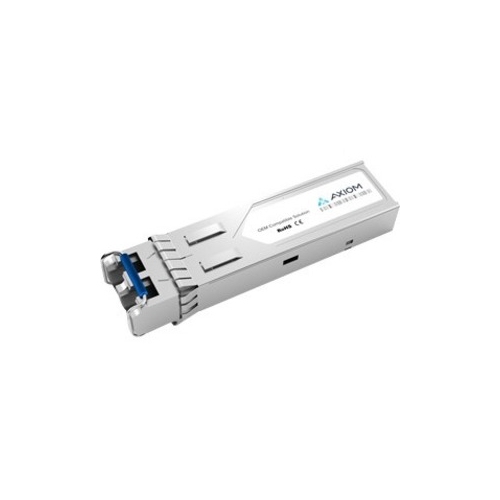
Gigabit Ethernet SFP modules are compact transceiver devices that add 1 Gbps network connectivity to compatible switches, routers, servers, and other networking hardware. The SFP, or Small Form-factor Pluggable, design allows a module to be inserted into an available slot rather than requiring the entire network device to be replaced. This makes it easier to adapt a wired network as rooms, work areas, equipment racks, and building layouts change. Many modules are hot-swappable, so an installer can add or replace a transceiver without shutting down the host device, although the equipment manufacturer’s instructions should always be followed before making changes. A copper module with an RJ-45 port is a practical choice when a network already uses standard Cat5e or Cat6 Ethernet cable. Copper connections typically support runs of up to 100 metres, making them well suited to offices, classrooms, retail spaces, workshops, and home labs where the network cabinet and connected equipment are relatively close together. Fibre modules are useful when the connection needs to travel farther, pass between floors, or avoid the electrical interference that can affect copper cabling in some settings. Multimode fibre is commonly used for shorter connections inside a building or across nearby facilities, with supported distances reaching up to approximately 550 metres depending on the module, fibre type, network speed, and installation conditions. For longer links, single-mode fibre uses laser optics and can support distances from roughly 10 kilometres to 120 kilometres or more with the right equipment and specifications. The correct choice depends on more than distance alone: the network speed, connector style, fibre type, wavelength, port specification, and host-device compatibility all need to match.
Before selecting a Gigabit Ethernet SFP module, begin by checking the documentation for the switch, router, server, or media converter where it will be installed. Some devices accept a broad range of transceivers, while others require modules coded for a particular equipment family or approved according to specific firmware and hardware requirements. Matching the module to the host can help prevent errors such as a port that remains inactive, an unsupported-transceiver message, or a link that repeatedly drops. Next, confirm whether the connection calls for copper or fibre. Copper SFP modules let you continue using familiar RJ-45 patch cables, which can be convenient when the existing cabling is already in place. Fibre modules require compatible fibre patch cables and connectors, often LC connectors, along with careful attention to multimode or single-mode specifications. A bi-directional, or BiDi, module can send and receive data over one strand of fibre by using separate upstream and downstream wavelengths, which can be valuable where only one strand is available. BiDi installations must use a properly matched pair, since the two ends need complementary transmit and receive wavelengths. For a standard two-strand fibre run, select modules that correspond to the cable and connector arrangement at both ends. It is also worth checking operating temperature ratings, maximum transmission distance, duplex mode, wavelength, and whether diagnostic monitoring is supported. These details matter in a quiet home office just as much as in a busy rack: a module placed in a warm, tightly packed cabinet may need different specifications from one installed in an open communications room. Good cable management also helps. Leave enough room for bends, label each end, protect fibre connectors from dust, and avoid sharply twisting or pulling the cable when equipment is moved.
These modules are useful for IT professionals, small-business owners, network installers, students building a lab, and anyone expanding a wired home network with managed equipment. A person setting up a workshop or home office may use a copper SFP module to connect a nearby workstation with the same type of cable already running through the walls. A facilities team connecting two areas of a larger building may choose multimode fibre to create a reliable link between network cabinets without extending a long copper run. A business with separate buildings, storage areas, or remote equipment rooms may need single-mode fibre for the greater reach offered by a compatible optical module; shoppers comparing longer-distance options can also explore Single Mode Fiber SFP Modules. Gigabit Ethernet SFP modules can also make thoughtful gifts for someone who enjoys building a home lab, learning network administration, or upgrading a small studio, although compatibility information is the most important part of the purchase. A gift giver may find it helpful to note the exact model of the recipient’s switch or router, the available SFP port type, and the intended cable distance before choosing. During the cooler months, when more people spend time indoors organising offices, finishing renovation projects, or refining a home technology setup, a correctly matched module can be a small component with a noticeable effect on the finished network. With the right specifications, it can extend a connection, support a cleaner rack layout, and provide a flexible way to connect copper or fibre cabling without replacing the main networking hardware.
Top selling and popular products
-
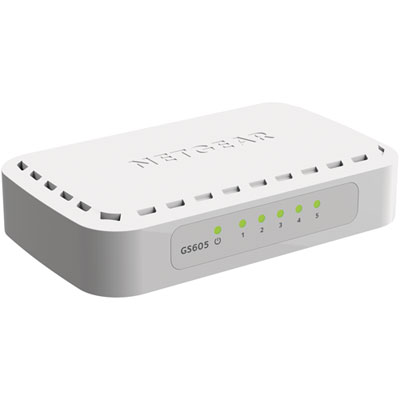 Your price for this item is $34.99
-
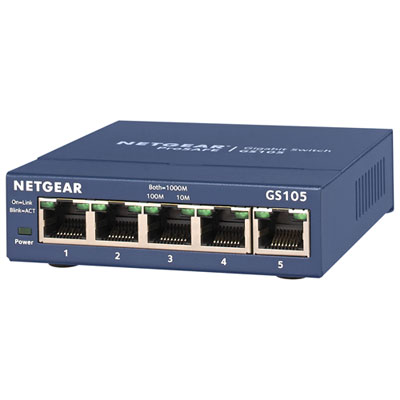 Your price for this item is $54.99
-
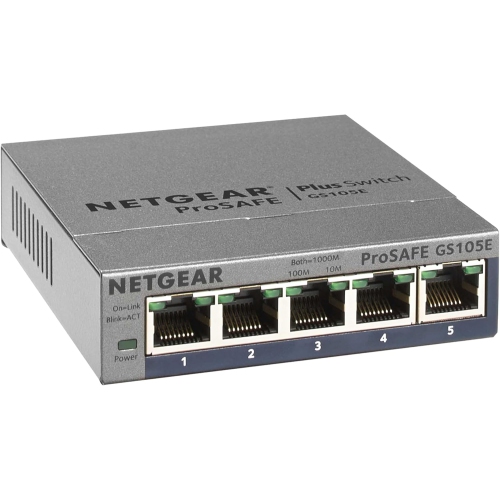 Your price for this item is $72.37
-
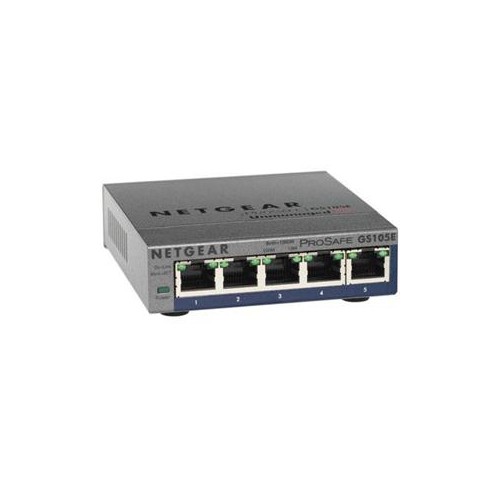 Your price for this item is $62.68
-
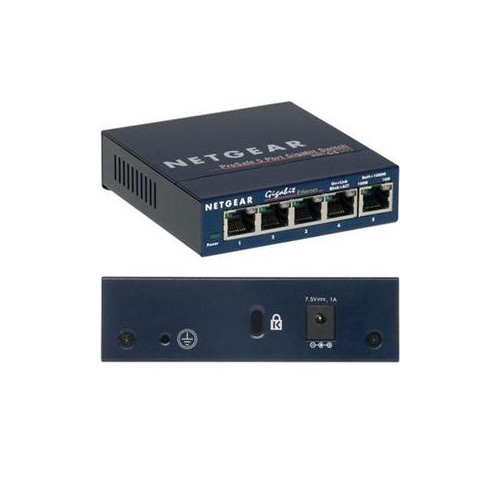 Your price for this item is $59.68
-
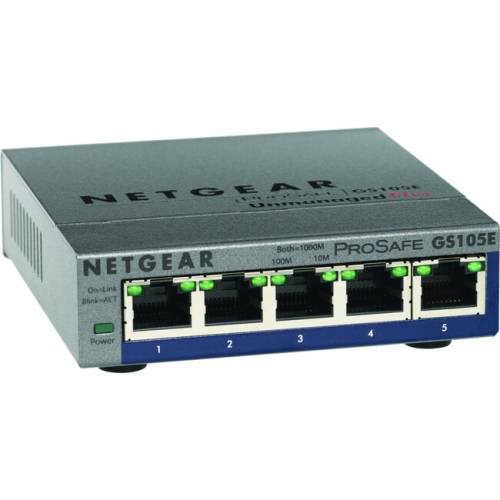 Your price for this item is $76.99
-
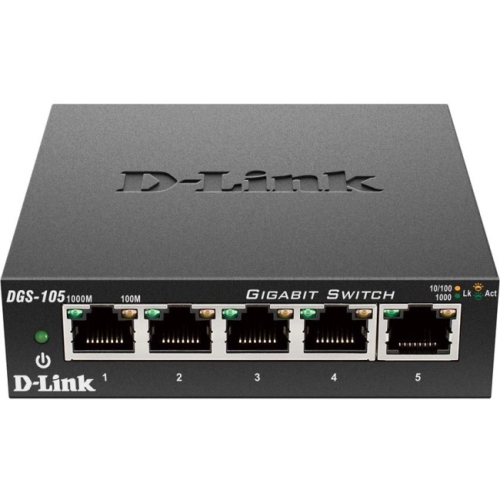 Your price for this item is $25.49
-
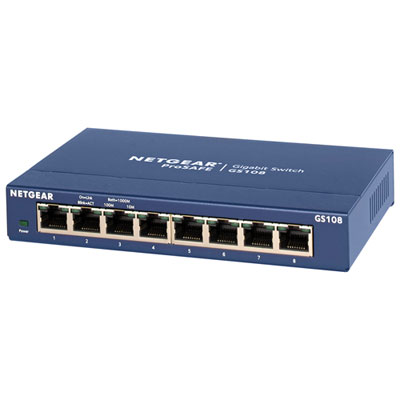 Your price for this item is $57.99
Discover more categories related to Gigabit Ethernet SFP Modules


Top Collections:
Pokemon Centers, Kindle Devices, Best Cameras for Sports Photography, Pokémon 30th Celebration Cards, Apple iPhones 16, Canon G7X Cameras, iPhone 15 Apple, Flip Phones, Samsung Galaxy Phones, Alarm Clock
Some products may be subject to Environmental Handling Fees
(EHF) depending on your province.
Learn more about EHFs.