Apartment Clothes Dryers
If you live in an apartment, you know how important it is to have a reliable clothes dryer. These dryers are perfect for drying your wet clothing in your apartment or condo after a rainy day. They come in a variety of sizes and styles, so you can find the perfect fit for your space. Here are some great options.
Sort
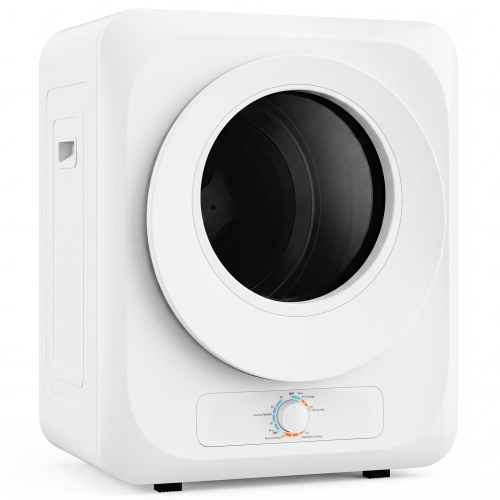
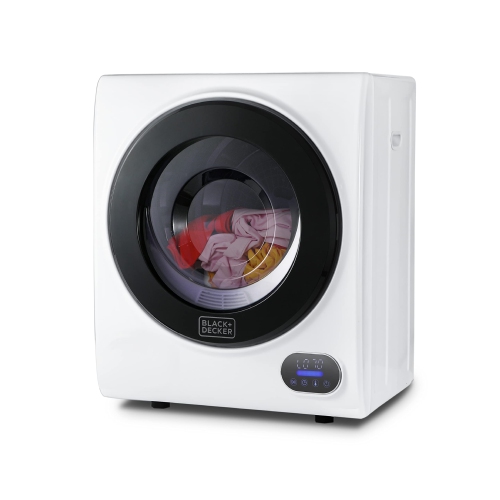
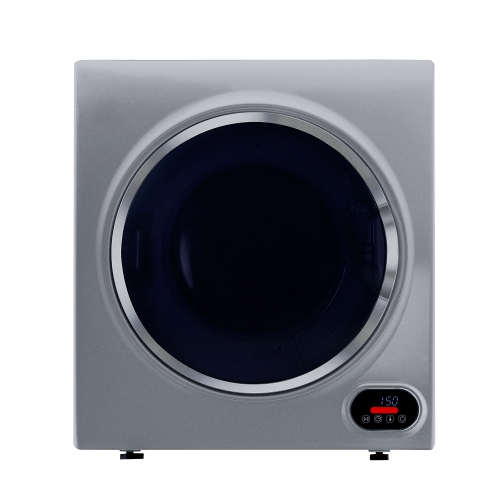
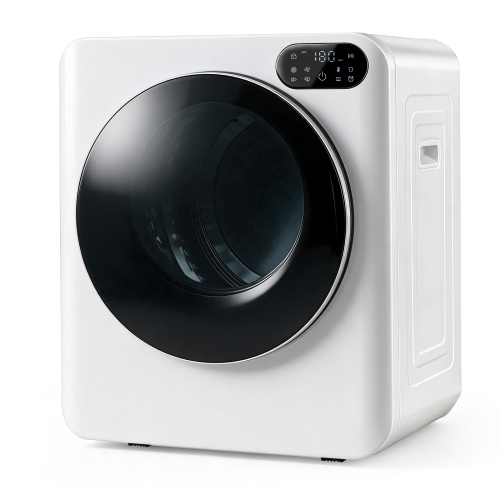

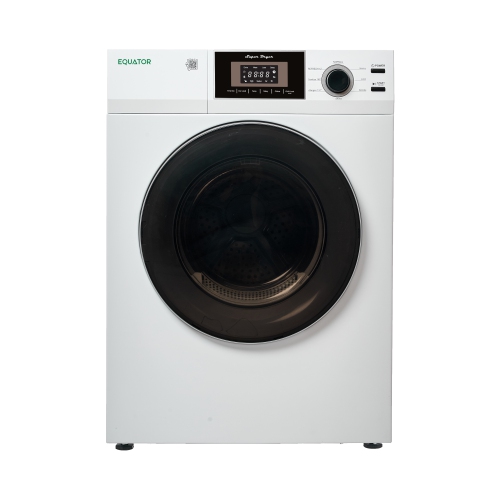
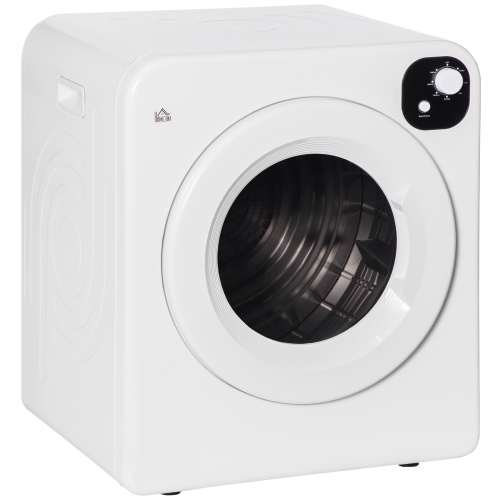
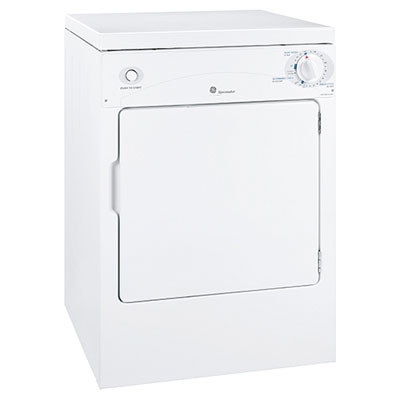

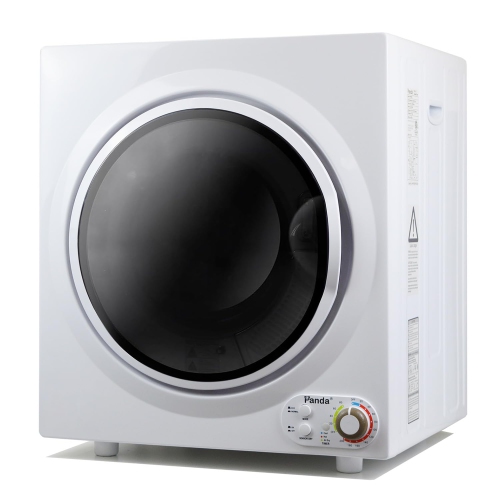

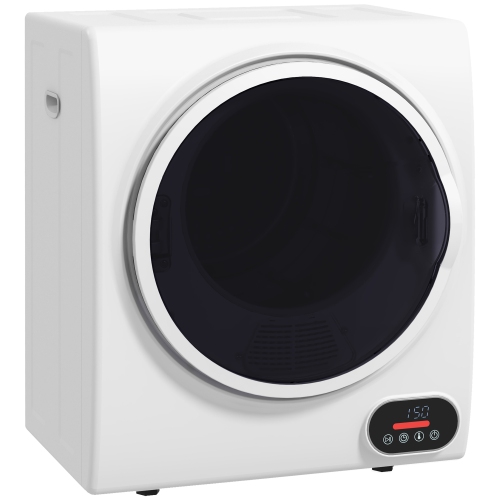
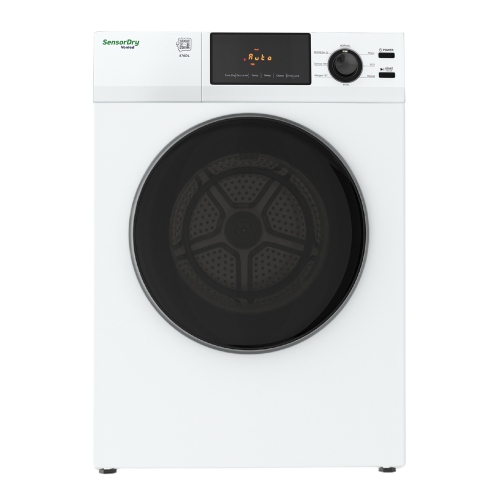
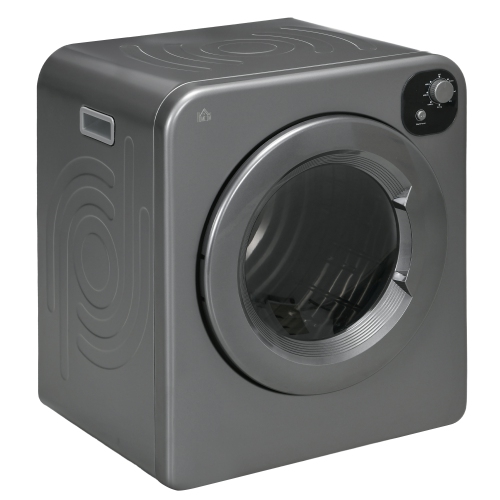
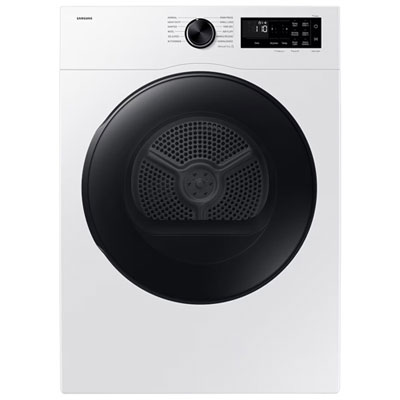
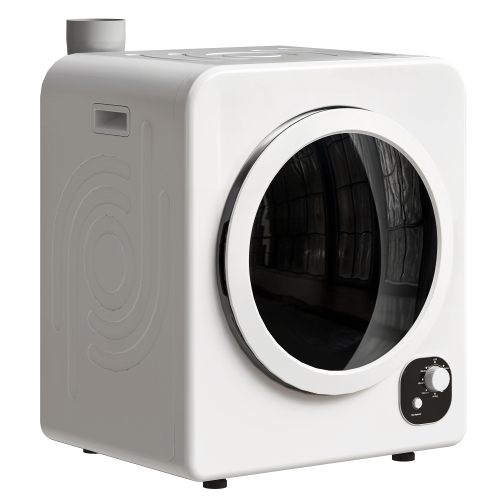
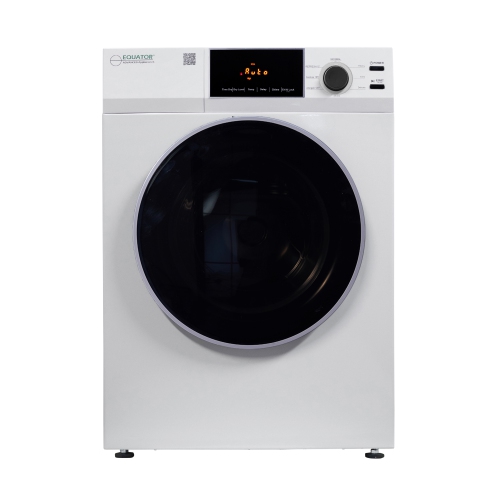
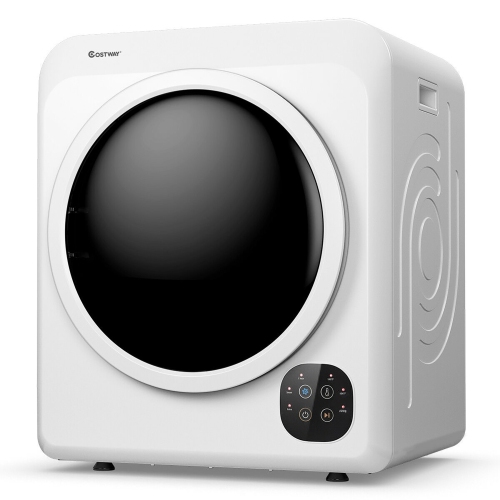
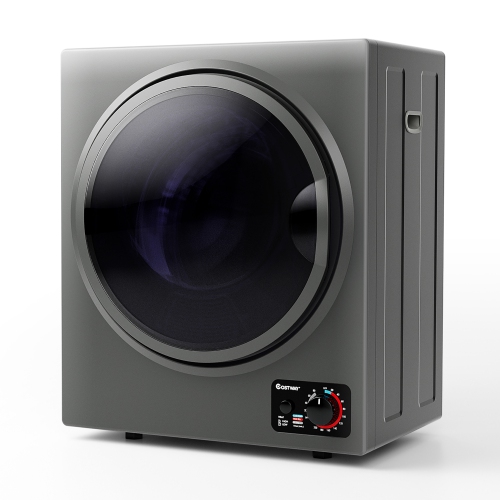

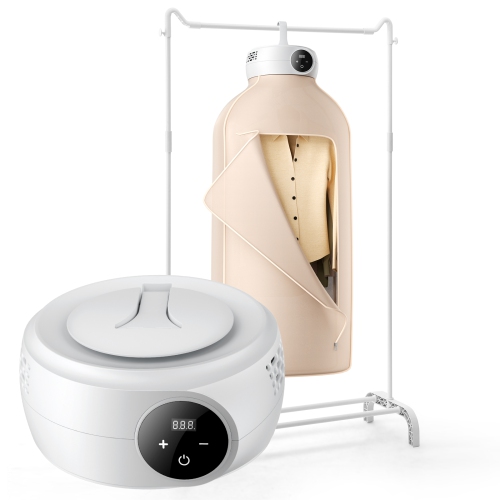
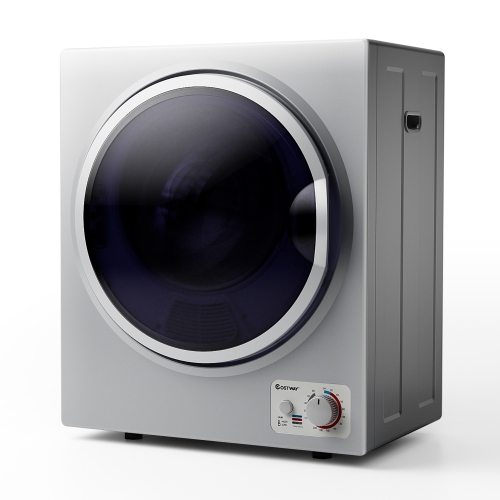
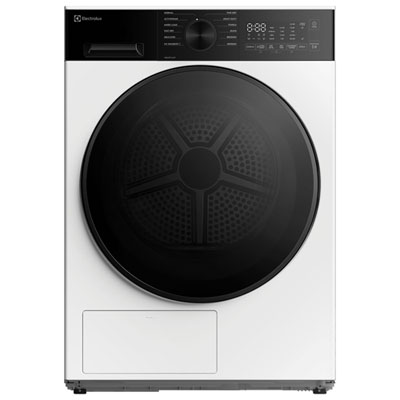
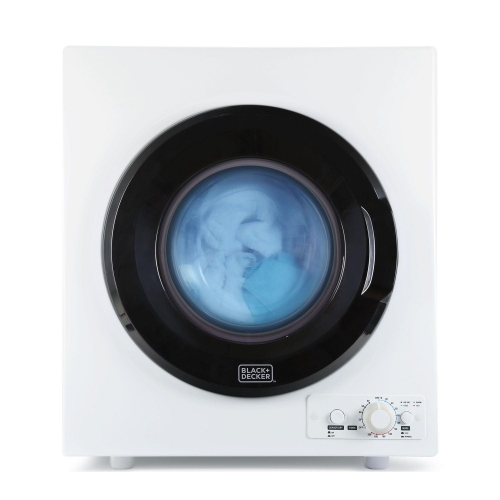
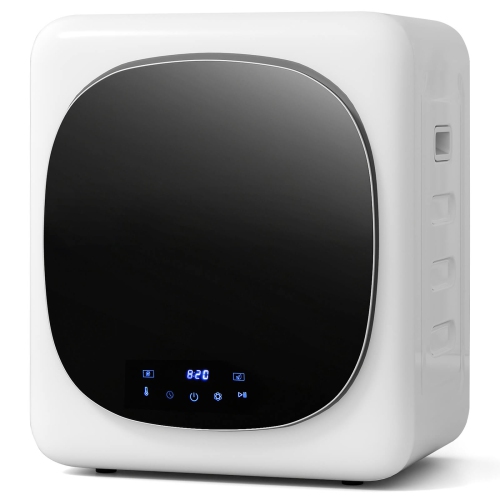
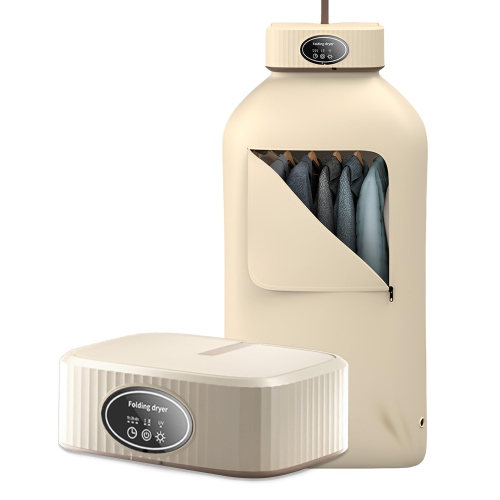
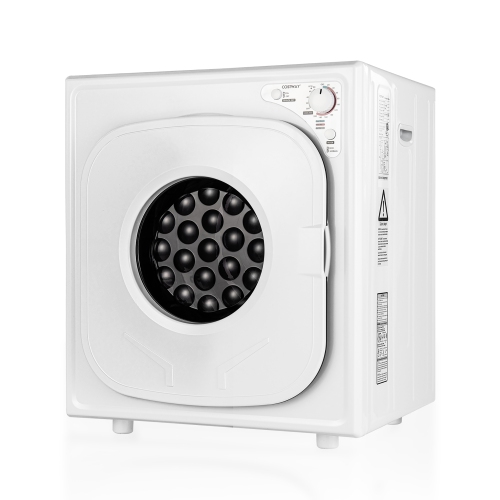


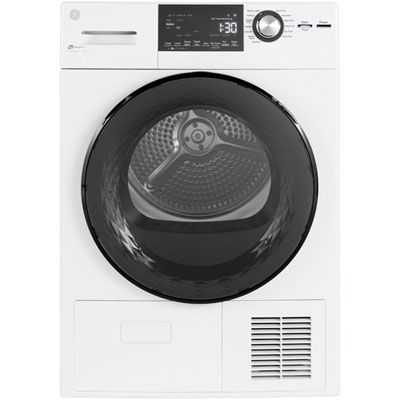
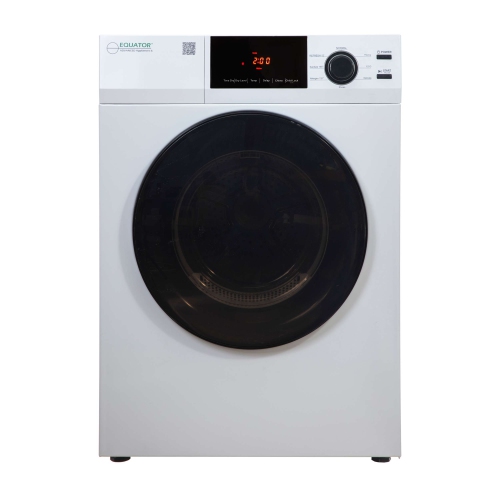
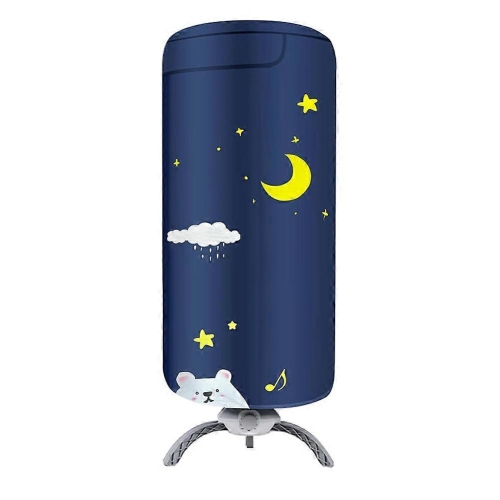
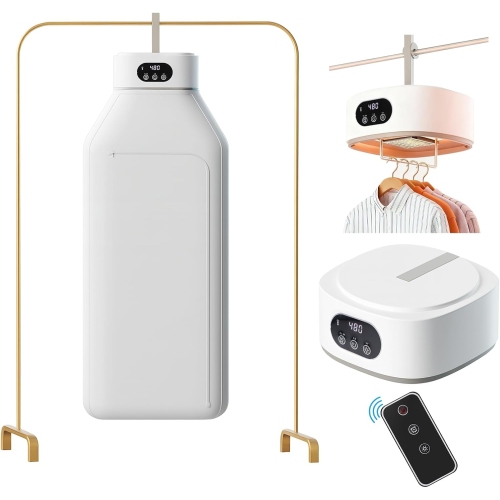
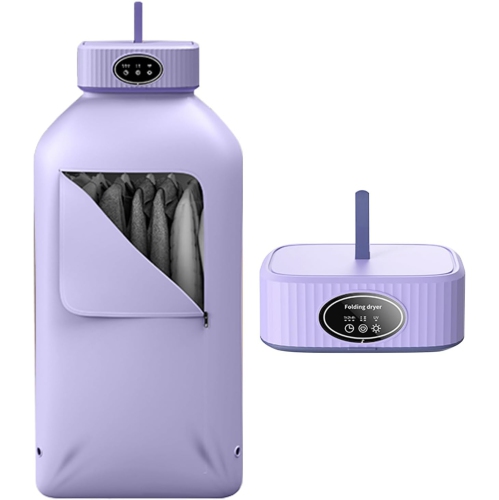
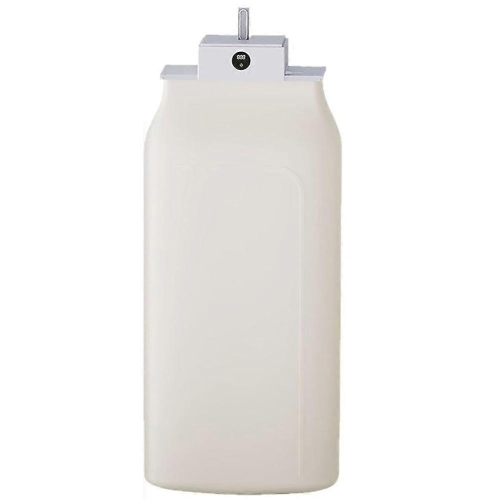
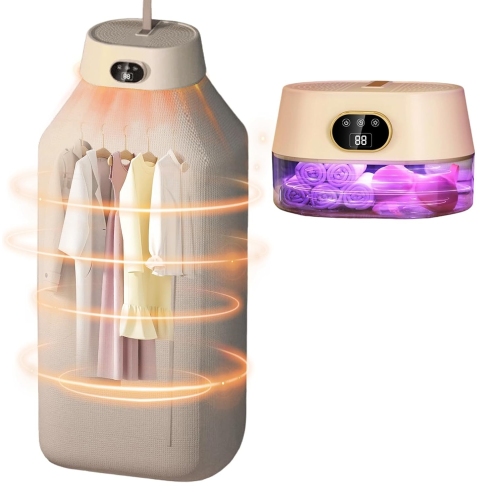
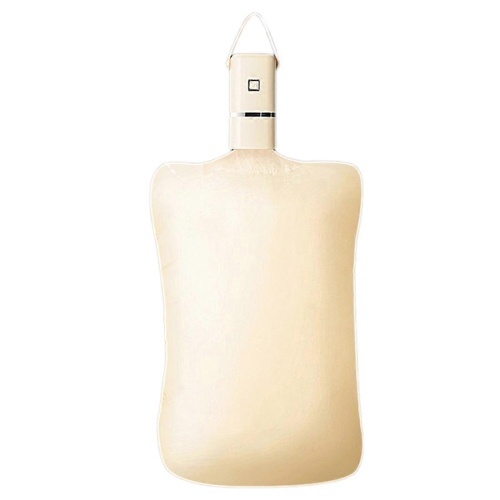

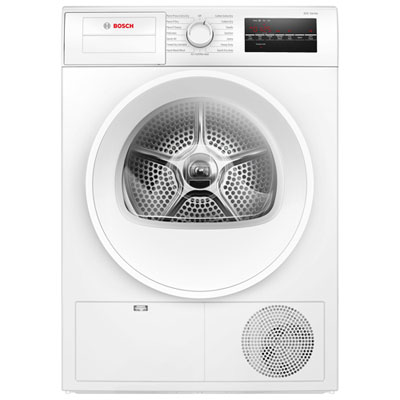

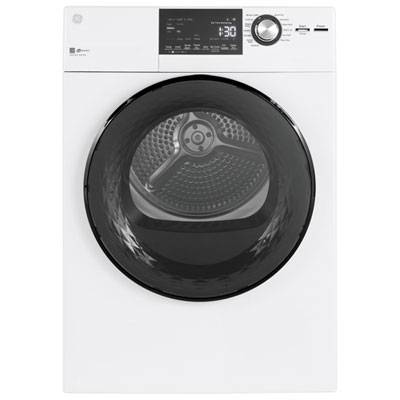
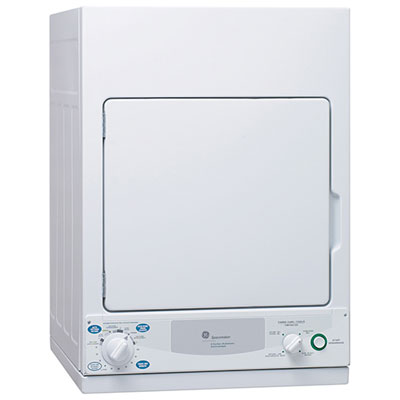
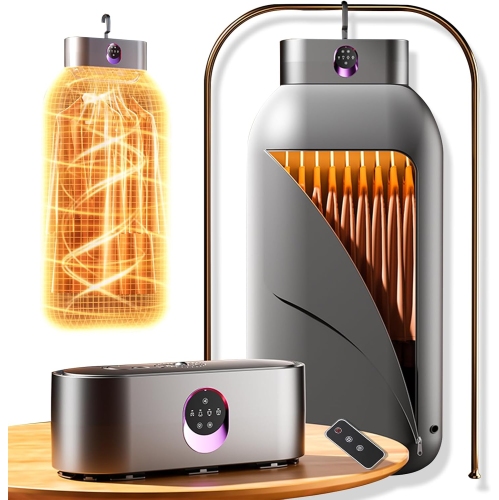
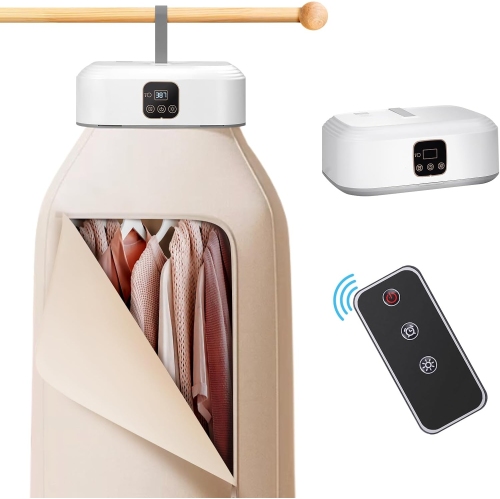
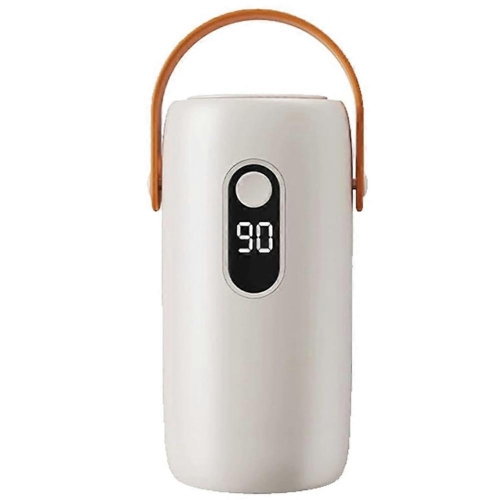
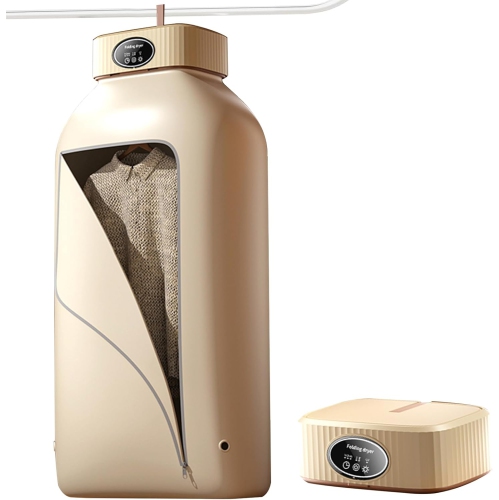
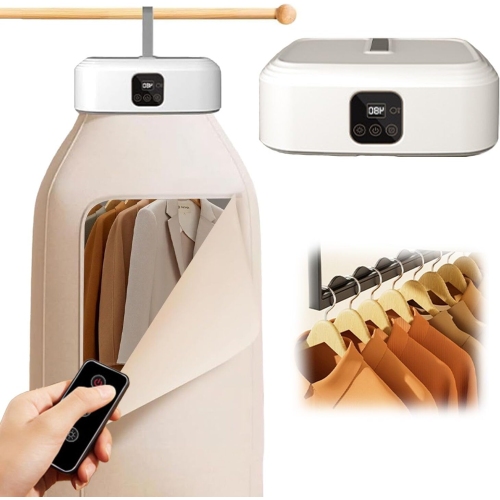

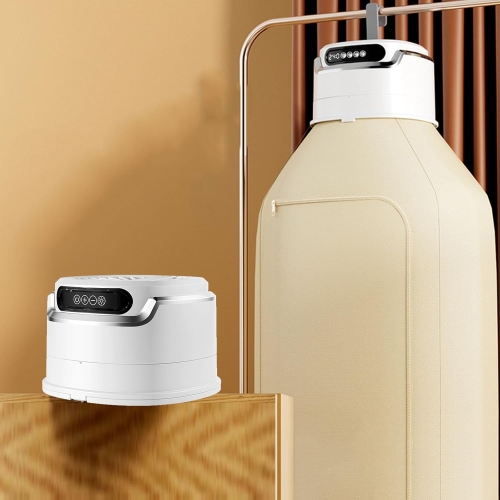
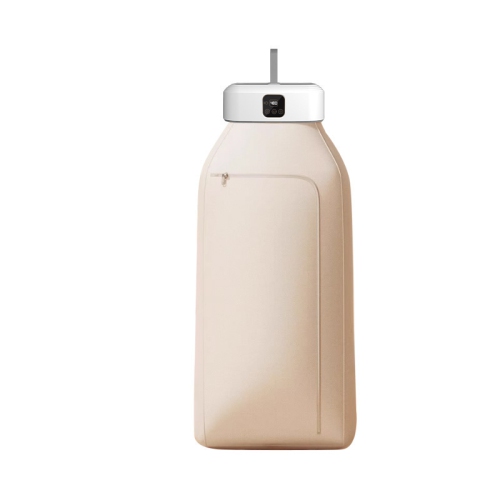
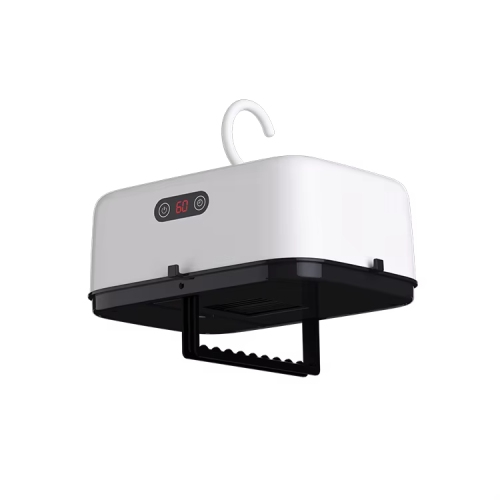
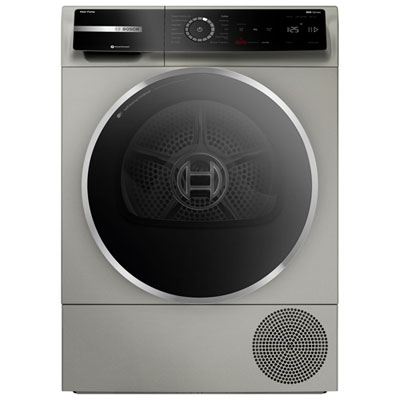
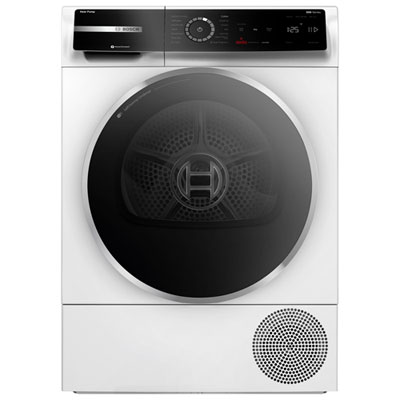
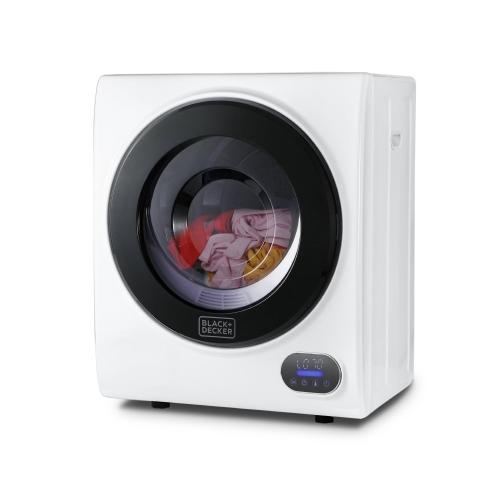
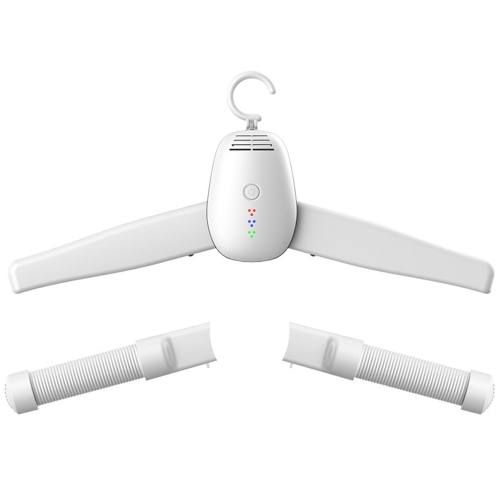
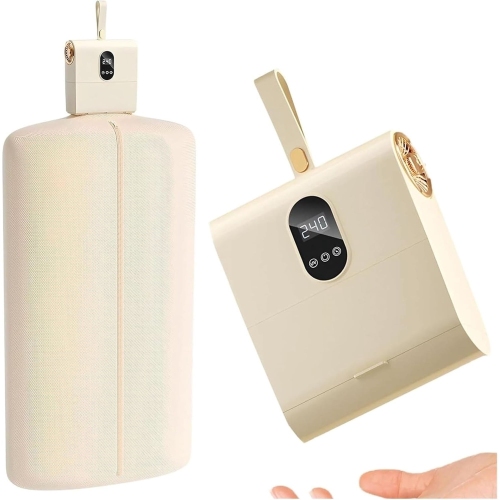

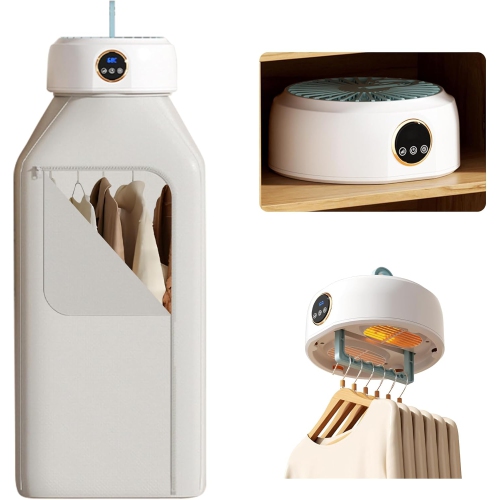
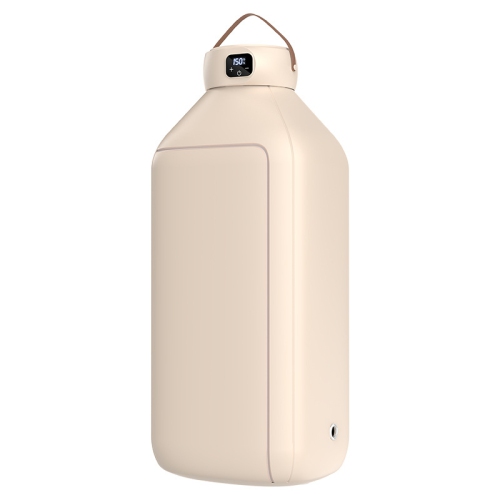
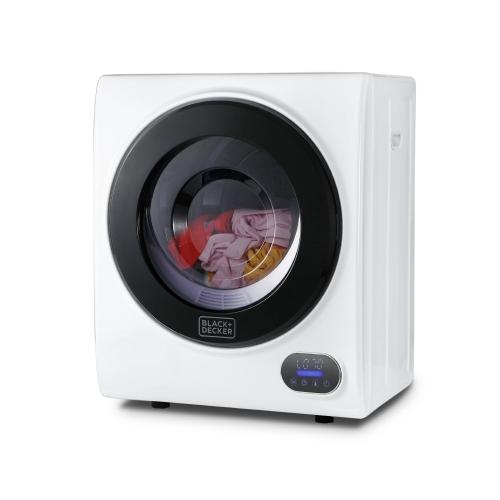
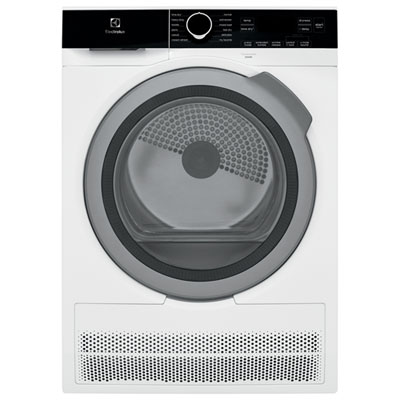

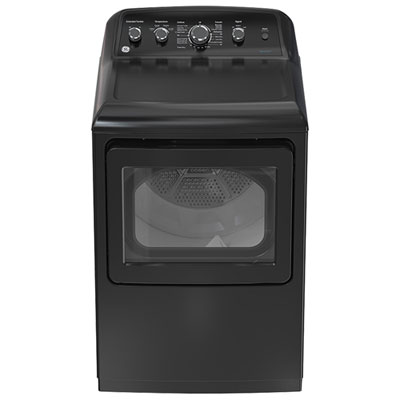
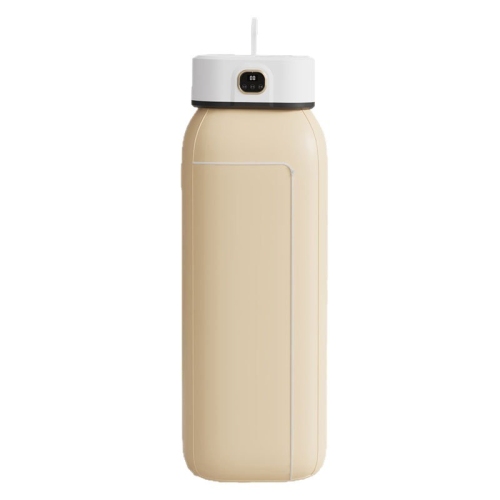
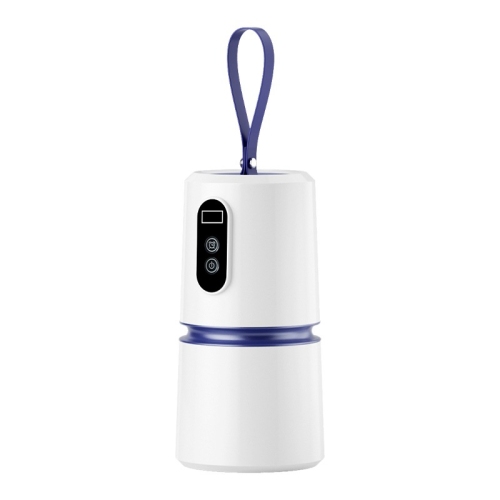
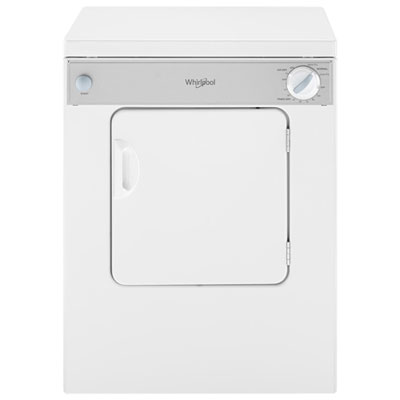
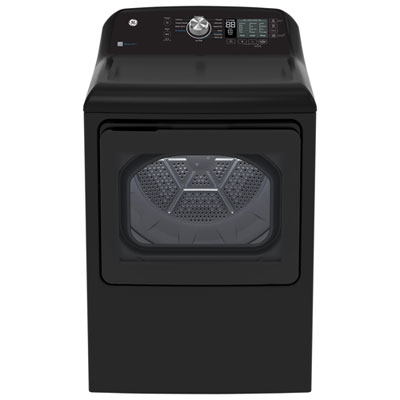



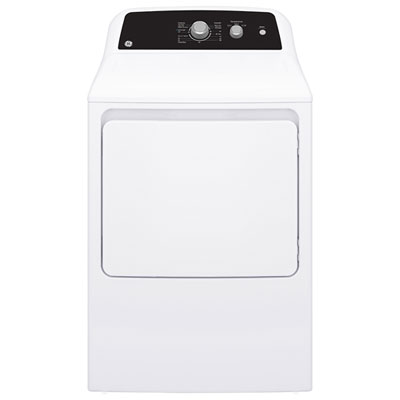
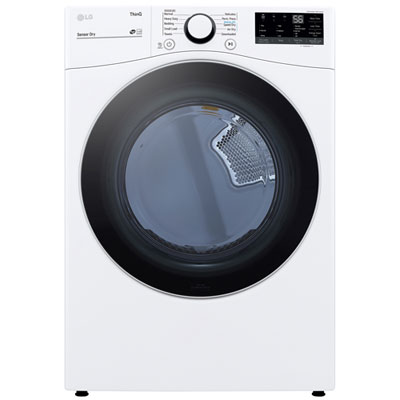
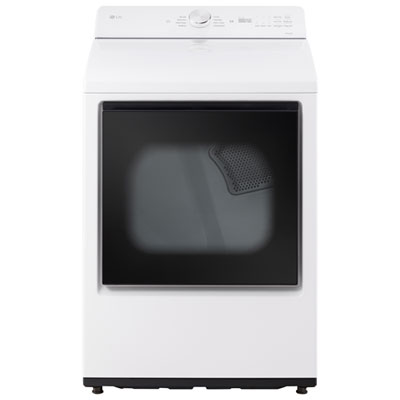
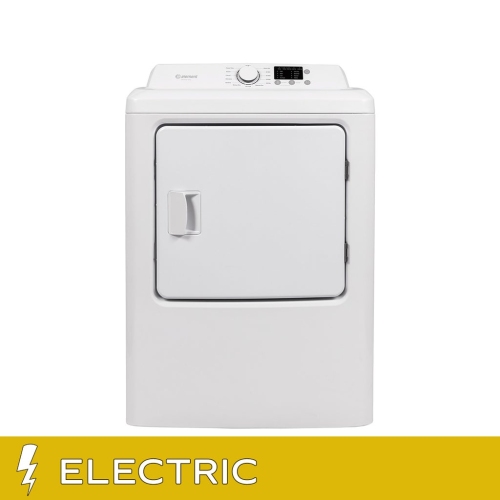
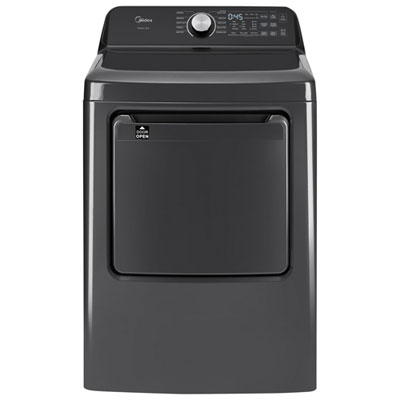
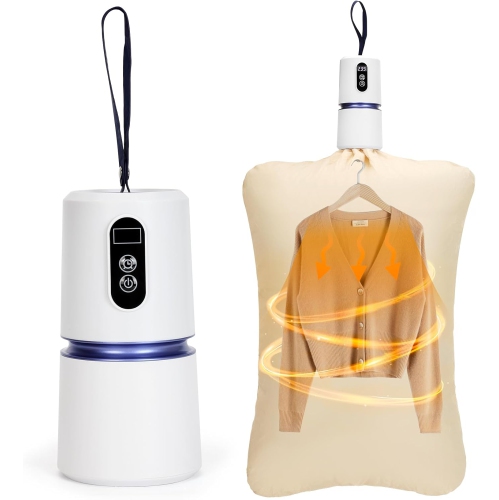
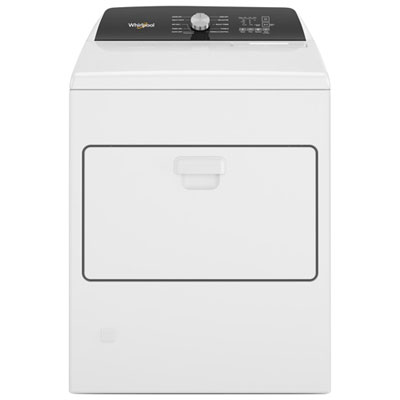
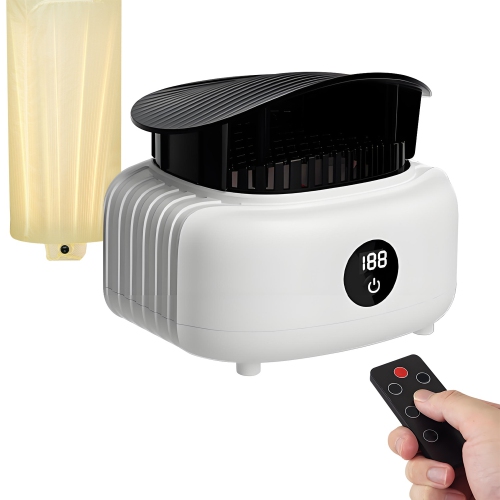

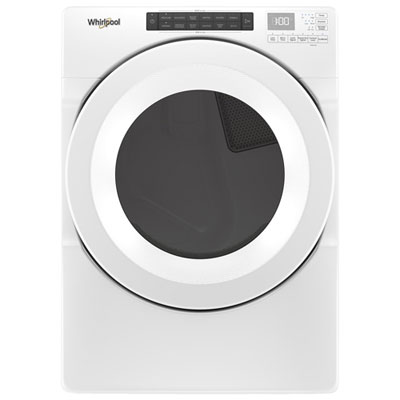
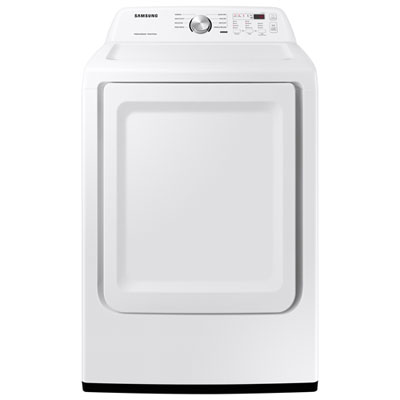
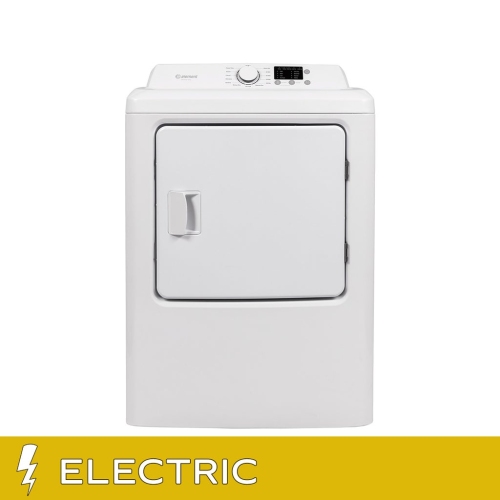
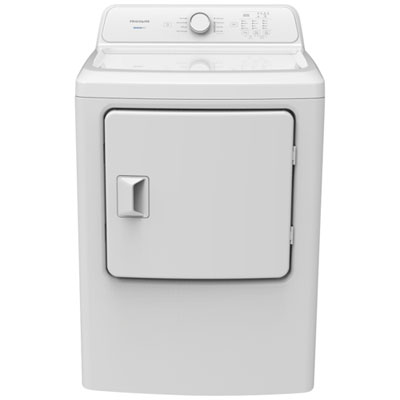
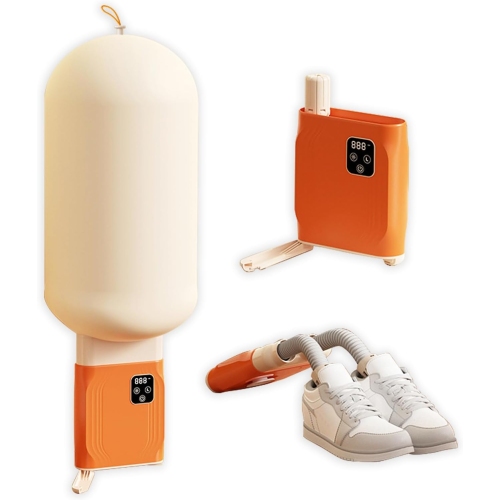
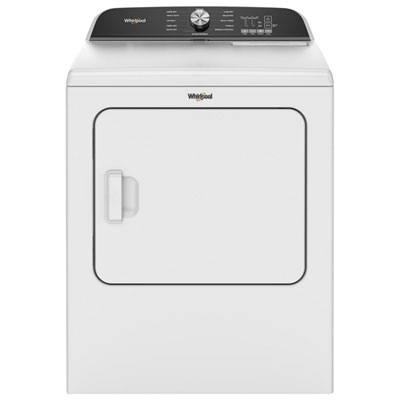
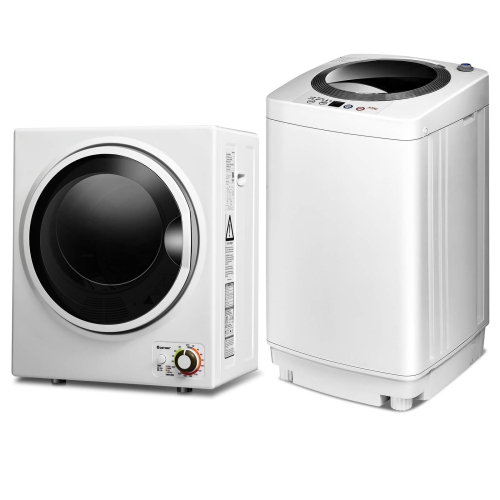
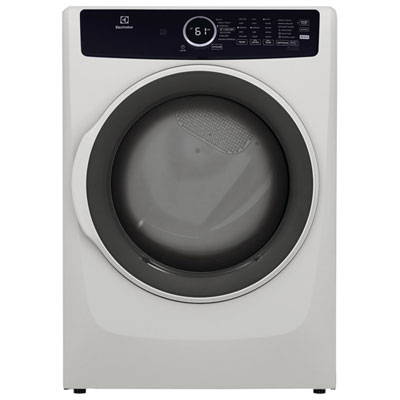
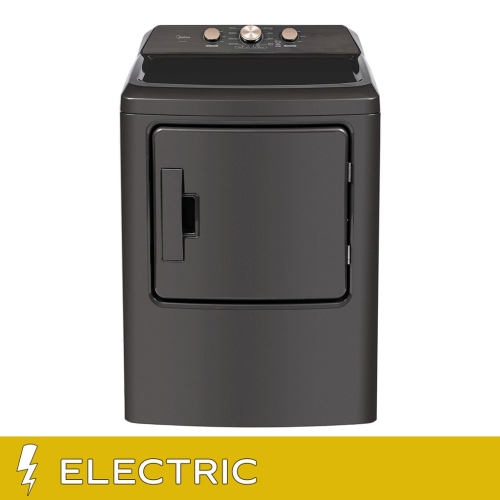
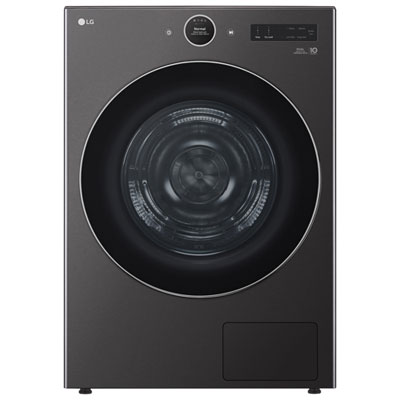
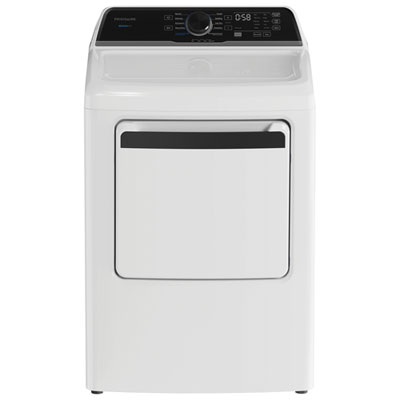
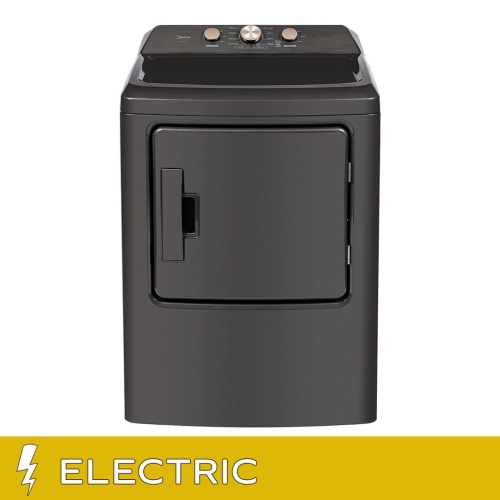
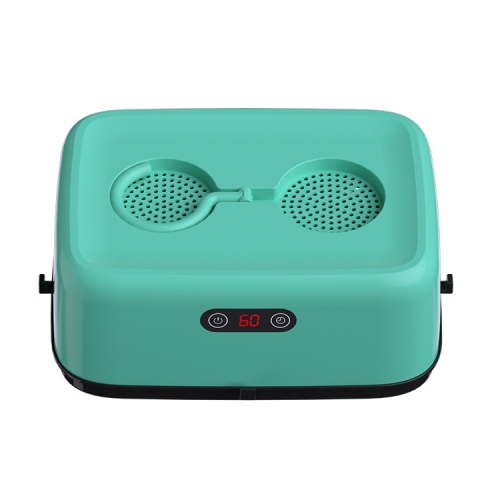
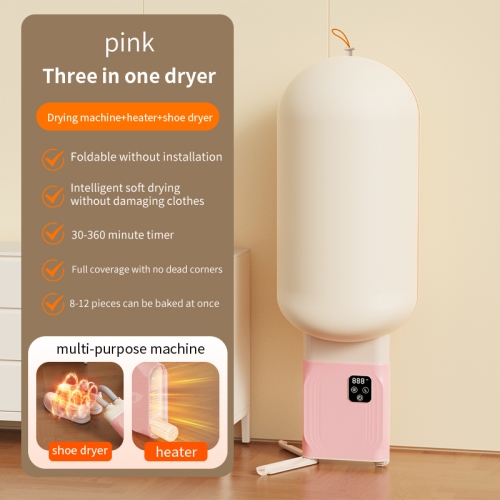
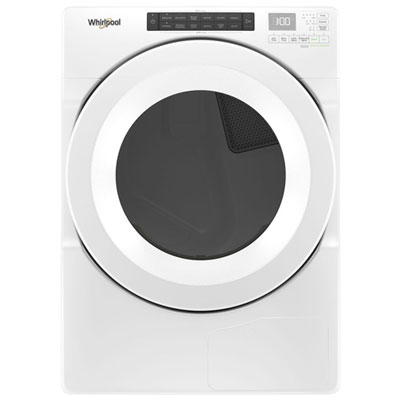
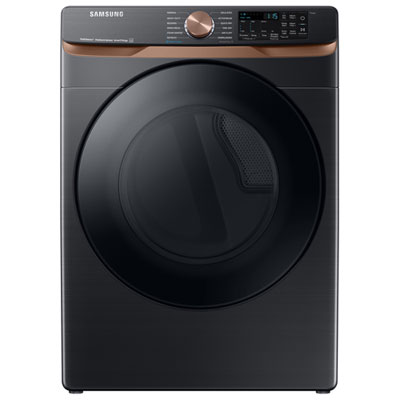
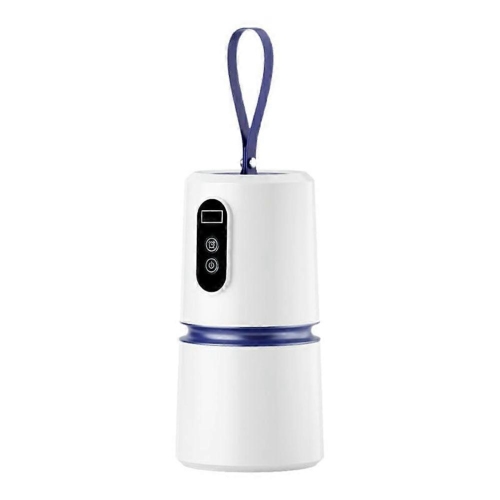

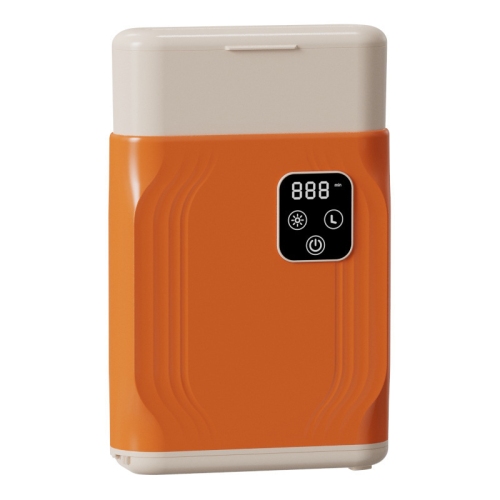
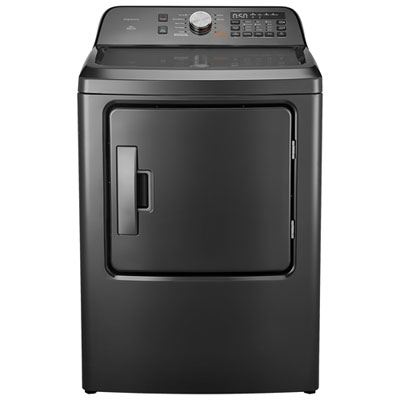
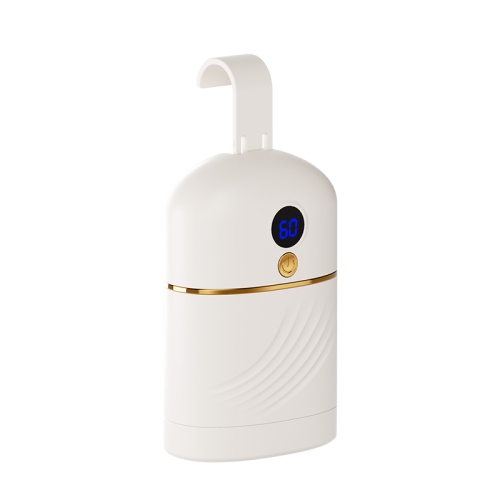

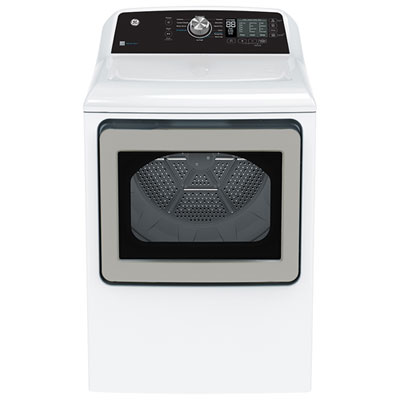
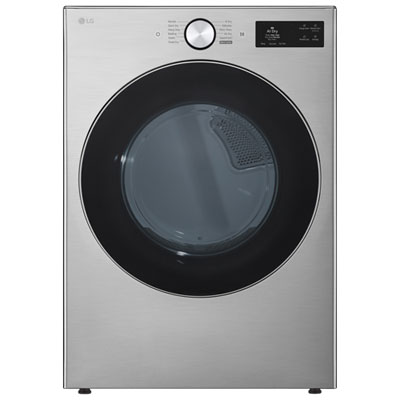
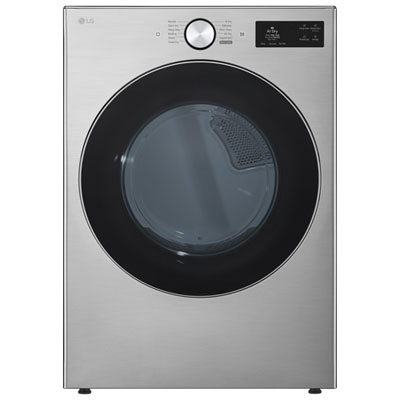
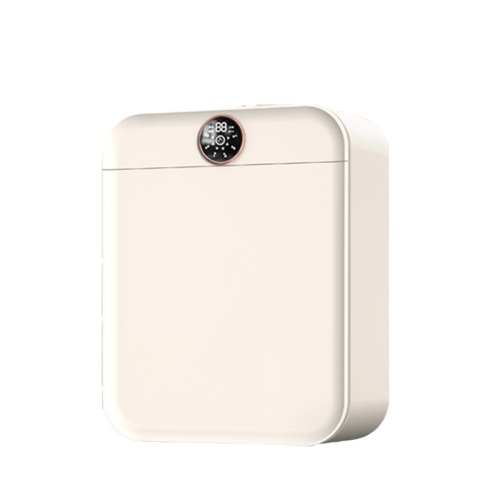


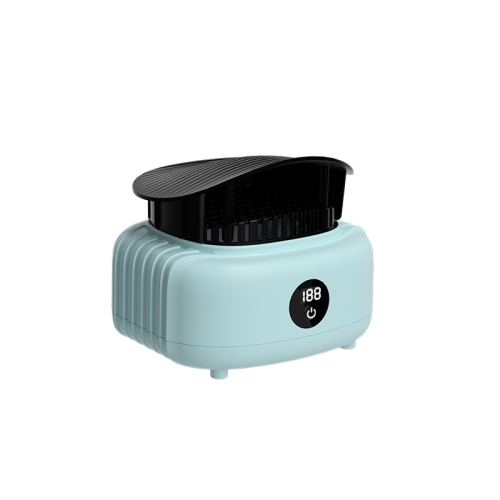
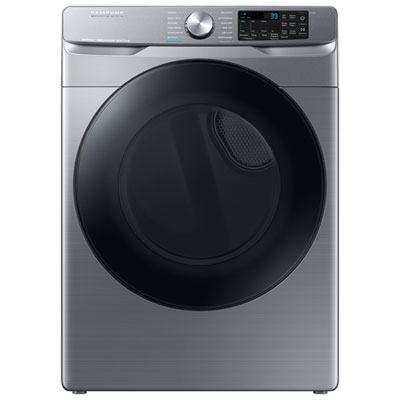
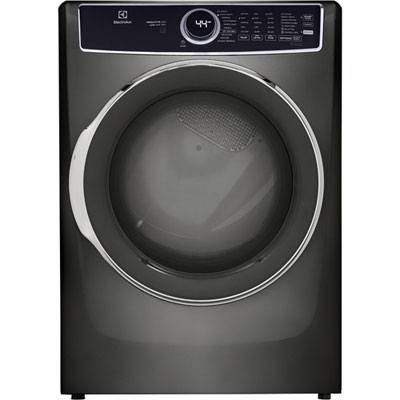
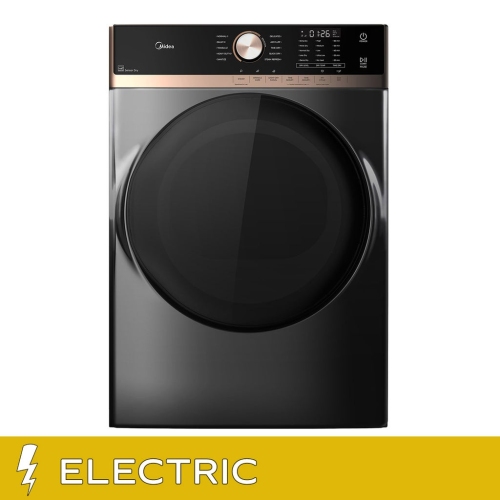
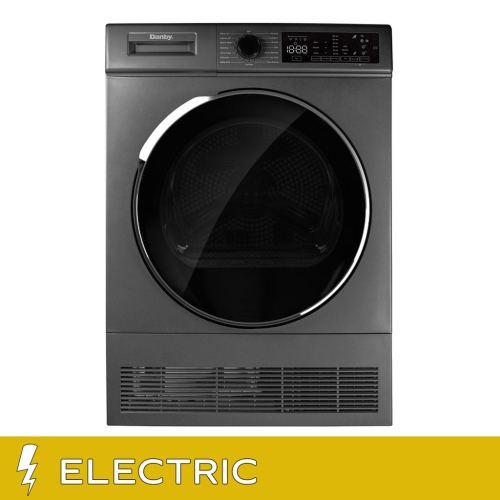
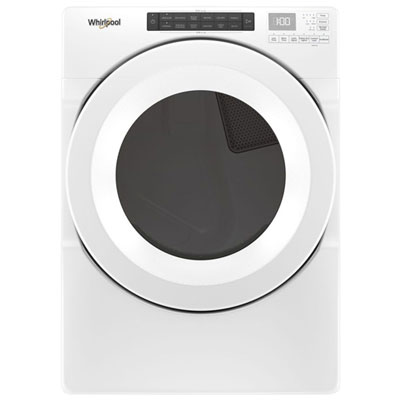
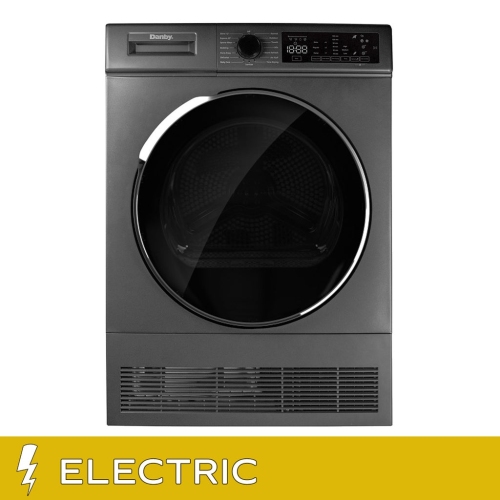
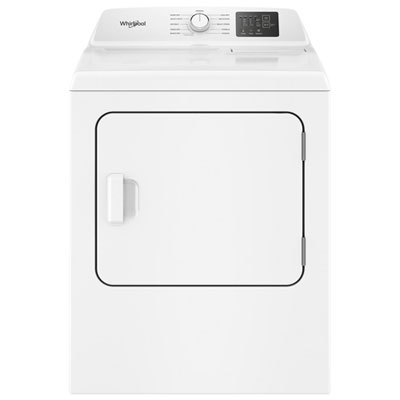
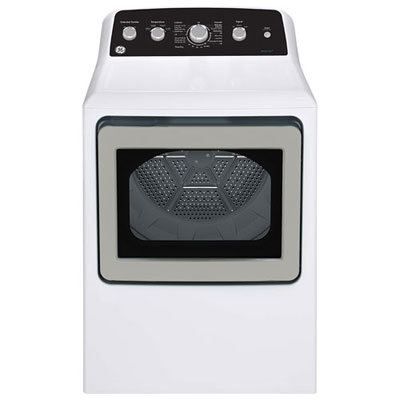

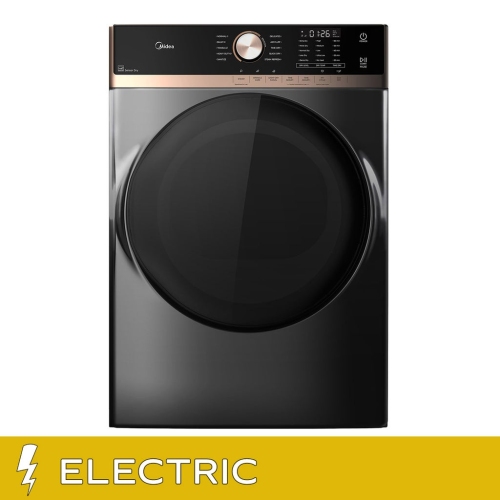
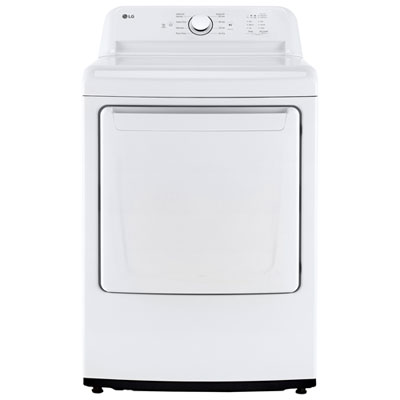
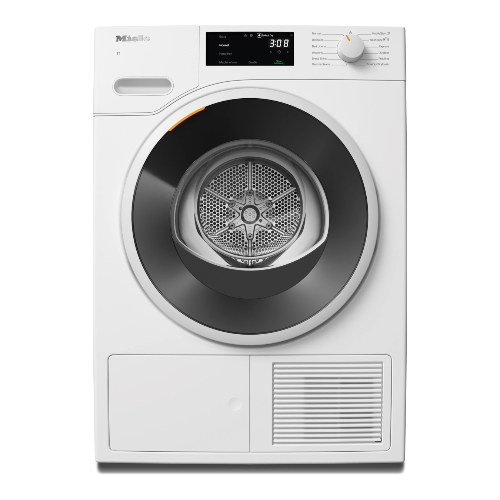
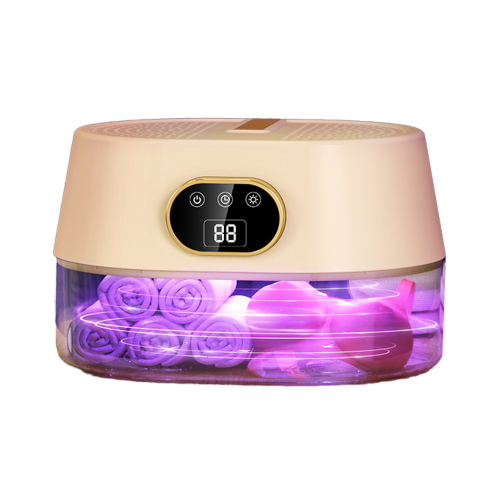
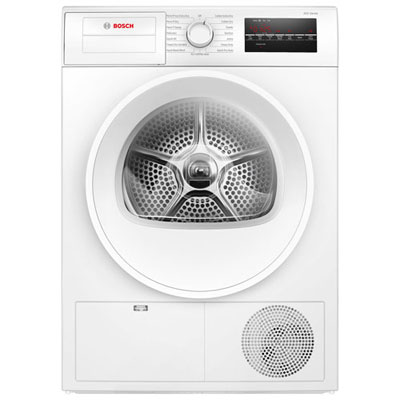
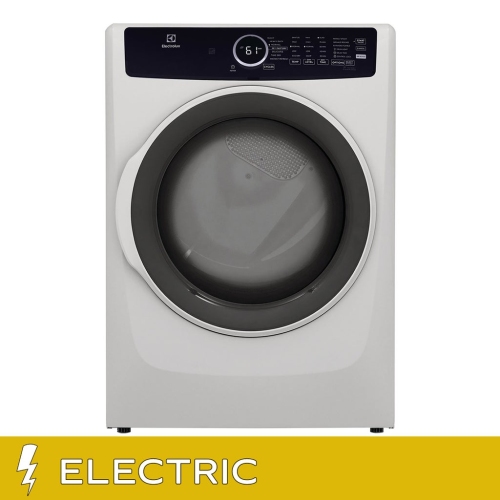
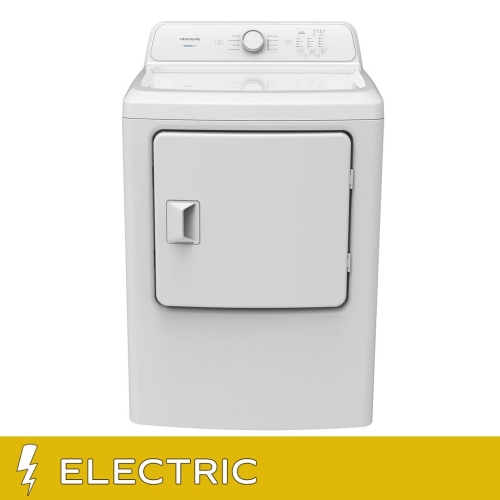
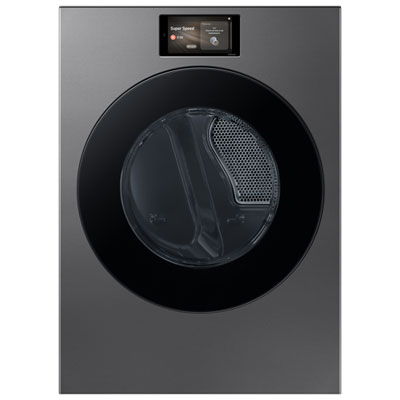
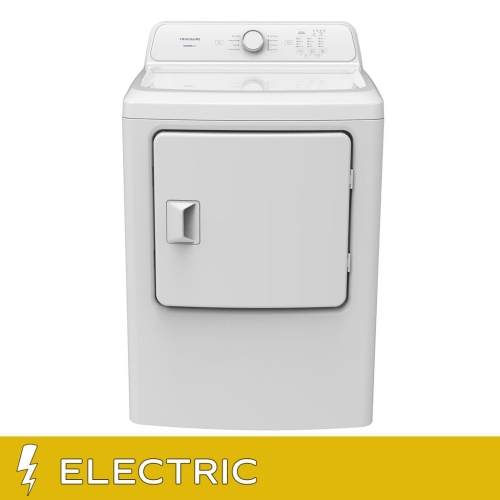
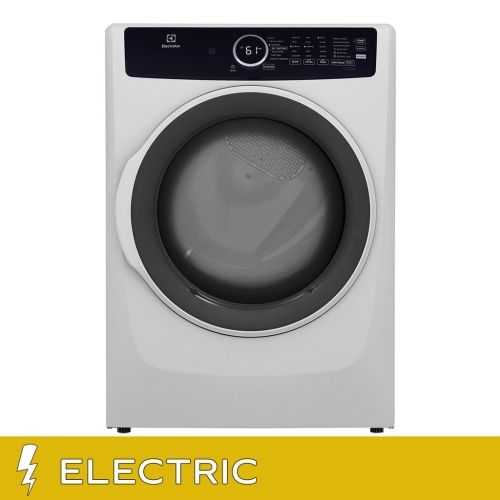
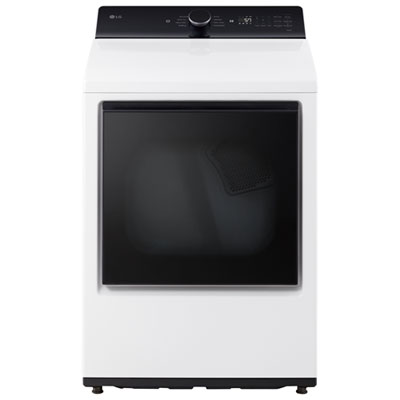

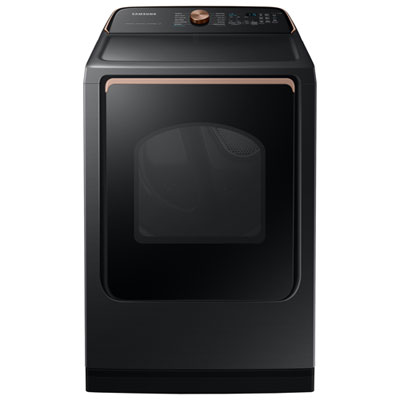
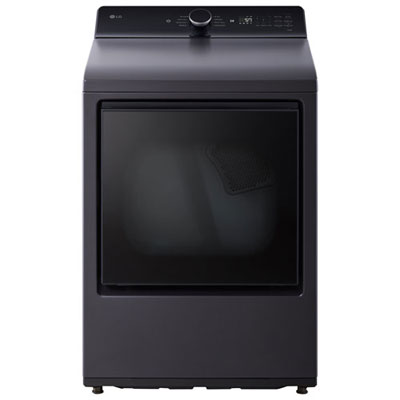
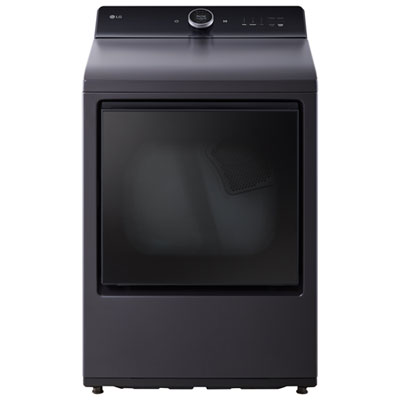
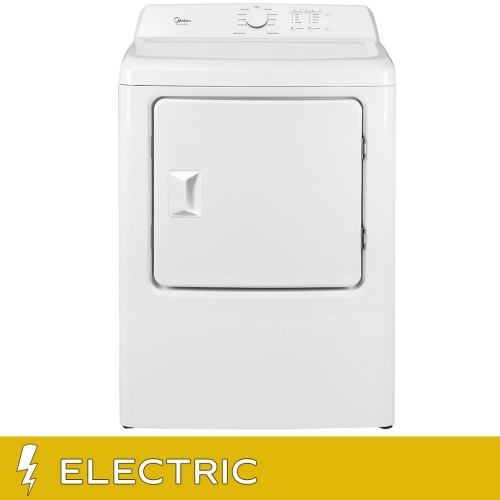
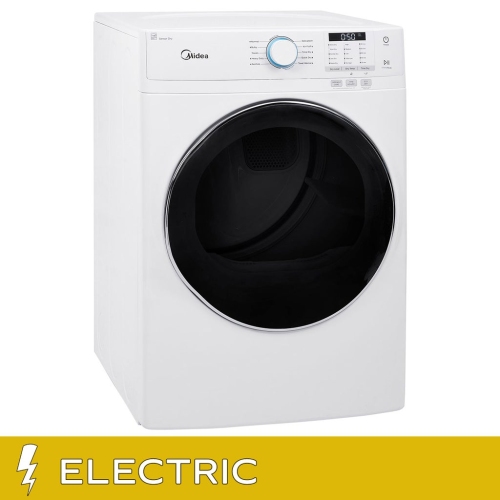


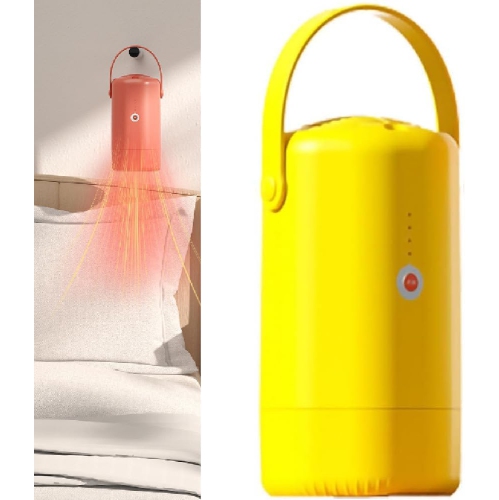
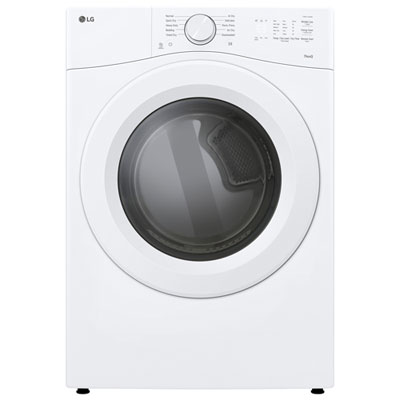
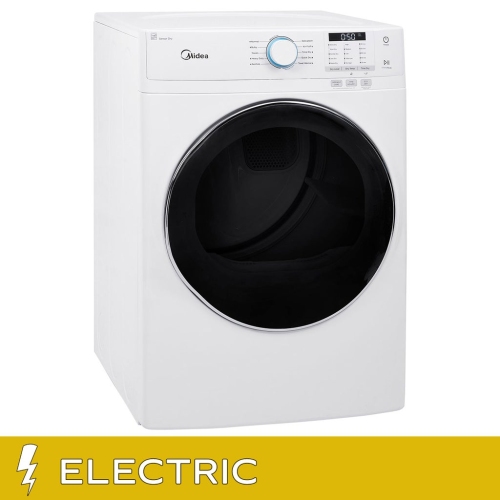
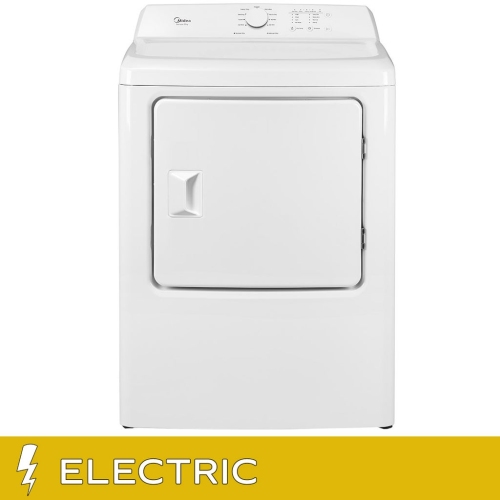

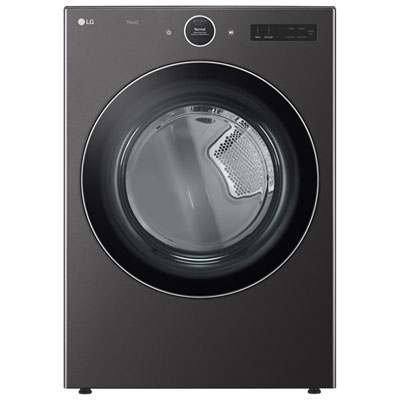
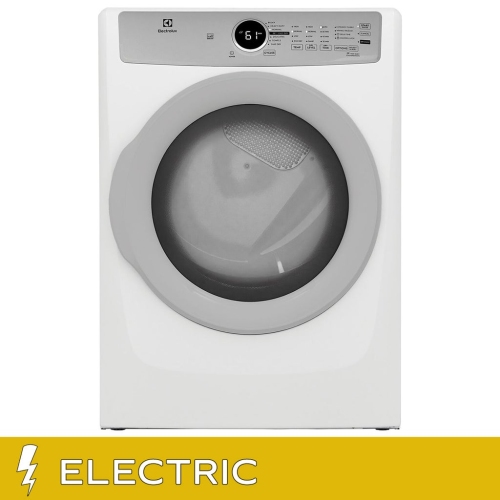

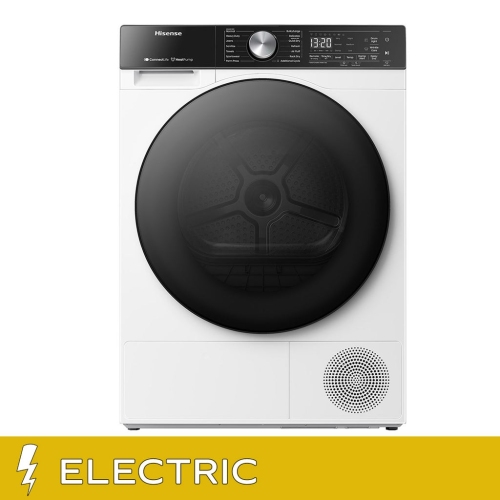
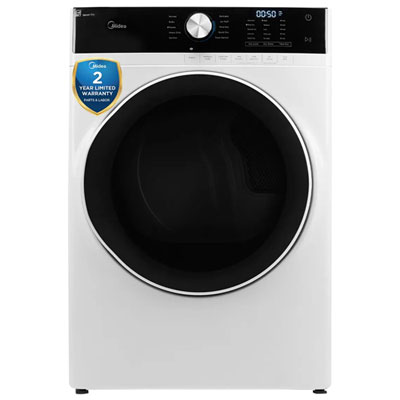
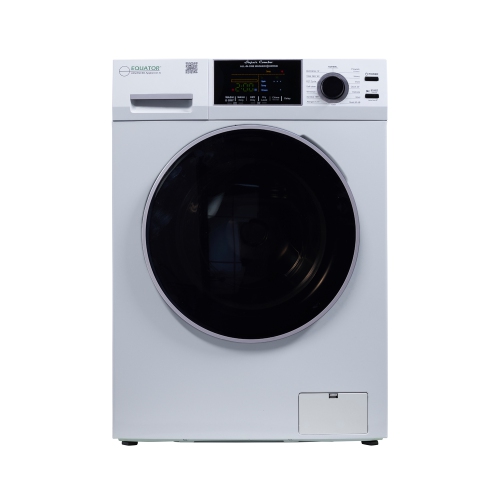
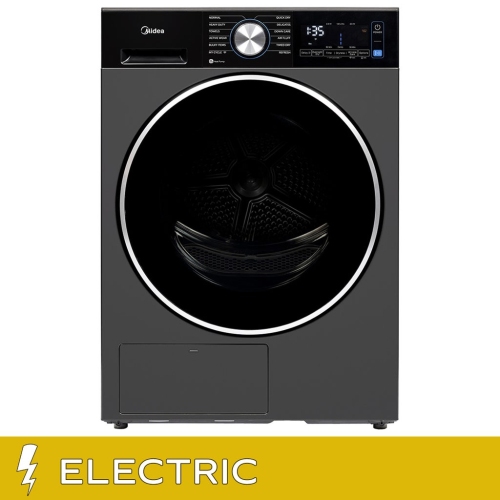


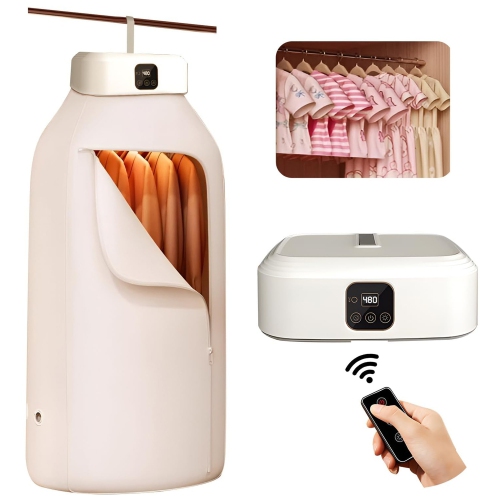
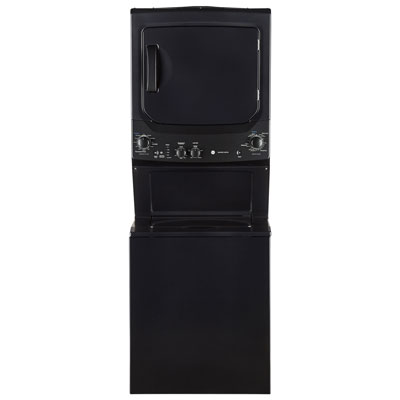
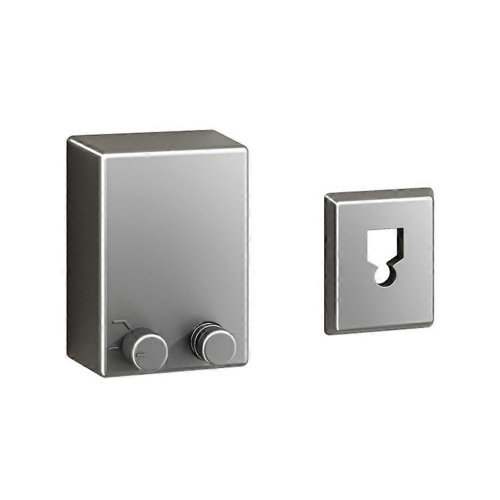
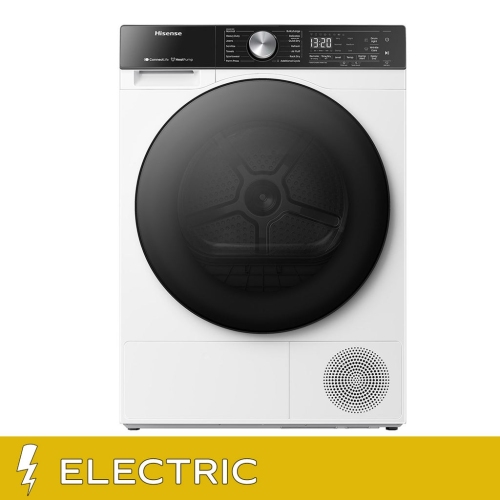
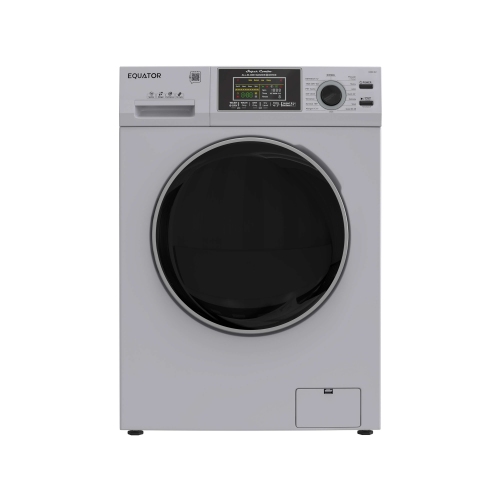
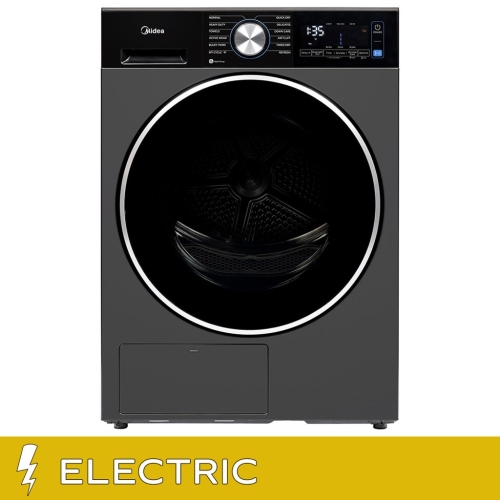
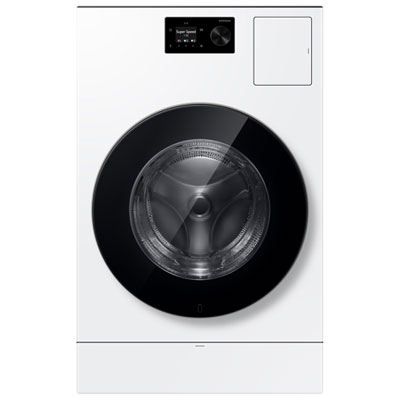
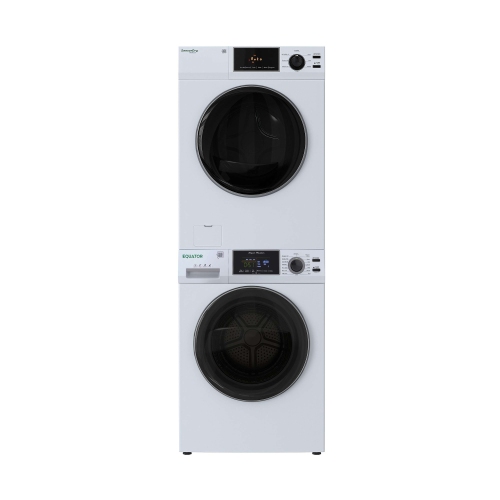
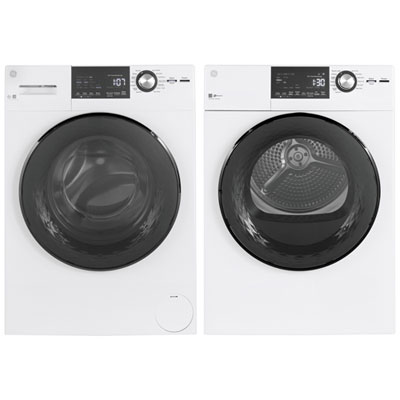
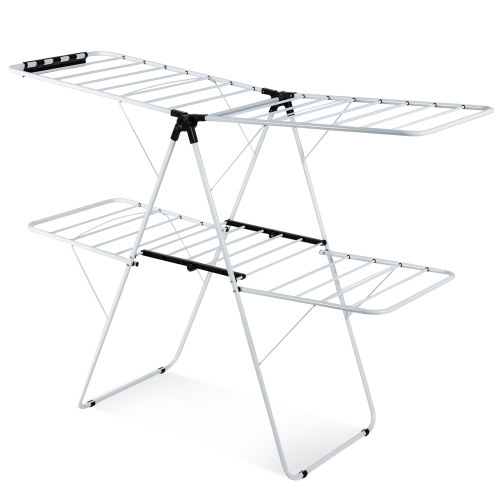
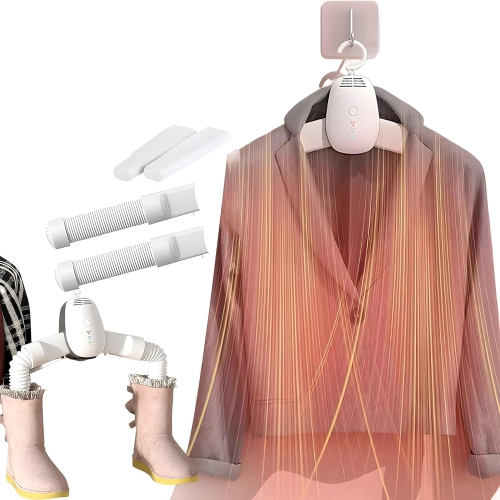
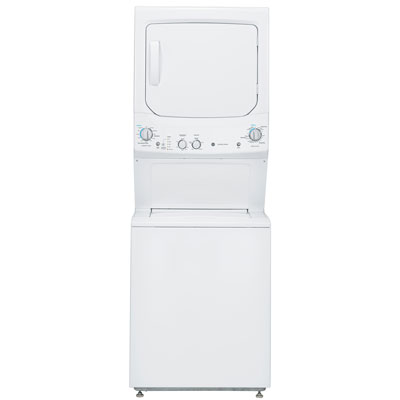
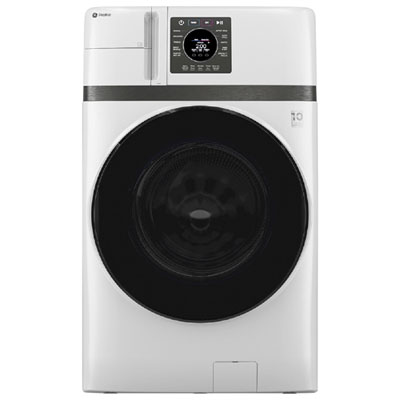
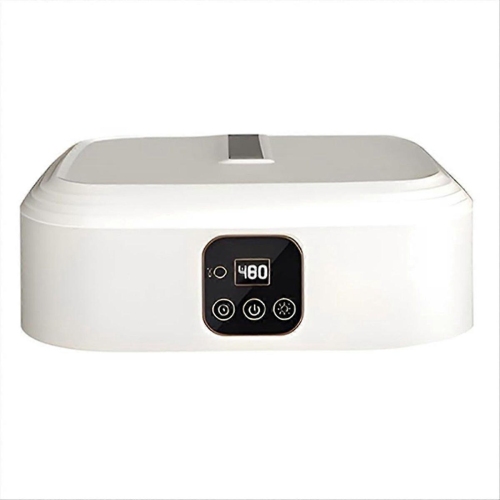
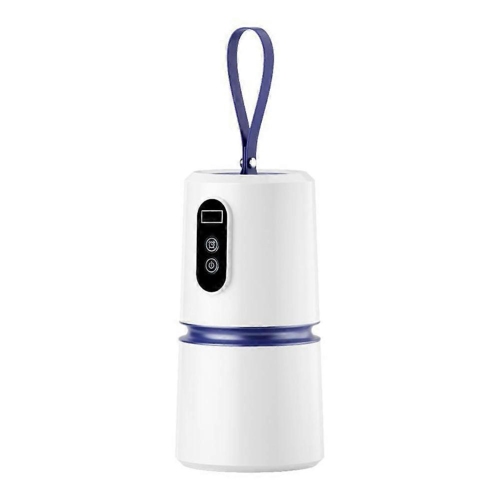
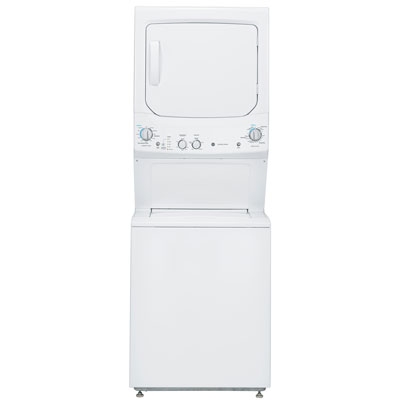
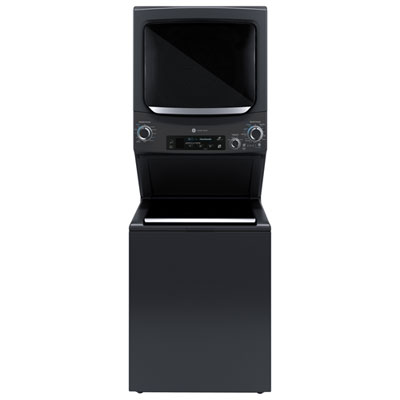
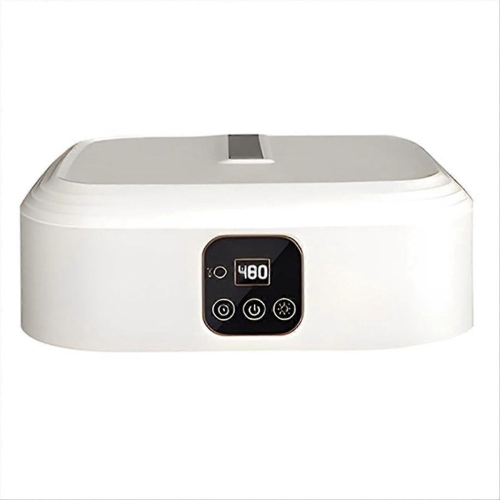
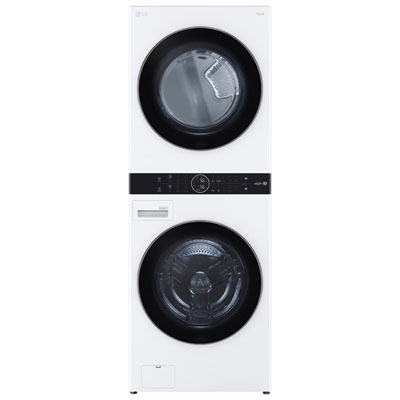
Small loads dried at home on your schedule
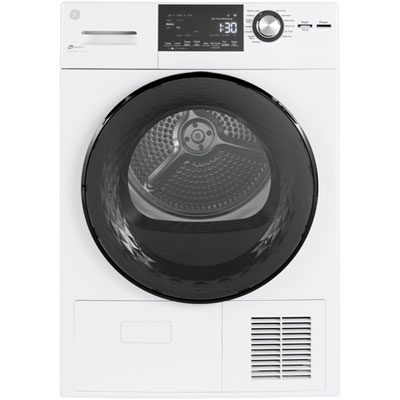
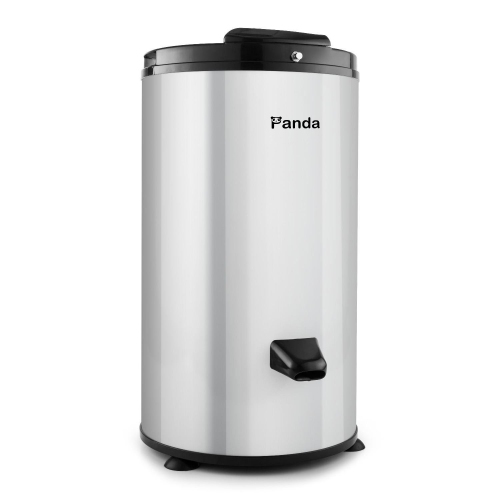
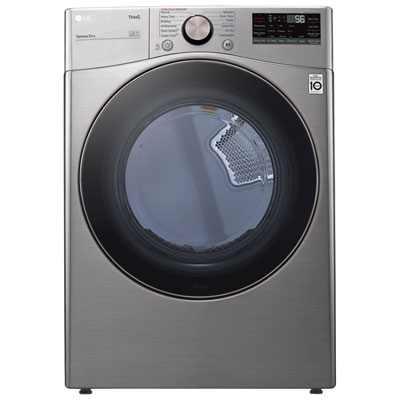
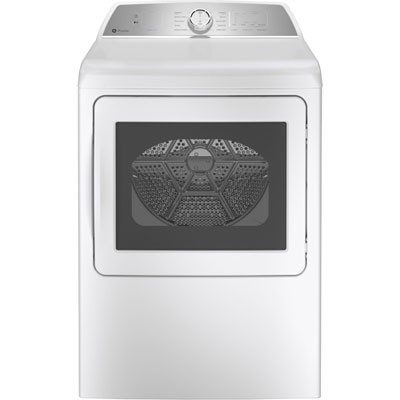
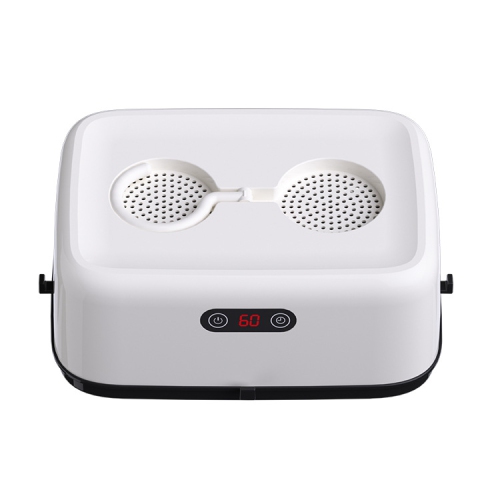
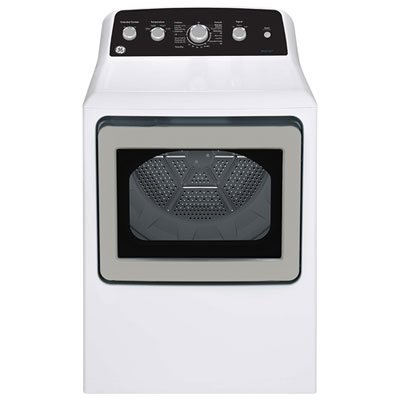
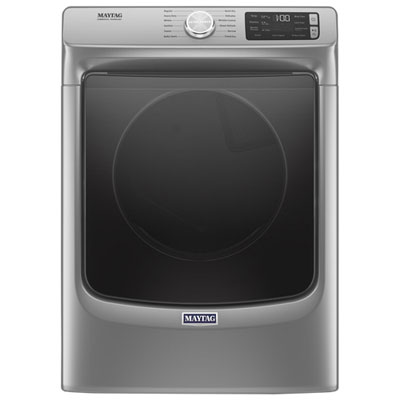
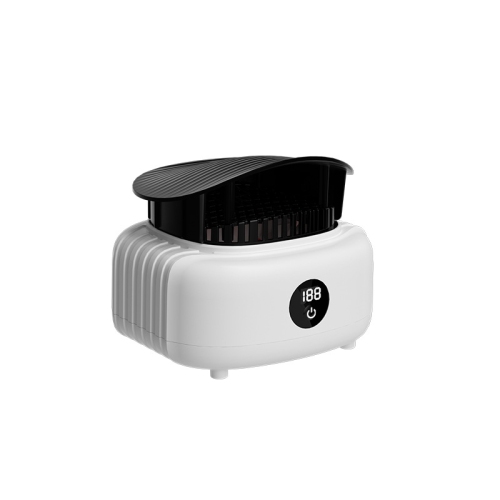
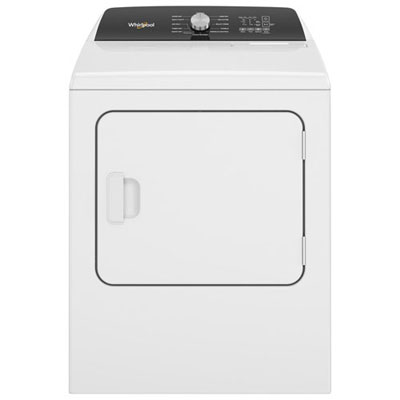
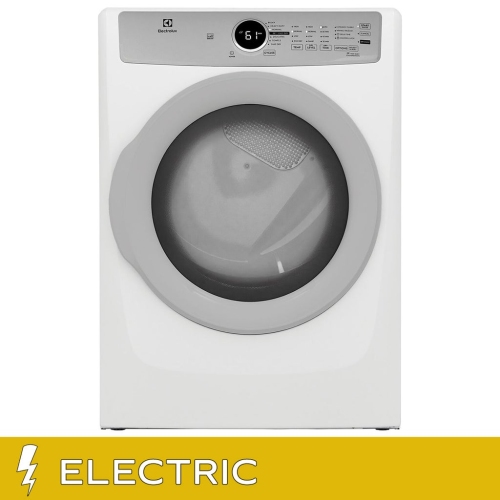
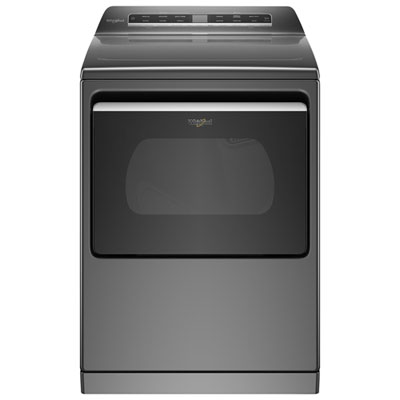
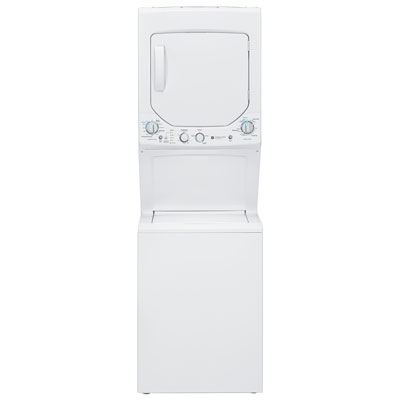
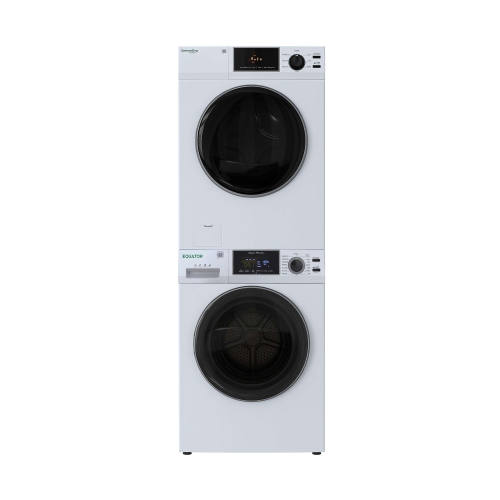
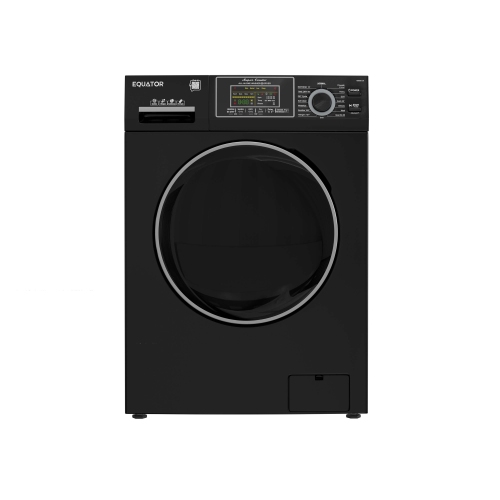
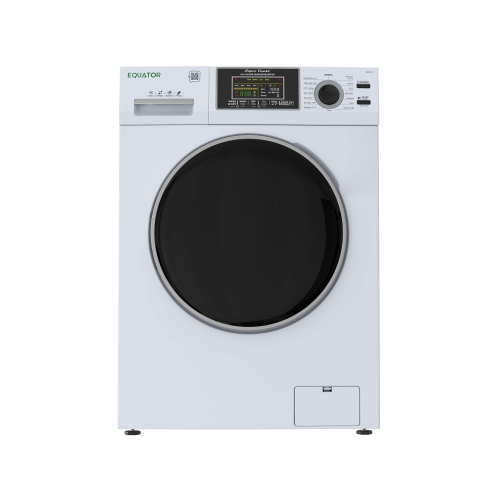
Apartment clothes dryers bring the convenience of drying laundry at home to spaces where a full-size laundry pair may not fit. Compact tumble dryers, portable electric dryers, and certain drying cabinets serve different needs, from keeping up with everyday socks and shirts to drying a few work outfits without a trip to a shared laundry room. Many compact tumble dryers have drum capacities of approximately 1.5 to 3.6 cubic feet, although dimensions and load limits vary by model. Some small dryers accommodate roughly 10 to 13 pounds of laundry, but the stated capacity should always be checked rather than inferred from the cabinet size. That makes them practical for individuals, couples, and households that prefer smaller, more frequent loads. A few T-shirts, underwear, and lightweight trousers are a different task from a stack of thick bath towels; both the weight and bulk of the fabric affect how freely a load can tumble. Clothing needs room to separate as it dries, so a tightly packed drum can leave cuffs, waistbands, and pockets damp even when thinner areas feel dry. Heavy comforters and oversized bedding often need a larger machine, while pillowcases, tea towels, and smaller sheets may suit a compact dryer within its stated limits. During the cooler months, an apartment dryer can also keep drying racks from taking over the living room, provided each garment is suitable for machine drying. For someone working shifts or managing laundry around classes, the appeal is often simple: being able to finish a manageable load at home on their own schedule. Students comparing small-space laundry options may also find Dorm Friendly Dryers relevant, although residence rules and electrical requirements still determine what can be used. The most useful apartment dryer is not necessarily the smallest one; it is one whose capacity, installation needs, and drying functions match the laundry that regularly passes through the household.
Fit involves more than finding enough floor space for the appliance. An apartment clothes dryer needs the clearances specified by its manufacturer, room for its door to open, and access to the lint filter, controls, and any water container. A narrow hallway or laundry cupboard can look suitable until a rear exhaust connection or an open door adds to the required depth. Measuring the delivery route, including doorways and tight corners, is just as important as measuring the final position. Compact electric dryers also differ in how they handle moisture. Vented dryers send warm, moisture-laden air outdoors through an approved exhaust duct, so they require a suitable exterior vent connection and a duct arrangement that meets the installation instructions and local requirements. Directing exhaust into a room, hallway, or enclosed balcony is not a substitute for proper outdoor venting. Ventless condenser and heat pump dryers remove moisture from the air inside the appliance and collect it in a reservoir or discharge it through a drain connection, depending on the design. They do not need an exterior exhaust duct, but they still need the specified room conditions and clearances; ventless does not mean suitable for any closed cupboard. Electrical requirements deserve the same attention. Many portable dryers use a standard 120 V supply, while other compact dryers require a 240 V connection. Plug type, circuit requirements, and the manufacturer's installation directions matter more than the word “compact” on its own. Extension cords and power bars are not appropriate substitutes for the required connection. Renters should also confirm that the lease and building rules permit an in-suite dryer before arranging installation. Stacking can save floor space, but only compatible appliances secured with the correct approved stacking kit should be stacked. Wall mounting likewise requires a dryer designed for that purpose and a suitable mounting surface. A stable, level installation helps limit vibration, an important detail when the laundry area shares a wall with a bedroom or sits beside the main living space.
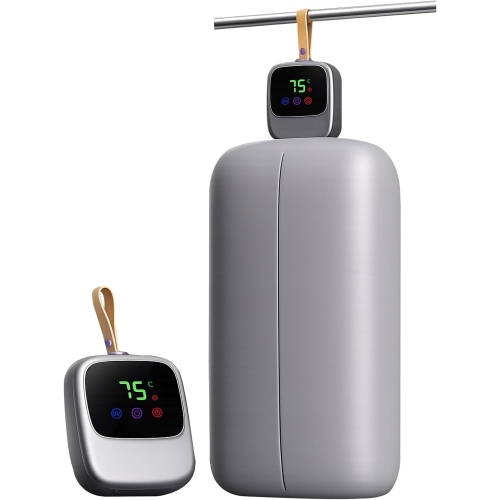
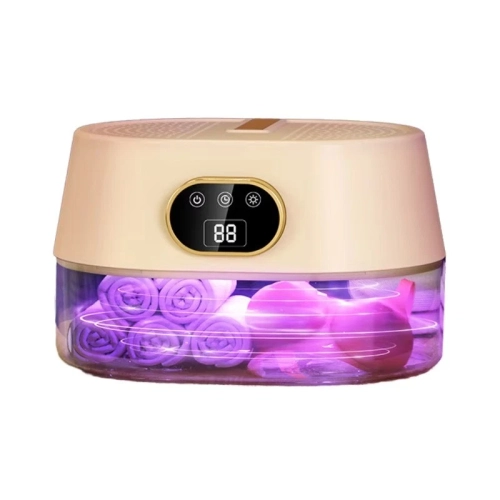
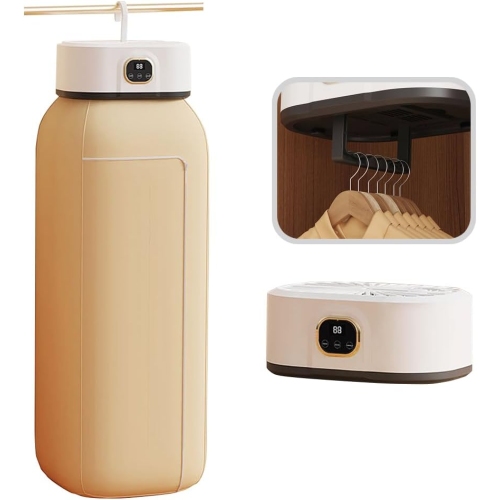
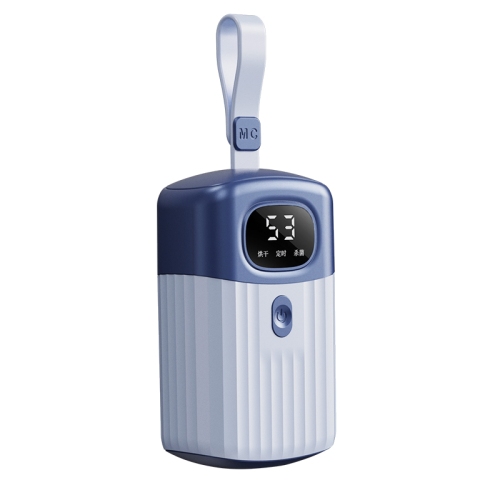
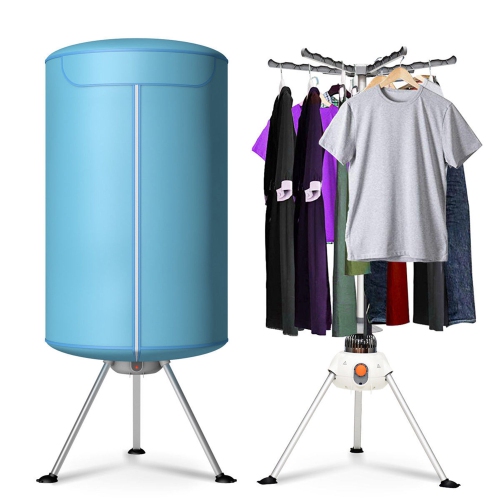
Day-to-day satisfaction often comes down to fabric care, accessible maintenance, and controls that suit the way laundry is sorted. Cotton towels hold more water than lightweight synthetic tops, while heavy seams and layered waistbands can take longer to dry than the rest of a garment. Separating bulky fabrics from lighter clothing helps avoid running an entire load longer just to finish a few damp pieces. Care labels remain the starting point: wool, certain stretch fabrics, embellished clothing, and structured garments may need low heat, flat drying, or another method instead of a tumble cycle. Where fitted, moisture sensors can adjust drying time to the load, while timed settings offer a straightforward option for suitable fabrics that need a little more drying. Low-temperature settings and wrinkle-reduction functions can be useful, but they do not override a garment's care instructions. Portable drying cabinets take a different approach, circulating warmed air around hanging clothing rather than tumbling it in a drum. They may suit selected garments or small loads, and some designs fold away between uses, though permitted fabrics, spacing, moisture handling, and operating clearances vary. For tumble dryers, drum materials such as stainless steel or coated metal are worth considering alongside the finish of the interior: a smooth surface, intact coating, and well-maintained seals help protect clothing during repeated use. Durability also depends on routine care. Cleaning the lint filter at the interval specified by the manufacturer, often after every load, supports airflow and helps prevent lint buildup. Vented systems need periodic exhaust inspection and cleaning, while ventless designs may require reservoir emptying and care of additional filters or heat-exchange components. Emptying pockets before drying keeps coins and small objects from rattling around the drum, and removing laundry promptly helps reduce creasing. For an apartment household, these details make a difference: a filter that is easy to reach, a door that clears the laundry basket, and a drying cycle suited to everyday clothing can make a compact appliance a comfortable part of the weekly routine.
Top selling and popular products
-
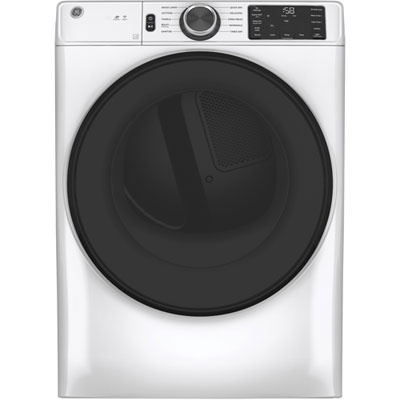 Your price for this item is $1199.99
-
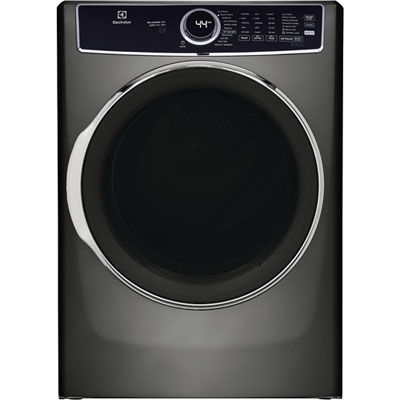 Your price for this item is $1149.99
-
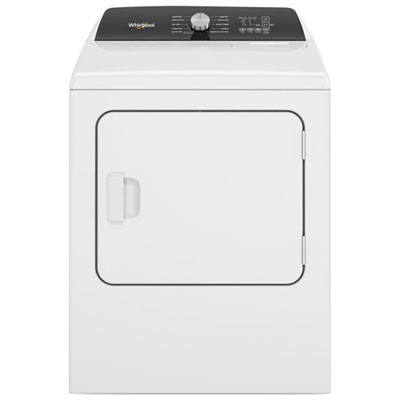 Your price for this item is $799.99
-
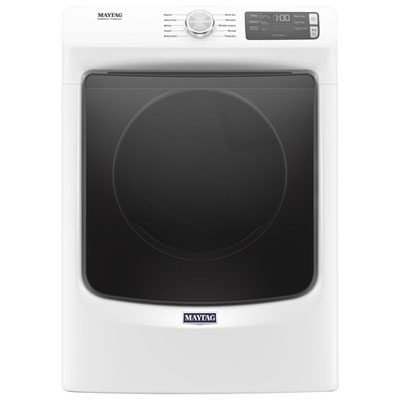 Your price for this item is $1099.99
-
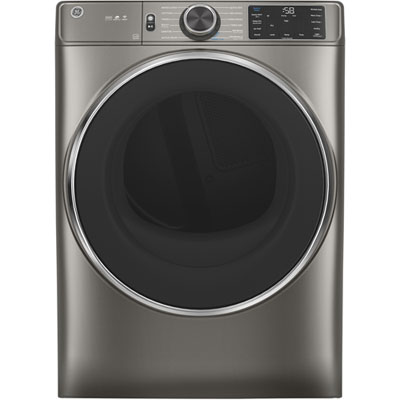 Your price for this item is $1949.99
-
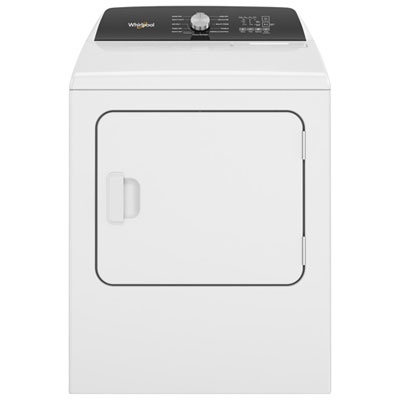 Your price for this item is $799.99
-
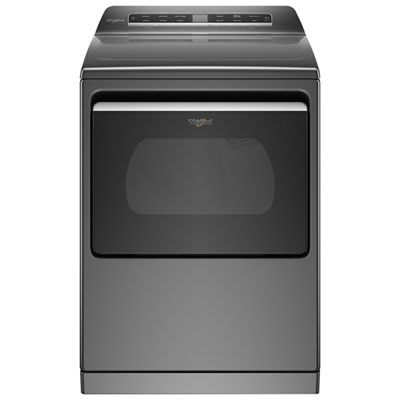 Your price for this item is $999.97
-
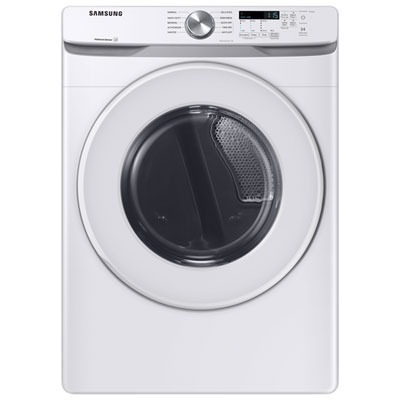 Your price for this item is $945.99
Discover more categories related to Apartment Clothes Dryers
Top Collections:
Pokemon Centers, Kindle Devices, Best Cameras for Sports Photography, Pokémon 30th Celebration Cards, Apple iPhones 16, Canon G7X Cameras, iPhone 15 Apple, Flip Phones, Samsung Galaxy Phones, Alarm Clock
Some products may be subject to Environmental Handling Fees
(EHF) depending on your province.
Learn more about EHFs.