Easy To Use Food Processors
If you're looking for a food processor that's easy to use and will make chopping, dicing, and slicing a breeze, you've come to the right place. These appliances will help you prepare healthy meals in minutes. Here are some great, easy-to-use food processors available on the market.
Sort
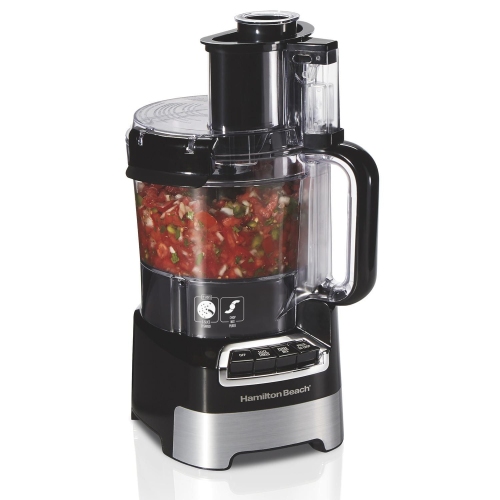
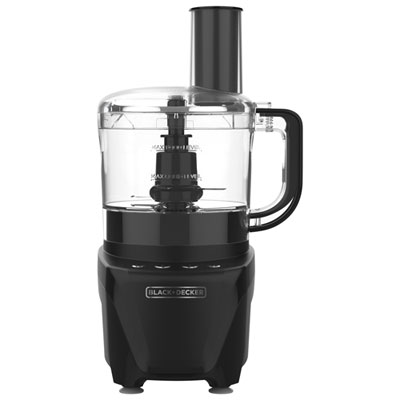
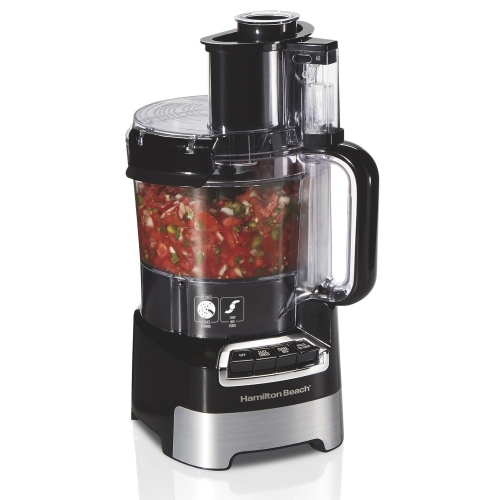
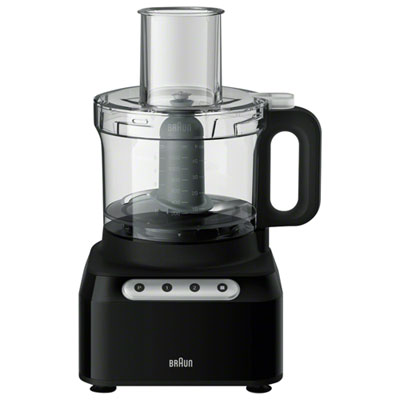
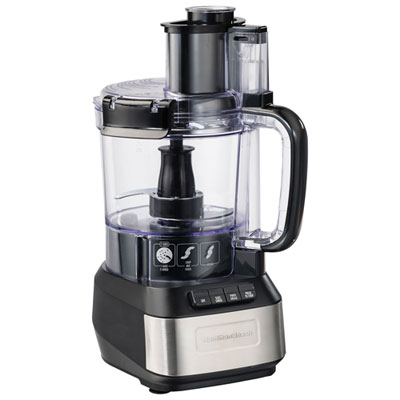
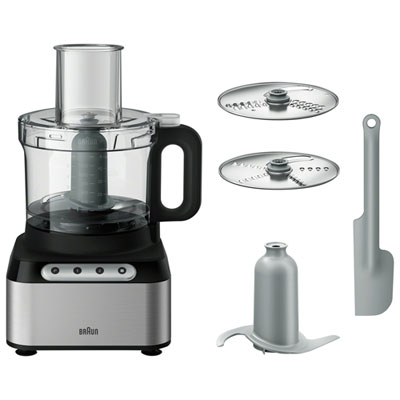
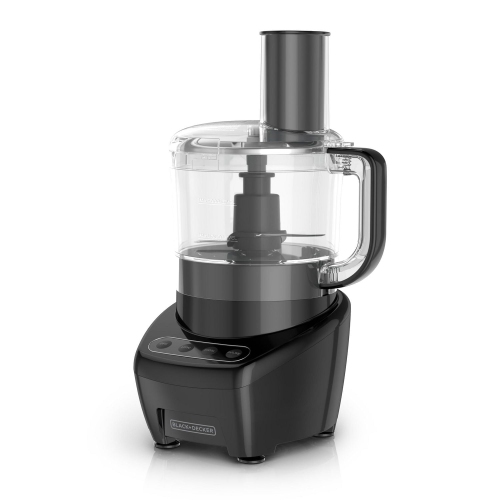
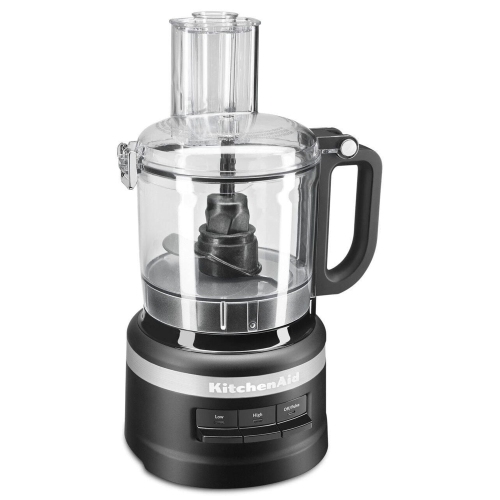
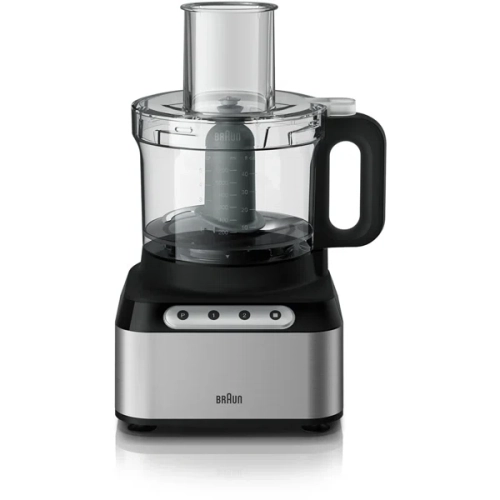
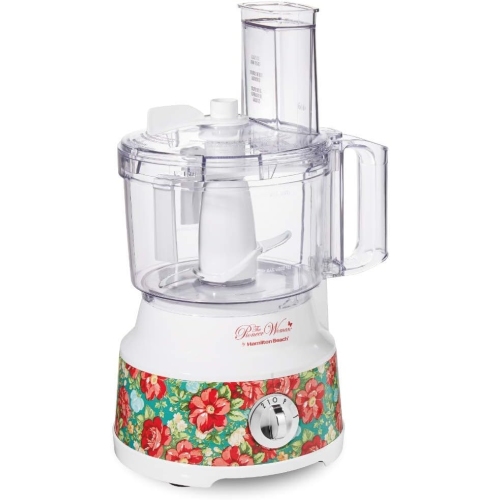
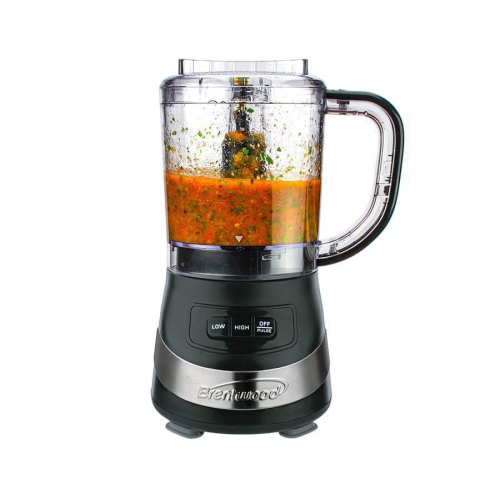
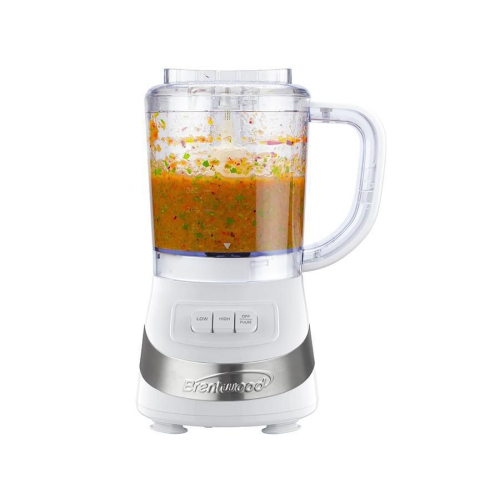
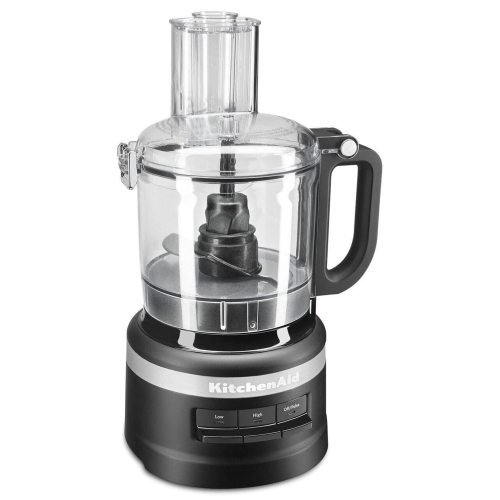
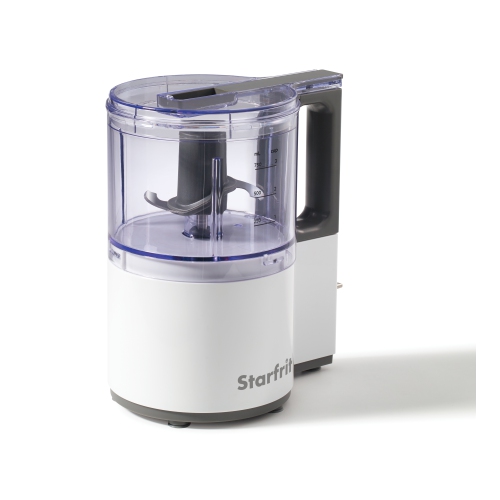
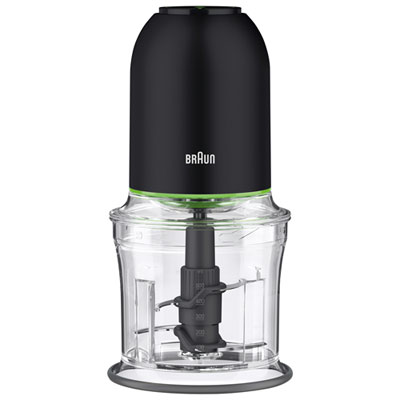
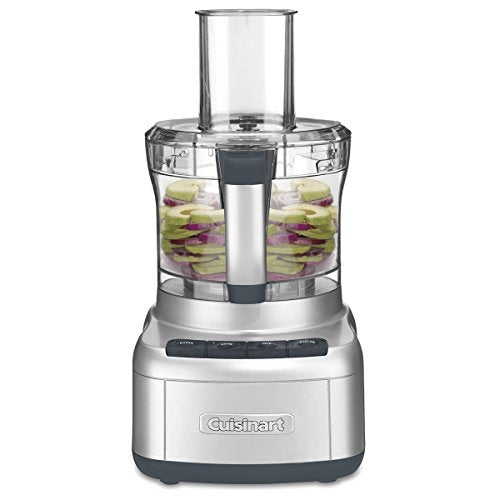
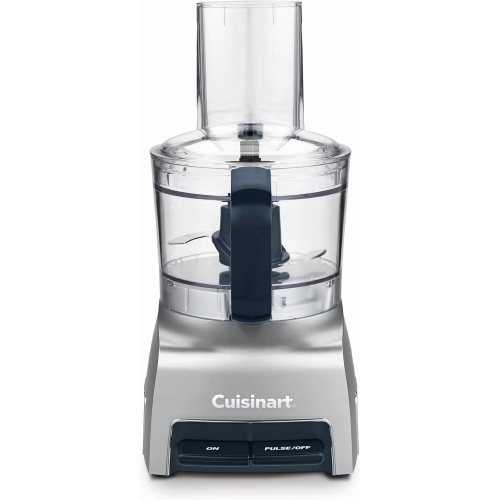
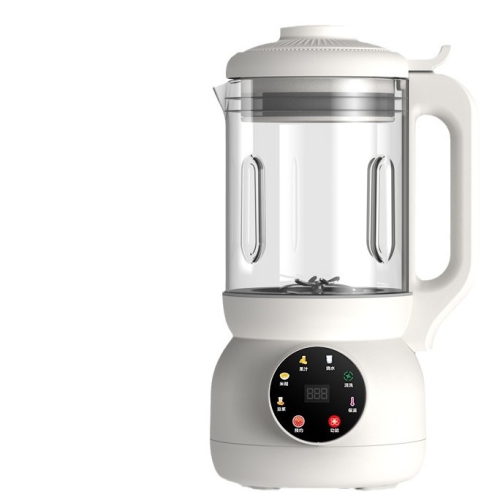
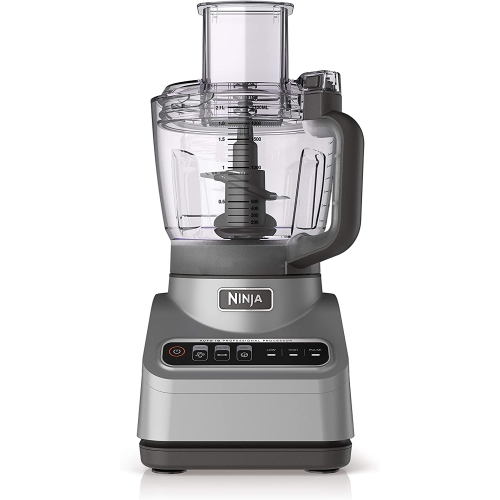
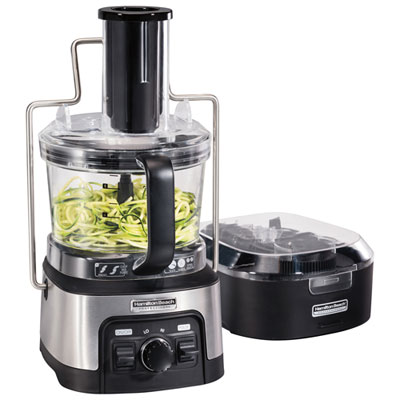
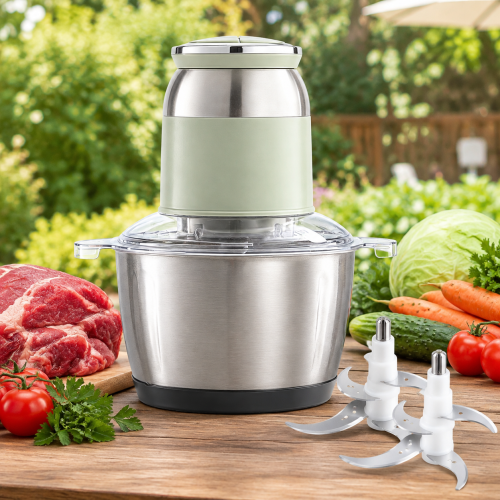
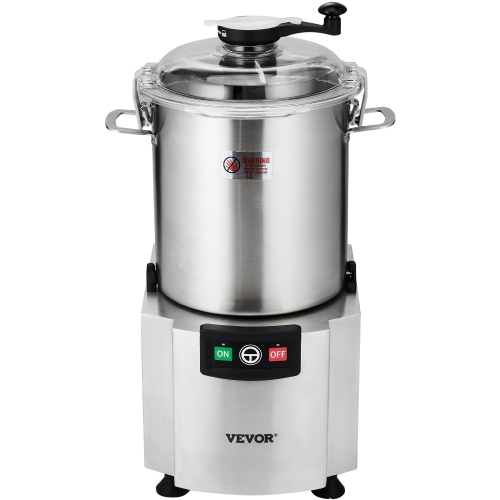
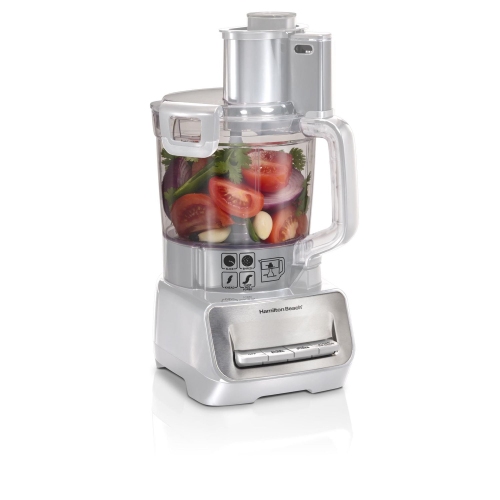
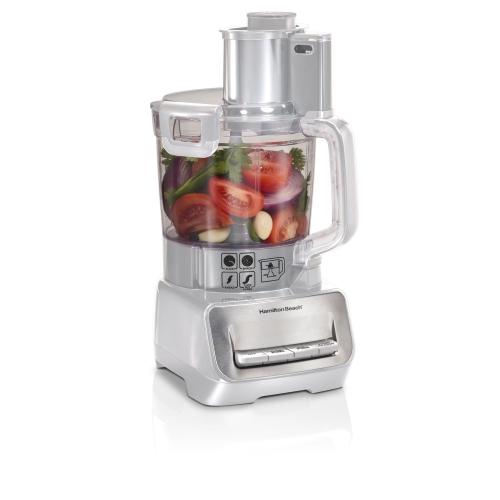
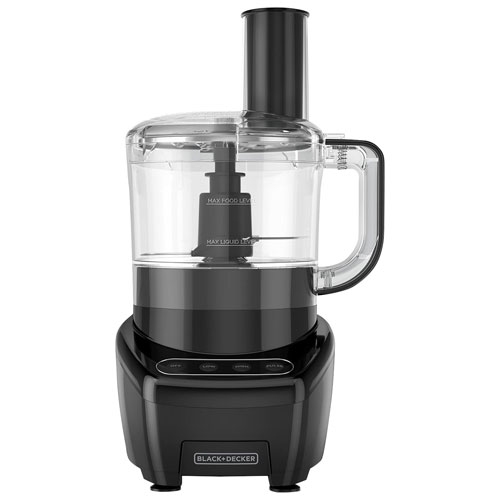
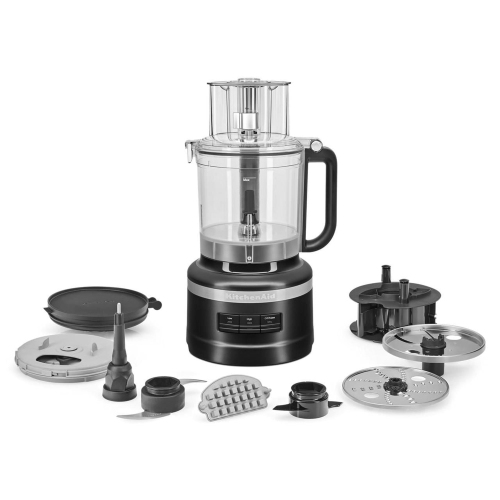
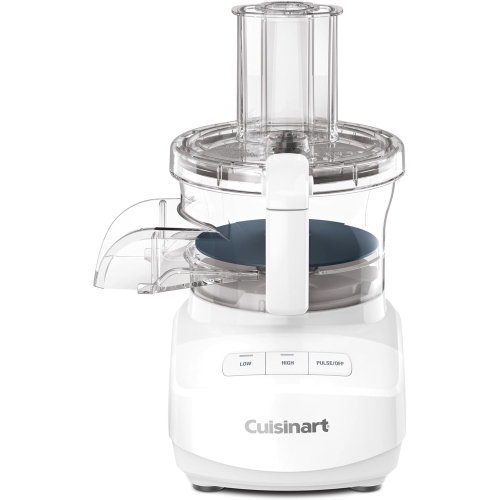
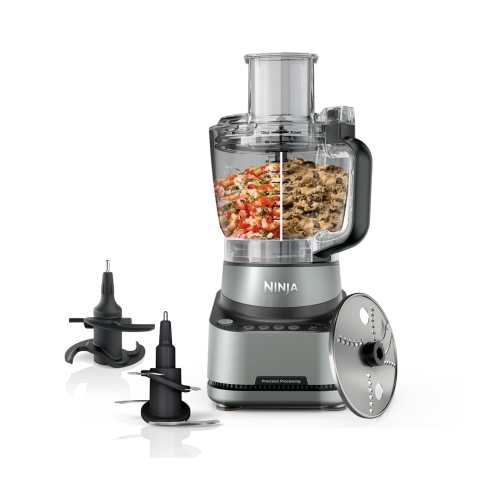
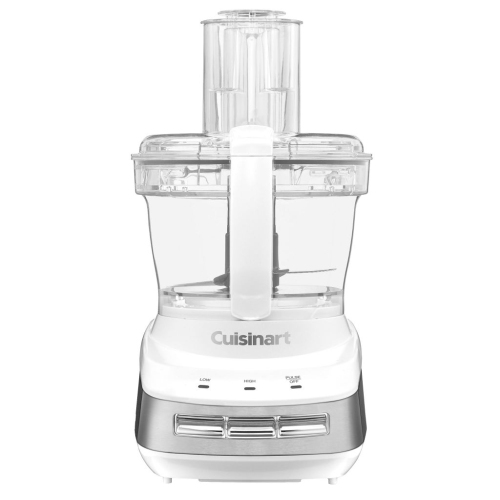
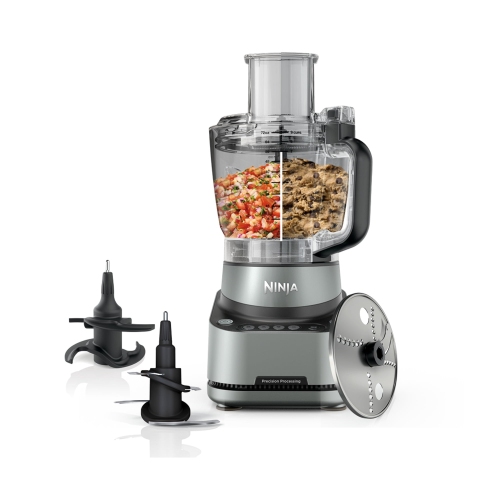
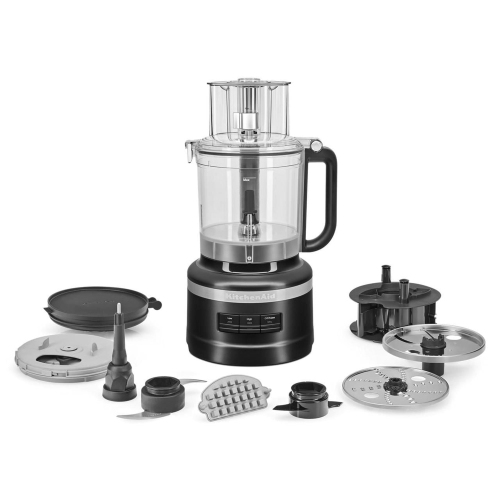
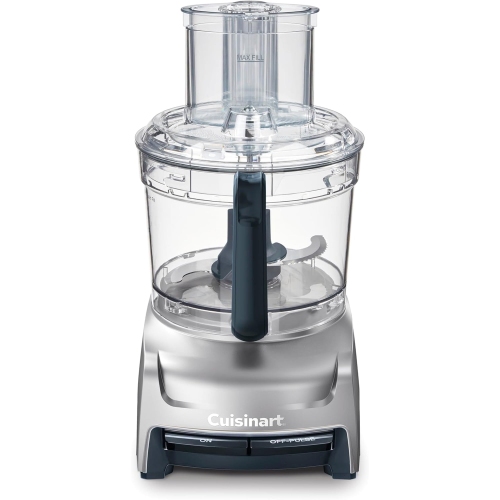
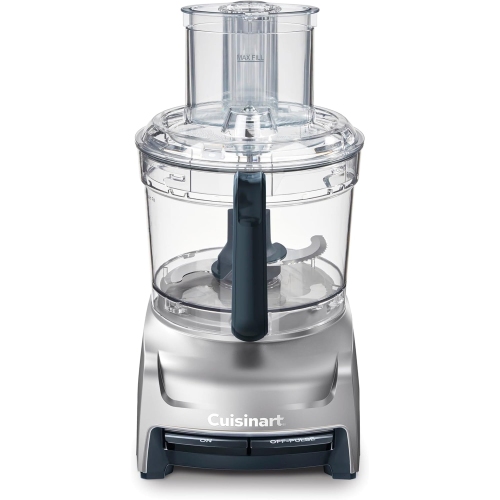
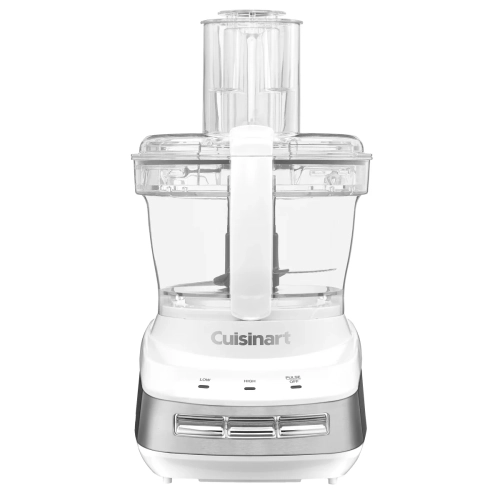
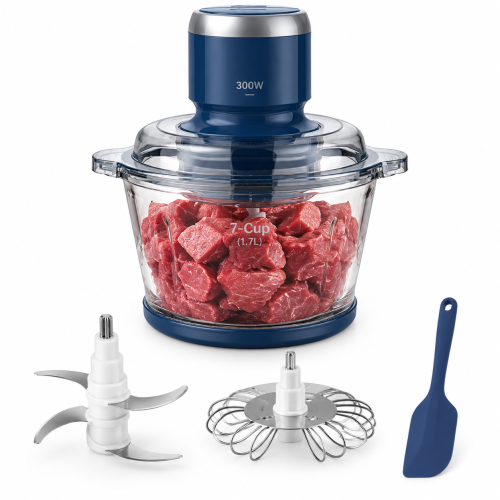

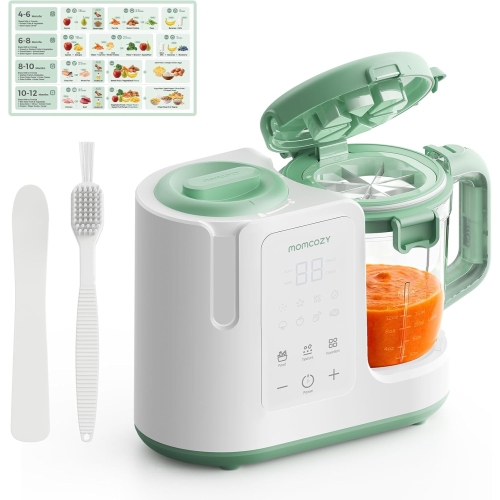
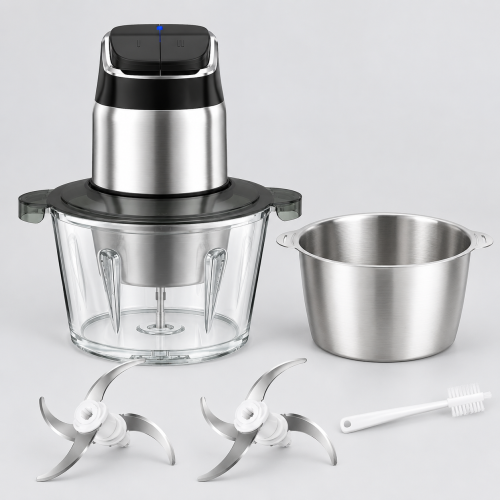
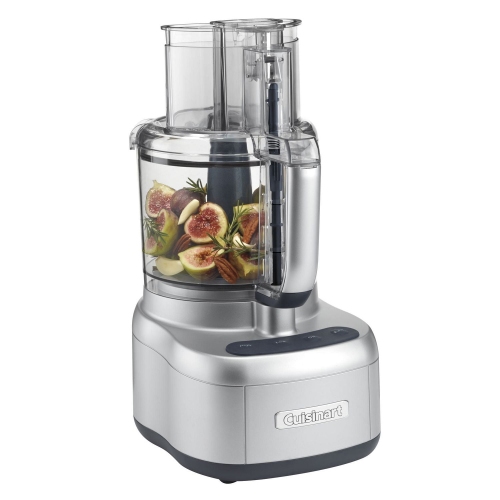
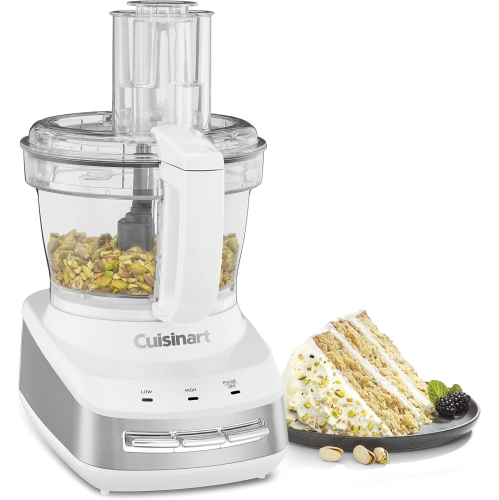


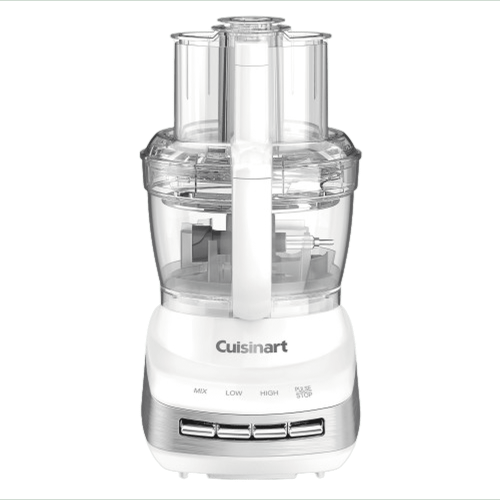
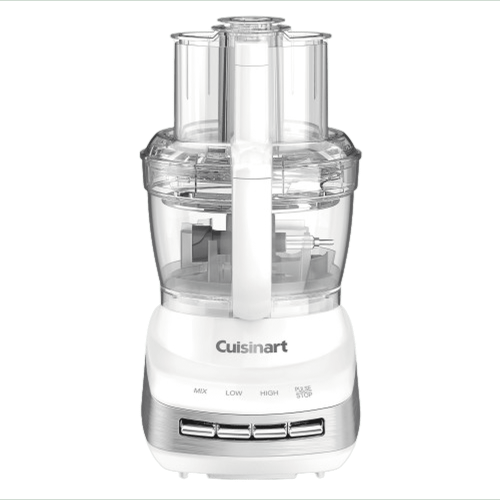
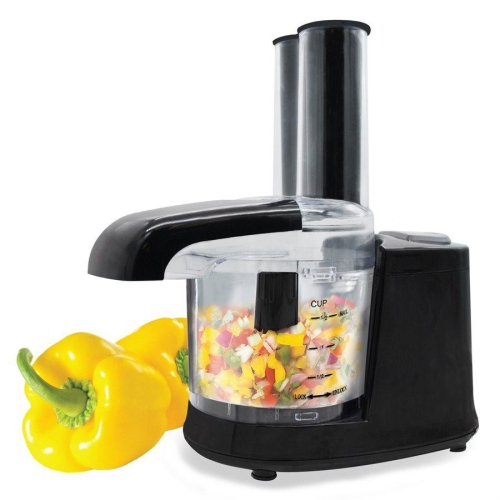
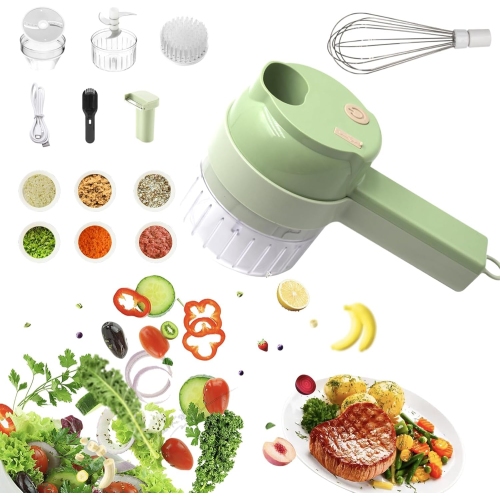
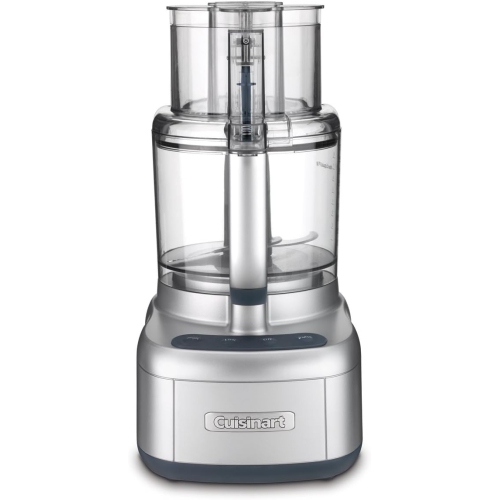
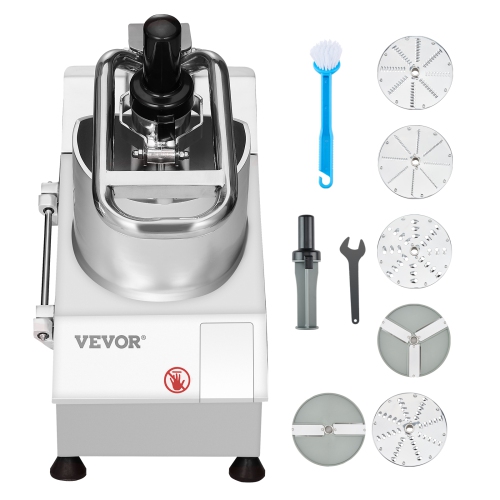


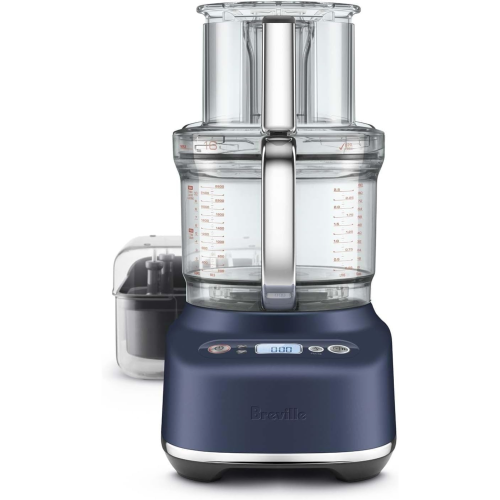
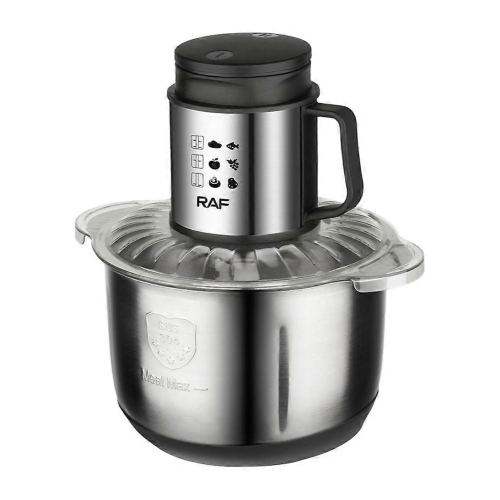
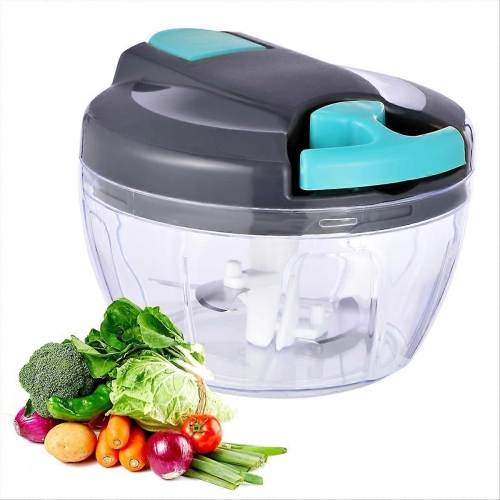
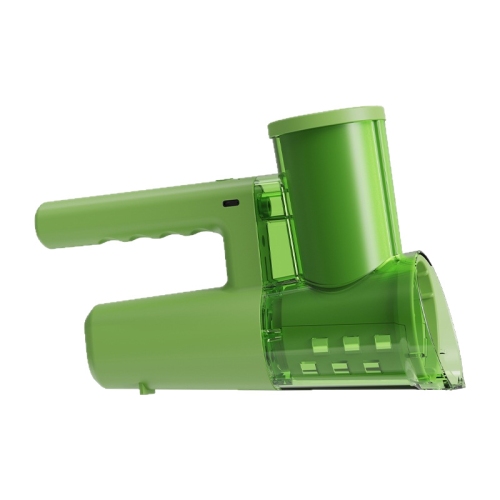
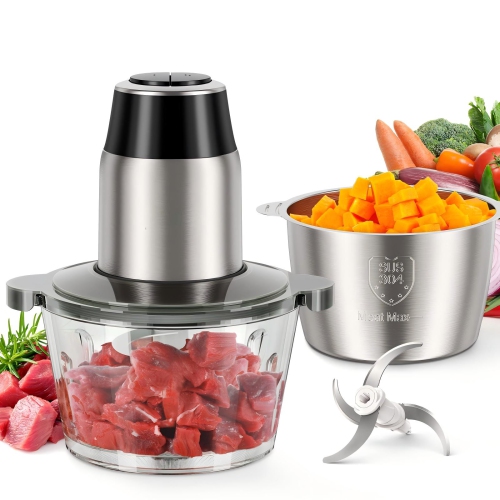
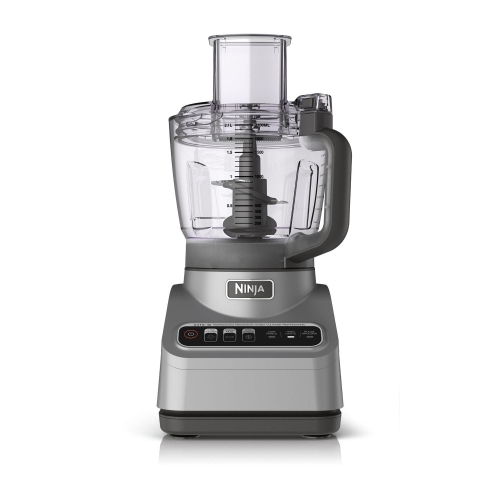
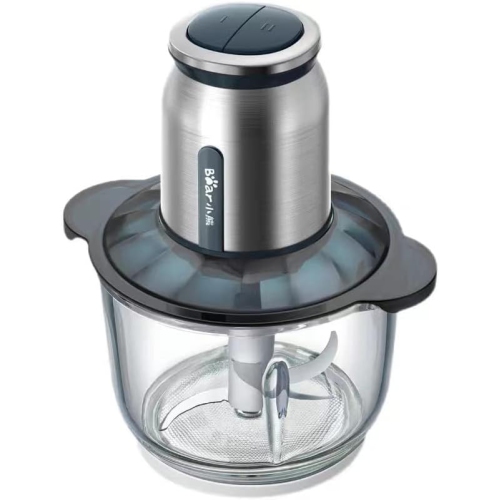
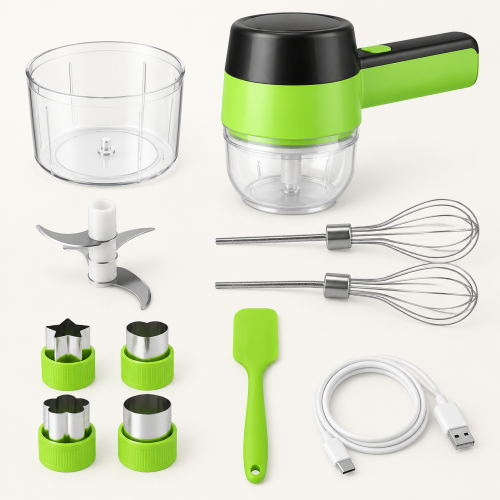
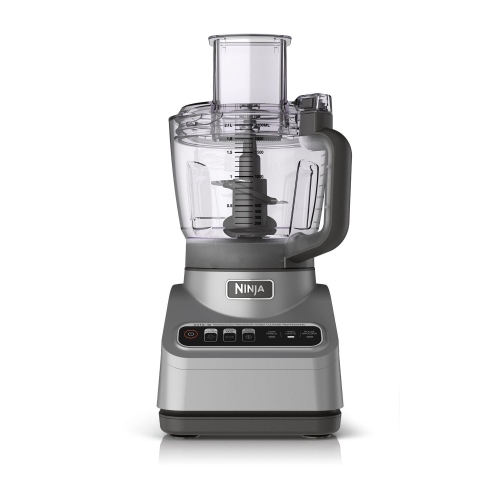
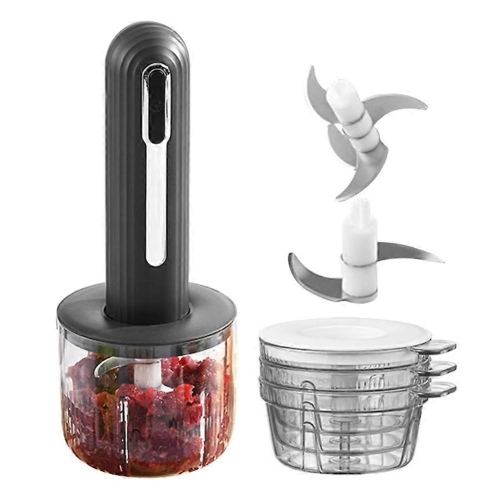
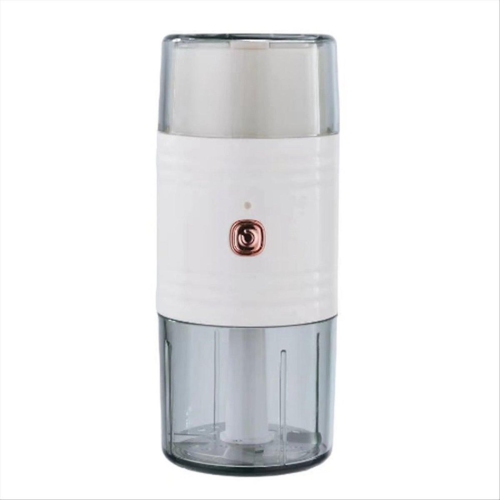
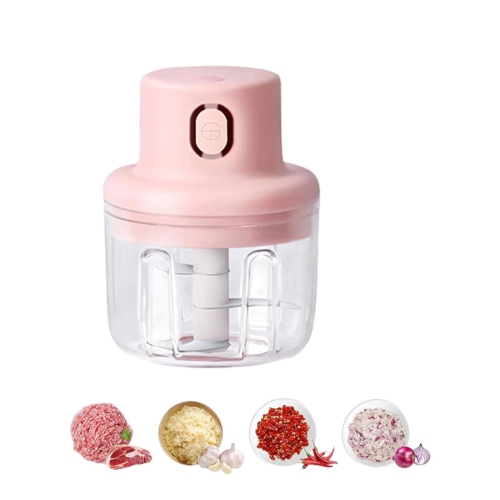

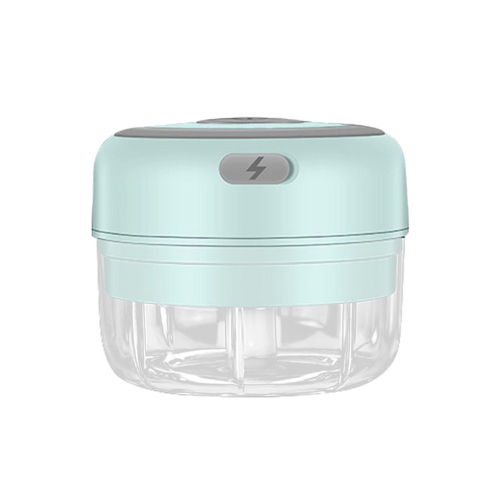
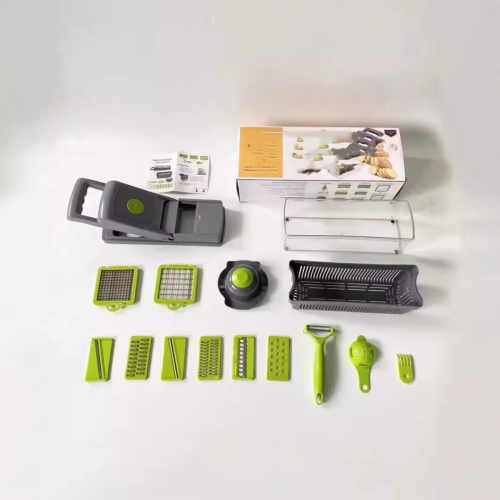

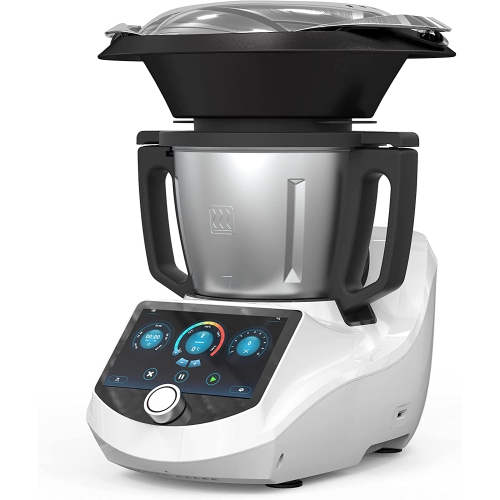
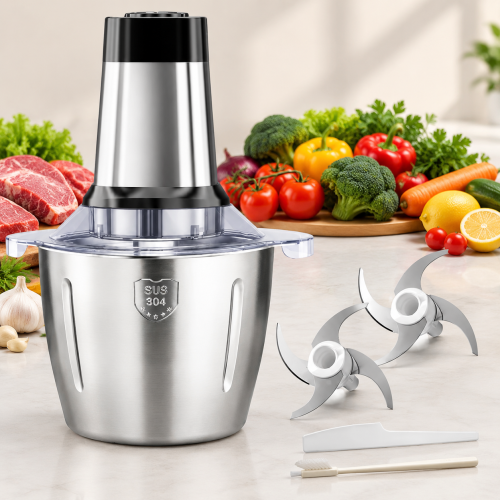
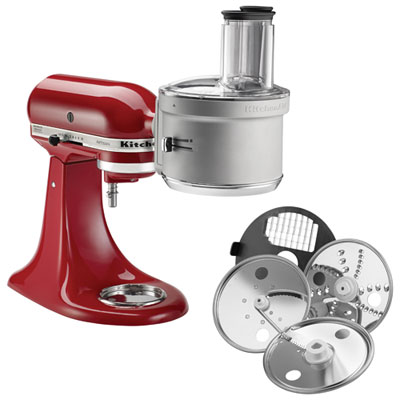
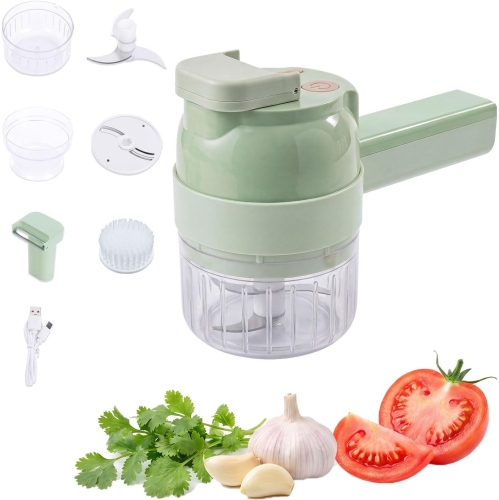
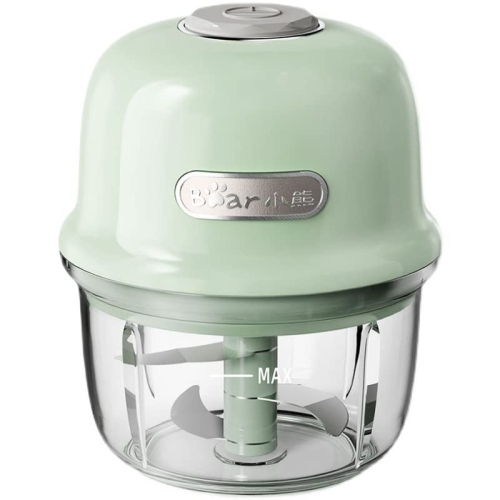
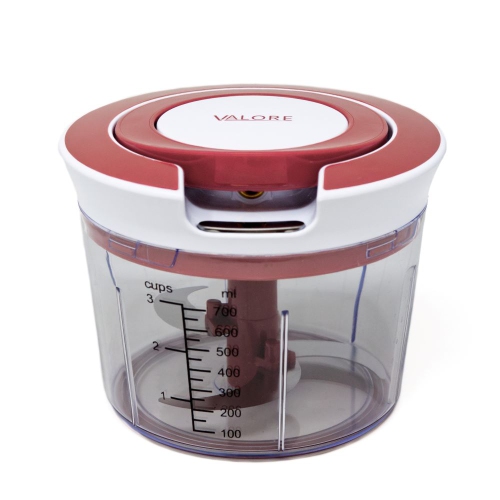
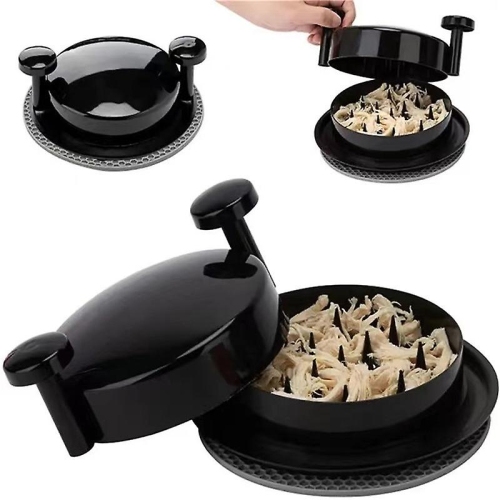
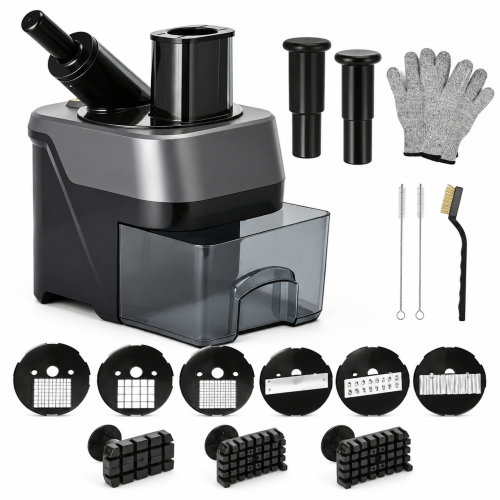
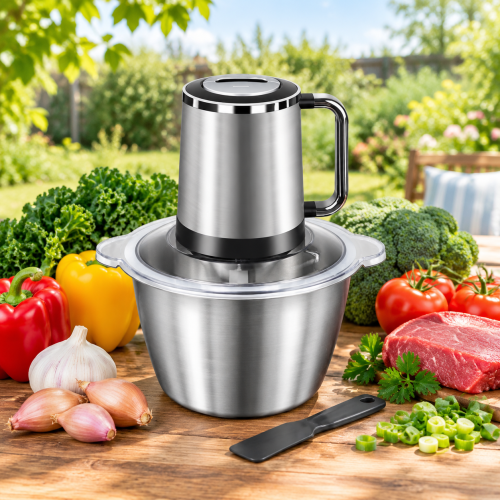
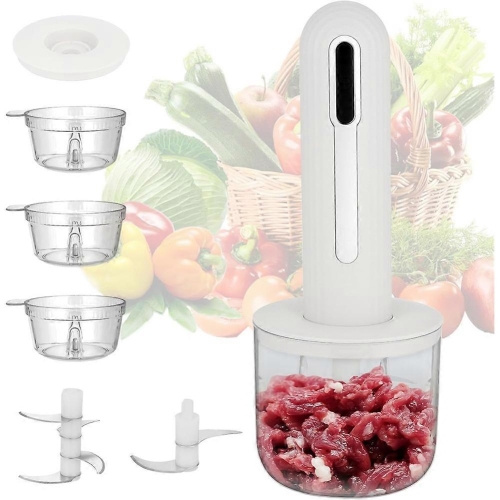
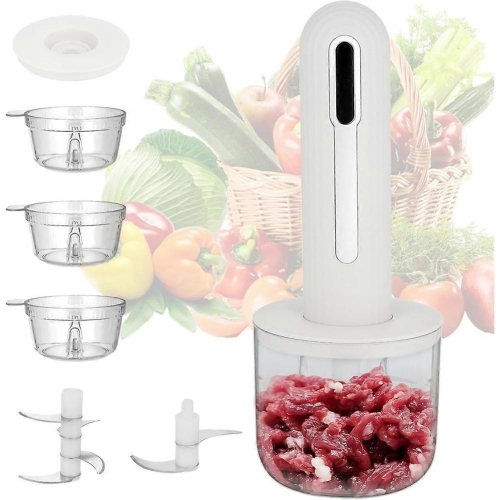
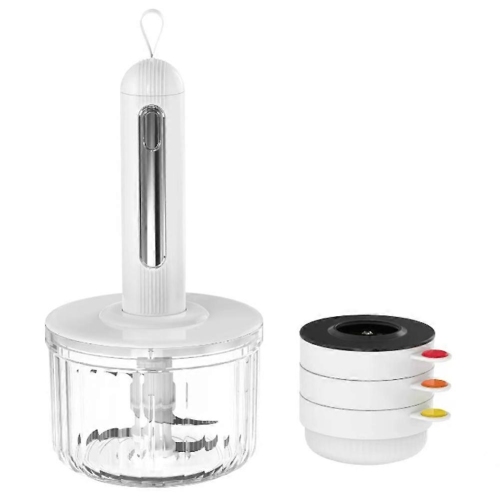
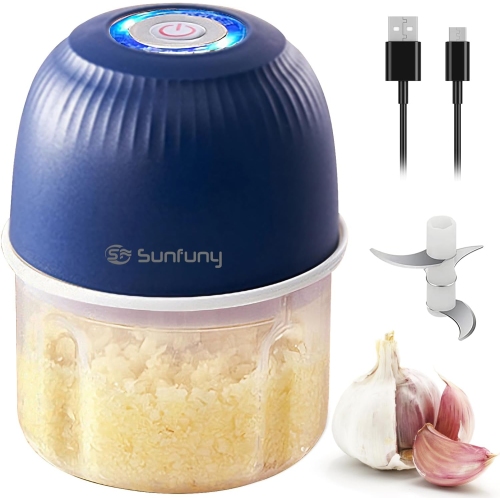
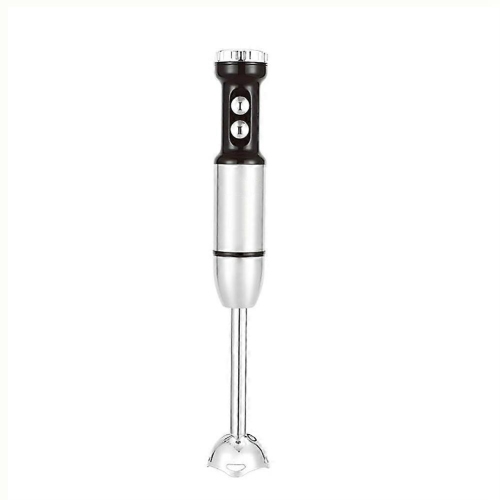
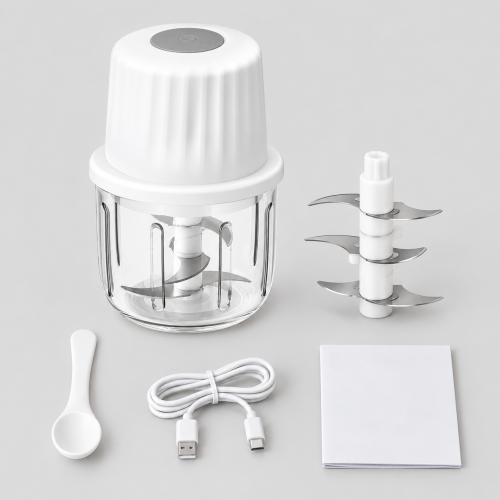
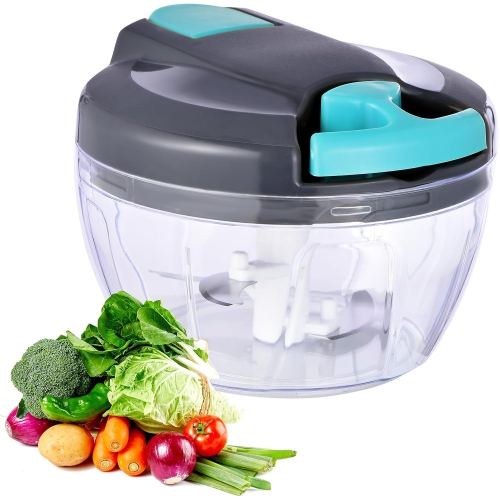
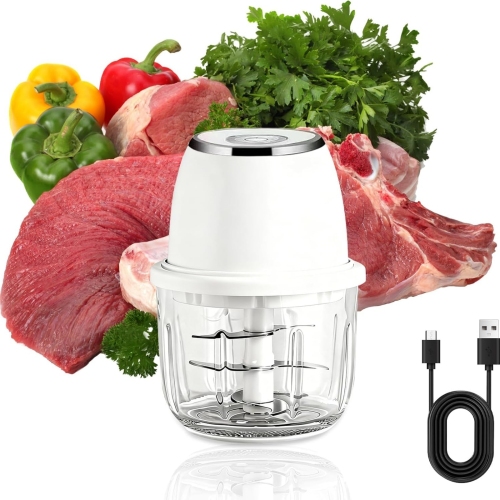
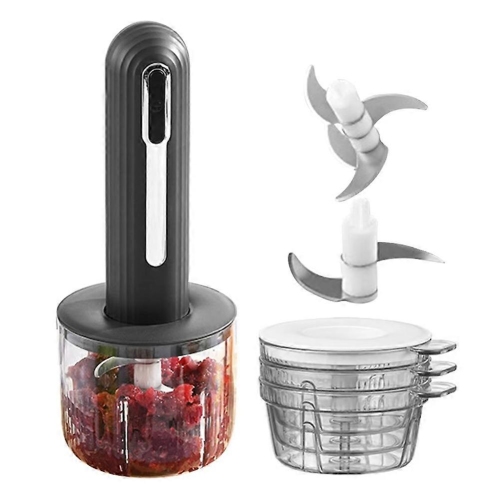
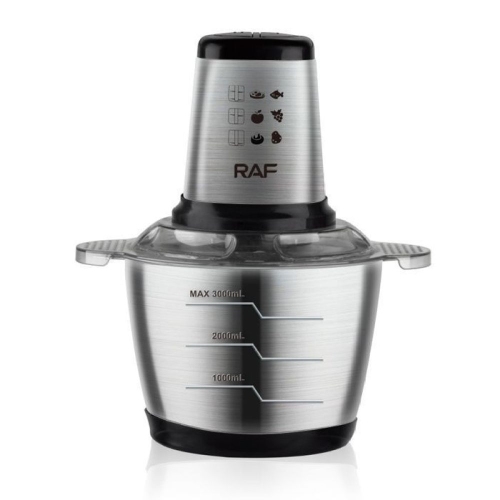

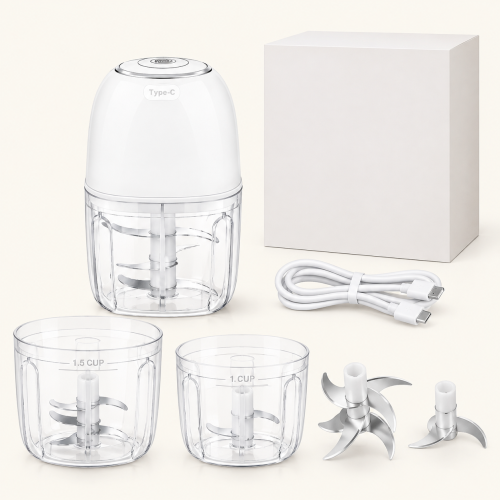
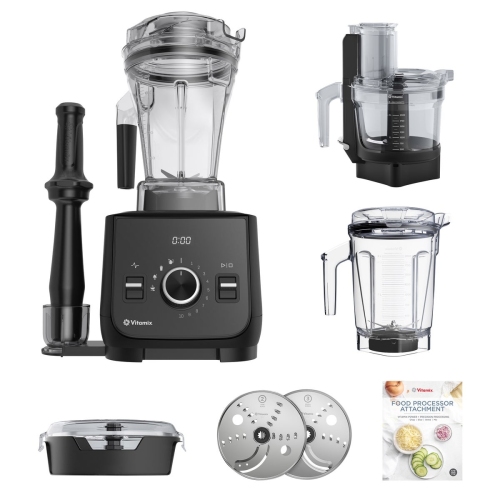
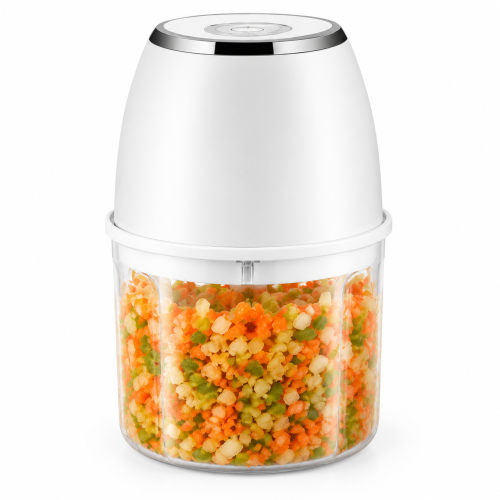
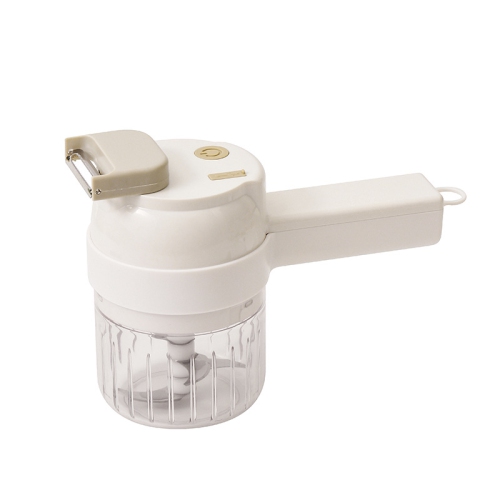
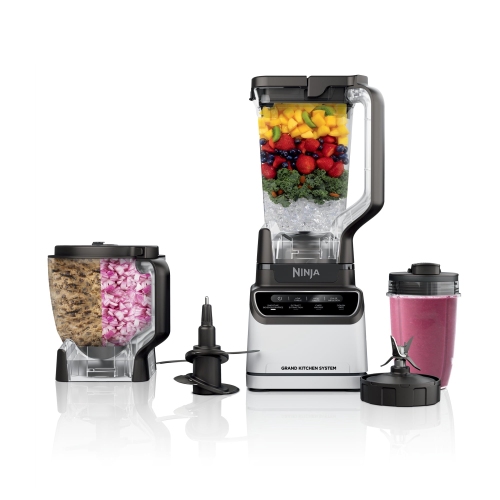
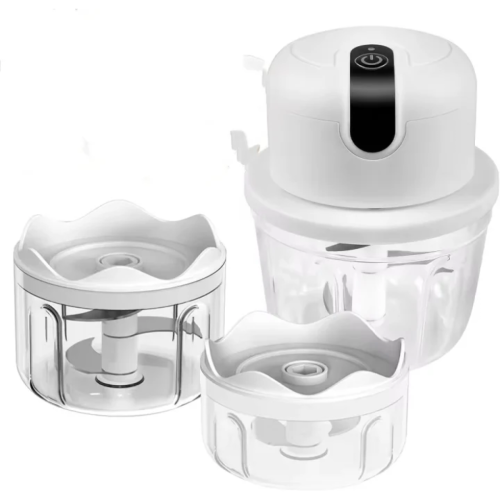

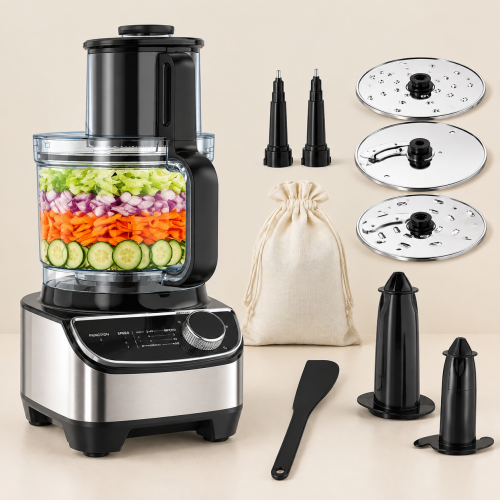
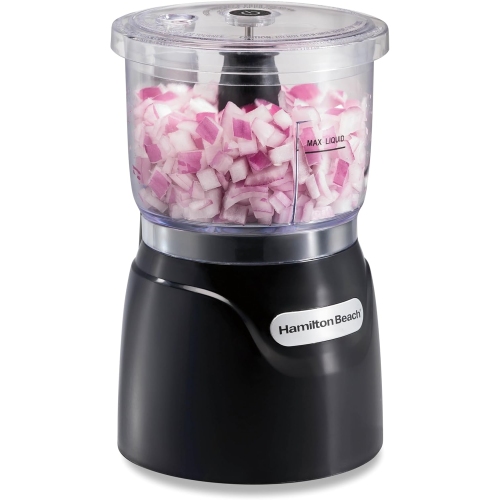
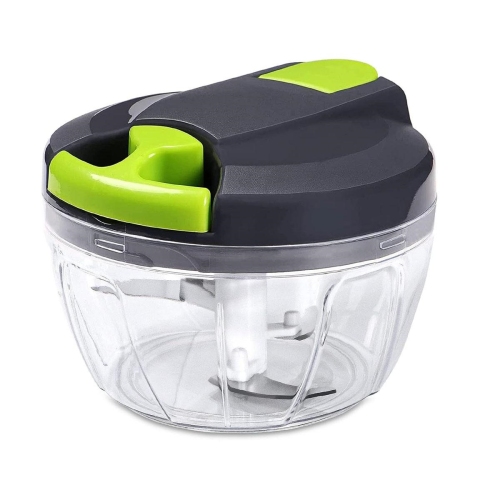
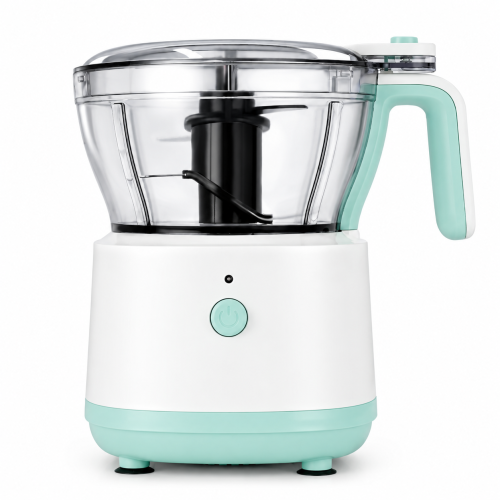
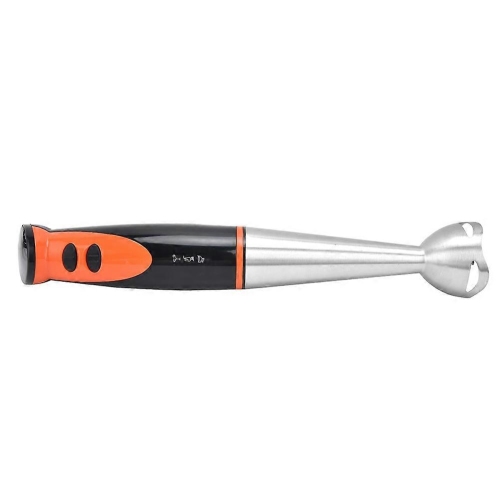
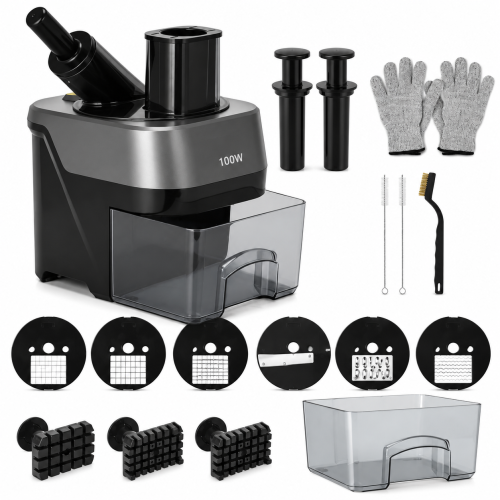
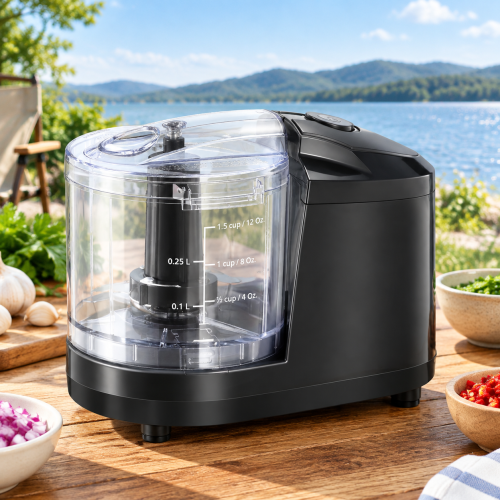
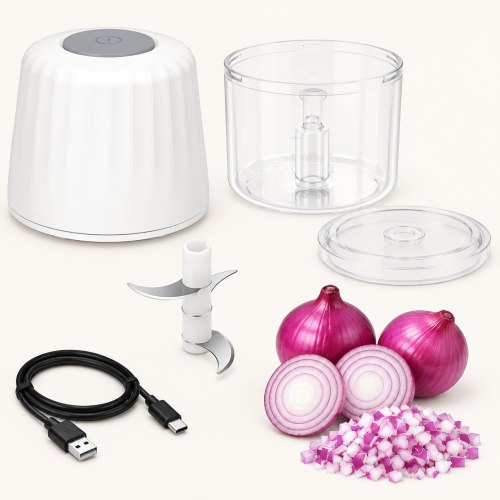
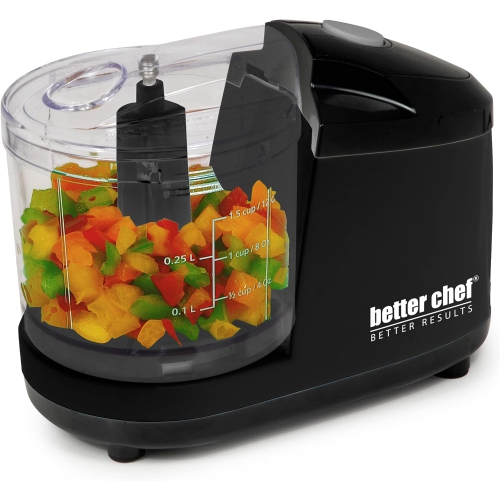
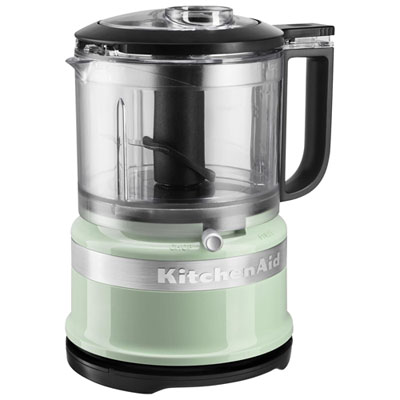
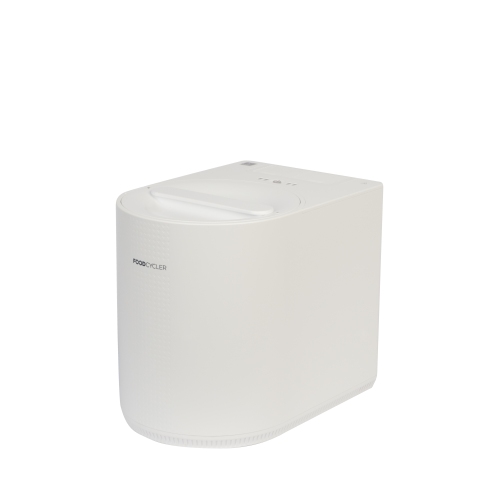
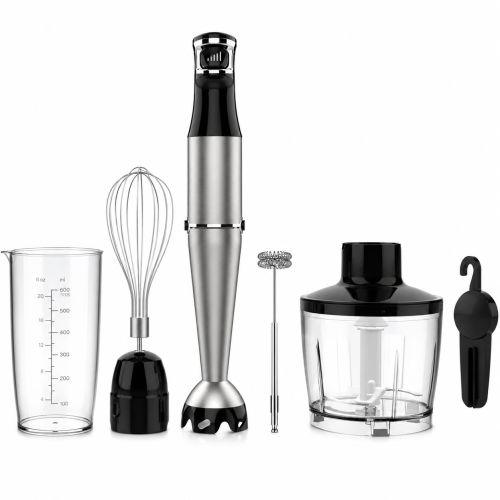
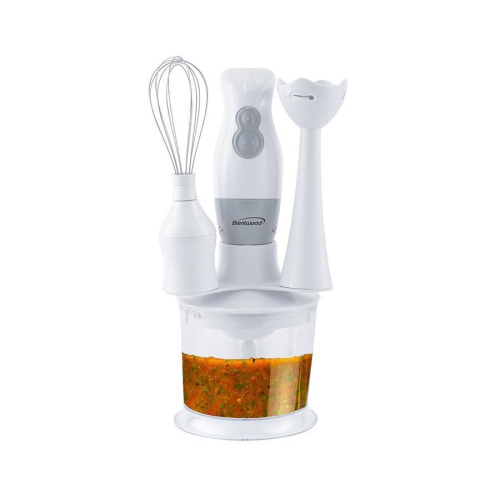
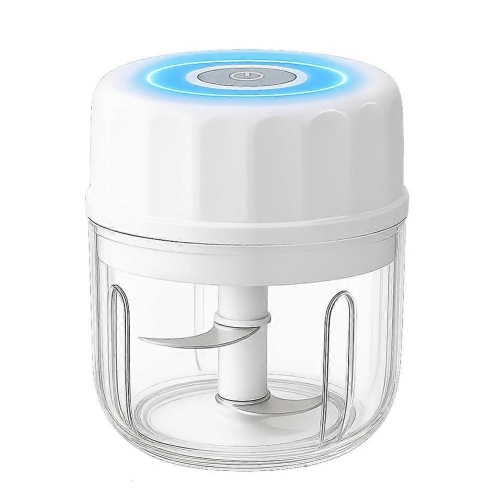
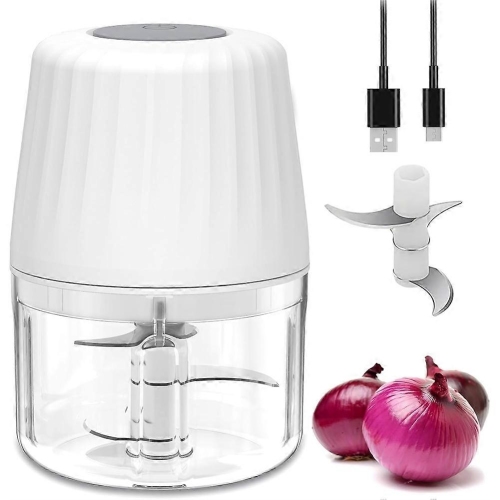
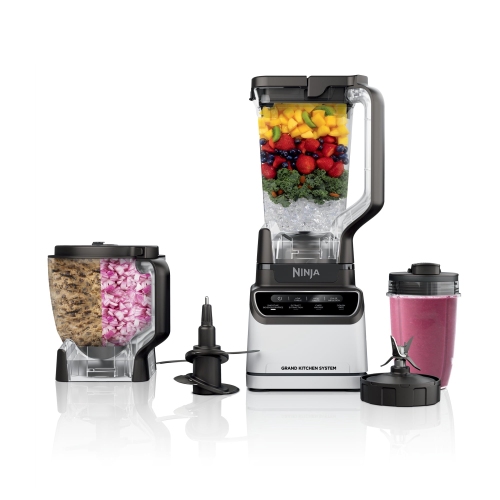
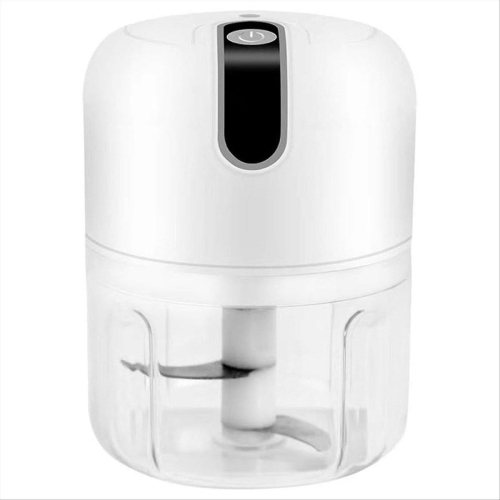
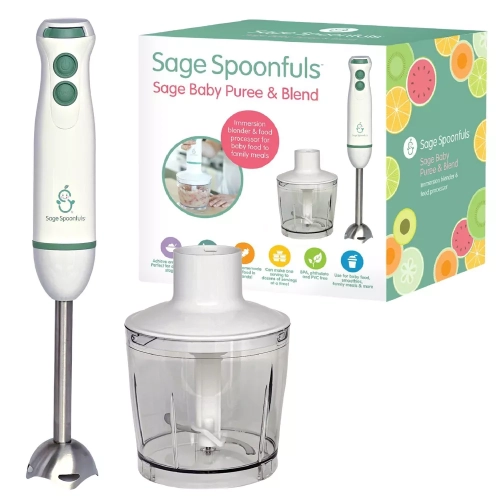
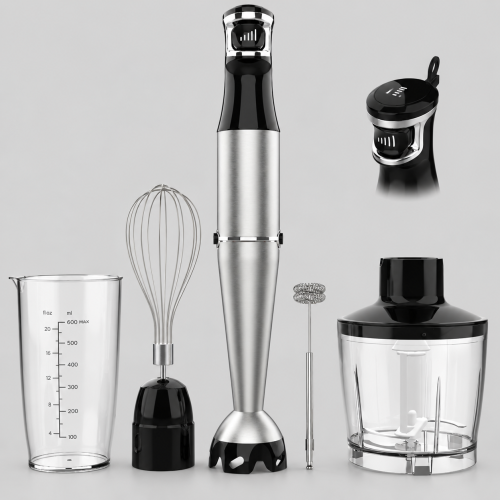
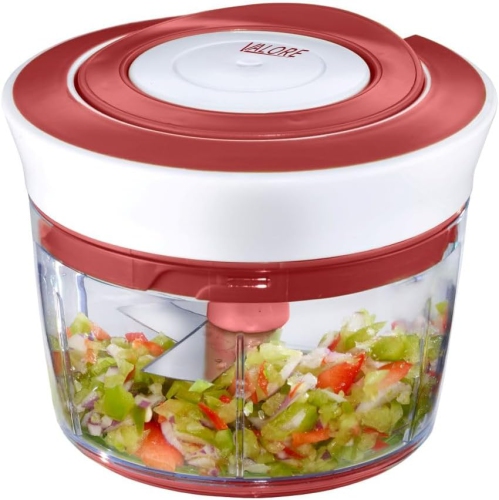
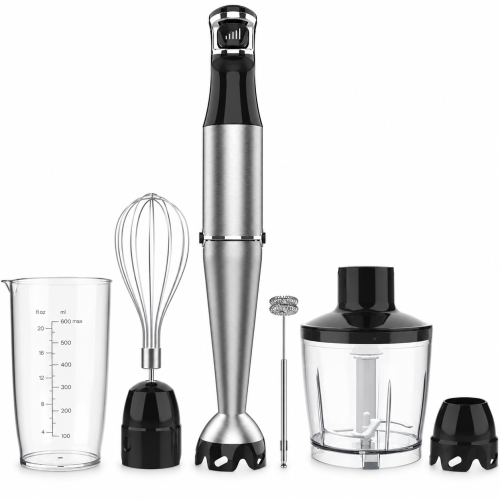
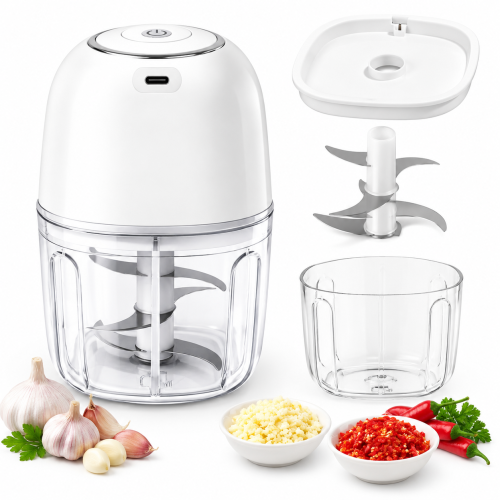
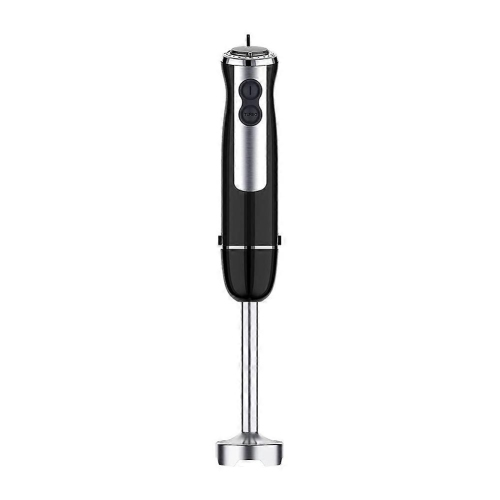
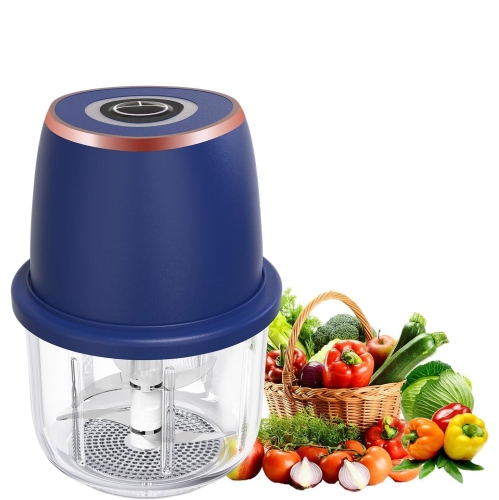
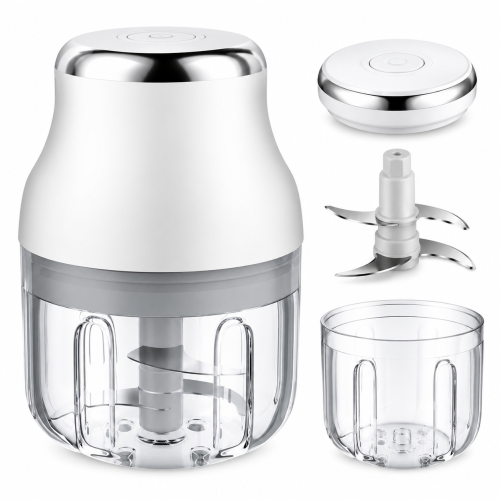
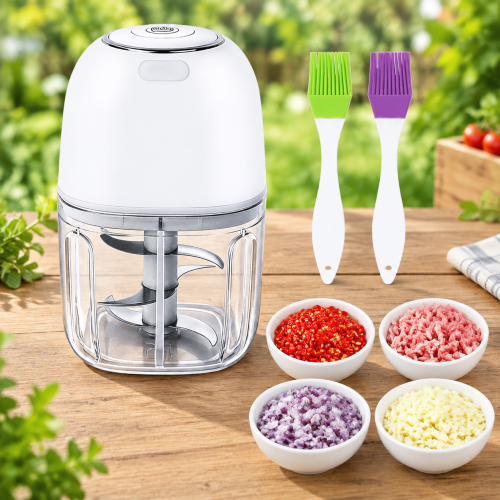
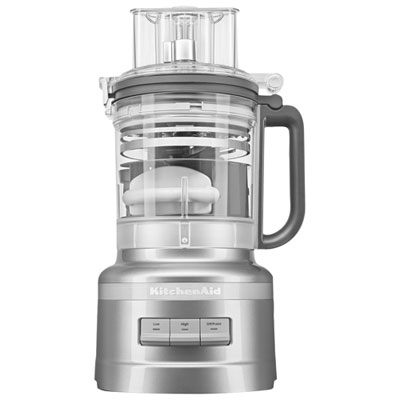
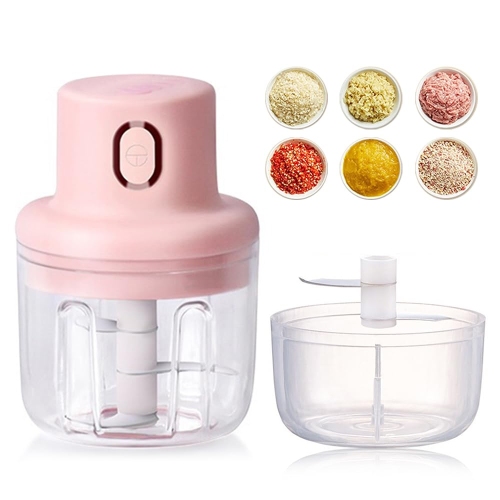
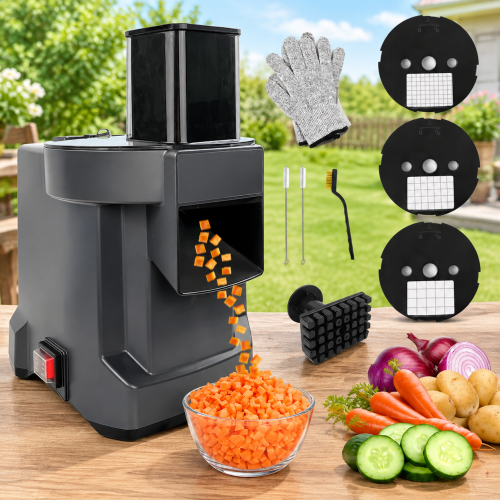
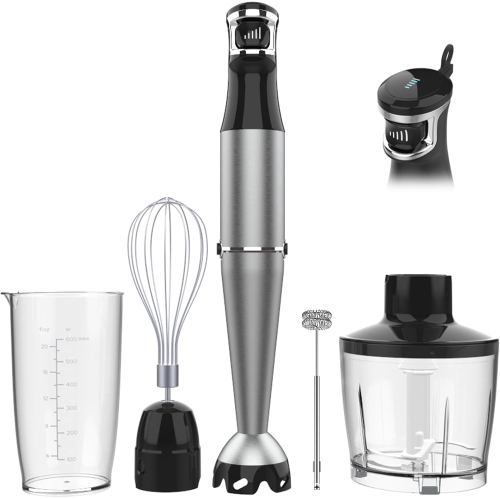
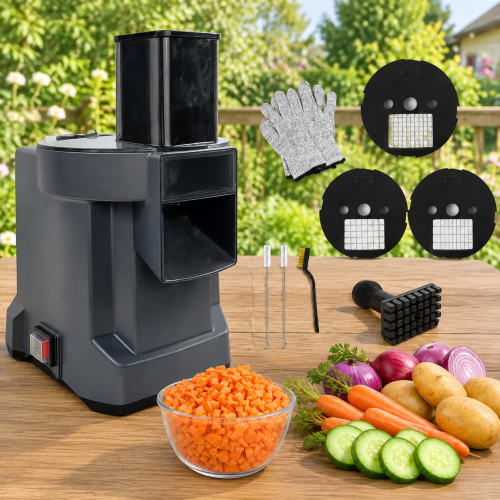
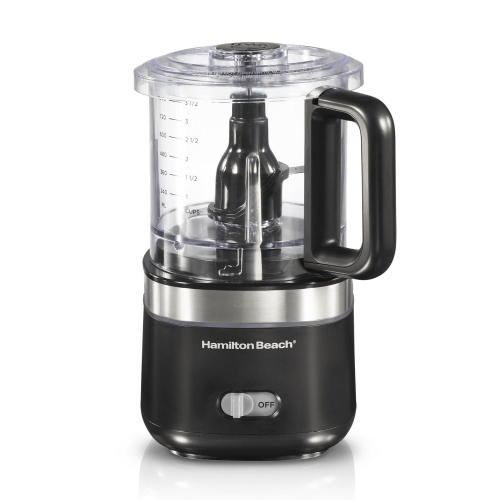
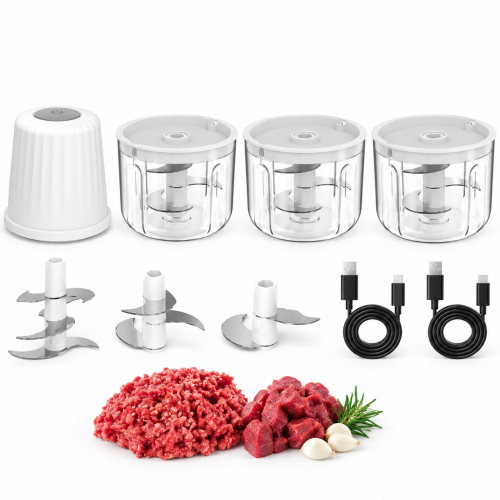
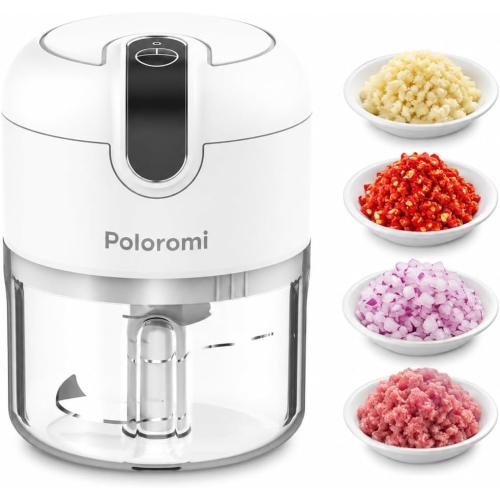
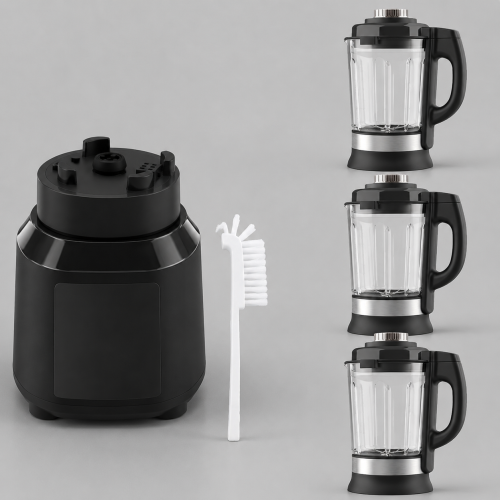
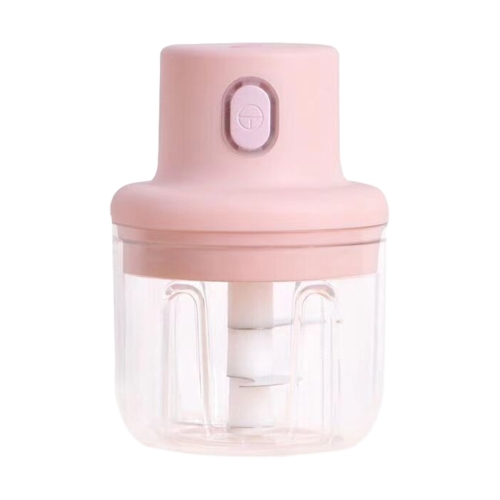
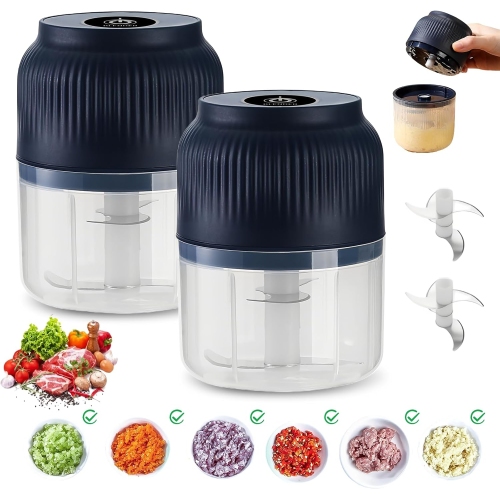
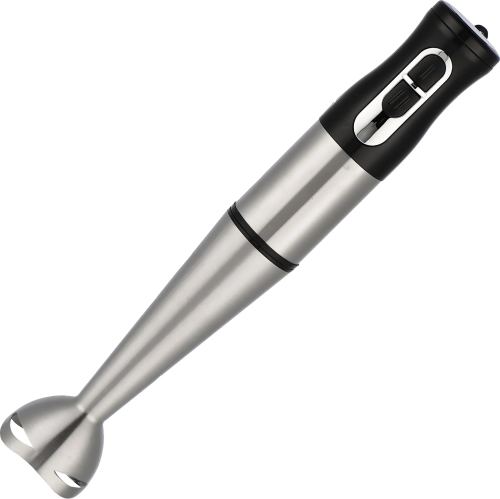
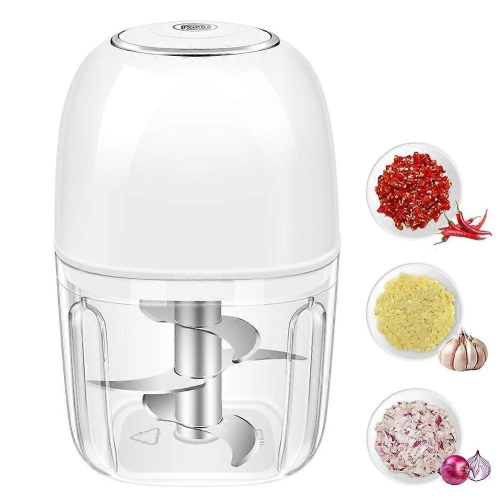
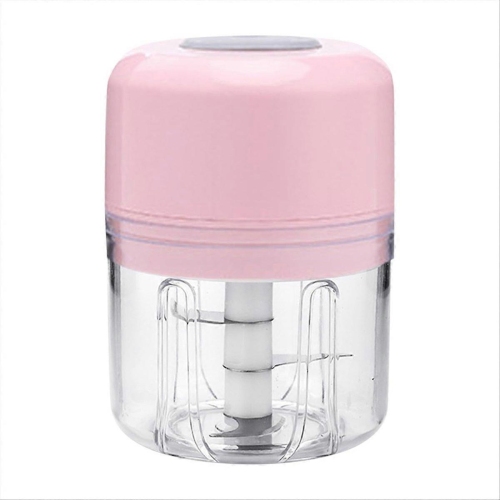
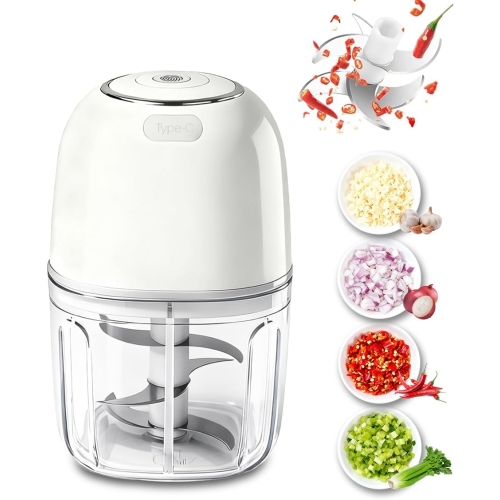
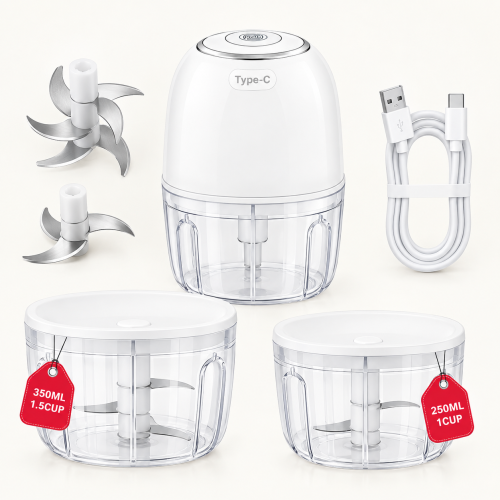
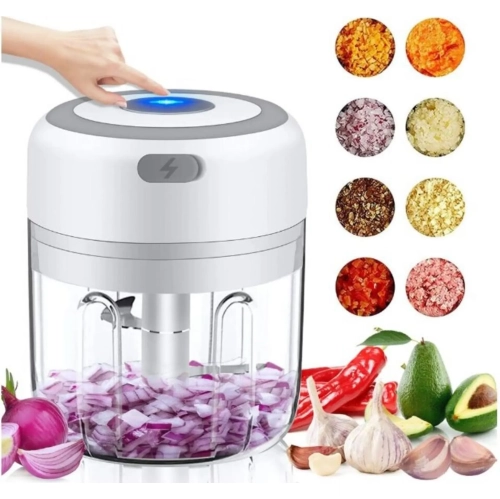
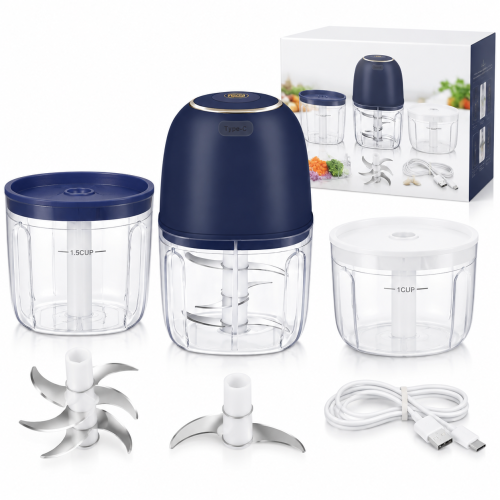
Less fuss from bowl assembly to final cleanup
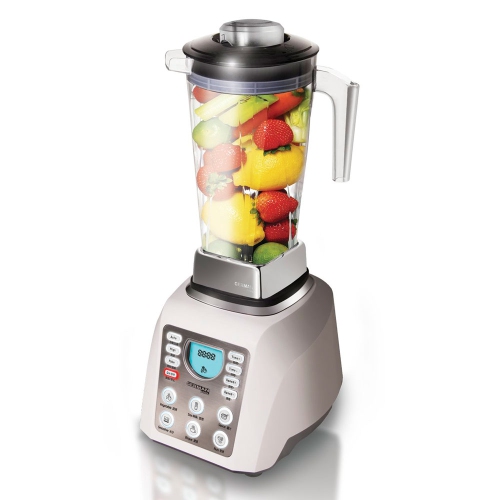
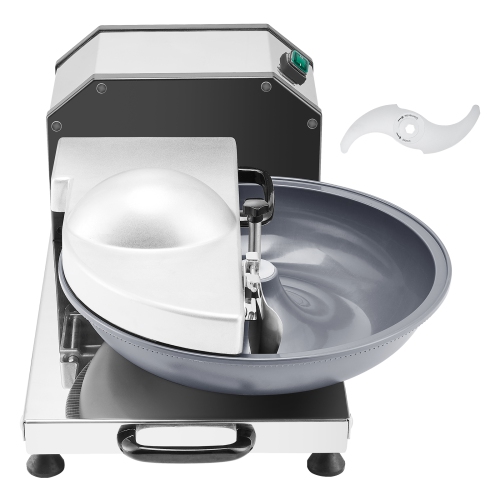
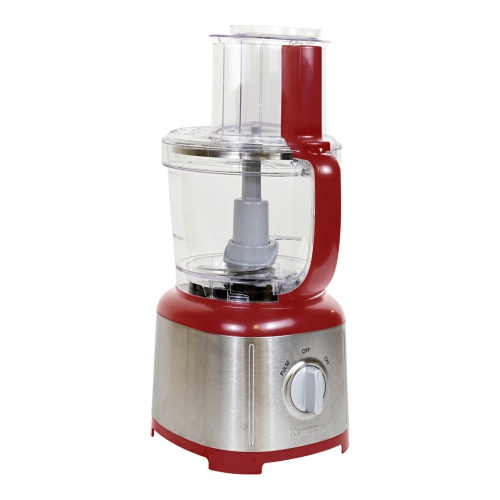
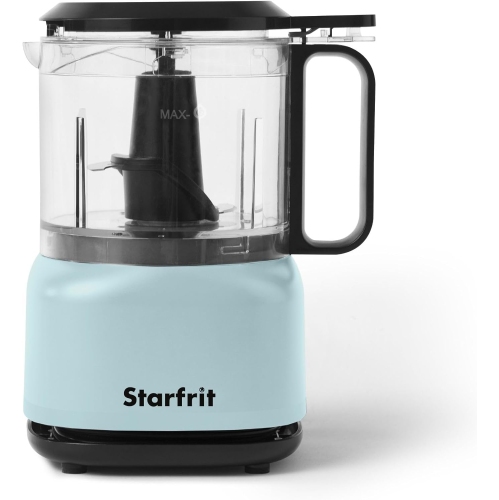
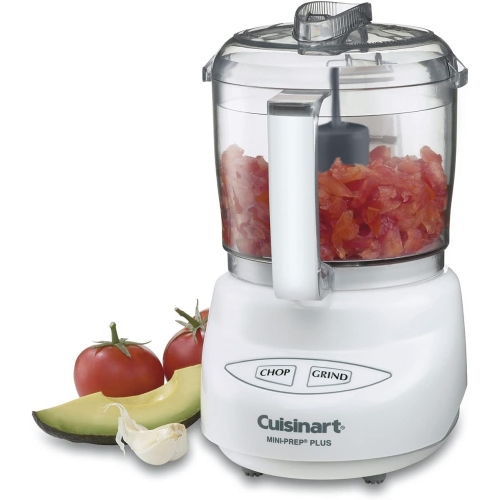
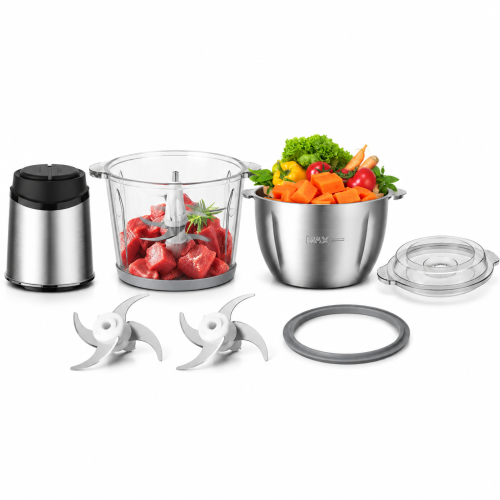
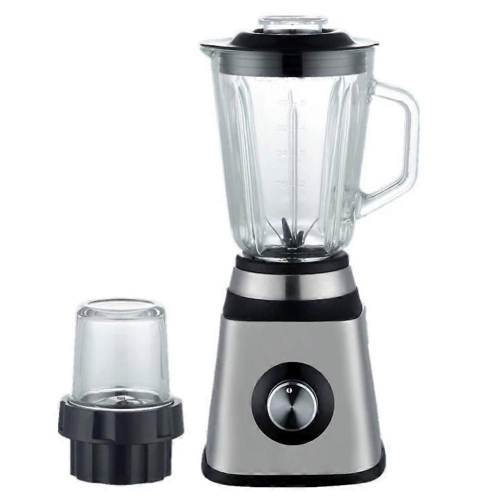
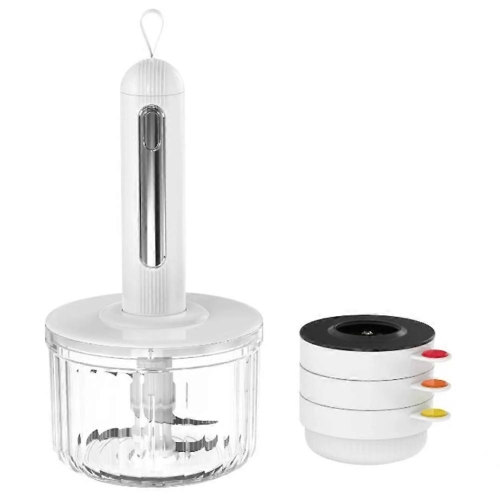
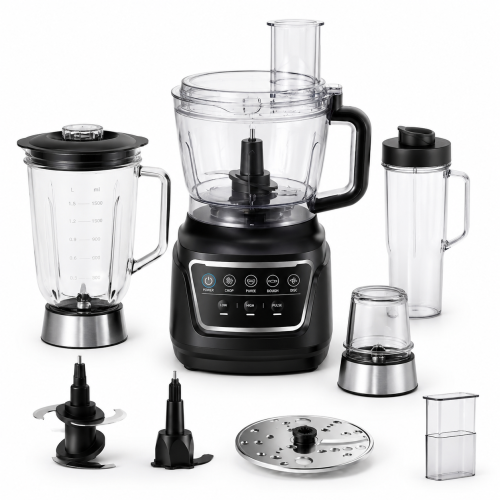
Easy-to-use food processors simplify everyday preparation with straightforward controls, bowls that attach without awkward manoeuvring, and removable parts that are easy to clean. The most useful features are often practical rather than elaborate: clearly marked on, off, and pulse buttons; a lid that locks into place with little effort; and a handle that feels secure when the bowl is full. Some designs use a twist-free bowl attachment, while others have alignment marks that make a twist-lock connection easier to position. Large buttons or paddle controls can be easier to operate than a crowded panel, especially when moving between several cooking tasks. A pulse function runs the blade in short bursts, giving more control over texture when chopping onions for pasta sauce, breaking down nuts for a topping, or mixing a chunky salsa. Continuous operation suits longer tasks such as blending a bean dip, provided the appliance is designed for the ingredients and quantity involved. For cooks who want less hands-on chopping, a processor can turn a pile of prepared vegetables into the base for several meals without requiring advanced knife skills. Beginners may appreciate a small number of clearly explained functions, while experienced cooks often value a machine that assembles quickly and produces consistent results. Ease of use also extends to transferring food: a comfortable bowl handle, an accessible interior, and a lid without hard-to-reach grooves all make a difference after processing is finished. A safety interlock helps prevent operation unless the bowl and lid are correctly secured, although the blade still requires careful handling whenever it is exposed. The best fit for an everyday kitchen is not necessarily the appliance with the most settings. It is one whose assembly, controls, and cleanup match the jobs it will handle most often, whether that means finely chopped aromatics for dinner or a smooth spread for sandwiches.
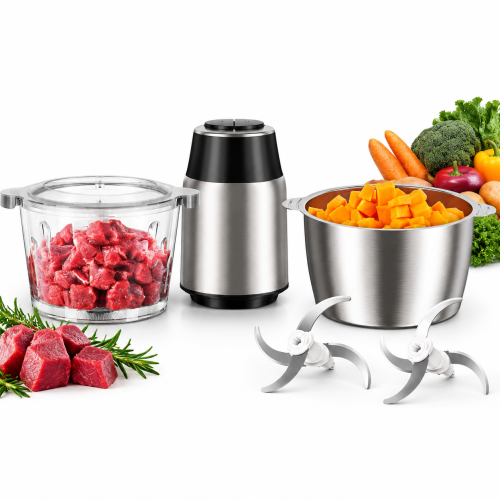
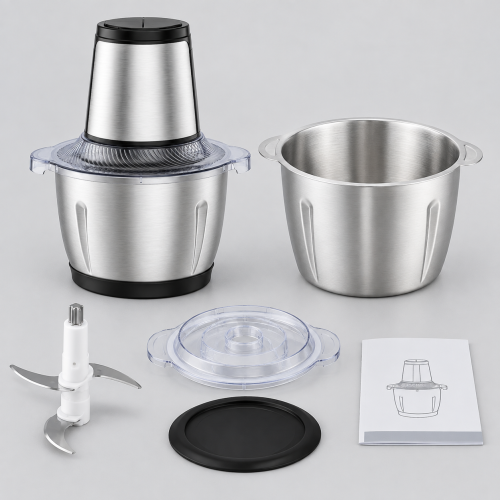
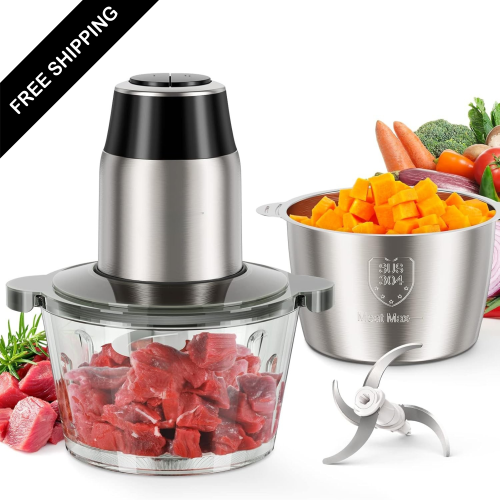
Bowl capacity, attachments, and counter space help determine how comfortably a food processor fits into a cooking routine. A compact chopper can suit garlic, herbs, small portions of vegetables, or a modest batch of dressing, while a larger work bowl offers more room for family meal preparation. Capacity alone does not tell the whole story: a large bowl may struggle to catch a very small quantity of ingredients, and its usable liquid capacity can be lower than its stated bowl size. Clearly visible fill lines help take the guesswork out of loading. For someone who regularly prepares shredded cabbage, sliced cucumbers, or grated cheese, compatible slicing and shredding discs can be more useful than extra speed settings. A wider feed chute may reduce the amount of cutting needed beforehand, but ingredients still need to fit freely and should be guided with the supplied food pusher, never fingers or utensils. Dough preparation requires a processor specifically rated for that task, along with attention to its batch limits; a basic chopping blade does not make every appliance suitable for kneading. Materials matter, too. Stainless steel blades are common because they resist corrosion and hold a cutting edge, though their performance also depends on blade shape, ingredient preparation, and proper care. Clear work bowls make it easier to watch texture develop without repeatedly lifting the lid. Plastic bowls keep handling weight manageable, while glass bowls, where offered, add weight that may be noticeable when lifting or washing. A stable base with non-slip feet helps limit movement during operation. For smaller kitchens, the complete footprint includes space to remove the lid, lift out the bowl, and access the controls beneath overhead cupboards. A processor used several times a week may be easiest to keep on the counter; one stored between uses benefits from a manageable weight and secure accessory storage. These details are particularly relevant for apartment kitchens, shared households, and anyone who finds heavy lifting or firm twisting uncomfortable.
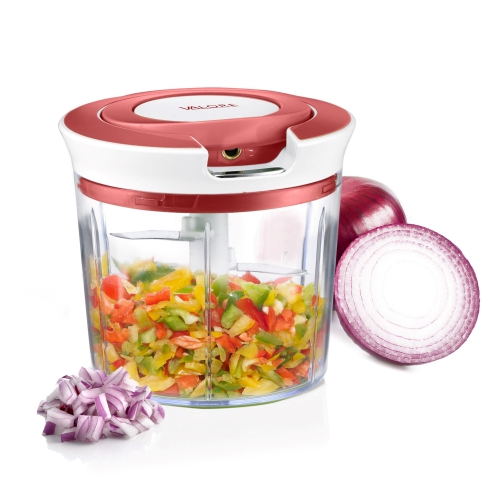
Simple cleanup is a major part of what makes a food processor easy to use over time. Dishwasher-safe removable parts can reduce washing by hand, but care requirements vary between bowls, lids, blades, and discs. Manufacturer instructions identify which pieces can go in the dishwasher and whether they require placement on a particular rack. The motor base should not be immersed in water; it generally needs only a wipe with a damp cloth after the appliance is unplugged. Emptying and rinsing the bowl promptly helps prevent sticky mixtures and finely chopped herbs from drying into seams. A small cleaning brush can help reach lid channels and attachment openings without bringing fingers close to sharp edges. Blades and discs should be washed and handled individually rather than left hidden beneath other dishes in a sink. Thorough drying before reassembly keeps stored parts ready for the next use. In-bowl accessory storage can save cupboard space and keep matching pieces together, especially when it includes a holder or guard that covers cutting edges. Separate storage cases offer another way to keep sharp attachments protected and easy to identify. Durability depends on more than a sturdy-looking housing: secure connections, a bowl without cracks, and attachments that seat properly all contribute to dependable operation. Respecting fill limits and recommended running times helps avoid unnecessary strain, while hard or frozen ingredients should only be processed when the appliance is expressly designed for them. For small tasks without an electrical connection, Manual Food Processors offer another approach, using a pull cord, crank, or press mechanism depending on the design. They can suit quick chopping, although the required hand effort is an important consideration. As a gift for someone setting up a kitchen or looking to simplify meal preparation, an easy-to-use food processor is most thoughtful when its size and functions reflect how that person cooks. Straightforward assembly, useful attachments, and uncomplicated care can make it a welcome part of preparing everyday meals rather than another appliance left in a cupboard.
Top selling and popular products
-
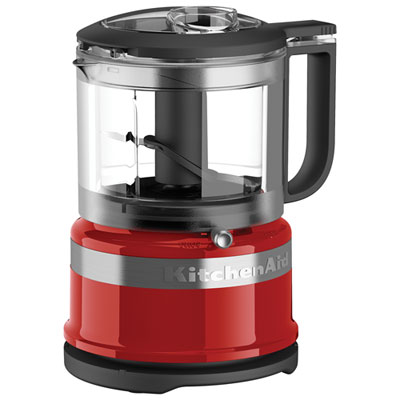 Your price for this item is $49.99
-
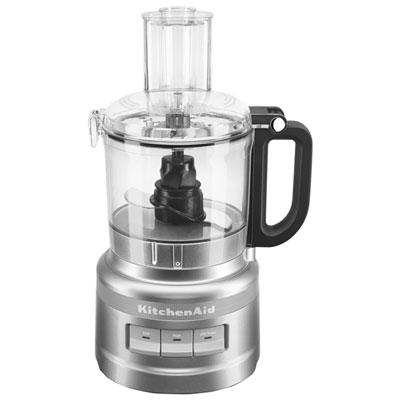 Your price for this item is $134.99
-
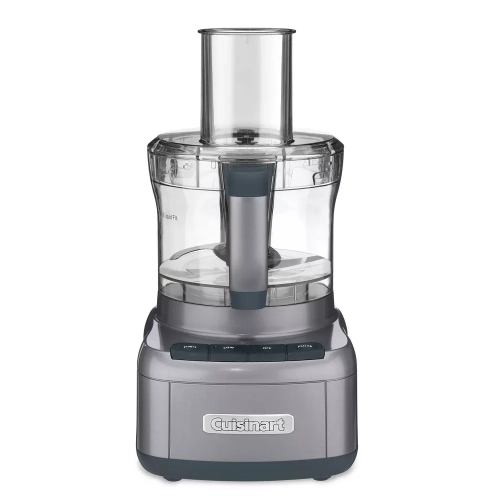 Your price for this item is $346.5
-
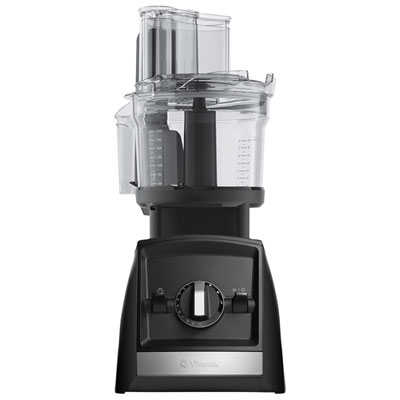 Your price for this item is $349.99
-
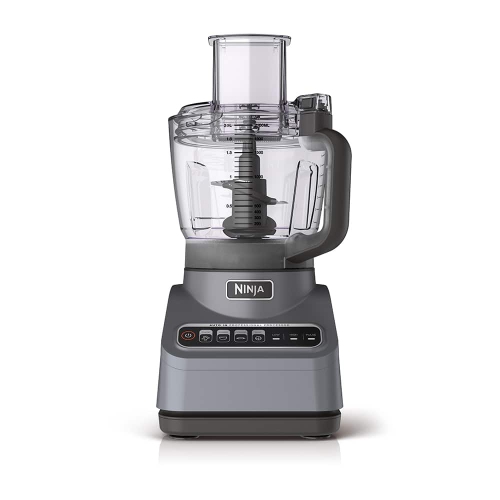 Your price for this item is $210.06
-
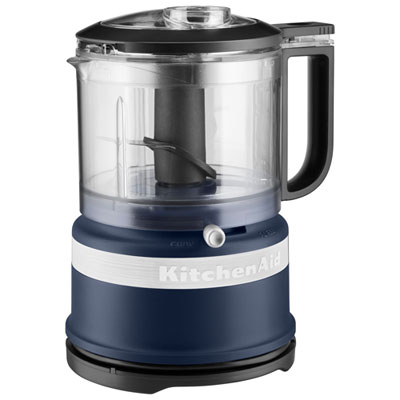 Your price for this item is $49.99
-
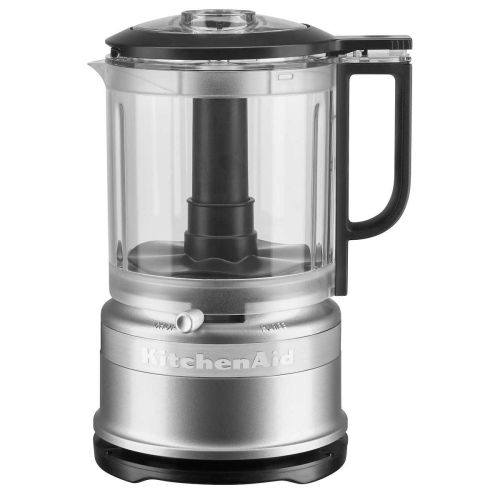 Your price for this item is $180
-
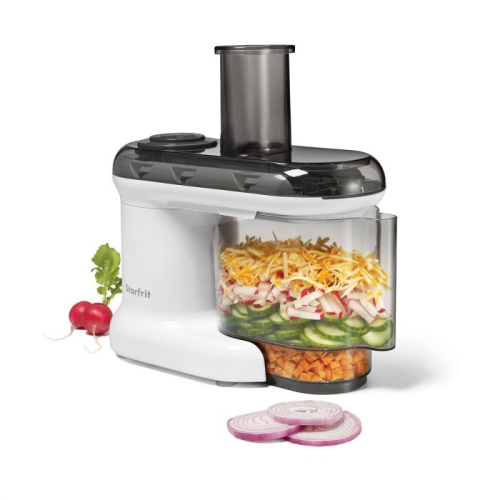 Your price for this item is $69.99
Discover more categories related to Easy To Use Food Processors
Top Collections:
Pokemon Centers, Best Cameras for Sports Photography, Kindle Devices, Samsung Galaxy Phones, Canon G7X Cameras, Pokémon 30th Celebration Cards, Refurbished Apple Laptops, iPhone 15 Apple, Laptops for Students, Budget Smartphones
Some products may be subject to Environmental Handling Fees
(EHF) depending on your province.
Learn more about EHFs.