Gas Burners
Discover the perfect blend of efficiency and style with our range of gas burners, designed to elevate your cooking experience. Whether you're a culinary enthusiast or simply looking to upgrade your kitchen setup, gas burners offer precise heat control, allowing you to whip up everything from delicate sauces to hearty stews with ease. With sleek designs that complement any kitchen decor and user-friendly features that make cooking a breeze, our selection caters to both novice cooks and seasoned chefs alike. Explore our collection today and find the ideal gas burner that suits your culinary needs and lifestyle.
Sort

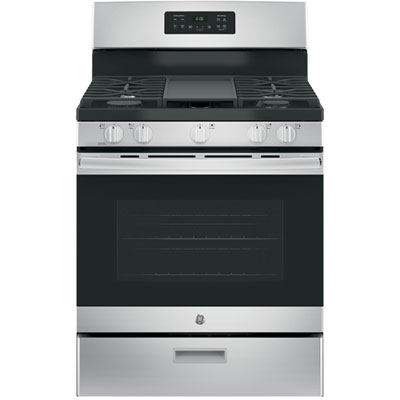
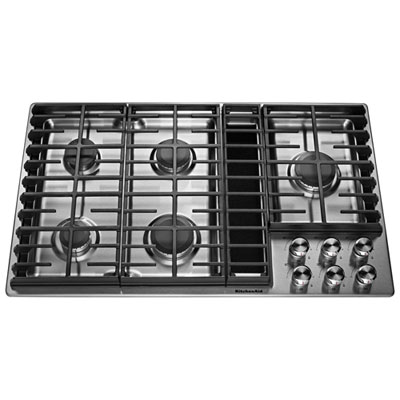
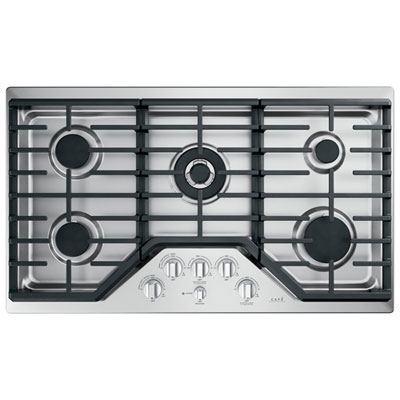
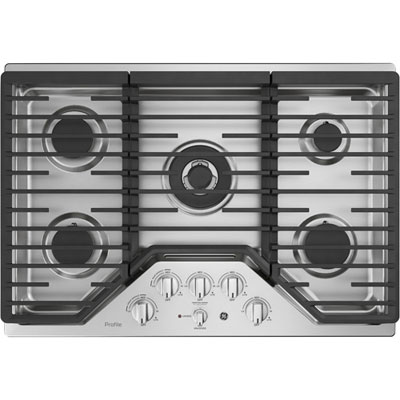
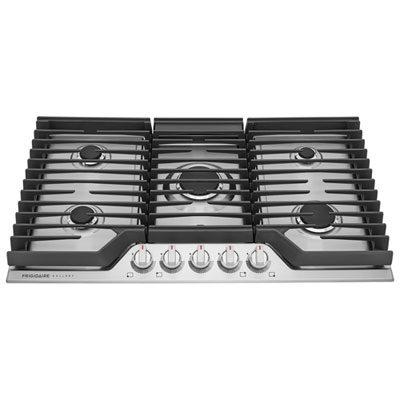
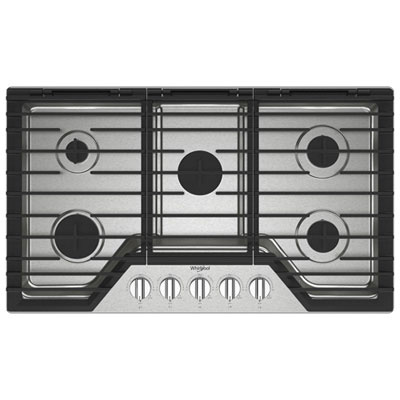
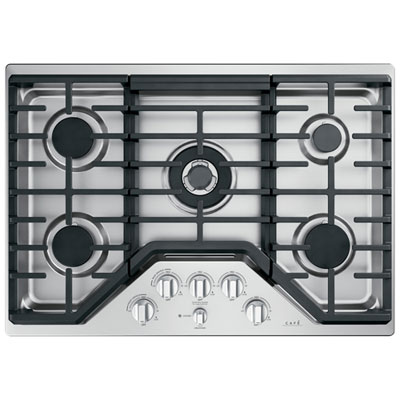
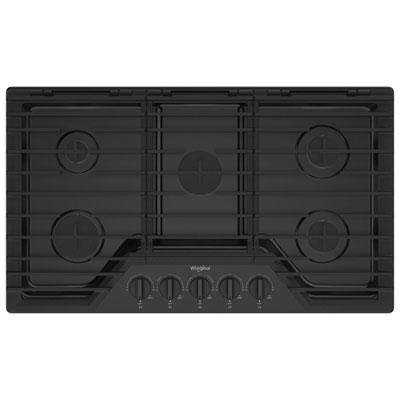

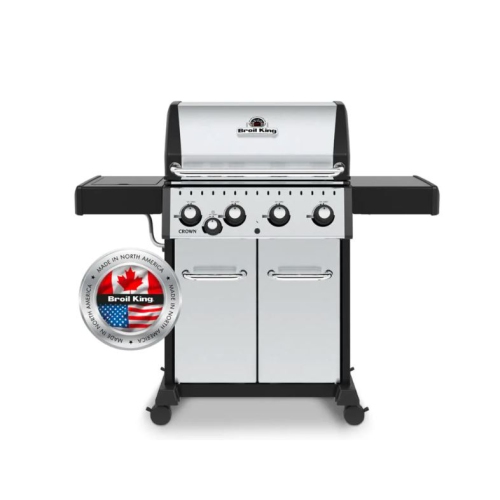
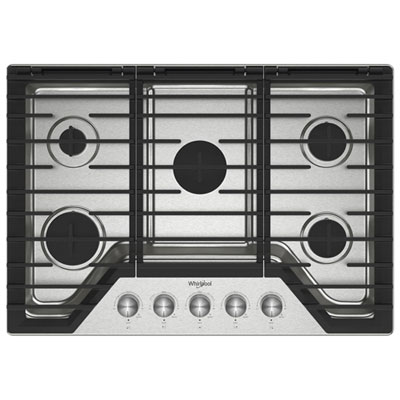
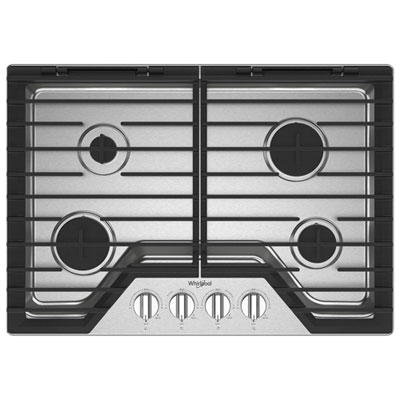
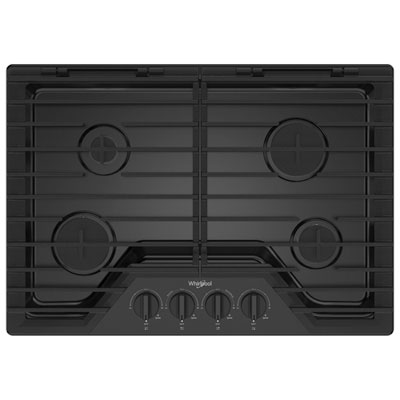
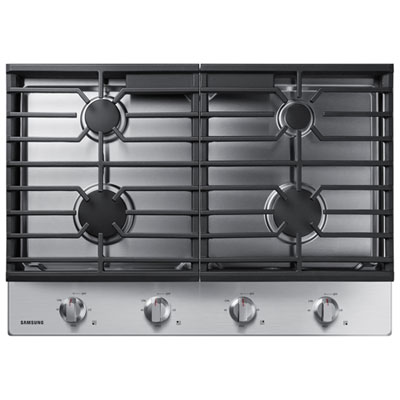
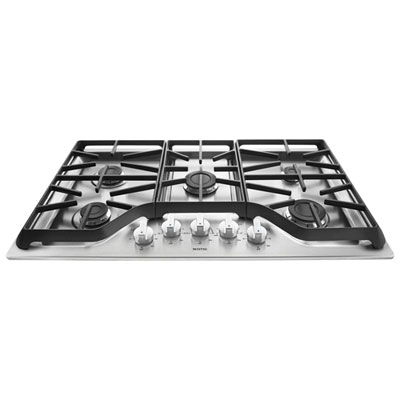
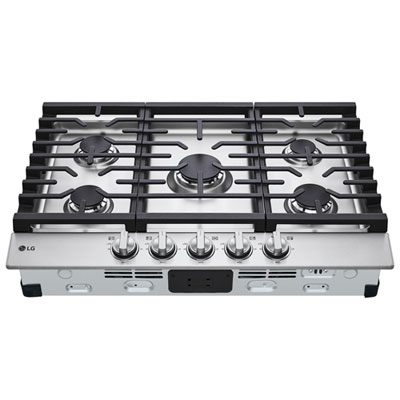
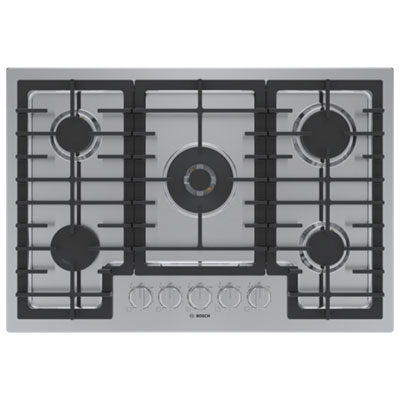
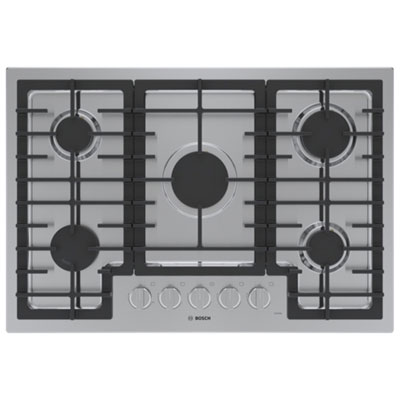
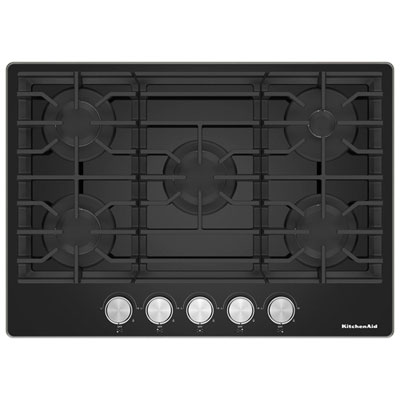
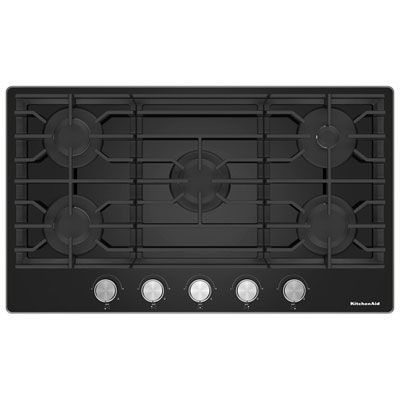
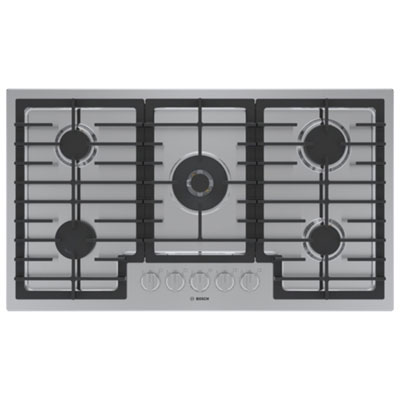
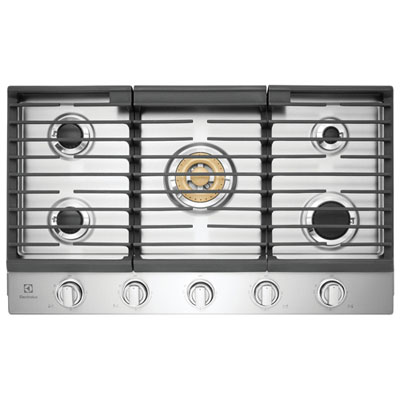
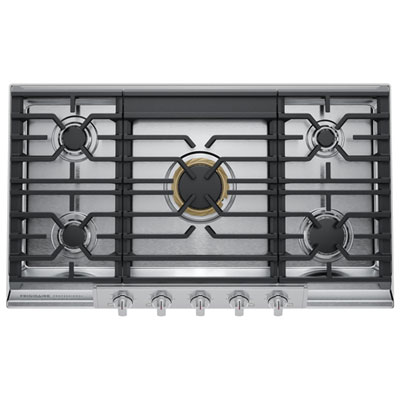
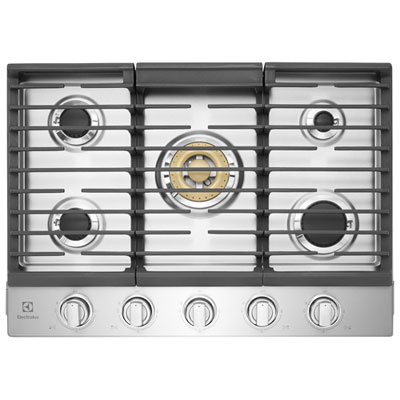
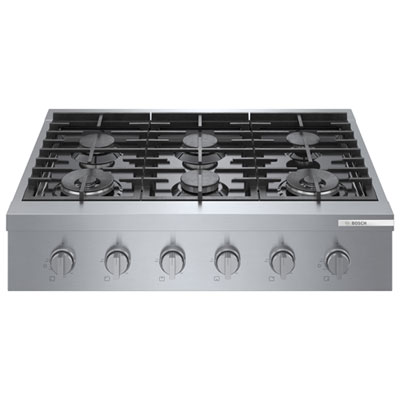
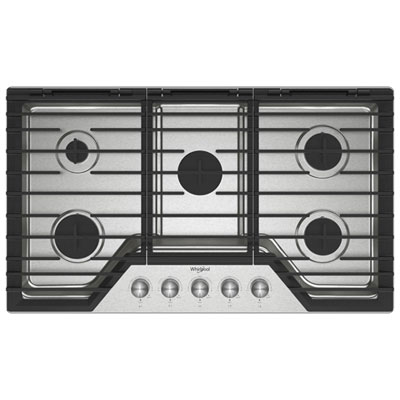
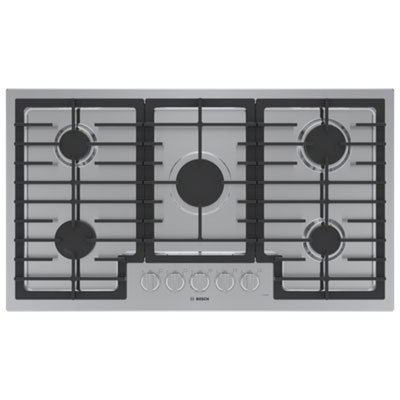
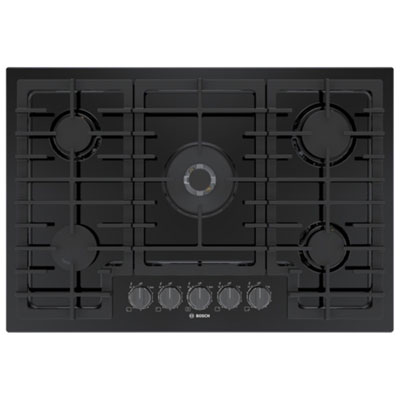
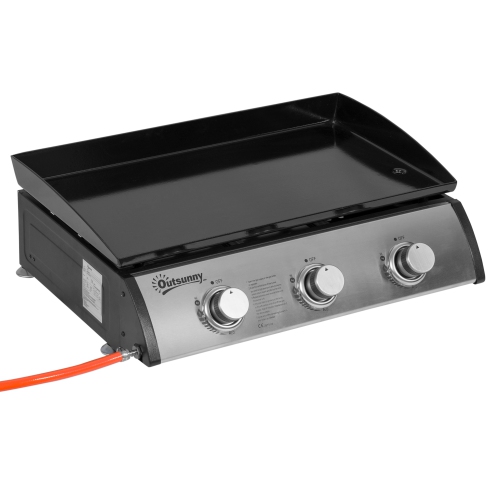
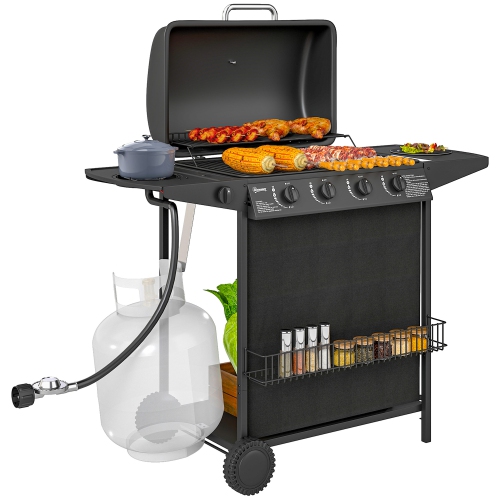
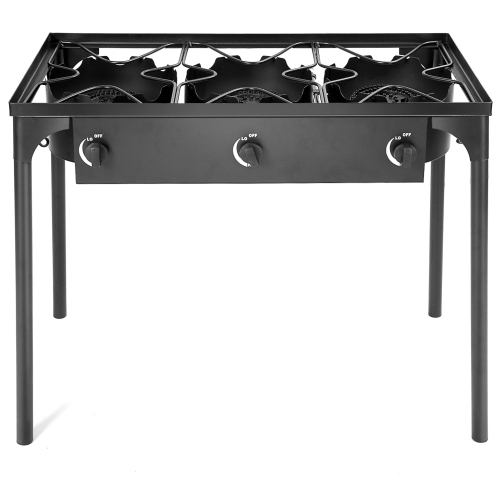
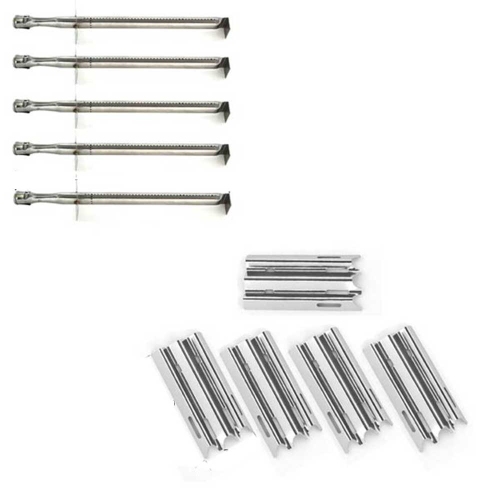
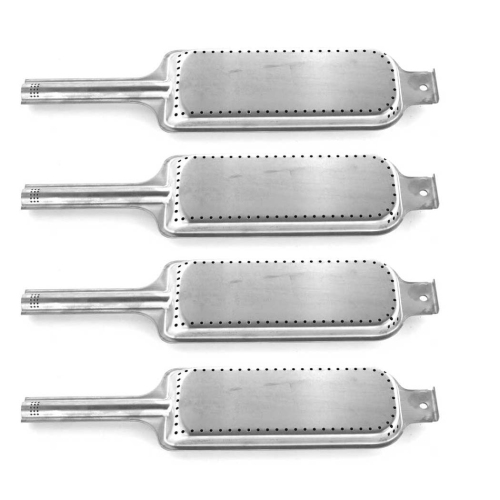
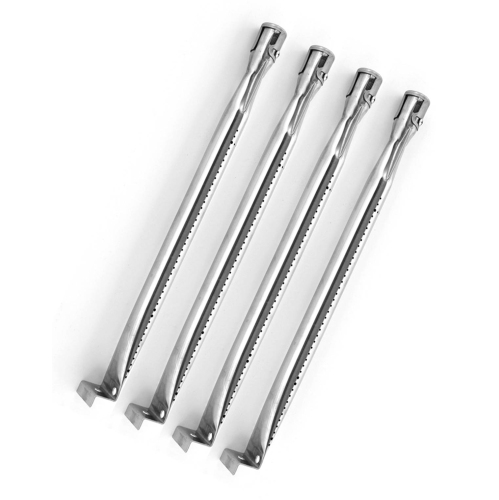
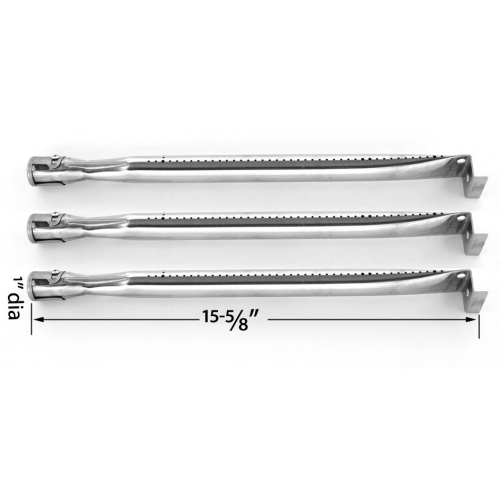
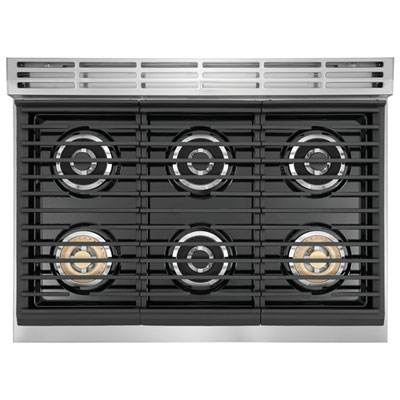


What to consider for indoor, outdoor, and portable cooking
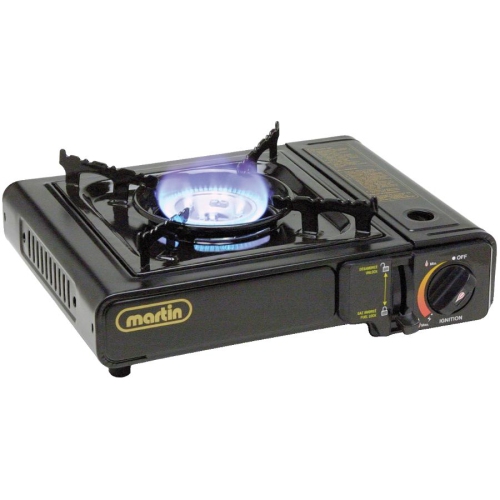
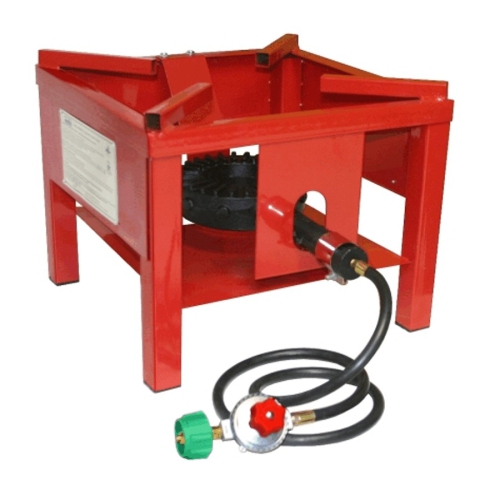
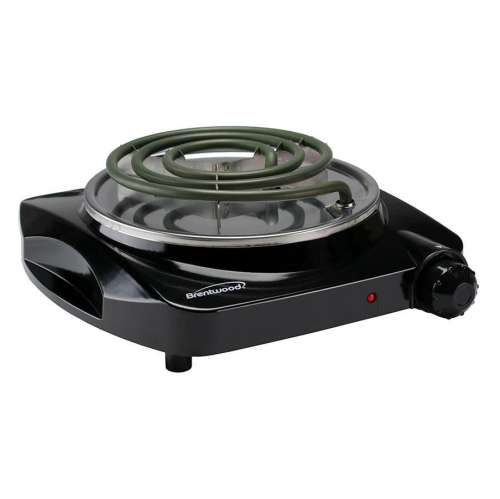
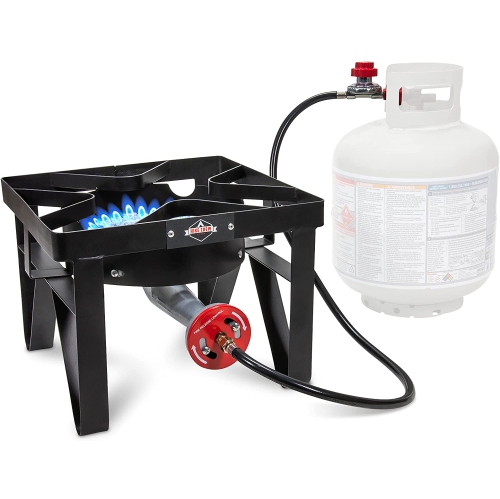
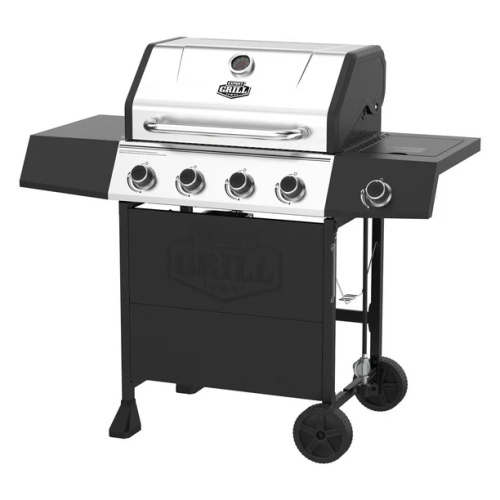
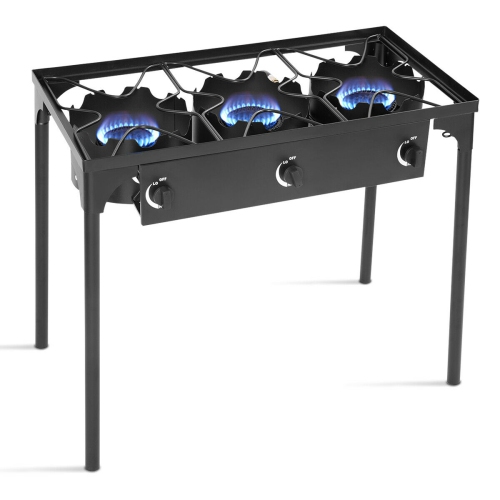
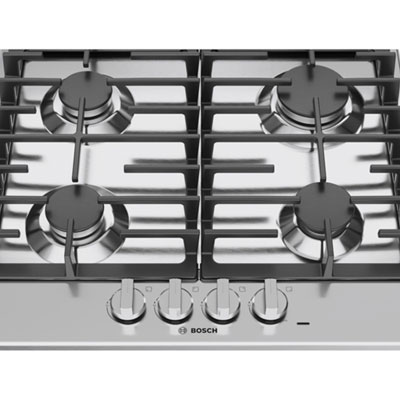
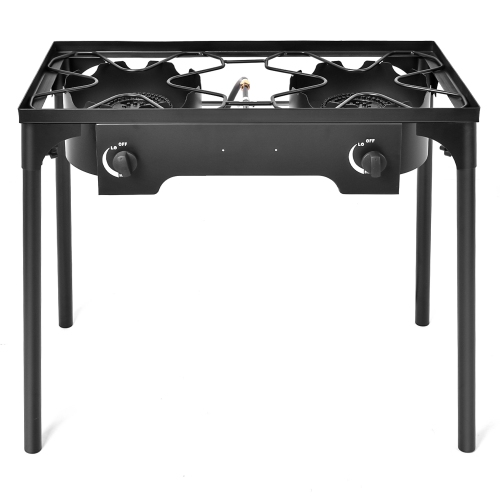
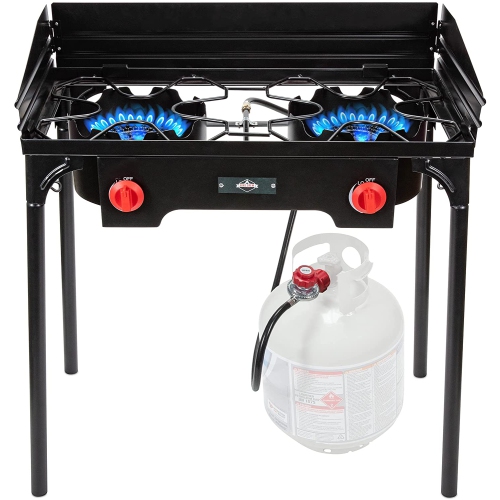
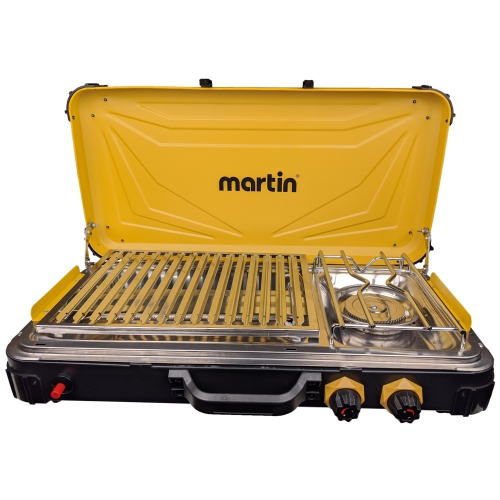
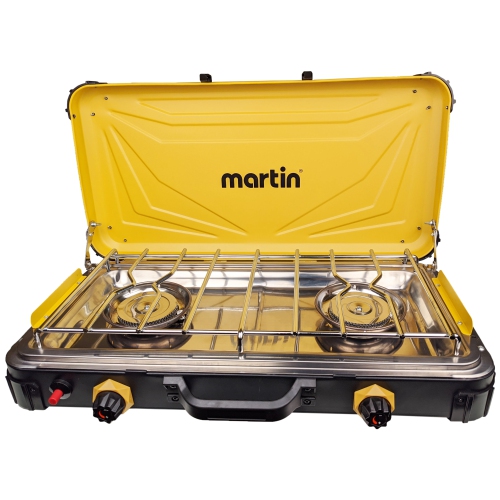
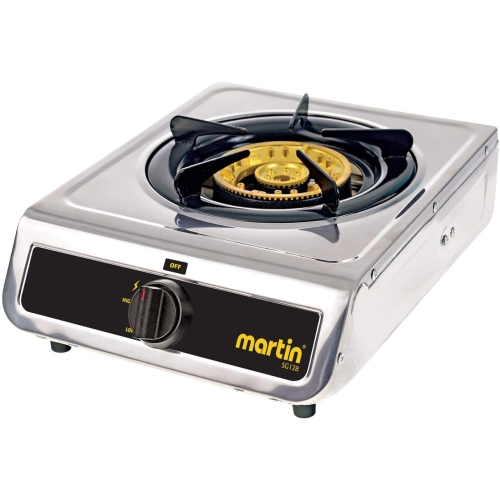
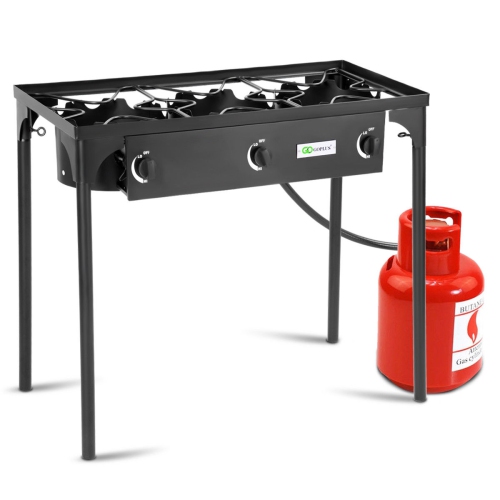
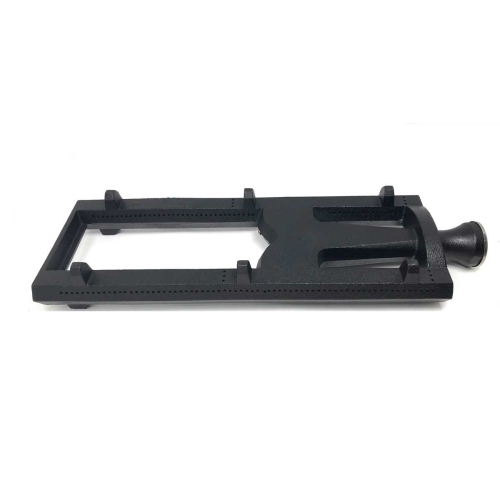
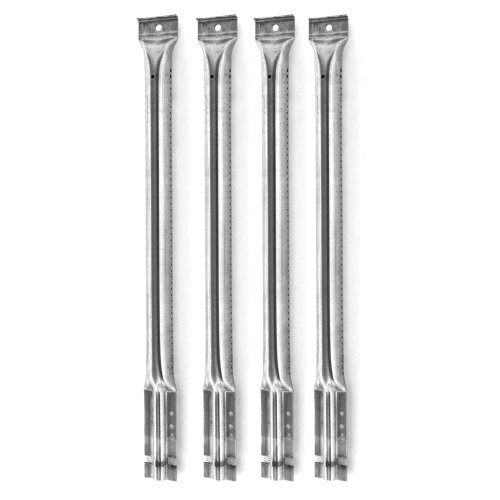
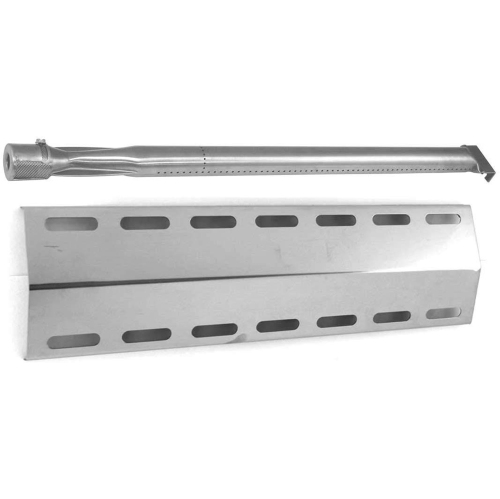
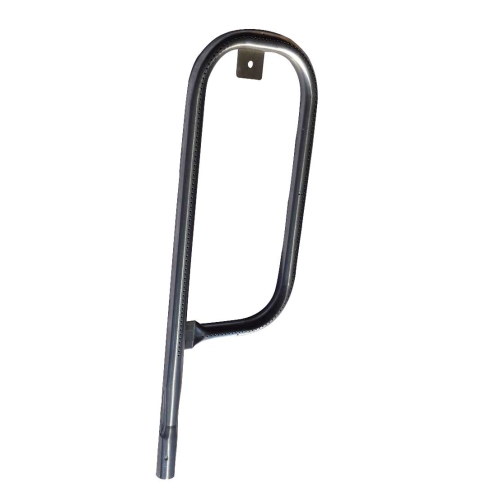
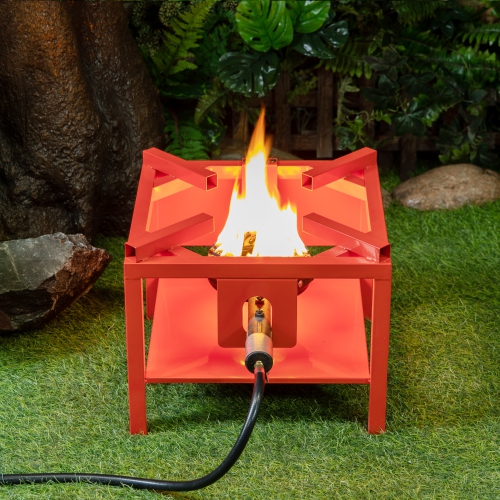
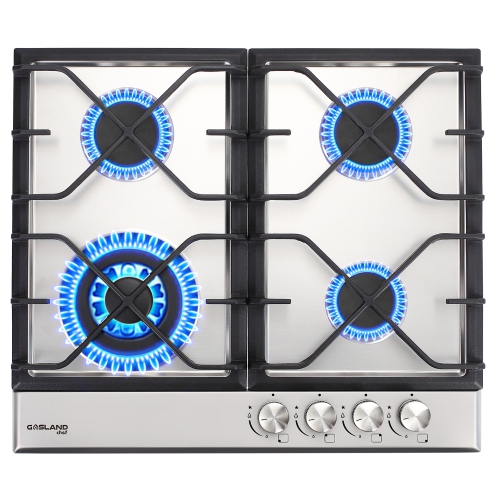
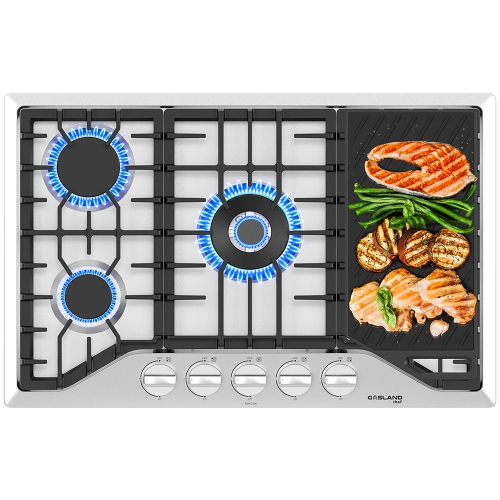
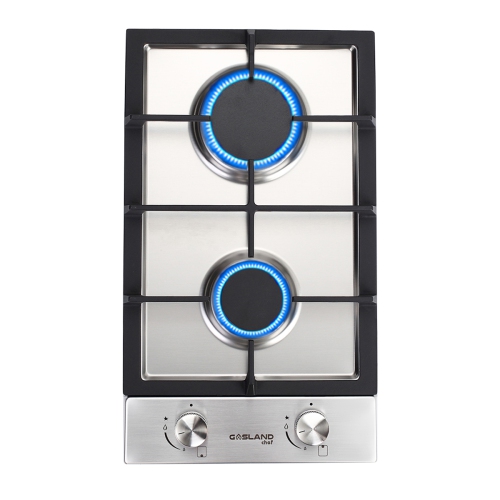
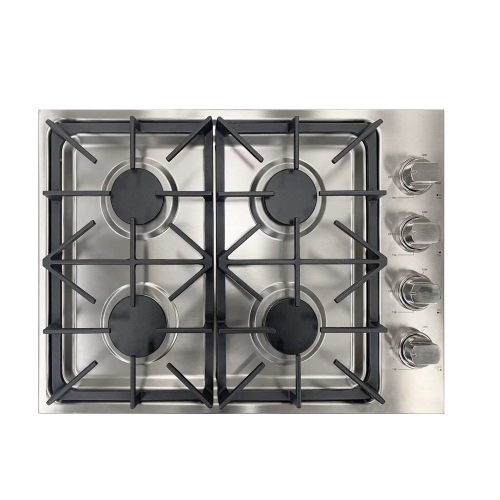
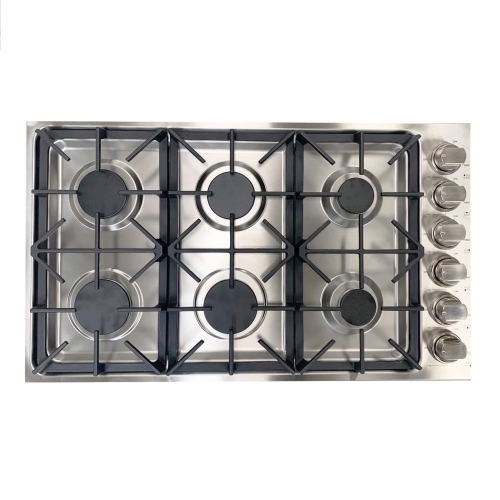
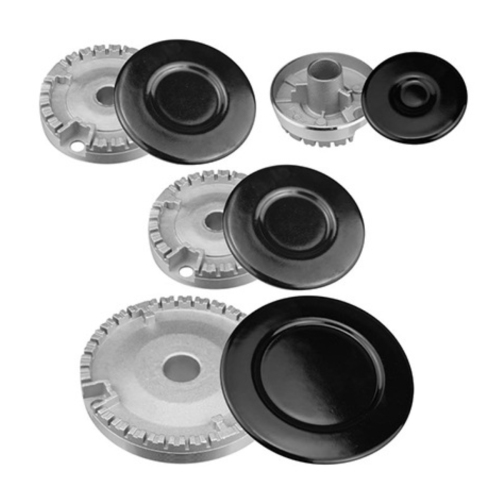
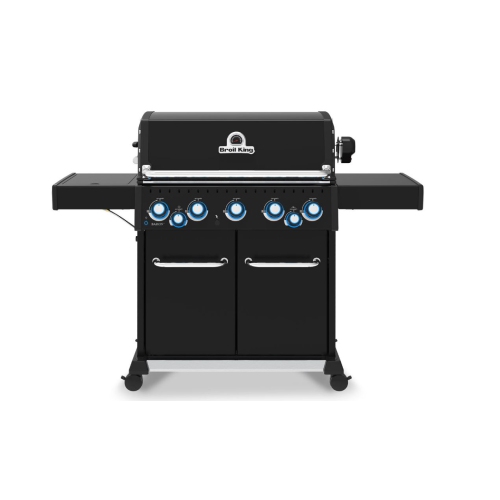
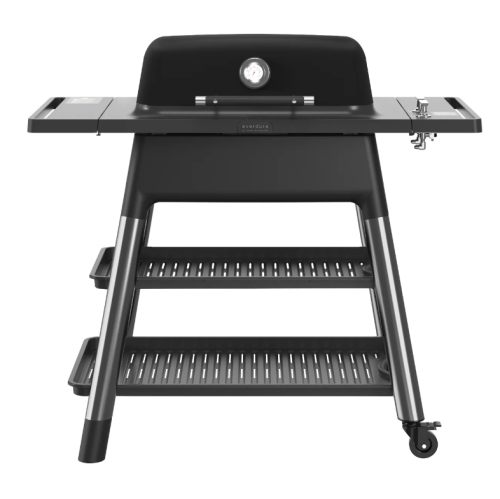
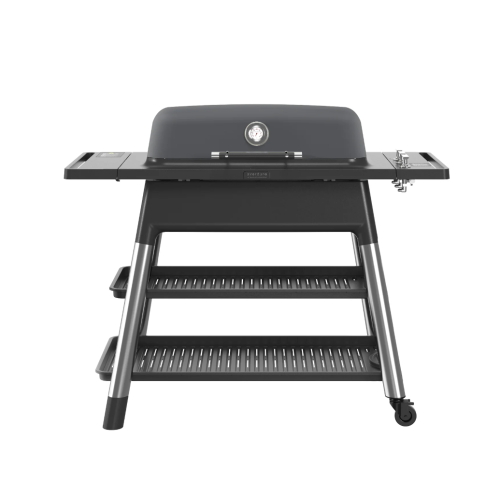
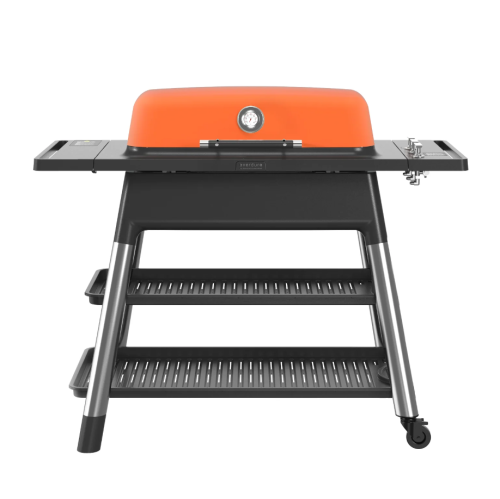
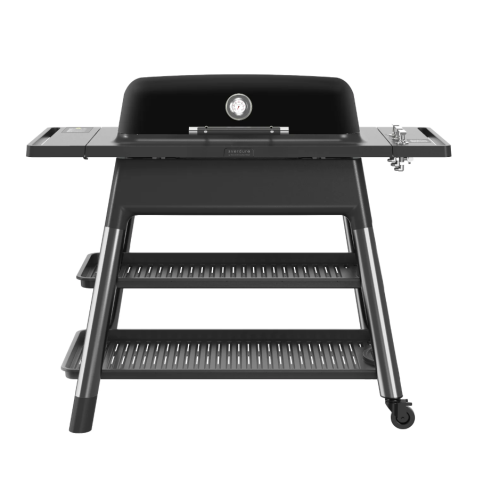
Gas burners provide a practical way to create a controlled flame for cooking, heating, and specialized tasks, with designs suited to everything from gentle simmering to high-output outdoor meal preparation. Indoor burners are often chosen as an extra cooking surface when the main range is full, during kitchen renovations, or for recipes that need a dedicated low-heat setting. A simmer burner can help melt chocolate, keep sauces warm, or slowly soften ingredients without scorching, while an all-purpose burner is useful for everyday frying, sautéing, boiling, and pan cooking. High-output models deliver more heat for large pots, quick boiling, searing, outdoor frying, home brewing, and other jobs that benefit from a powerful flame. Portable single- and double-burner units are especially useful for camping, cottages, tailgating, food preparation away from the main kitchen, or keeping in an emergency supply kit. Some shoppers choose a gas burner as a practical gift for a camper, backyard cook, hobby brewer, culinary student, or home chef who enjoys preparing meals in different locations. Before selecting one, consider where it will be used, how often it will be moved, the size and weight of the cookware it must support, and whether a single or double cooking surface is more convenient. A compact unit may be ideal for a small pot or travel setup, while a sturdy, wider base can offer greater stability for stockpots, frying pans, and heavier cookware.
Fuel compatibility is one of the most important details to check when comparing gas burners. Depending on the design, a burner may use natural gas, propane from a tank, or butane canisters. Natural gas models are generally intended for a properly equipped, fixed location and may require professional installation or a compatible gas connection. Propane burners are common for outdoor cooking because tanks can be transported and connected where permitted, making them useful for large-batch meals, boiling water, frying, or cooking at a cottage. Butane-powered burners often use compact canisters and are convenient for portable cooking, though the canister type, installation method, storage requirements, and operating instructions should be reviewed carefully. Heat output is commonly measured in BTUs, and a higher BTU rating does not automatically make a burner the best choice for every task. Lower output is often preferable for delicate foods and steady warming, while medium output suits routine cooking and higher output helps bring large volumes to a boil or produce intense heat for searing. Look for controls that allow precise flame adjustment, an ignition system that feels straightforward to use, and a design that keeps the cookware level. A sturdy grate, broad support arms, non-slip feet, and an accessible control knob can make a noticeable difference when preparing food. For outdoor use, check the recommended cookware size and placement, protect the flame from strong wind as directed by the manufacturer, and keep the burner on a stable, level, non-combustible surface. Those details matter when a full pot is heating outdoors or when several ingredients need attention at once.
Gas burners can also serve specific workshop, trade, laboratory, and maintenance applications, but a cooking burner should be selected for food preparation and used only according to its intended purpose. Before operating any gas-powered unit, read the instructions, confirm the correct fuel, inspect connections and hoses for signs of wear, and make sure the area has suitable ventilation. Keep flammable materials, paper goods, clothing, and children away from the flame, and never leave a lit burner unattended. Outdoor burners should not be used indoors, in tents, garages, sheds, or other enclosed areas unless the manufacturer specifically states that the unit is approved for that location. Carbon monoxide can build up in enclosed spaces, even when a flame appears to be burning normally, so safe placement and fresh airflow are essential. Allow the burner and cookware to cool completely before cleaning, moving, or storing them, and follow the recommended procedure for shutting off the flame and fuel supply. Seasonal use can vary: a portable burner may be handy for outdoor meals during warmer days, while an indoor-compatible unit can provide an additional cooking surface during the cooler months. If outdoor cooking is part of a backyard setup, shoppers may also wish to explore Gas Fire Pits for another way to enjoy time outside. Whether the goal is to simmer a delicate sauce, boil a large pot, prepare a meal at a campsite, or add flexible cooking capacity at home, the right gas burner should match the fuel available, the cookware being used, the desired heat level, and the setting where it will operate.
Fuel compatibility is one of the most important details to check when comparing gas burners. Depending on the design, a burner may use natural gas, propane from a tank, or butane canisters. Natural gas models are generally intended for a properly equipped, fixed location and may require professional installation or a compatible gas connection. Propane burners are common for outdoor cooking because tanks can be transported and connected where permitted, making them useful for large-batch meals, boiling water, frying, or cooking at a cottage. Butane-powered burners often use compact canisters and are convenient for portable cooking, though the canister type, installation method, storage requirements, and operating instructions should be reviewed carefully. Heat output is commonly measured in BTUs, and a higher BTU rating does not automatically make a burner the best choice for every task. Lower output is often preferable for delicate foods and steady warming, while medium output suits routine cooking and higher output helps bring large volumes to a boil or produce intense heat for searing. Look for controls that allow precise flame adjustment, an ignition system that feels straightforward to use, and a design that keeps the cookware level. A sturdy grate, broad support arms, non-slip feet, and an accessible control knob can make a noticeable difference when preparing food. For outdoor use, check the recommended cookware size and placement, protect the flame from strong wind as directed by the manufacturer, and keep the burner on a stable, level, non-combustible surface. Those details matter when a full pot is heating outdoors or when several ingredients need attention at once.
Gas burners can also serve specific workshop, trade, laboratory, and maintenance applications, but a cooking burner should be selected for food preparation and used only according to its intended purpose. Before operating any gas-powered unit, read the instructions, confirm the correct fuel, inspect connections and hoses for signs of wear, and make sure the area has suitable ventilation. Keep flammable materials, paper goods, clothing, and children away from the flame, and never leave a lit burner unattended. Outdoor burners should not be used indoors, in tents, garages, sheds, or other enclosed areas unless the manufacturer specifically states that the unit is approved for that location. Carbon monoxide can build up in enclosed spaces, even when a flame appears to be burning normally, so safe placement and fresh airflow are essential. Allow the burner and cookware to cool completely before cleaning, moving, or storing them, and follow the recommended procedure for shutting off the flame and fuel supply. Seasonal use can vary: a portable burner may be handy for outdoor meals during warmer days, while an indoor-compatible unit can provide an additional cooking surface during the cooler months. If outdoor cooking is part of a backyard setup, shoppers may also wish to explore Gas Fire Pits for another way to enjoy time outside. Whether the goal is to simmer a delicate sauce, boil a large pot, prepare a meal at a campsite, or add flexible cooking capacity at home, the right gas burner should match the fuel available, the cookware being used, the desired heat level, and the setting where it will operate.
Top selling and popular products
-
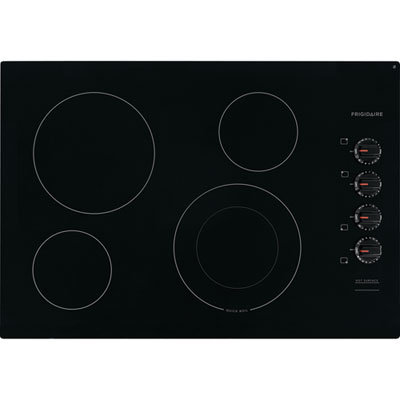 Your price for this item is $699.99
 -
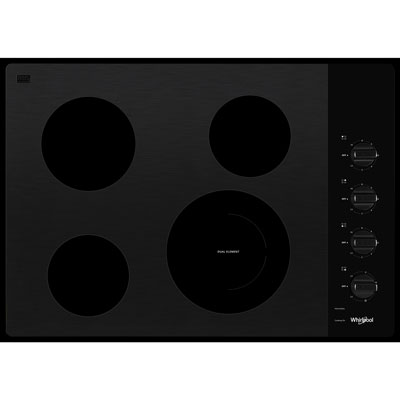 Your price for this item is $949.99
 -
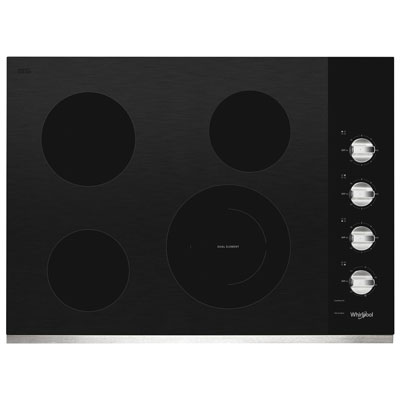 Your price for this item is $949.99
 -
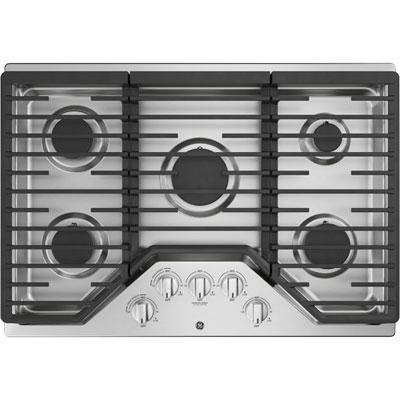 Your price for this item is $1499.99
 -
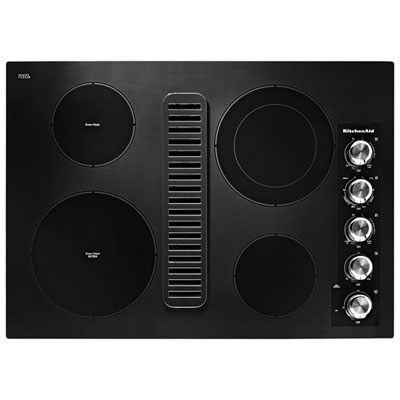 Your price for this item is $2999.99
 -
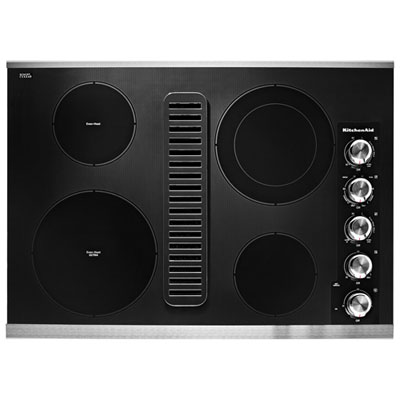 Your price for this item is $3099.99
 -
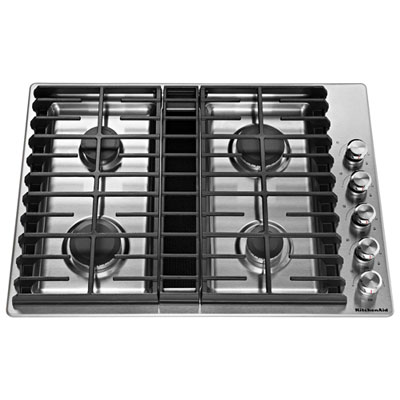 Your price for this item is $3099.99
 -
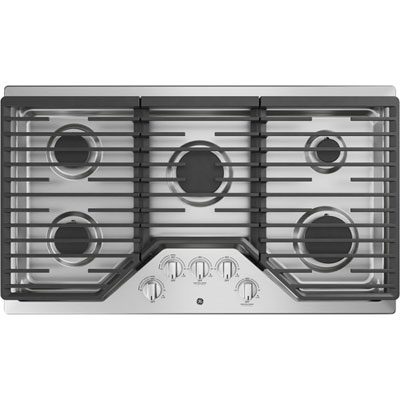 Your price for this item is $1899.99
Discover more categories related to Gas Burners
Top Collections:
Pokemon Centers, Kindle Devices, Best Budget Office Chairs, Apple iPhones 16, Best Laptops for Writers, iPhone 15 Apple, Canon G7X Cameras, Refurbished Apple Laptops, Alarm Clock, Motorola Razr Phones
Some products may be subject to Environmental Handling Fees
(EHF) depending on your province.
Learn more about EHFs.