Home Theatre Speaker Prices
Compare home theatre speaker prices to find options that fit your budget, room size and audio setup. Whether you’re building a surround sound system or upgrading existing speakers, consider the speaker configuration, connection requirements and compatibility with your receiver to help narrow your choices.




















































FAQ
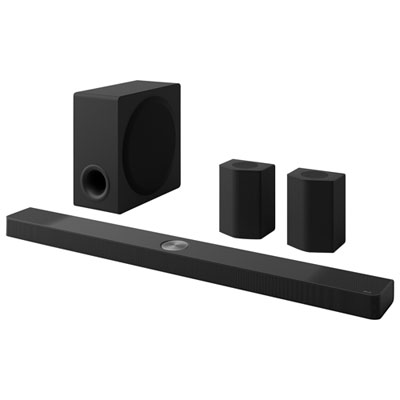
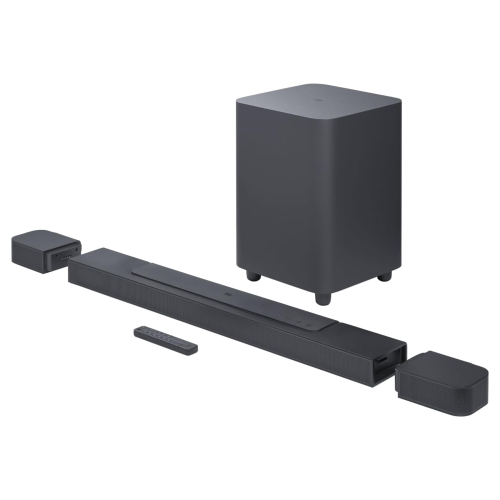
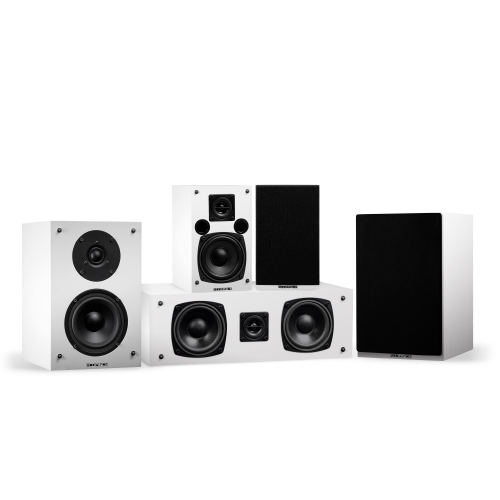
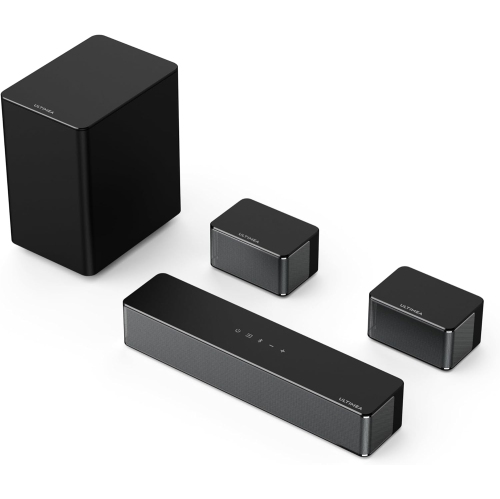
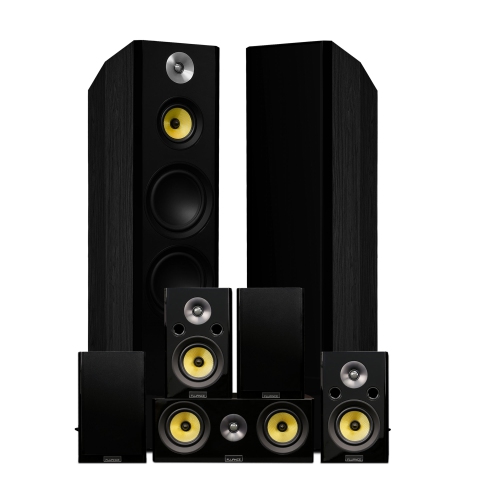
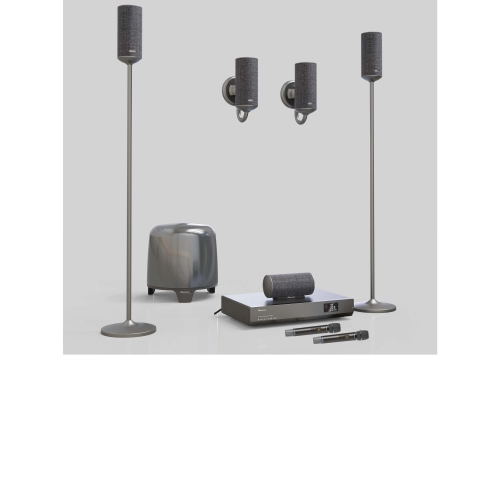
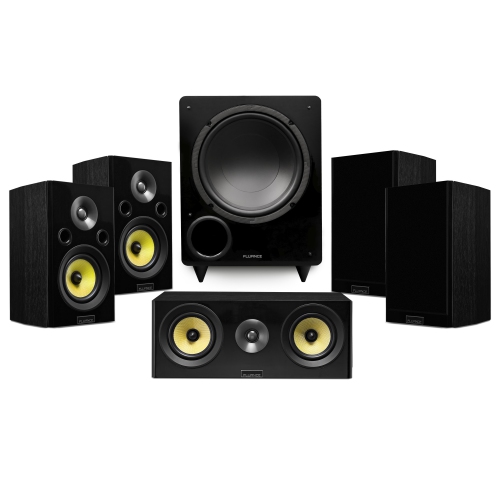
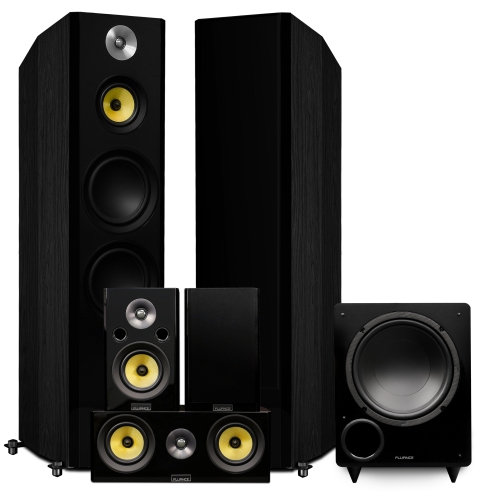
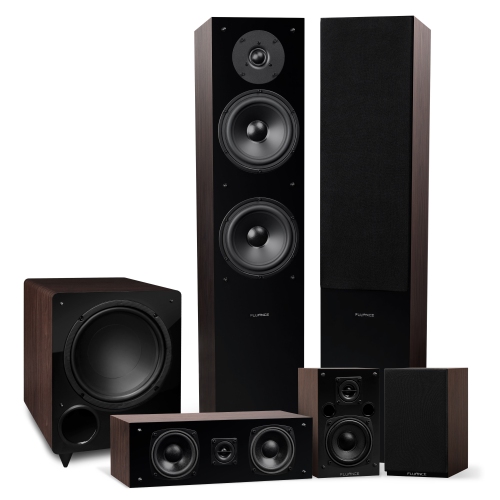
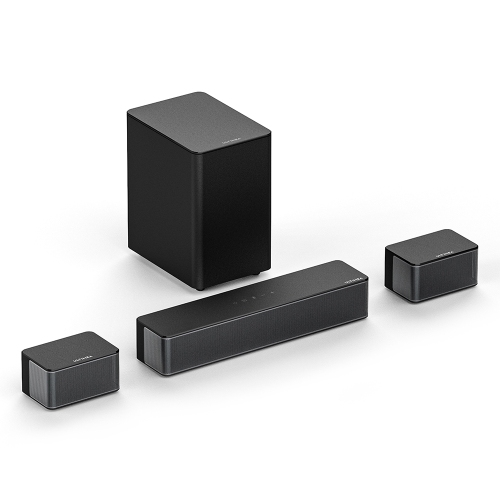
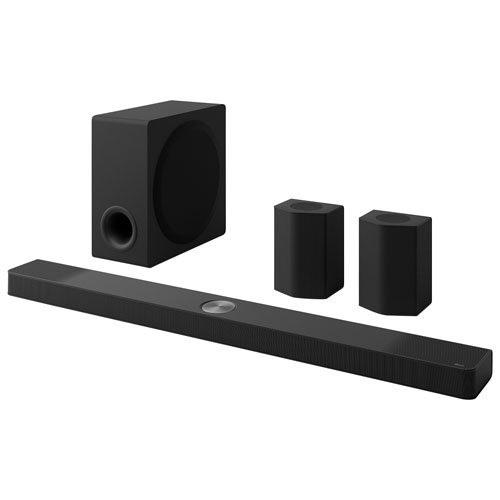
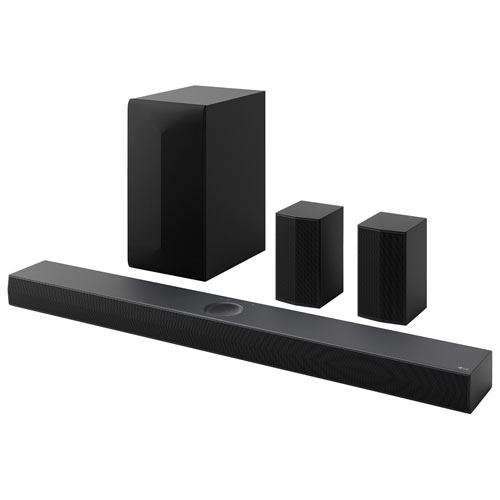
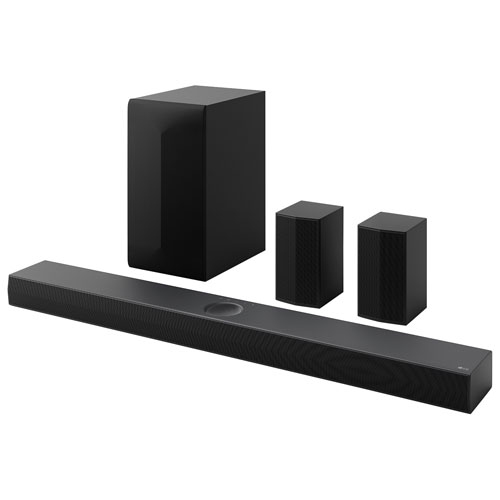
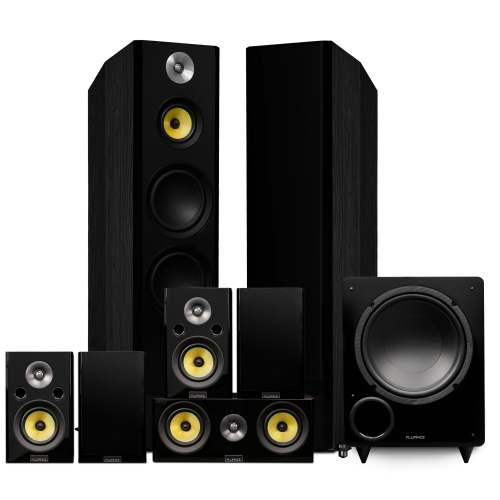
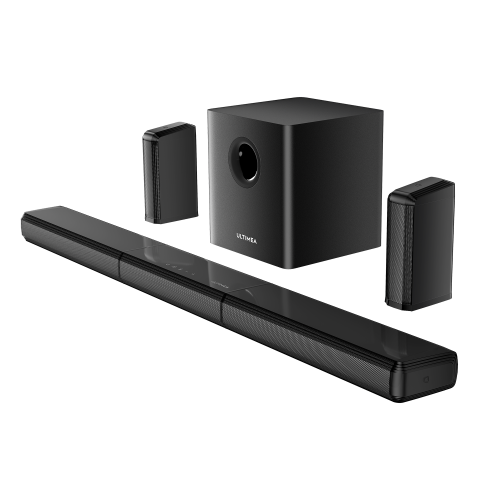
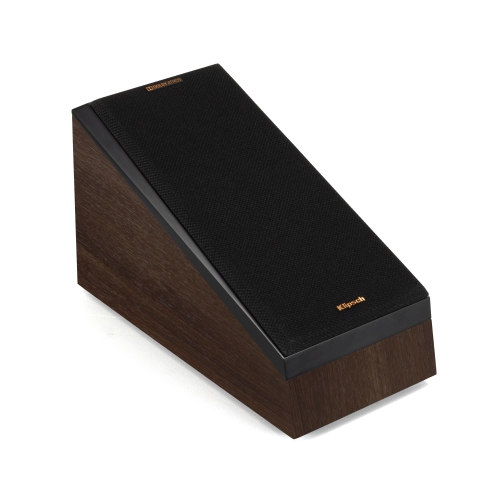
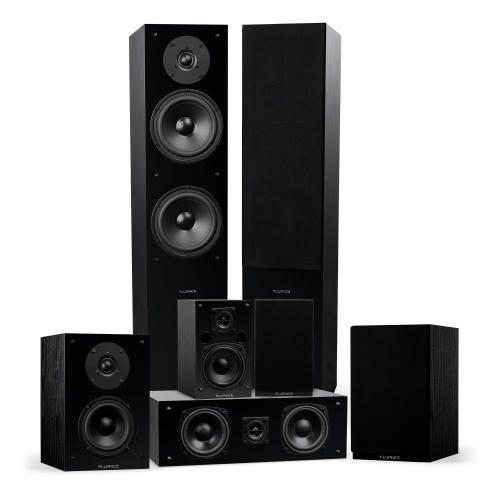
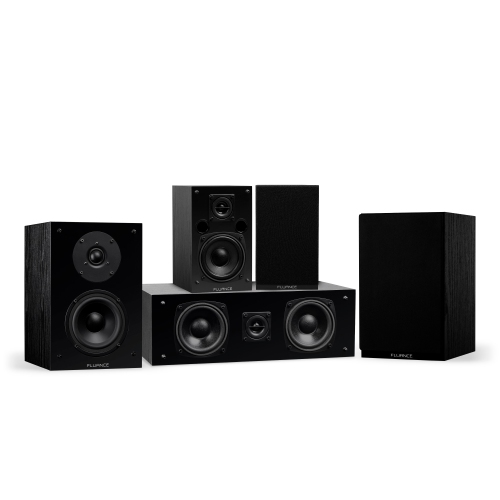
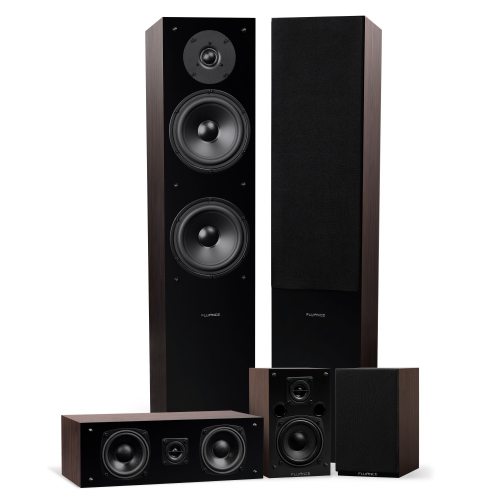
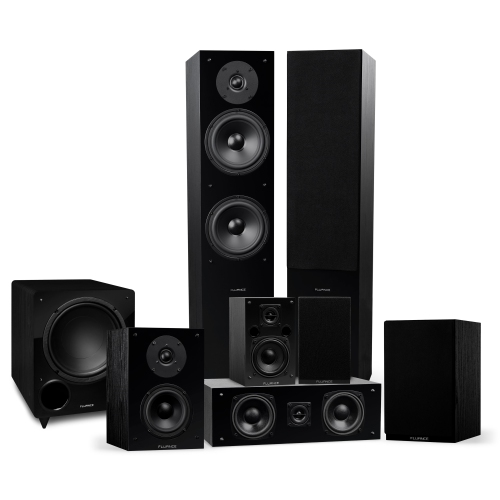
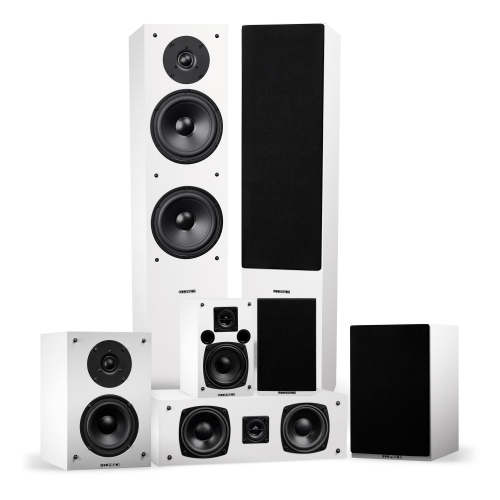
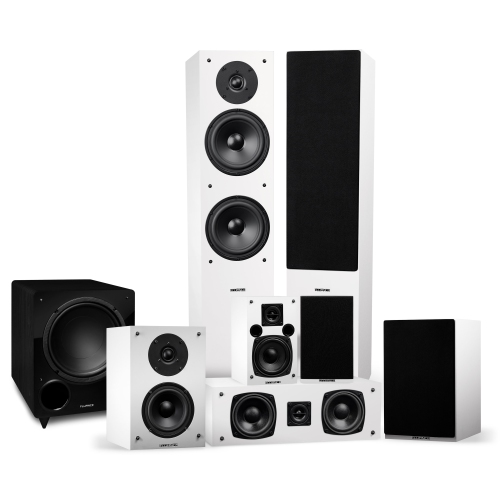
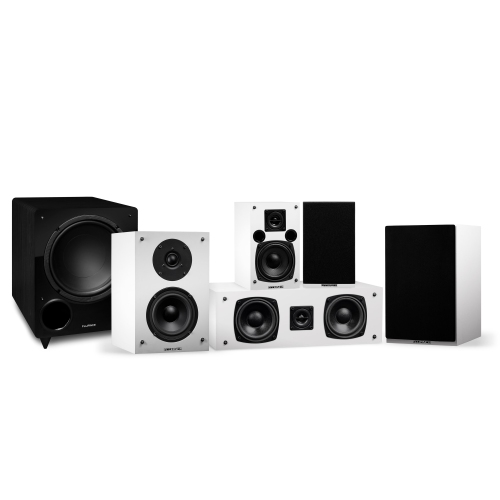
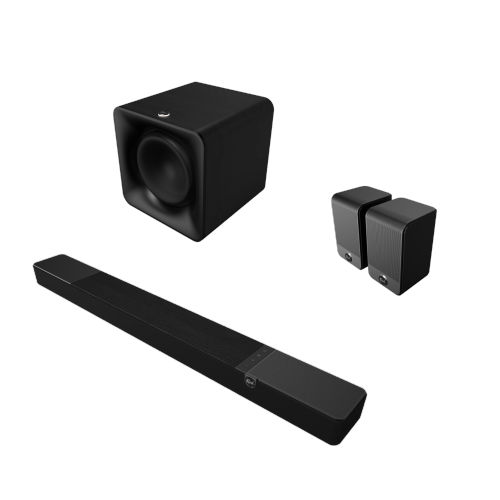
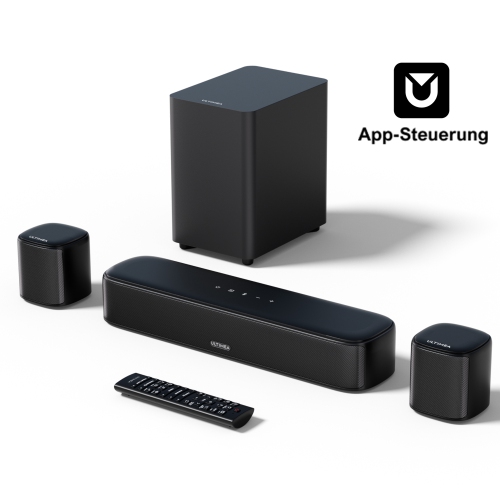
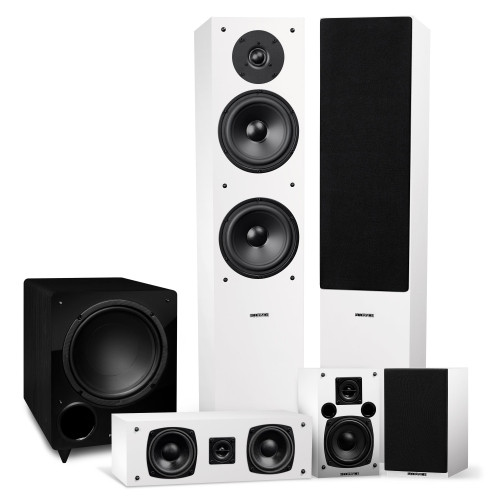
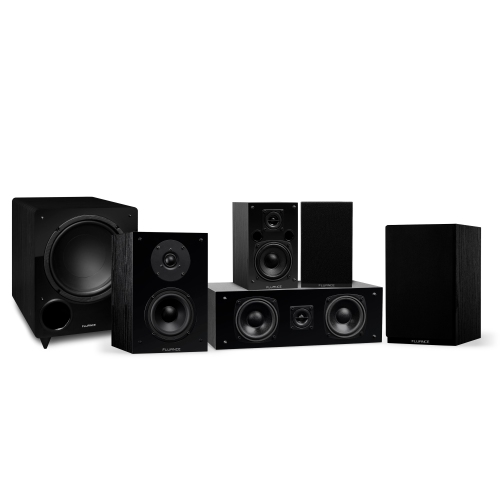
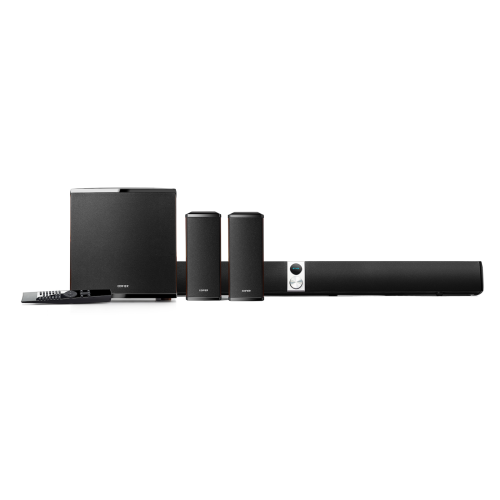
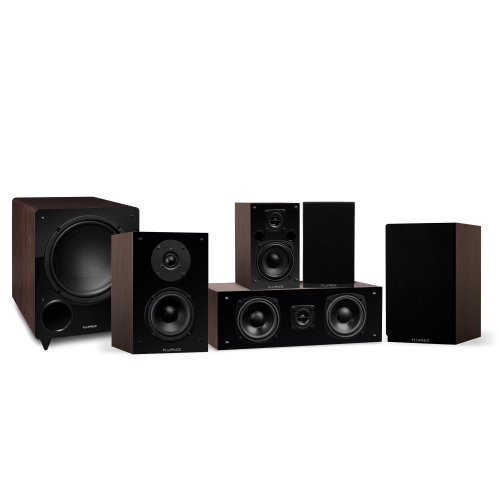
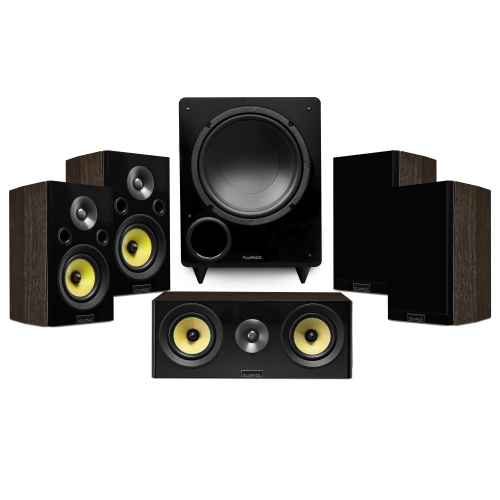
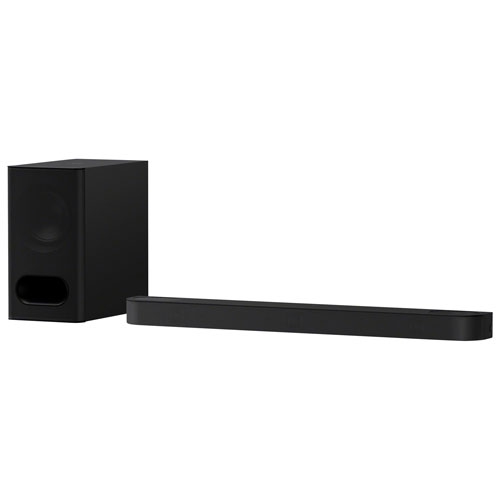
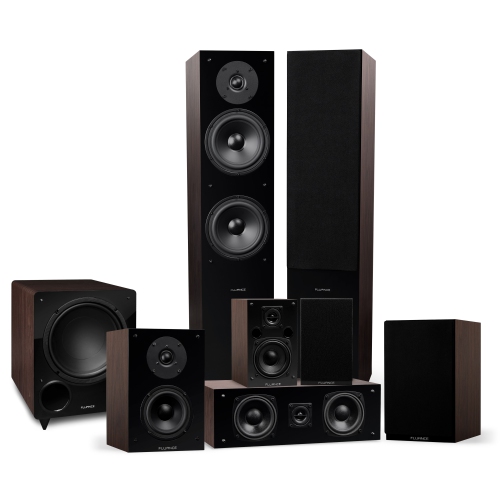
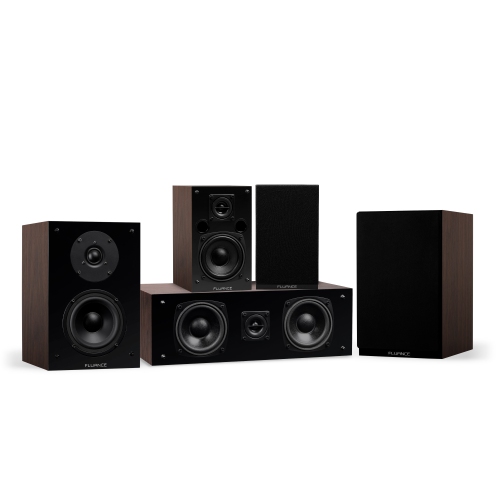
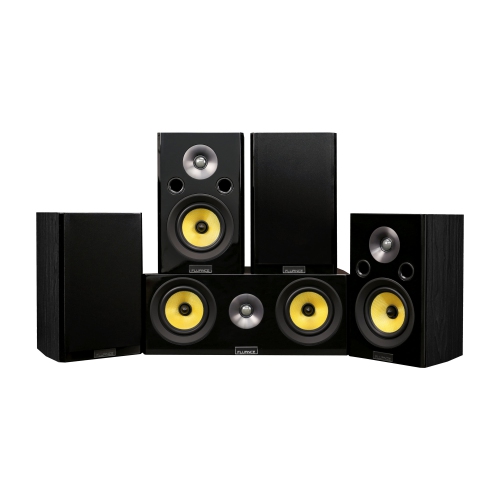
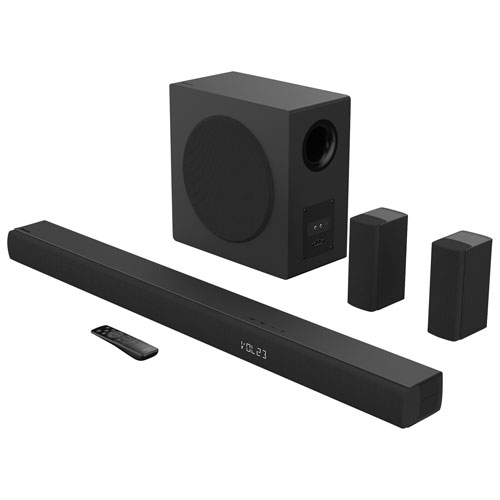
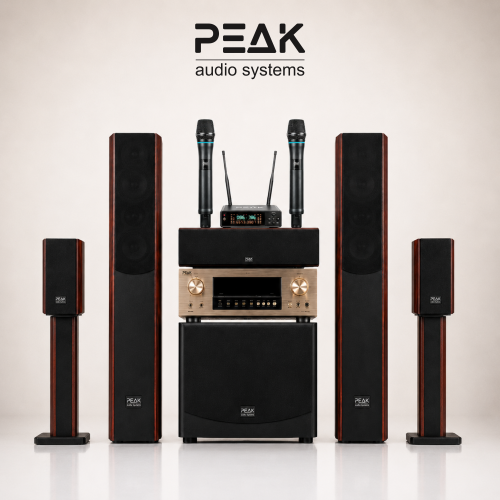
A home theatre system can include front left and right speakers, a centre-channel speaker, surround speakers, and a subwoofer. Some setups also include height speakers for compatible surround-sound formats. Each speaker receives a designated part of the audio mix.
The first number indicates the number of main speaker channels, while the second indicates subwoofer channels. A third number indicates height channels. For example, a 7.1.2 configuration has seven main speaker channels, one subwoofer channel, and two height channels.
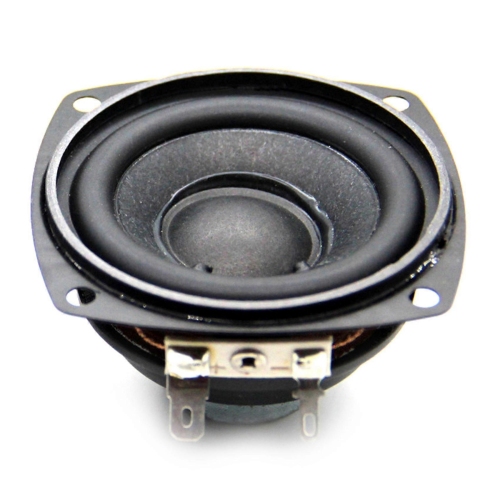
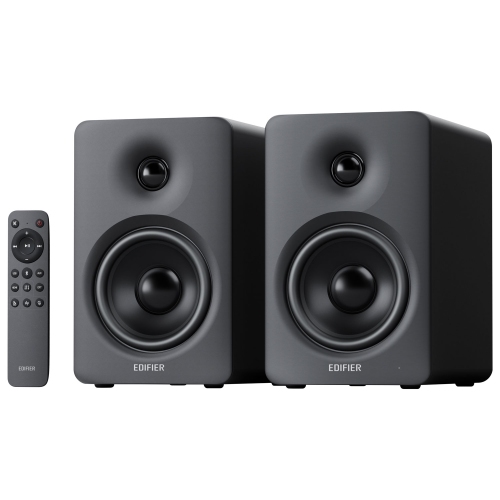
Active speakers have built-in amplification and require a power connection. Passive speakers receive power from an external amplifier or AV receiver through speaker wire. The connection requirements depend on the speaker design, so check whether each component needs an amplified speaker output or a line-level audio connection.
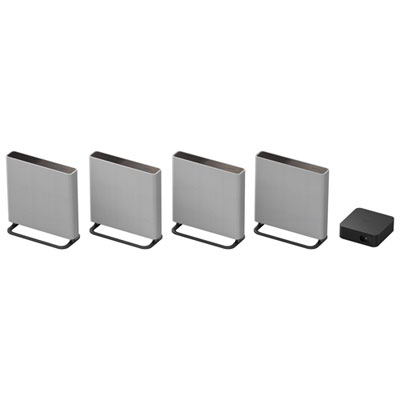
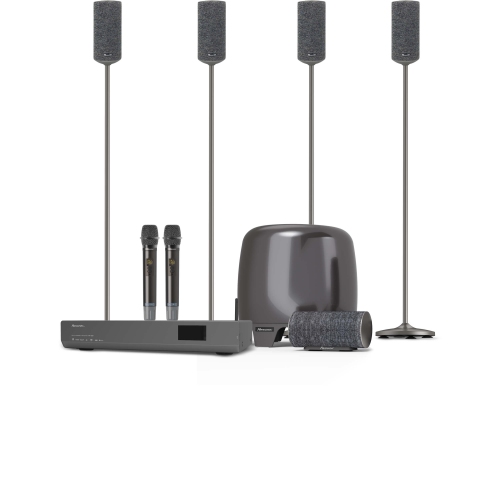
Wired passive speakers connect to an amplifier or AV receiver using speaker wire. Wireless models receive audio through a compatible wireless connection, which may use Wi-Fi or a system-specific link. Wireless audio does not necessarily mean cable-free operation, as speakers may still need power cords.
Check the receiver’s supported speaker impedance, amplification specifications, and available speaker channels against the speakers’ requirements. For height-channel setups, confirm that the receiver supports the intended channel configuration and audio format. Powered subwoofers typically connect to a receiver’s subwoofer pre-out rather than its amplified speaker terminals.
Top selling and popular products
Discover more categories related to Home Theatre Speaker Prices
Some products may be subject to Environmental Handling Fees (EHF) depending on your province. Learn more about EHFs.