Smart Lighting for University Dorm Rooms
Smart lighting for university dorm rooms offers an easy way to enhance your space with customizable illumination options. Whether you’re studying late, relaxing with friends, or setting the mood for movie night, smart lighting can help create the perfect atmosphere. Explore a wide range of choices designed to fit compact spaces and bring convenience to student life. Discover how smart lighting for university dorm rooms can add both style and functionality to your living area.
Sort


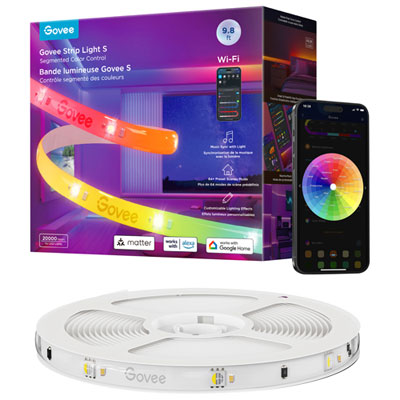
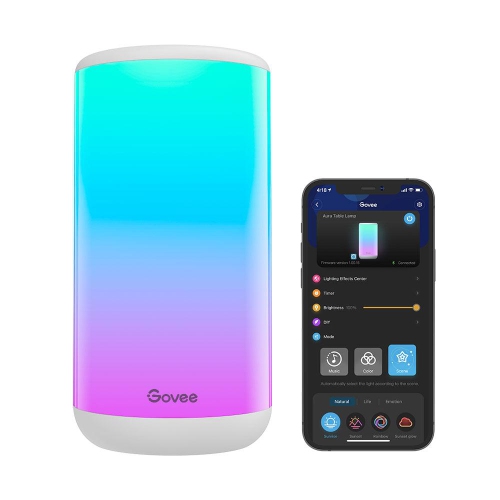
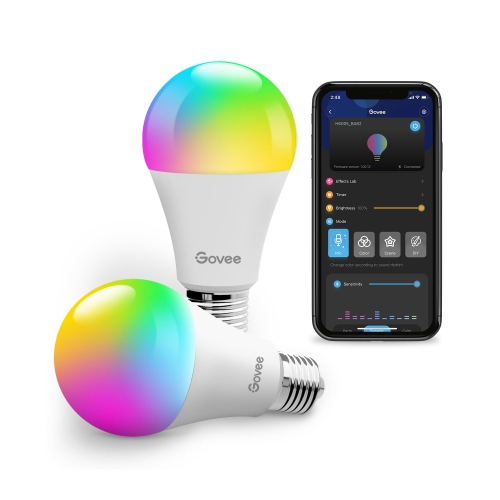
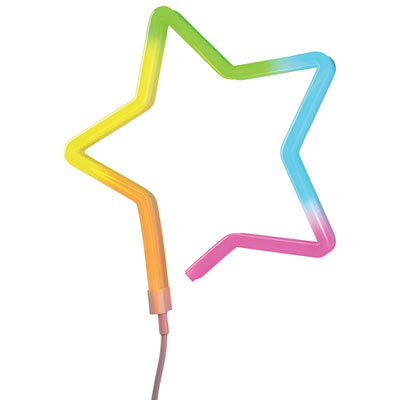


Lighting that works around study sessions and roommates
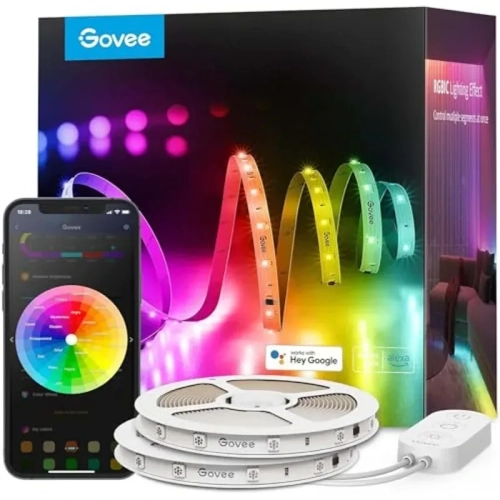
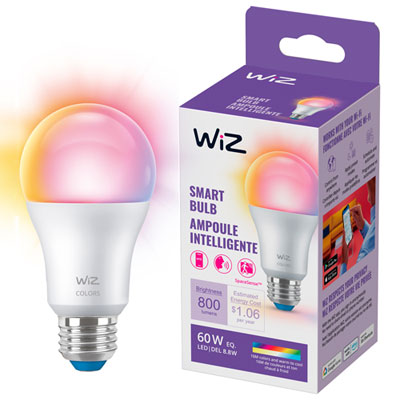
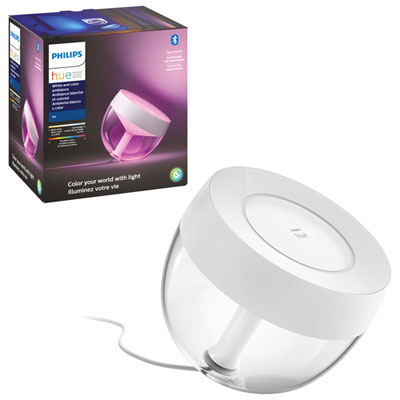
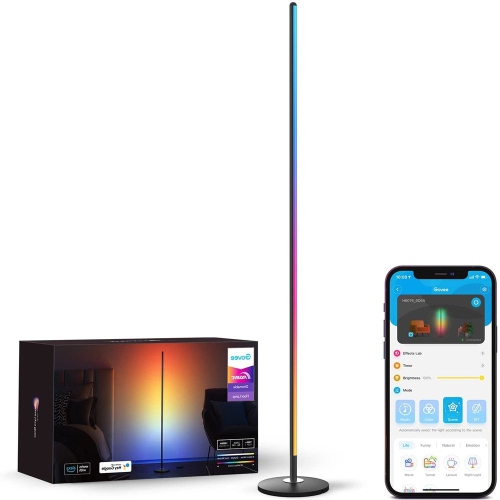
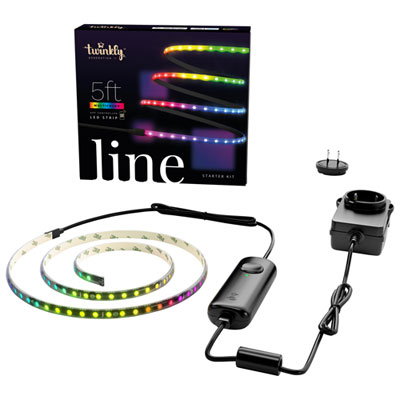
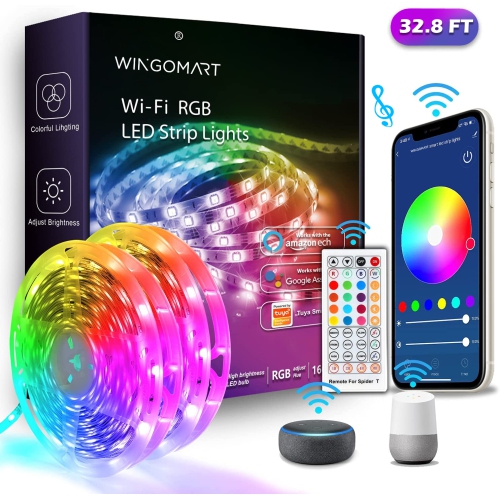
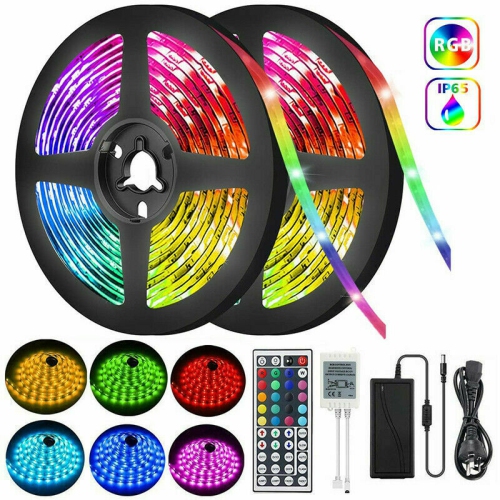
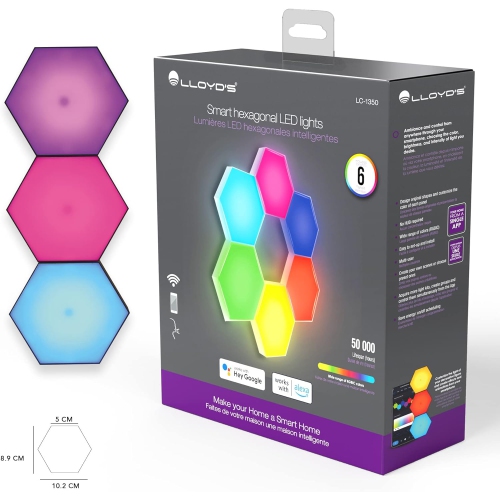
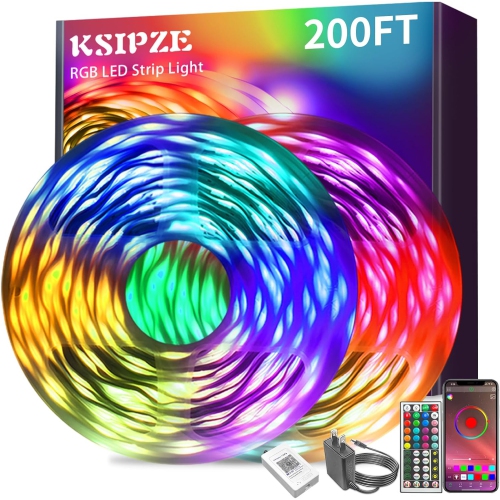
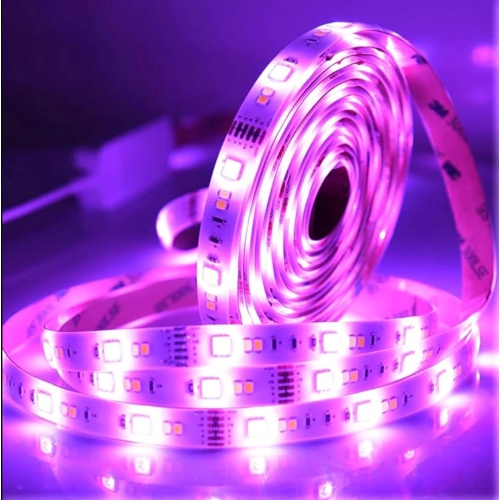
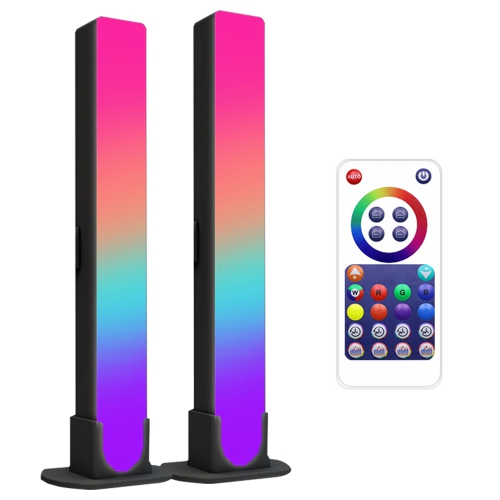
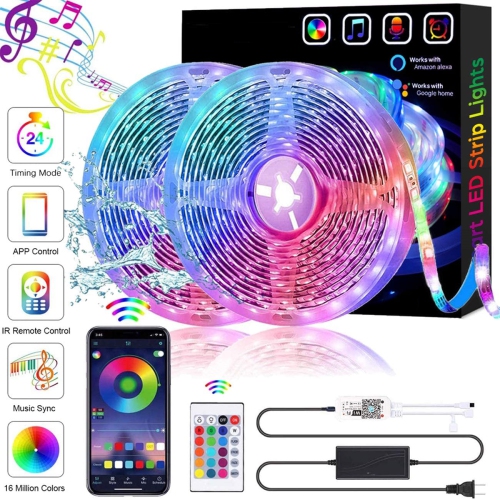
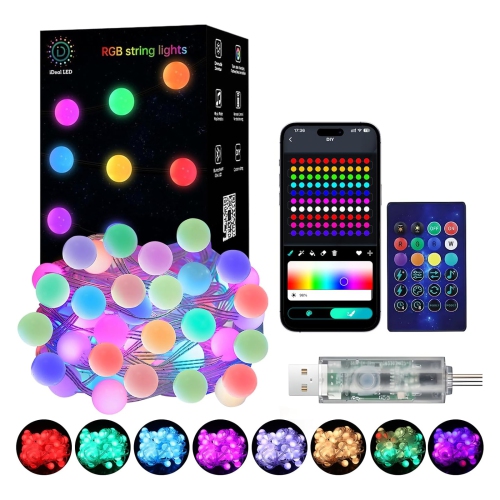
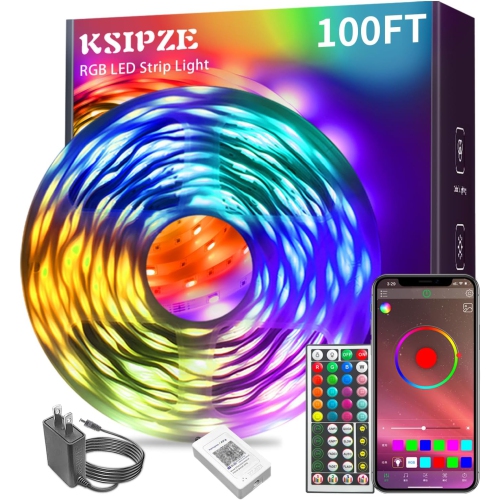
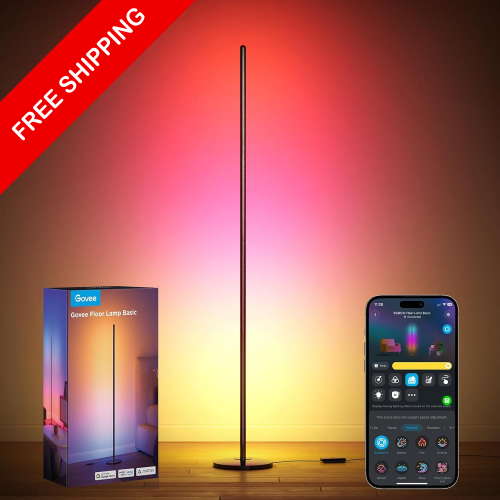
Smart lighting for university dorm rooms helps a compact space serve several purposes without relying entirely on the overhead fixture. A room that holds a bed, a desk, clothing storage, and a roommate’s belongings benefits from light that can change with the activity: clear illumination over a textbook, a softer glow beside the bed, or a little colour behind a monitor when assignments are finished. The main formats include smart bulbs for compatible lamps, smart desk and bedside lamps, and connected light strips for indirect accent lighting. Each has a different role. A directional desk lamp concentrates light on a work surface, while a shaded table lamp spreads it more gently through the room. A light strip behind a desk or along an approved shelf can add a background glow, but it is not a substitute for adequate reading light. Brightness, measured in lumens, matters more than wattage when comparing how much light different LED options produce. Adjustability matters too: a lamp that dims smoothly to a low level can be more useful beside a shared sleeping area than one that stays noticeably bright at its lowest setting. Tunable white lighting changes between warmer and cooler shades of white, while colour-changing lighting adds hues for personalizing the space. These are separate features, and not every smart light includes both. Neutral or cooler white light can provide a crisp appearance for desk work, while warmer white light creates a softer look for winding down. Position also makes a difference. Light aimed at a notebook rather than across the room helps keep a late study session contained, and a shade or diffuser can reduce the discomfort of an exposed bright bulb. For roommates with different schedules, independently controlled lighting zones make it easier for one person to read while the other settles into bed. Saved brightness and colour settings can make those everyday changes simple, without repeatedly adjusting several controls.
Connection requirements are an important part of choosing smart lighting for a university residence. Some lights connect directly to Wi-Fi, some use Bluetooth for nearby control, and others require a compatible hub or controller. Many Wi-Fi models use a 2.4 GHz connection, so the supported network band is worth checking alongside the residence’s device policy. University networks may use browser-based sign-ins, restrict connected devices, or prevent devices from communicating with one another; a light designed for a typical home network may therefore need an approved connection method or may not support all its features in residence. Bluetooth control can be useful where supported, although range and remote-access capabilities vary. Matter compatibility can help supported devices work across compatible smart-home platforms, but it does not remove the need to check the required controller, network connection, or, for Thread devices, a compatible border router. These details are especially relevant when a student already has a phone, speaker, or other controller they hope to use. When browsing Smart Lighting for Dorm, everyday controls deserve as much attention as appearance. A physical button or compatible wireless remote is convenient when a phone is charging across the room, and voice control may be less practical when a roommate is asleep or attending an online class. Smart bulbs generally need power at the wall switch to remain reachable through their connected controls. Built-in schedules, timers, and saved scenes can simplify familiar routines, though their operation during an internet interruption depends on the lighting system. A gradual brightening setting may suit a morning routine, while a timed dimming setting can mark the end of an evening study session. Shared access also deserves consideration: separate controls for each side of the room can be preferable to giving everyone control over every light. Account permissions and microphone settings, where applicable, should match the level of access each roommate is comfortable sharing.
Physical fit and everyday durability are just as important in a dorm room as connected features. A narrow lamp base leaves more desktop space for a laptop and open notes, while an adjustable arm helps direct light without moving the entire lamp. Clamp-mounted designs can free up the work surface, provided the clamp fits the furniture’s thickness and is permitted by residence rules. A padded clamp or protective base helps limit marks, and a stable lamp is less likely to tip when a charging cable catches on a crowded desk. Metal housings can feel sturdy through repeated moves, while lightweight plastic housings are easier to carry; construction, hinge quality, and a secure base matter more than material alone. Diffusers soften the appearance of individual LEDs, and accessible controls are useful when reaching from bed. For smart bulbs, the socket type, bulb dimensions, fixture rating, and any enclosed-fixture restrictions need to match the existing lamp. For light strips, length, power-cord reach, and permitted mounting surfaces affect where they can go. Adhesive backing may damage paint or furniture finishes during removal, so residence-approved attachment methods are preferable, and strips should only be cut where the manufacturer allows it. Cords belong clear of walking routes, bedding, and moving furniture parts, with lights and power adapters left uncovered and ventilated. Recognized Canadian electrical safety certification is another useful detail to check. Care is usually straightforward: disconnect power before cleaning, use the manufacturer’s recommended method, and avoid allowing moisture into connectors or controls. Rechargeable smart lamps can be convenient for moving between a desk and bedside table, with runtime varying by brightness, colour setting, and battery condition. Replaceable bulbs, dependable charging connections, and controls that remain easy to use can help lighting stay useful through room changes and future moves. For students furnishing their first residence room, or family members choosing a practical gift, lighting that suits the available space and connection setup offers lasting everyday value without requiring permanent changes to the room.
Top selling and popular products
-
 Your price for this item is $89.98
-
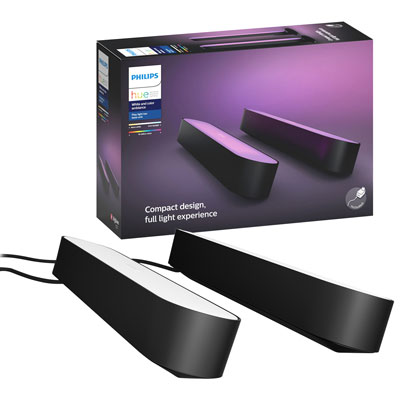 Your price for this item is $199.99
-
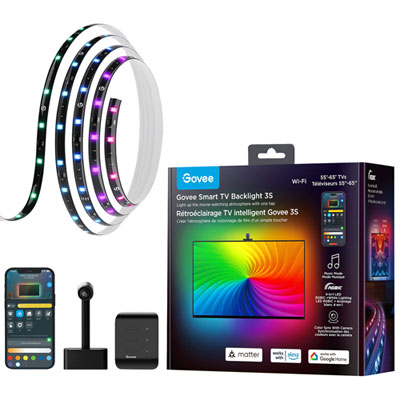 Your price for this item is $109.99
-
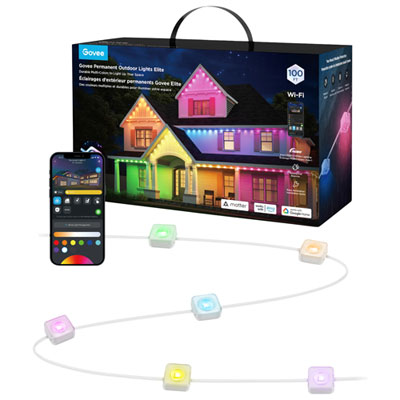 Your price for this item is $399.99
-
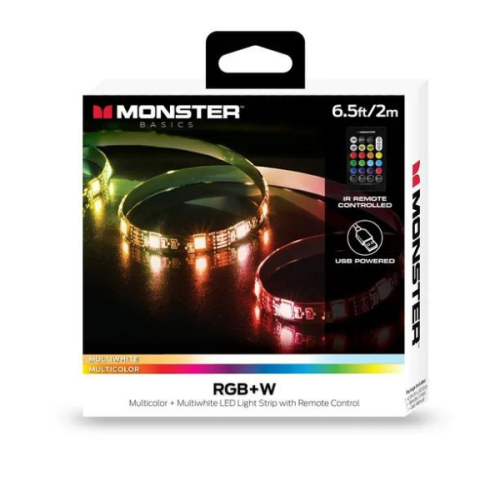 Your price for this item is $12.99
-
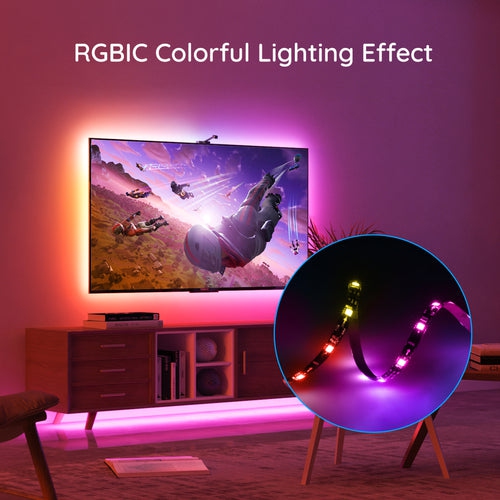 Your price for this item is $99.99
-
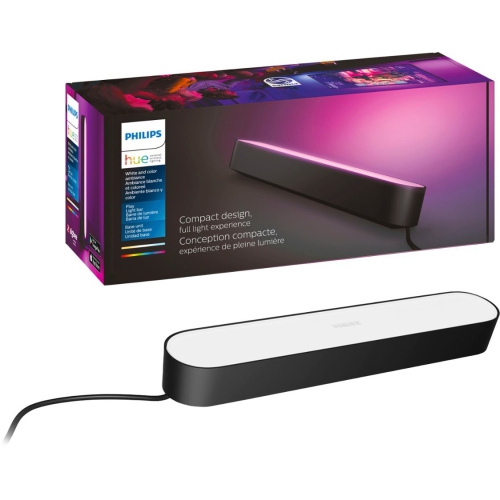 Your price for this item is $138.37
-
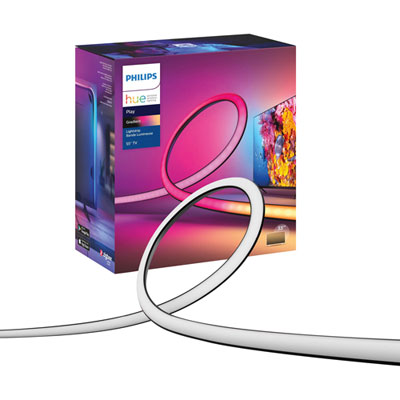 Your price for this item is $279.95
Discover more categories related to Smart Lighting for University Dorm Rooms
Top Collections:
Best Black Friday Deals This Year, Best Black Friday Deals On Electronics, Kindle Devices, Pokemon Centers, Best Black Friday Deals On Apple Products, Best Cameras for Sports Photography, Dyson Airwrap, Pokémon 30th Celebration Cards, Apple iPhone 17 Pro, Canon G7X Cameras
Some products may be subject to Environmental Handling Fees
(EHF) depending on your province.
Learn more about EHFs.