Student's Living Space Smart Bulbs
Student's Living Space Smart Bulbs offer a convenient way to enhance lighting and create the perfect atmosphere for studying, relaxing, or socializing. With a variety of options designed to fit dorm rooms, apartments, and shared spaces, these smart bulbs make it easy to personalize your space. Explore the selection of Student's Living Space Smart Bulbs to find solutions that help you stay comfortable and productive throughout the school year.
Sort
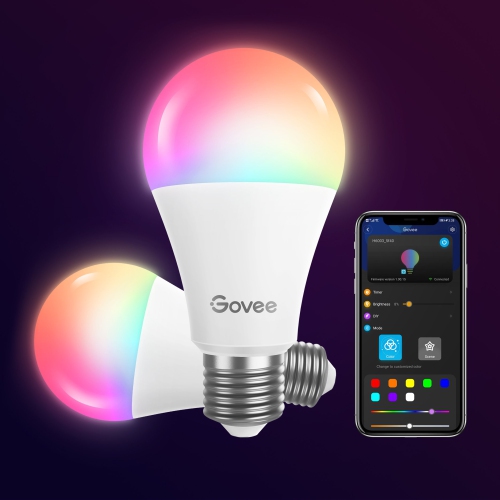
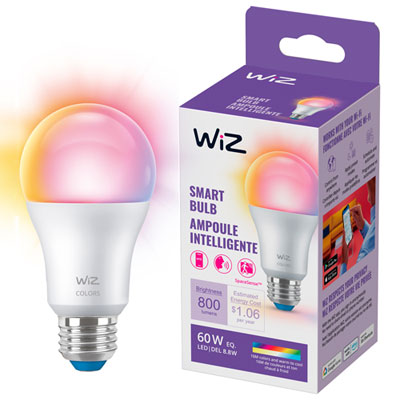
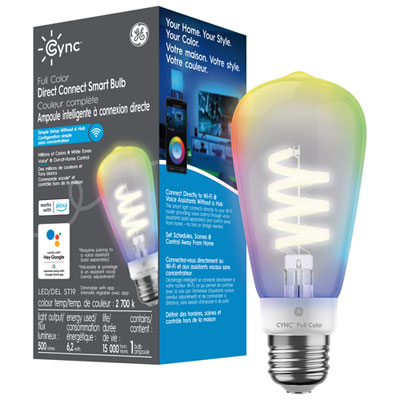
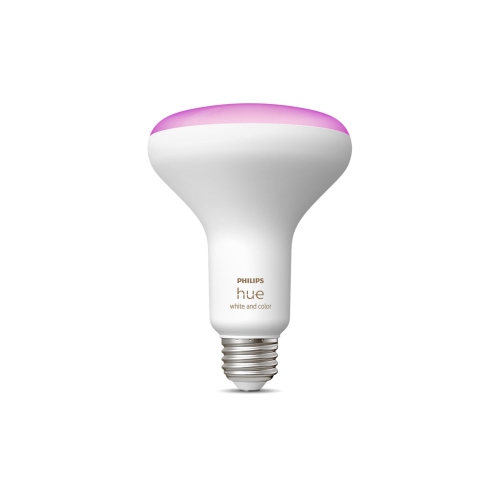
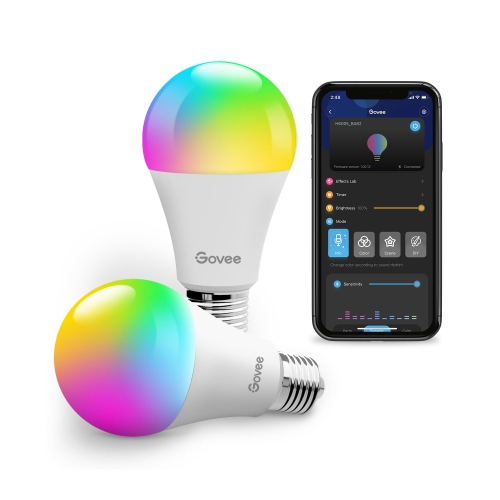
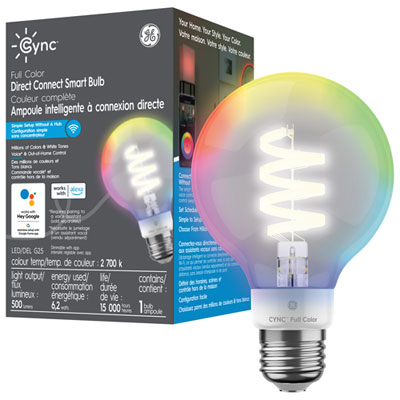
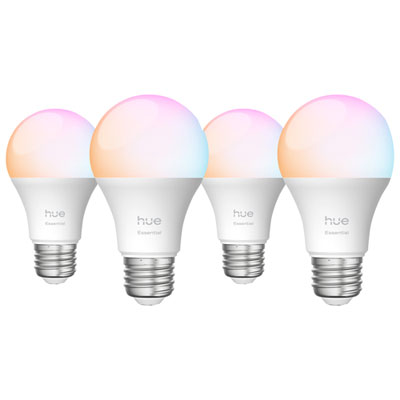
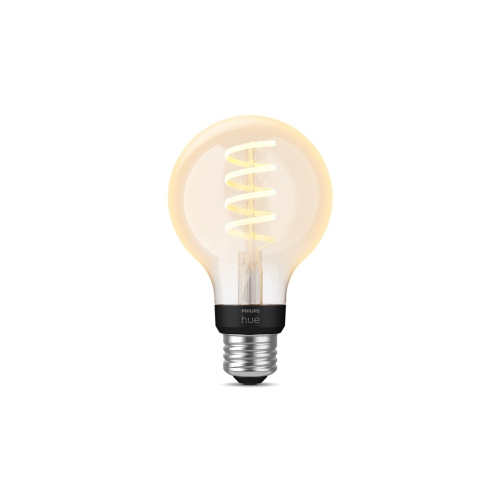
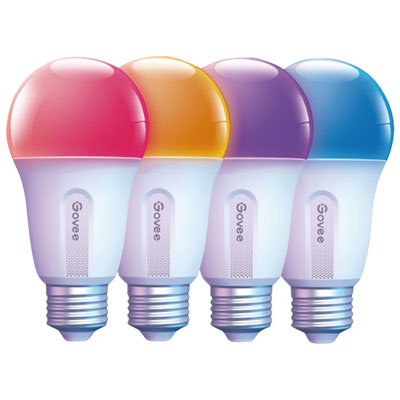
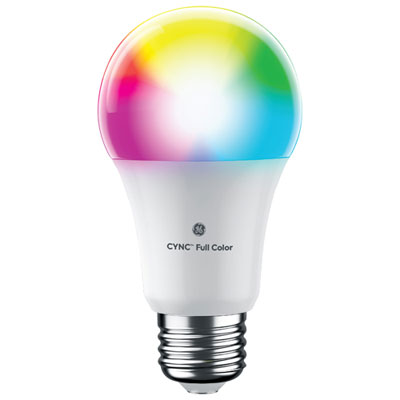
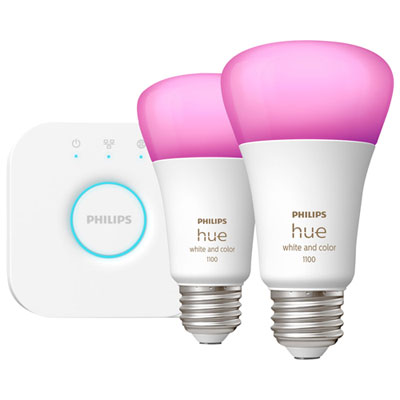
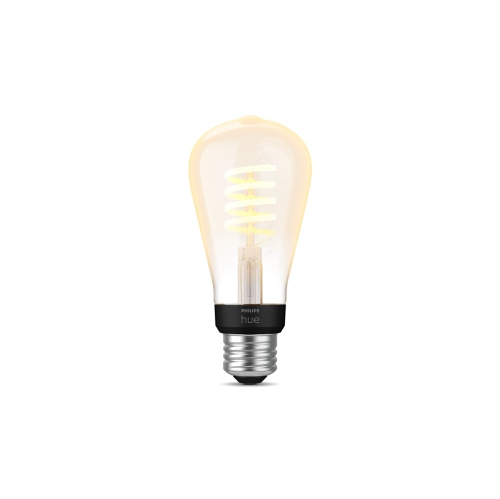
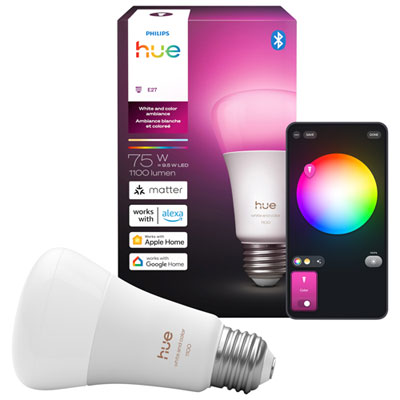
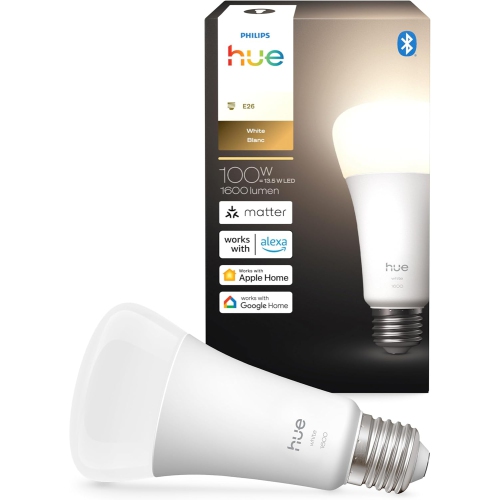
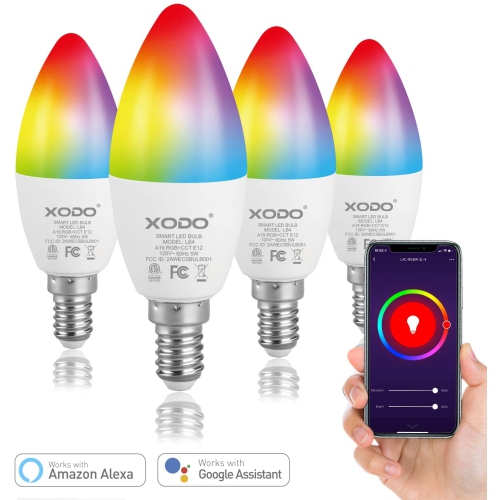
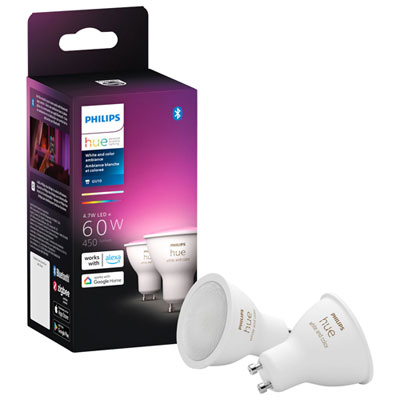

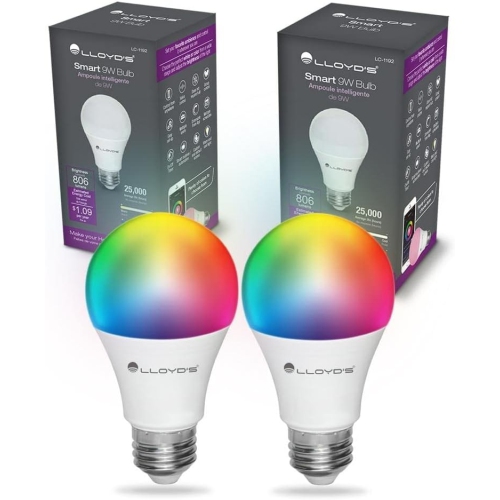
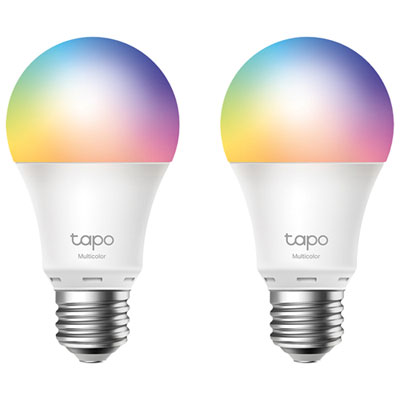
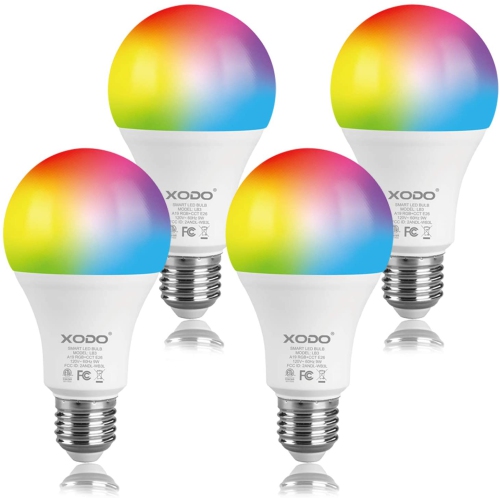
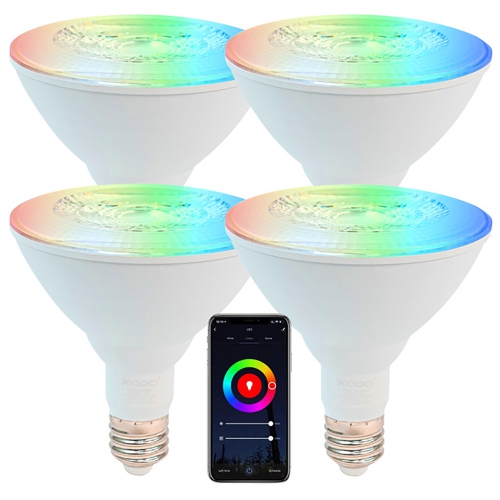
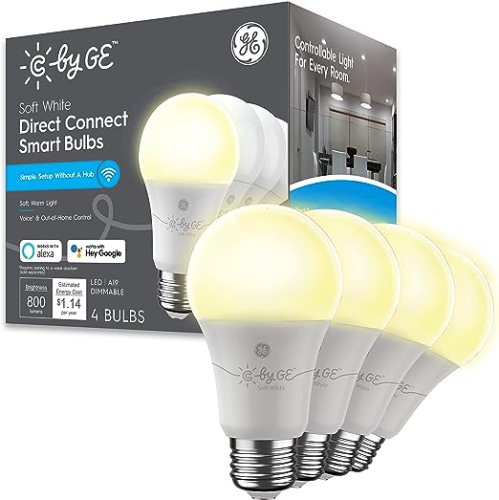

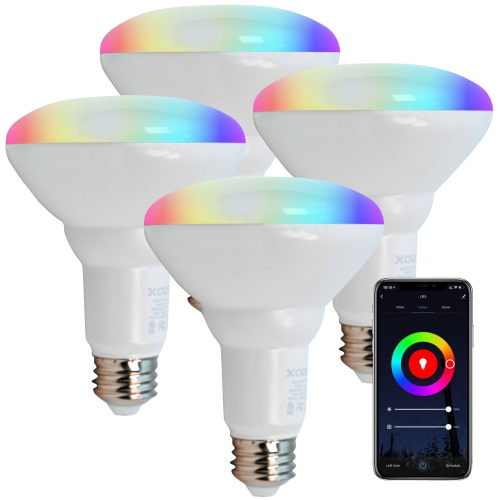
Lighting that shifts from study sessions to downtime
Smart bulbs for a student’s living space bring adjustable lighting to the same lamps used for reading, relaxing, and getting ready for class. Depending on their features, they can dim, change between warm and cool white light, or display colours, with controls accessible through a compatible phone app or voice assistant. Many Wi-Fi models connect directly to a home network without a separate hub, while other types require a compatible hub or bridge. That flexibility is useful in a room where a desk, bed, and dining area may sit only a few steps apart. A bright white setting can illuminate handwritten notes and textbook pages, while a softer, warmer setting can make the bedside area feel less like an extension of the study desk. Colour-changing bulbs add another option for a gaming corner, a movie night, or a small gathering with friends. The appeal of Smart Light Bulbs for Dorm Rooms is that familiar, compatible lamps can serve several purposes without taking up more floor space. Brightness matters as much as colour: lumen ratings describe light output, while colour temperature, measured in kelvins, describes how warm or cool white light appears. Around 2700 K produces a warm white effect, while settings around 4000 K to 5000 K look more neutral or cool. Neither setting replaces thoughtful lamp placement. A shaded desk lamp aimed at the work surface can keep light on an assignment rather than across a roommate’s pillow, and a softly lit bedside lamp can provide a gentler alternative to a bright overhead fixture. A bulb’s colour range also affects its intended use. Fixed-white bulbs generally offer a simpler lighting experience, tunable-white bulbs adjust the appearance of white light, and colour-changing models provide a broader palette. For students who mostly read and write at their desks, adjustable white light and useful dimming may matter more than elaborate colour effects.
Connectivity shapes how comfortably smart bulbs fit into student housing. A private apartment network and a campus residence network can offer very different setup experiences, even when both provide Wi-Fi. Many bulbs require a 2.4 GHz connection, and networks that use browser-based sign-in, individual device approval, or restrictions on communication between devices can complicate pairing and control. Compatibility with residence network rules is therefore an important consideration alongside compatibility with a phone or voice assistant. Bluetooth models may allow nearby phone control without a Wi-Fi connection, although remote access, schedules, and voice features depend on the bulb and its supporting system. Hub-based lighting uses an additional device, but may offer different control options for a room with several lamps. The most useful arrangement is one that fits the student’s actual connection and daily habits, rather than simply offering the longest feature list. For someone who studies at a desk each evening, a saved lighting scene can restore a preferred brightness and white tone without repeated adjustments. Where supported, grouping two lamps makes it possible to change both together, while separate controls leave a bedside light independent from the main study area. Timers and schedules can suit predictable routines, but their operation during a network outage varies by model. Physical switches still matter, too. Most smart bulbs need the lamp or wall switch left on to receive app commands, so switching off the power can make them unreachable until power is restored. In a shared room, that is worth agreeing on before relying on a morning schedule or voice control. A compatible wireless button or remote can offer an alternative when reaching for a phone is inconvenient. Shared access settings also deserve attention: roommates may appreciate control over a common lamp without needing access to every connected device. When moving out, removing shared permissions and resetting bulbs helps prepare them for their next room.
Physical fit is just as important as connected features, particularly when a student already has a favourite desk lamp or a compact bedside fixture. Bulb shape, base type, overall dimensions, and the fixture’s permitted wattage all need to match. An A19 shape and an E26 screw base are common in household lamps, but smaller shades, narrow openings, and decorative fixtures can require different sizes. A smart bulb may also be wider or longer than the bulb it replaces because its base contains control electronics. Clearance around the shade and socket helps avoid an awkward fit, and the manufacturer’s fixture requirements remain important even when the bulb screws in easily. Enclosed fittings, damp locations, and lamps with built-in dimmers need particular attention because not every smart bulb is designed for those conditions. Standard wall dimmers can interfere with some smart bulbs, so app-based dimming should not be assumed to make an existing dimmer compatible. Diffusers may be made from plastic or glass, with an electronic base beneath; neither construction is intended to withstand drops, rough packing, or pressure from a crowded moving box. Keeping protective packaging can be useful for students who change accommodation between school years. For routine care, power should be switched off at the fixture before a bulb is handled, and the bulb should be allowed to cool. A soft, dry cloth can remove dust once it is safe to handle, while cleaning liquids should stay away from the base and socket. App controls are not a substitute for disconnecting power during replacement. In everyday use, a dependable bulb is one whose lighting range, controls, and fit remain useful through ordinary changes in routine. Smart bulbs can suit students setting up a first apartment, returning to residence, or making a shared rental bedroom feel more personal. They can also be a thoughtful gift when the recipient’s lamp fitting, network access, and preferred controls are known. A practical match gives the student something they can use for focused work, quiet downtime, and the many small activities that happen in one compact living space.
Top selling and popular products
-
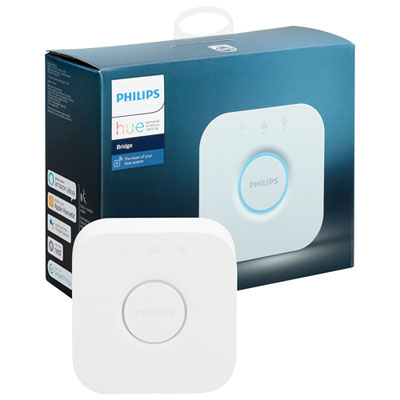 Your price for this item is $89.98
-
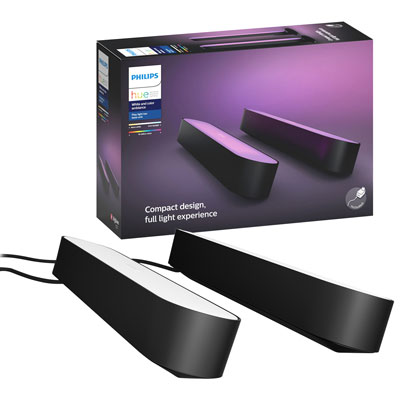 Your price for this item is $199.99
-
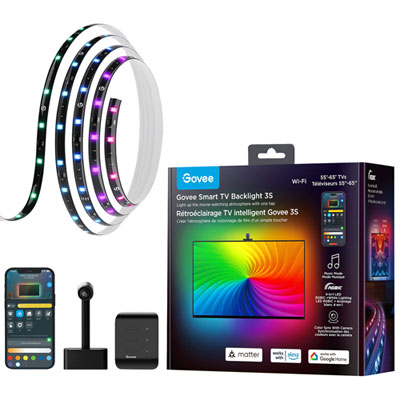 Your price for this item is $109.99
-
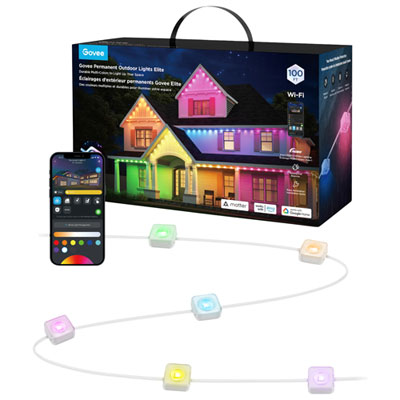 Your price for this item is $399.99
-
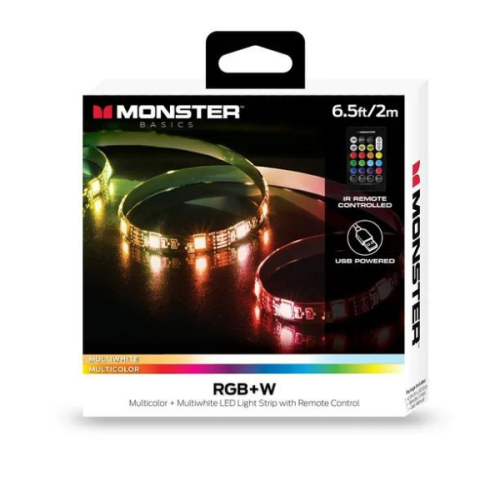 Your price for this item is $12.99
-
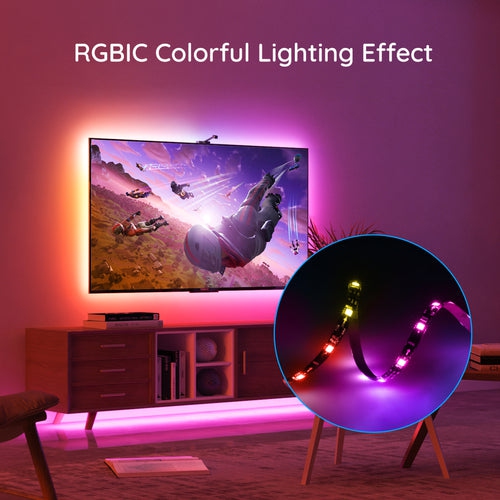 Your price for this item is $99.99
-
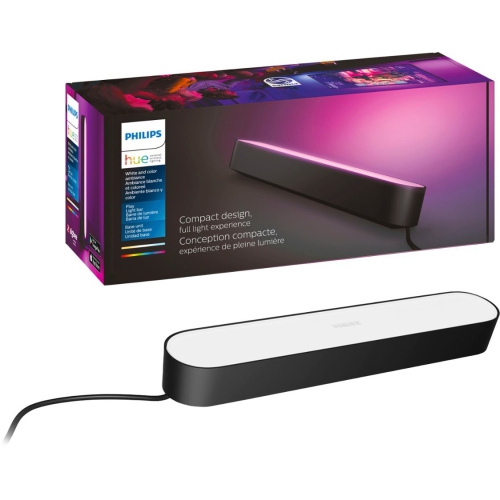 Your price for this item is $138.37
-
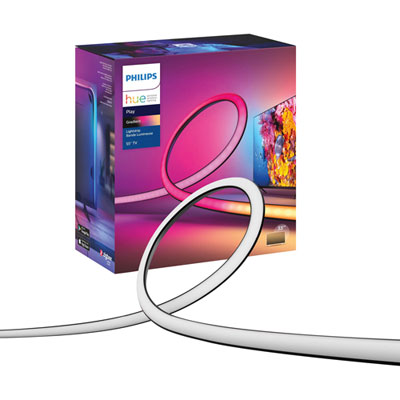 Your price for this item is $279.95
Discover more categories related to Student's Living Space Smart Bulbs
Top Collections:
Best Black Friday Deals This Year, Best Black Friday Deals On Electronics, Kindle Devices, Pokemon Centers, Best Black Friday Deals On Apple Products, Best Cameras for Sports Photography, Dyson Airwrap, Pokémon 30th Celebration Cards, Apple iPhone 17 Pro, Canon G7X Cameras
Some products may be subject to Environmental Handling Fees
(EHF) depending on your province.
Learn more about EHFs.