Robotics for Kids
Dive into the exciting world of robotics for kids, where learning meets play in the most innovative ways. These engaging kits and toys are designed to spark curiosity and creativity, providing young minds with hands-on experience in building and programming their own robots. Perfect for nurturing problem-solving skills and fostering a love for STEM subjects, robotics for kids offers endless opportunities for exploration and discovery. Whether it's constructing a simple bot or embarking on more complex projects, children can unleash their imagination and gain invaluable skills that will benefit them for years to come.
Sort
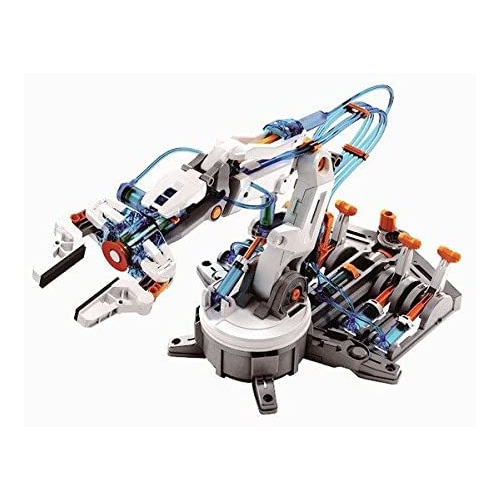
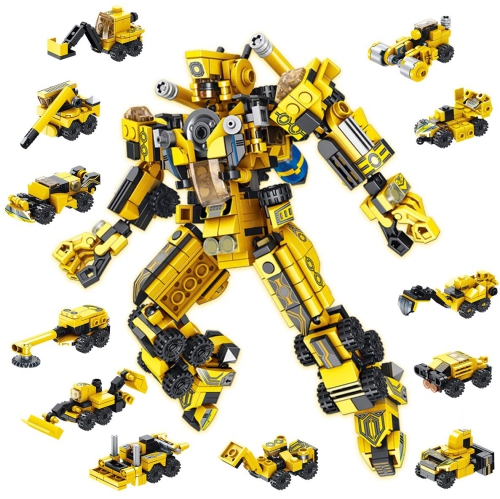
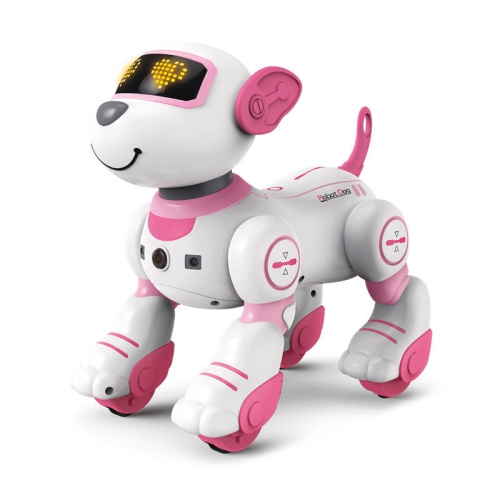
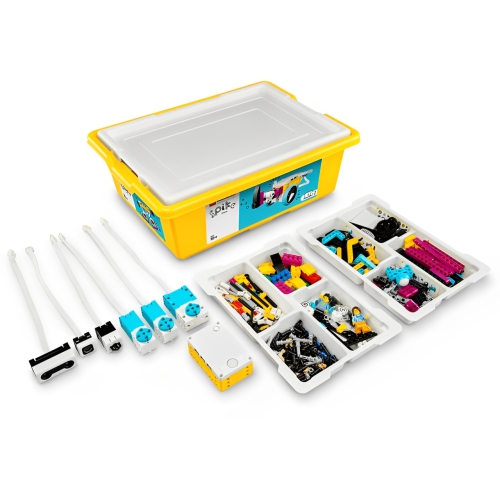
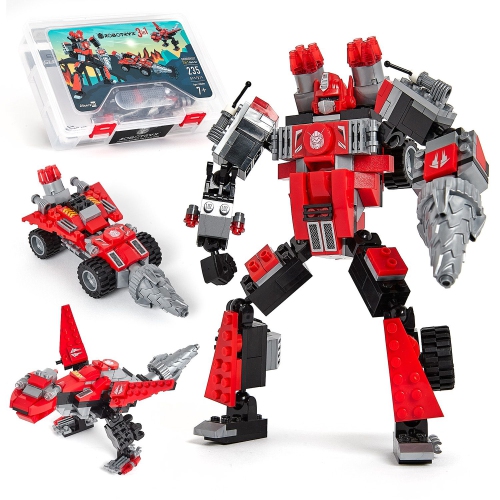
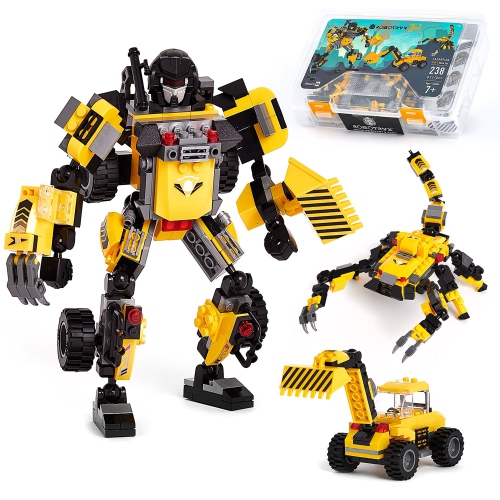
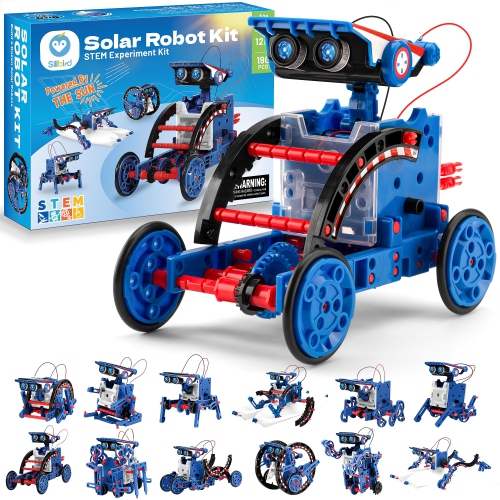
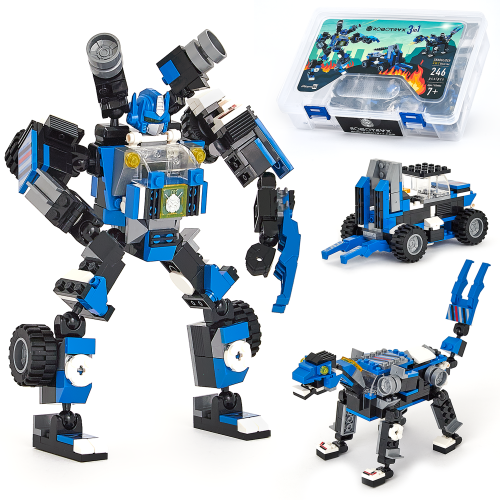
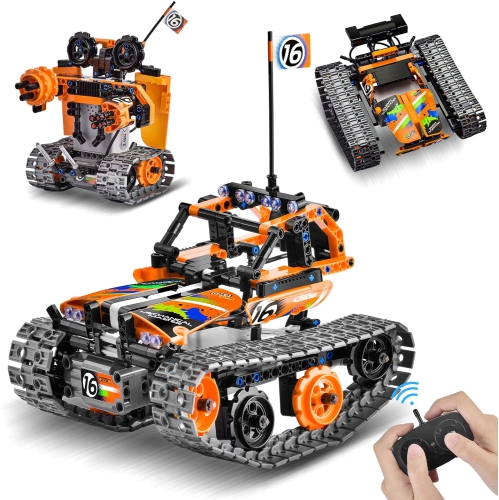
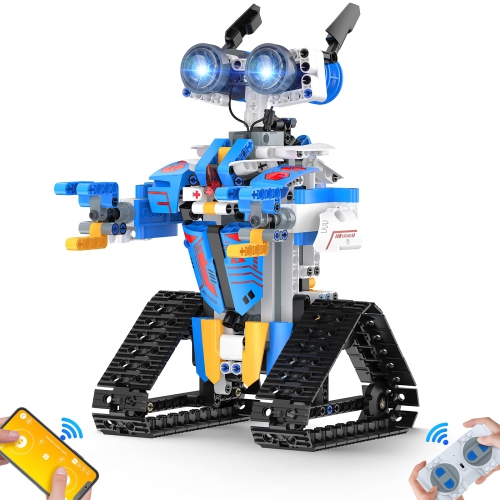
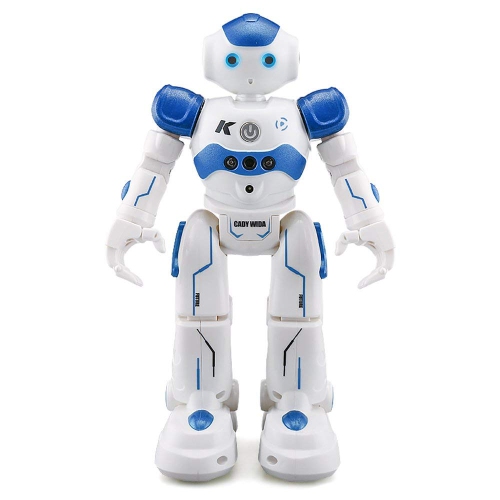
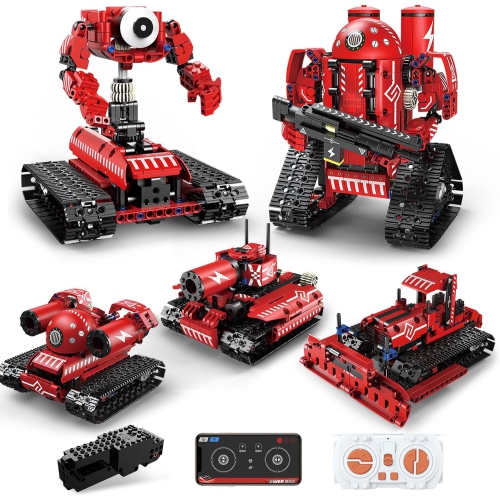
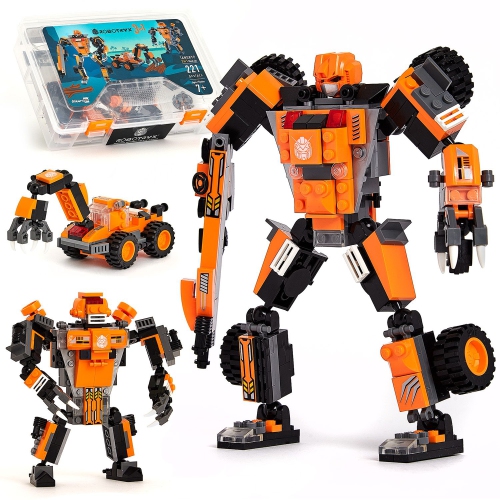
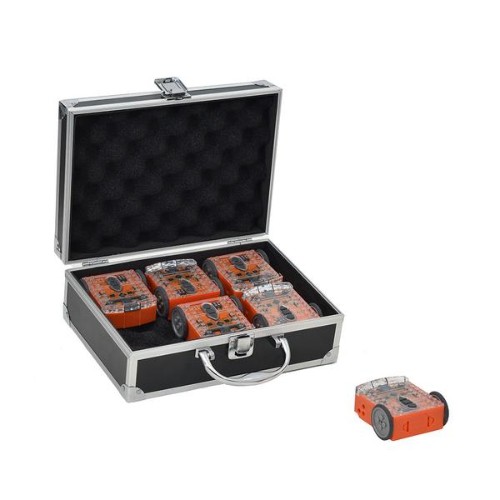
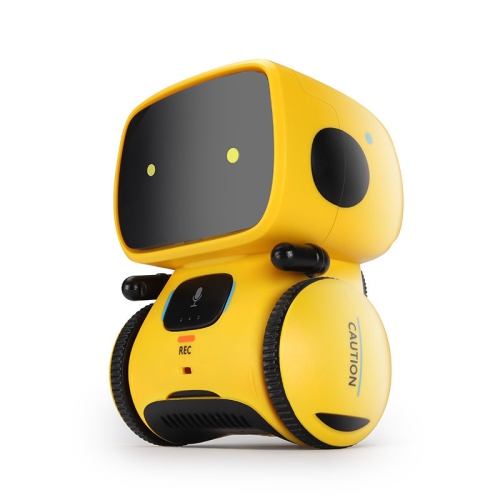
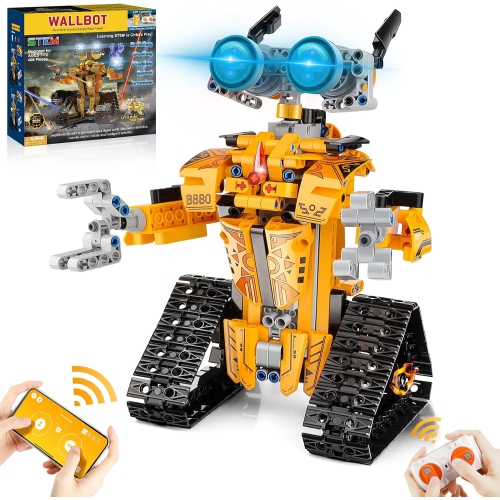
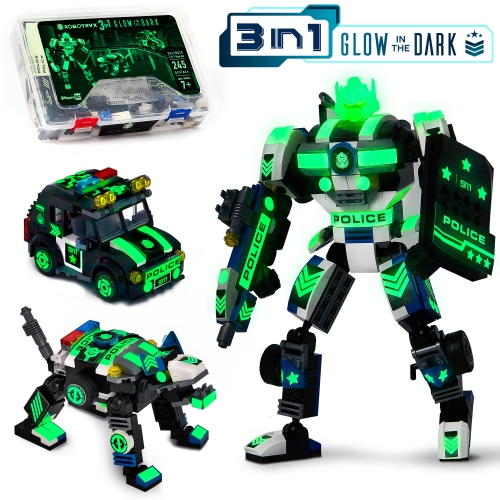
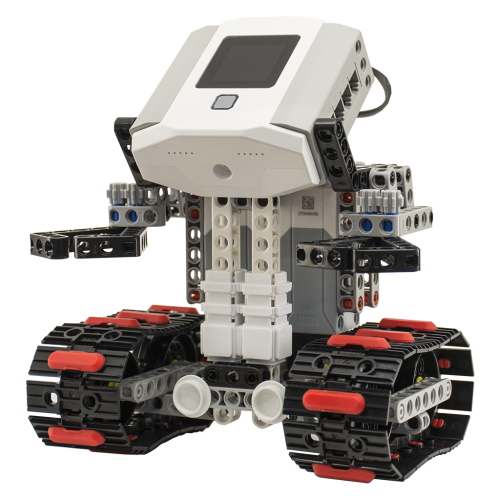
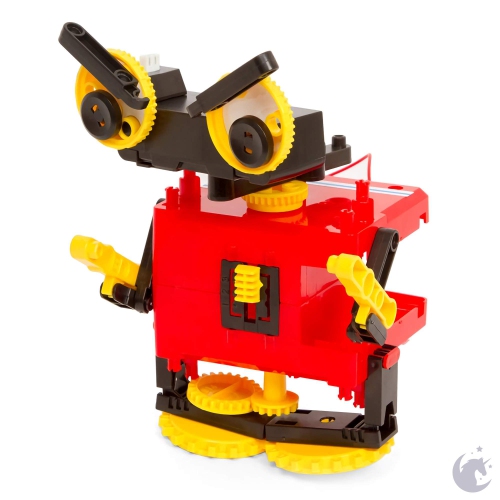

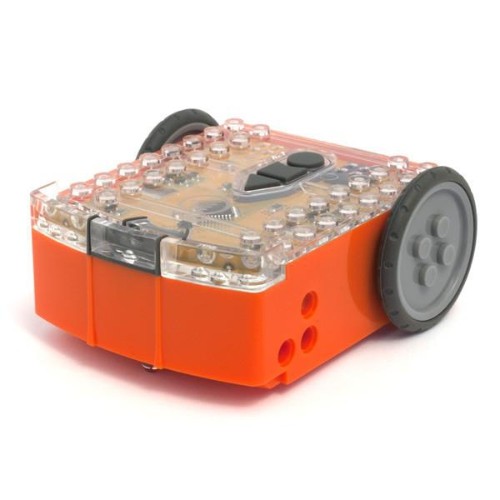
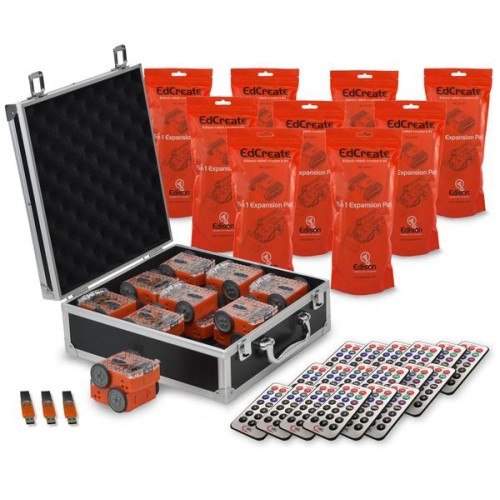
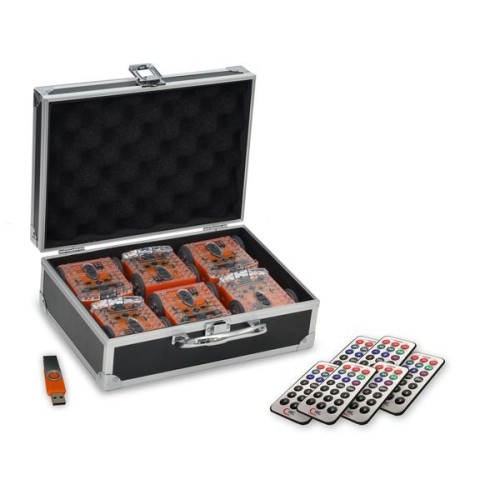
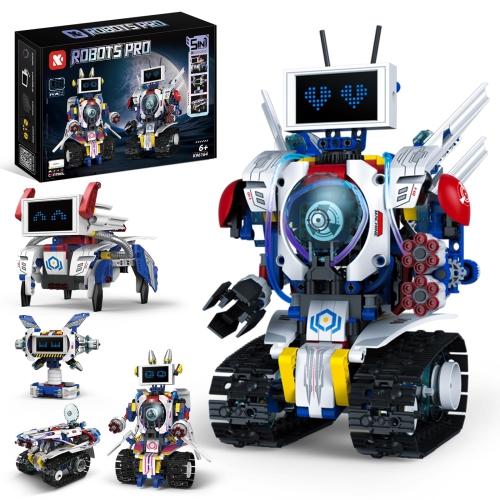
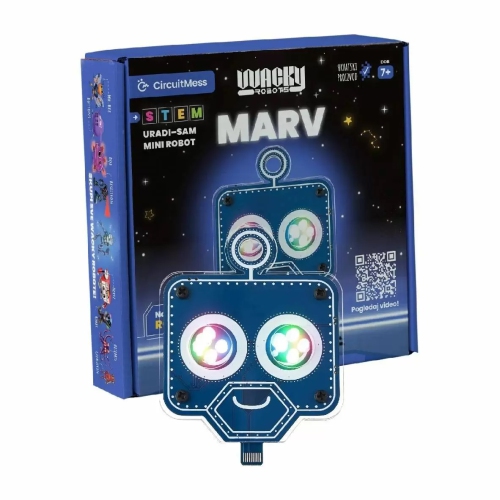


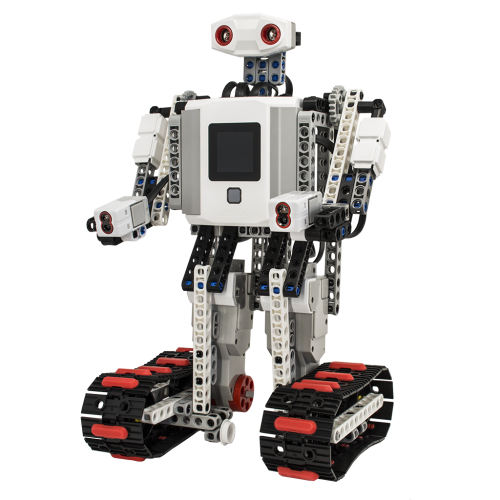
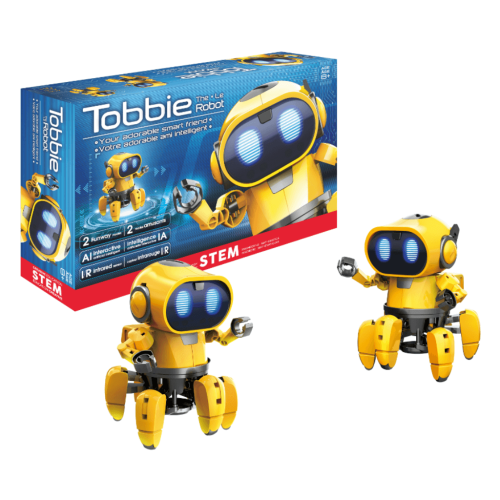
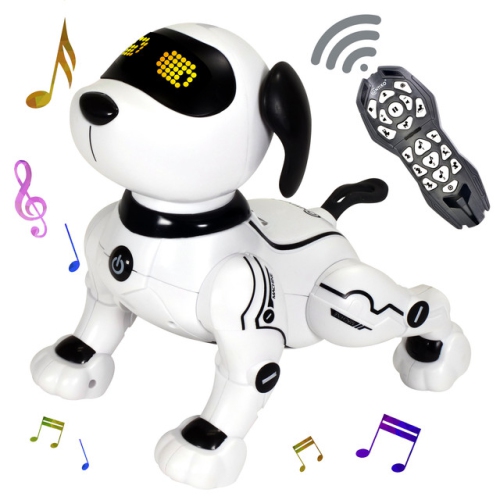
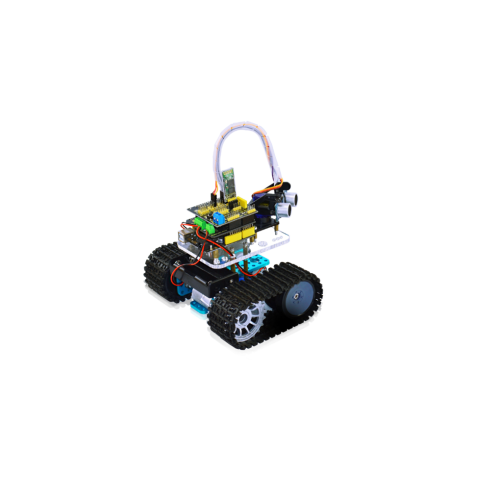
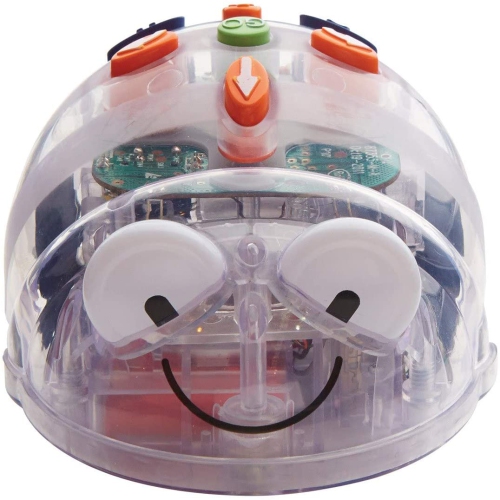
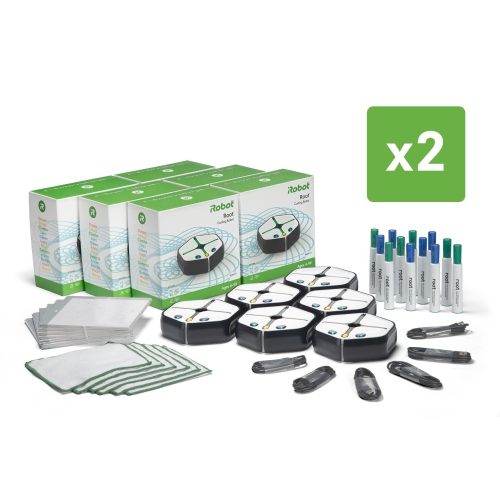
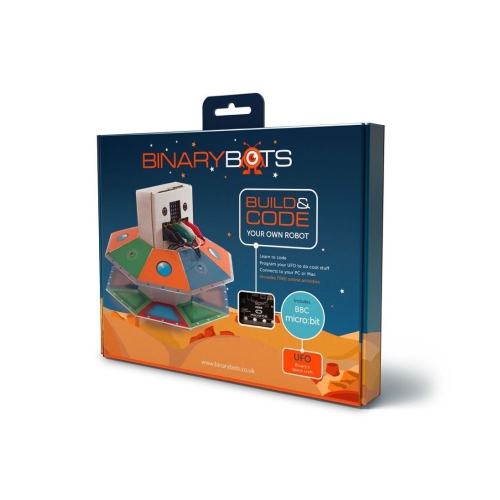
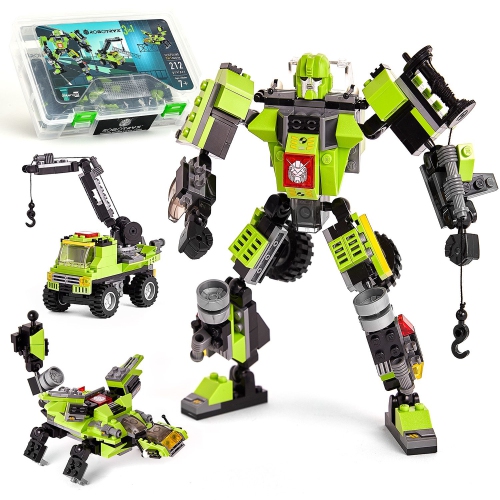

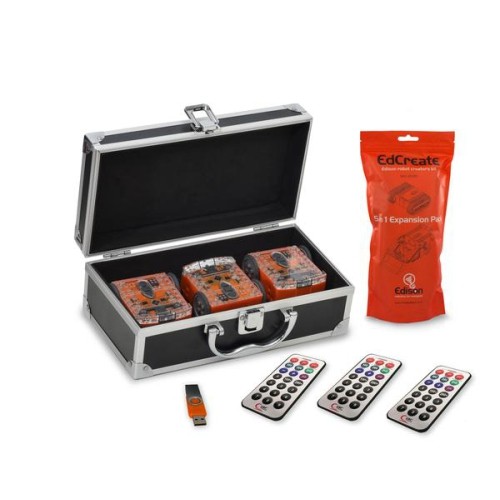
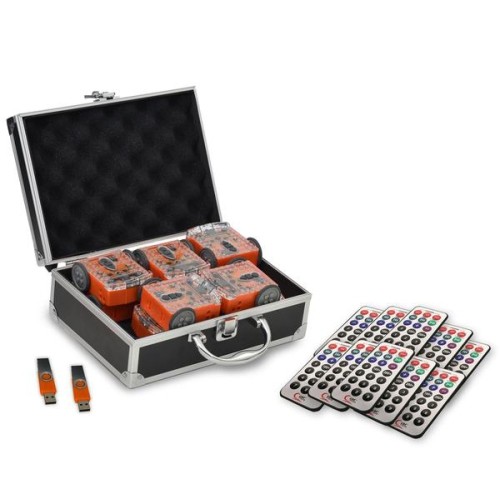
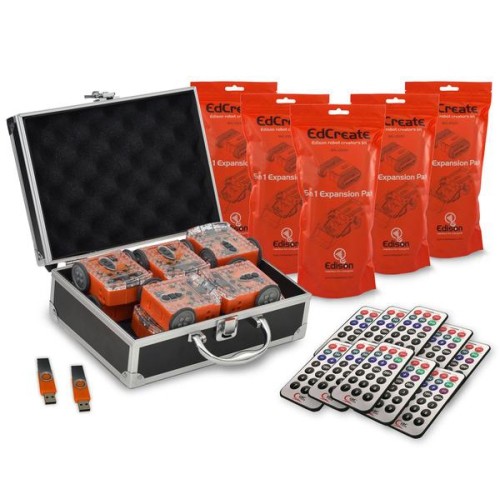
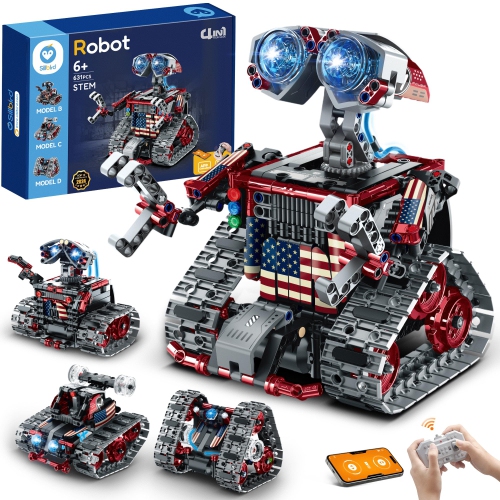
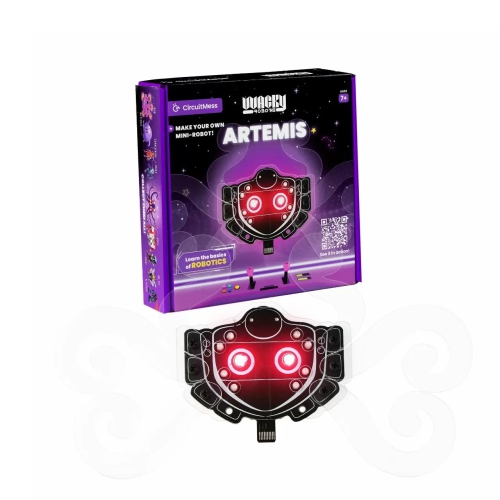
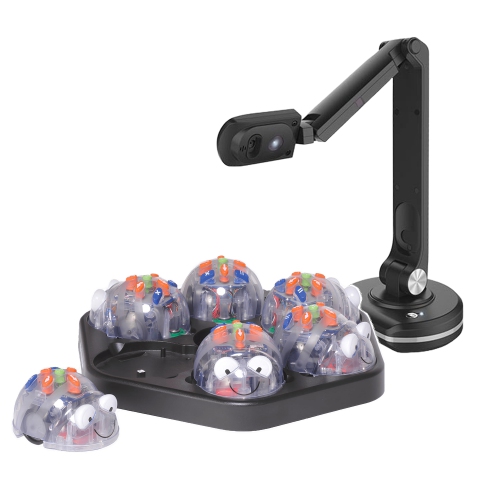
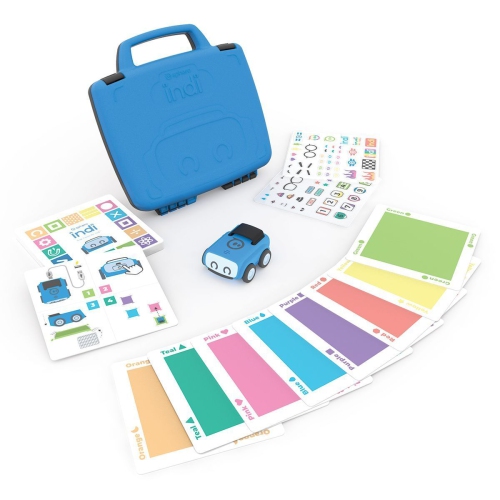
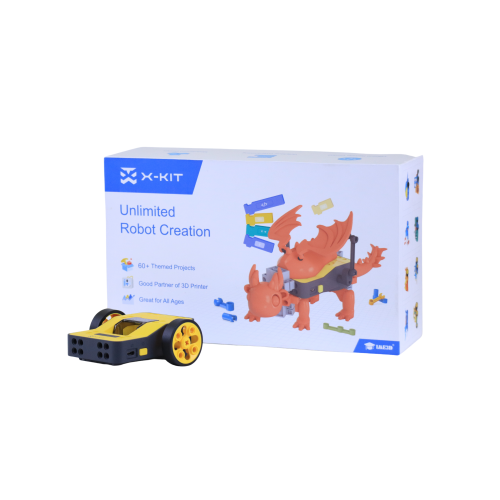

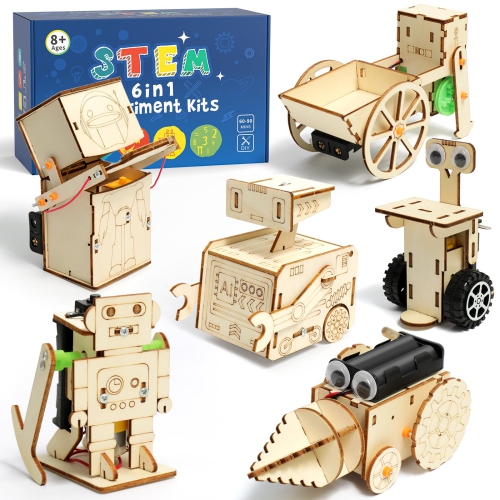
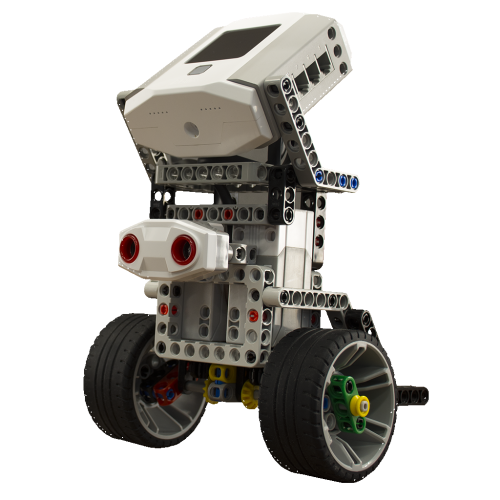
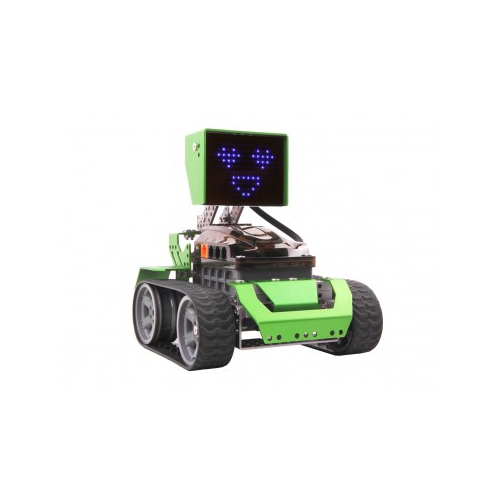
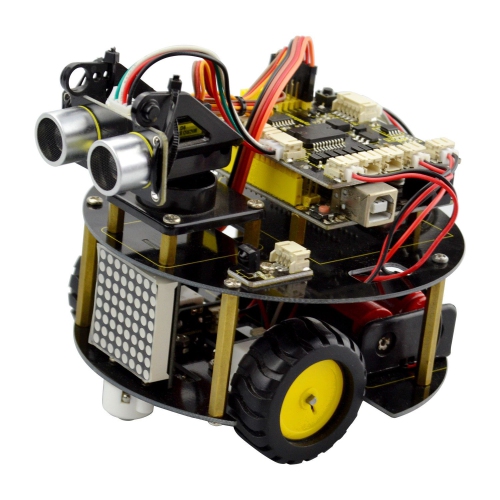
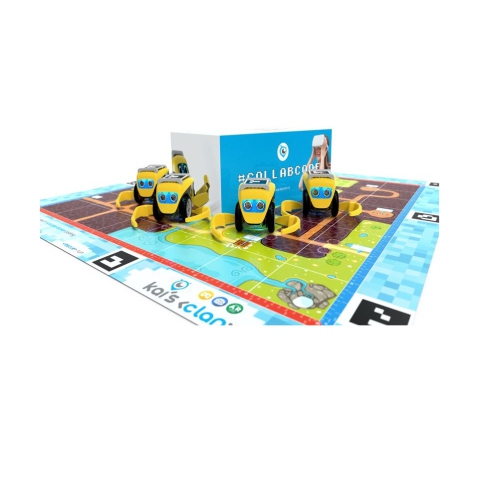
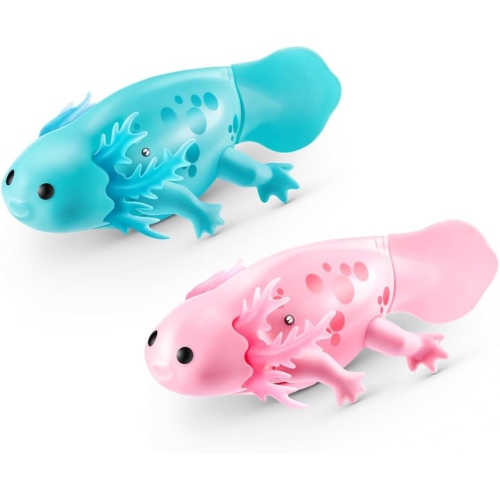
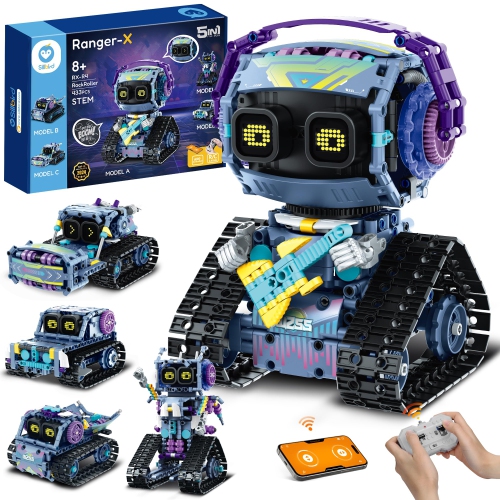
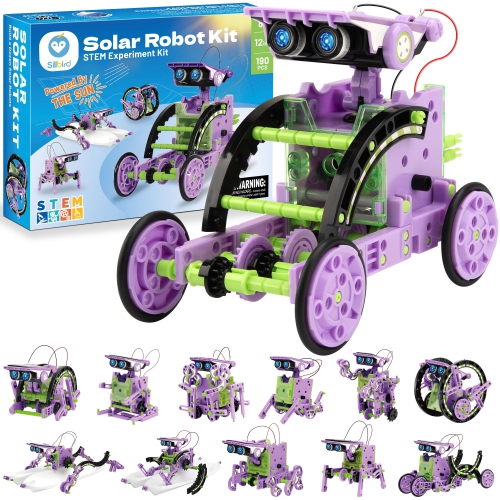


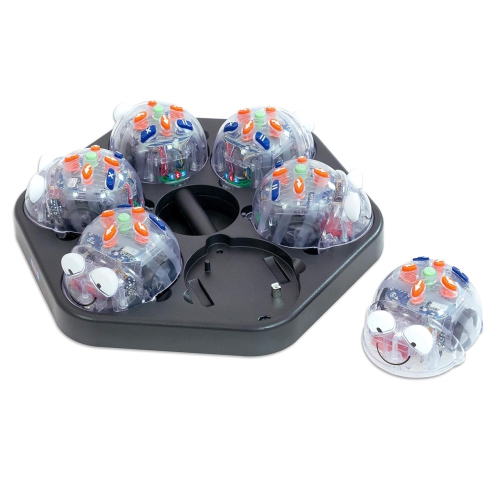
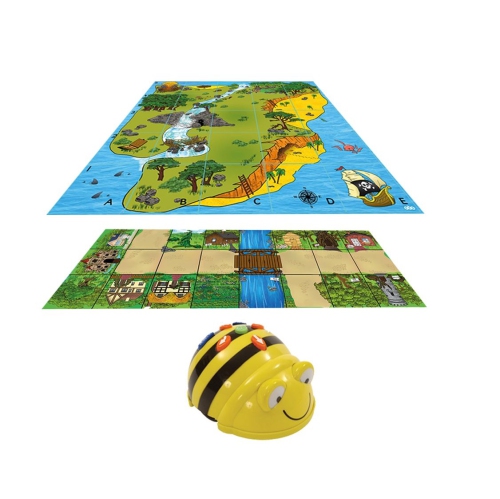
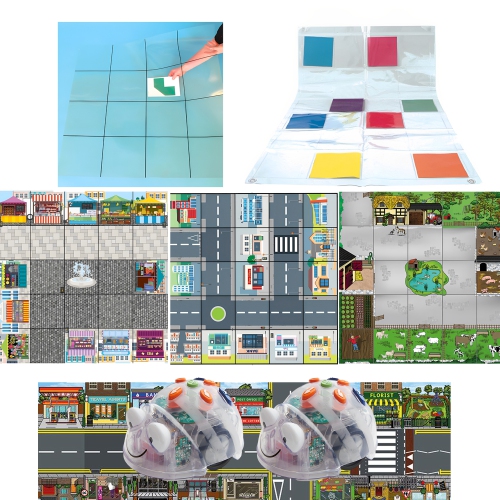

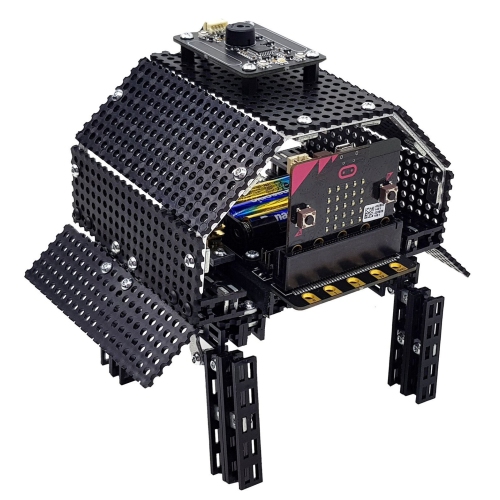
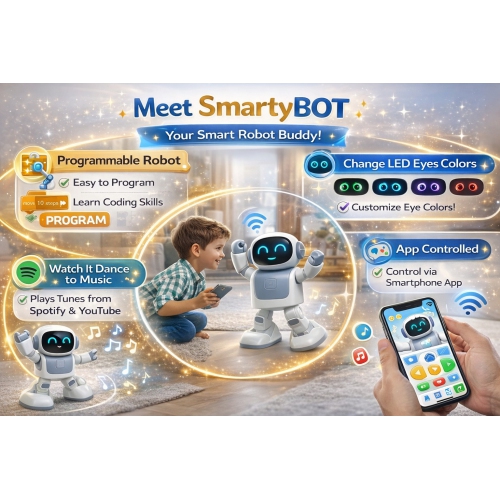
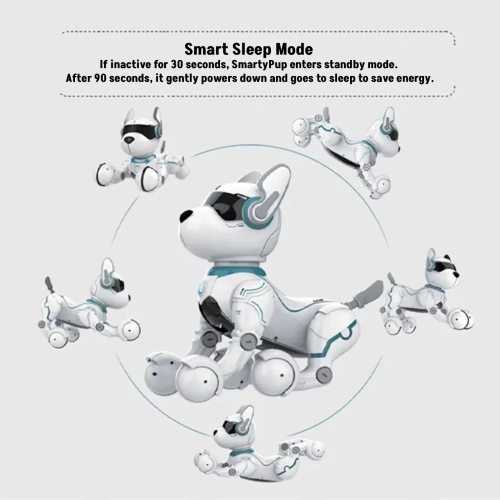
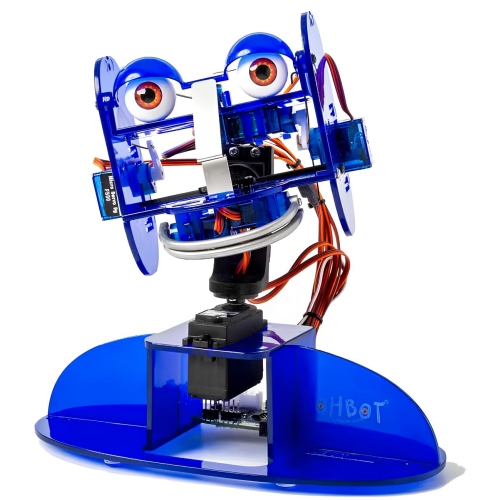

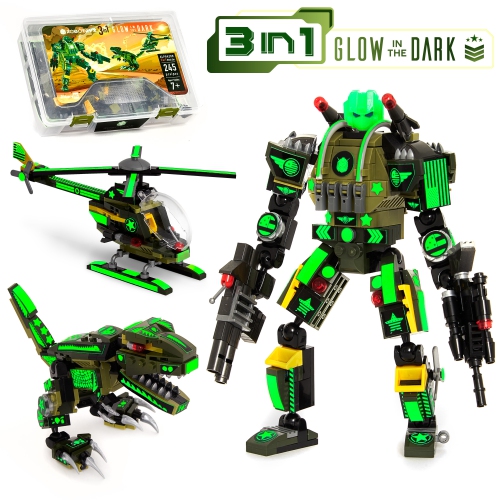
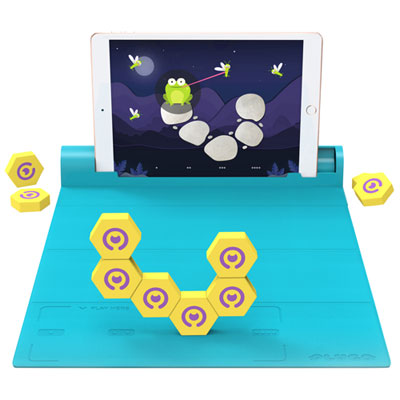
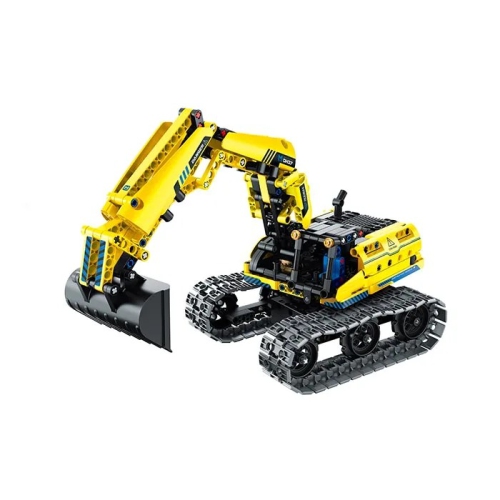
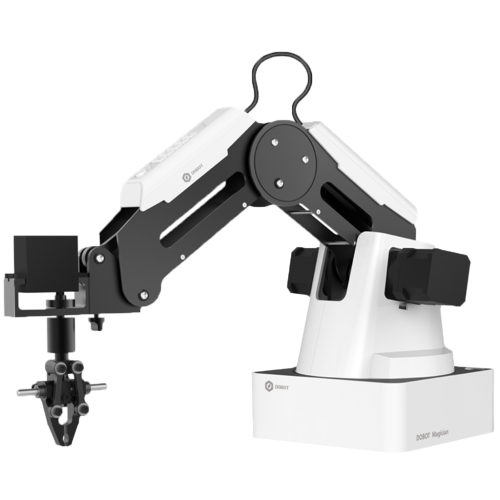

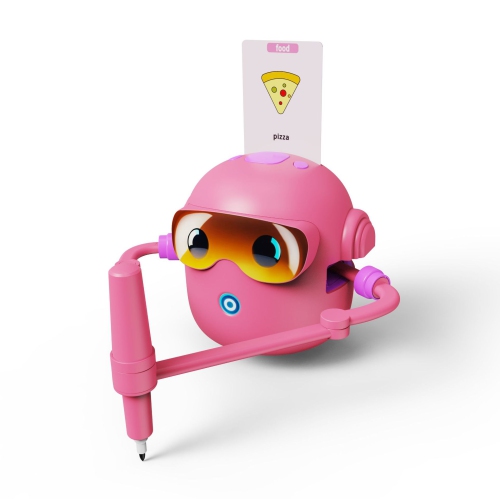
Hands-on projects that turn coding into moving machines
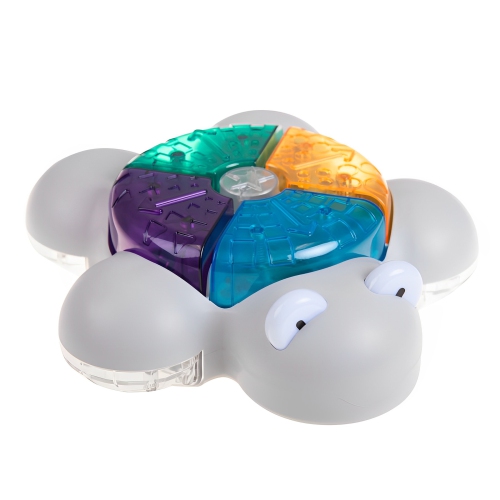
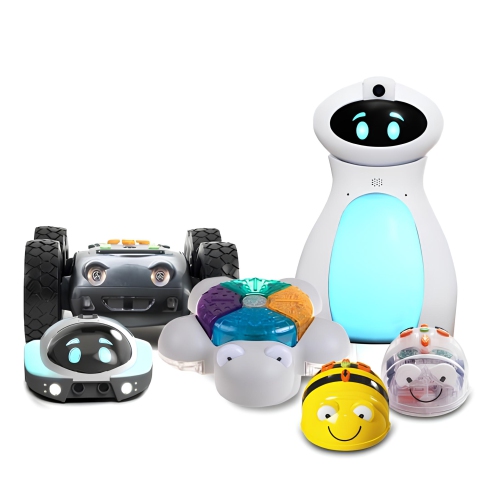
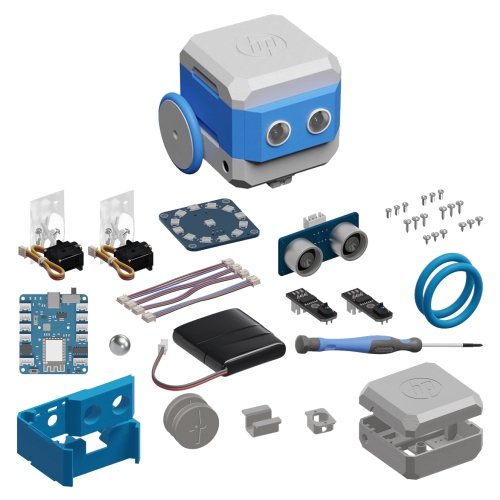
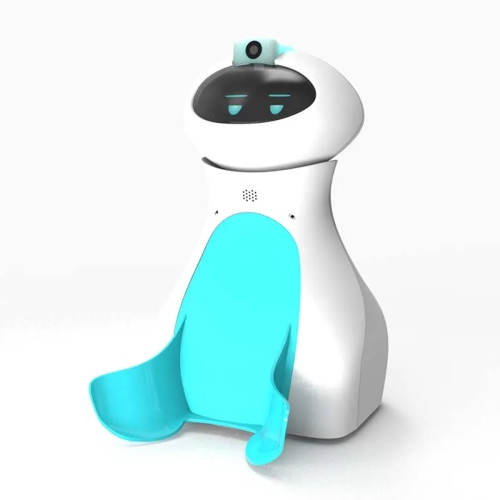
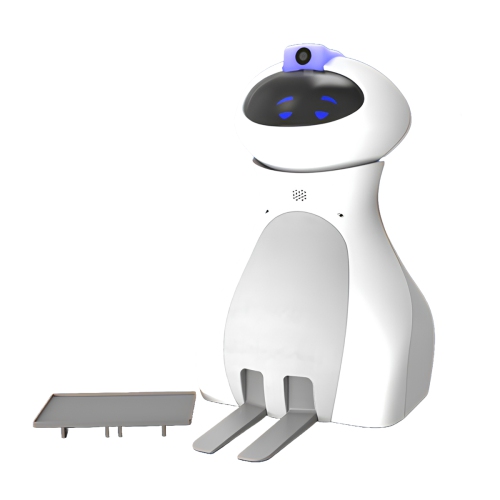
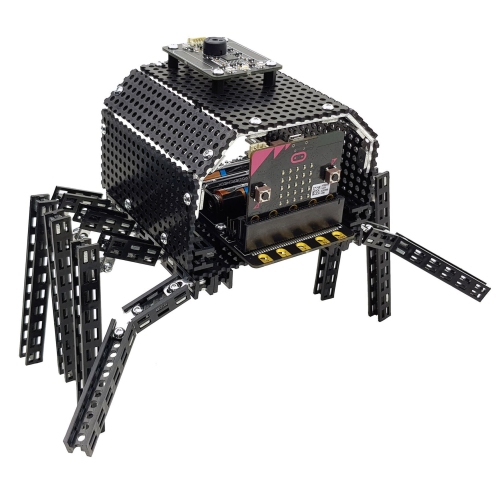
Robotics for kids brings science, technology, engineering, arts and mathematics to life through hands-on play. Instead of learning about coding, motors, sensors and problem-solving only from a screen or textbook, children can build something that moves, reacts and follows instructions they create themselves. A robot may start by travelling across the floor, lighting up, avoiding an obstacle or responding to a command, then become the starting point for a much more ambitious project. As children experiment, they practise computational thinking by breaking a larger challenge into smaller steps, identifying patterns and testing solutions in sequence. They also encounter practical maths and science concepts, including measurement, speed, direction, balance, cause and effect, and the relationship between input and output. Just as importantly, robotics encourages creativity: two children using the same parts may design entirely different machines, creatures or vehicles. These activities can suit a wide range of interests, from storytelling and imaginative play to construction, puzzles and computer programming. Robotics products can be enjoyed independently at a kitchen table, shared with a sibling or friend, or used as part of a classroom, club or family activity during the cooler months. They are also a thoughtful gift for children who like to take things apart, understand how gadgets work, draw inventions, play strategy games or spend hours building with construction materials. For families making their first move into this category, Robot Kits for Beginners can help narrow the selection to approachable options designed for early exploration.
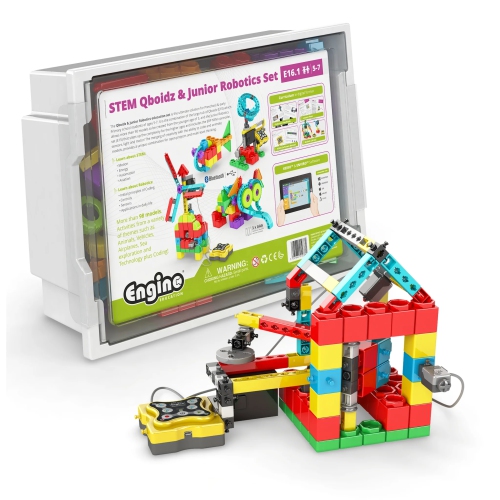
Age and experience are useful starting points when choosing robotics for kids, although a child’s patience, interests and comfort with instructions matter just as much. Younger children, often around ages 4 to 7, may enjoy simple robots with large components, bright visual feedback, push-button controls, magnetic connections or straightforward movement challenges. These activities can introduce sequencing and directional language without requiring advanced reading or lengthy setup. Children around ages 7 to 12 may be ready for buildable robots with interchangeable parts, block-based coding and several levels of play. A project might begin with following a supplied set of instructions, then progress to changing the movement pattern, adding a sensor or creating a small obstacle course. Older children and teens, often from about 12 to 18, may prefer more open-ended systems that allow them to work with motors, electronic components, programmable boards or text-based code. These platforms can support increasingly detailed projects and provide a bridge between recreational building, school assignments and technology-focused clubs. Check the recommended age range, but also look at the reading level, assembly time and amount of adult assistance required. Some kits are ready to use soon after opening, while others involve many small pieces and a longer build. Consider whether the child prefers guided instructions or the freedom to design from scratch, and whether the household has access to a compatible computer, tablet, batteries or other required accessories. A clear storage case can be helpful when a project is spread across a table, particularly if the robot is intended to be rebuilt often rather than completed once and put away.
The most rewarding robotics experiences leave room for trial, error and gradual improvement. A child may spend an afternoon trying to make a robot turn at the correct point, only to discover that a wheel is loose, a command is out of order or the sensor is facing the wrong direction. That moment of frustration can become a useful lesson in patience and troubleshooting when the child is encouraged to inspect the build, change one detail and test it again. Adults do not need to take over; sitting nearby, asking what the robot was expected to do and helping organize the pieces can be enough to keep the project moving. Families can create simple challenges using household objects, such as guiding a robot through a line of cushions, delivering a lightweight object from one spot to another or programming a series of turns across a marked path. Children working together can divide responsibilities between building, coding, testing and explaining the result, developing communication and teamwork alongside technical skills. Older students may use robotics to explore engineering design, prepare for a school presentation, practise for a local competition or connect with structured classes and community programs. Younger children can focus on movement, storytelling and cause-and-effect play, with coding introduced through buttons, cards, icons or visual blocks. When selecting a robotics product, look for durable construction, accessible instructions, adjustable difficulty and opportunities for repeat play. A good fit should feel manageable at the beginning while offering enough flexibility to remain interesting as skills grow. Whether it is given as a birthday present, chosen for an indoor activity during rainy days or added to a family’s collection of creative learning materials, robotics can turn an ordinary stretch of floor into a testing ground where ideas become moving machines.
Age and experience are useful starting points when choosing robotics for kids, although a child’s patience, interests and comfort with instructions matter just as much. Younger children, often around ages 4 to 7, may enjoy simple robots with large components, bright visual feedback, push-button controls, magnetic connections or straightforward movement challenges. These activities can introduce sequencing and directional language without requiring advanced reading or lengthy setup. Children around ages 7 to 12 may be ready for buildable robots with interchangeable parts, block-based coding and several levels of play. A project might begin with following a supplied set of instructions, then progress to changing the movement pattern, adding a sensor or creating a small obstacle course. Older children and teens, often from about 12 to 18, may prefer more open-ended systems that allow them to work with motors, electronic components, programmable boards or text-based code. These platforms can support increasingly detailed projects and provide a bridge between recreational building, school assignments and technology-focused clubs. Check the recommended age range, but also look at the reading level, assembly time and amount of adult assistance required. Some kits are ready to use soon after opening, while others involve many small pieces and a longer build. Consider whether the child prefers guided instructions or the freedom to design from scratch, and whether the household has access to a compatible computer, tablet, batteries or other required accessories. A clear storage case can be helpful when a project is spread across a table, particularly if the robot is intended to be rebuilt often rather than completed once and put away.
The most rewarding robotics experiences leave room for trial, error and gradual improvement. A child may spend an afternoon trying to make a robot turn at the correct point, only to discover that a wheel is loose, a command is out of order or the sensor is facing the wrong direction. That moment of frustration can become a useful lesson in patience and troubleshooting when the child is encouraged to inspect the build, change one detail and test it again. Adults do not need to take over; sitting nearby, asking what the robot was expected to do and helping organize the pieces can be enough to keep the project moving. Families can create simple challenges using household objects, such as guiding a robot through a line of cushions, delivering a lightweight object from one spot to another or programming a series of turns across a marked path. Children working together can divide responsibilities between building, coding, testing and explaining the result, developing communication and teamwork alongside technical skills. Older students may use robotics to explore engineering design, prepare for a school presentation, practise for a local competition or connect with structured classes and community programs. Younger children can focus on movement, storytelling and cause-and-effect play, with coding introduced through buttons, cards, icons or visual blocks. When selecting a robotics product, look for durable construction, accessible instructions, adjustable difficulty and opportunities for repeat play. A good fit should feel manageable at the beginning while offering enough flexibility to remain interesting as skills grow. Whether it is given as a birthday present, chosen for an indoor activity during rainy days or added to a family’s collection of creative learning materials, robotics can turn an ordinary stretch of floor into a testing ground where ideas become moving machines.
Top selling and popular products
-
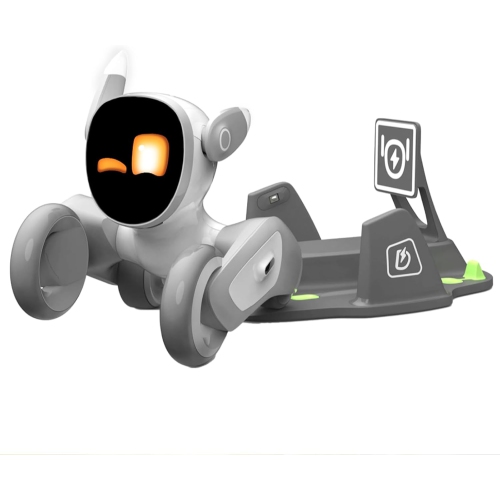 Your price for this item is $699.99
 -
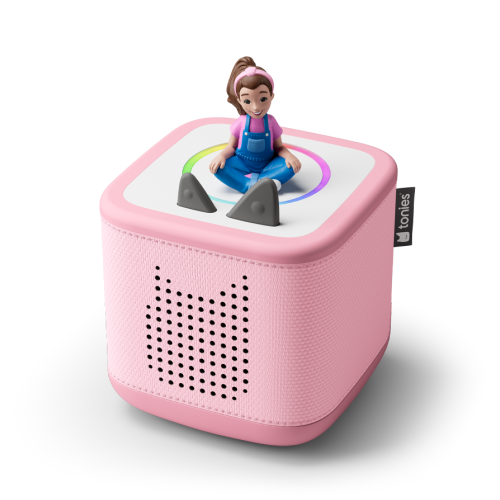 Your price for this item is $199.99
 -
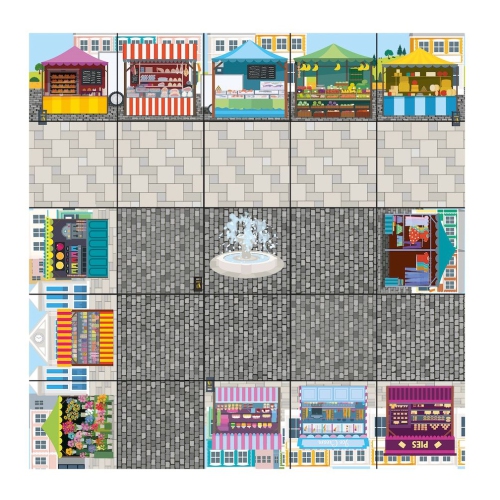 Your price for this item is $75.99
 -
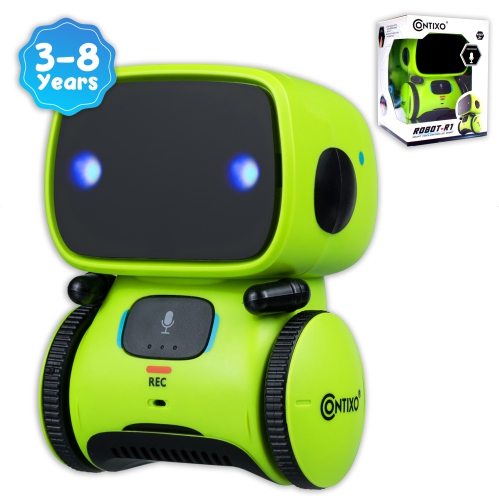 Your price for this item is $39.99
 -
 Your price for this item is $55.95
 -
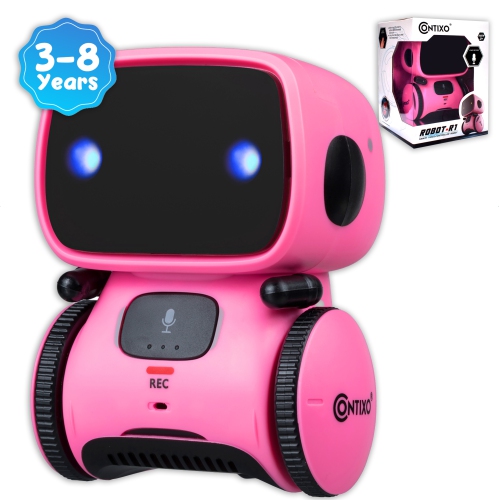 Your price for this item is $39.99
 -
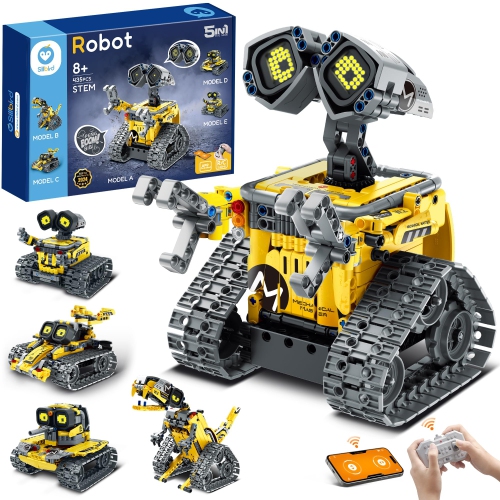 Your price for this item is $116.96
 -
 Your price for this item is $52.17
Discover more categories related to Robotics for Kids
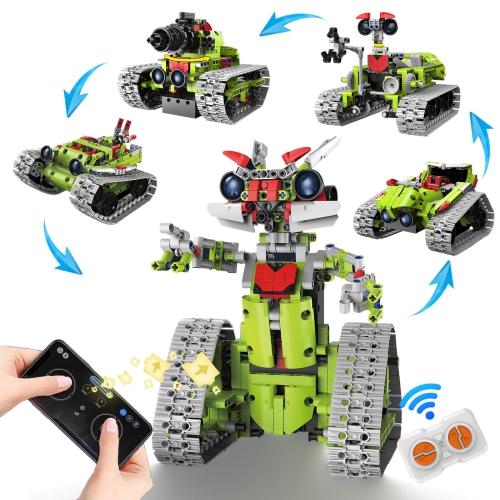
Top Collections:
Pokemon Centers, Budget 4K TVs, Best Budget Office Chairs, Kindle Devices, Canon G7X Cameras, Apple iPhones 16, iPhone 15 Apple, Laptops for Business Work, Xiaomi Phones, Flip Phones
Some products may be subject to Environmental Handling Fees
(EHF) depending on your province.
Learn more about EHFs.