High End Subwoofers
A subwoofer is one of the foundations of your home theater system. It's the big, booming sound that makes you feel like you're in the action. A good subwoofer can make a movie come alive. But with so many options on the market, it's hard to know which one is right for you. Here are some of our favorite high-end subwoofers.
Sort
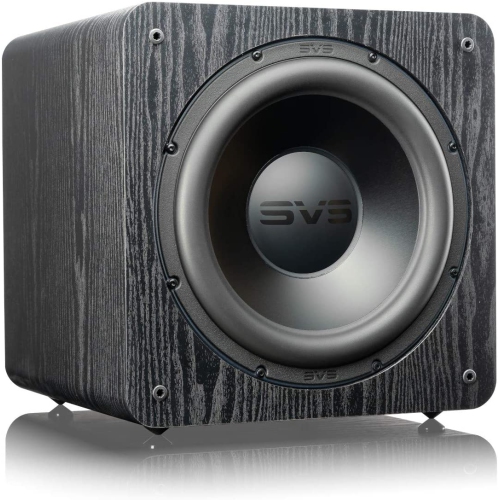
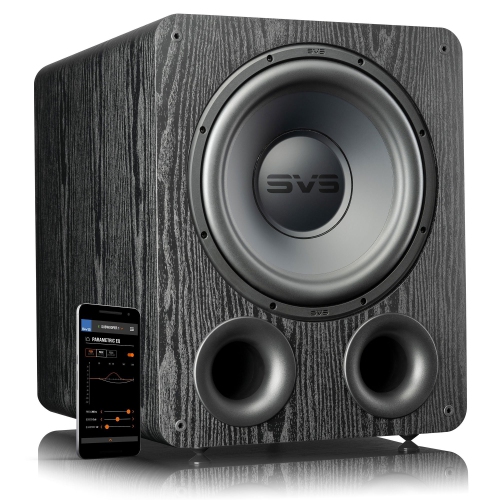
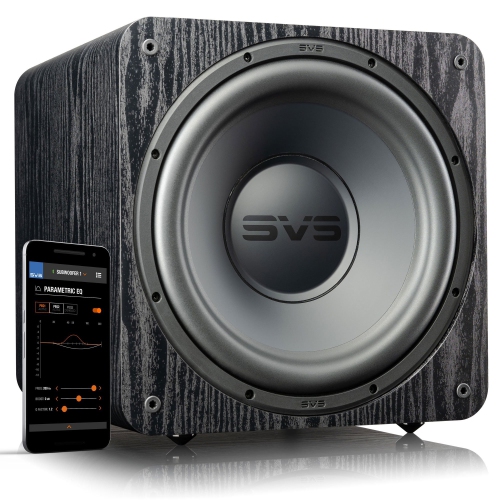
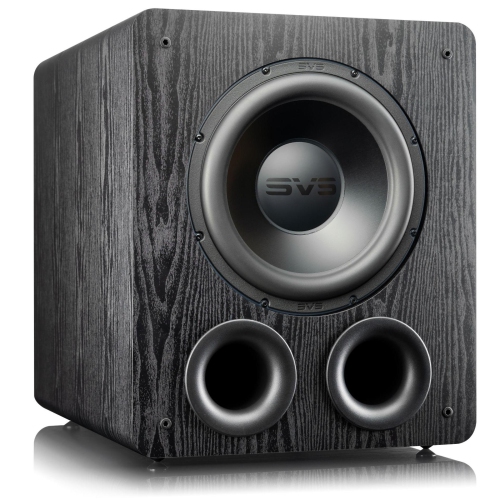
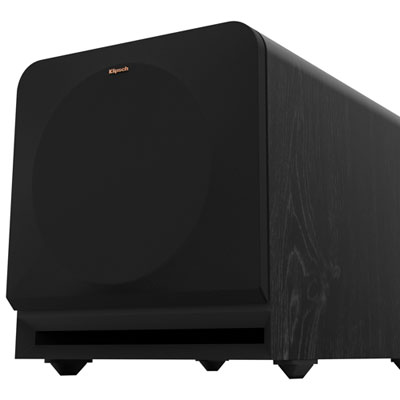
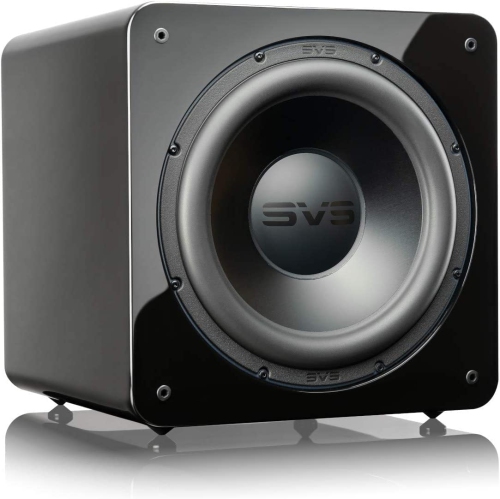
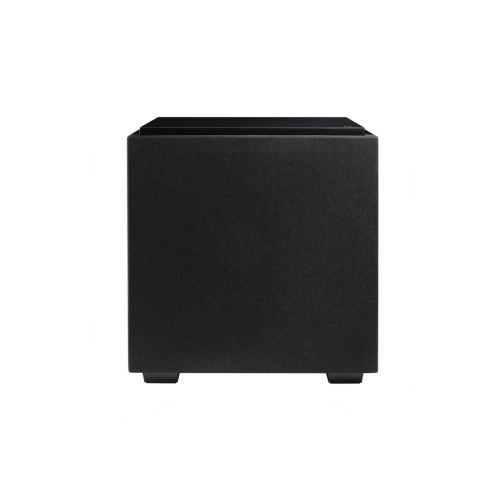
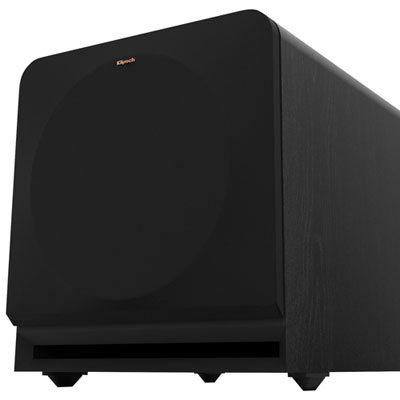
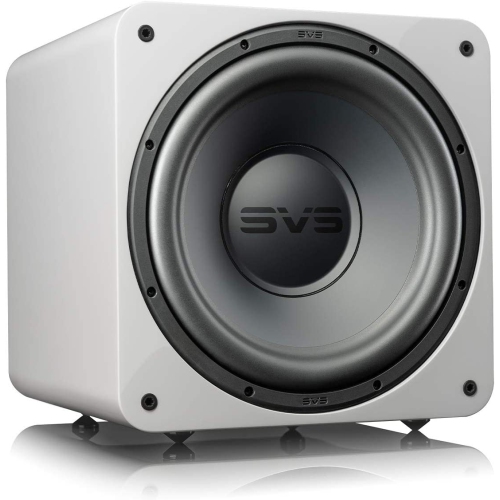
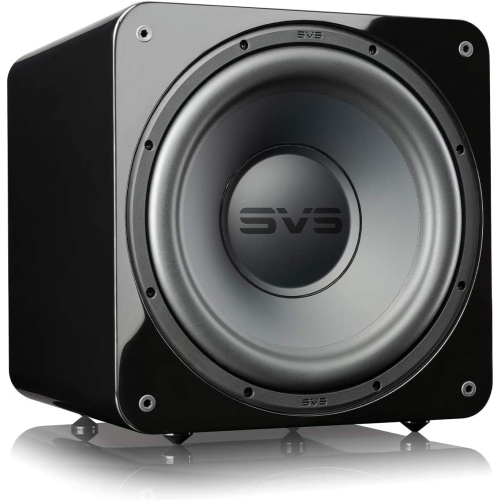
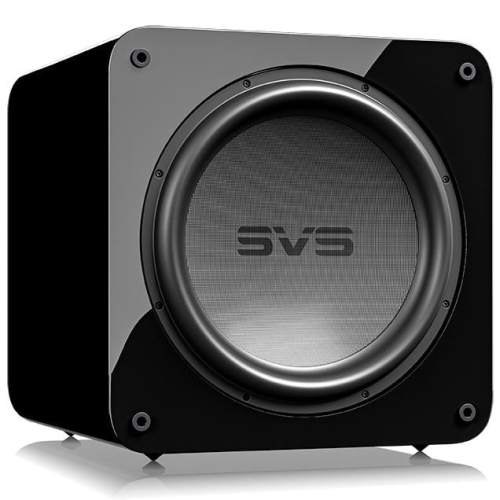
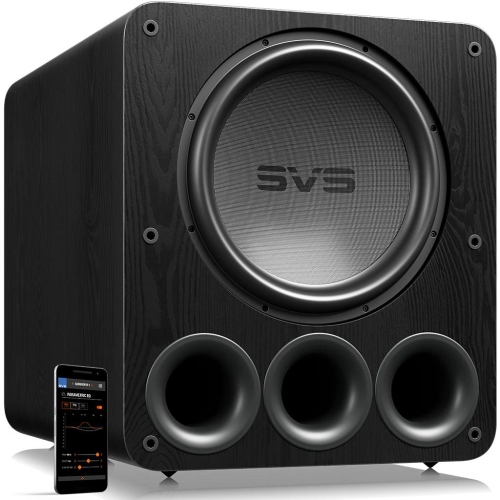

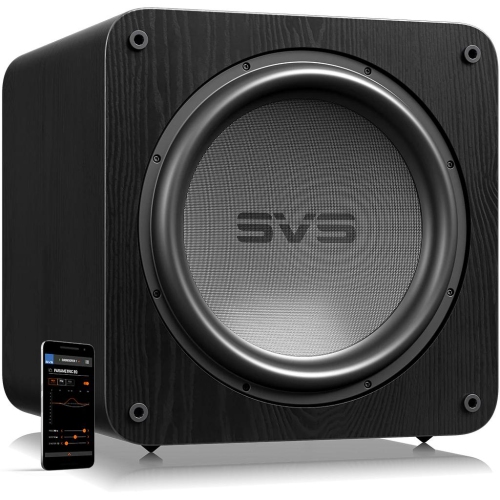
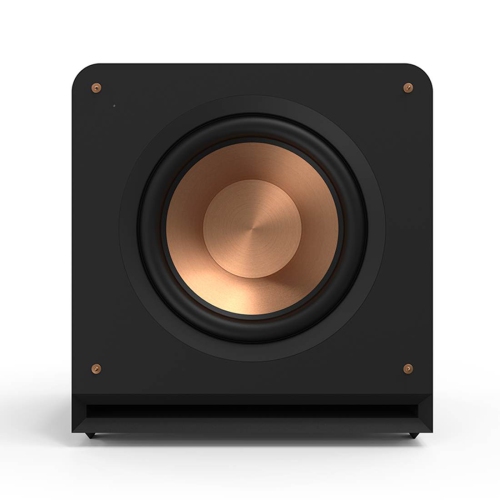
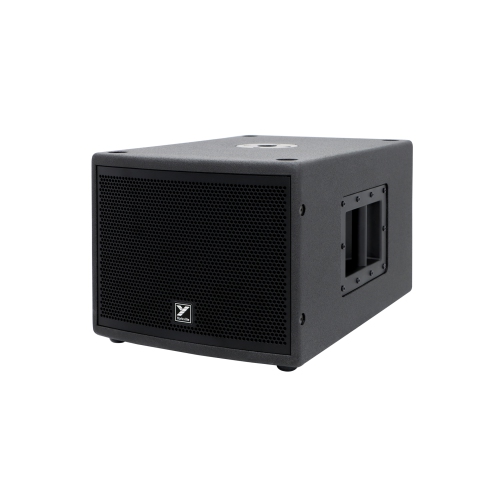
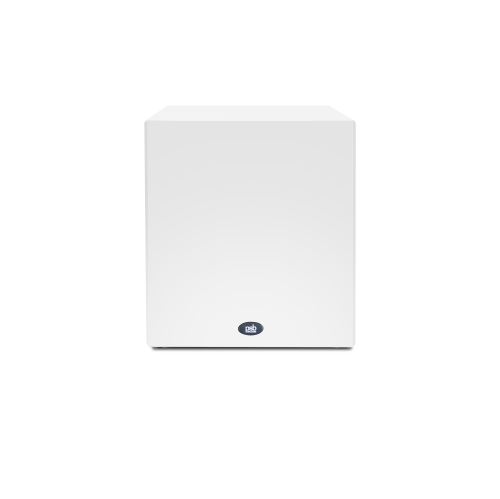
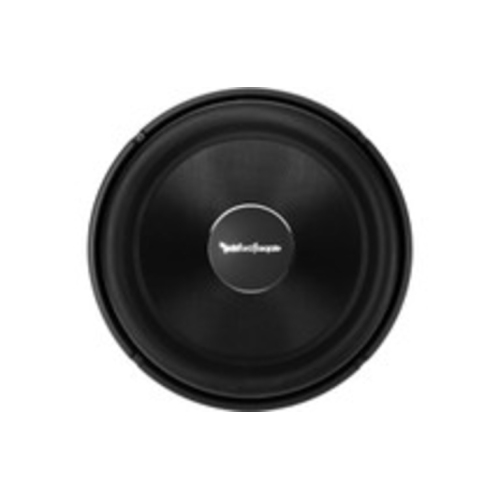
Controlled bass that completes music and movie listening
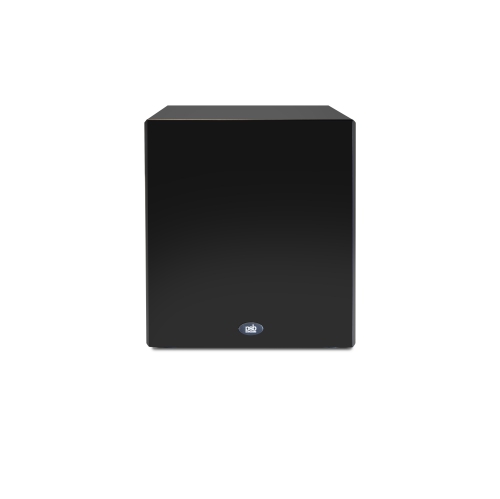
High-end subwoofers are designed for listeners who want more than simply louder bass. They bring depth, control, and physical impact to a home audio system, allowing music and movies to feel larger, more detailed, and more complete. A well-integrated subwoofer can reveal the low resonance of a double bass, the weight behind a kick drum, or the rumble of a distant storm in a film without overwhelming vocals, dialogue, or instruments. In a dedicated home theatre, deep bass adds scale to an orchestral score and gives explosions, engines, and dramatic sound effects a convincing sense of movement. In a two-channel music system, it can help main speakers sound more effortless by handling the lowest frequencies with a dedicated amplifier and driver. High-end models often combine rigid cabinet construction, powerful amplification, carefully engineered drivers, and sophisticated signal processing to produce clean bass at both moderate and reference listening levels. The goal is not constant vibration throughout the room; it is controlled extension that arrives at the right moment, stops cleanly, and blends naturally with the rest of the system. This makes a premium subwoofer a compelling upgrade for someone who has invested in high-quality bookshelf or floor-standing speakers, a large television and surround sound receiver, or a dedicated listening room. It can also be a memorable gift for a music enthusiast, film fan, or home theatre hobbyist, particularly when you know the recipient enjoys fine-tuning their setup and spending an evening discovering familiar recordings in a new way. Before choosing, consider the size of the room, the main speakers, the listening distance, and the type of content that will be enjoyed most. A compact listening room may benefit from a model that emphasizes precision and subtle integration, while a spacious basement theatre may call for greater output and deeper extension to fill the area evenly. During the cooler months, when more evenings are spent indoors with films, concerts, games, and albums, a capable subwoofer can make a living room or media space feel remarkably immersive without requiring a complete system replacement.
One of the most important decisions is the enclosure design. Sealed subwoofers generally use a closed cabinet and are valued for a tight, controlled response that can suit acoustic music, jazz, classical recordings, rock, and other material where timing and texture matter. Their compact presentation can make them easier to place in a room, although they may require substantial amplifier power to reach very high output. Ported subwoofers use carefully tuned openings to move more air efficiently, often delivering impressive low-frequency energy for action films, electronic music, gaming, and large-scale recordings. They can be particularly effective in a spacious home theatre where room-filling impact is a priority. Neither design is universally better; the ideal choice depends on the room, the system, and the listener’s preferences. Driver size is another consideration. Larger drivers, including models in the 12-inch to 17-inch range, can move considerable air and maintain authority at demanding levels, while smaller drivers may offer a faster physical footprint and easier placement. Amplifier power also matters, but wattage alone does not tell the complete story. Look for a subwoofer with a robust amplifier, a rigid cabinet, a durable driver, and enough headroom to reproduce peaks without sounding strained. High-output models may provide 1,000 watts or more, giving them the reserve needed for sudden cinematic effects and complex musical passages. Built-in digital signal processing can be equally valuable. App-based controls may allow adjustment of volume, phase, crossover, and equalization from a phone, while microphone-based room calibration can help reduce boomy spots, uneven bass, and troublesome resonances. Placement has a major effect on performance, so allow time for experimentation. A corner usually produces the greatest output, but it may also exaggerate certain frequencies. Moving the subwoofer along a wall, placing it beside the main speakers, or using more than one unit can create smoother coverage across several seats. A practical approach is to begin near the front of the room, play a familiar track with a consistent bass line, and listen from the usual seating position while making small adjustments. The best location is often the one where the bass sounds even and connected, rather than the spot where it is simply loudest. Also confirm the available inputs, wireless compatibility, receiver connections, dimensions, and finish before making a purchase, especially when the subwoofer will sit in a visible family room.
Integration is what separates impressive bass from bass that feels detached from the system. Set the crossover so the subwoofer takes over where the main speakers begin to lose energy, then adjust the level until it supports the presentation without drawing attention to itself. Phase controls can help align the subwoofer with the main speakers, while room correction can address variations caused by walls, floors, furniture, and open doorways. Hard surfaces may make low frequencies linger, whereas rugs, upholstered furniture, and other furnishings can change how bass is perceived from one seat to another. Large rooms, open-concept spaces, and irregular layouts may benefit from dual subwoofers because two carefully positioned units can reduce pronounced peaks and dips across the listening area. For a dedicated theatre, multiple subwoofers can also make low-frequency effects feel more consistent from the front row to the back of the room. High-end subwoofers are not limited to movie nights: they can add warmth to a late-night playlist, texture to live recordings, realism to racing games, and a convincing sense of scale to nature documentaries. They are also useful for listeners who keep the volume moderate but still want the full tonal range of their recordings, since deep bass should be felt as atmosphere and foundation rather than heard as a separate box in the room. If the intended installation is inside a vehicle, choose equipment made for automotive systems instead of a home audio subwoofer; the selection of High Power Car Subwoofers is designed for the electrical, space, and enclosure requirements of car audio. For home use, measure the available space carefully, leave room for ventilation and cable routing, and consider how the finish will work with existing furniture and speakers. The right high-end subwoofer should suit the room as naturally as it suits the system, delivering powerful, detailed low frequencies that make favourite songs more involving and every carefully mixed scene more lifelike.
One of the most important decisions is the enclosure design. Sealed subwoofers generally use a closed cabinet and are valued for a tight, controlled response that can suit acoustic music, jazz, classical recordings, rock, and other material where timing and texture matter. Their compact presentation can make them easier to place in a room, although they may require substantial amplifier power to reach very high output. Ported subwoofers use carefully tuned openings to move more air efficiently, often delivering impressive low-frequency energy for action films, electronic music, gaming, and large-scale recordings. They can be particularly effective in a spacious home theatre where room-filling impact is a priority. Neither design is universally better; the ideal choice depends on the room, the system, and the listener’s preferences. Driver size is another consideration. Larger drivers, including models in the 12-inch to 17-inch range, can move considerable air and maintain authority at demanding levels, while smaller drivers may offer a faster physical footprint and easier placement. Amplifier power also matters, but wattage alone does not tell the complete story. Look for a subwoofer with a robust amplifier, a rigid cabinet, a durable driver, and enough headroom to reproduce peaks without sounding strained. High-output models may provide 1,000 watts or more, giving them the reserve needed for sudden cinematic effects and complex musical passages. Built-in digital signal processing can be equally valuable. App-based controls may allow adjustment of volume, phase, crossover, and equalization from a phone, while microphone-based room calibration can help reduce boomy spots, uneven bass, and troublesome resonances. Placement has a major effect on performance, so allow time for experimentation. A corner usually produces the greatest output, but it may also exaggerate certain frequencies. Moving the subwoofer along a wall, placing it beside the main speakers, or using more than one unit can create smoother coverage across several seats. A practical approach is to begin near the front of the room, play a familiar track with a consistent bass line, and listen from the usual seating position while making small adjustments. The best location is often the one where the bass sounds even and connected, rather than the spot where it is simply loudest. Also confirm the available inputs, wireless compatibility, receiver connections, dimensions, and finish before making a purchase, especially when the subwoofer will sit in a visible family room.
Integration is what separates impressive bass from bass that feels detached from the system. Set the crossover so the subwoofer takes over where the main speakers begin to lose energy, then adjust the level until it supports the presentation without drawing attention to itself. Phase controls can help align the subwoofer with the main speakers, while room correction can address variations caused by walls, floors, furniture, and open doorways. Hard surfaces may make low frequencies linger, whereas rugs, upholstered furniture, and other furnishings can change how bass is perceived from one seat to another. Large rooms, open-concept spaces, and irregular layouts may benefit from dual subwoofers because two carefully positioned units can reduce pronounced peaks and dips across the listening area. For a dedicated theatre, multiple subwoofers can also make low-frequency effects feel more consistent from the front row to the back of the room. High-end subwoofers are not limited to movie nights: they can add warmth to a late-night playlist, texture to live recordings, realism to racing games, and a convincing sense of scale to nature documentaries. They are also useful for listeners who keep the volume moderate but still want the full tonal range of their recordings, since deep bass should be felt as atmosphere and foundation rather than heard as a separate box in the room. If the intended installation is inside a vehicle, choose equipment made for automotive systems instead of a home audio subwoofer; the selection of High Power Car Subwoofers is designed for the electrical, space, and enclosure requirements of car audio. For home use, measure the available space carefully, leave room for ventilation and cable routing, and consider how the finish will work with existing furniture and speakers. The right high-end subwoofer should suit the room as naturally as it suits the system, delivering powerful, detailed low frequencies that make favourite songs more involving and every carefully mixed scene more lifelike.
Top selling and popular products
-
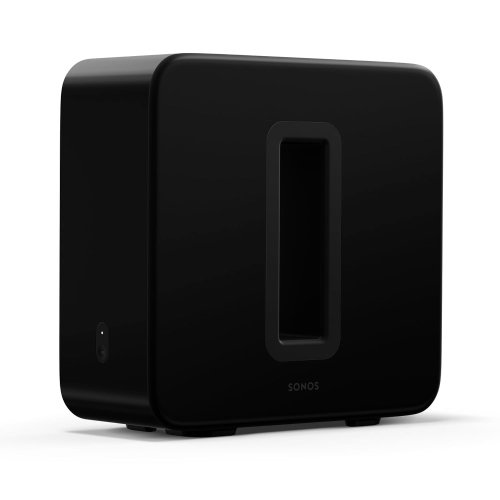 Your price for this item is $849.96
 -
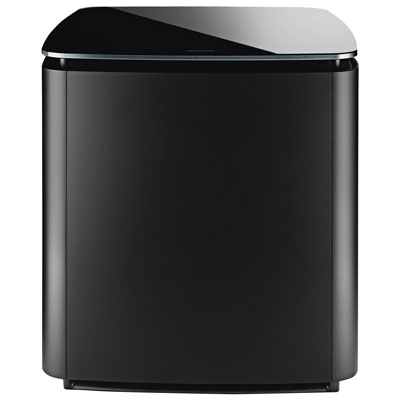 Your price for this item is $1099.99
 -
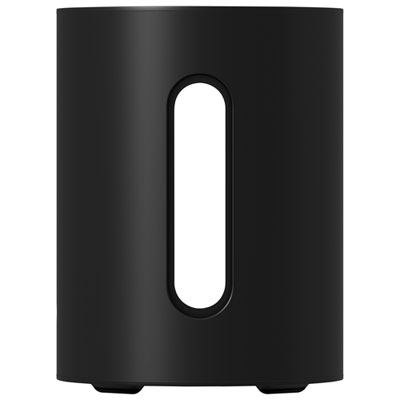 Your price for this item is $649.99
 -
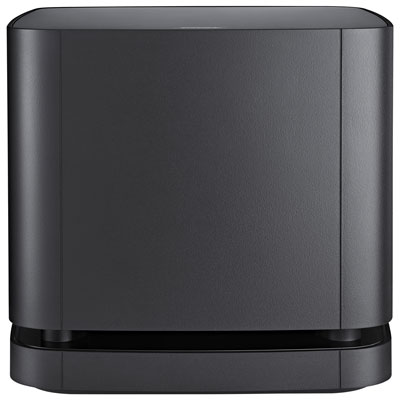 Your price for this item is $479.99
 -
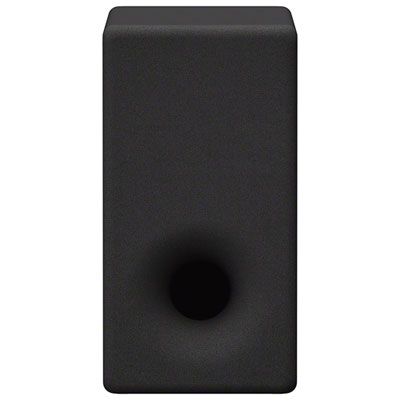 Your price for this item is $399.95
 -
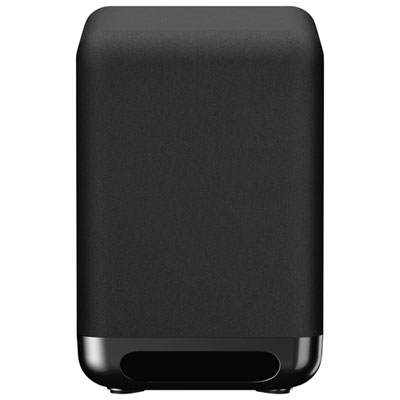 Your price for this item is $899.97
 -
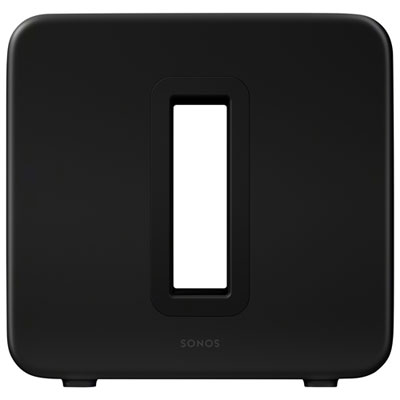 Your price for this item is $1149.99
 -
 Your price for this item is $549.99
Discover more categories related to High End Subwoofers
Top Collections:
Pokemon Centers, Kindle Devices, Best Budget Office Chairs, Apple iPhones 16, Best Laptops for Writers, iPhone 15 Apple, Canon G7X Cameras, Refurbished Apple Laptops, Alarm Clock, Motorola Razr Phones
Some products may be subject to Environmental Handling Fees
(EHF) depending on your province.
Learn more about EHFs.